Discover Top 25 Striped Animals in the World
Discover the top 25 striped animals in the world and the secrets behind their striking patterns. Prepare to be amazed by the variety and significance of stripes in the animal kingdom, as we highlight what makes each of these creatures unique.
List of Striped Animals in the World
Here is the list of the top 25 striped animals in the world that will be discussed in detail.
- Zebra
- Tiger
- Okapi
- Striped Skunk
- Striped Chipmunk
- Striped Hyena
- Striped Mouse
- Thirteen-lined Ground Squirrel
- Zorse
- Giant-striped mongoose
- African wild ass
- Bongo
- Greater Kudu
- Ring-tailed lemur
- Coral Snake
- Malayan Tapir
- Nyala
- Striped Woodpecker
- Striped polecats
- Eurasian hoopoes
- Striped Marlins
- Killdeer
- Aardwolf
- Gila Monster
- Zebra Spider
Zebra – Nature’s Black-and-White Striped Icon
Scientific name: Equus quagga
Class: Mammalia
Diet: Herbivore
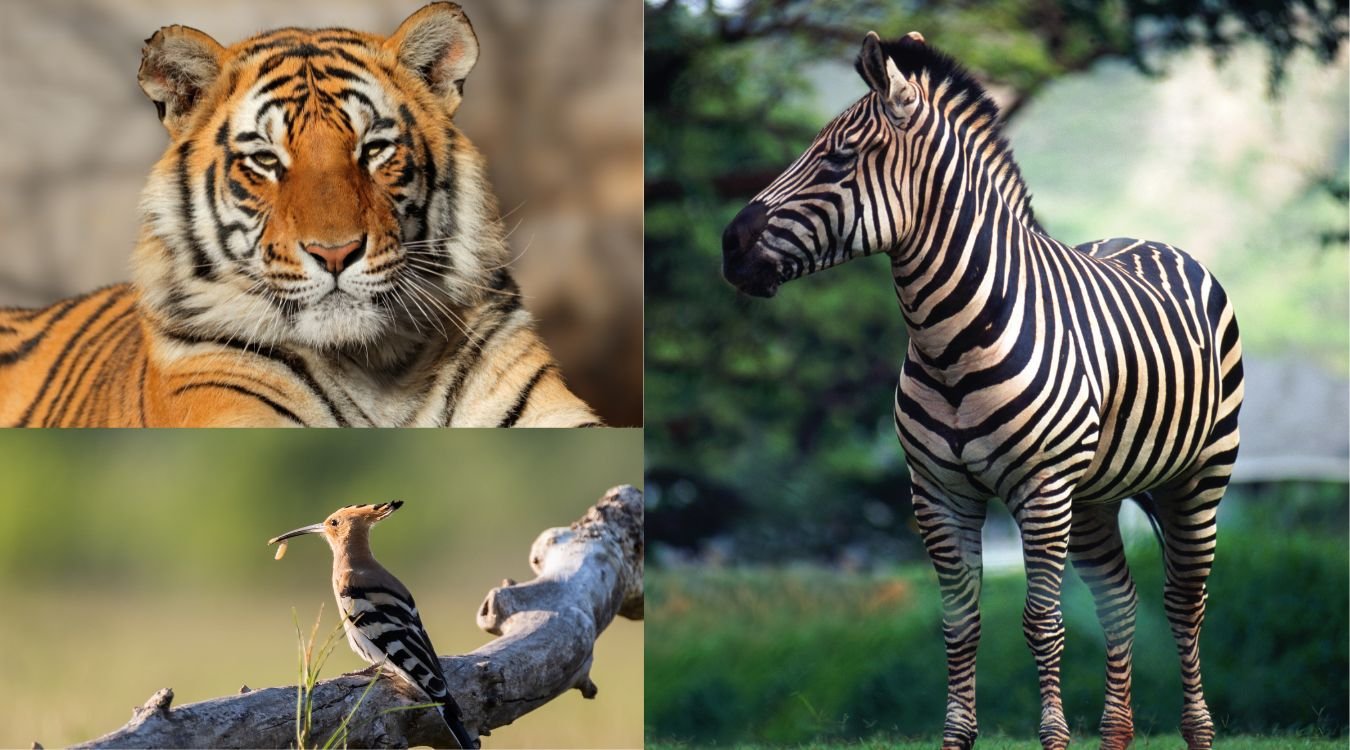
Zebras, widely recognized for their striking black and white stripes, are among the most remarkable striped animals in the wild. These patterns are not just decoration; they play a critical role in social interactions and even predator evasion. Each zebra’s stripe pattern is unique, much like a fingerprint, allowing them to identify each other in the wild. This social cohesion improves their ability to protect one another.
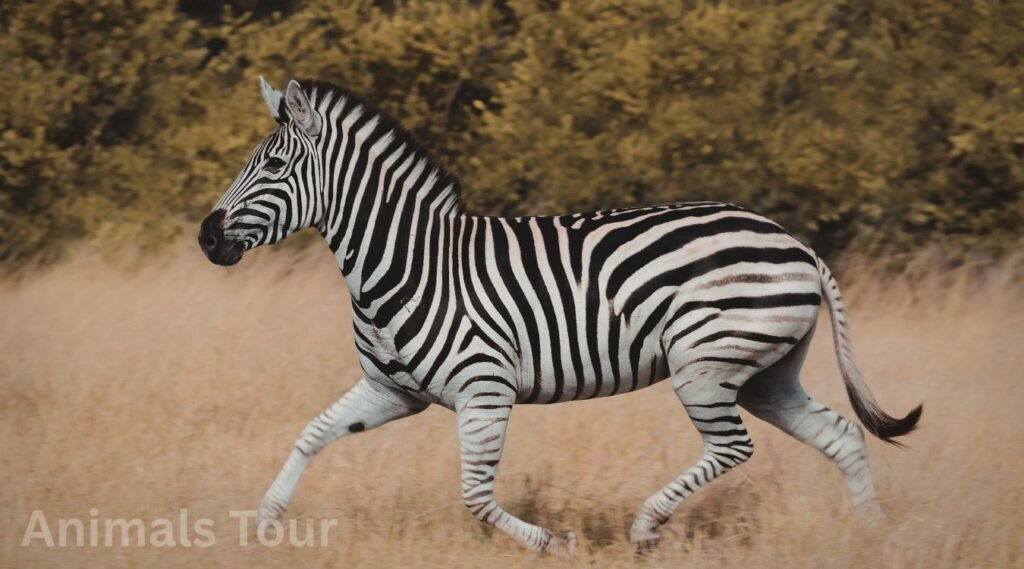
Research suggests that these bold patterns can disrupt the outlines of the animals while they are moving, making it more difficult for predators to single out and focus on one target.
These stripes may also contribute to thermoregulation. The contrasting colors are believed to help dissipate heat by generating small air currents close to the skin, which may be especially important in Africa’s often scorching climate.
Additionally, the stripes may function as a natural insect repellent, helping to deter biting flies that commonly plague many hoofed animals. The purpose of these stripes showcase how evolution can favor traits that offer multiple survival benefits, transforming a simple form of expression into a crucial tool for life in the wild.
Tiger – The Powerful Striped Predator of the Wild
Scientific name: Panthera tigris
Class: Mammalia
Diet: Carnivore
The tiger, the largest of the striped animals, captivates our imagination with its majestic presence and striking beauty. The stripe patterns are very unique and enable researchers and conservationists to identify individuals in the wild easily.
These stripes are not just visually striking, they also serve as camouflage in their natural habitats. In the dappled light of forests, the stripes break up their outline. This helps tigers move quietly and approach prey without being noticed. As solitary hunters, tigers utilize their keen sense of hearing and powerful limbs to navigate through thick underbrush, showcasing a blend of grace and strength that few creatures can match.
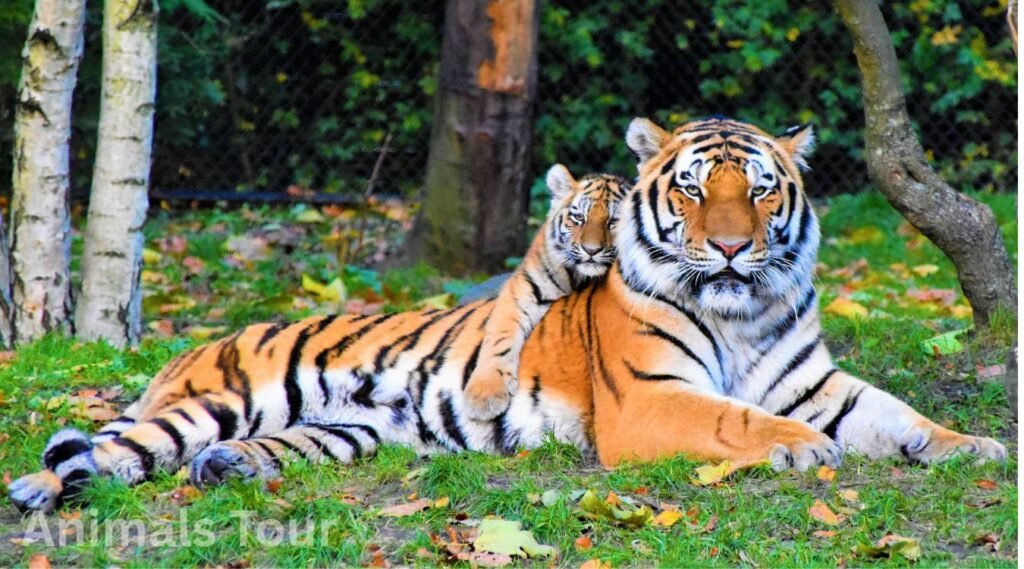
Tigers show a complex social structure and strong intelligence. They communicate through different vocalizations, from loud roars to softer calls at close range. Studies suggest that tigers use strategic thinking while hunting, often choosing smart tactics to catch prey.
Okapi – Elusive Forest Giraffe with Striking Stripes
Scientific name: Okapia johnstoni
Class: Mammalia
Diet: Herbivore
The okapi, often referred to as the “forest giraffe,” captivates with its unique blend of zebra-like stripes and giraffe-like body. Found only in the dense rainforests of the Democratic Republic of the Congo, this unique creature has a velvety body with vivid zebra-like stripes on its legs. These stripes help it blend into the thick foliage for camouflage. Okapi plays an important ecological role. It acts as a seed disperser, helping to maintain the health of its forest habitat.
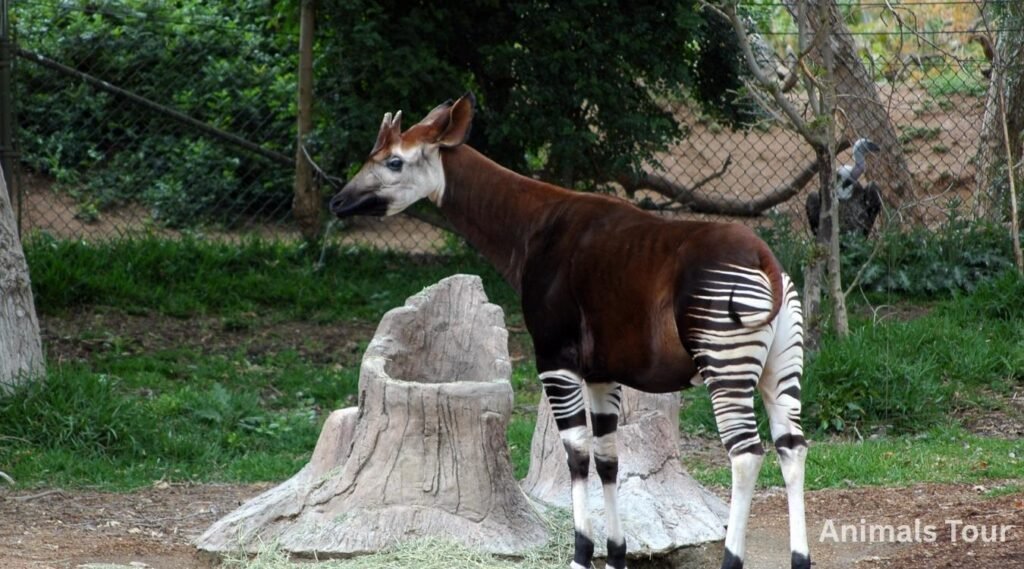
Additionally, the stripes of the okapi are a fascinating case of convergent evolution, where different species develop similar traits in response to similar environmental challenges. Beyond its striking appearance, the okapi’s behavior reveals surprising social patterns. Unlike the more social giraffes, okapis are mostly solitary, relying on vocalizations, scent markings, and body language to communicate. Threats like habitat loss and poaching have made conservation efforts crucial, highlighting the importance of protecting this remarkable species.
Striped skunk
Scientific name: Mephitis mephitis
Class: Mammalia
Diet: Omnivore
The striped skunk, a small yet fascinating creature, showcases a striking striped pattern that serves a critical purpose beyond mere aesthetics. This bold black-and-white coloration is a universal signal of warning in the animal kingdom, effectively communicating to potential predators that this little mammal is not to be trifled with.
The stark contrast of its stripes plays a key role in its survival strategy, allowing it to stand out in a landscape often dominated by more muted colors. This vivid design not only deters hunters but also catches the eye of nature enthusiasts and photographers, making the striped skunk a popular subject in wildlife imagery.

Moreover, the stripes of the skunk enhance the animal’s ability to navigate through dense underbrush. When viewed from behind, the stripes create an illusion, throwing off predators by making it difficult to pinpoint the skunk’s exact location. This clever adaptation is particularly useful in low-light conditions or when the skunk is foraging for food.
Striped Chipmunk – Small Body, Bold Stripes
Scientific name: Tamias striatus
Class: Mammalia
Diet: Omnivore
The striped chipmunk, a delightful member of the squirrel family, boasts a unique coat patterned with bold stripes that serve more purposes than mere aesthetics. These striking markings not only enhance their visual appeal but also play a crucial role in camouflage, helping them blend seamlessly with their forest floor surroundings. Evolutionarily, this adaptation allows chipmunks to evade predators while foraging for seeds, nuts, and fruits — their primary food sources.
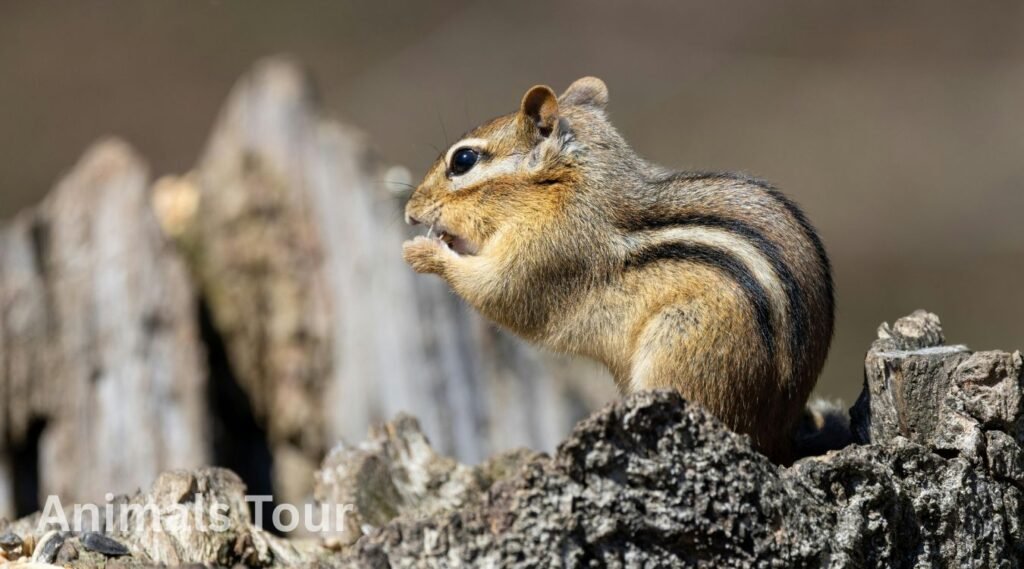
The social behavior of striped chipmunks adds another layer to their charm. They are known for their playful interactions, especially during the breeding season. Chipmunks communicate through a range of chirps and chattering sounds. The intriguing interplay of form and function in this little animal illustrates how evolution fine-tunes even the most subtle traits to enhance survival in a dynamic ecosystem.
Striped Hyena
Scientific name: Hyaena hyaena
Class: Mammalia
Diet: Carnivore
The striped hyena is a lesser-known but fascinating member of the hyena family and one of the notable animals with stripes. With its distinctive stripes and long, shaggy fur, this elusive creature thrives in the arid landscapes of North Africa and parts of the Middle East, showcasing an incredible ability to navigate harsh environments.
Unlike their more famous spotted relatives, striped hyenas have a distinctive coat with vertical stripes that serve several purposes. These stripes provide camouflage in their arid, rocky habitats, helping them blend into their surroundings. This cryptic coloration is not only a defense mechanism but also plays a role in social interactions. Among striped animals, the striped hyena uses its body posture and coat patterns to communicate different emotional states within its group.
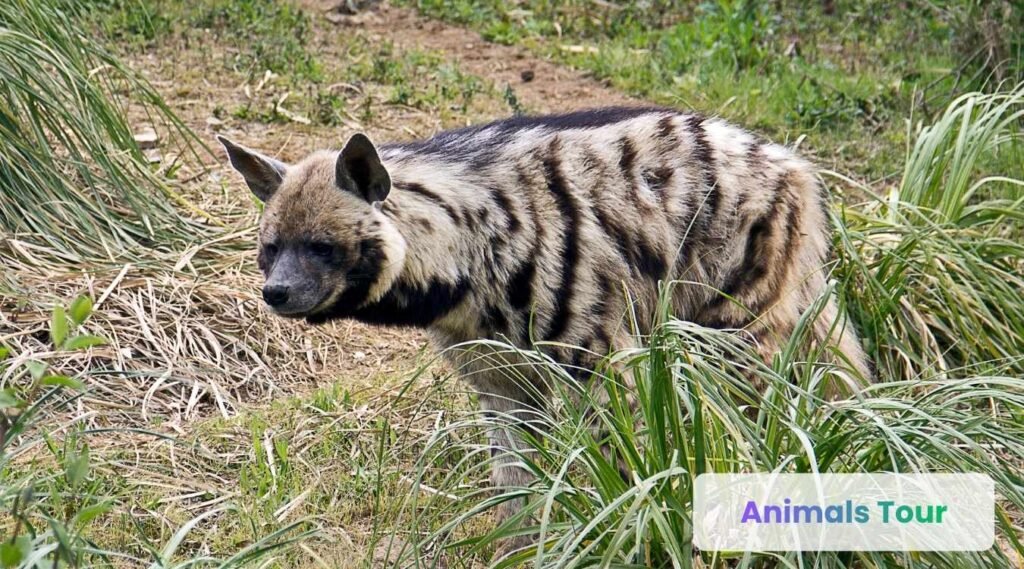
In a world where adaptability often determines survival, the striped hyena stands out. With their scavenging diet, they thrive in environments where competition is fierce. This shows an impressive ability to switch between being social and solitary as the situation demands. Their unique physical traits and behavioral adaptations make them a key player in their ecosystem, ensuring that they maintain a balance in their environment.
Striped Mouse – African Rodent with Bold Stripes
Scientific name: Rhabdomys pumilio
Class: Mammalia
Diet: Omnivore
Striped mice, often found in the arid landscapes of southern Africa, are a striking example of how striped animals enhance survival. Their unique coat patterns help them blend into the sandy terrain and move through dense grasses and shrubs. This camouflage allows them to evade predators while foraging for seeds and insects, showing the link between their stripes and environmental adaptation.
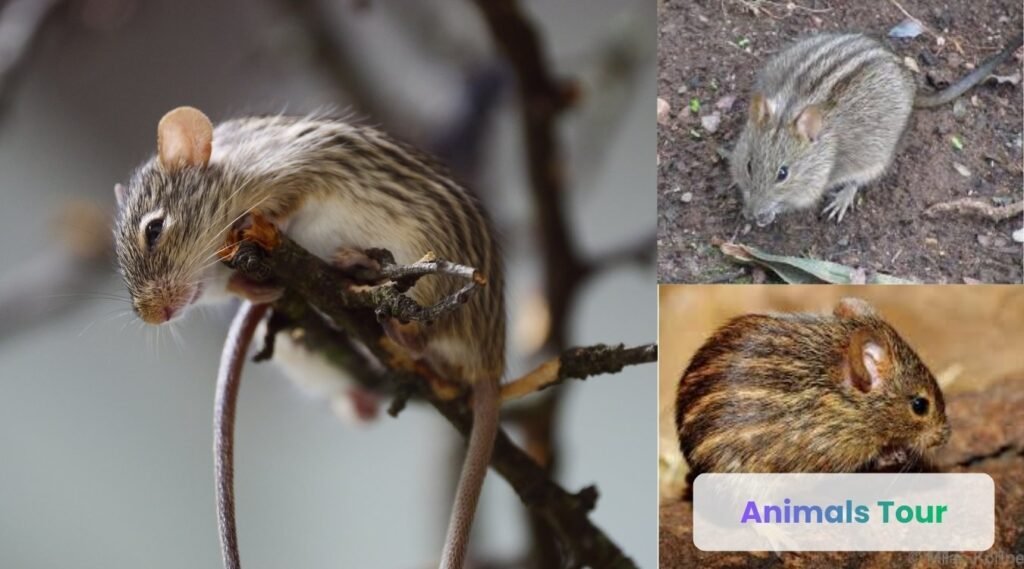
Moreover, the role of stripes extends beyond mere camouflage. Research suggests that these markings can play a part in social signaling among striped mice, where individuals use their distinctive patterns to establish territory or attract mates. Their stripes may act as a visual cue, fostering recognition and reducing conflicts within social groups. This fascinating behavioral aspect highlights the multifaceted importance of stripes in the wild, blending survival with complex social interactions.
Thirteen-lined Ground Squirrel
Scientific Name: Ictidomys tridecemlineatus
Class: Mammalia
Diet: Omnivore
The thirteen-lined ground squirrel, with its strikingly patterned fur and lively demeanor, is a fascinating study in adaptability. These small mammals traverse the grasslands of North America, showcasing a unique blend of behavior and biology. These animals with stripes use their unique markings not just for camouflage but also for communication. The intricate patterns on their fur serve as cues to fellow squirrels, helping to delineate territory and alert others of nearby predators.
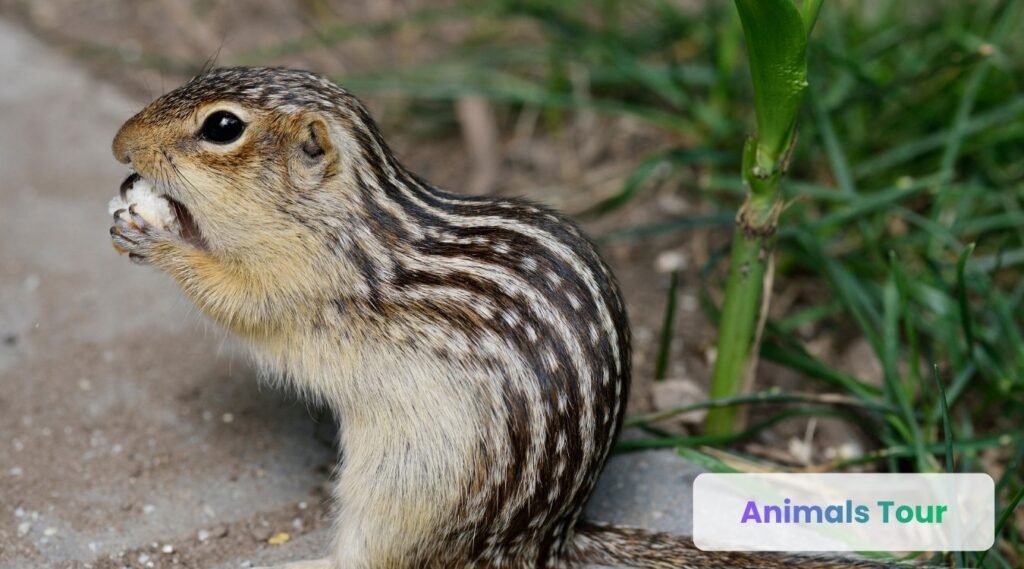
These animals, though tiny, play a vital role in their ecosystem. As they burrow into the ground, they aerate the soil and promote healthier vegetation growth, proving that even the smallest creatures leave a significant impact. Additionally, their diet primarily consists of grasses, seeds, and even small invertebrates, placing them at a crucial intersection in the food web.
Zorse – Horse with Zebra Stripes
Class: Mammalia
Diet: Herbivore
Zorses, the fascinating hybrids of zebras and horses, embody the unique characteristics of both parent species, creating striking striped animals that capture the imagination. Their mottled coat, featuring the iconic black and white stripes juxtaposed against the solid hues of a horse, makes them a visual marvel.
Unlike more well-known hybrids like mules, zorses are notable for their unpredictable temperament, often inheriting their zebra parent’s spirited and sometimes skittish nature. This trait can make them challenging to train, aligning them more closely with a wild-hearted equine spirit than the tameness typically found in domesticated horses.
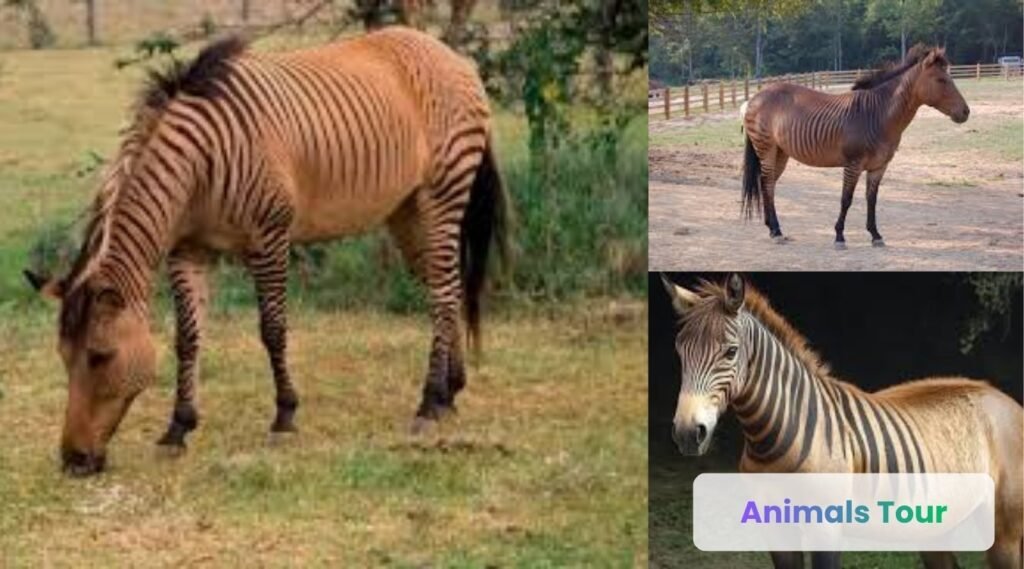
Despite their captivating appearance, the adoptability of zorses is a complex issue. While some people value them for their rarity and beauty, their hybrid nature can create challenges in human-controlled environments. Unlike domesticated horses, zorses often keep the strong wild instincts of their zebra ancestors. This makes them harder to train, so they are more commonly seen in zoos or educational settings rather than used as riding animals.
Giant-striped mongoose
Scientific name: Galidictis fasciata
Class: Mammalia
Diet: Carnivore
The giant-striped mongoose, known for its distinctive black and white striped coat, is a remarkable animal of sub-Saharan Africa. More than just a visual marvel, it is highly adaptable and thrives in social groups that can include up to 20 individuals. This family structure improves survival through coordinated hunting and watchful sentinels that guard against predators. Their distinctive stripes are not just decorative; they also play a role in communication, helping members signal one another in dense underbrush.
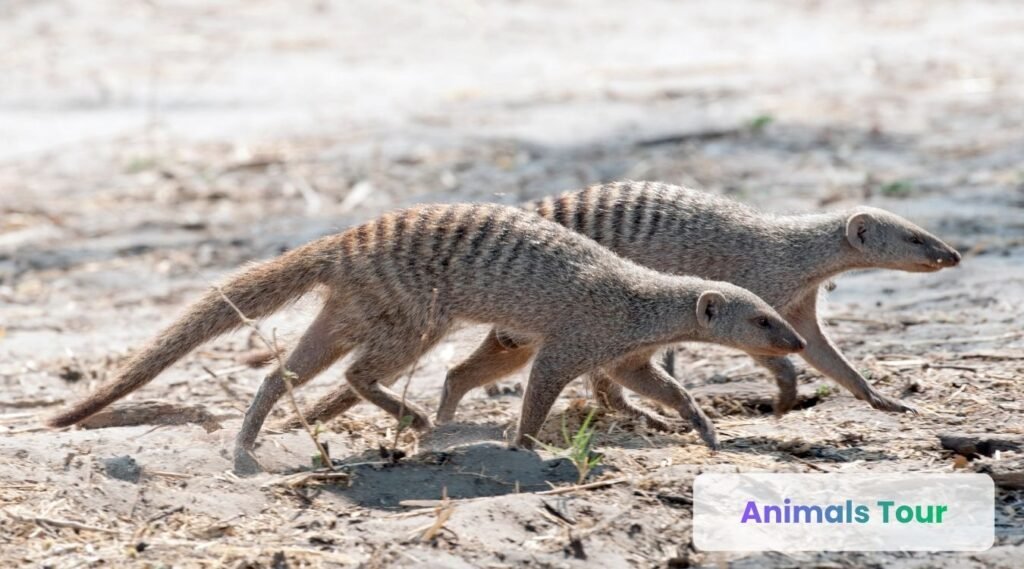
With elongated bodies and pointed snouts, these mongooses have a weasel-like appearance, while their stripes provide camouflage in tall grasses and shadows. They show interesting behaviors such as communal grooming, which strengthens social bonds. As they forage for insects or scavenge from larger predators, their striped patterns move in harmony, reflecting the remarkable adaptations that support both survival and family life in the wild.
African wild ass
Scientific name: Equus africanus
Class: Mammalia
Diet: Herbivore
The African wild ass, a beautifully illustrated member of the striped animals family and a close relative of the domestic donkey, displays a remarkable blend of resilience and natural beauty. With their distinctive gray coats adorned with subtle stripes, these equine marvels inhabit the arid landscapes of the Horn of Africa, where other species often struggle to thrive. Their remarkable adaptations — such as the ability to go long stretches without water — are a testament to their survival skills in harsh environments.
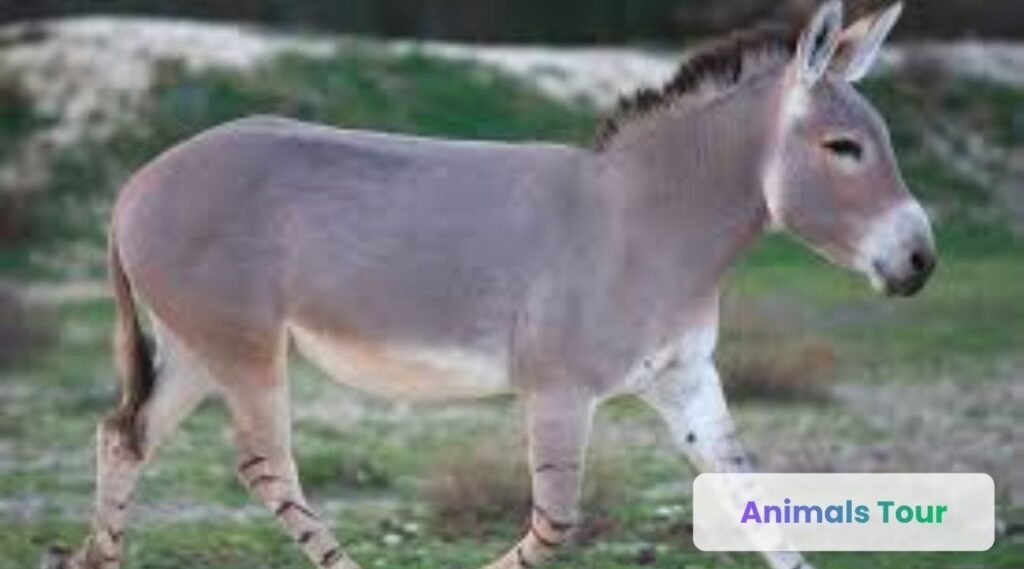
Socially, African wild asses exhibit an interesting dynamic. Unlike many equine species that form large herds, they prefer smaller groups, typically consisting of a dominant male, several females, and their young. This tight-knit structure allows for better communication and cooperation in searching for food and water, further enhancing their survival odds. In their tough environment, they represent endurance and also remind us of the importance of protecting their declining populations and maintaining balance in nature.
Bongo – Forest Antelope of Striped Animals
Scientific name: Tragelaphus eurycerus
Class: Mammalia
Diet: Herbivore
Bongo, with their striking reddish-brown coats and creamy white stripes, are among the most visually captivating animals with stripes in Africa’s dense tropical forests. Their stripes are not just for show—they provide camouflage, helping them blend into the dappled light and shadows of the rainforest. As herbivores, Bongos feed on leaves, fruits, and shoots, showing their adaptability to a lush, ever-changing environment.
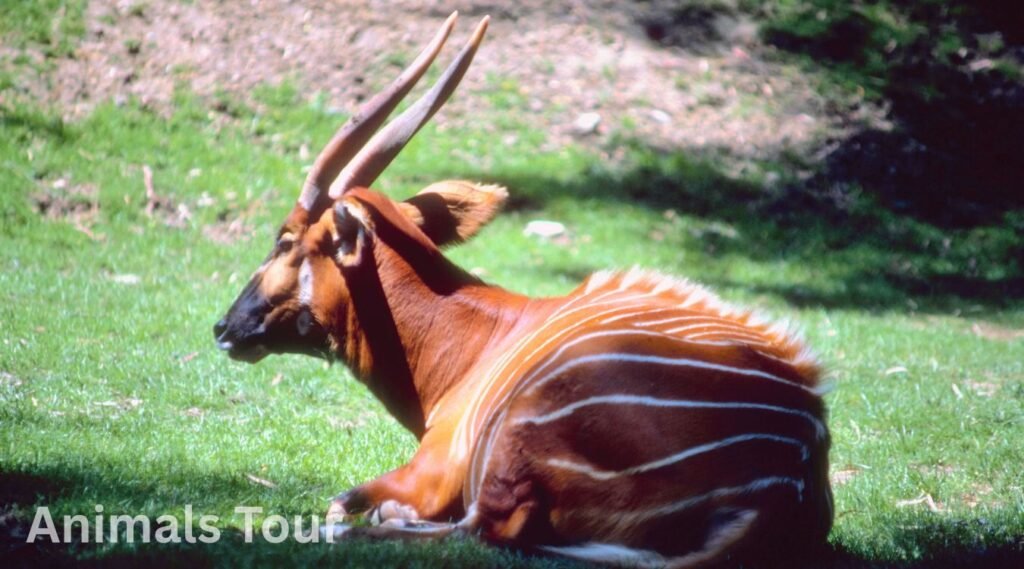
Bongos also display interesting social behaviors. While sometimes solitary, they often live in small groups, using grunts and bellows to communicate and strengthen social bonds. Unfortunately, these stunning striped animals face threats from habitat loss and poaching. Conservation is vital to protect their populations and preserve the biodiversity of the forests they inhabit.
Greater Kudu – Spiral-Horned Striped Animal
Scientific name: Tragelaphus strepsiceros
Class: Mammalia
Diet: Herbivore
The Greater Kudu, with its amazing spiral horns and graceful stature, is a true marvel of the African savanna. These majestic animals, often dubbed the “gentle giants,” embody elegance, gaining an impressive height of up to 1.5 meters at the shoulder. Their fur, a beautiful slate gray, is adorned with white vertical stripes that lend them a unique camouflage in the dappled light of their woodland habitats. This adaptation is not merely for aesthetics; it offers protection from predators, allowing them to blend seamlessly into the foliage.
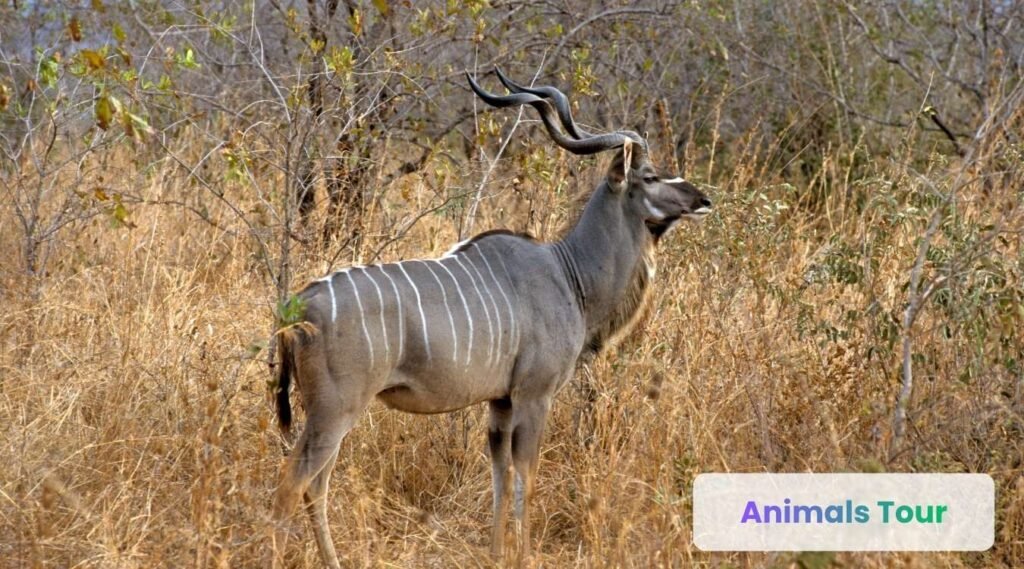
Greater Kudus display a fascinating social structure. They usually form small herds led by an older matriarch, with females and their young staying together, while males are often solitary or join bachelor groups. Unlike other animals that have stripes, such as zebras or tigers, the Greater Kudu’s stripes are mainly functional, helping with camouflage and conveying subtle cues within the dense bush. Greater Kudus are a stunning example of the beauty and adaptability found among striped animals in Africa.
Ring-tailed lemur
Scientific name: Lemur catta
Class: Mammalia
Diet: Omnivore
The ring-tailed lemur, a primate native to Madagascar, is instantly recognizable by its long, bushy, black-and-white striped tail. These lemurs inhabit the forests and scrublands of southern and southwestern Madagascar, where their tails—often longer than their bodies—play an essential role in both balance and social communication. As endangered animals, their survival is threatened by habitat loss and hunting, making their unique adaptations all the more remarkable.
Their tails, marked with 13 distinct black and white rings, are crucial for communication within the troop. Ring-tailed lemurs hold their tails high to stay visible to each other while moving through dense forests and wave them like warning flags when encountering rival groups. The striking stripes also provide a clever form of camouflage, helping them blend into dappled sunlight and shadows, reducing the risk of predation while climbing through treetops.
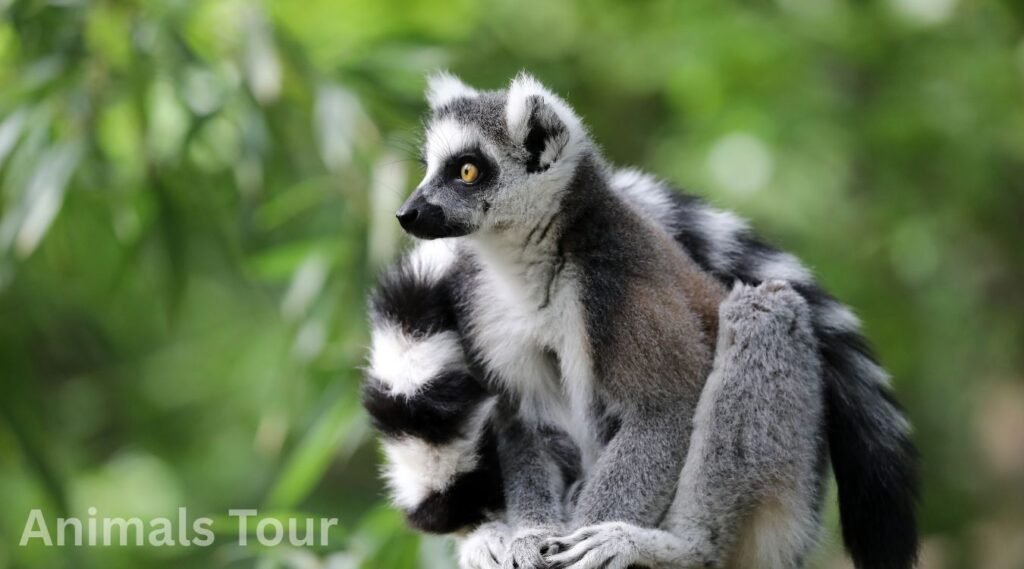
Adaptability and social behavior define the success of these striped animals. Their tails are used not only for signaling danger but also for attracting mates and establishing hierarchy within the group. Through playful interactions and coordinated movements, ring-tailed lemurs rely on their bold stripes to navigate both the challenges of their environment and the dynamics of their troops.
Coral Snake – Venomous Beauty with Bold Warning Stripes
Scientific name: Micrurus
Class: Reptilia
Diet: Carnivore
Coral snakes, often recognized for their vivid, striped patterns, are masterful examples of nature’s adaptation and survival strategies. Their bold coloration serves as both a warning to potential predators and a means of camouflage among the vibrant flora of their habitat. While many may perceive their beauty as inviting, the stark reality is that these animals pack a potent venom, making them a striking reminder of the delicate balance in ecosystems.
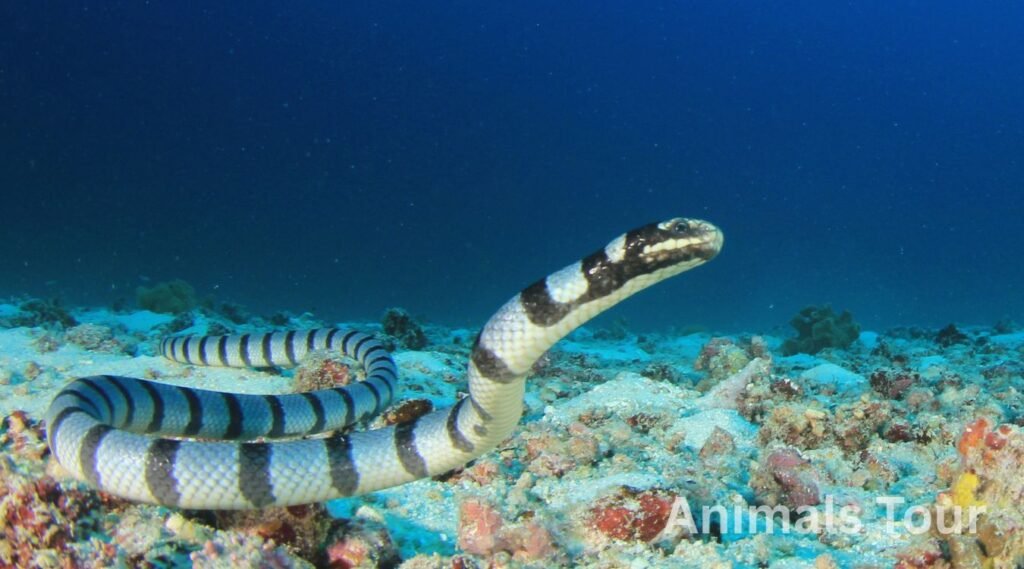
The coral snake’s stripes can vary significantly among species, emphasizing how adaptation has shaped their survival across different environments. In contrast to many other striped animals, which use their patterns for a range of purposes — from attracting mates to confusing prey — the coral snake utilizes its bright markings primarily as a deterrent.
This showcases an intricate evolutionary path, as those with more pronounced warnings tend to survive longer and pass their traits on to future generations. Such characteristics highlight the complexity of animal behavior and survival mechanisms, proving that even the most beautiful creatures have a fierce edge.
Malayan Tapir–Gentle Giant with Signature Saddle Marking
Scientific name: Tapirus indicus
Class: Mammalia
Diet: Herbivore
The Malayan tapir offers a fascinating glimpse into the evolution of herbivorous mammals. With their striking black and white stripes, Malayan tapirs are nature’s masterclass in camouflage. These unique patterns help disrupt their outline in the dense foliage of their tropical rainforest habitat, aiding in their protection from predators. Their coloration not only enhances their stealth but serves as a reminder of the delicate tapestry of life where every creature plays a role in maintaining balance.
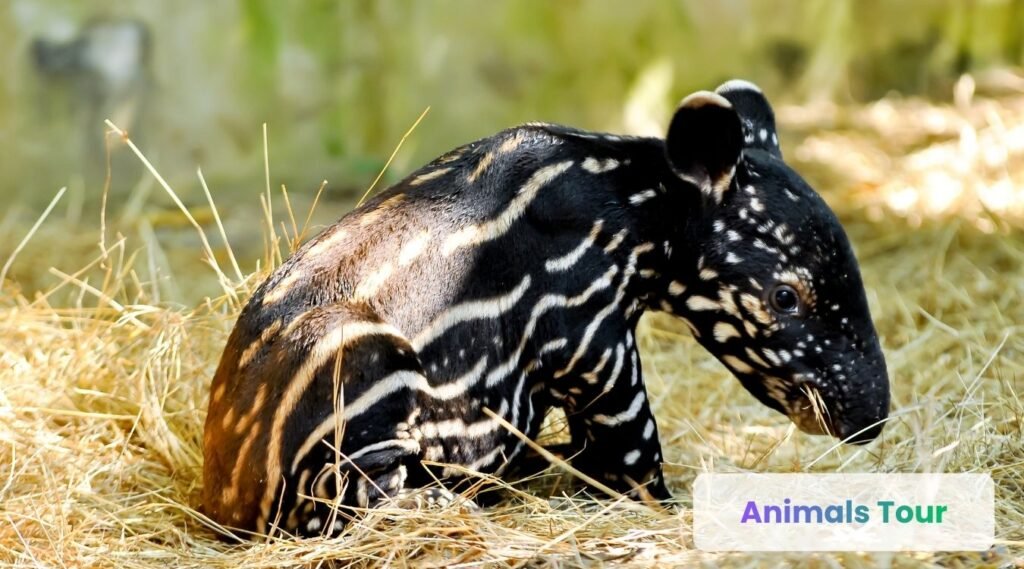
As herbivores, Malayan tapirs are essential players in their ecosystems. They primarily consume a variety of leaves, fruits, and even aquatic plants. Unlike many other large herbivores, tapirs possess a unique prehensile snout that functions almost like a third hand, allowing them to deftly pluck aquatic plants and foliage. This adaptability not only highlights their ecological niche but also emphasizes the complex interdependence of rainforest species.
Nyala – Elegant Antelope with Subtle White Stripes
Scientific name: Tragelaphus angasii
Class: Mammalia
Diet: Herbivore
Nyala, a striking antelope native to southern Africa, stands out in the wild with its unique blend of beauty and mystery. Males are especially eye-catching, with a rich brown coat marked by creamy white stripes along their bodies. These stripes not only add to their appearance but also provide camouflage in their bushy habitats. Because of this distinctive pattern, the nyala is considered one of the most beautiful striped animals in the world. Watching a nyala move gracefully through dense foliage shows how perfectly its appearance supports survival.
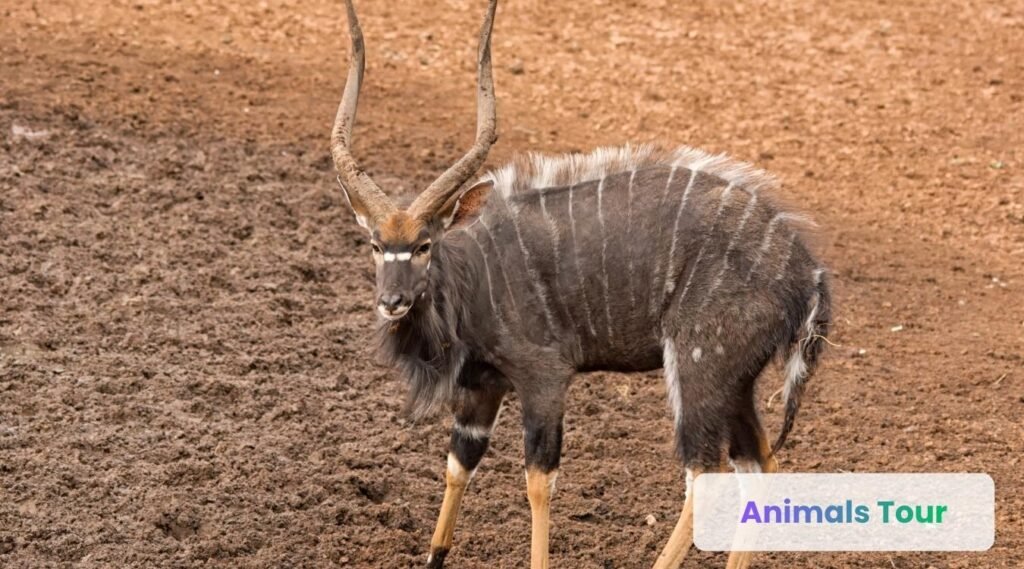
Beyond their appearance, Nyala display interesting social behaviors. Males are often solitary or form small bachelor groups, while females gather in maternal herds, reflecting their distinct social structures. These group interactions are important for raising young and maintaining genetic diversity. Their adaptive strategies highlight the balance of life in the African savanna, where zebra-like stripes add both beauty and resilience in a challenging environment.
Striped Woodpecker
Scientific Name: Veniliornis lignarius
Class: Aves
Diet: Insectivore
The Striped Woodpecker, with its distinct black and white stripes, stands out among striped animals, not just for its striking plumage but also for its intriguing behavior. This dynamic bird has a unique foraging technique, using its specialized tongue to extract insects from within tree bark. Unlike many of its woodpecker cousins, it often favors softer woods, making unexpected finds in the forest’s heart.
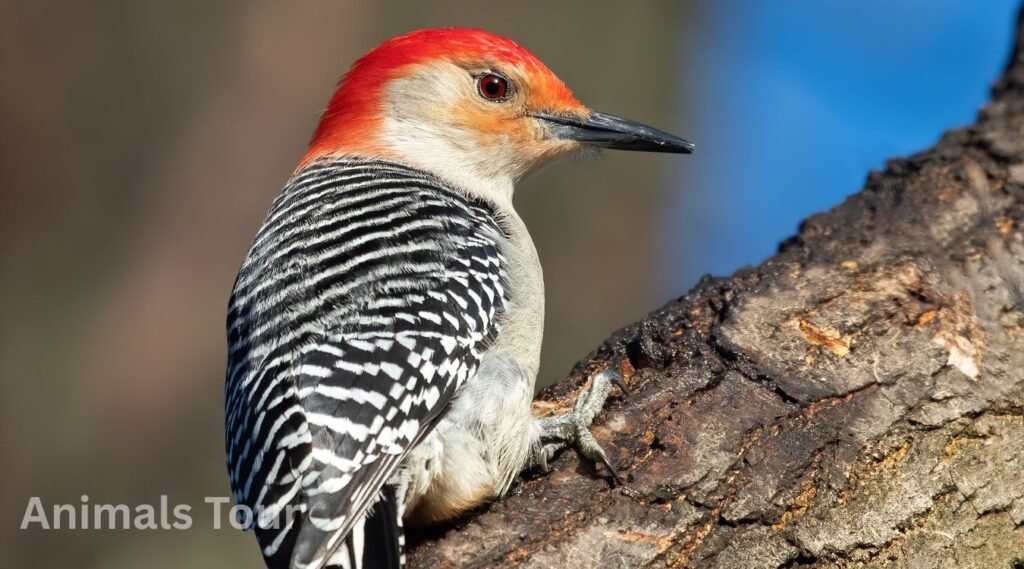
Among animals with stripes, the Striped Woodpecker stands out for more than just appearance. Its stripes provide camouflage in the dappled light of the forest and also support communication and mating displays. The rhythmic drumming echoes through the trees, marking territory and attracting mates. Each sighting of this bird reveals remarkable adaptation and the delicate balance within its ecosystem.
Striped Polecats
Scientific Name: Ictonyx striatus
Class: Mammalia
Diet: Carnivores
Striped polecats, often overlooked among animals that have stripes, combine bold beauty with practical survival skills. Native to Africa, they have striking black and white stripes that act as both a warning to predators and a form of disguise. These markings also support social interactions, helping them establish territory and attract mates in challenging environments.
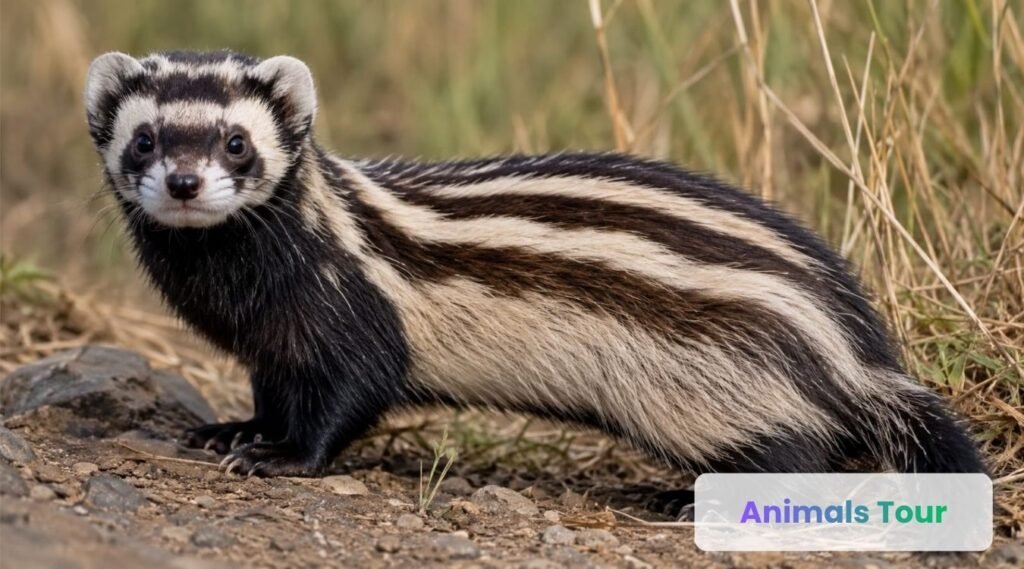
Beyond their appearance, striped polecats are known for their curious and playful behavior. They display agility and intelligence while playing an important ecological role by controlling pest populations. Their presence highlights the diverse adaptations found in striped animals and the balance that sustains life in the wild.
Eurasian Hoopoes
Scientific Name: Upupa epops
Class: Aves
Diet: Insectivore
Upupa epops, or the Eurasian hoopoe, is a striking bird known for its prominent crest and vivid plumage. Beyond its beauty, it uses its long, curved bill to forage for insects and larvae, showing remarkable adaptability across gardens and open fields.
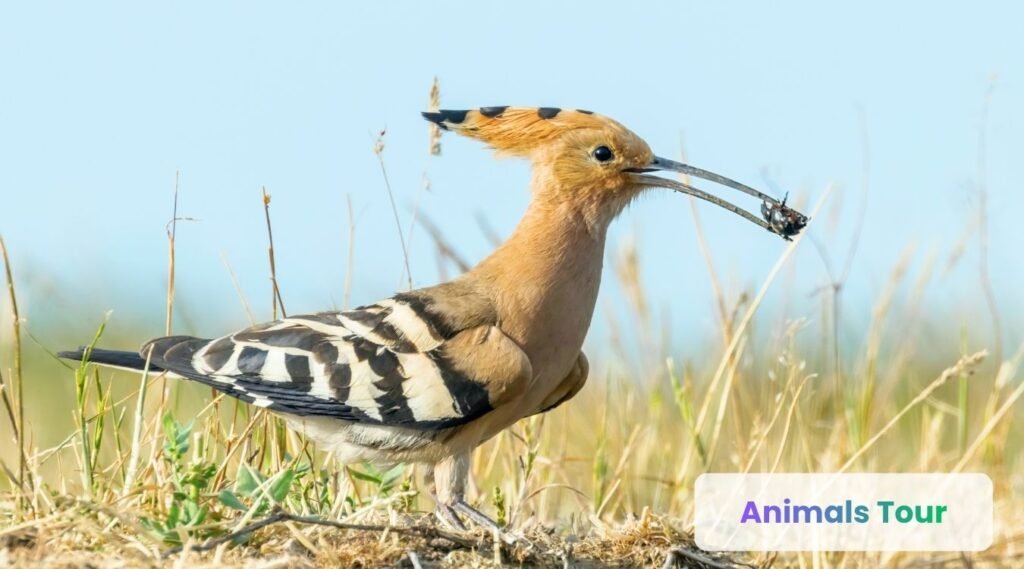
Culturally significant in many civilizations, the hoopoe was sacred in ancient Egypt and linked to the sun god Ra. Ecologically, it helps control insect populations, combining visual charm with an important role in maintaining biodiversity.
Striped Marlins
Scientific Name: Kajikia audax
Class: Actinopterygii
Diet: Carnivores
Striped marlins stand out in the ocean as a vibrant example of animals that have stripes, attracting both anglers and ocean enthusiasts alike. Their striking blue and silver bodies, marked with bold vertical stripes, serve as identification and a form of communication. These stripes can change intensity depending on the fish’s mood or environment, revealing a complex system of social signaling within their ecosystem.
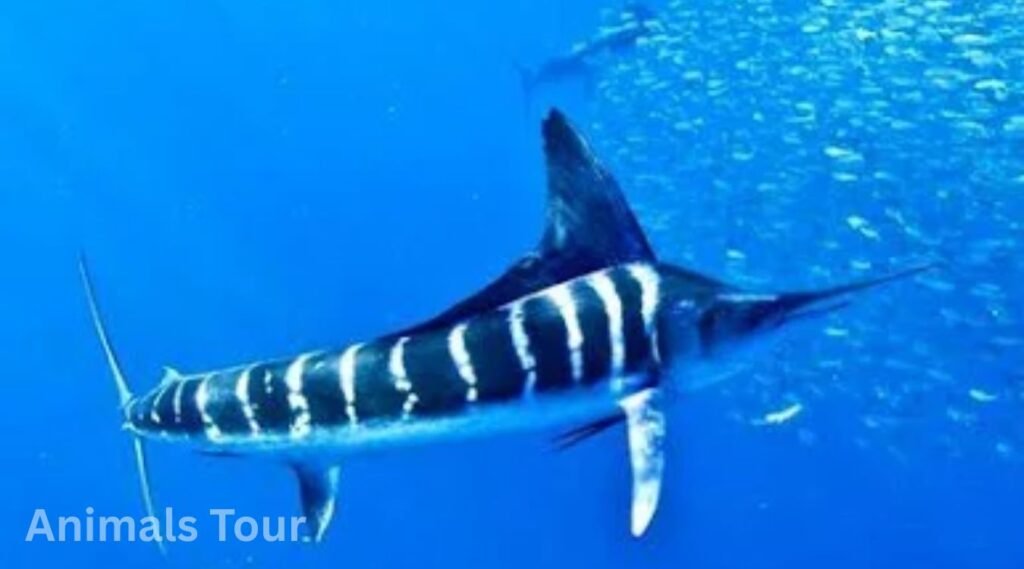
Found in warmer ocean waters, striped marlins are not only beautiful but also powerful athletes. Their speed, agility, and acrobatic leaps make them remarkable predators. While stripes aid in communication and camouflage, they may also help confuse prey and competitors, highlighting the important role stripes play in marine communities.
Killdeer – The Bird with Bold Double Chest Stripes
Scientific Name: Charadrius vociferus
Class: Aves
Diet: Insects, worms
The Killdeer, a striking member of the plover family, showcases an incredible adaptation not only in its appearance but also in behavior. With its signature double black stripes across a white chest and long, slender legs, this bird is a visual delight amidst open fields and gravelly shores. What sets the Killdeer apart from other striped animals in the world is its theatrical distraction display; when threatened, it pretends to be injured, drawing predators away from its nests.
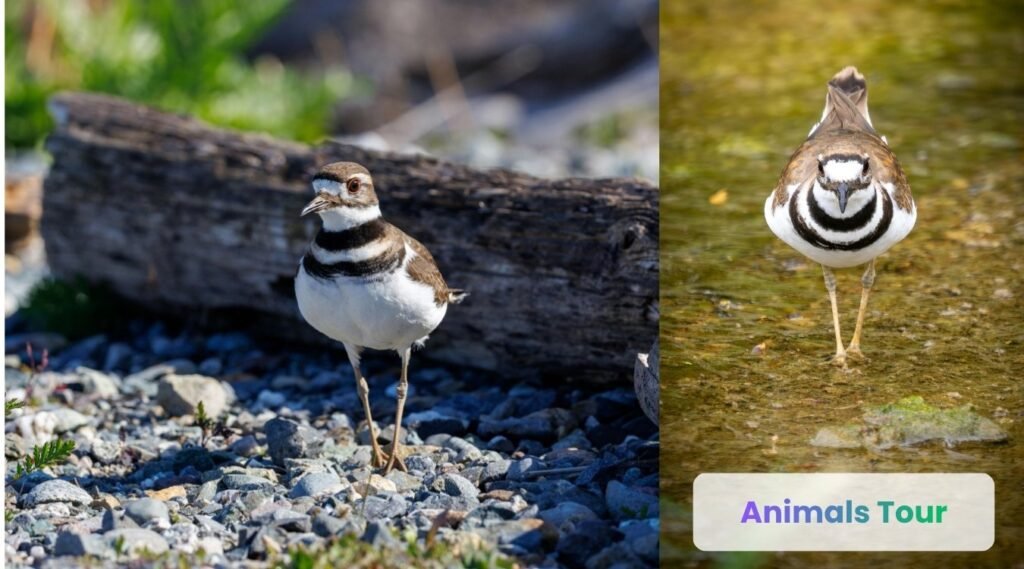
In addition to its cunning tactics, the Killdeer’s distinctive call — a loud, repetitive “kill-deer” ,echoes across many habitats, from urban areas to remote wetlands. This vocalization is essential for communication, particularly during the mating season when defending territory. Watching these birds reveals their resilience in diverse environments. It reflects the beauty and ingenuity of nature, encouraging us to appreciate the colorful tapestry of striped animals around us.
Aardwolf – A Termite Hunter with Tiger like Stripes
Scientific Name: Proteles cristata
Class: Mammalia
Diet: Insectivore
The aardwolf, a fascinating member of the hyena family, is often overshadowed by its more famous relatives. These striped animals are not just unique in appearance but serve a crucial ecological role as insectivores, primarily feasting on termites. Unlike their carnivorous cousins, aardwolves have evolved specialized teeth and a long, sticky tongue that allows them to extract insects from their mounds with impressive efficiency.
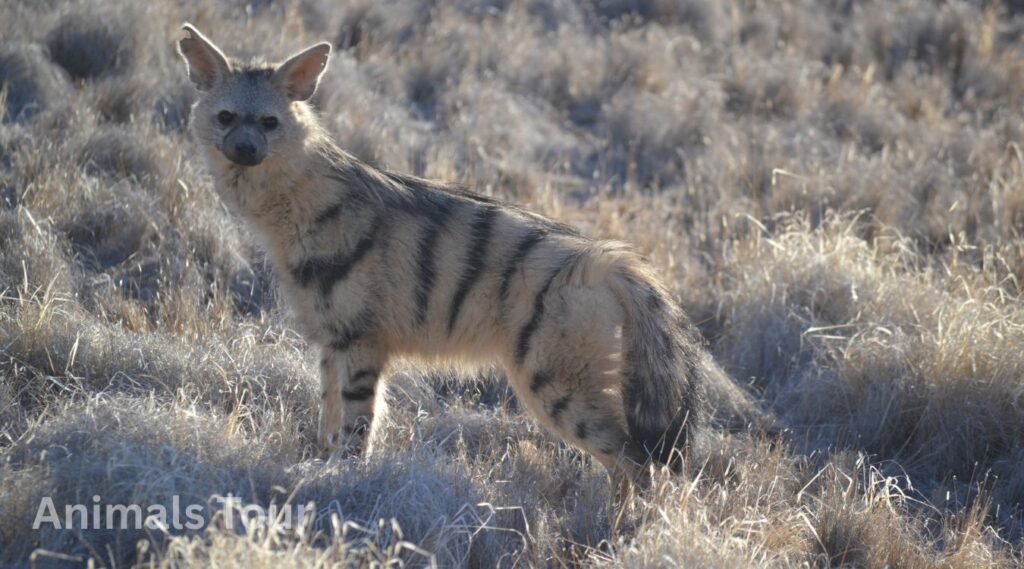
Despite being nocturnal and elusive, aardwolves contribute significantly to their habitats by keeping termite populations in check, which can prevent widespread damage to vegetation. Their distinctive striped coat not only serves as camouflage in the grasslands of Africa but also highlights their kinship with other striped animals around the world. Observing an aardwolf in the wild is a rare treat; their shy nature makes them elusive.
Gila Monster – Colorful Striped Reptile of the Desert
Scientific Name: Heloderma suspectum
Class: Reptiles
Diet: Carnivores
The Gila monster, a vibrant reptile from the arid regions of the southwestern United States and northwestern Mexico, is outshined by its more well-known lizard cousins. Characterized by its striking black and orange or yellow stripes, this slow-moving creature is a remarkable example of how vivid coloration can serve multiple purposes. While many animals with stripes use their patterns for camouflage, the Gila monster’s bold hues serve as a warning — a signal of its venomous bite to potential predators and rival lizards.
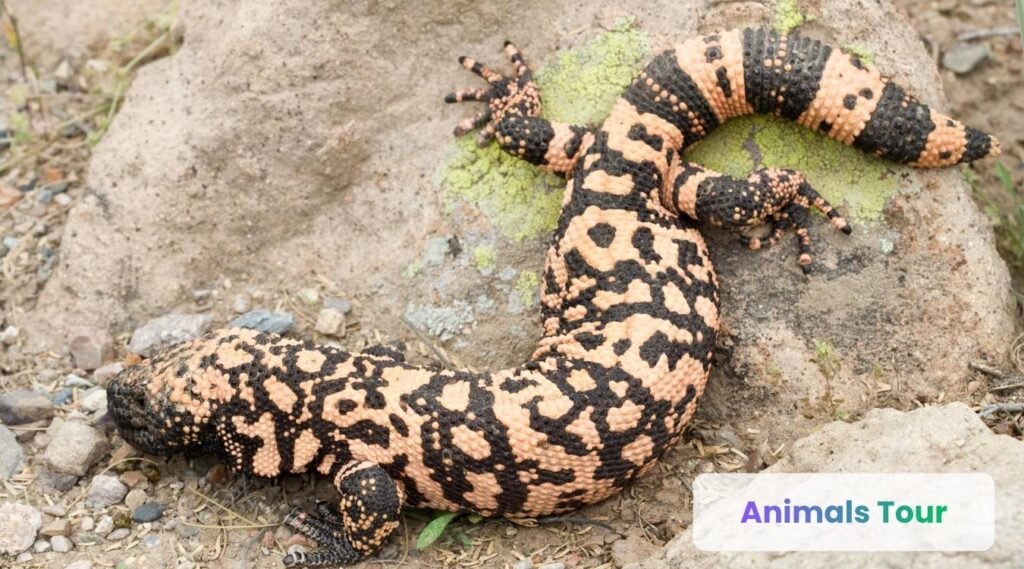
The Gila monster’s fascinating biology doesn’t stop at its striking appearance. This lizard has evolved to thrive in harsh desert conditions, relying primarily on a diet of eggs and small mammals. Surprisingly, it can survive long periods without food due to its ability to store fat in its tail. Furthermore, the Gila monster’s venom, while dangerous, has sparked interest in the medical field for its potential applications in treating diabetes, showcasing the interplay between nature and science.
Zebra Spider – Agile Hunter Among Striped Animals
Scientific Name: Salticus scenicus
Class: Arachnida
Diet: Carnivorous
Zebra spiders embody a fascinating blend of agility and charm in the arachnid world. Small in size, usually 9–15 millimeters, it is easily recognized by its bold black and white stripes. These markings not only give it a striking appearance but also provide camouflage among shadows and textures in urban environments.
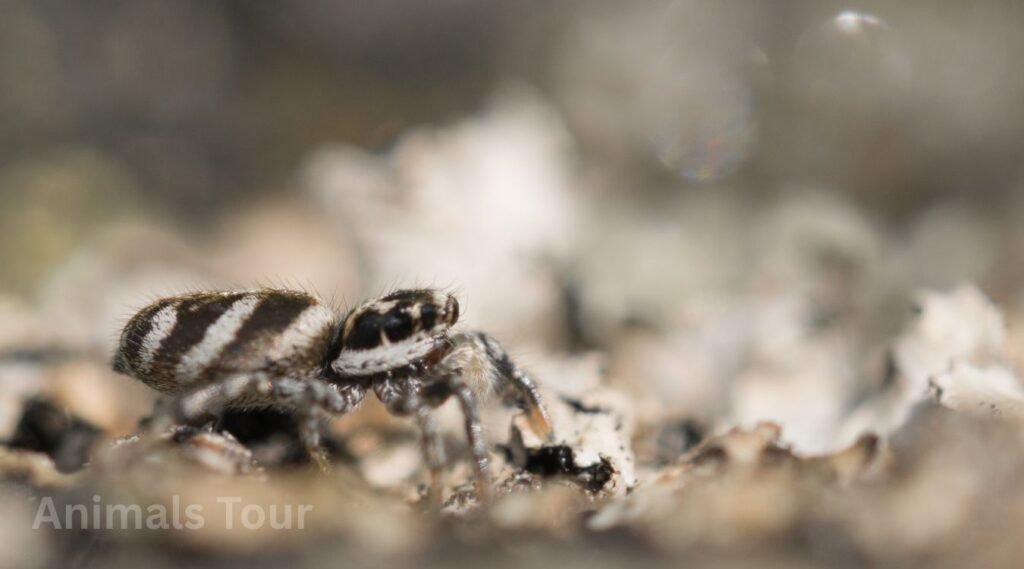
These tiny hunters are renowned for their extraordinary jumping abilities, which allow them to traverse various surfaces with remarkable precision. In their quest for prey, they employ a unique stalking technique, pausing and then launching themselves with incredible force to snatch unsuspecting insects.Their keen eyesight and remarkable hunting skills highlight their unique adaptations, making them a captivating example of the beauty and complexity in the world of animals with stripes.
Final Words
Striped animals in the world showcase the remarkable diversity of nature. From the majestic zebra grazing on African plains to the elusive striped skunk in our backyards, these creatures remind us of the beauty found in unique adaptations. Each animal serves a vital role in its ecosystem, enriching the biodiversity of our planet. As we learn more about these striped wonders, we are encouraged to appreciate and protect their habitats.
FAQs
What is the most famous striped animal in the world?
The zebra is often considered the most iconic striped animal, known for its bold black and white patterns
What are some common animals known for their striped tails?
Common animals with striped tails include raccoons, lemurs, and certain species of squirrels.
What is the largest animal with stripes?
The tiger is the largest striped animal in the world, with males reaching up to 700 lbs and over 3 meters long, including the tail.
Which striped animal has the most unique stripe pattern?
The zebra has the most unique stripe pattern, as each individual’s black-and-white stripes are completely different, much like a human fingerprint.