Top 17 Animals That Eat Cactus Easily
Cacti, with their sharp spines and water-storing abilities, might not seem like prime dining options, yet many creatures have turned them into a staple in their diets. Animals that eat cactus demonstrate the incredible adaptability of nature, finding sustenance where most would see only obstacles. This article uncovers the top 17 animals that have mastered the art of consuming cacti, shedding light on their survival strategies in harsh environments.
What Animals Eat Cactus?
More animals eat cacti than most people realize. Species that feed on cacti include camels, javelinas, bighorn sheep, rabbits, desert tortoises, iguanas, prairie dogs, cactus wrens, and Gila woodpeckers. Some eat the pads, while others prefer the fruit, flowers, or seeds.
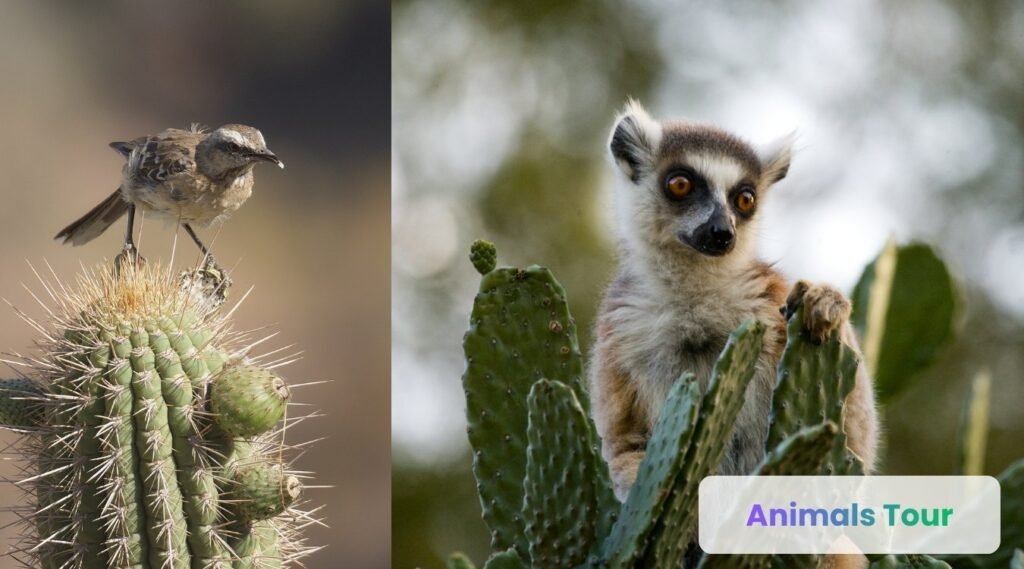
Animals that eat cactus are found in deserts and dry regions across the world. Mammals, reptiles, birds, and rodents have all adapted to use cacti as a valuable source of food and water despite the sharp spines and harsh conditions.
List of Animals That Eat Cactus
Here is the list of the top 17 animals that eat cactus. All will be discussed in detail with images.
- Bighorn Sheep
- Galapagos Tortoise
- Coyote
- Kangaroo Rats
- Camels
- Desert Iguana
- Javelinas (Collared Peccaries)
- Prairie Dogs
- Pronghorn Antelope
- Squirrels
- Cactus Wren
- Mule Deer
- Rabbits
- Pack Rats (Woodrats)
- Desert Tortoises
- Gila Woodpecker
- Coati
Bighorn Sheep
Scientific Name: Ovis canadensis
Class: Mammalia
Diet: Herbivore
Bighorn sheep are tough animals that live in the harsh mountains of North America. They have strong curved horns that help them defend themselves and claim territory. These sheep are real survivors, especially when it comes to finding food. One of their favorite snacks is the prickly pear cactus. While it may seem odd, these skilled foragers have special adaptations that allow them to eat cactus, even the prickly parts.
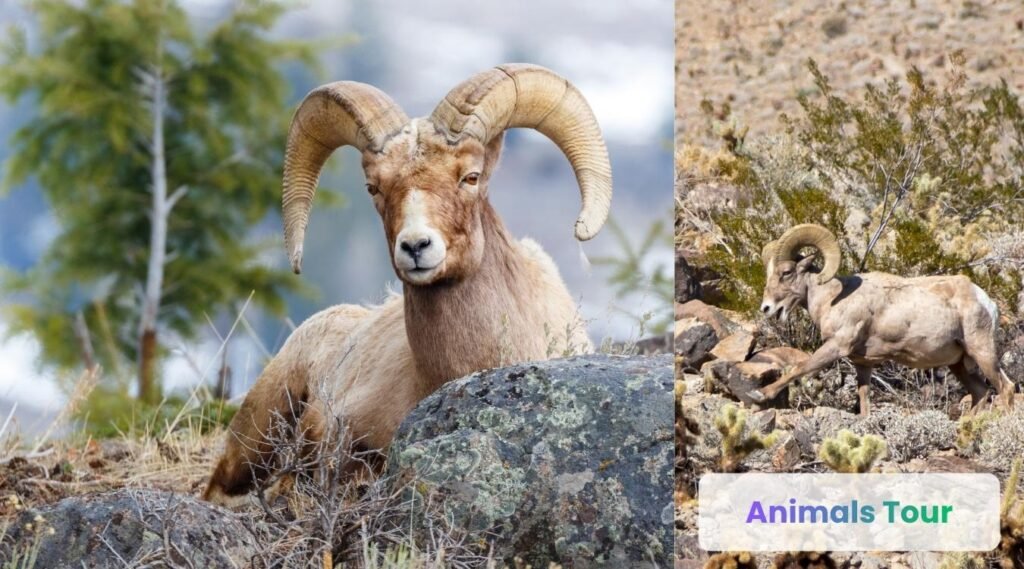
Their digestive system is built to break down even tough plants, and eating cactus helps them stay hydrated. In the dry, rocky environment they call home, water can be scarce. So, munching on cactus not only fills their bellies but also gives them the moisture they need. Watching bighorn sheep nibble on prickly pear is a reminder of how nature helps animals adapt to their surroundings, ensuring they can thrive in tough conditions.
Galapagos Tortoise
Scientific Name: Chelonoidis niger
Class: Reptilia
Diet: Herbivore
The Galapagos tortoise is a slow-moving giant that makes its home in the unique environment of the Galapagos Islands. One of its favorite snacks is cactus! These tortoises munch on the pads and fruits of various cacti, which supply them with food and water. This diet is crucial, especially in their dry habitat where other plants might be scarce.
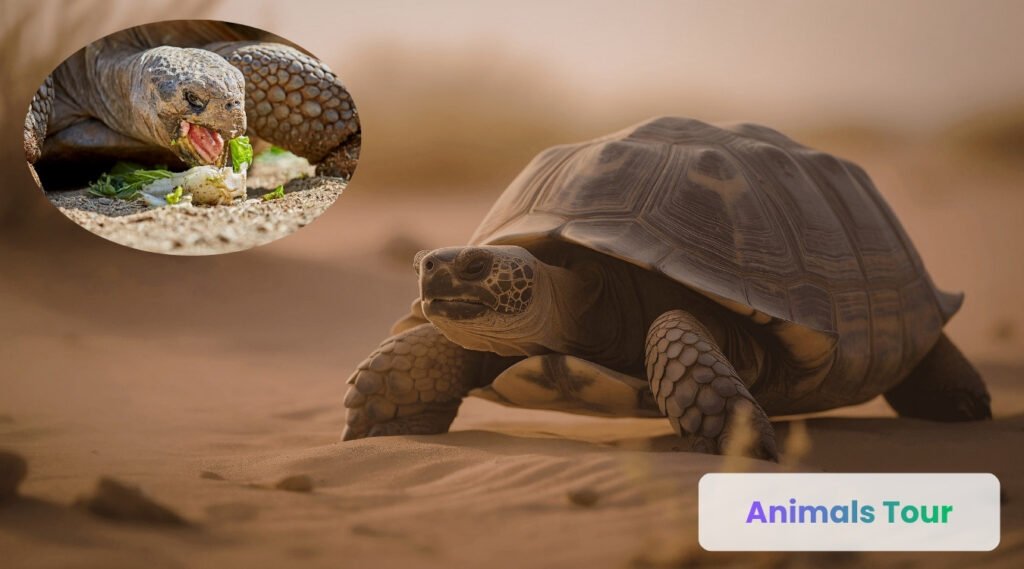
Interestingly, the Galapagos tortoise helps the cacti grow in return. As they eat, they leave behind seeds in their droppings. This creates a symbiotic relationship where both creatures benefit. While the tortoise gets a tasty meal, the cacti spread and thrive, helping the island ecosystem stay balanced. Watching these gentle giants is not just about their size; it’s about how they interact with their environment in a way that promotes the growth of other plants too.
Coyote
Scientific name: Canis latrans
Class: Mammalia
Diet: Omnivore
Coyotes are clever animals that live in various environments, including deserts where cacti grow. While many people think of them as carnivores that eat meat, coyotes also enjoy munching on plants like prickly pears. The sweet fruit of the cactus is a tasty treat for them, providing both hydration and energy, especially during dry months when water is scarce.
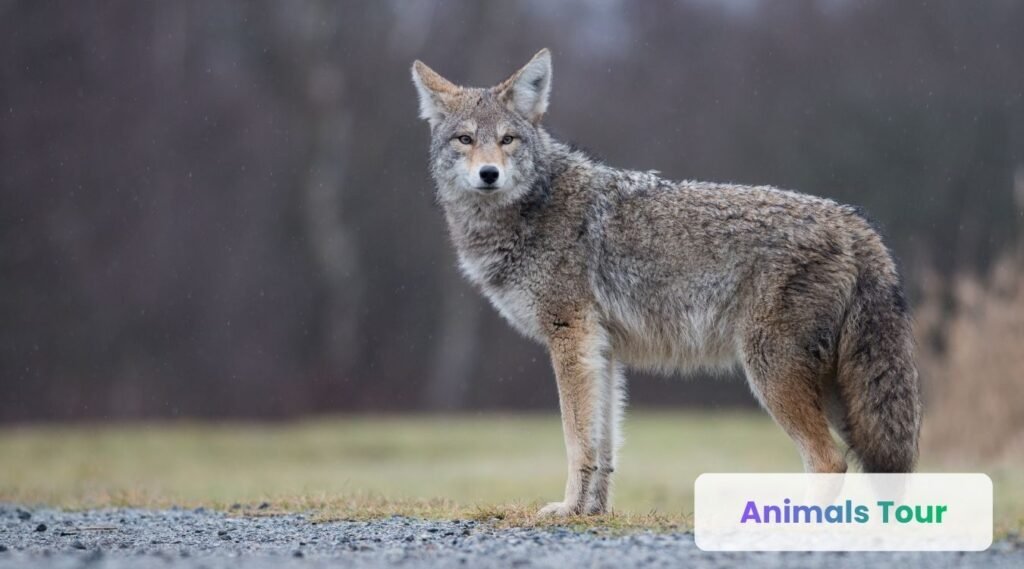
Unlike many other animals, coyotes have adapted their diets to survive. They can easily switch between hunting small animals and grabbing fruits and plants when necessary. This ability to eat cactus helps them thrive in harsh environments where food can be hard to find. It shows just how flexible and smart they are, finding food sources that many other animals might overlook. By eating cacti, coyotes play a role in spreading seeds, helping these plants grow in new areas.
Kangaroo Rats
Scientific Name: Dipodomys spp.
Class: Mammalia
Diet: Omnivore
Kangaroo rats do not eat as much cactus as some of the larger animals, but they turn to it when other food runs low. Seeds make up the bulk of their diet, but they will gnaw on cactus pads and go after the soft pulp inside fallen or damaged plants when they need to. The seeds inside cactus fruit are also a regular target, making them one of the small cactus fruit eating animals of the Sonoran Desert.
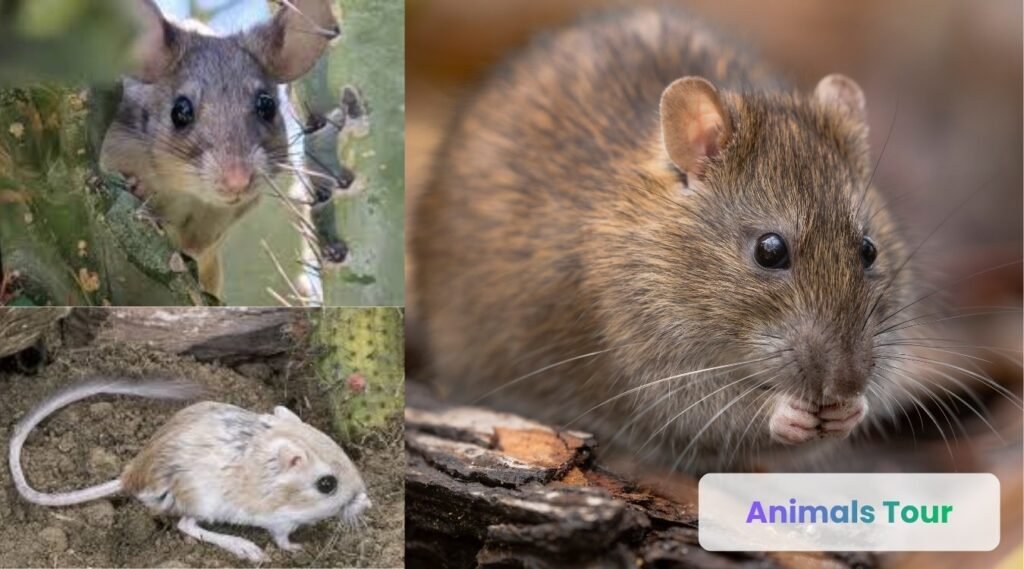
What makes these rodents remarkable is how little water they need from actual drinking. They pull almost all their moisture from the food they eat, which makes water-rich cactus especially valuable during dry spells. They are quick and nimble, moving between spiny plants at night when temperatures drop and predators are easier to avoid.
Camels
Scientific Name: Camelus dromedarius (Arabian camel) / Camelus bactrianus (Bactrian camel)
Class: Mammalia
Diet: Herbivore
People often ask whether camels eat cactus, and the answer is yes, without hesitation. The inside of a camel’s mouth is lined with thick, hardened projections called papillae. These cone-shaped structures cover the lips, tongue, and inner cheeks, forming a protective lining that lets the camel chew straight through spines without getting hurt.
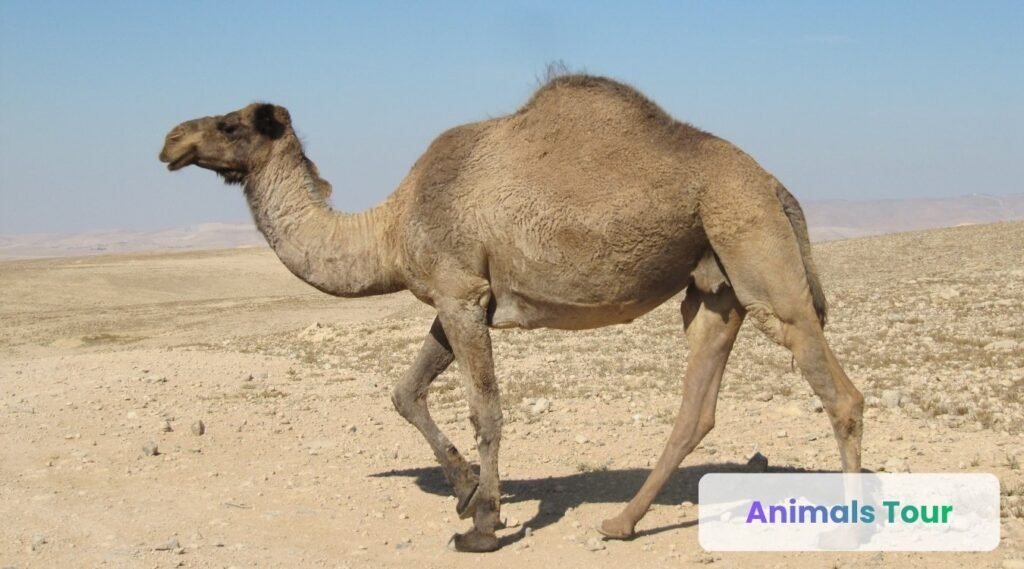
Camels in the wild eat large amounts of thorny desert vegetation, and cactus is very much part of that diet. They can consume food that other animals simply cannot access, which gives them a significant survival advantage in environments where edible plants are scarce. One feeding session on cactus can keep a camel going for days in terrain with no other water source. So if you are wondering what animal eats cactus they are probably the most famous example, and for good reason.
Desert Iguana
Scientific Name: Dipsosaurus dorsalis
Class: Reptilia
Diet: Herbivore
The desert iguana is one of the most heat-tolerant lizards in North America and is built for life in the hottest parts of the Sonoran and Mojave deserts. Cactus flowers are one of its preferred foods, and it actively seeks them out during the blooming season. It also eats cactus fruit and will bite into pads to reach the moist pulp inside.
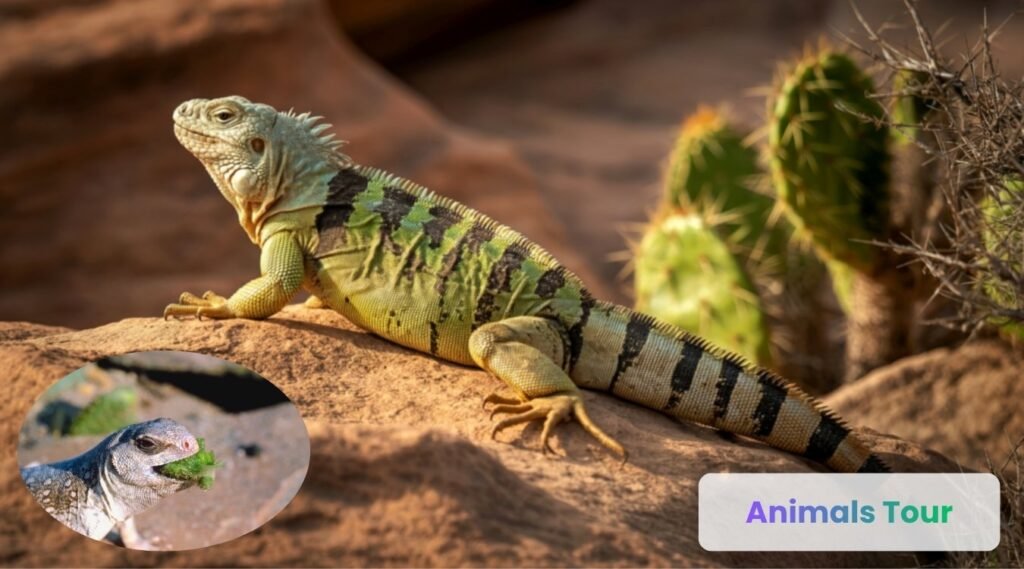
Most desert animals feed early in the morning or after dark to avoid the worst of the heat. Desert iguanas skip that strategy entirely. They are active during the hottest part of the day, which means they depend on cactus not just for food but for the water content it provides exactly when dehydration is most likely. Among the reptiles that eat cactus in the desert, the desert iguana is one of the most heat-adapted of all.
Javelinas (Collared Peccaries)
Scientific Name: Pecari tajacu
Class: Mammalia
Diet: Omnivore
If there is one animal that truly commits to eating cactus, it is the javelina. Also known as collared peccaries, these pig-like mammals eat entire prickly pear pads without removing a single spine. Spines, skin, and fibrous pulp all get chewed up and swallowed. Their digestive systems are built to handle every part of the plant, which is why javelinas are widely considered the most dedicated of all animals that eat cactus spines.
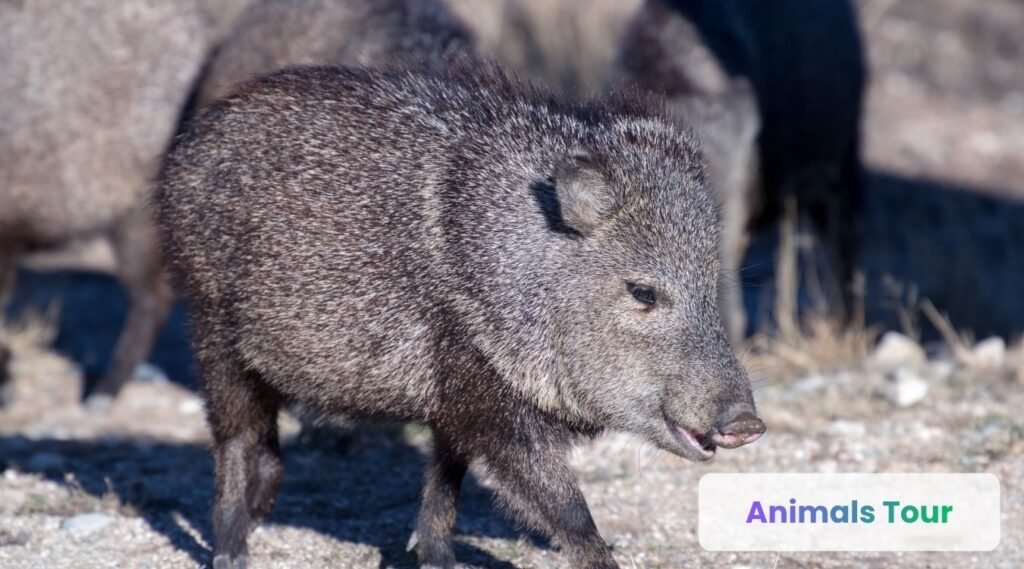
They have been spotted using their hooves to flip pads over before eating, possibly to reach the softer underside. In areas where prickly pear grows densely, it can account for more than half of what a javelina eats in a day. A single javelina can consume several kilograms of prickly pear cactus in one feeding session, which tells you how central this plant is to their survival.
Prairie Dogs
Scientific Name: Cynomys spp.
Class: Mammalia
Diet: Herbivore
Prairie dogs are social rodents that live in large underground colonies across the American plains. Their diet covers a wide range of plants, and cacti are included. They tend to focus on the fruit, the inner flesh of younger pads, and whatever seeds they can get to, avoiding the spiniest sections. They are a good example of desert herbivores that use cactus as part of a broader plant diet rather than as their main food.
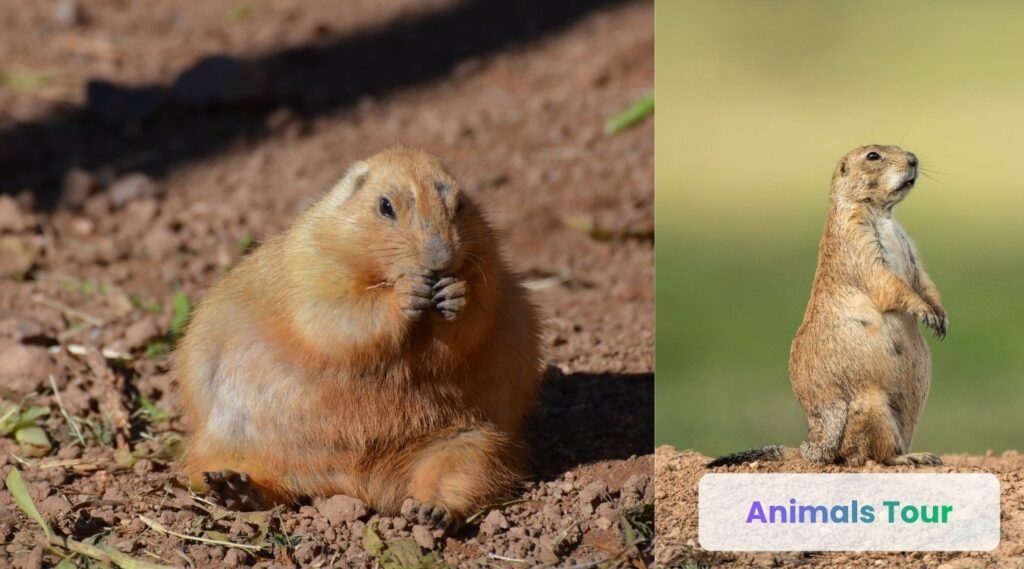
Something worth noting is how prairie dogs affect the desert landscape around them. Cactus patches near active prairie dog colonies tend to be bigger and more spread out than those in areas without them. That happens because the animals eat the fruit and deposit seeds through their droppings across a wider area than the plant could spread on its own. They are quietly expanding the very food source they depend on.
Pronghorn Antelope
Scientific Name: Antilocapra americana
Class: Mammalia
Diet: Herbivore
The pronghorn is the fastest land animal in North America and one of the more resourceful eaters in the desert. It browses on prickly pear pads and fruit using mobile, flexible lips that let it carefully pick through spiny growth and select the parts with the fewest spines. This kind of precise feeding is a learned skill, and pronghorn develop it early.
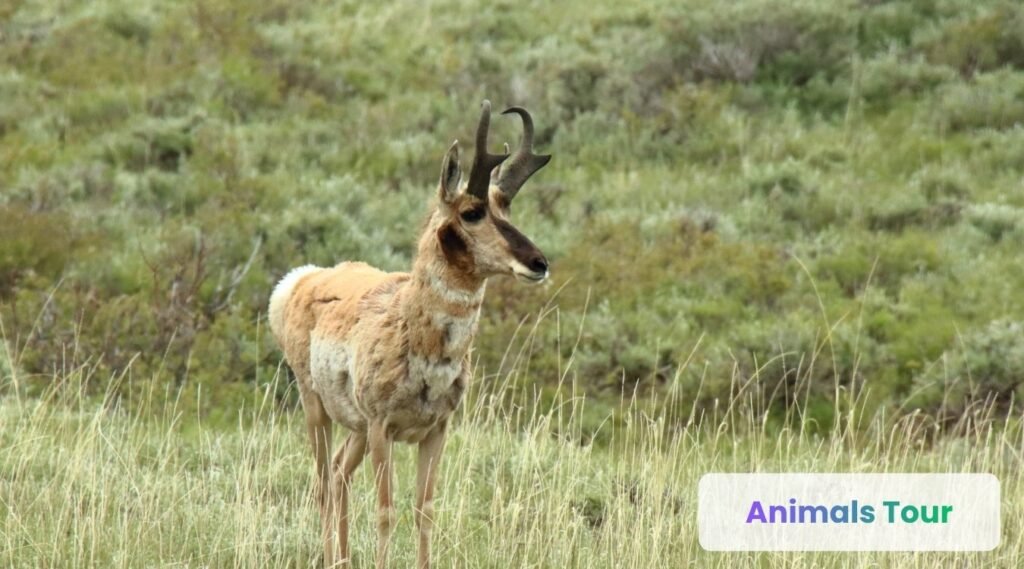
When winter sets in and grass becomes scarce, cactus takes on greater importance for pronghorn herds across the American Southwest. They have sharp eyesight and will travel long distances to reach a patch of fruiting prickly pear cactus. The fruit is nutritious and the pads hold enough moisture to matter during cold, dry months. Pronghorn are a solid example of large desert herbivores that use cactus as a seasonal survival resource.
Squirrels
Scientific Name: Sciurus spp. (tree squirrels) / Ammospermophilus spp. (ground squirrels)
Class: Mammalia
Diet: Omnivore
Do squirrels eat cactus? Yes, several species do. Rock squirrels and Harris’s antelope squirrels both eat cactus fruit and seeds regularly. The bright red fruit of prickly pear and saguaro cactus is particularly attractive to them, and they will gnaw around the spiny outer skin or roll the fruit on the ground to knock loose the tiny hair-like glochid spines before biting in.
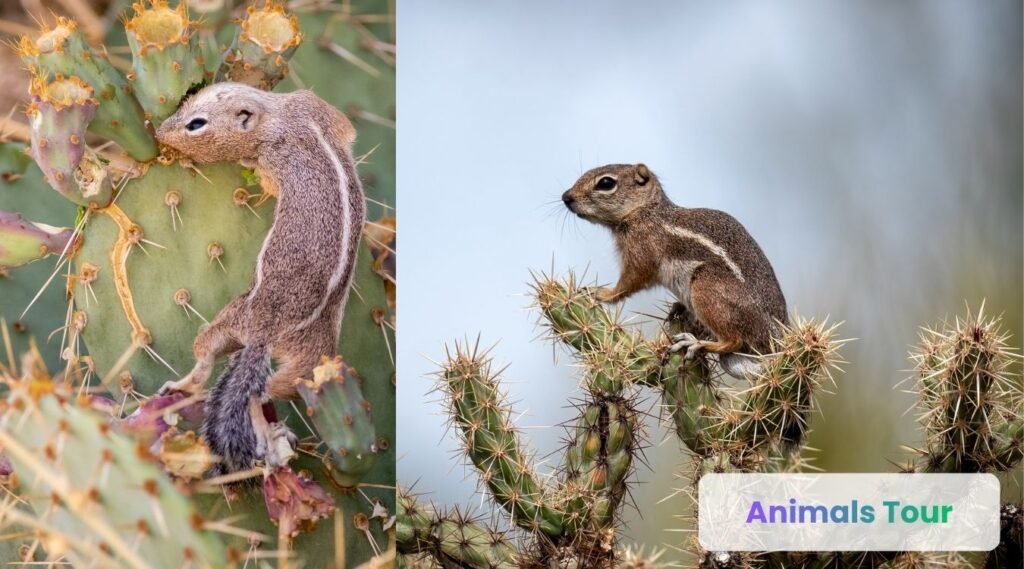
Squirrels also cache food for later, and cactus fruit is no exception. Some species have been found with cactus fruit stored in their burrows, saved for leaner periods. Like several other animals on this list, they spread cactus seeds through their droppings and end up helping the plant reproduce across a wider stretch of the desert floor, making them important players in seed dispersal in the desert.
Cactus Wren
Scientific Name: Campylorhynchus brunneicapillus
Class: Aves
Diet: Omnivore
The cactus wren is Arizona’s state bird and is almost never found far from the cactus. It nests inside cholla cactus and saguaro, feeds on the fruit and nectar these plants produce, and uses the spines as natural protection against anything that might try to raid its nest. Its feet grip spiny branches without getting stuck, an adaptation that developed over a long time.
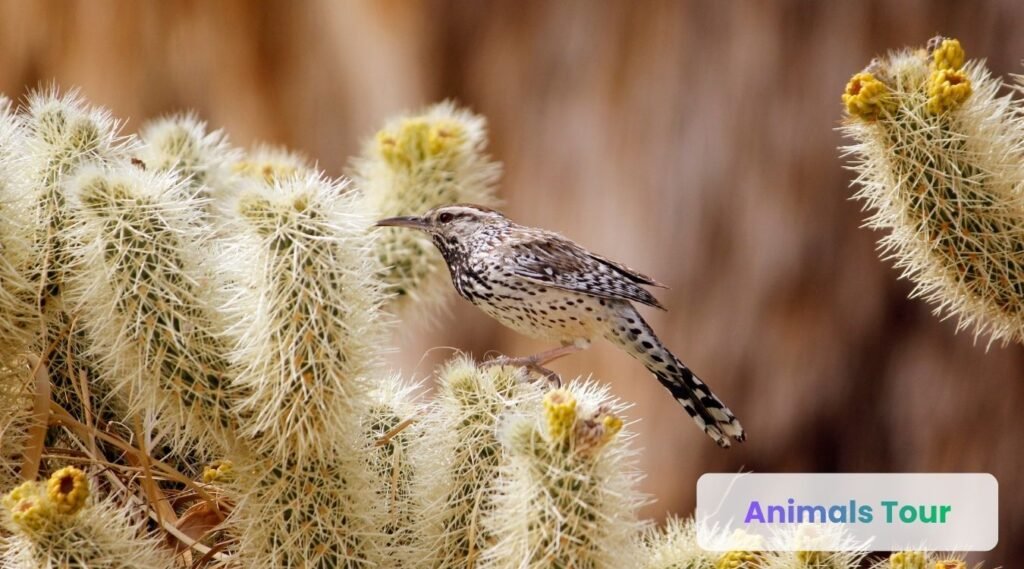
The cactus wren feeds on insects too, but cactus is central to its life in a way that goes beyond food alone. It rarely ventures far from stands of tall cactus, which tells you how completely it has built its existence around these plants. Among the birds that eat cactus and nest in it, the cactus wren is the most specialized, and also one of the most recognizable desert birds in North America.
Mule Deer
Scientific Name: Odocoileus hemionus
Class: Mammalia
Diet: Herbivore
In harsh desert seasons, mule deer often turn to prickly pear cactus for both moisture and nutrition. They usually feed on the fruit first but will also eat the pads when vegetation becomes scarce. Instead of biting randomly into the plant, they carefully nibble around the thorny sections to reach the softer interior.
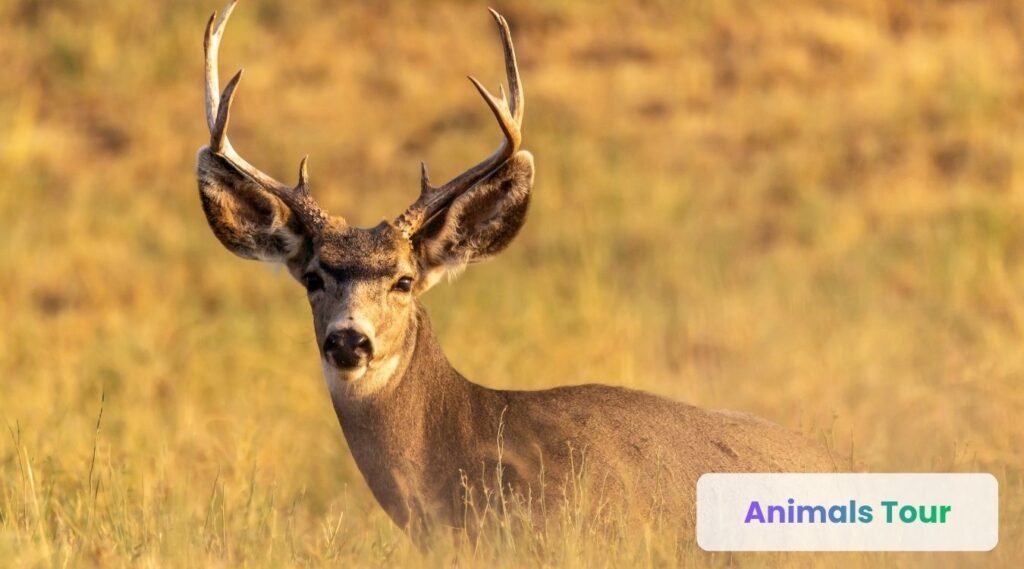
Cactus fruit is especially useful because it contains water as well as energy-rich sugars. After eating the fruit, mule deer spread the undigested seeds through their droppings, helping new cacti grow in different areas. This makes them both cactus feeders and accidental seed dispersers in desert ecosystems.
Rabbits
Scientific Name: Sylvilagus spp. (cottontails) / Lepus spp. (jackrabbits)
Class: Mammalia
Diet: Herbivore
Both jackrabbits and cottontail rabbits rely on cactus during dry periods when grasses and other vegetation become scarce. They commonly feed on prickly pear, especially the younger pads, which have softer and less developed spines. Rabbits usually gnaw near the base of the plant, where the thorns are thinner and easier to avoid.
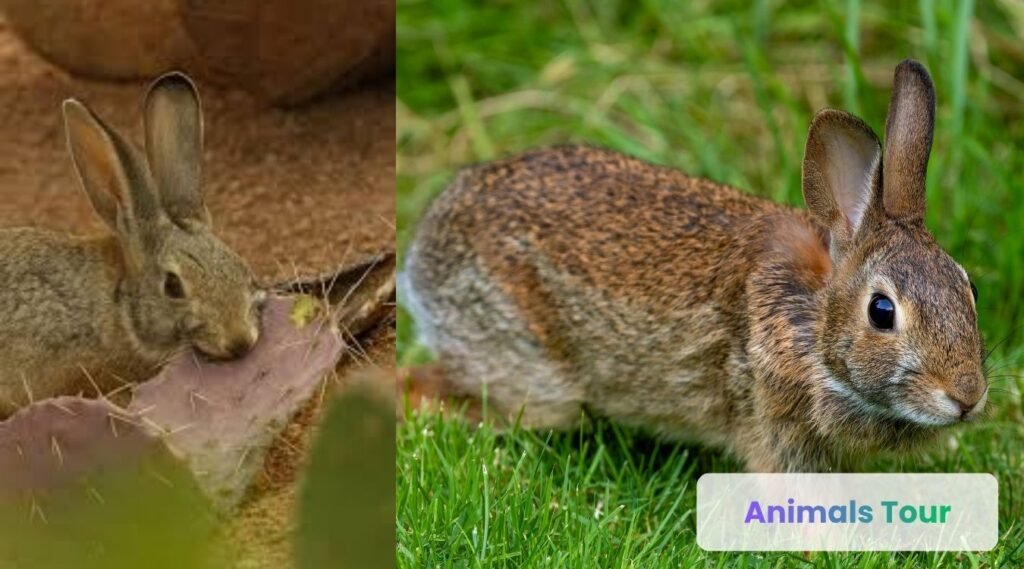
In deserts like the Mojave and Chihuahuan, cactus can become an important survival food during the hottest months. Rabbits also help spread cactus seeds through their droppings, allowing new plants to grow in different areas. Across the American Southwest, they are among the most common animals that feed on prickly pear cactus.
Pack Rats (Woodrats)
Scientific Name: Neotoma spp.
Class: Mammalia
Diet: Omnivore
Pack rats are famous for building elaborate nests from whatever materials they can find, and cactus is woven into their lives in more ways than one. They eat prickly pear pads, cactus fruit, and seeds regularly, and they also use cholla cactus joints in the construction of their nests, where the spines act as a natural barrier against predators. This makes them one of the few animals that both eat cactus and use it as building material.
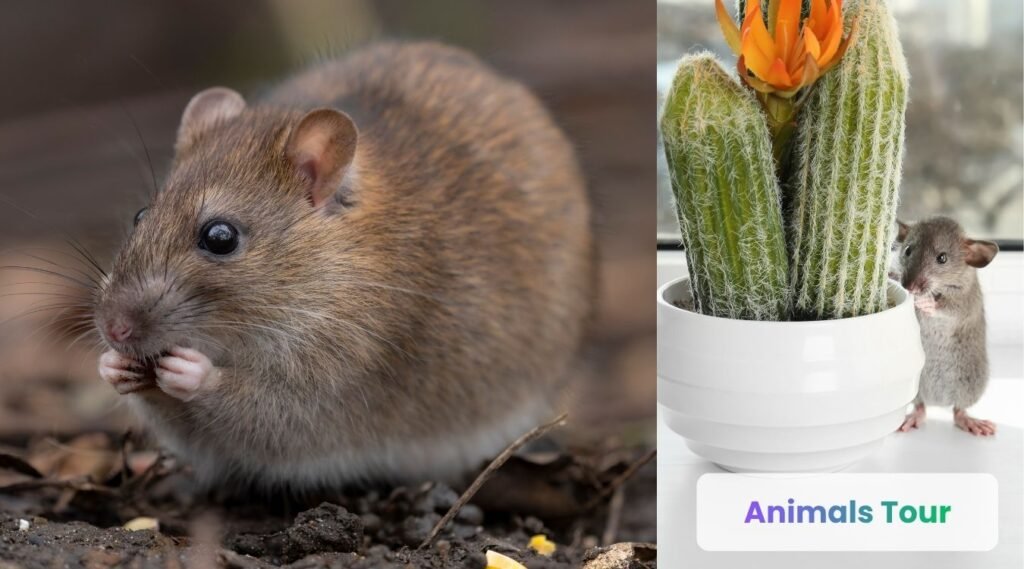
Pack rats are nocturnal and navigate through spiny vegetation in total darkness using their sensitive whiskers. Their nests, called middens, often preserve cactus plant material for thousands of years. Scientists study ancient pack rat middens to figure out which cactus species lived in an area long before written records began, which means these small desert animals have accidentally become long-term historians of the desert ecosystem.
Desert Tortoises
Scientific Name: Gopherus agassizii (Mojave desert tortoise) / Gopherus morafkai (Sonoran desert tortoise)
Class: Reptilia
Diet: Herbivore
The desert tortoise of the American Southwest eats grasses, wildflowers, and a good amount of cactus. Prickly pear pads are among its favorites. Its beak-like mouth is tough enough to bite through spines, and it works through a single pad slowly and carefully before moving to the next. Among the reptiles that eat cactus in the desert, the desert tortoise is one of the most reliant on it.
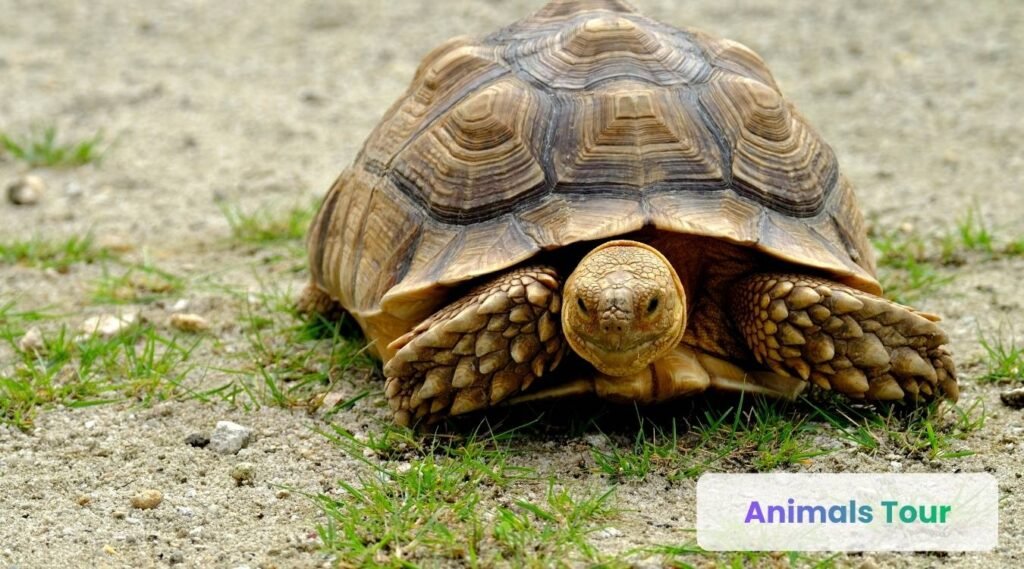
Up to 90% of the water a desert tortoise takes in comes from the plants it eats rather than from drinking. That makes moisture-rich cactus essential for surviving the long, hot summer months. In dry years, cactus can be the difference between a tortoise making it through the season or not. The opuntia cactus pad, in particular, is a go-to food and water source for desert tortoises across the Southwest.
Gila Woodpecker
Scientific Name: Melanerpes uropygialis
Class: Aves
Diet: Omnivore
What eats saguaro cactus more consistently than almost any other bird? The Gila woodpecker. This desert specialist drills cavities into saguaro cacti to build nesting holes, which the saguaro seals off with hardened tissue to protect itself. Over time, these carved-out chambers become prime nesting real estate across the Sonoran Desert. After the woodpecker moves on, owls, kestrels, and elf owls move in and use them as their own nests.
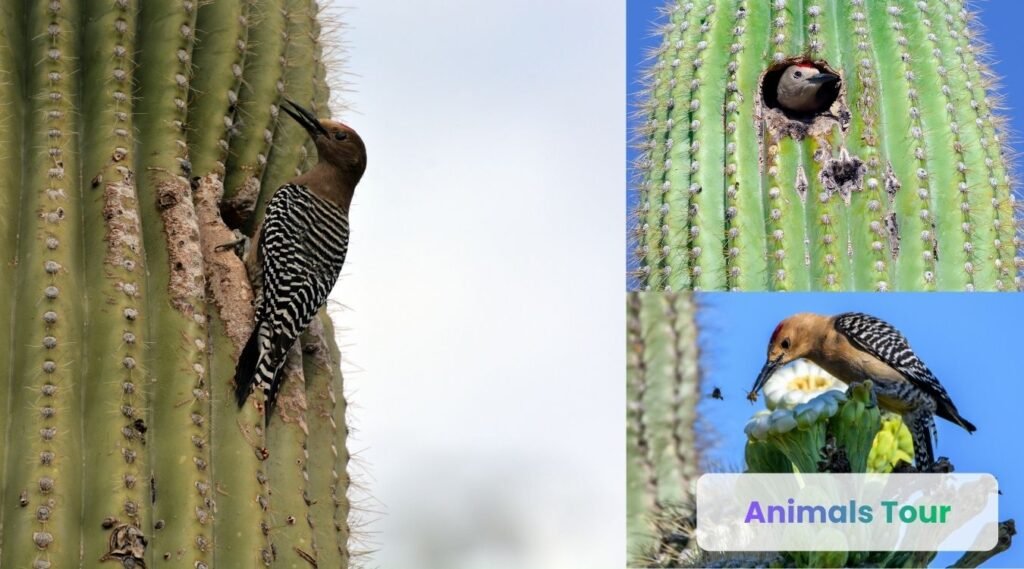
Beyond nesting, the Gila woodpecker feeds on saguaro nectar and fruit and plays a genuine role in pollinating the plant as it moves between blooms. It is one of the clearest examples of a bird that eats cactus and gives something back in the process. The woodpecker gets food and shelter, and the saguaro gets a pollinator and seed disperser in return. Few animals that eat cactus are as deeply tied to a single cactus species as the Gila woodpecker is to the saguaro.
Coati (Coatimundi)
Scientific Name: Nasua narica (White-nosed coati) / Nasua nasua (South American coati)
Class: Mammalia
Diet: Omnivore
Coatis are medium-sized mammals that live mostly in Central and South America, with a small presence in parts of the southwestern United States. They are omnivores, so they don’t stick to one type of food. Instead, they eat whatever they can find, including fruits, insects, small animals, and eggs, depending on what’s available in their surroundings.
In dry and semi-arid areas, coatis sometimes eat cactus fruits, especially from prickly pear cacti. These fruits are soft and juicy, which makes them a useful source of both food and water when conditions are dry. They usually go for the fruit rather than the spiny parts of the plant.
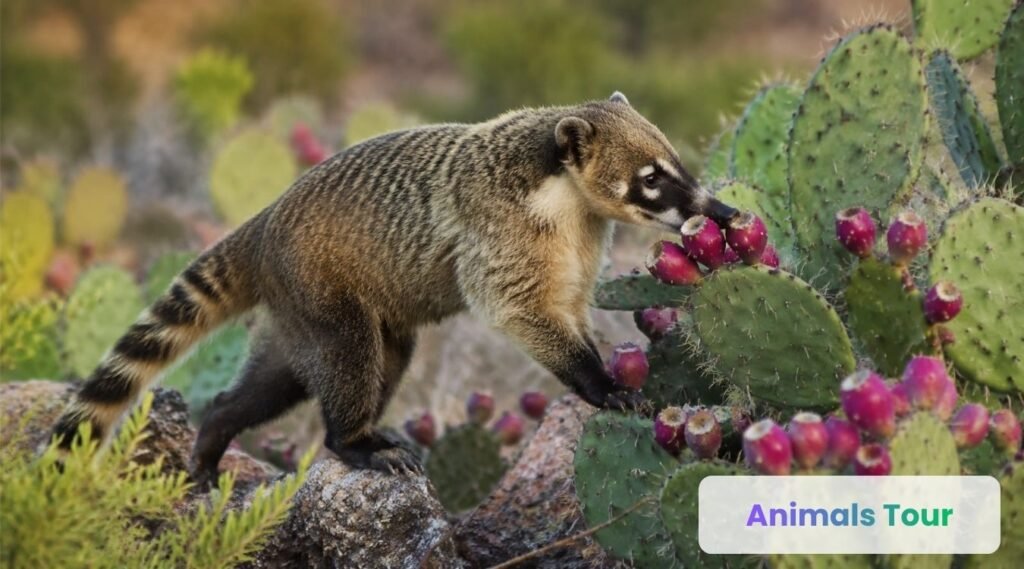
They don’t really deal with the cactus pads themselves because of the spines. Instead, they use their long, flexible snout and climbing skills to reach the fruits safely. Cactus fruit is just one of many foods in their diet, not something they depend on all the time.
How Do Animals Eat Cactus Without Getting Hurt?
This is the most natural question to ask after reading through this list. The answer comes down to three main strategies that different animals use.
The first is physical adaptation. Animals like camels, tortoises, and javelinas have mouths that are built to handle spines directly. Hardened papillae, thick leathery lips, and beak-like jaws mean the spines press against tough tissue rather than piercing it. What would draw blood from a human finger does nothing to the inside of a camel’s cheek. This is why these animals are the most committed cactus eating animals in their regions, eating the whole pad, spines included.
The second is selective feeding. Animals like deer, rabbits, and squirrels avoid the spiniest sections of a plant and go for fruit, younger growth, or areas where spines have softened or broken off. This behavior is partly instinct and partly learned, with younger animals watching older ones to figure out where and how to feed safely. It is a slower approach, but it works well for animals that treat cactus as part of a broader diet rather than a staple.
The third is manipulation before eating. Animals like javelinas and squirrels use their hooves, feet, or snouts to handle the plant before biting into it. Flipping a pad over, rolling fruit across the ground, or knocking off glochid spines before eating are all ways that animals reduce the problem before it starts.
Conclusion
Exploring the animals that eat cactus reveals a lot about life in dry places. Different species have adapted to eat the tough cactus, proving that survival can be tricky but clever. While cacti may look prickly and tough, they serve as a lifeline for many creatures.
Many of these cactus-eating animals also help the plants in return. Seeds are spread through droppings, flowers get pollinated during feeding, and new cacti grow in areas they may never have reached on their own. Understanding what animals eat cactus in different desert ecosystems reveals how closely connected these harsh environments really are.
FAQs
What animal eats cactus thorns?
Animals that eat cactus spines include camels, Galápagos tortoises, desert tortoises, and javelinas. Their mouths are physically adapted to handle the spines, so the thorns pass through their systems without causing injury.
Do camels eat cactus?
Yes. Camels eat cactus regularly and without discomfort. The inside of a camel’s mouth is lined with thick, cone-shaped papillae that protect it from sharp spines, allowing it to chew through entire cactus pads just as easily as softer vegetation.
Do jackrabbits eat cactus?
Yes. Jackrabbits eat cactus, particularly prickly pear, during dry seasons when their usual food disappears. They tend to feed near the base of the plant where spines are fewer, and they favor younger growth where the spines have not yet fully hardened.
Do squirrels eat cactus?
Yes. Rock squirrels and antelope squirrels regularly eat prickly pear cactus fruit and seeds. They gnaw around the spiny skin or roll the fruit to knock off the glochids before eating, and some species cache cactus fruit in their burrows for later.
What birds eat cactus?
Several birds eat cactus fruit and nectar, including the cactus wren, the Gila woodpecker, white-winged doves, and gilded flickers. The cactus wren and Gila woodpecker also nest inside cactus, making them the most cactus-dependent birds in North America.
What eats saguaro cactus?
Gila woodpeckers, white-winged doves, bats, and various rodents all feed on saguaro cactus fruit and nectar. Bighorn sheep, mule deer, and jackrabbits also eat the flesh of young saguaro plants, especially in areas where other water sources have dried up.
What eats cactus?
Several desert animals eat cactus, including camels, javelinas, desert tortoises, iguanas, rodents, and some insects like cactus moth larvae.
What animal eats cactus?
Animals such as camels and javelinas are the most common cactus eaters. They have adaptations that help them handle spiny plants safely.
In deserts, cacti are eaten by herbivores like camels, tortoises, iguanas, and javelinas, as well as insects that feed on cactus tissues.
What eat cacti in desert?
In deserts, cacti are eaten by herbivores like camels, tortoises, iguanas, and javelinas, as well as insects that feed on cactus tissues.