Top 13 Amazing Animals That Eat Oranges (Images Included)
Discovering animals that eat oranges can be surprisingly fascinating, especially for nature enthusiasts and backyard gardeners alike. From curious critters foraging in your garden to exotic wildlife in their natural habitats, many species are known to consume this popular citrus fruit. We delve into the dietary habits of various creatures, revealing the top 13 animals that enjoy oranges, complete with stunning images to help you identify them. Prepare to expand your knowledge of the animal kingdom and perhaps even identify a new visitor to your fruit trees!
List of Animals That Eat Oranges
Here is the list of animals that like to eat oranges.
1. Raccoons
2. Deer
3. Red-bellied Woodpeckers
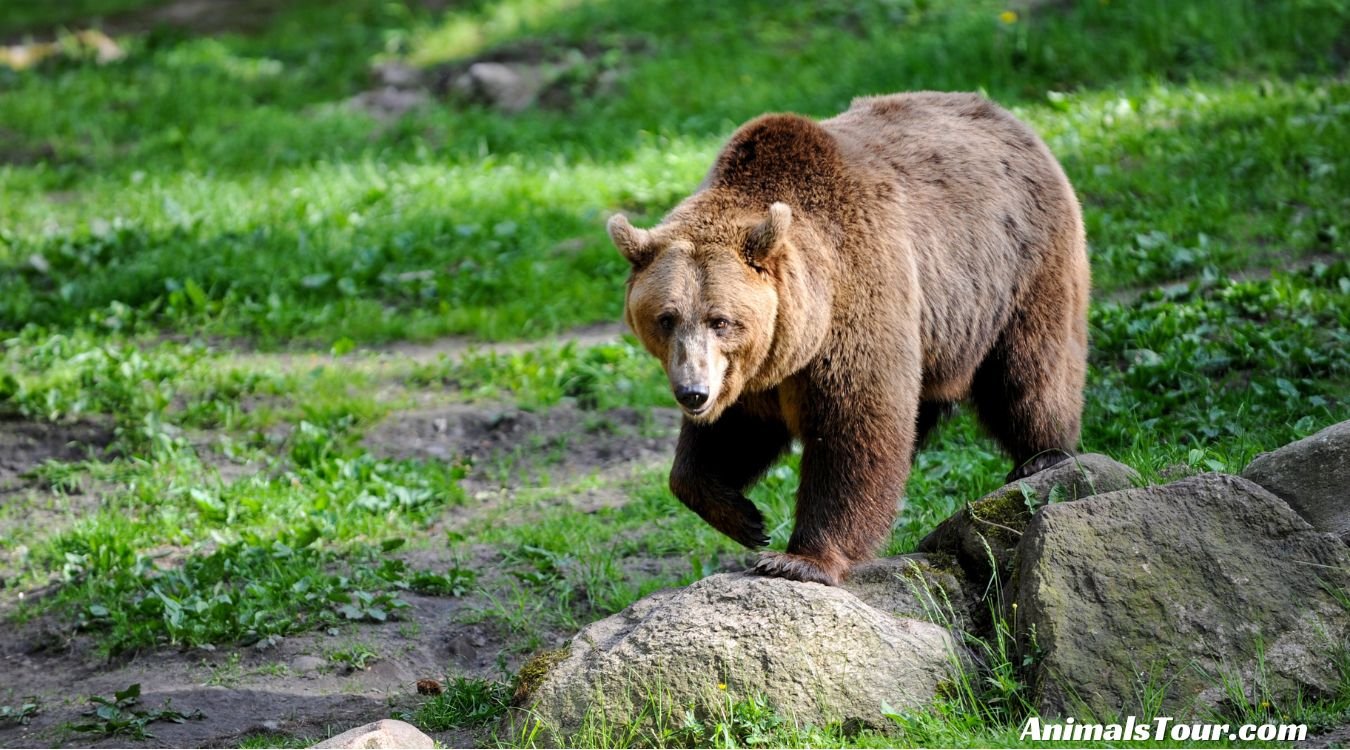
4. Bears
5. Tamarins
6. Fruit Bats
7. Northern Mockingbirds
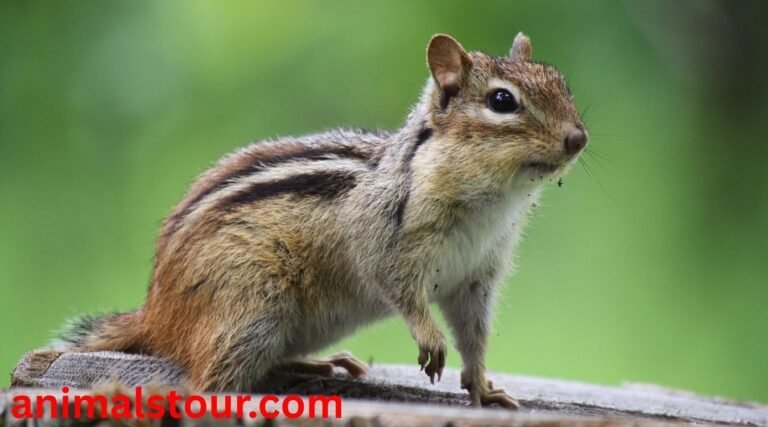
8. Squirrels
9. Pigs
10. Parrots
11. Orangutans
12. Black Rats
13. Squirrel Monkeys
Raccoons
Scientific Name: Procyon lotor
Class: Mammalia
Diet: Omnivore
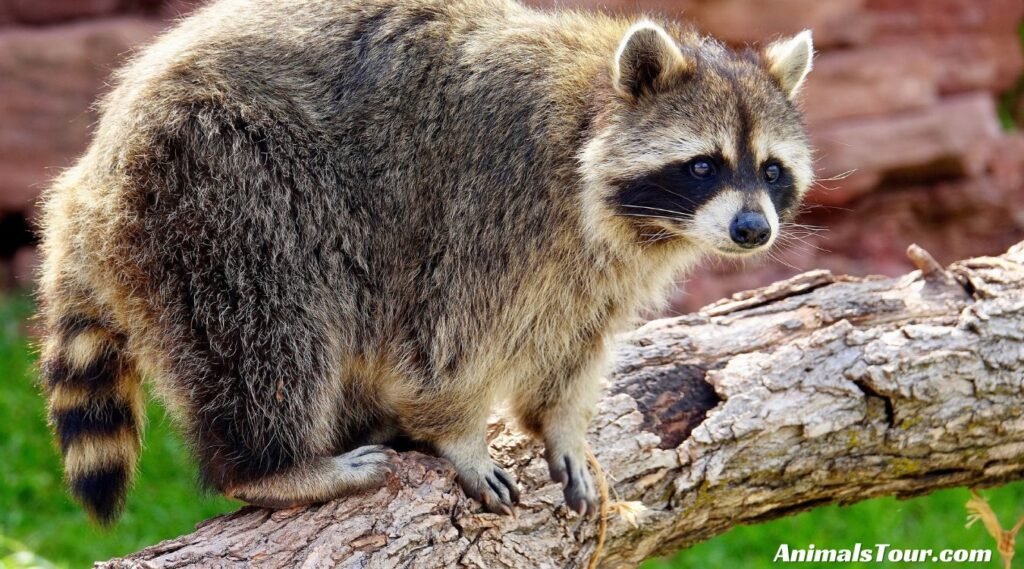
Raccoons readily consume oranges, adding this citrus fruit to their incredibly diverse omnivorous diet. Known for their opportunistic feeding habits, these nocturnal mammals are often drawn to the sweet, juicy pulp of ripe oranges found in gardens, orchards, or even discarded in urban areas. While they might discard the thick rind, raccoons efficiently peel and devour the inner fruit, seeking out its sugary content and moisture, making oranges, alongside other fruits, berries, nuts, insects, and small animals, a common and appealing food source for raccoons across various habitats. Therefore, if you’re wondering, “Do raccoons eat oranges?”, the answer is a definitive yes, often making them an unexpected visitor to citrus groves.
Deer
Scientific Name: Cervidae
Class: Mammalia
Diet: Herbivore
Deer are often seen foraging for grass, leaves, and fruits in wooded areas, but their diet can be surprisingly diverse. One lesser-known fact is that deer eat oranges, a treat they readily enjoy when available. Their keen sense of smell draws them to the citrus scent, and the sweet, juicy segments provide essential hydration and energy. This affinity for oranges underscores the adaptability of deer, showcasing how they can leverage seasonal fruit offerings to supplement their natural diet.
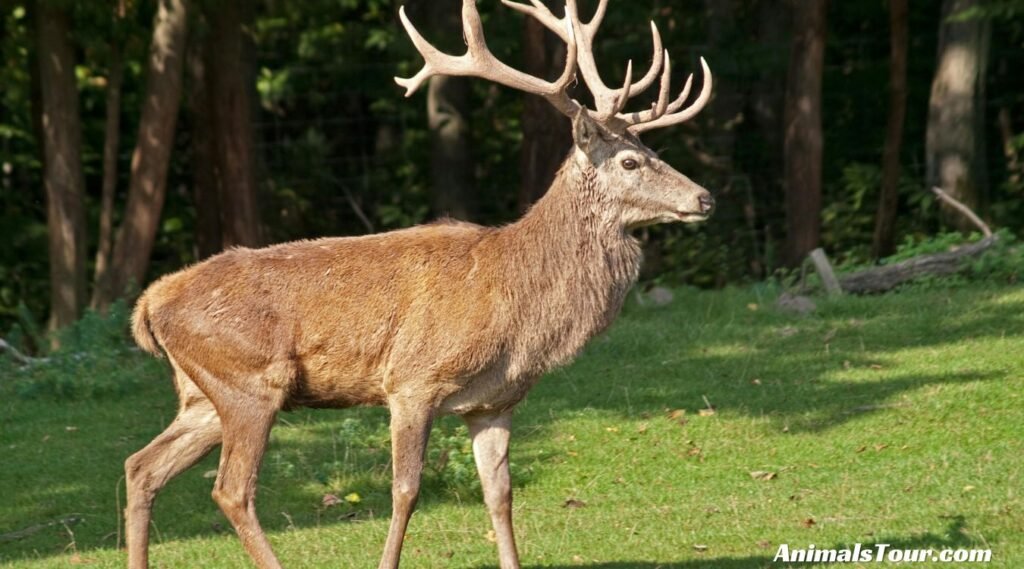
Interestingly, the consumption of oranges by deer can be both beneficial and detrimental. While the vitamin C and other nutrients in oranges can enhance their health during certain times of the year, the sugar content may have adverse effects if consumed in excess. In environments where human populations rise, such as suburban areas, deer may become more accustomed to scavenging for discarded fruit, leading to a dietary shift. This behavior not only affects their health but can also alter local ecosystems, as these animals adapt to new food sources. Understanding how animals eat oranges, including deer, can provide valuable insights into their behavior and the ecological balance within their habitats.
Red-bellied Woodpeckers
Scientific Name: Melanerpes carolinus
Class: Aves
Diet: Omnivore
When it comes to animals that eat oranges, the red-bellied woodpecker stands out with its unique diet and behavior. These lively birds are not content with just drilling into trees for insects; they also have a penchant for the vibrant citrus fruit. Observing a red-bellied woodpecker pecking at an orange is a delightful sight, showcasing their adaptability and eclectic palate. This behavior highlights the interconnectedness of different species within their ecosystems, as birds like these help in seed dispersal, promoting the growth of fruit-bearing plants.
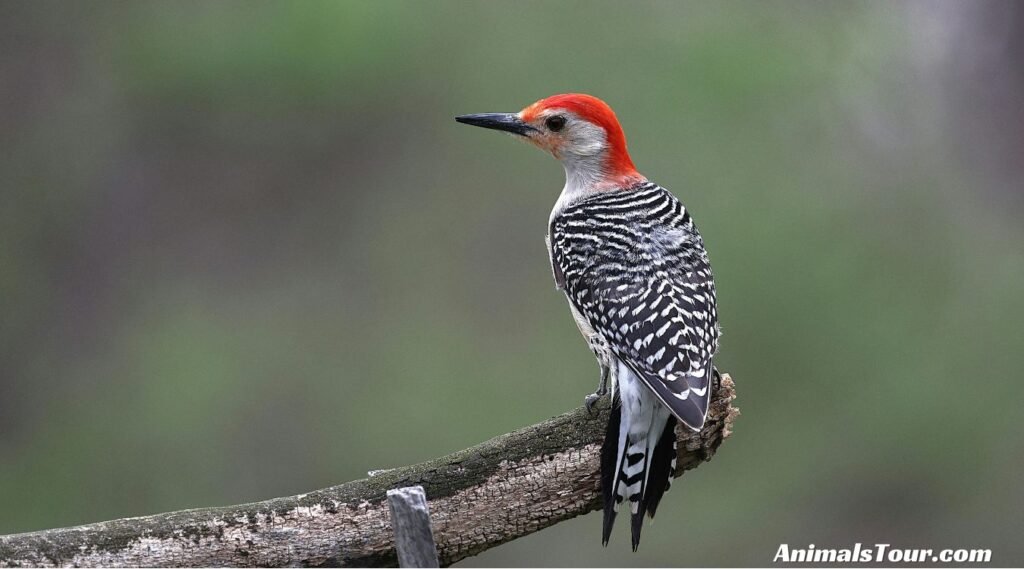
Interestingly, red-bellied woodpeckers are not alone in their citrus cravings. Many other animals that eat oranges, such as squirrels and certain species of bats, also enjoy this sweet treat. This diverse menu in the animal kingdom invites a deeper understanding of dietary choices across various habitats. By providing oranges in your backyard, you can attract these charming woodpeckers and witness their playful nature, all while contributing to the health of local ecosystems. Supporting such interactions boosts biodiversity and enriches our appreciation of nature’s intricate web.
Bears
Scientific Name: Ursidae
Class: Mammalia
Diet: Mostly Omnivore
Bears are often seen as opportunistic omnivores, and their diet is as varied as their habitats. Interestingly, these magnificent creatures will munch on oranges when they come across them in the wild. This surprising behavior showcases their adaptability and ability to find nutrients in unexpected sources. While it may seem unusual, bears benefit from the vitamins and sugars found in citrus fruits, helping them maintain their energy levels, especially during foraging seasons.
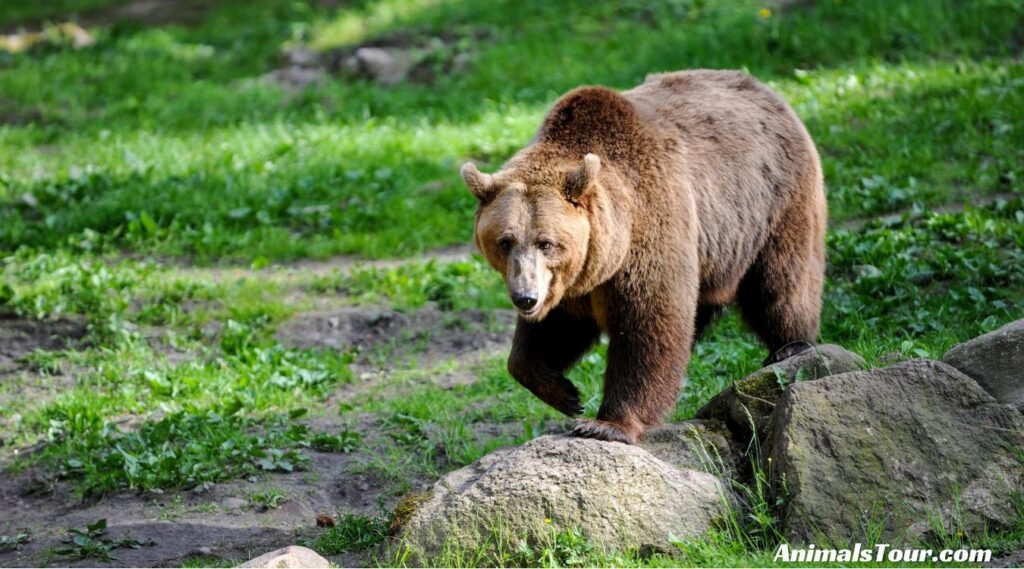
Various animals that eat oranges also demonstrate the importance of fruit in an ecosystem. For bears, consuming oranges offers hydration and essential nutrients, contributing to their overall health. This habit highlights a broader phenomenon in nature, where many animals, from monkeys to birds, consciously select fruits. Citrus fruits like oranges not only provide sustenance but also play a role in seed dispersal, helping to propagate trees and maintain biodiversity. So, the next time you think about bears, remember they are not just lumbering giants; they’re also savvy snackers who appreciate the sweetness of nature’s offerings.
Tamarins
Scientific Name: Saguinus
Class: Mammalia
Diet: Omnivore
Tamarins, those tiny monkeys full of personality, have a surprising fondness for oranges. These vibrant fruits not only satisfy their sweet tooth but also provide essential nutrients that help keep them healthy and energetic. In the wild, tamarins often forage for ripe fruits, and the juicy segments of an orange can be a delightful treat during their daily adventures. This fruit is rich in vitamin C, which supports their immune systems and helps them thrive in the dense jungles where they live.
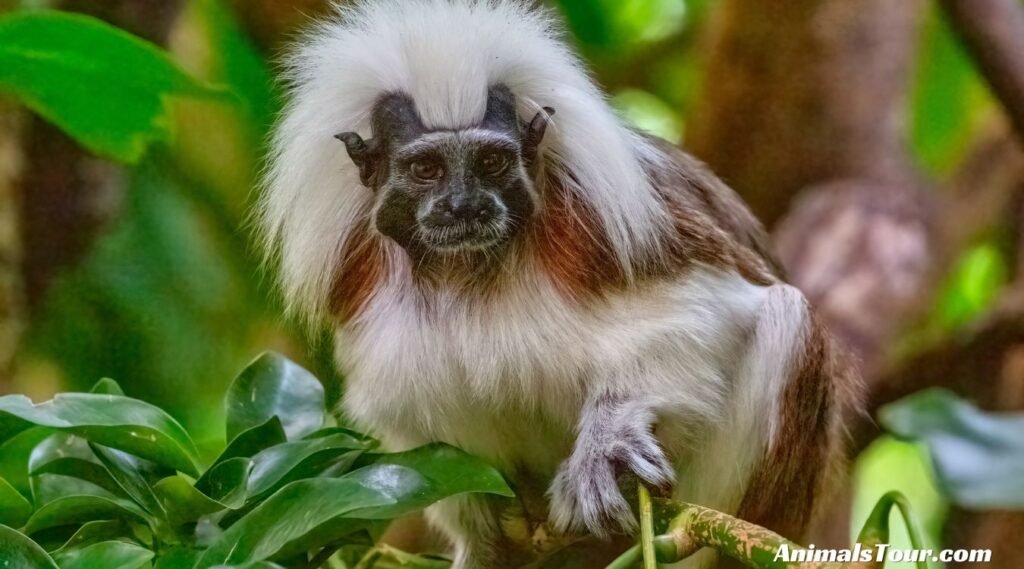
Living in family groups, tamarins share their food, making orange time a social event as well. When one tamarin finds a juicy orange, others often gather around, drawn by the scent and the bright color. This not only strengthens their bonds but also teaches younger tamarins how to forage effectively. Observing these animals that eat oranges in their natural habitat gives us insights into their social dynamics and foraging habits, reminding us that their playful nature and nutritional choices go hand in hand. Whether in the wild or in zoos, watching tamarins enjoy oranges reveals a little about their adaptability and the importance of fruit in their diet.
Fruit Bats
Scientific Name: Pteropodidae
Class: Mammalia
Diet: Frugivore
Fruit bats play a crucial role in their ecosystems, and their diet primarily consists of fruits, making them some of the animals that eat oranges. These bats have a keen sense of smell, allowing them to locate ripe fruits, often in the twilight hours. Oranges, with their juicy sweetness, are a favorite among these nocturnal foragers. As they feast on the fruit, they inadvertently help in pollination and seed dispersal, contributing to healthy forest regeneration.
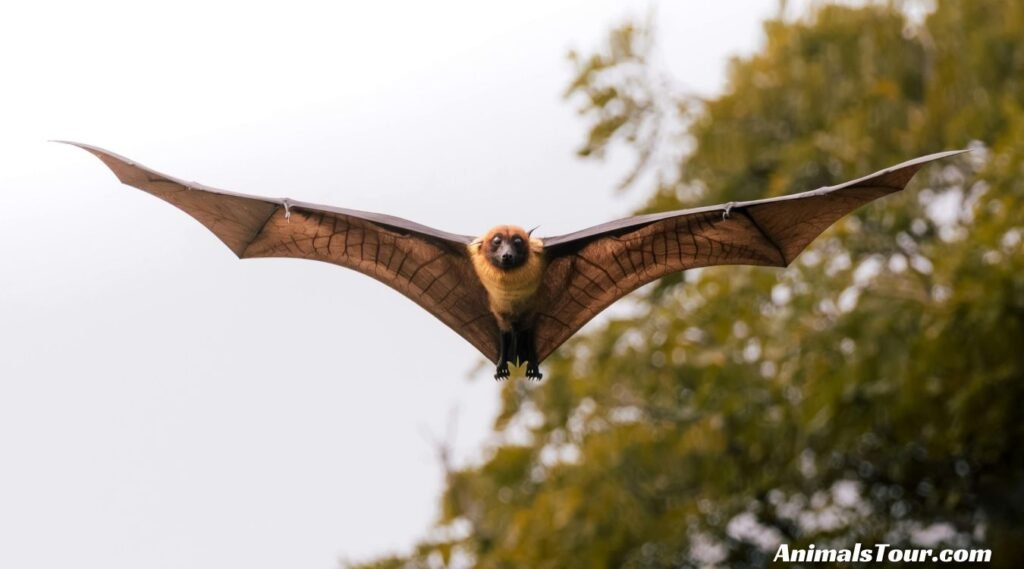
Living in tropical and subtropical regions, these bats thrive in environments rich with flowering plants and fruit-bearing trees. Their huge wingspan enables them to cover long distances in search of food, and their social nature often leads them to roost in large colonies. This communal living style adds a layer of social interaction, with bats grooming each other and sharing food, emphasizing the importance of cooperation in the wild. The circle of life for these remarkable creatures illustrates how even the simplest meals, like oranges, create waves of ecological harmony.
Northern Mockingbirds
Scientific Name: Mimus polyglottos
Class: Aves
Diet: Omnivore
Northern mockingbirds are fascinating creatures, known for their ability to mimic various sounds, but did you know they also enjoy the zesty taste of oranges? These birds are part of a larger group of animals that eat oranges, drawn to their sweet and tangy flavor. Mockingbirds not only relish the fruit’s juicy segments but also benefit from the vitamins and nutrients packed within. This fruity snack fuels their active lifestyle, as they flit from branch to branch, exploring their surroundings.
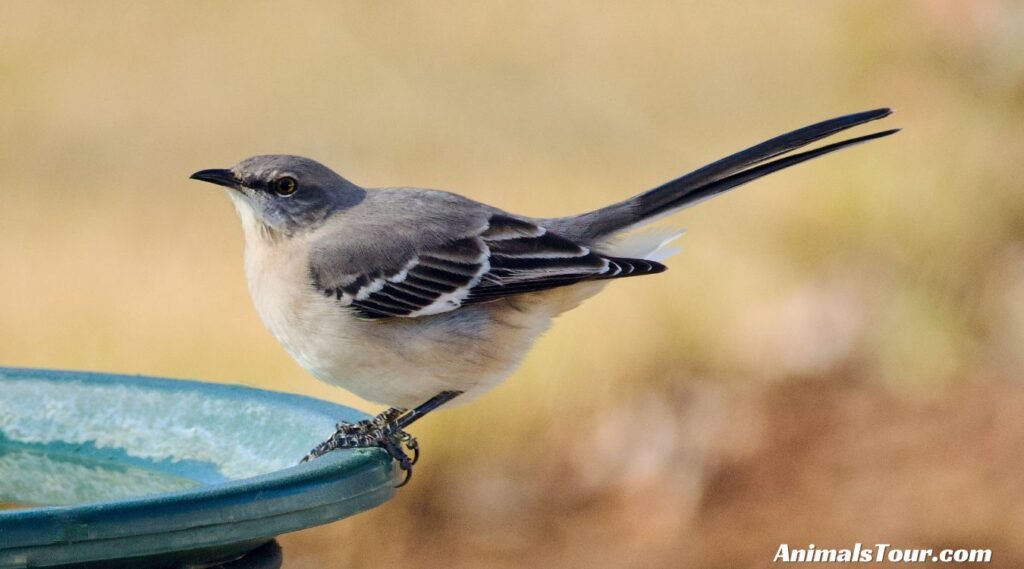
Beyond oranges, mockingbirds have a diverse diet that extends to insects, berries, and seeds. This adaptability allows them to thrive in various habitats, whether in gardens or urban areas. By munching on different food sources, they play a vital role in their ecosystems, helping to control insect populations while dispersing seeds from the fruits they consume. Next time you spot a mockingbird, consider offering some orange slices — it’s a delightful way to connect with these lively birds and support their vibrant diet!
Squirrels
Scientific Name: Sciuridae
Class: Mammalia
Diet: Omnivore
Squirrels are surprisingly versatile eaters, and their diet goes far beyond just nuts and seeds. They have a penchant for fruits, with oranges being a delightful treat. These lively critters are drawn to the bright color and sweet aroma of citrus fruits. When squirrels munch on oranges, they not only enjoy the juicy pulp but also benefit from the vitamin C and hydration the fruit offers, especially during warmer months.
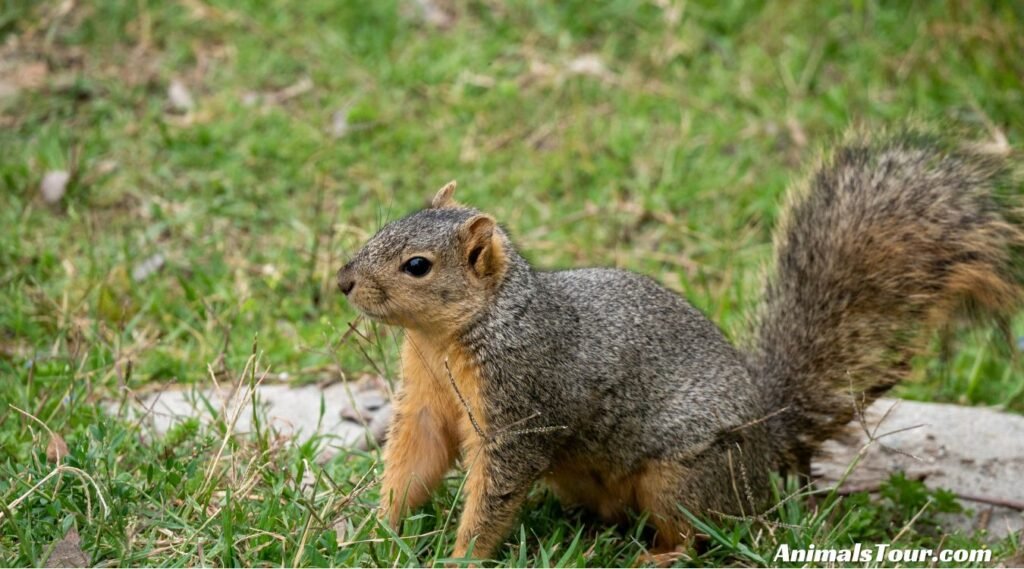
What makes squirrels fascinating is their adaptability. While they are known for their resourcefulness in urban settings, they also thrive in the wild by foraging various food sources, including flowers, insects, and fungi. Their ability to snatch an orange from a tree demonstrates their cleverness in finding diverse food options. Plus, they’re not alone in their love for citrus; many animals that eat oranges, including birds and even some insects, can often be seen sharing this fruity delight in gardens and orchards alike. This highlights the interconnectedness of nature, as different species enjoy the bounty of the same habitat!
Pigs
Scientific Name: Sus scrofa domesticus
Class: Mammalia
Diet: Omnivore
Pigs are surprisingly versatile eaters, and oranges can be a delightful treat for them. These bright, juicy fruits not only add a splash of color to their diet but also provide essential nutrients. Packed with vitamin C, oranges help boost the immune system of pigs, making them healthier and more vibrant. Interestingly, pigs have a keen sense of smell and can easily sniff out ripe oranges, which they often seek out in orchards and farms.
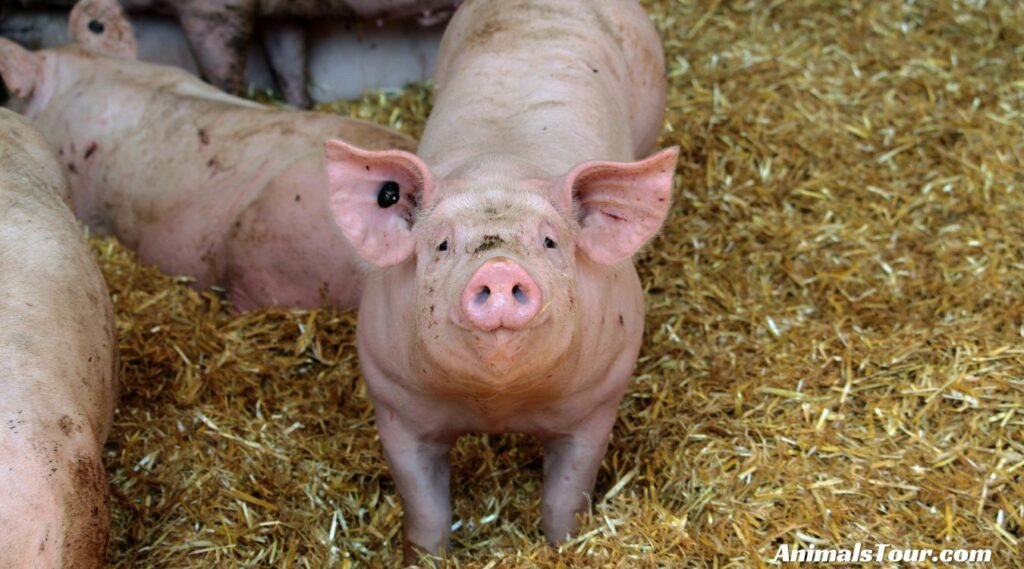
Beyond just pigs, many animals that eat oranges benefit from their high water content and sweetness. Animals in the wild, like monkeys and some birds, also enjoy these citrus fruits, enhancing their diets with natural sugars and fiber. For pigs, including oranges in their diet can lead to improved digestion and overall well-being. However, moderation is key; too many citrus fruits can upset their stomachs. Overall, incorporating oranges into a pig’s diet can be a fun way to promote health and happiness!
Parrots
Scientific Name: Psittaciformes
Class: Aves
Diet: Herbivore/Omnivore
Parrots have a naturally varied diet that reflects their vibrant personalities, and oranges are a delightful treat in their eating habits. As animals that eat oranges, parrots savor the juicy segments and bright, tangy flavor, which not only piques their interest but also provides vital nutrients. The high vitamin C content in oranges can boost their immune systems, making them not just a tasty snack but a healthful addition to their daily fare.
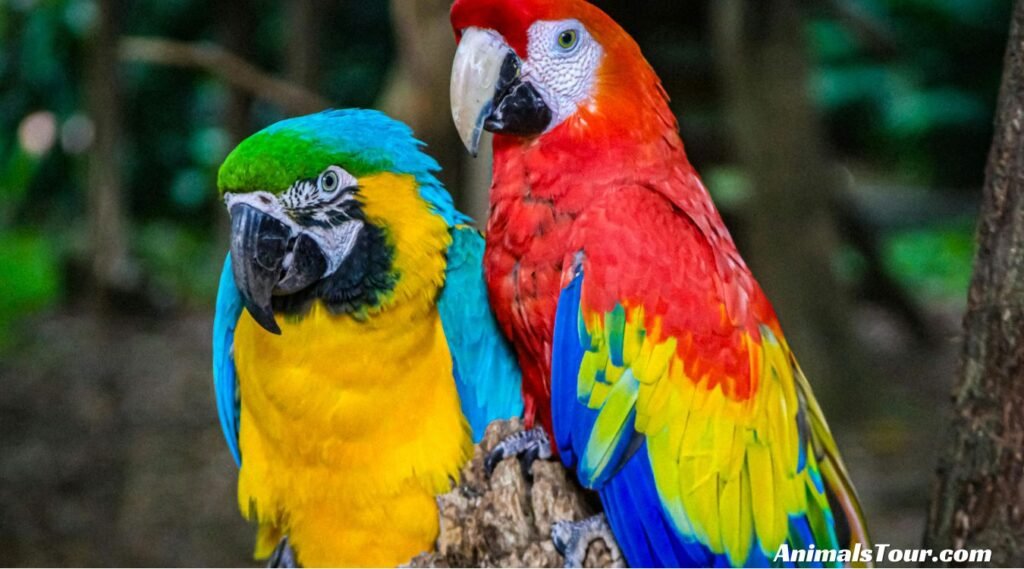
In the wild, parrots would forage for fruits, seeds, and nuts, so introducing oranges into their diet can mimic their natural feeding behaviors. Offering these citrus fruits also encourages mental stimulation, as they work to tear apart the peel and discover the treasure inside. Just imagine a parrot gleefully enjoying its orange slice, its colorful feathers glistening in the sunlight — a true feast for the senses! With the right balance of fruits, vegetables, and pellets, pet owners can ensure their feathered friends thrive both physically and mentally while indulging in treats like oranges.
Orangutans
Class: Mammalia
Diet: Mostly Frugivore
Orangutans are fascinating creatures that highlight the diversity of nature’s diets. While they’re known for their preference for fruits like durian and bananas, these clever primates also enjoy munching on oranges. This fruit, rich in vitamin C, adds a zesty twist to their usual meals and showcases their adaptability to different types of food found in their tropical habitats.
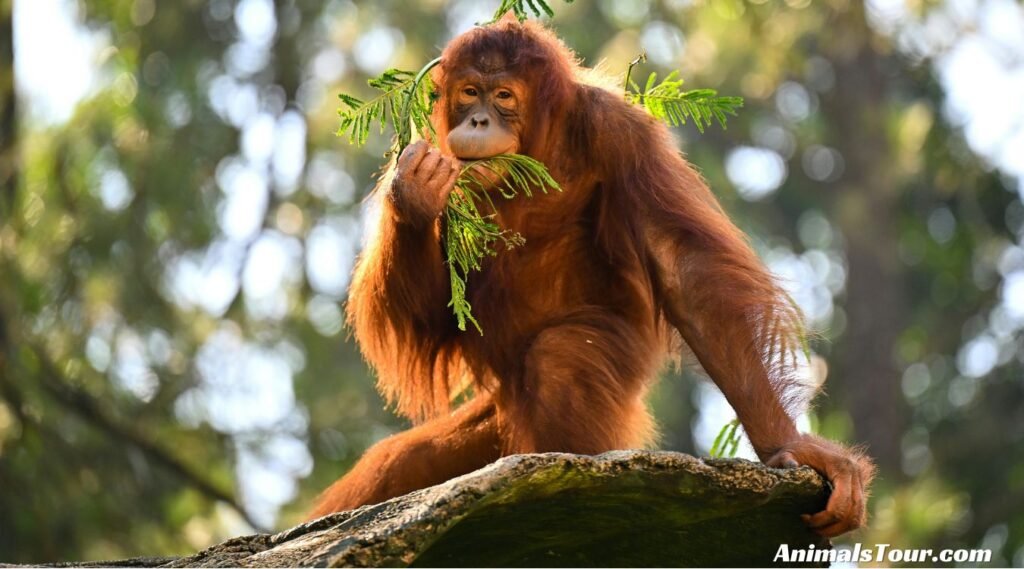
In addition to fruits, orangutans maintain a varied diet that includes leaves, bark, and even flowers. This blend ensures they receive a well-rounded nutritional intake, essential for their energy and overall health. What’s intriguing is how their foraging behavior influences their ecosystem; by spreading seeds from the fruits they eat, they play a vital role in forest regeneration. So, when you think of animals that eat oranges, remember that orangutans not only enjoy this juicy fruit but also contribute significantly to the health of their environment.
Black Rats
Scientific Name: Rattus rattus
Class: Mammalia
Diet: Omnivore
Black rats are surprisingly versatile eaters, and their affinity for oranges highlights their adaptability in various environments. These clever rodents, part of a larger group of animals that eat oranges, take advantage of fruit’s abundance, especially in urban areas where citrus trees thrive. The sweet, juicy flesh of oranges provides not just hydration but also essential nutrients that support their active lives.
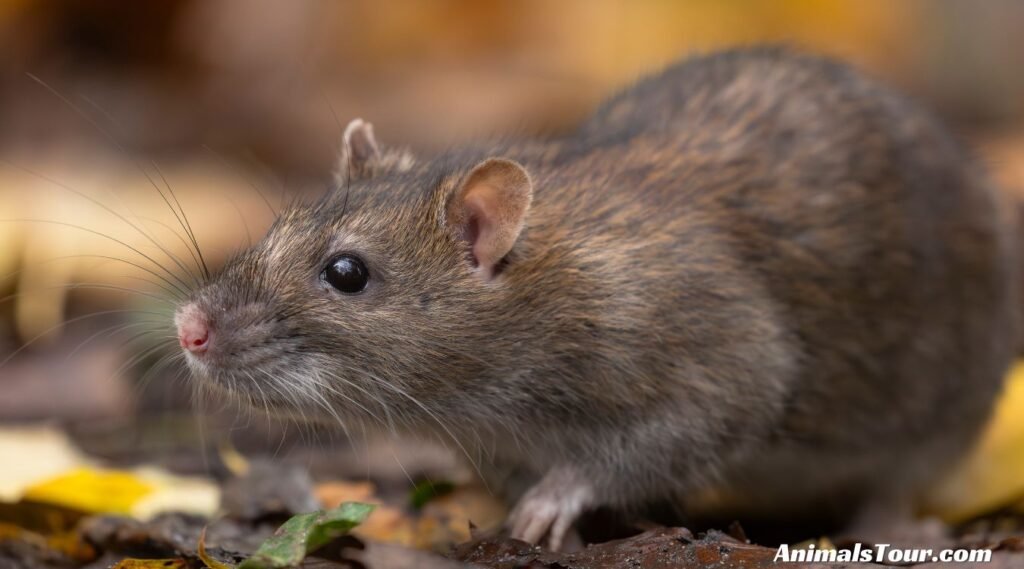
Interestingly, the diet of black rats isn’t solely based on fruits. They tend to munch on a mix of grains, seeds, and even leftover human food, showcasing their opportunistic feeding habits. This eclectic diet helps them thrive in diverse habitats, from bustling cities to rural farmlands. The presence of black rats emphasizes the intricate connections between various species and their food sources, reminding us of the delicate balance within our ecosystems. Their unique food preferences, including a penchant for oranges, reveal just how adaptable and resourceful these animals can be.
Squirrel Monkeys
Scientific Name: Saimiri
Class: Mammalia
Diet: Omnivore
Squirrel monkeys are fascinating little creatures, and their diet is just as intriguing. Among the various foods they enjoy, oranges stand out for their juicy sweetness and vibrant color. These nimble primates are known for their playful nature, and the bright citrus fruit becomes a delightful snack that provides essential vitamins and hydration. In the wild, the availability of fruits like oranges plays a crucial role in their health and energy levels, helping them stay active and social within their groups.
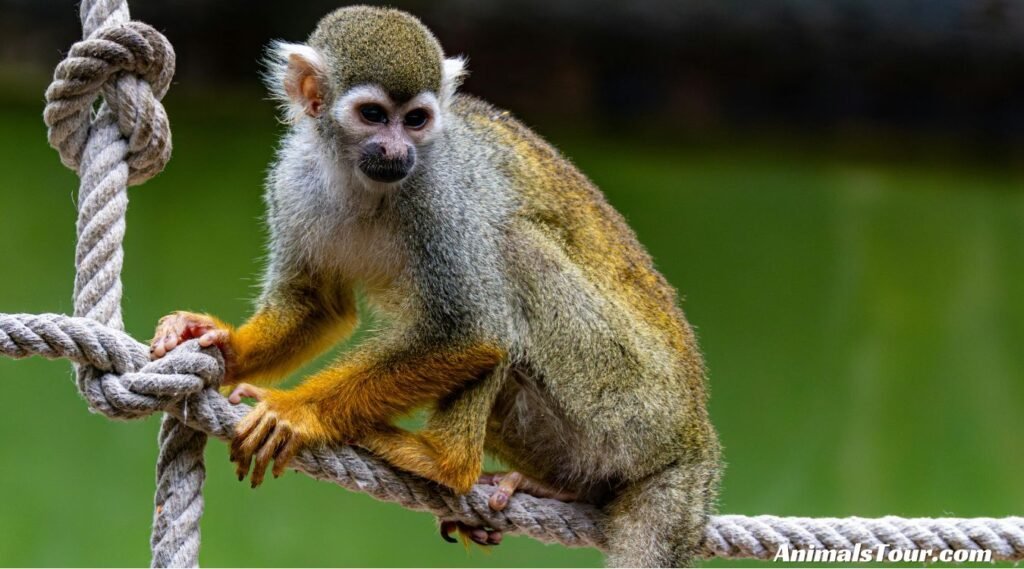
Beyond just fruits, squirrel monkeys are omnivorous, meaning they munch on insects, flowers, and even small animals. This adaptability allows them to thrive in diverse environments. While many animals that eat oranges tend to be larger or more solitary, squirrel monkeys demonstrate that even small creatures can enjoy a wide variety of foods. Their dietary habits reflect their curious personalities, as they explore their surroundings, foraging for delicious treats. So, the next time you see an orange, remember that these vibrant fruits are not just for humans — they’re a vital part of a squirrel monkey’s diet, too!
Conclusion
In conclusion, the diverse group of animals that enjoy munching on oranges showcases the fruit’s appeal in the animal kingdom. From playful monkeys to clever birds, these creatures find oranges not only tasty but also nutritious. Including oranges in their diet helps many of them meet their energy needs and stay healthy. Learning about these animals provides us with a deeper understanding of nature and its inter connection. So next time you enjoy an orange, think about the many critters out there who love them too!
FAQs
Which animal like oranges?
Many animals enjoy oranges, but one of the most notable is the monkey. In the wild, monkeys often indulge in a variety of fruits, and oranges are a sweet choice they love.
Can squirrels eat oranges?
Yes, squirrels can eat oranges! They are known to munch on various fruits, and oranges are no exception. The sweet and juicy flesh of the fruit can be quite appealing to them.
Do cows eat oranges?
Yes, cows can eat oranges, but it should be done in moderation. Oranges contain high levels of sugar and acidity, which can upset a cow’s digestive system if consumed in large quantities. In smaller amounts, they can be a treat or a source of vitamin C.
Do bears eat oranges?
Yes, bears can eat oranges, though it’s not a major part of their diet. They are omnivores and will consume a variety of fruits when available. Citrus fruits like oranges might attract them, especially if they’re ripe and sweet.
What birds will eat oranges?
Many birds enjoy snacking on oranges, particularly those that are attracted to bright colors and sweet flavors. Common visitors include mockingbirds, orioles, and tanagers. These birds are drawn to the juicy fruit, especially during migration when they need high-energy foods.
Does a rabbit eat oranges?
Yes, rabbits can eat oranges, but only in moderation. Oranges are high in sugar and acidity, which can upset a rabbit’s digestive system if consumed in large quantities.