Top 12 Animals With Big Feet (With Pictures)
Discover the fascinating world of animals with big feet. Many creatures, from powerful predators to gentle giants, possess remarkably large paws, hooves, or webbed feet, each serving vital purposes in their survival. These over sized appendages are not just for show, they help animals with crucial tasks like improving balance, gaining better grip, moving easily over tricky terrains such as snow or mud, and even swimming more efficiently. Join us as we explore the unique adaptations and impressive abilities of the Top 12 Animals With Big Feet, complete with eye-catching pictures, to see which incredible creatures made our list.
List of Animals With Big Feet
Below is the list of animals that have big feet:
- Kangaroo
- Ostrich
- African jacana
- White Rhinoceros
- Hippopotamus
- Lion
- Polar Bear
- Giraffe
- Camel
- Elephants
- Moose
- Gorilla
Kangaroo
Scientific name: Macropus
Class: Mammalia
Diet: Herbivore
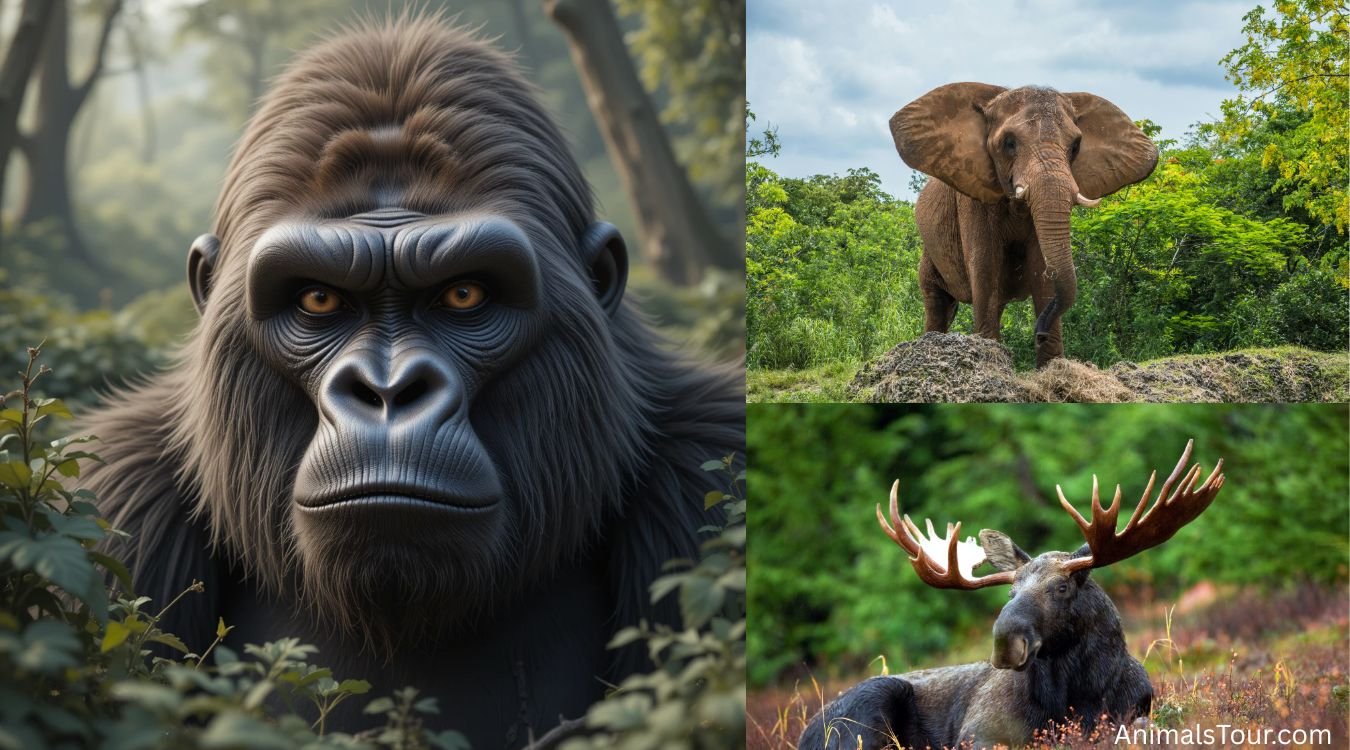
Kangaroos, iconic inhabitants of Australia, are instantly recognizable by their incredibly big feet and powerful hind legs, which are absolutely essential for their unique survival strategies. These specialized big feet are not merely for show; they enable the kangaroo’s distinctive hopping locomotion, allowing them to achieve impressive speeds across vast distances while maintaining exceptional balance and even serving as a potent defense mechanism.
Primarily found in Australia’s diverse grasslands and open woodlands, these marsupials are herbivores, relying on a diet of various grasses and native plants for sustenance. Their large, muscular feet play a crucial role in their living by facilitating efficient travel to locate food sources and water, proving indispensable for their overall survival in their often challenging habitat.
Ostrich
Scientific name: Struthio camelus
Class: Aves
Diet: Omnivore
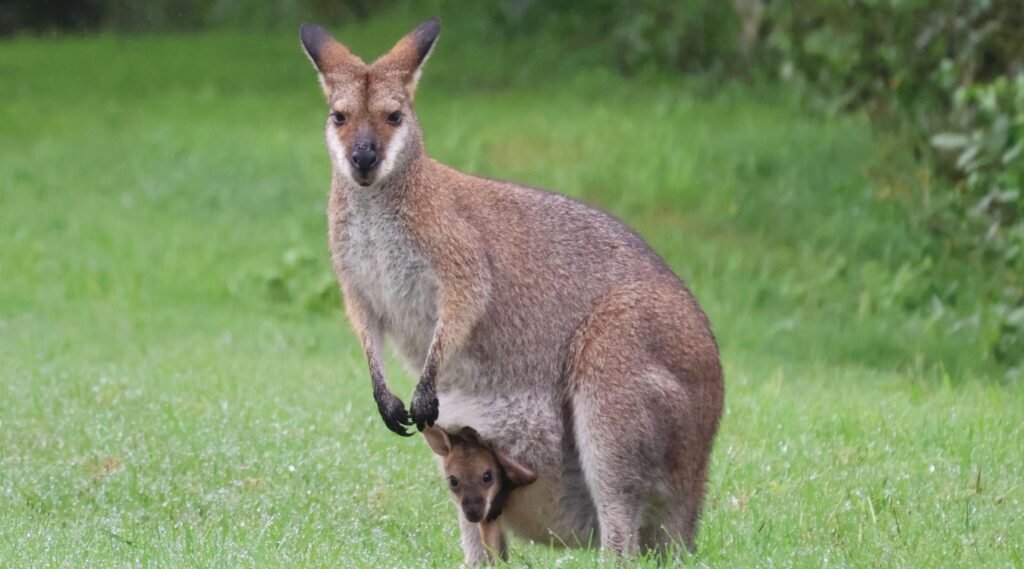
The magnificent ostrich, a colossal flightless bird, is instantly recognizable by its powerful big feet, which are absolutely vital for its survival. These unique ostrich feet, featuring just two toes, are perfectly adapted for incredible high-speed running, allowing the bird to reach up to 70 km/h (43 mph) to evade predators across its expansive habitat.
Primarily dwelling in the savannas and semi-arid plains of Africa, the ostrich skillfully navigates these open grasslands, relying on its agility and speed. As an omnivore, its varied diet consists mainly of seeds, grasses, flowers, fruits, and small insects or lizards, all foraged while traversing vast territories. Therefore, the ostrich’s big feet are not merely a physical characteristic but a fundamental adaptation, underpinning its remarkable speed, defense mechanisms, and overall ability to thrive in the challenging African ecosystem.
African jacana
Scientific name: Actophilornis africanus
Class: Aves
Diet: Omnivore
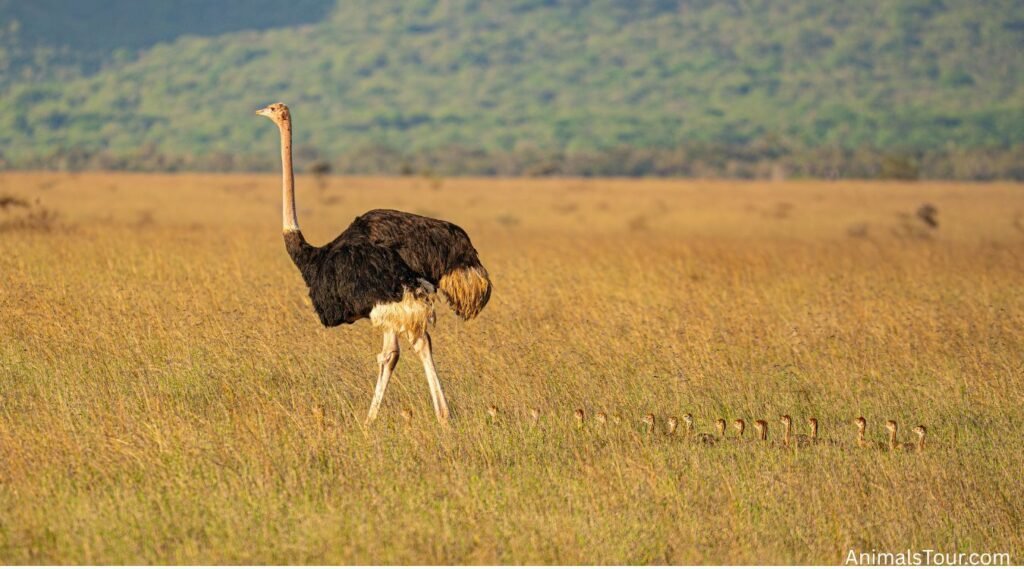
The African jacana is a big feet animal, instantly recognizable by its extraordinarily big feet. These disproportionately long toes and claws are not for speed or defense, but rather a crucial design feature distinguishing it from many other big feet animals. Inhabiting calm, shallow waters across sub-Saharan Africa, the jacana thrives amidst extensive mats of floating vegetation like water lilies and papyrus, where its impressively expanded digits distribute its light body weight so efficiently that it can walk effortlessly across lily pads, earning it the nickname “Jesus bird.”
This unique adaptation is essential for its lifestyle, allowing it to navigate its watery habitat and forage for its diet, which primarily consists of insects, small fish, and seeds found on or just below the water’s surface. Ultimately, the African jacana’s specialized big feet are indispensable, defining its unique mode of living and ensuring its survival in its aquatic world.

White Rhinoceros
Scientific name: Ceratotherium simum
Class: Mammalia
Diet: Herbivore
White rhinoceroses are huge animals, and they have really big feet that help them a lot. Because these rhinos are so heavy, their large feet spread out their body weight, which keeps them from sinking too deeply into soft ground like mud or loose dirt. Having big feet also gives them good balance and stability, letting them walk long distances every day to find food and water. These strong, wide feet are essential for such a large animal to move around easily and comfortably in its natural home.
Hippopotamus
Scientific name: Hippopotamus amphibius
Class: Mammalia
Diet: Herbivore
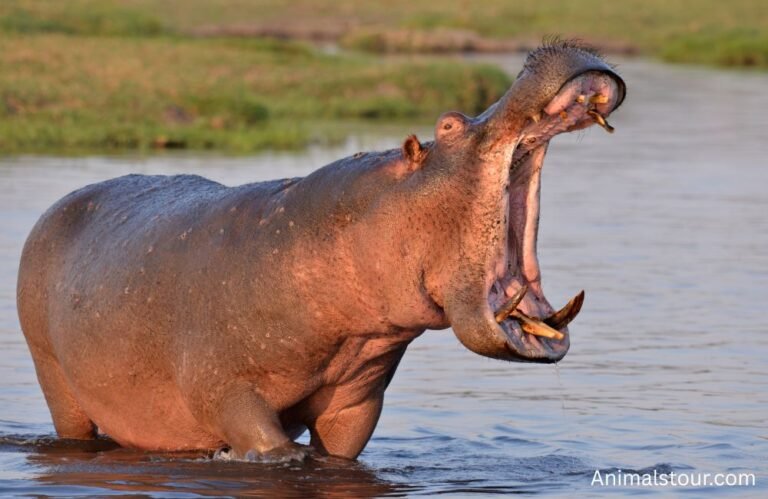
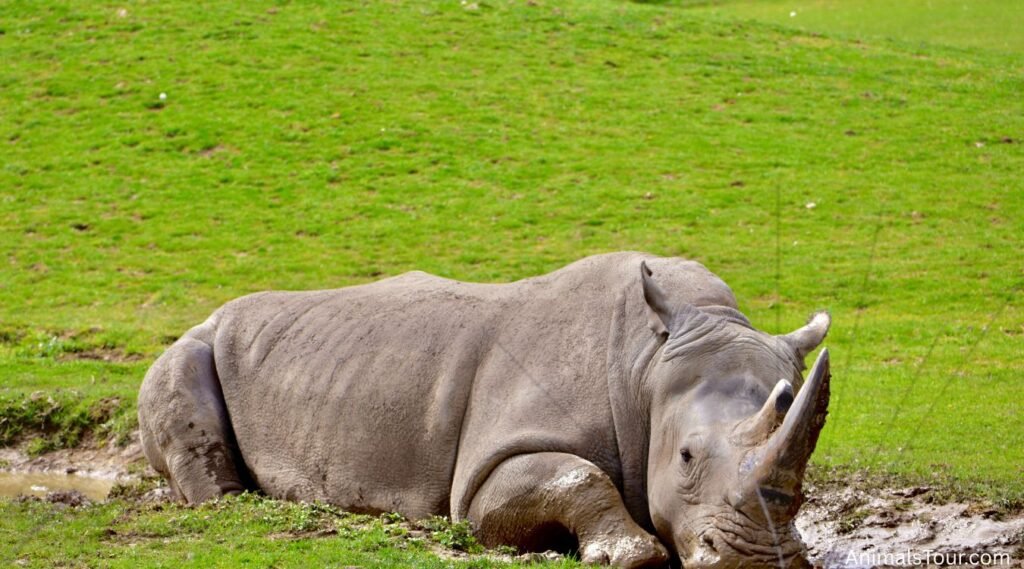
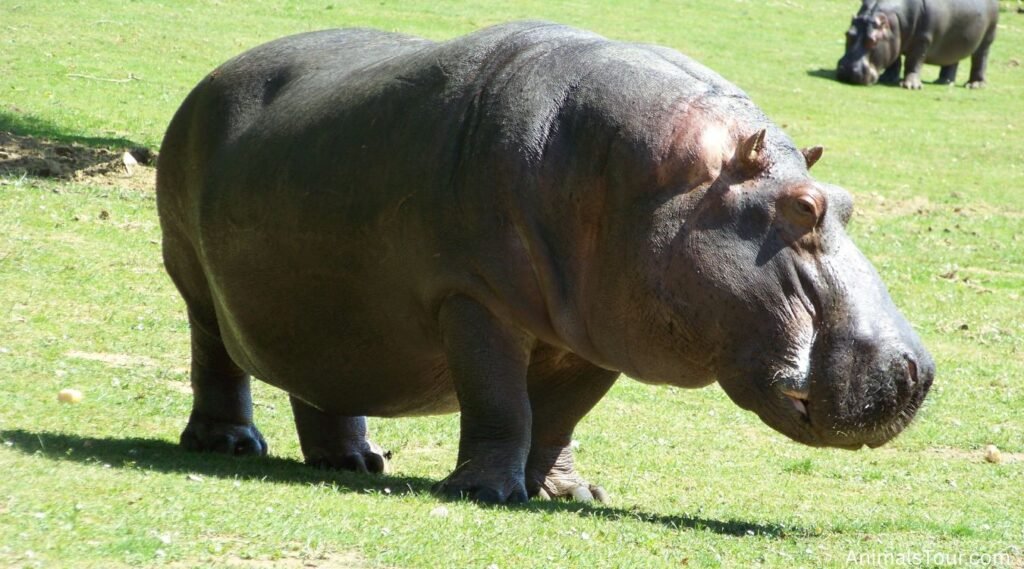
The hippopotamus, often called a hippo, is well-known for its remarkably big feet, which are essential for its unique way of life. These massive, often slightly webbed feet are crucial for the heavy hippo, helping it move easily on soft riverbeds and muddy shores without sinking. Hippos spend most of their day in the rivers, lakes, and swamps found across sub-Saharan Africa.
At night, this animal with big feet leave their watery homes to graze on short grasses, and their strong feet allow them to walk across land to find their food. Thus, the hippopotamus relies on its big, strong feet to navigate its semi-aquatic world and secure its grassy meals.
Lion
Scientific name: Panthera leo
Class: Mammalia
Diet: Carnivore
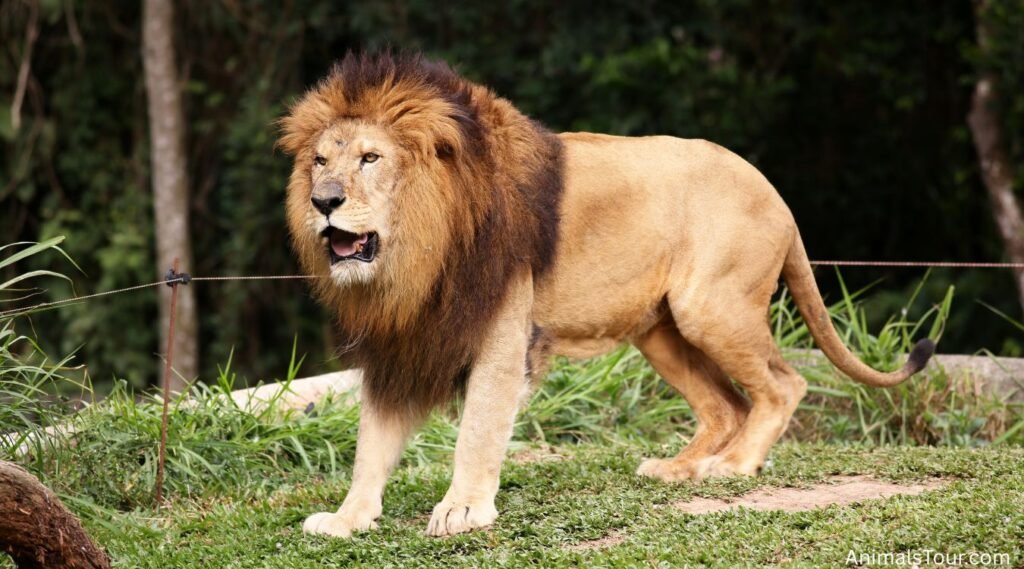
Discover the majestic lion, a formidable apex predator whose powerful big feet are crucial for its survival in the wild. These impressive big feet, equipped with retractable claws, provide exceptional grip and traction, essential for navigating diverse terrains and launching powerful attacks. Such robust paws are vital for their hunting prowess, enabling them to achieve surprising speed when chasing prey and deliver devastating blows during a pounce, solidifying their role as an apex predator.
Predominantly found roaming the vast savannas and grasslands of Africa, with a small population of Asiatic lions in India, their habitat demands this specialized physical adaptation. Their diet primarily consists of large herbivores like wildebeest, zebra, and buffalo, which they skillfully hunt using the very strength and agility facilitated by their remarkable big feet. Ultimately, animal with big feet is not just a physical trait but a fundamental adaptation underpinning their entire hunting lifestyle and ensuring their continued dominance in their ecosystem.
Polar Bear
Scientific name: Ursus maritimus
Class: Mammalia
Diet: Carnivore
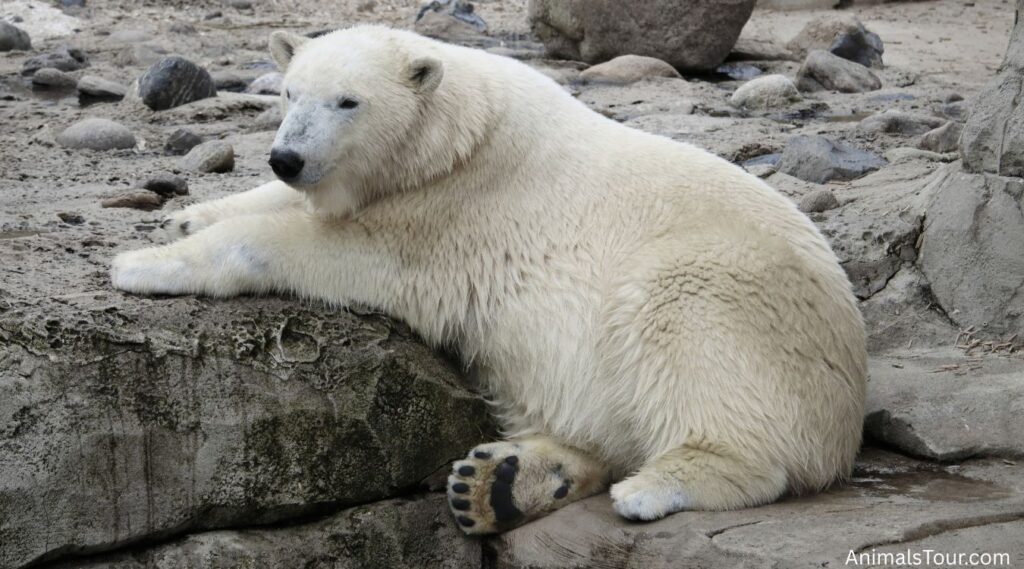
Discover the fascinating world of the polar bear, an iconic Arctic predator whose survival hinges on its remarkable adaptations, especially its distinctive big feet. These massive, paddle-like paws are perfectly engineered for life in a frozen wilderness, acting like natural snowshoes to distribute their weight, preventing them from sinking into deep snow and providing essential traction on slippery ice.
Beyond land, their partially webbed paws transform into powerful flippers, propelling them effortlessly through frigid waters as they hunt seals, making them expert swimmers and formidable marine mammals in their harsh Arctic habitat. Ultimately, the polar bear’s big feet are not just a physical trait but a vital tool, enabling their unique lifestyle and ensuring their continued survival as the undisputed king of the Arctic.
Giraffe
Scientific name: Giraffa camelopardalis
Class: Mammalia
Diet: Herbivore
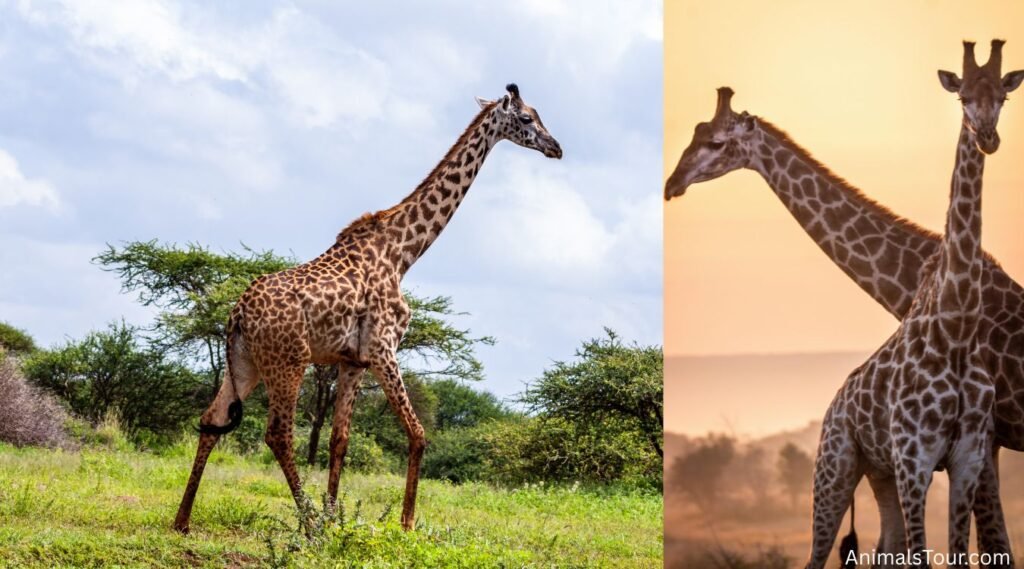
Giraffes possess remarkably large feet, a critical adaptation essential for managing their immense size and unique lifestyle. These expansive hooves are not merely large; they serve as vital anchors, providing unparalleled stability and balance for the world’s tallest mammal. Crucial for navigating the diverse terrains of the African savanna, their broad feet distribute their substantial body weight evenly, preventing them from sinking into softer ground while supporting them as they reach for high acacia leaves or splay awkwardly to drink.
Without these specialized big feet, a giraffe’s towering stature would be a significant liability rather than an advantage in their natural habitat. Ultimately, the giraffe’s big feet are a perfect evolutionary design, underpinning their stability and survival in the challenging wild.
Camel
Class: Mammalia
Diet: Herbivore
Camels are instantly recognizable by their uniquely adapted big feet, an essential feature that underpins their incredible ability to thrive in the world’s most challenging desert environments. These distinctive, broad, and padded soles are perfectly designed to distribute the camel’s substantial weight over loose desert sand, effectively preventing them from sinking, a critical advantage for traversing vast, arid terrains where other animals would struggle.
This specialized anatomy allows camels to navigate shifting dunes and rocky landscapes with remarkable efficiency, directly supporting their lifestyle of long journeys between scarce water sources and sparse vegetation. Ultimately, the camel’s big feet are not just a physical characteristic but a fundamental evolutionary adaptation, central to their survival and dominance in harsh desert ecosystems.

Elephants
Class: Mammalia
Diet: Herbivore
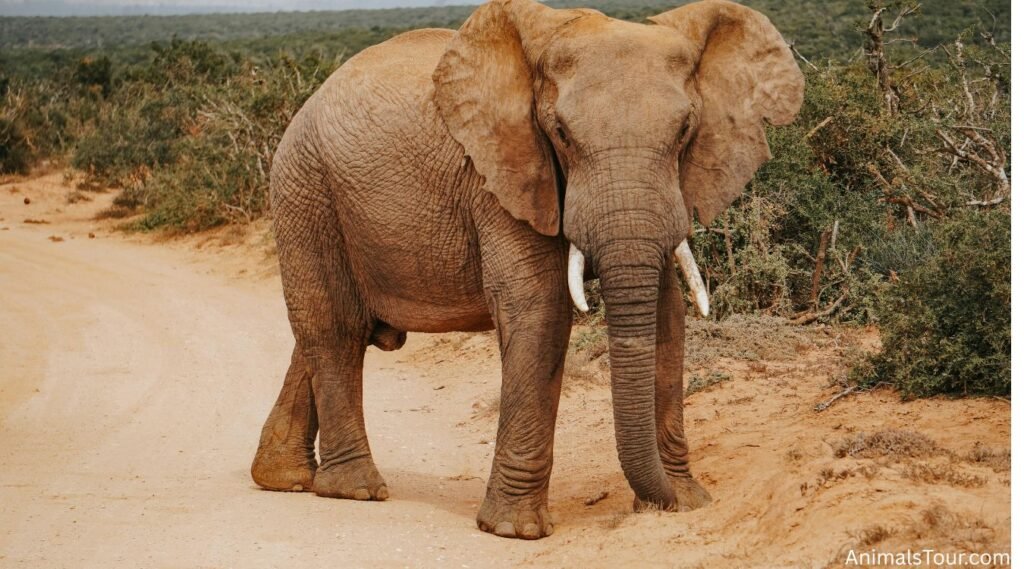
Elephants are renowned for their massive bodies and equally impressive big feet, which are absolutely critical for their survival and unique way of living. These enormous elephant feet are expertly designed to distribute their immense weight, preventing them from sinking into soft ground and providing crucial stability and traction across diverse terrains, from muddy riverbeds to rocky landscapes.
Beyond providing unparalleled support, the sensitive soles of their feet allow them to detect subtle ground vibrations for communication and sensing distant dangers, while also aiding their impressive strength for long-distance treks and foraging. Ultimately, an elephant’s big feet are a multifaceted adaptation, indispensable for their mobility, environmental interaction, and overall thriving in their natural habitats.
Moose
Scientific name: Alces alces
Class: Mammalia
Diet: Herbivore
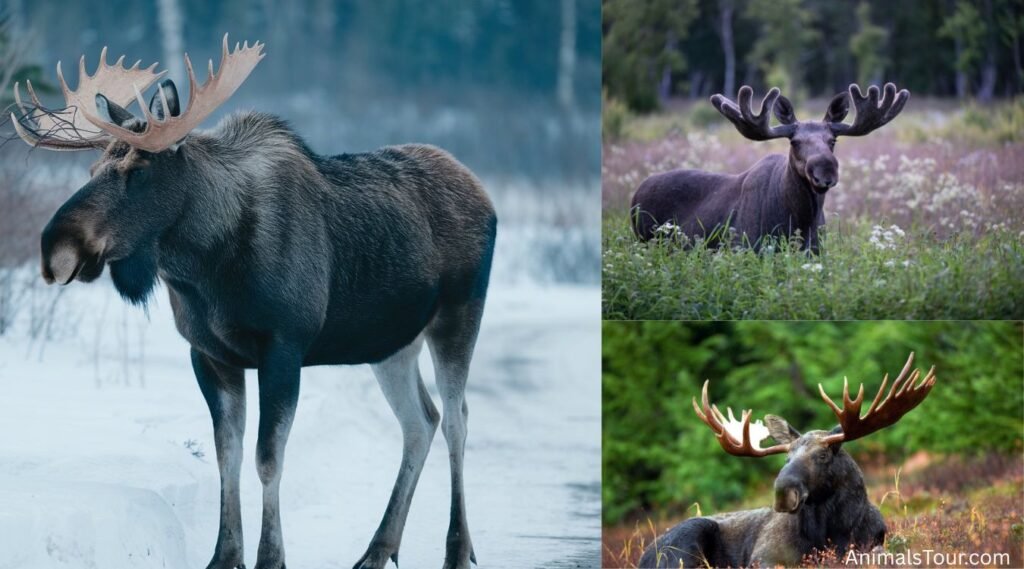
Discover why the majestic moose relies on its remarkably big feet for survival in challenging northern environments. These impressive hooves, often spanning the size of dinner plates, are a critical adaptation, functioning like natural snowshoes to distribute the moose’s substantial weight across deep snow, preventing them from sinking during harsh winters.
Furthermore, their expansive surface area provides essential stability and traction in soft, muddy terrain and wetland habitats, allowing moose to navigate bogs and swamps where they forage for vital aquatic vegetation. This incredible adaptation underscores how the moose’s big feet are not just a defining physical feature, but an indispensable tool for thriving in their diverse and often demanding living conditions.
Gorilla
Scientific name: Gorilla gorilla
Class: Mammalia
Diet: Herbivore
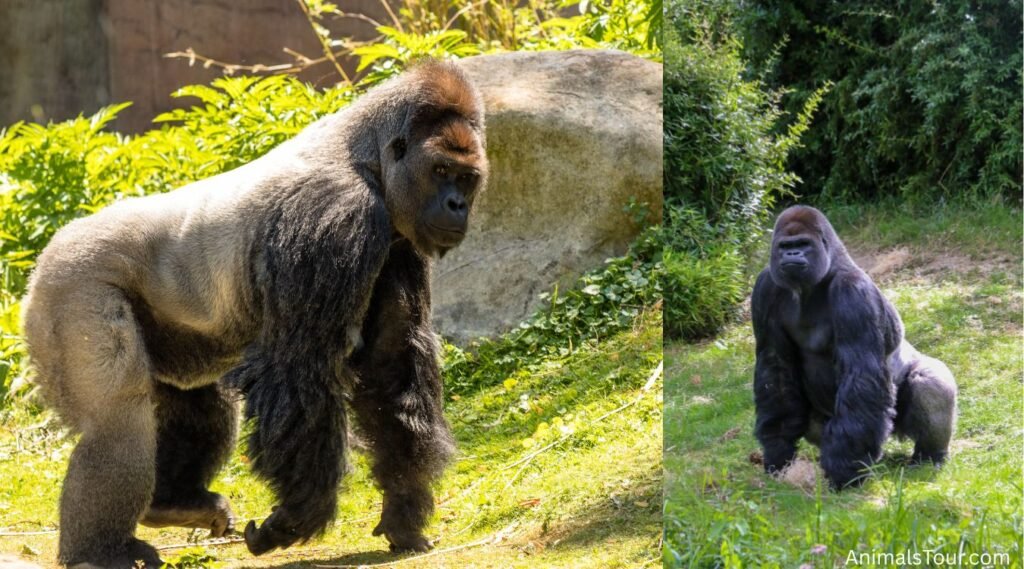
Discover how the formidable gorilla, king of the forest, utilizes its remarkably big feet for survival and dominance within its natural habitat. These large, powerful feet are crucial for providing exceptional grip when climbing trees, allowing gorillas to navigate their dense forest environment with agility despite their massive size.
Furthermore, their unique adaptation for knuckle-walking on the ground heavily relies on these broad, strong feet to support their immense weight, ensuring stability and efficient movement across varied terrains as they live across both arboreal and terrestrial spaces. Ultimately, the gorilla’s impressive big feet are a prime example of evolutionary adaptation, perfectly suited to their combined lifestyle, enabling them to thrive in their challenging forest homes.
Final Thoughts
Ultimately, the incredible array of animals with big feet, from the powerful elephant to the agile snow leopard, highlights nature’s ingenious design and the diverse evolutionary advantages of large paws. These remarkable creatures showcase how substantial foot size serves as a vital adaptation, enabling everything from enhanced stability and traction in challenging terrains to powerful swimming, digging, and hunting capabilities. Each of the top 12 animals we’ve explored masterfully utilizes its big feet as a crucial tool for survival, whether navigating deep snow, marshy ground, or dense forests. Their unique foot adaptations truly underscore the intricate balance and specialized features that allow these fascinating creatures to thrive and dominate their respective environments across the globe.
FAQs
What animal has the biggest feet?
The animal with big feet is the elephant. Elephants have large, flat feet that help support their massive weight and provide stability when moving through their natural habitats.
What animal has the largest paws?
Polar bears have the largest paws of any land carnivore. Their front paws can measure up to 12 inches across. These massive paws help them distribute their weight on the ice, providing better traction and stability as they move across snowy terrains.
Do giraffes have big feet?
Yes, giraffes do have big feet. Their foot size helps support their tall and heavy bodies, allowing them to maintain balance while walking or running.
Which bird has huge feet?
The African jacana is known for its impressively large feet, which it uses to walk on floating vegetation.