Top 20 Clumsy Animals in the World: Awkward but Lovable
Clumsiness is often seen as a flaw, but in the animal kingdom, it can be downright hilarious! Meet the Top 20 Clumsy Animals in the world, each showing their own awkward charm and funny waddles that will surely make you smile. Understanding these creatures not only enriches our appreciation of wildlife but also highlights the charm in their imperfections. Join us for a fun and fascinating journey into the lives of these lovable, clumsiest animals!
List of the Top 20 Clumsy Animals in the World
Here is the list of the top 20 clumsiest animals from around the world that are known for their waddles, slips, tumbles, and other entertaining mishaps.
- 1 Giant pandas
- 2 Sloth
- 3 Camel
- 4 Koala
- 5 Penguins
- 6 Ostrich
- 7 Capybaras
- 8 Harbor seal
- 9 Moose
- 10 Hippopotamus
- 11 Manatee
- 12 Baby elephant
- 13 Cat
- 14 Flamingo
- 15 Giraffes
- 16 Sea lion
- 17 Walrus
- 18 Duck
- 19 Basset Hound
- 20 Porcupine
Giant Pandas
Scientific name: Ailuropoda melanoleuca
Class: Mammalia
Diet: Herbivore
Giant pandas are often celebrated as some of the most charming yet clumsy animals in the world. Their awkward movements, especially when climbing trees or engaging in playful antics, add to their delightful persona. Watching a panda tumble while chasing a ball or frolic with their young can evoke laughter and warmth, highlighting their playful nature. This clumsiness arises from their unique physiology, with a robust body adapted to a herbivorous diet of bamboo.
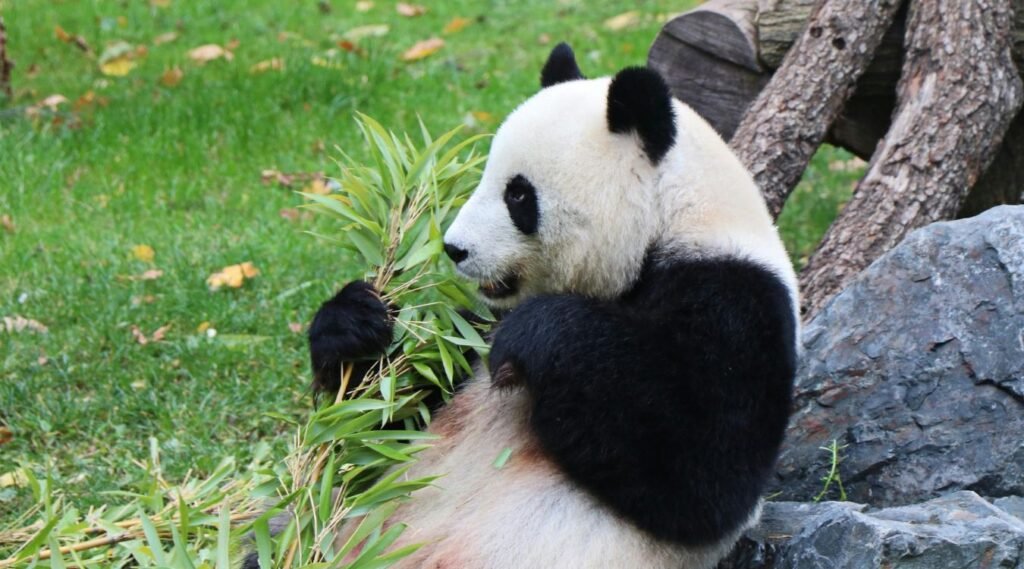
Interestingly, this inherent awkwardness also serves a crucial role in their survival. While bamboo is their staple, the pandas’ playful interactions foster social bonds and help young pandas develop the physical skills needed to navigate their habitats. These seemingly silly moments show that in the life of clumsy animals, play is not just entertaining-it is essential for learning and growth in the natural world.
Sloth
Scientific name: Bradypus variegatus
Class: Mammalia
Diet: Herbivore
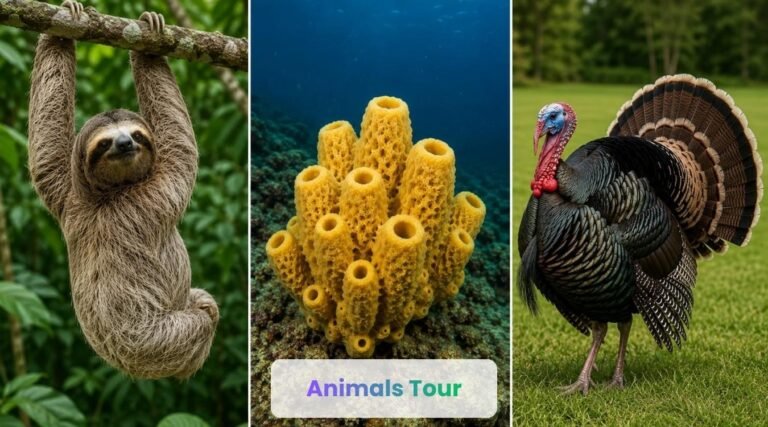
Sloths, often seen as symbols of leisure, represent a fascinating paradox in the animal kingdom. Their slow-moving, tree-dwelling lifestyle may seem clumsy and uneventful, but it is actually a powerful strategy for survival. With a low metabolic rate, sloths conserve energy while feeding on leaves that provide very little nutrition. This slow pace also helps them avoid predators and quietly move through the forest canopy.
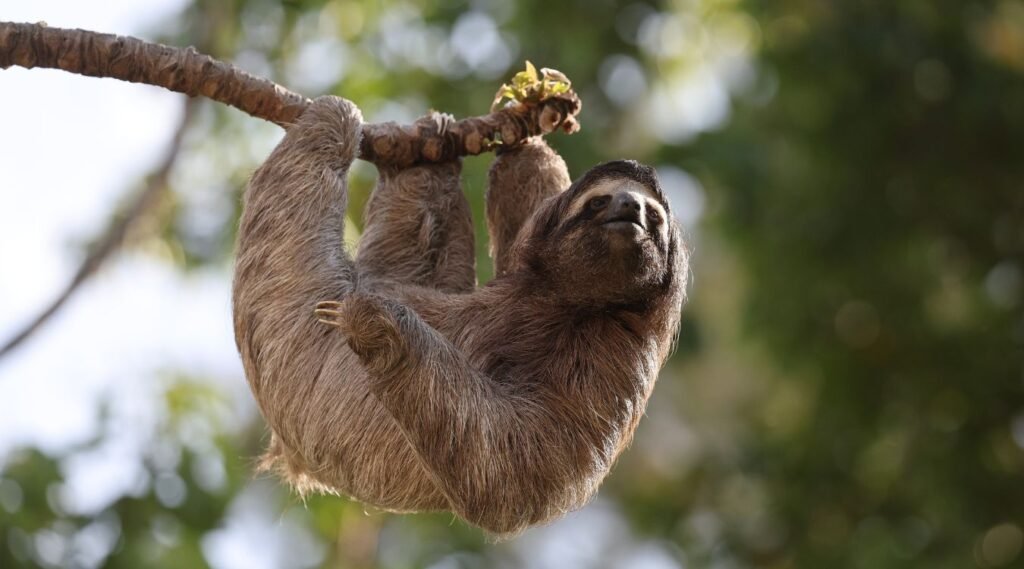
Their awkward movements, though seemingly ungraceful, are perfectly suited for life in the treetops. Sloths have specialized limbs that allow them to hang upside down comfortably while resting or feeding. Their fur even hosts algae that act as natural camouflage, helping them blend into their surroundings. These unique traits show that even among clumsy animals, nature often hides remarkable survival strategies.
Camel
Scientific name: Camelus dromedarius
Class: Mammalia
Diet: Herbivore
Camels, often celebrated for their striking adaptation to desert survival, may appear clumsy at first glance with their long legs and swaying gait. However, this perceived clumsiness is actually a remarkable adaptation for life in the harsh, shifting sands of their arid habitats.
The large, padded feet prevent camels from sinking into soft ground, allowing these desert animals to move across uneven terrain with surprising ease. In addition, their ability to conserve water and regulate body temperature makes them true marvels of evolution, with some species able to withstand weeks without drinking.
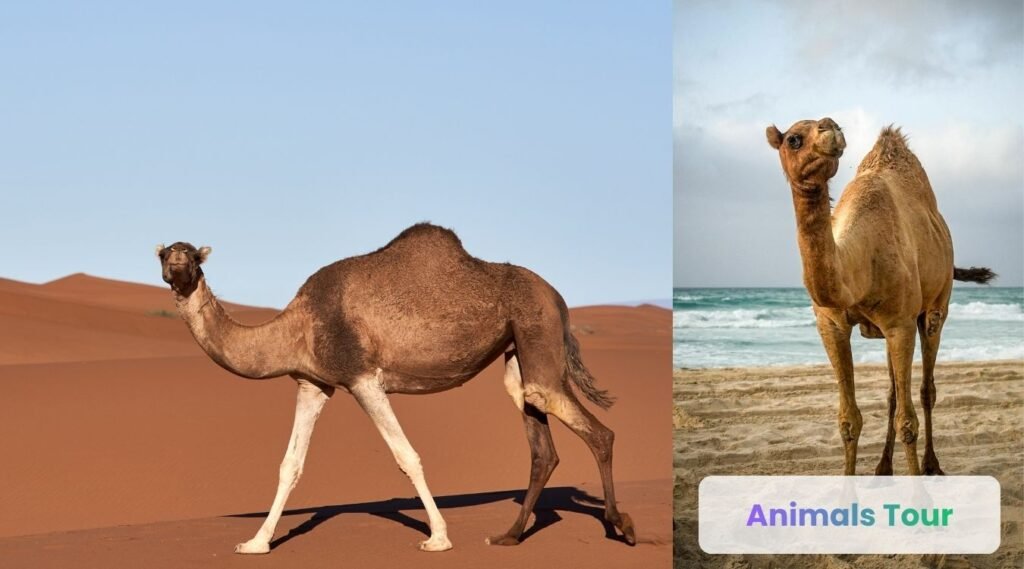
The camel’s unique physical features play a vital role in its survival in extreme environments. Their long eyelashes and specially shaped ears help keep out blowing sand, while their two-toed feet provide stability on loose desert surfaces.
Another impressive feature is the camel’s ability to store fat in its humps, which serves as a valuable source of energy during long journeys. Observing these creatures reveals that what may seem like clumsiness is actually a highly refined set of traits perfectly suited for life in one of the world’s most challenging ecosystems.
Koala
Scientific name: Phascolarctos cinereus
Class: Mammalia
Diet: Herbivore
Koala bears are often admired for their adorable appearance and relaxed lifestyle, but there is more to these clumsy animals than their sleepy image suggests. Native to Australia, these arboreal mammals live high in eucalyptus forests and rely almost entirely on eucalyptus leaves for food. Because these leaves are low in nutrients and contain natural toxins, koalas must eat large amounts while conserving energy. As a result, they spend much of their day resting, a slow-paced lifestyle that helps them survive on such a limited diet.
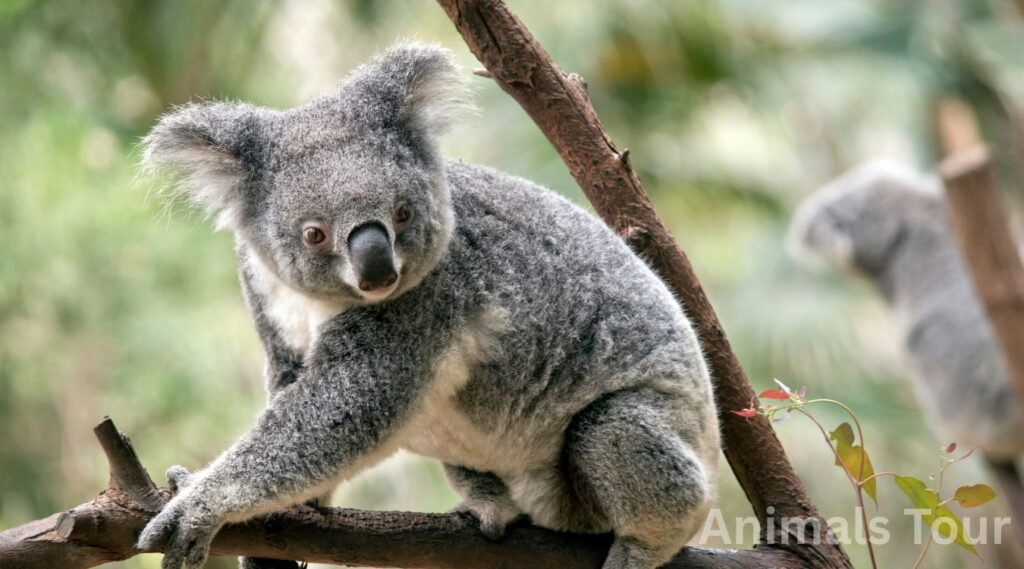
Koalas also have a strong sense of smell that allows them to choose the safest and most nutritious leaves. During mating season, their deep and surprising vocalizations echo through the forest, showing that these quiet animals have a more complex social life than many people expect. Beyond their charming appearance, koalas contribute to the balance of their ecosystem by feeding on eucalyptus trees and helping maintain forest health.
Penguins
Scientific name: Aptenodytes forsteri
Class: Aves
Diet: Carnivore
Among the many clumsy animals in the world, penguins stand out for their charming mix of awkwardness and adaptability. These waddling birds are famous for their amusing walk across icy shores, often appearing a bit ungainly on land. Yet their bodies are perfectly designed for life in the water. With streamlined shapes and flipper-like wings, penguins move through the ocean with high speed and grace, a sharp contrast to their slow and careful steps on land.
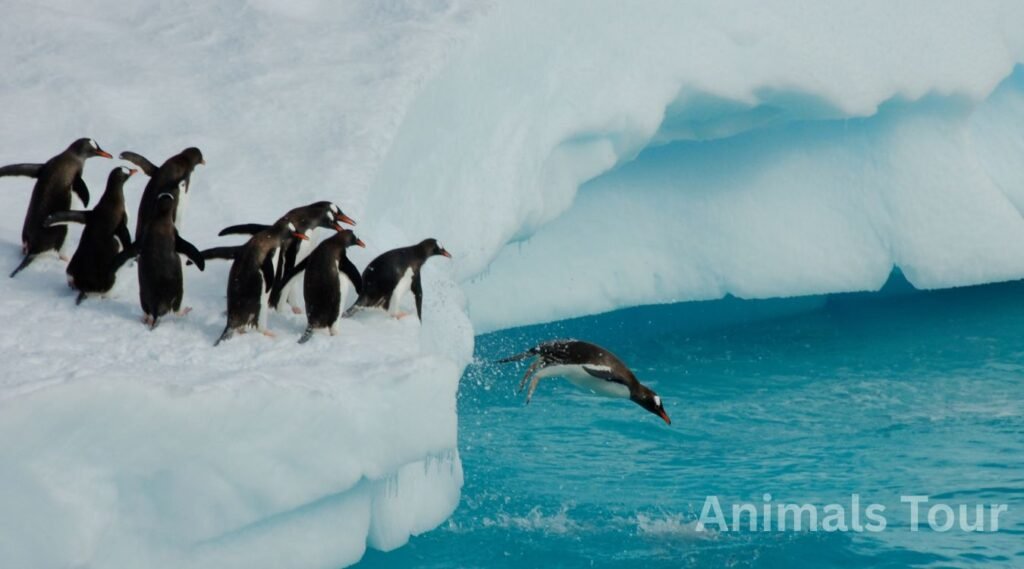
Beyond their distinctive movement, penguins are also known for their strong social bonds. As flightless birds, they gather in large colonies where communication is essential. Each penguin has a unique call that allows parents and chicks to recognize one another even in crowded groups. These close connections help strengthen their chances of survival in some of the planet’s harshest environments.
Ostrich
Scientific name: Struthio camelus
Class: Aves
Diet: Omnivore
Ostriches are not just the world’s largest birds; they are the symbols of adaptability and resilience in the animal kingdom. Native to the savannas and grasslands of Africa, these flightless birds are often considered among the most clumsy animals due to their ungainly gait, but this appearance is deceptive.
Their long, powerful legs are built for sprinting at speeds up to 45 miles per hour, making them the fastest-running birds on land, and also serve as formidable weapons against predators. While their size and strength can make them seem awkward when moving slowly, these unique adaptations allow ostriches to thrive in their harsh environment.
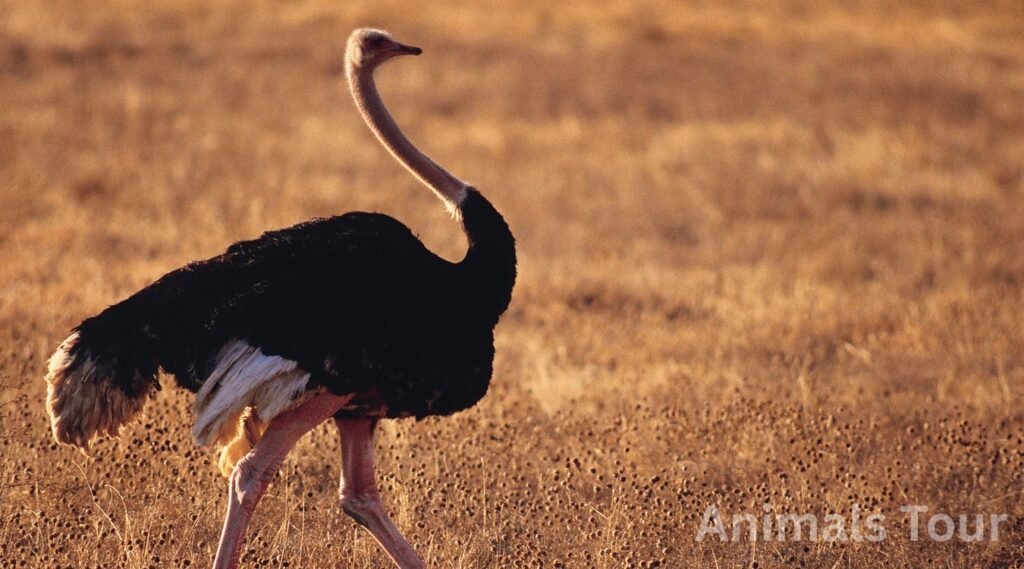
As the world’s largest flightless bird, the ostrich has evolved in remarkable ways that defy its reputation. Unlike other birds that take to the skies, ostriches have developed strong legs and a keen sense of awareness, enabling them to escape predators through speed and agility rather than flight.
Interestingly, their oversized eyes provide excellent vision, allowing them to spot danger from afar. This evolutionary pivot from airborne to terrestrial life showcases a different kind of adaptability, reminding us that sometimes, the ground-dwelling species may have more tricks up their sleeves than we tend to give them credit for.
Capybara
Scientific name: Hydrochoerus hydrochaeris
Class: Mammalia
Diet: Herbivore
The capybara, the largest rodent on Earth, often surprises those who encounter it with its endearing clumsiness and serene presence. These slow-moving animals glide through their wetlands with an undeniable charm, often seen lounging lazily by the water’s edge. While they may appear lethargic, their adaptability to both land and water demonstrates a remarkable versatility that belies their gentle demeanor.
Capybaras are remarkable for their strong social instincts. They thrive in groups, forming close bonds that enhance the safety and well-being of the entire community. This social structure encourages playful interactions, helping these gentle herbivores stay active and engaged in their environment. Their calm and friendly nature has even earned them a reputation as the “gentle giants” of the wetlands, adored by other animals and humans alike.
Harbor seal
Scientific name: Phoca vitulina
Class: Mammalia
Diet: Carnivore
Found along the coasts of the Northern Hemisphere, harbor seals are often seen lounging on rocky shores or bobbing playfully in coastal waters, their mottled coats and soulful eyes giving them a quiet, understated elegance. These animals exhibit a fascinating contrast between their movements on land and in water.
When they haul themselves onto rocky shores or sandy beaches, their slow, waddling motion can make them appear somewhat ungainly. This is why harbor seals are sometimes included among clumsy animals in the world. However, once they enter the water, they transform into incredibly agile swimmers. As skilled pinnipeds, they glide through coastal waters using powerful, fluid strokes that highlight their natural efficiency in the ocean.
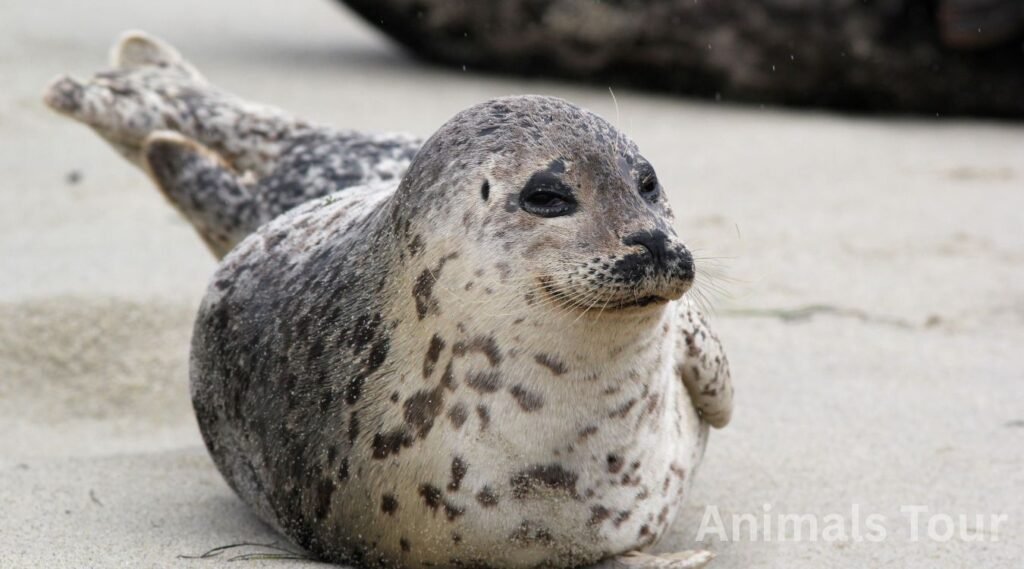
Socially, harbor seals exhibit a complex structure that reflects their need for interaction and cooperation. Known to gather in large groups, these seals engage in vocalizations and physical displays that strengthen their social bonds. Their social interactions can also include communal resting, where they seem to take comfort in one another’s presence. This shows a level of camaraderie that belies their solitary reputation. These seemingly clumsy animals have richer social lives than many realize.
Moose
Scientific name: Alces alces
Class: Mammalia
Diet: Herbivore
Moose, the largest deer species, are powerful animals known for their towering size and impressive antlers. Found across the forests and wetlands of North America, they can stand over six feet tall at the shoulder. Their long legs and heavy bodies sometimes make their walk appear awkward, especially when moving through dense forests or uneven terrain. However, these same features help moose travel through deep snow and swim with ease, showing how their unusual build is perfectly suited to life in the wild.
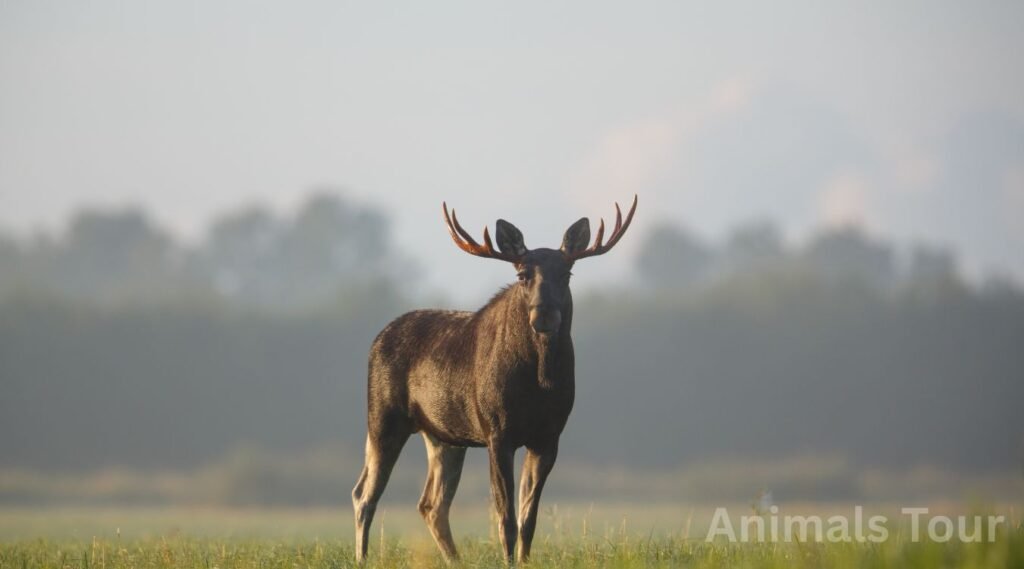
Interestingly, a moose’s behavior often contrasts with its formidable appearance. These solitary creatures are primarily herbivores, thrived on an all-you-can-eat buffet of aquatic plants, leaves, and twigs. Their feeding habits contribute to maintaining the health of their ecosystems, as they help to shape plant growth.
Additionally, during mating season, males exhibit sudden bursts of energy, engaging in fierce battles that test their strength and endurance. The contrast between their generally slow, deliberate movements and the ferocity they display during these encounters only heightens the intrigue surrounding these gentle giants.
Hippopotamus
Scientific name: Hippopotamus amphibius
Class: Mammalia
Diet: Herbivore
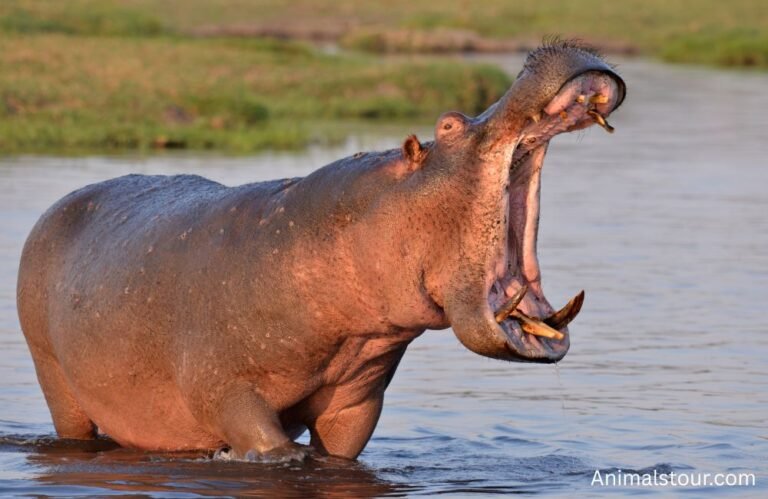
The hippopotamus is an African animal, known for its massive body and semi-aquatic lifestyle. On land, their heavy build and slow, waddling gait often place them among the clumsy animals of the wild. These large mammals are commonly found in rivers, lakes, and other freshwater habitats, where they move more gracefully than on shore, showing how their body is perfectly adapted to water.
Hippos are surprisingly fast and powerful. They can run up to 19 miles per hour on land, and their territorial nature makes them one of the most dangerous large animals in Africa, responsible for more human fatalities than any other.
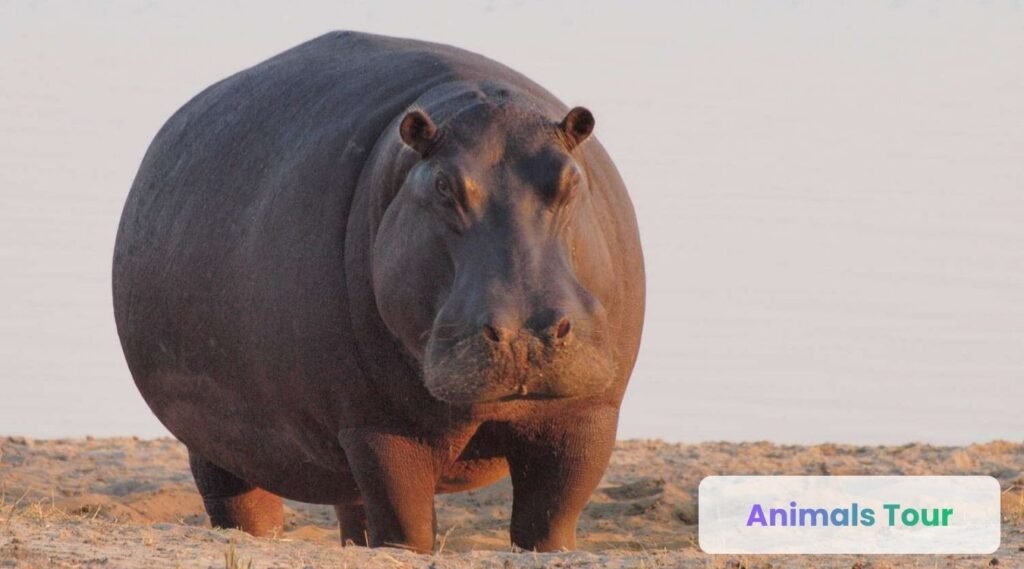
As semi-aquatic animals, hippos spend much of the day submerged to stay cool, venturing onto land at night to graze. Their feeding habits help maintain a balance between aquatic and terrestrial plants, and their dung enriches the soil, supporting healthy vegetation. Hippos also host birds like oxpeckers, which feed on ticks and parasites, highlighting their important role in the ecosystem and the intricate connections of their habitat.
Manatee
Scientific name: Trichechus manatus
Class: Mammalia
Diet: Herbivore
Manatees, often dubbed “sea cows,” are gentle giants that inhabit warm coastal waters and rivers. These herbivorous marine mammals, reaching lengths of up to 13 feet and weighing over a thousand pounds, play a vital role in their ecosystems by maintaining healthy seagrass beds. Their slow-moving, deliberate nature may make them seem awkward and clumsy, but it hides a surprising adaptability. Using their flexible, paddle-shaped tails and flippers, manatees steer with precision through waterways, navigate around obstacles, and even communicate through soft vocalizations.
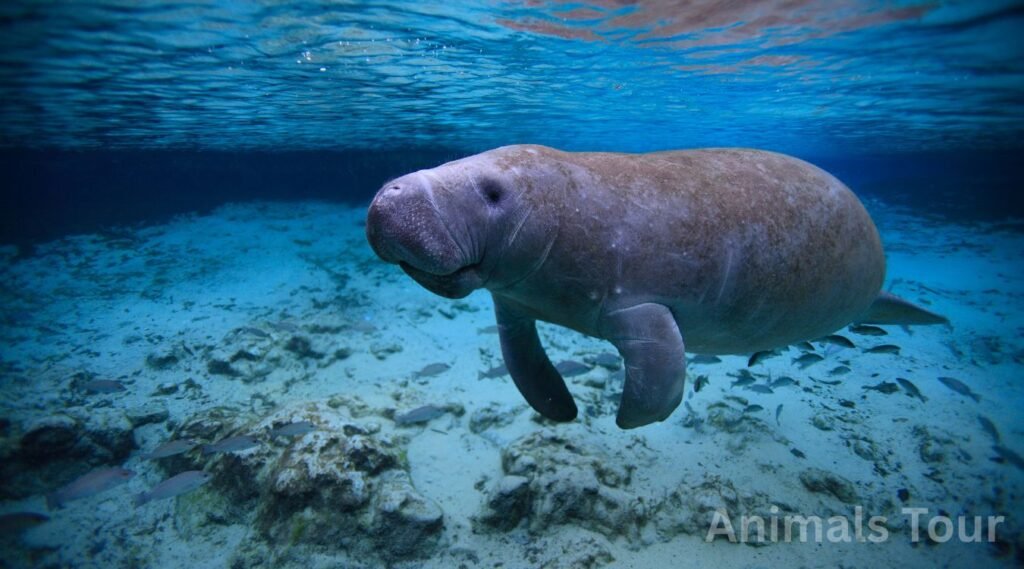
Despite their seemingly sluggish movements, manatees exhibit a complex social structure. They engage in playful interactions and form strong bonds, revealing intricate social behaviors that contrast with their unhurried pace. Their calm, gentle strength allows them to conserve energy and avoid startling other creatures, demonstrating how clumsy animals can thrive and play an essential role in delicate ecosystems
Baby elephant
Scientific name: Loxodonta
Class: Mammalia
Diet: Herbivore
Baby elephants are full of innocence and curiosity, delighting observers with their playful antics. Their large, floppy ears wiggle as they try to communicate with each other through soft trumpeting calls. Watching these young elephants move is a display of clumsy charm; their awkward movements, much like a toddler learning to walk, capture the joy of exploration and the beauty of growth.
Beyond play, baby elephants display surprisingly intricate social behavior. From an early age, they learn vital life skills through mimicry and interaction, forming strong bonds not only with their mothers but also with siblings and other herd members. This social learning helps them understand the nuances of communication and cooperation.
They can often be seen splashing playfully in water holes, their slow, deliberate motions reflecting moments of pure joy, while their trunks serve as playful tools for exploring the world. Each stumble and wobble shows how these clumsy animals gradually gain coordination, preparing them for the graceful strength they will display as adults.
Cats
Scientific name: Felis catus
Class: Mammalia
Diet: Carnivore
Cats are among the most entertaining clumsy animals, often capturing our attention with their playful and sometimes awkward movements.One moment, they might execute a perfect leap, landing with the precision of a ballet dancer; the next, they stumble or tumble in a hilariously clumsy way while chasing a toy or a piece of string. Their awkward movements, especially in young kittens, highlight the charm of exploration and play, showing that even playful animals can be endearingly imperfect as they learn coordination and reflexes.
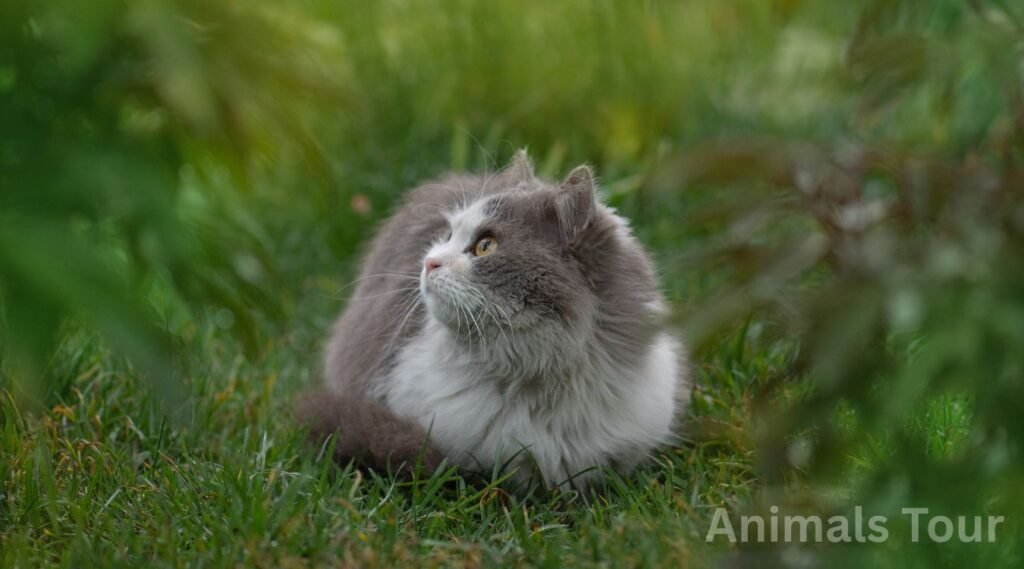
These curious creatures also display their playful nature through spontaneous bursts of energy, pouncing or making daring jumps that sometimes end in awkward landings. Whether chasing their tails or attempting to reach a perch just a little too high, cats reveal an intriguing balance between agility and clumsiness.Watching them play and stumble reminds us that even small missteps can be joyful and endearing.
Flamingo
Scientific name: Phoenicopterus roseus
Class: Aves
Diet: Omnivore
Flamingos, known for their striking pink feathers and long, lanky legs, are a mix of elegance and gentle clumsiness. While they look graceful wading through shallow waters, their feeding style often appears awkward. Using their unique upside-down beaks to filter mud and water for algae and small crustaceans, they bob and sway in a way that can look like a toddler learning to walk. This awkward movement adds a charming, clumsy touch to their otherwise majestic appearance.
Flamingos are often seen standing on one leg, which makes them appear even more elegant. But keeping balance isn’t always easy, and their long legs and round bodies can make them stumble when they move to feed or escape predators. These moments of awkwardness make flamingos some of the most endearingly clumsy animals in the world, showing that even beautiful creatures can have a touch of imperfection.
Giraffe
Scientific name: Giraffa camelopardalis
Class: Mammalia
Diet: Herbivore
Giraffes, often labeled as the tallest land mammals, embody a unique charm that captivates animal lovers worldwide. With their long legs and towering necks, they might appear clumsy at times, lumbering through their habitats with an endearing awkwardness. Despite this, their specialized adaptations, including a unique cardiovascular system, allow them to move effectively while supporting their towering stature.
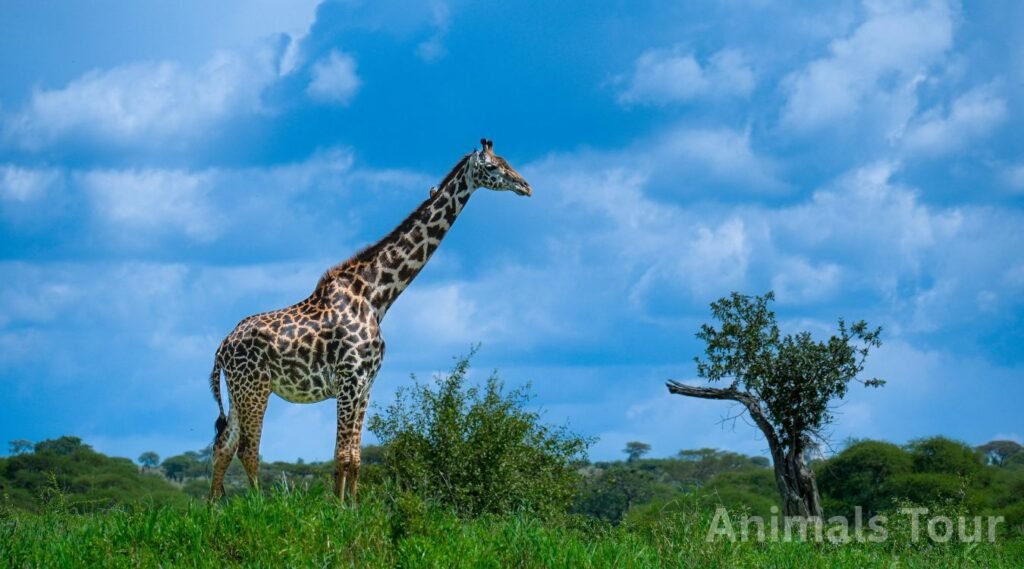
While they may appear solitary and slow, giraffes have a rich social life. Living in loose herds, they communicate using subtle body language and low-frequency sounds, creating a hidden network of interaction. Male giraffes also engage in necking contests, using their long necks in ritualized combat to establish dominance without causing serious harm.This mix of grace and clumsiness makes giraffes fascinating animals with their own charming quirks.
Sea lion
Scientific name: Zalophus californianus
Class: Mammalia
Diet: Carnivore
Sea lions, with their whimsical charm, often appear clumsy and uncoordinated on land. Their awkward, rolling gait makes them look a little silly as they flop and slide across rocks and sandy beaches. When moving across shorelines, they bob and waddle in a way that easily earns them a place among clumsy animals.This delightful clumsiness highlights the challenges of transitioning from the water to land, underscoring their evolutionary adaptations.
In the sea, however, the same animals transform completely. Once in the water, sea lions become agile swimmers, gliding through currents with impressive speed and control. Their streamlined bodies and powerful flippers allow them to move with grace, revealing how perfectly adapted they are to life in the ocean.
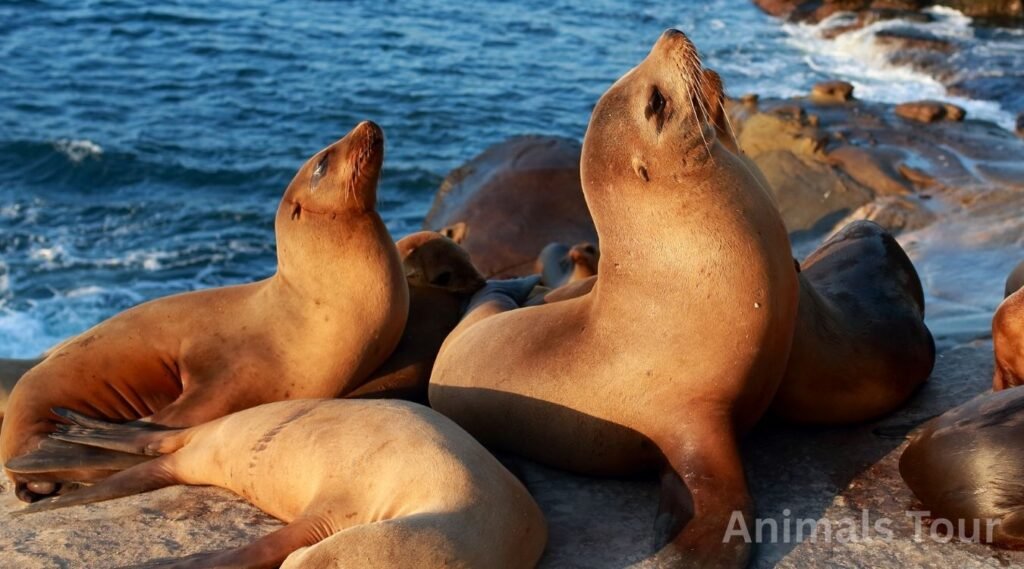
These small eared mammals usually live in lively groups called rookeries, where they can be seen lounging together on rocky shores or basking in the sun. Sea lions communicate through a variety of vocalizations and body signals, revealing a surprisingly complex social structure.
Walrus
Scientific name: Odobenus rosmarus
Class: Mammalia
Diet: Carnivore
Walruses may be majestic giants of the Arctic, but their movement on land is a perfect showcase of their clumsiness. With their massive bodies, thick skin and blubber, and short legs, these marine mammals appear almost comical as they haul themselves onto ice floes or sandy beaches. When they push themselves up, their sheer weight causes a waddling gait that resembles a belly flop rather than a graceful stroll. Observers can’t help but chuckle as walruses tumble and roll over in their attempts to find a comfortable resting spot.
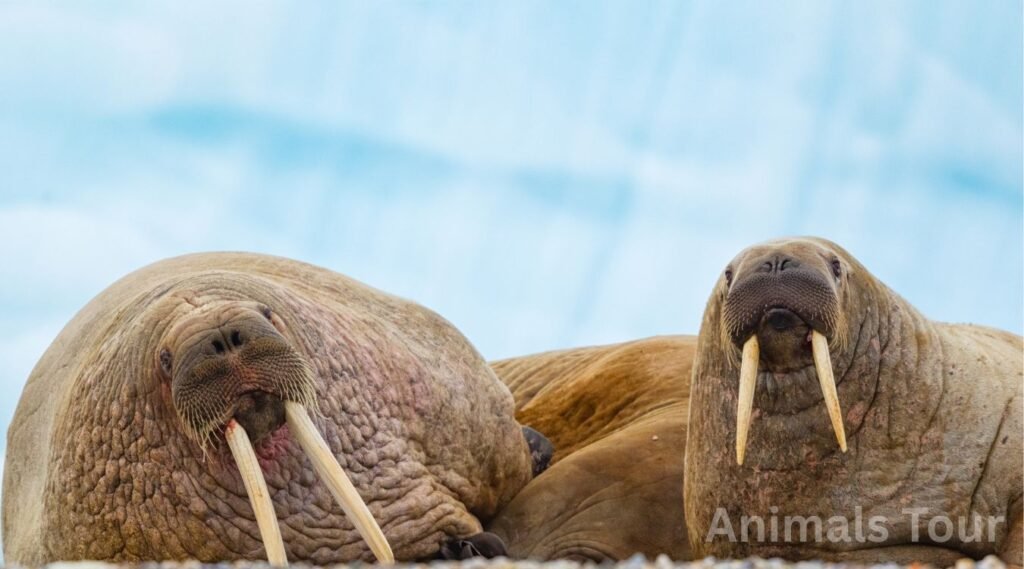
Additionally, their social interactions can further highlight their ungainly nature. In large groups, walruses engage in playful sparring or social displays, but their cumbersome bodies often lead to mismatched collisions. Instead of the sleek interactions seen in dolphins or seals, walruses flop and clank against one another, often ending in laughter-inducing blunders. This reminds us that even in the wild, where agility is often celebrated, there’s beauty in the awkward dances of clumsy animals.
Duck
Scientific Name: Anas platyrhynchos
Class: Aves
Diet: Omnivore
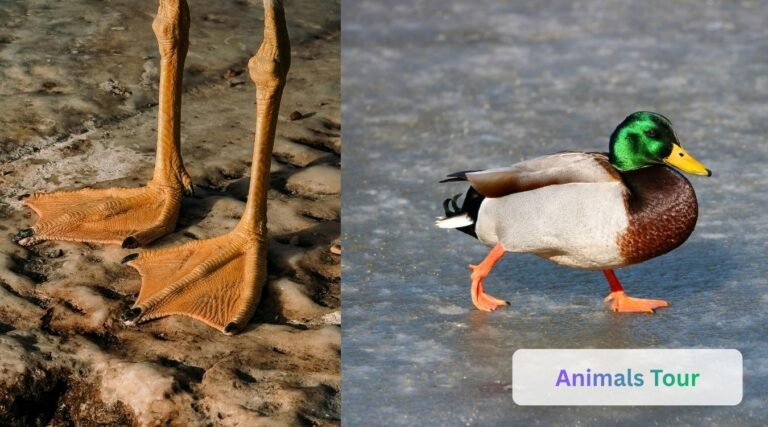
Ducks, often seen gliding gracefully across ponds, surprisingly show a touch of clumsiness in the animal kingdom. Their waddling gait, an awkward yet endearing shuffle, often brings a smile as they try to move across land. With webbed feet built for swimming rather than walking, ducks can easily trip or struggle during a short run before taking flight. This contrast between their elegance in water and awkwardness on land places them among the more amusing clumsy animals in the world.
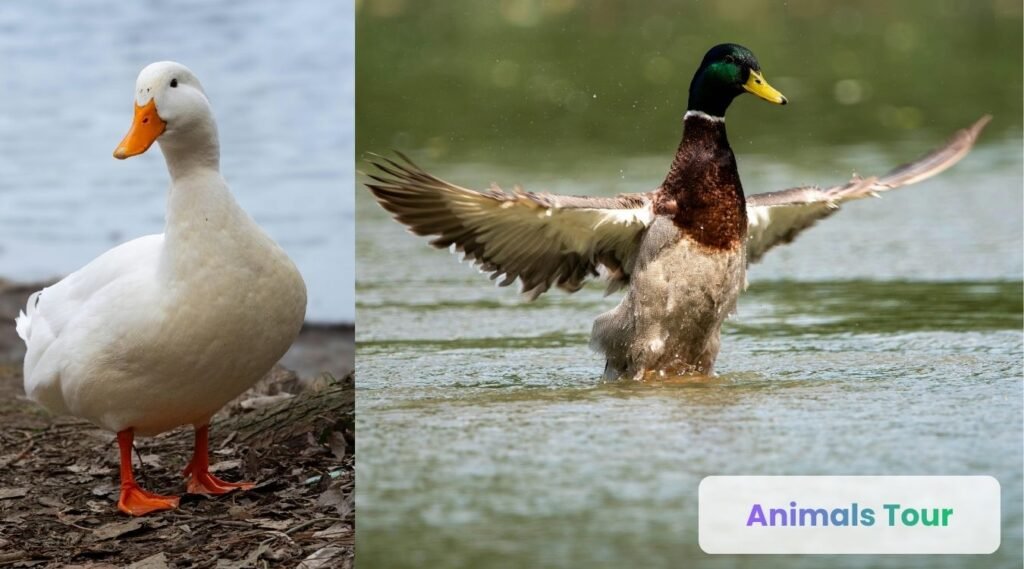
Their social behavior can be just as entertaining. During courtship displays or while chasing rivals, ducks may flap their wings energetically, sometimes misjudging distances and landing in unexpected spots. While foraging for food in water and muddy areas, their head-first dives can occasionally lead to funny little tumbles. These charmingly clumsy ducks remind us that even graceful among us can have their awkward side.
Basset Hound
Scientific Name: Canis lupus familiaris
Class: Mammalia
Diet: Carnivore
The Basset Hound’s unique physique, characterized by its long ears and short legs, sets the stage for a delightful display of clumsiness. As these dogs trot, their oversized ears often drag along the ground, creating a comical image as they trip over their own floppy appendages. This endearing trait is more than just a visual gag; it speaks to their quirky charm, making every walk resemble a slow-motion adventure filled with gentle stumbles and unexpected detours.
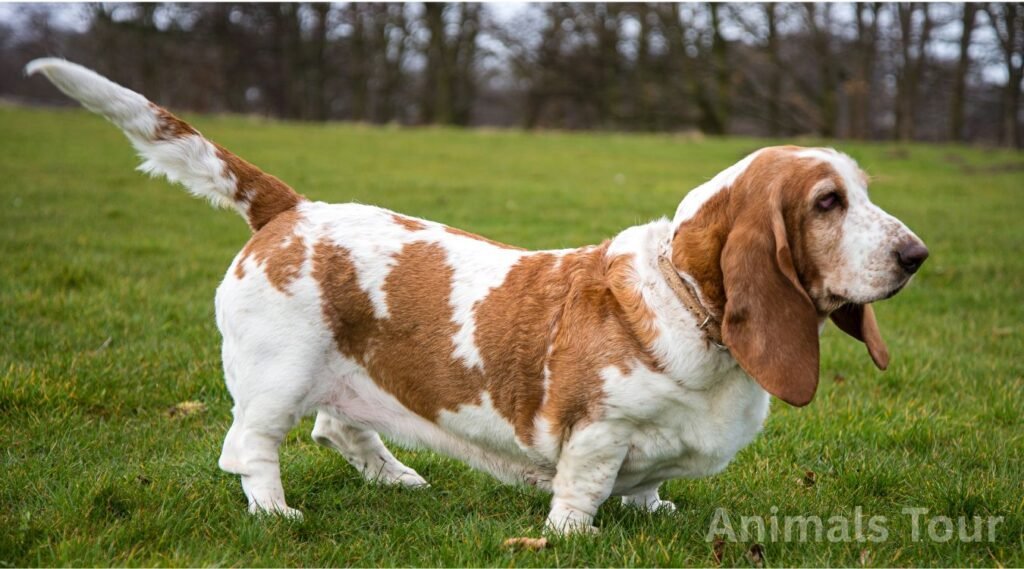
Additionally, Basset Hounds have an enthusiastic spirit that often contrasts with their slow, lumbering bodies. Their strong instinct to follow scents can lead them into tricky situations, as they eagerly dive into bushes or crawl under furniture, only to come out looking confused and a little messy. This mix of determination and limited agility is part of what makes them so endearing to their owners. Their clumsiness reminds us that life is often most enjoyable when we allow ourselves to stumble a little along the way.
Porcupine
Scientific Name: Erethizon dorsatum (North American porcupine)
Class: Mammalia
Diet: Herbivore
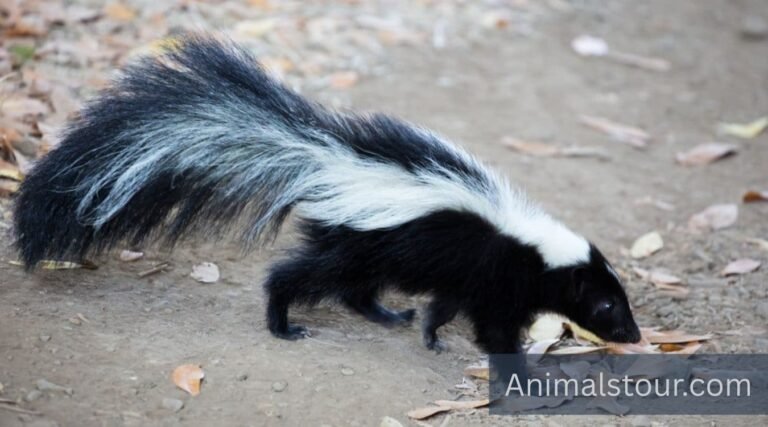
Porcupines, with their iconic quills and lumbering gait, are often seen as some of the more clumsy animals in the forest. Their rounded bodies and short, sturdy limbs give them a slow, deliberate movement that can look awkward on land. When walking or climbing, their waddle and careful steps highlight a unique blend of awkward movements and intentionality. This slow approach helps them stay unnoticed by predators, allowing them to blend seamlessly into their surroundings.
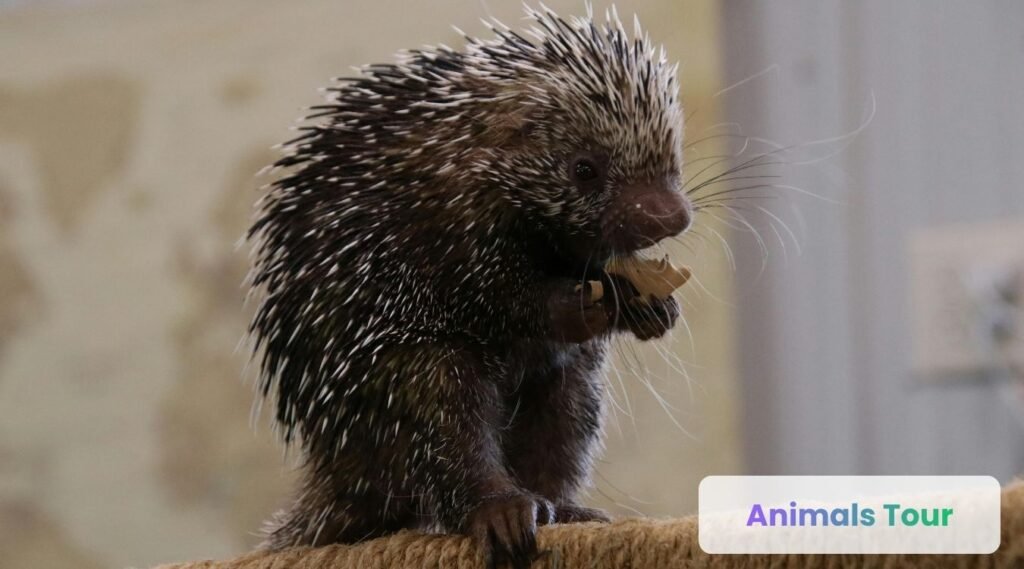
Beyond their charming clumsiness, porcupines are intelligent and well-adapted creatures. Their quills serve as a powerful defense, reducing the need for speed or agility, so they can move with caution. Mostly nocturnal, porcupines forage under the cover of darkness, feeding on leaves, bark, and occasionally fruit. In essence, these clumsy animals demonstrate how awkward movements can be a deliberate, effective way to navigate the challenges of the wild.
Conclusion
Clumsy animals in the world remind us of the charm found in imperfection. From the floppy-footed elephant seal to the adorably awkward penguin, these creatures showcase that even the most graceful among us can have their off days. Their antics not only bring joy to our lives but also highlight the diversity of nature’s designs and adaptations.
FAQs
Why are pandas so clumsy?
Pandas, with their waddles and awkward tumbles, are often seen as clumsy animals. Their large, round bodies and short limbs can make movements ungraceful, but this clumsiness is actually an adaptation for navigating dense bamboo forests in China.
Are clumsy animals less capable of survival?
Not necessarily! Many clumsy animals have adapted to their environments in unique ways, relying on other skills or behaviors to thrive despite their awkwardness.
Are clumsy animals more prone to injuries?
While they may experience more tumbles and falls, many clumsy animals have evolved to be resilient and recover well from minor injuries.
Can you give examples of clumsy animals?
Sure! Some well-known clumsy animals include baby giraffes, puppies, and penguins, pandas, sloth all of whom display adorable yet awkward behavior as they grow.