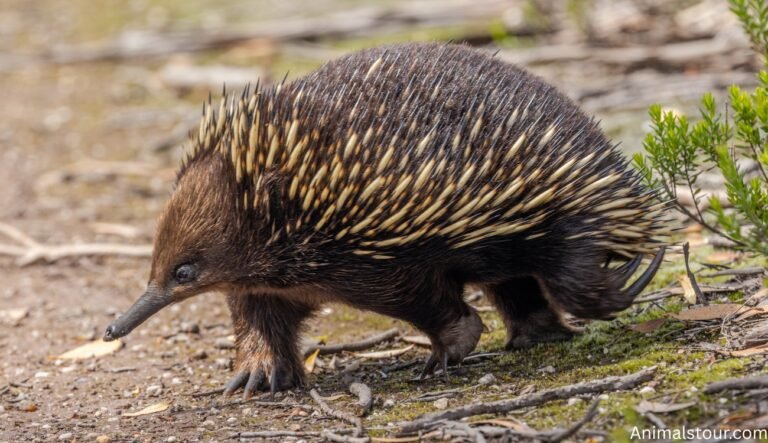
Discover Top 20 Animals with Small Ears
This article will delve into the lives of animals with small ears, shedding light on their behaviors and habitat choices. You will learn how size isn’t everything in nature and discover the hidden advantages of small ears.
List of Animals with Small Ears
Here is a list of top 20 animals with small ears.
- 1-Sea Lion
- 2-Naked Mole-Rat
- 3-Elephant Shrew
- 4-Lemming
- 5-Kangaroo Rat
- 6-Seal
- 7-Walrus
- 8-Tapir
- 9-Tuatara
- 10-Muskrat
- 11-Rhinoceros
- 12-Aardvark
- 13-Platypus
- 14-Sea Otter
- 15-Manatee
- 16-Mole
- 17-Pika
- 18-Wombat
- 19-Capybara
- 20-Beaver
Thorough information about Small-Eared Animals
Now we will discuss animals having small ears in detail with images.
Sea Lion – Marine Mammal with small Ears
Scientific Name: Zalophus californianus
Class: Mammalia
Sea lions are marine mammals commonly seen along rocky coastlines and sandy shores of the Pacific Ocean. One noticeable feature is their small external ear flaps, which are much shorter than those of most land animals .The role of small ears in sea lions not only aids in auditory detection but also minimizes drag while swimming, allowing these agile animals to dart through the ocean with ease.

Although their ears are small, sea lions have good hearing both on land and underwater. The ear flaps can be folded back when they dive, which protects them and helps retain body heat in cold water. This simple adaptation supports their active lifestyle, allowing them to hunt fish efficiently while remaining agile and alert in their environment.
Naked Mole-Rat – Underground Mammal having Tiny Ears
Scientific Name: Heterocephalus glaber
Class: Mammalia
The naked mole-rat is a small burrowing mammal found in the dry regions of East Africa. One of its key features is its very small, barely visible ears, which help protect it from dirt and debris while moving through underground tunnels. Since it spends almost its entire life below the surface, large outer ears would be a disadvantage.
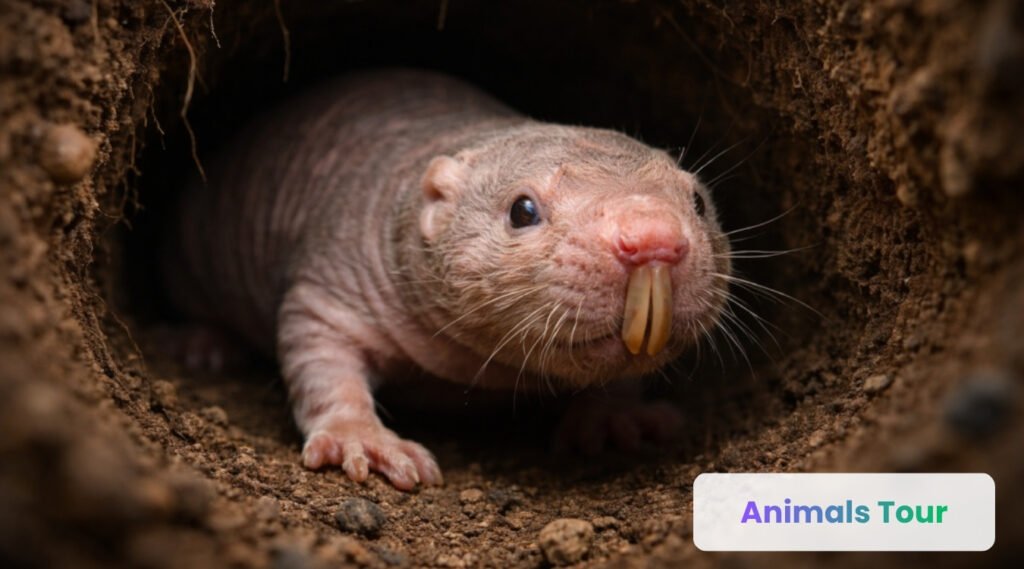
Instead of relying heavily on hearing, naked mole-rats depend more on touch and vibration to sense their surroundings. Their tiny ears reduce heat loss and injury in tight spaces, making them well suited to life underground. This unique ear adaptation plays an important role in helping naked mole-rats survive in dark, crowded tunnel systems.
Elephant Shrew – Small-Eared Desert Mammal
Scientific Name: Elephantulus spp. Class: Mammalia
Elephant shrews live in different parts of Africa, where they move through grasslands, forests, and bushy areas. Their small ears lie close to the head, which protects them as they run through thick plants, leaf litter, and narrow trails. These compact ears lower the risk of injury while still allowing them to hear well, especially sounds close to the ground.
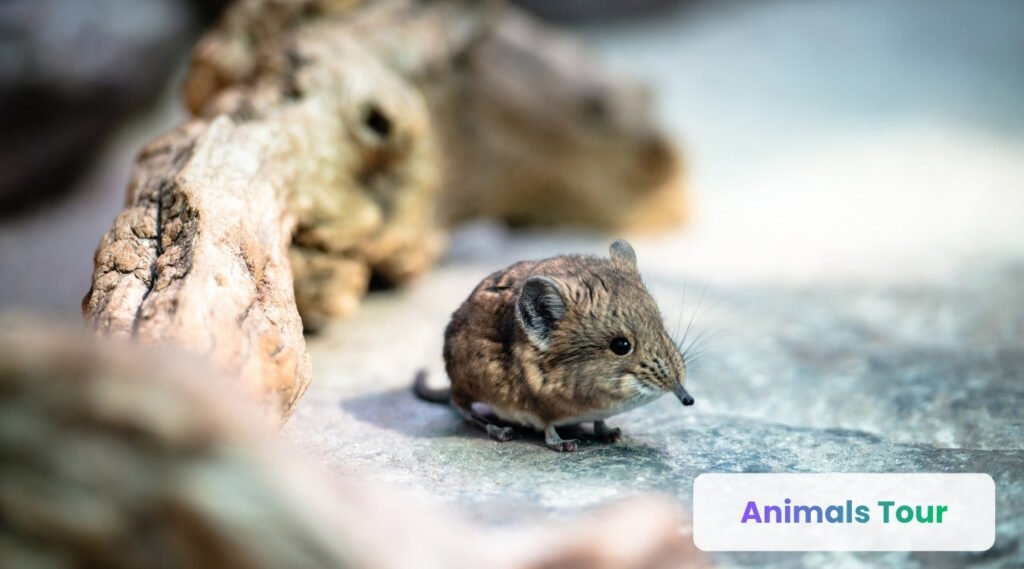
They are fast, alert animals that feed mainly on insects, spiders, and other small invertebrates. Elephant shrews move in quick bursts and often stop to listen before crossing open areas. Many species mark and defend paths that connect feeding spots and shelters, and some even form monogamous pairs. During the hottest part of the day, they rest in nests under rocks or roots, becoming active again in the early morning and late afternoon.
Lemming – Small-Eared Arctic Rodent
Scientific Name: Lemmus lemmus
Class: Mammalia
Lemmings are small rodents that live in the Arctic and subarctic regions, where survival depends on conserving heat. Their ears are extremely small and hidden beneath thick fur, which helps prevent heat loss and protects them from frostbite. This ear structure allows lemmings to stay active even in harsh winter conditions.

They feed mainly on mosses, grasses, and roots and remain active throughout the year. During winter, lemmings dig tunnels under the snow, where they can move and find food while staying insulated from the cold. Even with tiny ears, their hearing works well and helps them detect predators like foxes and birds. These adaptations, along with their rapid breeding, help lemmings survive in one of the coldest environments on Earth.
Kangaroo Rat – Desert Rodent with Small Ears
Scientific Name: Dipodomys spp. Class: Mammalia
Kangaroo rats live in dry deserts of North America, where temperatures can swing from extreme heat during the day to cold at night. Their ears are small and compact, which helps limit water loss and protects them from blowing sand. Kangaroo rats rely more on vibration and movement than sound when sensing danger.
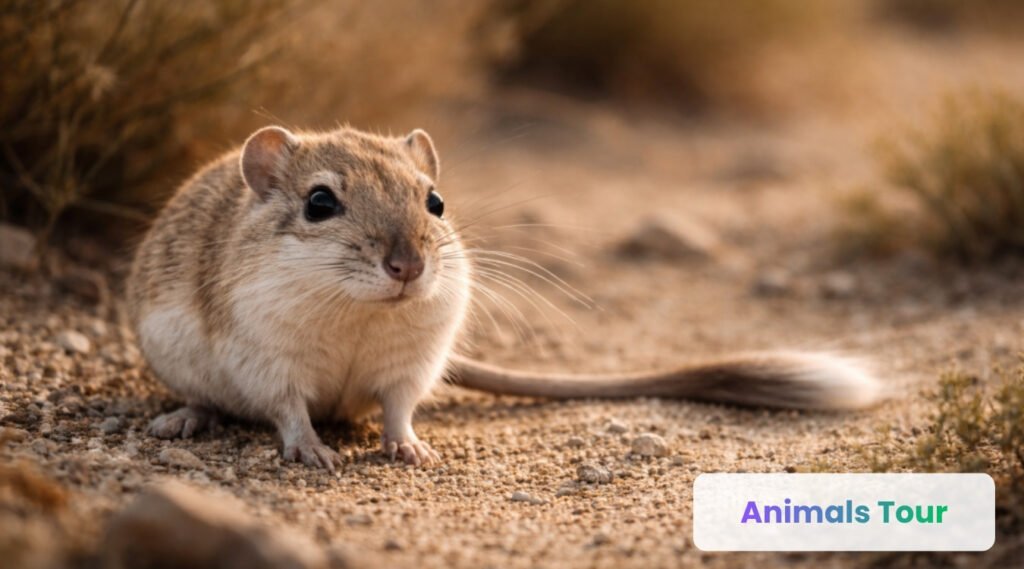
These rodents are best known for their powerful hind legs, which allow them to hop quickly across the desert floor to escape predators. Kangaroo rats spend most of the day resting in underground burrows, where their small ears are well suited for tight spaces. Even with reduced ear size, they remain alert to nearby threats, using their body movements and surroundings to survive in harsh desert conditions.
Seal – Marine Mammal with Small Ears
Scientific Name: Phoca vitulina Class: Mammalia
Seals are marine mammals with small, barely visible ears, perfectly adapted for swimming in oceans, seas, and icy coastal waters. These compact ears reduce water resistance, helping seals glide swiftly while hunting fish, squid, and crustaceans.
Their tiny ears also help retain heat in cold environments and protect them from injury on rocky shores or ice. Seals use their sensitive whiskers along with keen hearing to detect predators and prey even in dark or murky waters.

Spending most of their lives in water, seals come ashore mainly to rest, breed, and molt. Their small ears, combined with streamlined bodies, make them highly efficient swimmers and well-suited for life in harsh.
Walrus – Small-Eared Arctic Giant
Scientific Name: Odobenus rosmarus Class: Mammalia
Walruses are large marine mammals found in the Arctic regions, known for their tusks, whiskers, and unique body adaptations. One notable feature is their tiny ear openings, which are almost invisible. These small ears help walruses retain body heat in freezing waters and reduce drag while swimming.

Walruses spend much of their time in water but come ashore or on ice to rest, breed, and socialize. Their small ears prevent frostbite and protect them from injury while moving across ice or rocky beaches. Combined with sensitive whiskers, these adaptations allow walruses to detect prey like clams, mussels, and other benthic creatures on the seafloor.
Even with small ears, walruses can communicate and navigate effectively. Their compact ear structure, along with strong bodies and flippers, makes them well-suited for life in cold, aquatic habitats where survival depends on efficiency and protection from harsh conditions.
Tapir – Small-Eared Forest Mammal
Scientific Name: Tapirus spp.
Class: Mammalia
Tapirs are large plant-eating mammals that live in rainforests and wetlands of Central and South America, as well as parts of Southeast Asia. Their small, rounded ears sit close to the head, which helps them move safely through thick forest plants without getting hurt or snagged on branches.

They spend much of their time feeding on leaves, fruits, and young shoots, often near water. The compact ear size also limits damage when tapirs swim, as they are strong swimmers and frequently enter rivers to cool off or escape predators. Even with small ears, tapirs can hear well and stay alert to danger, making this trait well suited for life in dense, shaded habitats.
Tuatara –Ancient Reptile with Small Ears
Scientific Name: Sphenodon punctatus
Class: Reptilia
The tuatara is a unique reptile found only in New Zealand and is not a true lizard, even though it looks like one. It has very small ear openings and no external ears, which helps protect it from dirt and insects while living in underground burrows. These burrows are often shared with seabirds, making small ears useful for staying clean and safe below the surface.

Tuatara are mostly active at night and hunt insects, worms, small reptiles, and bird eggs. Their hearing is simple but effective, allowing them to sense movement around them without large ear structures. Small ears also reduce moisture loss and the risk of injury from rocks and soil. Tuataras grow slowly, prefer cooler temperatures, and can live for over 100 years, making them one of the longest-living reptiles in the world.
Muskrat – Wetland Rodent with Small Ears
Scientific Name: Ondatra zibethicus
Class: Mammalia
Maskarat has a fascinating adaptation of small ears — an intriguing feature among a variety of rodents. This unique structure plays a vital role in their survival. By minimizing ear size, these creatures reduce heat loss in cooler environments, enabling them to thrive in diverse habitats. This adaptation is particularly significant for species that rely on scent glands for communication and territory marking, which offset the challenges posed by their muted hearing abilities.

Interestingly, the Maskarat’s small ears are also a boon for their swimming prowess. With less drag in the water, they navigate aquatic environments more efficiently, foraging for food and escaping predators. This dual adaptation highlights an essential balance between auditory acuity and physical function — emphasizing how evolution shapes the traits of rodents like the Maskarat in relation to their environment.
Rhinoceros – Grassland Giant with Small, Alert Ears
Scientific Name: Indian Rhinoceros (Rhinoceros unicornis) Javan Rhinoceros (Rhinoceros sondaicus), and White Rhinoceros (Ceratotherium simum) Class: Mammalia
Rhinoceroses, often associated with their iconic horns and robust bodies, show a fascinating case study in their adaptations, particularly in small ears. We might overlook these features but the benefits of having small ears are significant. Smaller ears help reduce heat loss, while thriving in the open savanna and dense bush maximizing the rhinoceros’s ability to conserve energy in hot climates. This adaptation allows them to maintain their strength and stamina during the daylight hours, when temperatures are high.

Moreover, this design choice aids in minimizing wind resistance while moving through their expansive habitats. In contrast to other animals with larger ears that often rely on acute hearing, rhinos rely on exceptional sense of smell and vision. This highlights an intriguing aspect of their biology: they have prioritized survival strategies that suit their ecological niche, illustrating how nature often takes a unique approach to solving challenges.
Aardvark – Nocturnal Mammal with Small, Rounded Ears
Scientific Name: Orycteropus afer
Class: Mammalia
Aardvarks, fascinating creatures often overlooked, are remarkable not just for their quirky appearance but also for their unique adaptations. Their small ears serve an essential purpose: these animals have acute hearing, which helps them detect predators in their natural habitats of sub-Saharan Africa. These nocturnal foragers rely on their exceptional senses to navigate the terrain and find food, primarily ants and termites.
One of the aardvark’s most striking characteristics is its long snout, perfectly designed for foraging. Combined with their small ears, this adaptation minimizes noise while they dig, allowing them to remain discreet while searching for food. In a world where many animals with small ears might struggle to survive, aardvarks showcase how evolutionary traits can offer distinct advantages in both predator evasion and sustenance.
Platypus-Semi-Aquatic Animal with Small Ears
Scientific Name: Ornithorhynchus anatinus
Class: Mammalia
The platypus, a fascinating creature from Australia, stands out not just for its whimsical appearance but also for its unique adaptations to survive in its environment. With small ears that are nearly invisible, they have evolved to rely more on their other senses, particularly electrolocation, which allows them to seek their food in murky waters. This skill aids them especially when hunting in varying weather conditions, where visibility can be compromised.

Surviving in a landscape filled with natural predators, the platypus employs its venomous spur to prevent threats, combining an impressive defense mechanism with its playful demeanor. The benefits of their extraordinary physiology extend beyond mere survival; the platypus plays a crucial role in its ecosystem by maintaining the health of freshwater habitats. Their foraging behaviors contribute to sediment aeration, impacting water quality and providing a vibrant home for many other species.
Sea Otters – Ocean’s Playful Mammals with Tiny Ears
Scientific Name: Enhydra lutris
Class: Mammalia
Sea otters are among the most charming inhabitants of the ocean, showcasing a blend of playful antics and remarkable adaptations. Unlike many animals with small ears, which are often adapted for enhanced hearing, sea otters utilize these ears regulate body temperature in their aquatic environments.
These furry creatures are known for their thick fur, which is the densest of any animal, keeping them warm in chilly waters. Their ears, positioned uniquely atop their heads, help minimize heat loss while also allowing them to remain aware of their surroundings.

Sea otters exhibit fascinating behaviors that highlight their intelligence and social structures. They often engage in “rafting,” where they hold hands in groups to avoid drifting apart, showcasing a remarkable sense of community. Additionally, as effective foragers, sea otters play a vital role in maintaining the health of kelp forests, an ecosystem that thrives when these playful creatures keep urchin populations in check.
Manatees – Slow-Moving Aquatic Mammals Featuring Small Ears
Scientific Name: Trichechus spp.
Class: Mammalia
Manatees, often referred to as “sea cows,” are fascinating mammals that exhibit a unique adaptation with their relatively small ears.Their small ears serve a strategic purpose, enhancing their keen sense of hearing while minimizing water resistance. This adaptation allows them to pick up the subtle sounds of their environment, from the gentle rustle of seagrass to the distant calls of other marine life, enriching their underwater experience.

The unique structure of manatee ears allow them to maintain an exceptional balance of sound and stealth. While their small ears may suggest a lack of auditory capability, they enable manatees to focus on the distinct sounds of their environment, such as the calls of other marine life or the subtle shifts caused by boats. Moreover the benefits of small ears extend to energy conservation — by reducing excess surface area, manatees can streamline themselves through the water.
Mole – Underground Digger with Subtle Ear Traits
Scientific Name : Scalopus aquaticus Class: Mammalia
Moles, the unsung heroes of our gardens, are interesting examples of animals with small ears, which play a crucial role in their survival. Despite their diminutive auditory appendages, moles have evolved to rely heavily on other senses, particularly touch and smell, to navigate the dark world they inhabit. Their small ears reduce the weight of their bodies, allowing them to tunnel efficiently, an essential adaptation for their lifestyle.
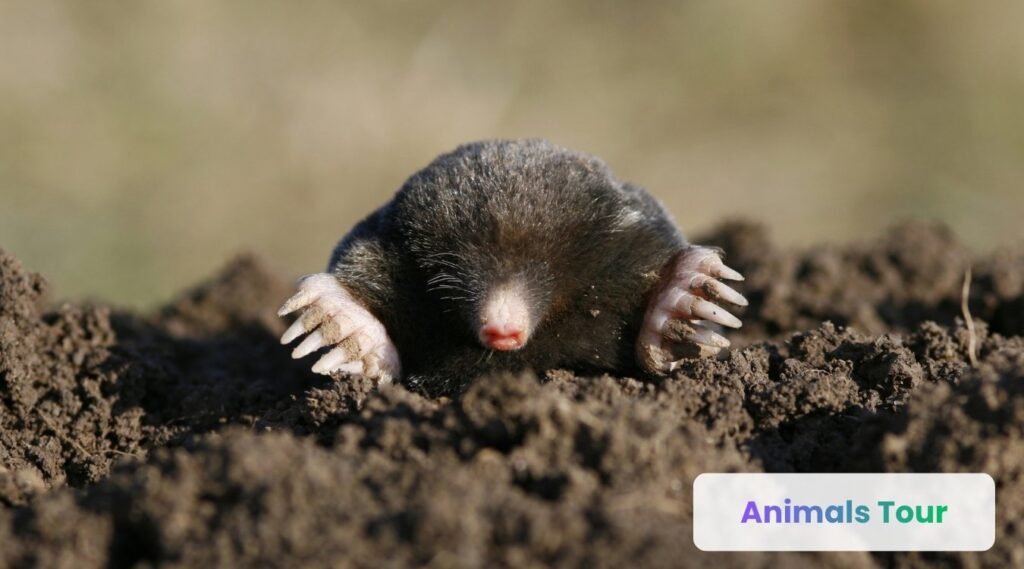
Interestingly, the design of their small ears minimizes the risk of debris infiltrating their auditory channels while burrowing. This is particularly important in maintaining their sensitive hearing, which they use to detect vibrations in the soil. Thus, moles exemplify how small ears can drastically influence an animal’s survival strategy, showcasing the remarkable adaptations that have evolved in nature.
Pika – Rare Mountain Rodents with Compact Ear Traits
Scientific Name: Ochotona princeps Class: Mammalia
Pikas, charming little mammals closely related to rabbits, exemplify how small ears can play a pivotal role in survival. Found in the rocky terrains of mountainous regions, these fluffballs have adapted to their harsh environments with remarkable efficiency. Their small ears minimize heat loss, a crucial feature for thriving in cold climates. While larger ears are often associated with enhanced hearing, the compact design of a pika’s ears allows them to maintain warmth while still being alert to potential predators.

Moreover, the role of small ears extends beyond mere survival; it mirrors the intricate balance of nature’s design. In an ecosystem where temperature regulation is critical, the pika’s size and adaptation highlight the broader theme of how animals with small ears navigate their world successfully. By conserving energy and staying camouflaged against predators, these diminutive creatures remind us that even the smallest features can have significant impacts on survival and adaptability in the wild.
Wombat – Nocturnal Digger with Small Ears
Scientific Name : Vombatus ursinus Class: Mammalia
Wombats, with their stout bodies and distinctive appearance, embody an intriguing adaptation story in the animal kingdom. Unlike many other animals with small ears, which often rely on acute hearing, wombats have evolved to favor a keen sense of smell and robust digging abilities.

This expertise allows them to navigate the underground burrows they create, safeguarding themselves from predators while regulating their body temperature in a harsh Australian climate.
Their small ears play a crucial role in protecting their hearing from dirt and debris as they dig deep into the ground. This design showcases nature’s brilliance in tailoring features to meet the environmental challenges of an animal’s habitat.
Capybara – Aquatic Herbivore with Subtle, Small Ears
Scientific Name: Hydrochoerus hydrochaeris
Class: Mammalia
Capybaras, world’s largest rodents, possess fascinating adaptations that enhance their survival in the wild. One striking feature is their small ears, which play a critical role in their ability to evade predators. Smaller ears reduce the surface area for potential sound capture, allowing capybaras to remain alert to their environment while drawing less attention to themselves. This clever evolution is a prime example of how nature tailors traits for survival.
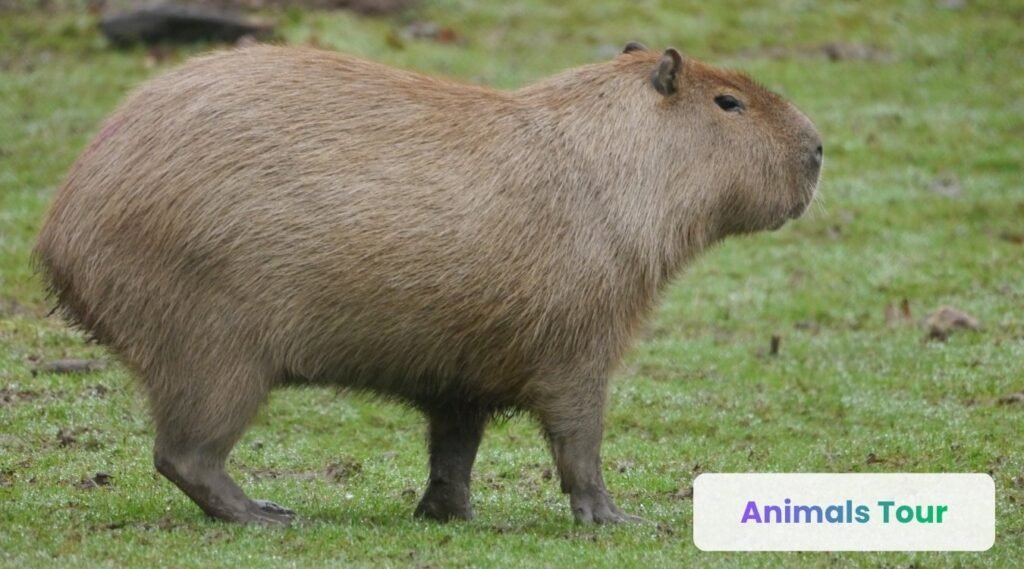
Moreover, these small ears offer additional benefits in their watery habitats. Capybaras are semi-aquatic and often spend time submerged to evade threats; their ears are positioned high on their heads, allowing them to hear potential dangers above water without fully exposing themselves. In the lush ecosystems they inhabit, these adaptations underscore the capybara’s role as both prey and a keystone species.
Beaver – Busy Builder of Rivers with Small Rounded Ears
Scientific Name: Castor canadensis Class: Mammalia
Beavers, often recognized for their dam-building, possess fascinating features that enhance their survival in the wild, including their notably small ears. These tiny structures play an important role by minimizing heat loss during the chilly seasons, enabling beavers to thrive in colder climates. While larger ears might seem advantageous for hearing, beavers rely heavily on their keen sense of smell and underwater sound vibrations, making their compact ears a perfect fit for their aquatic lifestyle.

Moreover these small ears allow beavers to maintain a streamlined body shape when swimming, reducing drag and enabling swift movements. Observing beavers in their natural habitats reveals a remarkable interplay between anatomy and ecology, reminding us that every detail in nature has its own story.
Conclusion
The world of animals with small ears reveals much about evolutionary strategies and ecological balance. Whether it’s their ability to navigate harsh climates or to remain stealthy predators, small ears often play a vital role in their daily lives. Each species offers a unique glimpse into how nature balances functionality with the demands of their environment.
FAQs
-What qualifies an animal to be on the “Top 20 Animals with Small Ears” list?
Animals are selected based on the relative size of their ears compared to their body size, showcasing a variety of species with notably small ears.
Why do some animals have small ears?
Small ears can help reduce heat loss in hot climates and minimize water loss in arid environments, aiding in thermoregulation.
What cat has small ears?
The breed of cat having small ears is the Scottish Fold. These cats are renowned for their distinctive folded ears. This unique trait is due to a genetic mutation, which also gives them a sweet and expressive face .
Can ear size change with evolution?
Yes, over time, species can evolve to have smaller or larger ears based on environmental pressures and survival needs, showcasing adaptation to their habitats.
1-What qualifies an animal to be on the “Top 20 Animals with Small Ears” list? Animals are selected based on the relative size of their ears compared to their body size, showcasing a variety of species with notably small ears.
2-What cat has small ears?
The breed of cat having small ears is the Scottish Fold. These cats are renowned for their distinctive folded ears. This unique trait is due to a genetic mutation, which also gives them a sweet and expressive face .
3-Why do some animals have small ears?
Small ears can help reduce heat loss in hot climates and minimize water loss in arid environments, aiding in thermoregulation.
4-What role do small ears play in an animal’s survival?
Small ears can aid in camouflage and help the animal blend into its environment, reducing th