Top 16 Wild Animals That Eat Coconuts
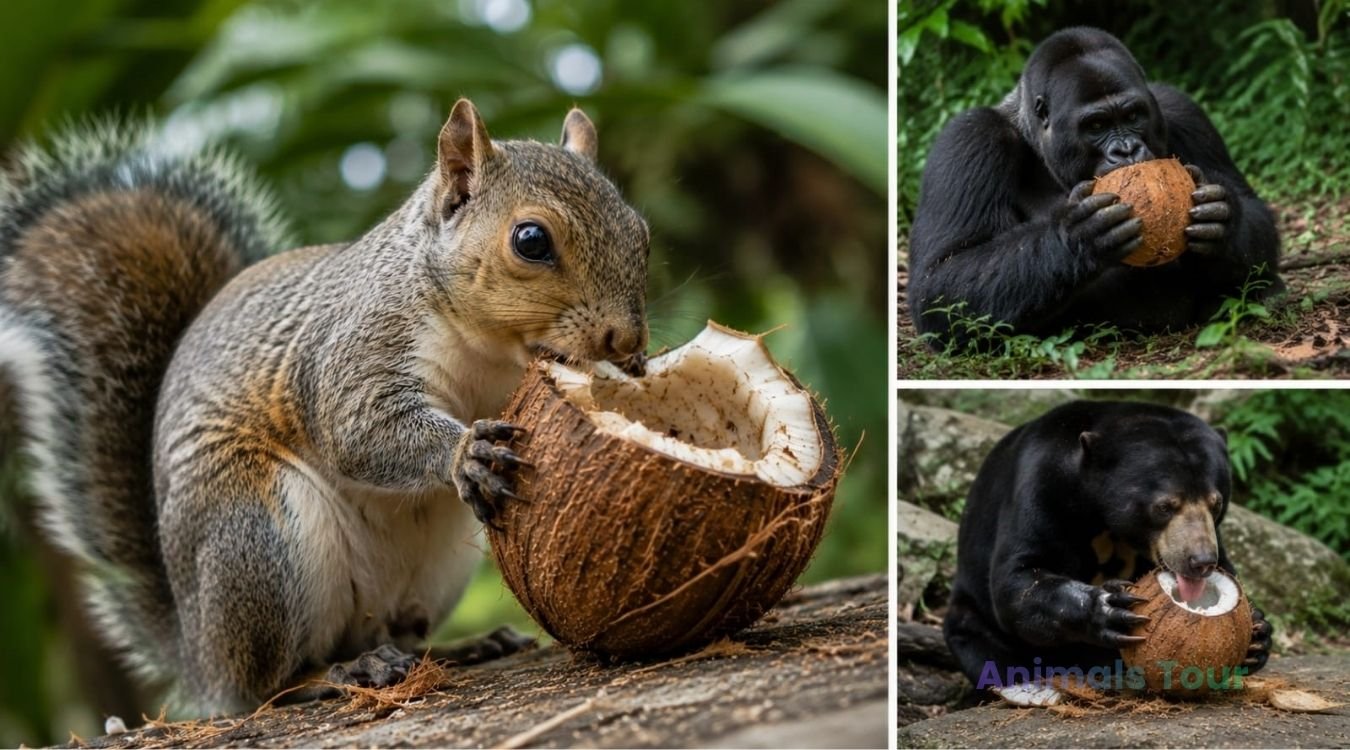
This article uncovers the top 16 animals that eat coconuts, showcasing the surprising range of species that have adapted to feed on this tough, fatty tropical fruit. By examining the unique feeding habits of these creatures, we can better answer the common question of what animals eat coconuts, while appreciating just how resourceful the animal kingdom truly is.
List of Animals That Eat Coconuts
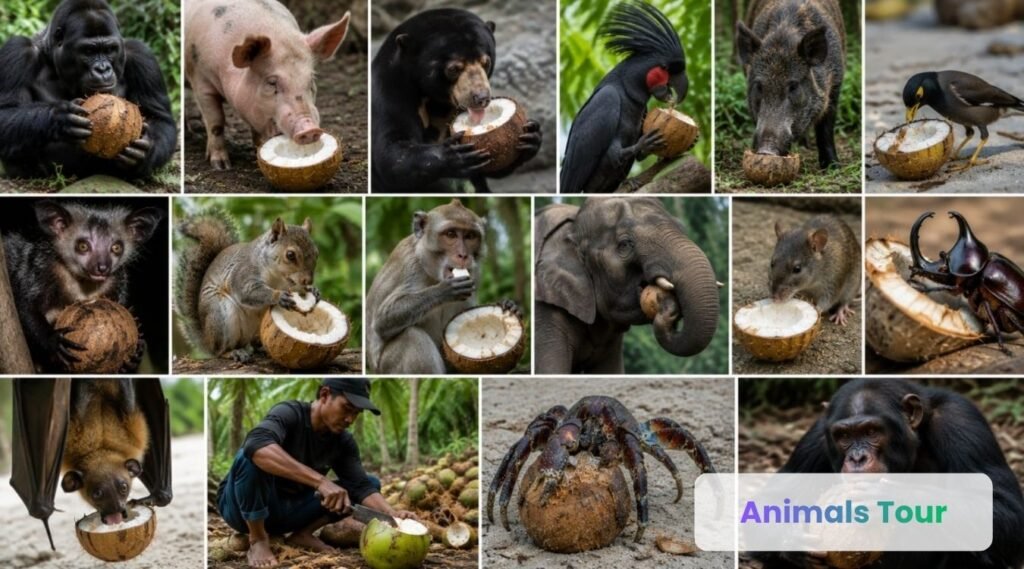
Below is the full list of animals that eat coconuts, followed by a detailed look at each one.
- 1. Gorilla
- 2. Pig
- 3. Sun Bear
- 4. Palm Cockatoo
- 5. Wild Boar
- 6. Common Myna
- 7. Aye-aye
- 8. Squirrel
- 9. Monkey
- 10. Elephant
- 11. Rat
- 12. Rhinoceros Beetle
- 13. Fruit Bat
- 14. Human
- 15. Coconut Crab
- 16. Chimpanzee
1-Gorilla – Africa’s Powerful Forest Fruit Eater
Scientific Name: Gorilla gorilla
Class: Mammalia
Gorillas are gentle giants of the Central African rainforest, and while their diet leans heavily on leaves, stems, and bark, they are also counted among the animals that eat coconuts when the fruit happens to grow within their range. Their thick jaw muscles and broad molars, tools normally used for grinding tough plant fiber, work just as well on the fibrous husk of a coconut, giving them easy access to the fatty flesh hidden inside.
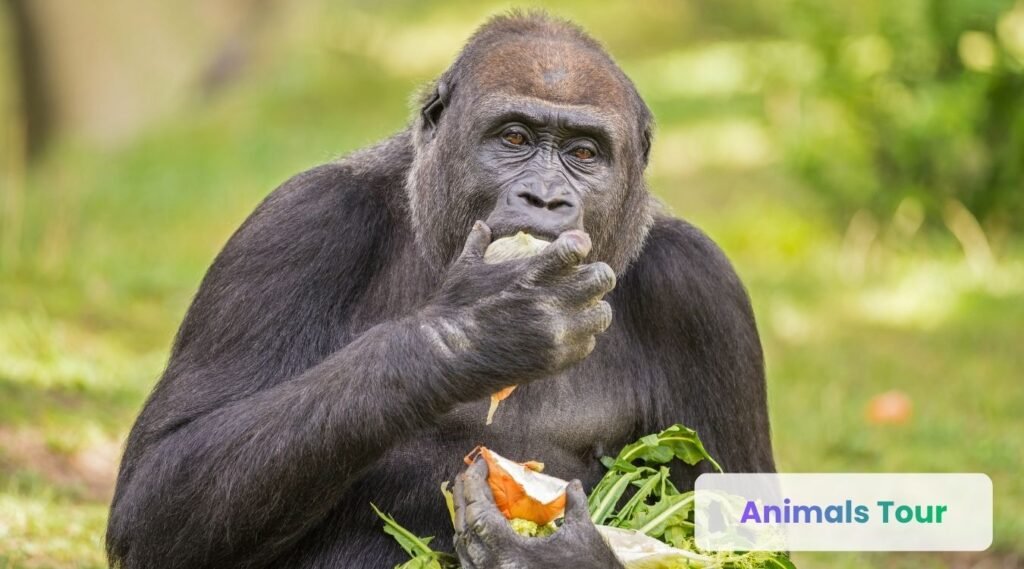
What makes the gorilla’s relationship with coconuts interesting is how little it changes their overall diet. Coconuts remain a rare treat rather than a staple, yet in captivity and in areas near plantations, gorillas take to them readily, showing just how flexible a primate’s digestive system can be. Their calm, methodical feeding style, so different from the frantic energy of smaller foragers, adds a quiet, powerful presence to the long list of what animals eat coconuts.
Pig – The Everyday Coconut Consumer of the Tropics
Scientific Name: Sus scrofa domesticus
Class: Mammalia
Pigs may not be the first animal that comes to mind when people think about coconuts, yet they are among the most consistent coconut eaters in tropical farming communities. Across Southeast Asia and the Pacific Islands, coconut husks, scraps, and meal are routinely fed to pigs, making them a practical, everyday example of what eats coconuts on working farms.
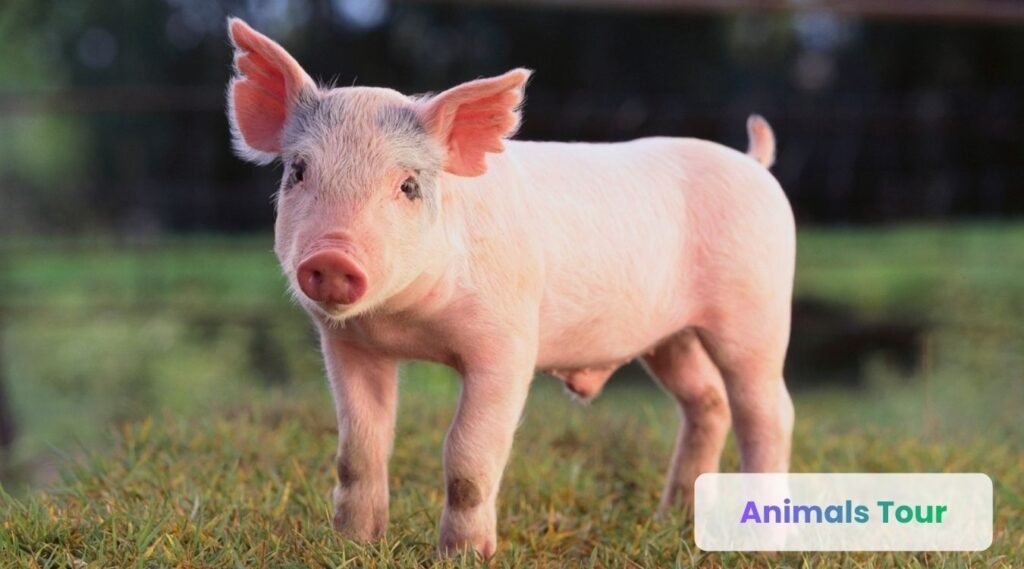
Their strong snouts and sturdy jaws allow them to break into cracked or softened shells with ease, and their omnivorous stomachs handle the fat and fiber in coconut flesh without any trouble. Coconut meal, the leftover material once the oil has been pressed out, is often repurposed as an affordable feed supplement, turning agricultural waste into a genuine source of nutrition. Few animals fit as naturally into the coconut economy as the humble pig.
Sun Bear – The Small Bear With a Taste for Palm Fruit
Scientific Name: Helarctos malayanus
Class: Mammalia
The sun bear, the smallest bear species on Earth, calls the tropical forests of Southeast Asia home, placing it squarely within coconut-growing territory. Long, curved claws and powerful forelimbs let it climb trees and tear through fibrous husks with surprising ease, while its unusually long tongue, an adaptation originally meant for raiding beehives, doubles as a handy tool for scooping soft coconut flesh once a shell has cracked open.
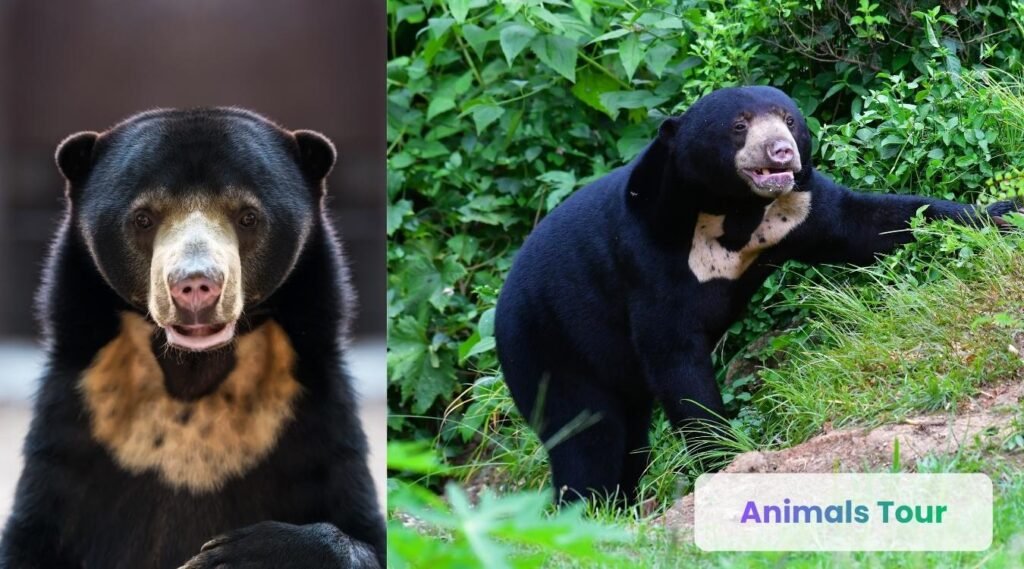
Sun bears are opportunistic omnivores at heart, snacking on insects, small animals, and a wide variety of fruit, so coconuts are only ever part of a much larger foraging routine. Still, as forests shrink and bears wander closer to plantations, sightings of sun bears raiding coconut groves have become a familiar story, reinforcing their place among animals that eat coconuts whenever the chance arises.
Palm Cockatoo – The Parrot With a Shell-Crushing Beak
Scientific Name: Probosciger aterrimus
Class: Aves
Native to New Guinea and northern Australia, the palm cockatoo carries one of the most formidable beaks in the bird world, strong enough to crush seeds and nuts that would defeat almost any other parrot. This crushing power is exactly what allows it to answer the question of what animal eats coconuts among birds, since few species can physically break through a hardened shell the way this one can.
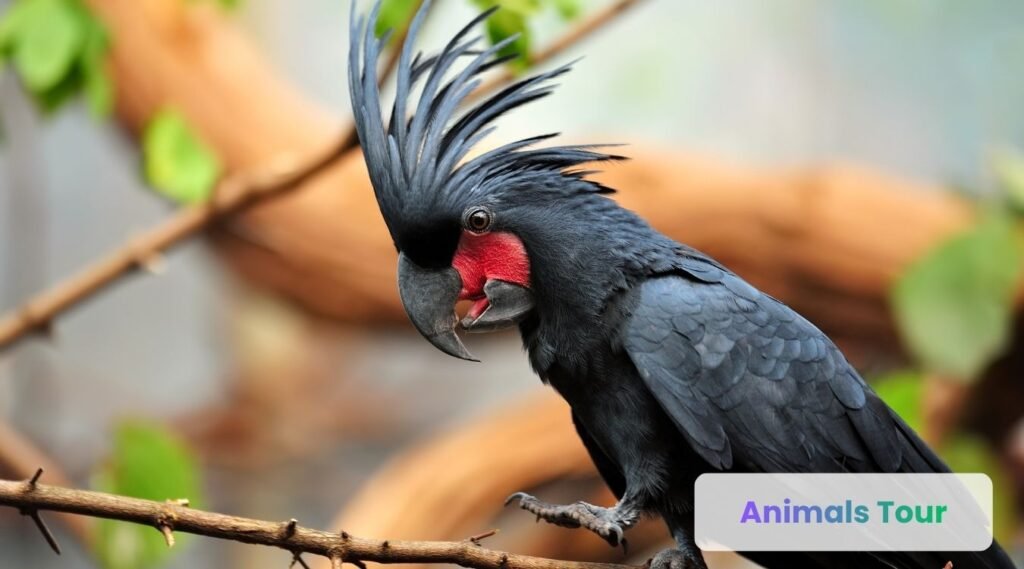
Its feeding technique is almost surgical: the upper beak gouges and pries at the shell while a specialized, bony-tipped tongue works the flesh free. Coconuts sit alongside other palm fruits and nuts in its diet rather than dominating it, but the sheer force behind that beak makes the palm cockatoo one of the most physically impressive animals that eat coconuts anywhere in the wild.
Wild Boar – The Opportunistic Forager of Fallen Fruit
Scientific Name: Sus scrofa
Class: Mammalia
Wild boars roam a huge range of habitats, from tropical forests to coastal scrubland, and wherever coconut palms grow nearby, fallen fruit rarely goes untouched. As natural opportunists, wild boars use their muscular snouts to root through undergrowth in search of food, and a coconut that has already split open on the forest floor makes for an easy, calorie-dense meal.
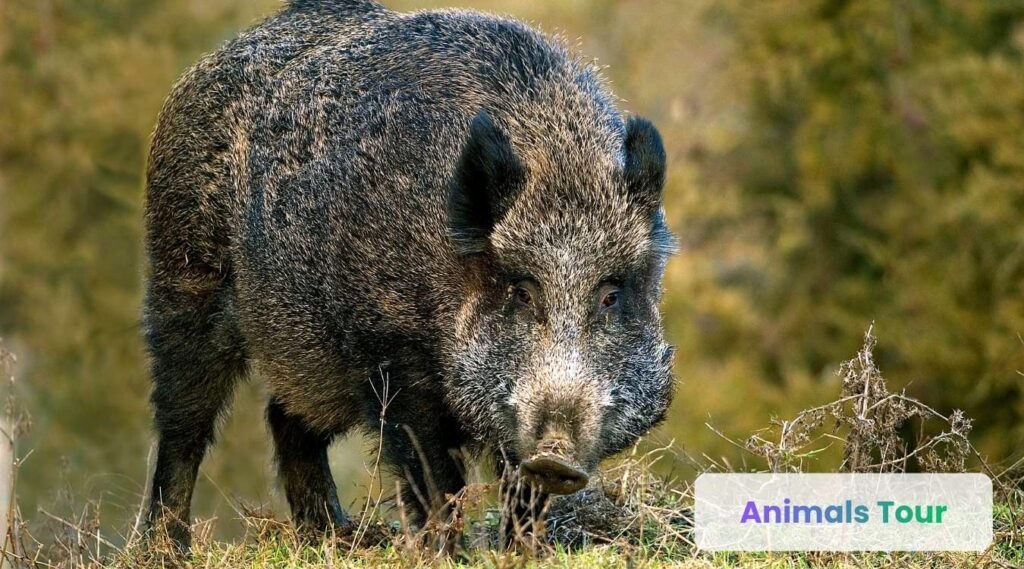
Unlike some coconut specialists, wild boars generally rely on shells that have already been cracked by falling, rotting, or the work of another animal, since their teeth are better suited to tearing than to breaking a sealed shell outright. Even so, their persistence and wide range across Asia and the Pacific keep them firmly on the list of common animals that eat coconuts in the wild.
Common Myna – The Backyard Bird That Pecks at Fallen Coconuts
Scientific Name: Acridotheres tristis
Class: Aves
The common myna has built a reputation as one of the most adaptable birds on the planet, thriving from South Asia to introduced populations across many tropical regions. Its diet is famously varied, running from insects and fruit to human food scraps, and coconuts occasionally join that list whenever a fruit has already split open from ripening, rotting, or another animal’s feeding activity.
Because the myna lacks the beak strength of species like the palm cockatoo, it plays a smaller, more opportunistic role among what animals eat coconuts, feeding only on soft, exposed flesh rather than cracking shells itself. Still, its widespread presence in gardens and urban coconut groves makes it a familiar, everyday example of a bird taking advantage of an easy meal.
Aye-aye – Madagascar’s Strange and Specialized Coconut Forager
Scientific Name: Daubentonia madagascariensis
Class: Mammalia
Few primates look quite like the aye-aye, a nocturnal creature from Madagascar best known for its impossibly thin, elongated middle finger. That same finger, usually used for tapping wood to locate hidden grubs, also comes in handy for scooping soft material out of a coconut once the shell has been breached by its continuously growing, rodent-like incisors.
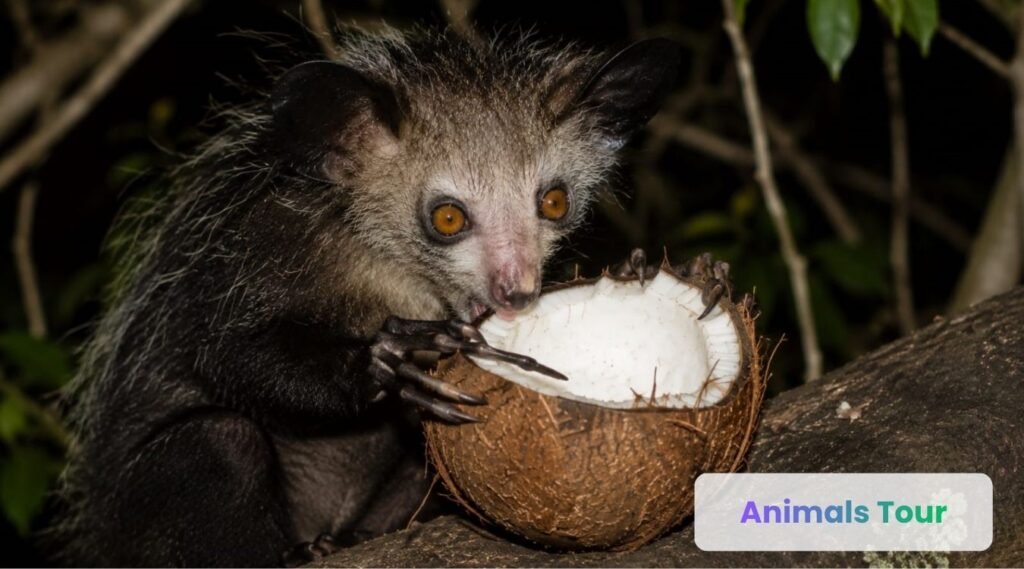
Coconuts are far from a primary food source for the aye-aye, since its forest habitat overlaps only occasionally with open coconut groves, but its odd blend of gnawing teeth and a finger built like a tiny crowbar makes it one of the more unusual answers to the question of what animal eats coconuts in the wild.
Squirrel – The Small but Persistent Coconut Nibbler
Scientific Name: Sciuridae (family)
Class: Mammalia
Squirrels are a familiar sight in tropical gardens and plantations across South and Southeast Asia, and their gnawing habits make them frequent, if modest, coconut eaters. Sharp, ever-growing incisors let them bore small holes into a husk or shell, giving them access to the liquid and flesh inside without needing to fully break the coconut apart.
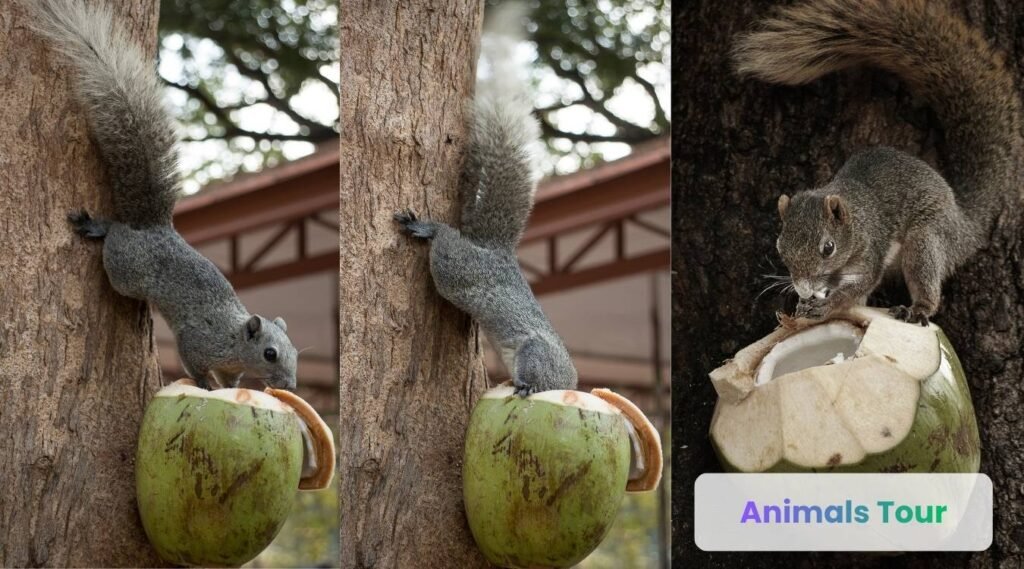
Because a whole coconut dwarfs a squirrel’s body size, feeding tends to happen gradually, often over several visits rather than in a single sitting. Young, tender coconuts, with shells that haven’t fully hardened yet, are a particular favorite, which is exactly why squirrels remain a persistent nuisance for coconut farmers despite their small individual appetite.
Monkey – The Skilled Coconut Harvester
Scientific Name: Macaca (genus)
Class: Mammalia
Ask do monkeys eat coconuts, and the answer is a confident yes, with macaques standing out as some of the most capable coconut feeders in the animal kingdom. In parts of Thailand, trained pig-tailed macaques are even employed commercially to twist ripe coconuts free from towering palm trees, a task that highlights both their dexterity and their comfort working at height.
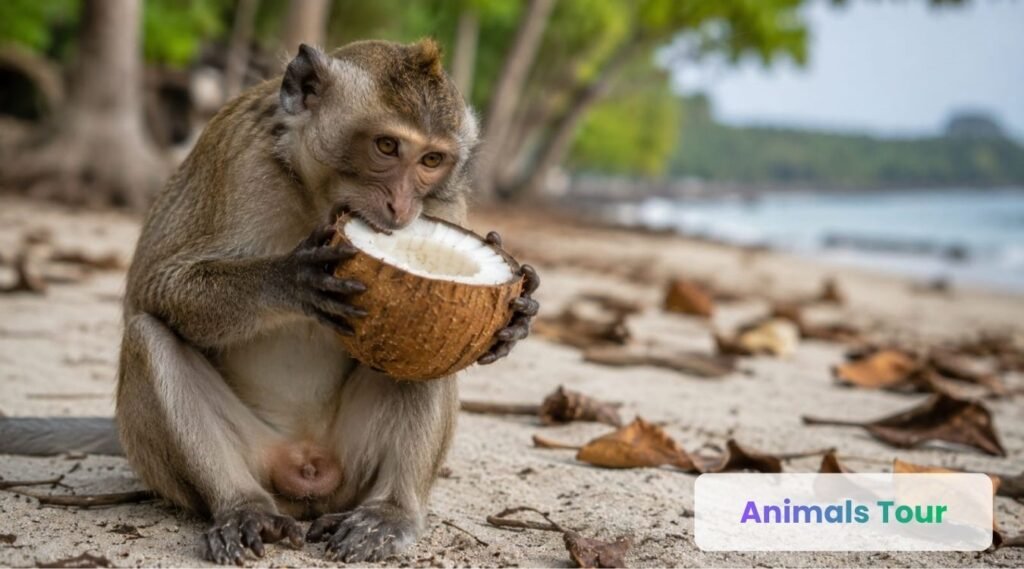
Beyond human-assisted harvesting, wild monkeys eat coconuts on their own initiative, using strong jaws to bite through the husk or smashing the shell against rocks and branches until it gives way. The reward, a rich source of fat and hydration, makes coconuts a genuinely valuable part of the diet for monkey populations living alongside coastal and forested coconut groves.
Elephant – The Giant That Crushes Coconuts With Ease
Scientific Name: Elephantidae (family)
Class: Mammalia
Elephants across South and Southeast Asia occasionally cross paths with coconuts, and when they do, size becomes the ultimate advantage. A single elephant can crush a whole coconut underfoot or between trunk and tusks without any real effort, a feat that puts it in a category almost entirely its own among animals that eat coconuts.
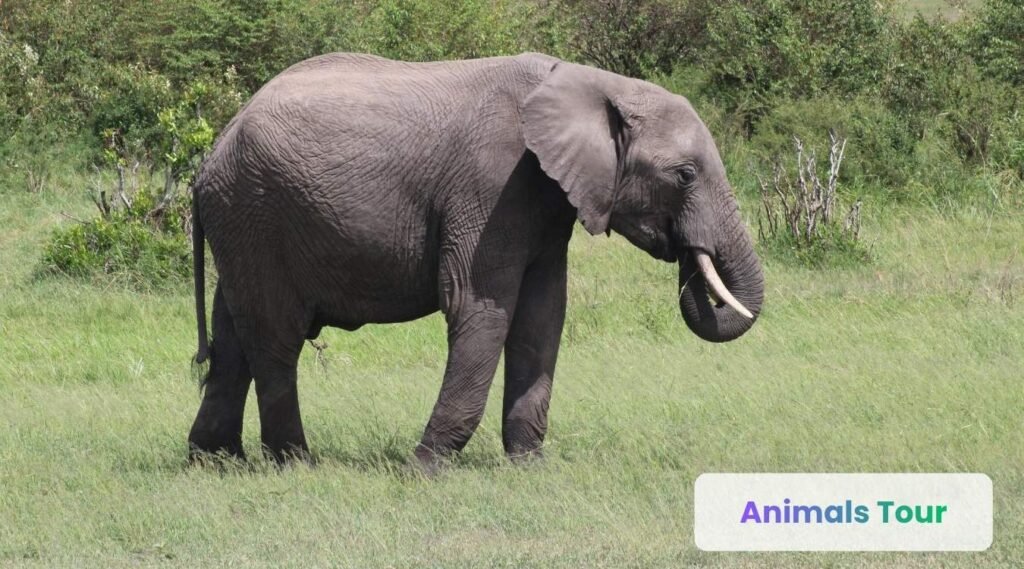
Their dexterous trunks are more than capable of picking fallen coconuts up off the ground and delivering them straight to the mouth, yet coconuts remain a tiny fraction of an elephant’s daily intake, which mostly consists of grasses, bark, and foliage in enormous quantities. Even so, in areas where elephant habitat borders coconut plantations, farmers often report crop damage from elephants specifically drawn to this energy-rich fruit.
Rat – The Persistent Pest of Coconut Plantations
Scientific Name: Rattus (genus)
Class: Mammalia
Rats present one of the most stubborn agricultural challenges in coconut-growing regions, and their gnawing habits explain why. Species such as the Polynesian rat climb coconut palms with practiced ease, using sharp incisors to bore into the husk and shell and reach the food hidden underneath.
A single rat cannot consume much of a coconut given its small size, but large populations working steadily over time can significantly affect a plantation’s yield, making rats one of the more economically important animals that eat coconuts from a farmer’s point of view. Their impact is less about strength and more about sheer numbers and persistence.
Rhinoceros Beetle – The Insect Tied to the Coconut Palm’s Life Cycle
Scientific Name: Dynastinae (subfamily)
Class: Insecta
Rhinoceros beetles are large, armored insects found throughout the tropics, and their connection to coconuts runs deeper than simple feeding. Adult beetles bore into the crown of coconut palms to feed on sap, while their larvae develop inside decaying coconut trunks and fallen husks, making the palm itself an essential part of their life cycle rather than just an occasional meal.
This sets the rhinoceros beetle apart from most other entries on this list, since its relationship with coconuts centers on the tree as habitat and larval nursery more than on the mature fruit directly. Even so, it remains a well-known name whenever people research what animal eats coconuts or coconut palm material in tropical agriculture.
Fruit Bat – The Nighttime Feeder on Soft Young Coconuts
Scientific Name: Pteropodidae (family)
Class: Mammalia
Fruit bats, often called flying foxes, are common across tropical Asia, Africa, and the Pacific Islands, where they play an outsized role in pollinating flowers and spreading seeds. Their diet centers on soft fruit and nectar, but young coconuts, still tender enough to bite into before the shell hardens, occasionally make the menu as well.
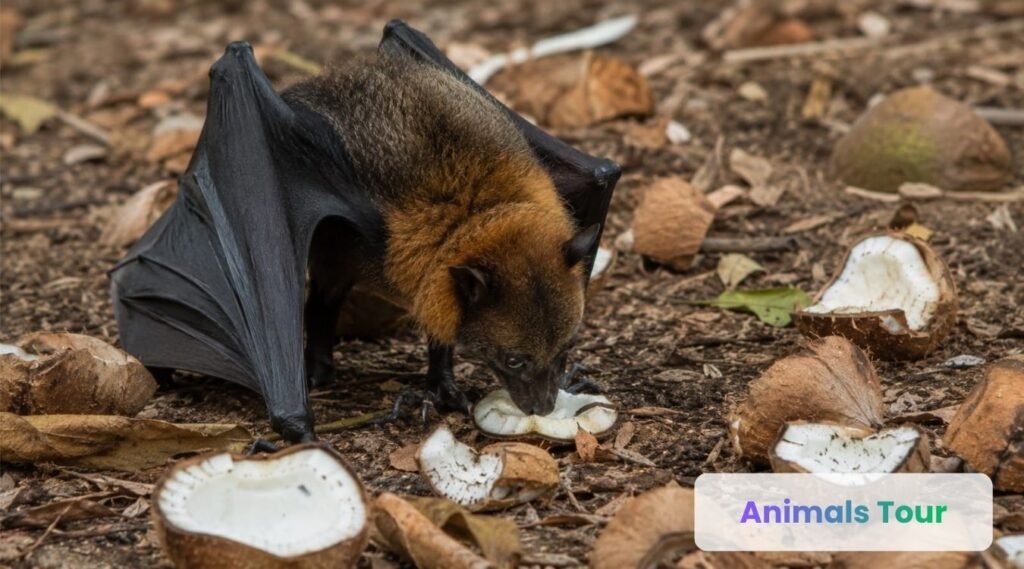
Rather than tackling a fully mature coconut, fruit bats prefer fruit that has already split open or is in an early stage of development, since their teeth are built for soft textures rather than hard shells. Their contribution may be modest, but it adds another layer to the broader picture of what animals eat coconuts across tropical ecosystems.
Human – The Largest Consumer of Coconuts on Earth
Scientific Name: Homo sapiens
Class: Mammalia
No discussion of animals that eat coconuts would be complete without acknowledging humans, by far the most significant consumers on this entire list. Coconut is a genuine dietary staple across much of the tropics, consumed fresh for its water and flesh, dried into copra, pressed into oil, and processed into flour, milk, and countless other everyday products.
Beyond nutrition, the coconut palm holds deep cultural and economic weight in coastal and island communities, often earning the nickname “tree of life” because nearly every part of it serves some practical purpose. Unlike the opportunistic feeding seen elsewhere on this list, human coconut consumption is deliberate, organized, and built around entire industries, setting it apart in both scale and purpose from every other species discussed here.
Coconut Crab – The Giant Land Crab Named for Its Diet
Scientific Name: Birgus latro
Class: Malacostraca
The coconut crab earns its name honestly, standing as the largest land-living arthropod in the world and one of the very few creatures capable of cracking open a mature, fully hardened coconut shell without help. Found scattered across islands in the Indian and Pacific Oceans, these crabs rely on claws powerful enough to rank among the strongest pinching forces recorded in the animal kingdom.
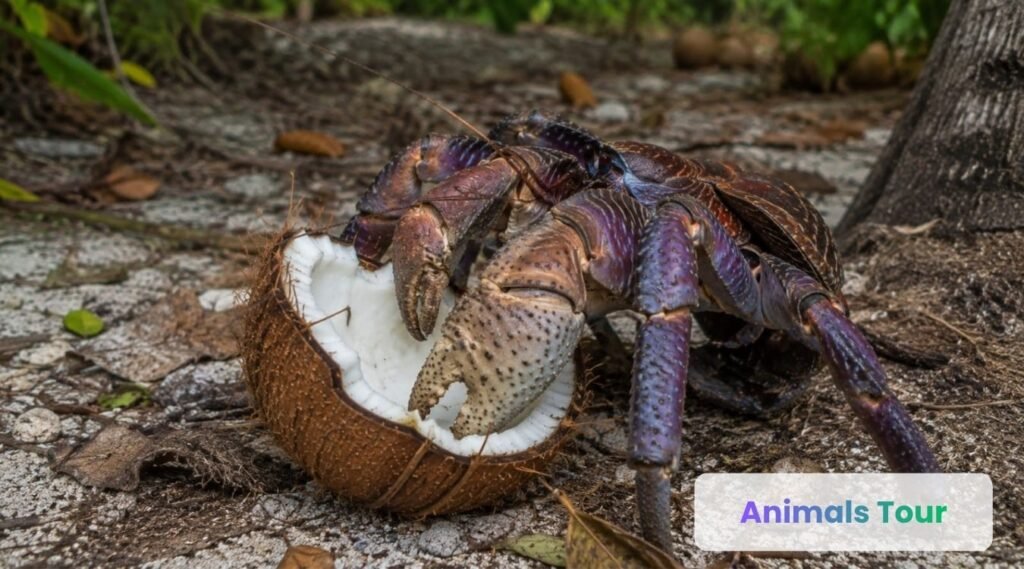
Coconuts aren’t the coconut crab’s only food source, since it also feeds on fruit, decaying organic matter, and the occasional small animal, but the fruit remains central to its identity and its name. Slow to reproduce and increasingly threatened by overharvesting, coconut crabs are now protected in several regions, a reminder that even a creature built like a small tank can be vulnerable.
Chimpanzee – The Tool User Among Coconut-Eating Primates
Scientific Name: Pan troglodytes
Class: Mammalia
Chimpanzees, spread across equatorial Africa, bring a distinctly clever approach to answering what animals eat coconuts. Rather than relying purely on bite force, chimpanzees have been observed using rocks or other hard surfaces to smash coconuts open, a technique consistent with their well-documented use of tools to crack other tough nuts in the wild.
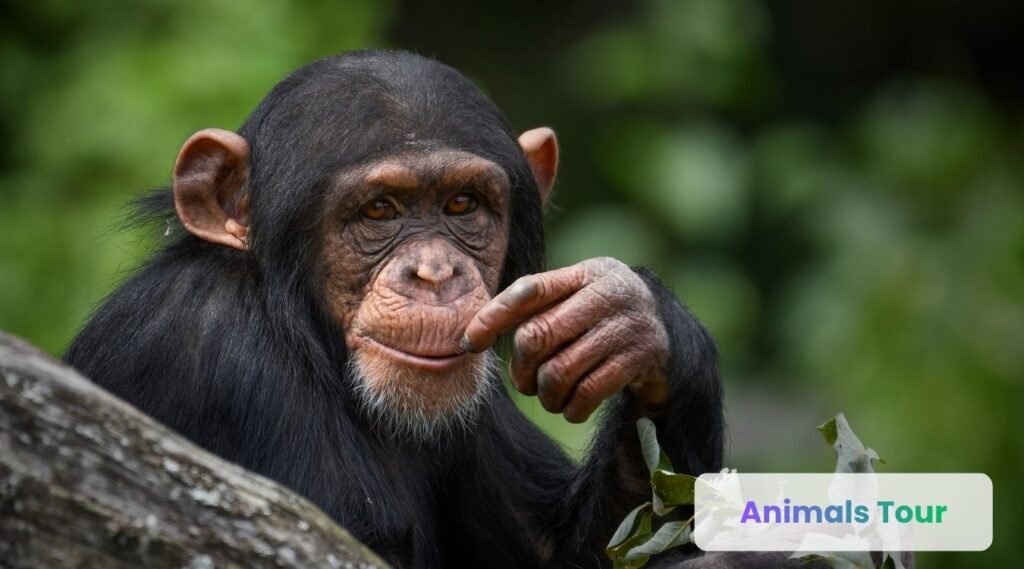
Coconuts make up only a small part of a diet built mostly around fruit, leaves, insects, and the occasional meat, but the chimpanzee’s problem-solving ability means it rarely struggles to reach the reward once a coconut is found nearby. That reliance on tools rather than raw strength or specialized anatomy makes the chimpanzee one of the most intelligent entries among animals that eat coconuts.
Conclusion
From gorillas and elephants relying on sheer strength to squirrels and rats working patiently through a tough shell, animals that eat coconuts represent almost every strategy nature has to offer, strength, tools, patience, and specialized anatomy alike.
Looking across this list, it’s clear that the coconut is far more than a tropical snack; it’s a genuine, hard-won resource that has shaped feeding behavior across birds, mammals, insects, and crustaceans alike, proving just how resourceful life in the tropics can be.
FAQs
What animals eat coconuts?
Quite a few, actually. Gorillas, pigs, sun bears, palm cockatoos, wild boars, common mynas, aye-ayes, squirrels, monkeys, elephants, rats, rhinoceros beetles, fruit bats, humans, coconut crabs, and chimpanzees are all known to eat coconuts in some form. Each species has developed its own way of getting past the shell, from raw strength and sharp teeth to specialized claws and even tool use.
Do monkeys eat coconuts?
Yes, monkeys are among the most well-known coconut eaters, especially macaques found across Asia. They use their dexterous hands to twist coconuts free from palm trees and often crack the shells open by smashing them against rocks or branches. In parts of Thailand, trained macaques are even used commercially to harvest coconuts, showing just how skilled they are at handling this fruit.
Do bears eat coconuts?
Some bears do, most notably the sun bear, native to the tropical forests of Southeast Asia where coconut palms are common. Sun bears use their long claws to tear into husks and their long tongues to scoop out the soft flesh once a shell is opened. Coconuts aren’t a primary food source for them, but they’re eaten readily whenever the opportunity comes up, especially near plantations.
Do gorillas eat coconuts?
Yes, gorillas do eat coconuts, though it’s not a major part of their diet. In regions where coconut palms grow near their forest habitat, gorillas use their strong jaws and molars to break through the husk and get to the flesh inside. Since their natural diet already leans on leaves, stems, and fruit, coconuts serve more as an occasional, calorie-dense treat than a staple food.