Top 18 Dirtiest Animals in the World (With Images)
Discover top 18 dirtiest animals in the world, species that thrive in filth, feed on waste and decay, or carry harmful bacteria as part of their natural lifestyle. From well-known creatures to surprisingly overlooked ones, each dirty animal on this list shows how living in filth can play an important role in survival and the ecosystem.
List of the Top 18 Dirtiest Animals in the World
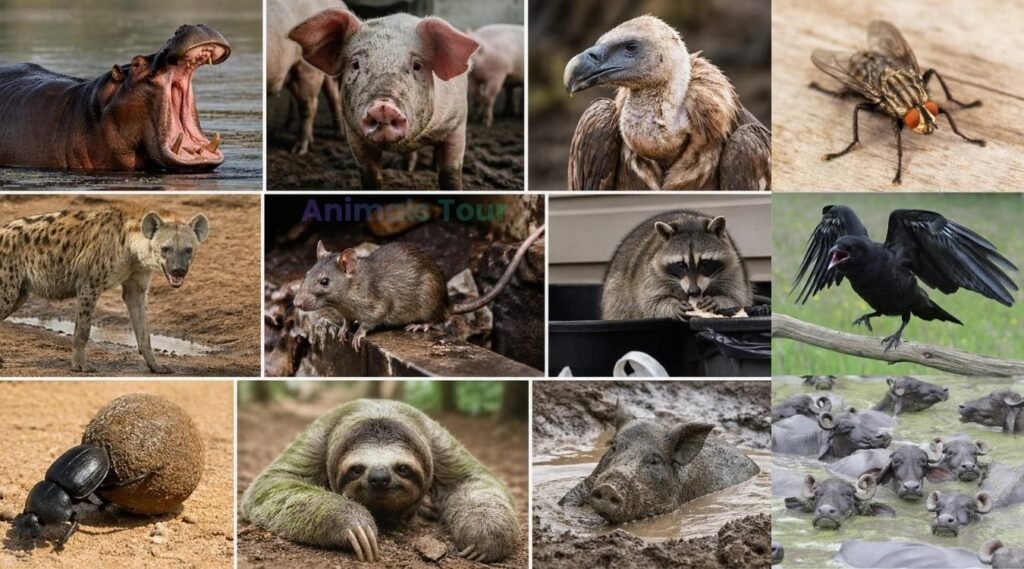
Here is a list of the top 18 dirtiest animals in the world, featuring species from every corner of the planet. Despite their differences, each dirty animal shares habits or traits that make it one of the filthiest in nature.
- Hippo
- Pig
- Vulture
- Marabou Stork
- Hyena
- Wild Boar
- Cape Buffalo
- Rat
- Cockroach
- Fly
- Raccoon
- Pigeon
- Dung Beetle
- Crow
- Sloth
- Frog
- Bat
- Tasmanian Devil
Dirty Animals in the World: A Closer Look
Each animal on this list has earned its place for a specific reason. Some are dirty by habit, some by diet, and some simply because of the environments they choose to live in. Here is a detailed look at 18 dirty animals and exactly what makes them so filthy.
Hippopotamus: Messiest Animal in the Wild
Scientific Name: Hippopotamus amphibius
Class: Mammalia
Diet: Herbivore (mainly grass)
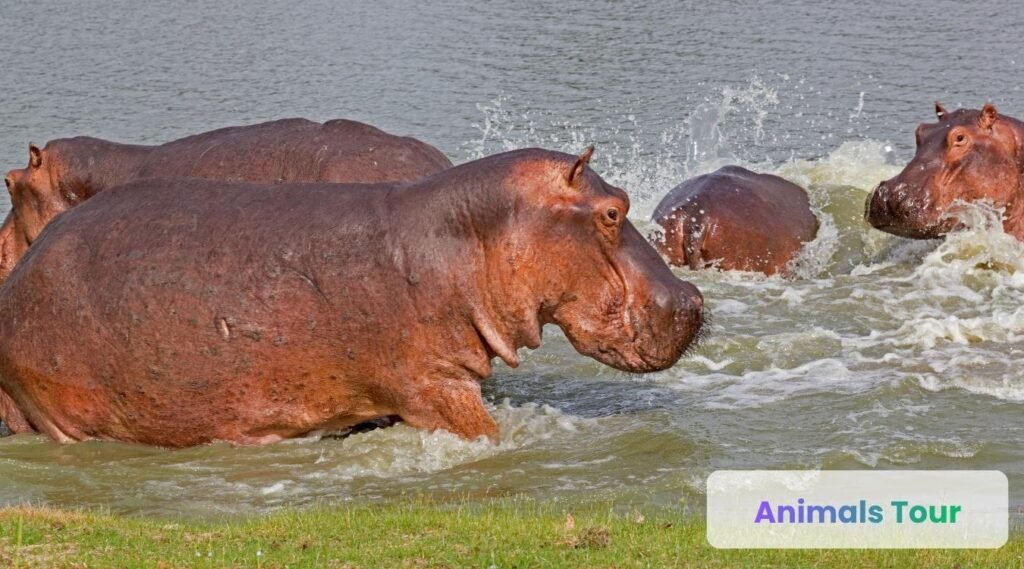
The hippopotamus is often seen resting quietly in water, but its environment is not really clean. These animals spend most of their time in rivers and pools that quickly fill with their own urine and dung. A single hippo can produce huge amounts of waste each year, and when groups share the same water, it becomes heavily contaminated. This is why the hippo is often considered one of the dirtiest animals in the world despite its close connection to water.
Another unusual feature of hippos is the reddish, oily substance they release from their skin, often called “blood sweat,” even though it is neither blood nor sweat. This secretion acts as a natural sunscreen and provides some protection against bacteria, but it does not make them clean. Even with that protection, their habit of living in crowded groups and soaking in waste-filled water still leaves them among the dirtiest mammals in the wild.
Pig: The Mud-Dwelling Waste Feeder
Scientific Name: Sus scrofa domesticus
Class: Mammalia
Diet: Omnivore (plants, grains, roots, insects, and food waste)
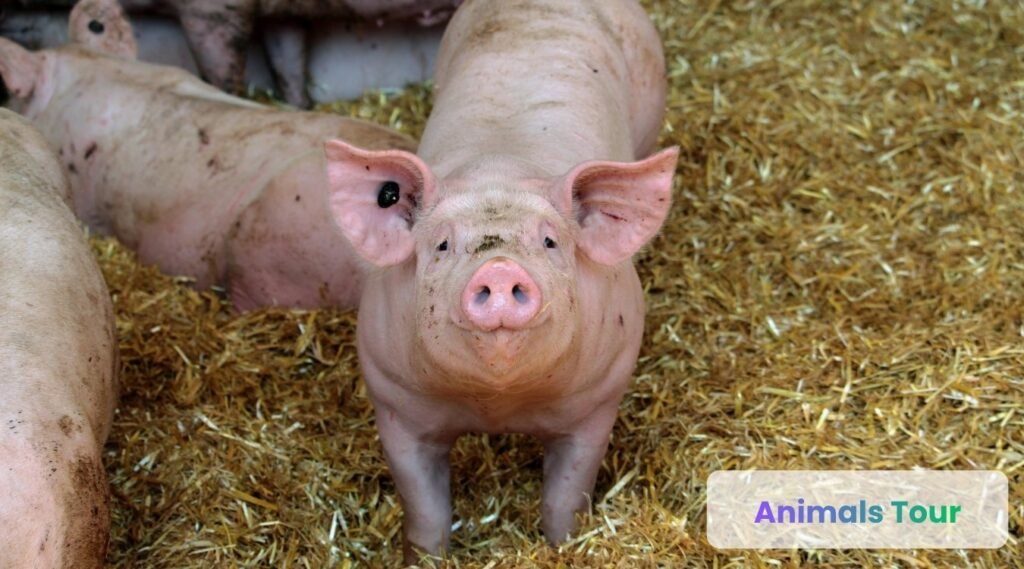
The pigs are widely considered the dirtiest animals in the world and while they are actually quite intelligent and clean when kept in proper conditions, their natural behavior in the wild paints a different picture. In the wild, pigs wallow in mud not out of enjoyment but because they lack sweat glands, relying on mud to regulate their body temperature and protect their skin from insects and sunburn.
Wild pigs root through soil, garbage, and decaying matter with their snouts, picking up bacteria, parasites, and pathogens along the way. Pigs are known carriers of several diseases that can transfer to humans. In addition, their tendency to scavenge in contaminated areas increases their exposure to harmful microbes, further solidifying their reputation as “dirty” animals.These muddy habits, constant contact with waste, and ability to carry disease have made pigs a well-known dirty animal in many cultures.
Vulture: The Sky Scavenger
Scientific Name: Gyps fulvus (example species; vultures have multiple species)
Class: Aves
Diet: Carnivores/Scavenger (mainly dead animals/carcasses)
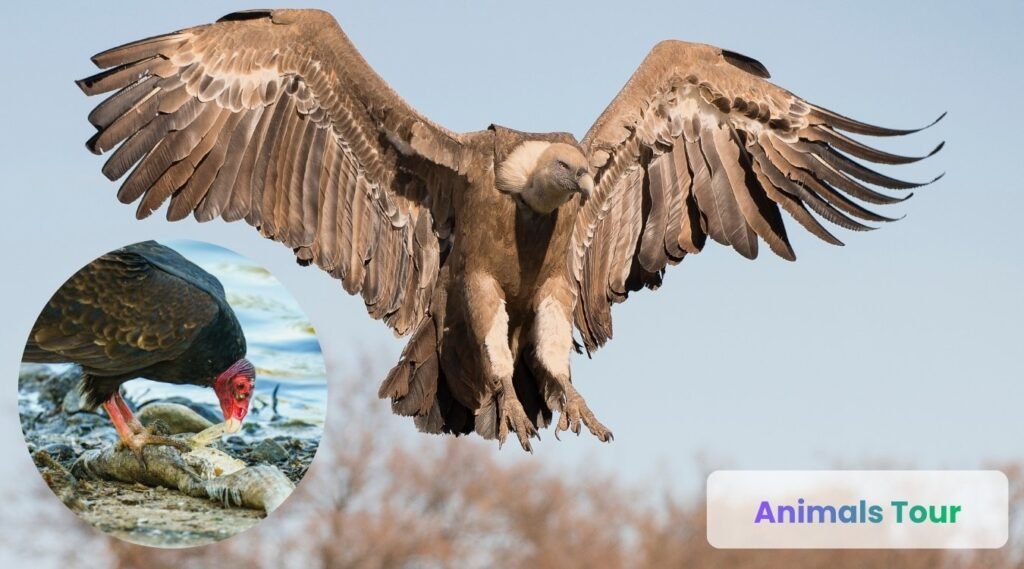
Vultures feed almost entirely on dead and rotting animals, which places them among the dirtiest animals in the world in terms of diet. They often push their heads deep inside carcasses to reach soft tissue, which is why many species have bare, featherless heads. This reduces the buildup of bacteria and decaying matter on their skin. Despite these filthy feeding habits, vultures play an important role in the ecosystem by quickly removing carcasses that could otherwise spread disease.
A vulture’s digestive system can handle bacteria that would be deadly to most other animals. It can safely consume carcasses infected with anthrax, botulinum toxin, and cholera without being harmed. Its stomach acid is among the most corrosive of any bird, destroying most pathogens before they can cause infection. So while vultures are often seen as some of the dirtiest animals in the world, they are also uniquely adapted for the role they play in nature.
Marabou Stork: Waste-Eating Bird of Africa
Scientific Name: Leptoptilos crumenifer
Class: Aves
Diet: Scavenger and opportunistic carnivore (carrion, insects, small animals, waste)
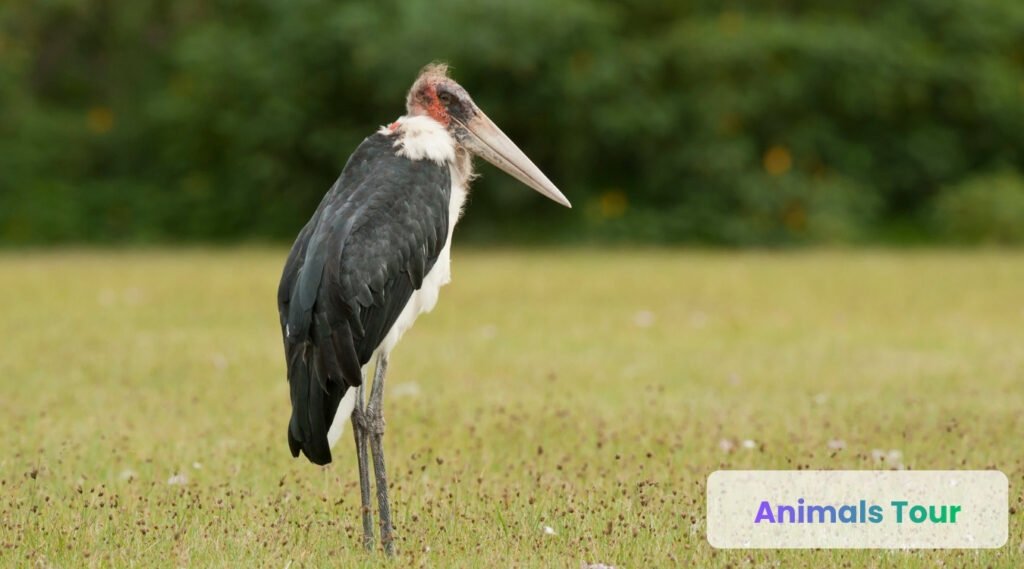
The marabou stork is often seen as one of the least appealing birds, and its behavior matches that image. Like vultures, it feeds on carrion and waste, commonly scavenging at rubbish dumps, open sewers, and animal remains. It is a large bird, reaching up to 1.5 metres in height, with a bald, blotchy head and neck. This bare skin helps it feed inside carcasses without fouling its feathers. Found across sub-Saharan Africa, it is frequently seen near human settlements where waste is easily available.
It also practices urohidrosis, meaning it urinates on its legs to cool down. As the liquid evaporates, it leaves a pale, crusty coating behind. Combined with its diet of rotting flesh and garbage, this constant contact with waste and decay places the marabou stork among the dirtiest animals. Its lifestyle is not accidental but shaped by adaptations that allow it to thrive in such conditions.
Hyena: The Dirty Bone-Crushing Scavenger
Scientific Name: Crocuta crocuta
Class: Mammalia
Diet: Carnivore / Scavenger
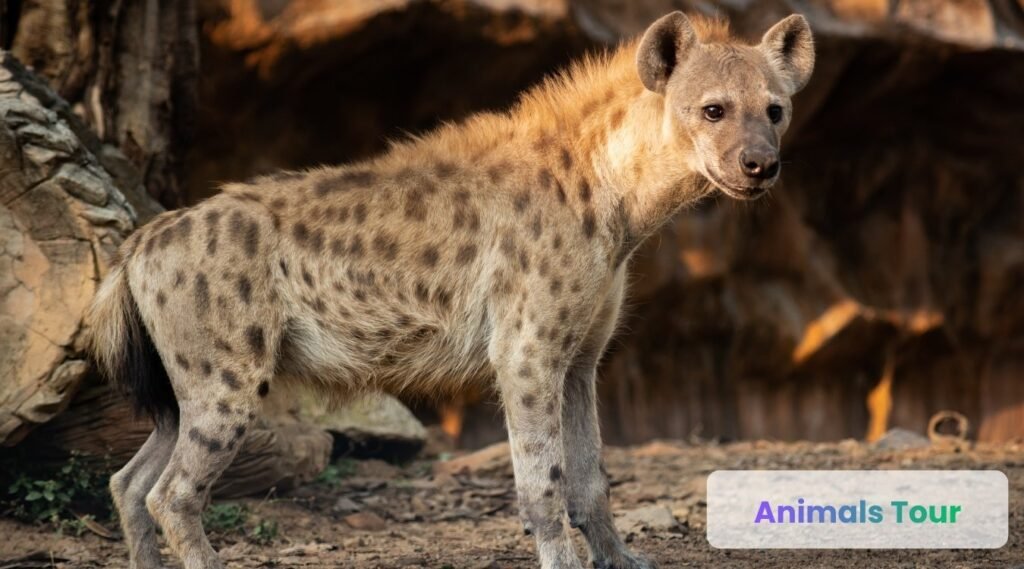
The hyena is widely known as a scavenger, and although it is also a skilled hunter, its feeding habits place it among the dirtiest animals. Hyenas eat carcasses at all stages of decay, including bones, hide, and rotting flesh that most predators avoid. Their powerful jaws can crush bone, and their digestive system can handle heavily contaminated material. When food is scarce, they may even consume the dung of other animals.
Hyenas live and feed in groups, and their dens are often scattered with bones and leftover scraps. The spotted hyena in particular is known for its strong, foul-smelling scent gland secretions, which it uses to mark territory. These secretions have a distinctive, pungent odour described as similar to cheap soap or rotting organic matter. Combined with their diet and living conditions, these traits make hyenas one of the more visibly dirty animals in their environment.
Wild Boar: The Mud-Loving Mammal of Forest
Scientific Name: Sus scrofa
Class: Mammalia
Diet: Omnivore
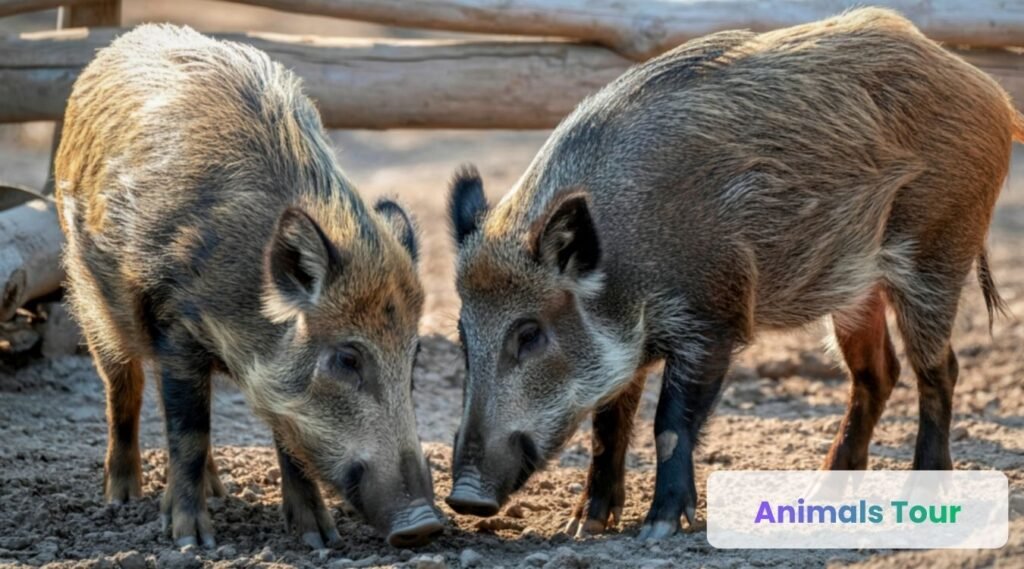
The wild boar is a hardy and adaptable animal, but it is also consistently among the dirtiest animals in the world. It roots through soil, leaf litter, mud, and decaying organic matter with its tough snout, often covering its face and body in the process. Like domestic pigs, wild boars wallow in mud to cool themselves and protect their skin from parasites and biting insects. They are not selective about where they wallow and will readily use muddy pools contaminated with waste.
Wild boars also have a habit of feeding on carrion, garbage, and almost anything organic they come across, which means they come into contact with a wide range of bacteria, parasites, and pathogens. They are known carriers of diseases including swine brucellosis, leptospirosis, and various worm parasites, some of which can be transmitted to other animals and humans. This combination of behaviors makes the wild boar a classic dirtiest animal in the world.
Cape Buffalo: Mud-Covered Herd Mammal
Scientific Name: Syncerus caffer
Class: Mammalia
Diet: Herbivore (grass, herbs, leaves)
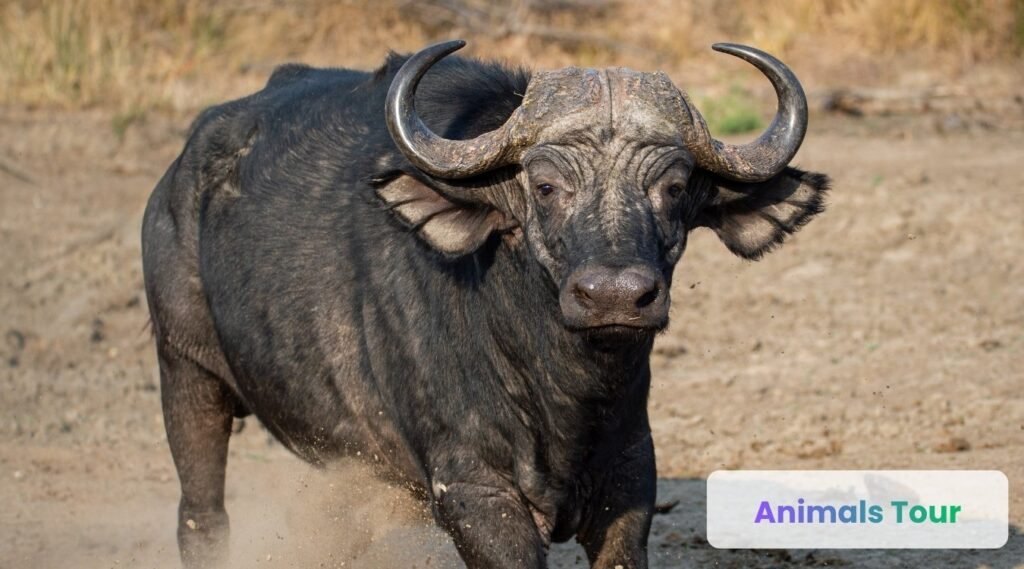
The Cape buffalo is a large and powerful animal found across sub-Saharan Africa, and it is often counted among the dirtiest large mammals. It regularly wallows in mud, coating its thick hide in a layer that dries and cracks over time. This helps protect against parasites and biting insects, but it leaves the animal looking constantly caked in dirt. Large herds also churn up water sources, turning them into muddy pools mixed with dung and urine.
Cape buffalo carry external parasites such as ticks, flies, and lice that live on their skin. Oxpecker birds are often seen feeding on these parasites while perched on their backs. Because they live in large herds and often share the same grazing and water areas, parasites and pathogens can spread easily between individuals.
Rat: Opportunistic Feeder Around Waste
Scientific Name: Rattus norvegicus (Norway rat; common species)
Class: Mammalia
Diet: Omnivore (grains, fruits, seeds, insects, food waste, carrion)
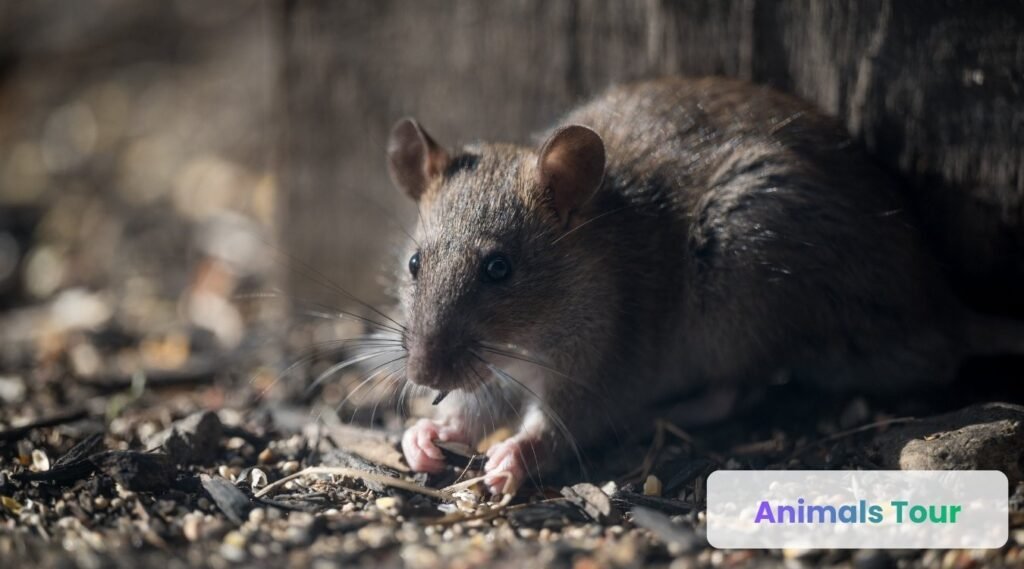
The rat is one of the most widely recognized dirtiest animals in the world, and much of that reputation comes from its close association with human waste. Rats are commonly found in sewers, rubbish dumps, drains, and other dark, sheltered spaces where food scraps are available. Brown rat, in particular, has adapted extremely well to urban environments and thrives wherever human waste is present.
Rats are known carriers of several diseases, including leptospirosis, salmonella, hantavirus, and rat-bite fever. They can contaminate food not only by eating it but also through droppings, urine, and shed hair. A single rat produces thousands of droppings each year, which highlights their potential for widespread contamination in infested areas. Because of this close link with waste and disease transmission, rats remain a significant public health concern in many cities worldwide.
Cockroach: Fast-Breeding Urban Insect
Scientific Name: Periplaneta americana (American cockroach; common species)
Class: Insecta
Diet: Omnivore (decaying organic matter, food scraps, starches, grease, waste)
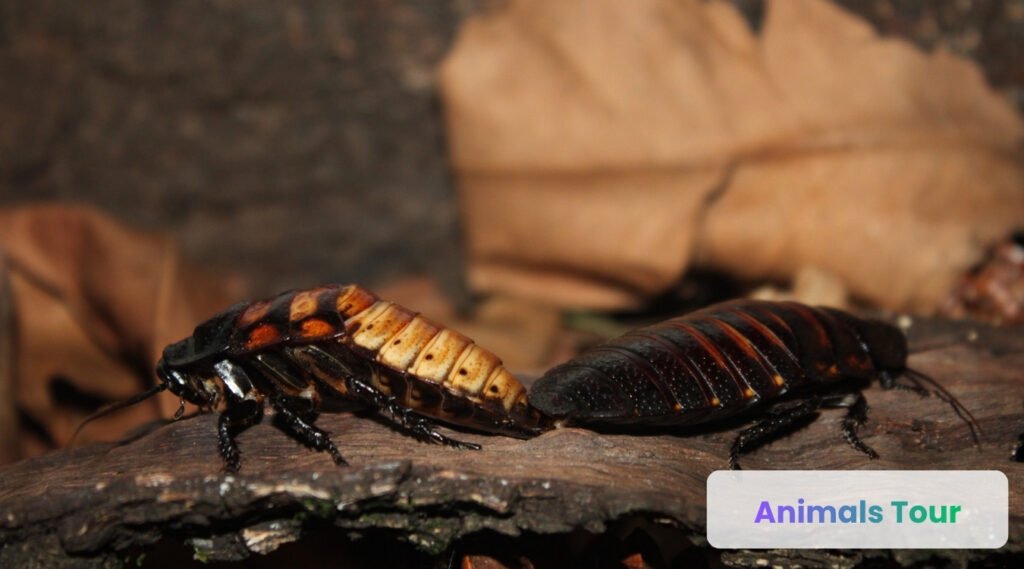
The cockroach is one of the most resilient insects in the world and is commonly associated with unsanitary environments. It thrives in sewers, drains, rotting food, and other damp, dark places where waste accumulates. Cockroaches are intelligent scavengers and will feed on a wide range of organic material, including decaying matter and food scraps, which exposes them to various bacteria and pathogens that can cling to their body and legs.
They are a concern in human environments because they can contaminate food and surfaces as they move through kitchens and storage areas. Cockroaches leave behind droppings, shed skin, saliva, and egg cases, which can contribute to allergies and may carry disease-causing organisms such as Salmonella and E. coli. Once established, they are difficult to eliminate, which is why they are considered one of the most persistent pests in dirty, urban environments.
Fly: Insect found around Food and waste
Scientific Name: Musca domestica (housefly)
Class: Insecta
Diet: Liquid/decaying organic matter (rotting food, waste, sugars, and fluids from decayed material)
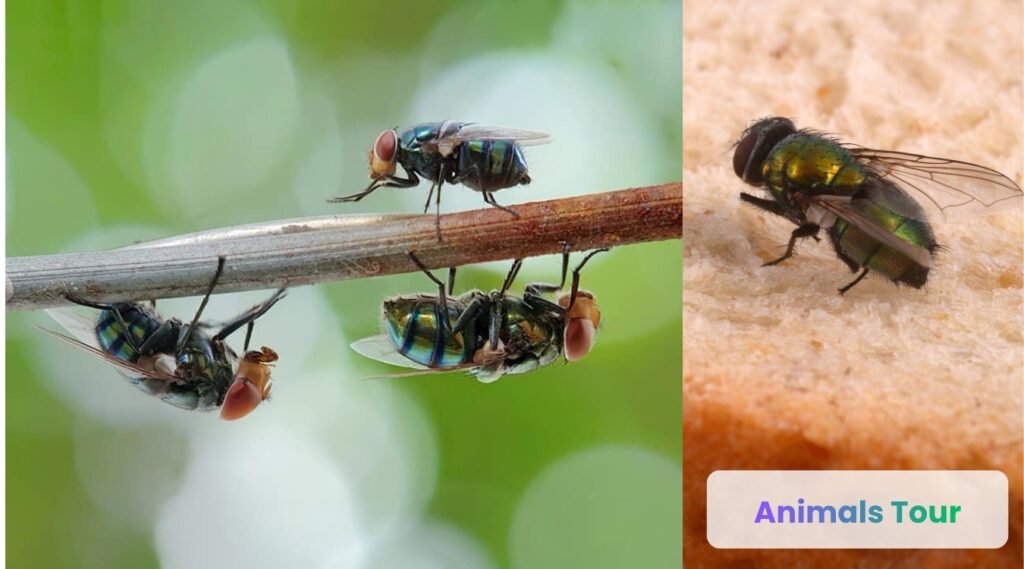
The common housefly is widely regarded as one of the most unhygienic insects. It breeds in rotting food, animal dung, garbage, and other decaying organic matter, and feeds on similar material. Because it cannot chew solid food, it releases digestive fluids onto its food to liquefy it before consuming it.
As it moves between waste and human environments, it can transfer bacteria picked up from previous surfaces onto food, skin, or household items. A single housefly can carry large numbers of bacteria on its body, especially on its legs and feet. It has been linked to the spread of diseases such as typhoid, cholera, dysentery, and food poisoning.
Flies constantly move between contaminated and clean areas without restriction, making them effective mechanical carriers of pathogens. Their rapid breeding cycle also allows populations to increase quickly in warm conditions or near open waste, which can intensify hygiene risks in affected areas.
Raccoon: Nocturnal Waste-Scavenging Mammals
Scientific Name: Procyon lotor
Class: Mammalia
Diet: Omnivore (fruits, insects, small animals, eggs, garbage, food waste)
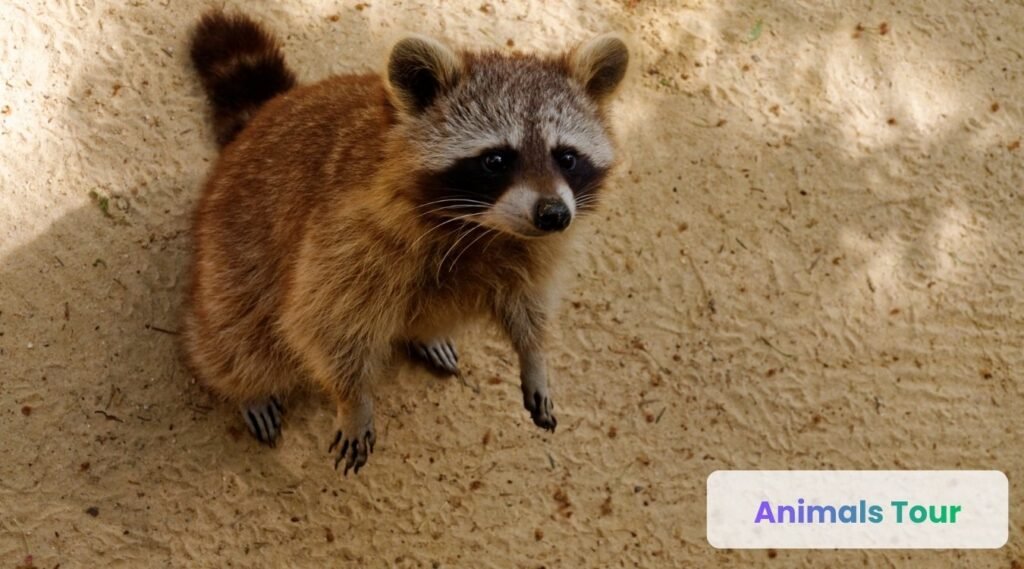
The raccoon is often seen as a cute and clever animal, but its habits place it firmly among the most dirty animals in urban environments. Raccoons are opportunistic feeders that raid rubbish bins, compost heaps, and food waste with enthusiasm, often scattering the contents across a wide area in the process. They are found across North America and have adapted well to city life, living in close contact with human waste and showing very little hesitation about what they will eat or where they will go to find it.
Raccoons can carry diseases such as rabies, raccoon roundworm, and leptospirosis. Their droppings are a concern because raccoon roundworm eggs can survive in soil for long periods and are difficult to remove. They often return to the same places to defecate, which can lead to contamination in attics, gardens, and outdoor areas. Living close to human settlements also increases their contact with waste and food sources, which is why they are sometimes considered unhygienic in urban environments.
Pigeon: Common City-Dwelling Bird
Scientific Name: Columba livia
Class: Aves
Diet: Omnivore
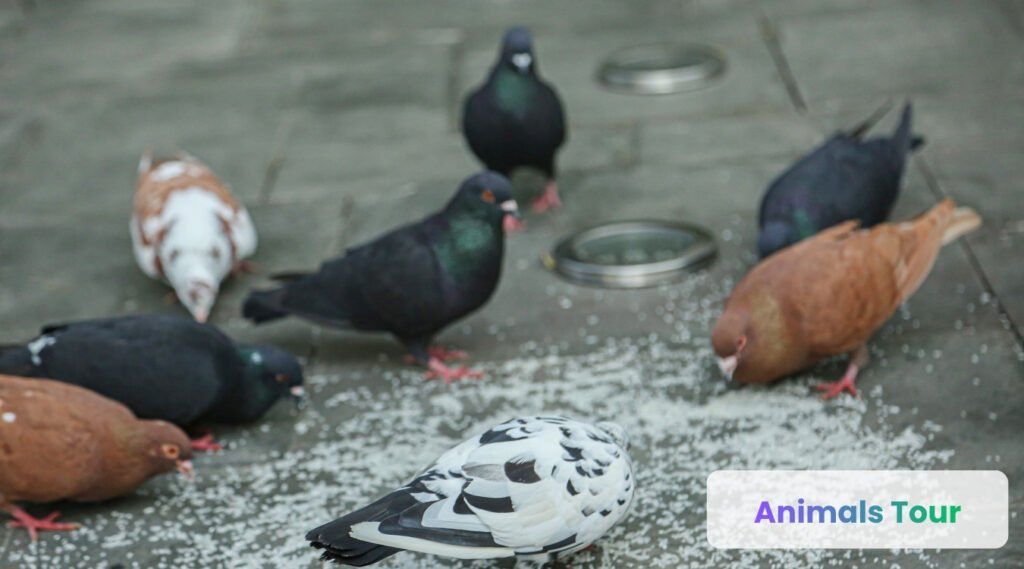
Pigeons are one of the most common urban birds and are often associated with some of the dirtiest animals found in cities. They roost in large numbers on buildings, ledges, and bridges, leaving behind droppings that can gradually damage stone and metal surfaces. Pigeons feed opportunistically, often picking through discarded food and waste on the ground, which can expose them to bacteria and other contaminants.
Their droppings can carry organisms linked to respiratory illnesses such as histoplasmosis and cryptococcosis, as well as bacteria like Salmonella and E. coli. Because pigeons often gather in dense groups and return repeatedly to the same roosting sites, waste can accumulate in those areas over time. This is why they are commonly considered one of the more unhygienic animals in cities.
Dung Beetle: Waste-Feeding Insect
Scientific Name: Scarabaeus sacer (one of many species)
Class: Insecta
Diet: Dung (animal feces)
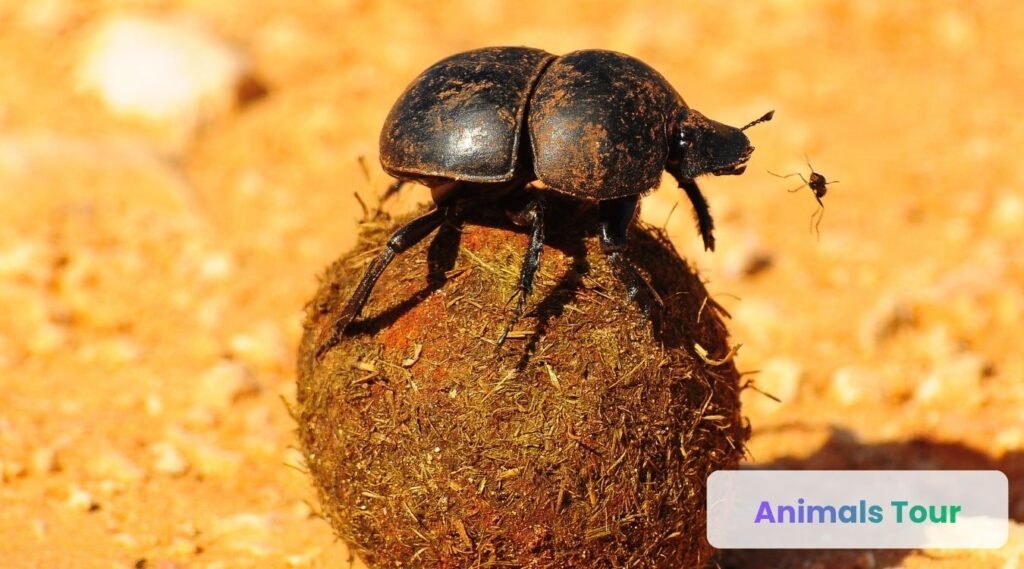
The dung beetle earns its place on this list of dirtiest animals in the world because of its close association with animal waste. Dung beetles feed on the faeces of other animals, and many species also lay their eggs in dung, where the larvae develop. They are commonly found in areas where large mammals are present, rolling and burying balls of dung that can be heavier than their own body weight. Some species feed directly on the dung, while others use it mainly to provide food for their young.
Although it is considered a dirty animal in terms of diet and habitat, the dung beetle also plays an important ecological role. By burying dung, it helps return nutrients to the soil and reduces breeding sites for flies. It can also contribute to lowering parasite levels in grazing areas. Because of these functions, dung beetles are considered beneficial despite their strong association with waste.
Crow: Opportunistic Feeding Bird
Scientific Name: Corvus brachyrhynchos
Class: Aves
Diet: Omnivore
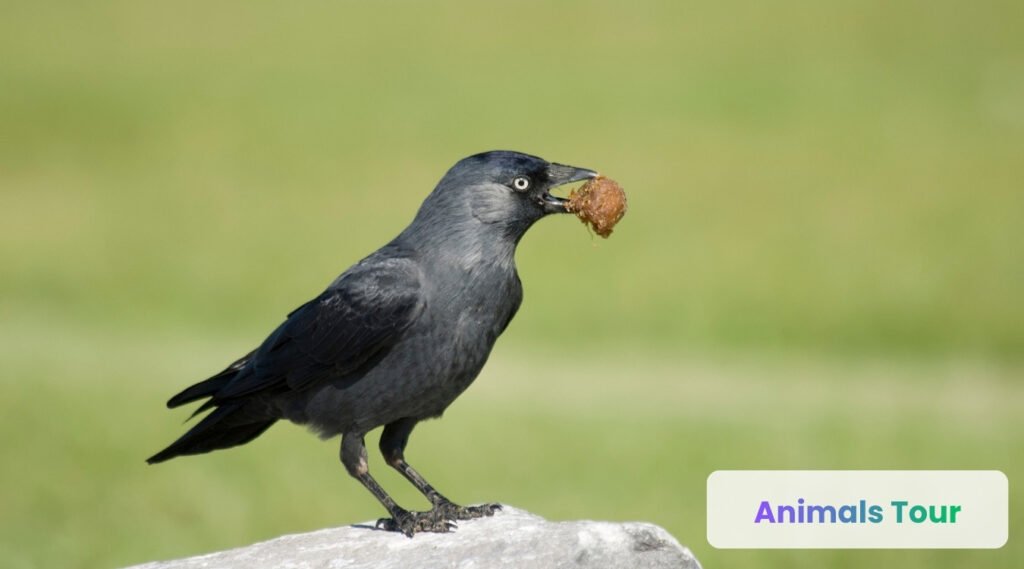
Crows are intelligent birds, but their feeding habits put them squarely in the category of dirty animals. They are scavengers and opportunists, feeding on roadkill, rubbish, food waste, and the remains of dead animals without much discrimination. In urban areas, crows are a common presence around open bins, food markets, and anywhere organic waste is accessible. They pick through waste with their beaks and carry food scraps back to roosting areas, spreading contamination along the way.
Crows also feed on the eggs and young of other birds, carrion at various stages of decomposition, and occasionally faecal matter when other food is scarce. Their droppings, like those of most birds, contain uric acid and can carry Salmonella and Campylobacter.
While crows are not as heavily contaminated as some of the other animals on this list, their close association with human food waste, their willingness to eat almost anything, and their presence in large numbers in populated areas gives them a legitimate place among the world’s dirtiest animals.
Sloth: Slow-Moving Tree Mammal
Scientific Name: Bradypus variegatus
Class: Mammalia
Diet: Herbivore

The sloth might seem like an unlikely entry on a list of the dirtiest animals in the world, but its slow lifestyle creates unusual conditions. Because sloths move very little, their fur develops its own small ecosystem over time. Algae can grow on the hairs, sometimes giving the coat a greenish tint that also helps with camouflage in the forest canopy. The fur can also host moths, mites, beetles, and fungi, many of which live closely alongside the sloth.
Sloths typically descend from trees only occasionally to defecate, meaning waste is held in the body for several days. When they do go, it can be a large portion of their body weight at once. Combined with their slow metabolism and limited grooming, these traits create a distinctive and unusual level of biological build-up. While not “dirty” in the same sense as scavenging animals, the sloth stands out for the number of organisms and materials associated with its body.
Frog: Insect-Eating Amphibian
Scientific Name: Anura (order; example species: Rana temporaria)
Class: Amphibia
Diet: Carnivore (insects, worms, small invertebrates)
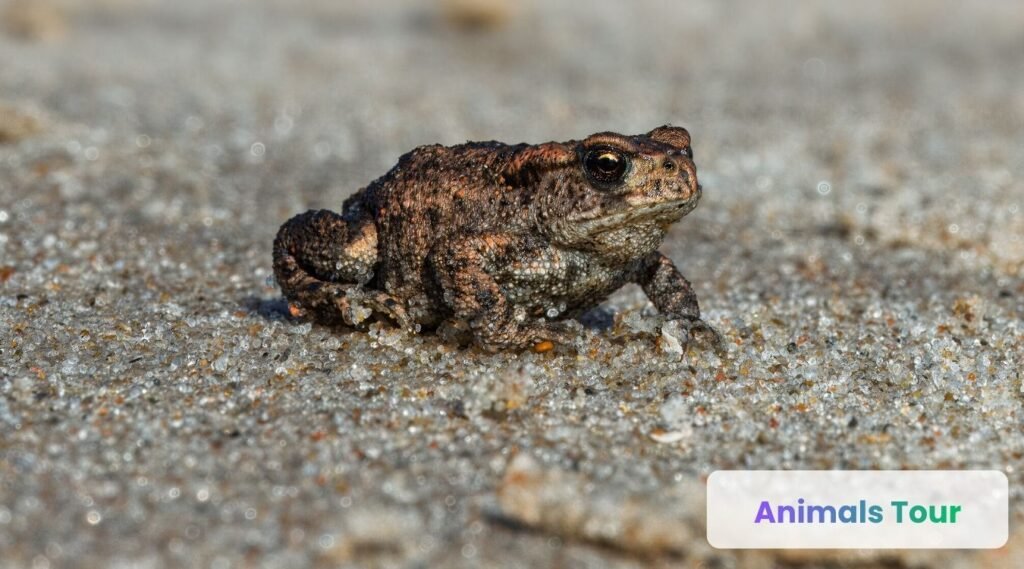
The frog closes this list as a less obvious but still notable example as the dirtiest animal in the world. Frogs live in swamps, muddy ponds, and stagnant water, where bacteria and decomposing matter are common. Because their skin is permeable, they stay in constant contact with whatever is present in their environment. Many species also feed on insects and small organisms found in these wet habitats.
Frogs can carry pathogens such as Salmonella, which may spread through skin contact or shared water. Some are also affected by chytrid fungus, a disease that spreads through aquatic environments. While not “dirty” in the usual sense, their close link to wet, microbe-rich habitats places them among animals associated with less hygienic conditions.
Bat – Disease-Carrying Cave Dweller
Bats live in large groups inside cave tree, and other sheltered spaces that can become covered in droppings called guano. Because so many bats live close together, parasites like mites and fleas can spread easily among them. Their droppings often build up in thick layers over time, making their roosting sites messy and strongly scented.
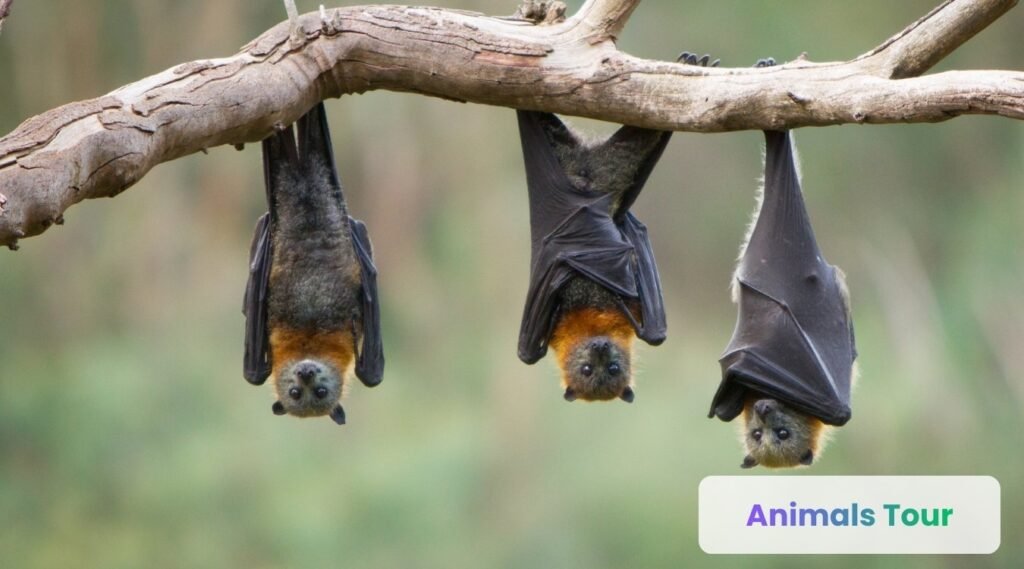
Bats are also known for carrying a variety of pathogens, including rabies in some regions. While not every bat is dangerous, their crowded colonies, accumulated guano, and shared living spaces can create conditions where germs and parasites spread more easily. These factors contribute to their reputation as one of the dirtier animals in the world.
Tasmanian Devil – Foul-Smelling Scavenger
Tasmanian devils are scavengers, meaning they often feed on dead animals they find rather than hunting fresh prey. Their scavenging lifestyle, combined with their natural scent glands, gives them a strong odor that is one of their most well-known traits. Their dens can also become messy from leftover bones, fur, and food scraps.
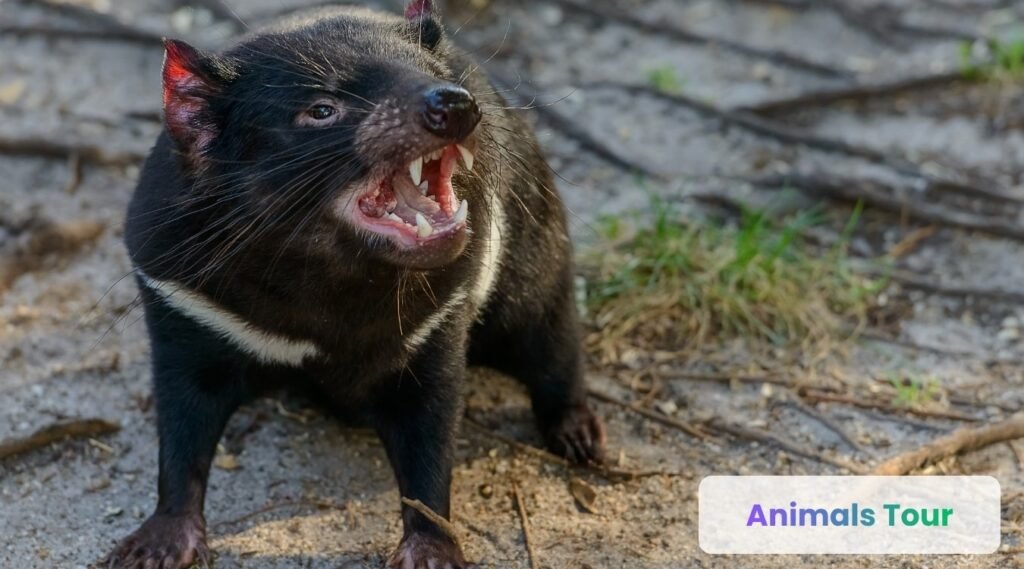
These animals are known for being messy eaters too. They’ll tear into carcasses aggressively, often getting blood and bits of meat on their fur. Combined with their strong smell and scavenging habits, this makes them one of the messier animals in the wild.
Conclusion
The dirtiest animals in the world are not always the ones that first come to mind. Some, like rats and cockroaches, have well-known reputations supported by evidence. Others, like sloths and frogs, are less obvious examples with hidden forms of “dirtiness.” Overall, dirtiness in animals is not just about hygiene in a human sense. It is often linked to survival, diet, habitat, and biology. In many cases, these traits also play an important role in keeping ecosystems balanced and functioning.
FAQs
What are the dirty animals in the world?
The most dirty animals in the world include pigs, rats, cockroaches, flies, vultures, hyenas, and hippos. Each is dirty in a different way, whether through diet, habitat, waste production, or the number of diseases and parasites they carry.
What is the dirtiest animal in the world?
The pig is widely considered the dirtiest animal in the world due to its habit of wallowing in mud and waste. However, the hippo and vulture are strong contenders depending on how dirtiness is measured, whether by habitat, diet, or disease-carrying potential.
Which dirty animal poses the biggest health risk to humans?
Rats and flies are generally considered the biggest health risks among dirty animals because of how closely they live with humans and how effectively they spread disease through food contamination and direct contact.
Are dirty animals always harmful to the environment?
No. Many dirty animals are essential to their ecosystems. Vultures and dung beetles, for example, remove waste and carcasses that would otherwise spread disease.
What makes an animal dirty?
An animal can be considered dirty based on several factors including its habitat, diet, waste habits, parasite load, and ability to carry and spread disease. Some animals are dirty by necessity due to where they live or what they eat, while others develop dirty habits as part of survival behaviour like wallowing or scavenging.
Is the pig really a dirty animal or a myth?
There is truth to it. Pigs do wallow in mud, live near their own waste in crowded conditions, and carry several diseases transmissible to humans. However, in clean, well-managed conditions, pigs are actually quite clean animals that avoid soiling their living areas when given enough space.