Discover Top 14 Smartest Birds in the World with Images
This article explores the smartest birds in the world and their impressive cognitive abilities. Most intelligent bird species like raven, crow and African grey parrots can solve complex problems, use tools, and even understand human speech. This reveals how advanced avian intelligence can be in the animal kingdom.
List of the Smartest Birds in the World
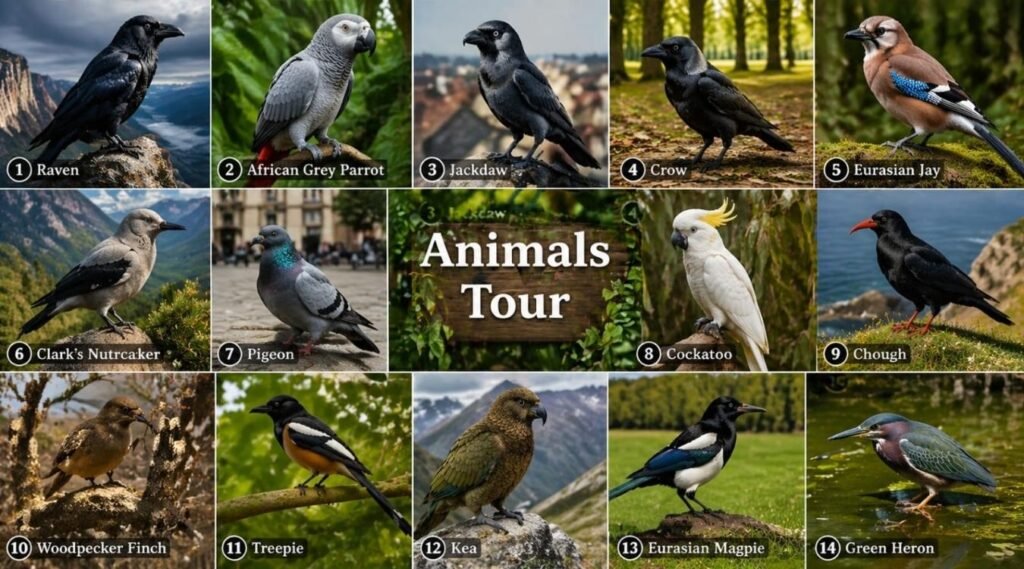
Here is the list of the top 14 smartest birds in the world that are known for their incredible thinking skills.
- 1. Raven
- 2. African Grey Parrot
- 3. Crow
- 4. Eurasian Jay
- 5. Eurasian Magpie
- 6. Jackdaw
- 7. Clark’s Nutcracker
- 8. Cockatoo
- 9. Kea
- 10. Pigeon
- 11. Woodpecker Finch
- 12. Chough
- 13. Rufous Treepie
- 14. Green Heron
How is Bird’s Intelligence Measured?
Avian intelligence is not measured by one single trait. Scientists look at several abilities to judge how smart a bird really is:
- Problem-solving and logical thinking
- Memory and the ability to learn from experience
- Tool use and manipulation of objects
- Social behaviour, communication, and cooperation
- Self-awareness and understanding cause and effect
Corvids (crows, ravens, jays, magpies) and parrots consistently rank highest because of their large brain-to-body ratio and their flexibility in new situations.
Smartest Birds in the World: Detailed Overview
The birds in above list show a level of intelligence that continues to surprise researchers worldwide. Below is a detailed look at the birds with the highest IQ, what they can do, and what makes each one stand out from the rest.
Raven – The Strategic Thinker
Scientific Name: Corvus corax
Diet: Omnivore (includes insects, small animals, carrion, seeds, and fruits)
Ravens are widely regarded as the most intelligent birds in the world. Studies show that they can plan ahead, solve multi-step problems, and make decisions based on future outcomes rather than immediate rewards. In controlled experiments, ravens outperformed great apes on certain planning tasks, which is a significant benchmark in animal cognition research.
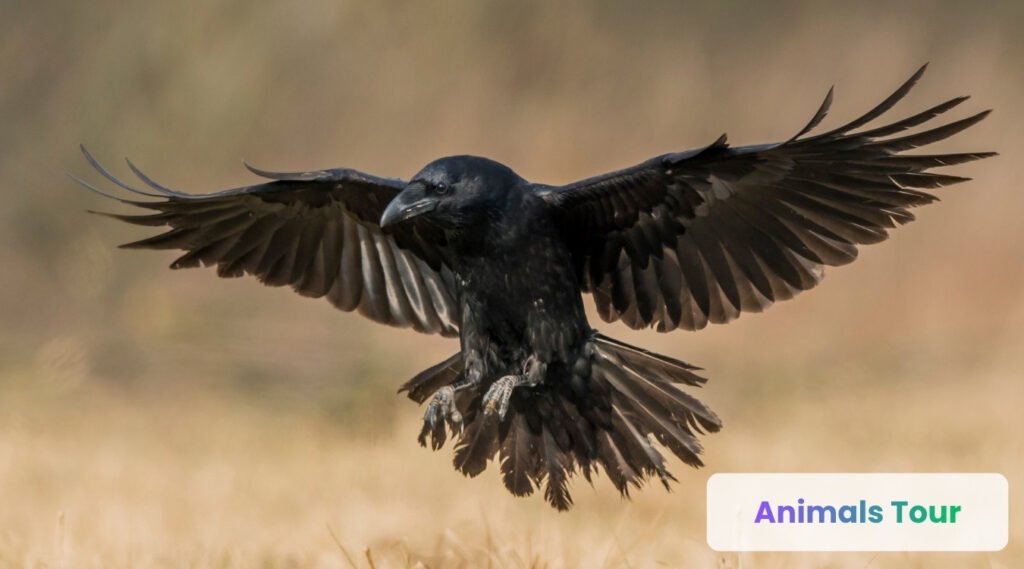
Ravens also display strong social intelligence. They understand relationships, form alliances, and can manipulate other animals by creating diversions. In the wild, they have been observed mimicking the calls of other species to lead predators away from their food. Their ability to adapt to new challenges makes them truly exceptional.
African Grey Parrot – The Language Master
Scientific Name: Psittacus erithacus
Diet: Herbivore
The African grey parrot is considered the most intelligent talking bird. Unlike many parrots that simply copy sounds, African greys actually understand the meaning of words. Alex, a famous African grey studied for over 30 years by Dr. Irene Pepperberg, could identify objects by colour, shape, and material, and could count small quantities accurately.
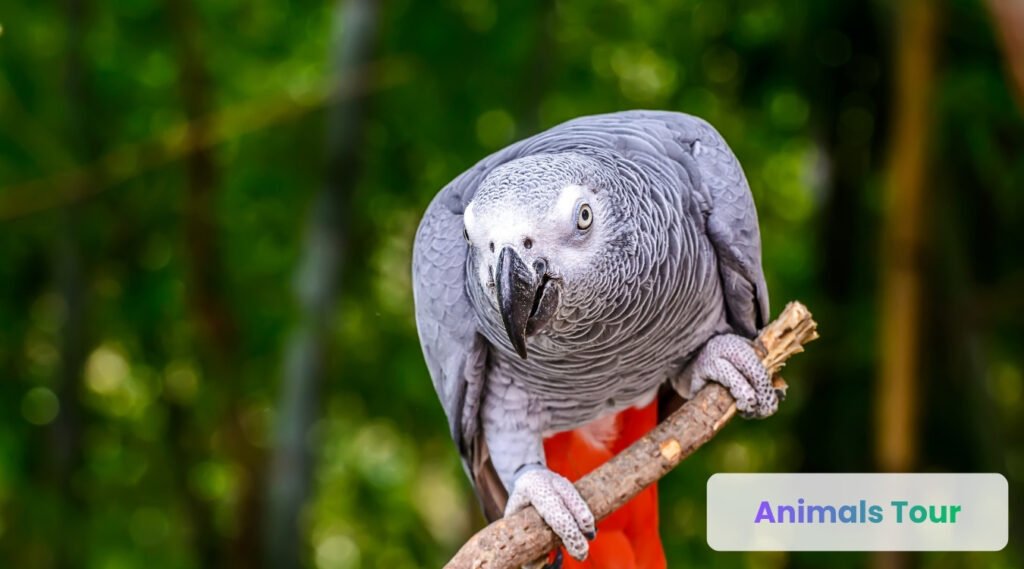
These parrots can associate words with concepts rather than just memorising phrases. They ask questions, express preferences, and respond contextually. Their vocabulary and comprehension level have been compared to that of a young child, which makes them one of the most studied animals in cognitive science.
Crow – The Tool-Using Genius
Scientific Name: Corvus brachyrhynchos (American Crow) or Corvus corone (Carrion Crow, Europe)
Diet: Omnivore
Crows are well known for their ability to use tools. New Caledonian crows, in particular, shape sticks and leaves into hooks to extract insects from inside tree bark. They do not just pick up existing objects but actually modify them for a specific purpose, a skill that requires planning and abstract thinking.
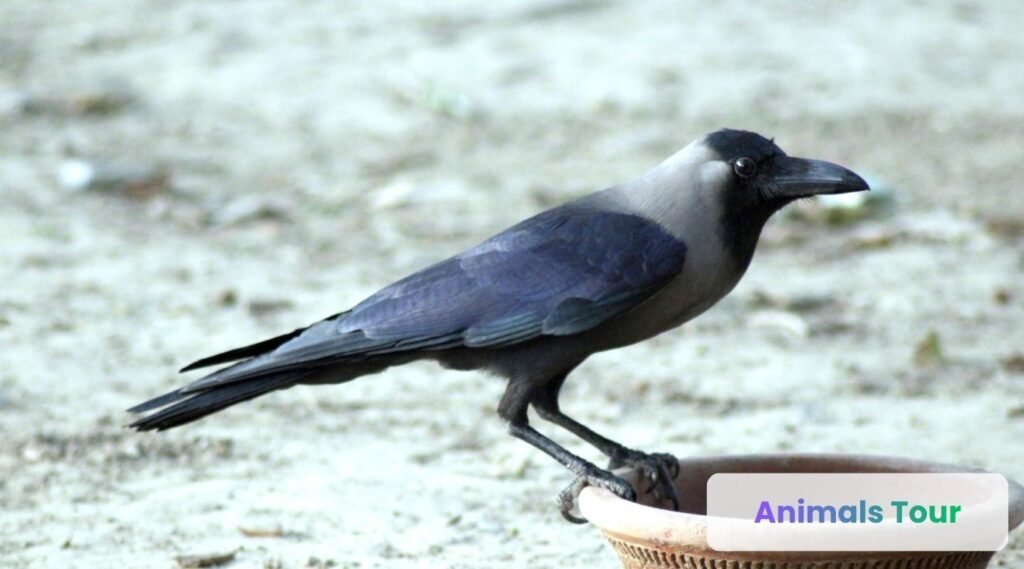
Crows also remember human faces and hold grudges. Research from the University of Washington found that crows would scold and dive-bomb specific people who had trapped them months earlier, while ignoring others wearing different masks. They pass this information to their offspring, showing a basic form of cultural learning.
Eurasian Jay – The Future Planner
Scientific Name: Garrulus glandarius
Diet: Omnivore (acorns, seeds, insects, small animals, and occasionally eggs or nestlings)
Eurasian jays are known for caching food, hiding it in hundreds of different locations and retrieving it months later with impressive accuracy. What makes them stand out is their ability to plan for the future. They hide food based on what they think they will need later, not what they want right now.
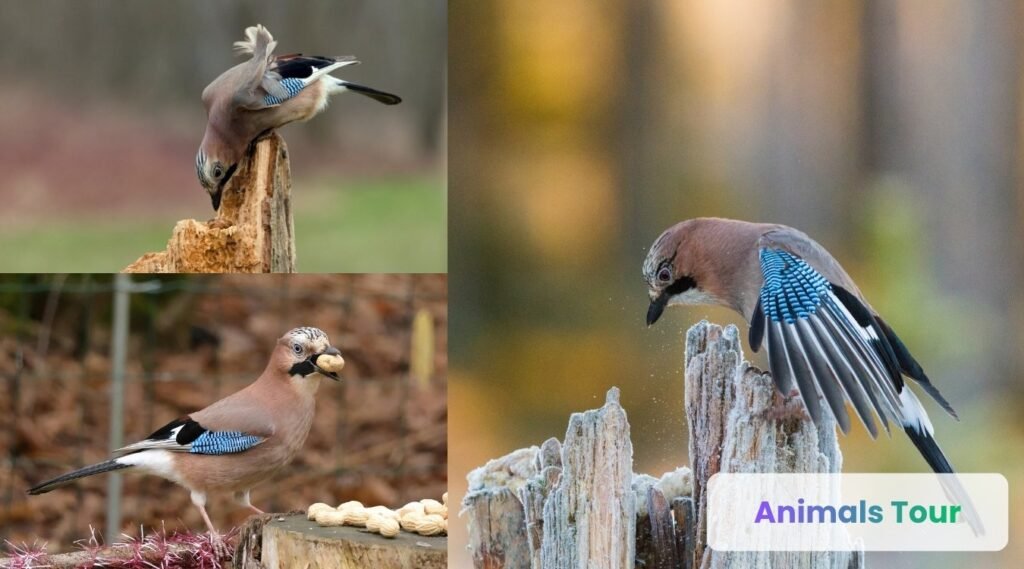
Eurasian jays also show empathy. Studies found that male jays will offer their partner the specific food she prefers, even if it differs from their own preference. This requires the ability to understand another individual’s mental state, which is a rare cognitive trait in animals.
Eurasian Magpie – The Self-Aware Bird
Scientific Name: Pica pica
Diet: Omnivore (insects, small mammals, eggs, carrion, seeds, and fruits)
The Eurasian magpie is the only non-mammal known to pass the mirror self-recognition test. When researchers placed a coloured mark on a magpie’s body that was only visible in a mirror, the bird tried to scratch it off, showing it understood the reflection was of itself. This level of self-awareness was previously thought to be limited to primates, elephants, and dolphins.
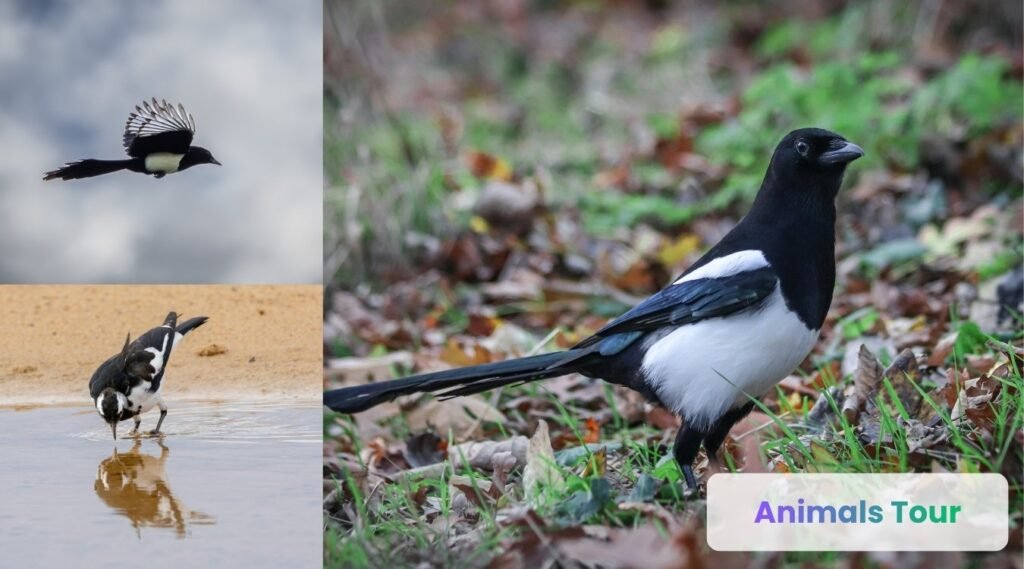
Magpies are also socially complex birds. They gather around deceased members of their group in behaviours that researchers have described as mourning rituals. They communicate with a variety of calls and are quick learners that adapt well to urban environments, which reflects both their flexibility and their problem-solving ability.
Jackdaw – The Social Intelligence Expert
Scientific Name: Corvus monedula
Diet: Omnivore (insects, small animals, seeds, fruits, and human scraps)
Jackdaws are small corvids with strong social intelligence. They can recognize individual human faces and often respond differently depending on whether a person is familiar or new. They also use human eye direction as a clue to understand attention and possible danger.
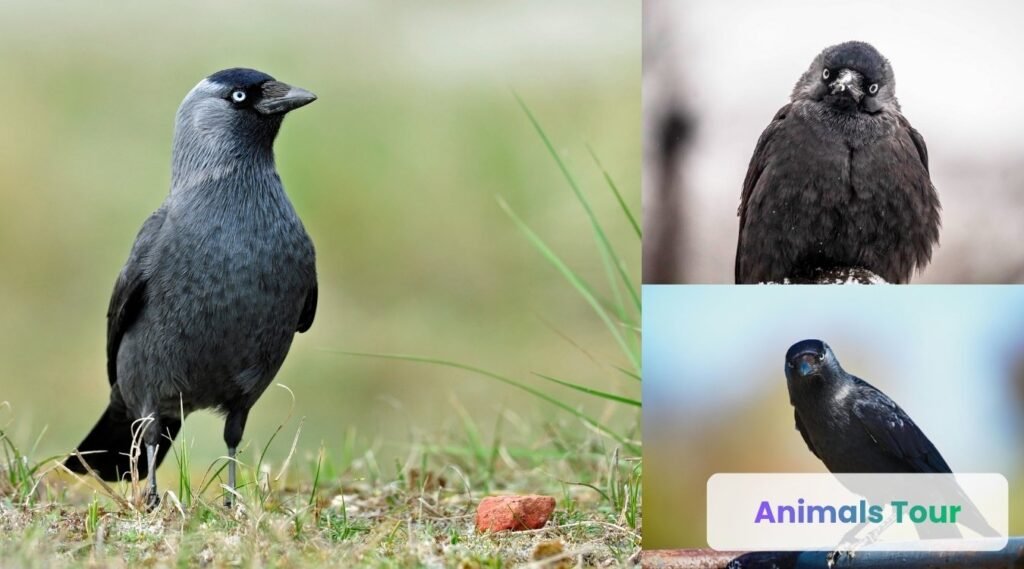
Within their own groups, jackdaws maintain complex hierarchies and communicate using a wide range of vocalisations. They form long-term pair bonds and cooperate closely with their mates. Their ability to read both human and animal social signals places them among the more socially intelligent birds in the world.
Clark’s Nutcracker – The Memory Champion
Scientific Name: Nucifraga columbiana
Diet: Omnivore (primarily seeds, especially pine seeds, but also insects and small animals)
Clark’s nutcracker has one of the most impressive spatial memories in the animal kingdom. Each autumn, a single bird can store up to 100,000 pine seeds in thousands of different hiding spots spread across large areas. Months later, even in deep snow, it is still able to find and recover most of these hidden food supplies with great accuracy.
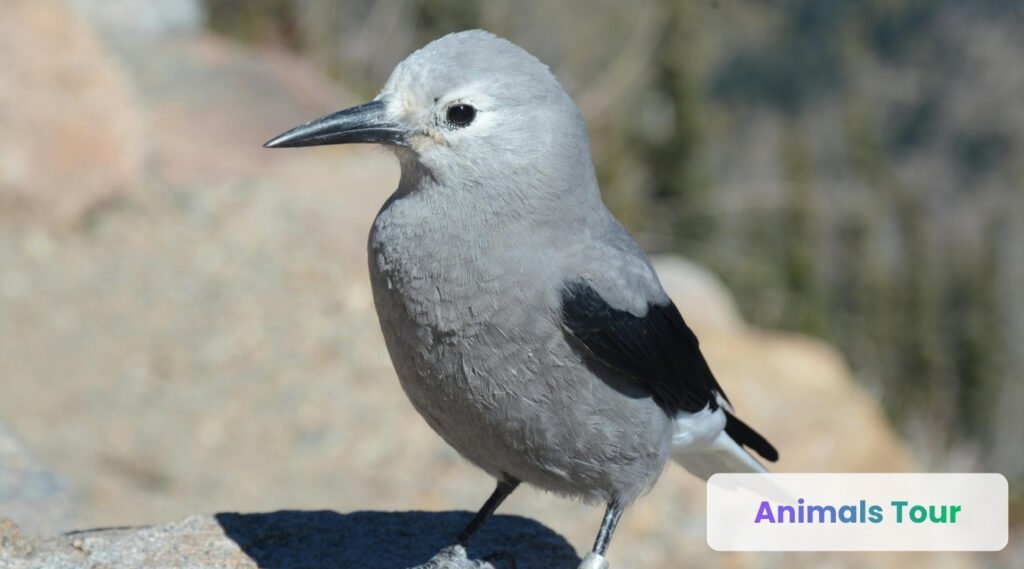
Scientists have found that the part of the brain responsible for memory and navigation, the hippocampus, is more developed in Clark’s nutcrackers compared to many related bird species that do not store food. This makes them an important example in studies about how brain structure is connected to memory and behavior in birds.
Cockatoo – The Mechanical Problem Solver
Scientific Name: Cacatuidae (family name; individual species have specific names, e.g., Cacatua galerita for Sulphur-crested Cockatoo)
Cockatoos are known for their ability to solve mechanical puzzles that require several sequential steps. In one widely cited study, a Goffin’s cockatoo named Figaro spontaneously made and used a wooden tool to retrieve food, without any training. This was the first recorded case of a cockatoo making a tool from scratch.
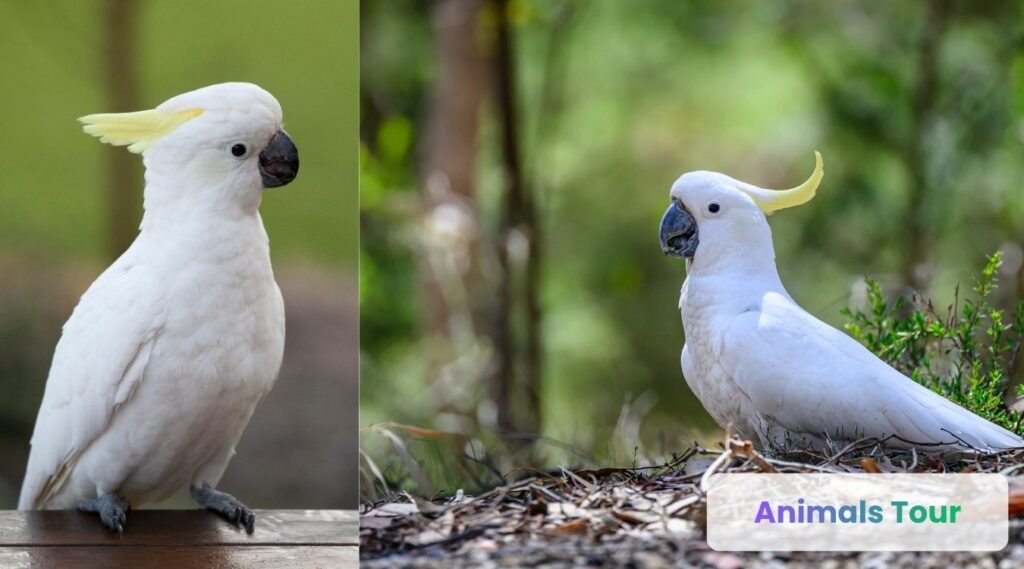
Cockatoos can also open complex locks with multiple latches, which requires them to understand cause and effect and remember the correct sequence of actions. They are highly curious and have been observed learning by watching others, which suggests a basic form of social learning that researchers find notable in non-primate species.
Kea – The Curious Explorer
Scientific Name: Nestor notabilis
Diet: Omnivore (plants, fruits, seeds, insects, carrion, and occasionally human food)
The kea is a large parrot native to the mountains of New Zealand and is often described as one of the most intellectually active birds in the world. Keas show strong curiosity and will investigate and manipulate almost any object they encounter. They have been filmed dismantling car parts, pulling apart backpacks, and working out how to open bins and locks.
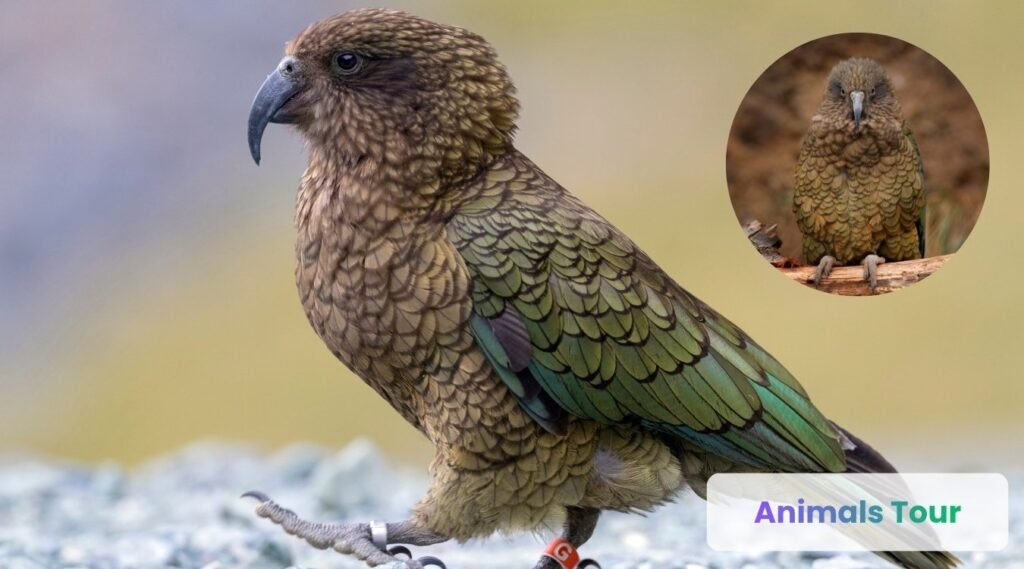
They also show impressive teamwork and problem-solving skills. In controlled experiments, keas were able to successfully retrieve food only when two birds worked together at the same time, coordinating their actions to achieve a shared goal. They are playful birds that learn quickly from each other, and this combination of curiosity, cooperation, and adaptability marks them as genuinely intelligent.
Pigeon – The Underrated Thinker
Scientific Name: Columba livia
Diet: Omnivore
Pigeons may not be the first species people think of when discussing the smartest birds in the world, but they are far more intelligent than they are often given credit for. They can recognize individual human faces, distinguish between photographs of different people, and even learn to differentiate artistic styles, with studies showing they can tell apart paintings by Monet and Picasso with high accuracy. These skills reflect strong pattern recognition abilities.
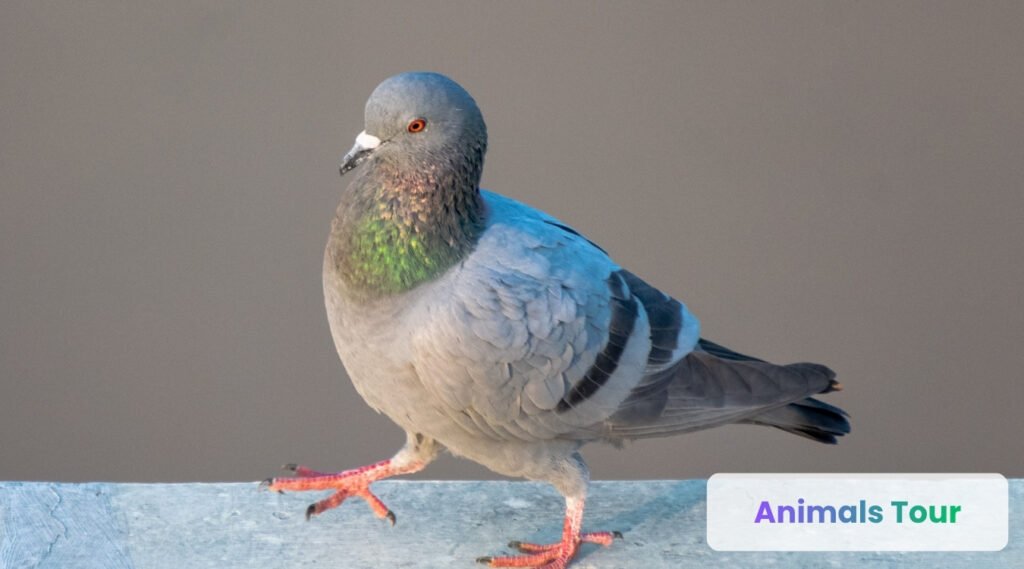
Pigeons also have exceptional navigation skills, using a combination of the Earth’s magnetic field, the position of the sun, and familiar landmarks to find their way home across long distances. Research also shows they can memorize long sequences of images and learn complex visual tasks, making them one of the most cognitively capable common bird species.
Woodpecker Finch – The Natural Tool Maker
Scientific Name: Camarhynchus pallidus
Diet: Omnivore
Woodpecker finch, found in the Galápagos Islands, is one of the few bird species known to use tools naturally in the wild without any human training. It uses cactus spines or small twigs to reach insects hidden inside tree bark, areas that its beak alone cannot access. In many cases, it even adjusts the length or shape of the tool to make it more effective.
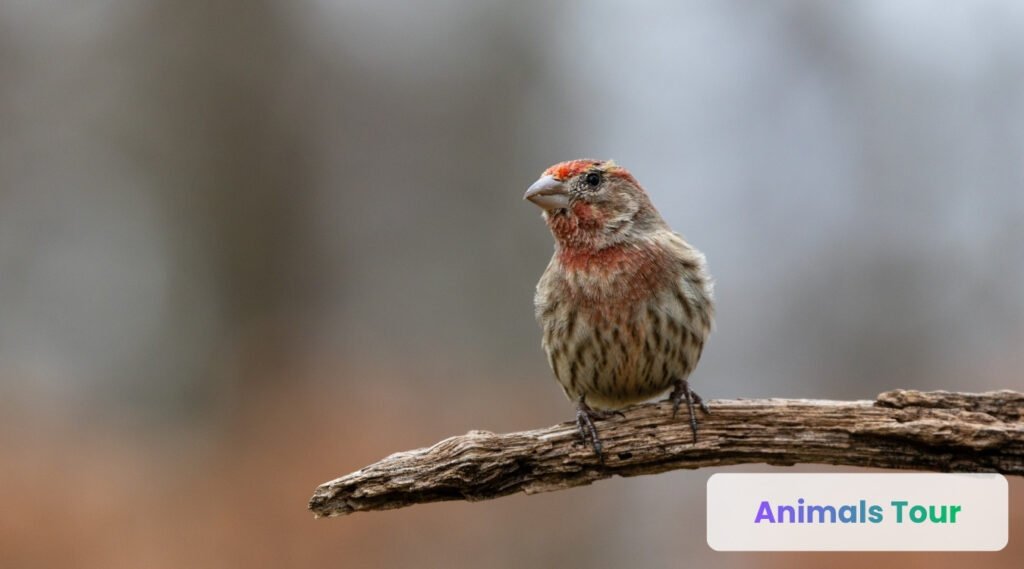
Tool use is not the same across all populations of this species. In areas where food is scarce, woodpecker finches rely on tools more often, while birds in easier environments use them less frequently. This flexibility shows that their behavior changes based on need, suggesting real problem-solving ability rather than fixed instinct.
Chough – Smart Corvid with Adaptive Intelligence
Scientific Name: Pyrrhocorax pyrrhocorax
Diet: Omnivore
Choughs are members of the corvid family and share the same cognitive foundations as crows and ravens. They are highly adaptable birds that thrive in challenging environments, including high-altitude coastal cliffs and mountain regions. Their ability to find and exploit food sources in difficult terrain reflects solid problem-solving skills.
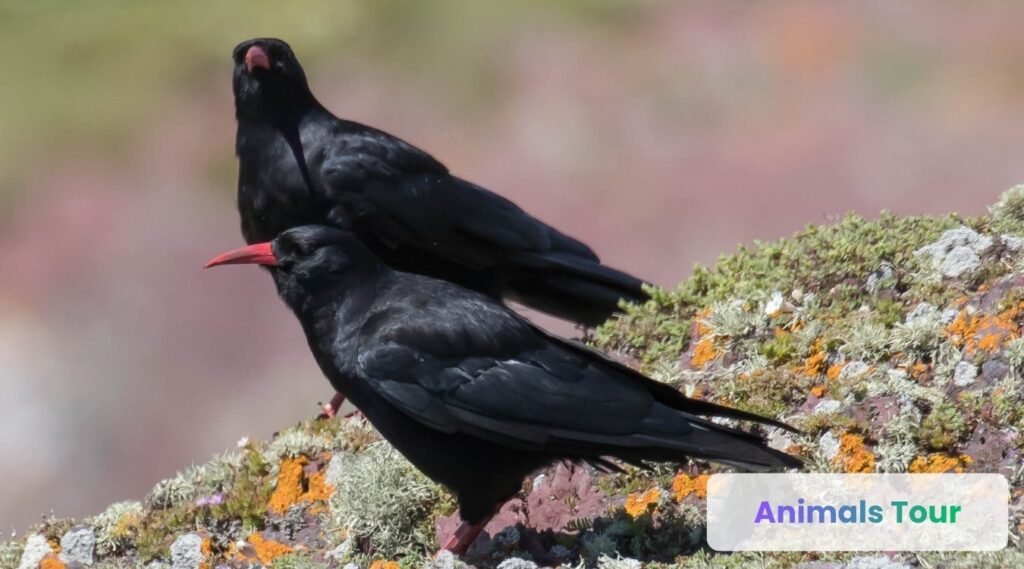
Choughs live in social groups and show strong cooperation, particularly when raising young. They communicate using a complex set of calls and quickly adjust their behaviour when conditions change. While they have not been as extensively studied as crows or ravens, their cognitive profile matches that of other highly intelligent corvids.
Rufous Treepie – The Quick Learner
Scientific Name: Dendrocitta vagabunda
Diet: Omnivore
The rufous treepie is a corvid found across South and Southeast Asia and is well known for its bold, inquisitive nature. It learns quickly how to access food in new or changing environments and is often seen exploiting human settlements for resources. Its adaptability to urban and semi-urban settings is a clear reflection of its cognitive flexibility.
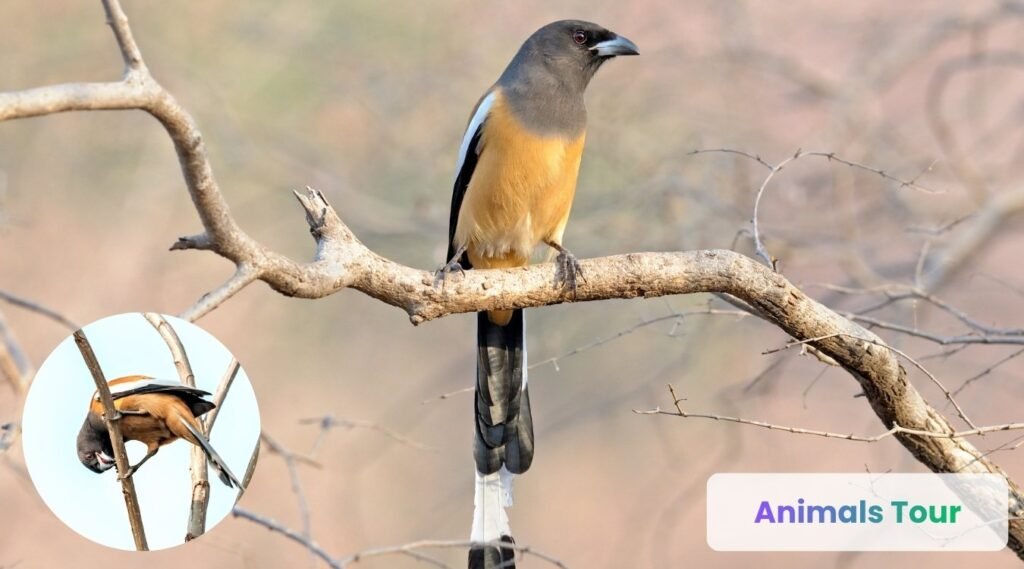
Treepies are communicative birds with a wide variety of calls, including mimicry of other species. They solve problems efficiently and are quick to exploit new opportunities. Though less studied than western corvids, field observations consistently suggest a level of intelligence consistent with the rest of the family.
Green Heron – The Bait Fisherman
Scientific Name: Butorides virescens
Diet: Carnivore (fish, amphibians, insects, crustaceans, and small aquatic animals
The green heron is one of the few bird species known to use bait to catch fish, showing a clear level of intelligence. This deliberate and goal-directed behaviour places the green heron among the smartest birds in the world. It drops small items such as feathers, insects, or bits of bread onto the water surface to lure fish within reach, demonstrating an understanding of cause and effect and the ability to plan ahead.
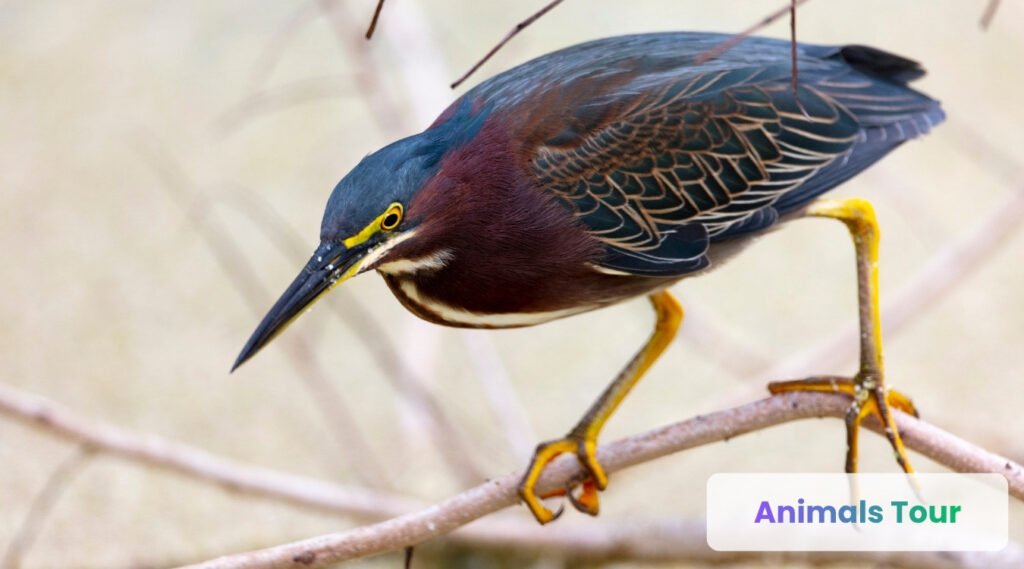
This bird also shows flexibility in its behaviour. If fish do not respond, it may change its bait or move to a different spot to improve its chances. Such adjustments show that it can learn from experience and make decisions based on the situation, which is a strong sign of advanced avian intelligence.
Conclusion
The list of the smartest birds in the world proves that intelligence is not limited to mammals. From clever ravens and African grey parrots to tool-using crows and bait-using green herons, these genius birds use memory, learning, and creativity in everyday life. Watching these most intelligent bird species shows that birds with the highest IQ can think, adapt, and learn in ways once considered unique to humans.
FAQs
What is the smartest bird in the world?
The raven is widely considered the smartest bird in the world based on problem-solving research. However, when ranking the smartest birds in the world for language ability, the African grey parrot takes the top spot. Both species consistently outperform others in cognitive studies.
Are crows smarter than parrots?
Both are highly intelligent. Crows excel in problem-solving and tool use, while parrots are better at communication and language skills.
Which birds can use tools?
Birds like the woodpecker finch and crow are known for using tools to find food.
Do birds have memory and emotions?
Yes, many intelligent birds like the Eurasian magpie and jay show strong memory and emotional intelligence.
Why are corvids so intelligent?
Corvids such as raven and jackdaw have large brains relative to their body size, enabling advanced thinking and social behavior.
What are the top 5 most intelligent birds?
Ravens, African Grey Parrots, Crows, Keas, and Jackdaws are considered the most intelligent birds in the world. These are known for problem-solving, tool use, social intelligence, and the ability to learn from experience.
Can birds really understand human language?
Some can, to a degree. African grey parrots are the best documented example. Research has shown they can learn the meaning of words, categorise objects, and respond contextually rather than simply repeating sounds. This is different from mimicry and represents genuine associative learning.