Explore Top 12 Animals That Eat Squirrels(With Images)
Many animals that eat squirrels are found across various habitats, playing a key role in the food chain. These agile rodents face threats from a diverse range of predators. Common examples of what animals eat squirrels include birds of prey like hawks and owls, various snakes, and mammals such as foxes, coyotes, bobcats, and even domestic cats. This wide array of predators ensures that squirrels are a significant part of many animals’ diets. In this article we will explore these animals to understand how wildlife survives and works together in nature.
List Of Animals That Eat Squirrels
Here is the list of animals that eat squirrels:
- Bobcat
- Hawk
- Raccoon
- Coyote
- Great Horned Owl
- Domestic Cat
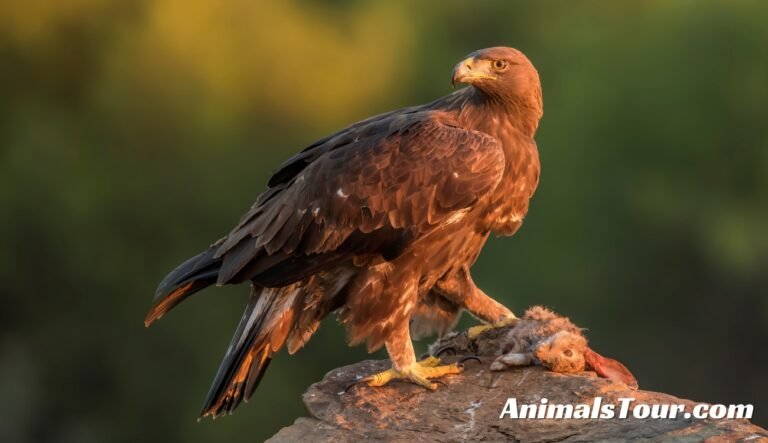
- Eagle
- Alligator
- Snakes
- Gray Wolf
- Weasel
- Fox
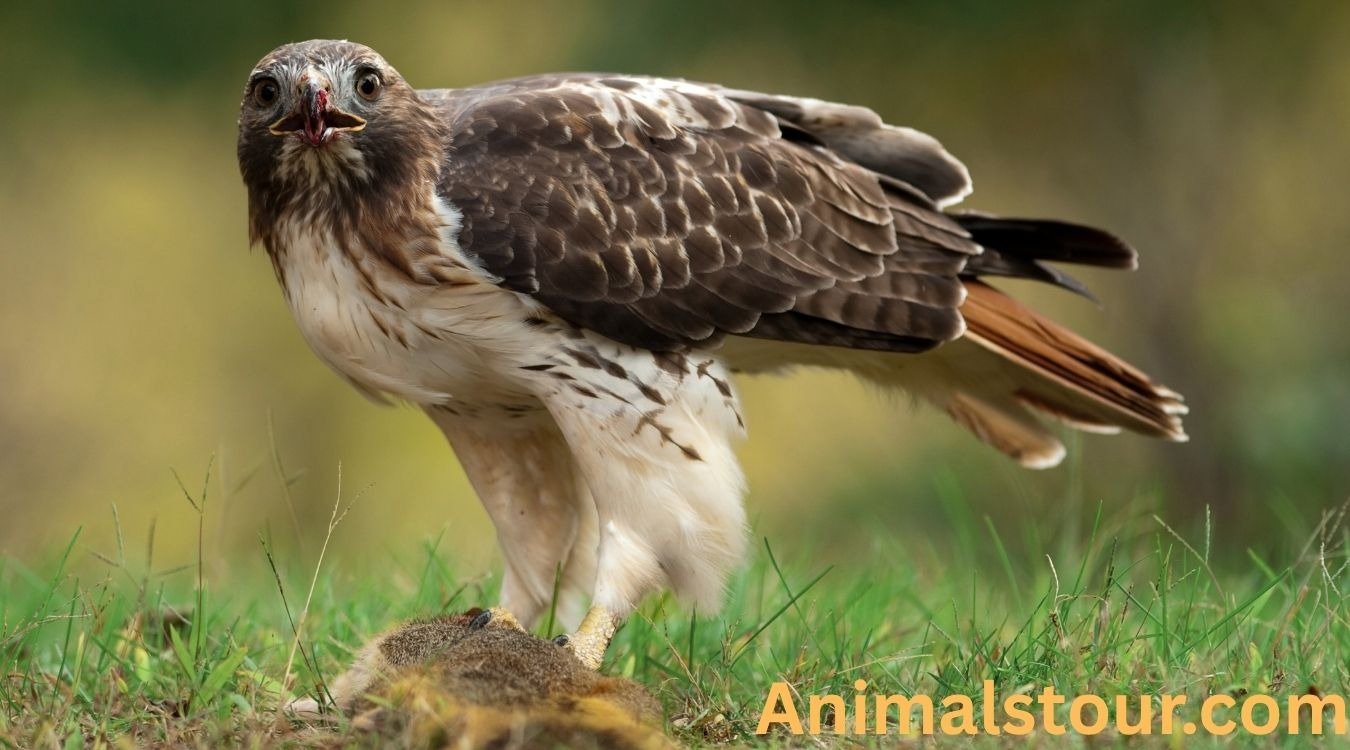
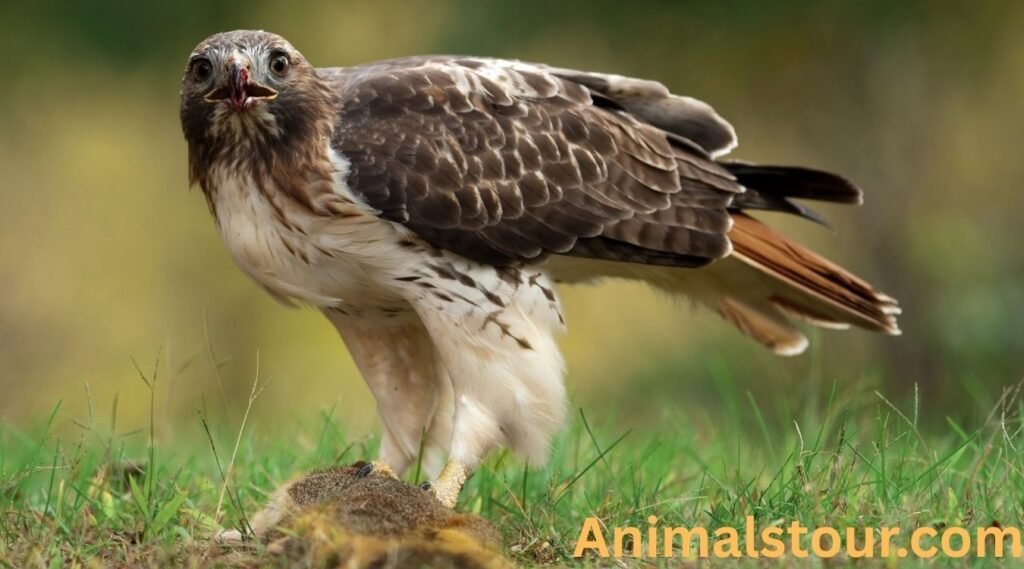
Hawk
Scientific Name: Buteo jamaicensis
Class: Aves
Diet: Carnivore
Hawks are common animals that eat squirrels, showcasing impressive hunting skills to secure their meals. These birds of prey possess incredibly sharp eyesight, allowing them to spot even well-camouflaged squirrels scampering on the ground or climbing trees from high above. Once a target is identified, the hawk will often glide silently or wait patiently on a perch before making its move. With a sudden, powerful dive, it uses its strong, sharp talons to snatch the squirrel with precision and speed, leaving little chance for escape. Ultimately, a hawk’s combination of sight, stealth, and strength makes it a highly effective predator among the animals that eat squirrels.
Raccoons
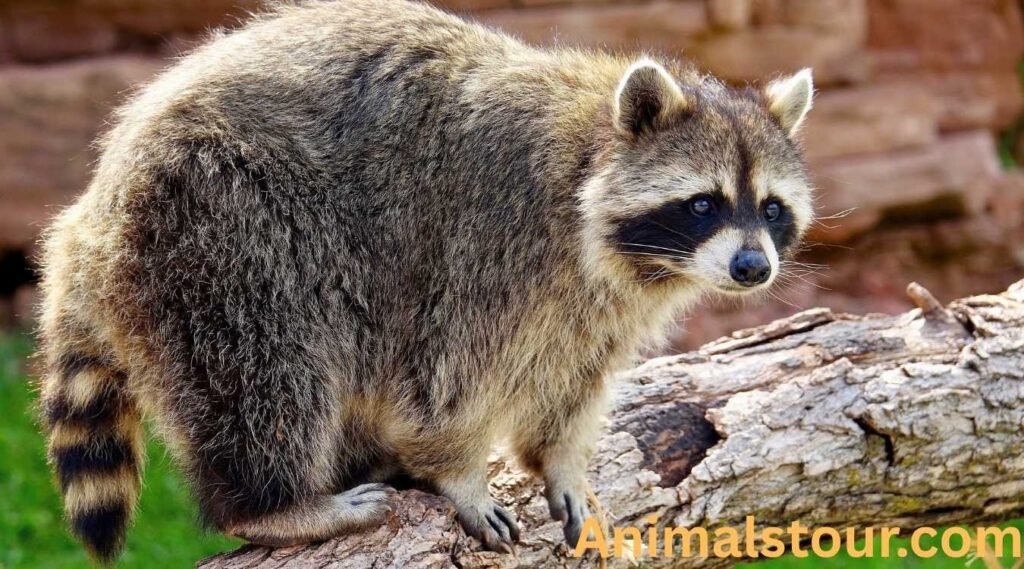
Scientific Name: Procyon lotor
Class: Mammalia
Diet: Omnivore
Raccoons are known animals that eat squirrels, using their opportunistic hunting skills. They often catch squirrels when they are most vulnerable, displaying a keen ability to find prey. Beyond raccoons, many other animals also eat squirrels, including various birds of prey like hawks and owls, as well as snakes and larger mammals such as foxes, bobcats, and coyotes. These diverse predators are all active animals that hunt squirrels, making them a common part of the food chain. Ultimately, squirrels face numerous threats from a wide array of animals that eat them.
Coyote
Scientific Name: Canis latrans
Class: Mammalia
Diet: Omnivore
Coyotes are highly effective predators of squirrels, showcasing impressive hunting skills that make them key animals that eat squirrels. With their keen senses of hearing and smell, coyotes expertly locate squirrels, often stalking them silently before executing a swift pounce. This precise method allows them to successfully capture quick-moving prey, demonstrating why they are among the top animals that hunt squirrels.
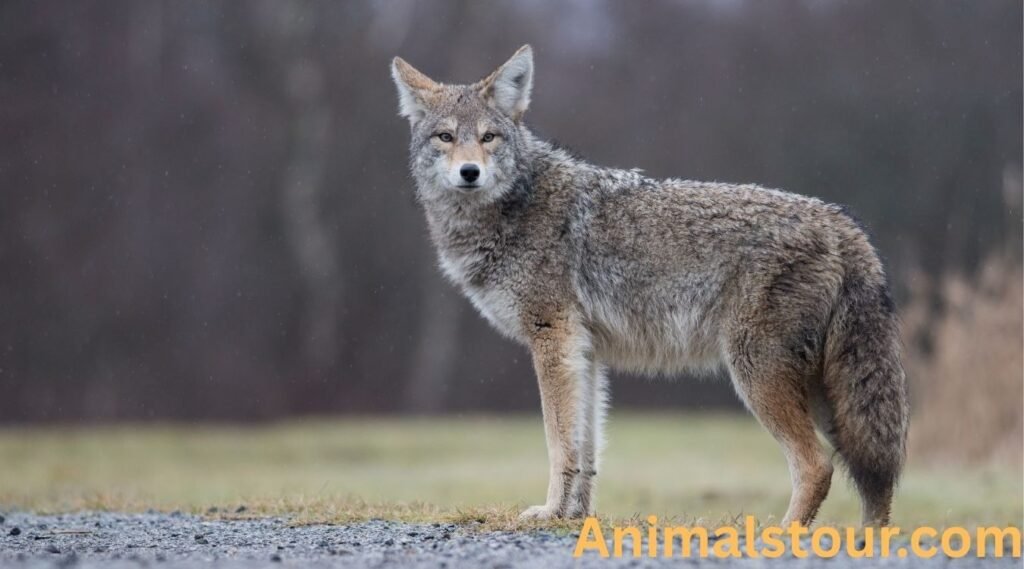
While many other animals eat squirrels, the coyote’s combination of stealth, speed, and intelligence makes them particularly adept at controlling squirrel populations in their habitat. Their hunting prowess ensures they are a significant part of the natural food chain.
Great horned owl
Scientific Name: Bubo virginianus
Class: Aves
Diet: Carnivore
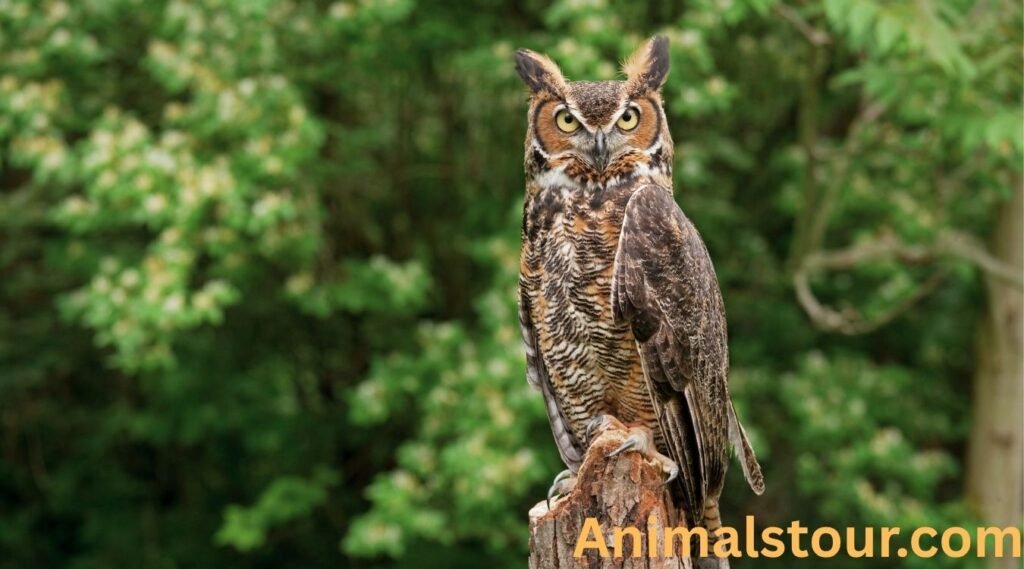
The great horned owl stands out among the animals that eat squirrels, showcasing exceptional hunting skills that make it a top predator in its habitat. With keen eyesight and hearing, these nocturnal hunters silently swoop down from above, making them incredibly effective at ambushing their prey. Their powerful talons can easily snatch a variety of small mammals, and squirrels are a common part of their diet, demonstrating why the great horned owl is often considered a prime example of what animals eat squirrels in North American ecosystems. This combination of stealth and power solidifies the great horned owl’s reputation as a highly efficient and formidable predator.
Domestic cats
Scientific Name: Felis catus
Class: Mammalia
Diet: Carnivore
Domestic cats are fascinating animals that often act as predators in backyards, and like other animals that eat squirrels, they possess a keen set of hunting skills specifically adapted for catching quick prey. These furry companions, even the ones that spend most of their time napping indoors, have a strong natural instinct to hunt, which comes from their wild ancestors who needed to catch their own food. They have very sharp eyes that are good at seeing even the slightest movement, and their ears can pick up tiny sounds, helping them find squirrels that might be chattering or scuttling nearby.
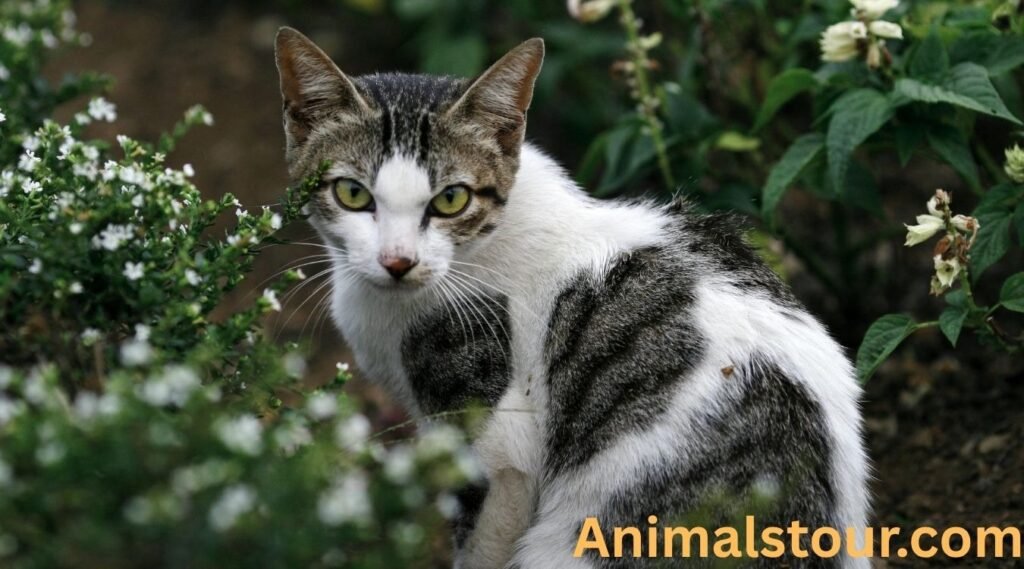
A cat’s body is also perfectly made for hunting; they can run very fast for short distances, jump surprisingly high, and move with incredible stealth, staying low to the ground and sneaking up without being noticed by their potential meal. Their sharp claws are like grappling hooks, and their strong teeth are ready for the final capture, making them highly efficient at taking down a speedy squirrel once they pounce. Because of these amazing abilities and instincts, domestic cats are truly effective predators in their own right, fitting right in with other animals that eat squirrels in many different places.
Eagle
Scientific Name: Haliaeetus leucocephalus
Class: Aves
Diet: Carnivore
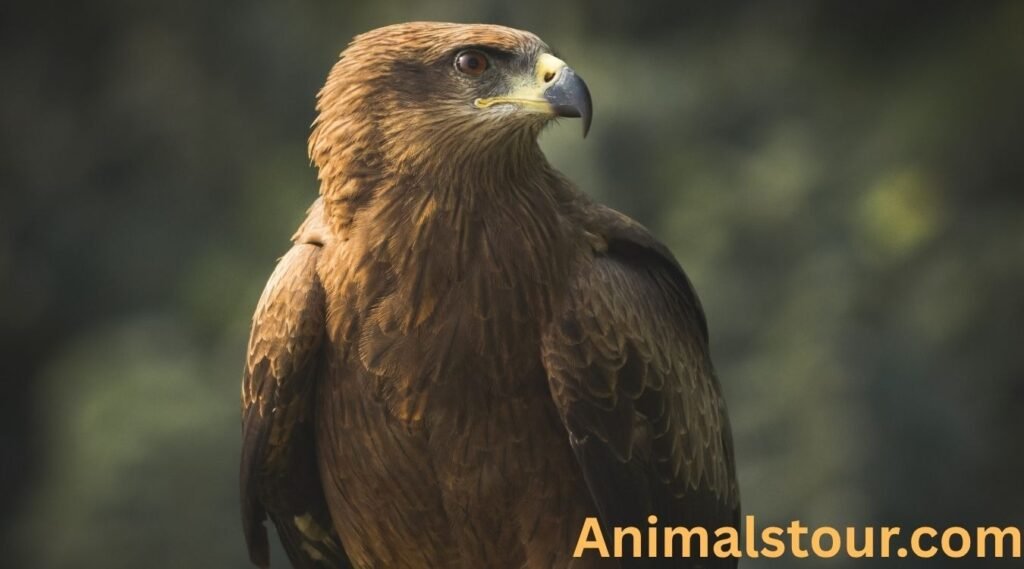
Eagles are impressive predators, renowned for their exceptional hunting skills, making them highly effective animals that eat squirrels. With their incredibly sharp eyesight, these majestic birds can spot small prey, such as squirrels, from astonishing distances high in the sky. Once a target is identified, an eagle will execute a swift and powerful dive, using its strong, sharp talons to precisely grasp the unsuspecting animal. Their combination of aerial agility and powerful grip allows them to successfully capture quick-moving ground creatures. Ultimately, the eagle’s remarkable predatory adaptations firmly establish them as formidable animals that eat squirrels within their ecosystems.
Alligator
Scientific Name: Alligator mississippiensis
Class: Reptilia
Diet: Carnivore
Alligators are amazing predators, and squirrels, unfortunately, can become part of their varied diet, especially if they venture too close to the water’s edge. Their strong body structure features powerful jaws lined with numerous sharp, conical teeth, perfect for grasping and holding prey. A robust, armored hide and a muscular tail aid in swift propulsion through water, allowing them to execute sudden ambush attacks.
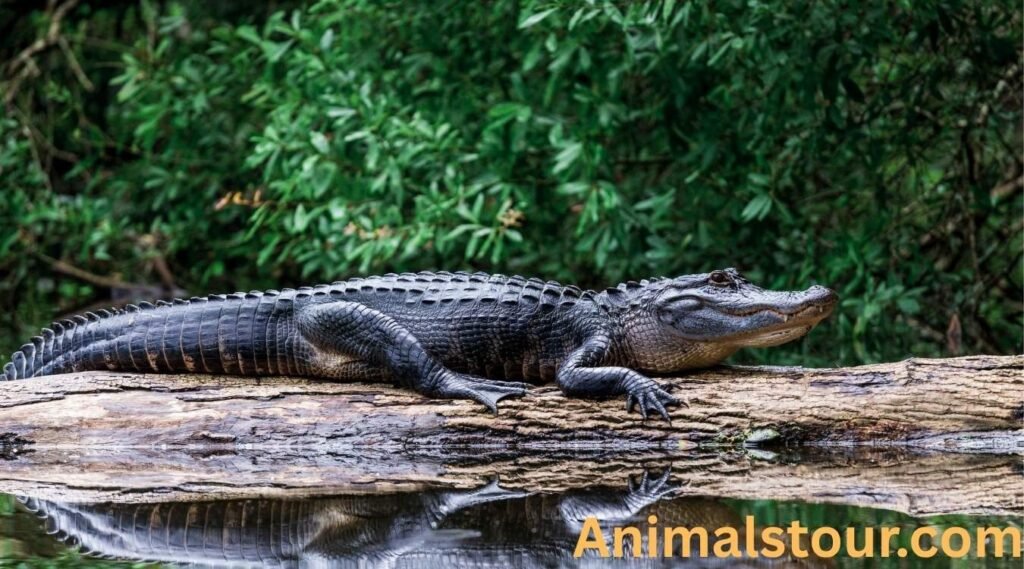
Their feeding habits involve patiently waiting submerged, then striking with incredible speed at unsuspecting creatures, often dragging prey underwater to drown it before consuming it whole or tearing it into manageable pieces. This combination of physical attributes and opportunistic hunting solidifies alligators as efficient animals that eat squirrels and other small mammals within their wetland habitats.
Snakes
Scientific Name: Serpentes
Class: Reptilia
Diet: Carnivore
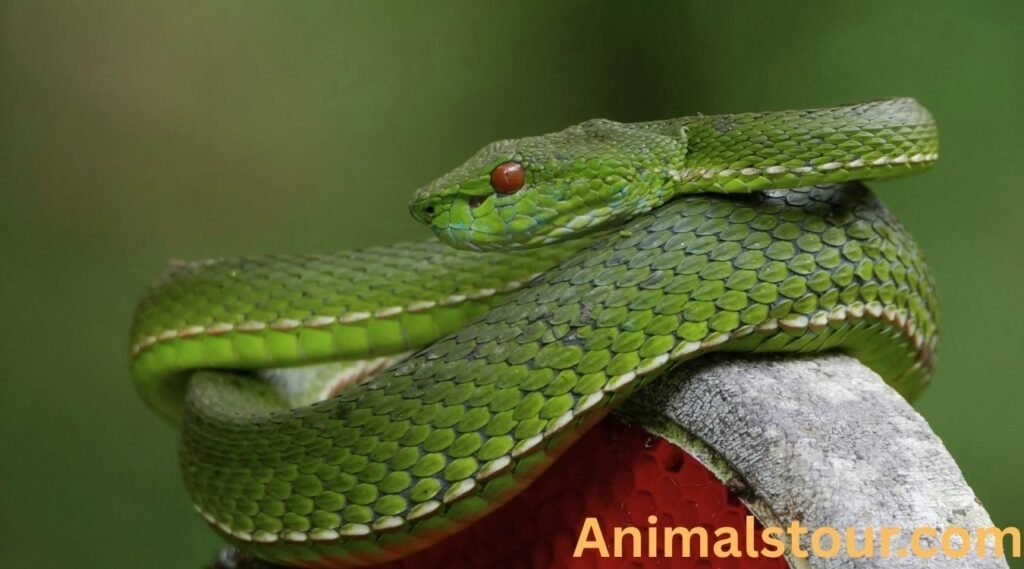
Snakes are highly efficient animals that eat squirrels, showcasing remarkable hunting skills, biodiversity, and specialized structures. Many species, like the Eastern Rat Snake, are excellent constrictors, ambushing and coiling around their prey to subdue it, while others, such as the highly venomous Black Mamba, deliver potent neurotoxins for a swift kill. This extensive biodiversity means snakes occupy various habitats and employ diverse strategies, all supported by their unique anatomy, including flexible bodies and specialized jaws that allow them to swallow squirrels whole. Ultimately, these combined adaptations make snakes formidable predators in ecosystems where squirrels are present.
Gray wolf
Scientific Name: Canis lupus
Class: Mammalia
Diet: Carnivore
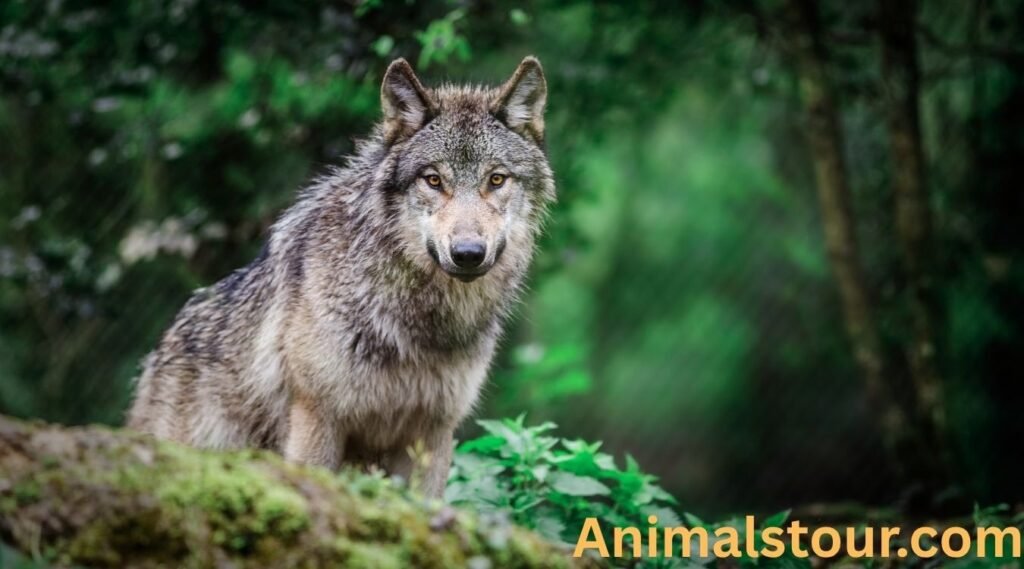
The gray wolf is a remarkably effective hunter, perfectly adapted to stalk and capture a diverse range of prey, standing out among the animals that eat squirrels. With keen senses of smell and hearing, these cunning predators use stealth and speed to track down their meals. While often associated with larger game like deer or elk, gray wolves are opportunistic, readily pursuing smaller creatures such as rabbits, rodents, and indeed, squirrels. Their sharp teeth and powerful jaws ensure a swift end for their quarry. Whether working alone or in a pack, the gray wolf’s impressive hunting prowess firmly establishes its place as one of nature’s most formidable animals that eat squirrels, among other diverse food sources.
Weasels
Scientific Name: Mustela nivalis
Class: Mammalia
Diet: Carnivore
Weasels are highly effective animals that eat squirrels, demonstrating remarkable predatory skills in their natural habitats. These agile hunters are perfectly adapted to pursue squirrels, whether flushing them from burrows or chasing them through tree branches with surprising speed.
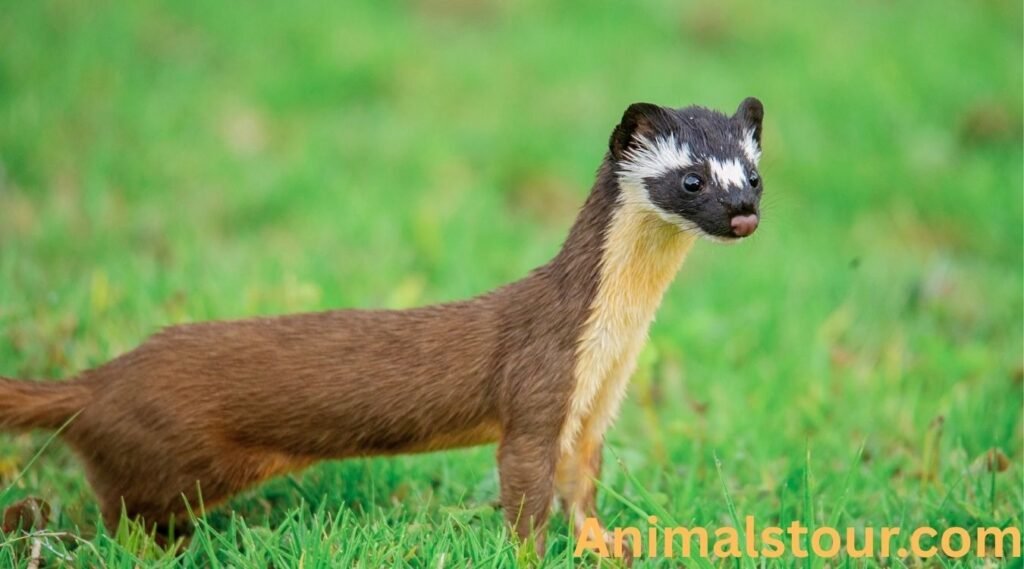
A weasel’s body is notably long and slender, allowing it to navigate tight spaces and quickly turn to follow its agile prey with ease. They possess short yet powerful legs, sharp claws for gripping, and strong jaws equipped with keen teeth, all essential for capturing and consuming their nimble quarry. This unique combination of physical traits and hunting prowess makes the weasel an exceptionally formidable predator in its ecosystem.
Fox
Scientific Name: Vulpes vulpes
Class: Mammalia
Diet: Omnivore
Foxes are excellent examples of the many animals that eat squirrels, demonstrating their skill as predators in various habitats. Their body structure is perfectly adapted for hunting; they possess a sleek, agile frame with strong legs built for speed and sudden pounces, while their large, bushy tail helps them maintain balance during quick chases and sharp turns.
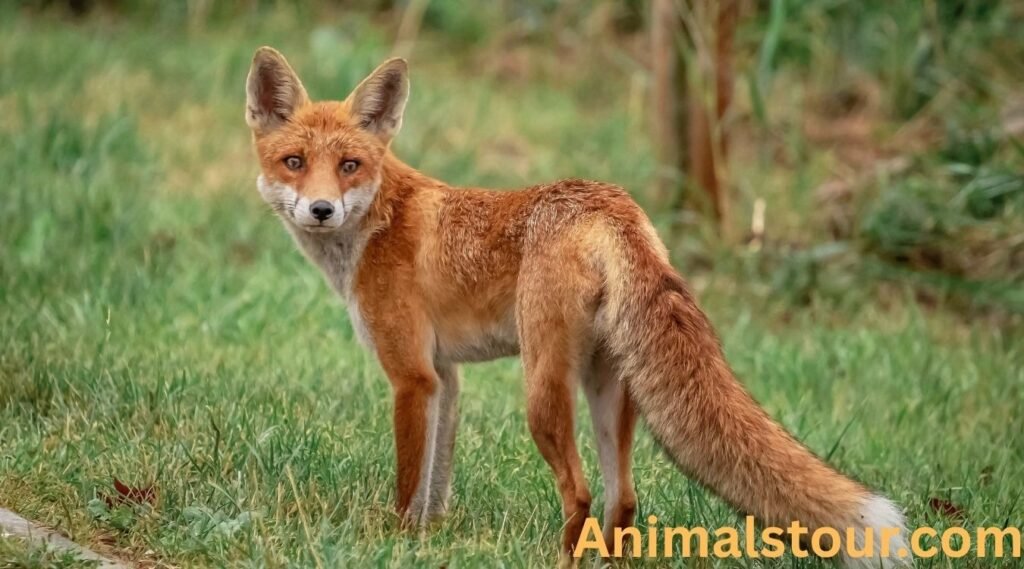
Essential for their hunting success are their highly developed senses, keen hearing allows them to pinpoint the rustle of a squirrel in the undergrowth, sharp eyesight helps them spot movement from afar, and an acute sense of smell guides them to hidden prey. These combined physical attributes and sharpened senses make the fox a remarkably efficient hunter of squirrels and other small animals.
Bobcat
Scientific Name: Lynx rufus
Class: Mammalia
Diet: Carnivore
Bobcats are prime examples of animals that eat squirrels, perfectly adapted with a unique body structure, impressive hunting skills, and sharp senses. Their compact yet muscular bodies are built for agility and power, featuring a distinctive short, “bobbed” tail and tufted ears that enhance their ability to blend into various environments. As proficient hunters, bobcats typically stalk their prey with great stealth, patiently waiting for the right moment before delivering a swift, powerful pounce to capture agile creatures like squirrels.
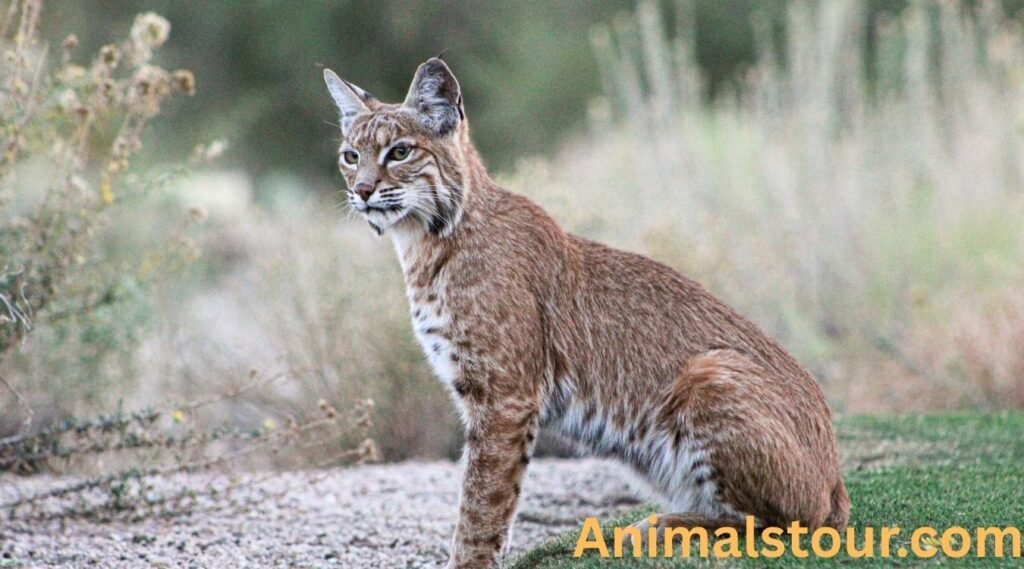
They possess incredibly sharp eyesight and acute hearing, essential for detecting the smallest movements and sounds of their prey, further supported by a good sense of smell. These combined attributes make the bobcat an exceptionally effective predator among the many animals that eat squirrels.
Final Words
The animals that hunt squirrels reveal the complex balance of the food chain. Creatures like hawks, foxes, and snakes play a vital role in nature by keeping squirrel numbers in check. This constant hunt shows how deeply all living things are linked. When we understand this cycle, we realize why protecting wildlife is so important. We must act to save these wild spaces so that nature can remain strong and healthy.
FAQS
What is the squirrel’s biggest predator?
The squirrel’s biggest predator is the hawk. These powerful birds hunt them from high in the sky.
What predators like squirrels?
Many predators like to eat squirrels because they are a tasty and easy meal. Birds of prey, such as hawks and owls, are the most common hunters. Land animals like foxes, coyotes, snakes, and even pet cats and dogs also enjoy catching squirrels.
What predator are squirrels most afraid of?
Squirrels are most afraid of hawks and owls because these birds can swoop down silently and catch them by surprise
Do foxes eat squirrels?
Yes, foxes do eat squirrels. They are fast hunters and squirrels are a common meal for them.
What eats a squirrel in a forest?
In a forest, squirrels are eaten by birds like hawks and owls that hunt from the trees. Ground animals like foxes, snakes, and weasels also catch them in the woods.