Top 15 Dangerous Animals In The Philippines (+ Images)
The beauty of the Philippines often overshadows its hidden dangers, especially when it comes to wildlife. Dangerous animals in the Philippines are more common than you’d think, and knowing about them can help keep you safe. This isn’t just for thrill-seekers, it’s essential knowledge for anyone enjoying nature here. In this article, we’ll explore our top picks for the most hazardous creatures you might encounter and how to avoid them.
List of Dangerous animals in the Philippines
Here is the list of animals that are dangerous in Philippines:
| Number of Animals | Most Dangerous Animals in the Philippines |
| 1 | Saltwater Crocodile |
| 2 | Philippine Cobra |
| 3 | Bull Shark |
| 4 | Box Jellyfish |
| 5 | Titan Triggerfish |
| 6 | Lionfish |
| 7 | Centipede |
| 8 | Stonefish |
| 9 | Yellow-Lipped Sea Krait |
| 10 | Cone Snail |
| 11 | Mosquito |
| 12 | Wild Boar |
| 13 | Scorpion |
| 14 | Black Widow Spider |
| 15 | Blue-Ringed Octopus |
Saltwater crocodile
Scientific Name: Crocodylus porosus
Class: Reptilia
Diet: Carnivore
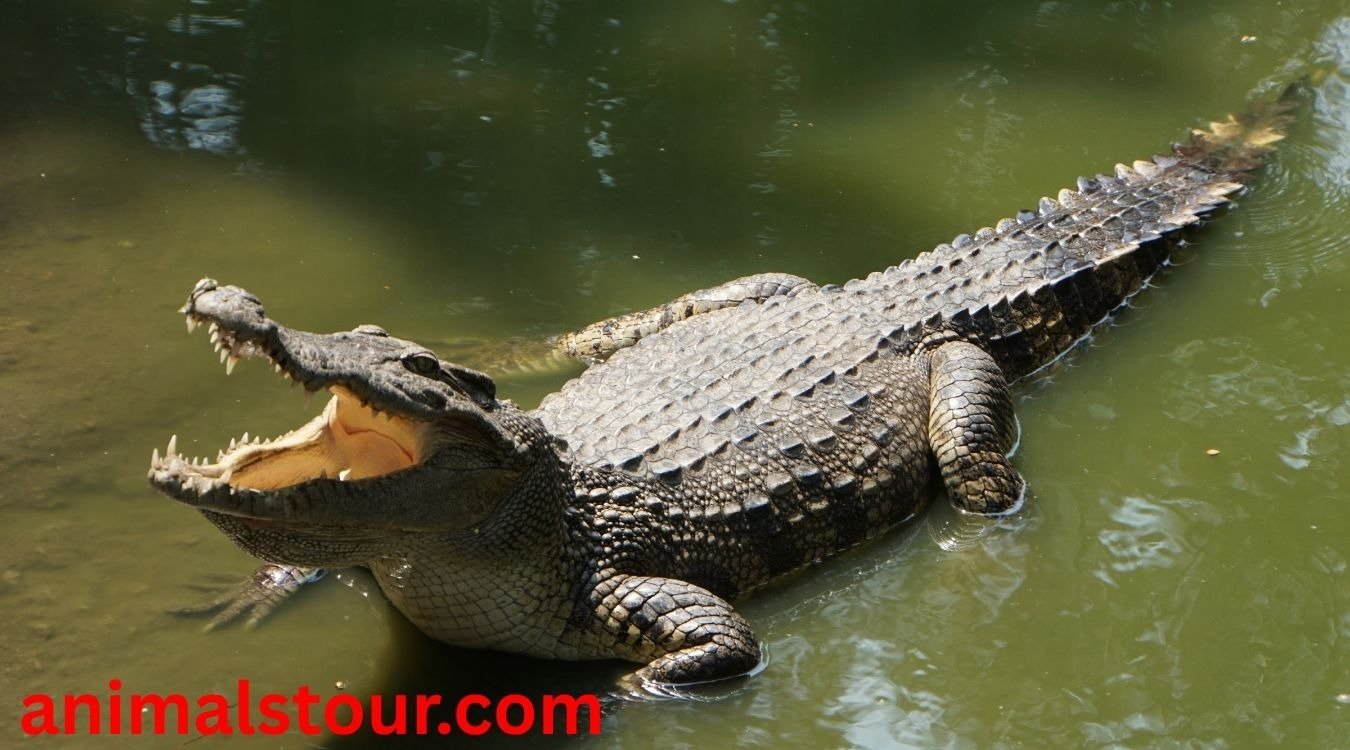
Saltwater crocodiles are among the most dangerous animals in the Philippines, lurking in brackish waters and coastal areas. These reptiles can grow over 20 feet long and are known for their powerful jaws and stealthy hunting skills. Locals often warn visitors about the risks of swimming or fishing in areas where they are spotted, as these predators can strike with little warning.
What sets saltwater crocodiles apart from other dangerous animals in the Philippines is their ability to adapt to both saltwater and freshwater environments. Their presence not only raises safety concerns but also affects local ecosystems, as they are top predators. Understanding and respecting their habitat is crucial for both the safety of people and the conservation of this magnificent creature.
Philippine Cobra
Scientific Name: Naja philippinensis
Class: Reptili
Diet: Carnivore
The Philippine Cobra stands out as one of the most dangerous animals in the Philippines. With its potent venom, this snake can deliver a bite that may lead to paralysis or even death if untreated. Its ability to spit venom with precision makes encounters even more alarming, especially in densely populated areas.
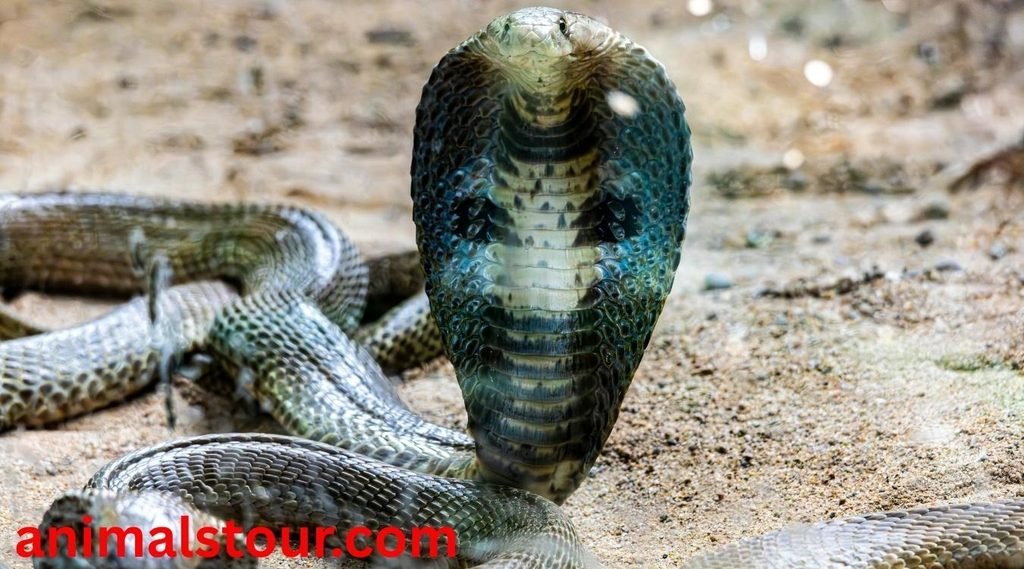
Living in forests and near water, the Philippine Cobra plays a vital role in the ecosystem. While it can be seen as a threat, it also helps control rodent populations, balancing nature in its habitat. Respecting this snake and understanding its behavior can lead to safer interactions and a greater appreciation for the wild animals of the Philippines.
Bull shark
Scientific name:Carcharhinus leucas
Class: Chondrichthyes
Diet: Carnivore
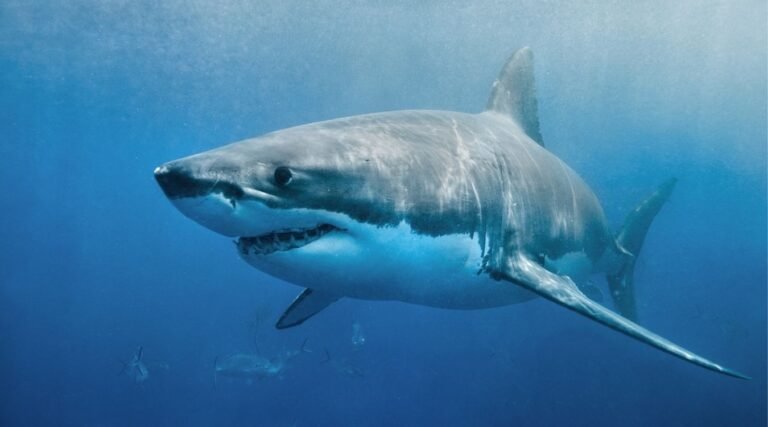
Bull sharks rank among the most dangerous animals in the Philippines due to their aggressive nature and adaptability. They thrive in both saltwater and freshwater, often venturing upriver, which increases encounters with humans. These sharks are known for their unpredictable behavior and powerful bite, making any swim in affected waters a potential risk.
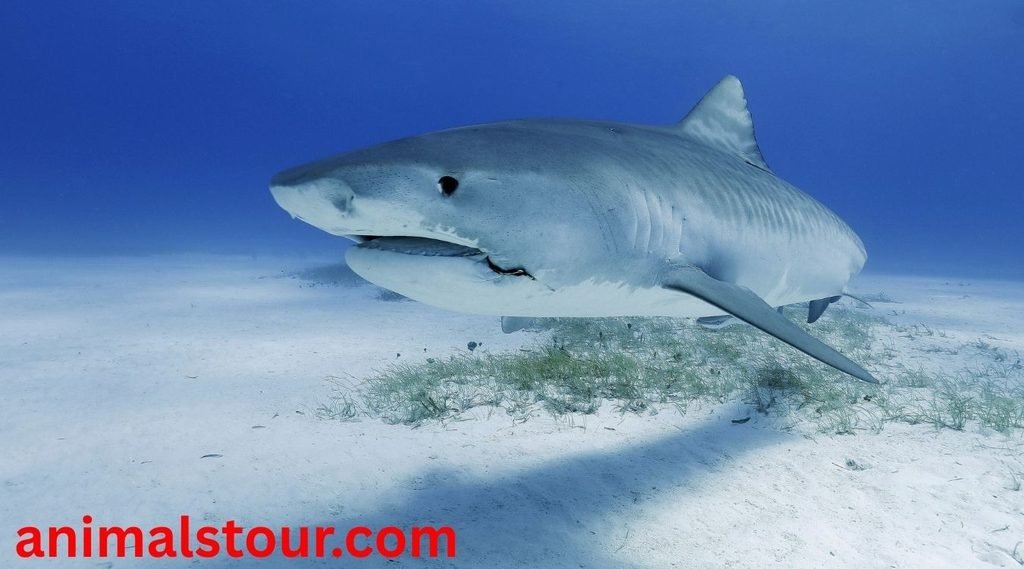
While the Philippines is home to various dangerous animals, bull sharks stand out for their widespread presence and fearless demeanor. Locals and tourists alike should be cautious when swimming or diving in areas known for these sharks. It’s vital to stay informed about safety measures and be aware of the environment, ensuring a safer experience in the beautiful waters of the Philippines.
Box Jellyfish
Scientific name: Chironex fleckeri
Class: Cubozoa
Diet: Carnivore
Box jellyfish rank among the most dangerous animals in the Philippines, with their venom considered one of the most potent in the world. Found in warm coastal waters, they blend seamlessly with their surroundings, making them hard to spot. A sting can lead to heart failure and even death, emphasizing the need for caution when swimming in affected areas.
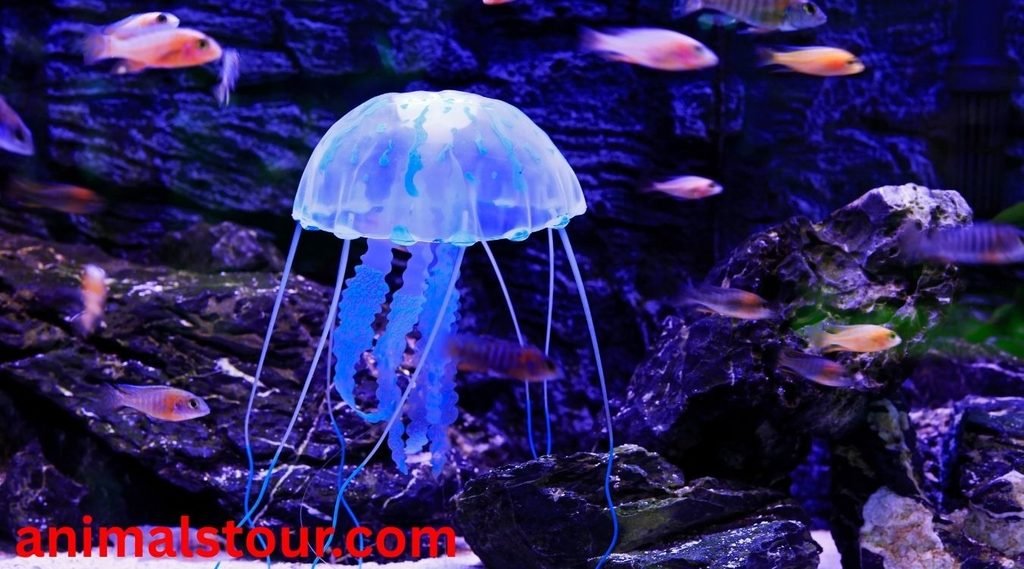
These creatures are not just a threat to swimmers but also play a crucial role in marine ecosystems. Their presence indicates a delicate balance in the ocean’s health. Awareness of their habits and habitats can help beachgoers stay safe while respecting the complex life beneath the waves, reminding us of the beauty and danger of the Philippines’ marine life.
Titan Triggerfish
Scientific name: Balistoides viridescens
Class: Actinopterygii
Diet: Omnivore
The Titan Triggerfish, known for its vibrant colors and curious nature, can be surprisingly dangerous in the Philippines. They are often found in shallow coral reefs, where they fiercely protect their nesting sites. Divers and snorkelers may encounter these fish during mating season, when they become notoriously aggressive, sometimes attacking without warning.
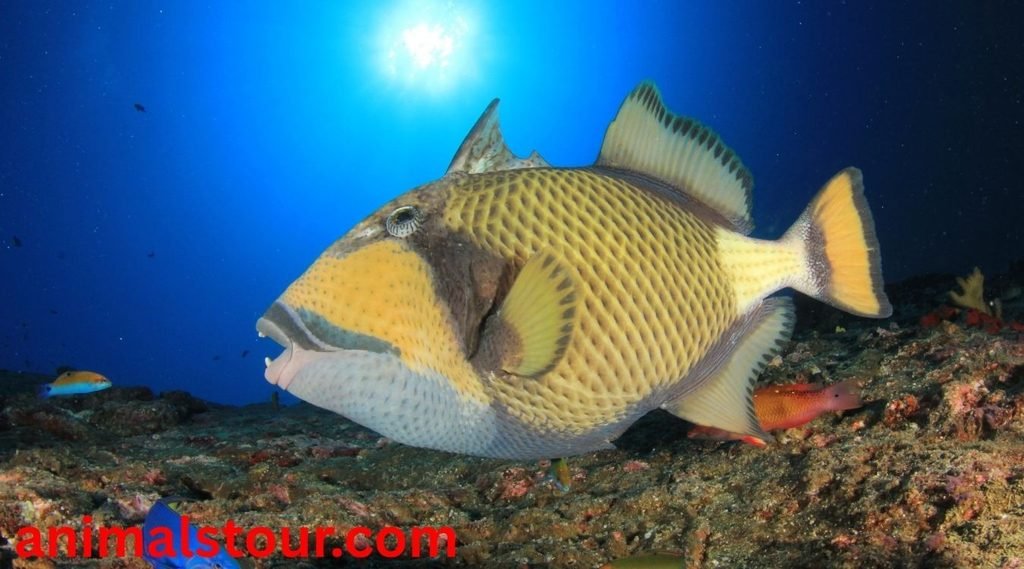
Their strong jaws can inflict painful bites, making them one of the more concerning dangerous animals in the Philippines. It’s essential to respect their space and observe from a distance, ensuring both your safety and the well-being of these amazing creatures. By spreading awareness about the Titan Triggerfish, we can promote safer interactions in the rich marine environments of the Philippines.
Lion fish
Scientific Name: Pterois volitans
Class: Actinopterygii
Diet: Carnivore
Lionfish stand out among the dangerous animals in the Philippines due to their stunning appearance and venomous spines. While their vibrant colors captivate divers, their presence poses a threat to local marine life. They consume small fish and crustaceans, disrupting the delicate ecosystem and threatening biodiversity.
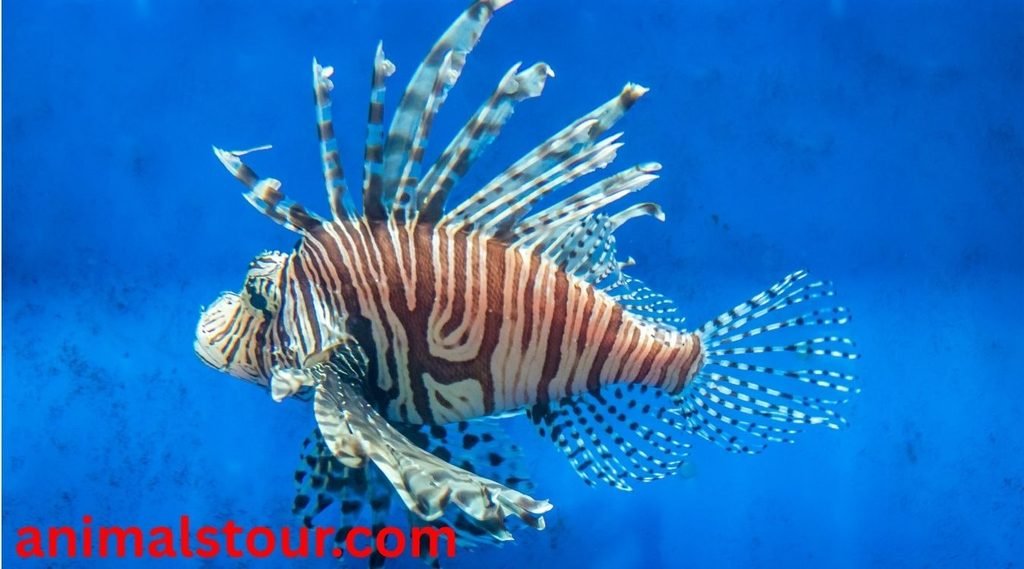
In addition to their ecological impact, a sting from a lionfish can be quite painful for humans. The venom can cause swelling, nausea, and discomfort that may require medical attention. As more people explore the waters around the Philippines, awareness and education about these beautiful yet dangerous creatures become essential for both safety and conservation efforts.
Centipede
Class: Chilopoda
Diet: Carnivore
Centipedes are often overlooked as one of the most dangerous animals in the Philippines. With their long, segmented bodies and venomous bites, they can deliver a painful sting that may lead to swelling and discomfort. Many people might not realize that these creatures are not just creepy crawlers, they play a vital role in controlling insect populations.
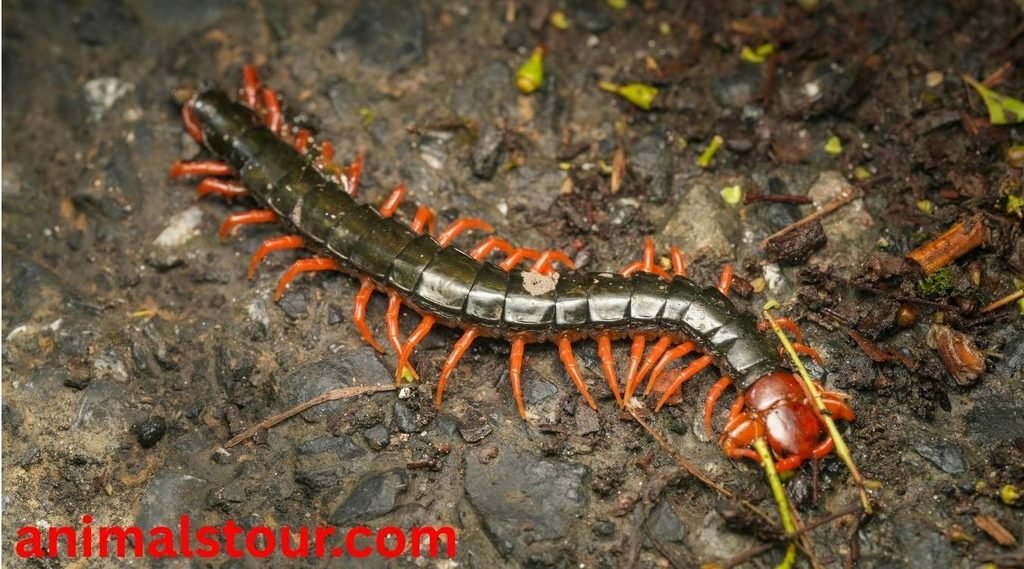
Although they prefer to stay hidden in dark and damp places, centipedes can sometimes invade homes, causing fear among locals. Their presence reminds us of the unique ecosystem in the Philippines, where even the smallest creatures have impactful roles. Appreciating these amazing Philippine animals can help us understand the delicate balance of nature while respecting their place, both indoors and outdoors.
Stonefish
Scientific Name: Synanceia verrucosa
Class: Actinopterygii
Diet: Carnivore
Stonefish are among the most dangerous animals in the Philippines, often lurking in shallow waters and sandy reefs. Their camouflaged appearance makes them nearly invisible, which poses a severe threat to unsuspecting swimmers and divers. A single sting from a stonefish can lead to excruciating pain, swelling, and even serious medical issues, highlighting their formidable nature.
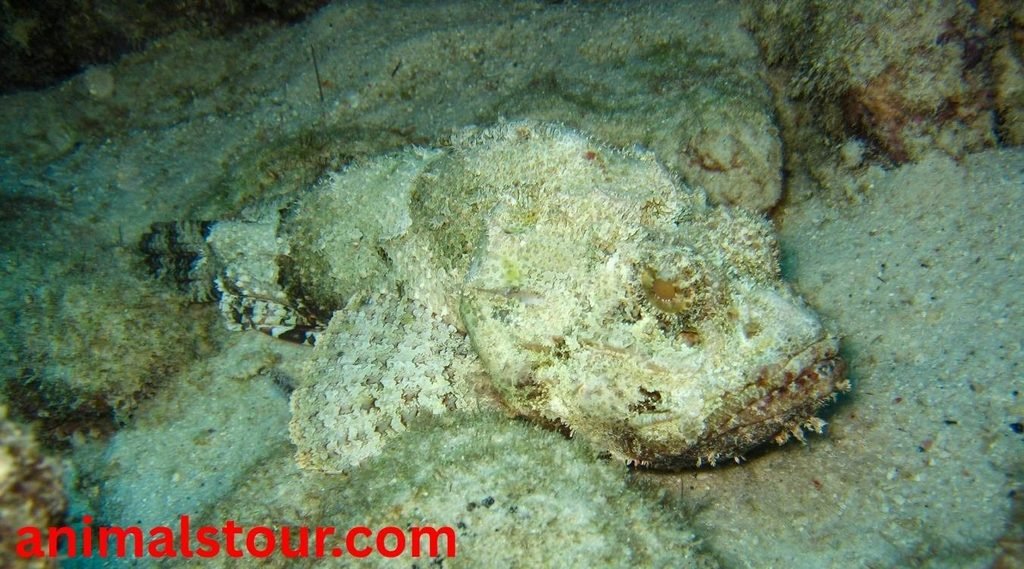
Despite their fearsome reputation, these creatures also play an important role in marine ecosystems. By hunting smaller fish, they help maintain the balance in their habitats. Awareness of their presence is crucial for anyone enjoying the waters, reminding us that understanding these dangerous animals in the Philippines is essential for both safety and respect for nature.
Yellow-Lipped Sea Krait
Scientific Name: Laticauda colubrina
Class: Reptilia
Diet: Carnivore
The Yellow-Lipped Sea Krait is one of the most amazing yet dangerous animals in the Philippines. Its striking appearance, with bold black and yellow stripes, masks a potent venom that can pose serious risks to humans. Unlike many snakes, it spends most of its life in the ocean, making encounters rare but potentially deadly. Known for its adaptability, this creature can hunt in a variety of marine environments, showcasing its role as a top predator.
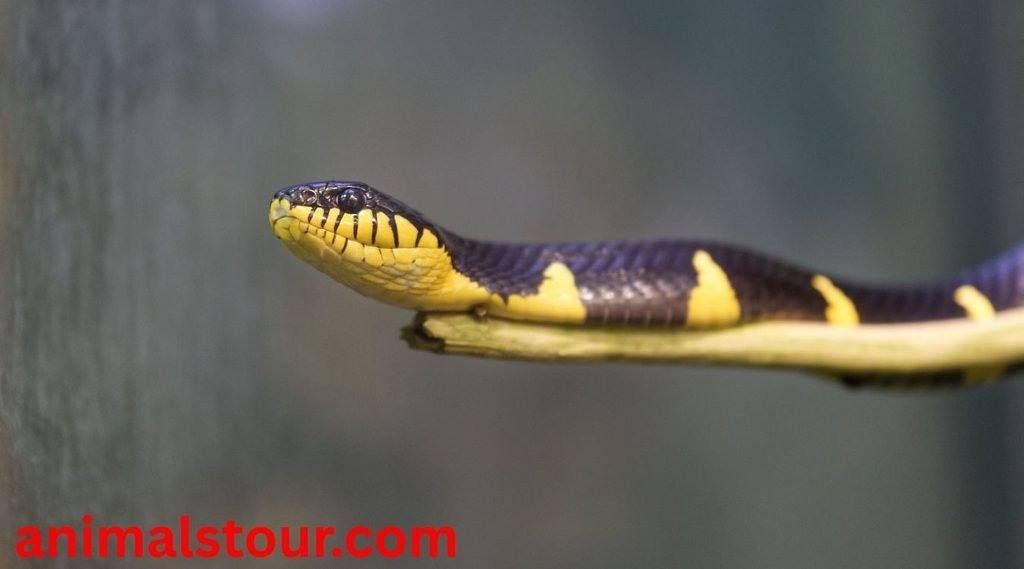
While many people might think of dangerous animals in China when considering venomous creatures, the Yellow-Lipped Sea Krait serves as a reminder that the Philippines hosts its own perilous wildlife. Despite its hidden beauty, swimming or diving in its territory is a risky adventure, a bite can lead to severe complications. Understanding these incredible yet dangerous animals in the Philippines can help both locals and tourists appreciate nature while staying safe.
Cone Snail
Scientific Name:
Class: Gastropoda
Diet: Carnivore
Cone snails, found in the waters of the Philippines, are amazing yet deadly creatures. Their colorful shells attract snorkelers and divers, but these seemingly harmless beauties come with a powerful sting. Each cone snail possesses venom that can paralyze prey in seconds, making them one of the Philippines’ most dangerous animals.
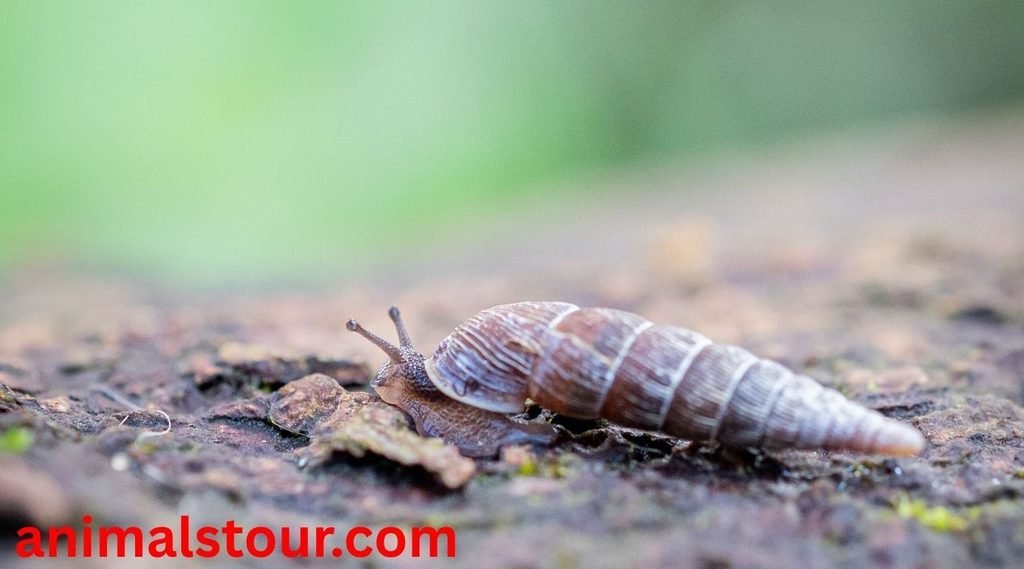
What makes them even more intriguing is their hunting method. Instead of chasing their food, these snails use a specialized tooth to inject venom, allowing them to ambush fish with surprising speed. While Indonesia also hosts dangerous animals, the cone snail’s unique approach to survival highlights the delicate balance of marine life in Southeast Asia. Awareness of these hidden dangers can help ensure safer adventures in the ocean.
Mosquito
Scientific Name: Culex pipiens
Class: Insecta
Males: Nectar (Herbivore)
Females: Blood (Hematophagous/Carnivore)
Mosquitoes are often overlooked, yet they rank among the most dangerous animals in the Philippines. These tiny insects carry diseases like dengue fever and malaria, which can have severe health impacts on communities.Although they are tiny and may look harmless, these creatures can spread serious diseases such as dengue fever and Zika virus. This makes them some of the most dangerous animals in Thailand.Their ability to breed in stagnant water makes the tropical climate of the Philippines a perfect habitat, leading to outbreaks that can overwhelm healthcare systems.
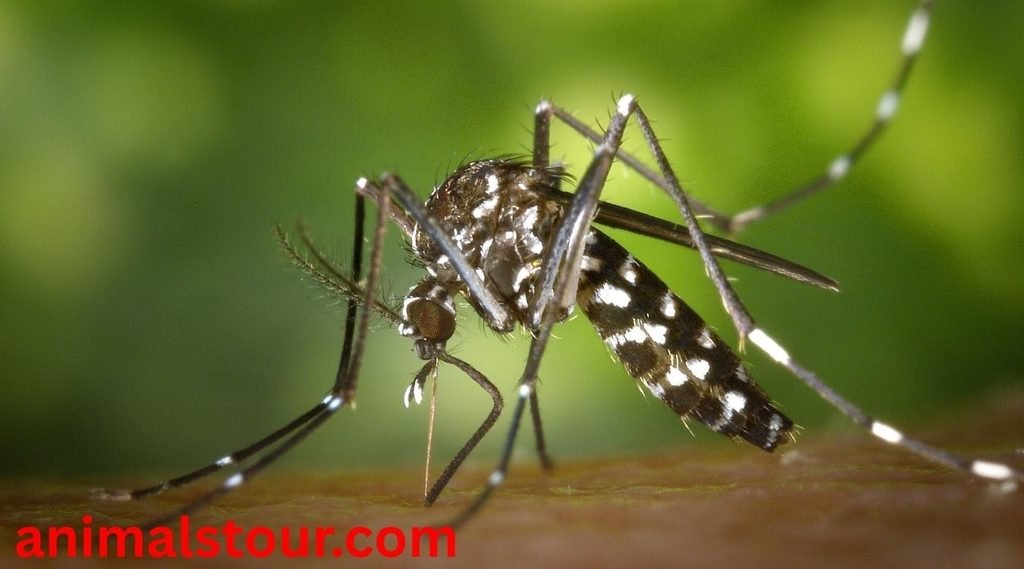
The silent threat posed by these creatures goes beyond just their bites. In regions where healthcare access is limited, the consequences of mosquito-borne illnesses amplify, affecting families and economies alike. Understanding this small but mighty foe is crucial in the fight against these diseases, especially as awareness can lead to better prevention and control measures.Disease-carrying animals are also considered among the most dangerous animals in China, showing how even tiny creatures can pose serious health risks.
Wild boars
Scientific Name: Sus scrofa
Class: Reptilia
Diet: Carnivore
Wild boars are among the many dangerous animals in the Philippines, posing a unique threat to both locals and wildlife. These powerful creatures can weigh over 200 pounds and are known for their sharp tusks and unpredictable behavior. In rural areas, they often raid crops, leading to conflicts with farmers who are simply trying to protect their livelihoods.
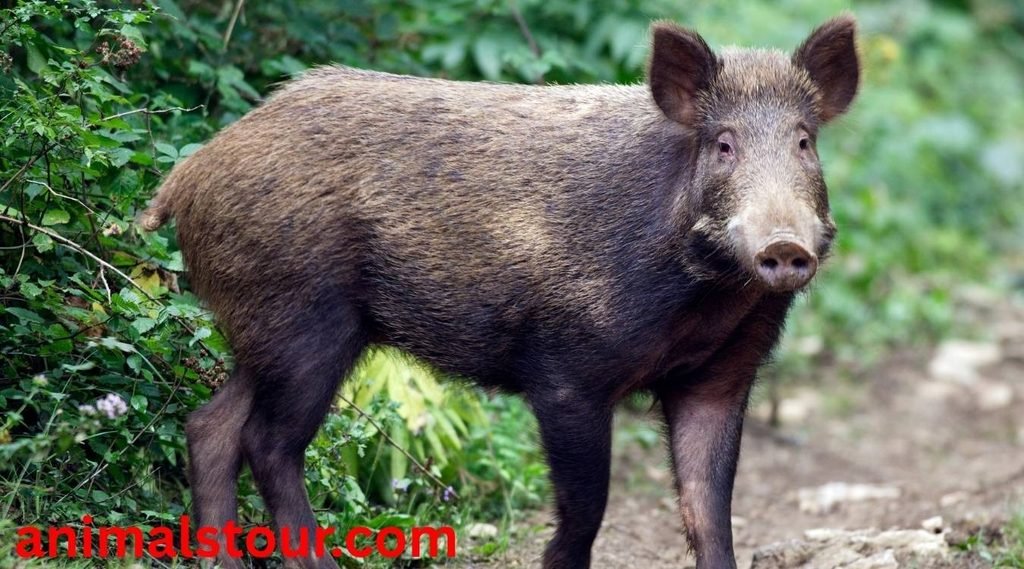
The presence of wild boars can also disrupt the balance of local ecosystems as they root through the forest floor, damaging plants and habitats for other wildlife. Understanding their behavior and habitat is essential for those living near these animals. By respecting their space and recognizing their potential danger, communities can find ways to coexist more safely with dangerous animals in Asia.
Scorpion
Class: Arachnida
Diet: Carnivore
Scorpions are among the dangerous animals in the Philippines, often lurking in the shadows of its tropical environment. With their menacing pincers and venomous stingers, these creatures can send shivers down anyone’s spine. While not all species are lethal, their presence reminds us of nature’s unpredictability and the delicate balance of life in this vibrant archipelago.
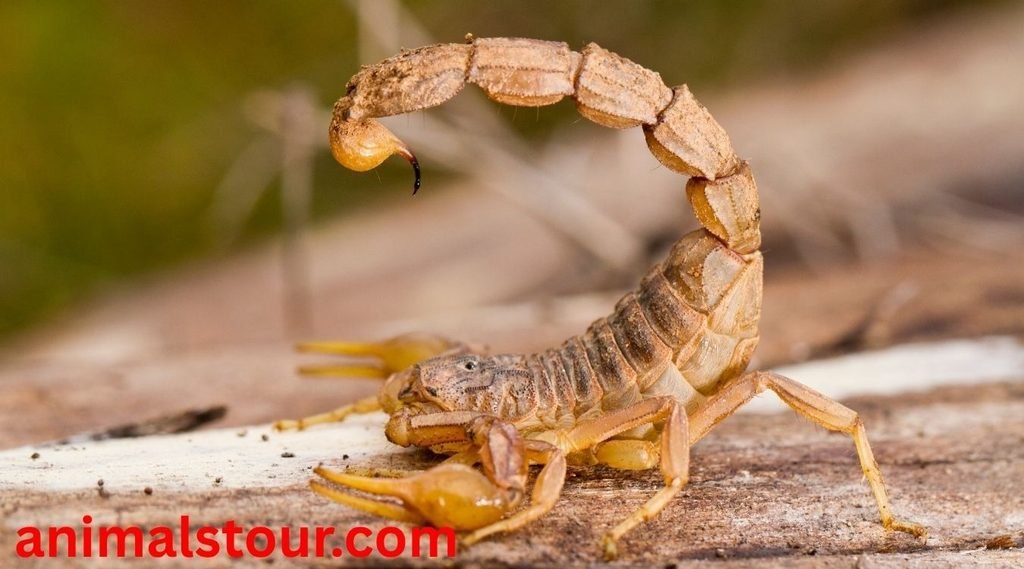
Despite their fearsome reputation, scorpions play a crucial role in the ecosystem, helping control pest populations. They embody the rich tapestry of wildlife that makes the Philippines so unique. Encountering one can be a stark reminder of the country’s incredible biodiversity, making these famous animal in the philippines, a famous subject of both fear and fascination.
Black Widow Spider
Scientific Name: Latrodectus mactans
Class: Arachnida
Diet: Carnivore
The Black Widow Spider is one of the most dangerous animals in the Philippines, often lurking in dark, hidden corners. With its glossy black body and the signature red hourglass marking, this spider may look alluring, but it carries potent venom that can cause serious harm to humans. The bites can lead to severe pain, muscle cramps, and even severe complications if not treated promptly.
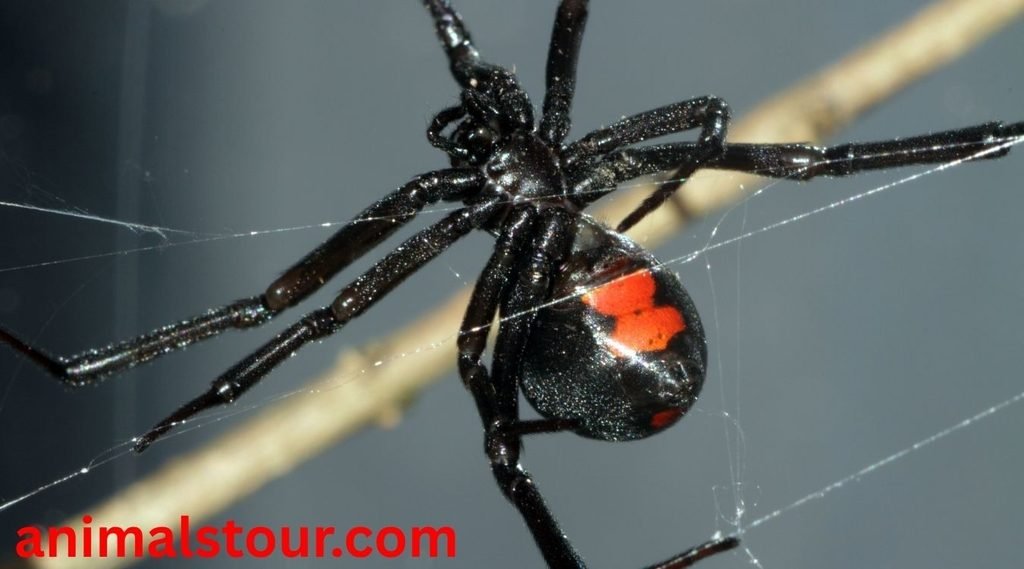
Many people might not realize that these spiders are more than just a fear factor, they play a vital role in controlling insect populations. However, caution is essential. Understanding their habitat and behavior can help you avoid encounters, making the Philippines a safer place to explore. Awareness is key, as we navigate the incredible biodiversity of the region while keeping an eye out for what is the most dangerous animal in the Philippines.
Blue-Ringed Octopus
Scientific Name: Hapalochlaena lunulata
Class: Cephalopoda
Diet: Carnivore
The blue-ringed octopus, often found in the warm waters of the Philippines, is a striking yet perilous creature. Its dazzling blue rings serve as a warning, signaling danger to unsuspecting swimmers. This tiny marvel carries enough venom to potentially kill 26 adult humans in minutes, making it one of the most dangerous animals in the Philippines. Despite its small size, its bite can paralyze and lead to respiratory failure, emphasizing the need for caution when exploring coral reefs.
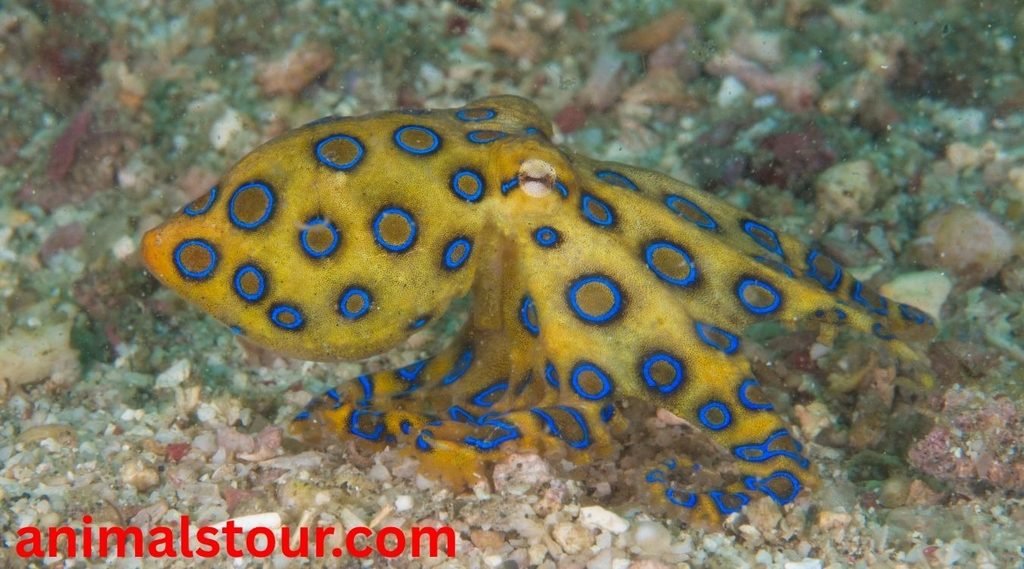
Often hiding in crevices, this octopus relies on its vibrant colors to deter threats. Its beauty can easily enchant divers, but it’s vital to respect its space. Keeping a safe distance not only protects you but also ensures the creature thrives in its natural environment. Understanding the blue-ringed octopus reinforces the importance of awareness when encountering dangerous animals in the Philippines.
Final Words
The Philippines is home to a variety of dangerous animals, each playing a part in the ecosystem. Discovering the dangerous animals in the Philippines reminds us of the beauty and risks in nature. By understanding their behavior, we can protect ourselves while still enjoying nature’s wonders. It’s crucial to share this knowledge with family and friends for safer adventures. Let’s keep exploring while being mindful of the wildlife we encounter. Together, we can admire these incredible creatures and stay safe.
FAQs
1. What are the most dangerous animals in the Philippines?
The Philippines is home to several dangerous animals, including snakes like the king cobra, jellyfish like the box jellyfish, and large predators like crocodiles. These animals can pose risks to humans if encountered.
Are there dangerous animals in the Philippines?
Yes, the Philippines has several dangerous animals, including venomous snakes, crocodiles, jellyfish, cone snails, scorpions, and wild boars. However, most of these animals generally avoid humans unless they feel threatened.
What is the most dangerous animal in the Philippines?
The saltwater crocodile (Crocodylus porosus) is often considered one of the most dangerous animals in the Philippines because of its large size, powerful bite, and ability to attack people.
What dangerous animals are in the Philippines?
The Philippines is home to dangerous animals such as the Philippine cobra, saltwater crocodile, box jellyfish, cone snail, sea krait, stonefish, scorpions, and wild boars. Although these animals can be dangerous, most avoid people unless threatened or disturbed.
Are there venomous snakes in the Philippines?
Yes, the Philippines has several venomous snakes, such as the king co
Do the Philippines have dangerous spiders?
Yes, there are some spiders that can be harmful, like the Asian black widow. They are mostly shy, but it’s wise to avoid reaching into dark places without looking.