Exploring 26 Exotic Pets and Animals From Around the World
Have you ever considered adopting an exotic pet instead of the usual cat or dog? Exotic pets and animals can add excitement and variety to your home. In this article, we’ll explore an extensive list of exotic animals. By the end, you’ll have a better idea of what’s out there and which animals may just be your next best friends.
Quick warning: This is an educational list, not a legal-ownership guide. Always check current federal, state, county, and municipal regulations before acquiring an exotic animal.
List of Exotic Pets and Animals
1. New Guinea Singing Dog
2. Fox
3. Raccoons
4. Owl
5. Bat
6. Llama
7. Skunk
8. Porcupine
9. Alligator
10 Tiger
11. Spotted Genet
12. Whip Scorpion
13. Sugar Glider
14. Bearded Dragons
15. Wolf
16. Deer
17. Squirrel
18. Sloth
19. Monkey
20. Opossum
21. Peacock
22. African Golden Cat
23. Dwarf Crocodile
24. Coyote
25. Clouded Leopard
26. Bobcat
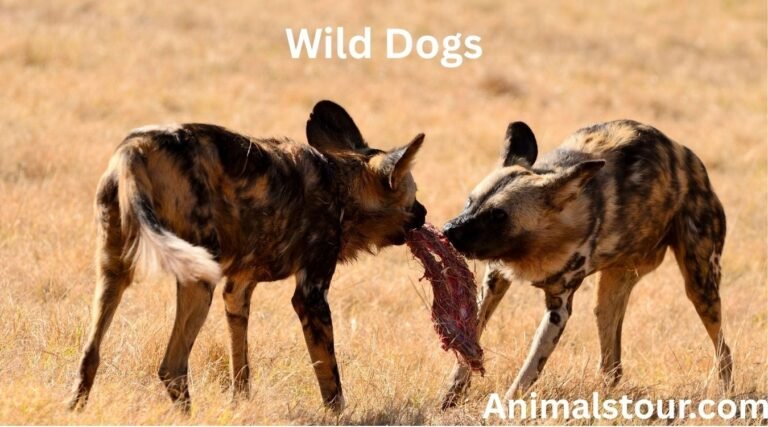
New Guinea Singing Dog
The New Guinea singing dog is a rare canid associated with the highlands of New Guinea. Its distinctive vocalizations give the animal its name.
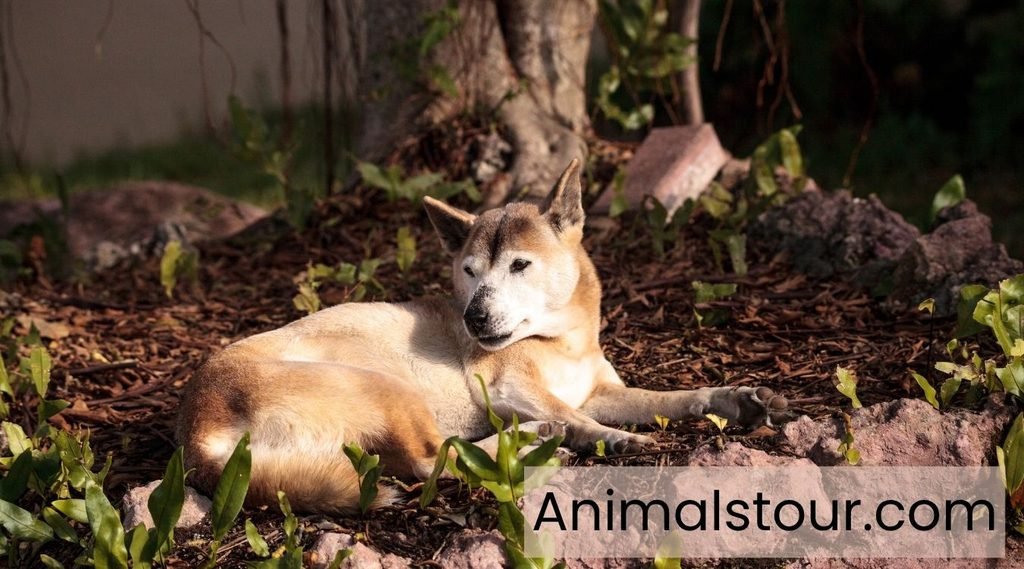
It sits somewhere between the familiar image of a domestic dog and a truly wild canid. Its behavior, breeding history, rarity, and legal status make it very different from owning a Labrador or other conventional dog.
Pet suitability: Very challenging.
Main concern: Availability, behavior, conservation status, and state wildlife regulations.
Fox
Foxes are among the most frequently searched-for exotic mammals. Fennec foxes, red foxes, and other species have appeared in the exotic-pet trade.
Their appearance can make them seem like unusual dogs, but foxes have not been domesticated in the same way. They can dig, mark territory, escape, and exhibit strong natural behaviors that make household management difficult. A fox should never be taken from the wild and kept as a pet.
Pet suitability: Difficult.
Main concern: State and local laws, enclosure requirements, behavior, odor, and welfare.
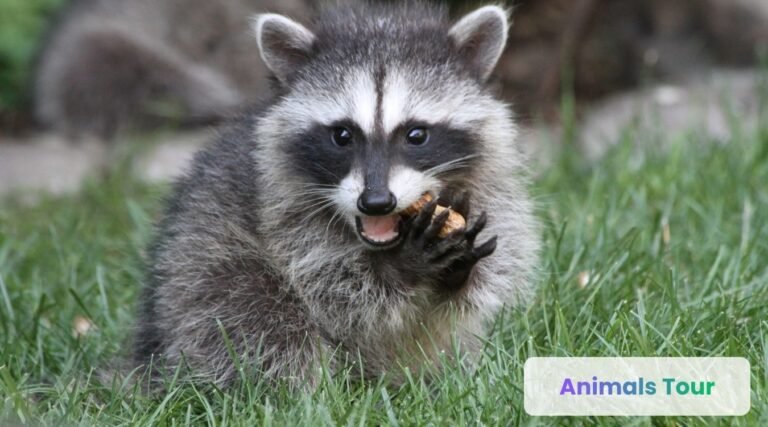
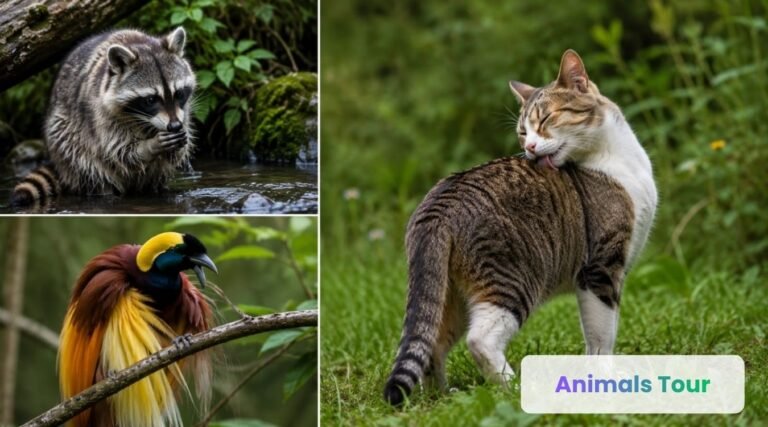
Raccoon
Raccoons are intelligent, dexterous, curious animals capable of opening containers, manipulating objects, climbing, and exploring almost anything within reach.
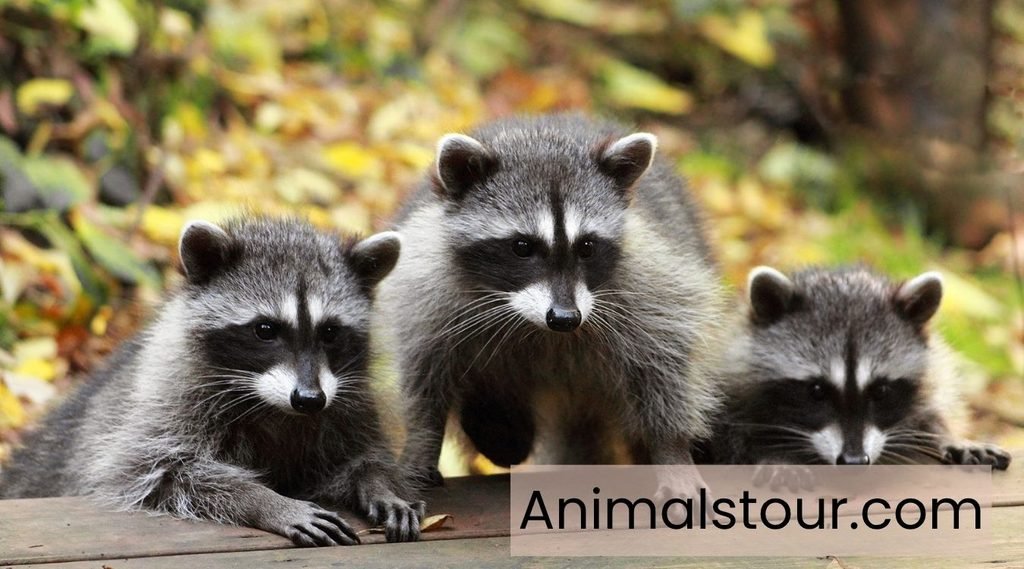
That intelligence is part of the appeal and part of the problem. A raccoon can be considerably more demanding than a conventional pet.
Rules vary by state and locality, and possession of native wildlife may require specific authorization. The fact that a raccoon can be legally possessed somewhere in the country does not mean it can legally be kept where you live.
Pet suitability: Difficult.
Main concern: Wildlife regulations, disease exposure, destructive behavior, and enclosure security.
Owl
Owls look like obvious candidates for an exotic-animal list, but they are poor choices as household pets.
In the United States, many native owls are protected migratory birds. Federal law restricts activities including capturing, possessing, transporting, selling, or purchasing protected migratory birds without the appropriate authorization. Owls are specifically included among protected bird groups.
Owls also need specialized diets, flight space, enrichment, and professional care.
Pet suitability: Generally unsuitable for ordinary homes.
Main concern: Federal and state wildlife laws plus specialized husbandry.
Bat
Bats are fascinating mammals, but fascination does not make them appropriate household pets.
Their specialized diets, flight behavior, social needs, housing requirements, and disease considerations create substantial challenges.
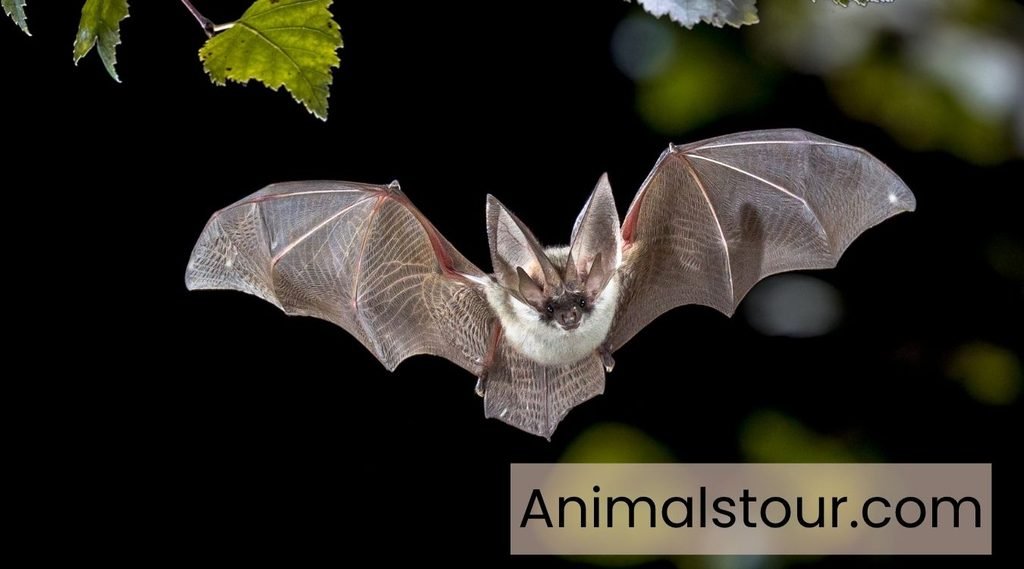
The CDC also identifies bats and other exotic animals as potential sources of pathogens that can affect humans.Wild bats should not be captured and brought into a home.
Pet suitability: Very difficult.
Main concern: Wildlife laws, disease risk, specialized habitat, and welfare.
Llama
Llamas are a less extreme entry on an exotic animals list. They are domesticated livestock rather than wild predators, but many people still consider them unusual companion animals.
They can make suitable animals for appropriate rural properties, provided their social, nutritional, shelter, fencing, and veterinary needs are met. Llamas are generally much more practical than the large carnivores elsewhere on this list, but they still require appropriate outdoor space.
Pet suitability: Moderate for suitable rural owners.
Main concern: Space, fencing, companionship, nutrition, and veterinary care.
Skunk
Captive-bred skunks can be affectionate and intelligent, but they require owners who understand their behavior and care requirements.
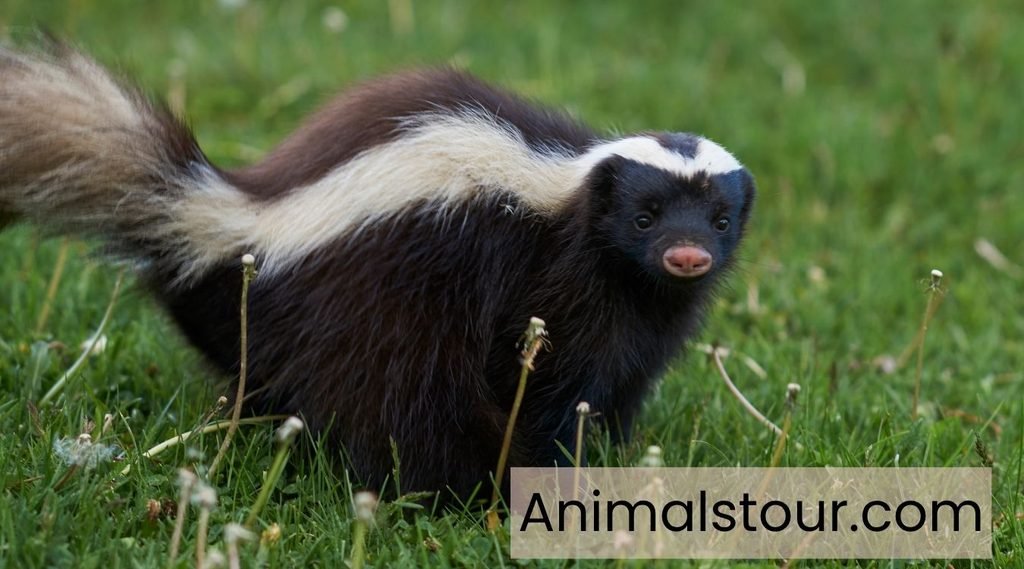
One obvious issue is scent. Some captive skunks have their scent glands removed, although this does not turn a skunk into a conventional domestic pet. Local laws can also restrict possession.
Pet suitability: Challenging.
Main concern: Legal restrictions, specialized veterinary care, diet, and behavior.
Porcupine
Porcupines are large rodents with an unmistakable defense system. They are not naturally aggressive in the way many people imagine, but their physical defenses create obvious risks for people and other household animals.
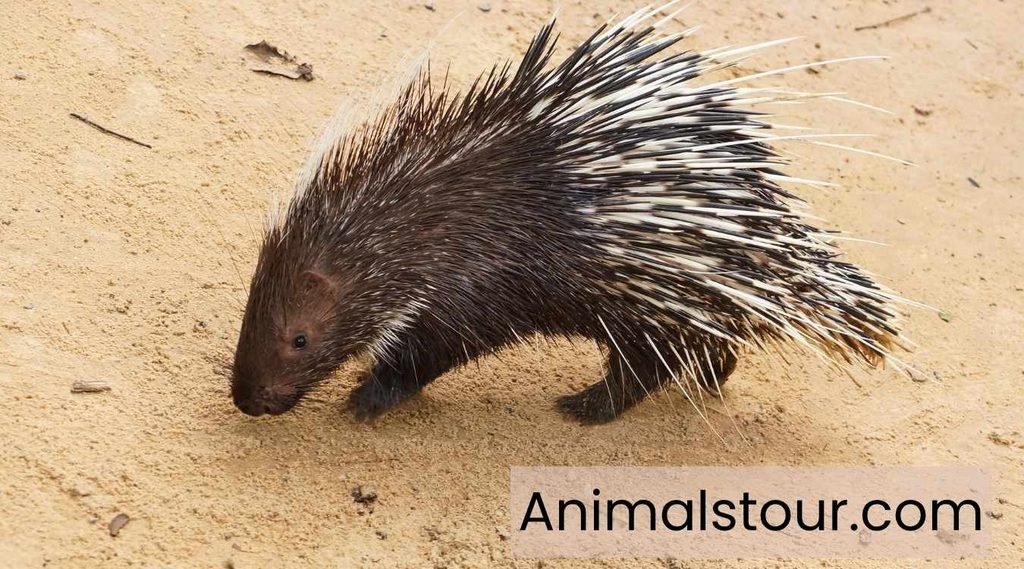
A curious dog, for example, can suffer serious injuries after approaching a porcupine. They also need appropriate space, diet, enrichment, and secure housing.
Pet suitability: Difficult.
Main concern: Quills, enclosure design, diet, and interactions with other pets.
Alligator
American alligators may look manageable when they are hatchlings. The problem is planning for the adult animal.
An adult alligator needs substantial space, secure containment, specialized water and temperature management, and experienced handling. Its strength and predatory behavior create serious public-safety concerns.
Some jurisdictions allow private possession under specific circumstances, while others prohibit it or require permits.
Pet suitability: Not appropriate for a typical household.
Main concern: Public safety, adult size, enclosure security, and state/local law.
Tiger
Tigers are one of the clearest examples of why an old exotic-pet list can become outdated.
The federal Big Cat Public Safety Act, enacted in December 2022, prohibits private possession of covered big cats in most circumstances.
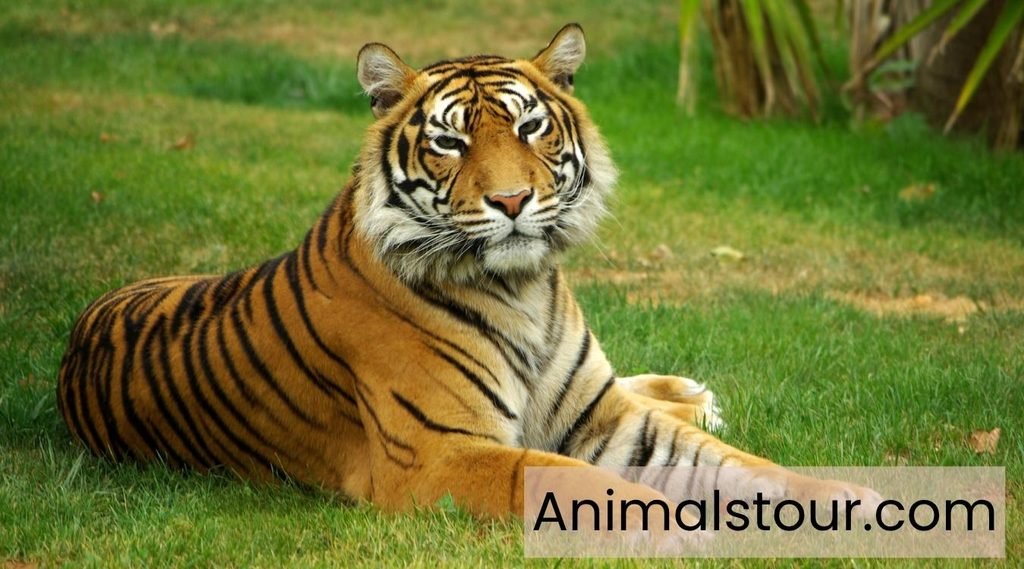
Covered species include tigers, lions, leopards, snow leopards, clouded leopards, jaguars, cheetahs, and cougars. A narrow exception exists for qualifying animals already privately owned before the law was enacted and properly registered by June 18, 2023.
That means a current article should not tell readers that they can simply buy a tiger if they live in a state that permits one.
Pet suitability: Not appropriate as a household pet.
Main concern: Federal law, state law, public safety, welfare, and enormous lifetime costs.
Spotted Genet
The spotted genet is a small carnivorous mammal native to Africa. Its long body, spotted coat, and cat-like appearance can make it attractive to exotic-animal enthusiasts.
Genets are active, agile, and capable climbers.
Their behavior is not equivalent to that of a domestic cat, despite their superficial resemblance.
Pet suitability: Difficult.
Main concern: Specialized enclosure, diet, activity level, and veterinary access.
Whip Scorpion
The name makes this animal sound much more dangerous than it usually is.
Tailless whip scorpions, also called amblypygids, are arachnids but are not true scorpions. They do not have venom and are generally considered harmless to humans.
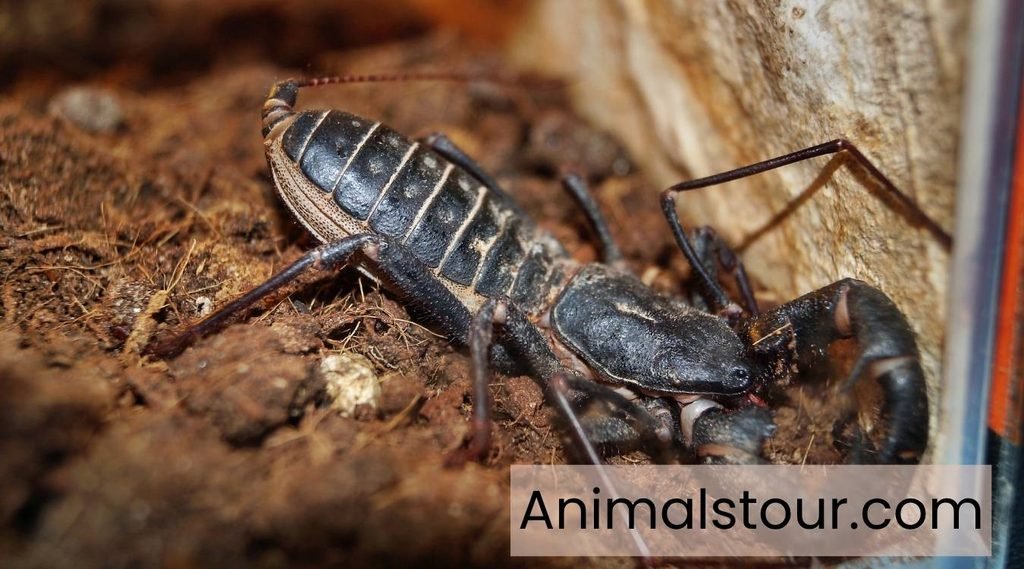
Purdue’s Bug Zoo specifically notes that tailless whip scorpions are not harmful to people and have no venom.True whip scorpions, or vinegaroons, are another group. They can release an acidic, vinegar-like defensive spray but are not venomous.
Pet suitability: Relatively manageable for experienced invertebrate keepers.
Main concern: Correct species identification, humidity, temperature, and enclosure conditions.
Sugar Glider
Sugar gliders are small nocturnal marsupials native to Australia, Indonesia, and New Guinea. Their ability to glide between trees is one reason they attract so much attention as pets. They are social animals and have specialized nutritional and environmental requirements.
Merck Veterinary Manual notes that sugar gliders generally do better in compatible groups and require substantial climbing space and an appropriate diet. Improper nutrition can contribute to serious disease.Their small size should not be mistaken for easy care.
Pet suitability: Moderate to difficult.
Main concern: Social needs, nighttime activity, diet, enclosure size, and exotic-animal veterinary care.
Bearded Dragon
Bearded dragons are among the most practical animals on this list for many experienced reptile keepers. They are Australian lizards that need a properly designed enclosure with appropriate heating, lighting, temperature gradients, substrate, and nutrition.
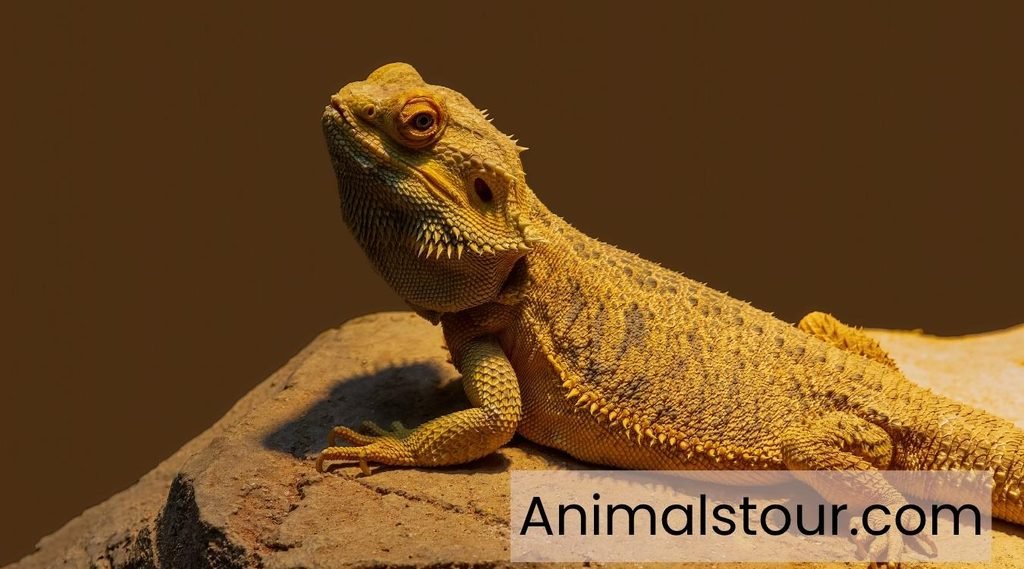
Merck Veterinary Manual lists bearded dragons among reptiles requiring species-specific environmental conditions and husbandry. They are popular, but “popular” does not mean maintenance free.
Pet suitability: Relatively manageable for prepared owners.
Main concern: UVB lighting, heat, nutrition, enclosure size, and veterinary care.
Wolf
Wolves are wild canids, not simply oversized dogs. Their social structure, prey drive, territorial behavior, physical strength, and need for appropriate space make them unsuitable for most private homes.
Wolf-dog hybrids can also be subject to state and local restrictions. A wolf-looking animal is not necessarily a wolf, so prospective owners should verify the species and legal classification before acquisition.
Pet suitability: Not appropriate for a typical home.
Main concern: Behavior, containment, welfare, and laws governing wolves or hybrids.
Deer
Deer can look surprisingly gentle, particularly when young. They remain wild animals, however.
Their needs include appropriate space, fencing, nutrition, social considerations, and wildlife appropriate veterinary care.
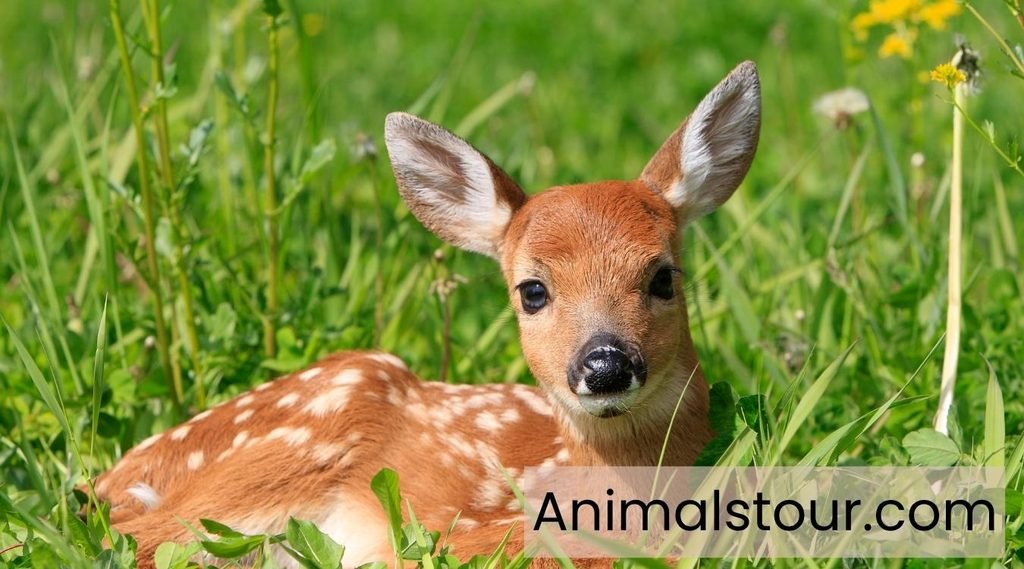
Regulations can be especially complicated because deer may also fall under state game and wildlife laws. Never assume that finding a tame-looking deer means it can legally or safely become a household pet.
Pet suitability: Poor for ordinary homes.
Main concern: Wildlife law, fencing, behavior, disease, and adult size.
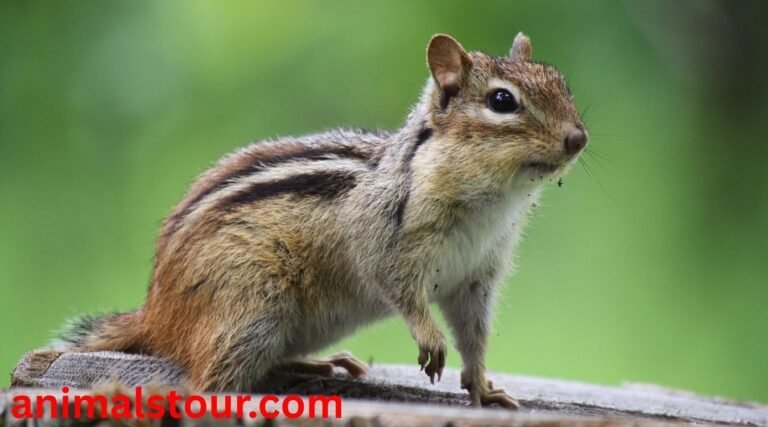
Squirrel
Several squirrel species occur in the United States, and some people have attempted to keep them as pets after finding orphaned or injured young animals. That does not mean a wild squirrel should be taken home.
Wildlife rehabilitation is generally the appropriate route for injured or orphaned native wildlife. A captive-bred species may have different legal requirements, but owners still need to consider climbing space, diet, enrichment, and veterinary care.
Pet suitability: Difficult.
Main concern: Wildlife laws and specialized care.
Sloth
Sloths are famous for their slow movements, but their care is anything but simple. They are arboreal animals adapted to particular tropical environments.
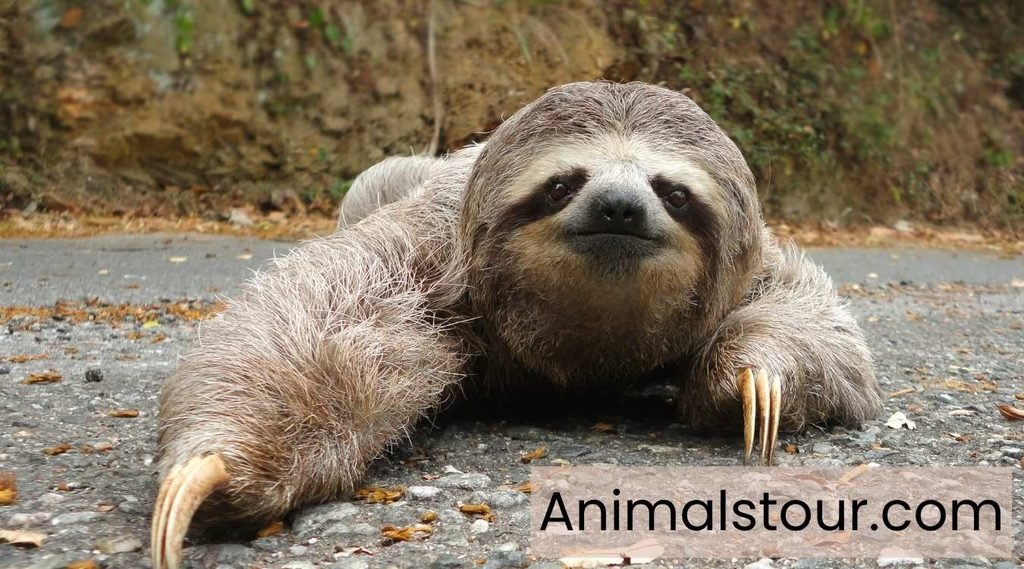
Their temperature, humidity, diet, climbing structures, and behavioral needs are difficult to reproduce in an ordinary home.A slow-moving animal can still be a highly specialized animal.
Pet suitability: Very difficult.
Main concern: Climate, diet, enclosure size, climbing needs, and specialist veterinary care.
Monkey
Monkey covers a huge range of species, from tiny marmosets to larger macaques.
Their intelligence can make them fascinating, but it can also make them exceptionally demanding.
Primates have complex social, behavioral, nutritional, and environmental needs. They can also carry pathogens capable of infecting humans. There is an additional federal issue: nonhuman primates cannot be imported into the United States as pets. CDC rules restrict importation to scientific, educational, or exhibition purposes.
Pet suitability: Not appropriate for most households.
Main concern: Welfare, disease, behavior, legal restrictions, and lifetime care.
Opossum
The Virginia opossum is North America’s only native marsupial. It is sometimes kept by licensed wildlife rehabilitators or encountered as a captive animal under special circumstances.
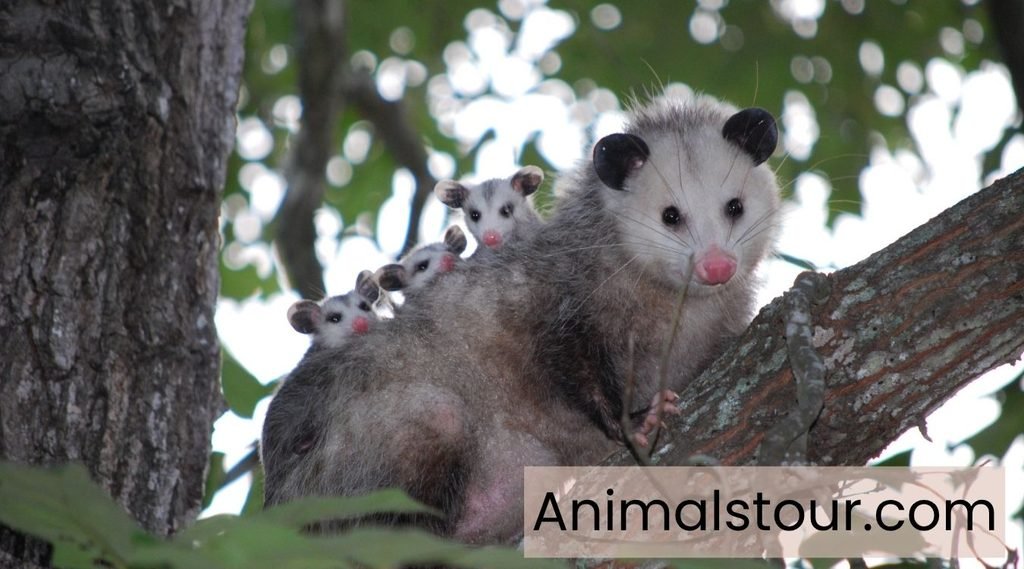
An opossum is not simply a low-maintenance cat alternative. It has specialized dietary, environmental, and behavioral needs, and native wildlife laws can apply.
Pet suitability: Difficult.
Main concern: Wildlife regulations and specialist care.
Peacock
Peafowl are technically domesticated birds commonly kept on farms and large rural properties, although they remain unusual enough to appear on exotic-pet lists.
They require outdoor space, appropriate shelter, food, and protection from predators. Their loud calls can also become a problem in residential neighborhoods.
Pet suitability: Moderate for suitable rural properties.
Main concern: Space, noise, sanitation, and local ordinances.
African Golden Cat
The African golden cat is a small wild cat native to Central and West Africa. It is not a domestic cat and should not be treated as one.
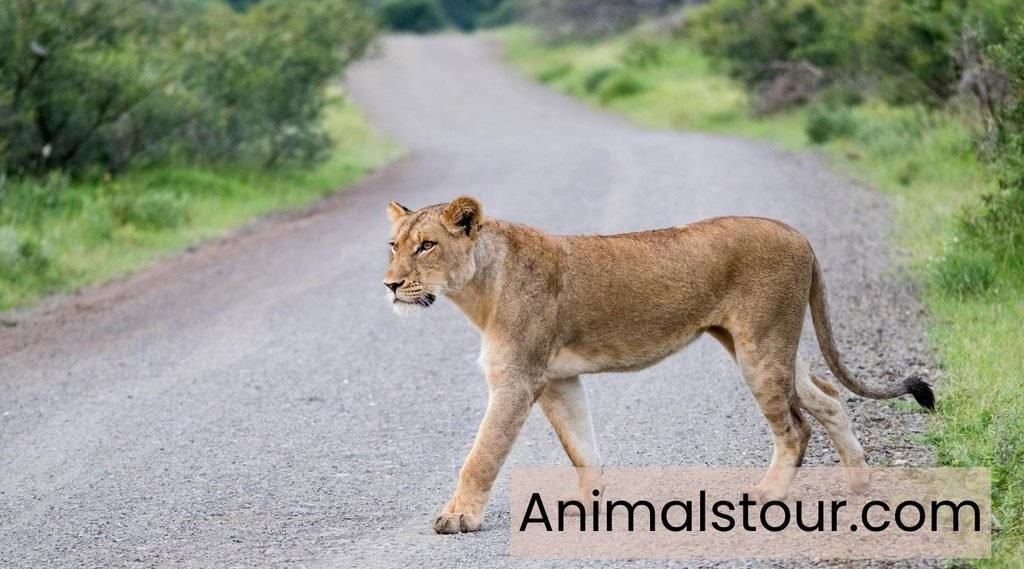
Wild felids have specialized behavioral and environmental requirements, and conservation laws can further restrict possession and trade. The fact that a wild cat is smaller than a tiger does not make it an ordinary pet.
Pet suitability: Not appropriate for typical private ownership.
Main concern: Conservation, welfare, specialized care, and legal restrictions.
Dwarf Crocodile
The dwarf crocodile is considerably smaller than the largest crocodilian species, but “dwarf” does not mean domesticated.
Crocodilians remain powerful predators with complex habitat requirements. They need secure enclosures, water, temperature management, and experienced handling.
Pet suitability: Not appropriate for most homes.
Main concern: Public safety, enclosure requirements, and state/local regulations.
Coyote
Coyotes are highly adaptable wild canids, but their ability to survive around cities should not be confused with domestication.
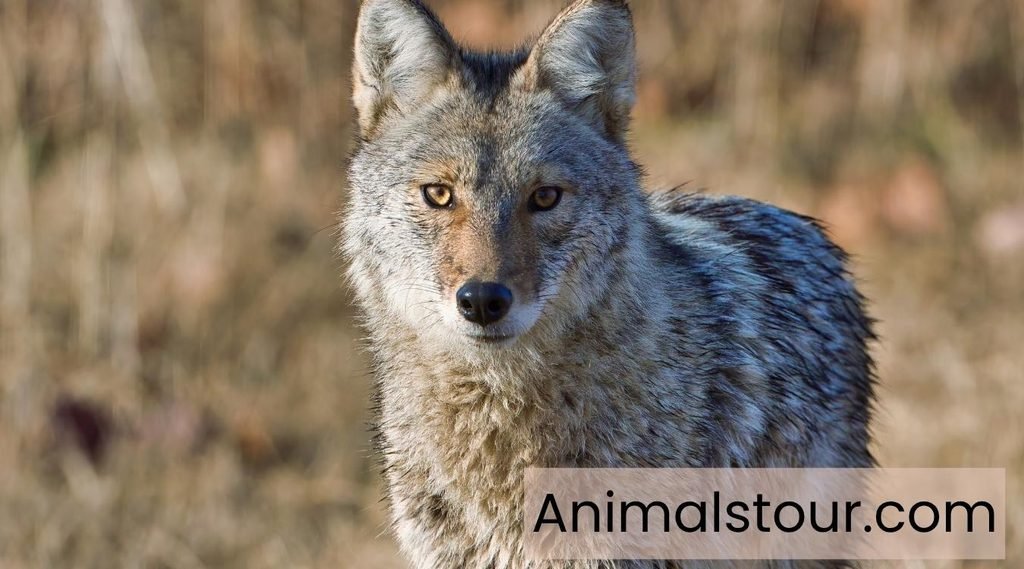
A coyote needs an environment that accounts for its natural behavior, and keeping one privately can create substantial safety, welfare, and legal concerns. A coyote found in the wild should never simply be converted into a pet.
Pet suitability: Not appropriate for ordinary homes.
Main concern: Wild behavior, containment, wildlife law, and public safety.
Clouded Leopard
The clouded leopard is a wild Asian felid and one of the species covered by the Big Cat Public Safety Act.Under current federal law, covered big cats cannot generally be privately possessed, acquired, bred, or commercially transferred, subject to limited statutory exceptions.
This is another important correction to older exotic-pet articles that may imply clouded leopards remain broadly available to private owners.
Pet suitability: Not appropriate as a household pet.
Main concern: Federal law, conservation, safety, and specialized welfare requirements.
Bobcat
Bobcats are native North American wild cats. Their size can make them appear more manageable than larger felids, but they remain wild predators with strong instincts.
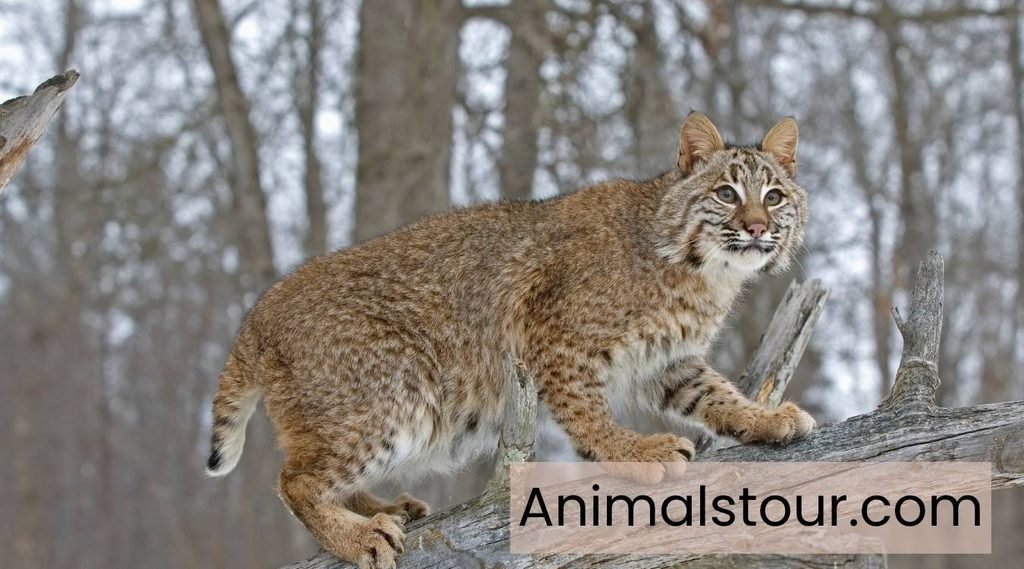
State wildlife laws determine whether private possession is possible, and requirements can include permits, documentation, enclosure standards, and restrictions on acquisition.
A bobcat kitten should not be treated like a domestic kitten.
Pet suitability: Not appropriate for most households.
Main concern: Wildlife law, behavior, enclosure security, and veterinary care.
Final Thought
The exotic pets list available open up a world of possibilities for any animal lover. Whether you’re drawn to the playful nature of a ferret or the striking beauty of an iguana, every choice comes with its own joys and challenges.
It’s essential to understand each animal’s needs and ensure you can provide a safe and loving environment. As you think about which pet might be right for you, remember that each requires special care and attention. Take your time, explore your options, and embark on a new journey with Exotic Pets and Animals.
FAQ
What are exotic pets?
Exotic pets are non traditional companion animals, including certain reptiles, birds, mammals, amphibians, and invertebrates.
Are exotic animals dangerous?
Some can pose substantial risks through bites, scratches, predation, disease transmission, or their physical strength. Risk varies enormously by species.
Can I keep a wild animal as a pet?
You should not assume that you can legally keep wildlife you find. Native wildlife is often regulated, and injured or orphaned animals should generally be referred to licensed wildlife rehabilitators.