What Smells Do Fish Hate? 6 Strong Scents That Repel Fish
Have you ever wondered why some fishing trips are more successful than others? What if the key lies not just in the bait you use but in what smells do fish hate? Understanding the scents that repel fish can make all the difference in your next fishing adventure.
In this article, we’ll explore six strong scents that drive fish away and share tips on what are fish attracted to instead. By the end, you’ll be better equipped to enhance your fishing strategy.
Why Smell Matters To Fish
Fish depend greatly on their sense of smell to survive in the underwater world. Understanding what smells attract fish helps explain how they find food, avoid danger, and navigate their environment through their strong olfactory system.
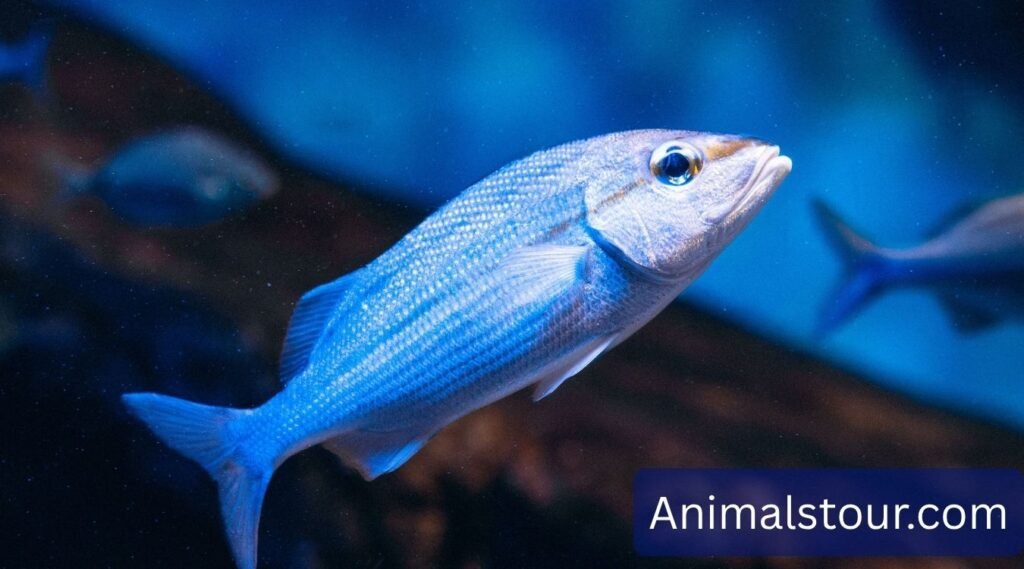
Fish rely on their sense of smell to:
- Locate food
- Detect predators
- Sense danger
- Recognize spawning areas
- Differentiate between natural bait & artificial bait
Smell also plays an important role in fish behavior and reproduction. It helps fish respond to their surroundings and increases their chances of survival in different aquatic conditions.
What Smells Do Fish Hate Most?
Fish are surprisingly sensitive to smells, which can significantly affect their behavior. Certain scents can send them darting away, and understanding these can enhance your fishing strategies.
1. Gasoline and Oil
Gasoline and oil are among the strongest smells fish dislike. These chemical odors can spread through the water and disturb a fish’s natural movement and feeding behavior.
- Strong fuel odors can create an unnatural environment underwater.
- Fish may avoid bait that carries gasoline or oil residue.
- Even small amounts of fuel can affect fish behavior.
- Oil contaminated fishing gear may reduce your chances of getting bites.
- These chemical smells can interfere with a fish’s ability to detect food.
Fish rely heavily on smell to locate food, so fuel contaminated gear or bait may cause fish to stay away. Cleaning fishing equipment properly before fishing can help remove these lingering odors.
2. Sunscreen
Sunscreen contains chemical ingredients that many fish find unpleasant. Once these scents mix with water, they can create an unnatural smell that makes fish less interested in bait.
To reduce strong sunscreen odors:
- Use fragrance free sunscreen
- Wash hands after applying sunscreen
- Avoid oily skin products before fishing
These small steps can help maintain a more natural fishing environment.
3. Nicotine and Cigarette Smoke
Nicotine and cigarette smoke can also repel fish because of their strong and unnatural smell. Fish can easily detect tobacco residue in the water and may avoid nearby bait.
- Smoke related odors often come from:
- Cigarette residue on hands
- Smoke contaminated fishing gear
- Tobacco smells transferred onto bait
Keeping your gear and hands clean may improve fishing success.
4. Insect Repellent
Insect repellents contain strong chemicals that may interfere with a fish’s ability to detect food naturally.
- DEET: Products with heavy fragrances or DEET are especially known for producing strong odors underwater.
- Bug sprays: Although bug sprays help against insects, their scent may also push fish away from your fishing spot.
Using low scent or fragrance free products can help reduce this issue.
5. Soap and Hand Sanitizer
Soap and hand sanitizer can leave behind artificial fragrances that fish often dislike. Even a small amount of fishing gear or bait may affect how fish react underwater.
Fish are highly sensitive to chemical scents, which is why scented products may reduce bait effectiveness. Washing hands thoroughly and avoiding strong fragrances before fishing can help prevent this problem.
6. Human Body Odor
Human body odor and sweat can also affect fishing results. Fish are capable of detecting human scents from a distance, especially when those odors transfer onto bait or fishing equipment.
To reduce human scent:
- Wear gloves while handling bait
- Use scent free soap and detergent
- Avoid strong lotions or perfumes
Reducing unnatural odors can help keep bait more appealing to fish.
Table: Common Smells Fish Hate
| Smell | Why Fish Avoid It | Common Source |
| Gasoline | Chemical contamination | Boat fuel |
| Sunscreen | Artificial chemicals | Skin products |
| Cigarette smoke | Strong residue | Smoking |
| Bug spray | Harsh synthetic odor | Insect repellent |
| Soap | Artificial fragrance | Hand washing |
| Food residue | Unnatural scent | Snacks |
| Bleach | Strong toxic chemical smell | Cleaning products |
| Perfume | Overpowering artificial scent | Body spray or cologne |
| Paint thinner | Harsh chemical odor | Paint and solvents |
Do All Fish React The Same Way?
Not all fish respond to smells in the same way. Different fish species have different sensory preferences based on their habitat, diet, and behavior. A scent that attracts one fish may repel another.
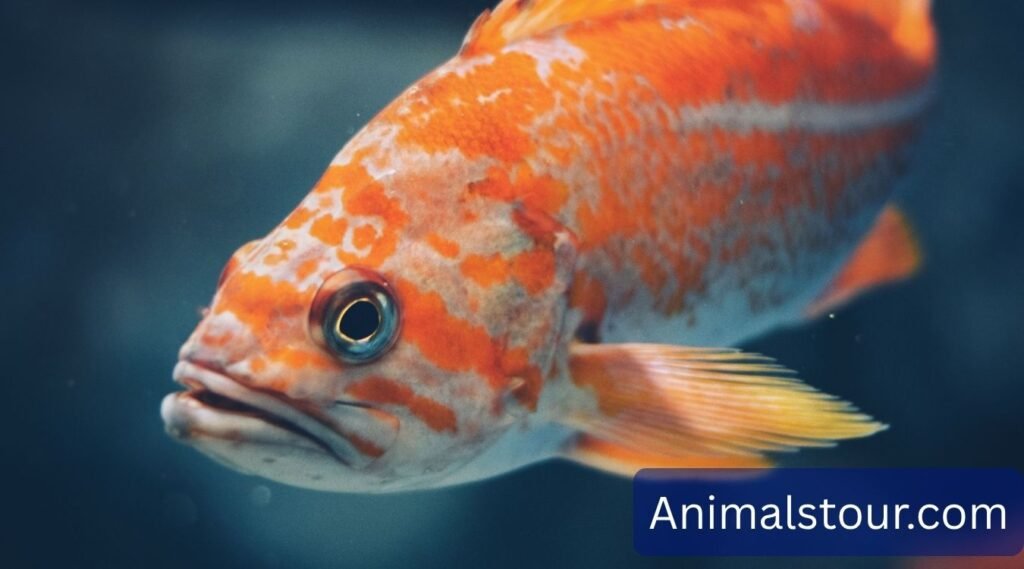
Freshwater fish and saltwater fish can react differently to certain smells. Younger fish may also respond differently compared to mature fish. Understanding these reactions can help anglers choose better bait and avoid unwanted scents.
Trying different scents and observing fish behavior is often important for improving fishing results.
Fish With Strong Smell Sensitivity
Some fish species are more sensitive to strong odors than others.
Fish with strong smell sensitivity include:
- Bass
- Trout
- Catfish
- Walleye
- Carp
Reducing strong chemical or artificial odors can help create a more natural fishing enviro nment.
Read Also: Most Shy Animals
What Smells Can Ruin Your Bait?
Certain smells can make bait less attractive to fish. Fish can easily detect unnatural odors in the water, which may cause them to avoid bait completely.
Strong smells that can ruin bait include:
- Human odors
- Cigarette smoke
- Strong perfumes
- Chemical cleaners
- Food oils and spices
Keeping bait clean and free from strong scents can help improve fishing success.
Harmful Bait Contaminants
Bait exposed to chemicals or strong odors may become less effective underwater. Fish can quickly notice unnatural scent changes and avoid contaminated bait.
- Common bait contaminants include:
- Sunscreen
- Insect repellent
- Food oils and grease
Keeping fishing gear clean and handling bait carefully can help preserve its natural scent.
How Fish Smell Underwater
Fish rely heavily on their sense of smell to survive underwater. Their olfactory system helps them detect even small amounts of scent in the water.
Fish use smell to:
- Find food
- Detect predators
- Locate mates
- Navigate underwater environments
This strong sense of smell helps fish react quickly to changes in their surroundings and improve their chances of survival.
Can Artificial Lures Carry Bad Smells?
Artificial lures can sometimes carry unwanted odors that discourage fish from biting. Strong smells from chemicals, food residue, or poor storage conditions may affect lure performance.
To keep lures effective:
- Wash hands before handling lures
- Store lures in clean containers
- Avoid contact with strong chemicals
Keeping lures clean can help maintain a more natural scent and improve fishing results.
How To Avoid Scaring Fish With Smell
Keeping strong odors away from your fishing area can help prevent fish from becoming cautious. Fish are highly sensitive to artificial scents and may avoid bait if they detect unusual smells.
To avoid scaring fish:
- Wash hands before fishing
- Use fresh and clean bait
- Avoid strong perfumes or lotions
- Keep fishing gear scent free
Reducing unnatural odors can help create a more natural and productive fishing experience.
Best Practices
Managing scent properly can improve your chances of catching fish. Small steps often make a noticeable difference while fishing.
Helpful scent control practices include:
- Keep hands and gear clean
- Avoid strong smelling products
- Store bait carefully
- Experiment with natural scents
Being mindful of scent can help make fishing more successful and enjoyable.
Wash Hands With Unscented Soap
Using unscented soap before fishing can help reduce strong artificial odors. Fish are sensitive to chemical smells and may avoid bait touched with scented products.
For better scent control:
- Use unscented soap
- Rinse fishing gear properly
- Keep food odors away from bait
Keeping hands clean and scent free may improve fishing success.
Keep Fuel Away From Tackle
Fuel smells can easily transfer onto fishing gear and scare fish away. Even small traces of gasoline or oil may affect bait and tackle.
To reduce fuel odors:
- Store fuel away from tackle
- Wash hands after handling fuel
- Keep fishing gear clean
Avoiding fuel contamination can help maintain a better fishing environment.
Avoid Touching Bait After Smoking
Cigarette smoke and tobacco residue can transfer onto bait and make fish avoid it. Fish can detect these strong odors underwater very quickly.
handle
To reduce smoke contamination:
- Wash hands after smoking
- Use gloves when handling bait
- Store bait in sealed containers
Keeping bait free from smoke odors may help improve catch rates.
Use Scent Free Sunscreen
Strong sunscreen fragrances can interfere with fishing by creating unnatural odors in the water. Scent free sunscreen may help reduce this issue.
Benefits of scent free sunscreen include:
- Less strong odor in water
- Reduced scent transfer to bait
- A more natural fishing environment
Using low scent products can help keep fish from becoming cautious.
Handle Bait Carefully
The way bait is handled can affect how fish react to it. Human scents, oils, and perfumes may transfer onto bait and reduce its effectiveness.
To keep bait more natural:
- Wet hands before touching bait
- Use gloves if possible
- Store bait properly
Careful bait handling can help improve fishing results.
Smells That Fish Often Prefer Instead
Understanding what smells attract fish can improve your fishing success. Many fish are naturally attracted to scents that resemble their food sources or natural environment.
Common scents fish often prefer include:
- Freshwater shrimp or crawfish
- Anise oil
- Garlic
These scents can make bait more appealing and help attract fish more effectively. Using natural smelling bait mixtures may improve your chances of getting more bites.
Can Garlic Repel Or Attract Fish?
Garlic is one of the most debated scents in fishing. Some anglers believe it attracts fish, while others think certain species avoid it because of its strong odor.
Garlic may affect fish differently because:
- Some fish mistake the smell for food
- Certain species may dislike strong garlic scents
- Garlic can help mask unwanted odors on bait
When mixed with other natural bait scents, garlic may help make bait more attractive to fish.
Does Perfume Scare Fish Away?
Fish have a highly sensitive sense of smell, and strong perfumes may sometimes scare them away. Artificial fragrances can create unnatural scents in the water that make fish cautious.
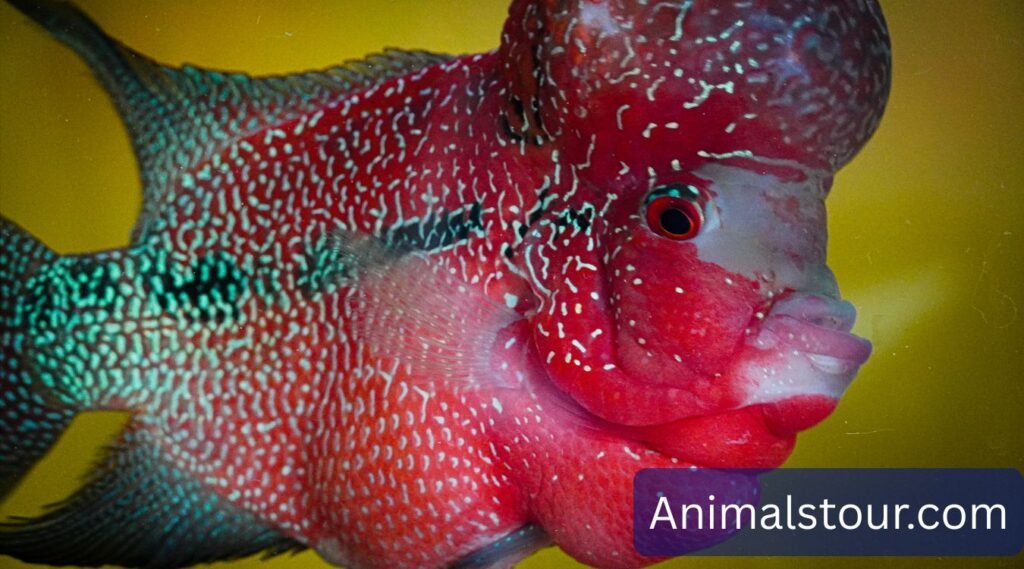
Perfumes may affect fishing because:
- Strong floral scents can seem unnatural underwater
- Artificial fragrances may disrupt a fish’s feeding behavior
- Fish usually respond better to natural smelling environments
Avoiding strong perfumes before fishing may help improve bait effectiveness.
What Smells Do Freshwater Fish Hate?
Freshwater fish rely heavily on smell to locate food and stay safe. Certain strong odors may cause them to avoid an area completely.
Freshwater fish commonly dislike:
- Strong perfumes
- Gasoline or oil
- Soap or detergent smells
Reducing these strong scents may help create a better fishing environment and improve your chances of catching fish.
What Smells Do Saltwater Fish Hate?
Saltwater fish also react strongly to unnatural odors in the water. Some powerful scents can make them avoid bait or move away from certain areas.
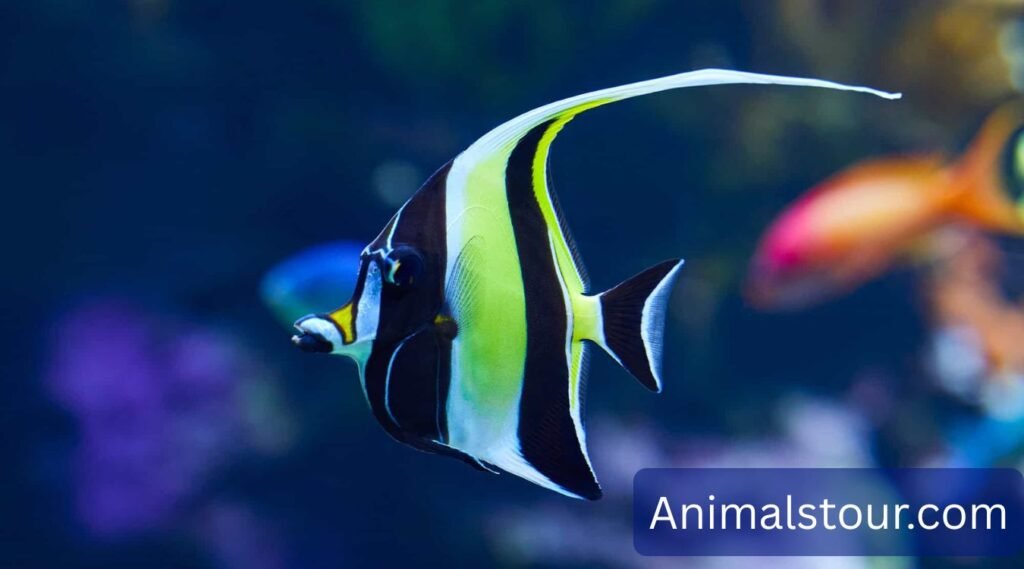
Saltwater fish may dislike:
- Garlic
- Chlorine
- Citrus scents
Understanding these scent reactions can help anglers avoid smells that reduce fishing success.
Do Fish Hate Metal Smells?
Fish are sensitive to unusual smells, including metallic odors from fishing gear or bait. Metal scents may confuse fish and make them more cautious.
Metal smells may affect fish because:
- Fish rely on smell to detect food
- Metallic odors can seem unnatural
- Fish may associate unusual smells with danger
Keeping fishing equipment clean can help reduce unwanted metallic odors.
How Professional Anglers Manage Scent
Professional anglers understand that scent control plays an important role in fishing success. Managing unwanted odors helps keep bait more natural and appealing to fish.
Common scent control methods include:
Washing hands with unscented soap
Using natural smelling bait
Wearing gloves while handling bait
Reducing strong odors can help improve bait presentation and fishing results.
Signs Fish May Hate Your Bait Smell
Fish sometimes avoid bait because of unnatural or unpleasant smells. Recognizing these signs can help anglers adjust their bait and improve results.
Signs fish may dislike your bait scent include:
- Lack of bites
- Fish approaching then swimming away
- Low fish activity in the area
Changing bait or removing strong odors may help attract fish more effectively.
Warning Signs
Fish behavior can sometimes indicate the presence of strong or unpleasant odors in the water.
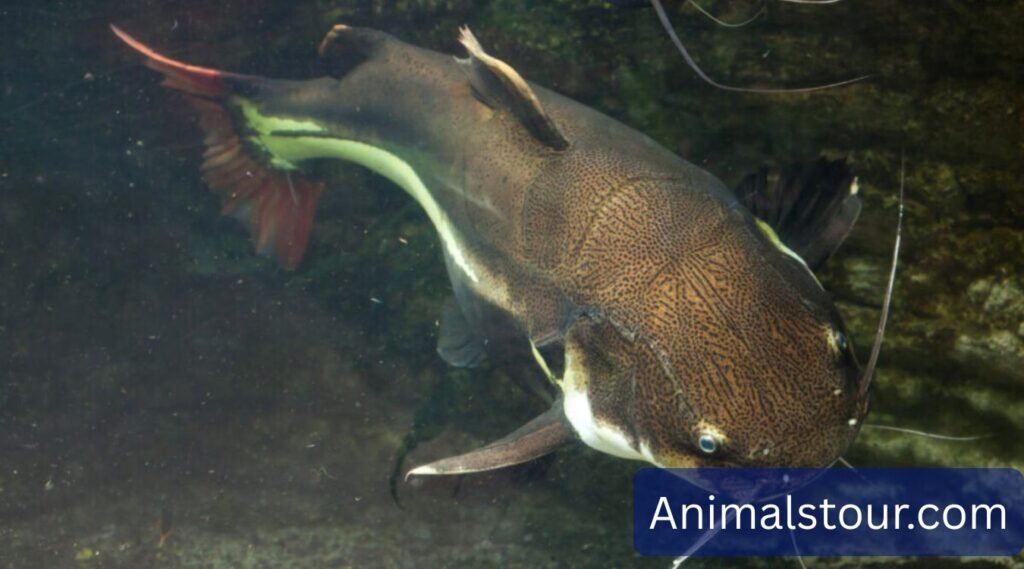
Common warning signs include:
Fish suddenly swimming away
Fish staying near the bottom
Reduced activity near bait
Paying attention to these signs can help anglers identify scent related problems during fishing.
Can Rain Change Fish Smell Sensitivity?
Rain and weather changes can affect how fish respond to smell underwater. Changes in water conditions may make fish more sensitive to certain scents.
Rain can affect fish smell sensitivity because:
- Water flow may dilute existing scents
- New odors can enter the water after rainfall
- Fish behavior may become more cautious during weather changes
Understanding these changes can help anglers choose better bait and scent strategies while fishing.
Conclusion
Understanding the scents that fish dislike can significantly enhance your fishing experience. By avoiding strong smells like garlic and certain chemicals, you can increase your chances of landing that big catch.
Remember that fish have a keen sense of smell, and using this to your advantage can be a game changer. The next time you are out on the water, think about how your choice of bait or scent can impact your results. Happy fishing, and may your next trip be a successful one.
FAQs
What smells do fish hate the most?
Fish generally hate strong odors like garlic, vinegar, ammonia, sunscreen, cigarette smoke, and bug spray.
Why do fish dislike these scents?
Fish use their sense of smell to find food, so overpowering scents can confuse or repel them.
Can I use essential oils for this purpose?
Certain essential oils, like peppermint or eucalyptus, may also deter fish.