Male Vs Female Axolotl: Key Differences, ID Tips & Best Care Guide
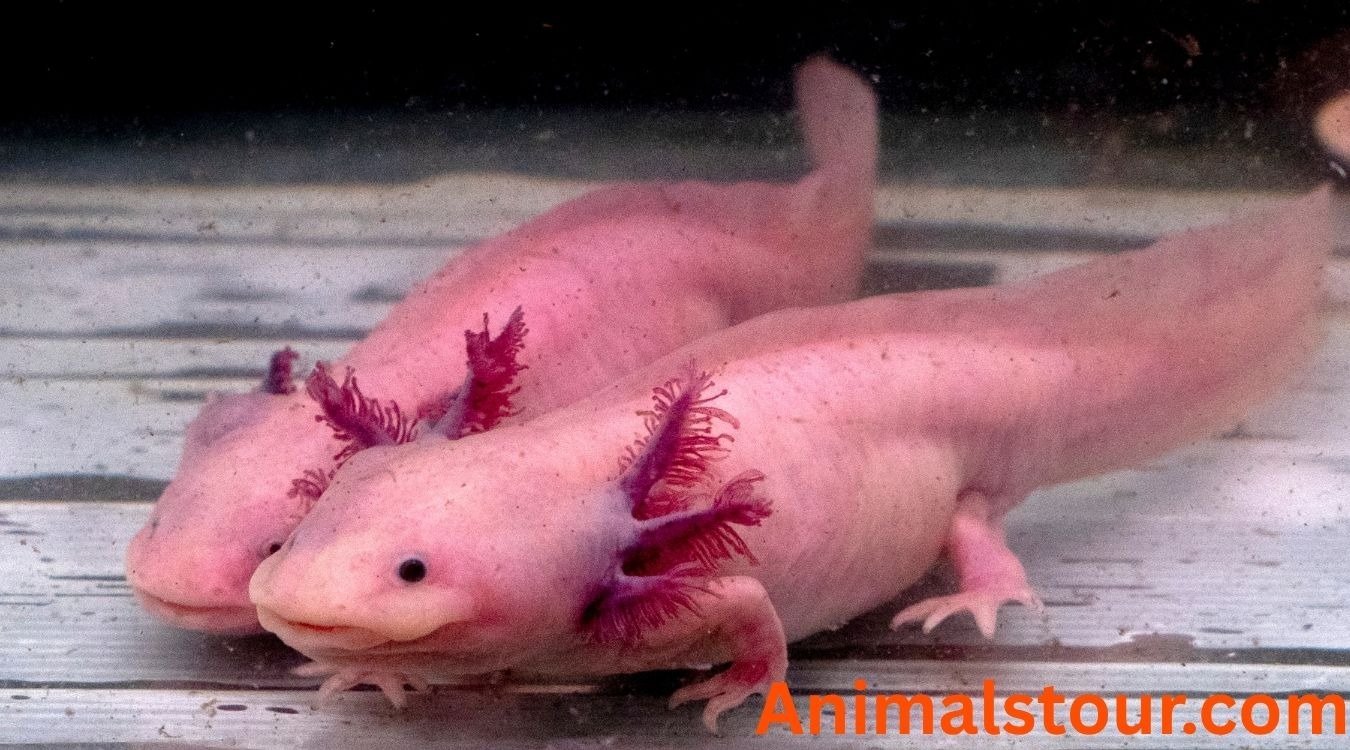
Male Vs Female Axolotl is a topic that often interests axolotl owners and enthusiasts. They may look similar at first glance, their differences play a crucial role in their behavior and reproduction. Understanding male vs female axolotls is essential for anyone interested in keeping them as pets or studying their biology. This article will guide you through their unique features, so you can easily identify them and appreciate their fascinating lives.
Quick Answer: Male vs Female Axolotl
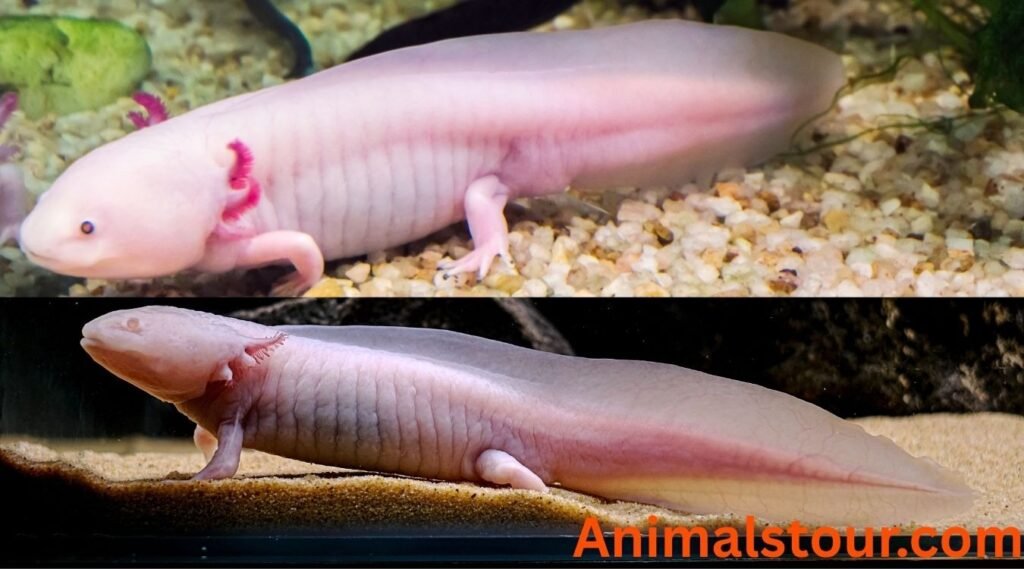
- Male axolotl: Slim body, long tail, large swollen cloaca
- Female axolotl: Round body, shorter tail, small flat cloaca
These traits become visible after maturity, usually between 12 and 18 months.
Scientific Classification
- Common Name: Axolotl
- Scientific Name: Ambystoma mexicanum
- Class: Amphibia
- Order: Urodela
- Family: Ambystomatidae
- Diet: Carnivorous (worms, insects, larvae, small fish)
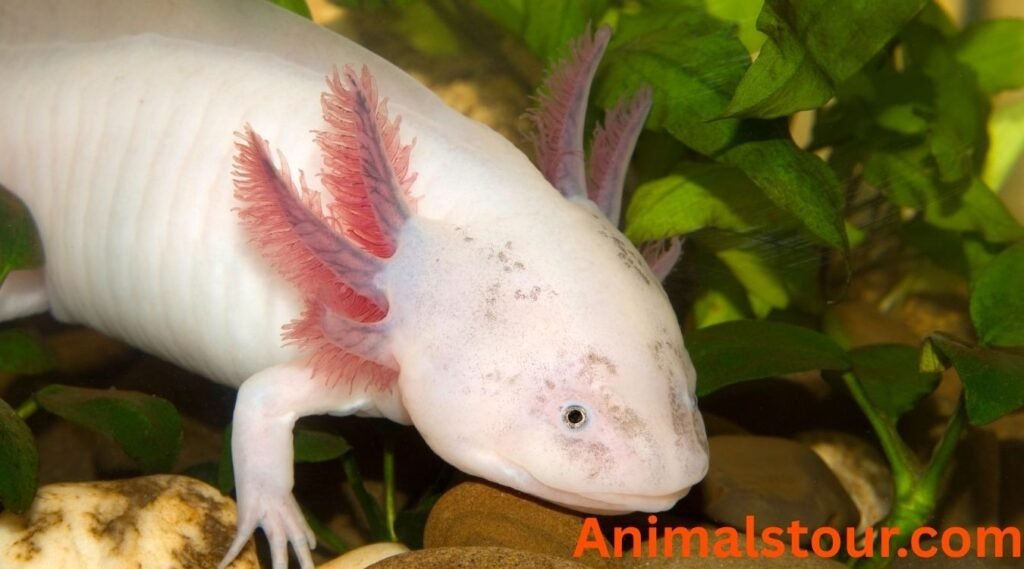
Male Vs Female Axolotl Table
| Feature | Male Axolotl | Female Axolotl |
| Body Shape | Slim and narrow | Round and wider |
| Tail | Longer and more tapered | Slightly shorter and softer |
| Cloaca | Large, swollen, very visible | Small, flat, less noticeable |
| Weight | Lighter overall | Heavier due to egg production |
| Behavior | Active during breeding | Calm and less active |
| Breeding Role | Deposits spermatophores | Lays eggs |
| Egg Carrying | No | Yes |
| Identification Ease | Easy after maturity | Easy after maturity |
Physical Differences In Detail
Body Structure:
Male:
Body Shape: Males generally have a slimmer, more streamlined build compared to females, which tend to be wider and rounder in the abdomen (especially when carrying eggs).
Female:
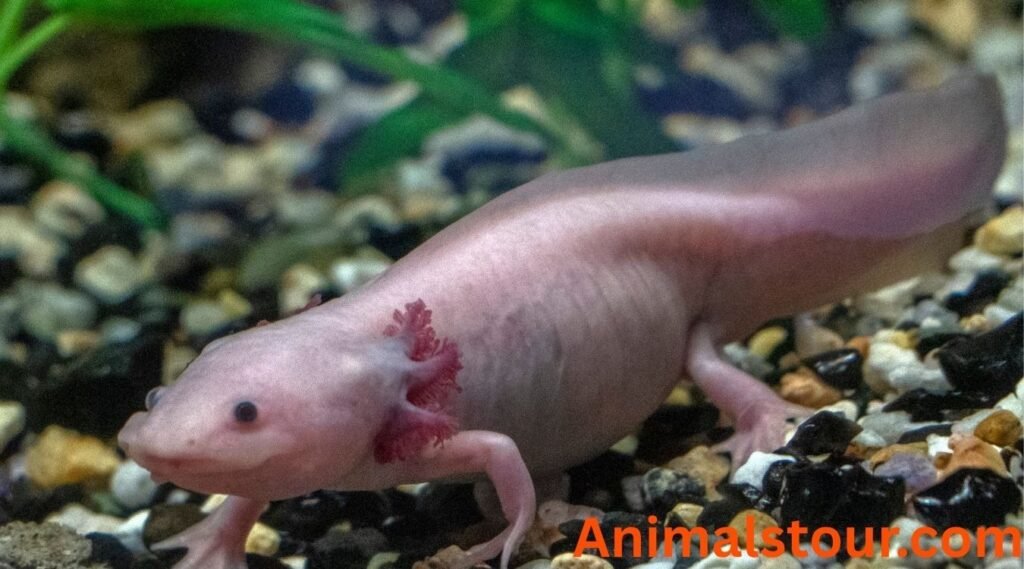
Females generally have a fuller, rounder, and wider body. The abdomen is plump, and when they are carrying eggs (gravid), their midsection becomes significantly distended, giving them a very stout appearance.
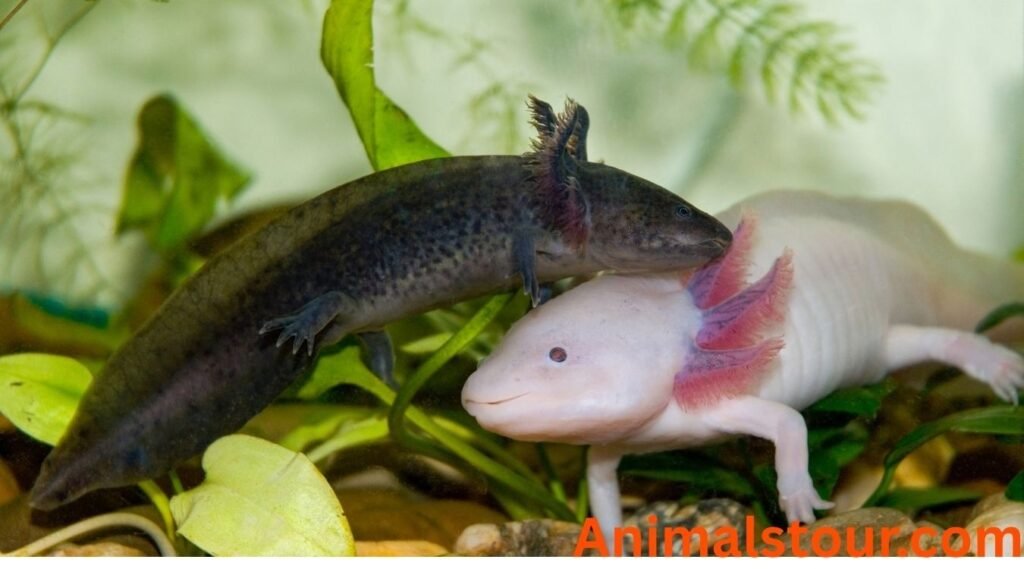
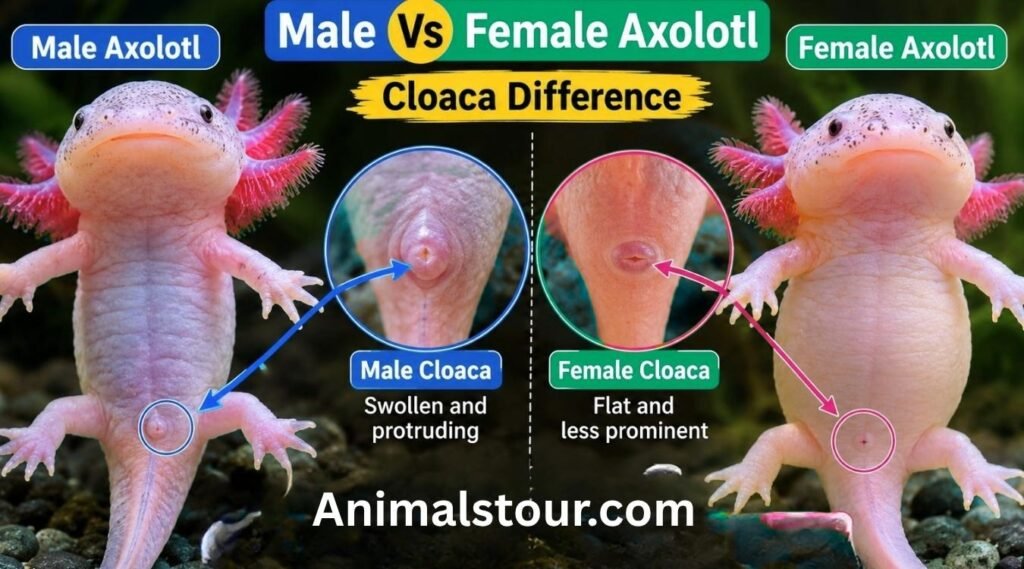
Cloaca Difference (Most Reliable Sign)
Male: This is the primary distinguishing feature. Located at the base of the tail, the male’s cloaca is longer and swollen, protruding slightly outward like a small bump.
Female: This is the primary physical difference. Located at the base of the tail, the female’s cloaca is small, flat, and slit-like. Unlike the male, it does not swell or protrude; it sits flush against the body.
Tail Shape
Male:
Males typically possess a longer tail relative to their body length.
Female:
Relative to body length, the female’s tail is usually shorter than the male’s.
Head
Male:
The male’s head is often narrower and longer than the female’s, which is usually wider and more domed.
Female:
The female’s head is typically wider and more domed compared to the narrow, elongated head of the male.
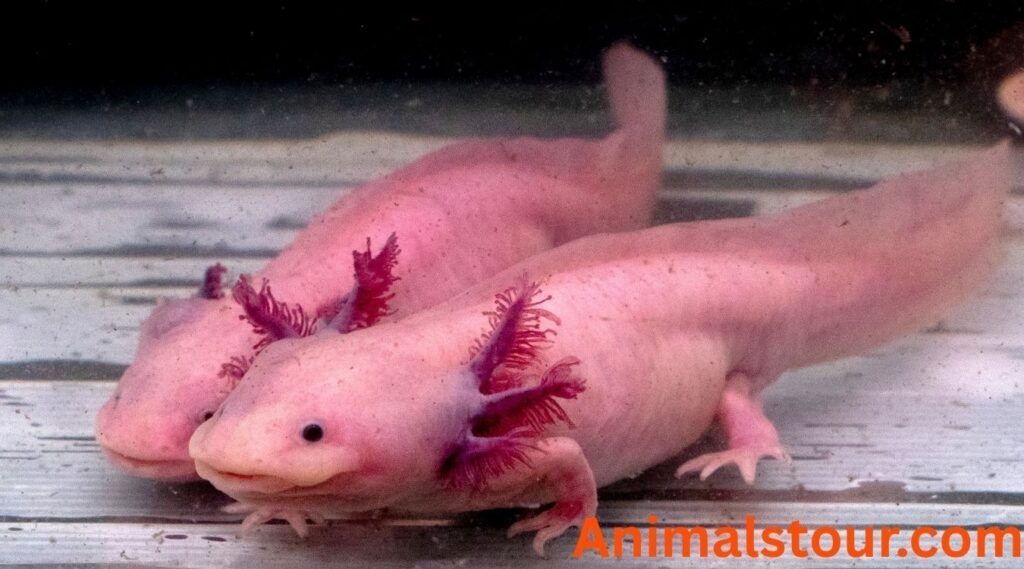
Natural Habitat And Distribution
Habitat Features
Here are the specific features of the Axolotl’s natural habitat, focusing on the physical and environmental conditions of their home:
- High-Altitude Environment: They are native to the Valley of Mexico, which sits high in the mountains at approximately 2,240 meters (7,350 feet) above sea level.
- Cool Water Temperatures: The water in their habitat is consistently cool, typically ranging between 14°C to 20°C (57°F to 68°F). They cannot survive in warm tropical temperatures.
- Slow-Moving or Stagnant Water: Axolotls are found in lakes and canals with very little current. They are not strong swimmers and prefer calm waters where they do not have to fight fast-flowing streams.
- Turbid (Murky) Water: The water is naturally cloudy or muddy due to sediment and runoff. This high turbidity provides the axolotl with cover from predators and reduces their reliance on eyesight, heightening their other senses.
- Soft, Muddy Bottom: The lakebed is composed of silt, clay, and mud. Axolotls use their legs to navigate this soft substrate and will often dig into the mud to hide or find food.
- Dense Aquatic Vegetation: The habitat is thick with plants like water hyacinths, water lilies, and reeds. This vegetation is crucial for providing shelter, anchoring their eggs, and hunting grounds for the insects and small prey they eat.
- Stable Water Chemistry: Historically, the lakes were large, endorheic (closed) basins, meaning the water chemistry remained relatively stable over time, which allowed the species to retain its juvenile (neotenic) form.
Habitat Behavior
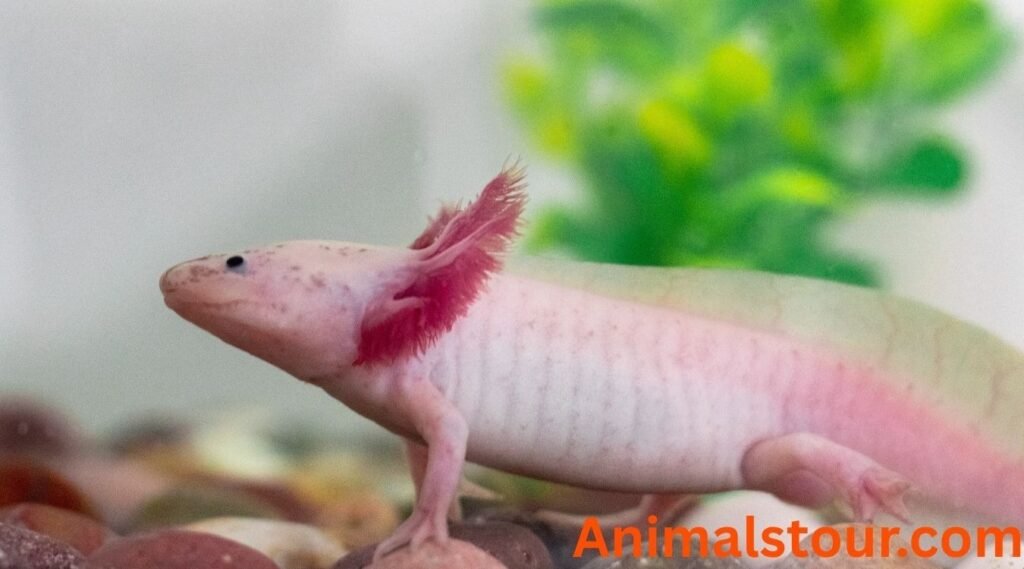
Axolotls are solitary, nocturnal bottom-dwellers that hide among dense vegetation and murky waters to avoid predators and ambush prey.
Diet And Feeding Behavior
Diet:
- Carnivorous: Axolotls are strict meat-eaters and require a protein-based diet.
- Wild Diet: In their natural habitat, they primarily eat small crustaceans (like amphipods and snails), insect larvae (mosquito larvae), worms, tadpoles, and occasionally small fish.
- Captive Diet: In captivity, they are commonly fed earthworms (nightcrawlers), bloodworms, brine shrimp, and specialized sinking pellets.
Feeding Behavior:
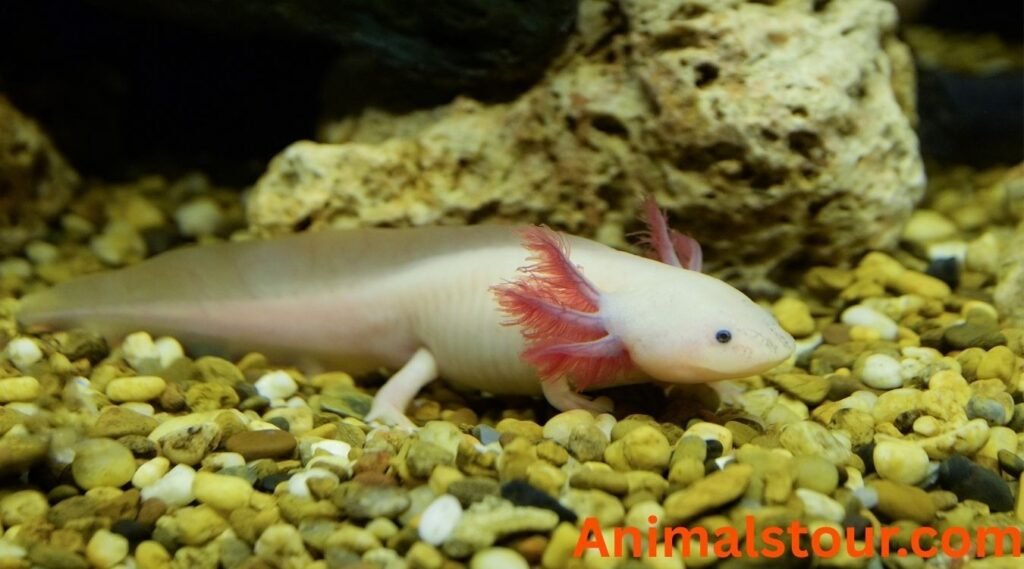
- Suction Feeding: They are ambush predators that use a vacuum mechanism. They rapidly open their mouths to suck in water and prey simultaneously.
- Grip, Don’t Chew: Axolotls have small, peg-like teeth designed only to grip slippery prey, not to tear or chew food. They swallow their prey whole.
- Opportunistic: They are not active hunters; they tend to stay motionless on the bottom and snap at anything edible that drifts past them.
- Sensory Hunting: Because they have poor vision, they rely heavily on their sense of smell and the lateral line system (which detects water vibrations) to locate food.
Breeding Process Explained
Here is the step-by-step breeding process of the Axolotl:
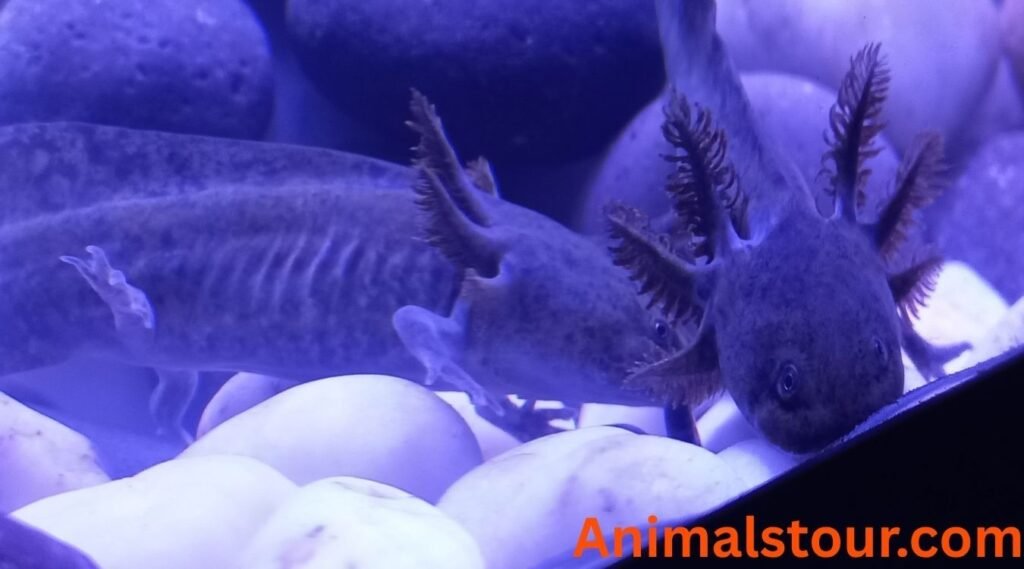
- Preparation and Conditioning: Breeding usually begins when the axolotls are sexually mature (12+ months) and is often triggered by a slight drop in water temperature to simulate the change of seasons.
- The Courtship Dance: The male begins the process by nudging the female’s snout and bumping into her. If she is receptive, he leads her in a circular “waltz” around the tank, shaking his tail to waft pheromones toward her.
- Spermatophore Deposition: During the dance, the male stops and releases a cone-shaped packet of sperm, called a spermatophore, onto the ground or a rock.
- Collection: The male moves forward, and the female follows him until her cloaca (vent) is positioned directly over the spermatophore. She then picks it up with her body to fertilize her eggs internally.
- Egg Laying: Within a few hours to a day later, the female lays her fertilized eggs one by one. She uses her back legs to carefully attach each egg to plants or rocks to prevent them from floating away.
- Completion: A single female can lay anywhere from 100 to 1,000 eggs over the course of a few days. The parents should usually be removed after this point to prevent them from eating the eggs.
Growth And Lifespan
Axolotls experience rapid growth during their first year, reaching sexual maturity around 12 to 18 months, and have an average lifespan of 10 to 15 years in captivity.
Conservation Status And Threats
Conservation Status:
- Critically Endangered: The axolotl is listed as Critically Endangered on the IUCN Red List.
- Drastic Population Decline: It is estimated that the wild population has dropped by over 90% in the last two decades.
- Captivity Paradox: While they are nearly extinct in the wild, they are thriving in captivity worldwide, found in laboratories and home aquariums.
Major Threats:
- Habitat Loss: The rapid urbanization of Mexico City has led to the draining and desiccation of Lake Xochimilco, their only remaining home.
- Water Pollution: Heavy contamination from sewage, industrial waste, and agricultural runoff has severely degraded the water quality.
- Invasive Species: The introduction of non-native fish, specifically Tilapia and Carp, has been devastating; these fish eat axolotl eggs and compete for food sources.
- Disease: Wild populations are susceptible to infectious diseases, such as the Chytrid fungus and the Ambystoma virus.
Fun Facts About Male Vs Female Axolotl
Here are some fun facts highlighting the differences between male and female axolotls:
- The “Shimmy” Dance: Only the male performs the famous courtship “dance,” where he shakes his tail and wiggles his body to impress the female; the female simply watches and decides if she is interested.
- The Cloaca Clue: The most reliable way to tell them apart is the vent under their tails—males have a swollen, protruding bump, while females have a flat, slit-like opening.
- Body Shape Contrast: Females tend to have a rounder, pear-shaped body, especially when carrying eggs, while males generally have a sleeker, more streamlined, and muscular build.
- Head Shapes: Males typically have longer, narrower heads that look a bit more “pointy,” whereas females have wider, shorter heads that appear more domed.
- Late Bloomers: It is nearly impossible to determine their gender when they are babies; they do not develop these physical differences until they reach sexual maturity (usually around 6 to 12 months of age).
- The Tail Length: While females are often longer overall, males actually have longer tails relative to their body length, likely to help them maneuver during mating.
- Egg Carrying: A female can look significantly “fatter” than a male not just from weight, but because her abdomen is filled with hundreds of eggs, making her look like she swallowed a marble.
General Care Tips
- Cool Water: Maintain water temperature between 16°C–20°C (60°F–68°F); warmer water can cause stress and fatal illness.
- Substrate: Use sand or a bare bottom tank. Avoid gravel, as they can accidentally swallow it, leading to impaction.
- Water Quality: Keep ammonia and nitrite at 0 ppm and perform regular weekly water changes (20–30%).
- Handling: Avoid handling them as much as possible; their skin is delicate, and the coating on their bodies can be damaged by dry human hands.
- Diet: Feed a varied diet of earthworms (best staple), bloodworms, or pellets, and remove uneaten food immediately to keep water clean.
Tank Setup:
- Tank Size: A minimum of 20 gallons for a single adult; longer tanks are better than tall ones as they are bottom-dwellers.
- Filtration: Use a filter strong enough for the tank volume but ensure the current is low; axolotls hate strong water flow. Use a spray bar or baffle to diffuse the output.
- Lighting: They have no eyelids and are sensitive to bright light; use low-intensity lighting or provide plenty of hiding spots (caves, flower pots) to escape the light.
- Decor: Include plenty of hiding places and live or silk plants (avoid plastic plants with sharp edges that can injure their gills).
Male vs. Female Care
- Same Needs: There is no difference in their daily care regarding diet, water parameters, or tank setup.
- Behavior: Males can sometimes be slightly more active or “persistent” if kept with females, potentially stressing them.
- Breeding Considerations: If you house a male and female together, be prepared for eggs. If you do not want babies, keep them separate. A female carrying eggs will need extra food and energy.
Final Words
To wrap things up, distinguishing between male and female axolotls can greatly improve both your understanding and care of these extraordinary pets. Not only do their appearances differ, but their behaviors and care requirements can vary as well. By learning these identification tips, you can ensure a healthier and happier environment for your axolotl. Remember to pay attention to their needs, whether you have a male or female. Dive deeper into your axolotl’s world and enjoy their unique qualities today.
FAQS
1. How can I tell if my axolotl is male or female?
You can identify males by their thicker, shorter bodies and the presence of noticeable external gills and a flatter head. Females tend to be rounder and larger, especially when carrying eggs.
2. What size do male and female axolotls typically reach?
Both males and females can grow to about 8 to 12 inches in length, but females usually grow larger due to their egg-carrying capacity.
3. Do male and female axolotls behave differently?
Males are often more active and may display territorial behaviors, while females can be more docile, especially when they are carrying eggs.
4. Can I keep male and female axolotls together?
Yes, but be careful as males may become aggressive towards females during breeding. Providing plenty of hiding spots can help reduce stress.
5. How do I care for my axolotls regardless of their gender?
Both male and female axolotls require a clean tank, cool water (around 60-68°F), and a balanced diet of pellets, worms, and occasional treats like shrimp.
6. What is the breeding process for axolotls?
Males usually chase females and then wrap around them to fertilize the eggs as the female lays them. It’s best to separate them after breeding to prevent stress.