Explore Top 20 Animals With Long Tail (With Images)
In this article, we’ll explore 20 animals with long tails and uncover how they use them to thrive. Long tails in the animal kingdom are more than just a fancy feature. They serve real purposes like balance, communication, and survival. Tails can be tools for communication, defense, and even swimming. Get ready to be amazed by the incredible adaptations and behaviors behind these remarkable creatures!
List of Animals With Long Tails
| Names of Animals With a Long Tails |
| Snow Leopard |
| Spider Monkey |
| Giraffe |
| Black-and-White Ruffed Lemur |
| Clouded Leopard |
| Red Kangaroo |
| Thresher Shark |
| Ring-tailed coatis |
| Giant Anteater |
| Ring-tailed Lemur |
| Long-Tailed Grass Lizard |
| Cheetah |
| Angola Colobus |
| Chameleon |
| Jerboas |
| Pangolin |
| Tree Kangaroo |
| Squirrel |
| Leopard Whipray |
| Howler Monkey |
Snow Leopard
Scientific Name: Panthera uncia
Class: Mammalia
Diet: Carnivore
Snow leopards have one of the longest tails of any big cat in the world. Their tail can grow up to 3 feet long, almost as long as their entire body. They live in the cold mountains of Central Asia where balance is everything. That long tail helps them stay steady on rocky, snowy slopes.
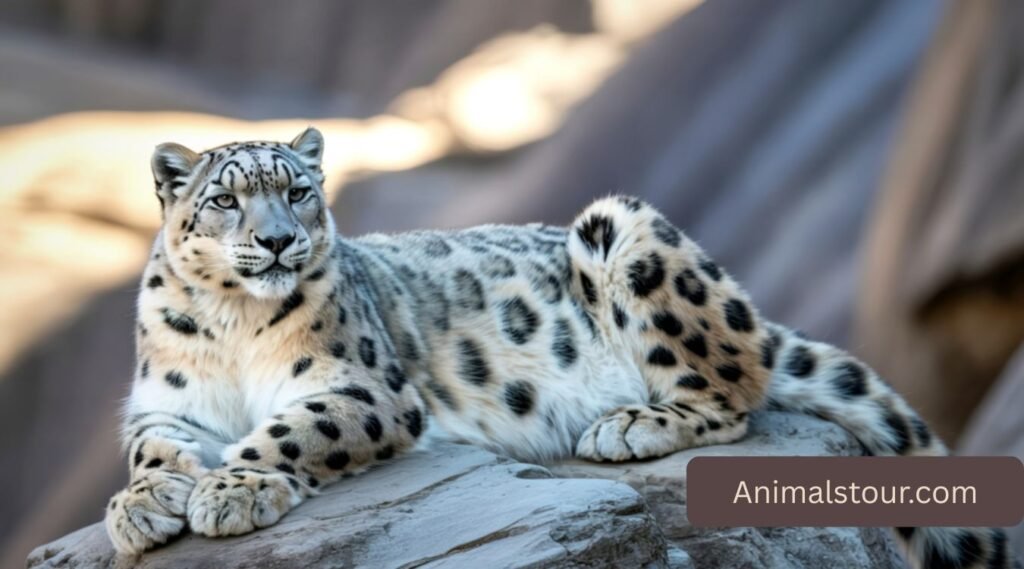
They use their thick tail like a scarf to wrap around their face in freezing weather. The tail also stores fat, which gives them energy during harsh winters. Snow leopards are solitary animals that roam alone across vast mountain ranges. Their tail is always moving, helping them shift weight when they leap.
These big cats are incredible jumpers, leaping up to 50 feet in a single bound. Their tail acts like a rudder, steering them mid-air with precision. They are shy and rarely seen in the wild by humans. Their beautiful tail makes them one of the most elegant animals on the planet.
Interesting Fact: A snow leopard’s tail is so long and fluffy that they often chew on it.
Spider Monkey
Scientific Name: Ateles
Class: Mammalia
Diet: Frugivore/Omnivore
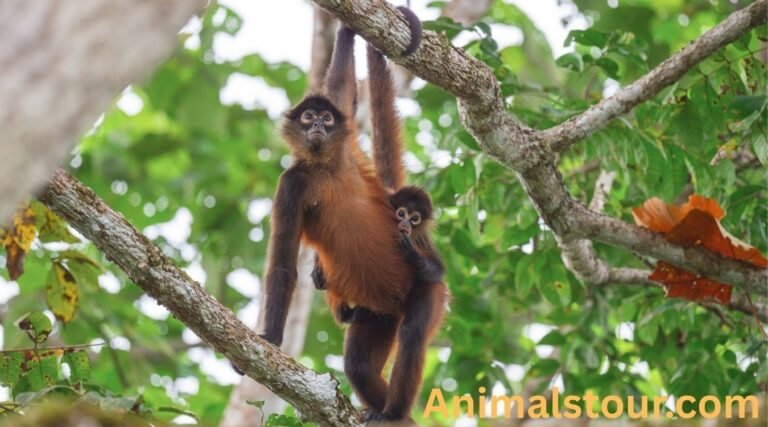
Spider monkeys have a tail that works just like an extra hand. Their tail can grow longer than their own body, reaching up to 35 inches. They swing through rainforest trees using their tail to grip branches tightly. This special grip tail is called a prehensile tail.
They hang upside down from branches using only their tail with no effort. The tail is strong enough to hold their full body weight for long periods. Spider monkeys rarely come down to the ground and live high in the treetops. Their tail gives them total freedom to move through the forest fast.
These monkeys are very social and live in groups called troops. They use tail positions and body language to communicate with each other. Spider monkeys are found in the tropical forests of Central and South America. Without their tail, surviving in the treetops would be nearly impossible.
Interesting Fact: Spider monkeys have fingerprint-like patterns on the tip of their tail for extra grip!
Giraffe
Scientific Name: Giraffa camelopardalis
Class: Mammalia
Diet: Herbivore
Giraffes are famous for their long necks, but their tail is impressive too. A giraffe’s tail can reach up to 8 feet long from body to tip. It ends with a dark tuft of hair that looks like a natural fly swatter. They swing it constantly to keep bugs and insects away from their body.
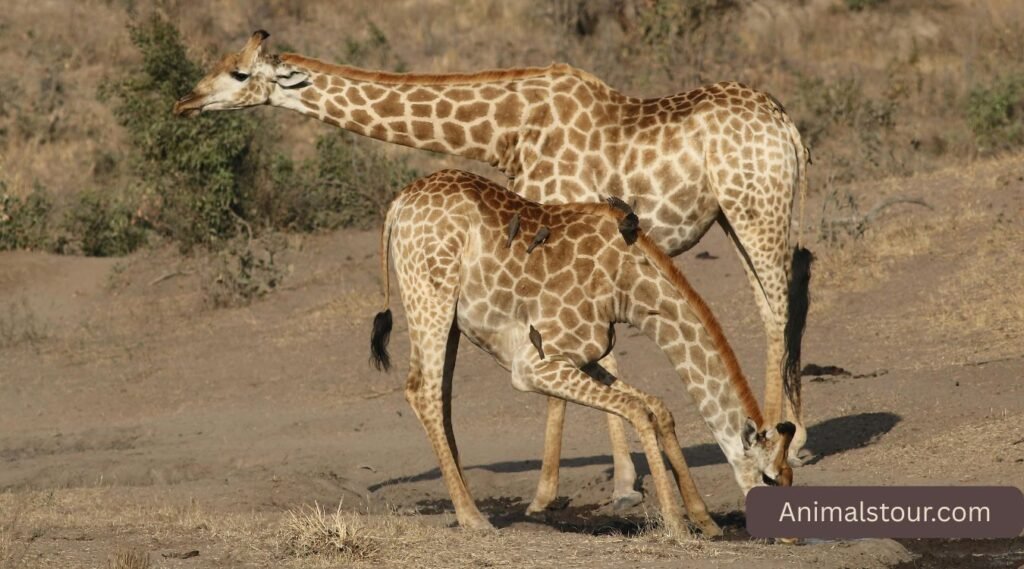
The tail also plays a role in communication among giraffes in the wild. When a giraffe tucks its tail, it often signals fear or submission to others. Mothers and calves use tail movements to stay connected in open savanna land. It is a simple but very effective way to send silent messages.
Giraffes live in the open grasslands and woodlands of Africa. Their tail helps them survive the constant presence of biting insects in the heat. Despite their gentle appearance, a giraffe can use its tail like a whip if needed. It is one of the most underrated features of this iconic animal.
Interesting Fact: The tuft at the end of a giraffe’s tail is highly prized in some African cultures as a good luck charm!
Black-and-White Ruffed Lemur
Scientific Name: Varecia variegata
Class: Mammalia
Diet: Frugivore
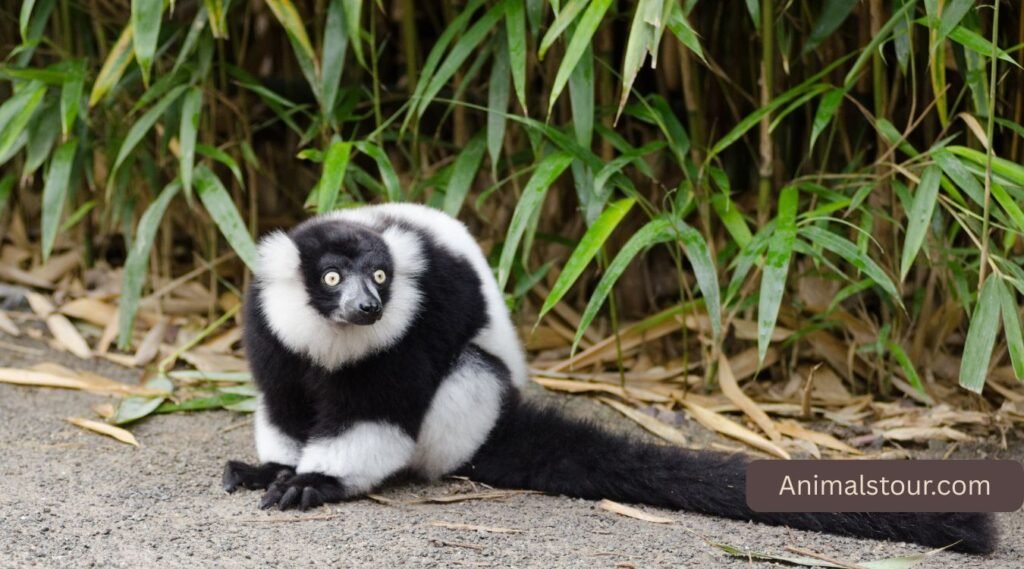
The black-and-white ruffed lemur has a long, bushy, and beautifully patterned tail. Their tail is longer than their body and used mainly for balance in the trees. They are one of the largest lemur species found on the island of Madagascar. Their striking black-and-white coloring makes them easy to spot in the forest.
These lemurs are very vocal and use loud calls to communicate across the jungle. Their tail helps them balance while they hang and feed on fruit and nectar. They are one of the few primates that carry their babies in their mouths. The tail gives them stability while moving quickly between branches.
Ruffed lemurs are considered critically endangered due to habitat loss. Their long tail is one of their most recognizable and important physical features. They play a key role in pollinating trees by feeding on nectar. Protecting them means protecting the health of Madagascar’s forests.
Interesting Fact: Black-and-white ruffed lemurs sunbathe every morning with arms wide open, using their tail for balance while sitting up!
Clouded Leopard
Scientific Name: Neofelis nebulosa
Class: Mammalia
Diet: Carnivore
The clouded leopard has the longest tail relative to body size of any wild cat. Their tail can reach up to 3 feet, nearly equal to their full body length. They are expert climbers and spend most of their time up in the trees. That long tail is their greatest tool for staying balanced on thin branches.
Clouded leopards can walk upside down under branches like a circus performer. Their broad paws and long tail work together to make this possible. They are native to the forests of Southeast Asia and southern China. They are rarely seen in the wild due to their shy and secretive nature.
These cats are considered vulnerable due to deforestation and illegal hunting. Their beautiful cloud-patterned coat and long tail make them highly sought after illegally. Clouded leopards are excellent swimmers as well as climbers. Their tail helps them in every habitat, from treetops to riverbanks.
Interesting Fact: Clouded leopards have the largest canine teeth relative to body size of any wild cat alive today!
Red Kangaroo
Scientific Name: Macropus rufus
Class: Mammalia
Diet: Herbivore
The red kangaroo has a thick, powerful tail that acts like a third leg. Their tail can grow up to 3.5 feet long and is incredibly muscular. It supports their entire body weight when they are standing still or fighting. Without their tail, kangaroos simply could not balance or move properly.
When kangaroos hop, the tail swings in rhythm to keep them balanced at high speeds. They can reach speeds of up to 35 miles per hour using tail-powered momentum. Male kangaroos also use their tail during fights to prop themselves up and kick. It is both a movement tool and a serious weapon.
Red kangaroos are the largest marsupials in the world and live across Australia. They thrive in dry, open grasslands where they graze on grass and shrubs. A baby kangaroo, called a joey, grows inside the mother’s pouch for months. The red kangaroo’s tail is truly one of nature’s most powerful designs.
Interesting Fact: Kangaroos cannot walk backwards because of their large tail — it physically stops them from moving in reverse!
Thresher Shark
Scientific Name: Alopias
Class: Chondrichthyes
Diet: Carnivore
The thresher shark has a tail so long it makes up half of its entire body length. That massive upper tail fin is called a caudal fin and is used as a weapon. They whip their tail at high speed to stun schools of fish before eating them. It is one of the most unique hunting techniques in the entire ocean.
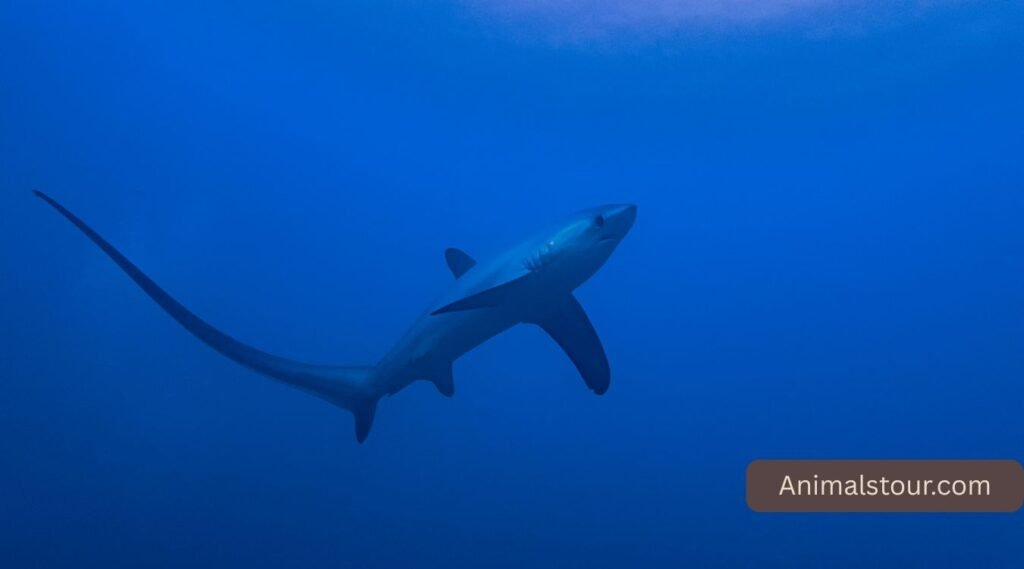
Thresher sharks are found in both tropical and cold ocean waters worldwide. They are fast, agile swimmers that can leap completely out of the water. Their long tail gives them explosive speed and incredible maneuverability underwater. Scientists have filmed them using tail-slaps to hunt, which is a rare behavior.
These sharks are generally not dangerous to humans and are quite shy. They are listed as vulnerable due to overfishing around the world. Their unusual tail has fascinated marine biologists for many decades. The thresher shark is living proof that tails can be deadly weapons in nature.
Interesting Fact: A thresher shark can whip its tail at speeds of up to 30 miles per hour to stun prey instantly!
Ring-Tailed Coati
Scientific Name: Nasua nasua
Class: Mammalia
Diet: Omnivore
The ring-tailed coati carries its long striped tail straight up like a flag while walking. Their tail is slightly longer than their body and has distinctive dark and light rings. They use it for balance while climbing trees and rocky terrain in the forest. The upright tail also helps members of a group spot each other in thick vegetation.
Coatis are social animals that live in groups called bands, usually led by females. They are found across South America, Central America, and parts of North America. Their long flexible snout and ringed tail make them instantly recognizable animals. They forage on the ground and in trees for insects, fruit, and small animals.
The tail is not prehensile but is used constantly for communication and balance. Young coatis play and chase each other with tails held high in the air. They are curious, intelligent animals that adapt well to different environments. Ring-tailed coatis are one of the most charming and underrated animals in the Americas.
Interesting Fact: Coatis can rotate their ankles 180 degrees, letting them climb down trees headfirst with their tail helping to steer!
Giant Anteater
Scientific Name: Myrmecophaga tridactyla
Class: Mammalia
Diet: Insectivore
The Giant anteater has a long bushy tail that looks almost like a walking feather duster. Their tail can grow up to 35 inches and is covered in thick, coarse hair. When they sleep, they drape the tail over their body like a warm blanket. It protects them from rain, cold, and insects while they rest on the ground.
Giant anteaters are found in Central and South America in grasslands and forests. They have no teeth and use a long sticky tongue to eat thousands of ants daily. Their powerful claws and long tail give them a very prehistoric and unique appearance. They walk on their knuckles to protect their sharp digging claws.
Despite looking slow, giant anteaters can run at speeds of up to 30 miles per hour. They are solitary animals and mostly active during the early morning and evening. Females carry their babies on their back for up to a year after birth. The giant anteater’s tail is as iconic as any other feature on this remarkable animal.
Interesting Fact: A giant anteater’s tongue flicks in and out up to 150 times per minute when feeding on ant hills!
Ring-Tailed Lemur
Scientific Name: Lemur catta
Class: Mammalia
Diet: Omnivore
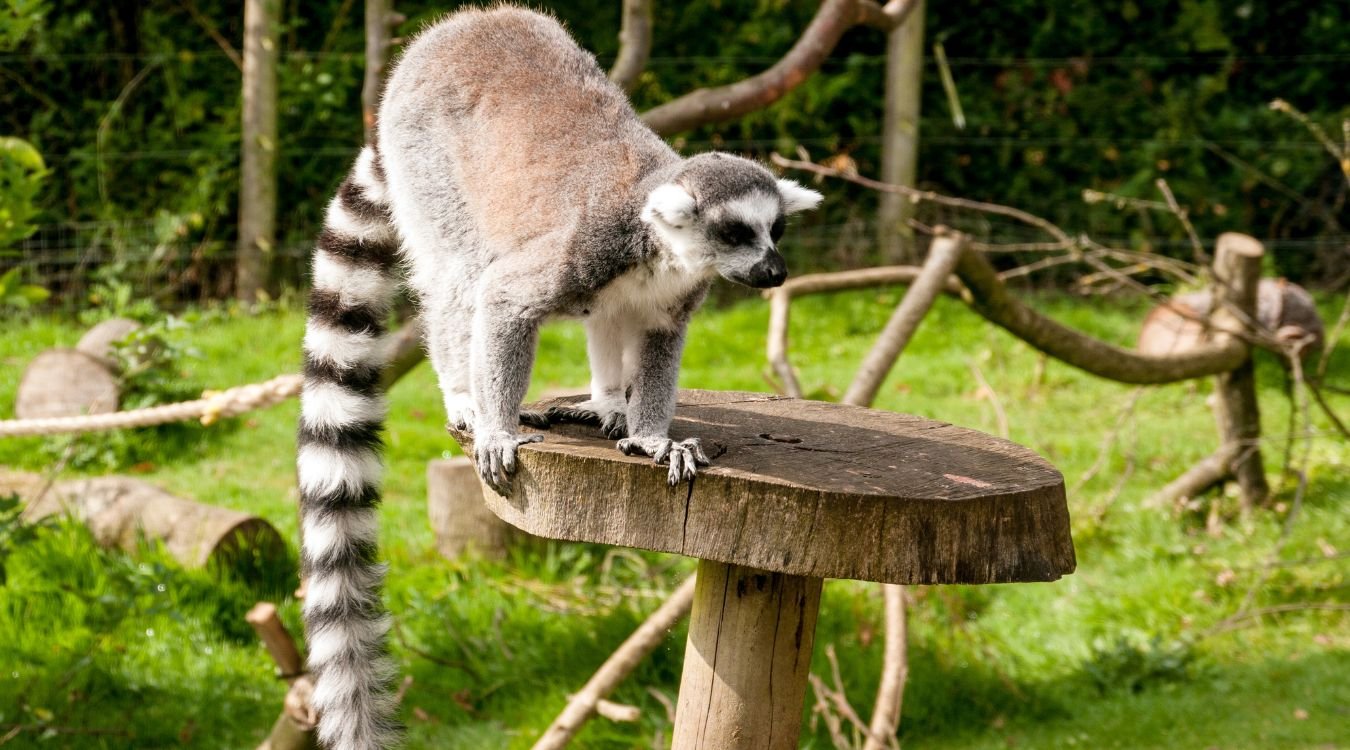
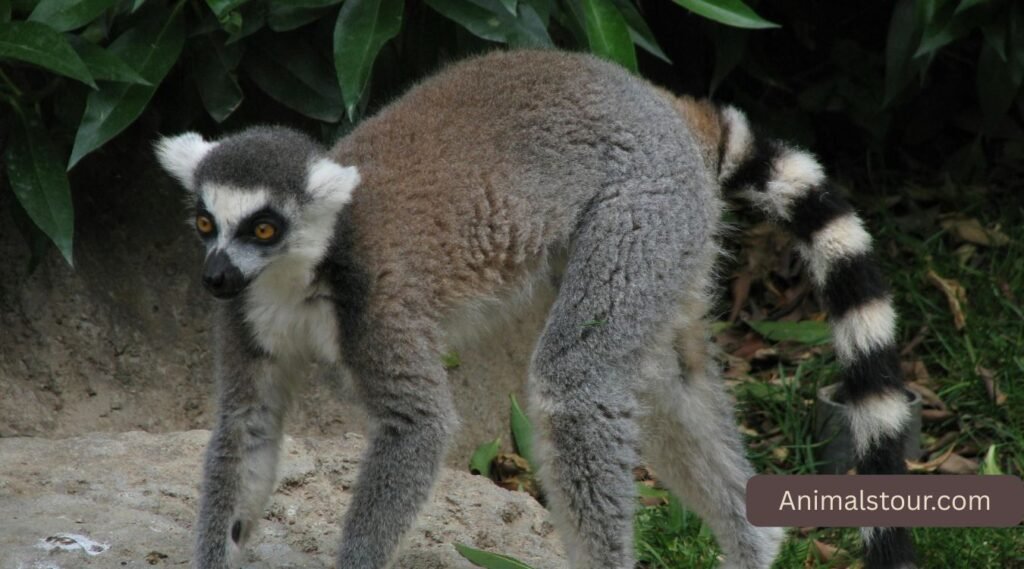
The ring-tailed lemur has one of the most recognizable tails in the entire animal world. Their tail is longer than their body, measuring up to 24 inches with bold black-and-white rings. They hold it high in the air while walking to keep the group together on the ground. That striped tail acts like a flag that every member of the group can follow.
Ring-tailed lemurs also use their tail in a behavior called stink fights between males. They rub their tail on scent glands and wave it at rivals to assert dominance. This is one of the most unusual and fascinating uses of a tail in nature. The winner earns territory and mating rights within the group.
These lemurs live only on the island of Madagascar off the coast of Africa. They are highly social and live in groups called troops of up to 30 individuals. Ring-tailed lemurs are endangered due to deforestation and illegal pet trade. Their beautiful striped tail is their most famous and beloved feature worldwide.
Interesting Fact: Ring-tailed lemurs sunbathe every morning facing the sun with arms spread wide, looking like tiny meditating monks!
Long-Tailed Grass Lizard
Class: Reptilia
Diet: Insectivore
The long-tailed grass lizard has a tail that is about three times the length of its body. This makes it one of the most extreme tail-to-body ratios of any lizard on Earth. They are slender, fast-moving lizards that dart through tall grass with incredible speed. Their long tail helps them steer and balance while running at full sprint.
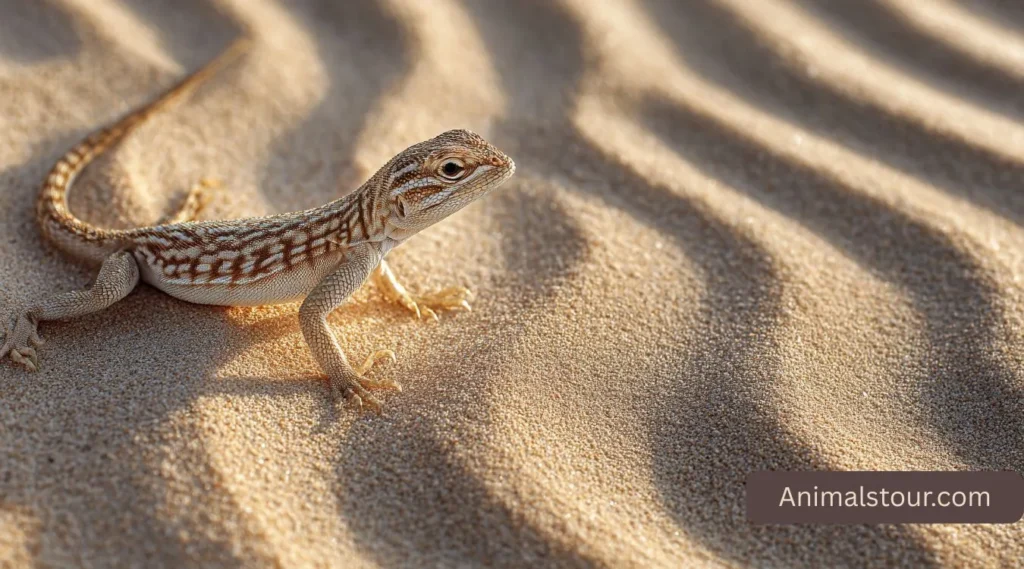
These lizards are native to Southeast Asia and parts of southern China. They prefer grassy fields, forest edges, and areas near rice paddies and streams. Their green and brown coloring provides excellent camouflage in tall vegetation. They blend in so well that the tail waving in the breeze can look like a blade of grass.
Long-tailed grass lizards are popular in the exotic pet trade worldwide. They are active during the day and feed mainly on small insects and invertebrates. Their tail can be shed and regrown if a predator grabs it, which is a great escape trick. This lizard is a perfect example of how a long tail can be a life-saving feature.
Interesting Fact: The long-tailed grass lizard sometimes waves its tail slowly while standing still, possibly to mimic moving grass and fool predators!
Cheetah
Scientific Name: Acinonyx jubatus
Class: Mammalia
Diet: Carnivore
The cheetah uses its long flexible tail like a built-in steering wheel at top speed. Their tail stretches up to 32 inches and is flat and wide to cut through the air. During a high-speed chase, the tail swings hard left or right to change direction instantly. Without it, making sharp turns at 70 miles per hour would be completely impossible.
Cheetahs are the fastest land animals on Earth and rely on speed to hunt. They live in the open grasslands and savannas of Africa and parts of Iran. Their spotted coat and lean body are built entirely for explosive acceleration. The tail is the final piece that makes their incredible speed actually controllable.
After a chase, cheetahs need up to 30 minutes to recover before they can eat. They are often bullied by larger predators like lions and hyenas who steal their food. Cheetahs are vulnerable to extinction due to habitat loss and low genetic diversity. Their tail is not just beautiful — it is a critical tool for daily survival.
Interesting Fact: A cheetah can go from 0 to 60 miles per hour in just 3 seconds — faster than most sports cars!
Angola Colobus
The Angola colobus monkey has a striking long white tail that flows like a silk ribbon. Their tail can reach up to 35 inches and contrasts beautifully with their black body. They use it for balance while leaping between trees high up in the forest canopy. The tail helps them land safely after jumps that cover several meters in a single leap.
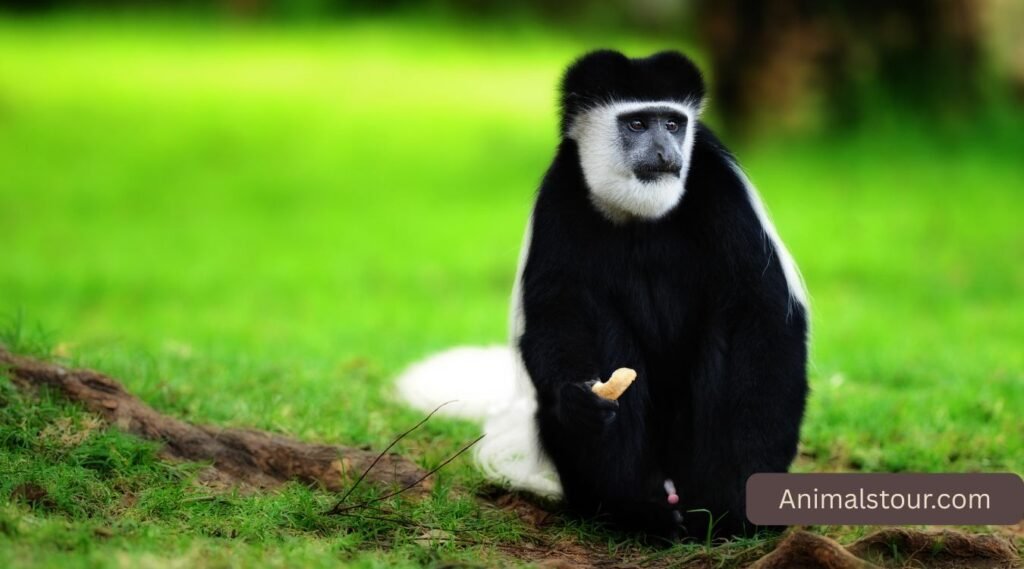
These monkeys are found in central and eastern Africa in dense tropical forests. They are unique among primates because they have no thumbs on their hands. Despite this, they move through trees with remarkable speed and agility. Their long tail compensates for the lack of thumbs by providing extra balance and control.
Angola colobus monkeys live in small family groups with one dominant male. They eat mostly leaves, which is unusual and requires a special multi-chambered stomach to digest. Their beautiful black-and-white coloring and flowing tail make them stunning to observe. They are one of the most elegant-looking primates found anywhere in Africa.
Interesting Fact: Baby Angola colobus monkeys are born completely white and slowly develop their black coloring over the first few months of life!
Chameleon
Chameleons have a curling prehensile tail that grips branches like a tiny fist. Their tail is roughly the same length as their body and acts as a fifth limb in the trees. They wrap it tightly around branches for security while reaching out to grab prey. Without this gripping tail, life in the treetops would be far too risky.
Chameleons are famous for changing color to communicate mood and temperature regulation. They are found across Africa, Madagascar, southern Europe, and parts of Asia. Their eyes move independently, giving them a nearly 360-degree field of vision. Combined with their gripping tail, they are remarkably well-designed tree hunters.
They catch insects with a lightning-fast tongue that is longer than their whole body. Their tail stays coiled when resting and uncoils quickly when they need to rebalance. Some species have beautifully patterned tails with rings or bands of color. The chameleon’s tail is one of the most functional and fascinating tails in the reptile world.
Interesting Fact: A chameleon’s tongue shoots out faster than the human eye can follow, reaching prey in just 0.07 seconds!
Jerboas
Class: Mammalia
Diet: Omnivore/Herbivore
Jerboas have a tail that is more than twice the length of their tiny body. Their tail can grow up to 10 inches and ends with a little black-and-white tuft of fur. They use it for balance when hopping on their powerful hind legs across desert sand. The tail acts like a tightrope walker’s pole, keeping them upright at all times.
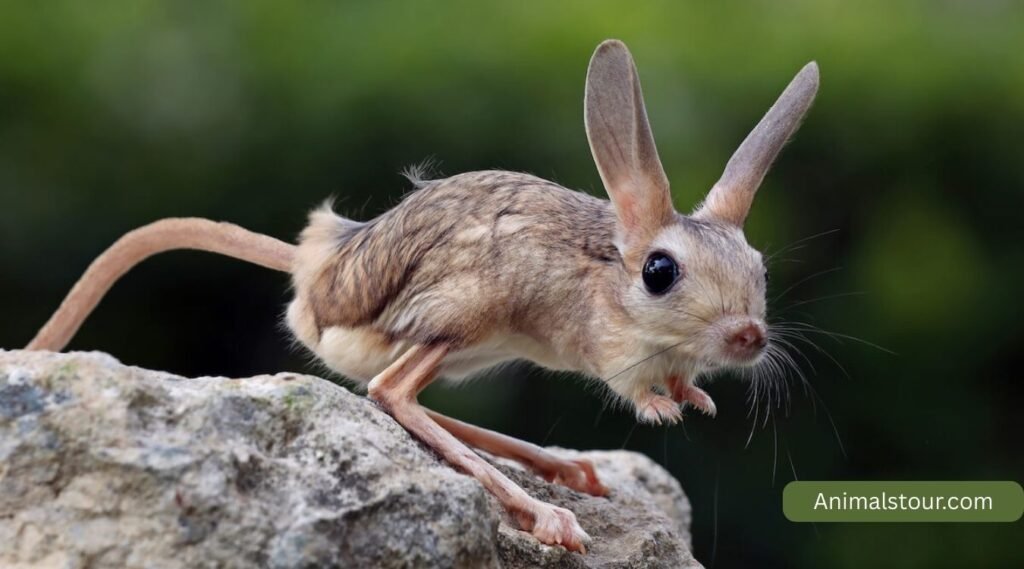
Jerboas are small rodents that live in the deserts of Asia and northern Africa. They are nocturnal, coming out at night to search for seeds, insects, and plant roots. Their jumping ability is extraordinary, covering up to 10 feet in a single bound. That long tail is the secret behind every single one of those impressive leaps.
They are also extremely fast, zigzagging unpredictably to escape predators in the dark. The tail helps them change direction mid-jump without losing balance or falling over. Jerboas rarely need to drink water and get moisture from the food they eat. Their long tail is essential to everything they do in the harsh desert environment.
Interesting Fact: Jerboas can jump up to 3 feet straight up into the air to escape predators, using their tail like a launch stabilizer!
Pangolin
Scientific Name: Dendrolagus
Class: Mammalia
Diet: Herbivore
The pangolin has a long, heavy, scale-covered tail that is a powerful defensive weapon. Their tail can make up nearly half of their total body length in some species. When threatened, they curl into a tight ball with the tail wrapping around their body. The hard keratin scales covering the tail make it nearly impossible for predators to bite through.
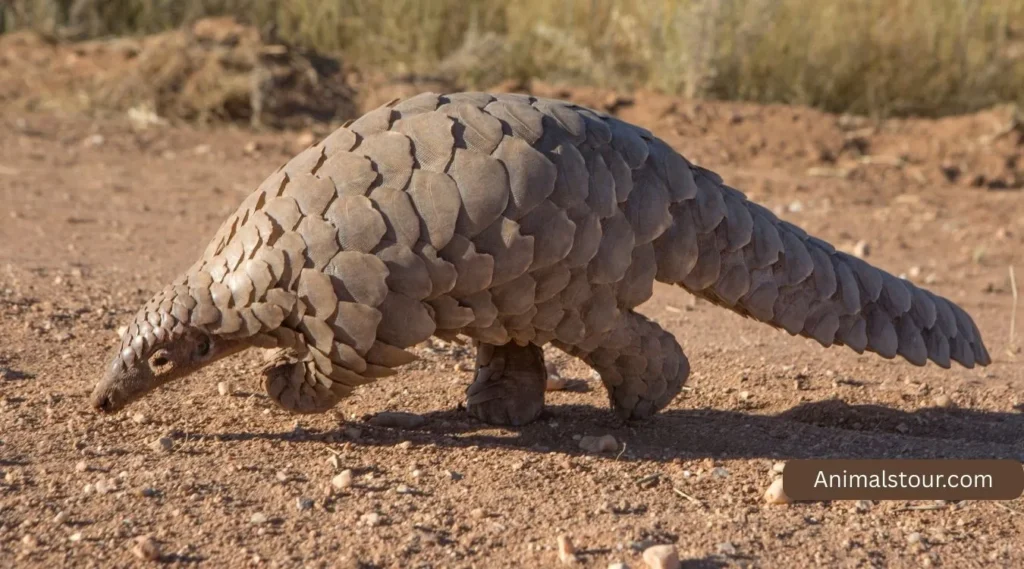
Pangolins are found in Africa and Asia and are the only truly scaly mammals on Earth. They are shy, nocturnal animals that feed almost entirely on ants and termites. Their strong tail also helps them balance while digging into insect mounds with their claws. Tree-dwelling pangolin species use their tail to hang from branches like a hook.
Sadly, pangolins are the most trafficked mammals in the entire world. They are illegally hunted for their scales, which are wrongly believed to have medicinal value. All eight species of pangolin are currently threatened with extinction. Their remarkable tail, like every part of them, deserves far more protection and appreciation.
Interesting Fact: A pangolin’s scales are made of keratin — the exact same material as human fingernails!
Tree Kangaroo
Scientific Name: Dendrolagus
Class: Mammalia
Diet: Herbivore
Tree kangaroos have a long, thick tail that helps them stay balanced high up in the trees. Their tail can grow up to 35 inches and is used for counterbalance while moving along branches. Unlike ground kangaroos, tree kangaroos can move their back legs independently for climbing. Their tail makes this arboreal lifestyle safe and manageable in the rainforest canopy.
Tree kangaroos are found in the rainforests of Papua New Guinea and northeastern Australia. They are stockier than ground kangaroos with stronger arms built for gripping and climbing. Despite living in trees, they still have a pouch for raising their young joeys. They move slowly in the trees but can jump down from heights of 60 feet safely.
Their diet consists mostly of leaves, bark, flowers, and fruit found in the canopy. Tree kangaroos are considered endangered due to hunting and rapid deforestation. Their thick tail is one of the key adaptations that allows them to live where no other kangaroo can. They are one of the most surprising and delightful animals in the world.
Interesting Fact: Tree kangaroos can fall from heights of up to 60 feet and land perfectly unharmed on the forest floor!
Squirrel
Scientific Name: Sciuridae
Class: Mammalia
Diet: Omnivore
Squirrels have a long, bushy tail that is almost as long as their entire body. The tail acts as a parachute, slowing them down when they leap between trees and fall. It also wraps around their body like a blanket to keep them warm during cold nights. Few animals make better daily use of their tail than the common squirrel.
Squirrels are found on every continent in the world except Antarctica and Australia. They are highly adaptable and thrive in forests, parks, and even busy city neighborhoods. Their tail communicates emotions — a twitching tail signals alarm or agitation to nearby squirrels. It is a surprisingly complex communication tool hiding in plain sight.
They are famous for burying nuts and seeds to retrieve during the winter months. Interestingly, they forget where many of their buried stashes are, which accidentally plants new trees. Their bushy tail helps them balance while running along thin fences and tree branches. The squirrel’s tail is proof that even common animals have extraordinary features.
Interesting Fact: Squirrels accidentally plant millions of trees every year by forgetting where they buried their nuts!
Leopard Whipray
Scientific Name: Himantura leoparda
Class: Chondrichthyes
Diet: Carnivore
The leopard whipray has an extraordinarily long whip-like tail that can double its total body length. That long thin tail is tipped with a sharp venomous spine used purely for self-defense. When threatened, it can whip the tail with speed and precision to deliver a painful sting. It is one of the most effective defensive tails found in any ocean creature.
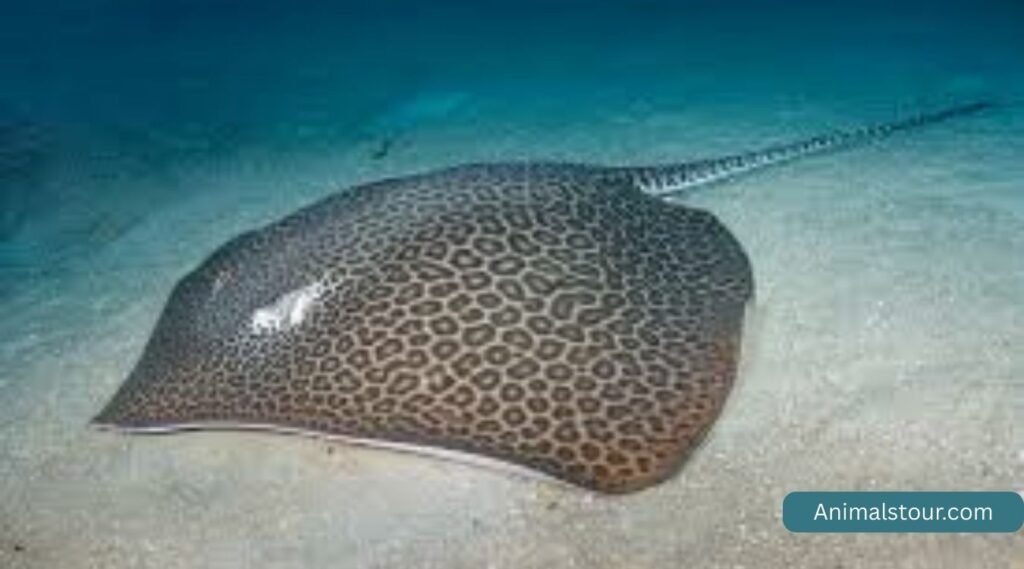
Leopard whiprays are bottom-dwelling rays found in the coastal waters of the Indo-Pacific region. Their flat body and spotted pattern help them blend perfectly into sandy ocean floors. They spend most of their time lying still, waiting for crabs, shrimp, and small fish to pass. The long tail trailing behind them adds extra camouflage by looking like seaweed or a rope.
These rays are generally shy and non-aggressive unless stepped on or cornered. They are popular with divers and snorkelers who spot them resting on the seafloor. Their beautiful spotted pattern and incredible tail make them one of the most photogenic ocean animals. The leopard whipray is a gentle giant with one of the most impressive tails in the sea.
Interesting Fact: The leopard whipray’s venomous tail spine can regrow if it breaks off during a defensive encounter with a predator!
Howler Monkey
Scientific Name: Alouatta
Class: Mammalia
Diet: Herbivore/Frugivore
Howler monkeys have a strong prehensile tail that works as a reliable fifth limb in the trees. Their tail can reach up to 30 inches and is tough enough to support their full body weight. The underside near the tip is bare skin, which provides extra grip on branches like a hand. They hang, swing, and feed while using their tail as a constant anchor in the canopy.
Howler monkeys are the loudest land animals in the entire world. Their roar can be heard up to 3 miles away through dense jungle and is used to mark territory. Despite their incredibly loud voice, they are actually slow and calm animals in daily life. Their long gripping tail lets them stay safely in one spot while calling for long periods.
They are found across the tropical forests of Central and South America. Howler monkeys live in groups and spend most of their day eating leaves and resting. Their tail is always in use, whether they are sleeping, feeding, or moving through the trees. The howler monkey ends this list perfectly — loud, impressive, and equipped with one spectacular tail.
Interesting Fact: Howler monkeys make their deafening call at dawn and dusk every single day, acting like a living jungle alarm clock!
Wrap Up
Nature has gifted many animals with long tails that serve far more purpose than just looks. These wild animals with long tails prove that even a single body part can make all the difference between life and death. Long tails are one of nature’s most creative and practical solutions to the challenges of the animal world. Whether used for hunting, climbing, communicating, or defending. So it becomes our responsibility to admire and safeguard these wonderful creatures.
FAQs
Which animal has the longest tail in the world?
The giraffe’s tail is among the longest, but the golden spider monkey holds one of the most impressive tails that can be measured up to 30 inches long in the animal kingdo
Why do some animals have long tails?
Long tails help with balance, communication, and even swatting away bugs. They’re pretty handy.
Which animal has the most useful tail?
The spider monkey and the chameleon both stand out for having the most useful tails.