11 Strange Animals with Big Noses (With Images)
In this article, we’ll explore some strange animals with big noses that are some of the most unique creatures in the wild. These big nose creature are not just for looks, they serve real and smart purposes in nature. Some use their big noses to find food, while others use them to breathe or communicate. These animals live in different parts of the world, from deep forests to underground tunnels. Get ready to meet some of the most oddly beautiful creatures nature has ever created.
List of Animals with Big Noses
Below the list of animals that have big noses:
Star-Nosed Mole
Elephant Seal
Sawfish
Tapirs
Elephant
Saiga Antelope
Proboscis Monkey
Elephant Shrew
Aardvark
Long-nosed Bandicoot
Hammerhead Shark
Star-Nosed Mole
Scientific Name: Condylura cristata
Class: Mammalia
Diet: Insectivorous
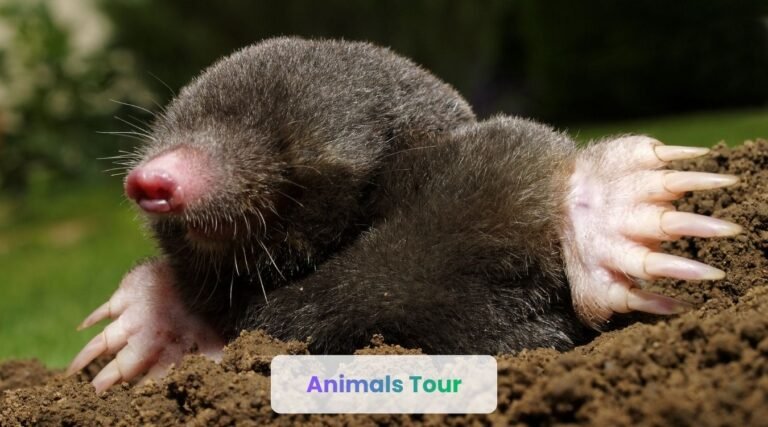
The star-nosed mole has one of the strangest noses ever seen on any creature on Earth. It has 22 small pink tentacles arranged in a star shape right at the tip of its snout. These tentacles are packed with nerve endings that make them incredibly sensitive to touch and movement. This unique nose helps the mole find and eat food faster than almost any other mammal.
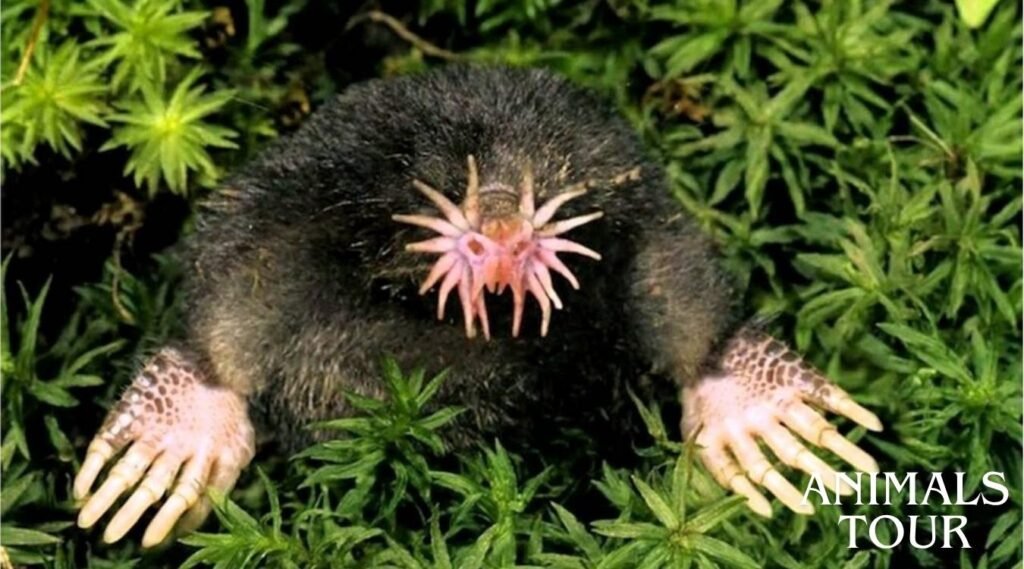
It lives underground in wet, marshy soils across eastern Canada and the northeastern United States. The star-nosed mole can identify and eat an insect in under a quarter of a second. It is also a good swimmer and can even sniff underwater by blowing and re-inhaling air bubbles. This tiny creature is truly one of the most remarkable and speedy hunters in the natural world.
Elephant Seal
Class: Mammalia
Diet: Carnivorous
The elephant seal gets its name from the large, trunk-like nose found on the adult males. This big inflatable nose is called a proboscis and it makes a very loud roaring sound. Males use their powerful roar to scare off rivals and impress females during mating season. The animals with long nose, that more dominant and intimidating the male appears to others around him.
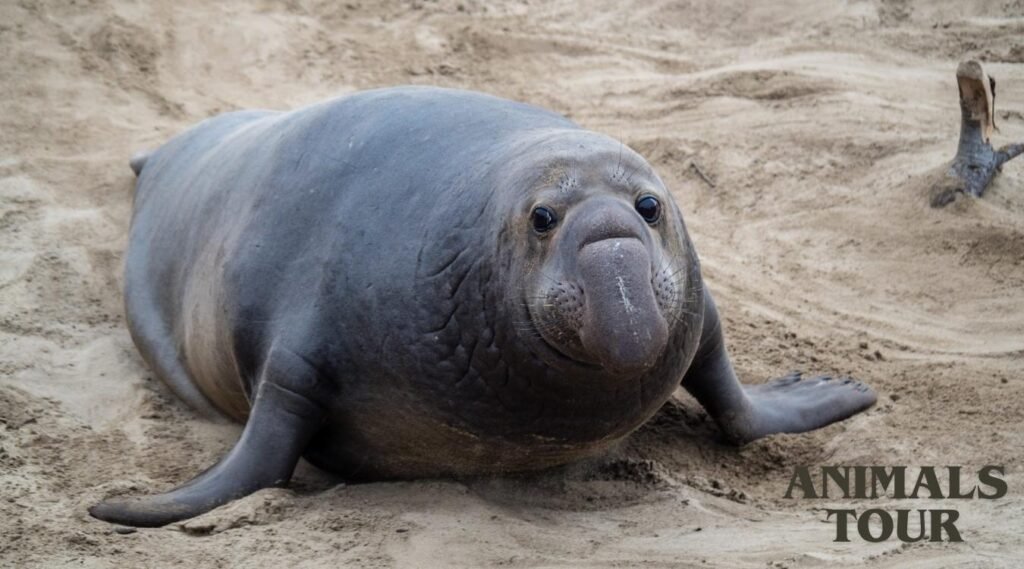
Elephant seals spend most of their lives swimming in the cold open ocean waters. They are incredible divers and can go thousands of feet deep on a single breath. They come to shore only to breed, give birth, and molt their old skin each year. These massive and fascinating animals are a true spectacle of size and raw natural power.
Sawfish
Class: Chondrichthyes
Diet: Carnivorous
The sawfish has one of the most unusual noses in the entire underwater world of the ocean. Its long, flat snout is lined with sharp tooth-like spikes on both sides called rostral teeth. It uses this incredible saw-shaped nose to detect and stun small fish hiding in the sandy seabed. The electroreceptors on its snout can pick up tiny electrical signals given off by nearby prey.
Sawfish live in shallow coastal waters, rivers, and estuaries in tropical regions around the world. They are related to rays and sharks but look completely different from both of them. Sawfish are critically endangered due to overfishing, habitat loss, and getting caught in fishing nets. They are one of the most threatened fish species living in our oceans and rivers today.
Tapirs
Scientific Name: Tapirus
Class: Mammalia
Diet: Herbivorous
Tapirs have a short but very flexible snout that works almost like a small elephant trunk. They live in the tropical forests and grasslands of South America and Southeast Asia. Their nose helps them grab leaves, fruits, and plants growing in hard-to-reach spots. Tapirs also use their snout to sniff out danger and stay safe from predators.
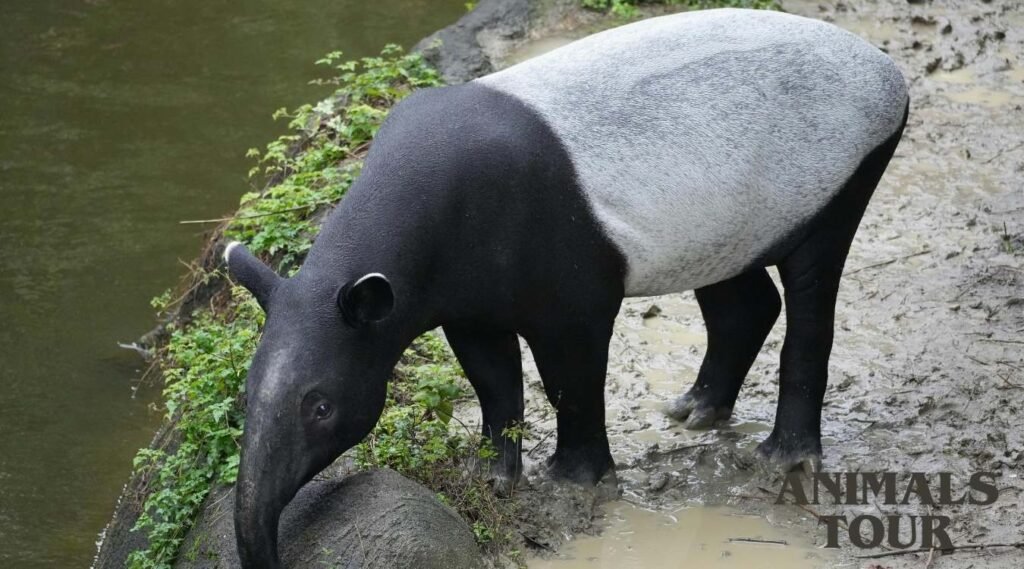
These animals love water and are excellent swimmers despite their heavy, rounded body shape. They are mostly active at night and spend their days resting in cool shaded areas. Tapirs are considered living fossils because they have barely changed over millions of years. They play an important role in spreading seeds across the forest floor wherever they roam.
Elephant
Scientific Name: Loxodonta africana (African), Elephas maximus (Asian)
Class: Mammalia
Diet: Herbivorous
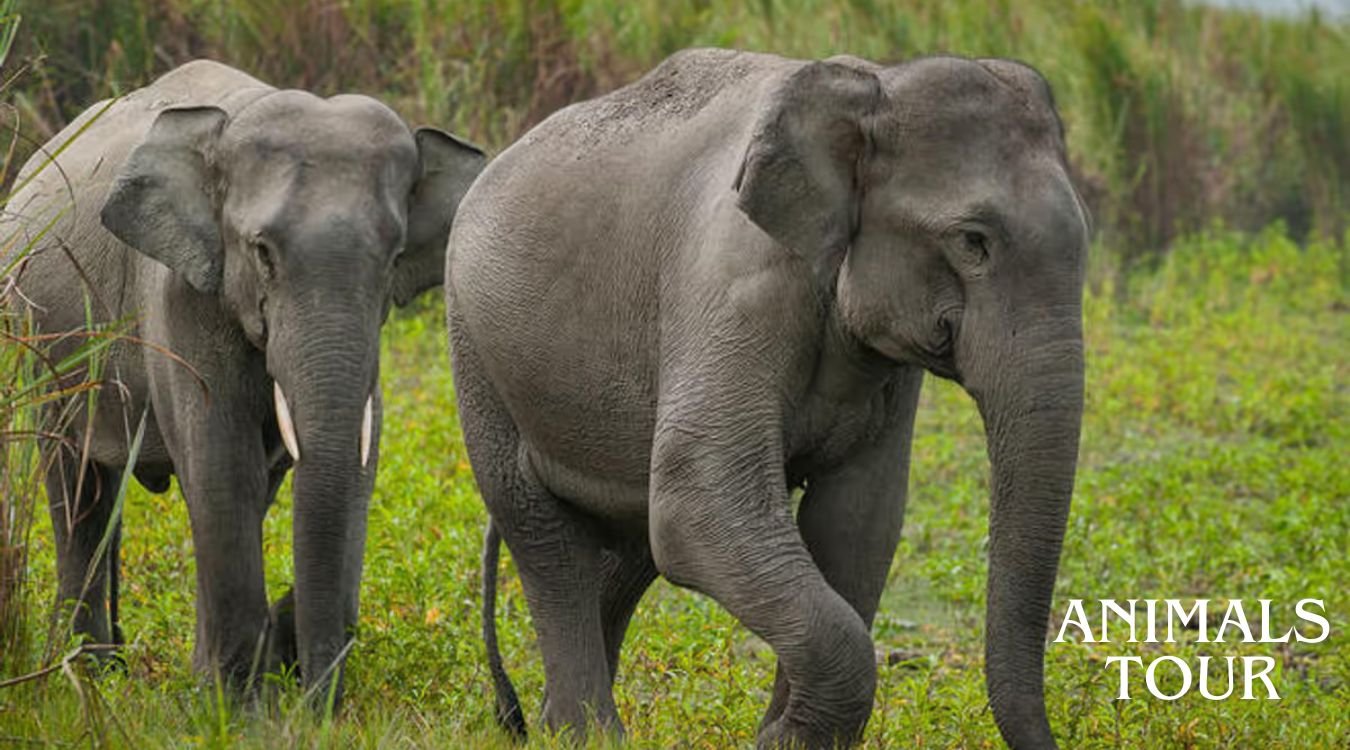
The elephant has the most famous nose in the entire animal kingdom without any doubt. Its trunk is actually a fusion of the nose and upper lip stretched into one powerful tool. An elephant uses its trunk to breathe, smell, drink water, and pick up heavy objects. It can also use its trunk to gently comfort and touch other elephants in its herd.
Elephants have an incredibly strong sense of smell that is even better than a dog’s nose. They can detect water sources from several miles away using just their amazing trunk. Baby elephants take months to learn how to fully control and use their trunk properly. The elephant trunk is truly one of the most impressive and versatile noses in all of nature.
Saiga Antelope
Scientific Name: Saiga tatarica
Class: Mammalia
Diet: Herbivorous
The saiga antelope has one of the most bizarre and bulging noses of any land animal alive. It lives on the open grasslands and steppes of Central Asia and parts of Russia. Its large, inflatable nose helps filter out dust kicked up during massive herd migrations. The nose also warms up cold air before it reaches the animal’s lungs in winter.
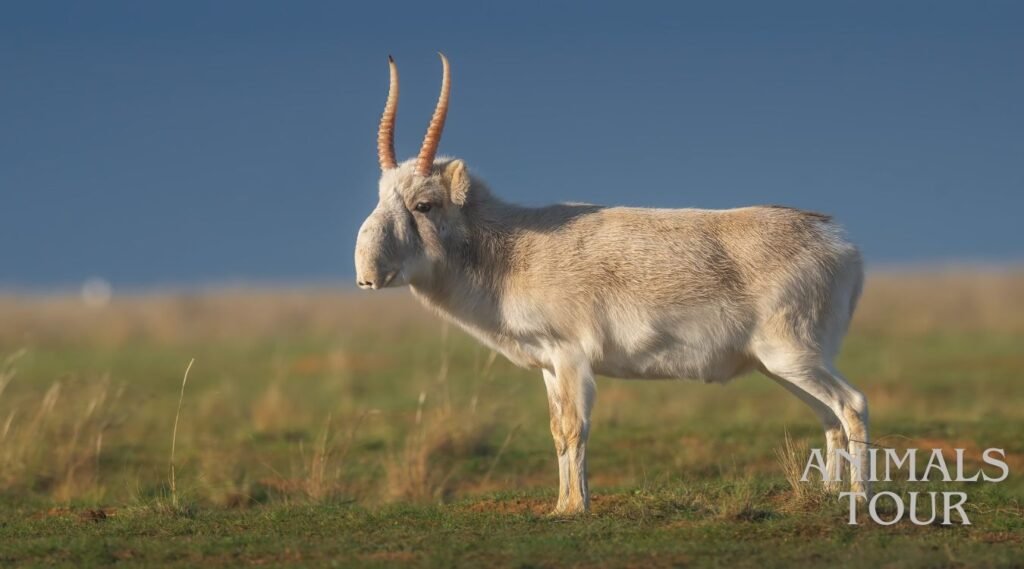
Saiga antelopes travel in huge herds and can cover great distances across dry open plains. Males have ridged horns that are sadly highly prized in illegal wildlife trade markets. Their population has dropped dramatically due to poaching and sudden mysterious disease outbreaks. Conservation efforts are now working hard to protect this odd but fascinating grassland creature.
Proboscis Monkey
Scientific Name: Nasalis larvatus
Class: Mammalia
Diet: Folivorous
The proboscis monkey is one of the most unusual-looking animals in the world. It lives in the rainforests of Borneo and spends most of its time in trees near rivers. The male has a very long, floppy nose that can hang down past its mouth. Scientists believe the long nose helps attract females and makes its calls louder.
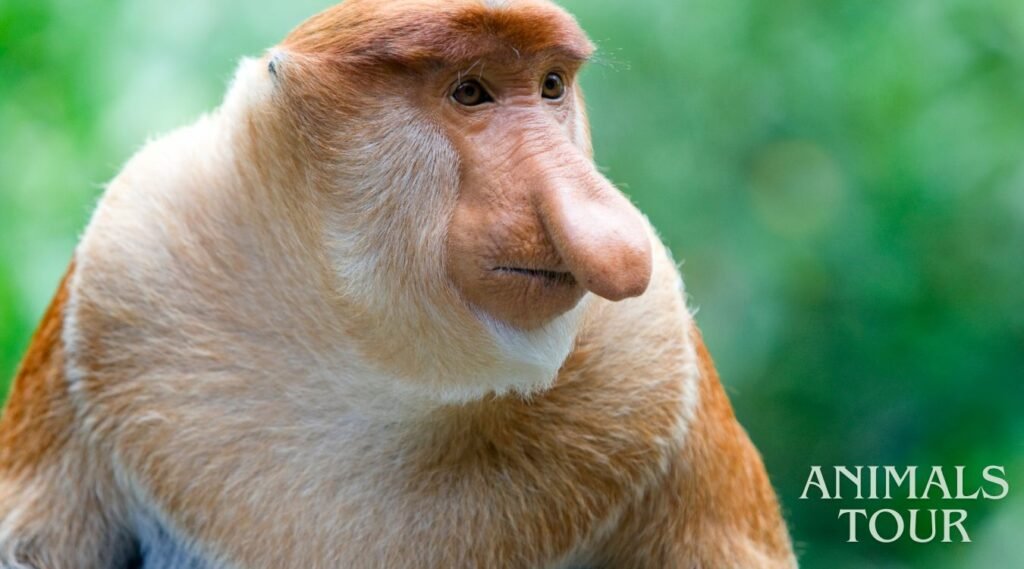
This monkey lives in groups and is a strong swimmer when it needs to cross rivers. It eats mostly leaves, seeds, and unripe fruits found in the forest. The proboscis monkey is sadly endangered due to habitat loss and hunting. Protecting its rainforest home is the only way to keep this strange beauty alive
Elephant Shrew
Class: Mammalia
Diet: Insectivorous
The elephant shrew is a tiny animal with a long, pointed nose that it uses to sniff out insects. Despite its name, it is not actually related to elephants or shrews at all. It lives in the forests and grasslands of Africa and is surprisingly fast on its feet. Its flexible little nose moves around constantly, always searching for its next meal.
Elephant shrews eat ants, beetles, and small invertebrates they find under leaves and soil. They are solitary animals and like to keep to themselves most of the time. Their big eyes help them stay alert and watch out for predators nearby. These little creatures are more closely related to elephants than most people would ever guess.
Aardvark
Scientific Name: Orycteropus afer
Class: Mammalia
Diet: Insectivorous
The aardvark is a strange-looking animal with a long pig-like snout and big donkey ears. It lives across sub-Saharan Africa and comes out mostly at night to search for food. Its powerful nose is built to sniff out ant and termite mounds hiding underground. The aardvark can smell a colony of insects from a surprisingly long distance away.
It uses its strong claws to dig into hard soil and tear open insect nests with ease. Its long sticky tongue can catch thousands of insects in just one single night. The aardvark digs deep burrows that later become homes for many other animals. It is one of Africa’s most important and underrated animals in the whole ecosystem.
Long-Nosed Bandicoot
Scientific Name: Perameles nasuta
Class: Mammalia
Diet: Omnivorous
The long-nosed bandicoot is a small marsupial with a pointy snout perfectly built for digging. It lives in the forests and woodlands along the eastern coast of Australia. Its long nose helps it poke around in the soil to find insects, worms, and plant roots. The bandicoot uses its strong front claws and sharp snout together to dig for food quickly.
It is a solitary and mostly nocturnal animal that comes out after dark to hunt and feed. The long-nosed bandicoot is a fast mover and can quickly escape most predators it encounters. Females carry their tiny babies in a small backward-facing pouch on their belly. This little animal plays an important role in aerating and turning over soil across the Australian landscape.
Hammerhead Shark
Class: Chondrichthyes
Diet: Carnivorous
The hammerhead shark has one of the most instantly recognizable heads in the entire ocean world. Its wide, flat head shaped like a hammer is actually an extension of its nose and sensory system. The special shape spreads out its sensory organs to help it detect prey over a wider area. This gives the hammerhead a much better ability to find hidden fish and stingrays on the seafloor.
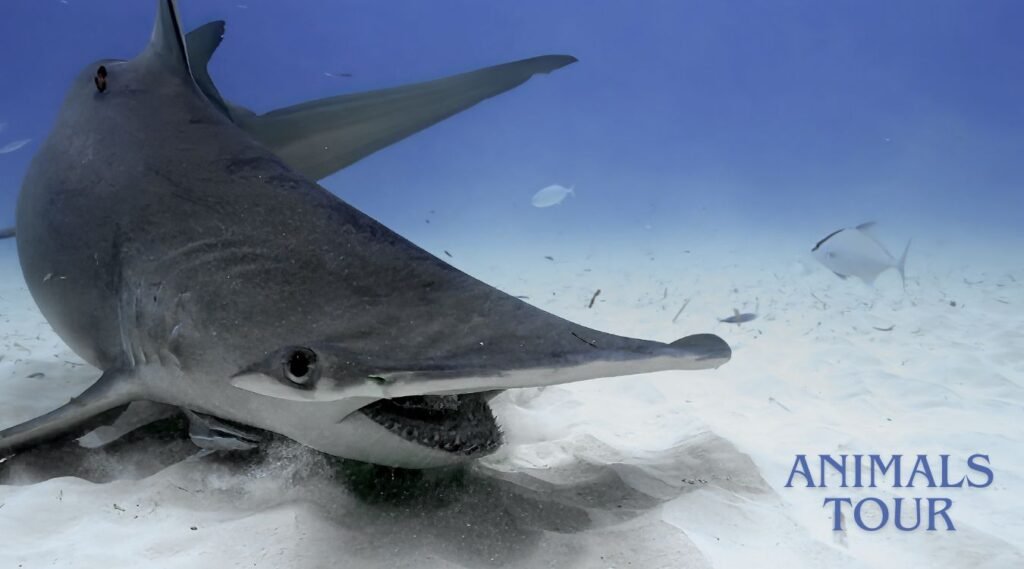
Hammerhead sharks swim in warm coastal waters and open oceans all around the world. They often travel in large schools during the day and hunt alone at night for food. Their wide head also improves their vision by giving them nearly a full 360-degree view. The hammerhead is a powerful and intelligent predator that is perfectly designed for life in the sea.
Conclusion
Nature never stops surprising us. These animals with long noses prove that big noses are not just funny-looking features. They each serve a real purpose. Some help with survival. Others attract mates. A few even help the animal swim or dig.
Every creature on this list is unique in its own way. Their noses may look odd to us, but they are perfectly designed for the life each animal lives. That is the beauty of nature. It builds exactly what is needed.
FAQs
Why do some animals have such big noses?
Big noses usually serve a purpose. They help animals smell better, find food, attract mates, or survive in tough environments.
Which animal has the biggest nose in the world?
The elephant has one of the largest noses on Earth. Its trunk is actually a long nose that it uses for breathing, smelling, drinking, and grabbing things.
Are animals with big noses rare?
Some of them are quite rare. The proboscis monkey, for example, is endangered and only found in the forests of Borneo
Do big noses help animals find food?
Yes, absolutely. A strong sense of smell helps many animals track down food from far away. The star-nosed mole is a great example of this.
Are these big-nosed animals dangerous?
Most of them are not dangerous to humans. They are wild animals, so it is always best to observe them from a safe distance.