Discover Top 18 Animals With Sharp Claws (With Images)
Many animals have sharp claws that help them live. These strong claws are used for different important jobs. For example, cats use their sharp claws to catch food and climb trees. Bears use theirs to dig up roots and fish, and also to climb. Squirrels need their claws to grip tree bark as they scurry up and down. These sharp tools are vital for animals to find food, move safely, and protect themselves in their habitats.
What is the difference between Claws and Talons?
Claws and talons are both sharp growths found on the end of animal toes, but they have key differences in their structure and purpose. Claws are common on many animals like cats, dogs, and bears, and they are used for a variety of tasks such as walking, climbing, digging, and holding onto objects. Some animals, like cats, can even pull their claws back into their paws for protection. Talons, however, are a specific type of claw found only on birds of prey, such as eagles, hawks, and owls. These talons are much sharper, more curved, and incredibly strong, designed specifically for catching, holding, and killing live prey. Therefore, while all talons are a type of claw, not all claws are talons, with talons being a specialized tool for hunting.
List of animals with sharp Claws:
Here is the list of animals that have sharp claws:
- Sloth
- Harpy Eagle
- Armadillo
- Tiger
- Star- nosed mole
- American Badger
- Great Horned Owl
- Lion
- Giant Anteater
- Grizzly Bear
- House Cat
- Wolverine
- Alligator
- Mountain Lion
- Comodo Dragon
- American Black Bear
- Bald Eagle
- Jaguar
Sloths
Scientific name: Bradypus variegatus
Class: Mammalia
Diet: Herbivore
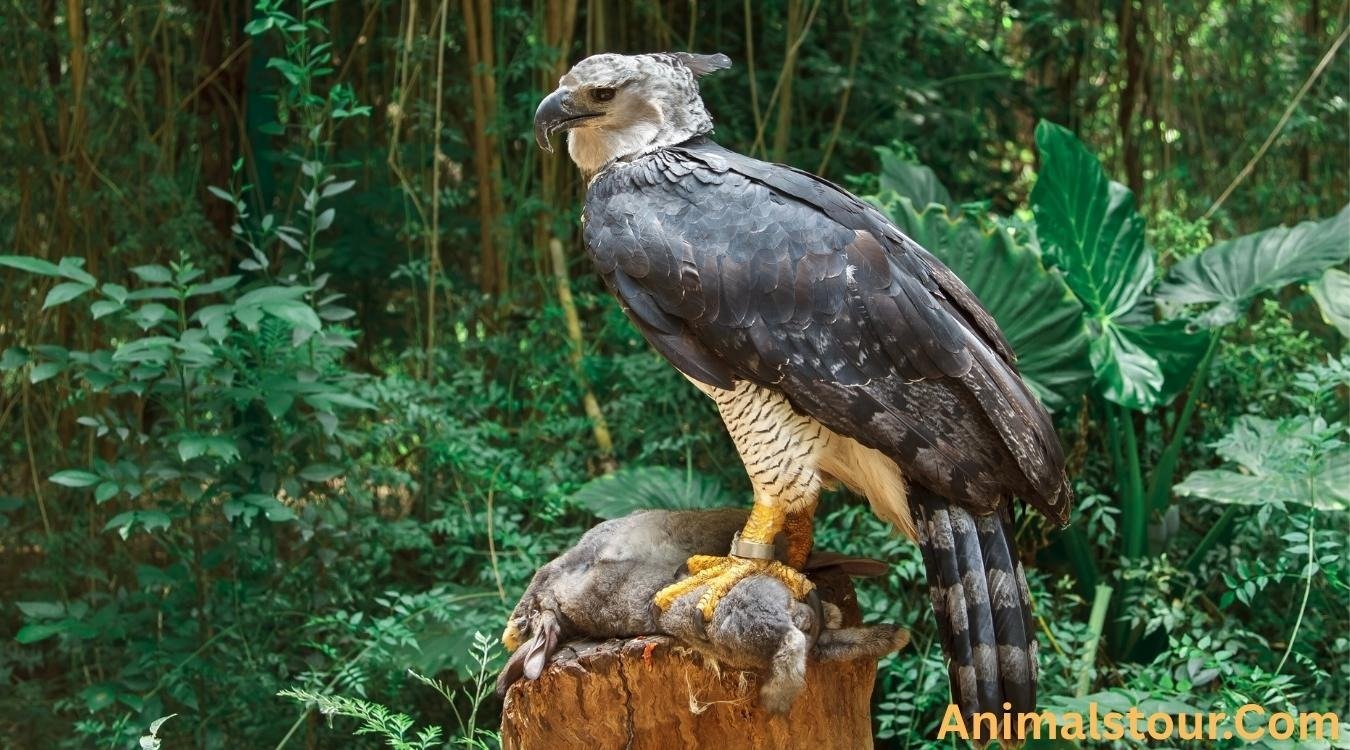
In the amazing world of animals with sharp claws, Sloths are known for their very sharp claws. These claws are long and curved, acting like strong hooks. They use them to hang upside down from tree branches for most of their lives. The sharp grip helps them move slowly and stay secure high in the canopy. Truly, these specialized claws are vital for a sloth’s tree-dwelling existence.
Harpy Eagle
Scientific name: Harpia harpyja
Class: Aves
Diet: Carnivore
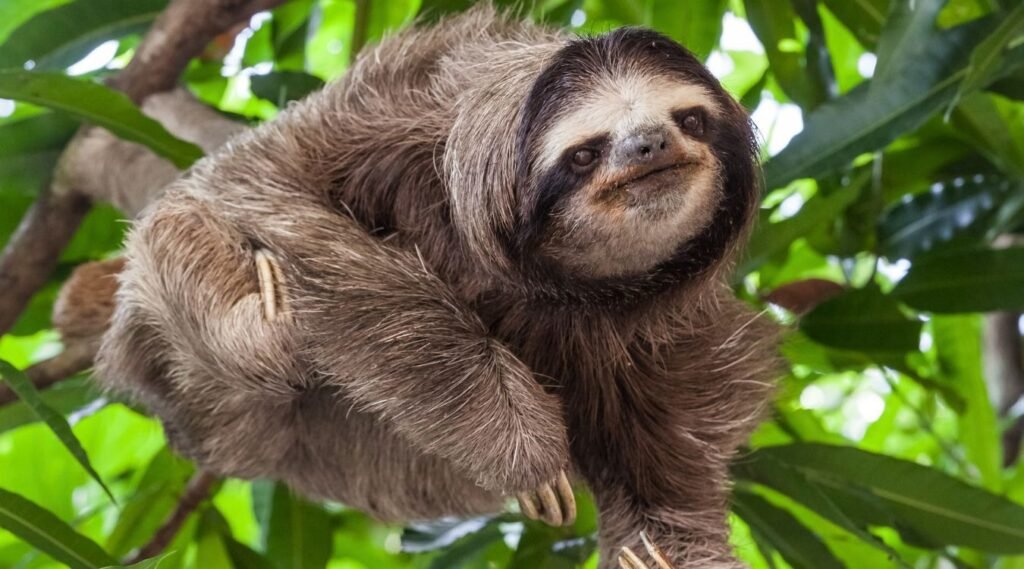
The Harpy Eagle stands out as one of the most powerful animals with sharp claws in the world. This very large bird is famous for its impressive size and incredible strength, making it a top hunter in its rainforest home. Its talons are bigger than a grizzly bear’s claws, and they are extremely strong, allowing it to grab and carry heavy prey. These sharp claws help the Harpy Eagle catch big animals like monkeys and sloths directly from the treetops of Central and South America. Ultimately, the Harpy Eagle’s amazing, sharp claws are key to its success as a dominant predator in the wild.
Armadillo
Scientific name: Dasypus novemcinctus
Class: Mammalia
Diet: Omnivore
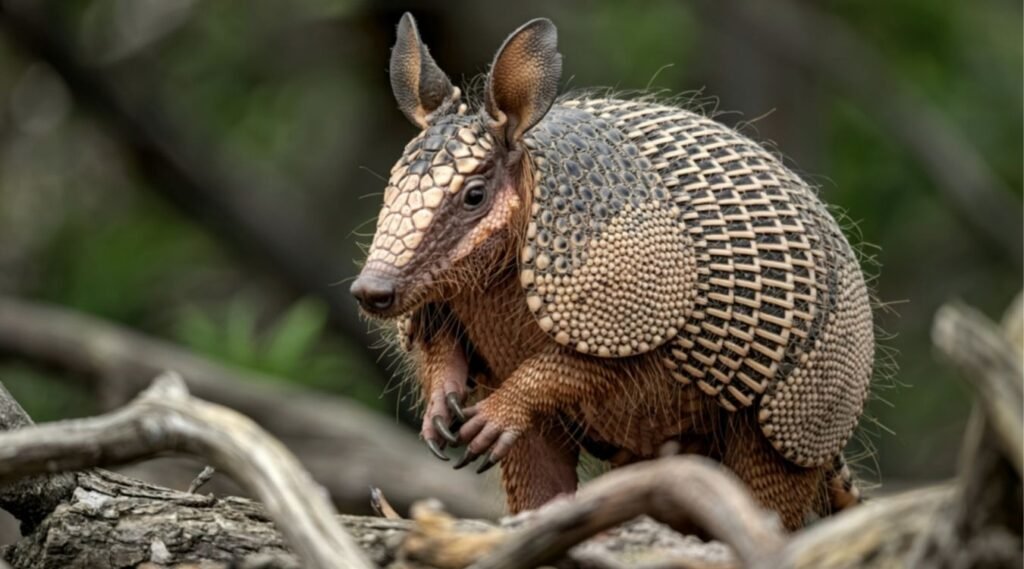
Armadillos are interesting mammals best known for their hard, bony shell that covers their body like armor. These animals with claws use their strong front legs and powerful claws to dig very well. They dig burrows to live in and also to find their favorite foods, which are mostly insects and grubs hidden underground. Their tough shell protects them from many dangers, and some types of armadillos can even roll into a tight ball when they feel scared. Overall, armadillos are truly unique animals wonderfully adapted to their environment with their digging abilities and protective armor.
Tiger
Scientific name: Panthera tigris
Class: Mammalia
Diet: Carnivore
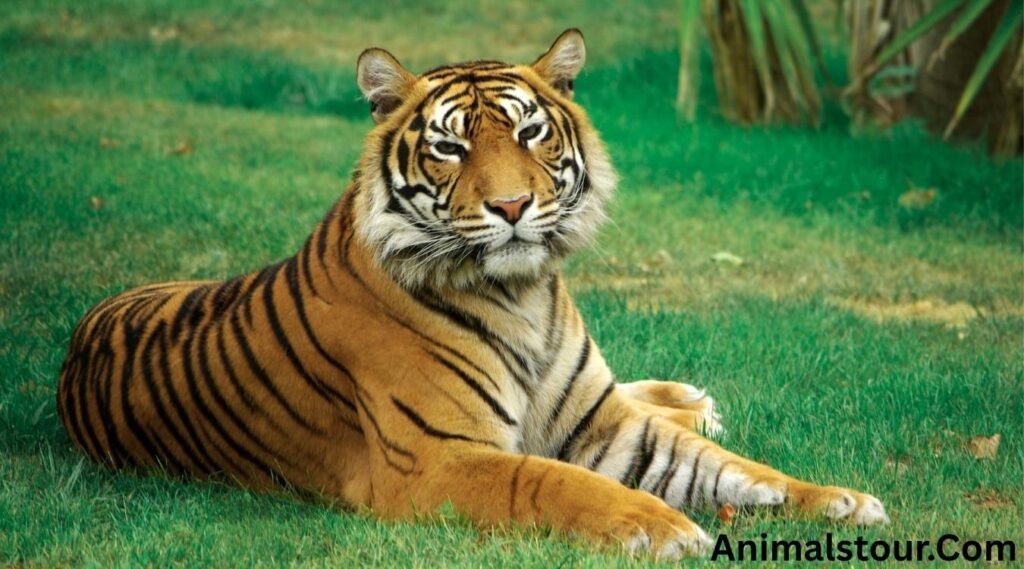
Tigers are powerful animals with sharp claws, known for their sharp teeth, strength and beauty in the wild. These big cats have striking orange fur with black stripes, which helps them hide in their forest homes across Asia. They are skilled hunters, using their incredible speed and those very sharp claws to catch animals like deer and wild pigs for food. Their strong bodies and keen senses make them top predators in their habitats. Truly, their impressive sharp claws are vital for their hunting success and overall survival in the wild.
Star- nosed mole
Scientific name: Condylura cristata
Class: Mammalia
Diet: Carnivore
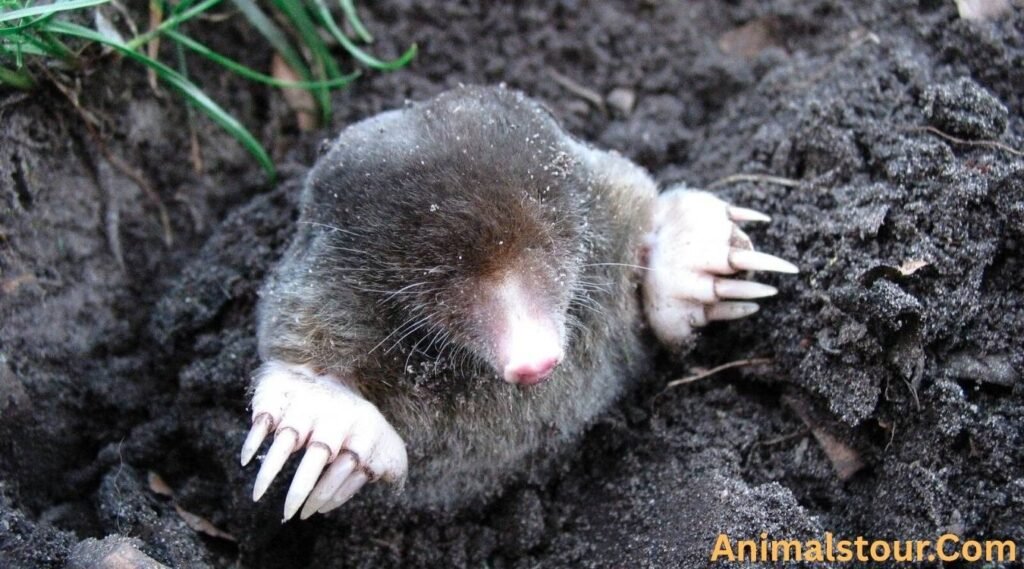
Among the many animals with sharp claws, the star-nosed mole stands out as a truly unusual creature. This small mole has 22 pink, fleshy feelers around its nose that look like a star. These special feelers help it find food incredibly fast, even underwater or in the dark soil. Living in wet places like marshes and swamps, it uses its powerful, sharp claws to dig tunnels and hunt for insects, worms, and small fish. Its unique nose and strong claws make the star-nosed mole perfectly suited for its watery, underground world.
American Badger
Scientific name: Taxidea taxus
Class: Mammalia
Diet: Carnivore
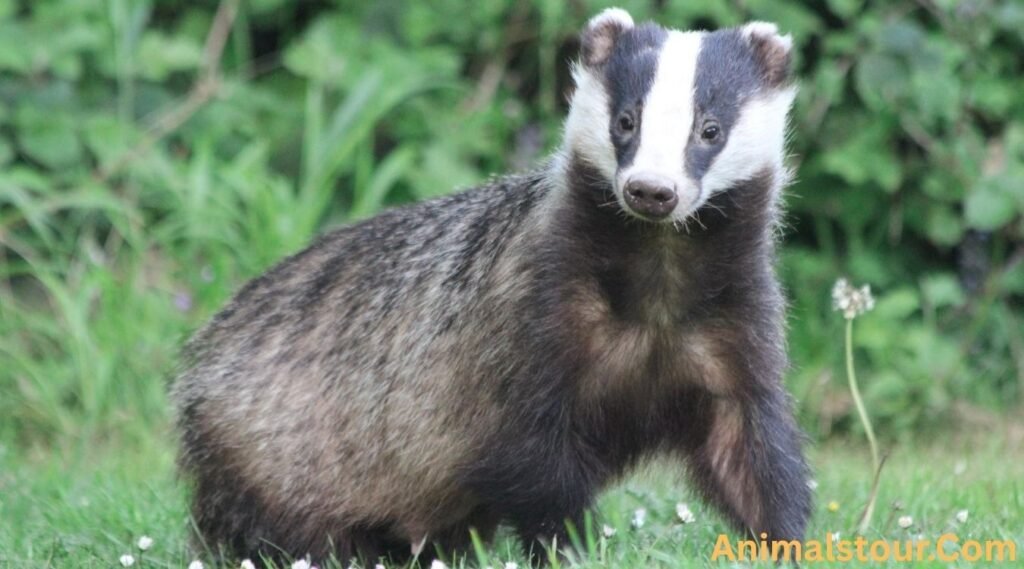
The American badgers are animals that have sharp claws. These strong claws help it dig incredibly fast to find food, like gophers and ground squirrels, which live underground. Badgers have flat, wide bodies and short legs, making them excellent at tunneling through soil in the open grasslands where they live. They also use their powerful digging skills to create burrows for shelter and to quickly hide from danger. Indeed, its sharp claws are key to how the American badger lives and survives in its habitat.
Great Horned Owl
Scientific name: Bubo virginianus
Class: Aves
Diet: Carnivore
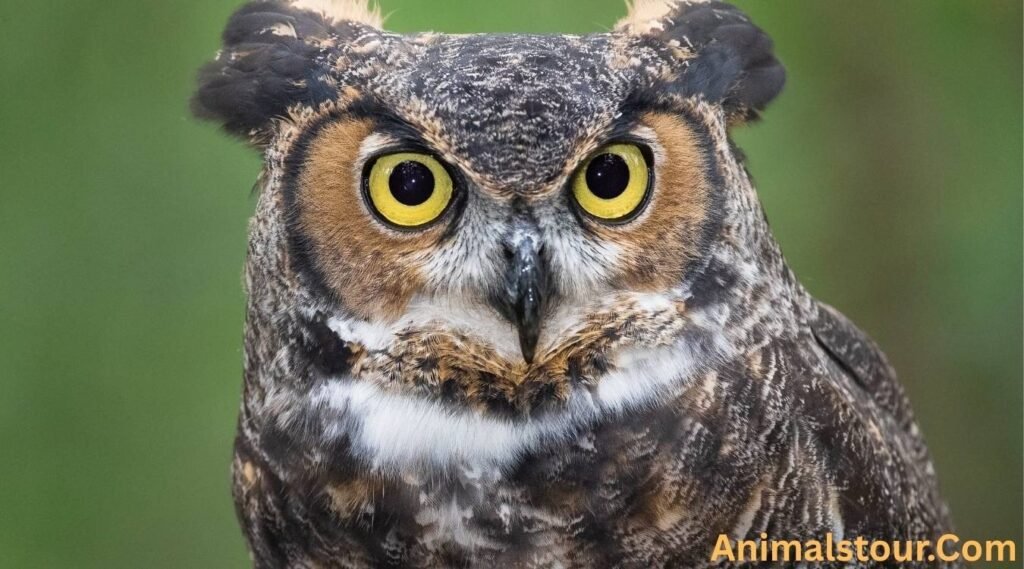
Among the many remarkable animals with sharp claws that roam the world, the Great Horned Owl stands out as a truly impressive bird of prey. This large owl has big yellow eyes and feathery tufts on its head that look like horns, giving it its name. It is a very skilled hunter that mostly flies and hunts when it is dark outside, making no sound as it glides through the air. Its most important tools for hunting are its incredibly strong and sharp claws, called talons, which are perfect for grabbing onto its food. These powerful talons allow it to catch many different kinds of animals, from small mice and rats to bigger rabbits and squirrels, and even other birds, showing just how good it is at finding food. Truly, its amazing sharp claws are central to its survival, making the Great Horned Owl a highly effective and respected hunter in its natural environment.
Lion
Scientific name: Panthera leo
Class: Mammalia
Diet: Carnivore
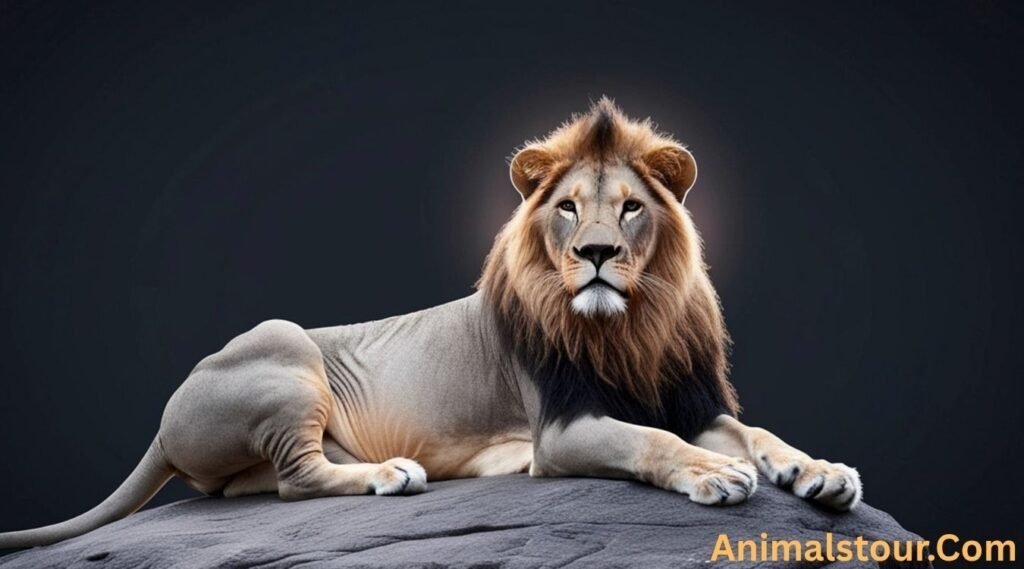
Lions are large, powerful cats, well-known as some of the most impressive animals with sharp claws in the African wild. They use their strong claws to catch and hold onto other animals when they hunt for food. These big cats also have powerful jaws and sharp teeth, and male lions have a thick mane around their heads. Lions live together in groups called prides and are top hunters, meaning they are at the very top of the food chain in their homes. Because of their strength and special tools like their sharp claws, lions are truly kings of their domain.
Giant Anteater
Scientific name: Myrmecophaga tridactyla
Class: Mammalia
Diet: Insectivore
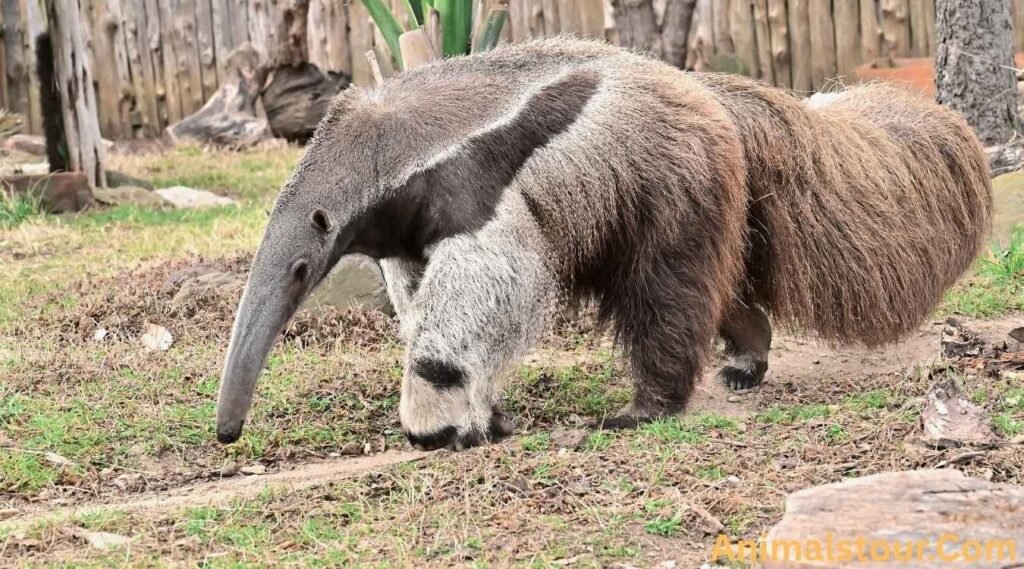
The Giant Anteater stands out as one of the most specialized animals with sharp claws, using these impressive tools for a very specific purpose. These incredibly powerful claws are not for defense, but are perfectly adapted for digging, allowing the anteater to rip open tough ant and termite mounds. Once a nest is breached, it uses its long, sticky tongue, which can extend up to two feet, to quickly slurp up thousands of insects. Found in the grasslands and forests of Central and South America, this unique mammal relies entirely on its formidable claws to access its primary diet. Ultimately, the Giant Anteater’s sharp, robust claws are the key to its survival and its distinctive way of life.
Grizzly Bear
Scientific name: Ursus arctos horribilis
Class: Mammalia
Diet: Omnivore
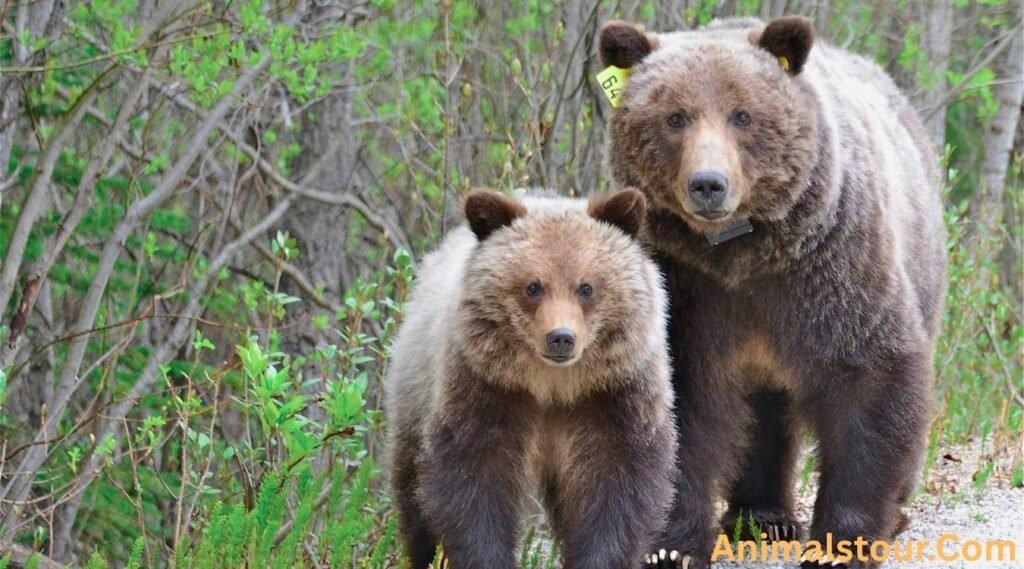
The grizzly bear is a truly impressive and powerful animal that roams the wild lands, known for its immense strength and very useful physical tools. These big bears are a type of brown bear found in places like the mountains and forests of North America, and they are one of the most formidable animals with sharp claws you can find. One of the most striking things about them, and a key to how they live, are their incredibly sharp and long claws, which can be several inches long, much longer than a human finger, and they are not retractable like a cat’s, meaning they are always out and ready for action. Grizzly bears use these amazing claws for many important tasks every single day, as they are perfect for digging deep into the ground to find tasty roots, tubers, and small animals like rodents or insects hiding beneath the soil. They also use their strong claws to tear apart old logs and stumps, looking for grubs and other creatures to eat, and when it’s time to catch fish, especially salmon in rivers, those sharp claws help them grip their slippery prey. These powerful claws, along with their strong legs and a distinctive hump on their back made of muscle, make the grizzly bear a amazing hunter and gatherer, constantly using these tools to find food and protect themselves. Indeed, the grizzly bear’s sharp, powerful claws are not just for show; they are absolutely essential for its survival, helping it to thrive in its challenging natural environment.
House Cats
Scientific name: Felis catus
Class: Mammalia
Diet: Carnivore
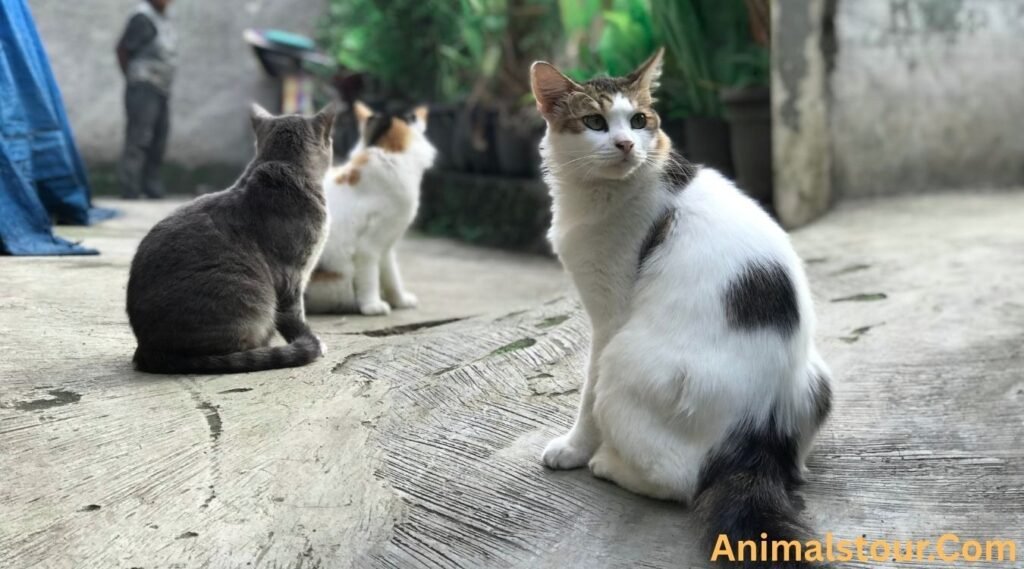
House cats are amazing companions found in many homes around the world. They are small animals with sharp claws that help them climb furniture, play with toys, and even catch small prey if they are outdoors. These cats also have soft fur, whiskered faces, and often enjoy long naps in sunny spots. Despite their independent nature, house cats frequently show affection through purring, rubbing against legs, and gentle headbutts. Ultimately, these agile animals with sharp claws provide comfort and entertainment, making them beloved members of countless families.
Wolverine
Scientific name: Gulo gulo
Class: Mammalia
Diet: Carnivore
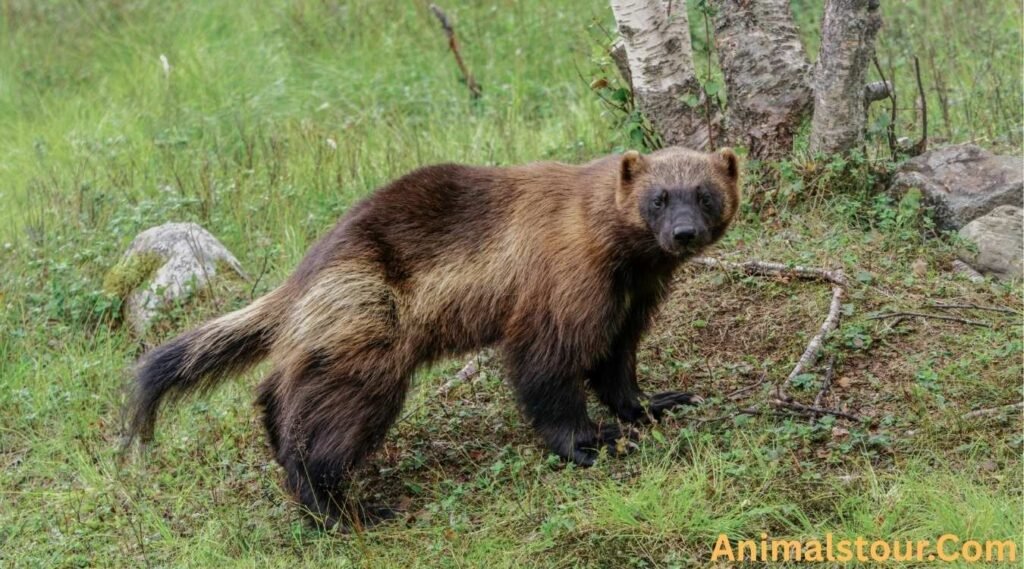
The wolverine is a powerful animal, well-known for being one of the most amazing animals with sharp claws in its habitat. These creatures live in cold, northern places and use their strong, curved claws for many important tasks. They dig deep into snow and frozen ground to find food or make dens. Their sharp claws are also excellent tools for hunting, helping them catch and hold onto prey, even animals larger than themselves. Furthermore, these claws help them climb trees and tear apart carcasses with great ease. Truly, its impressive set of sharp claws makes the wolverine a creature to respect in the wild.
Alligator
Scientific name: Alligator mississippiensis
Class: Reptilia
Diet: Carnivore
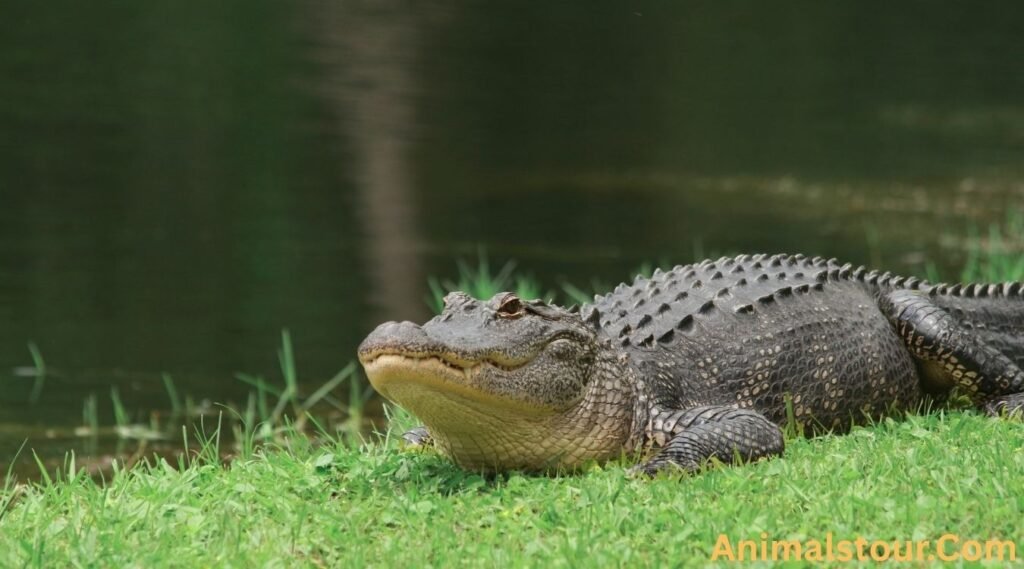
Alligators are powerful reptiles often found in warm waters. They are skilled hunters, and like other animals with sharp claws, they use these to grip their prey or dig. Their strong jaws and many teeth help them catch fish, birds, and other animals, while their tough, scaly skin protects them. These amazing creatures are important parts of their wetland homes.
Mountain lion
Scientific name: Puma concolor
Class: Mammalia
Diet: Carnivore
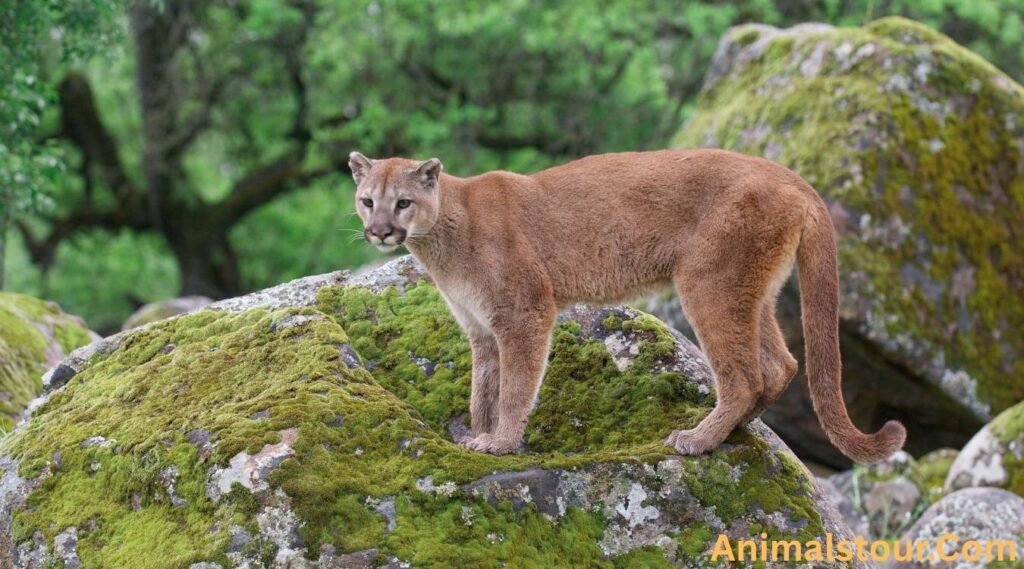
Mountain lions are powerful animals with sharp claws. These big cats live in many parts of America, from mountains to forests. Their sharp claws help them climb trees easily and catch their food, like deer and other smaller animals. They are quiet hunters, often surprising their prey in the wild. Truly, mountain lions are amazing animals known for their strong bodies and very sharp claws.
Komodo dragon
Scientific name: Varanus komodoensis
Class: Reptilia
Diet: Carnivore
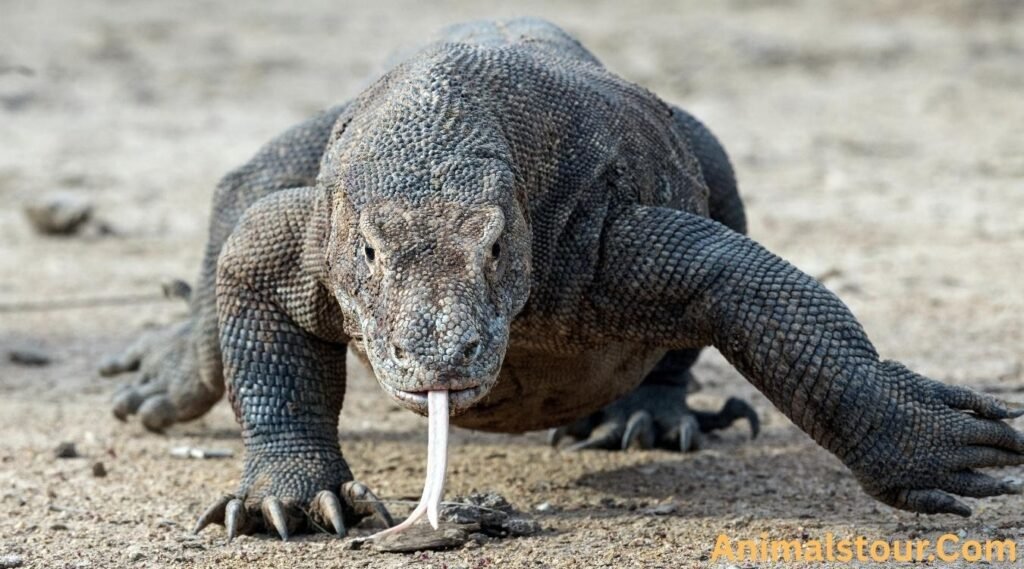
Komodo dragons are fascinating creatures, serving as excellent examples of animals with sharp claws. These massive lizards live on a few islands in Indonesia and are known for being the largest lizards on Earth. Their powerful legs end in strong, sharp claws that help them in many ways, from digging burrows to ambushing prey and even climbing trees when they are young. These formidable claws, combined with their strong jaws and venomous bite, make them incredibly effective predators in their natural habitat. Ultimately, these sharp claws are crucial for the Komodo dragon’s survival, hunting abilities, and overall dominance in its ecosystem.
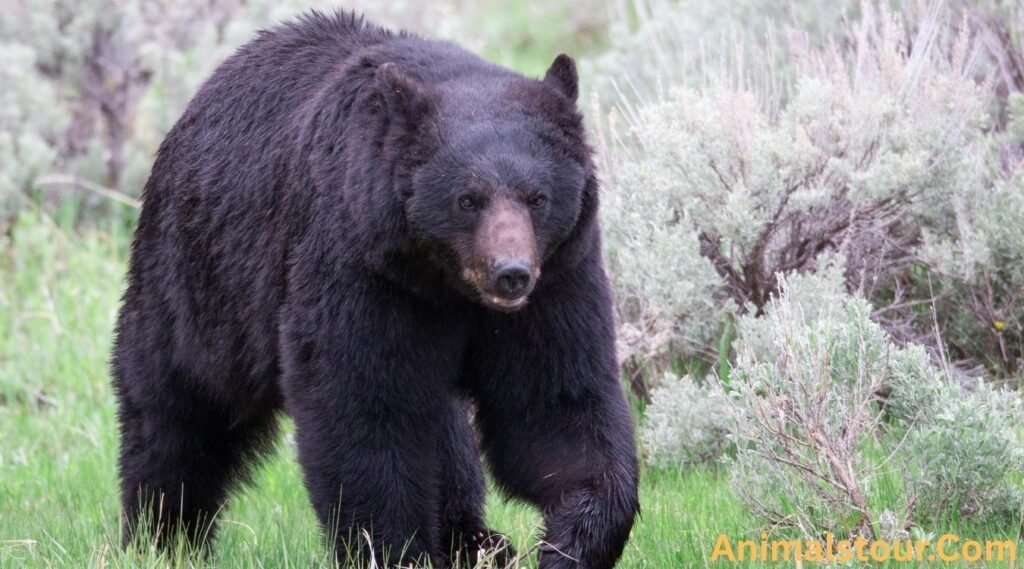
American black bear
Scientific name: Ursus americanus
Class: Mammalia
Diet: Omnivore
The American black bear is a common sight in North America, known for being one of the largest animals with sharp claws in its habitat. Their strong, curved claws are very useful, helping them climb trees quickly to escape danger or find food. These claws are also perfect for digging up roots, insects, and small animals from the ground. Even though they mostly eat plants and berries, these animals with sharp claws can use them for defense if they feel threatened. In short, the sharp claws of the American black bear are vital tools that help it survive and thrive in the wild.
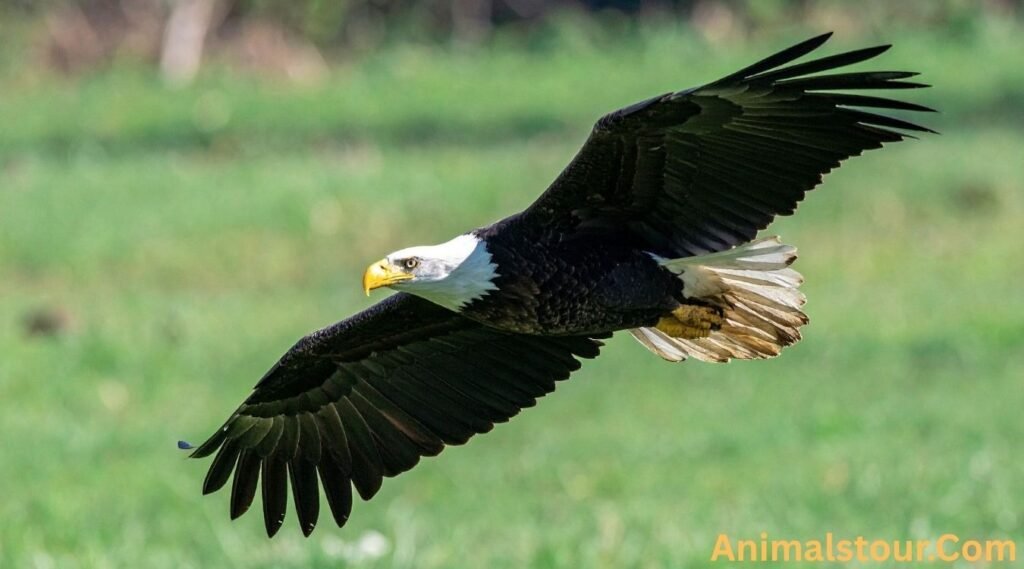
Bald eagle
Scientific name: Haliaeetus leucocephalus
Class: Aves
Diet: Carnivore
The bald eagle is a powerful bird, especially known among animals with sharp claws for its hunting skill. These large birds use their very strong, sharp talons to grab fish right out of the water, making them excellent hunters and have a top rank in the list of animals with talons.They often live near lakes and rivers where they can find plenty of food. With their distinctive white head and tail, and large brown bodies, bald eagles can be spotted soaring high above. Their powerful wings help them fly gracefully and spot prey from far away. Indeed, the bald eagle’s sharp claws are vital to its life as a top predator.
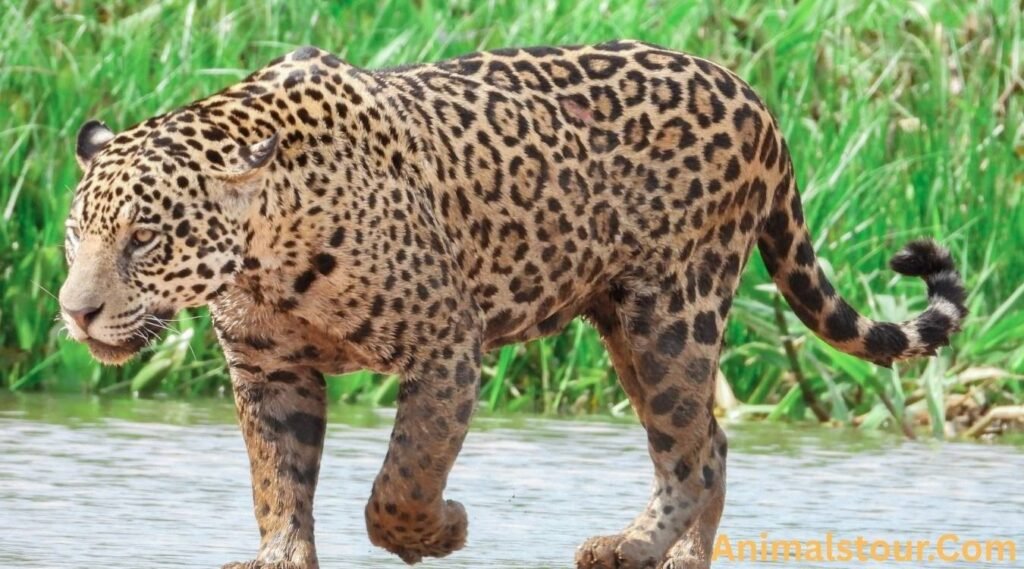
Jaguar
Scientific name: Panthera onca
Class: Mammalia
Diet: Carnivore
The jaguar is a powerful big cat, famous among animals with sharp claws. These very strong claws can be pulled back into its paws when not in use, keeping them sharp. Jaguars depend on their sharp claws for many important tasks, such as catching prey like deer and fish with a firm grip, and climbing trees with ease to rest or hunt from above. They also use them to defend themselves from other animals when needed. These amazing sharp claws are truly vital for the jaguar’s survival and its success in the wild.
Final Words
Animals with sharp claws play vital roles in diverse ecosystems. They rely on their claws for hunting and self-defense, using them to grasp prey, climb trees, or dig burrows; these adaptations have evolved across mammals, birds, reptiles, and arthropods. Sharp claws vary in shape and size according to species-specific behaviors.Overall, sharp claws are a fundamental evolutionary trait that enhances an animal’s ability to survive, reproduce, and shape its environment.
FAQS
Q: What is the primary purpose of sharp claws in the animal kingdom?
A:While claws serve different purposes depending on the species, their primary functions are hunting and predation, climbing, digging and defence.
Q: Which animal has the longest claws in the world?
A: The Giant Armadillo holds the record for the longest claws relative to body size. Its middle claw can grow up to 8 inches (20 cm) long. Among bears, the Sloth Bear and the Grizzly Bear have the longest claws, which can measure up to 4 inches (10 cm).
Q: Which animal has the sharpest claws?
A: It is difficult to scientifically measure “sharpness,” but Big Cats (like Tigers and Lions) and Birds of Prey (like the Harpy Eagle) are contenders. The Harpy Eagle’s talons are often cited as the sharpest and strongest; they are larger than a Grizzly Bear’s claws and can exert enough pressure to crush bones instantly.
Q: What are claws made of?
A: Claws are made of a tough protein called keratin. This is the same structural material that makes up human fingernails, hair, and the outer layer of skin. It provides a hard, durable covering that grows continuously throughout the animal’s life.
Q: Are there any reptiles with particularly dangerous claws?
A: While reptiles like lizards generally have smaller claws for climbing, the Komodo Dragon possesses large, curved, and sharp claws used for hunting and digging.