Explore Top 18 Amazing Animals With Claws( With Images)
The natural world is full of amazing creatures, many of which are known for their remarkable claws. These sharp, curved appendages are vital tools, used by animals with claws for a variety of essential tasks. Whether for hunting prey, defending against threats, or expertly climbing trees and rocks, claws are indispensable. Across diverse species and habitats, the presence of claws highlights an incredible adaptation crucial for survival. In this article we study these animals and the importance of claws in their life.
List Of Animals With Claws
Here’s a list of 18 animals with claws, ranging from mammals to reptiles and birds:
- Lion
- Bald Eagle
- Grizzly Bear
- Tiger
- Wolverine
- Domestic Cats
- Harpy Eagle
- Sloth Bear
- Giant Anteater
- Snow Leopard
- Red Fox
- Honey Badger
- Koala
- Great Horned Owl
- Raccoon
- African Fish Eagle
- Polar Bear
- Nile Monitor Lizard
Lion:
Scientific Name: Panthera leo
Class: Mammalia
Diet: Carnivore
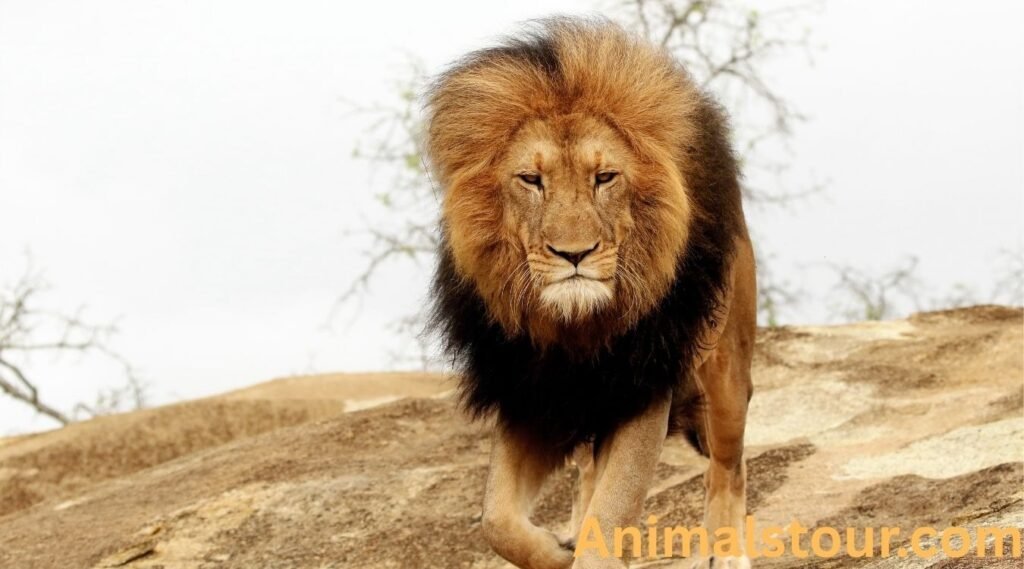
Lions are prominent examples of animals with claws, a defining feature crucial for their survival in the wild. Their large, padded paws conceal incredibly sharp, retractable claws that remain hidden until needed. These powerful tools are essential for hunting, allowing lions to grip their prey with immense force and bring it down effectively. Beyond hunting, their claws also aid in climbing trees, though less often than other big cats, and serve as a formidable defense mechanism against rivals or threats. Ultimately, these versatile claws are fundamental to how lions thrive as apex predators in their habitat.
Fun Fact: Lions can pull their sharp claws back into their paws to keep them sharp, just like house cats do.
Bald Eagle
Scientific Name: Haliaeetus leucocephalus
Class: Aves
Diet: Carnivore
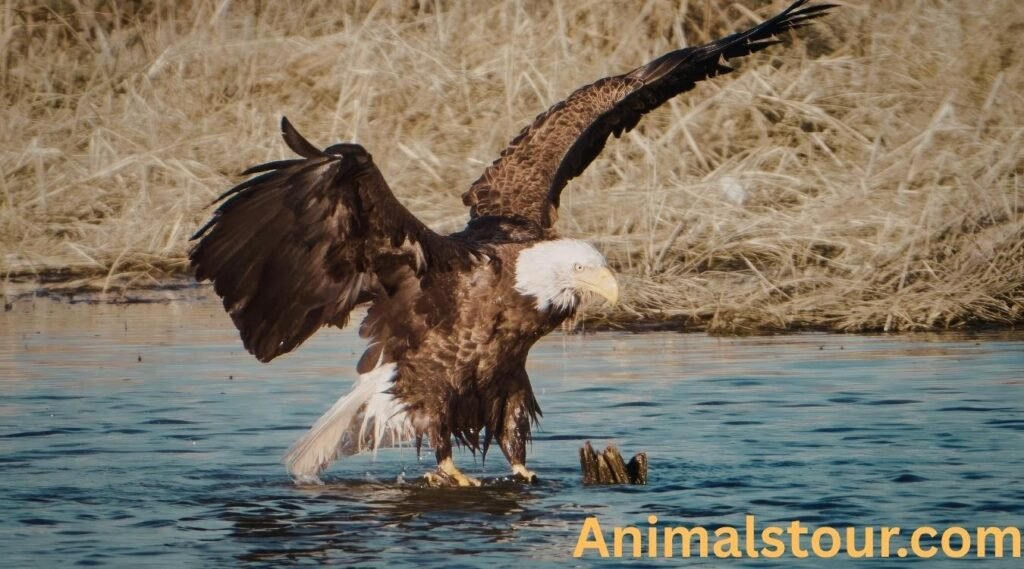
Bald Eagles are powerful animals with claws, using them effectively against other animals with claws. Their strong, curved talons are a special type of claw, perfectly suited for snatching fish. These sharp claws also help them defend their territory from other animals with claws, like competitor birds or mammals. Different types of claws exist, but the Bald Eagle’s talons are expertly designed for hunting and survival. These formidable claws are essential for their role as a top predator.
Fun Fact:A bald eagle’s grip with its claws is about ten times stronger than a person’s hand.
Grizzly Bear
Scientific Name: Ursus arctos horribilis
Class: Mammalia
Diet: Omnivore
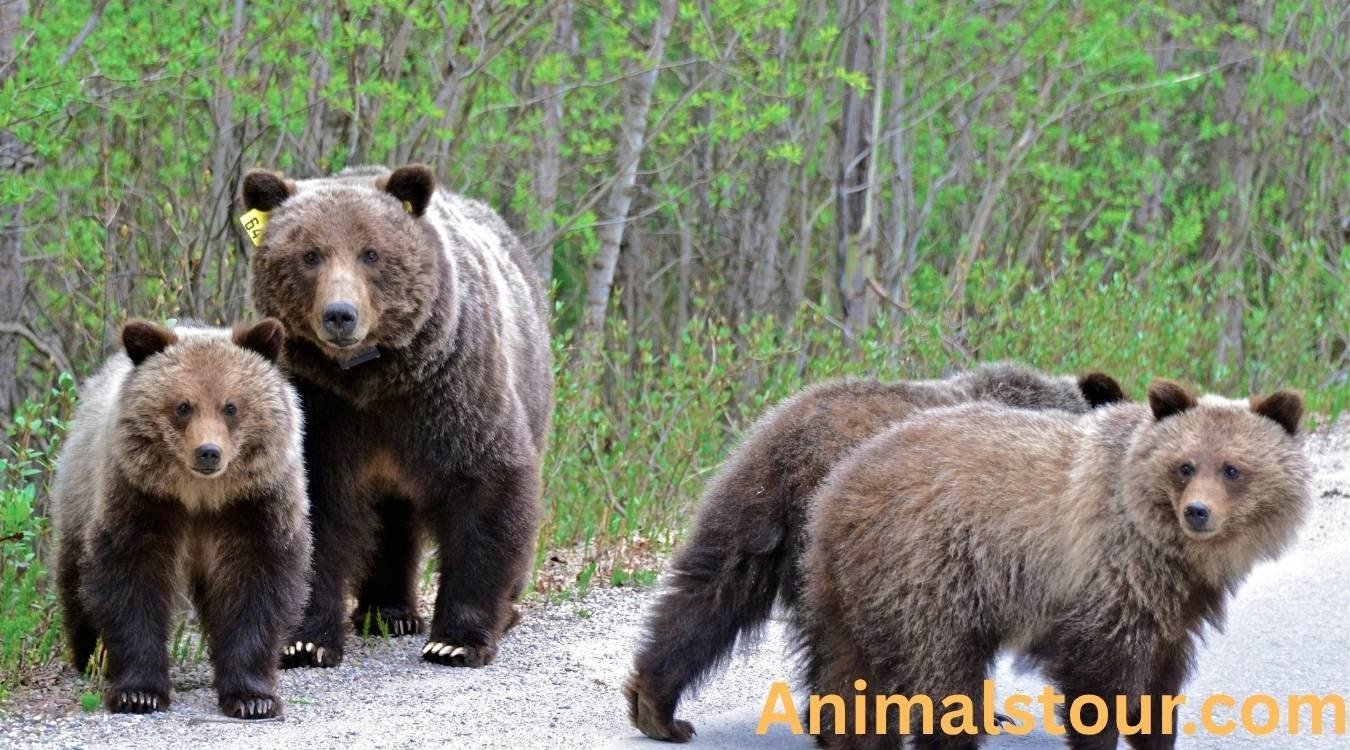
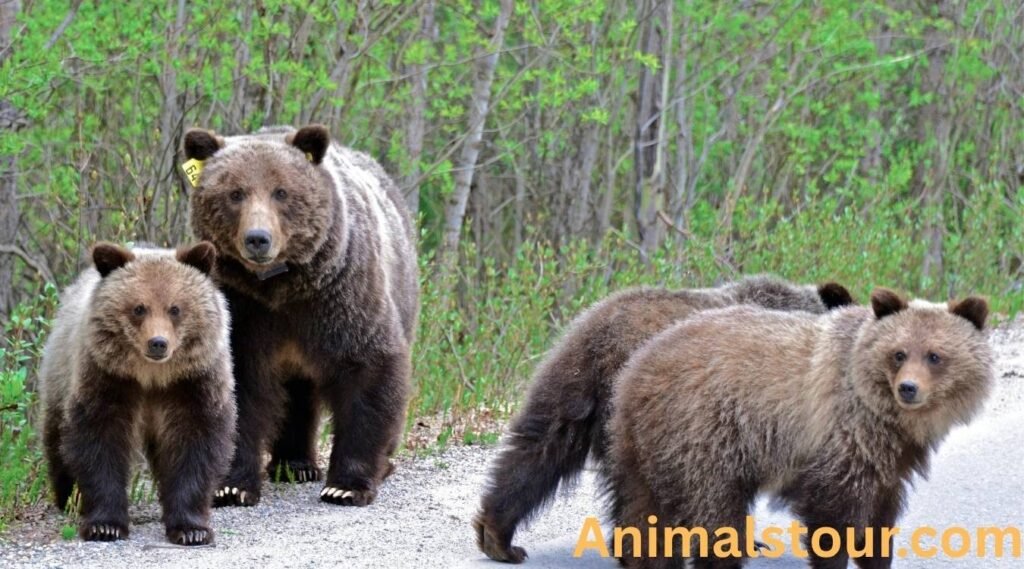
Grizzly bears are powerful animals with claws. These animals with claws use them for many important tasks, like digging for food, building dens, and defending themselves. Unlike some other creatures, grizzly claws are long, curved, and non-retractable, which are specific types of claws adapted for their lifestyle. These strong tools are absolutely vital for a grizzly’s survival in the wild.
Fun Fact:A grizzly bear’s claws can grow up to four inches long and are shaped like curved knives to help them dig for food.
Tiger
Scientific Name: Panthera tigris
Class: Mammalia
Diet: Carnivore
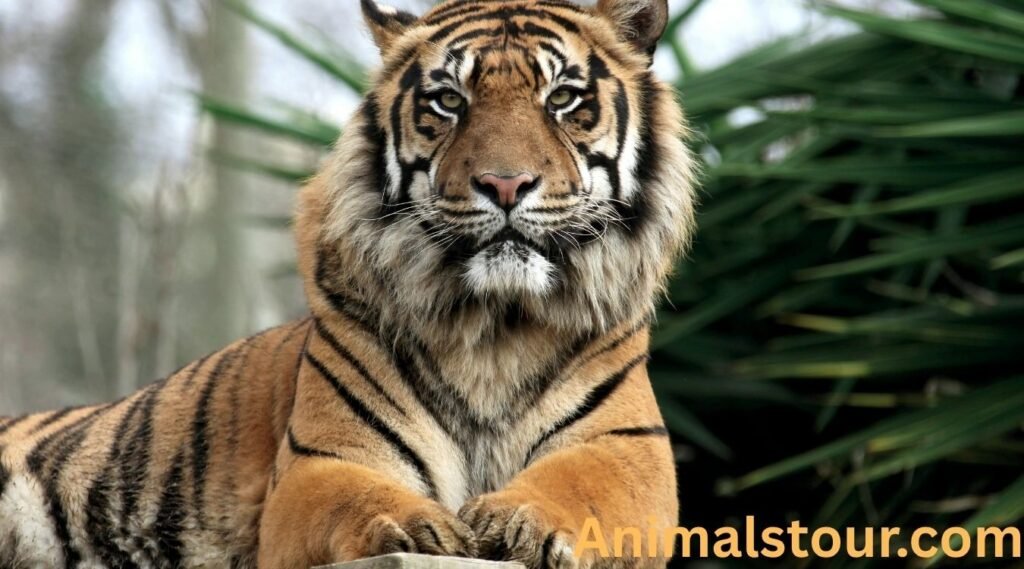
Tigers are powerful predators, equipped with incredibly sharp claws essential for their survival. These animals use their strong, retractable claws to hunt and capture other animals. Unlike some claws, a tiger’s stay hidden in a sheath, keeping them razor-sharp until needed to grab prey or climb trees. This specialized type of claw is perfect for securing a firm hold and delivering fatal blows. Therefore, a tiger’s powerful claws are a vital asset for its predatory lifestyle.
Fun Fact: A tiger’s claws are curved like hooks to help them grab onto their prey and climb trees.
Wolverine
Scientific Name: Gulo gulo
Class: Mammalia
Diet: Carnivoret
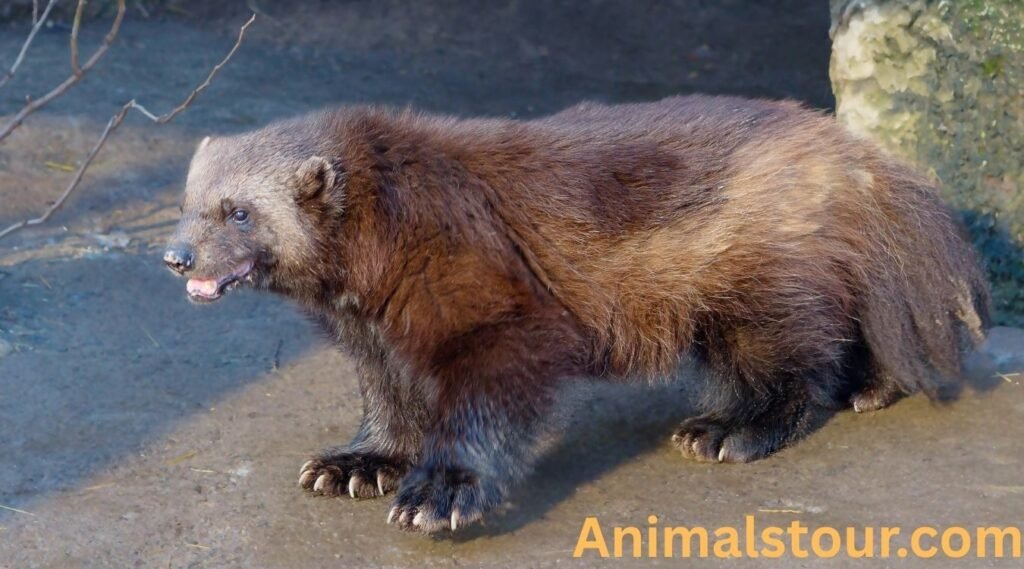
Wolverines are powerful animals, notable for their strong claws, much like many other creatures in the animal kingdom. Animals with claws, from big cats to bears and birds of prey, rely on these sharp tools for survival. Claws come in various types, such as the retractable claws of felines, the non-retractable claws of canids, or the sharp talons of eagles, each suited for specific tasks like hunting, climbing, digging, or defense. These diverse types of claws are fundamental to how many animals interact with their environment and secure their place within it.
Fun Fact: A wolverine has semi-retractable claws that stay out all the time to help it climb trees and walk on slippery snow.
Domestic Cat
Scientific Name: Felis catus
Class: Mammalia
Diet: Carnivore
Domestic cats are prime examples of animals with claws, essential tools for their survival and daily activities. These sharp appendages are primarily retractable, a unique type of claw that can be drawn back into a protective sheath. This design keeps them sharp for hunting, climbing, and self-defense, differentiating them from other animals with claws whose claws are often exposed. Ultimately, these specialized claws are fundamental to a domestic cat’s natural behaviors and agility.
Fun Fact: A domestic cat’s claws curve backwards, which makes it easy for them to climb up trees but very hard to climb back down.
Harpy Eagle
Scientific Name: Harpia harpyja
Class: Aves
Diet: Carnivore
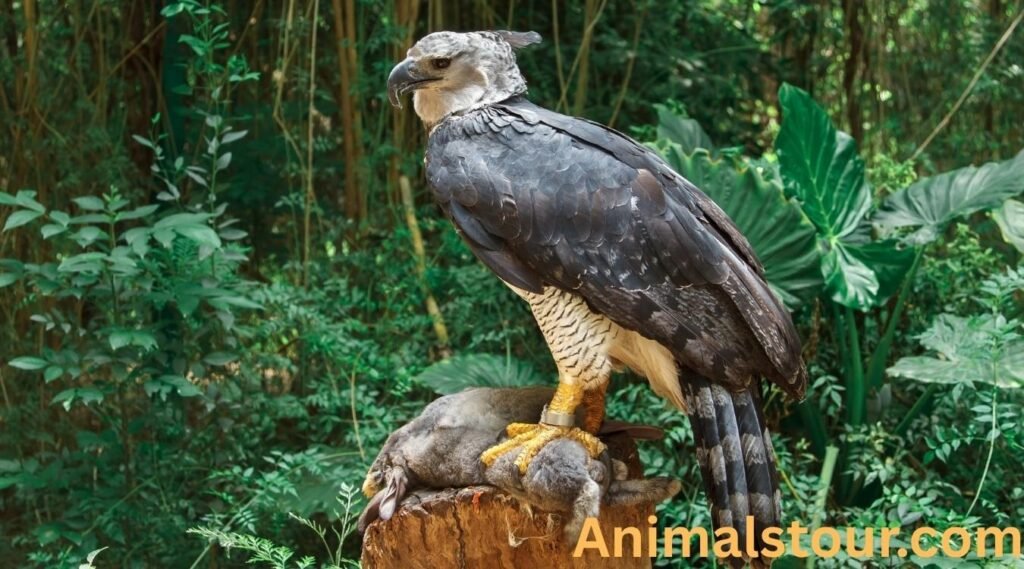
The Harpy Eagle is a powerful hunter, famously using its incredible claws to catch prey. These large birds primarily target other animals with claws, such as sloths and monkeys, snatching them effortlessly from the forest canopy. Their own talons are among the most formidable types of claws in the avian world, being exceptionally long, thick, and sharp, acting like strong grappling hooks. These specialized claws are crucial for the Harpy Eagle’s dominance as a top predator.
Fun Fact: A Harpy Eagle’s claws are so large that they are actually bigger than a grizzly bear’s claws.
Sloth Bear
Scientific Name: Melursus ursinus
Class: Mammalia
Diet: Omnivore
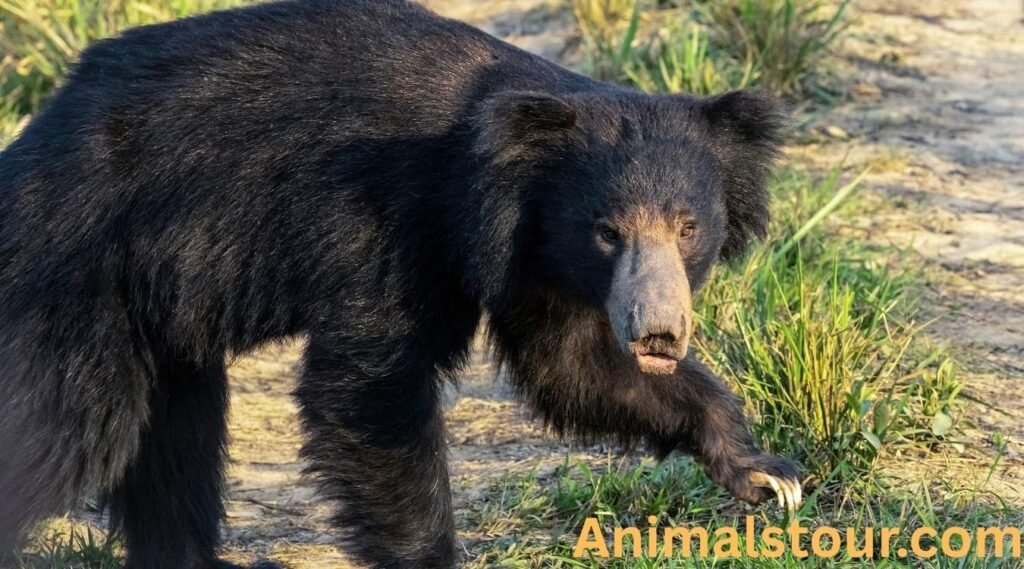
Sloth bears are unique animals with claws, using these strong tools for their daily lives. Their claws are long, thick, and non-retractable, a type of claw well-suited for digging. Unlike the sharp, hooked claws of many predators, a sloth bear’s claws are more like pickaxes, perfect for tearing open termite mounds and digging up roots. These specialized claws help them find most of their food. Indeed, these distinctive claws are vital for the sloth bear’s survival in its habitat.
Fun Fact: Sloth bears have long, curved claws that they use to rip open hard termite mounds to get their favorite food.
Giant Anteater
Scientific Name: Myrmecophaga tridactyla
Class: Mammalia
Diet: Insectivore
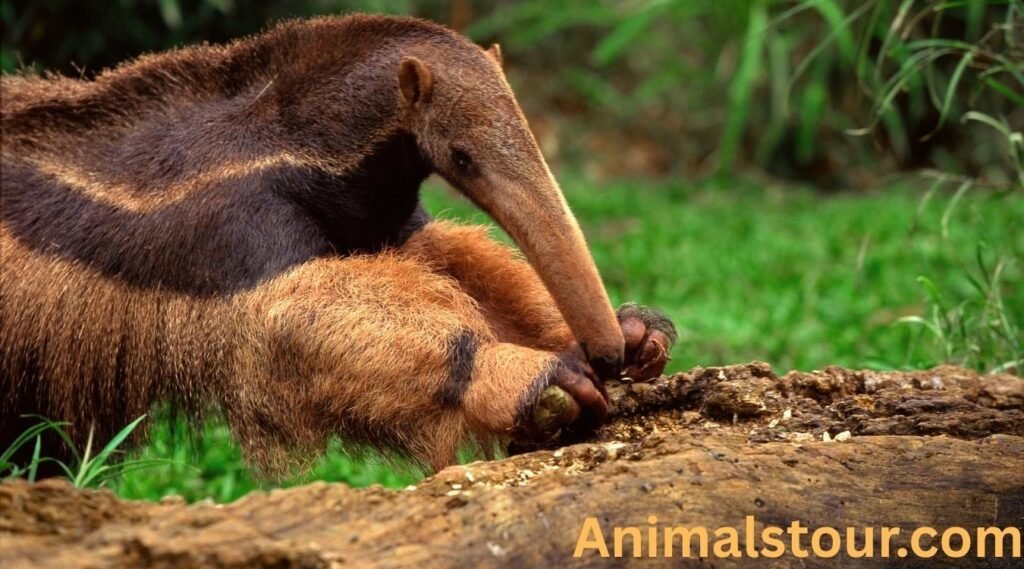
The Giant Anteater, a truly unique and amaziing creature among the many animals with claws found across the globe, possesses some of the most specialized and impressive claws in the entire animal kingdom, which are absolutely vital for its very survival. These powerful claws, especially the incredibly long and thick ones on its front feet, are not like the sharp, hooked claws of a predatory cat or the grasping claws of a monkey; instead, they represent a distinct type of claw perfectly engineered for particular purposes. Primarily, the Giant Anteater uses these formidable claws as incredibly efficient digging tools, allowing it to quickly and effortlessly tear apart the extremely tough and compact nests of ants and termites, which are its main food source, enabling it to reach the insects hidden deep within.
Furthermore, beyond just helping it find food, these same strong claws also serve as a crucial defense mechanism; if feeling threatened by a large predator such as a jaguar or puma, the anteater can stand up on its hind legs and deliver powerful, dangerous swipes with its front claws, making it a very formidable and respected opponent. Therefore, these specialized types of claws are not just a physical characteristic for the Giant Anteater but are its most essential instruments for both obtaining its unique diet and protecting itself from dangers in its natural habitat.
Fun Fact: Giant anteaters walk on their knuckles to keep their long, sharp claws off the ground.
Snow Leopard
Scientific Name: Panthera uncia
Class: Mammalia
Diet: Carnivore
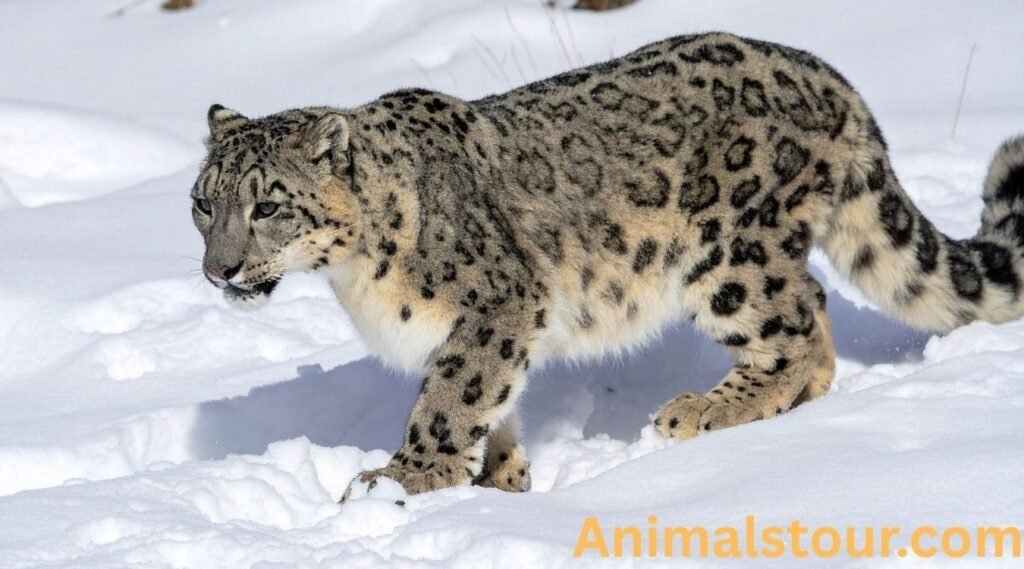
Snow leopards are expert hunters, relying on their formidable claws, much like many other animals with claws. They use these sharp tools to grip icy terrain and capture prey effectively. Snow leopards possess retractable claws, a type of claw that can be pulled back into a sheath, unlike the fixed claws seen in some other animals. These specialized claws are crucial for their survival in harsh mountain environments.
Fun Fact: Snow leopards use their large, sharp claws to grip icy rocks so they do not slip while climbing steep mountains.
Red Fox
Scientific Name: Vulpes vulpes
Class: Mammalia
Diet: Omnivore
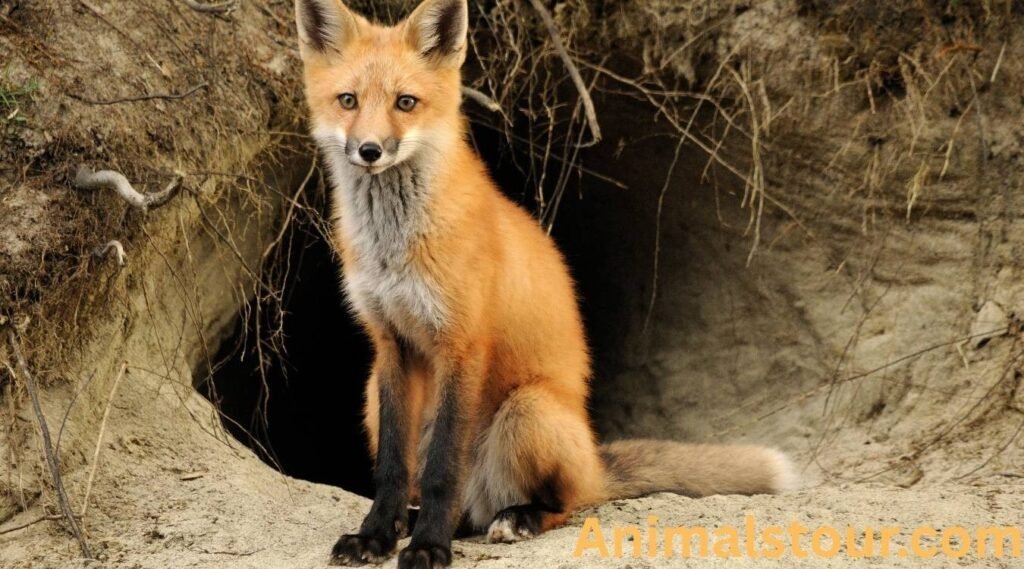
The Red Fox, like many animals, possesses claws essential for its survival. These animals with claws effectively use them for hunting prey, digging dens, and climbing. Unlike cats, Red Foxes have non-retractable claws, a specific type that is always exposed and sharp. This distinct type of claw is crucial for the Red Fox’s success in its environment.
Fun Fact: Red foxes cannot pull their claws back into their paws, so they are always visible and help them grip the ground while running.
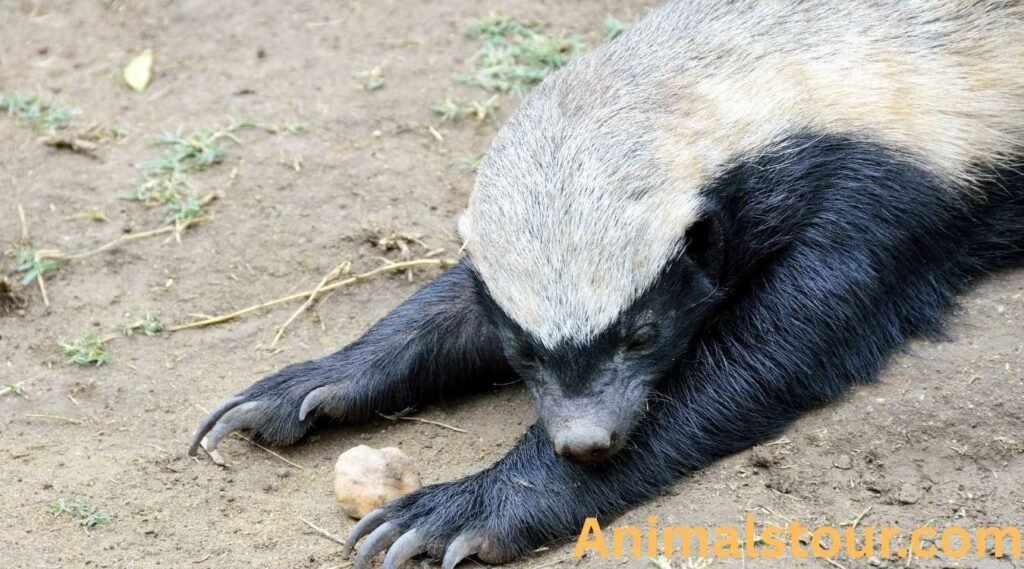
Honey Badger
Scientific Name: Mellivora capensis
Class: Mammalia
Diet: Omnivore
The honey badger is a famously tough animal that relies heavily on its powerful claws. These animals have long, strong types of claws, perfect for digging burrows and unearthing food like roots, insects, and small rodents. When encountering other animals with claws, such as leopards or hyenas, the honey badger uses its own formidable claws as a primary defense, fighting fiercely to protect itself. Ultimately, these versatile claws are essential for the honey badger’s hunting, shelter, and survival against predators.
Fun Fact: A honey badger uses its strong front claws to dig holes faster than a person with a shovel.
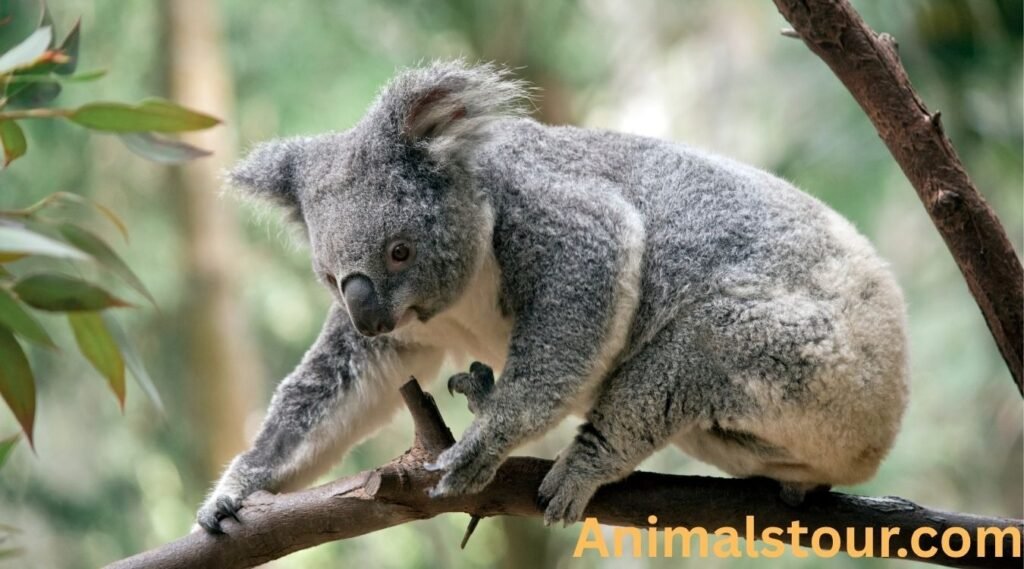
Koala
Scientific Name: Phascolarctos cinereus
Class: Mammalia
Diet: Herbivore
Koalas are unique animals with claws that are perfectly adapted for their arboreal lifestyle. Their strong, sharp claws are essential for gripping eucalyptus branches, allowing them to climb and maintain balance high in trees. These specific types of claws are non-retractable and very curved, providing an excellent hold on smooth bark. Ultimately, a koala’s specialized claws are vital for its survival and movement in its tree-dwelling habitat.
Fun Fact: Koalas have two thumbs on their front paws that help their sharp claws hold onto tree branches tightly.
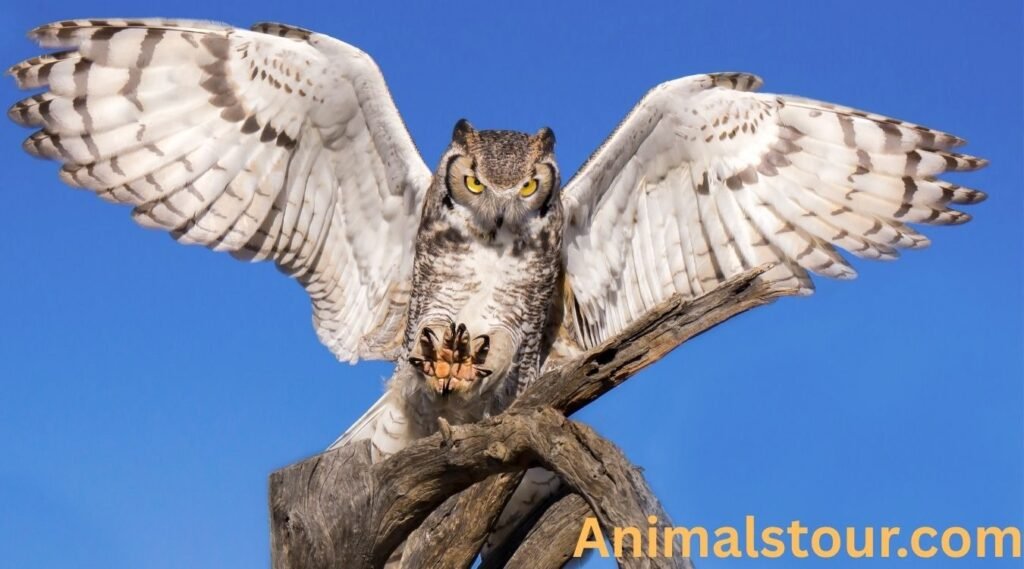
Great Horned Owl
Scientific Name: Bubo virginianus
Class: Aves
Diet: Carnivore
Great Horned Owls are formidable predators that heavily depend on their sharp claws. These powerful birds use their strong talons to grasp and subdue prey, often hunting other animals with claws such as skunks, rabbits, and even other raptors. Their large, curved claws are specifically designed for piercing and holding, representing a highly effective type of claw for their predatory lifestyle. Ultimately, these specialized claws are essential tools for the Great Horned Owl’s hunting success and survival.
Fun Fact: A Great Horned Owl has a grip so strong with its claws that it can easily crush the bones of its prey.
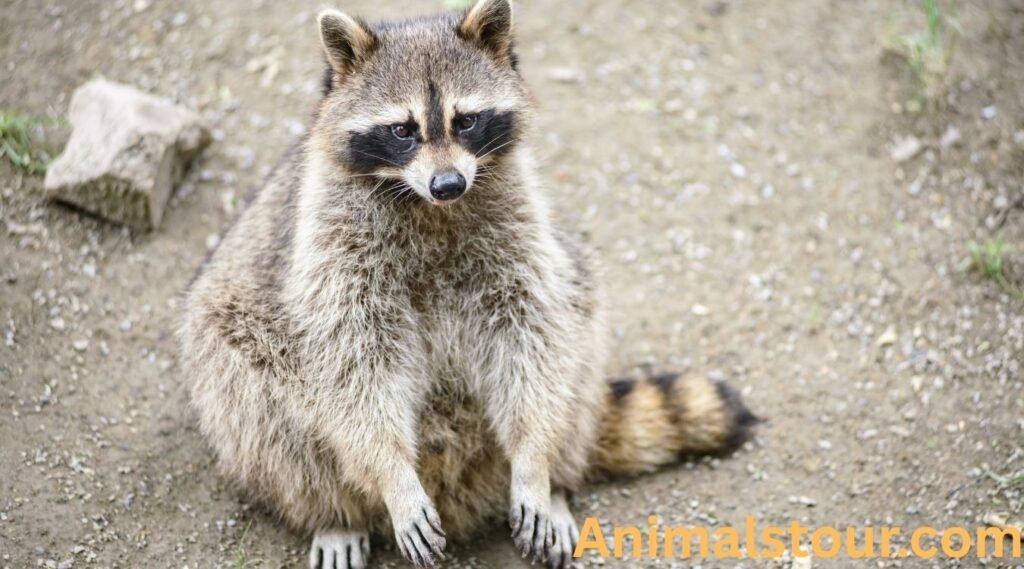
Raccoon
Scientific Name: Procyon lotor
Class: Mammalia
Diet: Omnivore
Raccoons are prime examples of animals with claws. They use their strong, sharp claws extensively for climbing trees, digging for food, and grasping items with dexterity. Unlike some other animals with claws, raccoons possess a specific type of claw: non-retractable, meaning they cannot be pulled back. These fixed claws provide constant grip and stability, making them vital tools for a raccoon’s diverse daily activities.
Fun Fact: A raccoon’s front claws are so nimble that they work like human fingers to open jars and unlock latches.
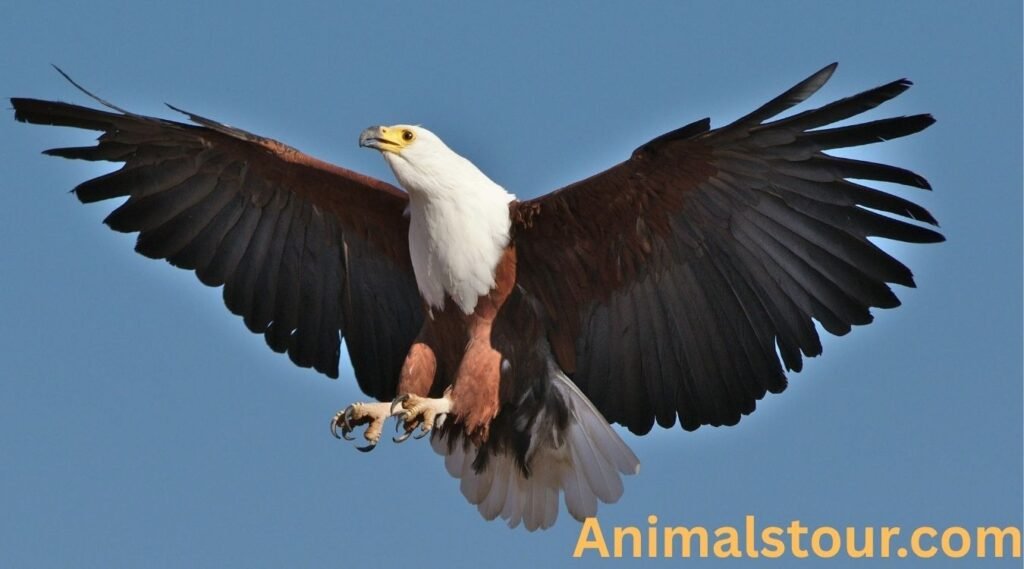
African Fish Eagle
Scientific Name: Haliaeetus vocifer
Class: Aves
Diet: Carnivore
The African Fish Eagle is a remarkable animal with claws, perfectly evolved for its predatory lifestyle. It uses its formidable talons, a specialized type of claws, to snatch fish directly from the water with incredible precision. These powerful appendages allow it to capture other animals for food, sometimes even encountering other animals with claws in its pursuit. Ultimately, the eagle’s strong, hooked claws are vital for its survival and success as a hunter.
Fun Fact: An African Fish Eagle uses its strong, sharp claws to snatch slippery fish right out of the water.
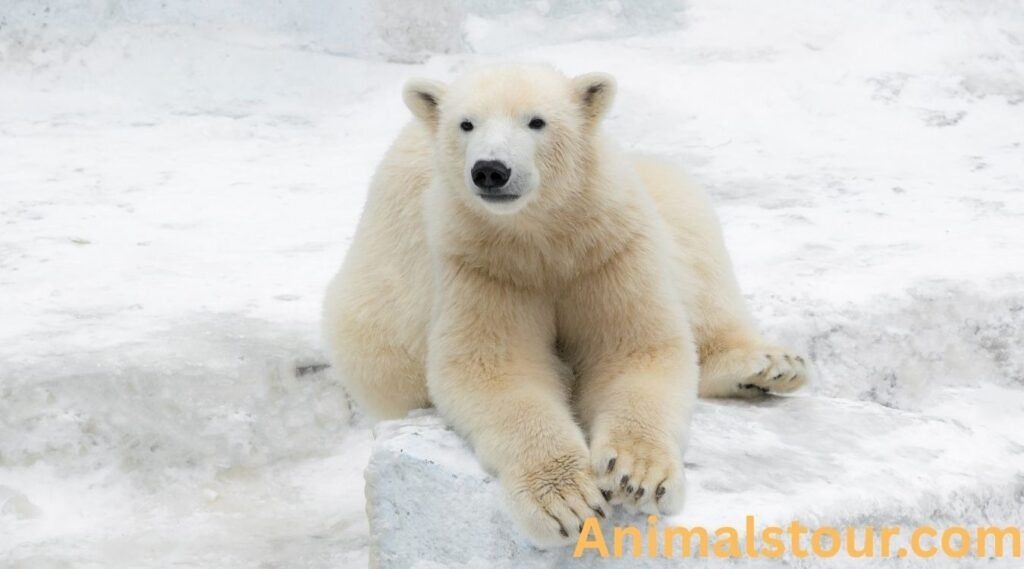
Polar Bear
Scientific Name: Ursus maritimus
Class: Mammalia
Diet: Carnivore
Polar bears are impressive animals with claws, essential for their Arctic survival. Like many animals with claws, their large paws feature strong, non-retractable claws. These are a specific type of claw, thick and curved, perfect for gripping ice and snow, and for digging dens. They use these powerful claws to hunt seals, their primary prey, and to navigate their icy habitat with ease. Clearly, their claws are vital tools for their Arctic survival.
Fun Fact: Polar bears have huge, sharp claws that act like ice picks to help them walk on slippery ice.
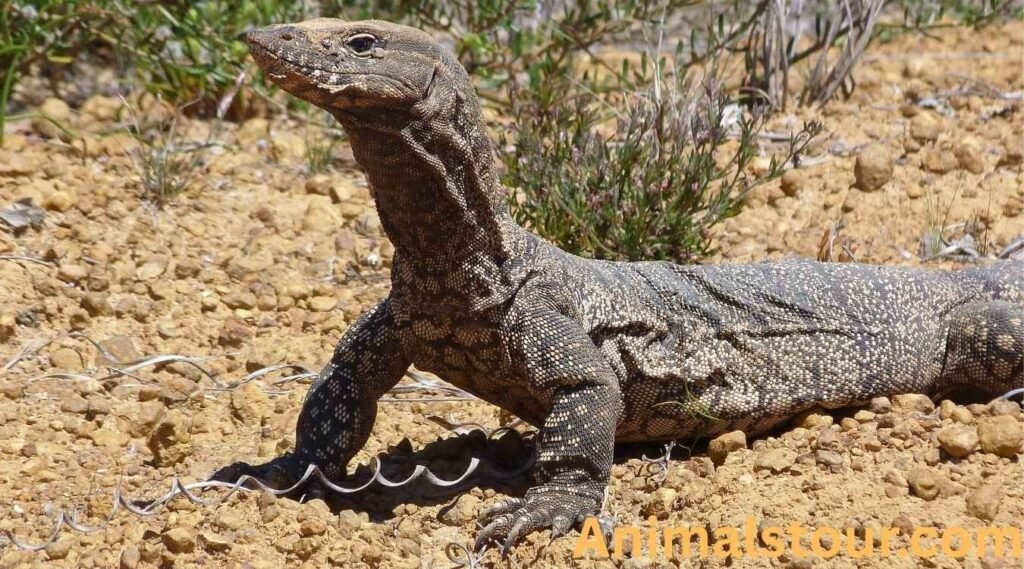
Nile Monitor Lizard
Scientific Name: Varanus niloticus
Class: Reptilia
Diet: Carnivore
Nile Monitor Lizards are powerful animals with claws, using these tools for many essential activities. Their strong, sharp claws are vital for climbing trees, digging burrows, and catching prey. These versatile types of claws also help them defend themselves from threats. Ultimately, the Nile Monitor’s impressive claws are crucial for its survival and success in its habitat.
Fun Fact: A Nile Monitor Lizard uses its long, sharp claws to climb trees and dig deep holes in the ground.
Conclusion
Claws are essential tools for many animals. They help predators catch food and allow others to climb, dig, or defend themselves from threats. These sharp features are vital for daily survival and interacting with their environment. Thus, claws are fundamental to how countless species live and thrive in their habitats.
FAQS
1. Which animals have claws or nails?
Many different types of animals have claws, including mammals like cats and dogs, birds, reptiles like lizards, and arthropods like crabs, while nails are mostly found on primates like monkeys, apes, and humans.
2. What animal groups have claws?
Claws are found on many different types of animals, including mammals, birds, reptiles, and arthropods like crabs and insects.
3. What are animal claws called?
Animal claws are generally just called claws, but they are often called talons on birds of prey and nails on primates like humans.
4. Do any birds have claws?
Yes, all birds have claws on their feet to help them grip branches, walk, or catch food.
5. Which animals have the strongest claws?
The Harpy Eagle has some of the strongest claws in the animal kingdom, with a grip powerful enough to crush bones.
6. Are talons the same as claws?
Talons are a specific type of sharp claw found on birds of prey like eagles and hawks.
7. What are claws made of?
Claws are made of a hard protein called keratin, which is the same material that makes up human fingernails.
8. Why do some animals have retractable claws?
Animals have retractable claws to keep them sharp for hunting and to help them walk quietly.
9. Which animal has the longest claws?
The giant armadillo has the longest claws of any animal, with some growing up to eight inches long.