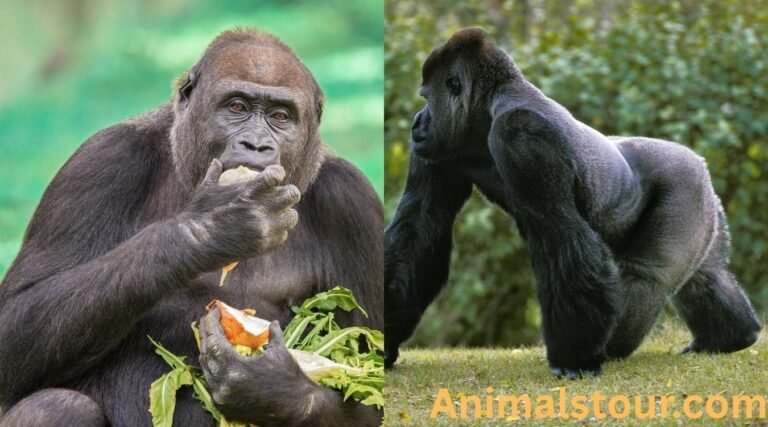
Explore Top 25 Most Energetic Animals (High Stamina Active Wildlife Species)
Some most energetic animals are incredibly full of energy, always moving and rarely slowing down. These hyper animals are known for their non stop activity and powerful stamina. These incredible creatures display remarkable stamina and constant movement in their daily lives.
From hunting to migrating and playing, these hyperactive animals stay active for long periods without tiring easily. Learning about them reveals unique adaptations for their high energy lifestyles. In this guide, we explore the most active animals in the world, their energy levels, and the unique traits that keep them going.
List of Most Energetic Animals
Here is the list of energetic animals in the world:
- Pronghorn
- Ants
- Arctic Tern
- Dolphins
- Kangaroos
- Mustang Horse
- Squirrel
- Cheetahs
- Adélie Penguin
- Capuchin Monkey
- Wolf
- Hummingbirds
- Tasmanian Devil
- African Wild Dogs
- Swallow
- Siberian Husky
- Dragonfly
- Shrews
- Sea Otters
- Chimpanzee
- Baby Goats
- Border Collies
- Honeybees
- Jack Russell Terrier
- Squirrel Monkeys
Pronghorn
Scientific name: Antilocapra americana
Class: Mammalia
Diet: Herbivore
The pronghorn is one of the fastest land animals in the whole world. It is considered one of the fastest high energy animals in the wild. It can run up to 55 miles per hour without even breaking a sweat. Unlike the cheetah, the pronghorn can maintain its high speed for a very long time. It lives in open grasslands where speed is its best tool for survival.
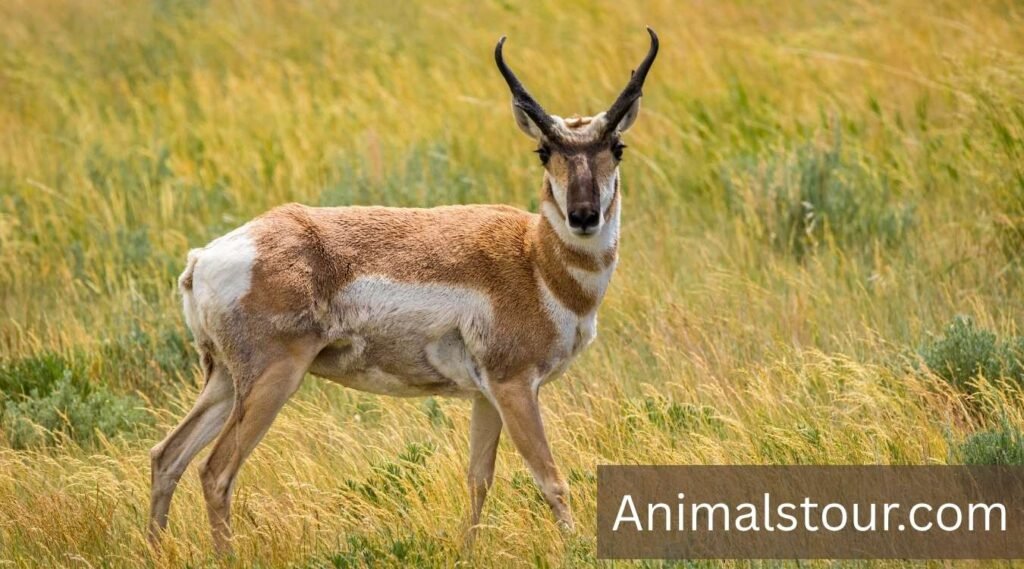
This animal is built for endurance, not just short bursts of energy. Its large lungs and strong heart pump oxygen through its body efficiently. Predators rarely catch a pronghorn once it gets going at full speed. It is truly one of nature’s most impressive long distance runners alive today.
Ants
Scientific name: Formicidae
Class: Insecta
Diet: Omnivore
Ants are tiny creatures but they carry energy levels that are truly extraordinary. A single ant can carry up to 50 times its own body weight with ease. They work around the clock, rarely stopping to rest or slow down. Their colonies are always buzzing with activity, building, foraging, and protecting their queen.
Ants are perfect examples of energy animals that never seem to stop working. Ants communicate through chemicals and work together like a perfectly organized army. They can travel long distances daily just to find food for their colony. Their teamwork and tireless work ethic make them one of the most energetic insects. No other insect matches the ant’s combination of strength, speed, and endless stamina.
Arctic Tern
Scientific name: Sterna paradisaea
Class: Aves
Diet: Carnivore
The Arctic Tern makes one of the longest migrations of any animal on Earth. Every year, it travels from the Arctic all the way to Antarctica and back again. That round trip covers nearly 50,000 miles of non stop flying every single year. This small bird has more energy and endurance than most animals twice its size.
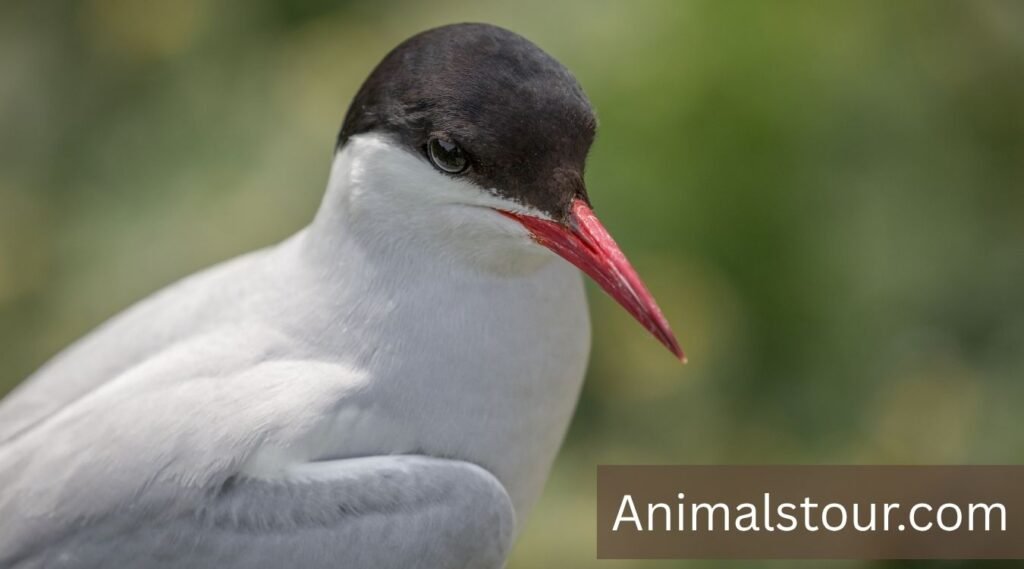
It spends most of its life in the air, rarely touching the ground at all. The Arctic Tern chases summer on both ends of the planet to get more daylight. Its lightweight body and strong wings make long distance flying look completely effortless. This bird is without a doubt one of nature’s greatest endurance athletes ever known.
Dolphins
Scientific name: Delphinidae
Class: Mammalia
Diet: Carnivore
Dolphins are among the most playful and energetic animals living in the ocean. They swim at fast speeds, leap out of water, and ride waves with pure joy. Dolphins are highly social and spend their days swimming, hunting, and playing together. Their energy never seems to drop, even after hours of swimming in open water.
They are incredibly intelligent and use that intelligence to stay active and engaged. Dolphins communicate with each other through clicks, whistles, and body movements constantly. They can swim up to 25 miles per hour when they really push themselves forward. Their boundless energy and cheerful nature make them one of the ocean’s greatest wonders.
Kangaroos
Scientific name: Macropus
Class: Mammalia
Diet: Herbivore
Kangaroos are powerful and energetic animals that are native to Australia. They use their strong back legs to hop at speeds of up to 35 miles per hour. A single hop can cover more than 25 feet of ground in just one bound. Their thick, muscular tails help them balance and steer while moving at high speeds.
Kangaroos can keep hopping for long distances without getting tired too quickly. Their unique hopping style actually uses less energy the faster they go. They are also strong fighters, using their legs to kick with incredible force and power. Kangaroos are true symbols of raw energy, strength, and athletic ability in the wild.
Mustang Horse
Scientific name: Equus ferus caballus
Class: Mammalia
Diet: Herbivore
The Mustang horse is a free roaming wild horse known for its incredible speed and stamina. It can gallop at speeds of up to 35 miles per hour across open terrain. Mustangs travel many miles every day just searching for water and fresh grass. Their tough hooves and strong muscles make them built for long, hard journeys.
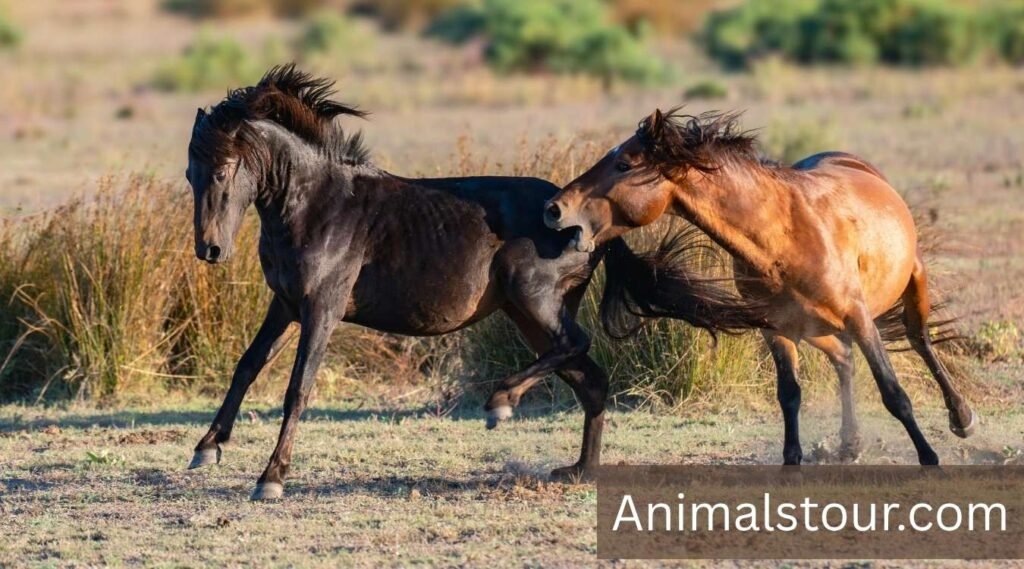
These horses are survivors, shaped by centuries of living freely in the wild. They live in herds and are always alert, ready to run from danger at any moment. Mustangs are known for their fierce spirit and their refusal to give up easily. Their wild energy and natural endurance make them one of the most admired horses alive.
Squirrel
Scientific name: Sciuridae
Class: Mammalia
Diet: Omnivore
Squirrels are small, fast, and full of energy animals from morning until the sun goes down. They spend their days running, climbing, jumping, and searching for food nonstop. A squirrel can leap up to ten times its own body length in a single jump. Their quick reflexes and sharp eyes help them move through trees with incredible speed.
Squirrels are always busy preparing for winter by hiding nuts and seeds everywhere. They can find food buried under snow using their powerful memory and sharp nose. Their tiny legs carry them up and down trees faster than most animals can react. Squirrels are proof that big energy can come packed inside a very small body. Because of their constant movement, squirrels are often seen as hyperactive animals in nature.
Cheetahs
Scientific name: Acinonyx jubatus
Class: Mammalia
Diet: Carnivore
The cheetah is the fastest land animal on the planet, plain and simple. It can go from zero to 70 miles per hour in just a few short seconds. Its flexible spine, long legs, and deep chest make it a perfect speed machine. Every part of a cheetah’s body is designed for one thing — running incredibly fast.
Cheetahs hunt during the day using explosive speed to catch their prey quickly. A full speed chase usually lasts less than a minute before the cheetah tires out. They need to rest after each hunt to recover their energy before running again. Despite their short bursts, no land animal on Earth can match their raw top end speed.
Adélie Penguin
Scientific name: Pygoscelis adeliae
Class: Aves
Diet: Carnivore
The Adélie Penguin is a small but incredibly tough and energetic bird of Antarctica. It swims fast, waddles constantly, and never seems to sit still for very long. These penguins travel up to 185 miles just to reach their nesting grounds each year. They dive deep into freezing cold water to catch fish with speed and precision.
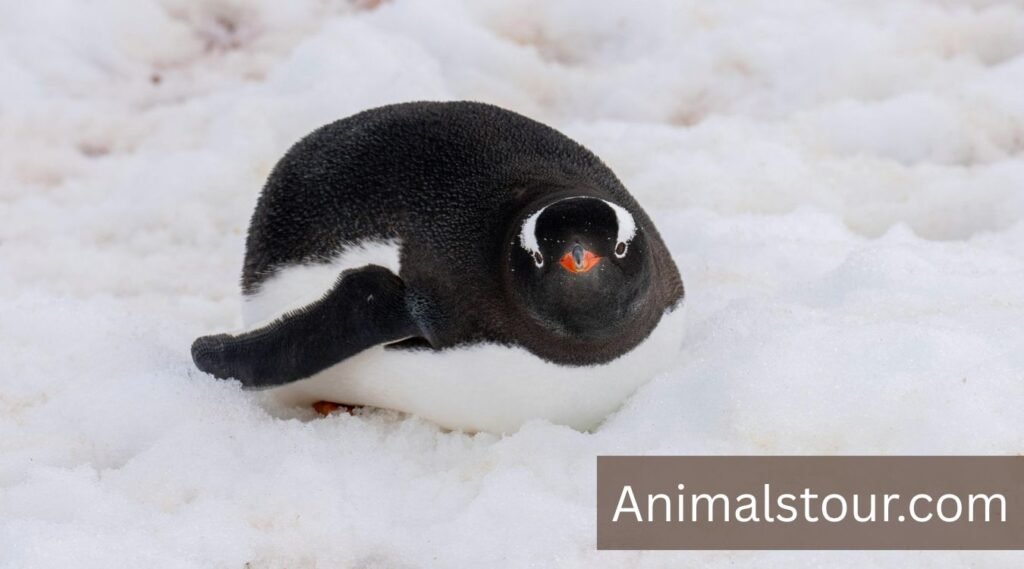
Adélie Penguins are fearless and full of life despite living in extreme harsh conditions. They build nests from pebbles and fiercely defend them from other penguins nearby. Their swimming speed can reach up to 15 miles per hour underwater when chasing prey. These little penguins pack more energy and attitude than animals many times their size.
Capuchin Monkey
Class: Mammalia
Diet: Omnivore
Capuchin monkeys are some of the most active and curious primates in the jungle. They spend their entire day swinging, climbing, foraging, and exploring their environment. These monkeys rarely stay still, always moving from branch to branch with amazing speed. Their sharp minds and quick hands make them expert hunters and problem solvers.
Capuchins live in social groups and spend a lot of energy communicating and playing. They are known to use tools like rocks and sticks to crack open hard nuts. Their high metabolism keeps their energy levels pumped up throughout the entire day. Few animals match the capuchin’s combination of mental sharpness and pure physical energy.
Wolf
Scientific name: Canis lupus
Class: Mammalia
Diet: Carnivore
Wolves are powerful, intelligent, and incredibly high energy animals of the wild. They can run at speeds of up to 35 miles per hour when chasing their prey. Wolves travel huge distances every day, sometimes covering over 30 miles in a single night. Their strong legs and stamina allow them to keep going long after other animals stop.
Wolves hunt in packs and use teamwork to bring down animals much larger than themselves. They communicate through howls, body language, and eye contact within their tight knit pack. Their endurance during a hunt is one of their greatest and most powerful weapons. Wolves are relentless, focused, and built to keep moving no matter how tough things get.
Hummingbirds
Scientific name: Trochilidae
Class: Aves
Diet: Omnivore
Hummingbirds are tiny flying machines with energy levels that are absolutely mind blowing. Their wings beat up to 80 times per second, creating that famous humming sound in the air. They can fly forward, backward, sideways, and hover in place with perfect control. No other bird in the world can match the hummingbird’s flying skills and agility.
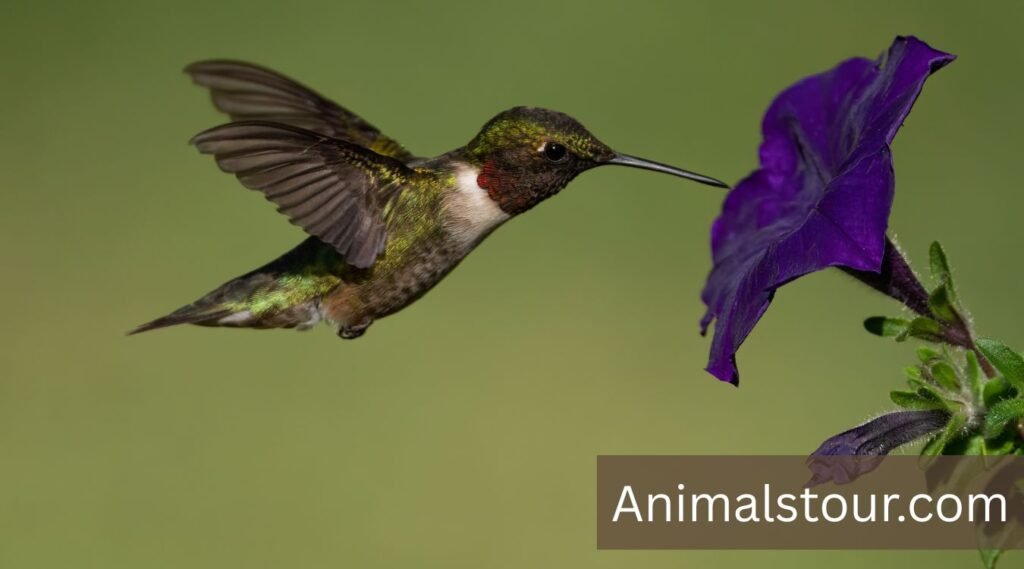
To fuel all that energy, hummingbirds must eat constantly throughout the entire day. They visit hundreds of flowers daily, drinking nectar to keep their fast metabolism running. Among all hyper animals, hummingbirds have one of the fastest metabolisms. Their heart beats over 1,000 times per minute when they are flying at full speed. The hummingbird is living proof that the smallest creatures can have the biggest energy.
Tasmanian Devil
Scientific name: Sarcophilus harrisii
Class: Mammalia
Diet: Carnivore
The Tasmanian Devil is a small but ferociously energetic animal from Australia. It has one of the strongest bites of any mammal relative to its body size. These animals are always on the move, covering several miles every single night in search of food. Their loud screeching, fast movements, and fierce attitude make them truly unforgettable creatures.
Tasmanian Devils are scavengers and hunters that eat almost anything they can find. They can consume up to 40 percent of their own body weight in one single sitting. Despite their small size, they are bold, aggressive, and full of raw, wild energy. The Tasmanian Devil is small in size but enormous when it comes to attitude and power.
African Wild Dogs
Scientific name: Lycaon pictus
Class: Mammalia
Diet: Carnivore
African Wild Dogs are some of the most efficient and energetic hunters on the African savanna. They hunt in packs and can chase prey for miles without slowing down or stopping. Their success rate on hunts is over 80 percent, far higher than lions or cheetahs. Every member of the pack works together with perfect coordination and teamwork.
These dogs are always active, playing, grooming, and communicating within their close family group. They take care of injured and elderly pack members, showing both energy and deep compassion. African Wild Dogs can run at speeds of up to 44 miles per hour during a chase. They are truly one of Africa’s most impressive, energetic, and underrated wild animals today.
Swallow
Scientific name: Hirundinidae
Class: Aves
Diet: Insectivore
Swallows are fast, agile, and tireless birds that spend most of their lives in the air. They can fly up to 35 miles per hour and change direction in the blink of an eye. Swallows catch insects mid flight, using their sharp eyesight and quick reflexes perfectly. Their slim, aerodynamic bodies are perfectly built for fast and effortless long distance flying.
Every year, swallows migrate thousands of miles between continents without losing their energy. They skim over water, dart through fields, and loop through the sky with pure grace. Swallows are always in motion, from the moment the sun rises until it sets again. Their speed, agility, and endurance make them one of the skies’ most energetic flyers.
Siberian Husky
Scientific name: Canis lupus familiaris
Class: Mammalia
Diet: Omnivore
The Siberian Husky is one of the most energetic and hardworking dog breeds ever known. These dogs were bred to pull heavy sleds across frozen Arctic landscapes for hours. They can run up to 28 miles per hour and keep going for incredibly long distances. Cold weather doesn’t slow them down in fact, it makes them run even better.

Huskies are always eager to move, play, and explore everything around them with excitement. They need a lot of daily exercise or they become restless and full of nervous energy. Their thick double coat protects them from extreme cold while they work and run. Siberian Huskies are built for endurance, adventure, and a life that never slows down.
Dragonfly
Scientific name: Anisoptera
Class: Insecta
Diet: Carnivore
The Dragonfly is one of the most agile and energetic flyers in the entire insect world. It can fly in all directions forward, backward, sideways, and straight up with ease. Dragonflies can reach speeds of up to 35 miles per hour in short powerful bursts. Their four independent wings give them complete control over every move they make in the air.
Dragonflies are expert hunters and catch up to 95 percent of the prey they chase. They spend most of their adult lives in the air, always hunting or patrolling their territory. Their compound eyes can see in almost every direction at the same time clearly. The dragonfly is a tiny but incredibly powerful and energetic master of the sky.
Shrews
Scientific name: Soricidae
Class: Mammalia
Diet: Insectivore
Shrews are some of the smallest yet most hyperactive animals living on the planet today. Their hearts beat over 1,000 times per minute, which is almost impossible to imagine. They must eat nearly their entire body weight in food every single day to survive. If a shrew goes more than a few hours without eating, it can actually die quickly.
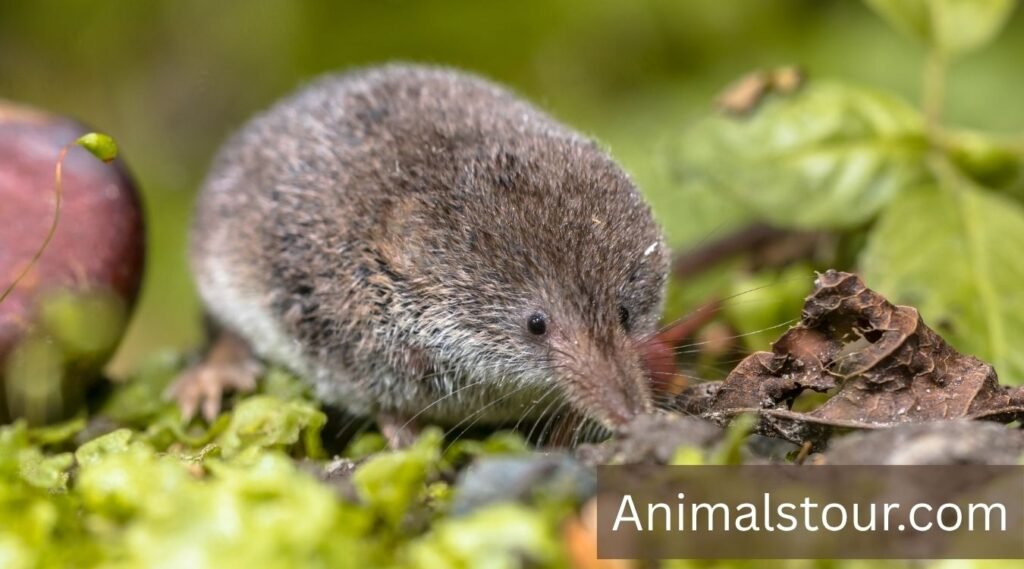
Shrews are always moving, digging, hunting, and eating without any real rest at all. Shrews are extreme energy animals due to their incredibly fast metabolism. Despite their tiny size, they are fierce hunters that take on insects and small creatures. Shrews are the ultimate example of non stop, high octane energy packed into the tiniest body.
Sea Otters
Scientific name: Enhydra lutris
Class: Mammalia
Diet: Carnivore
Sea Otters are playful, lively, and surprisingly energetic animals of the Pacific Ocean coast. They spend their days swimming, diving, cracking open shellfish, and floating on their backs. Sea Otters must eat up to 25 percent of their body weight every single day. Their high food intake fuels their fast metabolism and keeps them warm in cold water.

They are constantly busy grooming their fur to keep it clean and waterproof daily. Sea Otters hold hands while sleeping so they don’t drift apart in the ocean current. Their playful nature and constant activity make them a joy to watch in the wild. Sea Otters are energetic, adorable, and absolutely full of life every single day.
Chimpanzee
Scientific name: Pan troglodytes
Class: Mammalia
Diet: Omnivore
Chimpanzees are incredibly energetic, intelligent, and social animals of the African rainforest. They spend their days climbing, swinging, foraging, playing, and exploring their large home range. Chimps are always active and curious, investigating everything in their environment with sharp minds. Their physical strength is remarkable a chimp is many times stronger than an average human.

Chimpanzees live in complex social groups where politics, relationships, and energy never stop. They communicate through gestures, facial expressions, vocalizations, and physical touch constantly. Chimps use tools like sticks and rocks to find food and solve daily problems. Their endless curiosity, strength, and social energy make them one of nature’s most fascinating animals.
Baby Goats
Scientific name: Capra aegagrus hircus
Class: Mammalia
Diet: Herbivore
Baby goats, also called kids, are bundles of pure joy and unstoppable wild energy. From the moment they are born, they are jumping, running, and exploring everything around them. They leap off rocks, climb anything they can find, and chase each other endlessly all day. Their playful energy and silly antics make them one of the most entertaining young animals.
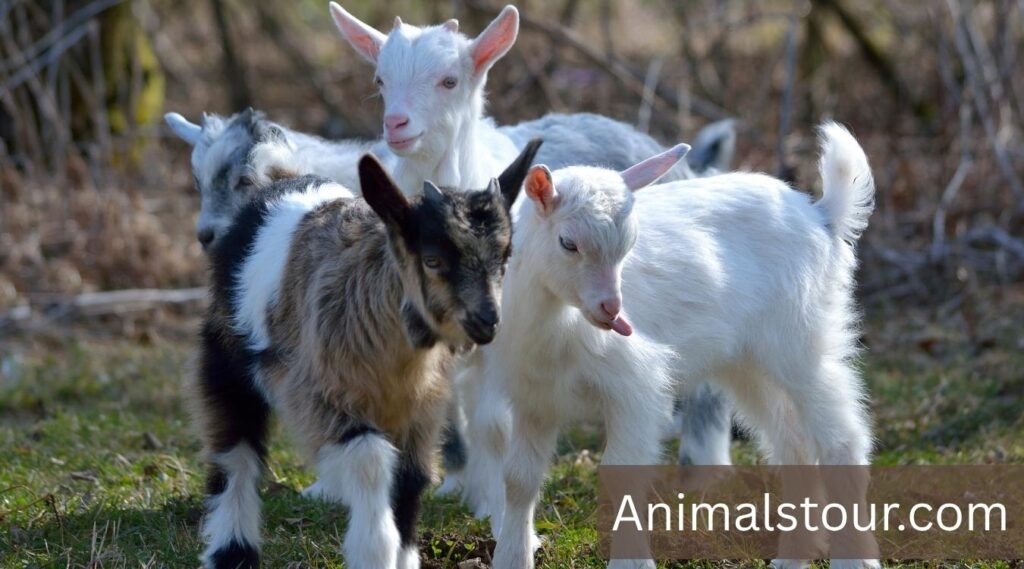
Baby goats are fearless and will attempt to climb almost any surface they come across. Their natural curiosity drives them to touch, taste, and explore the whole world around them. Even at just a few days old, they can run and jump with impressive speed and balance. Baby goats are living proof that nature packages some of its biggest energy into the smallest bodies.
Border Collies
Class: Mammalia
Diet: Omnivore
Border Collies are widely considered the most energetic and intelligent dog breed in the world. They were bred to herd sheep all day long across vast and hilly farm landscapes. They are also known as high energy animals that require constant activity and mental stimulation. A Border Collie can run for hours without showing any real signs of slowing down. Their sharp minds and athletic bodies work together to make them perfectly unstoppable workers.

These dogs need a serious amount of daily exercise and mental stimulation to stay happy. Without enough activity, they become bored, restless, and can develop behavioral problems at home. Border Collies excel at agility sports, frisbee, herding competitions, and almost any active challenge. They are not just dogs, they are high performance athletes wrapped in a beautiful furry coat.
Honeybees
Scientific name: Apis mellifera
Class: Insecta
Diet: Herbivore
Honeybees are among the hardest working and most energetic insects in all of nature. A single worker bee visits up to 1,500 flowers in just one single day of flying. They fly at speeds of up to 15 miles per hour while carrying pollen back to the hive. Bees work from sunrise to sunset, never wasting a single moment of daylight at all.
Inside the hive, thousands of bees work non stop to build, clean, and protect their home. Worker bees can fly up to 500 miles in their entire short lifetime of hard work. Their teamwork, dedication, and endless energy keep the whole hive alive and thriving daily. Honeybees are small in size but absolutely enormous in energy, purpose, and natural importance.
Jack Russell Terrier
Class: Mammalia
Diet: Omnivore
The Jack Russell Terrier is a small dog but one of the most hyperactive animals you can find. These little dogs are always running, jumping, digging, and exploring everything around them. They were originally bred to hunt foxes, which required incredible speed, bravery, and stamina. Jack Russells never seem to run out of fuel, no matter how much exercise they get.
They are bold, fearless, and always ready for the next adventure or exciting challenge. Jack Russells love to play fetch, go on long runs, and learn new tricks every day. Without enough daily activity, they become mischievous and will find their own ways to burn energy. These tiny terriers pack more personality and pure energy than most dogs twice their size.
Squirrel Monkeys
Scientific name: Saimiri
Class: Mammalia
Diet: Omnivore
Squirrel Monkeys are small, fast, and high energy animals of the South American rainforest. They live in large social groups and spend their days leaping through the tree canopy freely. These monkeys move quickly, communicate loudly, and explore their environment with non stop curiosity. Their tiny bodies are perfectly built for fast, agile movement through dense jungle trees.
Squirrel Monkeys eat fruits, insects, and small animals to fuel their high energy lifestyle. They are always alert, scanning their surroundings for food, danger, and social interactions. Their playful, energetic behavior makes them one of the most lively primates in the jungle. Squirrel Monkeys are small, fast, and absolutely overflowing with energy from sunrise to sunset.
Final Words
Nature is truly filled with hyper animals that live their lives at an incredible pace. From the lightning fast cheetah to the tiny but tireless shrew, energy comes in all shapes and sizes. These energy animals and high energy animals show us that stamina, speed, and strength are some of nature’s greatest gifts.
Learning about these energetic animals reminds us just how amazing and powerful the natural world really is. These hyperactive animals inspire us with their endurance, their teamwork, and their absolute refusal to ever give up. Whether big or small, wild or domestic, each animal on this list is a true champion of energy.
FAQS
What is the most energetic animal in the world?
The cheetah is often considered the most energetic animal due to its explosive speed and powerful bursts of energy. It can go from zero to 70 mph in just a few seconds.
Which small animal has the highest energy levels?
The shrew is the most energetic small animal, with a heart that beats over 1,000 times per minute. It must eat almost its entire body weight in food every single day just to survive.
What are hyper animals?
Hyper animals are extremely active creatures that are always moving, playing, or hunting. These hyperactive animals have fast metabolisms and require constant energy to survive.
Which bird is the most energetic animal in the sky?
The hummingbird is the most energetic bird, beating its wings up to 80 times per second without stopping.
Why are some animals hyperactive?
Some animals are hyperactive because they have faster metabolisms, stronger hearts, and higher oxygen efficiency. This allows them to maintain constant movement and energy levels.
Can high energy animals ever get tired?
Yes, even the most energetic animals need rest to recover and recharge their bodies. Then, they bounce back much faster than regular animals and are quickly ready for action again.