Discover Top 26 Animals With No Legs (images included)
When people think about animals, they mostly imagine creatures with four legs, two legs, or at least a few limbs. But the natural world has plenty of animals with no legs that are thriving, hunting, migrating, hiding, and even outliving species that look far more “advanced” on the outside. From ocean trenches to the soil under our feet, legless animals come in all shapes and sizes. In this guide, we’ll explore the top 26 animals without legs and see how they manage to thrive in their own unique ways.
List of Animals with no legs
Here is the list of the top 26 animals without legs in the world.
- Snakes
- Eels
- Walruses
- Caecilians
- Legless Lizard
- Seahorse
- Sea Lions
- Whales
- Dolphins
- Sponges
- Snails
- Octopuses
- Lamprey
- Earthworms
- Clams
- Squid
- Sea Mouse
- Jellyfish
- Sea Cucumbers
- Slugs
- Hagfish
- Manatee
- Sea Pen
- Ribbon Worms
- Stargazer Fish
- Comb Jelly
Snakes
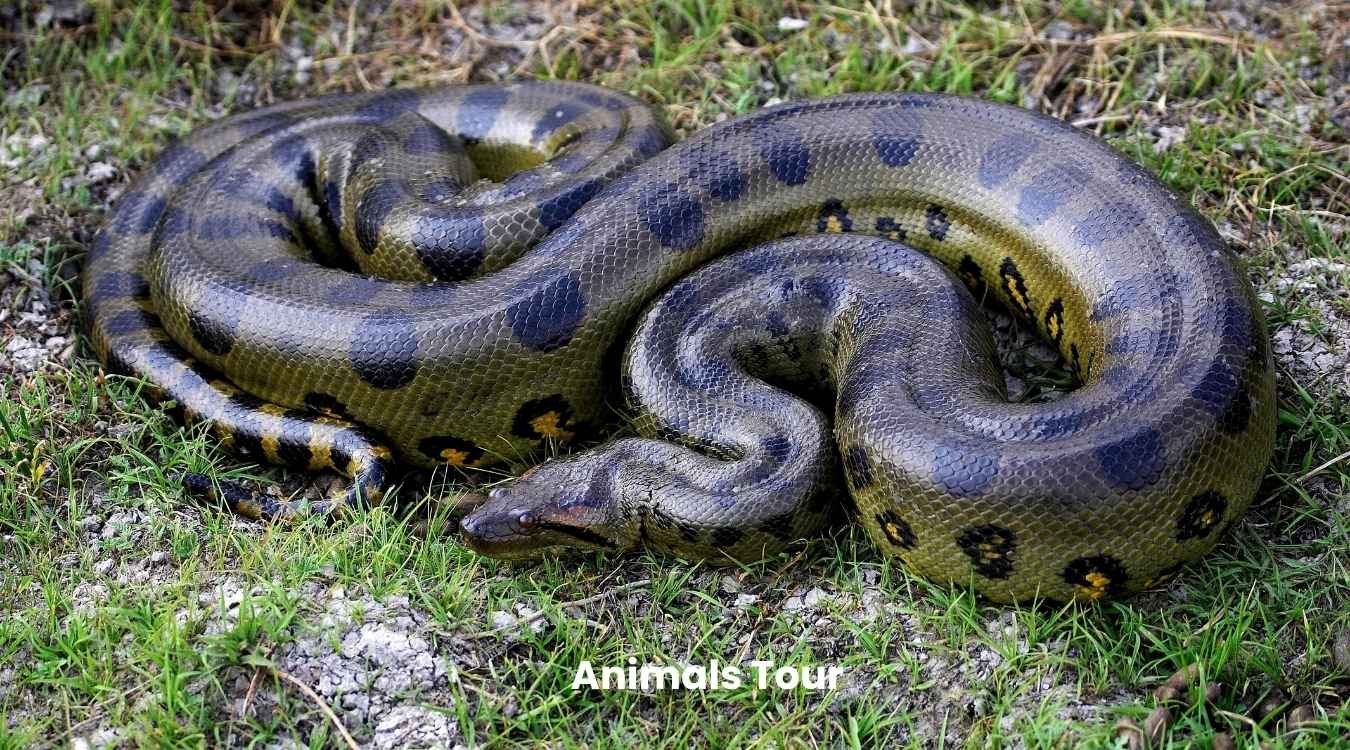
If someone asks you to name an animal with no legs, a snake is usually the first thing that comes to mind, and for good reason. There are over 3,700 species of snakes living on nearly every continent, in deserts, rainforests, oceans, and backyards. They move by rippling their muscles in smooth waves and using their scales to grip the ground, a technique that works across almost every terrain imaginable.

An interesting fact about snakes is that they didn’t always look like this. Their ancestors had legs, and species like pythons and boas still carry tiny remnant pelvic bones buried deep inside their bodies as a quiet reminder of that. Over millions of years, losing their limbs actually made them better hunters. They became able to squeeze into burrows, swim rivers, climb trees, and in some cases, glide between branches by flattening their entire body mid-air.
Eels
Eels look enough like snakes that people often confuse the two, but they’re actually fish. They breathe through gills, live underwater, and move by sending smooth, wave-like contractions down the full length of their body. Unlike most fish, they don’t have scales in the traditional sense. Their skin is smooth and coated in mucus, which is what gives them that famously slippery feel.

The European eel has one of the most baffling life cycles of any animal without legs. It’s born in the Sargasso Sea in the middle of the Atlantic, drifts thousands of miles on ocean currents to reach European rivers, lives there for years and sometimes decades, and then makes the entire journey back across the Atlantic to spawn. How they navigate this has puzzled scientists for generations and still hasn’t been fully explained.
Walruses
Walruses are massive marine mammals with long tusks and whiskers. A large male can weigh nearly 3,700 pounds, and it splits its life between the Arctic Ocean and the icy shores surrounding it. It has four flippers, but calling them legs would be generous. On land, a walrus moves in a slow, lumbering shuffle that’s clearly uncomfortable and clearly not what its body was built for. In the water, everything changes.

Those long ivory tusks aren’t just for show. Walruses use them to haul their massive bodies out of the water, to establish rank among other males, and to break breathing holes through sea ice. Walruses are very social animals, often gathering in huge groups called haul-outs. These beaches can have thousands of walruses, constantly making noises and sometimes using their tusks to settle disputes over the best spots.
Caecilians
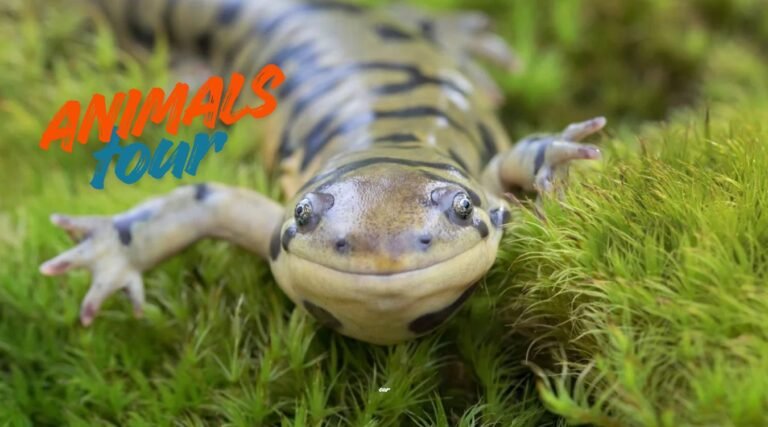
Most people have never heard of caecilians, and even fewer have seen one. These legless animals live underground or buried under damp leaf litter in tropical parts of Asia, Africa, and South America, which explains why they fly so completely under the radar. They look like large earthworms or smooth snakes, but they’re actually amphibians, the same group that includes frogs and salamanders.

One thing that makes them genuinely unusual among animals without legs is that some species have small scales embedded beneath their skin, making them the only amphibians on Earth with anything resembling scales. And their parenting style is something else entirely. Certain species grow a thick layer of nutrient-rich skin that their newborns peel off and eat. They are strange, secretive, and deeply underappreciated.
Legless Lizard
From a distance, a legless lizard looks exactly like a snake, with the same elongated body and the same smooth movement across the ground. But look closer and you’ll spot two things no snake has: eyelids and external ear openings. Those two features make all the difference, because legless lizards and snakes evolved their limbless bodies completely independently of each other. They’re one of the more interesting examples of convergent evolution among legless animals.

Australia’s sheltopusik, also known as the European glass lizard, can grow over four feet long and is regularly mistaken for something venomous when it’s anything but. It feeds mostly on insects, snails, and small invertebrates, and like many of its legged relatives, it can shed its tail when a predator grabs it. That’s something snakes have never been able to do.
Seahorse
The seahorse might be the most impractical-looking fish in the ocean. It swims upright, moves at a crawl, and has a body shaped like nothing else with gills. Its tiny dorsal fin beats up to 35 times per second just to keep it hovering in place, and it steers using two even smaller fins near its head. Seahorses have survived for millions of years.
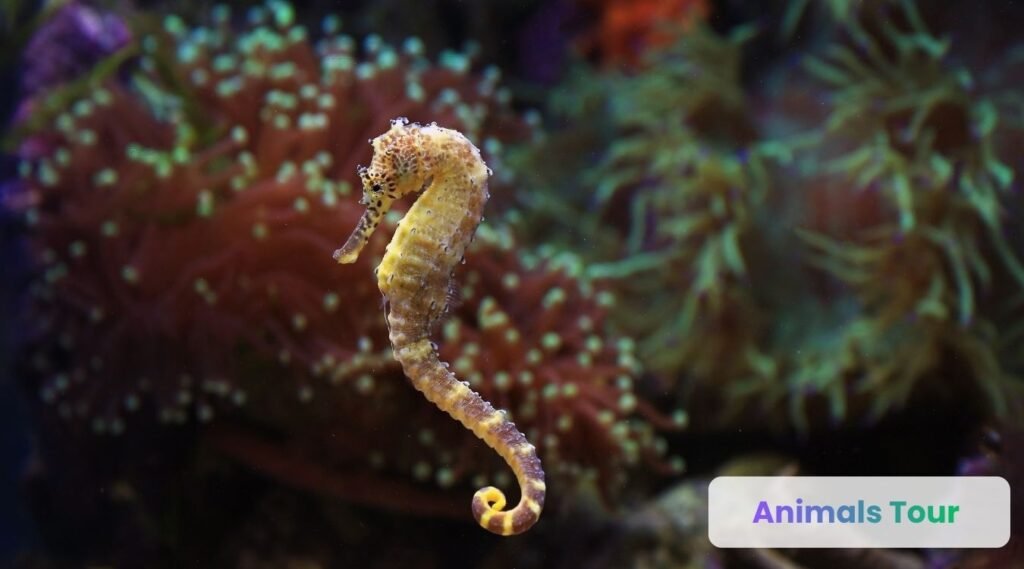
Their success comes down to patience and camouflage. They anchor themselves to coral or seagrass with their prehensile tail and wait for tiny prey to drift past, then strike with speed that’s hard to see coming. And then there’s the reproduction. The female deposits eggs into a pouch on the male’s body, where he carries them and eventually gives birth. The seahorse is the rare case where the male genuinely does most of the work.
Sea Lions
Sea lions are built for life in the ocean, with strong flippers that help them swim quickly and smoothly through the water. On land, they move with a forward, waddling motion that looks a bit awkward. Unlike true seals, sea lions can rotate their rear flippers under their bodies, which allows them to move more easily on shore.
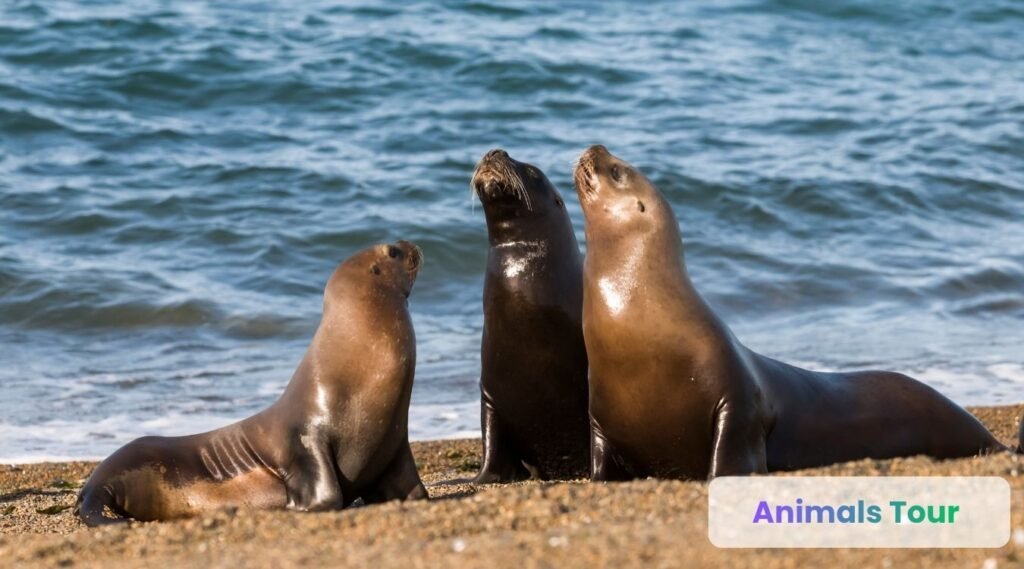
Despite their clumsy movement on land, sea lions are highly intelligent. They can understand patterns and solve simple problems, showing strong learning ability. In the wild, they are fast hunters and live in noisy, social groups where they interact and communicate constantly.
Whales
Whales are the largest animals on Earth, bigger than any dinosaur, and yet they navigate the vast ocean, hunt for food, communicate, and raise their young without a single leg. Despite looking like fish, they are mammals, just like us. They breathe air through blowholes on top of their heads, give birth to live young, and nurse their babies with milk.
Their connection to land goes deeper than you might expect. About 50 million years ago, whale ancestors had four legs. Over time, they moved back to the sea, with front legs turning into flippers and back legs disappearing. Whales still carry tiny hidden pelvic bones inside their bodies, silent evidence of ancestors that once walked on land.
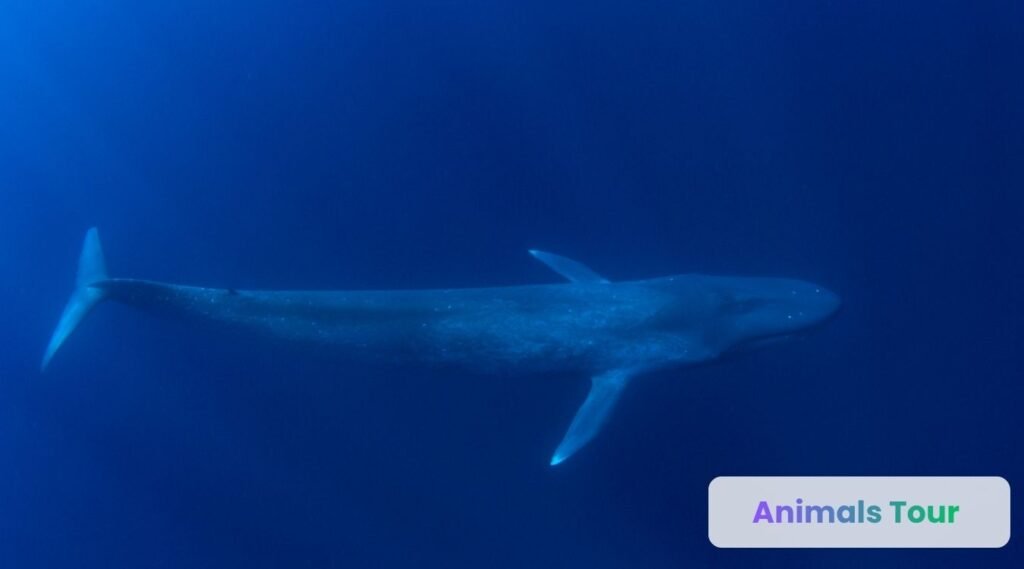
Even without legs, whales have adapted perfectly to life in water. The blue whale can grow up to 100 feet long and weigh around 200 tons. Despite its huge size, it feeds almost entirely on tiny krill, each no bigger than your finger. It can eat up to four tons of krill every day. To do this, it uses a special filter system in its mouth called baleen. Humpback whales are interesting in a different way. They produce complex songs that can travel hundreds of miles through the ocean. These songs also change over time, and scientists still don’t fully understand why.
Dolphins
Dolphins are fast, social, playful, and highly intelligent, all without a single leg. Like whales, they evolved from land mammals and still have tiny vestigial hind limbs inside their bodies. They breathe air, nurse their young, and live in close social groups where bonds can last for years. Among legless animals, dolphins show some of the most advanced social behavior.
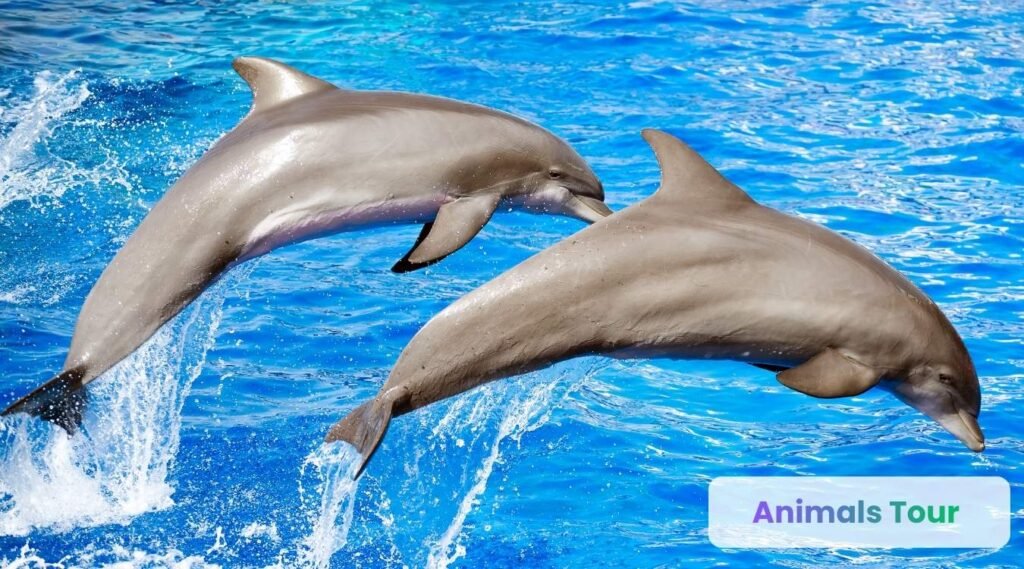
They use echolocation by producing clicks that bounce off objects and return as detailed sound signals, helping them hunt even in dark or murky water. Dolphins can recognize themselves in mirrors, learn from each other, and even use tools like sponges to protect their snouts while searching for food on the seafloor. Despite having no hands or legs, they are very capable problem-solvers.
Sponges
Sea sponges are animals, not plants, coral, or rocks, and they represent some of the simplest forms of multicellular life. They have no brain, no mouth, no organs, and no legs. Once they attach to a surface, they stay put. Sponges feed by pulling water through thousands of tiny pores, filtering out bacteria and tiny bits of organic matter. Remarkably, their basic body structure has stayed almost the same for more than 600 million years.
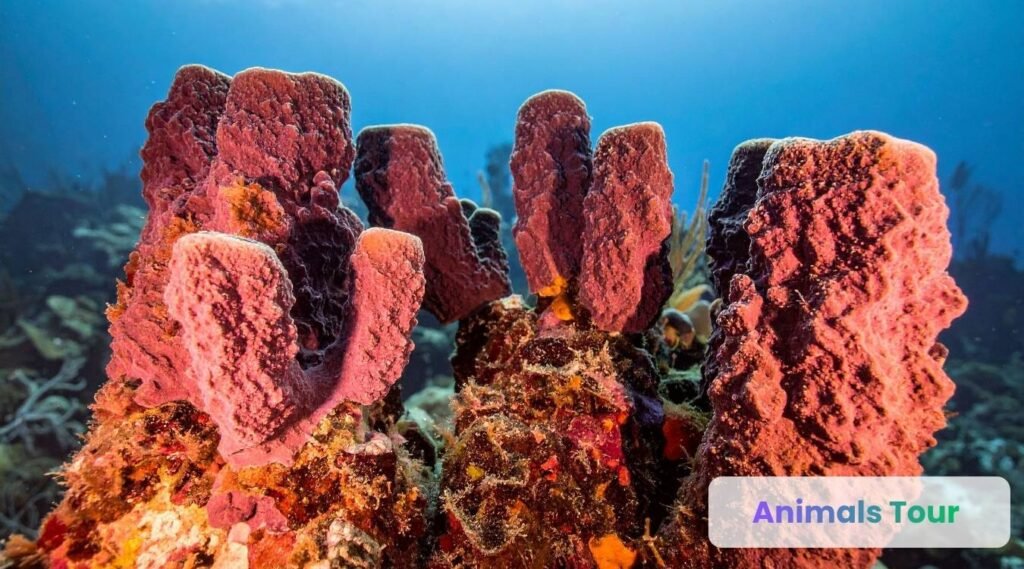
Even with such a simple design, sponges have made a surprising contribution to medicine. Many species produce chemical compounds that affect other organisms, and scientists have found ways to turn these compounds into drugs. The cancer medication cytarabine, for example, comes from a compound first discovered in a Caribbean sea sponge. It is amazing to think that an animal with no brain, no legs, and no ability to move has helped fight cancer in humans.
Snails
Snails move on a single muscular foot, gliding along a self-produced layer of mucus that reduces friction and lets them travel across vertical walls, rough surfaces, and even upside-down with ease. They are not fast, but their movement is surprisingly versatile. When danger appears, they simply retreat into their shells and wait. This strategy has worked for hundreds of millions of years. In the world of legless animals, snails were mastering locomotion long before most other creatures even existed.

On land, snails play an important ecological role. They break down decaying plants and recycle nutrients back into the soil. Some species live surprisingly long lives. Giant African land snails in captivity can reach more than a decade. In parts of Europe, particularly France, certain snails are considered a culinary delicacy. Served as escargot, it is easy to forget that you are eating something that spent its morning crawling along a garden wall.
Octopuses
An octopus has eight arms and no legs, and its arms are not just for getting around. Each one is partly autonomous, containing two-thirds of the animal’s total neurons. An octopus arm can interact with its environment even when the brain isn’t focused on it, making it one of the more striking examples of distributed intelligence in the animal kingdom.
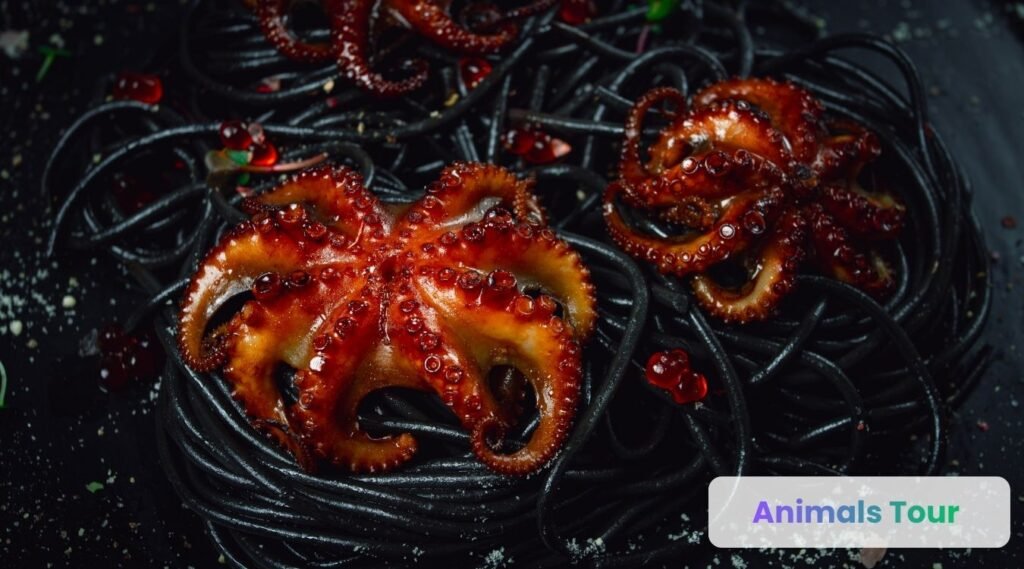
Octopuses are masters of disguise. They can change the color, pattern, and texture of their skin in milliseconds. This helps them blend in or even mimic other animals. They have been seen carrying coconut shells for shelter, opening childproof jars, and in aquariums, slipping out of their tanks at night to explore neighboring tanks before returning by morning. For an animal without legs and a lifespan of just one to two years, an octopus exhibits an astonishing range of behavior.
Lamprey
The lamprey is one of the more unsettling-looking legless animals in freshwater and marine environments. It’s a long, jawless fish with a circular mouth lined entirely with teeth, and its body plan hasn’t changed meaningfully in over 360 million years. Some species are parasitic, attaching to larger fish and rasping through skin to feed on blood and fluid. Others don’t feed at all as adults and exist just long enough to reproduce.
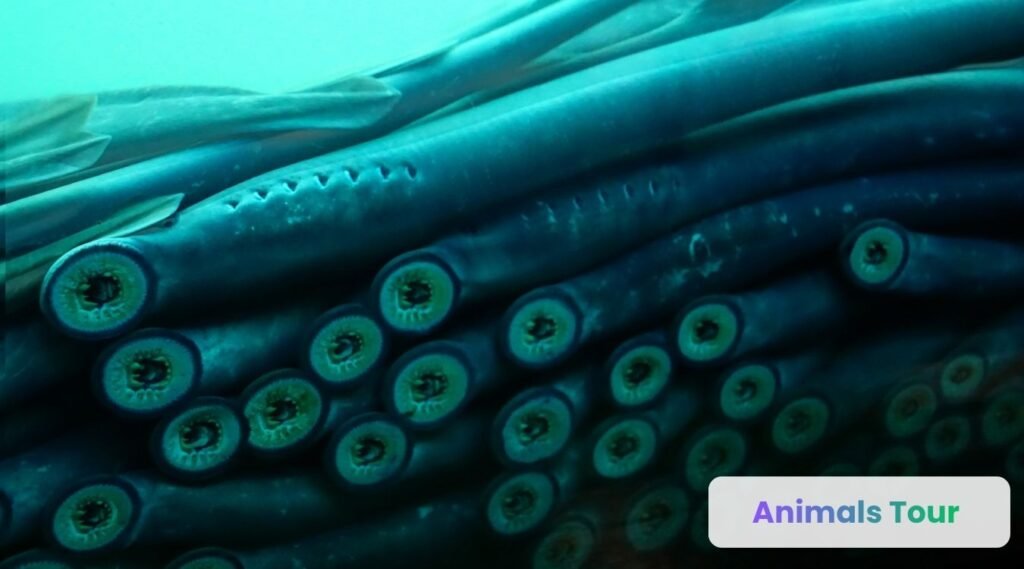
Sea lampreys became a damaging invasive species in the Great Lakes after human-built canals allowed them to bypass natural barriers in the early 20th century. Without predators in that ecosystem, they devastated native lake trout populations. Decades of control efforts have brought their numbers down, but managing lamprey in the Great Lakes remains an ongoing and expensive challenge.
Earthworms
Earthworms move through soil by stretching and contracting their long, segmented bodies, using tiny bristles called setae to grip the ground. As they tunnel, they aerate the soil, break down dead plants, and leave nutrient-rich castings behind. A single patch of healthy soil can hold hundreds of thousands of these legless animals quietly working underground.

Charles Darwin studied earthworms for decades and called them some of the most important animals on Earth. Without them, topsoil would lose fertility, making it much harder for plants to grow. Small and often overlooked, earthworms play a vital role in keeping ecosystems alive.
Clams
Clams are soft-bodied, shell-covered animals that live buried in sand or mud. They draw water in through a siphon and filter out bacteria and tiny organic particles to eat. They move using a muscular organ called a foot, which they extend into the sediment to slowly drag themselves along. Clams have no brain, no head, and no centralized nervous system. Yet they have been one of the most successful groups of legless animals, thriving in oceans, rivers, and lakes worldwide for hundreds of millions of years.
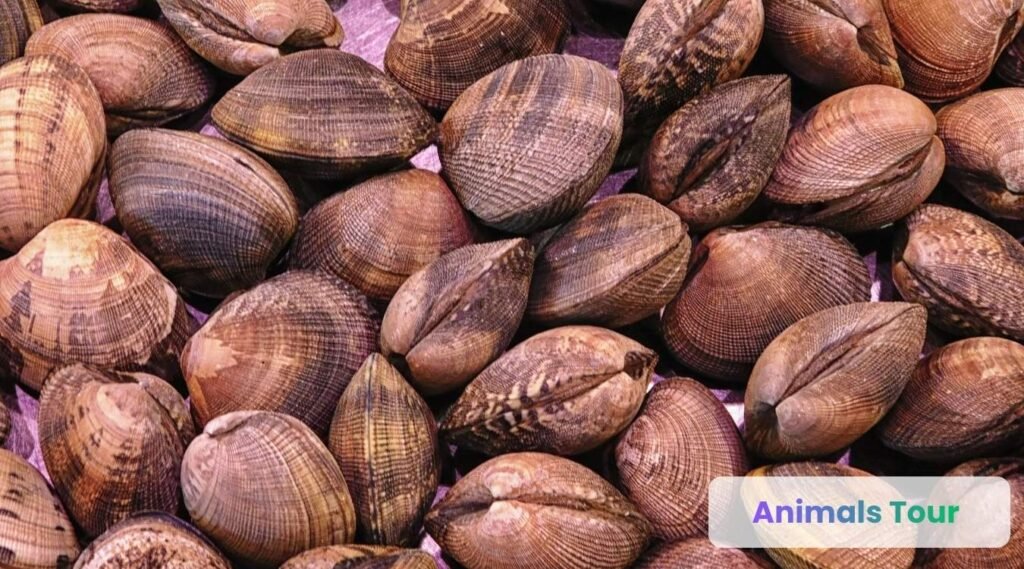
Clams can live for an incredibly long time, with some individuals surviving for centuries. A specimen of the ocean quahog clam nicknamed “Ming” was confirmed to be 507 years old when scientists collected it in 2006. This means it was alive long before Shakespeare was born. Clams also help maintain water quality. A single adult can filter dozens of gallons of water per day, removing harmful bacteria and algae in the process.
Squid
Squid are built for speed. They draw water into their mantle and blast it out through a muscular siphon, shooting themselves through the ocean in rapid, directional bursts. Some species, like the Humboldt squid, hunt in aggressive coordinated groups in the deep ocean, taking on prey much larger than themselves. Among the faster legless animals in the sea, squid are hard to beat.

Then there’s the giant squid, which spent centuries as little more than a sailor’s legend. It turned out to be very real, growing up to 43 feet long, with eyes the size of dinner plates. Those are the largest eyes of any living animal, evolved to detect faint bioluminescent light in the deep ocean. The first confirmed photograph of one alive in the wild wasn’t taken until 2004.
Sea Mouse
The sea mouse is a marine worm that lives along the seafloor. Its elongated, soft body is covered in bristles that glint with rainbow-like colors in the light. Sea mice crawl along sediment to hunt small invertebrates and scavenge organic material. Without legs, they rely entirely on their muscular body and bristles to move and navigate their environment, quietly supporting the ecosystem beneath the waves.

Jellyfish
Jellyfish have been floating through the world’s oceans for over 500 million years. They have no brain, no heart, no bones, and no legs, yet they have survived every major extinction event on Earth. They move by pulsing their bell-shaped bodies, which lets them travel up and down through the water, but for the most part, they go with the currents. Among legless animals, jellyfish may be the most enduring of all.
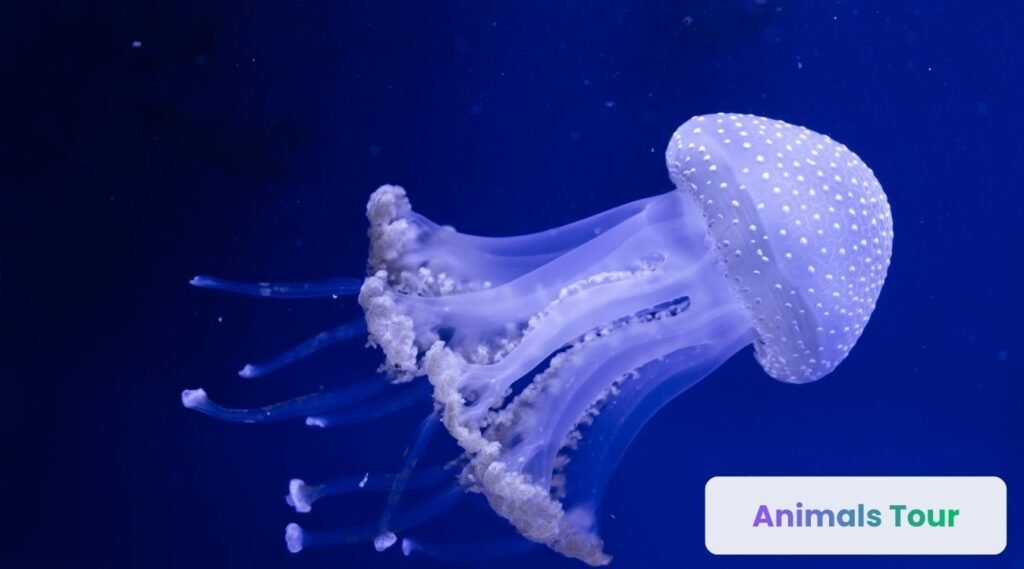
Some species are harmless, while others, like the box jellyfish, carry venom that can kill a person within minutes. Then there is Turritopsis dohrnii, the so-called immortal jellyfish. When stressed or injured, it can revert to an earlier life stage, effectively aging in reverse and starting its life cycle over. Scientists are still studying whether it can do this indefinitely, but the possibility alone puzzles biologists.
Sea Cucumbers
Sea cucumbers are the ocean floor’s cleanup crew. They move slowly along the sediment using tiny tube feet on their underside, swallowing organic debris and bacteria as they go, and passing cleaner sediment behind them. They look completely defenseless, soft and slow, which makes their survival strategy more surprising.

When a predator grabs a sea cucumber, it can expel its own internal organs to distract or entangle the attacker, then slowly regrow them over the following weeks. Some species also fire sticky, toxic threads called Cuvierian tubules that harden on contact and can completely immobilize a crab.
Slugs
A slug is basically a snail that gave up carrying a shell. Without one, they are more exposed to predators and more likely to dry out, which is why most slugs are active at night or after rain, when the humidity helps them stay moist. They move like snails do, gliding on a single muscular foot over a trail of mucus. This movement allows them to navigate rough surfaces, climb plants, and even cross vertical walls. Being legless, they rely entirely on their muscular foot and mucus for mobility, and their soft, flexible bodies let them squeeze into tight spaces to hide from danger or search for food.

The mucus trail does more than help them move. It also carries chemical signals used to find mates, and some species have surprisingly elaborate mating rituals. Banana slugs in the Pacific Northwest can grow up to 10 inches long, making them among the largest land slugs in the world. They also act as decomposers, breaking down dead plant material in forests and gardens and quietly supporting the ecosystems around them.
Hagfish
The hagfish is one of the most ancient and genuinely strange legless animals in the ocean. It’s been around for roughly 300 million years and hasn’t needed to change much. It has no jaw, no true vertebrae, and technically doesn’t qualify as a vertebrate by strict biological classification. It lives in cold, deep water and feeds primarily on dead and dying animals, often burrowing directly into carcasses and eating from the inside out.
Its defense mechanism is the stuff of legend. When threatened, a hagfish releases a thick, fiber-reinforced slime from glands along its body that expands dramatically on contact with seawater, clogging a predator’s gills almost instantly. A single hagfish can produce enough slime to fill a bucket in under a minute. Researchers studying the silk-like fibers within it have found them extraordinarily strong relative to their weight, strong enough that engineers are looking at it as a model for biodegradable textiles.
Manatee
Manatees are large, slow, and gentle animals without legs. They spend their days grazing on seagrasses in warm, shallow coastal waters. They have two rounded front flippers and a broad, flat tail with no hind limbs at all. Despite their appearance, their closest living land relative is the elephant, a connection that becomes a little more believable when you notice the toenail-like nails on the edges of their flippers.
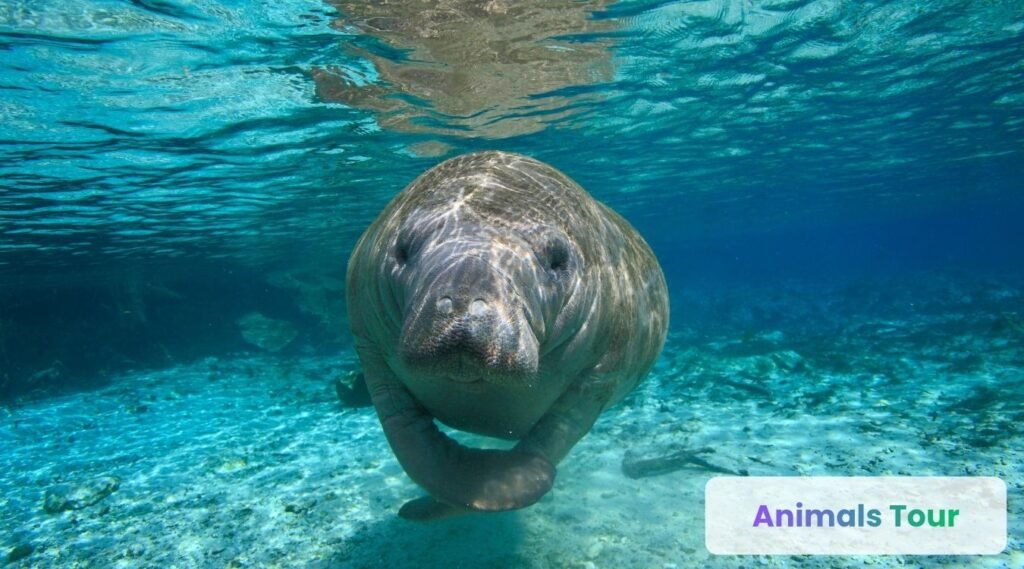
Manatees have no natural predators, which would seem ideal if not for boats. Propeller strikes are the leading cause of injury and death for Florida manatees, and nearly every adult carries scars from at least one encounter. They are protected under U.S. law, but habitat loss and deteriorating water quality continue to put pressure on their populations.
Sea Pen
Sea pens are colonial marine animals that anchor themselves in sandy or muddy seafloors. They look like delicate underwater plants, but each “leaf” is actually a tiny polyp working together. Sea pens filter small particles from the water for food, and they can sway gently with the currents while remaining rooted in place. When threatened, some species can retract into the sand for protection, making them quietly resilient despite their fragile appearance.

Ribbon Worms
Ribbon worms often go unnoticed, yet they include some of the most extraordinary creatures among legless animals. One bootlace worm, found washed ashore in Scotland in the 1860s, measured over 180 feet long. That makes it longer than a blue whale and possibly the longest animal ever recorded. Ribbon worms live mainly in marine environments, hiding under rocks or in sediment. Their soft bodies make them so fragile that measuring them without damage is a real challenge.

Despite their passive appearance, ribbon worms are active predators. They hunt by shooting out a long, muscular proboscis, sometimes longer than their own body, to catch worms, small crustaceans, and other invertebrates. Some species have a sharp stylet at the tip, which delivers toxic secretions directly into their prey. They are slow, soft, and nearly invisible, yet surprisingly well-armed when it comes time to hunt.
Stargazer Fish
The stargazer is a legless animal that almost seems too strange to be real. It buries itself completely in sandy or muddy seafloor sediment, leaving only its upward-facing eyes and wide, upturned mouth exposed. When prey passes overhead, it lunges upward in an instant and swallows it before it can react. For an animal that barely moves, it is an incredibly effective predator.
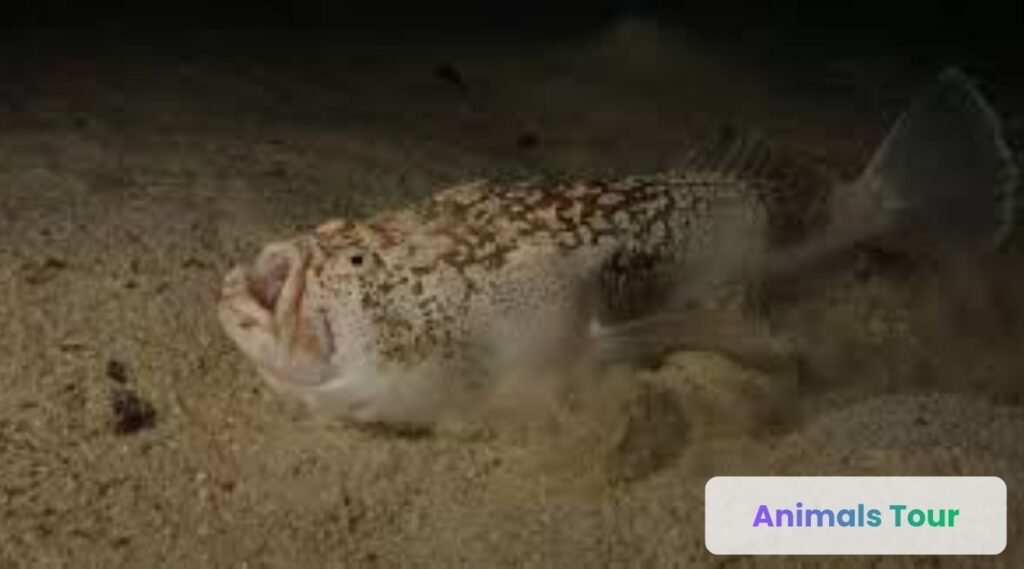
What makes the stargazer especially dangerous is the combination of weapons it carries. Some species dangle a worm-like lure from their mouths to attract curious prey, while organs behind their eyes can deliver an electric shock. On top of that, some stargazers have venomous spines on their backs to deter anything that tries to dig them out of the sand. Hidden, armed, and endlessly patient, the stargazer is a master of ambush.
Comb Jelly
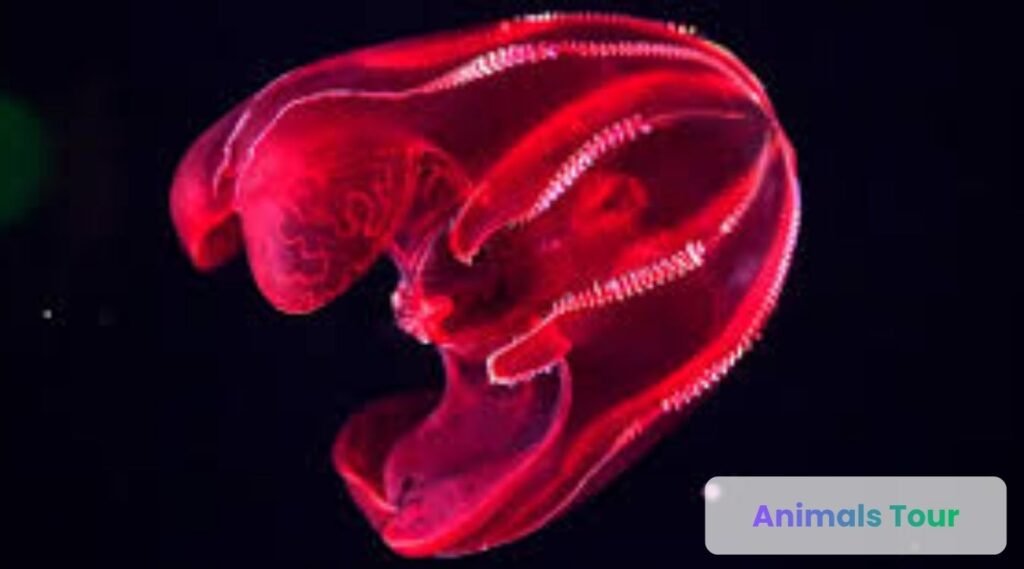
Comb jellies are soft, translucent animals that drift through the ocean using rows of tiny cilia called comb plates. They have no brain, no skeleton, and no legs, yet they catch plankton effectively. Light refracts through their comb rows, creating shimmering colors as they move. Despite their delicate form, comb jellies are found in oceans around the world and play an important role in the marine food web.
Conclusion
Animals without legs have been thriving on Earth far longer than many legged creatures, and this list only scratches the surface of their diversity and abilities. From the venomous sea snake to the centuries-old clam, from the slime-shooting hagfish to the mirror-recognizing dolphin, legless animals have found ways to hunt, hide, move, and survive in every environment. Legs may help, but these 26 animals with no legs show that they aren’t always necessary for survival.
FAQs
What animals have no legs?
Here are the examples of animals with no legs:
Reptiles: Snakes, Legless Lizards, Slowworm
Amphibians: Caecilians, Sirens
Fish: Eels, Lampreys, Hagfish, Seahorse
Marine Mammals: Whales, Dolphins, Manatees
Mollusks: Snails, Slugs, Octopuses, Squid, Clams
Worms: Earthworms, Tapeworms, Ribbon Worm
Echinoderms: Starfish, Sea Urchins, Sea Cucumbers
Cnidarians: Jellyfish, Sea Anemones
What is the most well-known animal with no legs?
The snake is the most well-known legless animal in the world, with over 3,700 species found on every continent except Antarctica.
What is the largest animal with no legs?
The blue whale is the largest legless animal – and the largest animal ever known on Earth -reaching up to 30 meters in length and 200 metric tons in weight.
What is the most dangerous legless animal?
The inland taipan snake (Australia) is the most venomous legless animal in the world. In the ocean, the box jellyfish is considered one of the most deadly legless sea creatures.