Animals That Live in Prairies Unique Wildlife (With Images)
Have you ever thought about who lives in the grasslands? These Animals That Live in Prairies will surprise you completely. Prairies cover millions of acres across North America and beyond. Their bodies, behaviors, and diets all match their environment perfectly. Scientists study these animals to learn about ecosystem balance. Today, you will finally discover who lives there.
List of Animals That Live in Prairies
Here is the list of animals that live in prairies:
| Names of Animals That Live in Prairies |
| Prairie Vole |
| Plains Zebra |
| Prairie Dogs |
| American Bison |
| Pronghorns |
| Deer |
| Coyotes |
| Mountain Lions |
| Northern Grasshopper Mouse |
| Elk |
| Gray Wolf |
| Meadowlark |
| Black Footed Ferrets |
Prairie Vole
Scientific name: Microtus ochrogaster
Class: Mammalia
Diet: Herbivore
Prairie voles are tiny rodents that live in open grasslands and meadows. They are small, brown, and blend easily into the prairie grass. These little creatures are surprisingly important to the entire ecosystem. Many animals depend on them as a key food source.
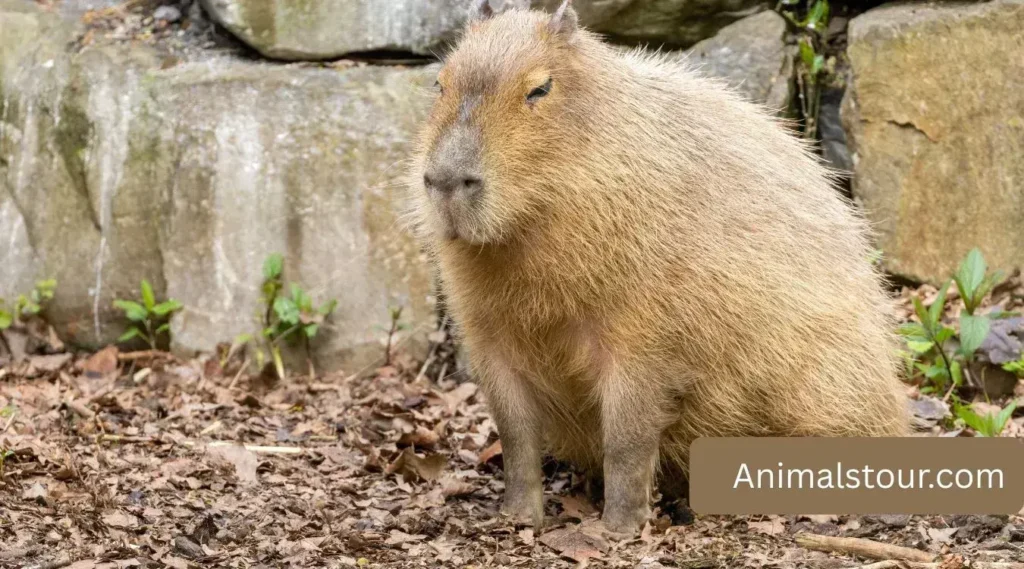
Prairie voles build long tunnel systems just below the ground surface. These tunnels keep them safe from predators and harsh weather. They are most active during the early morning and late evening hours. Their constant movement helps aerate and enrich the prairie soil naturally.
Prairie voles are also known for their strong family bonds. They mate for life and raise their young together as a pair. They feed on grasses, seeds, and underground roots and bulbs. Despite their small size, prairie voles play a big role in grassland health.
Plains Zebra
Scientific name: Equus quagga
Class: Mammalia
Diet: Herbivore
Plains zebras are bold and beautiful animals of the open grasslands. Their black and white stripes make them one of Africa’s most recognized animals. These stripes help confuse predators during a fast and chaotic chase. No two zebras in the world share the exact same stripe pattern.
Plains zebras live and travel in large, well-organized herds. Staying in groups gives them protection against lions and hyenas. They communicate with each other through sounds, facial expressions, and body language. A zebra herd is always alert and ready to react to danger quickly.
Zebras graze on grasses throughout the day to fuel their active lives. They travel great distances across prairies in search of fresh water. Their grazing helps maintain the balance of grassland vegetation naturally. Plains zebras are a vital part of the African savanna and grassland ecosystem.
Prairie Dogs
Scientific name: Cynomys
Class: Mammalia
Diet: Herbivore
Prairie dogs are social and energetic burrowing rodents of the grasslands. Despite their name, they are not related to dogs at all. They earned their name from the bark-like warning calls they make. These calls alert the entire colony when danger is approaching nearby.
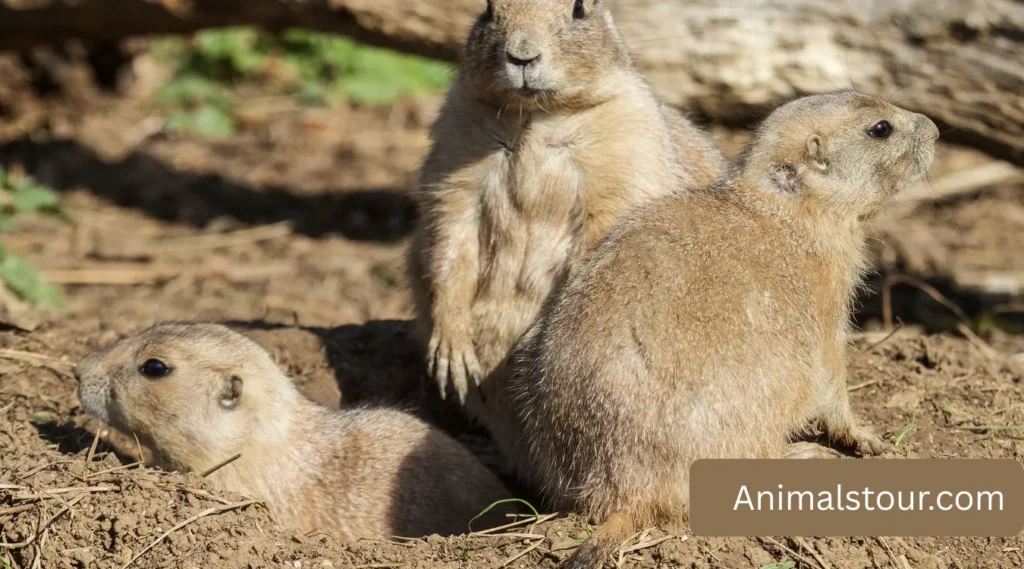
Prairie dogs live in massive underground colonies called prairie dog towns. These towns can stretch for several miles beneath the ground surface. Thousands of prairie dogs may share one large and complex tunnel system. Their burrows also provide homes for many other prairie animal species.
Prairie dogs feed on grasses, roots, and flowering plants near their burrows. They play a critical role in shaping and maintaining the prairie landscape. Their digging helps mix and aerate the soil for better plant growth. Many prairie ecosystems would collapse without the presence of prairie dogs.
American Bison
Scientific name: Bison bison
Class: Mammalia
Diet: Herbivore
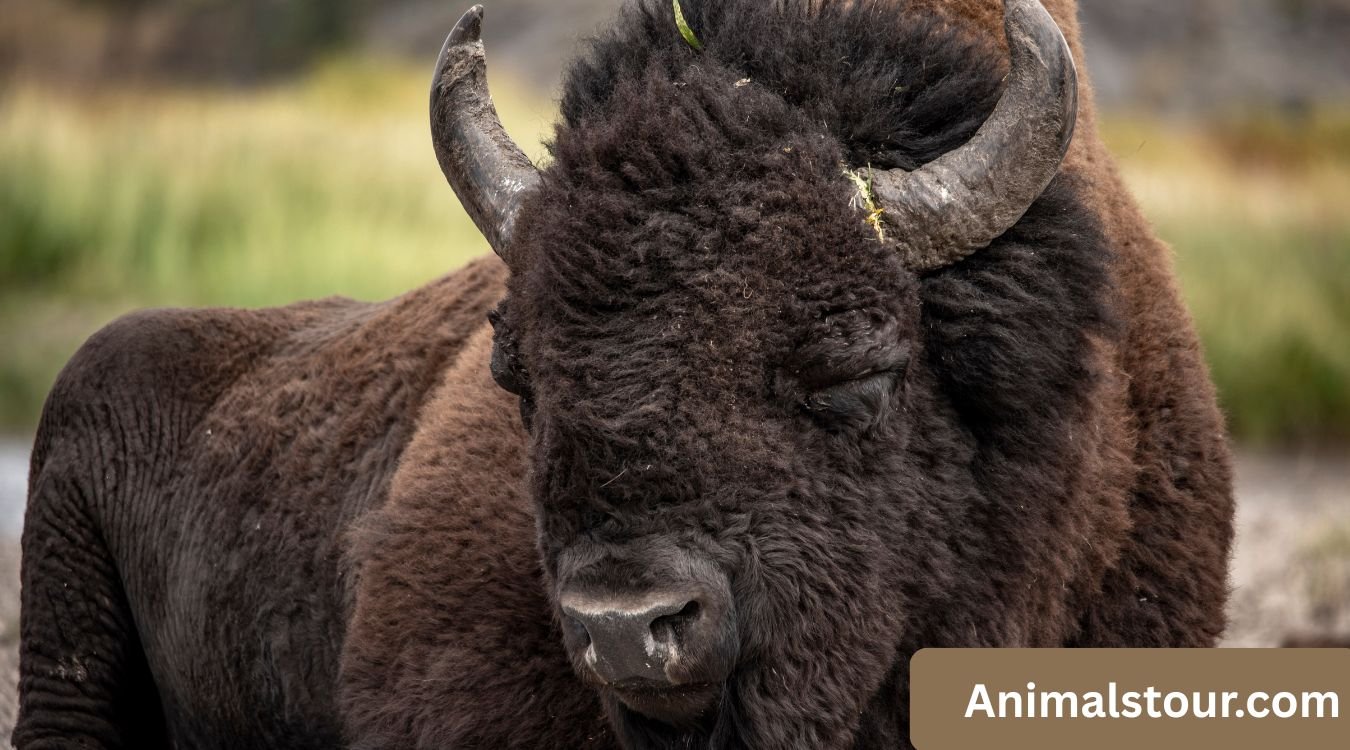
American bison are the largest and most iconic land animals in North America. They once roamed the prairies in herds of tens of millions. Their massive size and strength make them a symbol of wild grasslands. Bison can weigh over 2,000 pounds and still run incredibly fast.
Bison spend most of their day grazing on tough prairie grasses. Their grazing patterns actually help keep the grassland ecosystem healthy and diverse. They roll in dry dirt to protect their thick skin from biting insects. Bison herds move constantly across the prairie in search of fresh pasture.
Bison were nearly hunted to extinction in the late 1800s. Conservation efforts have slowly helped their populations recover over the years. They are now protected in national parks and wildlife reserves across America. American bison remain a powerful symbol of prairie wilderness and natural resilience.
Pronghorns
Scientific name: Antilocapra americana
Class: Mammalia
Diet: Herbivore
Pronghorns are the fastest land animals in the entire Western Hemisphere. They can sprint at speeds of up to 55 miles per hour easily. Their incredible speed is their greatest defense against prairie predators. Even wolves and coyotes struggle to keep up with a running pronghorn.
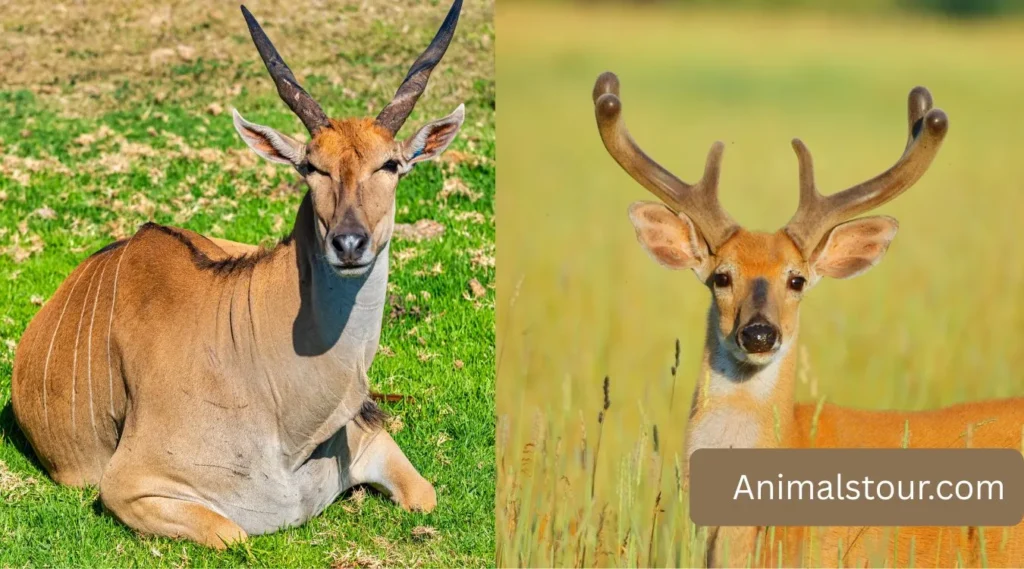
Pronghorns have large, wide-set eyes that give them exceptional vision. They can spot movement from several miles away across flat open land. Their tan and white coloring helps them blend into the dry grassland. Pronghorns are always alert and rarely caught off guard by predators.
They feed on grasses, shrubs, cacti, and various prairie wildflowers. Pronghorns migrate long distances each season in search of food and water. Their migration route is one of the longest remaining in North America today. Protecting their migration corridors is essential to keeping pronghorn populations healthy.
Deer
Scientific name: Cervidae
Class: Mammalia
Diet: Herbivore
Deer are graceful and widely recognized animals of the prairie and grasslands. They are most active during dawn and dusk each day. Their soft brown coat blends naturally into the golden prairie landscape. Deer rely heavily on their sharp senses to detect nearby danger.
Deer are herbivores that feed on grasses, leaves, berries, and shrubs. They play an important role in spreading seeds across the grassland ecosystem. Deer are gentle by nature but males become aggressive during mating season. Their large antlers are used to compete with rival males for mates.
Deer are strong swimmers and incredibly fast runners when threatened. They can leap great distances to escape a pursuing predator quickly. Deer live in small groups and communicate through sounds and body signals. They are an essential part of the prairie food web and ecosystem balance.
Coyotes
Scientific name: Canis latrans
Class: Mammalia
Diet: Omnivore
Coyotes are one of the most intelligent and adaptable animals on the prairie. They are well known for their haunting howls heard across open grasslands at night. Coyotes hunt alone or cooperate in small family groups for larger prey. Their cleverness helps them survive in almost any environment they encounter.
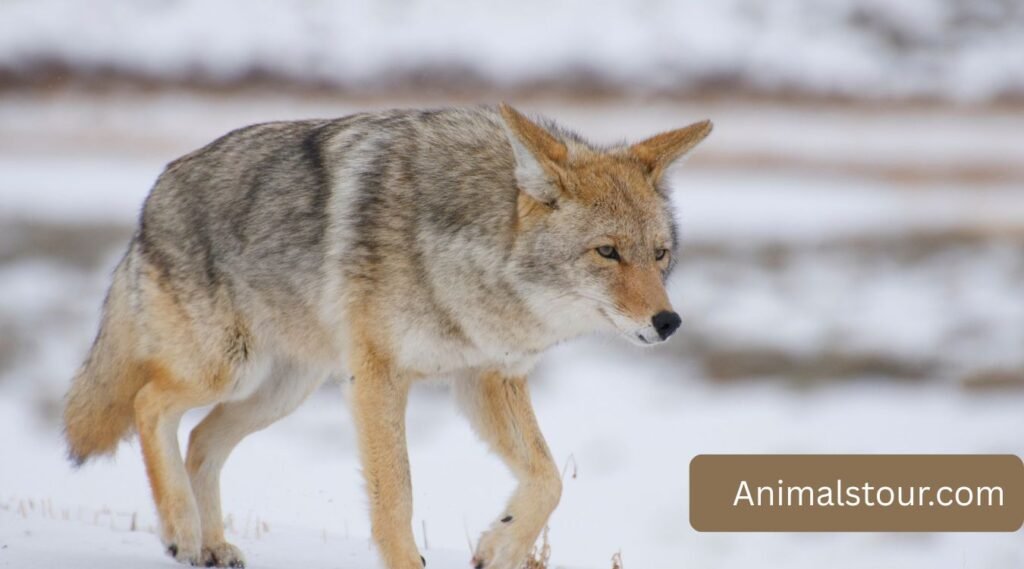
Coyotes are opportunistic eaters with a very flexible and varied diet. They eat rabbits, rodents, insects, fruits, berries, and even carrion. This adaptability makes them one of the most successful prairie predators alive. Coyotes help control rodent and rabbit populations across vast grassland areas.
Coyotes are fast runners and incredibly sharp and aware of their surroundings. They communicate with their family through howls, barks, and body language. Coyote pairs mate for life and raise their young together each season. They are a vital and often misunderstood part of the prairie ecosystem.
Mountain Lions
Scientific name: Puma concolor
Class: Mammalia
Diet: Carnivore
Mountain lions are large, powerful, and stealthy predators of the prairie. They are also widely known as cougars, pumas, or panthers in different regions. These solitary cats are most active during the quiet hours of the night. Their muscular bodies make them exceptional hunters across open and rugged terrain.
Mountain lions hunt by stalking prey silently from a close distance. They pounce with explosive speed and strength to bring down large animals. Deer and elk are among their most common prey on the prairie. A single mountain lion requires a vast territory to find enough food.
Mountain lions play a crucial role in keeping prey populations in balance. Without them, deer and elk herds would grow too large and damage vegetation. They avoid humans and rarely pose a threat when left undisturbed in nature. Protecting mountain lion habitats is essential for maintaining healthy prairie ecosystems.
Northern Grasshopper Mouse
Scientific name: Onychomys leucogaster
Class: Mammalia
Diet: Carnivore
The northern grasshopper mouse is one of the prairie’s most surprising tiny predators. Unlike most mice, it actively hunts insects, scorpions, and even other small mice. It throws back its head and howls like a tiny wolf to claim territory. This fierce little creature behaves nothing like a typical timid mouse.
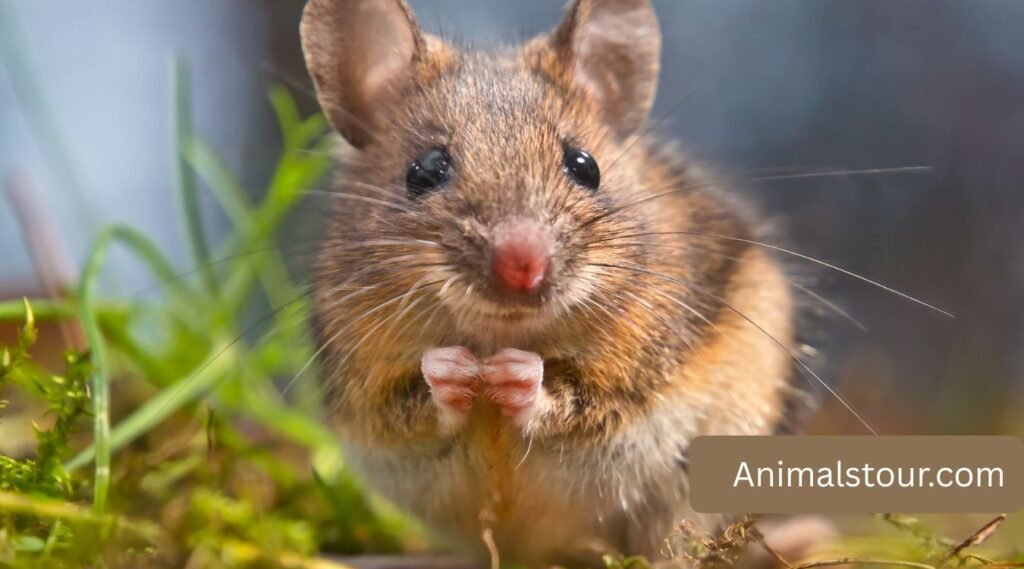
The grasshopper mouse is remarkably immune to scorpion venom and snake toxins. Its body has evolved to neutralize many dangerous poisons found in its prey. This gives it a huge advantage over other small prairie animals. It fearlessly tackles prey that most creatures of its size would avoid.
Grasshopper mice are fast, aggressive, and highly territorial in their behavior. They mark and defend their hunting grounds from other mice with great intensity. They are nocturnal hunters that roam the prairie quietly under the cover of darkness. This tiny but mighty mouse is truly one of the prairie’s most fascinating residents.
Elk
Scientific name: Cervus canadensis
Class: Mammalia
Diet: Herbivore
Elk are large, majestic, and powerful members of the deer family. They are commonly found grazing across open prairies and grassland edges. Male elk grow impressive antlers that can spread over four feet wide. Their thunderous bugling calls echo dramatically across the open prairie during fall.
Elk live in herds that shift in size depending on the season. Females and young elk stay together in large nursery groups for safety. Males form separate bachelor groups outside of the autumn mating season. During rut, males compete fiercely with loud calls and antler clashing battles.
Elk graze on grasses, sedges, and shrubs found throughout the prairie landscape. They are strong animals capable of running fast and swimming wide rivers. Elk migrations follow seasonal patterns in search of food and milder temperatures. They are a keystone species that shapes the structure of prairie and grassland ecosystems.
Gray Wolf
Scientific name: Canis lupus
Class: Mammalia
Diet: Carnivore
Gray wolves are intelligent, social, and powerful predators of open prairies. They are apex predators that sit at the very top of the food chain. Wolves live and hunt in organized family groups known as packs. Every pack has a dominant pair that leads and makes key decisions.
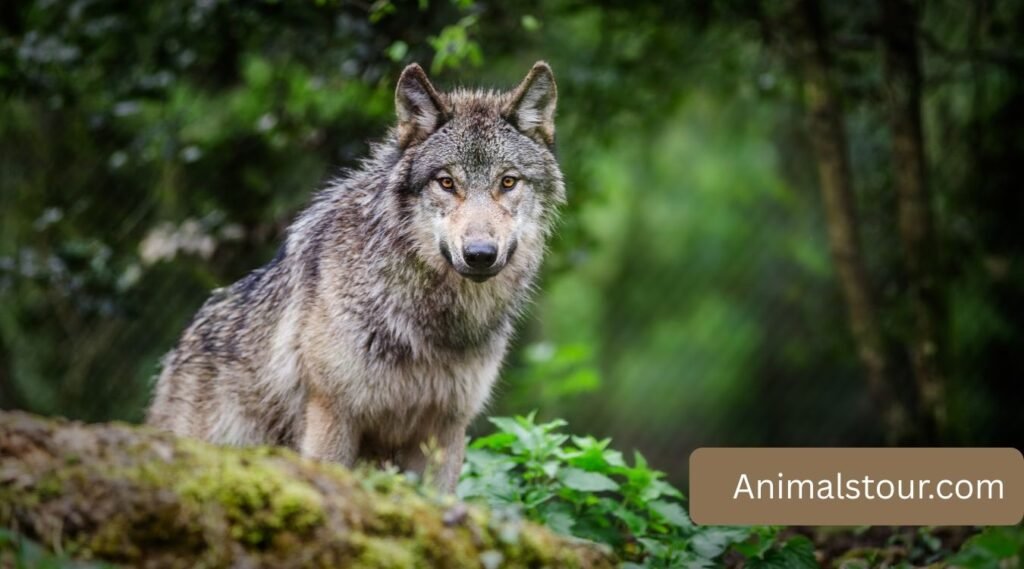
Wolves are skilled and cooperative hunters that take down large prey together. They pursue bison, elk, and deer across vast stretches of open grassland. Their coordinated hunting strategies make them highly effective and efficient predators. A wolf pack can cover enormous distances each night while tracking prey.
Gray wolves communicate through howls, growls, body postures, and facial expressions. Their howling strengthens pack bonds and warns rival packs to stay away. Wolves were nearly wiped out across North America due to widespread hunting. Their reintroduction has helped restore balance and health to many prairie ecosystems.
Meadowlark
Scientific name: Sturnella
Diet: omnivores
The meadowlark is one of the most cheerful and beloved birds of the prairie. Its bright yellow breast makes it easy to spot among swaying green grasses. The meadowlark’s rich and flute-like song fills the open prairie with pure joy. It is widely considered a living symbol of grassland beauty and freedom.
Meadowlarks nest directly on the ground among thick and sheltering prairie grasses. They carefully weave grass blades into a hidden and well-protected nest structure. Both parents work together to raise their young chicks through the season. Ground nesting makes their eggs vulnerable to predators and prairie grass fires.
Meadowlarks feed on insects, grasshoppers, seeds, and small soil invertebrates daily. They help control insect populations and contribute to healthy grassland soil. Their presence signals a healthy and thriving prairie ecosystem is nearby. Meadowlarks remind us that small and delicate creatures bring enormous life to the grasslands
Black Footed Ferrets
Scientific name: Mustela nigripes
Class: Mammalia
Diet: Carnivore
Black footed ferrets are one of the rarest and most endangered mammals in America. They are sleek, quick, and perfectly built for life underground in the prairie. These ferrets depend almost entirely on prairie dogs for both food and shelter. Without healthy prairie dog colonies, black footed ferrets simply cannot survive.
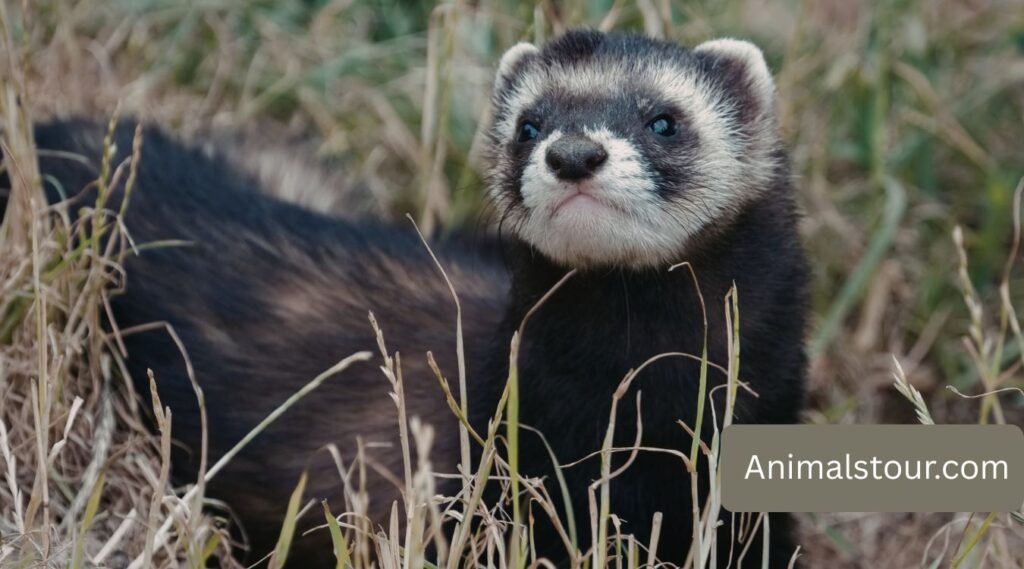
Black footed ferrets are nocturnal hunters that move silently through the darkness. Their long, flexible bodies allow them to chase prairie dogs through tight tunnels. They are fierce and fearless predators despite their small and slender build. A single ferret needs a large prairie dog town to meet its food needs.
Conservation programs have worked tirelessly to save this species from total extinction. Captive breeding and careful reintroduction efforts have slowly rebuilt wild populations. Protecting prairie grasslands is directly linked to the survival of black footed ferrets. Their recovery is considered one of America’s most important wildlife conservation success stories.
Final Words
Prairies are home to some of the most remarkable animals on Earth. Each creature has developed unique skills to survive in this open and challenging landscape. From tiny voles to massive bison, every animal plays an important role in keeping the prairie alive and balanced. Prairies deserve our attention, respect, and protection now more than ever. When we protect the prairie, we protect all the incredible wildlife that calls it home.
FAQs
What is the most dangerous animal that lives in the prairie?
The mountain lion is considered the most dangerous prairie animal. It is a powerful predator that hunts large prey with great speed and strength.
What is the most common animal found in prairies?
The coyote is one of the most commonly found animals across prairie grasslands. They are highly adaptable and can survive in almost any prairie environment.
Why are prairie animals important to the ecosystem?
Prairie animals help maintain the balance of the entire grassland ecosystem. They control plant growth, spread seeds, and keep prey and predator populations healthy.