Top 16 Stubborn Animals in the world
Did you know that some animals can be just as stubborn as a child refusing to eat their vegetables? In our exploration of the animal kingdom, we uncover the top 16 stubborn animals in the world that display remarkable persistence. Understanding the behaviors of these animals not only fascinates nature enthusiasts but also highlights their unique survival strategies. By the end of this article, you’ll gain insight into the animal behaviors that challenge even the most patient of observers.
List of Stubborn Animals
Here is the list of stubborn animals in the world:
- Bulls
- Mules
- Camels
- Buffalo
- Horses
- Donkeys
- Raccoon
- Goats
- Llama
- Pig
- Cows
- Badger
- Terrier Dogs
- Cats
- Elephants
- Tortoises
Bulls
Scientific name: Bos taurus
Class: Mammalia
Diet: Herbivore
Bulls, often perceived as symbols of strength and determination, embody a fascinating blend of stubbornness and intelligence. Their notorious refusal to budge when challenged has baffled farmers. This obstinacy is not merely an act of defiance, it’s rooted in centuries of evolutionary survival.
In the wild, standing their ground can deter predators, and this instinct persists in domesticated breeds. Observing a bull in the field, it becomes clear that their stubbornness is a reflection of deep-seated instincts and a robust sense of agency.
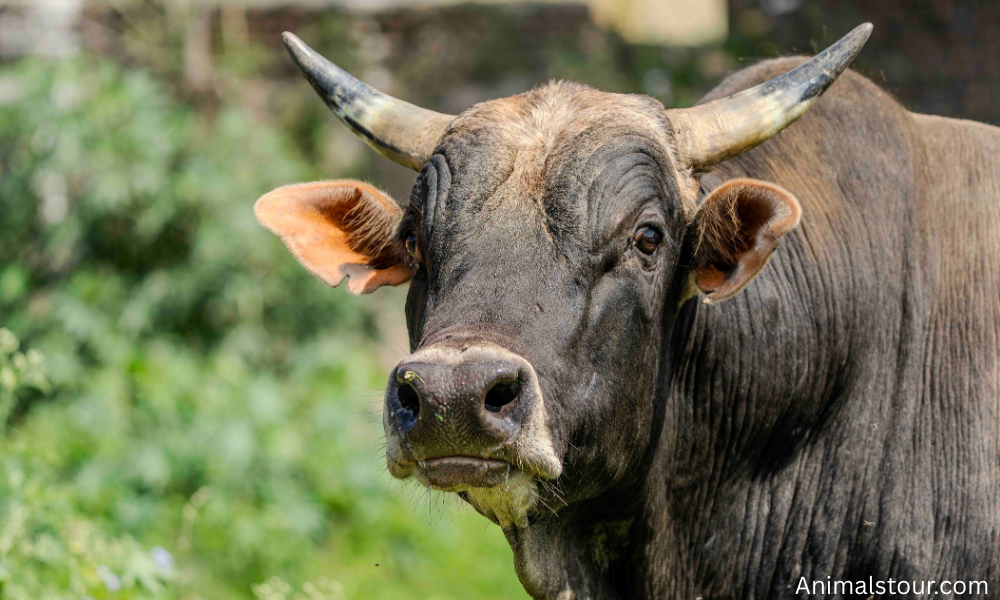
Moreover, the relationship between humans and bulls is imbued with layers of respect and understanding. Farmers who appreciate this relationship recognize that a bull’s stubbornness can signify a strong personality and unique temperament.
Instead of attempting to dominate these powerful creatures, the most successful handlers work to engage their curiosity and build trust.
Through gentle leadership and patience, bulls can become invaluable partners on the farm, showcasing that stubbornness, when respected, can transform into fierce loyalty and dependable work ethic.
Mules
Scientific name: Equus mulus
Class: Mammalia
Diet: Herbivore
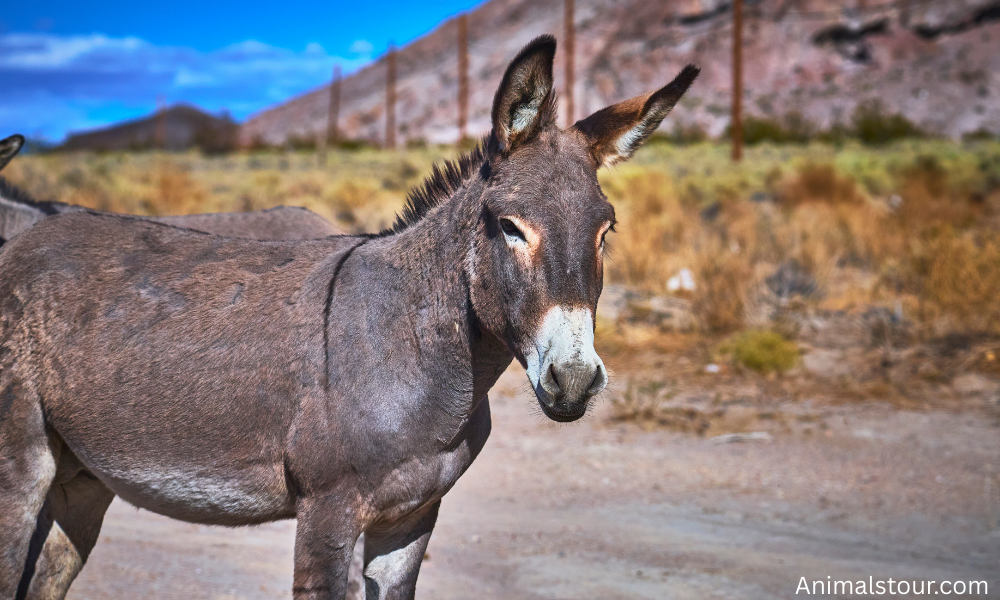
Mules, the hybrid offspring of a male donkey and a female horse, often find themselves labeled as stubborn beasts. However, this perception overlooks their remarkable intelligence and problem-solving abilities.
Unlike horses, mules possess a unique blend of characteristics from both parents, resulting in a creature that is not merely obstinate but discerning. When faced with threats or unsafe conditions, their reluctance to move quickly is often a survival instinct, chosen over blind obedience.
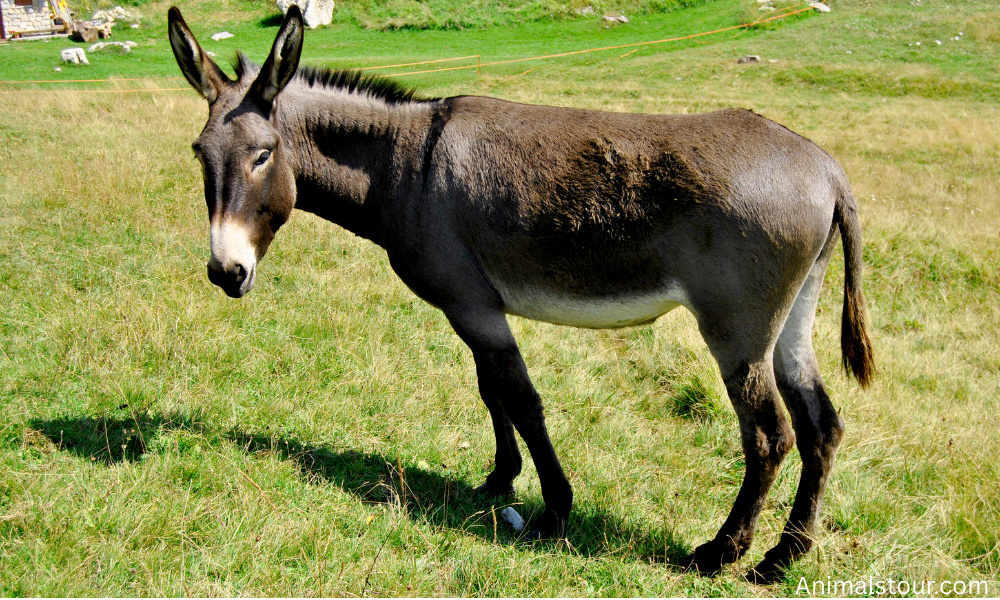
Interestingly, this so-called stubbornness is a testament to their deep-rooted instincts. Mules tend to assess situations more thoughtfully than many equines, showcasing their capability to learn and adapt.
Their remarkable endurance and strength make them ideal for tasks in rugged terrains, whether in agriculture or as pack animals in remote areas.
Instead of simply viewing mules through the lens of stubbornness, recognizing their intellect and adaptability provides a richer understanding of these remarkable animals and the invaluable roles they play in various cultures around the world.
Camels
Scientific name: Camelus dromedarius / Camelus bactrianus
Class: Mammalia
Diet: Herbivore
Camels have long been labeled as stubborn creatures, a reputation that often overshadows their remarkable adaptability and intelligence. This persistence can be seen as a beneficial trait rather than a mere sign of defiance.
In the harsh desert landscapes where they thrive, camels must assert their needs, whether it’s seeking water or navigating treacherous terrains.
This tenacity not only ensures their survival but also builds a unique bond with their handlers, who learn to appreciate the animal’s discerning nature. Camels, with their long legs and unique adaptations, are marvels of the desert landscape.
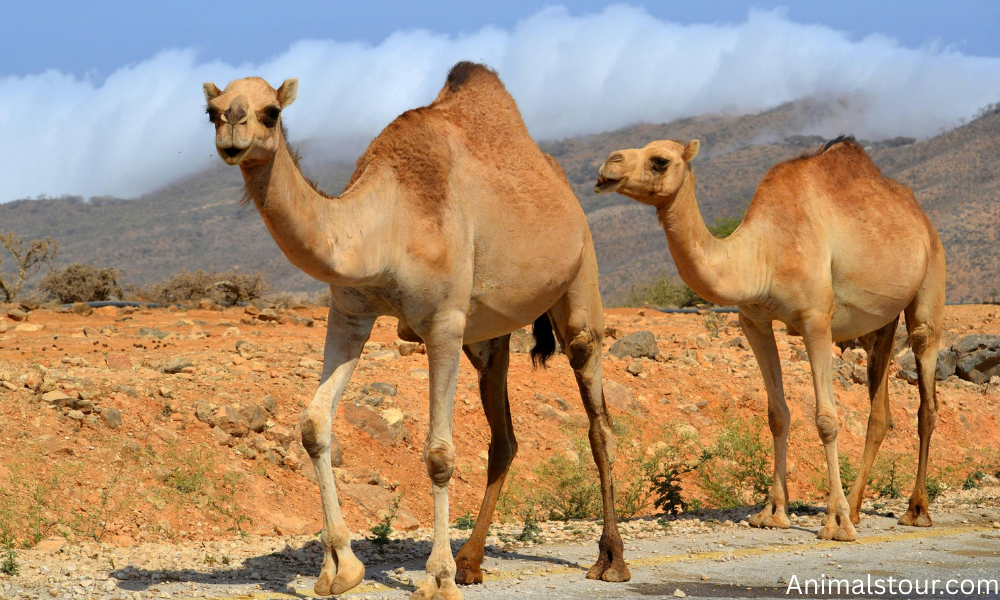
Moreover, the camel’s perceived stubbornness can serve as a reflection of their strong instincts and self-preservation strategies. When faced with unsafe circumstances or excessive demands, camels often stand their ground, prompting their owners to respect their judgment.
The next time you witness a camel refusing to move, consider that it might just be evaluating a situation with more wisdom than we often give it credit for.
Buffalo
Scientific name: Bubalus bubalis
Class: Mammalia
Diet: Herbivore
Buffaloes, often mythologized for their toughness and resilience, embody a unique blend of stubbornness and strength that captures the imagination. These majestic creatures, found on the plains of Africa and the rugged ranges of North America, are not just symbols of power; they are living reminders of survival in harsh environments.
Interestingly, their stubbornness often plays a key role in their survival strategies. When threatened, they stand their ground, refusing to flee, which can deter predators and protect their young.
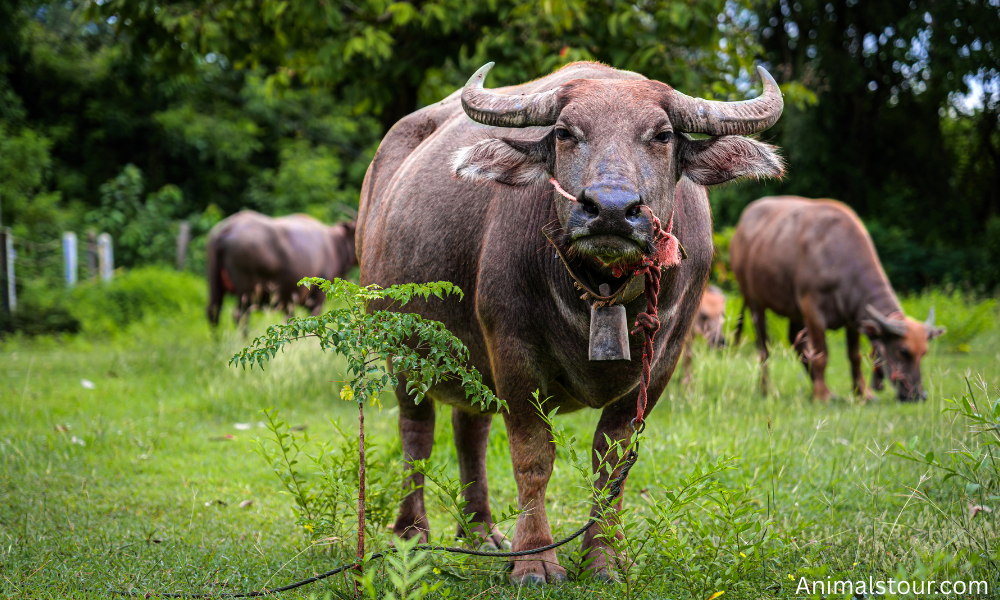
The social structure within buffalo herds highlights another layer of their tenacity. Each herd member contributes to the collective defense, showcasing a strong communal spirit rooted in instinct and cooperation.
Yet, it’s their individual quirks that truly illustrate their stubborn nature. Some buffalo have been known to repeatedly challenge fences or barriers, driven by a stubborn curiosity or a fierce desire for freedom.
Horses
Scientific name: Equus ferus caballus
Class: Mammalia
Diet: Herbivore
Horses are often labeled as stubborn creatures, but this perception overlooks their deep-seated instincts and strong personalities. Rather than mere obstinacy, their reluctance can signal a desire for autonomy and a need for trust in their handlers.
When a horse stands firm against a rider’s urging, it’s not defiance, it’s often a reflection of their survival instincts. In the wild, horses are prey animals, and exhibiting hesitation can be a crucial survival tactic in the face of danger. Their strong legs enable them to run at impressive speeds while navigating challenging land.
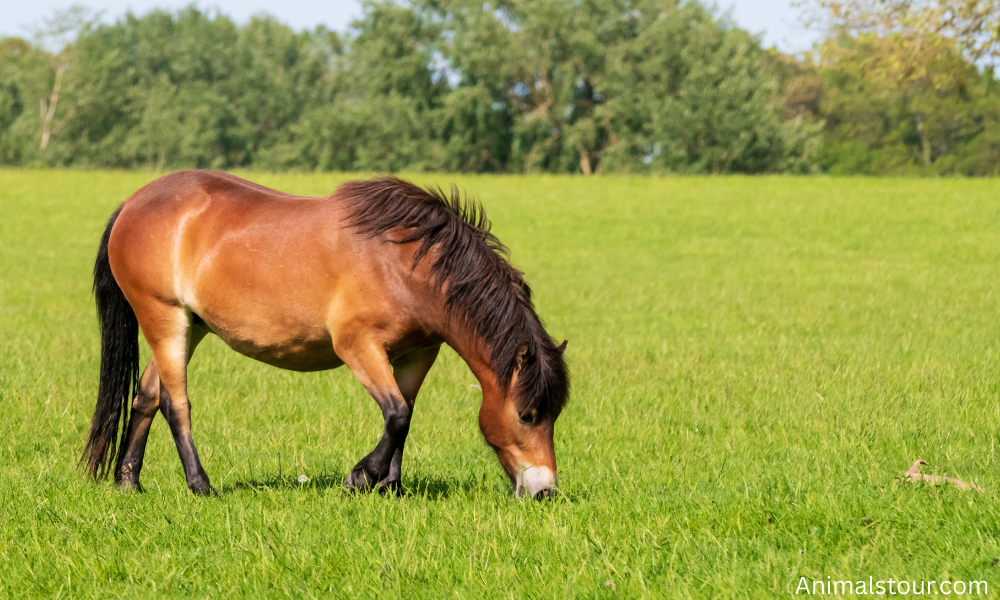
Moreover, understanding the horse’s perspective can transform this image of stubbornness into one of sensitivity and intelligence. Horses are highly intuitive; they pick up on human emotions and body language, making their responses complex and nuanced.
A horse that appears stubborn might simply be expressing discomfort, confusion, or even a lack of respect for the authority of the rider. By fostering a bond built on trust and clear communication, trainers can shift this dynamic, unlocking the horse’s full potential and revealing their eagerness to engage when they feel safe and understood.
Donkeys
Scientific name: Equus africanus asinus
Class: Mammalia
Diet: Herbivore
Donkeys have long been labeled as stubborn creatures, but this perception often overlooks their intelligence and strong-willed nature. Unlike many animals that may comply out of fear or instinct, donkeys are known for their ability to assess situations critically.
When faced with uncertainty, be it a steep hill or a noisy environment, they tend to pause and evaluate the risks rather than simply following orders. This cautious approach might come off as stubbornness, but it’s really a testament to their survival instincts.
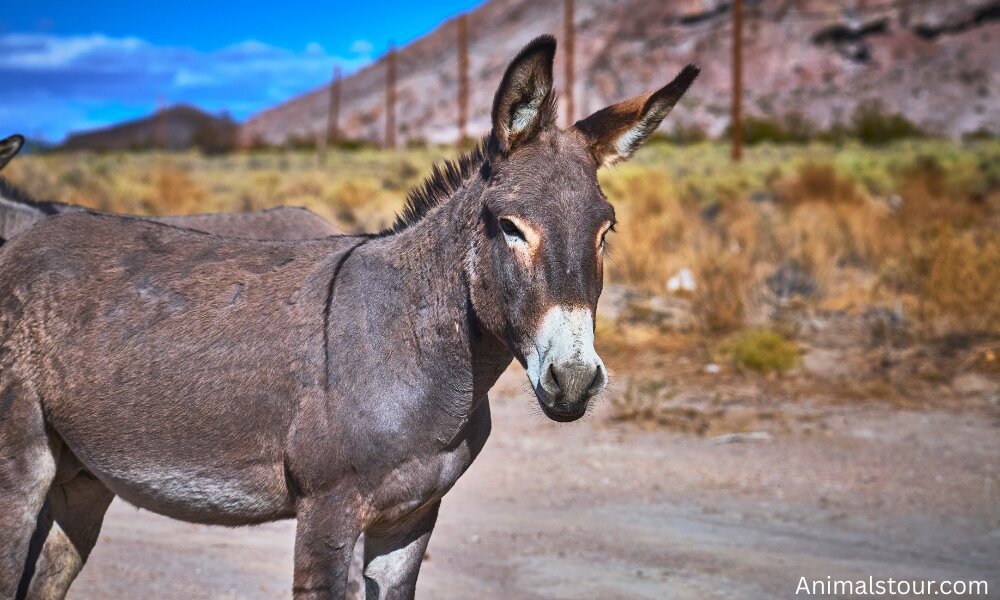
Moreover, donkeys form deep bonds with their handlers and surroundings. Their perceived stubbornness can sometimes be an expression of trust; they’re unlikely to cooperate if they feel their safety is compromised.
By prioritizing their comfort and well-being, caretakers can foster a more harmonious relationship, turning what some view as obstinacy into a valuable partnership.
Raccoon
Scientific name: Procyon lotor
Class: Mammalia
Diet: Omnivore
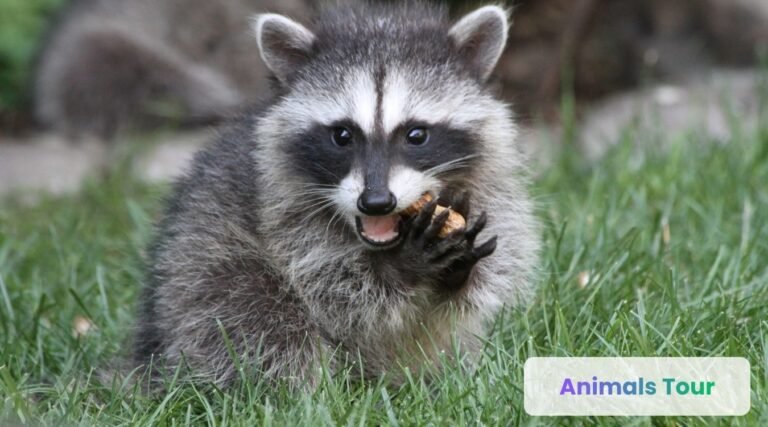
Raccoons embody a unique blend of intelligence and stubbornness, making them one of nature’s most intriguing tricksters. Their dexterous paws are not just for foraging; they are master manipulators, capable of opening jars and doors that would challenge even the most seasoned escape artists.
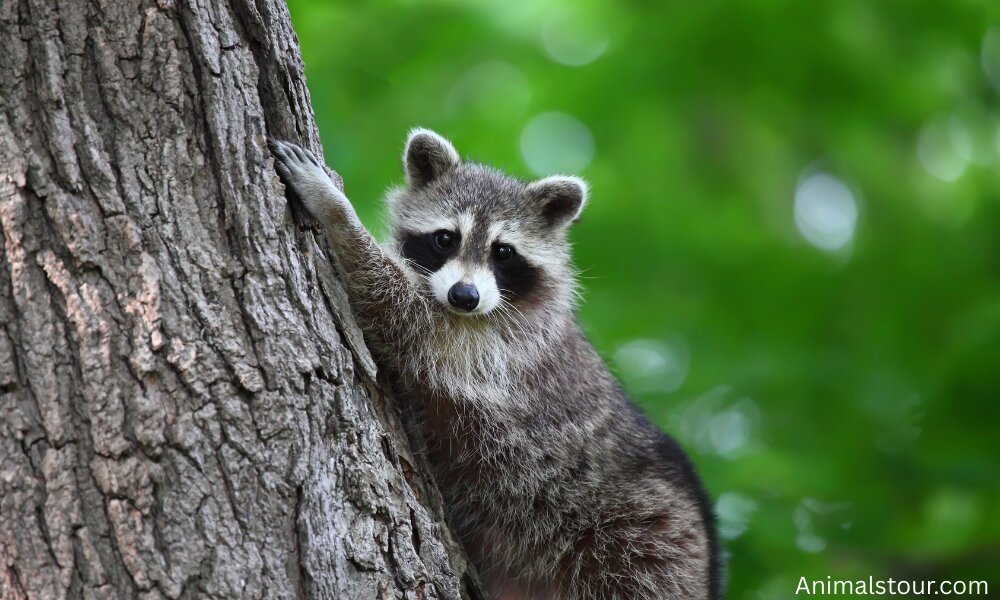
This remarkable dexterity allows them to adapt quickly to urban environments, scavenging and thriving where many other animals would struggle. It’s a testament to their resilience and ingenuity, showcasing a species that refuses to be boxed in by limitations.
But it’s their stubbornness that often leads to humorous encounters with humans. When faced with obstacles, raccoons seem to embody a “never-back-down” attitude, relentlessly returning to their quest for food or shelter.
This persistence can lead to frustrating situations for homeowners, as raccoons will attempt to breach every available entry point, often returning after being shooed away.
Goats
Scientific name: Capra aegagrus hircus
Class: Mammalia
Diet: Herbivore
Goats are often labeled as the epitome of stubbornness, but this reputation deserves a deeper exploration. Their tenacity isn’t merely defiance; it’s a reflection of their highly intelligent, independent nature.
These animals have honed their survival instincts over thousands of years, allowing them to assess situations and make decisions that prioritize their well-being. While this might come across as obstinacy to the untrained eye, it’s actually a testament to their adaptability in harsh environments.
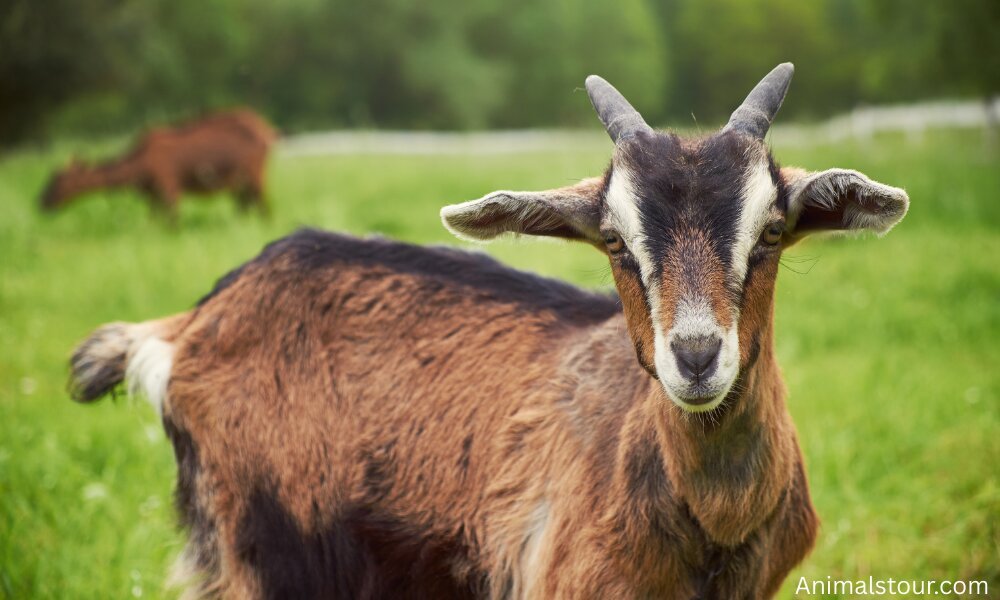
This willingness to stand their ground can also reveal an unexpected social dynamic within herds. Goats are natural explorers, often leading their fellow herd members toward new food sources or safe spots.
When a goat refuses to comply with a command, it might be engaging in a careful evaluation of its surroundings or trying to communicate with its companions, highlighting their role as both leaders and followers.
Ultimately, what we perceive as stubbornness may simply be goats asserting their autonomy in a world that often underestimates their intelligence and problem-solving capabilities.
Llama
Scientific name: Lama glama
Class: Mammalia
Diet: Herbivore
Llamas are often viewed through a humorous lens, primarily due to their reputation for stubbornness. However, this obstacle is rooted in their evolutionary history as pack animals in harsh Andean environments.
With its extended neck, it can nibble on leaves high up in trees. Unlike some domesticated species, llamas are highly attuned to their surroundings, and their reluctance to follow commands often stems from an instinctual wariness.
They are not just challenging for the sake of it; their behavior is a manifestation of their intelligence and survival skills, prompting handlers to build deeper, trust-based relationships rather than relying solely on authority. Llamas can learn names and respond to them.
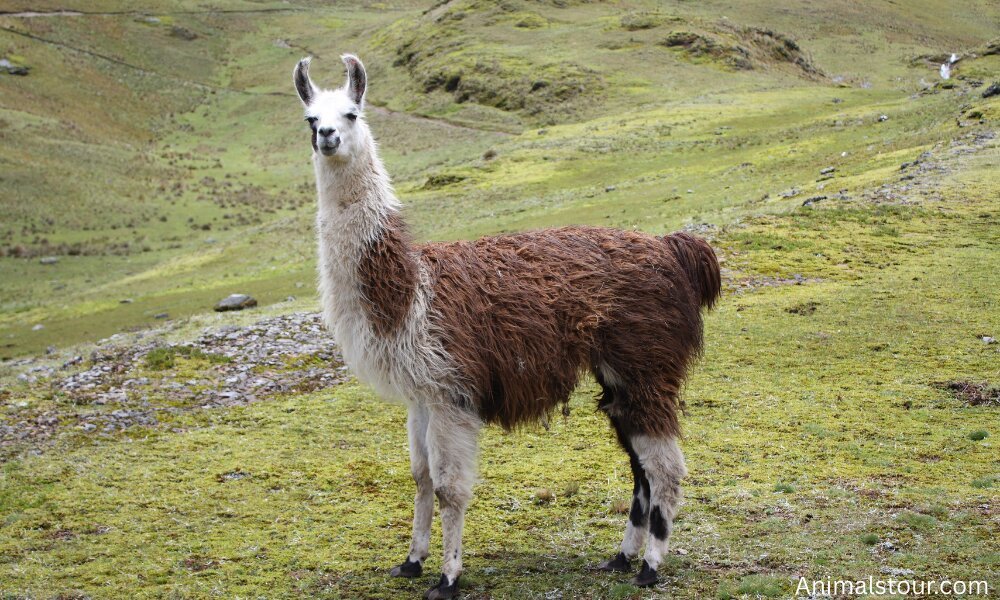
Moreover, this perceived stubbornness can be reframed as an expression of independence. Llamas possess a strong sense of self-preservation, which means they are more likely to question harmful situations, making them resilient companions in rugged terrains.
Their unpredictable nature can also engage humans in more interactive ways, turning routine hikes into adventures where both handler and llama must communicate and adapt. Embracing their unique personality can enhance the bond between llamas and their caretakers, revealing layers of emotional depth that go beyond mere stubbornness.
Pig
Scientific name: Sus scrofa domesticus
Class: Mammalia
Diet: Omnivore
Pigs have long been labeled as stubborn animals, but this trait can often be misinterpreted. Their infamous tenacity is tied to their intelligence and adaptability. Pigs possess an exceptional capacity to learn and remember, which can lead to behaviors perceived as obstinacy.
For instance, if a pig has developed a strong preference for a specific route to food or shelter, it may resist any attempts to change its path, interpreting alterations as unnecessary challenges. This insistence speaks to their cognitive abilities rather than mere obstinacy.
Moreover, the social dynamics among pigs add another layer to their perceived stubbornness. Within a herd, dominant pigs often establish social hierarchies, influencing how others respond to new situations.
A pig that appears resistant may simply be asserting its role within the group or evaluating the safety of a new environment. This social context highlights the complexity of their behavior, suggesting that what we interpret as stubbornness is often a strategic decision based on survival instincts.
Cows
Scientific name: Bos taurus
Class: Mammalia
Diet: Herbivore
Cows, often seen as docile and slow-moving, harbor a surprising depth of personality, particularly the streak of stubbornness that sets them apart in the animal kingdom.
This tenacity often comes from their strong herd instincts; cows are social creatures that thrive in groups.
When one cow refuses to budge from a spot, it’s not merely an act of defiance but often a protective stance, asserting its place within the herd dynamics. This behavior invites deeper contemplation on how animal instincts mirror broader social structures, revealing the intricate balance of individual will versus collective harmony.
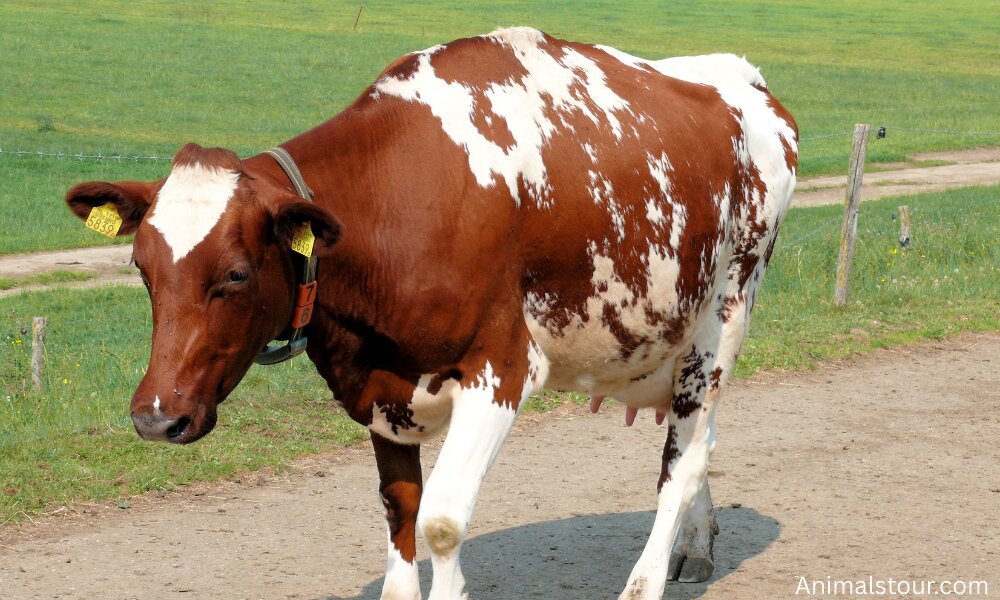
Moreover, their stubbornness can serve as a poignant reminder of their intelligence and emotional depth. Recent studies suggest that cows possess a sophisticated understanding of their environment and relationships, capable of forming complex bonds with their companions.
When a cow stands firm against moving, it may be weighing the benefits of staying put against the potential risks of separation from other herd members.
Badger
Scientific name: Meles meles
Class: Mammalia
Diet: Omnivore
Badgers are emblematic of stubbornness in the animal kingdom, reflecting a resolute nature that has fascinated wildlife enthusiasts for centuries. Their tenacity is rooted in survival instincts; when cornered, rather than retreating, these creatures often stand their ground, displaying a remarkable display of bravery.
This fierce determination has earned them a reputation not only as fearless defenders of their territory but also as symbols of persistence in various cultures, signifying an unwavering spirit in the face of adversity.
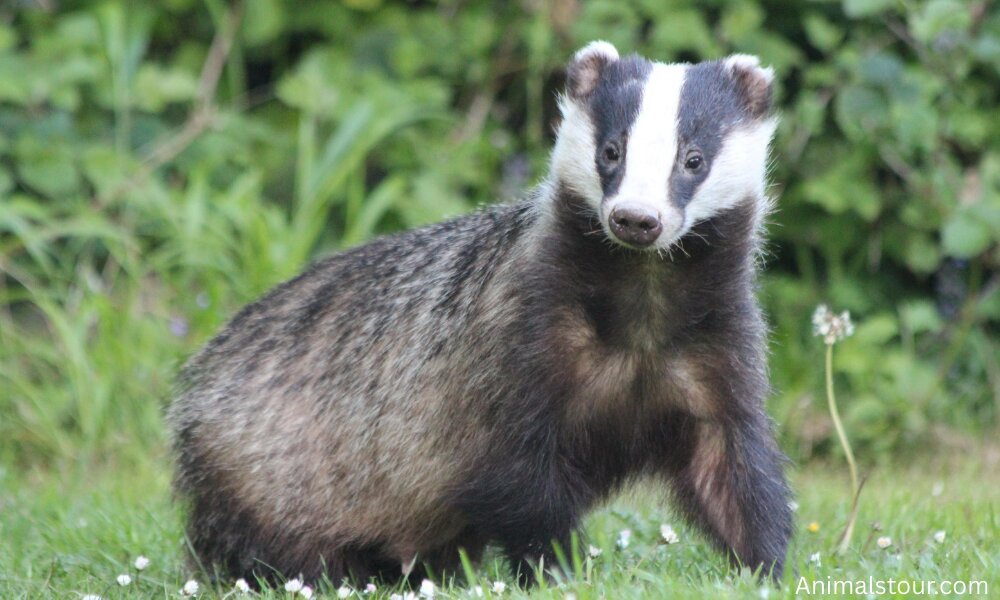
What sets badgers apart is their unique social structure. They live in clans, showcasing complex social interactions that require cooperation and a shared stubbornness toward challenges, whether it’s seeking food or protecting their burrows from intruders.
The way they collaborate illustrates that stubbornness doesn’t just manifest as an individual trait; it can also unify groups, leading to collective resilience. Perhaps it’s this blend of independence and social persistence that makes badgers not just survivors but also captivating subjects worthy of admiration.
Terrier Dogs
Class: Mammalia
Diet: Omnivore
Terrier dogs, known for their spirited attitude, come with a reputation for being stubborn, but this assertiveness often masks a deeper intelligence and tenacity. Originally bred for hunting and vermin control, these feisty canines possess an innate drive that can challenge their owners.
Their stubbornness isn’t merely defiance; it’s a testament to their independence and strong-willed nature. This trait can lead to engaging training sessions filled with creative challenges, turning potential frustrations into opportunities for bonding and mutual understanding.

Moreover, this stubborn streak can enrich the relationship between a terrier and its owner. Rather than viewing obstinacy as a negative trait, consider it a reflection of their confidence and personality. Each stubborn moment is a chance to harness their energy and enthusiasm through consistent, positive reinforcement training.
With the right approach, terriers can unlock new levels of obedience, showcasing their intelligence and adaptability. Embracing their spirited nature, owners may find that these dogs are not just companions but vibrant personalities that bring joy and dynamism to everyday life.
Cats
Scientific name: Felis catus
Class: Mammalia
Diet: Carnivore
Cats have an uncanny ability to challenge our perceptions of pet obedience, often leaving us both exasperated and amused. Unlike dogs, who frequently seek to please, cats seem to march to the beat of their own drum.
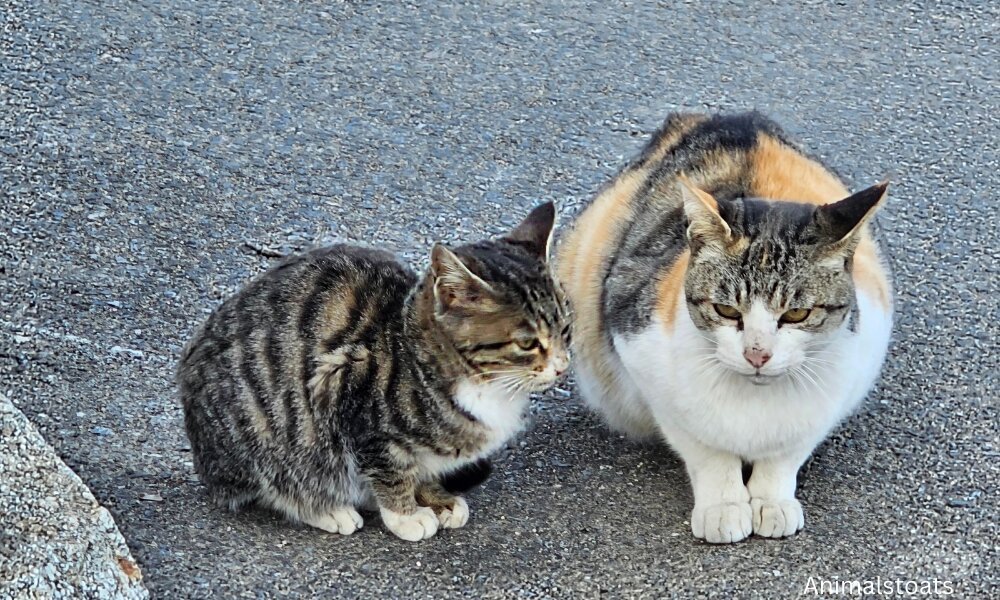
Their stubbornness, however, can be seen as a form of independence that speaks to their complex personalities. When a cat decides it’s time to knock over that glass or sprawl across your laptop, they aren’t just being annoying; they’re asserting their autonomy in a world that often demands compliance.
This mischievous streak is rooted in their nature as solitary hunters, where decision-making and self-reliance were crucial for survival. In a way, their stubbornness is a throwback to their wild ancestors, a trait that emphasizes their need for control.
Observing this behavior can actually deepen our bond with them, revealing the rich tapestry of their emotions and desires. By embracing their quirks, we not only accept their unique personalities but also learn to appreciate the delightful chaos they bring to our lives. After all, isn’t it their quirky defiance that keeps the everyday routine unpredictably thrilling?
Elephants
Scientific name: Loxodonta africana / Elephas maximus
Class: Mammalia
Diet: Herbivore
Elephants, often celebrated for their intelligence and social bonds, exhibit a remarkable stubborn streak that can baffle observers. This tenacity is not merely defiance; it’s an evolutionary trait rooted in survival.
In the wild, an elephant’s unwillingness to back down can protect vital resources, such as water holes or prime feeding areas, especially during challenging dry seasons. This steadfastness is a testament to their powerful instincts, where yielding could result in disadvantage or danger.
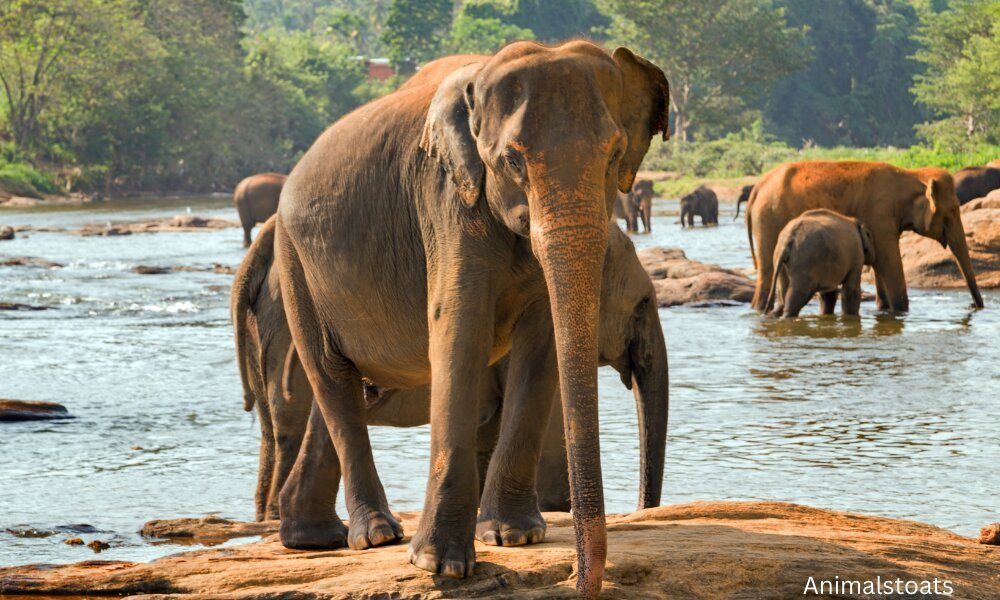
Moreover, their stubborn nature can be seen in their complex relationships. Within herds, matriarchs often display a fierce determination to uphold traditions and communal knowledge, refusing to compromise on paths taken or behaviors practiced over generations.
Such resolute behavior fosters stability and cohesion within the group, which is critical for their survival in the vast, unpredictable landscapes they inhabit.
This trait captures the essence of resilience, helping elephants navigate adversities while preserving the collective wisdom of their ancestors. The stubbornness of elephants, then, is not just defiance; it’s a clever strategy honed by nature and necessity, showcasing their depth and adaptability.
Tortoises
Class: Reptilia
Diet: Herbivore
Tortoises, often perceived as emblematic symbols of slow and steady progress, also embody a fascinating blend of stubbornness and individuality.
Unlike their more agile relatives, these reptiles move at a languid pace, but it’s their resolute nature that truly captivates. When a tortoise decides to dig in its heels, it’s not just stubbornness; it reflects an evolved survival strategy.
In the face of potential threats, this steadfastness allows them to be less reactive, often choosing to retreat into their shells rather than flee.
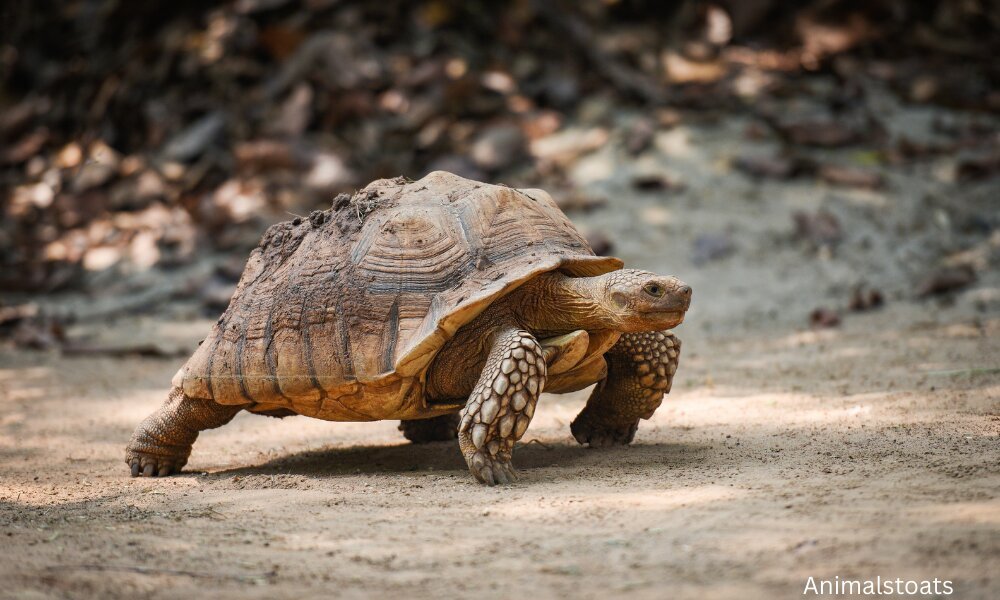
Moreover, this determination can be a challenge for pet owners, as tortoises often follow their whims rather than human commands. In a world buzzing with fast-paced changes, their unyielding disposition serves as a reminder for us to appreciate the value of patience and persistence.
By observing these ancient creatures, we learn that sometimes, it’s not about speed but the journey itself, encouraging us to find our own pace in a world that often demands haste.
Their stubbornness is not mere defiance; it is a deep-rooted trait honed by millennia of evolution, urging us to embrace our authentic selves amidst society’s pressures.
Conclusion
In conclusion, the stubborn nature of tortoises highlights their unique adaptations and survival strategies in the wild. Their slow but steady approach to life teaches us valuable lessons about patience and persistence. While many might view their reluctance to change as a flaw, it is precisely this trait that has allowed them to thrive for millions of years. Understanding these fascinating creatures can foster a deeper appreciation for the natural world and the diverse behaviors within it. So, the next time you encounter a tortoise, take a moment to observe and reflect on the steadfast wisdom they embody.
FAQs
Which animal is stubborn?
Many people consider donkeys to be one of the most stubborn animals. This reputation comes from their strong-willed nature. When they don’t want to move or comply, they can dig in their heels and resist. However, this behavior often stems from their intelligence and instinct to assess their surroundings before acting.
Is a goat a stubborn animal?
Yes, goats can be quite stubborn. They have a strong sense of independence and often prefer to do things on their own terms. When they decide they’re not interested in moving or following commands, they can be quite formidable in their refusal. However, this stubbornness can also be seen as a form of intelligence. Goats are curious and problem-solvers, which sometimes leads them to ignore instructions if they think there’s a better option available.
Which dog is very stubborn?
Bulldogs are often labeled as stubborn due to their independent nature. They can be quite set in their ways and may resist commands if they don’t see the point in following them. This can make training a challenge, requiring patience and consistent reinforcement.
Are pigs stubborn animals?
Yes, pigs can be quite stubborn animals. They are intelligent and curious, which means they often have their own ideas about what they want to do.
Are bulls stubborn animals?
Yes, bulls can be perceived as stubborn. They have strong personalities and often exhibit behaviors that suggest they don’t always want to comply with commands. This can be attributed to their natural instincts and dominance behaviors, which are essential in a herd hierarchy.