Discover Top 20 Animals That Eat Corn
Corn is a tasty treat for many animals, and some of them might even be living right near you! Understanding what these animals are can help you learn more about wildlife and farming, so you’ll know which creatures might visit your backyard. Lets uncover the top 20 animals that eat corn, why corn is such a popular food and how it affects both wild animals and farm life.
List of Animals That Eat Corn
Here is the list of animals that eat corn.
- Raccoons
- White-Tailed Deer
- Squirrels
- Wild Turkeys
- Crows
- Geese
- Pheasants
- Black Bears
- Wild Boars
- Mice
- Groundhogs
- Chickens
- Domestic Pigs
- Cattle
- Red-winged Blackbird
- Blue Jay
- Mallard Duck
- Northern Bobwhite
- European Starling
- Elk
Raccoons
Raccoons (Procyon lotor) are omnivorous animals that eat corn when they find it in fields and gardens. They enjoy sweet corn and can pull apart the husks to reach the kernels. Corn is one of many foods in their diet, which also includes fruits, insects, and small animals.
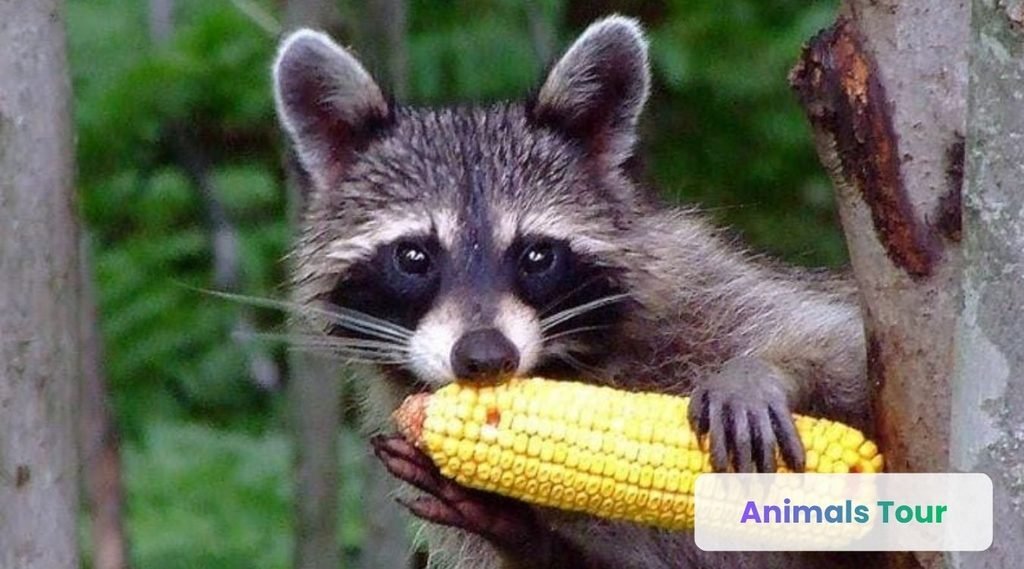
Raccoons usually search for food at night and may visit cornfields when the ears are ripe. They can break or bend corn stalks while feeding, which sometimes causes damage to crops. Their ability to eat different types of food helps them find meals in a variety of environments.
White-tailed deer
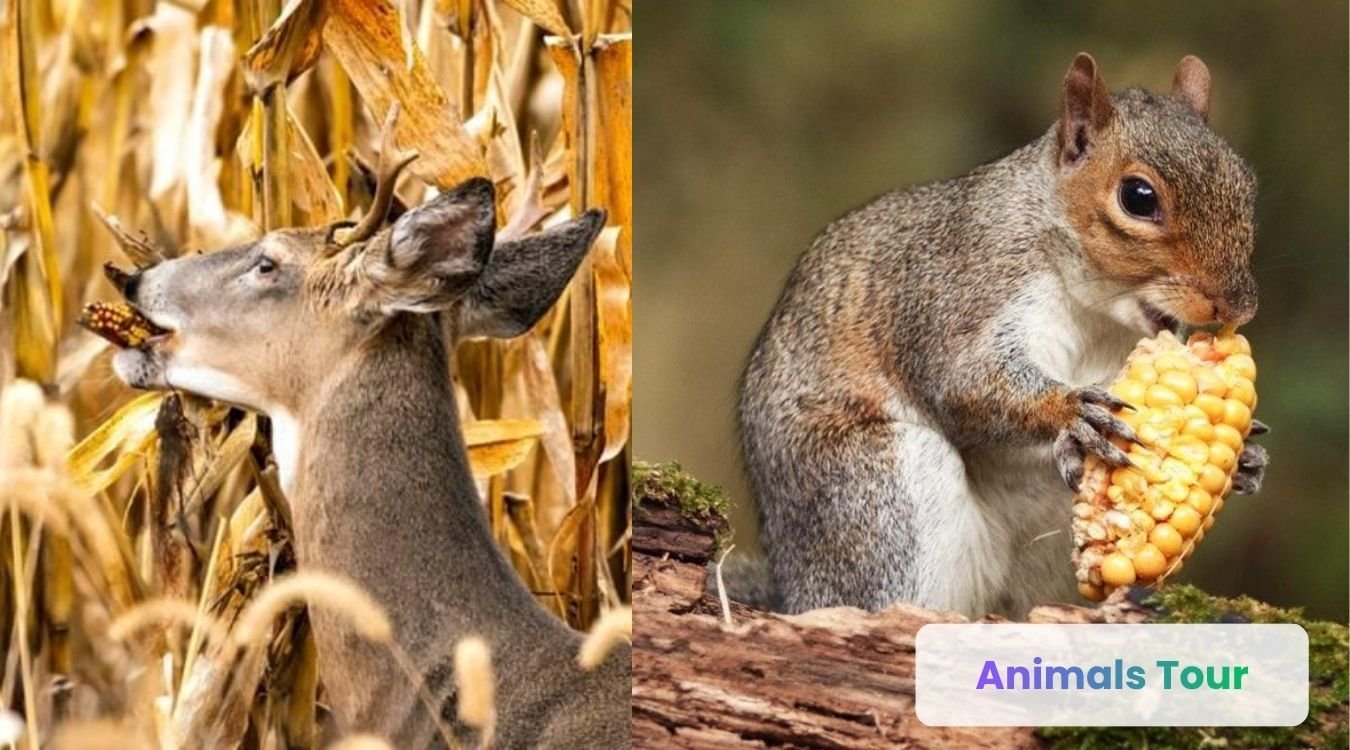
White-tailed deer are a common sight in many backyards and fields, especially in the countryside. These deer are known for their long, white tails that stand up when they feel threatened, signaling other deer to be on alert. They are most active during dawn and dusk, which is when they usually go out to look for food.
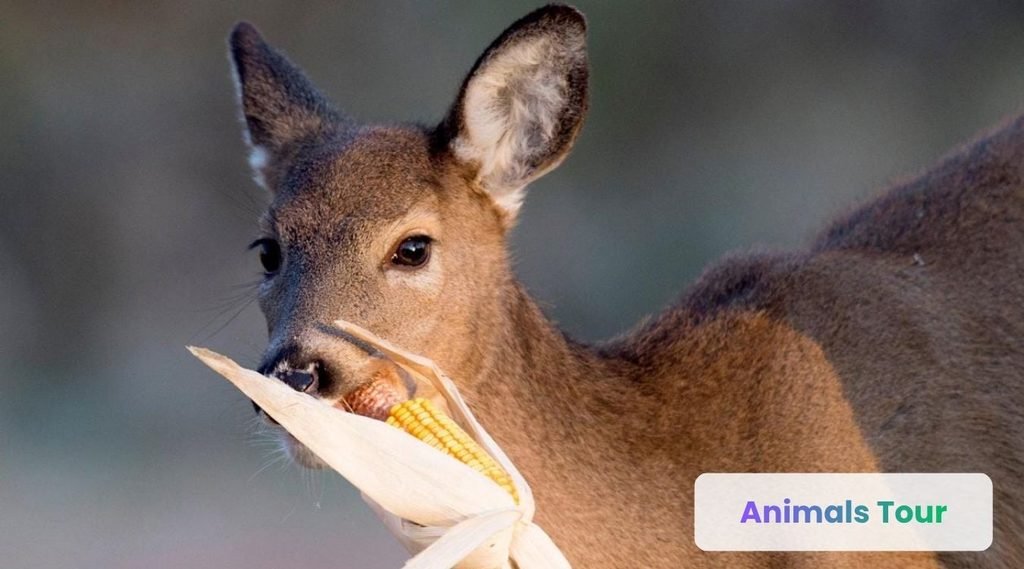
Corn is one of their favorite snacks! Farmers often plant corn, and when it’s ripe, deer find it hard to resist. They munch on the kernels, enjoying the sweet taste while filling their bellies. It’s interesting to note that this eating habit can sometimes lead to problems for farmers, as large groups of deer can eat a lot of crops. Understanding how much these deer love corn can help us find better ways to protect farms while allowing nature to thrive.
Squirrels
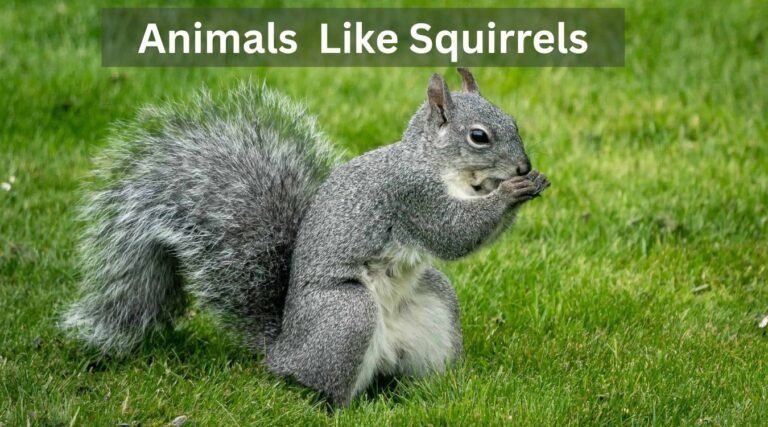
Squirrels eat corn when they find it in gardens, fields, and around bird feeders. They can chew through the outer parts of a corn cob to reach the kernels. Corn is one of many plant foods they eat, along with nuts, seeds, fruits, and buds.
Squirrels may also carry loose corn kernels away and hide them for later. Their sharp front teeth make it easy for them to gnaw through tough plant material. When corn is growing in a garden, squirrels may feed directly on the ears before they are harvested.
Wild turkeys
Wild turkeys (Meleagris gallopavo) eat corn kernels, seeds, and other plant foods they find while foraging on the ground. They may feed in cornfields or areas where harvested corn has been left behind. Corn can provide them with a concentrated source of energy, especially when other foods are less available.
They usually search for food by walking through fields and scratching or pecking at the ground. Wild turkeys also eat insects, fruits, nuts, and other seeds, so corn is only one part of their varied diet.
Crows
Crows are highly adaptable birds that eat corn kernels and seeds when they find them in fields, gardens, or around farms. They may feed on freshly planted corn seeds as well as mature kernels that are exposed or left behind after harvest. Corn is only one part of their broad diet.
Crows often search for food on the ground and can use their strong bills to pick up and break apart food. Along with corn, they eat insects, fruits, nuts, grains, and small animals. Their ability to eat many different foods allows them to make use of crops and other food sources around human settlements.
Geese
Geese are large birds known for their honking calls and strong migrations. One interesting thing about them is their love for corn. Farmers often find geese in their fields, munching happily on the corn kernels. This may seem like a problem for farmers, but it also highlights how geese play a role in the environment. By eating leftover corn, they help clear fields, making room for new crops to grow.
They often gather in groups. They waddle around, pecking at the ground in search of their favorite treat. This social behavior shows how important teamwork is for geese. They look out for each other while they eat, which helps them spot potential dangers. So next time you see geese in a cornfield, remember that these big birds are not just eating; they are part of a bigger cycle that helps the land thrive.
Pheasant
Pheasants are colorful birds often found in fields and woods. They love to eat corn, which is one of their favorite foods. You might spot them pecking at corn in farmers’ fields, where they enjoy the tasty kernels that fall to the ground. Eating corn helps them get the energy they need to fly and survive in the wild.
But there’s more to these birds than just their diet. Pheasants are also known for their beautiful feathers, which can be shades of green, brown, and gold. These feathers help them blend in with their surroundings, protecting them from predators. When you see a pheasant, you’re not just witnessing a bird; you’re observing a creature that has adapted perfectly to its environment.
Black Bears
Black bears (Ursus americanus) are omnivores that may eat corn when they come across it in agricultural fields. They can feed on corn kernels and ears, especially when crops are ripe and easily accessible. Corn is one of many plant foods they consume during the year.
Black bears have a flexible diet and also eat berries, nuts, insects, grasses, and small animals. They have a strong sense of smell, which helps them locate food over considerable distances. When corn is available near their habitat, they may enter fields to feed.
Wild Boars
Wild boars (Sus scrofa) are frequent visitors to agricultural fields, where they can find plenty of food among growing crops. Corn is particularly useful to them because the kernels provide a concentrated source of energy. They may eat the ears, kernels, and other parts of the corn plant.
Their strong snouts help them search through soil and crop residue for food. While moving through cornfields, wild boars may also trample plants and disturb the ground. Besides corn, they feed on roots, fruits, seeds, insects, and other available foods.
Mice
Corn seeds can be an easy food source for mice, particularly around farms, fields, and grain storage areas. They may eat newly planted seeds underground or feed on kernels left on the ground after harvesting. Their small size allows them to reach food in places that larger animals cannot.
Mice have sharp front teeth that help them gnaw through seeds and other hard foods. Along with corn, they commonly eat grains, seeds, fruits, and plant material. In agricultural areas, their feeding on newly planted corn can sometimes reduce the number of seeds that successfully grow.
Groundhogs
Young corn plants can attract groundhogs, especially when they are growing near their burrows. These large rodents are herbivores and may eat the leaves, stems, and developing parts of corn plants. They also feed on grasses, garden vegetables, fruits, and other vegetation.
Groundhogs usually forage during the daytime and can consume a considerable amount of plant material. They may enter gardens or crop fields to find fresh vegetation. Unlike animals that mainly eat loose corn kernels, groundhogs can feed directly on the growing plant.
Chickens
Chickens commonly eat corn as part of their diet, either as whole or cracked kernels or as an ingredient in commercial poultry feed. Farmers and backyard keepers may offer corn as a supplemental food, particularly because its carbohydrates provide a useful source of energy.
Chickens peck at individual kernels and can swallow small pieces without chewing them with teeth. They also eat grains, seeds, insects, greens, and other foods. Corn should be part of a balanced diet rather than the only food a chicken receives.
Domestic Pig
Corn is a common ingredient in domestic pig feed because it provides energy to support growth and daily activities. Farmers may give pigs ground corn, cracked corn, or corn included in prepared feed. The amount they receive depends on their age, size, and nutritional needs.
Pigs use their strong snouts to explore food and can eat corn in different forms. Along with corn, their balanced feed usually contains protein, vitamins, minerals, and other nutrients. Although pigs enjoy corn, feeding them corn alone does not provide everything they need for healthy growth.
Cows
Cattle eat corn in several forms, including whole kernels, ground grain, and corn silage. Farmers commonly use corn as an energy-rich ingredient in cattle feed, while corn silage provides both forage and energy. The type of feed depends on the animal and its nutritional requirements.
Corn silage is made from the chopped corn plant, including its leaves, stalks, and ears. Cattle can digest this plant material with the help of microorganisms in their digestive system. Along with corn, their diets often include hay, grasses, and other feeds to provide the nutrients they need.
Red-winged blackbirds
Red-winged blackbirds (Agelaius phoeniceus) are common birds in wetlands, grasslands, and agricultural areas. They eat seeds and grains, including corn, and may visit fields to feed on developing or leftover kernels. Their diet also includes insects and other food sources, especially during the breeding season.
These birds can cause damage to corn crops when they feed on ripening ears. They may pull at the husks to reach the kernels, while others feed on corn left on the ground after harvest. Their feeding habits make them a familiar bird around farms where corn is grown.
Blue jays
Blue jays (Cyanocitta cristata) are clever birds that eat a variety of seeds, nuts, fruits, and grains. Corn is one of the foods they may consume, especially when kernels are available in gardens, fields, or bird-feeding areas. Their strong bills help them pick up and handle different types of food.
When blue jays find corn, they may eat the kernels directly or carry food away to consume later. They also store some food for future use, particularly nuts and seeds. Along with corn, their diet includes insects and other plant and animal foods, which makes them adaptable foragers.
Mallard ducks
Mallard ducks (Anas platyrhynchos) eat a variety of plant foods, seeds, and grains. They may consume corn kernels when they find them in agricultural fields, wetlands, or areas where people provide food. Corn is an additional food source rather than the only part of their diet.
Mallards use their bills to pick up food from the ground or water. They also feed on aquatic plants, insects, and other small organisms. When corn is available, these adaptable ducks may forage in fields and consume leftover kernels along with other foods.
Northern bobwhites
Northern bobwhites (Colinus
virginianus) are small ground-dwelling birds that feed on seeds, grains, and other plant material. Corn is one of the grains they may eat, particularly when kernels are available in agricultural fields. During warmer months, they also consume insects, which provide important nutrients for growing chicks.
These birds usually search for food while walking through grasslands, brush, and crop fields. They pick up seeds from the ground, including corn left behind after harvesting. Their diet changes throughout the year depending on the food available in their habitat.
European Starlings
European Starlings are interesting birds that often show up in fields where corn is grown. They love to feast on the juicy kernels, which makes farmers a bit worried. When a big flock swoops down, they can eat a lot of corn really quickly, sometimes leaving nothing behind.
These birds are quite clever and have a knack for finding food. They can work together in groups to scare up insects or find seeds. You might see them hopping around on the ground, searching for the best snack. Even though they can be seen as pests by some, their social behavior and ability to adapt to different environments make them a unique part of the ecosystem.
Elk
Elk are large animals that roam forests and mountains, and they have a diverse diet. While they mostly munch on grass, leaves, and shrubs, they also enjoy corn when they find it. This might seem surprising since corn is often associated with farms and fields, but elk are opportunistic eaters. They will sneak into agricultural areas, especially in late summer and early fall, looking for a tasty meal.
When elk find corn, they often turn it into a feast! They can easily consume large amounts, which gives them extra energy for the colder months ahead. This behavior can sometimes lead to conflicts with farmers, as hungry elk can damage crops. However, seeing these majestic animals up close while they enjoy a snack can remind us of the delicate balance between nature and agriculture.
Conclusion
There are several animals that eat corn, making it a popular food in nature. From squirrels and raccoons to deer and birds, corn serves as a tasty snack for different creatures. It’s important for farmers to be aware of these animals, especially if they want to protect their crops. While it’s fun to watch these animals munch on corn, it can also be a challenge to keep them away from our food. Next time you see an animal enjoying corn, remember how much they love it and consider ways to share the land peacefully.
FAQs
What types of animals commonly eat corn?
Many animals enjoy corn, including squirrels, deer, raccoons, birds like crows and pigeons, and various rodents.
Is corn harmful to pets like dogs and cats?
While corn is not toxic to dogs or cats, it should only be given in moderation. Some pets may have allergies or sensitivities.
Can farm animals eat corn?
Yes, farm animals such as pigs, cattle, and poultry often eat corn as a part of their diet, as it provides essential nutrients.
Is corn safe for all bird species?
Most birds can eat corn safely, but some species may require a balanced diet that includes more varied foods. Always research specific needs.