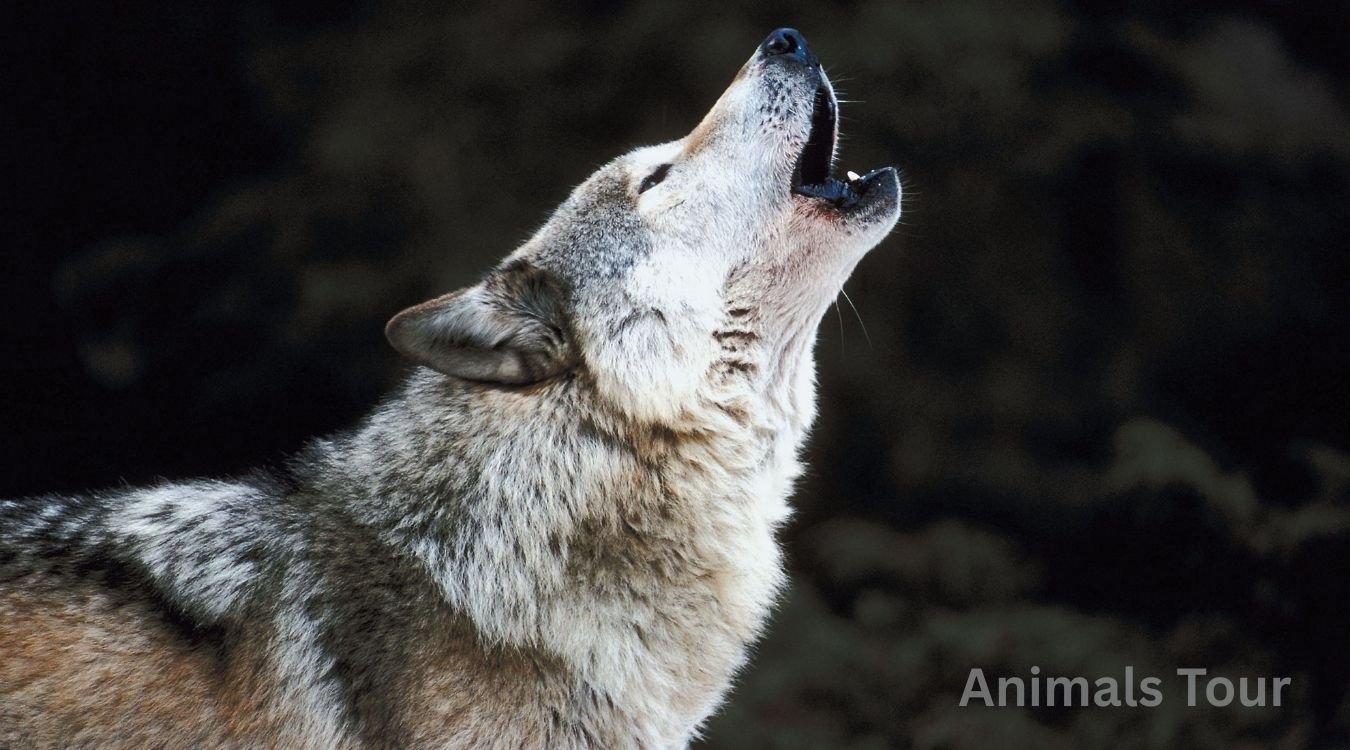
Discover Top 25 Animals that Growl (Images Included)
Growling animals use their vocalizations to establish territory, warn of danger, or communicate with one another. From the powerful lions to the mysterious cougars, let’s discover the top 25 animals that growl, highlighting their behaviors and the significance of their sounds in the wild.
List of Animals that Growl
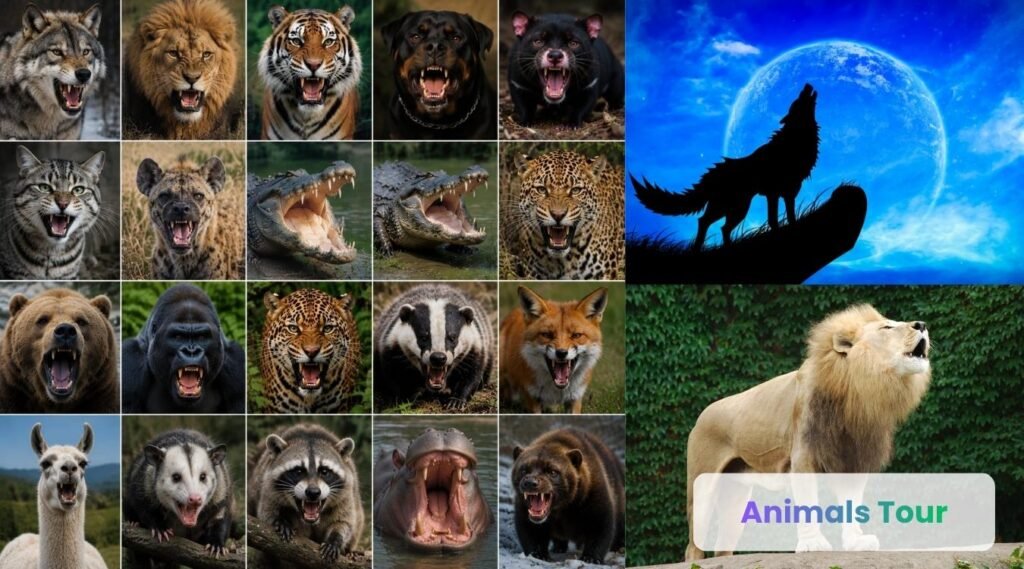
Here is the list of the top 25 animals that growl that will be discussed in detail, unlocking the secrets behind their sounds and the significance of these vocalizations.
- Wolf
- Lion
- Tiger
- Dogs
- Tasmanian Devil
- Domestic cats
- Hyena
- Crocodiles
- Alligators
- Leopard
- Bears
- Gorilla
- Jaguar
- Badgers
- Foxes
- Llamas
- Opossums
- Raccoons
- Hippopotamus
- Wolverine
- Cougar
- Otters
- Striped Skunk
- American Mink
- Kaola
Wolf
Scientific Name: Canis lupus
Class: Mammalia
Diet: Carnivore
Wolves are highly intelligent social creatures. They communicate using a range of sounds and body language. Their howls and growls signal their presence and strengthen pack unity. A wolf’s growl is not just a simple sound, it is a complex form of communication that plays an important role in their survival. Wolves growl to signal warning, show dominance, and emotions.
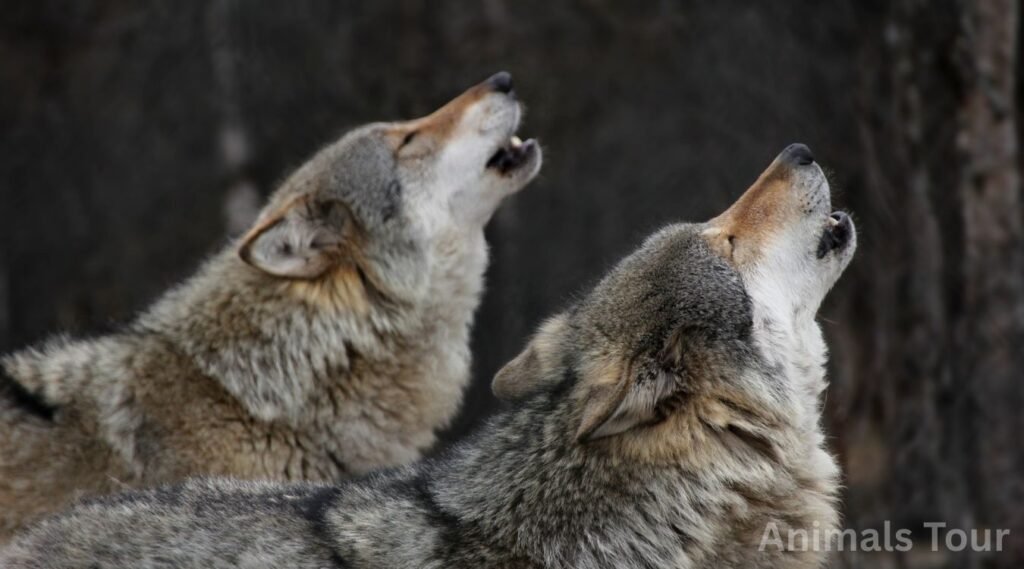
These vocalizations are used to send messages over long distances, to keep the pack connected and safe. A low, warning growl may serve as a deterrent against potential threats, while a more aggressive growl signals a challenge to rivals. This kind of communication is vital for maintaining the pack’s hierarchy and ensuring that members work together efficiently, especially during hunts.
Lion
Scientific Name: Panthera leo
Class: Mammalia
Diet: Carnivore
In the rich diversity of the animal kingdom, the lion stands as a symbol of power and majesty, a true king among growling animals. Unlike the solitary nature of many predators, lions exhibit a well-organized social structure that enhances their survival. The growls of a lion’s pride can warn possible threats and also bring the group together for hunting. This social growl reflects their unique dynamic, blending raw strength with strategic intelligence.
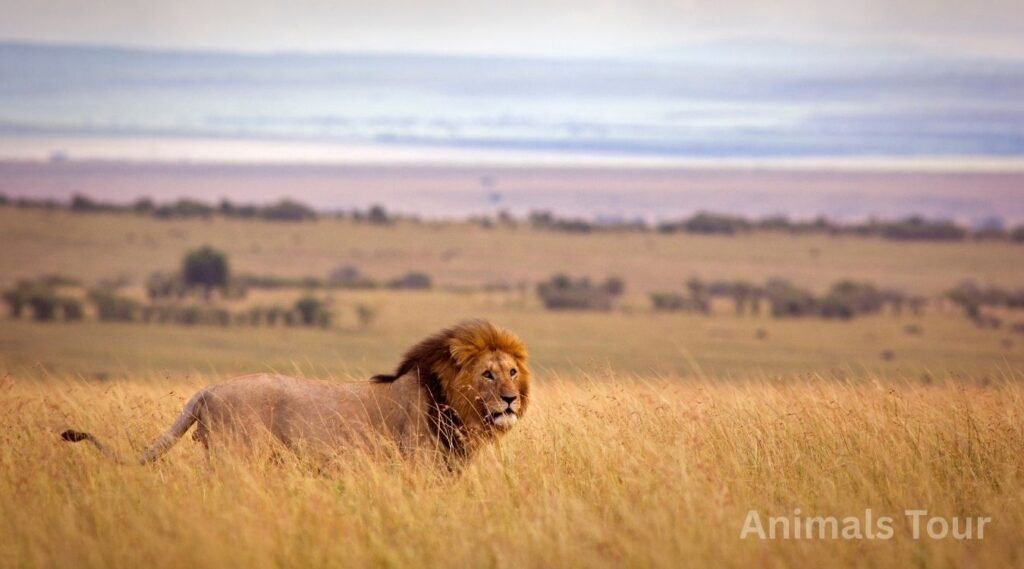
A lion’s deep growl warns other animals and brings its pride together for hunting. It’s not just a sign of dominance but also a way to coordinate and communicate. This shared sound helps the pride work as a team, showing that even in the wild, strength relies on cooperation.
Tiger
Scientific Name: Panthera tigris
Class: Mammalia
Diet: Carnivore
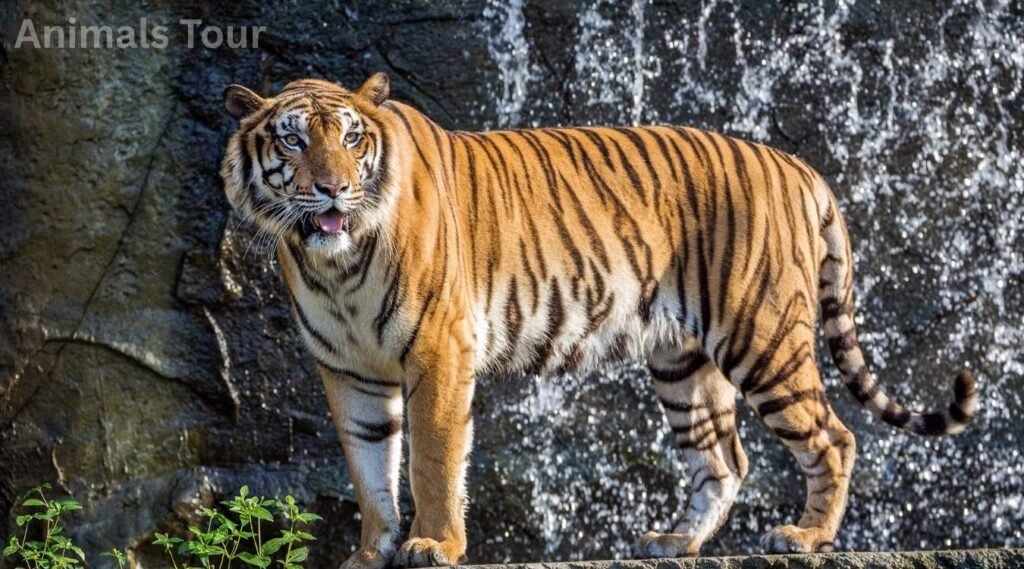
The tiger, a solitary and powerful predator, uses its deep growl to warn intruders and mark its territory. Unlike lions, tigers hunt alone, relying on stealth, strength, and patience to catch their prey. Their growl is a clear signal of dominance and danger, echoing through the forests they roam. Every sound helps maintain control over their territory and ensures survival in the wild, showing just how finely tuned their instincts are.
Dog
Scientific Name: Canis lupus familiaris
Class: Mammalia
Diet: Omnivore
A dog’s growl is a complex vocalization that serves as an important way of communication. It can express emotions ranging from warning and discomfort to playfulness and excitement. The tone, pitch, and duration of a growl can significantly alter its meaning; a low, rumbling growl might indicate a territorial stance, while a playful growl often comes with inviting body language during games.
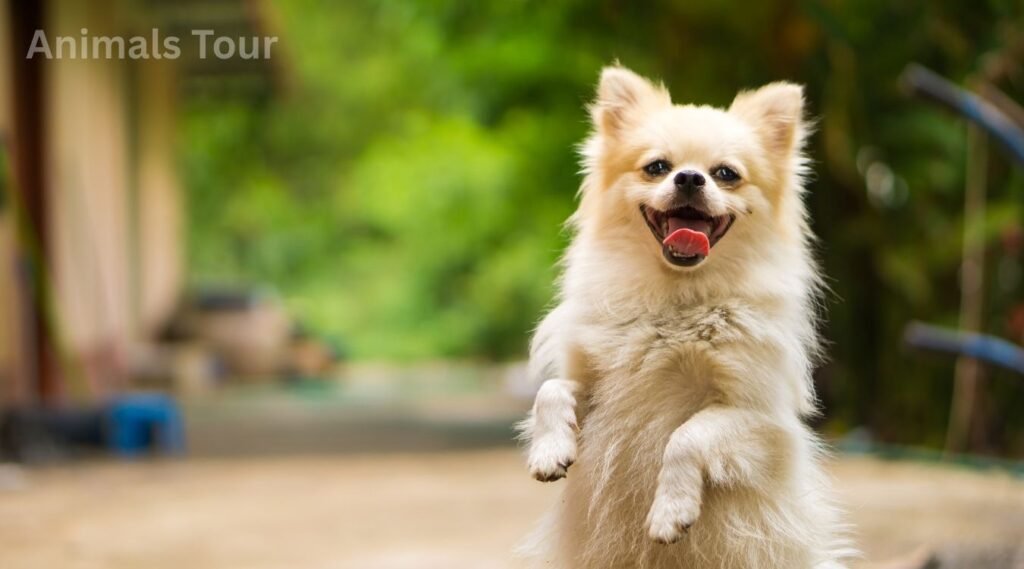
Understanding your dog’s growling can enhance your relationship with them. For instance, a dog growling at a stranger may be protective, demonstrating loyalty to its owner. Conversely, if your pup is growling during playtime, it’s a sign of engagement and joy. Recognizing these nuances can help you respond appropriately and foster a deeper bond.
Tasmanian Devil
Scientific Name: Sarcophilus harrisii
Class: Mammalia
Diet: Carnivore
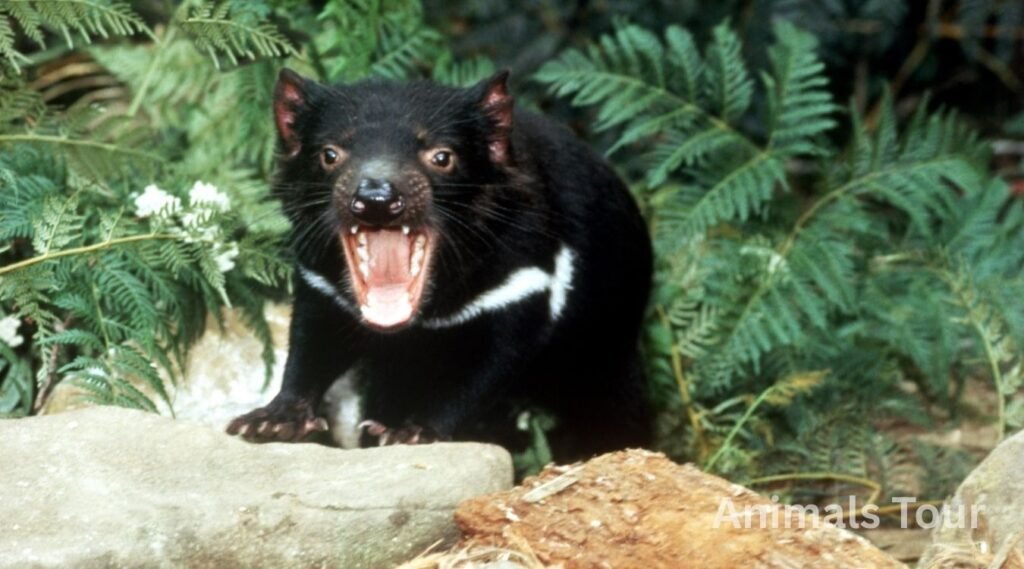
Tasmanian devils are the largest carnivorous marsupials, known for their fierce look and loud growls. Their low, guttural sounds serve multiple purposes. When a devil growls, it can signal distress, assert dominance, or even protect a food source. The growl is not just a noise but it is a crucial part of their communication.
In the wild, a devil’s growl might deter competitors from approaching their meals. It helps maintain order among social groups and can also play a role during mating seasons. Interestingly, these sounds can be more intense when a devil feels threatened or cornered. Understanding these growls gives us a glimpse into their complex social lives and survival tactics.
These devils help control populations of dead animals, keeping the environment healthy. One interesting fact is their ability to eat bones and fur. This skill helps recycle nutrients back into the soil. Sadly, they face threats from a transmissible cancer known as Devil Facial Tumor Disease, so conservation efforts are needed to protect them.
Cats
Scientific Name: Felis catus
Class: Mammalia
Diet: Carnivore
Cats make their presence felt in many ways, including gentle growls and purrs. Growling is not just noise but a way of communication. It can show emotions like playfulness, annoyance, or discomfort. Cats often growl when they feel threatened or want to warn others to stay away.
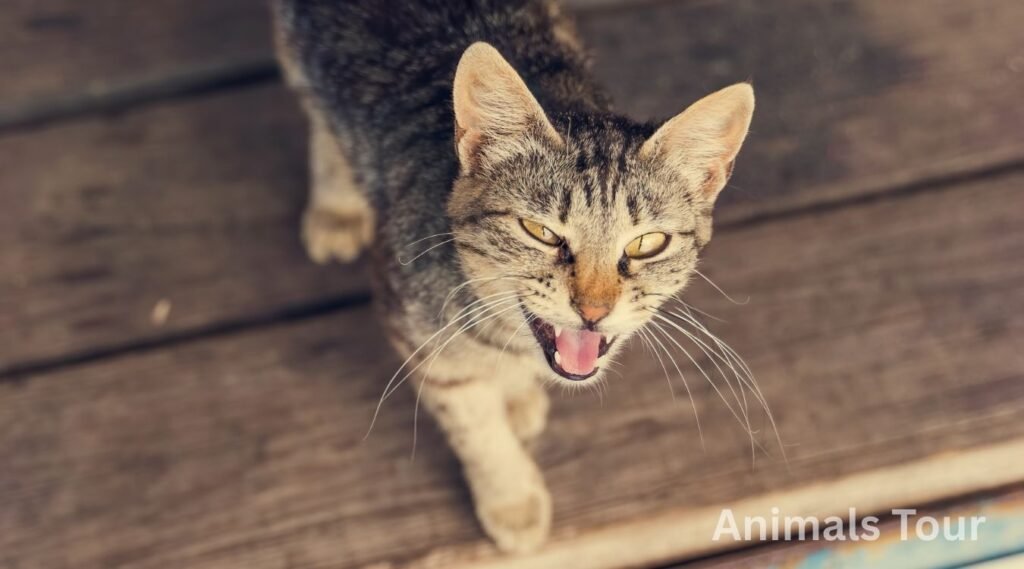
Understanding the context matters. A cat may growl when another pet comes near its food or space, or during play if things get too intense. Observing body language is also important. A puffed-up tail or flattened ears often accompany a growl, signaling discomfort. By recognizing these signals, you can create a more peaceful environment for your furry friend.
Hyena
Scientific Name: Crocuta crocuta (Spotted Hyena)
Class: Mammalia
Diet: Carnivore/Scavenger
Hyenas are more than scavenger, they are smart, social carnivores that play an important role in their ecosystem. They live in social groups called clans, where their vocalizations are key to communication. Growling of Hyenas is one of their distinctive traits, signaling both communication and context within their groups.
It is often heard during feeding or tense situations, helping maintain order and avoid conflict. Despite their fierce reputation, this sound actually plays an important role in their social bonding, often bringing members of a clan together.
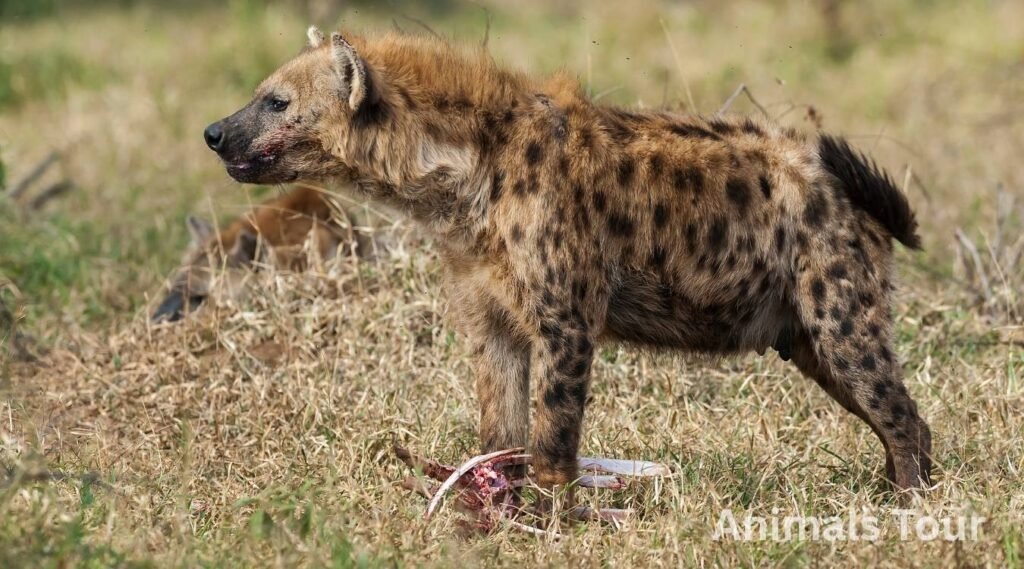
One interesting aspect of hyenas is their unmatched stamina. They can run for long distances, enabling them to outrun prey. Additionally, they possess a keen intelligence; studies show they can solve problems and even use strategies to catch food. This shows that hyenas are not just survivors, but highly capable animals that thrive through intelligence and teamwork.
Crocodiles
Scientific Name: Crocodylus
Class: Reptilia
Diet: Carnivore
Crocodiles are ancient creatures that have lived on Earth for millions of years, dating back to the time of the dinosaurs. They are usually studied for their unique physical traits and hunting techniques but their vocalizations, like deep and resonant growls, are also interesting. When crocodiles growl, it serves multiple purposes. This vocalization can signal territory, warn off rivals, or even attract potential mates.
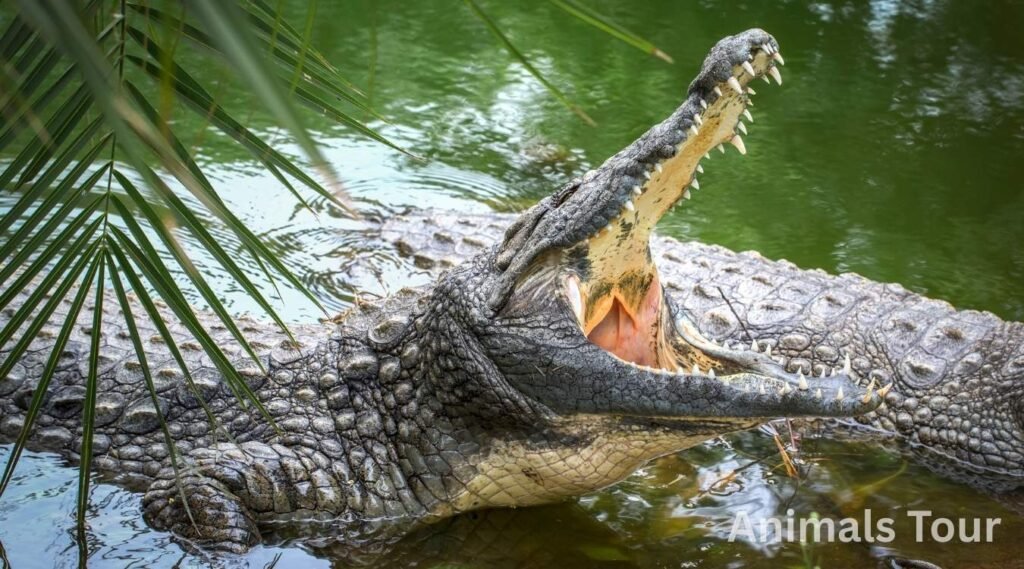
The sound itself is produced through a complex interaction of their vocal apparatus, which involves both their throat and vocal cords. The intensity and tone of the growl can convey different emotions or intentions, much like how humans use changes in voice to express feelings. By understanding these vocalizations, we can appreciate how these reptiles navigate their environment and interact with each other, highlighting the sophisticated ways they maintain their presence in the wild.
Alligators
Scientific Name: Alligator mississippiensis
Class: Reptilia
Diet: Carnivore
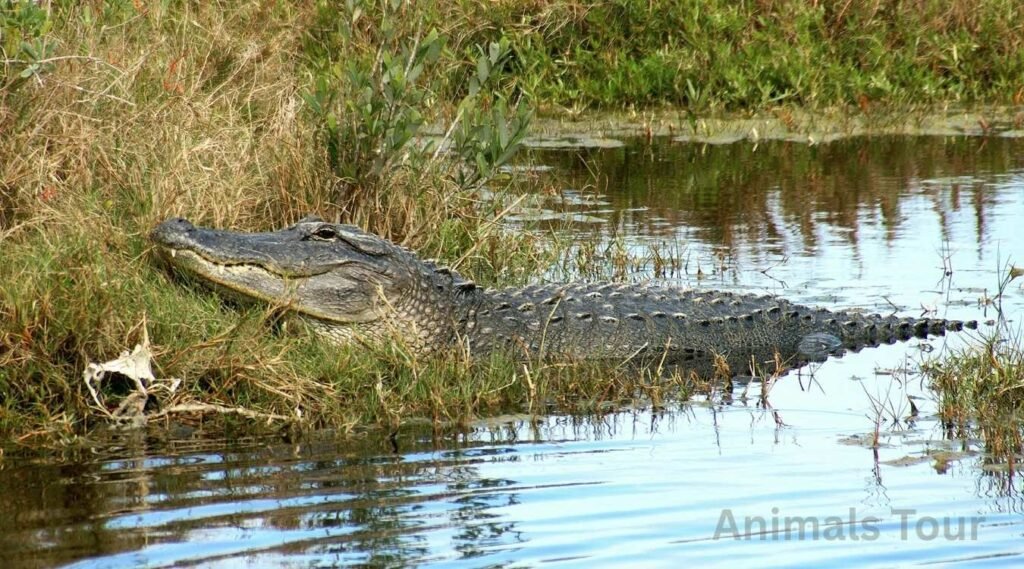
Alligators use a variety of sounds, and their deep growl is one of the most important. It helps them mark territory, signal their presence, and warn off threats. Mothers also growl to protect their nests, showing a surprising level of care. These growls travel well over water, allowing alligators to communicate effectively and assert their dominance without fighting.
Leopard
Scientific Name: Panthera pardus
Class: Mammalia
Diet: Carnivore
A leopard’s growl is a low, throaty sound that reverberates through the night, often heard during territorial disputes or while attracting a mate. This vocalization emerges from a complex interplay of the vocal cords and resonating chambers in their skull. Leopards use this to express dominance, discomfort, or even playfulness.
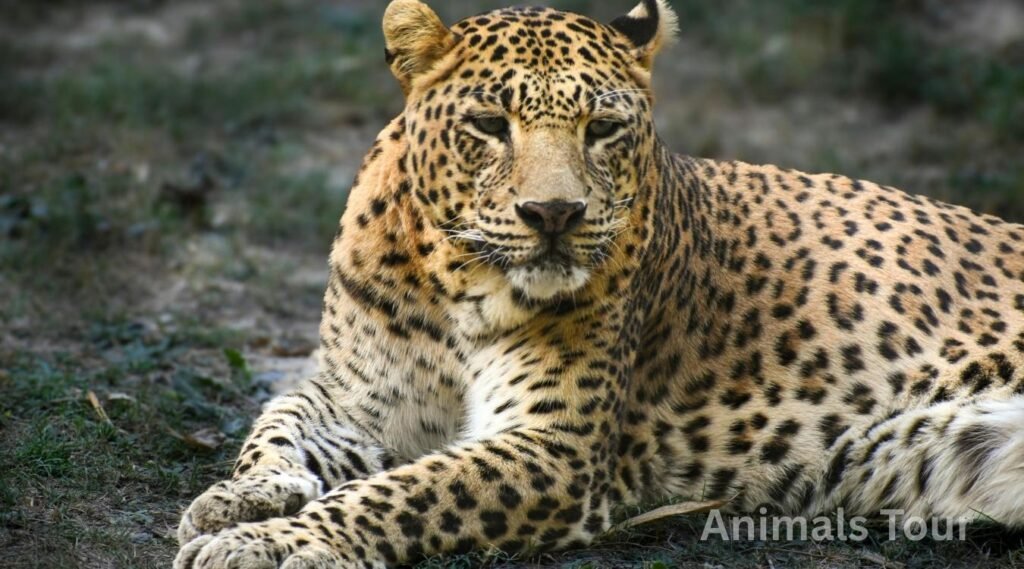
While lions rely on their vocal strength to coordinate prides, leopards use their growls as subtle, yet potent messages in the dense underbrush. This adaptation is essential for their solitary lifestyle as their growls communicate without revealing their position to potential prey. These sounds remind us of the leopard’s skill and resilience and the importance of protecting their wild habitats.
Bears
Scientific Name: Ursidae
Class: Mammalia
Diet: Omnivore
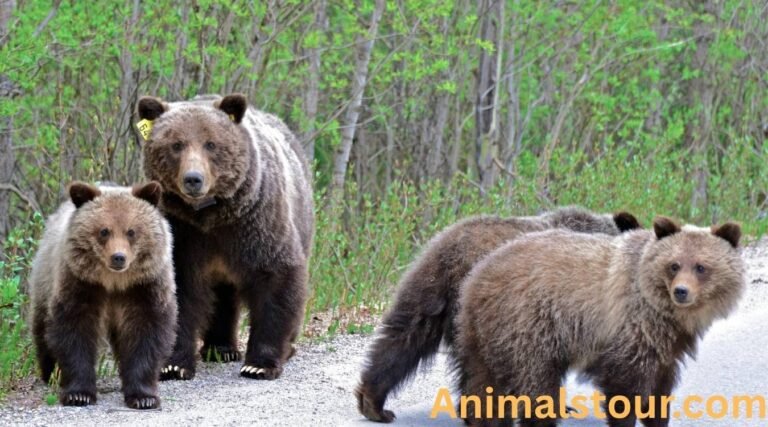
Bears, the solitary giants of the wild, communicate through a range of vocalizations that reflect their mood and intentions. Their deep, rumbling growls serve as powerful warnings to intruders and rivals, signaling that they are not to be disturbed. These territorial grunts and growls can resonate through the forest, making their presence known to other forest wanderers long before they appear.
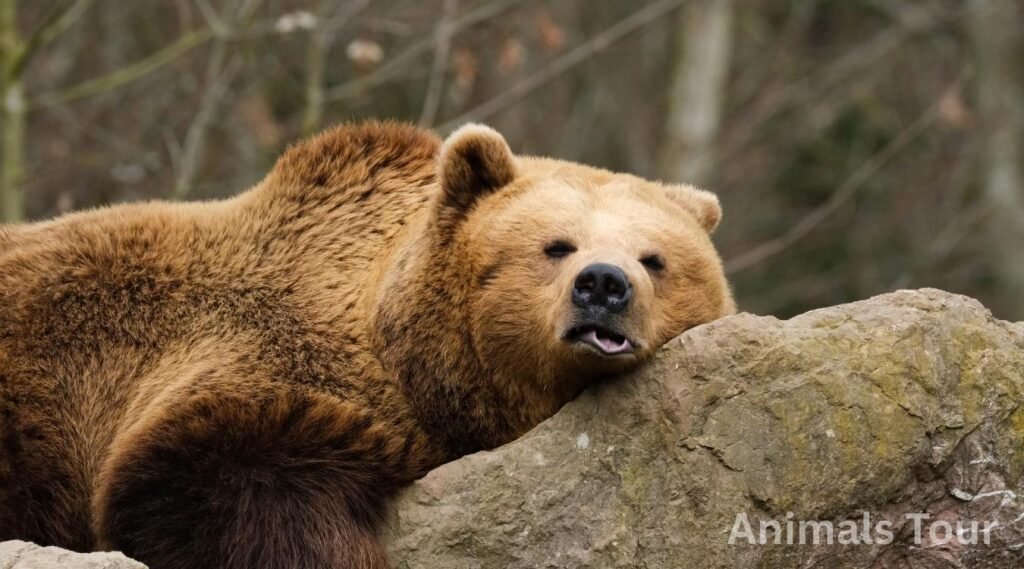
As powerful omnivores, bears show their dominance not just through size but also through sound. These vocalizations can change based on the situation as whether they are expressing annoyance, seeking a mate, or protecting their young. During seasonal hibernation, their voices fade, but in the spring, as they emerge, the forest comes alive again with their distinctive calls. Their growls show their strength and adaptability, highlighting the important role bears play in their environment.
Gorilla
Scientific Name: Gorilla gorilla
Class: Mammalia
Diet: Herbivore/Omnivore
Gorillas, often seen as gentle giants, reveal an interesting side with their growls. These sounds aren’t just signs of anger or threat but they convey emotions like excitement, discomfort, or alertness. In the wild, a silverback’s low growl can warn intruders while also keeping harmony within the group.
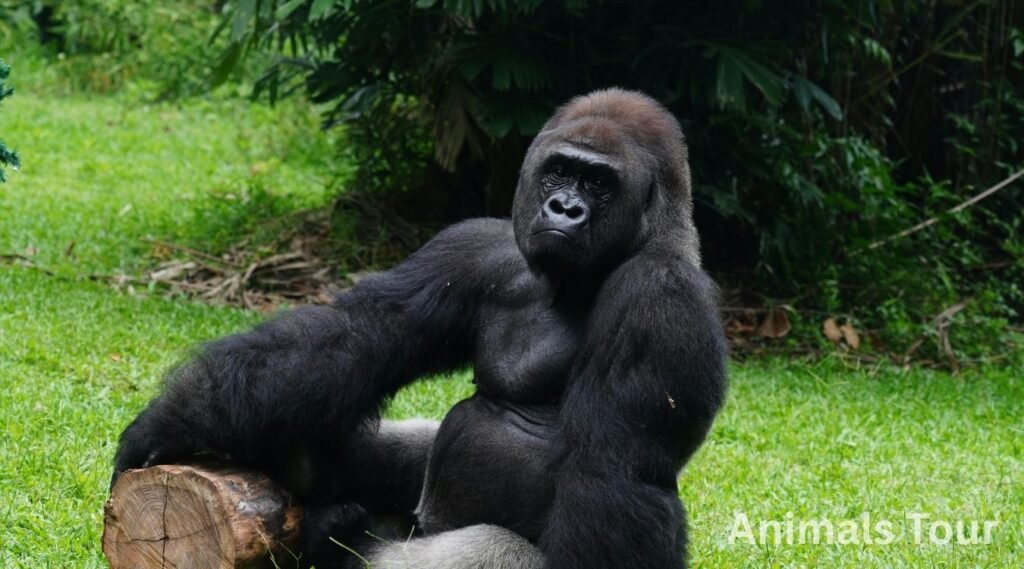
Growls also communicate specific intentions. A mother’s soft growl reassures her young, while a loud, deep growl during a confrontation signals dominance and reinforces the social hierarchy. These vocalizations reflect gorillas’ intelligence and emotional depth, showing that they are much more than their imposing size suggests.
Jaguar
Scientific Name: Panthera onca
Class: Mammalia
Diet: Carnivore
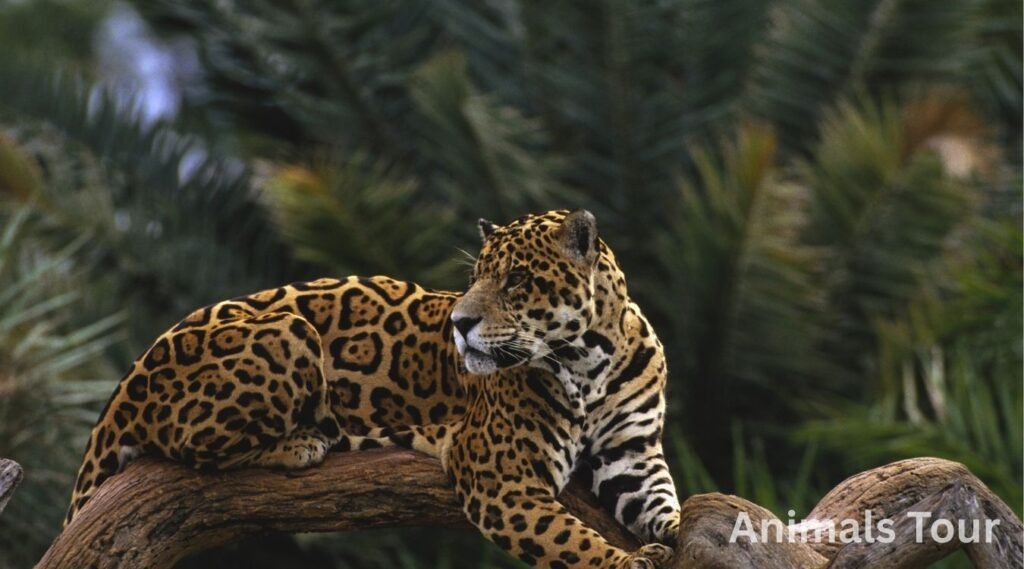
Jaguars are powerful big cats known for their strength, strong bite, and stealthy hunting style. They move quietly through dense forests and wetlands, using patience and precision to catch prey. As the sun sets, the jaguar’s deep, rough growls echo through the night. These sounds are not just warnings but also help mark territory and attract mates. Unlike other big cats, their growls carry a haunting quality, echoing the raw, untamed spirit of the rainforest.
Badgers
Scientific Name: Meles meles
Class: Mammalia
Diet: Omnivore
Badgers are nocturnal foragers that are known for their stocky build, exceptional digging skills and adaptability. When they feel threatened or need to defend their territory, they may produce deep, harsh growls. This vocalization is a key part of their communication, serving to warn off intruders or alert nearby badgers of danger. Their territorial behavior showcases their defensive nature, making it clear that they won’t back down easily.
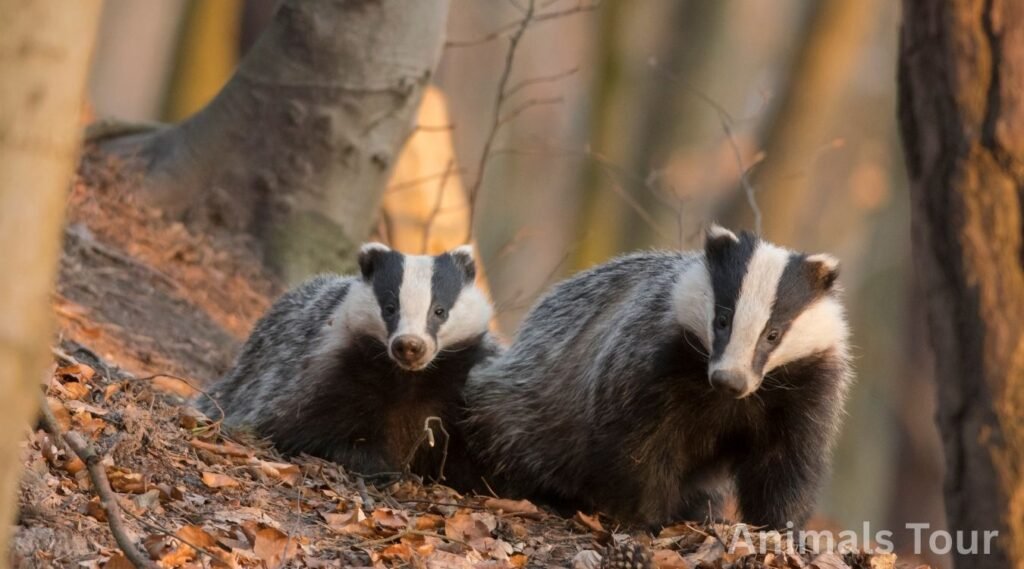
Badgers venture out at night, using their sharp claws to excavate food or create underground tunnels, or setts, where they live. These animals often prefer a solitary lifestyle. Even though they may seem shy, when threatened, their growls echo through the woods, leaving an impression of strength and resilience.
Foxes
Scientific Name: Vulpes vulpes
Class: Mammalia
Diet: Omnivore
Foxes are clever and adaptable animals, known for their striking appearance and sharp intelligence. They live in a variety of habitats, from forests to urban areas, moving with quick and agile steps. Although mostly solitary, they adjust easily to different environments, making them skilled survivors in both wild and human surroundings. Foxes use a range of sounds, including soft growls and barks, to communicate and defend their territory.
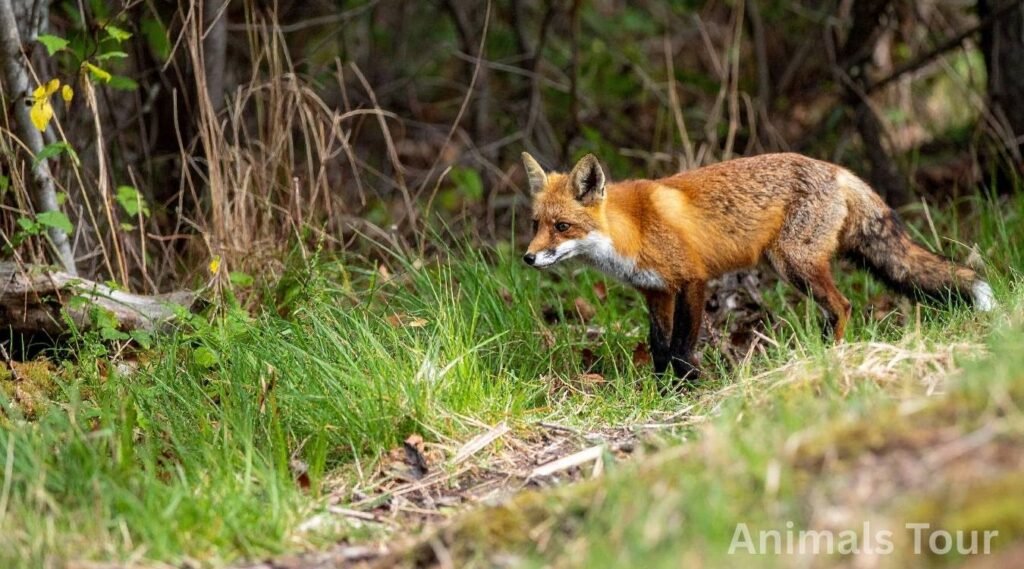
Their growls are usually low and subtle, often heard during tense moments or when warning others to stay away. Their bushy tails are not just for balance but they also use them as signals while communicating, especially at night when they are most active. Along with their keen senses and silent movement, their growls help them stay alert and avoid danger.
Llamas
Scientific Name: Lama glama
Class: Mammalia
Diet: Herbivore
Llamas, members of the camelid family, are known for their calm nature and unique appearance, but their sounds tell much more about them. They use a range of vocalizations, including growls, to communicate with each other. A growl may sound harsh, but it often acts as a warning or shows discomfort, especially during tense or territorial situations.
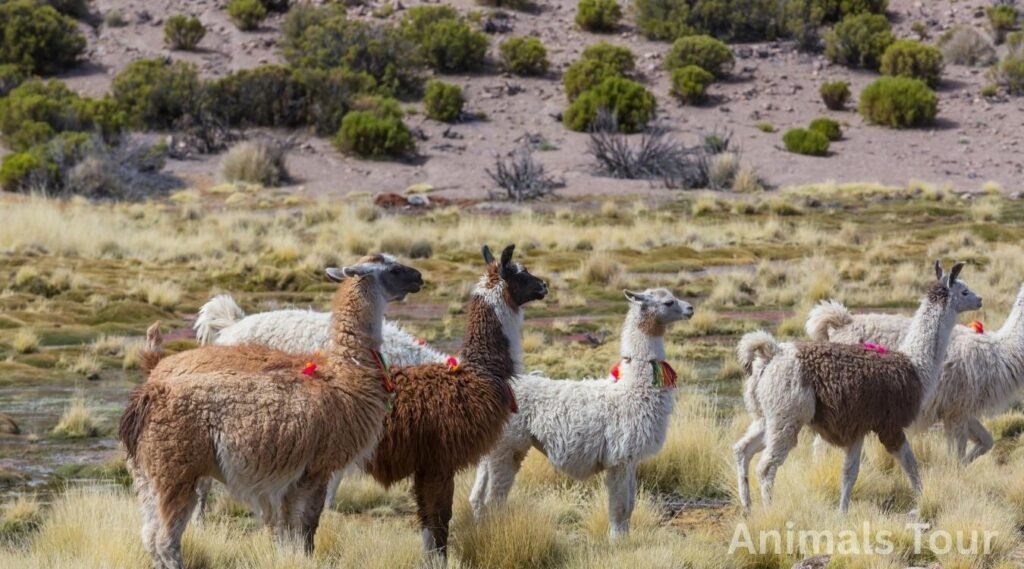
Growling also helps maintain order within their groups. Llamas live in herds with a clear hierarchy, and these sounds help set boundaries and prevent conflict. In this way, growling is not just a reaction but a natural part of their social behavior, allowing them to live together peacefully.
Opossums
Scientific Name: Didelphis virginiana
Class: Mammalia
Diet: Omnivore
Opossums are nature’s clean-up crew, consuming insects, ticks, and even small rodents, which helps maintain the balance of their habitat. One opossum can eat up to 5,000 ticks in a season, significantly reducing tick populations and the diseases they carry, such as Lyme disease. These nocturnal marsupials typically emit a low growl when they feel threatened, serving as a warning to predators. This sound is a mix of hiss and growl and can be surprising given their docile nature. It is often combined with other sounds to show their mood.
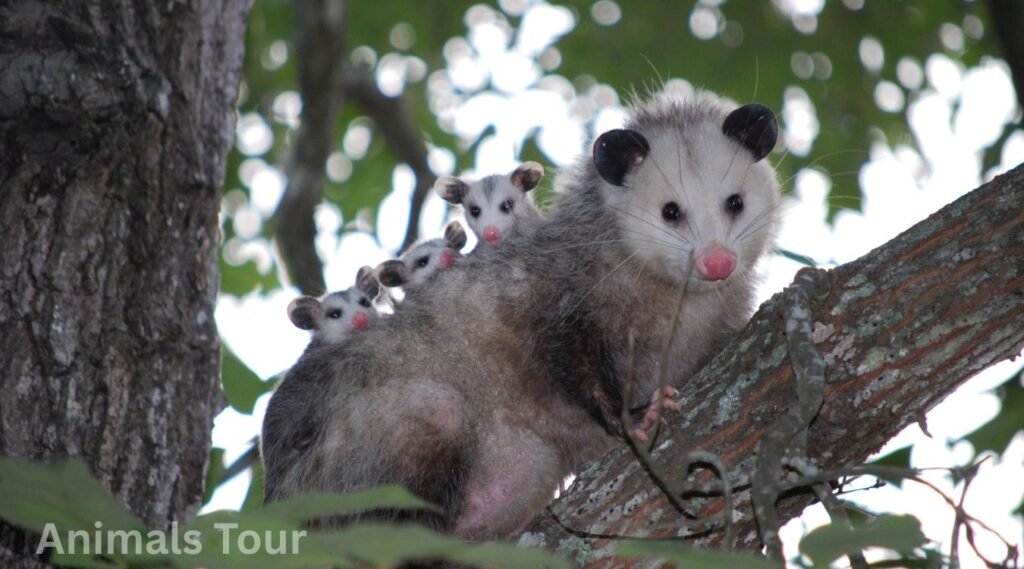
These growls are most often heard at night, as opossums are mainly active after dark. When they feel threatened, they use this sound as a last warning before turning to their well-known play-dead defense. This unique behavior helps them avoid danger by staying still until the threat passes. Understanding their growling gives us a better view of their role in the ecosystem and why they are often misunderstood.
Raccoons
Scientific Name: Procyon lotor
Class: Mammalia
Diet: Omnivore
Raccoons, known for their masked faces, are intelligent and adaptable animals. Raccoon growling is often seen as aggression, but it is actually a way of communication. They also use sounds like chattering, grunting, and purring, especially with their young. These vocalizations can express everything from distress to mating calls, showing their rich ability to communicate and strengthen social bonds.
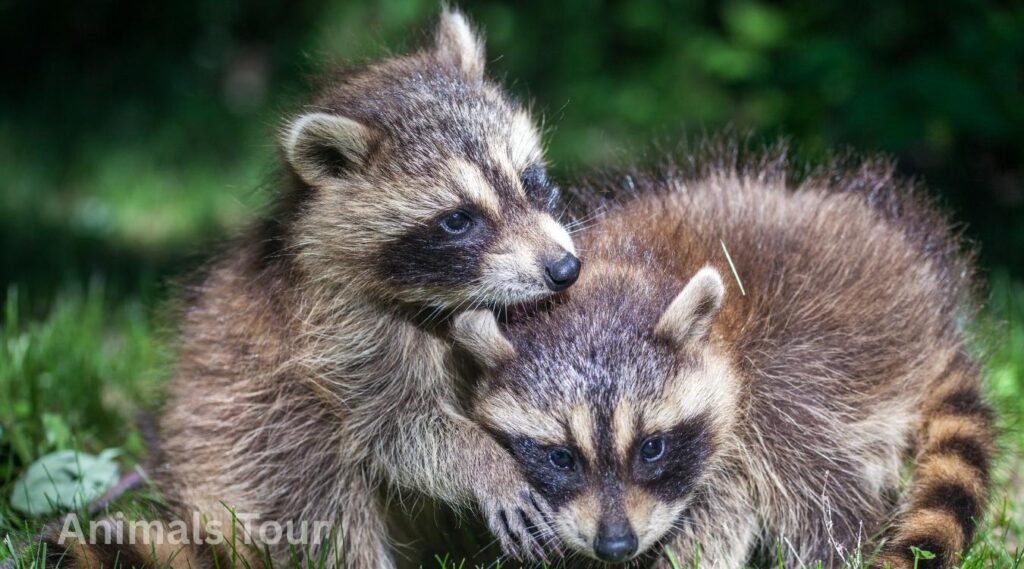
In urban environments, their growls may shift in tone and frequency in response to sounds like traffic or other animals. This flexibility highlights their intelligence and ability to thrive in different habitats. With their dexterous paws and curious nature, they are skilled problem solvers who can climb trees easily and find food in many different places. A raccoon growling at night is not just a sound, it is a signal shaped by their surroundings and survival instincts.
Hippopotamus
Scientific Name: Hippopotamus amphibius
Class: Mammalia
Diet: Herbivore
Hippopotamuses, docile giants weighing up to 4000 pounds, are often seen basking in the river. Their deep growls can carry for miles, used to mark territory or signal distress. When threatened, a hippo’s growl warns rivals and predators alike, making their intentions unmistakable. Hippos also use other sounds, including wheezes, grunts, and bellows. Their vocal cords are adapted to carry low frequencies, allowing them to communicate effectively underwater.
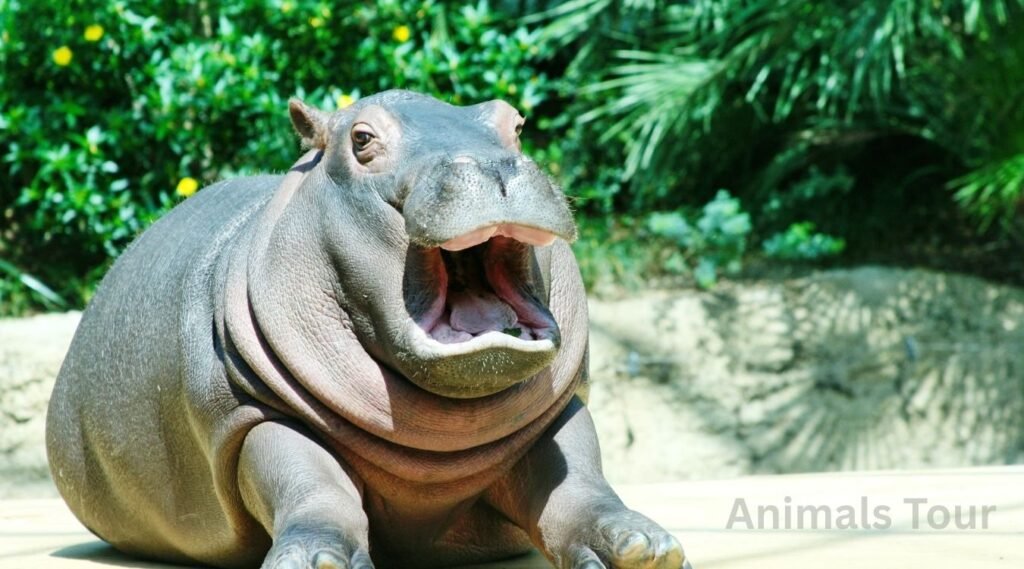
Living in pods of up to 30 individuals, these semi-aquatic mammals follow a mostly matriarchal social structure, with females keeping the group cohesive and caring for calves. Beyond vocal communication, hippos have impressive physical traits. They can run up to 19 miles per hour on land and secrete a natural “blood sweat” that protects their skin from Sun and bacteria. Their vocal skills, social behavior, and unique adaptations make hippos essential players in their ecosystem.
Wolverine
Scientific Name: Gulo gulo
Class: Mammalia
Diet: Carnivore
Wolverines are known for their fierce reputation, despite being relatively small, usually just over three feet long and weighing around 30 pounds. Their growl, deep and resonant, serves multiple purposes. Primarily, this sound is a form of communication, allowing these solitary creatures to assert their presence in a territory that can range up to 500 square miles. While their growling might seem fearsome, it often conveys a sense of warning to potential threats or rivals, ensuring they maintain control over their resources.
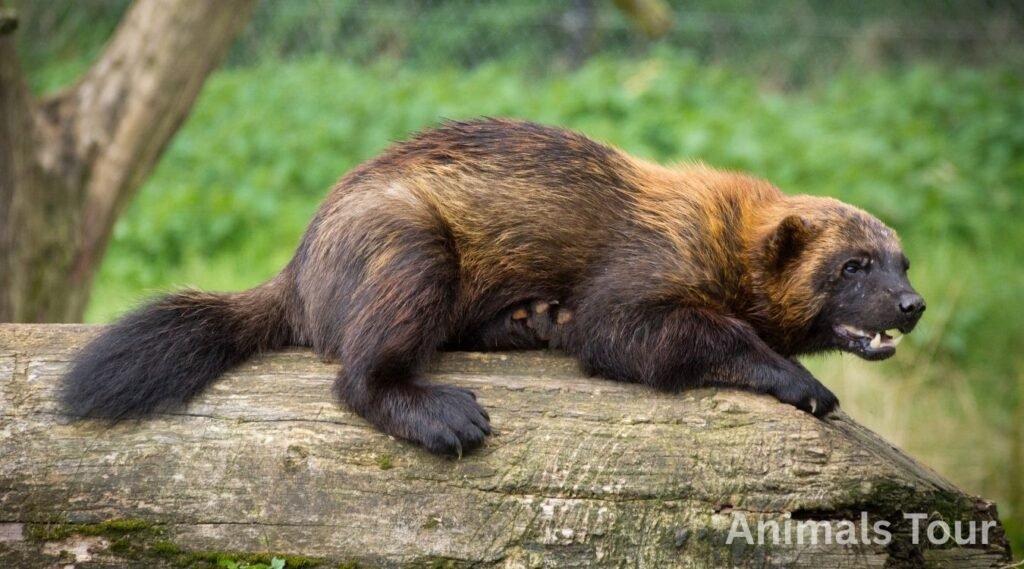
Wolverines show incredible resilience and adaptability. Their growl reflects this tenacity. In the cold, remote areas they inhabit, often at altitudes exceeding 10,000 feet, such vocalizations can be a vital tool for signaling danger to their young or alerting nearby mates during mating seasons.
Interestingly, researchers have observed that the pitch and intensity of a wolverine’s growl can vary depending on the situation. It adds a layer of complexity to their social interactions, hinting at a sophisticated form of communication that remains largely underappreciated in the animal kingdom.
Cougar
Scientific Name: Puma concolor
Class: Mammalia
Diet: Carnivore
The cougar, also known as the mountain lion or puma, is a big cat that roams the western regions of North America and parts of South America. Unlike some other big cats that are more social, cougars are solitary creatures, using their stealth and agility to thrive in various habitats, from forests to mountains. A cougar’s growl is a deep, rough sound used to warn rivals and protect its territory, often carrying over long distances.
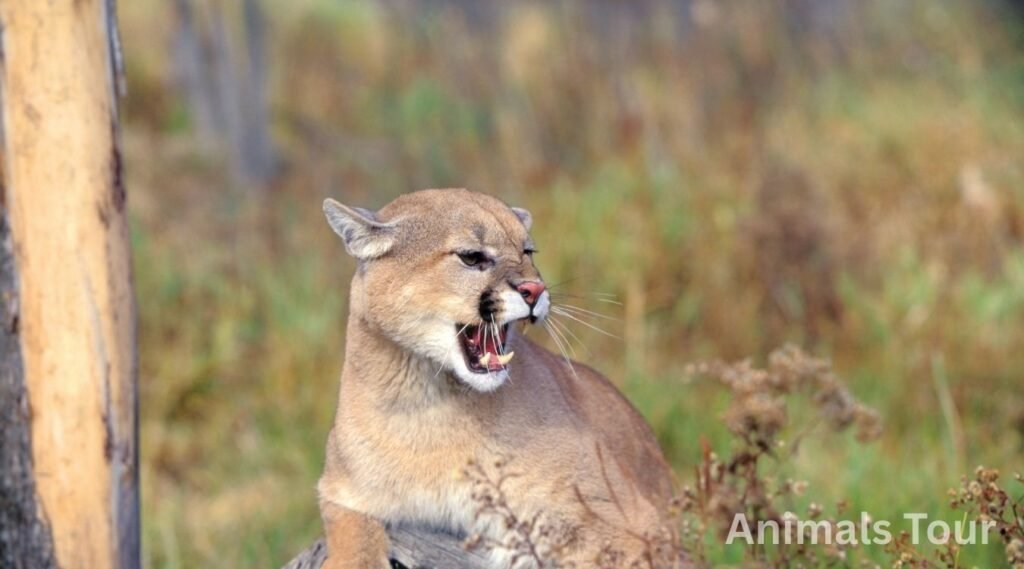
A brief growl may serve as a gentle reminder to stay back, while a prolonged growl can indicate aggression or distress. This vocal behavior showcases the cougar’s adaptability, revealing a complex layer of communication that highlights its role as a stealthy and cunning predator in the wild.
Otters
Scientific Name: Lutrinae (subfamily)
Class: Mammalia
Diet: Carnivore
Otters are playful and intelligent mammals found in both freshwater and marine environments. They’re known for their thick fur and agile bodies. These creatures often work in groups called rafts, showcasing strong social bonds as they hunt and play together. They have a unique way of communication, and their growls are part of it. When you hear an otter growling, it is often a sign of excitement or playfulness. Unlike barking or howling, their growls are softer and can be quite endearing.
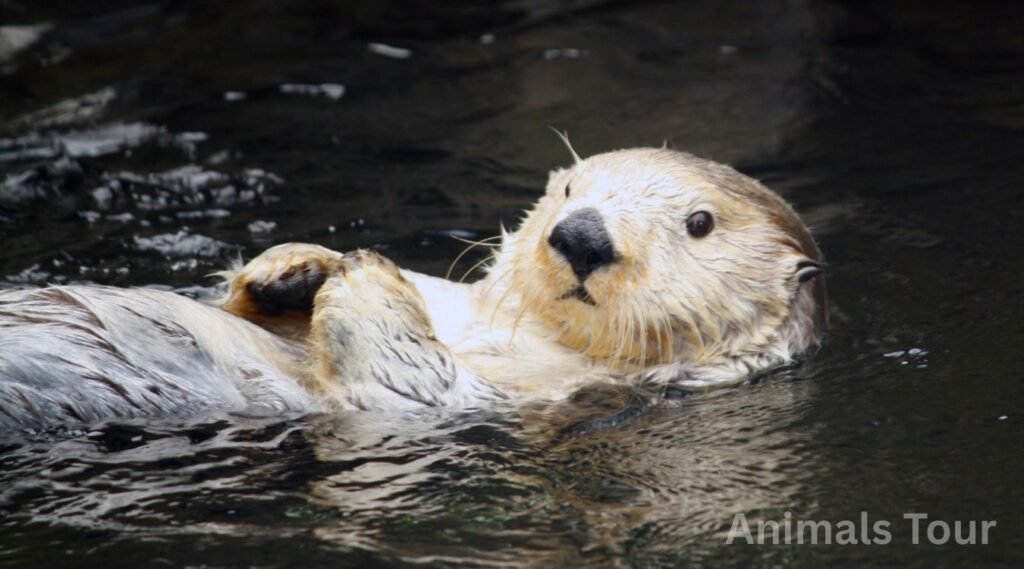
These vocalizations help otters keep their social bonds strong. They might growl at each other during games or when establishing dominance over a favorite spot. By exchanging these low, throaty sounds, otters convey a lot of information without needing to be too loud. Understanding these subtle cues helps us appreciate the complex social lives of these playful animals.
Striped Skunk
Scientific Name: Mephitis mephitis
Class: Mammalia
Diet: Omnivore
The striped skunk is a small, furry creature easily recognized by its bold black and white stripes. These are typically found in North America. Its growl is a unique vocalization that signals various emotions and alerts potential threats. Unlike a typical growl you’d hear from a dog, a skunk’s growl is softer yet carries a fierce tone, often perceived as a warning signal.
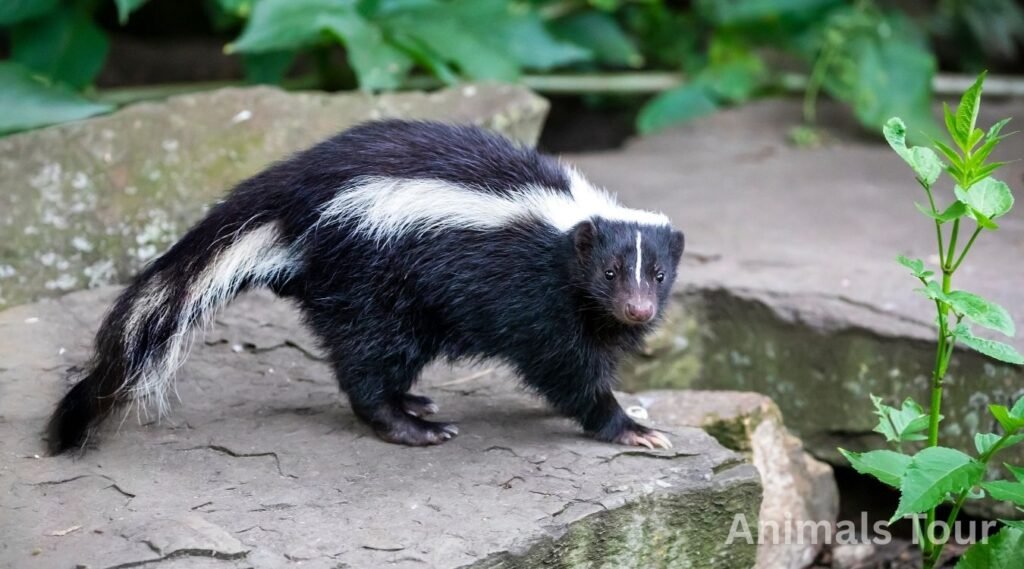
When a skunk feels threatened, it might growl to assert dominance or scare off intruders. This growl can escalate into a series of hisses or clicks, indicating the skunk is ready to defend itself. Surprisingly, their growl often serves as an initial warning before resorting to their well-known defense mechanism of spraying a foul-smelling liquid. This behavior in the wild reveals a fascinating layer to the skunk’s personality: they are not just cute and cuddly but also have a fierce determination to protect themselves.
American Mink
Scientific Name: Neogale vison
Class: Mammalia
Diet: Carnivore
The American mink is a sleek and agile creature, mostly found near rivers, lakes, and marshes across North America. These small mammals have a rich, soft fur that varies in color, commonly seen in shades of brown or dark chocolate. Their growling sounds are as attractive as their appearance. Their growling serves as both a warning to potential predators and a way to communicate with other minks.
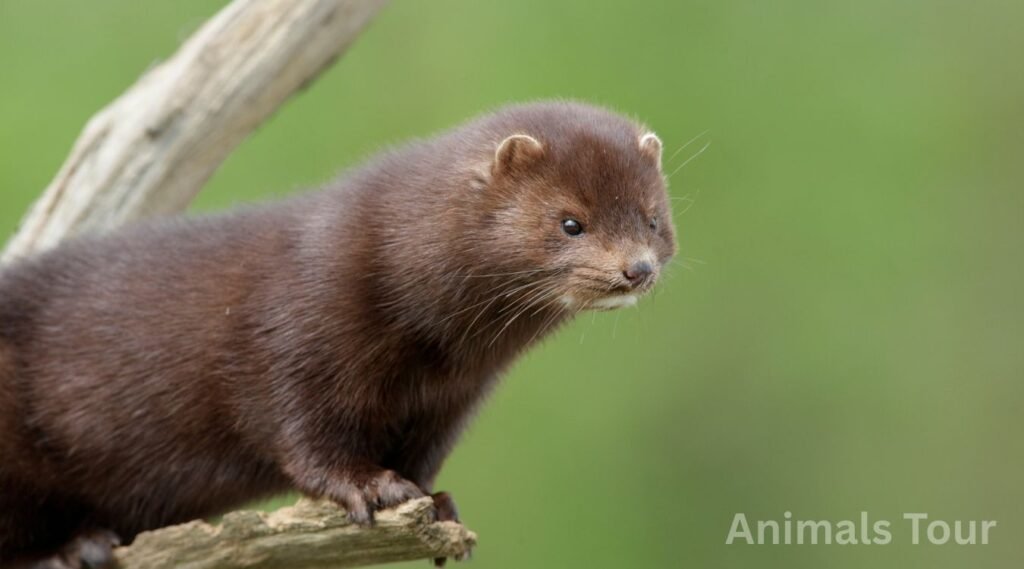
Minks are known for being quite vocal, and their growls can alert those nearby to their presence. Interestingly, they also produce a variety of other sounds, including chirps and screams, which can convey different messages.
Kaola
Scientific Name: Phascolarctos cinereus
Class: Mammalia
Diet: Herbivore (mainly eucalyptus leaves)
Kaola is an intriguing marsupial native to Australia, often recognized for its cuddly appearance and distinct ways of communication like growling. This sound isn’t just a random noise; it serves important purposes, especially during mating season. Male koalas emit deep, rumbling growls that resonate through the eucalyptus forests they call home. These growls can travel long distances, helping males to establish territory and attract females.
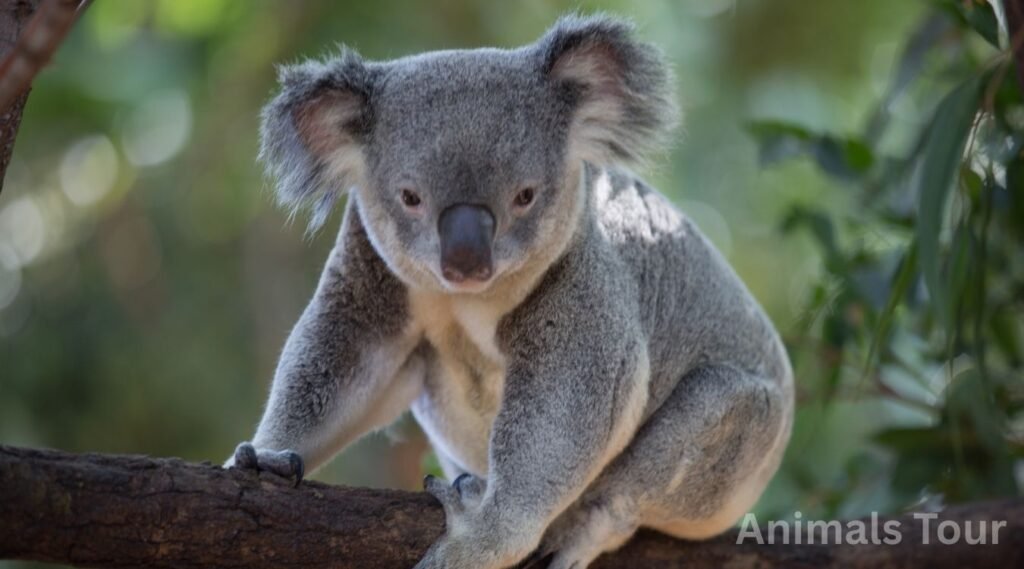
The growling of a koala sounds similar to distant thunder or a cow’s moo. This vocalization has an interesting relationship with their lifestyle; as these animals spend much of their time resting in trees, the growl becomes a vital tool for interaction. The sound isn’t just limited to males; females can also produce softer sounds when with their young, emphasizing the diverse communication methods within these lovable marsupials.
Conclusion
The variety of animals that growl gives us a glimpse into the complexities of wildlife interactions and the essential role sound plays in nature. From the majestic lion’s deep growl that signifies strength and dominance to the low rumble of a grizzly bear warning others to stay away, each sound serves a purpose in communication and territorial behavior. As we learn about these growling animals, we gain insights into their behaviors and the environments that shape them. We should protect these animals so future generations can experience them.
FAQs
Is a growl different from a roar?
Yes, a growl is usually a lower, more guttural sound, whereas roaring is generally louder and more powerful, used by larger animals like lions.
What animal makes a growl sound?
Many carnivorous animals, such as big cats (lions, tigers), wolves, and bears, are known for their growling sounds.
Do tigers primarily roar or growl?
Tigers primarily roar, which is a more powerful vocalization used to communicate over long distances
What fish growl?
The species most commonly known for growling are the catfish, particularly the bullhead and panther catfish, as well as some rock cod species