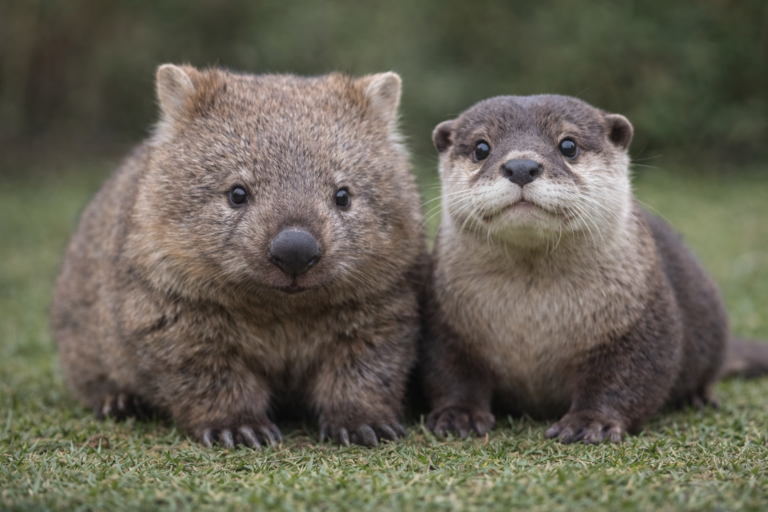
Discover Top 24 Chubby Animals in The World (+ images)
If you think all animals need to be sleek and slender to be cute, think again! Many fat animals, with their round bodies and playful antics, often steal the spotlight and our hearts. This article highlights the top 24 cute chubby animals in the world, delving into their unique traits and the reasons why they capture our hearts.
List of Cute Chubby Animals in The World
Here is the list of top 24 chubby animals in the world that look cute and chunky.
- Giant panda
- Manatee
- Pallas’s Cat
- Guinea Pig
- Whales
- Dolphin
- Seals
- Rhinoceros
- Wombat
- Hedgehog
- Hippopotamus
- Elephants
- Persian Cat
- Gaur
- Sea Lions
- Penguins
- Polar Bears
- Red Panda
- Fat-tailed Lemur
- Sea Otter
- Hamster
- Capybara
- Walrus
- Marmot
Giant panda
Giant pandas, known for their adorable chunky bodies and expressive faces, capture hearts around the world. These cute chubby animals, with their iconic black and white fur, have adapted in remarkable ways to thrive in their bamboo-heavy environments.
Unlike many other bear species, pandas have developed a highly specialized diet centered around bamboo, which accounts for about 99% of their food intake. This unique niche has shaped their physiology; these pandas have evolved strong jaw muscles and specialized teeth to efficiently process their fibrous meals.

While they may appear lazy, spending up to 14 hours a day munching on bamboo, giant pandas are surprisingly agile climbers. Their robust frame belies a set of skills honed for survival in the mountainous forests of China.
However, habitat loss and a low reproductive rate have placed giant pandas on the endangered species list, making conservation efforts essential to protect both the species and its fragile environment.
Manatee
The manatee, often affectionately referred to as the “sea cow,” is one of the chubbiest animals of warm coastal waters. These large aquatic mammals have naturally round bodies and live a slow-paced, herbivorous lifestyle, feeding mainly on seagrass and other aquatic plants. This plant-based diet contributes to their plump appearance and also helps maintain the health of underwater ecosystems by keeping aquatic vegetation balanced.
Manatees are well adapted to life in shallow, warm waters such as rivers, estuaries, and coastal areas. Their large, paddle-like flippers help them move smoothly through the water, while their natural buoyancy allows them to conserve energy as they search for food. Although they can grow up to 13 feet in length, they are known for their calm nature and slow movements.
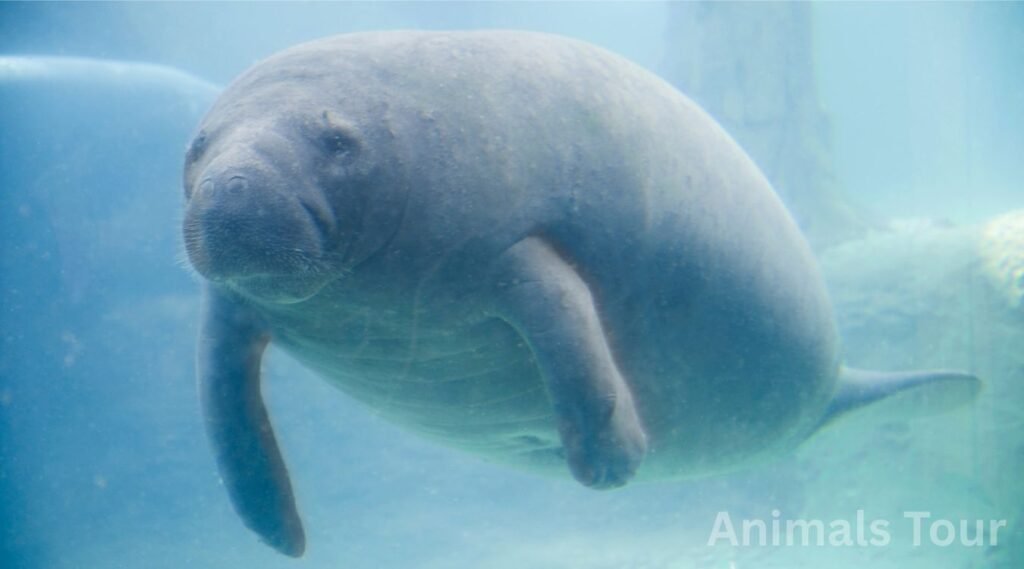
Beyond their endearing appearance, manatees play an important role in their ecosystems. By grazing on seagrass, they help keep underwater meadows healthy and support biodiversity. Their feeding activity also enriches the seafloor, improving the productivity of the habitats where they live.
Pallas’s Cat
Pallas’s cat, or Manul, presents a fascinating blend of cuteness and wildness, making it a standout among cutest chubby animals in the world. With their round faces and plush, fluffy bodies, these small felines appear perfectly designed for cuddles. Yet beneath their adorable appearance lies a skilled predator. They have evolved to survive in the harsh steppes of Central Asia.
Unlike many other cats, Pallas’s cats use a unique hunting strategy. They rely on stealth and natural camouflage to ambush prey such as small rodents and birds.

What sets these cats apart is their quirky behavior. They are known for their distinctive gait and pouncing hunting style, which helps them adapt to their environment. Observing their behavior in the wild shows how well they interact with their surroundings. They also communicate through different vocalizations, which adds to their unique nature.
Guinea Pig
Guinea pigs, often dubbed the “chubby darlings” of the pet world, have a unique charm that transcends their adorable appearance. Originating from the Andes, these social creatures thrive in a communal environments. Unlike many small pets, guinea pigs form strong bonds with both their human caretakers and fellow guinea pigs, making them engaging companions that encourage a sense of connection and responsibility.

These fat animals have unique social structures that enhance their well-being. These small rodents thrive in groups, often demonstrating remarkable social behaviors. Living in herds in the wild, they engage in a variety of interactions that fulfill their need for companionship, which highlights the importance of keeping them in pairs or small groups. This social nature provides emotional support and significantly reduces stress, making them more resilient and healthier pets.
Whales
Whales, marine mammals, are the largest animals on Earth. Some species, such as the blue whale, beluga, and humpback whale, can grow to enormous sizes, with certain whales reaching lengths of more than 100 feet.
Their large, rounded bodies often give them a chubby appearance, which is mainly due to a thick layer of blubber beneath their skin.This layer of blubber plays an important role in their survival. It helps whales stay warm in cold ocean waters, provides energy during long migrations, and adds buoyancy, making it easier for them to move through the sea.
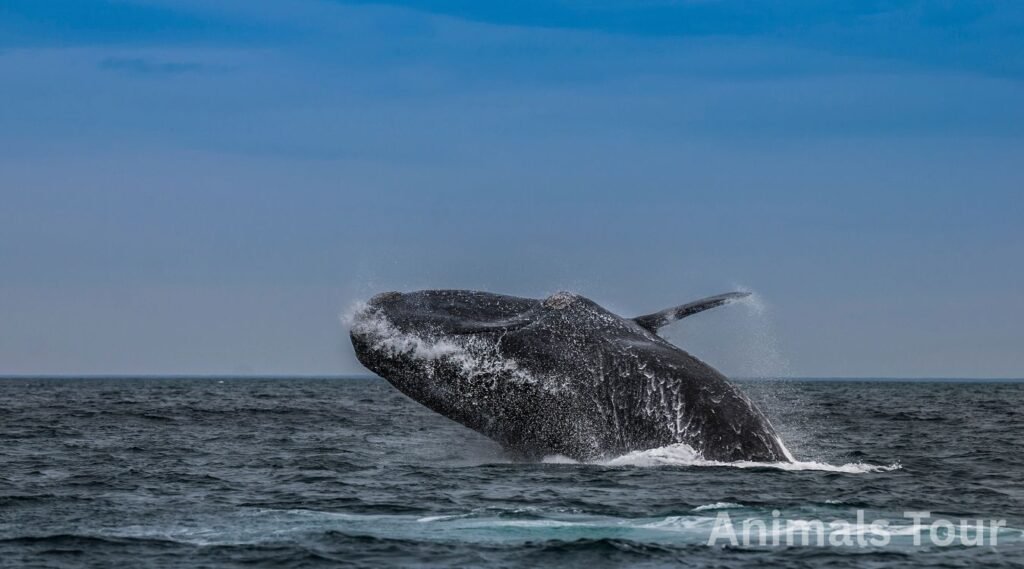
Despite their enormous size, these chubby animals exhibit surprising speed, navigating through the ocean with elegance that seems almost effortless. This ability is vital not only for evading predators but also for catching prey, showcasing a striking contrast between their chubby exterior and their nimble capabilities.
Beyond their physical features, whales also contribute to the health of marine ecosystems. As they feed and migrate, they help circulate nutrients in the ocean, which supports marine plants and other sea life.
Dolphin
Dolphins, often admired for their intelligence and grace, also have a naturally chubby body shape that helps them survive in the ocean. A layer of blubber gives them their rounded look while keeping them warm in cold waters and helping regulate body temperature. This adaptation allows dolphins to live comfortably in both warm and cooler marine environments.
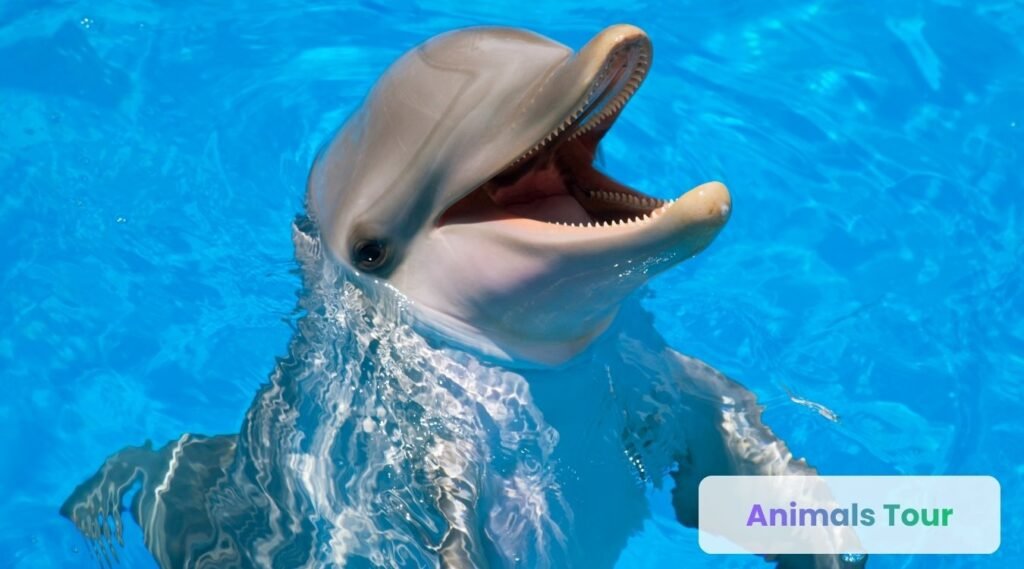
The social nature of dolphins also reflects their unique physical attributes. In pod formations, these chubby creatures not only look adorable but also gain the advantage of collective heat retention. Their rounded bodies enable them to maintain a stable body temperature while allowing for flexible movement and agility during play and hunting. Ultimately, these charming marine mammals exemplify how form and function intertwine powerfully.
Seals
Seals, particularly species like the harbor seal and the large elephant seal, are well known for their round, chubby bodies and gentle appearance. Covered with a thick layer of blubber, these marine mammals are well adapted to life in cold ocean waters. Blubber provides insulation against low temperatures and also stores energy, allowing seals to survive in polar and temperate regions. These small eared seals are often seen resting on rocky shores or sandy beaches, where they spend time warming themselves in the sun.
Many seals also display a playful nature in the water. Harbor seals are frequently observed swimming near the surface, curiously lifting their heads above the water. In contrast, the powerful elephant seal, recognized by its distinctive bulbous snout, is known for its impressive size and deep-diving ability. These seals can dive to great depths in search of fish, squid, and other prey.

Despite their cute and chubby appearance, seals are important parts of marine ecosystems. As predators, they help maintain balance in ocean food chains. Their presence also reflects the health of coastal and marine habitats where they live.
Rhinoceros
The large rhinoceros, one of the chubbiest animals in the world, commands attention with its imposing presence and distinctive physical features. The massive size of species such as the African rhinoceros makes them stand out in the wild. Their thick skin, which acts like natural armor, helps protect them from predators and harsh conditions. Combined with their stout bodies, this feature reflects an impressive example of evolutionary adaptation.
The Indian rhinoceros, also known as the greater one-horned rhino, has unique traits that set it apart. It is recognized by its single horn and the deep skin folds across its body. These folds create a textured appearance that makes the animal look even bulkier while also allowing better flexibility as it moves. Their large, heavy bodies also help with thermal regulation, allowing them to manage body temperature in warm environments.

Although rhinoceroses are often listed among the world’s largest and fattest animals, they are not always solitary. Some species show social interactions and bonding behavior. These fat animals also help maintain grassland ecosystems by controlling vegetation and creating paths and water holes used by other wildlife.
Wombat
Wombats are round-bodied marsupials native to Australia, known for their squat bodies and short legs that give them a naturally chubby appearance. These mostly nocturnal animals feed on a herbivorous diet that includes grasses, roots, and other vegetation. Their sturdy bodies and strong limbs help them dig extensive burrows, which they use for shelter and protection.
Their unique trait, cubic poop, adds to their charm and practical survival.This helps them mark their territory, as the cube shape prevents the droppings from rolling away on uneven ground. It is a practical adaptation that makes wombats stand out among other animals.

Wombats also have dense bodies and thick skin, which help protect them from predators. Despite their heavy build, these chunky animals are strong diggers and well adapted to their environment. Their burrowing activity influences the soil and landscape, showing that they play an important role in the ecosystems where they live.
Hedgehog
Hedgehogs, with their round-bodied, chubby appearance and small spiny coats, have an undeniable charm that captivates both children and adults. These fat animals are often seen as the epitome of cuteness, not just because of their looks but also due to their quirky behaviors. As adept insectivores, they play an important role in controlling pest populations, making them an integral part of their ecosystems.
Beyond their adorable appearance, hedgehogs demonstrate resilience and adaptability. In urban environments, they have learned to navigate human surroundings, finding food and shelter in gardens and green spaces. Their compact, round-bodied shape allows them to curl into a tight spiny ball when threatened, providing effective protection against predators.

Found in parts of Europe, Asia, and Africa, hedgehogs spend most of their nights searching for insects, worms, and small invertebrates. As climate change impacts their habitats, raising awareness about their conservation is important to ensure these charming, chubby nocturnals continue to thrive in the wild and in gardens for generations to come.
Hippopotamus
Despite their enormous size and seemingly clumsy appearance, hippos have a playful nature. These massive creatures can weigh up to 4,000 pounds and move through water with surprising elegance. While often seen as a fat animal lounging by the riverbank, hippos display complex social behaviors and form strong bonds within their groups.

Hippos are remarkably agile swimmers, using their buoyant bodies to navigate the depths of rivers with ease. Their playful nature surfaces during hot days when they frolic in the water, surfacing for air and playfully splashing one another. The more we learn about hippos, the more we see them as not just massive animals but rather complex, adaptable creatures with a delightful sense of fun.
Elephants
Elephants are often called the gentle giants of the savannah because of their enormous size and calm nature. Their round bodies, big ears and thick skin make them look chubby and lovable, but these features are more than just for appearance.Their rounded forms are the adaptations that help maintain their body temperature in the hot African sun. Their thick skin protects them from injuries, insect bites, and sunburn.
Their playful nature challenges the stereotype of them being merely gentle giants. Observations have shown elephants engaging in mud baths that serve both as a cooling strategy and a social activity, where they bond and playfully splash each other. As keystone species, they play a crucial role in their ecosystems – their movements through dense forests help create pathways that other species depend on.
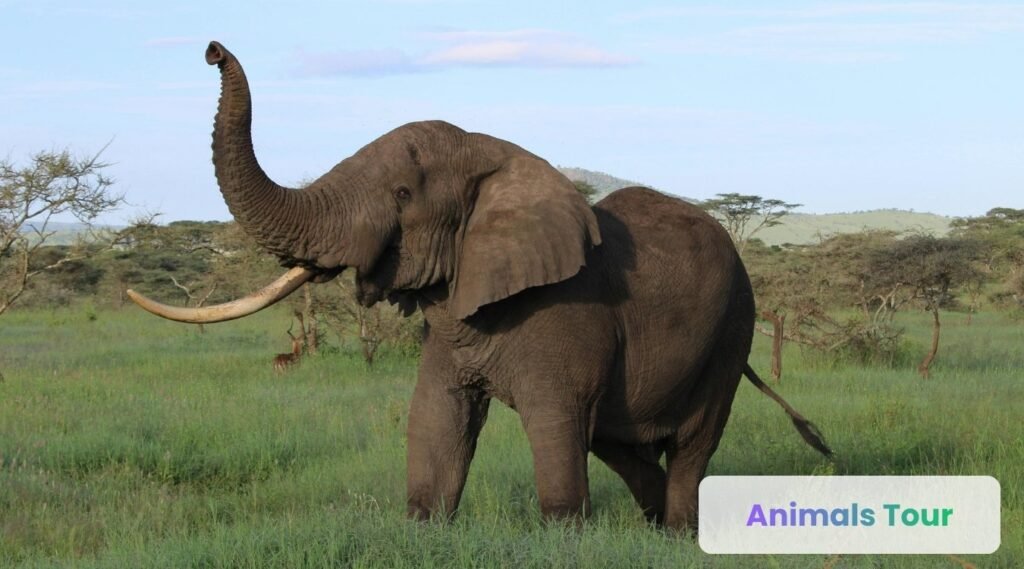
Interestingly, these magnificent creatures display complex social structures. Matriarchs lead family herds, guiding them through the harsh terrains of the savannah. This social dynamic highlights the intelligence and emotional depth of elephants, making them more than just chubby animals; they are also caretakers of their environment.
Persian Cat
The Persian cat, with its strikingly round face and luxurious long-haired coat, epitomizes a unique charm that sets it apart among chubby animals in the world. These fluffy cats are not just beautiful to behold; their affectionate nature and playful spirit make them ideal companions for families and individuals alike. The Persian kitten, often depicted as a cuddle ball of fur, delights anyone fortunate enough to engage with its soft, plush body and expressive eyes.

Beyond their charm, Persian cats are known for their quiet and gentle nature, preferring calm environments and cozy resting spots. Often seen as chunky animals due to their fluffy coats and sturdy build, they are also observant and intelligent, showing curiosity about their surroundings. Their loyalty and affectionate personality help them form strong bonds with their owners.
Gaur
The Gaur, or Indian bison, is one of the world’s largest fat animals, known for its massive body and powerful build. These herbivores roam the forests of India and Southeast Asia, where they feed on grasses, leaves, and shrubs. Their sturdy frame, large horns, and shaggy coat give them a distinctive appearance that makes them easy to recognize in the wild.
The chubby body is not just a charming trait; it serves a purpose in their survival strategy, allowing them to efficiently graze on the rich grasses of their habitat while preserving energy. Moreover, the social structure of these animals adds a layer of depth to their appeal. Living in small herds, Gaurs exhibit strong familial bonds.
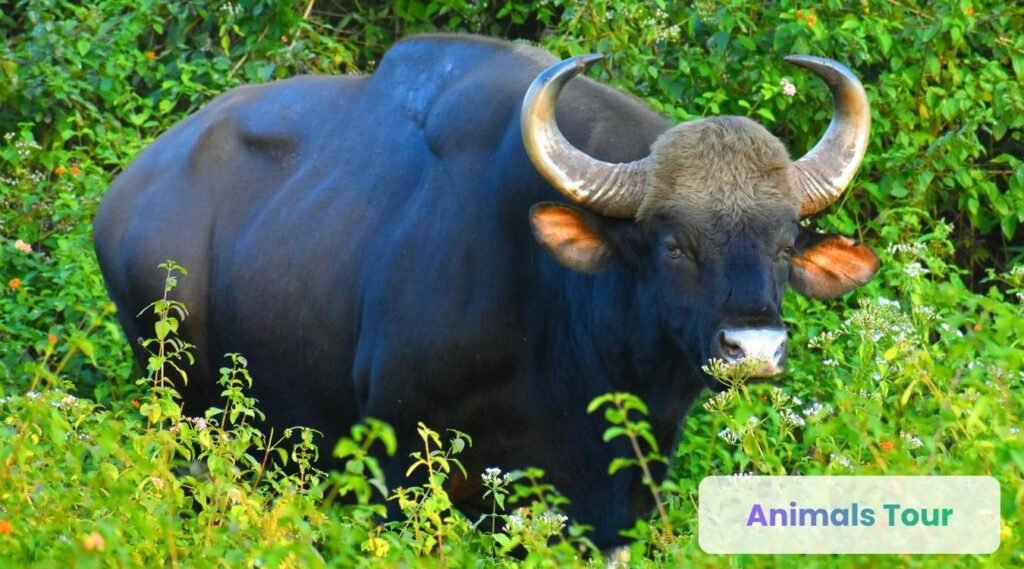
As herbivores, they play a crucial role in maintaining the balance of plant life in the dense forests they inhabit. The grazing habits of these round-bodied giants promote the growth of certain plant species, ensuring biodiversity thrives around them. Observing a herd of Gaurs quietly munching on foliage offers an intimate glimpse into the intricate web of life they support.
Sea Lions
Sea lions, with their playful personalities and distinctive, roly-poly figures, are a delightful sight along coastal shores. These cute chubby animals, often seen basking in the sun or frolicking in the waves, are surprisingly agile despite their blubbery bodies. Their thick layer of blubber not only keeps them warm in chilly waters but also serves as an energy reserve during their long periods of fasting while foraging for food.

These fat animals are truly the social butterflies of the marine world. We often see them lounging in massive groups, their boisterous barks echoing along cliffs and beaches. Unlike many solitary marine animals, sea lions thrive on interaction, forming strong bonds with one another. This teamwork helps them survive by allowing them to hunt together more effectively. It also highlights the complex emotional lives these seemingly simple creatures have.
Penguins
In the icy regions of Antarctica, penguins walk around like small birds wearing black-and-white tuxedos. These chubby animals may look like soft balls of fluff, but they have amazing features that help them survive in the cold. A thick layer of blubber keeps them warm and gives them their round, plump shape, making the penguin a well-known fat animal of the polar regions.
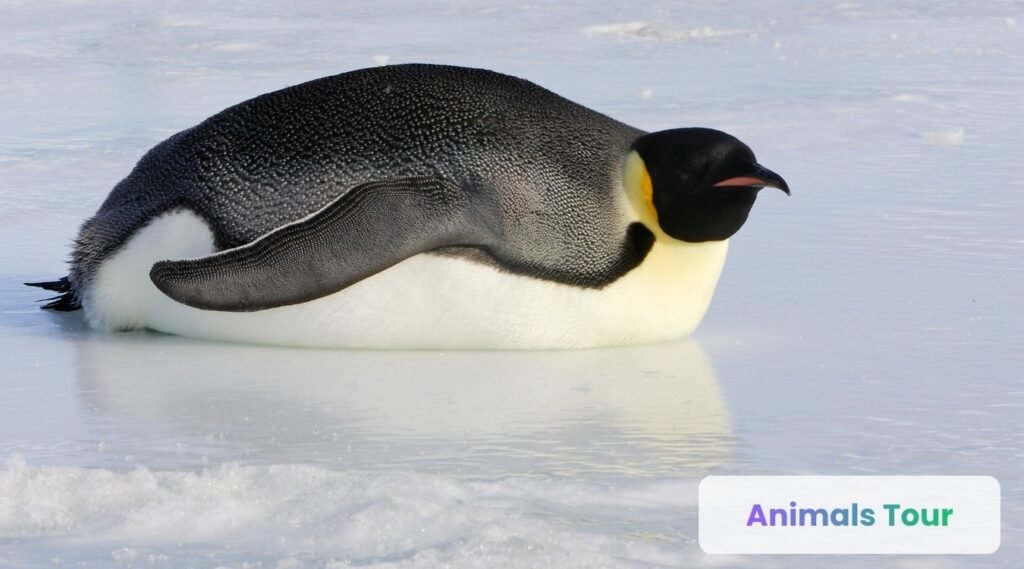
However, penguins are more than just cute and chubby birds. They are highly social, gathering in groups to stay warm during storms and often working together while hunting. Their ability to survive in such harsh conditions shows that these birds are as resilient as they are adorable.
Polar Bears
Polar bears, often called the “Snow White” sentinels of the Arctic, are a perfect example of how animals adapt to extreme environments. Their thick fur and a layer of blubber that can be several inches thick help them survive in the harsh cold of the Arctic. This heavy body structure is not just about appearance; it plays an important role in saving energy, especially during long winter months when food can be difficult to find.

Their blubber does more than simply keep them warm. It also stores energy that helps polar bears survive during the Arctic’s harsh winters when hunting opportunities are limited. The chubbiness of a polar bear is not a sign of overeating but an important feature that supports survival in such a tough environment. However, as sea ice continues to shrink because of climate change, the balance of their natural life is becoming more fragile.
Red Panda
Red pandas, with their round bodies and playful demeanor, exemplify nature’s charm in the realm of chubby animals. Covered in lush, reddish-brown fur, they sport a unique appearance that combines cuteness with an air of mischief. Their thick skin provides insulation against colder climates, allowing them to thrive in their mountainous habitats. This adorable species has a diet primarily consisting of bamboo, yet their digestive systems are not perfectly adapted for it, leading to their slightly chubby stature.
Its quirky behavior places it among the most amusing animals.They are known to roll, tumble, and even hang upside down from tree branches, displaying an unexpected level of agility for their size. Observing these creatures can feel like a front-row seat to a delightful comedy show, where their antics add an extra layer to the loveable image they project.Beyond their physical traits, red pandas also play an important role in their ecosystem. Their presence can indicate the health of their environment.
Fat-tailed Lemur
The Fat-tailed Lemur, native to Madagascar, is a unique example of adaptation among chubby animals. Unlike many sleek and agile primates, this lemur has a round-bodied shape and stout limbs that give it a noticeably plump appearance. A key feature of the fat-tailed lemur is its ability to store fat in its tail, which acts as an energy reserve. During periods of food scarcity, the stored fat helps the animal survive by providing the energy it needs. This clever adaptation allows these nocturnal primates to cope with the challenges of Madagascar’s changing environment.

Beyond their physical adaptations, fat-tailed lemurs also show interesting behavioral and social patterns. Some groups live in matriarchal troops, where cooperation and communication help them navigate their habitat. Their lifestyle demonstrates that survival in the wild depends not only on physical traits but also on social interaction and energy conservation. The combination of their round bodies, fat-storing tails, and adaptable behavior makes the fat-tailed lemur a fascinating example of how animals evolve to survive in unpredictable environments.
Sea Otter
The sea otter is often recognized for its round, chubby body and playful behavior in coastal waters.Their thick fur, the densest in the animal world, serves a dual purpose: it provides warmth in icy waters and enhances their charming appearance. These aquatic mammals demonstrate remarkable intelligence, using tools like rocks to crack open shellfish, showcasing a blend of adorable antics with survival skills that are endlessly fascinating.

Beyond their undeniable cuteness, sea otters are crucial for maintaining the health of kelp forests. By preying on sea urchins — prolific grazers of kelp — they prevent these small creatures from overpopulating and devastating marine vegetation. This intricate balance highlights the importance of preserving these chunky mammals; without them, the vibrant underwater gardens we admire could wither away. Watching sea otters in the wild is joyful and reminds us of their vital role in maintaining ocean ecosystems.
Hamster
Hamsters, those chubby little bundles of joy, have captured the hearts of pet lovers worldwide. These adorable rodents come in various breeds, each with its unique charm. The Syrian hamster, often larger and fluffier than its dwarf counterparts, is especially known for its friendly demeanor and playful antics. Their round bodies and tiny paws make for a joyful sight, embodying the very essence of cuteness.
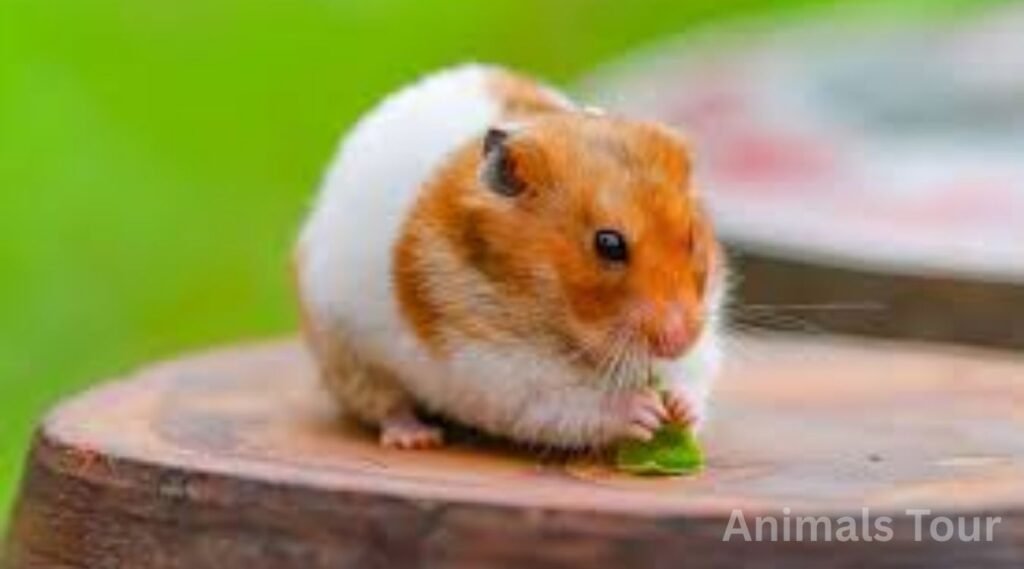
As domestic pets, hamsters need a stimulating environment to thrive. A habitat with tunnels, wheels, and chew toys helps keep them active and engaged. Observing their quirky behaviors, such as hoarding food or running on their wheels, can be entertaining and relaxing. For many families, a hamster can be a cheerful and enjoyable companion.
Capybara
The capybara, giant rodent of the animal kingdom, is a fascinating example of nature’s design. These semi-aquatic creatures, native to South America, often gather in groups, showcasing their inherently social nature. Unlike many animals that thrive in solitude, capybaras thrive in the company of one another, forming tight-knit communities that bolster their survival against predators. This social behavior not only fosters bonds but also enriches their interactions, leading to a dynamic social structure.

What truly sets the capybara apart is its seamless adaptation to both land and water. Their webbed toes make them astonishingly agile swimmers, allowing them to escape threats and forage in aquatic environments. The capybara’s bulky figure is not just for looks; it serves as an effective buoyancy aid, enabling these chunky animals to float effortlessly as they graze on aquatic plants.
Walrus
The walrus is a large Arctic marine mammal easily recognized by its bulky build, thick blubber, and prominent tusks. The thick layer of blubber insulates them in frigid waters, enabling them to thrive in challenging climates. This blubber isn’t merely for warmth – it’s a vital energy reserve, allowing walruses to endure periods of lean food availability. Their diet primarily consists of benthic invertebrates like clams and mollusks, showcasing a unique adaptation to their cold marine habitat.
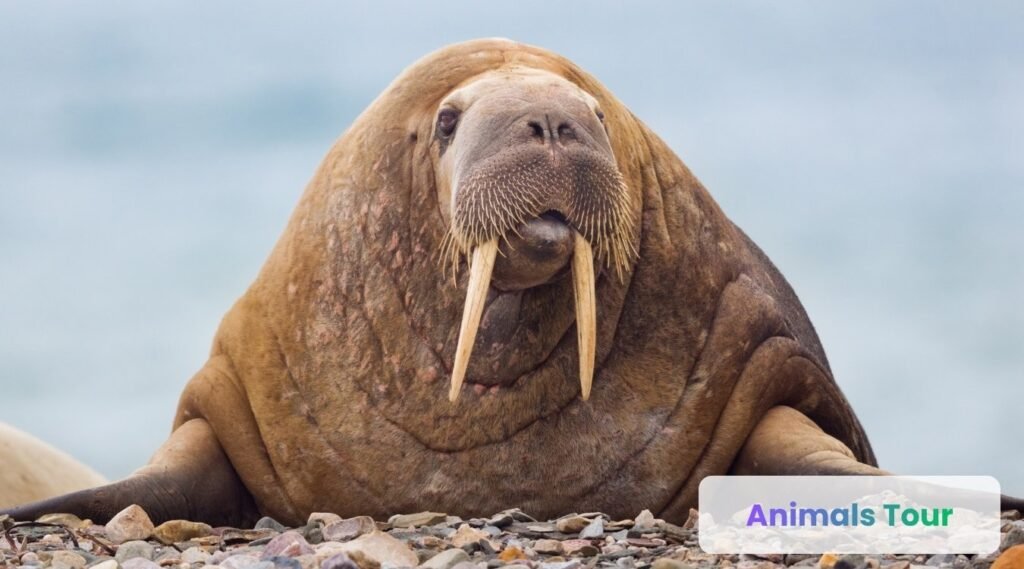
Interestingly, the walrus’s impressive girth plays a role beyond survival; it also influences social behaviors within their pods. Larger males often dominate, using their size to assert leadership and access to prime feeding grounds. However, as climate change increasingly threatens their icy habitats, the balance of their ecosystem and food sources is at risk. Walrus is not just a “chubby” inhabitant of the animal kingdom; it’s a fascinating study of adaptation, community, and resilience in the face of environmental change.
Marmot
Marmots are distinctive stout rodents known for their round bodies and endearing traits.These cute chubby animals typically weigh between 4 to 11 pounds, depending on the species, and live in environments ranging from rocky mountains to alpine meadows. Their round bodies covered in thick fur help them stay warm in cold climates. Marmots also store fat during the warmer months, which helps them survive the chilly winters when food becomes scarce.
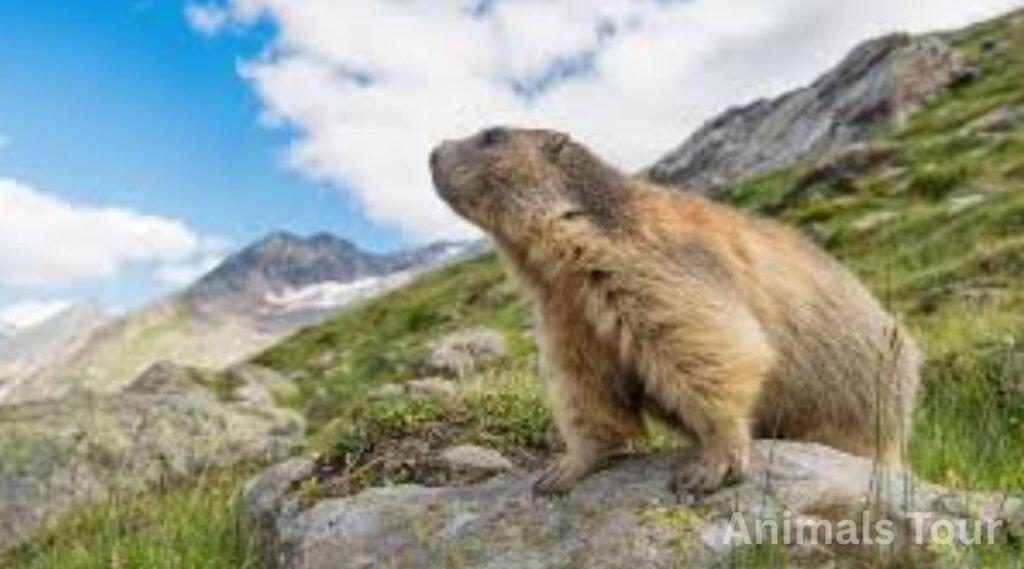
Another notable feature of marmots is their social behavior. They usually live in family groups, where they interact and sometimes display playful antics. As herbivores, their diet mainly includes grasses, flowers, and bark, which they forage in the summer to build energy reserves. Their foraging habits also support the ecosystem by helping with seed dispersion.
Conclusion
Exploring the top 24 chubby animals in the world highlights the charm and whimsy found in the animal kingdom. Each of these delightful fat animals not only fascinates us with their adorable appearances but also plays a significant role in their ecosystems. From the affectionate manatee to the comical seal, their unique quirks remind us of the joy that wildlife brings to our lives. As we enjoy their plumpness, it’s essential to recognize the challenges they face in a rapidly changing world.
FAQs
What animals are chubby?
A chubby animal typically has a rounder or fuller body shape compared to its breed standard or average size. Some examples are Pekingese, British Shorthair cat, pot-bellied pig, walrus, hippo, capybara, Persian cat, and corgi.
Which animal is more fat?
The blue whale holds the title for the fattest animal, with blubber that can weigh up to 50 tons
What are the 10 heaviest animals?
Fin Whale, Sperm Whale, Whale Shark, African Elephant, Southern Elephant Seal, Hippopotamus, White Rhinoceros, Giraffe, Saltwater Crocodile
Which animals have chubby cheeks?
Many animals, including certain species of rodents, bears, and primates, are known for their chubby cheeks, like chipmunks, squirrels, and pandas.