Top 15 Longest Living Animals in the World With Images
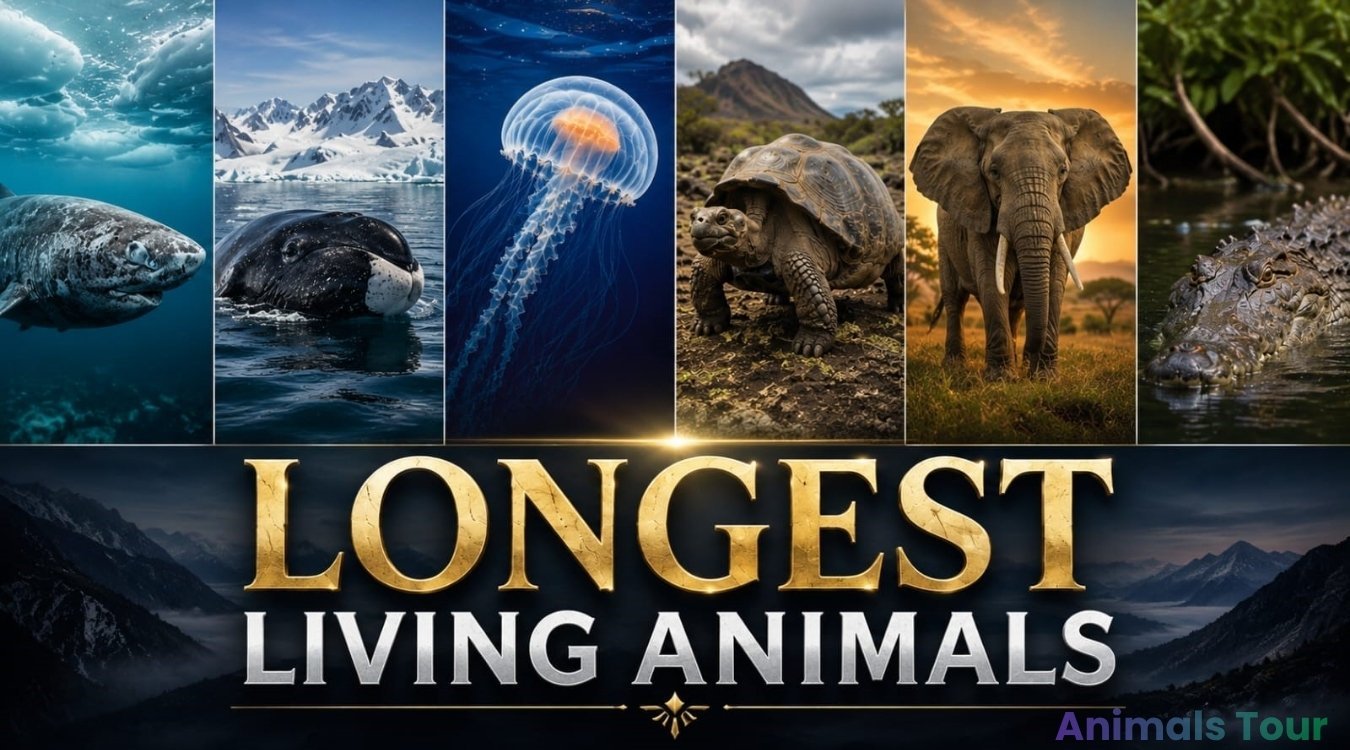
Some animals have lifespans so long that they can survive for centuries. From massive tortoises to mysterious deep-sea creatures, these longest living animals have developed unique adaptations that help them live far longer than most species. In this article, you will discover animals with the longest lifespan and learn which is the longest living animal on Earth.
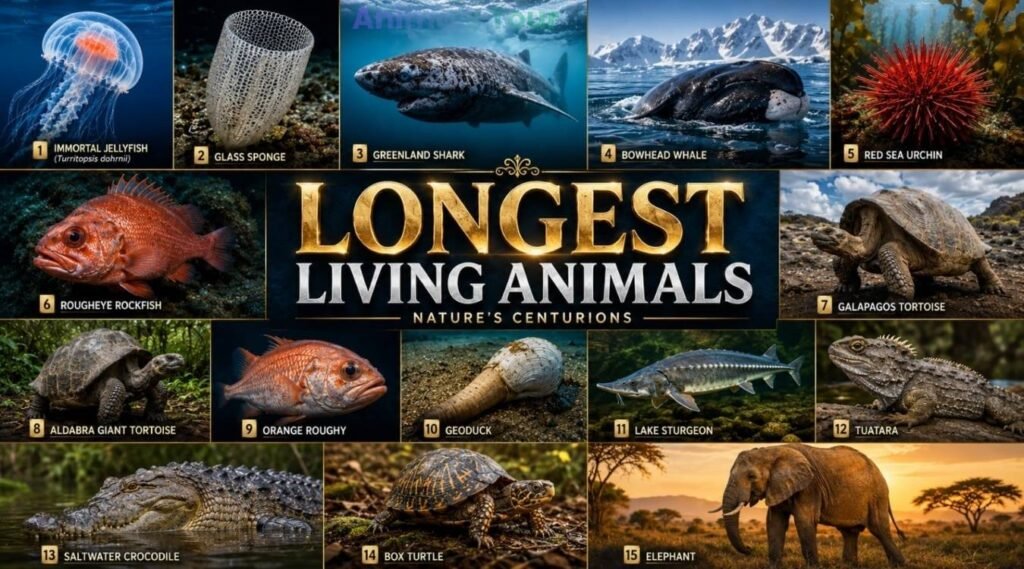
List of the Longest Living Animals in the World
- 1. Turritopsis dohrnii (Immortal Jellyfish)
- 2. Glass Sponge
- 3. Greenland Shark
- 4. Bowhead Whale
- 5. Red Sea Urchin
- 6. Rougheye Rockfish
- 7. Galapagos Tortoise
- 8. Aldabra Giant Tortoise
- 9. Orange Roughy
- 10. Geoduck
- 11. Lake Sturgeon
- 12. Tuatara
- 13. Saltwater Crocodile
- 14. Box Turtle
- 15. Elephant
Longest Living Animals (Detailed Overview)
Here we will discuss the top 15 animals with the longest lifespan in detail.
Turritopsis dohrnii (Immortal Jellyfish)
Scientific Name: Turritopsis dohrnii
Class: Hydrozoa
Diet: Plankton, fish eggs, and tiny marine organisms
Found in the Mediterranean Sea and parts of the Pacific, Turritopsis dohrnii is the only known animal capable of biological immortality. When stressed, injured, or aging, it can revert its cells back to their earliest form and restart its life cycle from scratch. This process, called transdifferentiation, means the animal does not die of old age in any conventional sense.It was first discovered in the Mediterranean in 1883 but its ability to reverse aging was not documented untill 1990s.
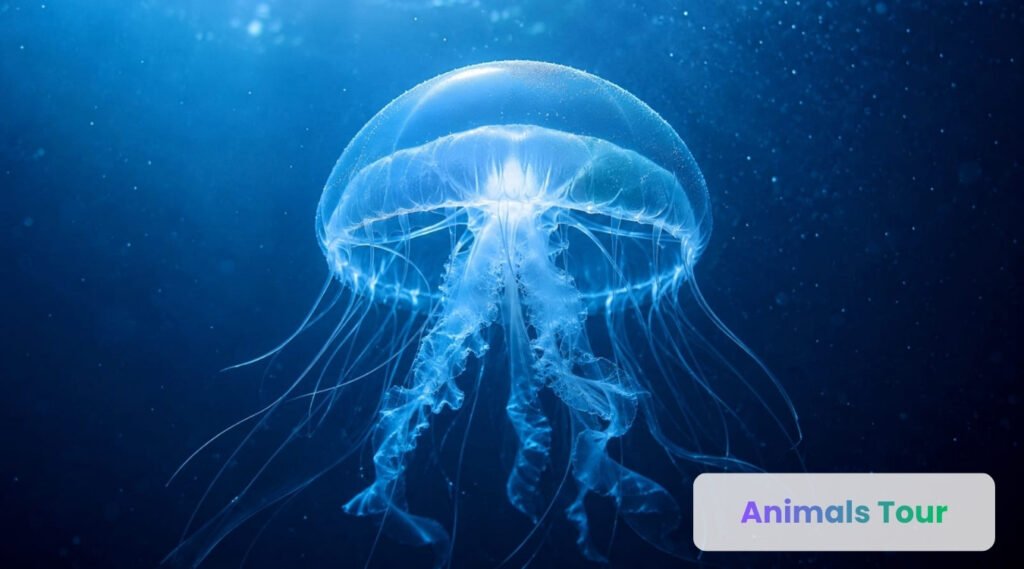
Measuring only about 4.5 mm wide, this jellyfish feeds on plankton, fish eggs, and small mollusks. It spends part of its life in a polyp stage before developing into its adult form. Although considered biologically immortal, it can still die from predators, disease, or environmental changes. What makes it different is its ability to avoid death caused by aging alone, which is why scientists continue studying it in animal longevity research.
Glass Sponge
Scientific Name: Hexactinellida
Class: Hexactinellida
Diet: Bacteria and tiny organic particles filtered from seawater
Glass sponges live in cold, deep ocean waters, particularly in the Antarctic and North Pacific. Some specimens have been dated at over 10,000 years, placing them among the oldest living organisms on the planet. They grow extremely slowly, often less than a centimeter per year, which makes their age estimates difficult but not impossible through isotopic analysis.
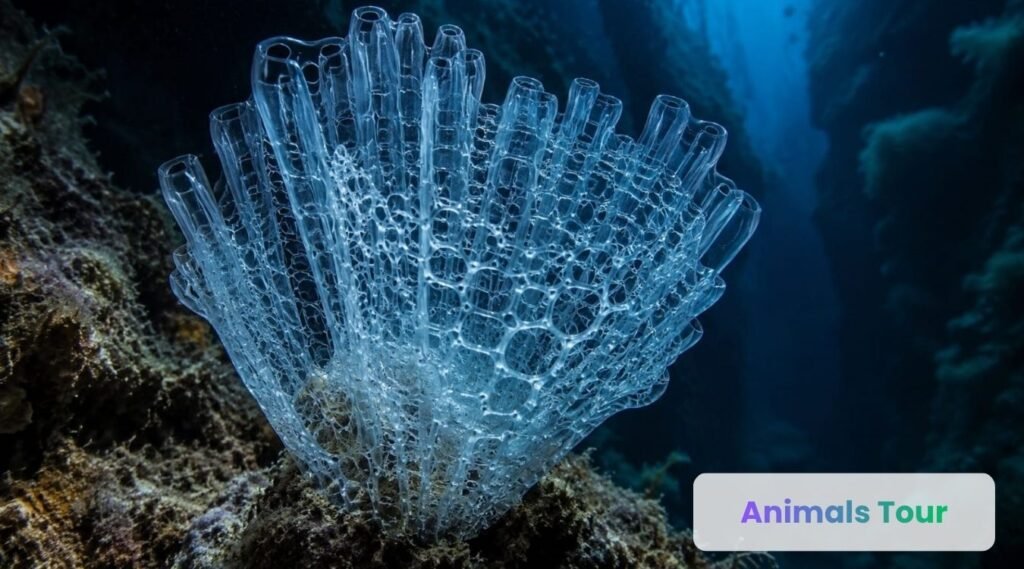
Their long lifespan is linked to extremely low metabolic activity. Glass sponges have no muscles, nervous system, or moving body parts. They survive by filtering water through a silica-based skeleton. Deep-sea animals with such low-energy biology often live much longer than active, warm-bodied species.
Greenland Shark
Scientific Name: Somniosus microcephalus
Class: Chondrichthyes
Diet: Fish, seals, squid, and carrion
The Greenland shark is the longest living vertebrate known to science. Studies using radiocarbon dating of eye lens tissue suggest lifespans of at least 272 years, with some estimates reaching 500 years. These sharks are Arctic animals, living in cold, deep North Atlantic and Arctic waters where their body temperature stays low year round.
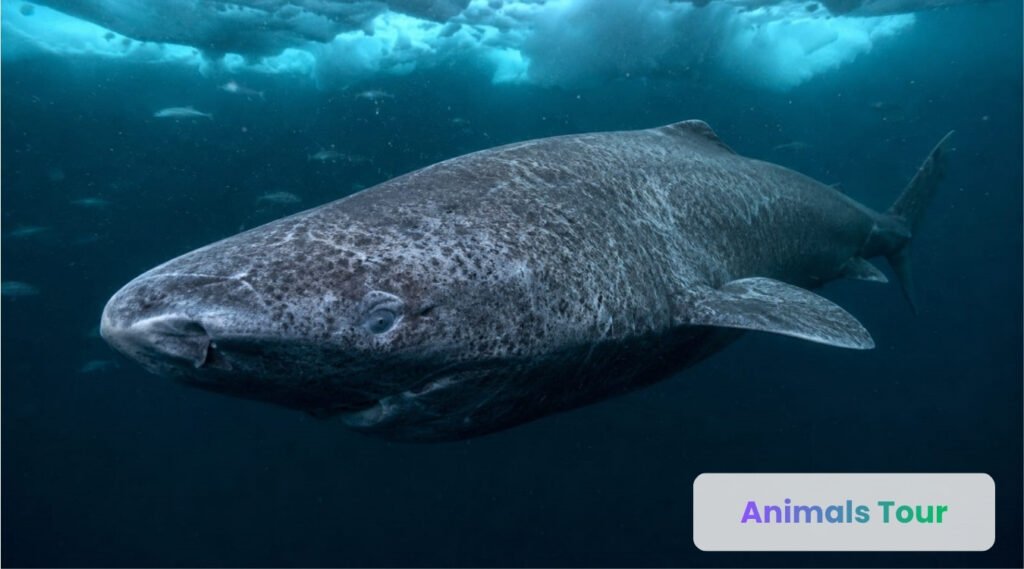
Cold water slows almost everything down in this species, including metabolism, growth, and sexual maturity. Greenland sharks are not believed to reach reproductive age until around 150 years old, which is one of the latest known maturity points of any animal. Their slow growth rate, sometimes just one centimeter per year, is directly tied to their extraordinary lifespan.
Bowhead Whale
Scientific Name: Balaena mysticetus
Class: Mammalia
Diet: Krill, zooplankton, and small crustaceans
Bowhead whales live in Arctic and sub Arctic waters and are the longest living mammals known to science. Age estimates based on amino acid racemization in eye tissue have confirmed individuals living past 200 years. One harvested specimen was found with a 19th century harpoon tip still embedded in its flesh.
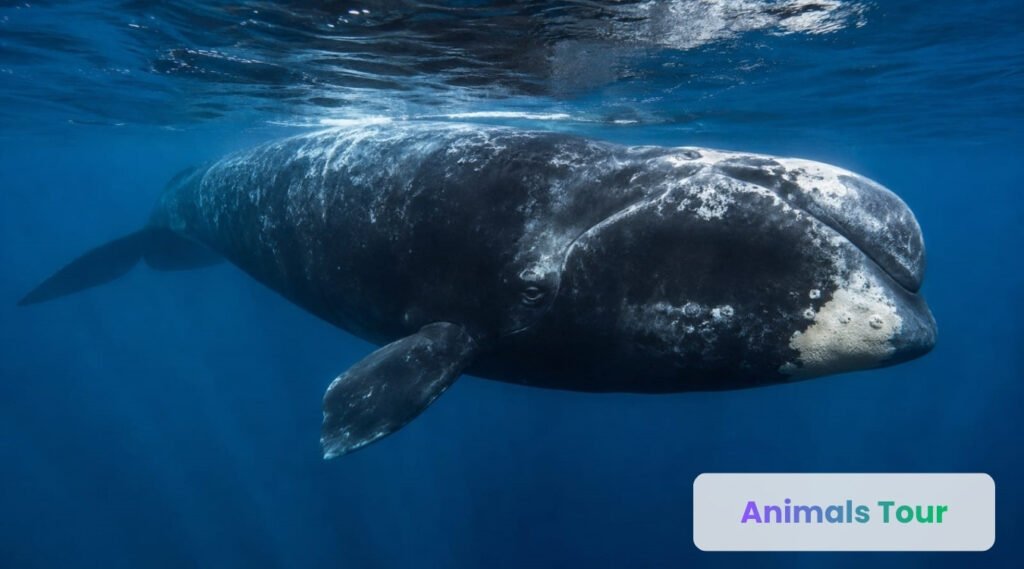
Their longevity is linked to efficient DNA repair mechanisms and low metabolic rates relative to body size. Researchers have found that bowhead whale genes related to cell cycle regulation and cancer suppression show significant differences from shorter lived mammals. These are not passive adaptations but appear to be active biological tools against aging.
Red Sea Urchin
Scientific Name: Mesocentrotus franciscanus
Class: Echinoidea
Diet: Kelp, algae, and decaying marine matter
Red sea urchins live along the Pacific coast of North America, from Alaska down to Baja California. Some individuals have been aged at over 200 years, making them one of the longest living sea animals in coastal waters. Despite their age, older specimens show no decline in reproductive output or tissue quality.
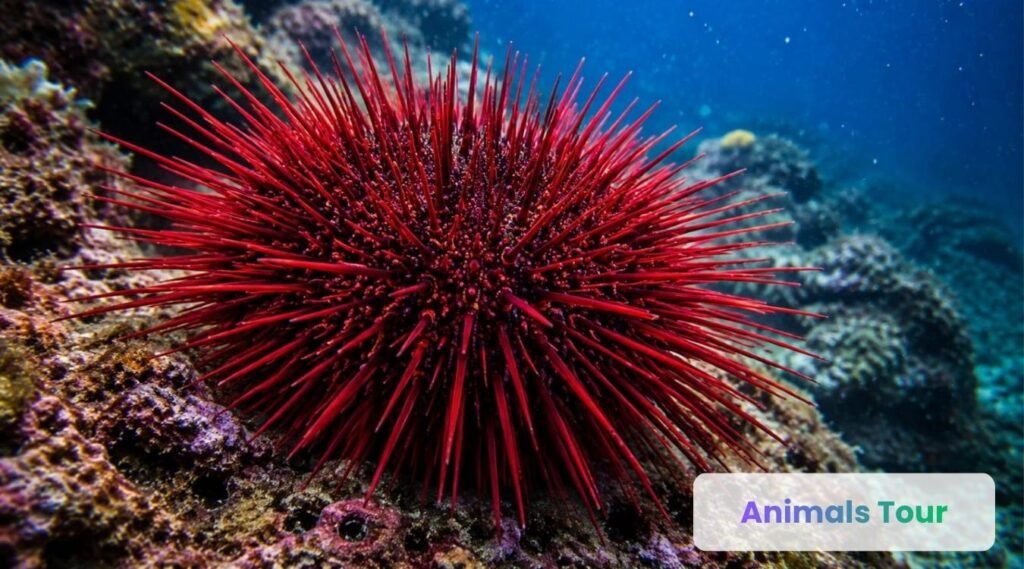
Scientists describe this as a form of negligible senescence, meaning the animal does not deteriorate with age the way most species do. Their spines continue regenerating, their gonads remain active, and there is no observed increase in mortality rate as they get older. For researchers studying animal longevity, the red sea urchin serves as a useful model organism.
Rougheye Rockfish
Scientific Name: Sebastes aleutianus
Class: Actinopterygii
Diet: Small fish, shrimp, krill, and other crustaceans
The rougheye rockfish is a deep water species found in the North Pacific, from California up through Alaska and across to Japan. It is one of the longest living fish species, with confirmed ages exceeding 200 years based on otolith ring counts. It grows slowly and does not reach sexual maturity until its mid teens.
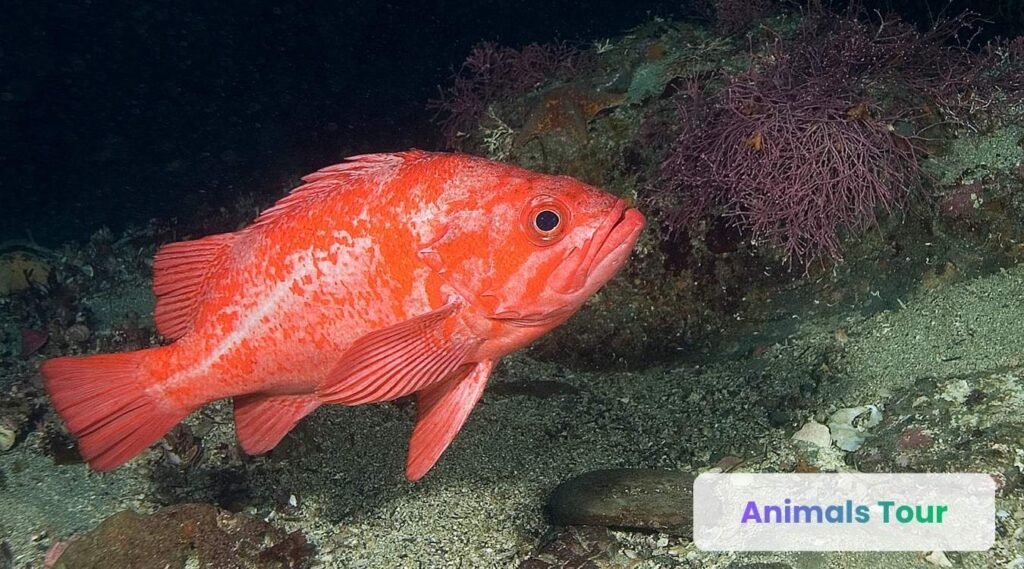
Like many cold water animals, its lifespan appears directly connected to a slow metabolic pace and a stable, low temperature environment. Rockfish in general are known for long lifespans, but the rougheye sits at the upper end of the group. Its population recovery after overfishing is exceptionally slow precisely because of how long it takes to mature.
Galapagos Tortoise
Scientific Name: Chelonoidis niger
Class: Reptilia
Diet: Grasses, leaves, fruits, and cactus pads
Galapagos tortoises are among the longest living land animals on record. Several individuals have been documented living past 170 years, and the upper limit of their natural lifespan remains unknown since they outlive most observation periods. They are native to the Galapagos Islands, where food can be scarce and activity levels stay low for much of the year.
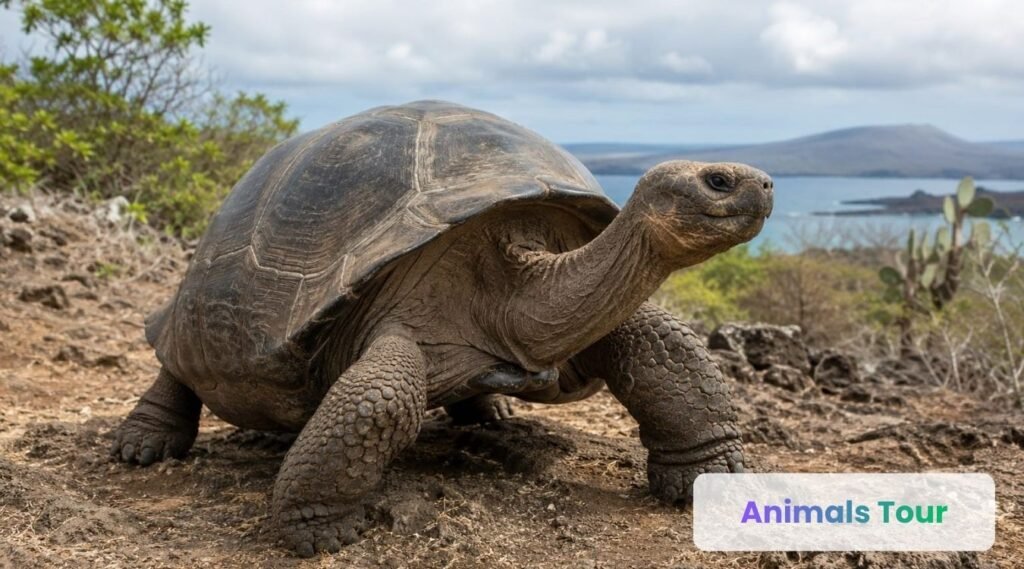
Their biology reflects classic features of long lived reptiles, including low resting metabolic rate, slow digestion, and the ability to survive months without food or water. Growth rings in their bones show extended periods of near dormancy during dry seasons. Reptiles with long lifespans, tortoises in particular, consistently show these patterns of low energy living.
Aldabra Giant Tortoise
Scientific Name: Aldabrachelys gigantea
Class: Reptilia
Diet: Grasses, leaves, woody stems, and fruits
The Aldabra giant tortoise, native to the Aldabra Atoll in the Indian Ocean, rivals the Galapagos tortoise in terms of documented age. One individual named Jonathan, living on the island of Saint Helena, is currently recognized as the oldest known living land animal at over 190 years old. He was already fully mature when brought to the island in the 1880s, suggesting he may be older still.
Like other long-lived land animals, the Aldabra tortoise has a slow heart rate, low oxygen consumption, and a digestive system built for tough, low nutrient vegetation. Their reproductive capability persists well into old age, which sets them apart from mammals that experience reproductive decline as they age. Jonathan, as of recent reports, remains active and in reasonably good health.
Orange Roughy
Scientific Name: Hoplostethus atlanticus
Class: Actinopterygii
Diet: Small fish, shrimp, squid, and zooplankton
Orange Roughy are deep-sea fish found in cold waters around New Zealand, Australia, and parts of the Atlantic and Indian Oceans. They live at depths between 180 and 1,800 meters and have confirmed lifespans of up to 250 years. For decades, fisheries managers underestimated their age, which led to serious overfishing before accurate aging methods were developed.
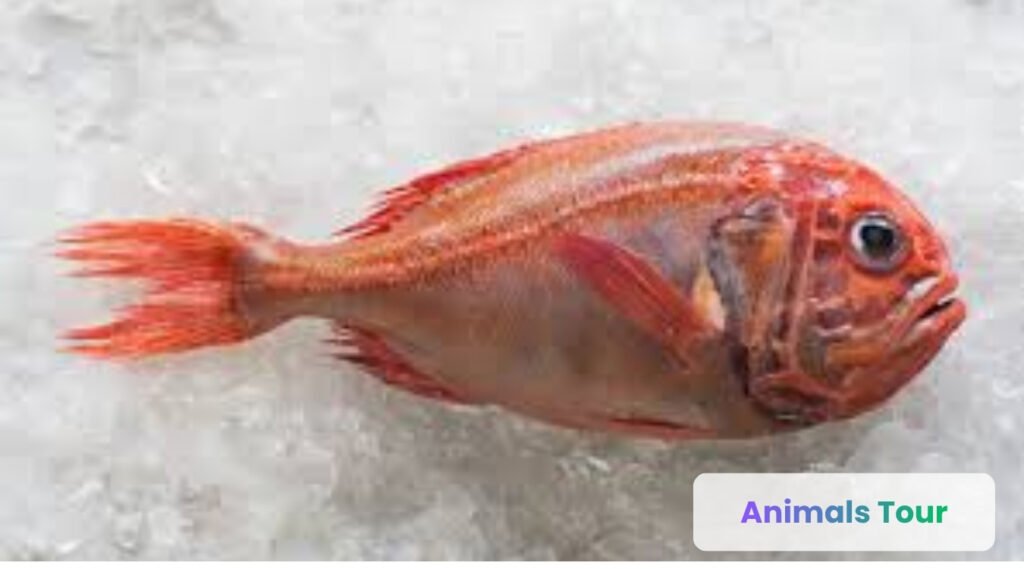
Their longevity follows a pattern common to deep ocean creatures. Cold temperatures, low light, scarce food, and minimal physical activity all contribute to a slowed biological clock. Orange Roughy grow slowly, spawn late, and produce relatively few offspring per season, which means that once a population is depleted, recovery can take well over a century.
Geoduck
Scientific Name: Panopea generosa
Class: Bivalvia
Diet: Plankton and microscopic organic particles filtered from water
The geoduck is a large saltwater clam native to the coastal waters of the Pacific Northwest. It is one of the longest living ocean animals in its class, with lifespans commonly reaching 150 years and some individuals confirmed past 160 years. They burrow into sand and gravel with only their siphon exposed and largely stay put for their entire lives.
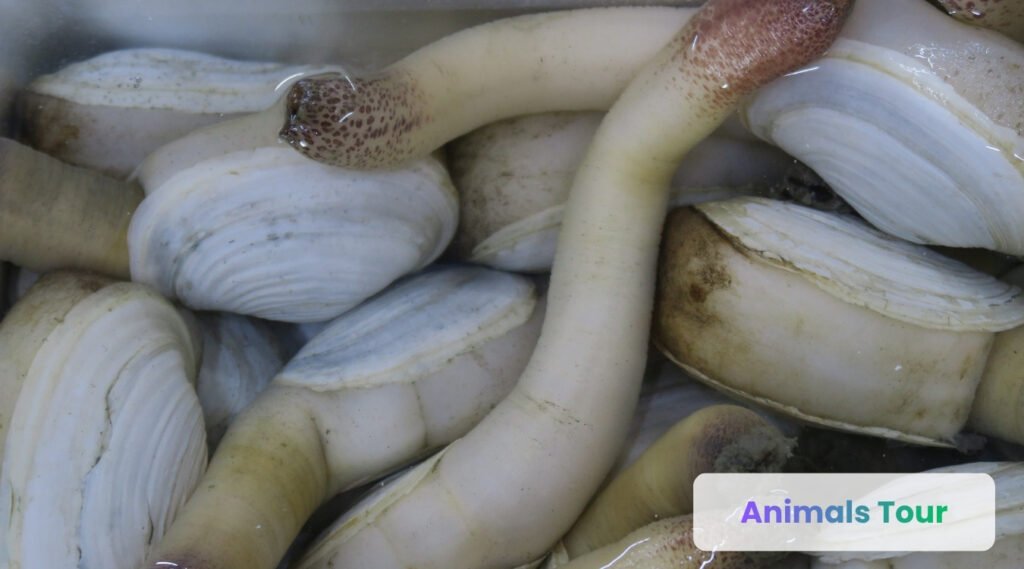
Their long life is supported by a low activity lifestyle, steady water temperatures, and a slow metabolic pace. Age is determined by counting growth rings on the shell, similar to tree rings. Geoducks show little physical deterioration in older age and remain reproductively active for most of their life, producing millions of eggs annually.
Lake Sturgeon
Scientific Name: Acipenser fulvescens
Class: Actinopterygii
Diet: Insects, snails, crayfish, small fish
Lake sturgeon are native to the river and lake systems of central North America, particularly the Great Lakes. They are among the longest living freshwater fish, with individuals documented living past 150 years. Females grow larger and live longer than males, and they do not reach full reproductive maturity until their mid 20s.
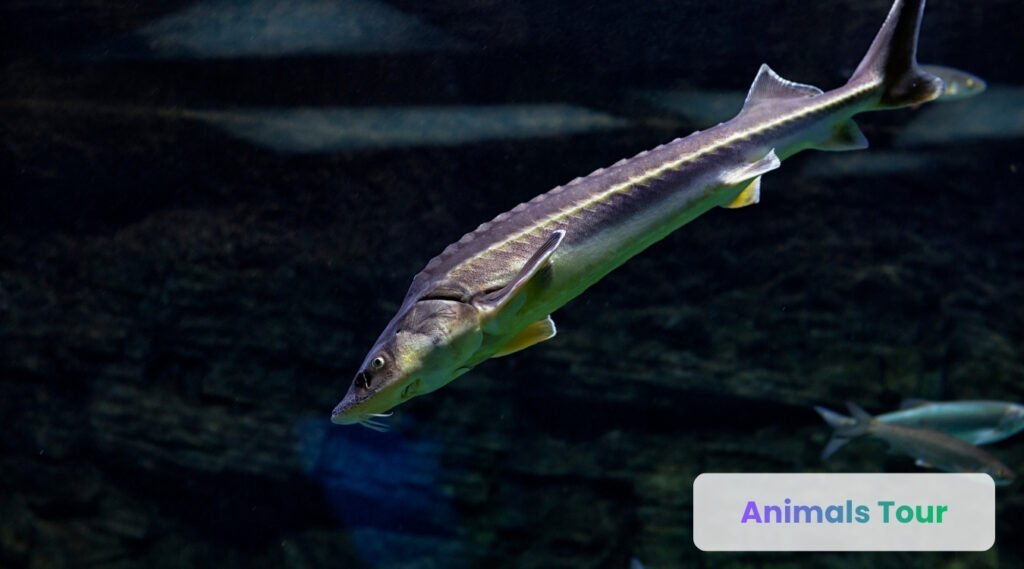
Their slow development and low reproductive rate make them highly vulnerable to overfishing and habitat loss. Lake sturgeon were once common across North America but were heavily depleted during the 19th and 20th centuries. Because of their late maturity and long lifespan, population recovery from commercial fishing pressure takes decades, not years.
Tuatara
Scientific Name: Sphenodon punctatus
Class: Reptilia
Diet: Insects, spiders, small lizards, bird eggs, and chicks
The tuatara is a reptile native to New Zealand and is the only surviving member of an ancient order that lived alongside dinosaurs. It commonly lives past 100 years, with some estimates suggesting lifespans up to 200 years in the wild. Despite resembling lizards, tuataras belong to a separate lineage that has remained largely unchanged for over 200 million years, making them one of the most ancient animal species still alive.
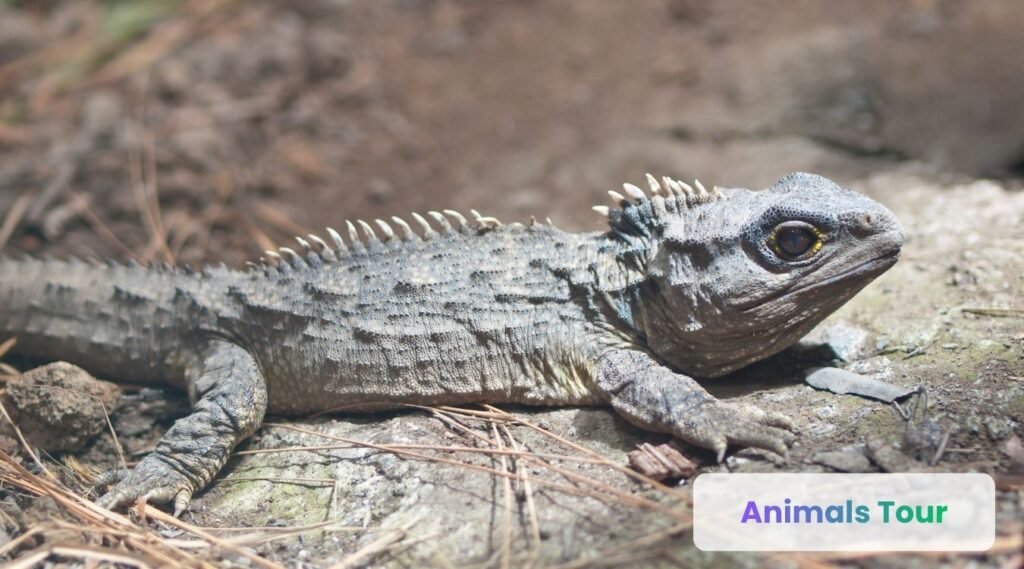
Their long life is linked to an exceptionally slow metabolism. They are active primarily at cooler temperatures where most reptiles become sluggish, and they grow very slowly, not reaching sexual maturity until somewhere between 10 and 20 years of age. Tuataras also have a third, partially functional eye on top of their head, a feature more common in ancient species than in modern reptiles.
Saltwater Crocodile
Scientific Name: Crocodylus porosus
Class: Reptilia
Diet: Fish, birds, mammals, reptiles, and crustaceans
Saltwater crocodiles are the largest living reptiles and apex predators across coastal Southeast Asia, northern Australia, and the eastern coast of India. They routinely live 70 years in the wild, with some captive individuals confirmed in the past 100 years. Their status as apex predators removes most external threats to their survival once they reach adulthood.
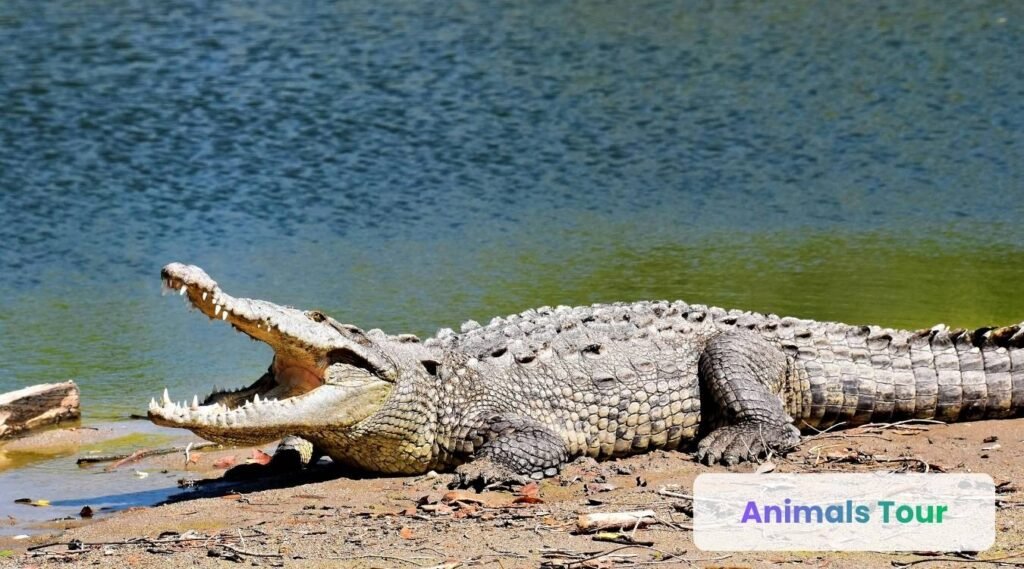
Their long lifespan is supported by a slow burning metabolism, efficient organ function, and the ability to go extended periods without food. Crocodilian immune systems are unusually strong, allowing them to resist infections from wounds that would be fatal in most animals. Age does slow them, but it takes decades before any meaningful physical decline becomes visible.
Box Turtle
Scientific Name: Terrapene carolina
Class: Reptilia
Diet: Insects, worms, berries, mushrooms, fruits, and plants
Box turtles are small, land dwelling turtles found across North America and parts of Asia. They regularly live past 100 years in the wild, with some documented individuals exceeding 130 years. Unlike many reptiles, they survive in a wide range of climates and are often found in forests, grasslands, and wetland edges.
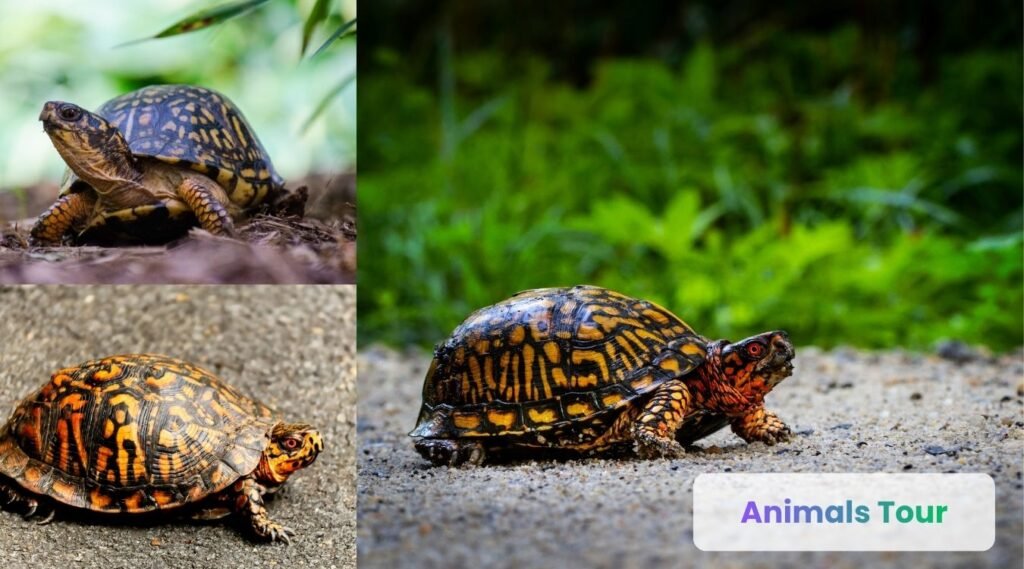
Their longevity follows the broader reptile pattern of low metabolic demand and slow physical development. Box turtles can retract into their hinged shells, which protects them from most predators and reduces injury related to mortality. They show little reproductive decline with age and continue laying eggs well into their later decades.
Elephant
Scientific Name: Loxodonta / Elephas
Class: Mammalia
Diet: Grasses, leaves, bark, roots, fruits, and shrubs
Elephants are the longest living land mammals after humans and certain tortoise species. In the wild, African and Asian elephants typically live 60 to 70 years, with some individuals confirmed past 80 years. They are among the few wild mammals whose natural lifespan approaches and occasionally crosses the 70 year mark without human intervention.
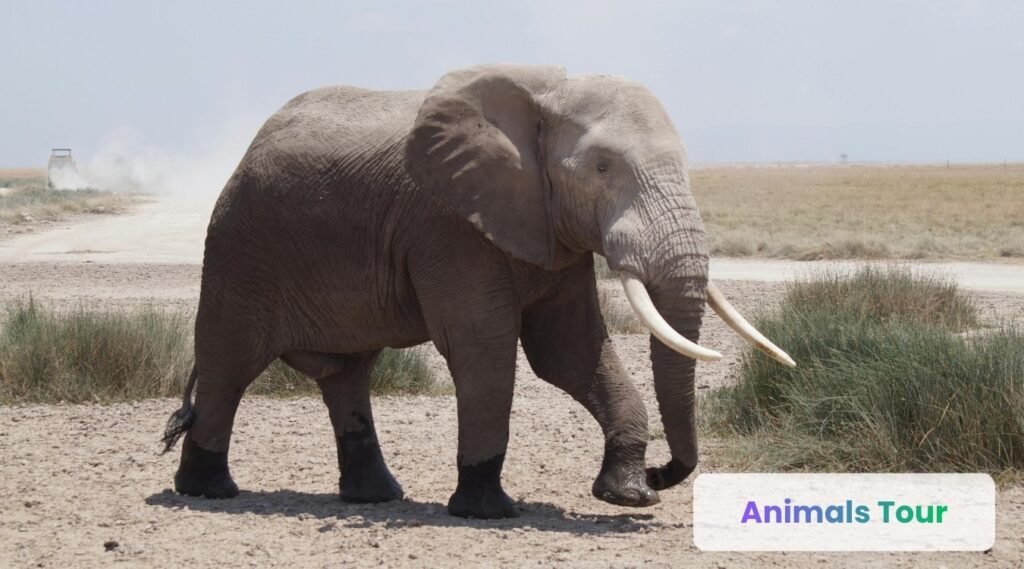
Their longevity is closely tied to their teeth. Elephants cycle through six sets of molars during their lifetime, and once the last set wears down, they can no longer process food effectively. This means lifespan in elephants is, in practical terms, limited by dental biology as much as by any other factor. Their large body size, low resting heart rate, and strong social bonds also contribute to their relatively long lives.
Conclusion
From jellyfish that can biologically reset their age to sharks that outlive entire human generations, the longest living animals on Earth share a few consistent traits. Slow metabolism, cold or stable environments, late maturity, and efficient cellular repair all appear repeatedly across species. Studying these animals gives scientists concrete leads in understanding aging, not just in wildlife, but in human biology as well.
FAQs
What is the longest living animal in the world?
The ocean quahog clam, specifically Arctica islandica, is considered the longest living animal, with some individuals living for over 500 years.
Are there animals that don’t age?
Some species, like Turritopsis dohrnii jellyfish, can revert to earlier life stages, effectively avoiding senescence and aging as we understand it.
Are there any mammals that have exceptionally long lifespans?
Yes, the bowhead whale can live over 200 years, making it one of the longest-living mammals.
What are the longest living animals?
Ocean quahog clam – 500+ years (longest confirmed)
Greenland shark – 250–500+ years (longest vertebrate)
Bowhead whale – 200+ years
Tortoises (Galápagos/Aldabra) – 150–200+ years
Red sea urchin & rockfish – 200+ years
Glass sponge – possibly thousands of years (estimated)
Immortal jellyfish (Turritopsis dohrnii)- can reset its life cycle
What animal lives up to 500 years?
The ocean quahog clam can live over 500 years, making it one of the longest-living animals known to science.