Top 21 Weakest Animals In The World
The weakest animals are not failures of nature – they have found other ways to survive without relying on strength or size. Some hide, some stay completely still, and some live in places where predators rarely go. These weak animals lack strong muscles, physical armor, or any real fighting ability, yet many of them have been on this planet far longer than humans have. This article will explore 21 of the weakest animals in the World, showing that survival isn’t just about strength but also adaptation.
List of the Weakest Animals in the World
Below is the list of 21 weakest animals in the world. In terms of body strength, defense ability, and capacity to fight back, these weak animals rank among the most vulnerable on earth. Each animal has its own unique situation and tells us something interesting about how life finds a way even without power or force.
- Earthworm
- Jellyfish
- Sloth
- Snail
- Tarsier
- Opossum
- Frog
- Starfish
- Rabbit
- Sea cucumber
- Koala
- Sea sponge
- Plankton
- Manatee
- Glass frog
- Domesticated Chickens
- Axolotl
- Guinea pig
- Flatworm
- Aphid
- Sea squirt
Earthworm
Scientific Name: Lumbricus terrestris
Class: Clitellata
Diet: Detritivore
The earthworm is one of the softest and most exposed among many weak animals in this planet. It has no eyes, no limbs, and no hard covering of any kind. It mostly lives underground, but comes to the surface after rainfall. Then it becomes completely exposed to birds, frogs, and other small animals that can easily prey on it.
There is no bite, no sting, and no escape route fast enough to save an earthworm once a predator finds it. Its only movement is a slow wriggling motion, and even that does very little to create distance between itself and danger. It survives primarily by staying buried in the soil, which is the only real shield it has against the outside world.
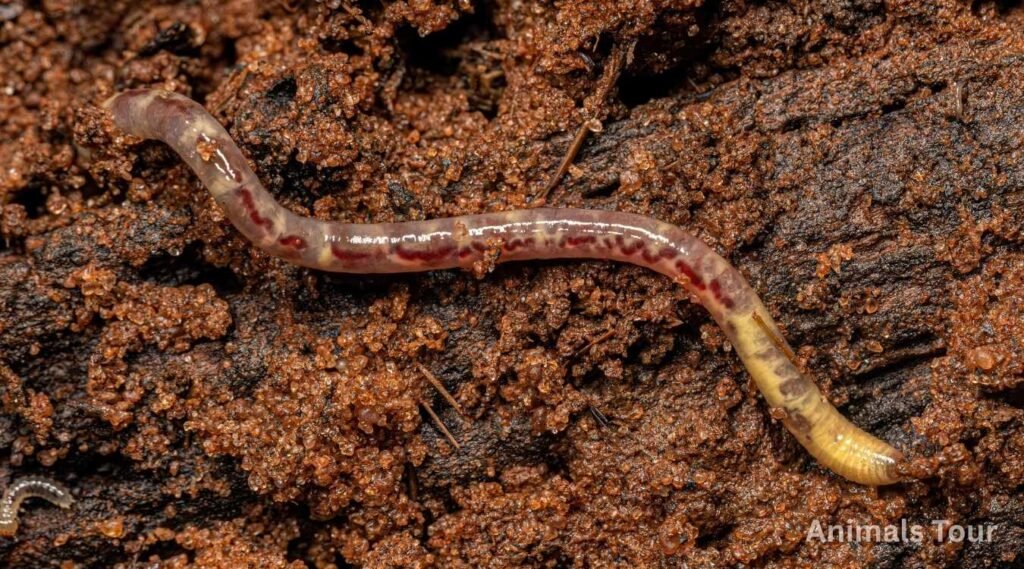
Despite being physically weakest animal, earthworms play an important role in the land ecosystem. As it moves through the soil, it breaks up compacted earth, creating channels that allow air and water to reach plant roots more easily. It also feeds on dead organic matter and breaks it down into nutrients that enrich the soil. This decomposition process is essential for soil health and plant growth. Although the earthworm is physically weak, its contribution to the environment is enormous, and without it, soil quality would decline significantly.
Jellyfish
Scientific Name: Aurelia aurita
Class: Scyphozoa (or Hydrozoa/Cubozoa
Diet: Carnivore
Jellyfish are often considered among the weakest animals in the ocean . They have no brain, no bones, and no real muscle structure that allows them to swim in a chosen direction. They go wherever the ocean current takes them, with almost zero control over where they end up. This complete dependence on water movement makes them one of the most passive animals on earth.
Their tentacles can deliver a mild sting, which helps them catch tiny prey, but this offers little protection against larger sea animals that feed on them. Despite this, they have survived for hundreds of millions of years, a proof that drifting through life can still be a winning strategy.
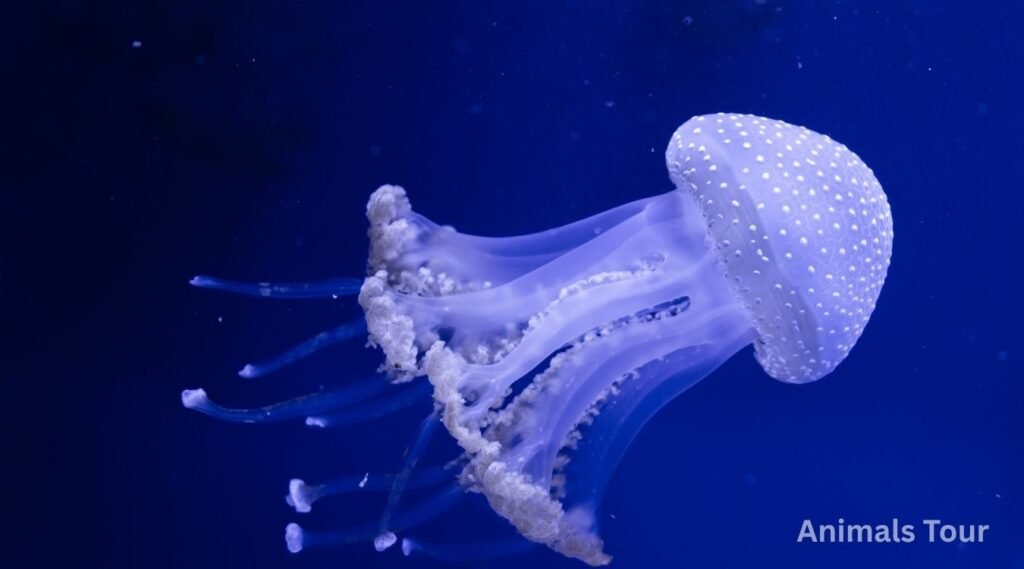
Jellyfish is a key food source for many marine animals, including leatherback sea turtles, ocean sunfish, and various species of seabirds. It also consumes large amounts of zooplankton and small fish larvae, keeping their populations in control. Some jellyfish species also recycle nutrients in the water when they die and sink to the ocean floor, feeding bottom-dwelling animals. While large jellyfish blooms can block fishing nets and clog power plant water intakes, their presence in balanced numbers is a normal and necessary part of ocean life.
Sloth
Scientific Name:
Two-toed: Choloepus didactylus
Three-toed: Bradypus variegatus
Class: Mammalia
Diet: Herbivore
The sloth is one of the slowest and most physically limited animals in the world. They move so slowly that they are easy to overlook hanging in the treetops. Their muscles are built for holding on, not for speed or combat, and their claws are designed for gripping branches rather than defending themselves.
Sloths spend up to 20 hours a day sleeping, and algae often grows on their fur, giving them a greenish tint that helps them blend into the trees. Eagles and jaguars are their main predators, and when threatened, sloths have very little ability to escape, making the sloth one of the weakest animals in the wild.
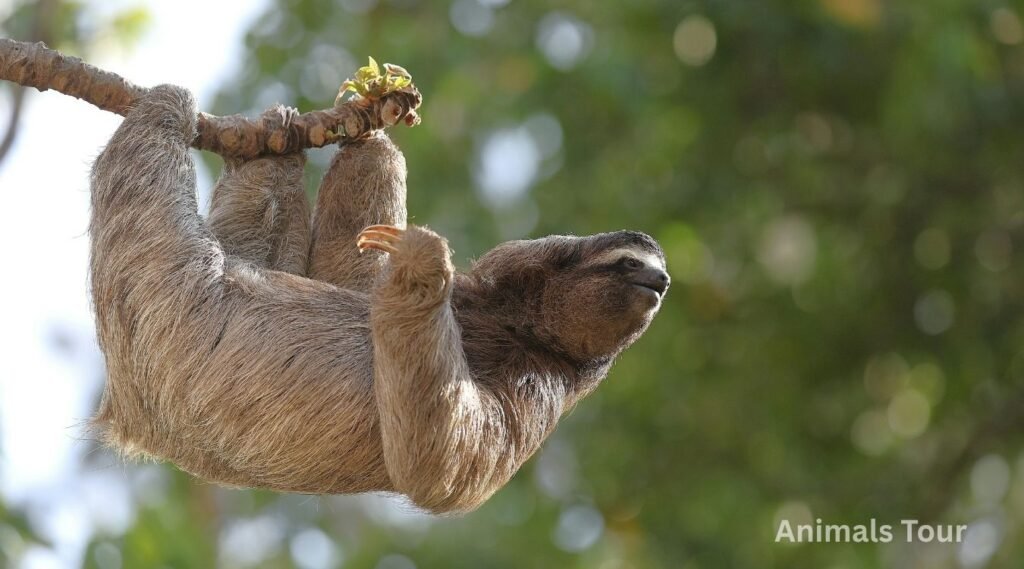
Despite their slow pace, sloths are very important for the rainforest ecosystem. The algae on their fur support insects and moths, while their rare trips to the ground add nutrients to the forest floor. By eating leaves, flowers, and occasional fruit, and moving between trees, they help spread seeds and support plant diversity. Their slow lifestyle is not laziness—it is an energy-saving adaptation that has allowed them to survive in the rainforest for millions of years.
Snail
Scientific Name: Cornu aspersum
Class: Gastropoda
Diet: Herbivore/Detritivore
A snail carries its shell everywhere it goes, which provides some protection, but it has clear limits. Birds, rodents, and certain snakes can easily crack or bypass the shell, leaving the snail’s soft body completely exposed. Moving at an extremely slow pace, snails cannot escape predators, bite, scratch, or produce any serious defense. Their main strategy, retreating into the shell, offers little protection against determined attackers, making snails one of the most physically vulnerable animals on land and in freshwater.
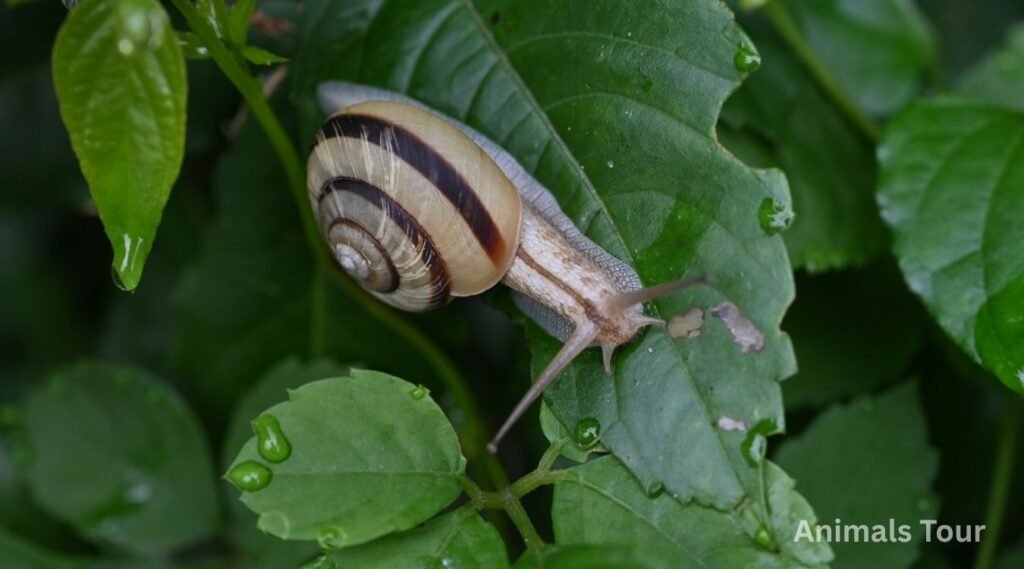
Snails feed on dead plants, fungi, and algae, helping decompose organic matter and return nutrients to soil and water. In freshwater habitats, they clean algae off rocks and plants, keeping the water clearer. Snails are also a crucial food source for birds, frogs, hedgehogs, beetles, and fish. Even their slow movement across the forest floor or garden helps aerate soil and cycle organic material, proving that even weak animals can have a big impact on their environment.
Tarsier
Scientific Name: Tarsius tarsier
Class: Mammalia
Diet: Carnivore
The tarsier is a tiny primate found in the forests of Southeast Asia. Its body is extremely small and light, with very fragile bones that can be damaged easily. It has very big eyes relative to its size . These eyes cannot move in their sockets. The tarsier has to rotate its entire head, almost like an owl, to look in different directions. This feature, while helpful for night vision, makes the tarsier physically quite limited.
It cannot defend against anything bigger than a small insect, and even birds or snakes can easily overpower it. Among small weak animals, the tarsier survives entirely through stealth and darkness rather than physical defense.
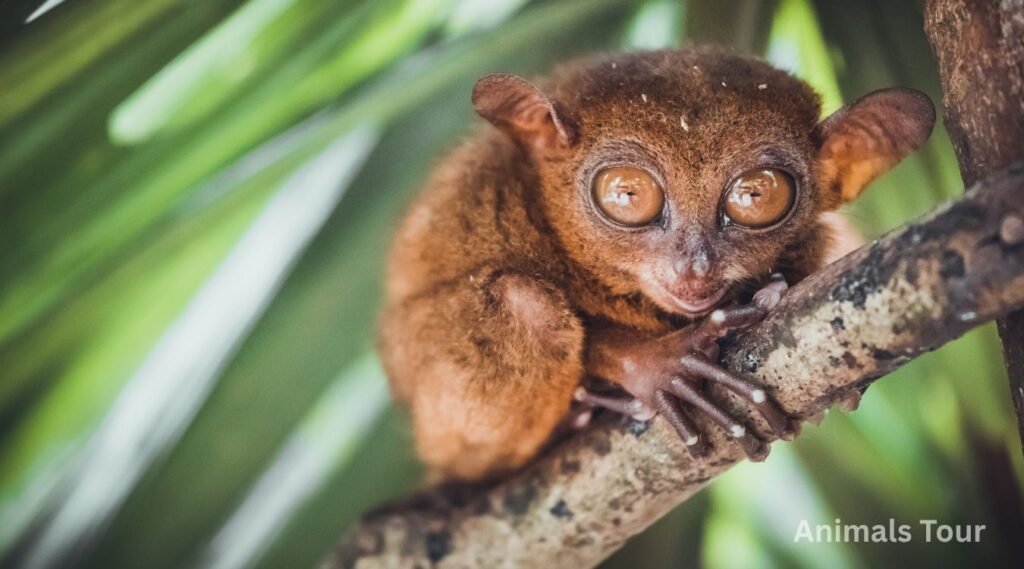
Tarsiers are nocturnal hunters that play a key role in their forest ecosystems. Feeding mostly on insects, small lizards, and occasionally birds or bats, they are the only fully carnivorous primates. By controlling insect populations, they help maintain ecological balance. Tarsiers also indicate forest health, as they require dense, undisturbed habitats. When forests are logged or cleared, their numbers drop, signaling ecosystem damage, making them valuable for researchers monitoring tropical forests.
Opossum
Scientific Name: Didelphis virginiana
Class: Mammalia
Diet: Omnivore
The opossum is a small marsupial with very limited physical defenses. Its teeth are not built for serious fighting, its body is fragile, and it is not fast enough to outrun a fox, dog, or large bird of prey. When it faces danger, it can not fight back effectively. Its well known survival response is playing dead. It goes completely limp, its body temperature drops, its mouth hangs open, and it releases an unpleasant smell to convince predators it is a rotting carcass.
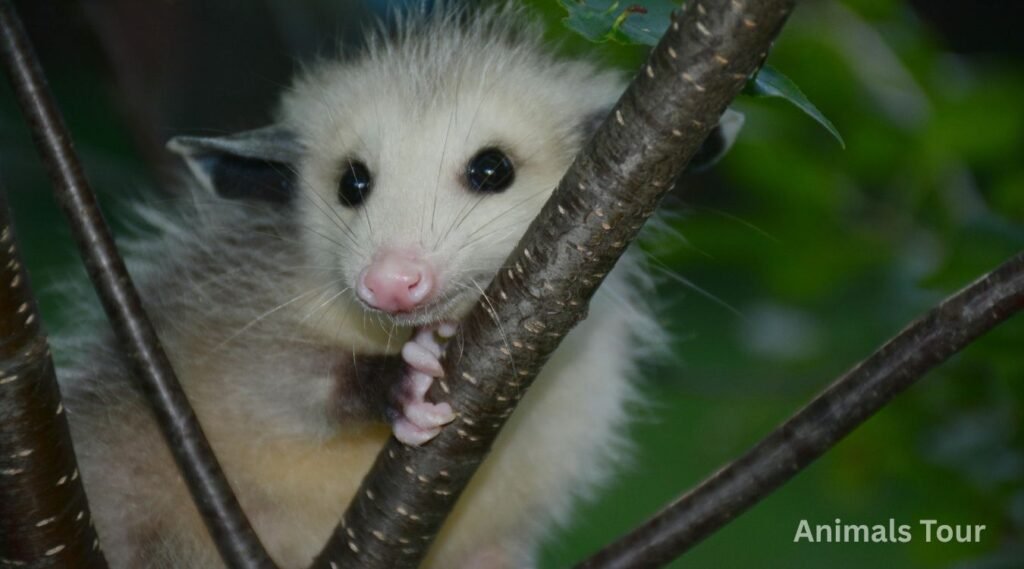
This reaction is actually involuntary, meaning the opossum does not even choose to do it. It is triggered automatically by stress. This trick often works, showing how a defenseless animal survives entirely through deception rather than physical strength. Opossums are physically weak but very useful animals in the ecosystem.
They eat insects, ticks, rodents, carrion, and fruit, which helps keep their environment clean. They also reduce tick populations and limit diseases like Lyme disease. In addition, they can eat venomous snakes without any harm because they are resistant to venom.
Frog
Scientific Name: Rana temporaria
Class: Amphibia
Diet: Carnivore
Most frog species are small, soft-bodied, and have little ability to fight predators. They lack claws, strong jaws, and body armor. Their thin, moist skin is essential for breathing but is also a weakness. It dries out quickly in warm or dry conditions and makes them sensitive to pollution and chemical changes in water. It also offers no protection from predators.
Frogs rely on jumping away and hiding near water, under leaves, or in mud to survive. Some species have toxic or bitter skin, but most frogs are harmless. They are commonly eaten by snakes, birds, fish, larger frogs, and even insects. Their survival depends on quick reflexes and hiding rather than strength, making them a good example of weak animals that survive through caution instead of physical power.
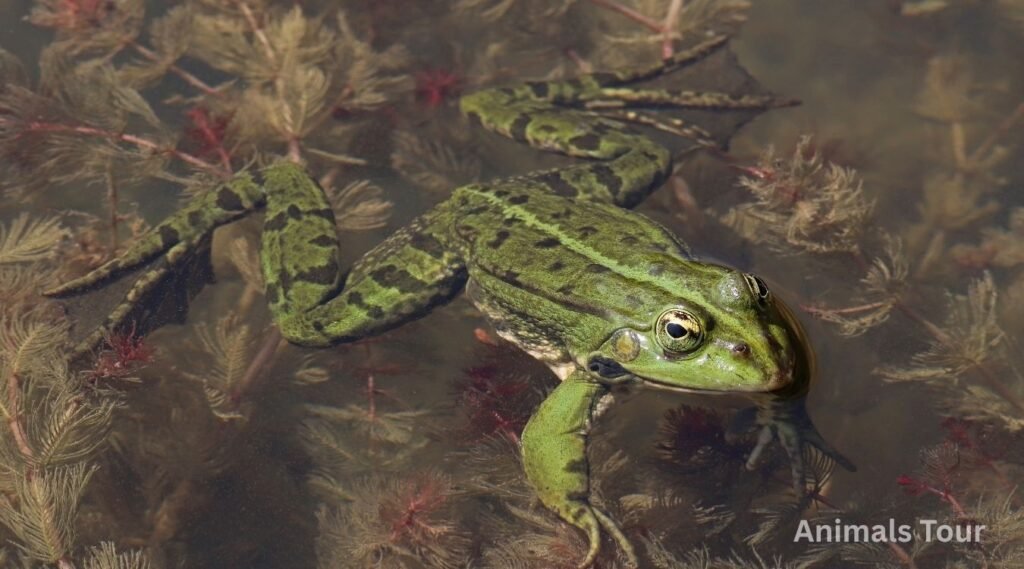
Frogs sit in the middle of the food chain playing an important role in the ecosystem. As tadpoles, they eat algae and help control its growth in water. As adults, they eat insects like mosquitoes, flies, and beetles, keeping their numbers in check. At the same time, frogs are food for many predators, linking insects to larger animals. They are also indicator species, meaning scientists use them to measure ecosystem health. A drop in frog populations often signals problems like pollution, habitat loss, or disease.
Starfish
Scientific Name: Asterias rubens
Class: Asteroidea
Diet: Carnivore
The starfish is a marine animal that has no brain and no blood. Instead of a circulatory system, it pumps seawater through its body to move and function. Despite this unusual biology, it has survived in oceans around the world for hundreds of millions of years. It moves using tiny tube feet on its underside and crawls so slowly that escaping any predator is nearly impossible.
Sea otters, seabirds, and certain fish all prey on starfish regularly. Its rough, bumpy surface offers only minor protection and any determined predator can get through it without much trouble. With no speed and no way to fight back, the starfish is one of the more vulnerable animals in the sea.
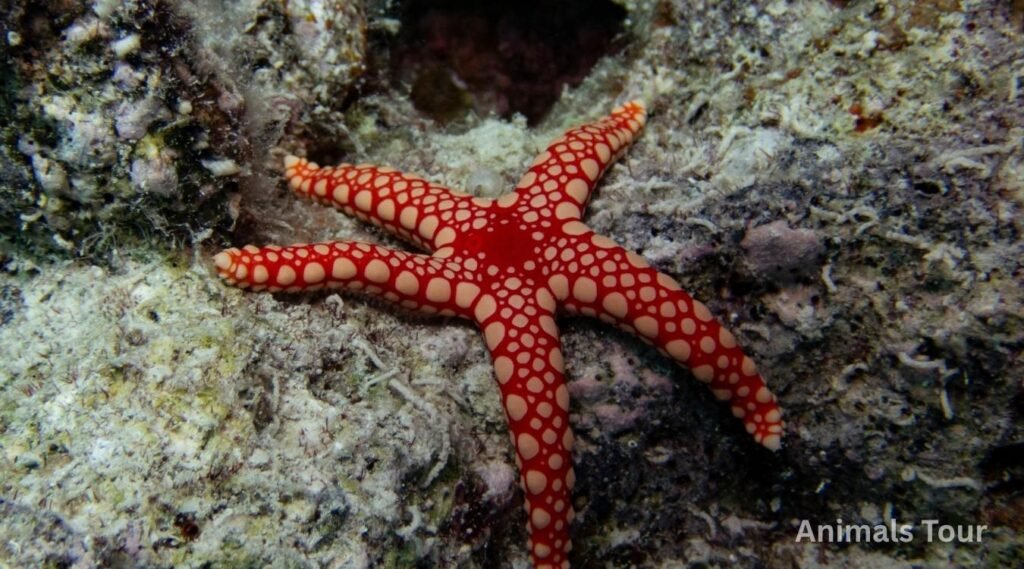
The starfish is sometimes described as the weakest animal due to its slow movement and limited ability to defend itself, yet it plays a vital role in maintaining healthy marine ecosystems. It feeds on mussels, clams, oysters, and sea urchins on the ocean floor. This keeps shellfish populations from growing out of control and crowding out other species.
The starfish is considered a keystone species in certain coastal habitats. This means its presence or absence can shift the entire balance of life in that area. In a well-known ecological study, removing starfish from a coastline caused mussels to take over completely and push out nearly every other species. Starfish can also regrow lost arms after an attack, which helps them recover and continue their role in the food web.
Rabbit
Scientific Name: Oryctolagus cuniculus
Class: Mammalia
Diet: Herbivore
Rabbits are small, fluffy mammals known for their long ears, twitching noses, and hind legs. They belong to the family Leporidae and are found across every continent except Antarctica. They are among the most vulnerable creatures in the animal kingdom. Their teeth are built for chewing plants, not fighting. They have no claws capable of harming a predator, no tough skin, and no venom of any kind. Almost every meat-eating animal as foxes, hawks, snakes, and owls, considers them a food source.
Their survival is in their speed and sharp senses. They run in zigzag patterns to confuse attackers and rely on excellent hearing to detect danger early. But once cornered, a rabbit has almost no way to resist. For their size, they are among the most hunted and physically outmatched animals on land.
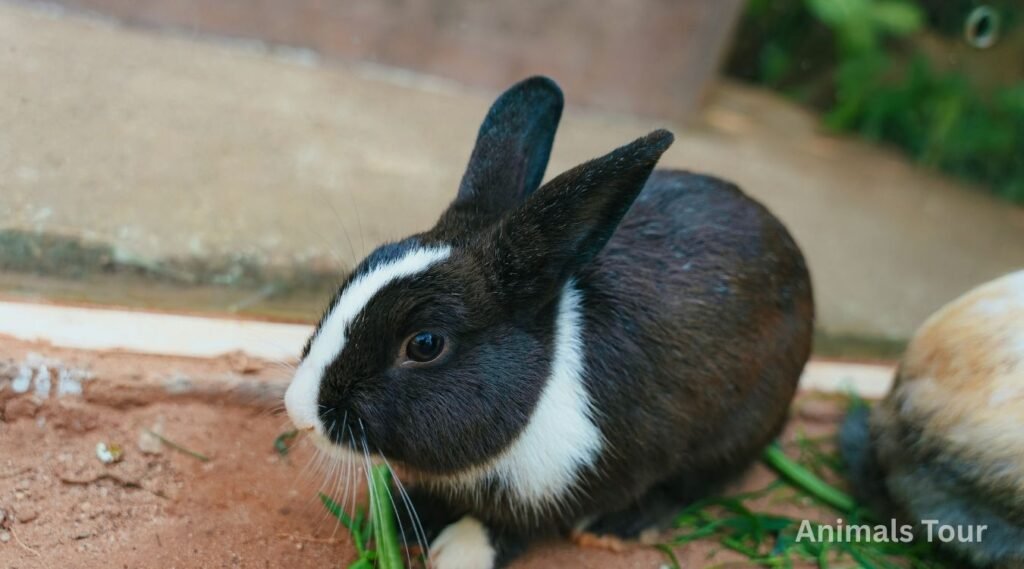
Rabbits fill an important role as prey animals in the food chain. They convert plant material into body mass that feeds foxes, hawks, wildcats, and large snakes. Without rabbits, many predators would struggle to find enough food. They also graze on grasses, which influences what kinds of vegetation grow in an area.
Their digging creates burrows that birds, reptiles, and small mammals use for shelter. Rabbit droppings fertilize the soil and support plant growth. In ecosystems where they live, rabbits are one of the most ecologically connected weak animals, feeding into a wide web of relationships between predators, plants, and soil health.
Sea cucumber
Scientific Name: Holothuria atra
Class: Holothuroidea
Diet: Detritivore
The sea cucumber is a soft-bodied marine animal with no skeleton, no claws, and no teeth capable of causing harm. It lives on the ocean floor and moves slowly through sand and mud, feeding on tiny organic particles and algae. It is essentially a slow, tube-shaped creature with nothing to fight with.
When threatened, some sea cucumbers eject their own internal organs, hoping the predator takes those and leaves them alone. They can regrow the lost organs over time, but this extreme response shows just how physically limited their options are.Fish, crabs, and sea turtles regularly prey on sea cucumbers. Their dependence on defensive adaptations rather than physical power makes them one of the weakest animals in the marine world.
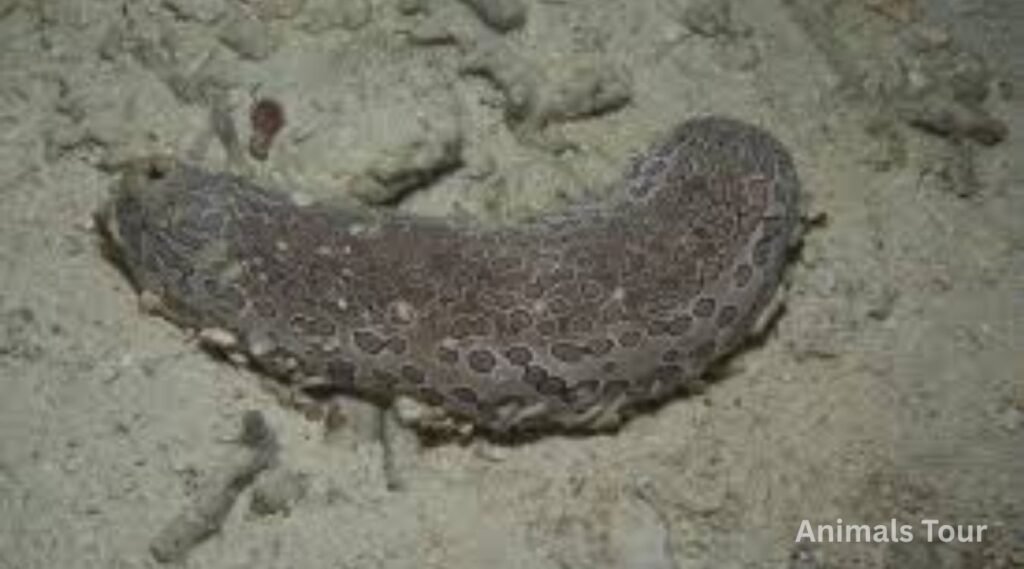
Sea cucumber moves across the seafloor eats sediment, it digests the organic material inside and releases it back out. This keeps the seafloor aerated and nutrient-rich. This is almost identical to how earthworms work for soil on land, which is why they are sometimes called the earthworms of the sea. They also help regulate water chemistry near the seafloor, reducing the effects of ocean acidification on a small scale. Coral reefs in areas with healthy sea cucumber populations tend to be in noticeably better condition.
Koala
Scientific Name: Phascolarctos cinereus
Class: Mammalia
Diet: Herbivore
Koalas may look cuddly, but they are among the most vulnerable animals in the Australian wilderness. Their diet of eucalyptus leaves, low in nutrition and toxic to most animals, leaves them with barely enough energy to function. To cope, they sleep up to 22 hours a day. On the ground they move awkwardly and cannot build any real speed, making them easy targets for dingoes, large owls, and pythons.
Their claws are built for gripping bark, not fighting, and they have no real aggressive instincts. A cornered koala may scratch or bite, but it is never enough against a serious predator. Habitat destruction, climate change, and disease have made things worse, pushing koala populations under growing pressure.
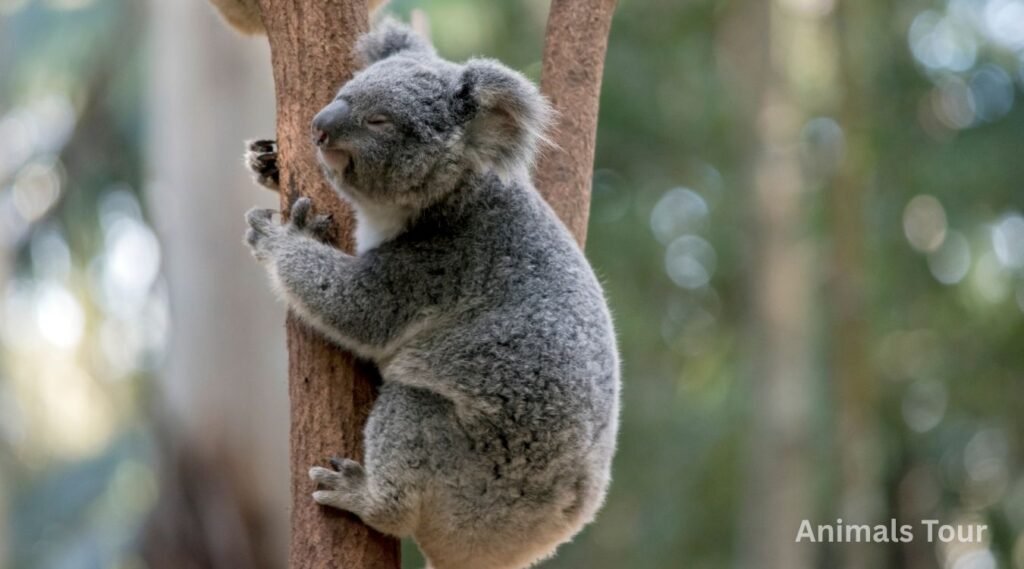
Although physically weak, koalas are beneficial for the Australian ecosystem. They feed on specific eucalyptus species, and their eating actually stimulates new growth in those trees. Their droppings fertilize the soil beneath, supporting the health of eucalyptus forests. They draw significant conservation attention and tourism interest, which brings funding and awareness to the protection of Australian native forests.
Sea sponge
Scientific Name: Porifera (phylum)
Class: Multiple classes (e.g., Calcarea, Demospongiae, Hexactinellida)
Diet: Filter feeder (feeds on plankton and tiny organic particles from water)
The sea sponge is perhaps the most passive creature that can still be called an animal. It has no muscles, no nervous system, and no brain. Once attached to a rock or the ocean floor as a young organism, it never moves again. This completely immobile lifestyle makes sea sponges one of the weak animals in the ocean. It simply sits there for its entire adult life, drawing in water and filtering out tiny food particles.
It cannot flee, cannot fight, and has no way to sense or react to threats. Some species carry chemical compounds in their tissue that taste bad or are toxic to certain predators, but this is entirely passive, the sponge does nothing to trigger it.
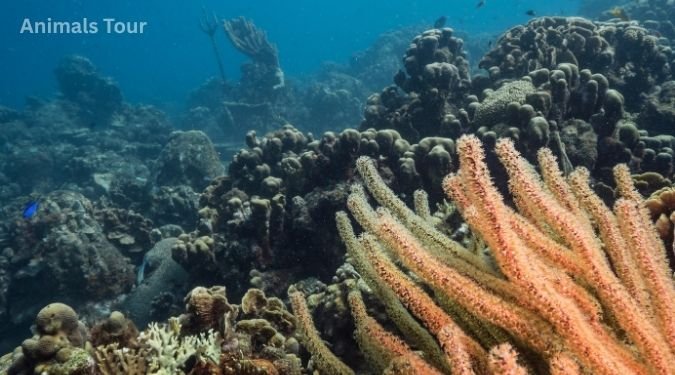
Yet despite this, the sea sponge is one of the ocean’s most important animals. A single sponge can filter thousands of liters of seawater in just 24 hours, removing bacteria, particles, and organic matter, leaving cleaner and clearer water behind. This supports the survival of coral reefs and other marine life. Their porous structure also provides shelter for shrimp, small fish, worms, and crustaceans. Some species have even shown promise in medical research, with compounds being studied for treating cancers and bacterial infections.
Zooplankton
Scientific Name: Zooplankton
Class: Varies (multiple groups, mainly small aquatic animals)
Diet: Omnivore (phytoplankton, bacteria, tiny organisms)
Zooplankton are tiny, often microscopic animals that drift through oceans, lakes, and rivers, carried entirely by currents since they are too small and weak to swim against the flow of water. They include creatures like copepods, krill, and the early larvae of crabs and fish. They have no claws, no venom, no shell strong enough to protect them, and no real way to escape a predator. A single blue whale can swallow millions of them in one mouthful without even trying.
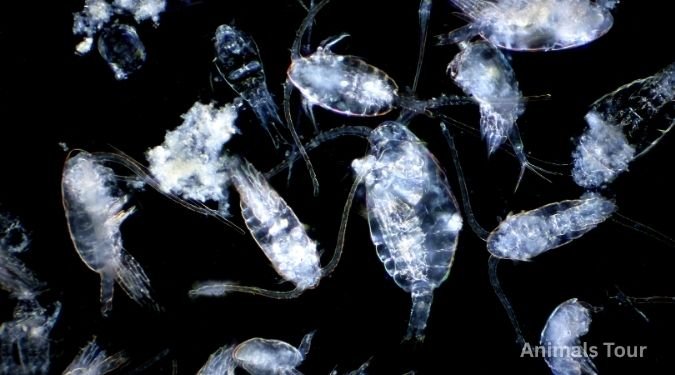
They survive not through strength but through numbers, reproducing in such massive quantities that no amount of predation can wipe them out. They sit at the very heart of aquatic food chains, feeding fish, whales, and seabirds, quietly holding entire ocean ecosystems together. It is a beautiful reminder that in nature, weakness and importance are not opposites — sometimes the most fragile creatures carry the greatest responsibility.
Butterfly
Scientific Name: Rhopalocera
Class: Insecta
Diet: Herbivore (nectar)
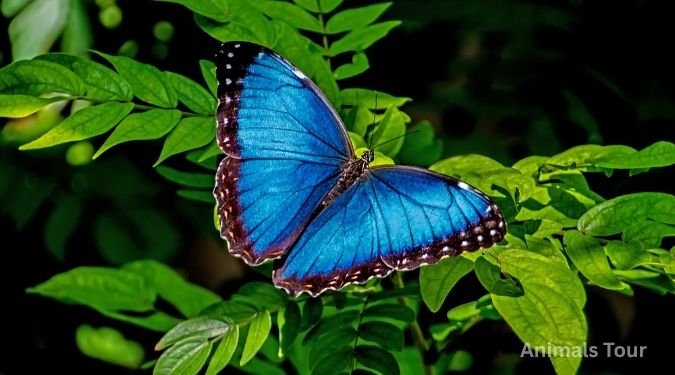
A butterfly is one of the most delicate creatures in the insect world. Its wings are so thin and fragile that even a light touch can damage them permanently. It has no stinger, no strong jaws, and no way to physically harm anything that wants to catch it. Rather than relying on strength, butterflies survive through flight, camouflage, and mimicry, making them one of the weakest animals in the world from a physical standpoint.
Some have wing patterns that mimic the eyes of larger animals to scare off predators. But in terms of actual physical ability to protect themselves, they are nearly helpless and depend heavily on avoiding attention altogether.
Hummingbird
Scientific Name: Trochilidae
Class: Aves
Diet: Omnivore (nectar, small insects)
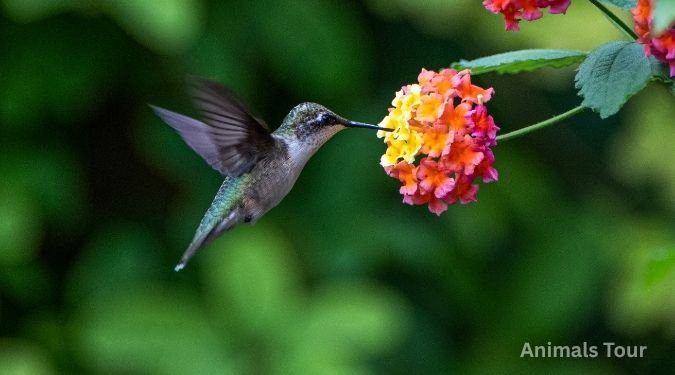
Hummingbirds are tiny birds with almost no body mass. They weigh just a few grams, which means any animal that catches one can overpower it instantly. They have a thin, pointed beak that is used for feeding on nectar, not for fighting. Their fragile bones can be damaged by even a light impact.
Their survival depends entirely on their speed and the ability to hover and dart away quickly. No other bird can match their flight agility, which is their one real advantage. But once a predator catches a hummingbird, escape is almost impossible. This reliance on speed rather than strength is one reason it is sometimes described as the weakest animal in the world.
Domesticated Chickens
Scientific Name: Gallus gallus domesticus
Class: Aves
Diet: Omnivore (grains, seeds, insects)
Domesticated chickens have been bred by humans over so many generations that they have lost most of the instincts and abilities their wild ancestors had. They cannot fly more than a short distance, they are not fast runners compared to many predators, and their bodies are soft and easy to catch. Wild birds of prey, foxes, and dogs can take them with almost no difficulty.
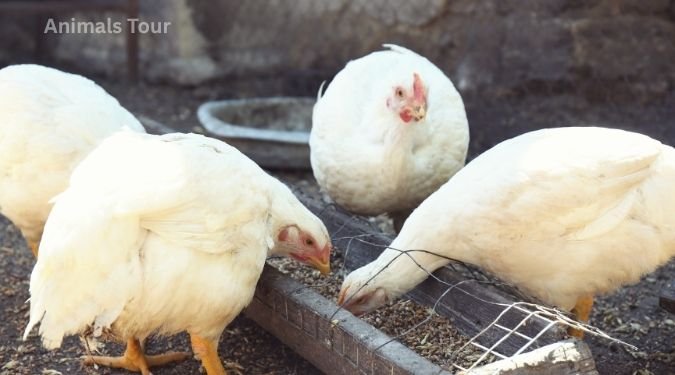
Without a fence, a coop, or a human watching over them, domesticated chickens are in constant danger. They have no real way to protect themselves beyond making noise and flapping their wings in panic. Roosters may show some aggression, but even they cannot do much against a determined predator. These birds exist safely only because of the shelter humans provide.
Axolotl
Scientific Name: Ambystoma mexicanum
Class: Amphibia
Diet: Carnivore (worms, insects, small fish)
The axolotl is a small freshwater salamander from Mexico City’s lake system. It never fully grows up – keeping its soft body, feathery gills, and juvenile features for life. This condition is called neoteny. It has no shell, no real teeth, no speed, and no venom. Herons, large fish, and water birds prey on it easily. Its only response to danger is a slow attempt to swim away. Habitat loss from urban development and pollution has made things worse, pushing it toward extinction in the wild.
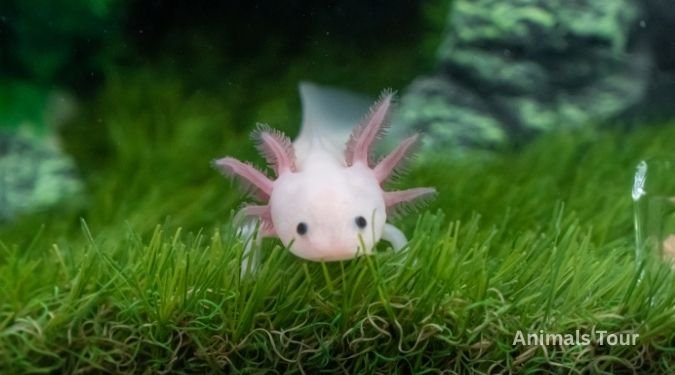
An interesting fact about Axolotl is that it can regrow entire limbs, parts of its heart, its spinal cord, and even sections of its brain – with no scarring. No mammal on earth can do this. This has made it one of the most studied animals in medical science. Researchers hope its secrets could one day help treat human injuries. It also plays a quiet role in its ecosystem by feeding on small insects and invertebrates. The axolotl proves that the most fragile creatures can sometimes carry the greatest gifts.
Guinea Pig
Scientific Name: Cavia porcellus
Class: Mammalia
Diet: Herbivore (grasses, vegetables, fruits)
The guinea pig is a small, soft-bodied rodent originally from the grasslands and rocky areas of South America. It has flat teeth built only for grinding plants, no sharp claws, no protective shell, and no real speed. Its body was simply not built for fighting or escaping. This makes it one of the most physically defenseless small mammals in the animal kingdom, placing it firmly among the weakest animals in the world.
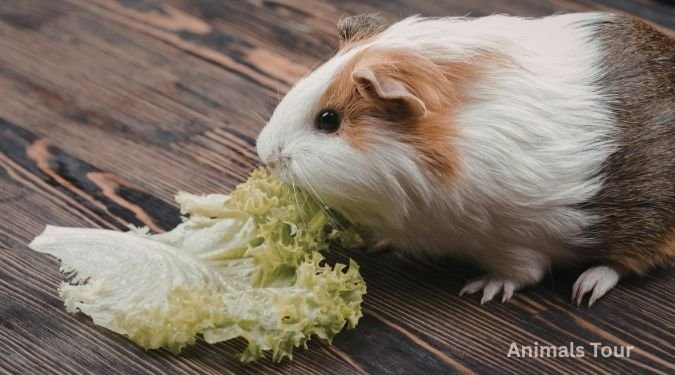
In the wild, its only real survival strategy is group living. Guinea pigs stay close together near rocks and dense vegetation, and when one spots danger it calls out to warn the rest. Yet despite this vulnerability, the guinea pig has shown a quiet resilience over thousands of years. It adapted to human life with ease, requiring little space and tolerating a wide range of climates.
From South American hillsides it spread to homes across every continent. It served Andean communities as a food source for centuries, contributed significantly to medical research, and today lives as a gentle and beloved pet in millions of households.
Flatworm
Scientific Name: Platyhelminthes
Class: Turbellaria (common free-living flatworms)
Diet: Carnivore / scavenger (small organisms, organic matter)
Flatworms are thin, flat, soft-bodied animals that live in water or damp environments. It has no skeleton, no limbs, no lungs, and no circulatory system. Flatworms are found almost everywhere, in oceans, freshwater, damp soil, and even inside the bodies of other animals as parasites. Some are microscopic while others can grow surprisingly long. Their simplicity is what places the flatworm among the weakest animals in the world. They have no hard covering, no speed, no strength, and no way to fight back against a threat.
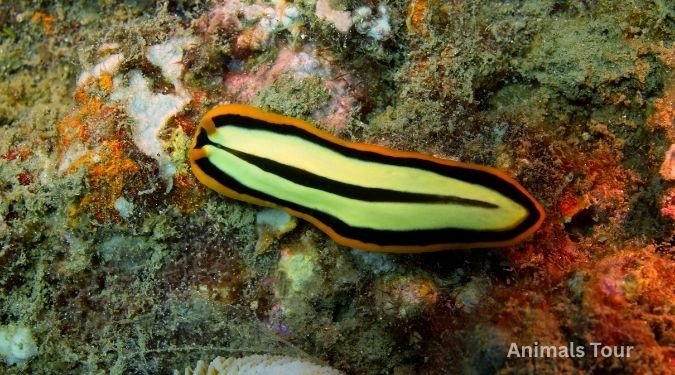
Free-living flatworms like planaria survive by staying hidden in dark, damp environments and moving slowly along surfaces in search of small organisms to feed on. Parasitic flatworms survive by living inside a host, feeding off it quietly without being detected. In both cases, survival depends entirely on staying out of sight rather than facing any challenge directly. Yet for all their weakness, flatworms have existed for hundreds of millions of years, making them one of the most enduring life forms on the planet.
Aphid
Scientific Name: Aphidoidea
Class: Insecta
Diet: Herbivore (plant sap)
Aphids are tiny insects, barely visible to the naked eye, that feed on plant sap. They have no sting, no bite worth mentioning, and no way to physically fight off any creature that wants to eat them. Ladybugs, lacewings, birds, and wasps all prey on aphids in large numbers every day, and there is nothing an aphid can do to stop them. Their survival as a species depends on one thing — reproducing incredibly fast. Aphids can produce offspring without mating during warm months and can create new generations in a matter of days.
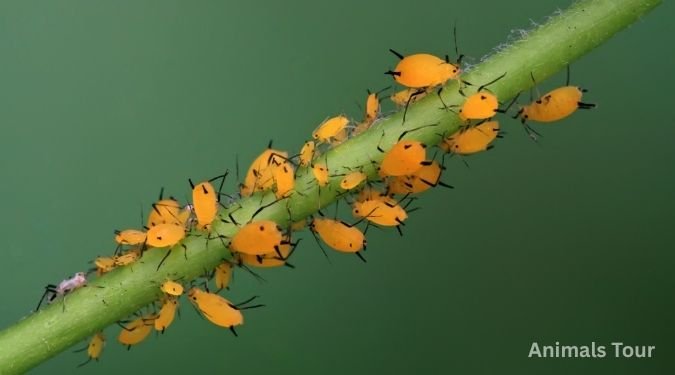
Aphids have a complicated relationship with their environment. For plants, they are genuinely harmful. They suck out sap, weaken the plant, spread viruses, and produce a sticky substance called honeydew that encourages mold growth. However, that same honeydew is a valuable food source for ants, bees, and other insects. Ants in particular protect aphid colonies from predators in exchange for access to it. This is a fascinating example of a mutualistic relationship in nature.
Sea Squirt
Scientific Name: Ascidiacea
Class: Ascidiacea
Diet: Filter feeder (plankton, tiny organic particles)
A sea squirt is a small marine animal that spends its adult life permanently attached to a rock, a dock, or the ocean floor. Once it settles in place, it never moves again. It has no limbs, no eyes as an adult, and no ability to respond to threats in any physical way. It simply sits and filters food from the water, completely exposed to whatever passes by. Some sea squirts produce chemicals in their body that make them taste unpleasant, which discourages a few predators.
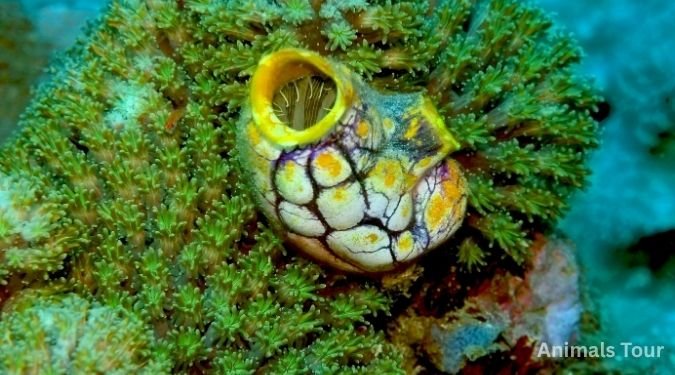
Sea squirts are far more valuable than they look. They are filter feeders, drawing seawater through their bodies and removing bacteria and particles. This helps keep coastal and reef waters clean and clear. They also serve as food for sea slugs, starfish, and certain fish. In science, their contribution is even greater. A compound found in them called trabectedin has been developed into a cancer-fighting medication. Their larval structure has also helped scientists understand early vertebrate evolution. This shows that even the weakest animals can carry huge worth.
Conclusion
The weakest animals in the world prove that survival is not just about strength. Despite lacking powerful defenses, these weak animals use camouflage, speed, or unique adaptations to stay alive. Many also play essential roles in maintaining healthy ecosystems, showing that even the most fragile creatures can have a big impact.
FAQs
What makes an animal “weak” size or strength?
Weakness is measured by muscle strength, physical force, and ability to defend itself, not just size – some tiny animals like ants are incredibly strong relative to their body weight.
What is the least athletic animal?
Sloths
They move so slowly that algae grows on their fur. They have very little muscle mass (about 25% of their body weight, compared to 40–45% for most mammals) and spend up to 20 hours a day sleeping.
What are the top 10 slowest animals in the World?
The 10 slowest animals are the sponge, coral, sea anemone, starfish, dwarf seahorse, garden snail, sloth, tortoise, koala, and Gila monster.
What is the weakest animal in the world?
There is no single answer beacause “weakest” can mean different things. But mostly jellyfish,sloth,snails etc are considered as the weakest animals in the world.
What is meant by weak animals?
Weak animals are creatures that fall short in strength, defense, or resilience, whether it’s low muscle power, fragile bodies, or a lack of real defense mechanisms, making them especially vulnerable compared to the rest of the animal kingdom.