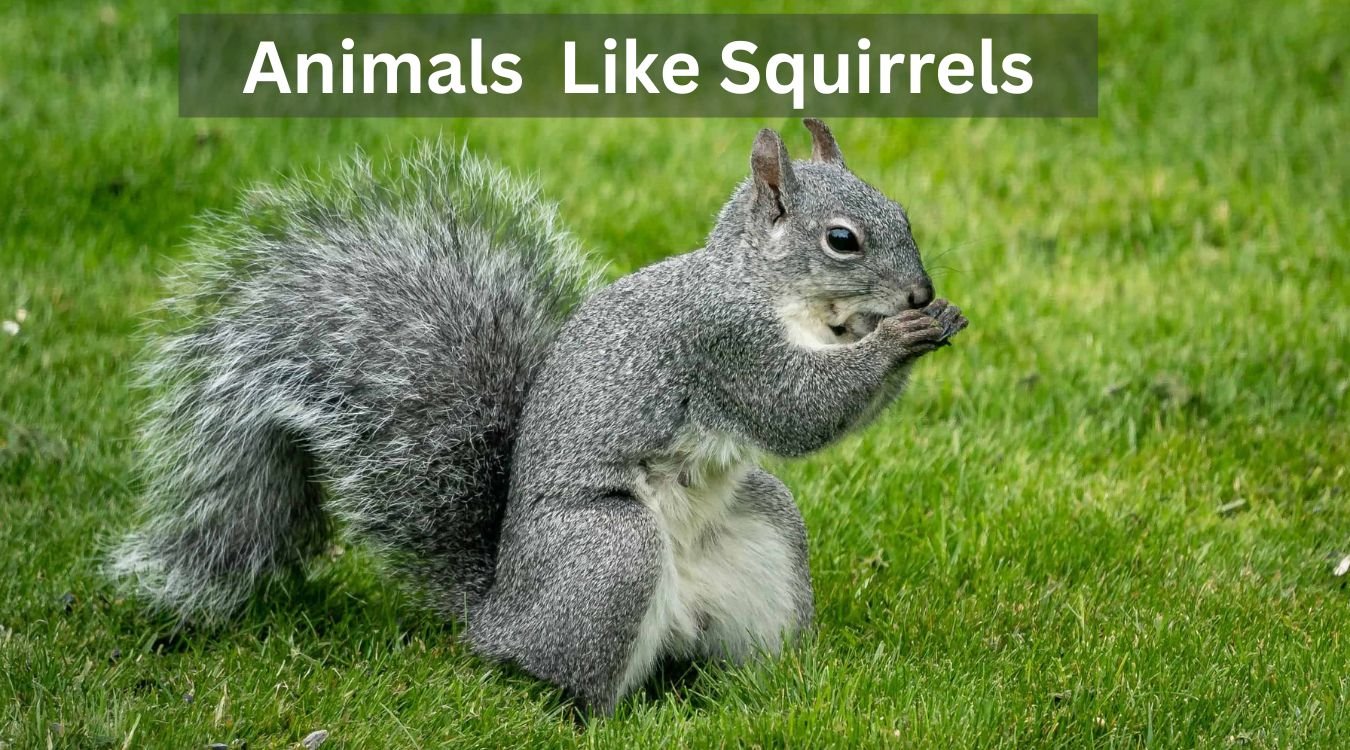
Top 23 Interesting Animals That Look Like Squirrels (With Images)
Who knew that the animal kingdom was filled with creatures that resemble our furry friends, the squirrels? If you’ve ever been curious about the variety of Animals That Look Like Squirrels, you’re in for a treat. This article will introduce you to 23 captivating species, showcasing their unique traits and behaviors. You’ll gain a richer perspective on wildlife, making your next nature walk even more exciting.
23 Examples of Animals That Look Like Squirrels
When you think of small squirrel like animals, it’s easy to picture the common gray squirrel scurrying around your local park. Many people even ask, “Is a squirrel a mammal?” The answer is yes, and squirrels belong to the mammal family alongside many other fascinating species.
Asian squirrels expand this variety even further. The fluffy tailed Indian giant squirrel is a stunning sight, with vibrant colors that make it stand out among its peers. Not to forget the flying squirrels, which take to the air with their impressive gliding abilities.
These animals, despite their differences in size and habitat, share a unique charm. Exploring this world of animal look alikes not only highlights nature’s creativity but also sparks curiosity about their behaviors, habitats, and the roles they play in our ecosystems.
List of Animals Like Squirrels
- Lodgepole Chipmunk
- Hoary Marmot
- White Tailed Prairie Dog
- Plains Pocket mice
- Short tailed Shrews
- Cameroon ScalyTail
- Chinchilla
- Hamsters
- Moles
- Groundhog
- Nutria
- Sugar Glider
- Anomalure
- Gundi
- Beaver
- Jerboa
- Dormouse
- Hutia
- Gopher
- Agouti
- Laotian Rock Rat
- Muskrat
- Bushy Tailed Woodrat
Lodgepole Chipmunk
Scientific Name: Tamias
Class: Mammalia
Diet: Omnivore
The Lodgepole Chipmunk, a squirrel, brings a burst of life to its mountain habitat. Often spotted scurrying among the rocks and tree roots, this chipmunk has a knack for blending into its surroundings thanks to its earthy tones and striking stripes.
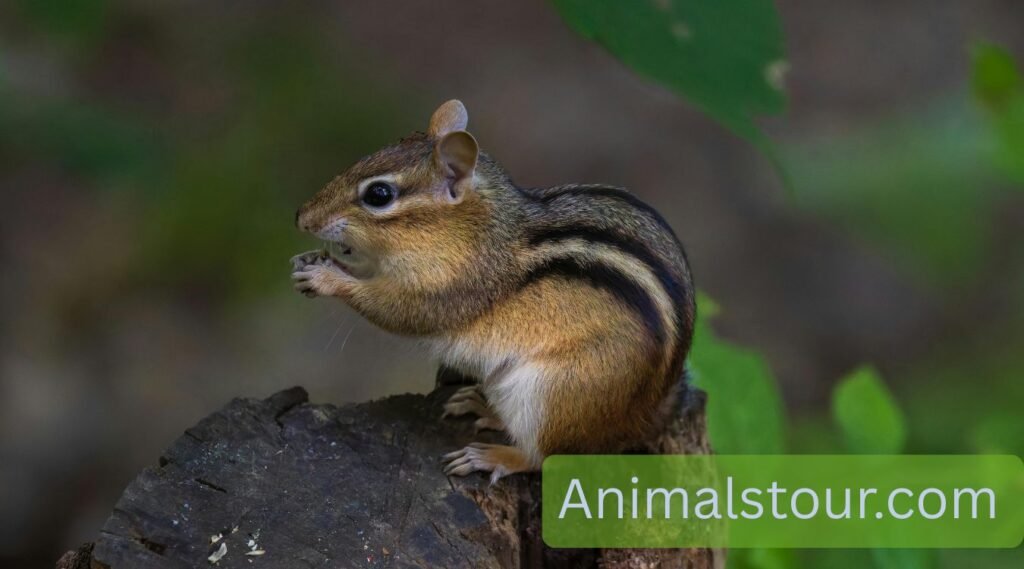
Watching one dart across the forest floor, you might catch a glimpse of its curious nature as it pauses, nose twitching in the air, ever alert to the sounds around it. What makes these little creatures truly amazing is their personality. With a mix of boldness and caution, Lodgepole Chipmunks have a unique way of navigating their world.
They are known for clever foraging, cache building, and a playful camaraderie with their surroundings, making them delightful neighbors in the forests they call home. They serve not only as a reminder of the beauty of nature but also as a testament to the intricate balance of life, showcasing how even the smallest beings have their important roles to play in the ecosystem.
Hoary Marmot
Scientific Name: Marmota caligata
Class: Mammalia
Diet: Herbivore
The hoary marmot is a fascinating creature that might just remind you of the friendly squirrels in your backyard, but it carries its own unique charm. With its thick, fluffy coat and robust body, this animal thrives in the rugged terrains of North America’s mountainous regions.
While it shares some similarities with its squirrel cousins, the hoary marmot has a more substantial presence, often weighing up to 11 pounds. These social animals often gather in groups, creating a lively atmosphere as they whistle and chirp, communicating with each other while foraging for food.
Their diet mainly consists of grasses, flowers, and other mountain plants, making them a vital part of their ecosystems. Watching them bask in the sun or playfully scurry about on rocky slopes offers a glimpse into the vibrant life of wildlife that, just like squirrels, brings joy and wonder to our natural world. So the next time you’re enjoying the great outdoors.
White Tailed Prairie Dog
Scientific Name: Cynomys leucurus
Class: Mammalia
Diet: Herbivore
White tailed prairie dogs are fascinating creatures that often get overlooked. These small animals resemble larger versions of squirrels, with their distinctive bushy tails and playful nature. Living in large colonies, they create intricate underground burrows that serve as homes, nurseries, and even lookout posts.
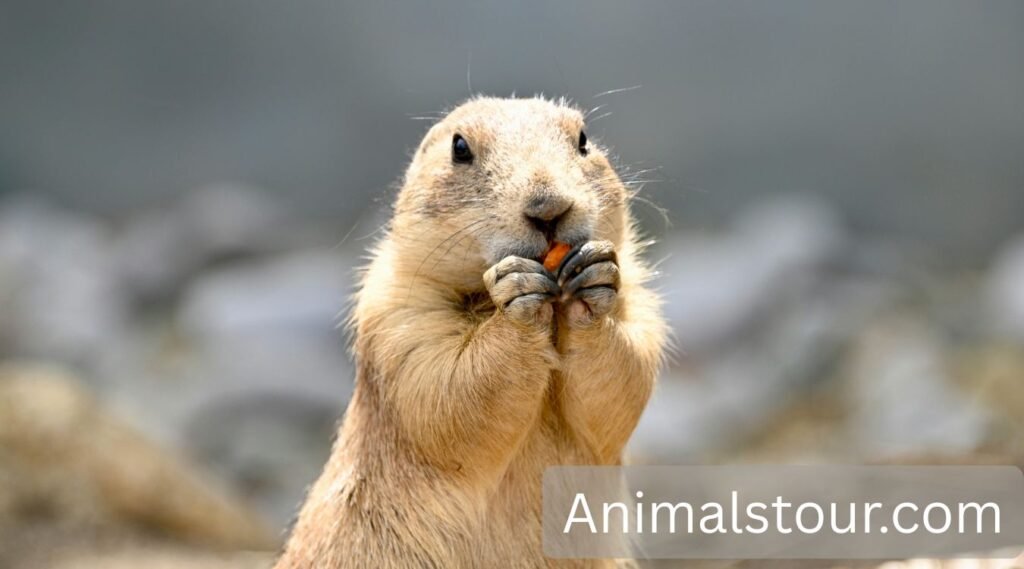
Watching them interact in these bustling communities is a delight, as they communicate with chirps and barks to warn each other of approaching threats. What makes them truly special is their role in the ecosystem. As they dig and aerate the soil, they help promote healthy grasslands, making it easier for other plants and animals to thrive.
Each prairie dog colony is like a tiny city, bustling with life and playing a crucial part in the balance of their habitat. So, the next time you see an animal that looks like a squirrel but bigger, consider the white tailed prairie dog and the important role they play in nature.
Plains Pocket mice
Scientific Name: Perognathus flavescens
Class: Mammalia
Diet: Omnivore
Plains pocket mice are fascinating little creatures that deserve the spotlight. These small squirrels are often overlooked, but they play a crucial role in their ecosystems. Found primarily in the grasslands of North America, these tiny mice have adapted uniquely to their surroundings, making them masters of survival.
One of the most interesting features of plains pocket mice is their cheek pouches. They can store food in these pouches, allowing them to gather and transport seeds efficiently. This not only helps them survive but also contributes to the spread of plants in their habitat.
Observing one of these energetic mice scurrying about, collecting morsels, brings a smile and highlights the intricate balance of nature. Their life, while small, has a big impact on their world.
Short tailed Shrews
Scientific Name: Blarina brevicauda
Class: Mammalia
Diet: Carnivore
Short tailed shrews may be small, but they pack a surprising punch in the animal kingdom. Often mistaken for a mouse, these creatures have a unique appearance a body that is more stout and a face that resembles their distant relatives, like a squirrel like animal.
Their fur is sleek and dark, giving them a distinctive look that sets them apart. What makes short tailed shrews truly fascinating is their incredible metabolism. Unlike many mammals, they need to eat almost constantly to survive, which drives them to forage tirelessly.
Their sharp teeth allow them to consume everything from insects to small rodents. This relentless hunger makes them vital players in their ecosystems, helping control pest populations and contributing to the health of their habitats. In a way, these tiny animals are unsung heroes, working behind the scenes to maintain balance in nature.
Cameroon ScalyTail
Scientific Name: Idiurus zenkeri
Class: Mammalia
Diet: Omnivore
The Cameroon ScalyTail is a fascinating creature that often gets overshadowed by more popular animals. This unique rodent is sometimes compared to squirrels due to its energetic nature and climbing skills. It stands out with its specially adapted tail covered in scales, which helps it grip tree bark as it moves through the forest.
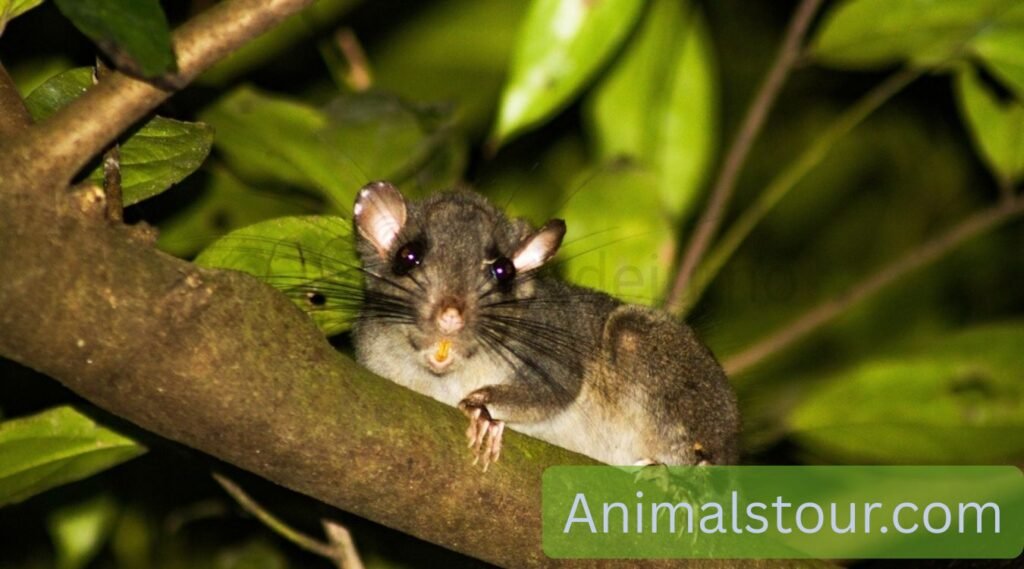
Imagine a tiny acrobat, leaping from branch to branch, showcasing a talent for navigating its lush habitat. What’s truly remarkable is its role in the ecosystem. By munching on fruits and seeds, the Cameroon ScalyTail helps in seed dispersal, promoting forest growth.
This vibrant animal is not just a survivor; it’s an essential part of its environment. Learning about its life and behaviors offers a window into the rich biodiversity of Cameroon. So, next time you think of playful animals like squirrels, remember the scaly tail and the secrets it holds in the heart of the forest.
Chinchilla
Scientific Name: Chinchilla lanigera
Class: Mammalia
Diet: Herbivore
Chinchillas are fascinating little creatures that often remind us of animals that look like squirrels. With their fluffy fur and large, expressive eyes, they have a charm that captures many hearts. Unlike squirrels, which are commonly found in backyards, chinchillas originate from the Andes mountains in South America, where they adapted to survive in rocky terrains and chilly climates.
These nocturnal animals are incredibly social and thrive in pairs or small groups. Their playful nature makes them delightful companions, but they also require special care. With their sensitive skin, they thrive best in dust baths rather than water, making their grooming routine unique.
Observing a chinchilla leaping and playing can bring a smile to anyone’s face, as they embody both energy and grace in their movements. If you’re considering a pet that brings joy and whimsy, a chinchilla might just be the perfect fit.
Hamsters
Scientific Name: Mesocricetus auratus
Class: Mammalia
Diet: Omnivore
Hamsters are unique little creatures that bring joy to many homes. Unlike animals like squirrels, which thrive outdoors, hamsters find comfort in cozy cages. Their small size and playful nature make them perfect companions for people of all ages.
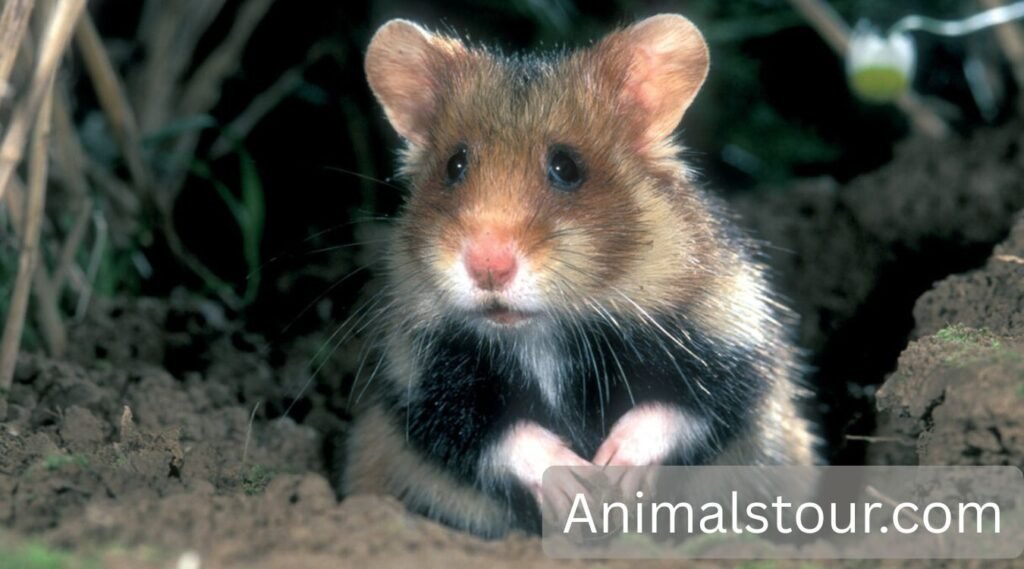
Watching them run on their wheels or stuff their cheeks with food can bring a smile to anyone’s face. One interesting fact about hamsters is their nocturnal habits. While we humans are winding down for the night, these tiny furballs are just getting started, zipping around their enclosures.
This makes them perfect pets for night owls or those who enjoy an evening show. They might be tiny, but their personalities are larger than life, filled with curiosity and mischief that keeps you entertained every day.
Moles
Scientific Name: Talpa europaea
Class: Mammalia
Diet: Insectivore
Moles are fascinating little creatures that often go unnoticed in our gardens and yards. These small, squirrel like animals spend most of their lives underground, making them masters of excavation. With their velvety fur and unique spade shaped hands, they are built for digging, creating intricate tunnel systems that can stretch for miles.
While many people see them as pests, these tiny mammals play a crucial role in aerating the soil and controlling insect populations. Their diet primarily consists of earthworms and grubs, which they hunt and store for later. What’s intriguing is their ability to detect vibrations in the ground, helping them navigate in darkness.
Moles might not have the most glamorous reputation, but they are essential to maintaining healthy ecosystems. So next time you spot a molehill, remember: these unassuming creatures are hard at work beneath our feet, contributing to the world around us in ways we often overlook.
Groundhog
Scientific Name: Marmota monax
Class: Mammalia
Diet: Herbivore
Groundhogs, often mistaken for their squirrel like cousins, have a unique charm that goes beyond their plump appearance. These furry creatures are expert diggers, constructing extensive burrow systems that can reach up to 30 feet deep.
Their intricate homes provide shelter from predators and harsh weather, showcasing their impressive survival skills. Unlike the common perception of them as mere weather predictors on Groundhog Day. By aerating the soil and dispersing seeds, they help foster plant growth and maintain the health of their surroundings.
Observing groundhogs in their natural habitat offers a glimpse into their playful nature, as they scamper around, munching on greens and communicating with one another through a series of chirps and whistles.
Nutria
Scientific Name: Myocastor coypus
Class: Mammalia
Diet: Herbivore
Nutria, often mistaken for oversized squirrels, are fascinating creatures that stand out with their distinctive features. These semi aquatic rodents have a long, rat like body, but their thick, fur covered tails set them apart. Found in marshy areas, they’ve adapted well to environments that offer plenty of water, making them expert swimmers.
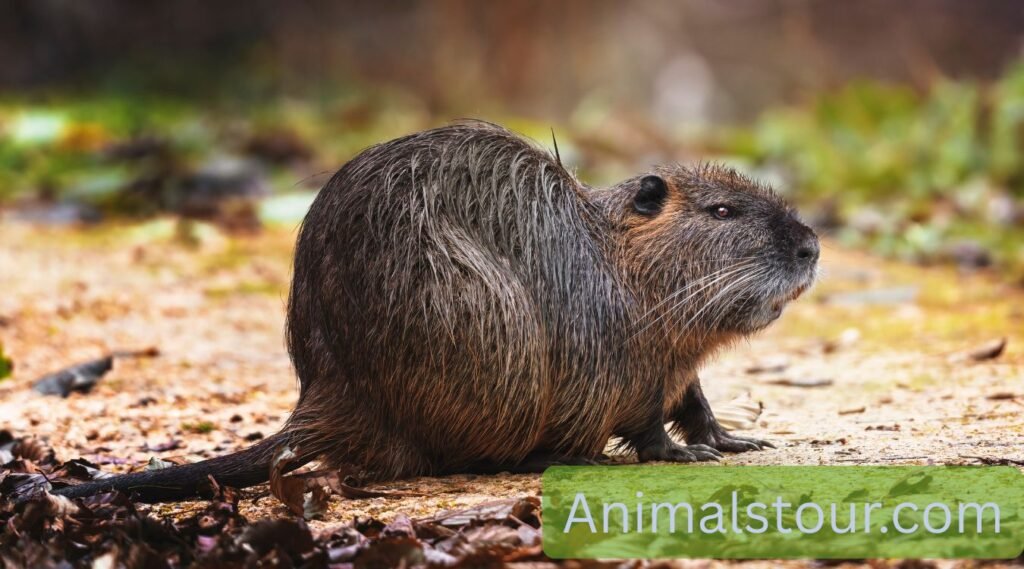
Unlike the playful squirrels we’re used to seeing in parks, nutria have a more serious demeanor and tend to stick to the water’s edge, where they graze on plants. One of the surprising aspects of nutria is their impact on ecosystems. While they can help manage wetlands by munching on invasive plants, their rapid reproduction can also lead to habitat destruction.
This duality makes them both a boon and a bane to local wildlife. Observing these animals can offer insight into nature’s balance and the delicate lines between species that thrive and those that struggle. Despite their resemblance to squirrels, nutria remind us that nature never fails to surprise us with its diversity.
Sugar Glider
Scientific Name: Petaurus breviceps
Class: Mammalia
Diet: Omnivore
Sugar gliders, with their big eyes and soft fur, are often compared to adorable little flying squirrels. These cute marsupials are nocturnal, coming alive at night with playful energy. They glide gracefully through the trees, using their unique skin flaps to soar from branch to branch.
This ability not only helps them escape predators but also aids in foraging for food in the wild, where they enjoy a diet of fruits, nectar, and insects. What truly sets sugar gliders apart is their social nature.
They thrive in groups, forming strong bonds with their companions. If you’re lucky enough to have one as a pet, you’ll find that they enjoy human interaction and can even learn to recognize their owners. Keeping a sugar glider means committing to their social needs, ensuring they have company, whether it’s another sugar glider or lots of time spent with you.
Anomalure
Scientific Name: Anomalurus
Class: Mammalia
Diet: Herbivore
Anomalure, often called the flying mouse, is a fascinating little creature that shares its charm with animals like squirrels. These unique rodents are native to Africa, where they glide gracefully from tree to tree, thanks to their special membrane that stretches from their wrists to their ankles.
Unlike squirrels, which rely on sheer speed and agility, anomalures gracefully glide, showcasing a different kind of skill in their movement through the canopy. What sets anomalure apart isn’t just their ability to fly but their playful nature.
They are social animals, often found frolicking in groups, which adds to their appeal. Watching them interact can feel like seeing a lively dance play out amidst the trees. Their nocturnal habits mean they come alive at night, bringing an enchanting energy to the forest as they explore, forage, and communicate with one another.
Gundi
Scientific Name: Ctenodactylus gundi
Class: Mammalia
Diet: Herbivore
Gundis are fascinating little creatures that often get overshadowed by more popular animals like squirrels. Native to rocky regions in North Africa and parts of the Middle East, these small rodents can be seen sunbathing on warm stones or darting around in search of food.
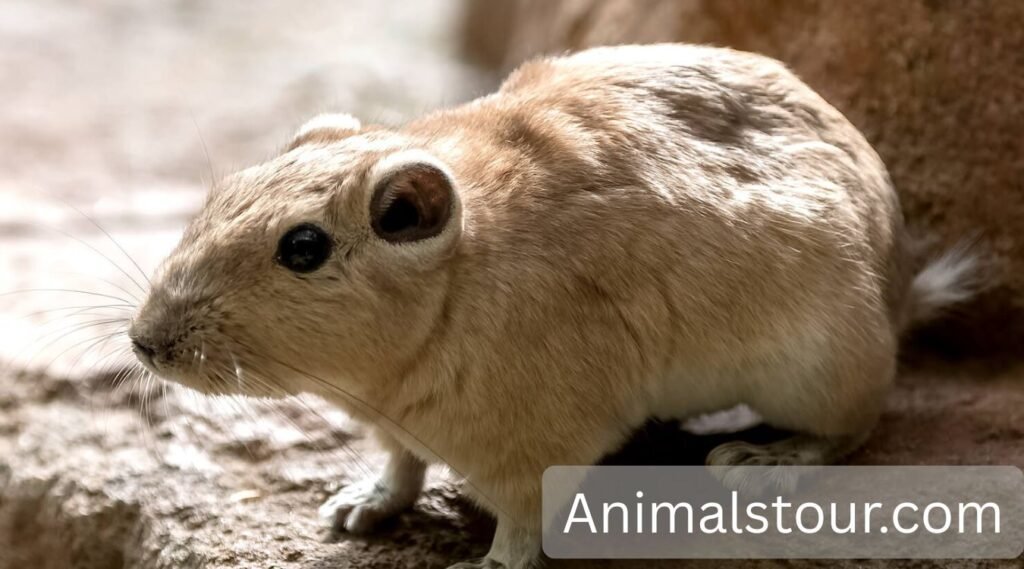
With their chunky bodies and short legs, they might not look like much, but they have unique adaptations that make them perfectly suited for their rugged habitats. What makes gundis especially intriguing is their social behavior.
They live in small groups, often seen grooming each other and sharing food. This strong sense of community helps them thrive in harsh environments, much like how squirrels will work together to find food caches. Observing these gentle little animals reminds us of the value of connection in the animal kingdom, showing that even in the wild, friendships can flourish.
Beaver
Scientific Name: Castor canadensis / Castor fiber
Class: Mammalia
Diet: Herbivore
Beavers, often seen as nature’s engineers, play a crucial role in their ecosystems. These furry creatures don’t just build dams; they create entire wetlands that provide habitats for various animals like deer, rabbits, and even birds.
When they block streams with their intricate constructions, they slow down water flow, which helps recharge groundwater and supports lush plant growth around them. Watching a beaver at work reveals a fascinating blend of determination and teamwork.
They gather sticks and mud, using their powerful teeth to gnaw through trees with surprising ease. Just as animals like squirrels excel at gathering food, beavers show us how cooperation and hard work can lead to thriving communities in the wild. Their presence often indicates a healthy environment, making them essential players in the saga of our natural world.
Jerboa
Class: Mammalia
Diet: Omnivore
The jerboa is a small, desert dwelling creature that captivates anyone lucky enough to encounter it. With long legs and a tiny body, this little jumper reminds many of an eastern Asian squirrel. Its ability to leap great distances is not just impressive; it’s essential for escaping predators in the harsh desert environment.
What sets jerboas apart is their unique adaptations. They have large ears to dissipate heat and help them hear threats from afar. Their fur patterns often mimic the sandy backdrop of their homes, offering a clever camouflage.
Observing a jerboa in motion is like witnessing a living ballet, as they bound gracefully across the dunes, showcasing nature’s artistry and resilience in a challenging habitat.
Dormouse
Scientific Name: Gliridae
Class: Mammalia
Diet: Omnivore
The dormouse often catches our attention with its charming features. Native to Europe and parts of Asia, these tiny creatures are renowned for their long hibernation periods, sometimes lasting up to eight months.
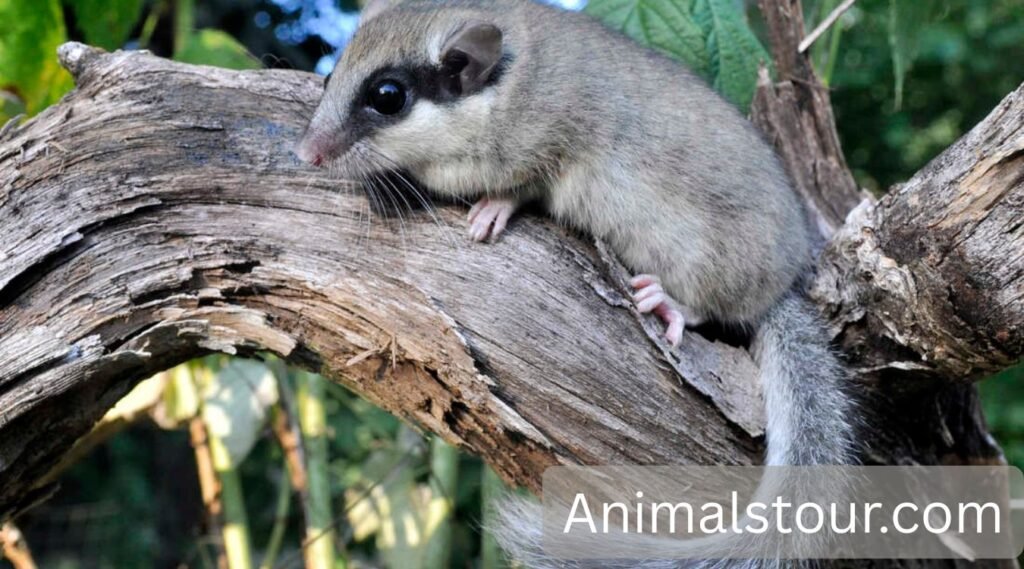
This behavior isn’t just a survival tactic; it’s an intricate dance with nature, showcasing how well they adapt to seasonal changes. When spring arrives, they emerge, bringing with them a sense of warmth and renewal. Unlike the more common squirrels that scurry about, dormice are known for their gentle, slow movements.
They prefer to nest in cozy tree hollows or thick underbrush, giving them a sense of security as they go about their peaceful lives. Their big eyes and soft fur add to their endearing appeal, making them a favorite among wildlife enthusiasts. Observing a dormouse can remind us of the beauty in life’s quiet moments, where stillness speaks volumes.
Read more: Discover 13 Animals That Look Like Otters.
Hutia
Scientific Name: Capromyinae
Class: Mammalia
Diet: Herbivore
Hutias are fascinating creatures that often fly under the radar, but their charm is hard to ignore. These squirrels are native to the Caribbean, particularly found in places like Cuba. With their stout bodies and bushy tails, hutias resemble a mix between a rat and a squirrel, making them unique in appearance.
They thrive in the lush forests, usually found nibbling on leaves, buds, and even fruits. What makes hutias particularly intriguing is their social nature. They live in groups, often seen foraging together during the day.
This behavior not only helps them find food more efficiently but also offers safety in numbers. Sadly, habitat loss and hunting have endangered them in some areas, highlighting the need for conservation efforts. Understanding and protecting these delightful creatures can remind us of the rich biodiversity we must cherish.
Gopher
Scientific Name: Geomyidae
Class: Mammalia
Diet: Herbivore
Gophers are often overlooked, but these squirrels have an amazing life beneath our feet. With their stout bodies and short legs, they’re experts at digging, creating extensive tunnel systems in search of food like roots and bulbs.
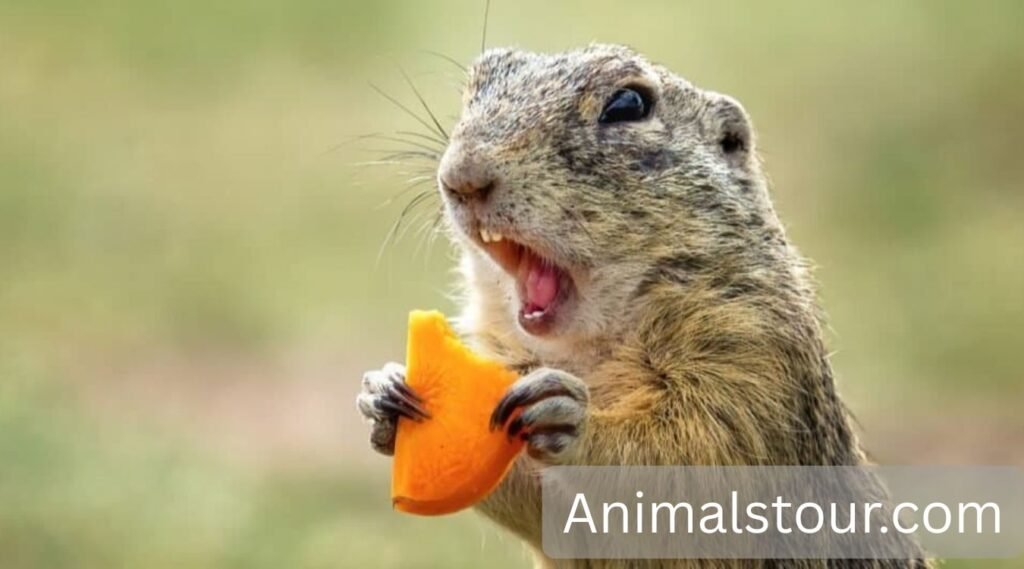
Unlike their tree dwelling cousins, gophers spend most of their time underground, which adds an air of mystery to their habits and habitats.Their tunneling aerates the soil, helping plants grow healthier and stronger.
Plus, they serve as a food source for various predators, creating a balance in nature. Observing a gopher’s behaviors can remind us that even the smallest animals have important roles in our world, making these humble creatures worthy of our admiration.
Agouti
Scientific Name: Dasyprocta
Class: Mammalia
Diet: Herbivore
Agoutis are fascinating creatures that resemble a mix between a squirrel and a small rodent. These nimble animals can often be seen darting through the underbrush in tropical forests, showcasing their agility and speed.
Unlike their tree dwelling counterparts, agoutis prefer to stay closer to the ground, foraging for fruits, seeds, and roots. Their keen sense of smell helps them locate hidden treasures, making them essential players in seed dispersal for many plants.
Their fur comes in earthy tones, blending beautifully with their forest surroundings, which gives them an edge against predators. One unique trait of agoutis is their social behavior; they often form small groups to enhance safety in numbers.
Laotian Rock Rat
Scientific Name: Laonastes aenigmamus
Class: Mammalia
Diet: Herbivore
The Laotian Rock Rat, often mistaken for an Asian squirrel, showcases remarkable traits that set it apart. This small, squirrel like animal is a delightful enigma, combining features of rodents and primitive mammals.
Found in the lush forests of Laos, its unique appearance, with long whiskers and sturdy body, makes it a standout among its peers. What makes the Laotian Rock Rat particularly fascinating is its ancient lineage. It’s a living link to a time when similar creatures roamed the earth.
Conservationists are eager to study this rare species, as its survival hints at the health of its habitat. By focusing on the Laotian Rock Rat, we can understand broader environmental issues and the importance of preserving diverse wildlife.
Muskrat
Scientific Name: Ondatra zibethicus
Class: Mammalia
Diet: Mostly herbivore
Muskrats are often overlooked in the animal kingdom, but they deserve more attention. With their sleek bodies and long tails, these squirrels can be found in wetlands across North America. Unlike their distant relatives, muskrats are excellent swimmers, using their webbed feet to navigate through muddy waters.
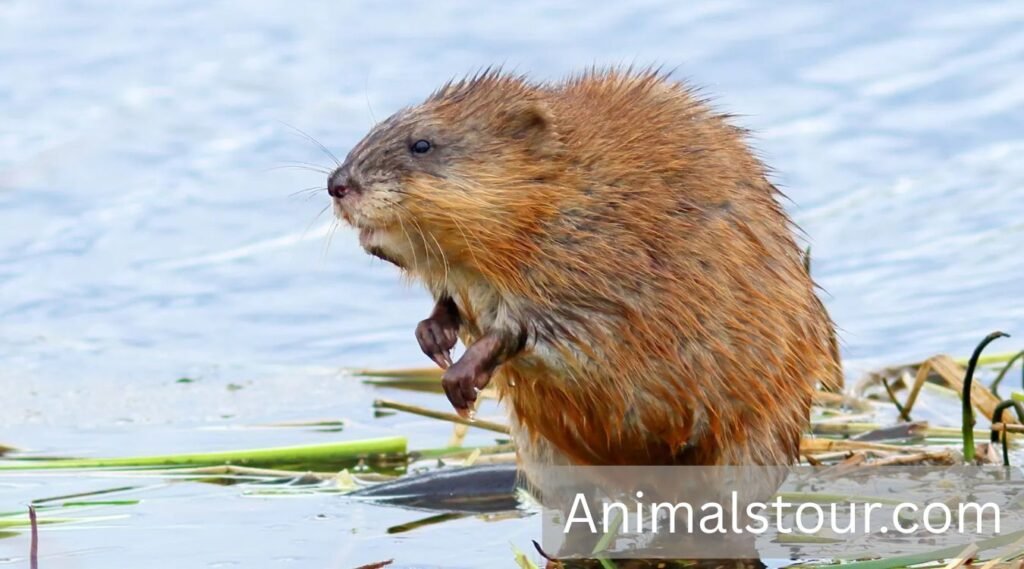
Observing them can be a real treat, as they often pop up to the surface for a quick breath, showcasing their curious nature. By digging tunnels and making lodges from reeds and mud, muskrats help create habitats for other wildlife.
Their foraging habits also contribute to maintaining healthy wetland vegetation. If you take the time to watch them, you’ll discover they are not just rodents; they are busy architects of their environment, bringing life and balance to the landscapes they inhabit.
Bushy Tailed Woodrat
Scientific Name: Neotoma cinerea
Class: Mammalia
Diet: Herbivore
The Bushy Tailed Woodrat is an adorable squirrel that often goes unnoticed. With its fluffy tail and curious eyes, it adds charm to its desert or forest habitat. Unlike its better known relatives, this little creature has a knack for collecting shiny objects, which it stashes away in its den.
Imagine walking through the woods and discovering a hidden stash of treasures, an interesting glimpse into the woodrat’s quirky personality. This rodent is quite resourceful too. Bushy Tailed Woodrats are impressive architects, building intricate nests from sticks, leaves, and other materials they find.
These nests not only serve as homes but also provide safety from predators. Spending time watching them gather supplies can offer a soothing perspective on nature’s small wonders. In a world often bustling with larger creatures.
Final Words
The animal kingdom is full of fascinating creatures that share similarities with squirrels, from chipmunks and marmots to sugar gliders and bushy tailed woodrats. While these animals may look alike, each species has its own unique adaptations, behaviors, and role in the ecosystem.
Learning about animals that look like squirrels helps us appreciate the incredible diversity of wildlife and the many ways nature solves the challenges of survival. Whether you’re curious about squirrel like animals, wondering what animal looks like a squirrel but bigger, or simply exploring the wonders of nature, these remarkable species prove that appearances can be both familiar and surprisingly diverse.
FAQs
What animals that look like squirrels but aren’t?
Animals like chipmunks, sugar gliders, dormice, and marmots may look like squirrels, but some belong to different animal groups or families.
Are tree squirrels and ground squirrels the same?
No, tree squirrels live in trees, while ground squirrels dig burrows in the ground.
What animal looks like a squirrel but bigger?
A marmot is one of the most common animals that looks like a larger version of a squirrel because of its furry body and bushy appearance.