Top 22 Most Curious Animals: Complete Guide To Habits, Diets & Fun Facts (With Images)
Prepare to be amazed as we dive into the fascinating world of the most curious animals on Earth! The animal kingdom is brimming with creatures whose inquisitive natures and surprising behaviors consistently capture our imagination. In this captivating article, we’ve compiled a list of the top 22 most curious animals, each showcasing unique traits that make them incredibly intriguing to observe. Get ready to explore their playful antics, unusual habits, and remarkable adaptations, all brought to life with stunning images that highlight their individual charm and wonder.
List of Most Curious Animals
Below is the list of most curious animals in the world:
- Octopus
- Cats
- Puppies
- Elephant
- African Grey Parrot
- Monkeys
- Meerkats
- Toothfish
- Foxes
- Bushbabies
- Gorilla
- Raccoon
- Penguins
- Dolphins
- Squirrel
- Otters
- Giraffes
- Axolotl
- Crows
- Platypus
- Hamster
- Spider
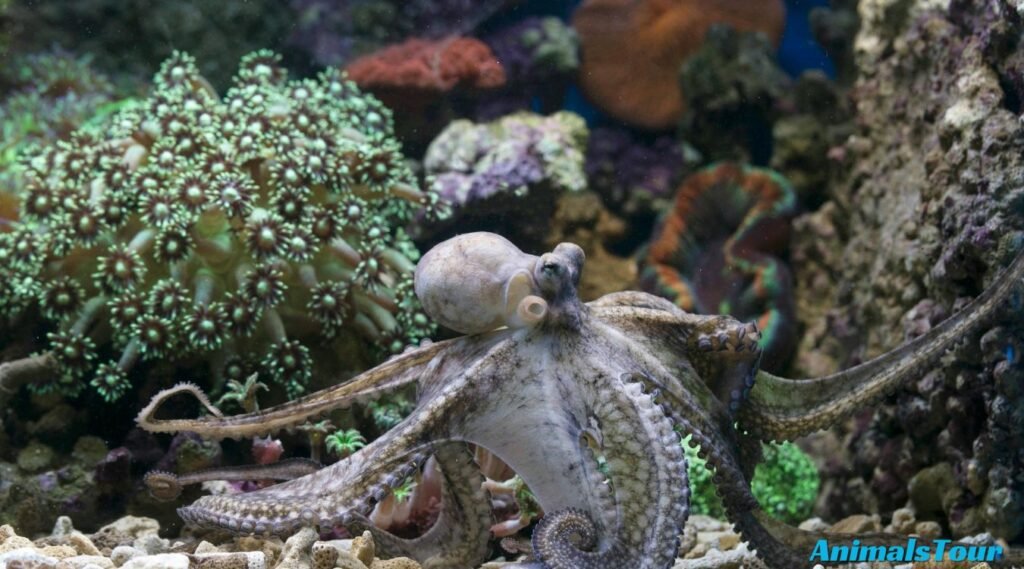
Octopus
Scientific Name: Octopus vulgaris
Class: Cephalopoda
Diet: Carnivore
Discover why the octopus is truly one of the most curious animals in the ocean, captivating marine enthusiasts with its extraordinary characteristics. From its incredible habits like advanced problem-solving and masterful camouflage, to its role as an intelligent predator, the octopus diet primarily features crabs, shellfish, and small fish, expertly caught and consumed.
Beyond their hunting prowess, fun facts about octopuses are equally astounding: they boast three hearts, blue blood, and can squeeze through incredibly small openings, showcasing unparalleled adaptability. This deep dive into octopus facts reveals a creature of remarkable intelligence and unique survival strategies, making them endlessly fascinating.
Cats
Scientific Name: Felis catus
Class: Mammalia
Diet: Carnivore
Cats are truly one of the most curious animals, always exploring their world with keen senses and playful energy. Their common habits include lots of napping, grooming, and sudden bursts of energetic play, but they are most known for investigating every new sight or sound. Regarding their diet, cats are obligate carnivores, meaning they absolutely need meat-based food to get the right nutrients and stay healthy.
Fun facts about cats include their ability to make over 100 different sounds and their unique purr, which can mean both happiness and self-healing. Understanding these fascinating cat habits, their specific diet needs, and these interesting facts helps us appreciate why our feline friends are such wonderfully curious and engaging pets.

Puppies
Scientific Name: Canis lupus familiaris
Class: Mammalia
Diet: Omnivore
Puppies are super inquisitive animals, always looking for new things, and learning about their habits, what they eat, and some fun facts makes them even more special. They use their noses and mouths to check out everything, from new toys to your shoelaces, which helps them learn about their world. Their day is usually full of sleeping a lot (sometimes up to 20 hours!), playing games, and exploring every corner. For food, puppies need special meals often throughout the day, packed with nutrients to help them grow big and strong.
A fun fact is that puppies are born blind and deaf, relying completely on their mom at first, and their sense of smell is incredibly powerful. Knowing about their curiosity, daily routines, special food, and cool facts shows just how amazing these little furry friends really are.

Elephant
Class: Mammalia
Diet: Herbivore
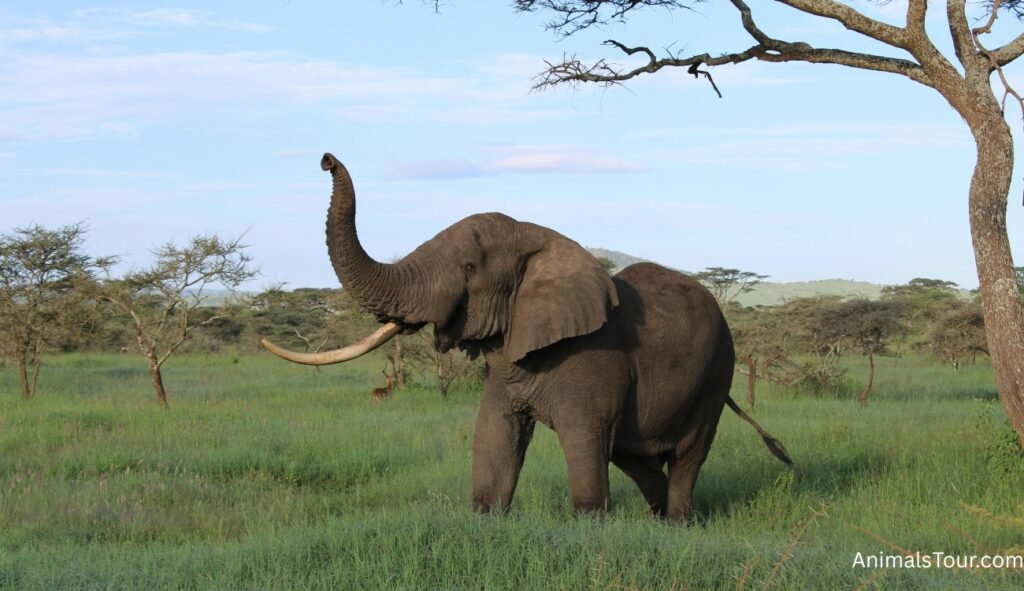
Elephants undeniably stand out as one of nature’s most curious and intelligent animals, captivating observers with their complex lives. Their fascinating habits encompass intricate matriarchal societies, sophisticated communication via infra sound, and remarkable problem-solving skills, all showcasing their profound intelligence and emotional depth. As obligate herbivores, their massive daily diets of grasses, leaves, bark, and fruit are crucial for their survival and significantly shape their ecosystems.
Beyond their impressive size, discover intriguing fun facts like the astonishing dexterity of their trunks, their legendary long-term memory, and their deep emotional bonds, solidifying their status as truly unique mammals. Exploring a complete guide to elephant habits, diets, and fun facts reveals why these magnificent creatures are truly wonders of the natural world.
African Grey Parrot
Scientific Name: Psittacus erithacus
Class: Aves
Diet: Herbivore
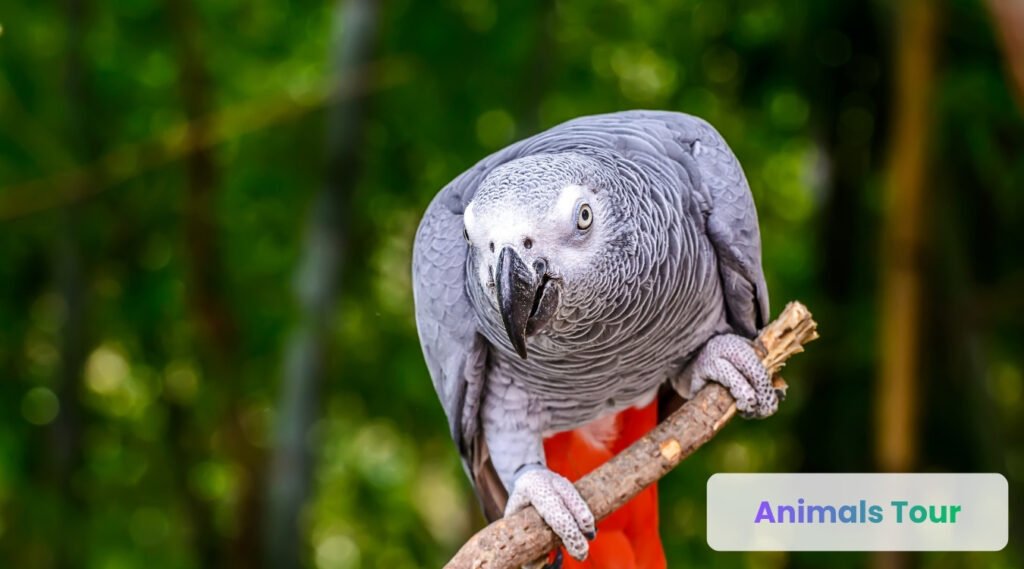
Discover why the African Grey Parrot stands out as one of the most curious animals in the avian kingdom, a trait that makes them captivating companions. This complete guide delves into their fascinating habits, from their remarkable problem-solving abilities demonstrating high intelligence to their intricate social structures in the wild. We’ll explore their specific diets, emphasizing the balanced nutrition vital for these intelligent birds, including seeds, fruits, vegetables, and specialized pellets.
Beyond their well-known vocalization and mimicry skills, prepare to uncover surprising fun facts about their advanced cognition, emotional depth, and unique adaptations. Unlocking the secrets of the African Grey Parrot offers an enriching journey into understanding these truly extraordinary and curious pets.
Monkeys
Class: Mammalia
Diet: Omnivore
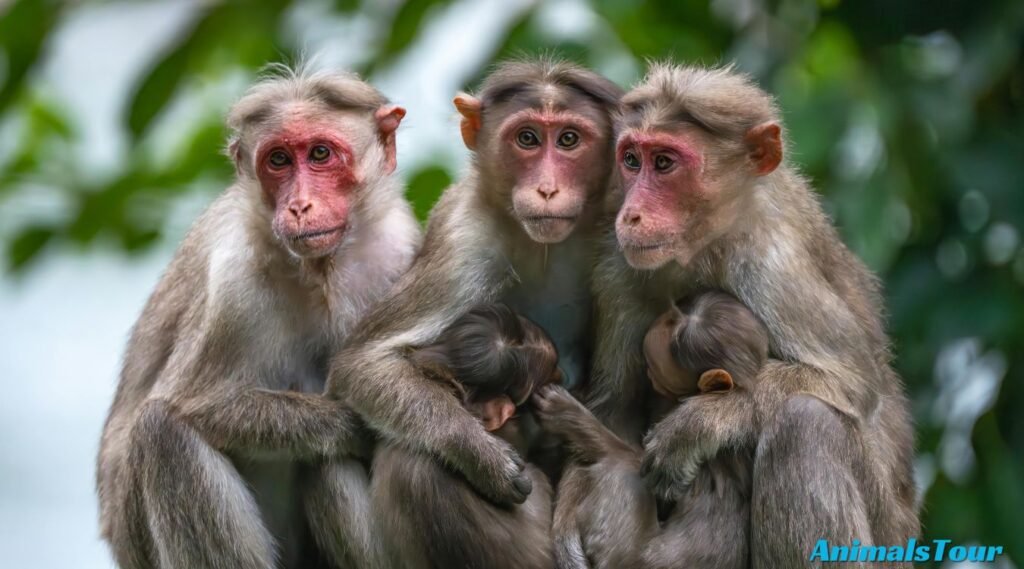
Monkeys truly rank among the most curious animals on Earth, constantly exploring their diverse environments with remarkable intelligence and adaptability. Their fascinating primate habits encompass complex social structures, intricate communication, and ingenious problem-solving, all driven by an insatiable desire to understand their surroundings. Regarding their varied monkey diet, most species are omnivores, enjoying a wide array of fruits, leaves, insects, and even small vertebrates, which fuels their energetic daily explorations and cognitive development.
Beyond their dietary needs, fun facts about monkeys include their impressive ability to use tools, mimic human actions, and form strong, intricate familial bonds, showcasing their advanced cognitive abilities and engaging personalities. This inherent curiosity, coupled with their diverse diets and intriguing behaviors, firmly establishes monkeys as a captivating and highly intelligent facet of the animal kingdom. There are many Small monkeys breeds in the world.
Meerkats
Scientific Name: Suricata suricatta
Class: Mammalia
Diet: Carnivore
Meerkats stand out as truly one of the most inquisitive animals, captivating observers with their distinctive habits, specialized diets, and a host of fascinating facts. These highly social desert dwellers are renowned for their intricate cooperative habits, including elaborate burrow networks and the iconic sentinel duty where one stands guard, scanning for predators. While their diet primarily consists of insects and scorpions—to which they possess a surprising immunity—meerkats are also opportunistic, consuming small reptiles, birds, eggs, and even plant matter, showcasing their adaptability.
Beyond their keen hunting skills, meerkats engage in fascinating behaviors like sunbathing and demonstrate complex communication, making every interaction a display of their remarkable intelligence and teamwork. From their vigilant sentinels to their diverse foraging, meerkats offer an endless source of intrigue, solidifying their status as truly one of the most curious and engaging creatures in the animal kingdom.

Toothfish
Scientific Name: Dissostichus mawsoni
Class: Actinopterygii
Diet: Carnivore
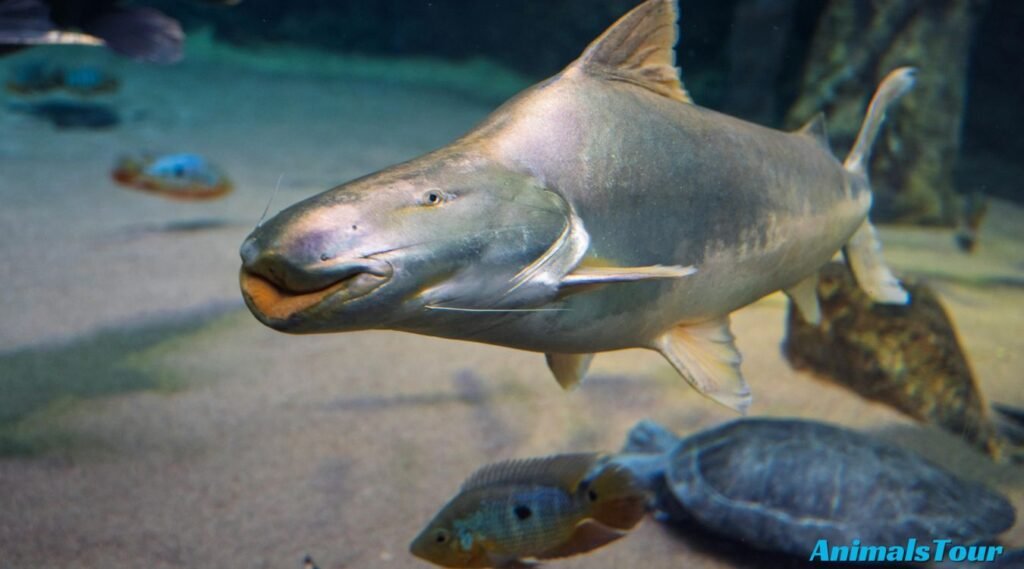
Often hailed as one of the ocean’s most curious inhabitants, the toothfish offers a fascinating glimpse into deep-sea life, boasting unique habits, a specialized diet, and an array of surprising fun facts. These remarkable deep-sea predators, primarily found in the frigid waters of the Antarctic, exhibit extraordinary adaptations, including living for decades and possessing natural antifreeze proteins that prevent their blood from freezing.
Their predatory habits involve ambushing a diverse diet of squid, smaller fish, and crustaceans in the abyssal depths. Furthermore, their resilience and role in the ecosystem make them a subject of intense scientific interest and a sought-after species. Unveiling the mysteries of the toothfish truly highlights why this magnificent creature remains an endlessly intriguing subject for marine enthusiasts and researchers alike.
Foxes
Scientific Name: Vulpes vulpes
Class: Mammalia
Diet: Omnivore
Foxes truly stand out as one of the most curious and inquisitive animals in the wild, deserving a comprehensive look into their captivating world of habits, diets, and fun facts. These fascinating canids display remarkable adaptability, often seen as nocturnal hunters with keen senses, though their social structures can range from solitary living to raising families of kits in intricate dens.
Their highly versatile omnivorous diet allows them to thrive in various environments, feasting on everything from small rodents and birds to insects, fruits, and berries, making them incredibly resourceful foragers. Beyond their hunting prowess, did you know a group of foxes is called a ‘skulk’ or ‘leash,’ and they communicate with an astonishing array of over 20 distinct sounds? Explore the intriguing daily lives of foxes to uncover the full extent of their cleverness and unique charm.

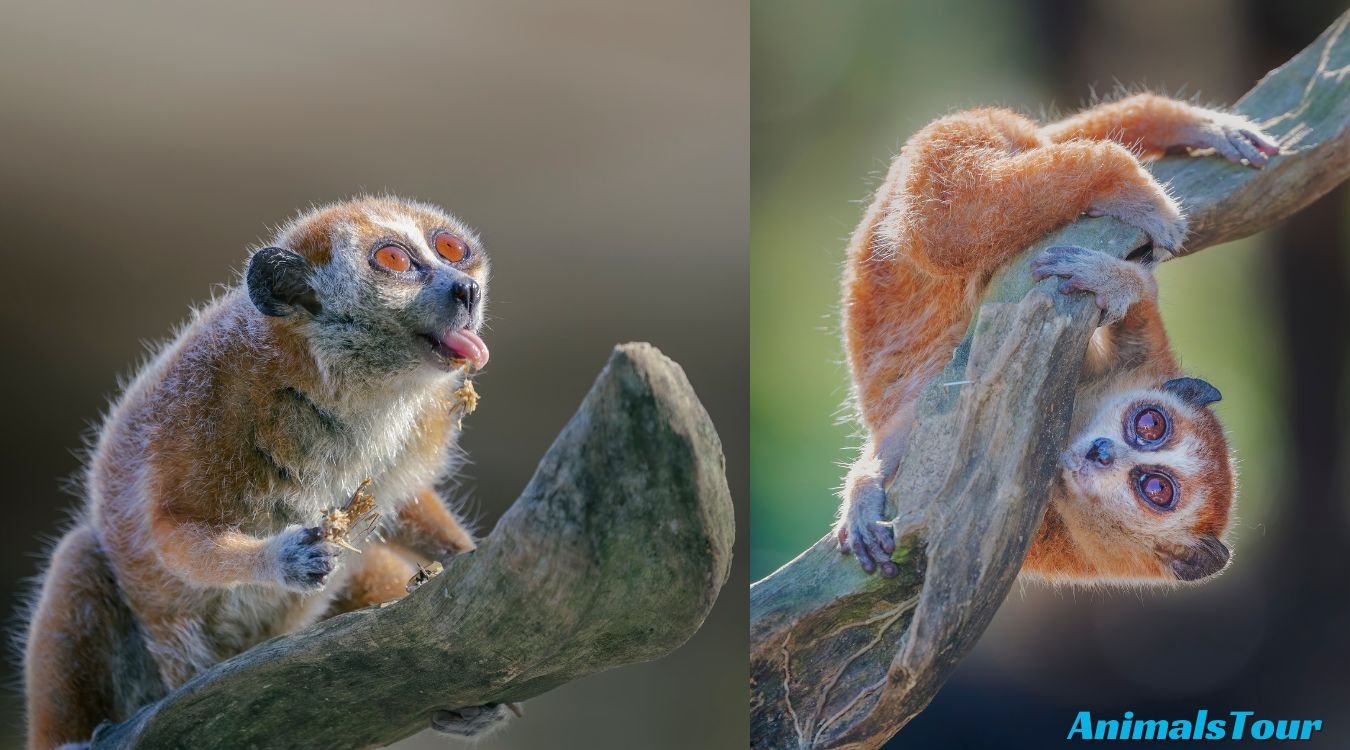
Bushbabies
Scientific Name: Galago senegalensis
Class: Mammalia
Diet: Omnivore
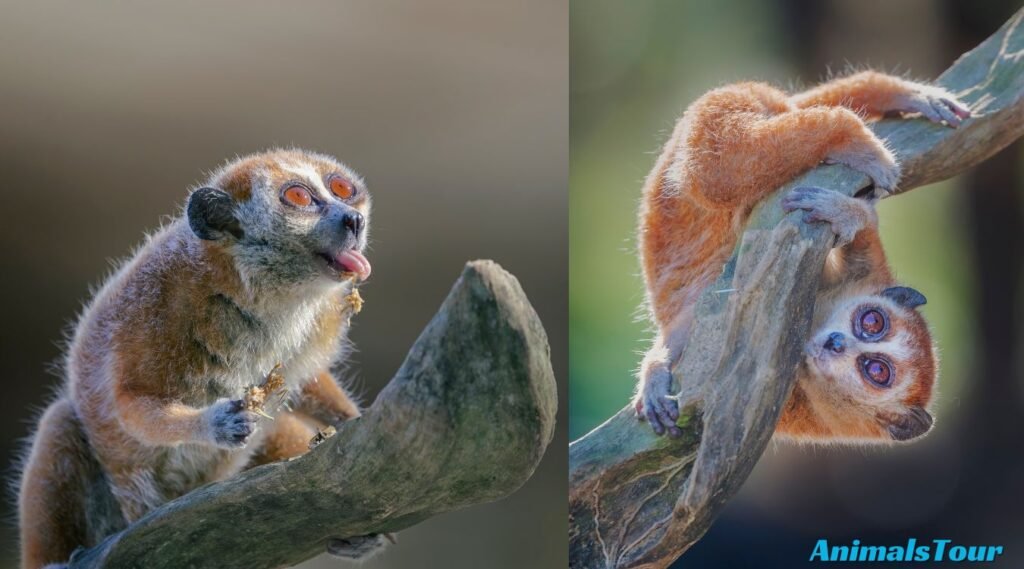
Bushbabies, also known as galagos, are animals that are observant, captivating observers with their unique habits, varied diets, and many fun facts. These small, nocturnal primates are incredibly active after dark, using their powerful hind legs to leap through trees with amazing agility, and their distinctive cries often sound like a human baby, giving them their common name. When it comes to their diet, bushbabies are omnivores, enjoying a mix of insects, fruits, and tree gum, which they expertly extract to thrive in their African habitats.
A key fun fact about bushbabies is their enormous eyes, perfectly adapted for seeing in the dark, along with their large, swiveling ears that can detect the slightest sound, making them wonderfully adapted for their nighttime world. From their nighttime routines and diverse meals to their amazing physical features, bushbabies certainly earn their reputation as incredibly curious and wonderful creatures of the wild.
Gorilla
Scientific Name: Gorilla gorilla
Class: Mammalia
Diet: Herbivore
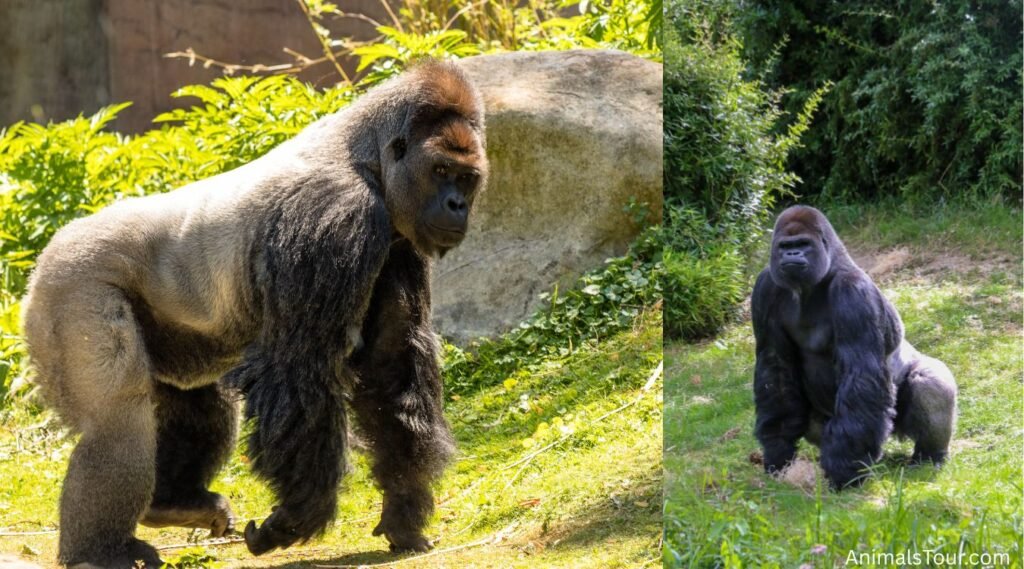
Gorillas are truly fascinating and curious creatures, offering a wealth of insights into their daily habits, plant-based diets, and many surprising fun facts. These intelligent primates live in social groups within African rainforests, showcasing complex behaviors and strong family bonds. Their primary gorilla diet consists mainly of leaves, stems, fruits, and bamboo, making them gentle herbivores of the forest.
Among the many fun facts about gorillas, did you know they are incredibly strong, often beating their chests as a display of power or excitement, not just aggression, and they build new nests every night? Understanding the unique gorilla habits, their natural diet, and these engaging fun facts helps us appreciate why these magnificent animals are such an important part of our planet’s biodiversity.
Raccoon
Scientific Name: Procyon lotor
Class: Mammalia
Diet: Omnivore
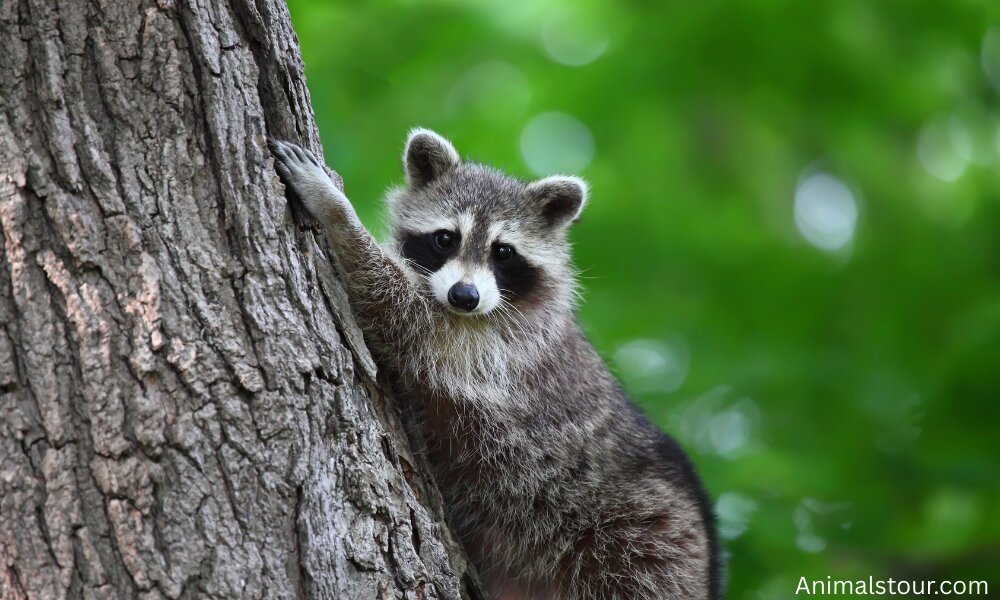
Raccoons are truly one of nature’s most curious animals, constantly exploring their world with keen senses. These clever creatures are mostly nocturnal, meaning they are active at night, using their incredibly nimble paws to investigate every nook and cranny. As omnivores, their diet is incredibly varied, ranging from fruits, nuts, and insects to small animals and even human leftovers, showcasing their adaptability.
A fun fact: their distinctive black “mask” helps reduce glare, improving their night vision, and they are also excellent climbers and swimmers. This endless curiosity, combined with their diverse habits and diet, makes the raccoon a truly fascinating and resourceful creature.
Penguins
Scientific Name: Aptenodytes forsteri
Class: Aves
Diet: Carnivore
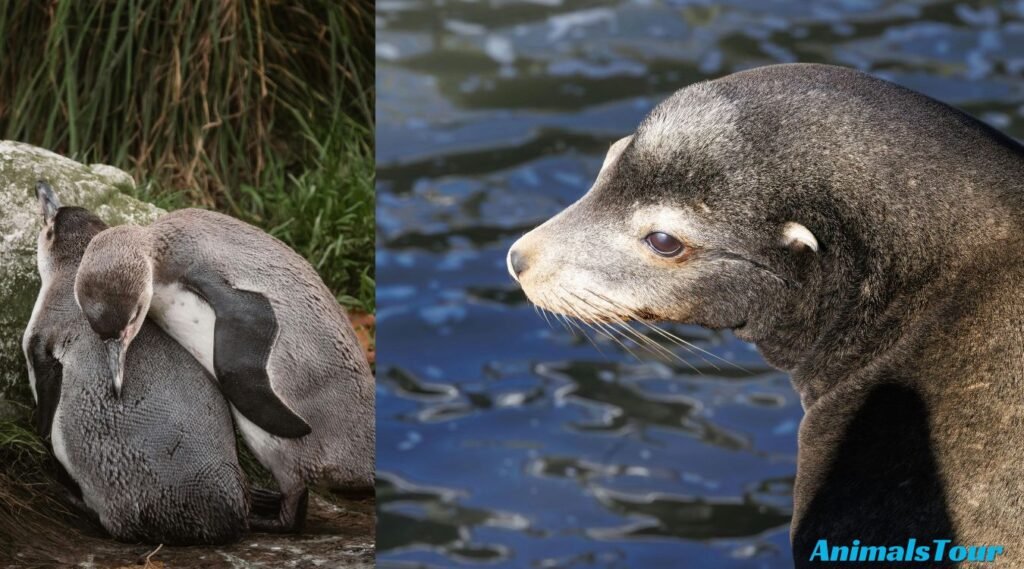
Penguins are truly animals that are observant on Earth, captivating us with their unique lifestyles. These amazing flightless birds display interesting habits, waddling adorably on land before transforming into agile swimmers underwater, often living in large, bustling colonies across various cold regions. Their diet primarily consists of seafood like fish, krill, and squid, which they expertly hunt in the ocean to stay healthy.
For fun facts, did you know their dense, waterproof feathers keep them warm in icy waters, or that they can ‘fly’ through the water at incredible speeds, even though they can’t fly in the air? From their playful antics to their specialized survival skills, understanding penguin habits, diets, and these fun facts reveals why they remain such wonderfully curious creatures.

Dolphins
Scientific Name: Delphinus delphis
Class: Mammalia
Diet: Carnivore
Discover why dolphins are truly one of the most curious animals in the ocean, captivating us with their unique traits. These highly intelligent marine mammals exhibit fascinating habits, living in complex social groups where they communicate using a variety of clicks and whistles. When it comes to their diet, dolphins mainly eat fish and squid, which they expertly hunt using special sound waves called echolocation.
A fun fact about dolphins is their ability to sleep with one half of their brain awake, allowing them to stay alert for danger. From their social lives to their hunting skills and clever sleeping methods, dolphins are undeniably amazing creatures to explore.

Squirrel
Scientific Name: Sciurus vulgaris
Class: Mammalia
Diet: Omnivore
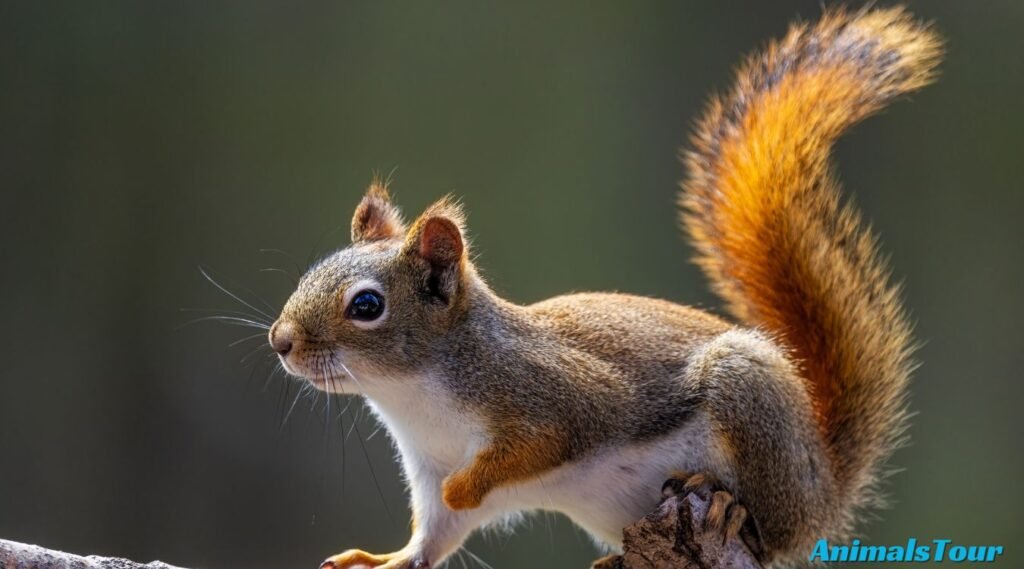
Squirrels are truly one of nature’s most curious animals, always exploring and investigating their world with endless energy. Their amazing habits include cleverly burying nuts and seeds for later, a foraging strategy that often sees them pretending to hide food to outsmart others. When it comes to diet, these adaptable creatures enjoy a wide range of foods like nuts, seeds, fruits, mushrooms, and even small insects, helping them thrive in diverse places.
A fun fact about squirrels is their incredible memory for finding these hidden stashes, though the ones they forget help plant new trees! From their busy foraging to their varied meals and smart behaviors, the curious squirrel is a fascinating subject for any nature lover.
Otters
Scientific Name: Lutra lutra
Class: Mammalia
Diet: Carnivore
Discover why otters are among the most curious animals, with fascinating habits, unique diets, and many fun facts to explore. These playful creatures show their curiosity through clever habits, like using tools to open hard-shelled food, and their diet mostly includes fish, crabs, and other small water animals, which they skillfully hunt.
You’ll find many fun facts about otters, such as sea otters holding hands while they sleep to stay together, or their special fur pockets used to store favorite rocks. Learning about these amazing otters, their habits, diet, and fun facts, truly highlights their incredibly curious and unique nature in the animal kingdom.

Giraffes
Scientific Name: Giraffa camelopardalis
Class: Mammalia
Diet: Herbivore
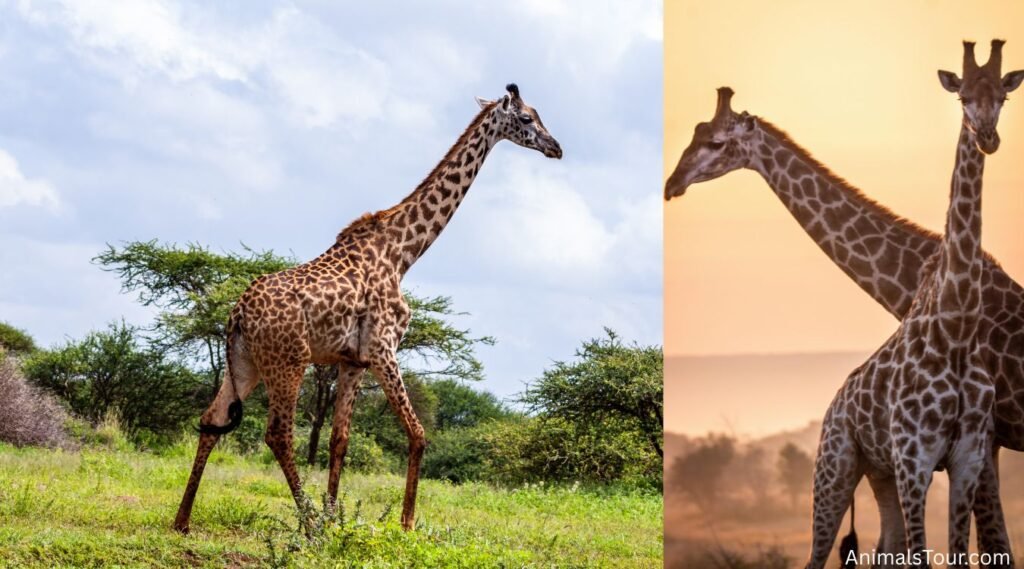
Giraffes are truly one of the most curious animals on Earth, captivating us with their unique habits, plant-based diets, and many fun facts. These gentle giants are the tallest mammals, using their incredibly long necks to browse leaves from towering acacia trees, a key part of their daily routine. As herbivores, the giraffe diet mainly consists of fresh leaves, flowers, and fruit, which they expertly pluck using their long, strong tongues.
Beyond their diet, fun facts about giraffes include their unique coat patterns, which are like human fingerprints, and their ability to sleep standing up for short periods. From their impressive height to their specialized eating, giraffes offer endless wonders for anyone curious about the animal kingdom.
Axolotl
Scientific Name: Ambystoma mexicanum
Class: Amphibia
Diet: Carnivore
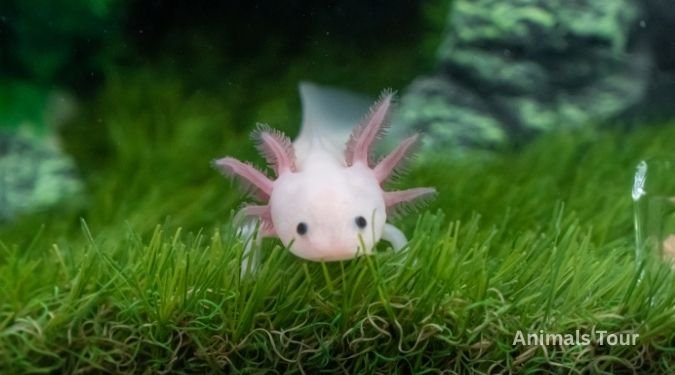
The axolotl is truly one of the most curious animals, fascinating people with its amazing features. These unique aquatic salamanders have incredible habits, like their famous ability to regrow lost limbs, and they stay young their whole lives, keeping their feathery gills. When it comes to their diet, axolotls are meat-eaters, enjoying worms, small insects, and tiny fish.
A fun fact is their super regeneration, which makes them a true wonder of nature, naturally found only in certain lakes near Mexico City. Learning about the axolotl shows why this special creature is so interesting and unique.
Crows
Scientific Name: Corvus brachyrhynchos
Class: Aves
Diet: Omnivore
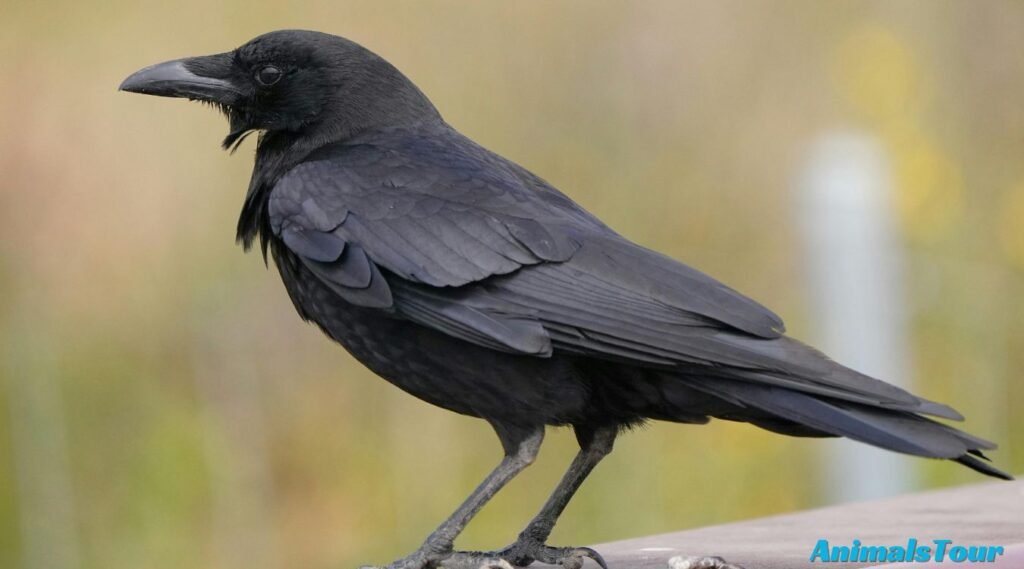
Crows are truly one of nature’s most curious animals, always exploring their world with amazing intelligence. These smart birds are known for their clever problem-solving skills and strong social lives, often living in large family groups. They even use tools, like bending wire to get food, and can remember human faces for years! When it comes to their diet, crows are true omnivores, eating almost anything from insects, fruits, and nuts to small animals and human leftovers.
For fun facts, did you know these intelligent birds can mimic many sounds and calls, even human words? From their varied diet to their clever habits and surprising tricks, crows are endlessly fascinating birds with much to discover.
Platypus
Scientific Name: Ornithorhynchus anatinus
Class: Mammalia
Diet: Carnivore
The platypus, a truly extraordinary creature, consistently ranks as one of the most curious animals on Earth, captivating researchers and nature enthusiasts with its unparalleled blend of features. Delving into its fascinating habits, this shy, semi-aquatic Australian native is primarily nocturnal, spending its time foraging in freshwater environments using its highly sensitive duck-bill.
Its unique diet consists mainly of aquatic invertebrates like insect larvae, worms, and freshwater shrimp, expertly located through electroreception. Beyond its foraging prowess, fun facts about the platypus abound; it’s one of only five monotremes, meaning it’s an egg-laying mammal, and males possess a venomous spur on their hind legs, further solidifying its bizarre yet captivating allure. From its peculiar appearance to its unparalleled biological adaptations, the platypus truly stands out as an incredibly distinctive and endlessly intriguing creature worth exploring.
Hamster
Scientific Name: Mesocricetus auratus
Class: Mammalia
Diet: Omnivore
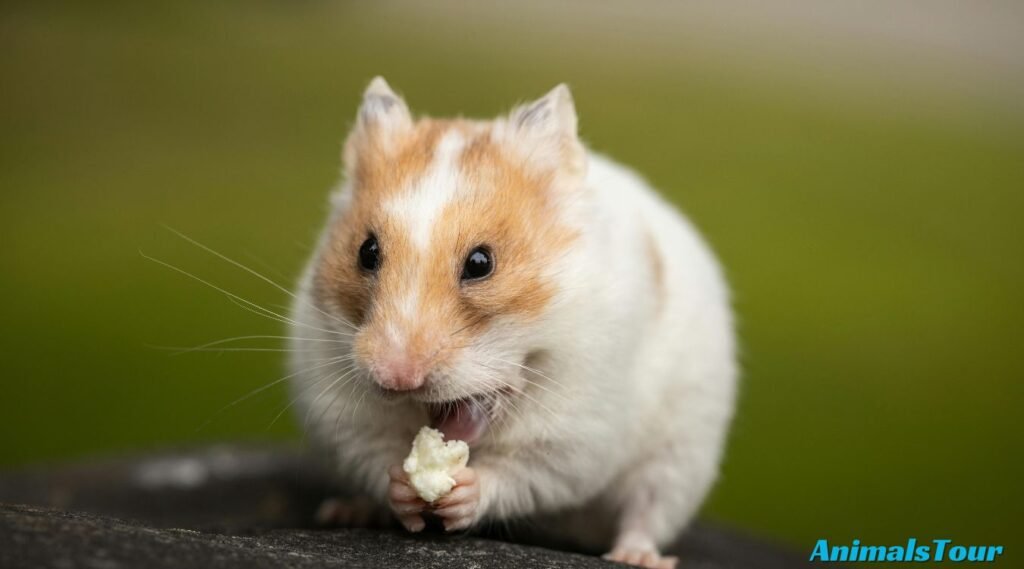
Discover why the hamster is truly one of the most curious animals, captivating pet owners with their endless exploration and unique behaviors. These small rodents possess an insatiable drive to investigate their surroundings, constantly tunneling, hoarding, and scurrying, showcasing their innate inquisitiveness; their nocturnal habits further fuel this exploratory nature, leading them to meticulously map out their environment and often stuffing their famous cheek pouches with food for later – a fascinating survival instinct.
A complete guide to understanding their needs reveals a balanced diet of seeds, grains, fresh vegetables, and occasional protein is crucial, alongside ample enrichment to satisfy their active minds and provide mental stimulation. From their diligent burrowing to their surprisingly swift movements, hamster habits, diets, and fun facts consistently highlight their status as exceptionally inquisitive and engaging companions.
Spider
Class: Arachnida
Diet: Carnivore
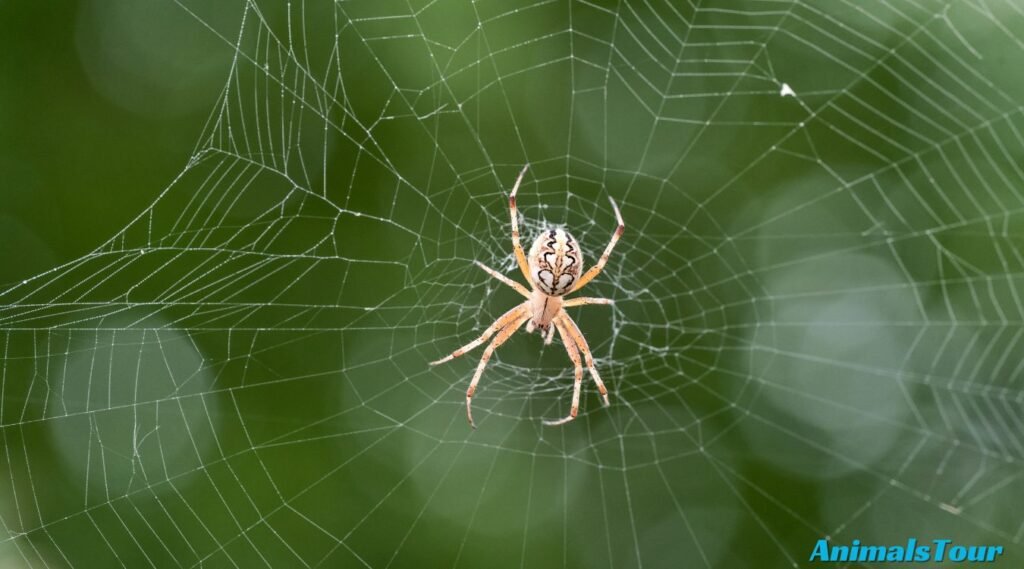
Spiders are truly one of the most curious animals on Earth, showcasing a fascinating array of habits, diets, and fun facts that make them incredibly unique. From intricate web-building to clever hunting strategies, their daily lives are full of surprising behaviors that help them survive. As skilled predators, their diet mainly consists of insects and other small creatures, caught using various methods, including sticky silk traps or quick pounces.
Beyond their hunting, fun facts reveal even more wonder, like the incredible strength of their silk, which is stronger than steel by weight, or their often numerous eyes, helping them navigate their world. These amazing eight-legged creatures offer endless opportunities to discover the wonders of the natural world, proving why spiders are so much more than just creepy crawlies.
Conclusion
As we conclude our fascinating journey through the top 22 most curious animals, it’s evident that the natural world abounds with creatures whose inquisitive spirits captivate and inspire. From the intelligent problem-solving of a raven to the playful exploration of a sea otter, each species highlighted offers a unique window into the diverse spectrum of animal behavior and adaptability across various ecosystems. These truly curious animals consistently demonstrate how an inherent drive to investigate their surroundings fuels survival and discovery, enriching our understanding of wildlife intelligence and the intricate balance of nature. We hope this exploration of Earth’s most inquisitive creatures has sparked your own curiosity and encouraged you to continue discovering the endless wonders of the animal kingdom.
FAQs
What is the most curious animal in the world?
One of the most curious animals in the world is the octopus. These fascinating creatures are known for their intelligence and problem-solving abilities. With their ability to manipulate objects using their eight flexible arms, they often explore their surroundings and engage in playful behavior, such as hiding in shells or playing with toys.
What animal are curious and smart ?
Dolphins are often highlighted for their intelligence and curiosity. They exhibit complex social behaviors, communicate through a variety of sounds, and can solve problems. Their playful nature shows a genuine curiosity about their environment, often interacting with boats and humans.