Top 14 Animals with Big Eyes ( Pictures Included)
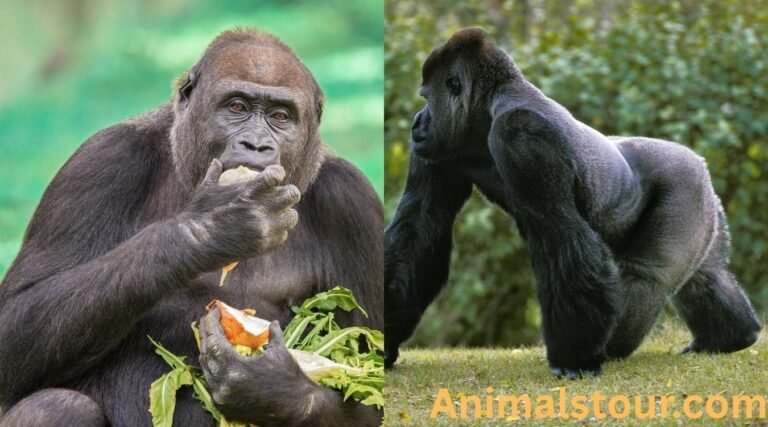
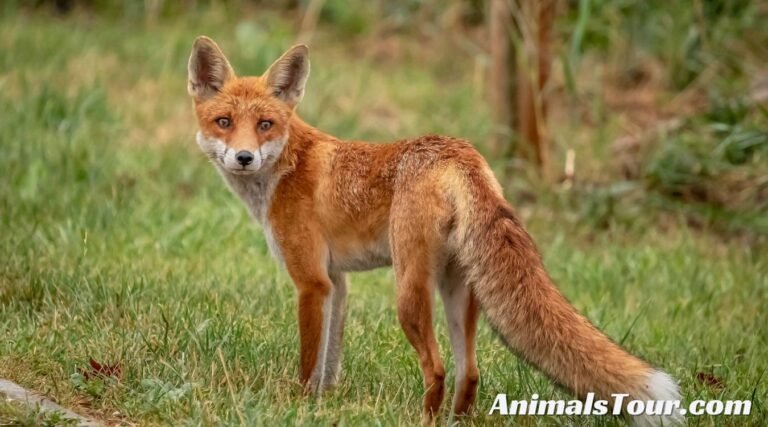
In the fascinating world of wildlife, big-eyed animals captivate our imagination, from the charming primate with big eyes to the magnificent owl. In this article, we’ll explore a range of animals with big eyes, highlighting their intriguing characteristics, stunning visuals, and the roles these extraordinary traits play in their lives.
List Of Big Eyed Animals:
Here is the list of Top 14 animals with big eyes
- Slow Loris
- Tree Frog
- Sphynx Cat
- Aye-aye
- Giant Squid
- Swordfish
- Owl
- Tarsier
- Chameleon
- Lemur
- Bushbaby
- Rabbit
- Pygmy Marmoset
- Ostrich
Slow Loris
Scientific name: Nycticebus coucang
Class: Mammalia
Diet: Omnivore
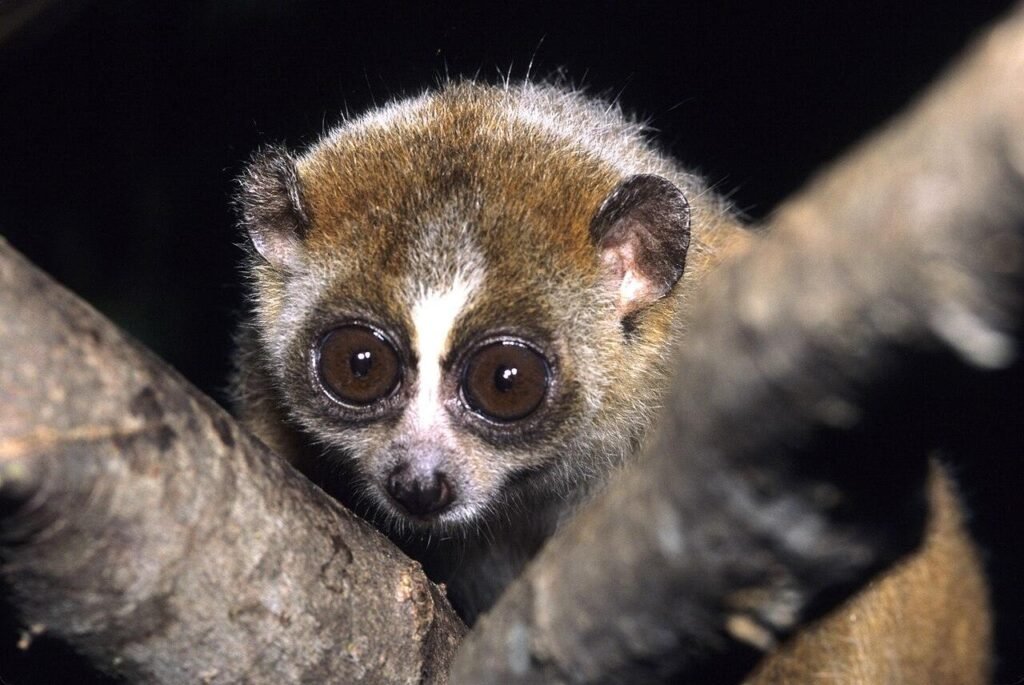
The slow loris, a captivating primate, is immediately recognizable among animals with big eyes due to its prominent, round, and unique eyes perfectly adapted for its nocturnal lifestyle. This small, arboreal primate has a compact body, short limbs designed for a powerful grip, and incredibly flexible joints, all contributing to its agile movement through trees.
As an amazing big eyed animal, it possesses a surprising defense system: a venomous bite derived from a gland near its elbow, which it mixes with saliva. Sadly, their appealing appearance makes them a primary target in the illegal exotic pet trade and for traditional medicine, often leading to cruel mutilations and endangerment.
Despite facing these threats, slow lorises are crucial to their ecosystems, acting as vital pollinators and insect controllers, helping maintain forest health. While their vision may not universally answer the question of what animal has best eyesight,their exceptional night vision, enabled by their large eyes, underscores their unique adaptations and the critical importance of their conservation.
Tree Frog
Class: Amphibia
Diet: Carnivore
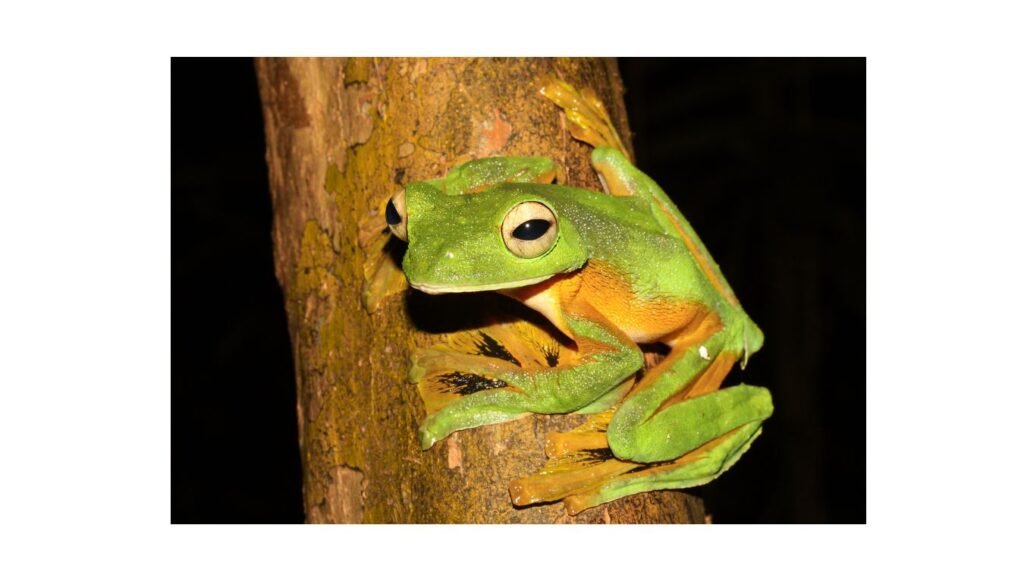
Tree frogs are amazing amphibians, easily recognized as animals with big eyes that are perfectly adapted for their arboreal life. Their slender bodies, long, agile limbs, and specialized toe pads allow them to cling effortlessly to branches and leaves, while their prominent animals eyes provide excellent vision for navigating their leafy world. As an ambush predator, this big eyed animal waits patiently, using its remarkable eyesight to spot insects before launching its long, sticky tongue with incredible speed and accuracy to capture its prey.
To avoid detection by predators, tree frogs are masters of camouflage; their skin often matches the vibrant greens and browns of their surroundings, allowing them to blend seamlessly into foliage and hide themselves in leaves, despite their noticeable eyes. While one might ponder which animal has largest eyes in the animal kingdom, the tree frog’s significantly large eyes are undeniably vital for its survival and hunting prowess, underscoring its crucial role in the ecosystem by controlling insect populations and serving as a food source for other creatures.
Sphynx Cat
Class: Mammalia
Diet: Carnivore
Among the amazing animals with big eyes, the Sphynx cat stands out with its striking appearance, characterized by its prominent, lemon-shaped animals eyes. Unlike many other big eyed animals, the Sphynx’s most notable feature is its lack of fur, revealing a muscular, medium-sized body often covered in fine downy hair and distinct wrinkles, especially around the head and shoulders.
This unique hairless trait, far from being a disadvantage, helps them regulate body temperature by seeking warmth, and also makes them a popular choice for people with allergies, offering a soft, peach-like touch. Sphynx cats are also highly intelligent and curious creatures, known for their playful and affectionate personalities, often engaging in problem-solving and social interactions.
However, it’s important to note that while we discuss which animal has largest eyes among land and sea creatures, or which land animal has largest eyes among wild species, the Sphynx, as a domesticated breed, doesn’t play a direct role in natural ecosystems. Ultimately, the Sphynx cat remains a truly distinctive and intelligent companion, cherished for its unique appearance and affectionate nature, further highlighting the diversity present even among domestic animals with big eyes.

Aye-aye
Scientific name: Daubentonia madagascariensis
Class: Mammalia
Diet: Omnivore
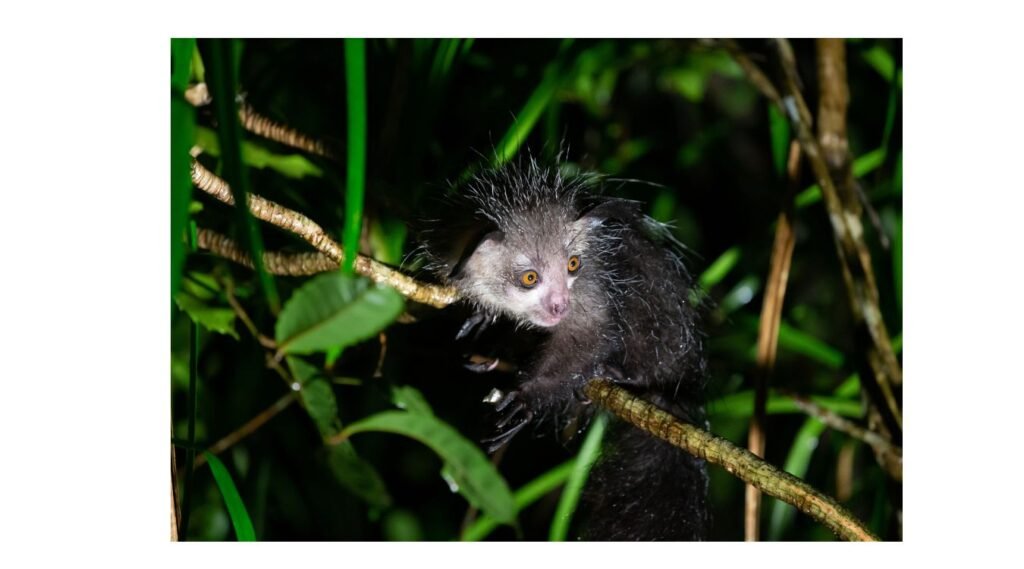
The Aye-aye, an amazing primate native to Madagascar, stands out among animals with big eyes due to its distinctive features and specialized hunting methods. Its prominent, nocturnal animals eyes are a key adaptation, making it one of the most recognizable animals with big eyes, though it’s worth noting that its eyes are not the answer to which animal has largest eyes overall (that’s the colossal squid) nor which land animal has largest eyes (typically the ostrich).
This primate’s unusual body structure includes continuously growing incisors, much like a rodent, and a remarkably long, slender middle finger. This specialized finger is crucial for its unique foraging technique: the Aye-aye taps on trees, listening intently for the hollow sounds that indicate insect larvae tunnels. Once a tunnel is located, it uses its sharp teeth to gnaw a hole and then inserts its elongated finger to hook out and devour the grubs, showcasing precise hunting skills.
As an insectivore, its role in controlling insect populations highlights its importance in the ecosystem, contributing to forest health. Through its fascinating adaptations, the Aye-aye exemplifies a highly specialized big eyed animal that thrives in its niche, playing a vital part in its environment.
Giant Squid
Scientific name: Architeuthis dux
Class: Cephalopoda
Diet: Carnivore
Diet: Carnivore
When we consider animals with big eyes, the Giant Squid immediately comes to mind, a true marvel among big eyes animals and boasting some of the most impressive animals eyes in the natural world. Its enormous body, which can stretch to great lengths, features a muscular mantle, eight arms, and two much longer feeding tentacles, all perfectly adapted for its deep-sea environment. Indeed, if you ask what animal has big eyes?The Giant Squid is a top contender, possessing the largest known eyes of any creature on Earth, making it a standout among biggest eye animals and allowing it to detect the slightest glimmer of light in the perpetually dark ocean depths.
These colossal eyes are essential for its hunting skills, enabling it to effectively spot prey like fish and other squid before ambushing them with its powerful, suckered arms and tentacles. This specialized evolutionary design is a testament to the necessity of such adaptations for survival in challenging habitats, highlighting its crucial role as a formidable predator in the deep-sea ecosystem.
Swordfish
Scientific name: Xiphias gladius
Class: Actinopterygii
Diet: Carnivore
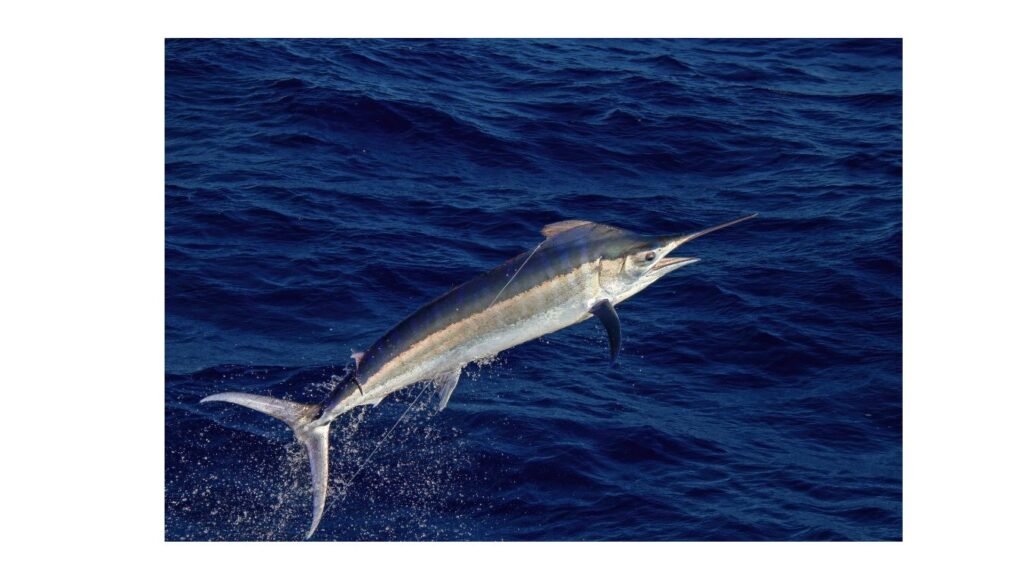
The swordfish is a remarkable marine predator, easily recognized among animals with big eyes for its distinctive features and powerful presence in the ocean. Its most striking feature is its enormous, unique eyes, exceptionally adapted for detecting prey in the low-light conditions of the deep sea, making it a prime example of a big eye animal with superior visual acuity. Among big eyes animals, the swordfish possesses a streamlined, muscular body, perfectly designed for incredible speed and agility, allowing it to navigate vast ocean expanses with ease.
Its iconic “sword,” a long, flattened bill, is not only used for defense but also as a formidable weapon to stun and injure smaller fish, showcasing its exceptional hunting skills. This powerful body and keen vision are crucial for its survival as a top predator; indeed, its visual prowess makes one wonder if it could be considered among the creatures that answer the question, “what animal has best eye sight” for its specific environment.
As a key player in the marine food web, the swordfish helps maintain the balance of various fish populations, highlighting its significant importance in the ocean ecosystem. Ultimately, the swordfish stands out as an impressive and vital creature, embodying a perfect blend of specialized adaptations, powerful hunting prowess, and ecological significance.
Owl
Scientific name: Strigiformes
Class: Aves
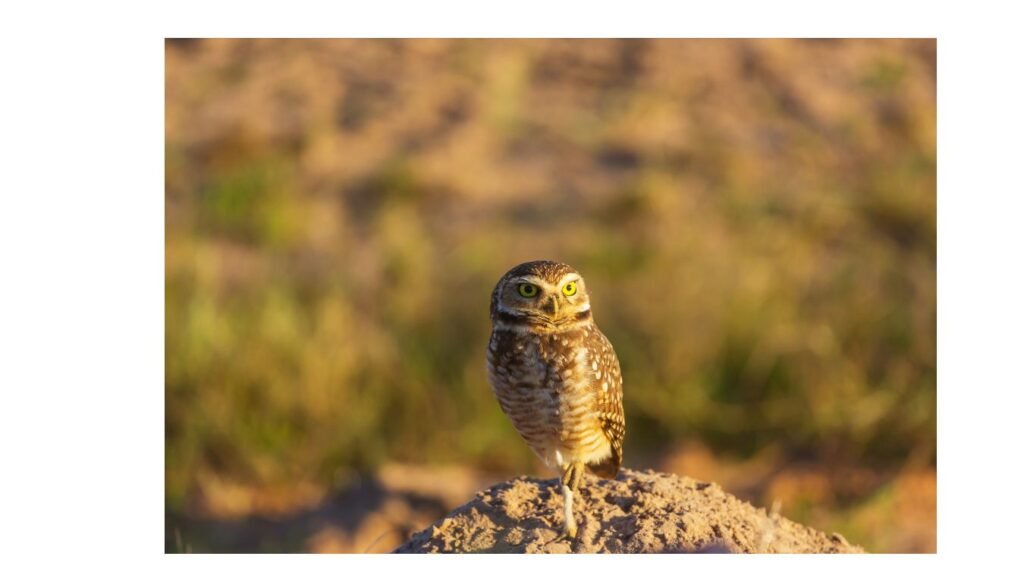
The owl stands out among animals with big eyes, possessing an extraordinary visual system that defines its predatory existence. Unlike the spherical eyes of many creatures, an owl’s eyes are remarkably large, tubular, and fixed within their sockets, necessitating that these wild eyed animals rotate their heads dramatically to scan their environment. This unique anatomy, combined with a retina packed with an abundance of light-sensitive rod cells, grants them unparalleled low-light vision, making them a strong candidate when considering what animal has best eye sight in the dark.
The striking coloration of these big eyes animals’ eyes, which varies from piercing yellow to deep orange or dark brown, can often indicate their primary hunting times. These specialized predatory skills, honed by acute vision, allow for silent, precise hunting, enabling them to locate and capture prey with remarkable efficiency. Ultimately, by controlling rodent and insect populations, these magnificent big-eyed animals play a vital and irreplaceable role in maintaining the balance and health of their ecosystems.
Tarsier
Scientific name: Tarsius
Class: Mammalia
Diet: Carnivore
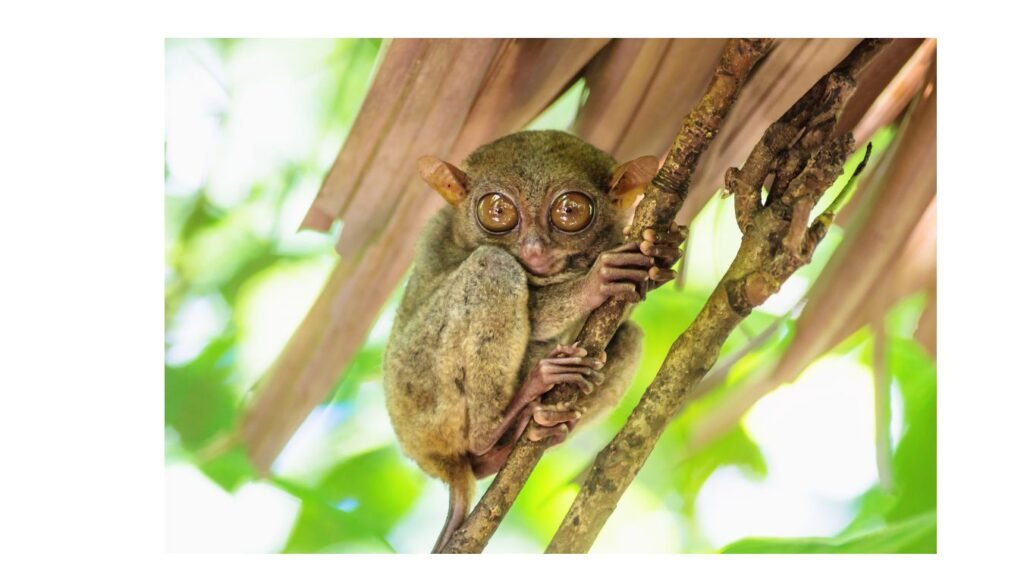
Tarsiers are captivating animals with big eyes, instantly recognizable for their massive ocular organs. Indeed, each of their eyes is so large it can be as big as their entire brain, a defining characteristic that makes them a standout animal with big eyes. This unique anatomy means their eyes are fixed in their sockets, requiring them to turn their whole head up to 180 degrees to look around.
These incredible peepers provide exceptional night vision, making them highly effective nocturnal hunters, with their keen eyesight, these wild eyed animals expertly spot and pounce on insects, lizards, and small birds in the dark, demonstrating specialized vision that makes them strong contenders when considering what animal has best eye sight for low-light conditions. Although their eyes don’t move, the sheer size and direct gaze of these big eye animals give them a perpetually alert and sometimes surprisingly expressive look, conveying curiosity or intensity.
Beyond their striking appearance, tarsiers play an important ecological role as insectivores, helping to control insect populations and maintain the health of their forest ecosystems. Thus, the tarsier’s extraordinary eyes are not merely a striking feature but are fundamental to its survival, hunting success, and contribution to its environment.
Chameleon
Scientific name: Chamaeleonidae
Class: Reptilia
Diet: Carnivore
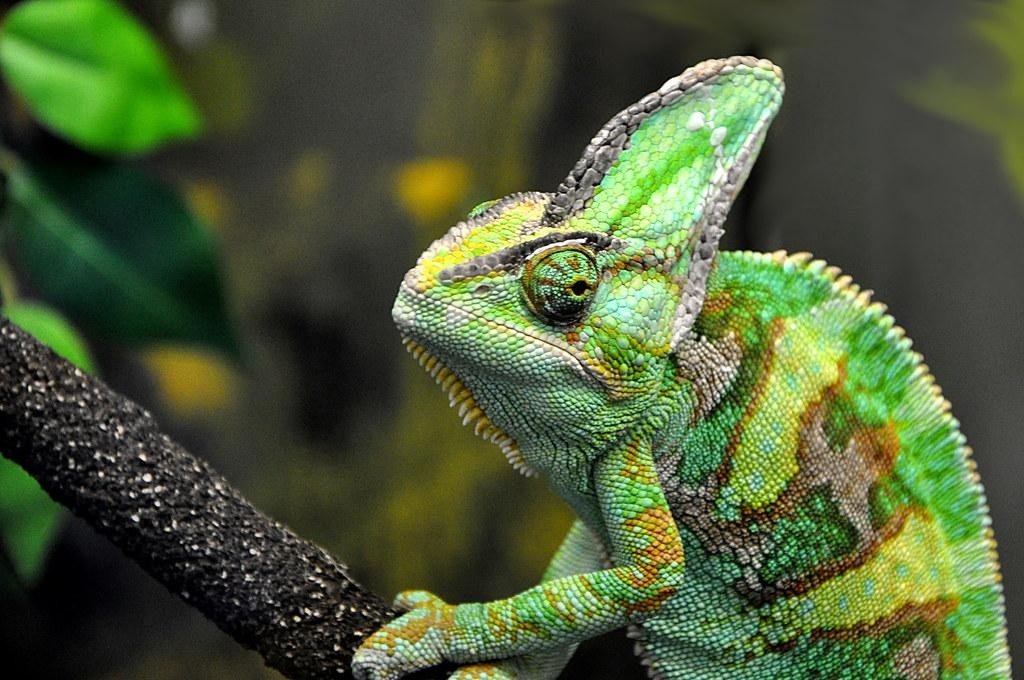
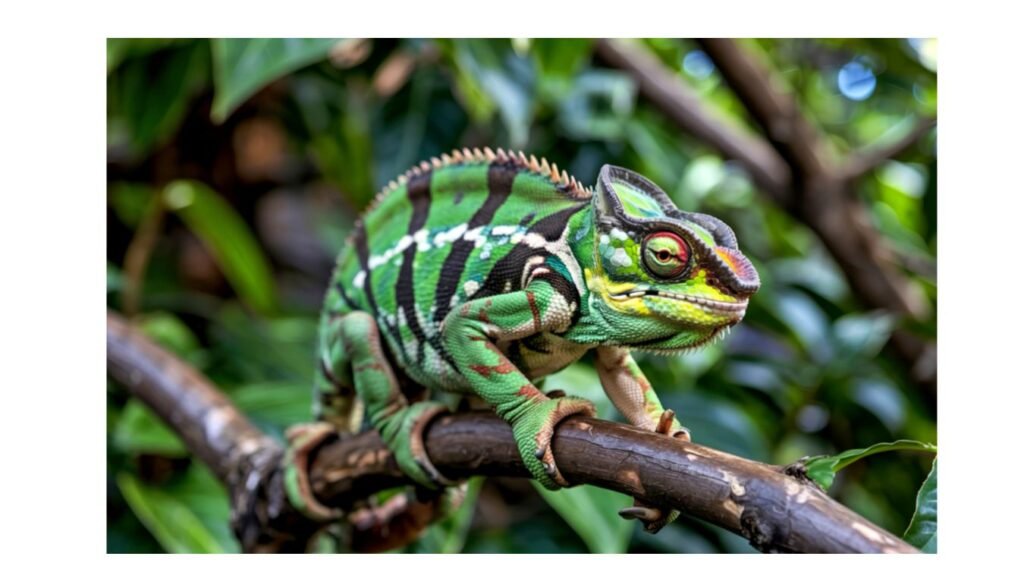
Chameleons are truly remarkable animals with big eyes, known for their extraordinary vision. Each of their prominent, almost independently moving eyes can be half the size of their head, allowing them to scan two different directions at once, making them truly wild eyed animals always on alert. This exceptional eyesight is crucial for their hunting skills, as they precisely locate prey before launching their incredibly long, sticky tongue with lightning speed, a feeding technique that rarely misses its mark. While generally solitary with limited social behaviour, their eye movements and body posture do play a subtle role in communication, signalling mood or territorial claims to other chameleons.
As insect predators, these big eye animal species are vital for controlling insect populations, highlighting their importance in the ecosystem. Indeed, when considering what animal has best eye sight for independent, panoramic vision, the chameleon stands out as an animal with big eyes whose specialized vision underpins its survival and ecological role.
Lemur
Scientific name: Lemuroidea
Class: Mammalia
Diet: Omnivore
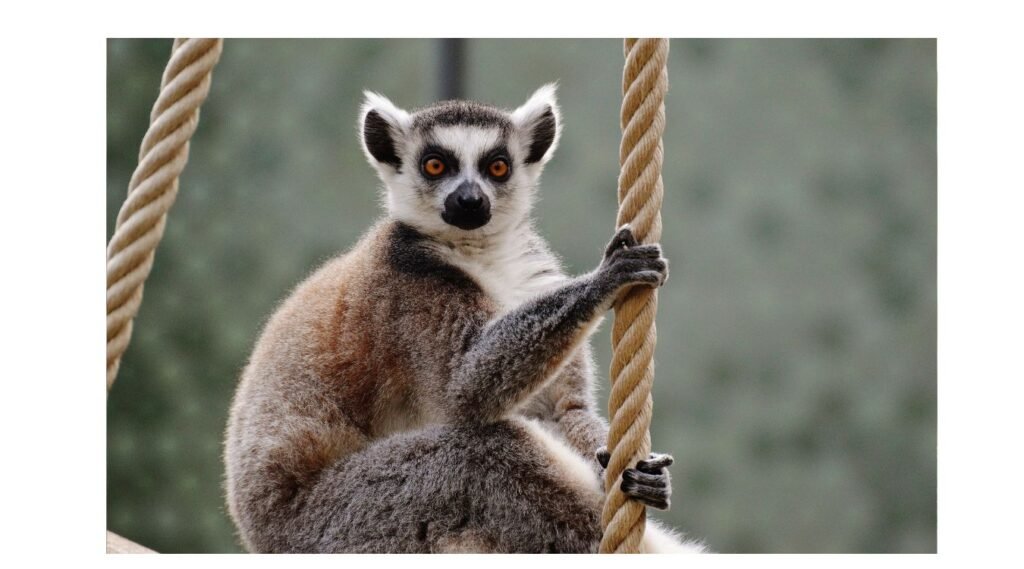
Lemurs are fascinating animals with big eyes, known for their distinctive appearance and engaging behaviors. These captivating primates are among the most recognizable animals with big eyes, possessing large, often golden irises that are crucial for their communication and nocturnal or crepuscular activities. Their prominent eyes give them a somewhat “wild-eyed” look, contributing to their unique charm. As a big eye animal, their vision is excellent, aiding in their playful and often elusive movements through the forest canopy. Beyond their striking gaze, lemurs are highly social creatures, communicating not only through vocalizations but also subtly with their expressive eyes, where the golden irises can convey mood or intent within their groups.
While it’s debated what animal has best eye sight overall, lemurs certainly have highly adapted vision for their environment. This animal with big eyes plays an indispensable role in its ecosystem, acting as seed dispersers and pollinators, thereby contributing significantly to the health and biodiversity of their unique forest habitats. Their large, communicative eyes are just one aspect of what makes lemurs such vital and intriguing components of Madagascar’s natural world.
Bushbaby
Class: Mammalia
Diet: Omnivore
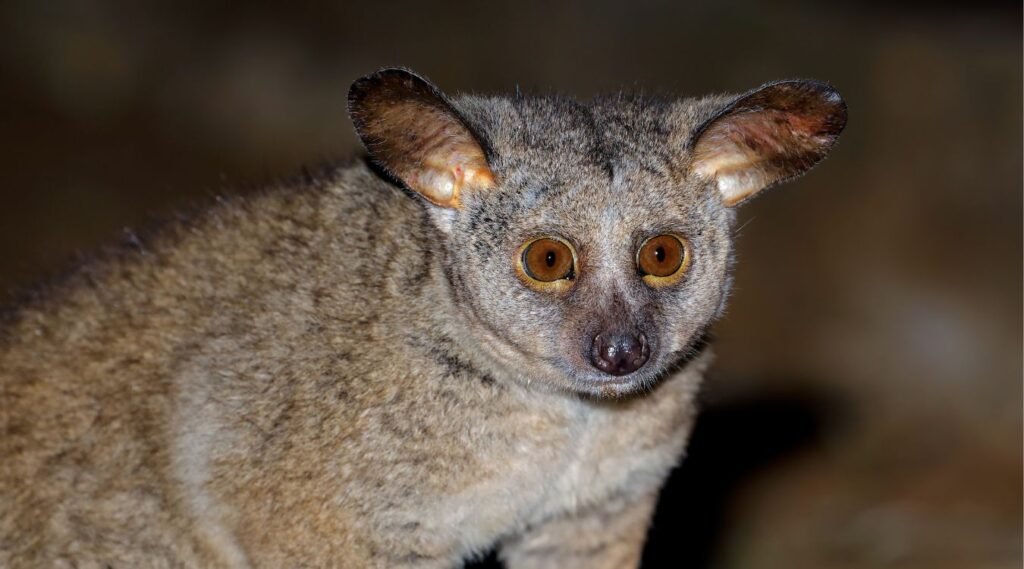
Bushbabies, also known as galagos, are captivating animals with big eyes that immediately draw attention due to their remarkably large ocular features. These small, nocturnal primates possess extraordinarily big eyes that are disproportionately huge compared to their small faces, perfectly adapted for navigating and hunting in the dark African nights. Primarily found in the forests and bushlands of sub-Saharan Africa, this animal with big eyes relies heavily on both its exceptional night vision and acute hearing, which allows them to pinpoint prey and detect predators even in dim light.
Their impressive predatory skills involve swift leaps and grabs, primarily feasting on insects, small vertebrates, and occasionally fruits, making them effective nocturnal hunters among big eyed animals. While generally solitary, they sometimes form small family groups, and their role in the ecosystem is significant as they help control insect populations and contribute to seed dispersal, underscoring their importance despite their small stature and prominent big eyes.
Rabbits
Scientific name: Oryctolagus cuniculus
Class: Mammalia
Diet: Herbivore
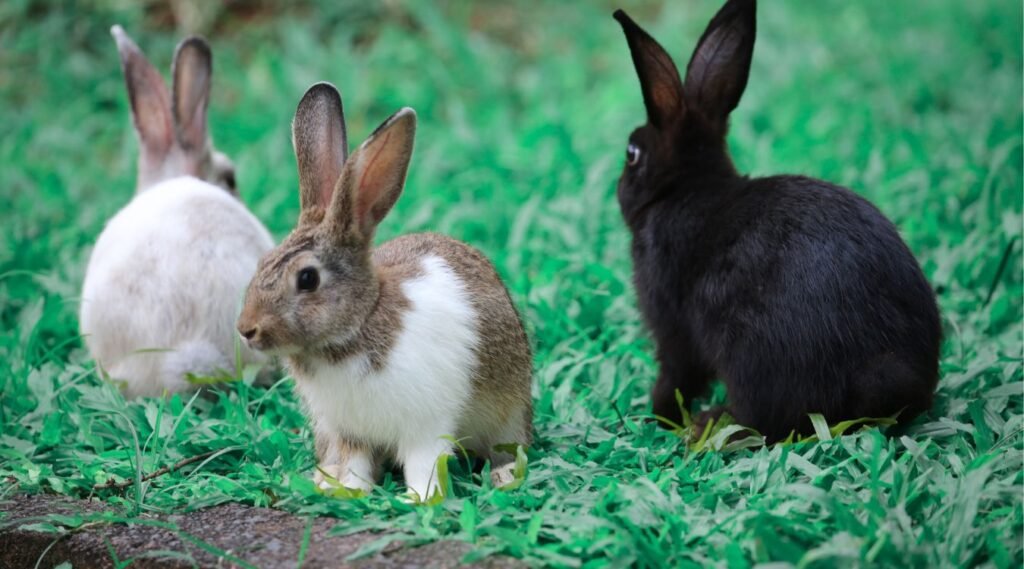
Rabbits, those endearing animals with big eyes, possess a charm that goes beyond their appearance, as these prominent features are central to their survival and way of life. Their large, expressive big eyes are undoubtedly part of their charming appeal, giving them an innocent and alert look that many find captivating. More critically, these big eyes serve as a primary survival mechanism, offering a wide field of vision to detect predators from nearly all directions, making them highly effective at identifying threats quickly. This excellent peripheral vision also aids their foraging skills, allowing them to scan for edible plants while remaining vigilant for danger, a crucial trait for any animal with big eyes living in open environments.
While not primarily social through direct eye contact, their keen vision helps them navigate their burrows and communicate through body language within their social groups. As quintessential big eyed animals, rabbits play a vital role in their ecosystems, serving as a key food source for numerous predators and contributing to plant dispersal through their grazing habits, thereby influencing vegetation structure. Thus, the rabbit’s distinctive big eyes are not merely a charming attribute but an essential tool that underpins their existence, from finding food and evading danger to fulfilling their ecological niche.
Pygmy marmoset
Scientific name: Cebuella pygmaea
Class: Mammalia
Diet: Omnivore
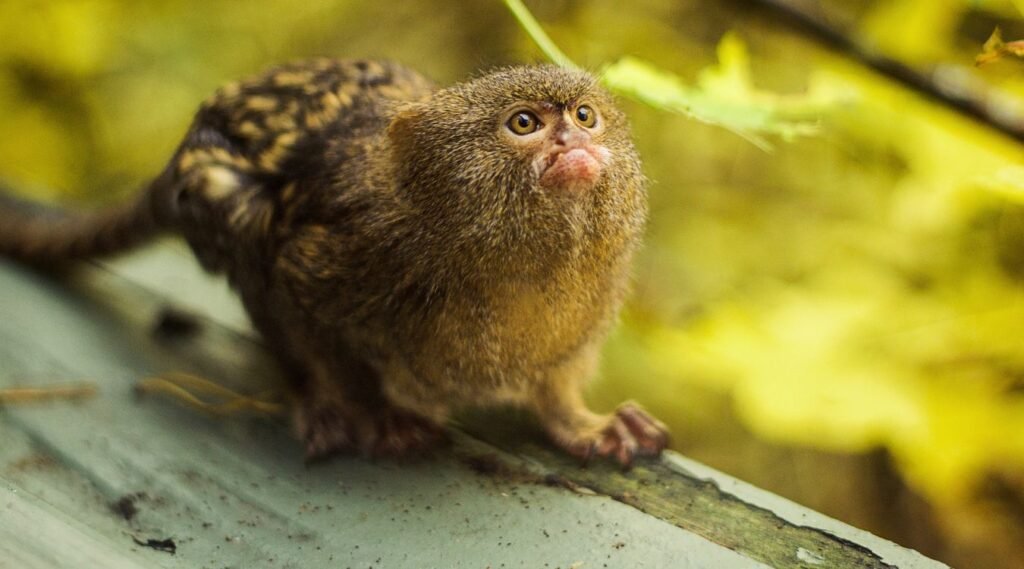
The pygmy marmoset, a tiny primate native to the Amazon rainforest, is a prime example of an animal with big eyes, its proportionally large animals eyes being a defining characteristic crucial for its life in the dense canopy. These remarkably big eyed animals rely heavily on their excellent vision, an adaptation that allows them to navigate effectively in the dim understory and spot potential threats. Their keen eyesight is essential for their foraging skills, enabling them to locate tiny insects, their primary protein source, and to identify suitable trees from which they extract sap using specialized teeth and claws.
For survival, these small primates utilize their sharp vision to detect predators like birds of prey and snakes, employing quick, agile movements and their minute size as a form of camouflage. Socially, they live in cooperative family groups, communicating through complex vocalizations and scent marking, with their acute vision aiding in maintaining group cohesion and spotting potential mates or rivals. While one might ponder which land animal has the largest eyes in absolute terms, the pygmy marmoset exemplifies how significant eye size, relative to body, is a key adaptation for survival, making these animals with big eyes important seed dispersers and insect controllers, thus playing a vital role in their rainforest ecosystem.
Ultimately, the pygmy marmoset’s prominent animals eyes are not merely a striking feature but a fundamental adaptation underpinning all aspects of its unique life, from hunting to social interaction, solidifying its place as a keystone species in its habitat.
Ostrich
Scientific name: Struthio camelus
Class: Aves
Diet: Omnivore
The ostrich stands out among animals with big eyes, possessing remarkable visual adaptations for life in open plains. Indeed, the ostrich boasts the largest animals eyes of any land animal, with each eye measuring up to two inches in diameter, making it the definitive animal with big eyes and answering the question of which land animal has the largest eyes. These massive big eyed animals provide an expansive panoramic view, crucial for spotting predators like lions across vast distances. This exceptional eyesight, long legs, combined with their incredible speed, reaching up to 70 km/h, forms their primary survival mechanism, allowing them to detect threats from afar and flee effectively.
Ostriches are typically social, living in nomadic groups, which further enhances their vigilance as more eyes mean more protection. As herbivores, they play a crucial role in seed dispersal and maintaining grassland health, demonstrating that their unique features contribute not only to their survival but also to the balance of their ecosystem. Ultimately, the ostrich’s impressive vision and suite of adaptations make it a uniquely successful and vital creature in its environment.
Conclusion
In conclusion, the impressive world of animals with big eyes offers a fascinating glimpse into the wonders of nature. These creatures not only mesmerize us with their appearance but also illustrate the incredible adaptations that have evolved over time. From the nocturnal hunting strategies of owls to the enchanting beauty of tree frogs, large eyes serve crucial survival functions in various environments. Understanding the significance of eye size in the animal kingdom enriches our appreciation for biodiversity. Let us continue to explore and protect these extraordinary species, safeguarding their habitats for future generations.
FAQS
. Why do some animals have big eyes?
Big eyes often help animals see better in low-light conditions, enhancing their ability to hunt or avoid predators during dawn or dusk.
2. What are some examples of animals with big eyes?
Notable examples include tarsiers, owls, giant squids, and certain species of lemurs.
3. Do animals with big eyes have better night vision?
Yes, larger eyes can collect more light, making it easier for animals to see in dim light conditions.
4. Are there any disadvantages to having big eyes?
Yes, while big eyes enhance vision, they can also make animals more vulnerable to injury and predation.