Top 20 Animals with Antlers: Unique Deer Species, Their Habits And Fun Facts
Let’s dive into the world of animals that grow antlers, as we introduce our top 20 picks. You’ll meet many unique kinds of deer, from tiny ones to very large ones, each with its own special way of living. We’ll explore where they live, what they eat, and how they use their amazing antlers, which are bones that grow from their heads and are shed each year. Get ready to discover the wide variety and wonderful ways of these Animals with Antlers.
Table Of Top 20 Animals With Antlers
| Rank | Animal Name | Scientific Name | Class | Diet |
| 1 | Moose | Alces alces | Mammalia | Herbivore |
| 2 | White-tailed Deer | Odocoileus virginianus | Mammalia | Herbivore |
| 3 | Red Deer | Cervus elaphus | Mammalia | Herbivore |
| 4 | Caribou / Reindeer | Rangifer tarandus | Mammalia | Herbivore |
| 5 | Fallow Deer | Dama dama | Mammalia | Herbivore |
| 6 | Elk / Wapiti | Cervus canadensis | Mammalia | Herbivore |
| 7 | Sika Deer | Cervus nippon | Mammalia | Herbivore |
| 8 | Pere David’s Deer | Elaphurus davidianus | Mammalia | Herbivore |
| 9 | Muntjac Deer | Muntiacus reevesi | Mammalia | Herbivore |
| 10 | Axis Deer / Chital | Axis axis | Mammalia | Herbivore |
| 11 | Reeve’s Muntjac | Muntiacus reevesi | Mammalia | Herbivore |
| 12 | Sambar Deer | Rusa unicolor | Mammalia | Herbivore |
| 13 | Roe Deer | Capreolus capreolus | Mammalia | Herbivore |
| 14 | Marsh Deer | Blastocerus dichotomus | Mammalia | Herbivore |
| 15 | Thorold’s Deer | Cervus albirostris | Mammalia | Herbivore |
| 16 | Pudu | Pudu puda | Mammalia | Herbivore |
| 17 | Eld’s Deer | Rucervus eldii | Mammalia | Herbivore |
| 18 | Svalbard Reindeer | Rangifer tarandus platyrhynchus | Mammalia | Herbivore |
| 19 | Barasingha | Rucervus duvaucelii | Mammalia | Herbivore |
| 20 | Tufted Deer | Elaphodus cephalophus | Mammalia | Herbivore |
Detailed Look At Animals With Antlers
Moose
Scientific Name: Alces alces
Class: Mammalia
Diet: Herbivore
Moose with their big antlers are amazing animals that live in cold places. They make their homes in northern forests and wetlands across North America, Europe, and Asia, where there are plenty of trees and water. They are also very good swimmers, often going into lakes and ponds to eat plants and cool down.
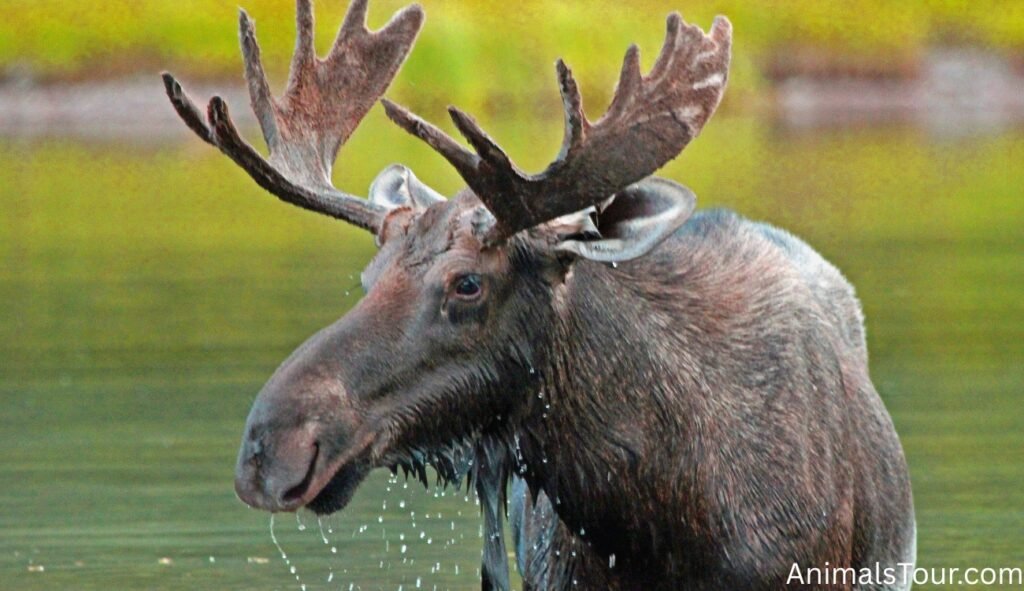
Male moose grow their impressive antlers each year, which they use to show off and sometimes fight, before shedding them in winter. Eating only plants, their diet mainly includes twigs, leaves from trees and bushes, and aquatic plants they find in the water. Overall, moose are well-adapted to their chilly forest homes and their plant-based meals.
Fun fact: Moose antlers can weigh over 40 pounds, making them some of the heaviest antlers among deer species.
White-tailed Deer
Scientific Name: Odocoileus virginianus
Class: Mammalia
Diet: Herbivore
White-tailed deer, especially the males with their impressive antlers, are common and fascinating animals with specific ways of life. These deer are often most active during early morning and late evening, carefully moving through their habitat to find food. If they sense danger, they quickly raise their white tail as a warning before bounding away to safety.
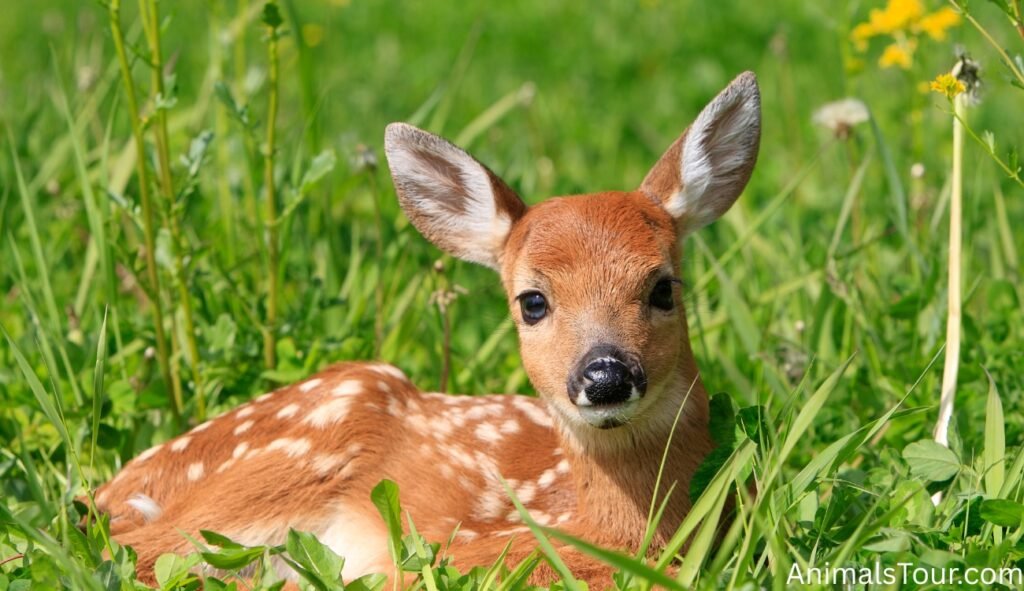
Their diet consists entirely of plants, as they munch on leaves, twigs, buds, fruits, and acorns, adapting their meals to what is available in different seasons. They make their homes in various places like forests, woodlands, fields, and even suburban areas, always needing good cover for hiding and a reliable source of food.
Overall, white-tailed deer are well-known for their plant-based diet, their shy nature, and the remarkable antlers that grow on the male deer each year.
Fun fact: White-tailed deer can leap over 8 feet high and run up to 30 miles per hour to escape danger.
Red Deer
Scientific Name: Cervus elaphus
Class: Mammalia
Diet: Herbivore
Red deer are large, wild animals, easily recognized by the big, branched antlers that male deer, called stags, grow each year and then shed. These deer live in many different places like forests, woodlands, and open hillsides, often gathering in groups, especially the females and their young.
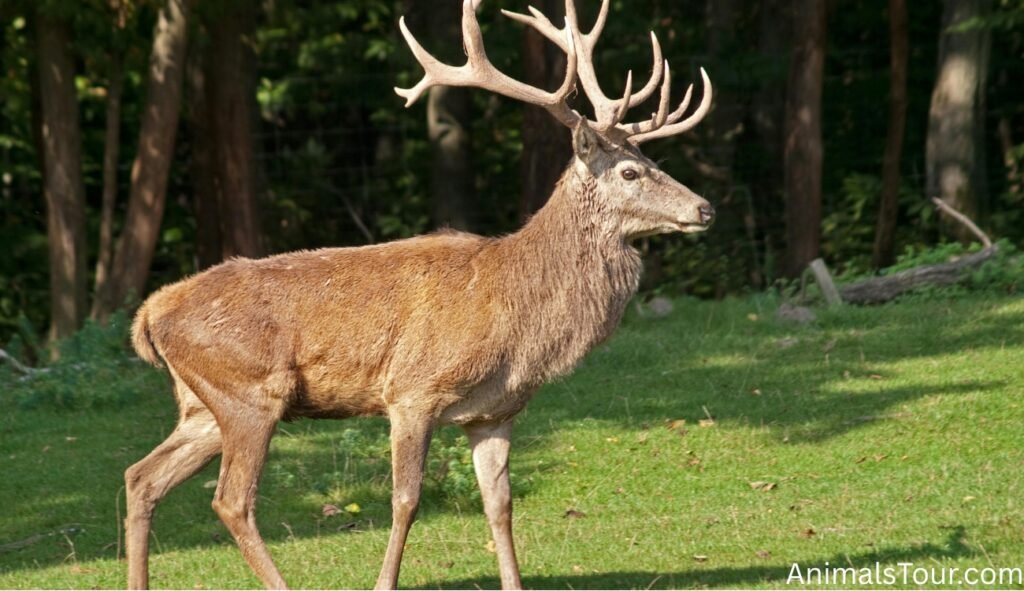
They spend their days peacefully grazing on a diet mainly of grass, but also munch on leaves, young shoots, and even tree bark, particularly when food is scarce in winter. Stags live mostly apart from the females until autumn, when they become very active, roaring and competing for mates in a period known as the rut. Overall, these animals with antlers are strong and adaptable creatures, playing an important part in the natural world where they roam.
Fun fact: Red deer stags can fight for hours using antlers to establish dominance during the rut.
Caribou / Reindeer
Scientific Name: Rangifer tarandus
Class: Mammalia
Diet: Herbivore
Caribou are easily recognized by their impressive antlers which both males and females grow. They are fascinating animals with distinct habits, diets, and living arrangements. These hardy deer are famous for their long migrations, often traveling vast distances in large herds across cold landscapes.
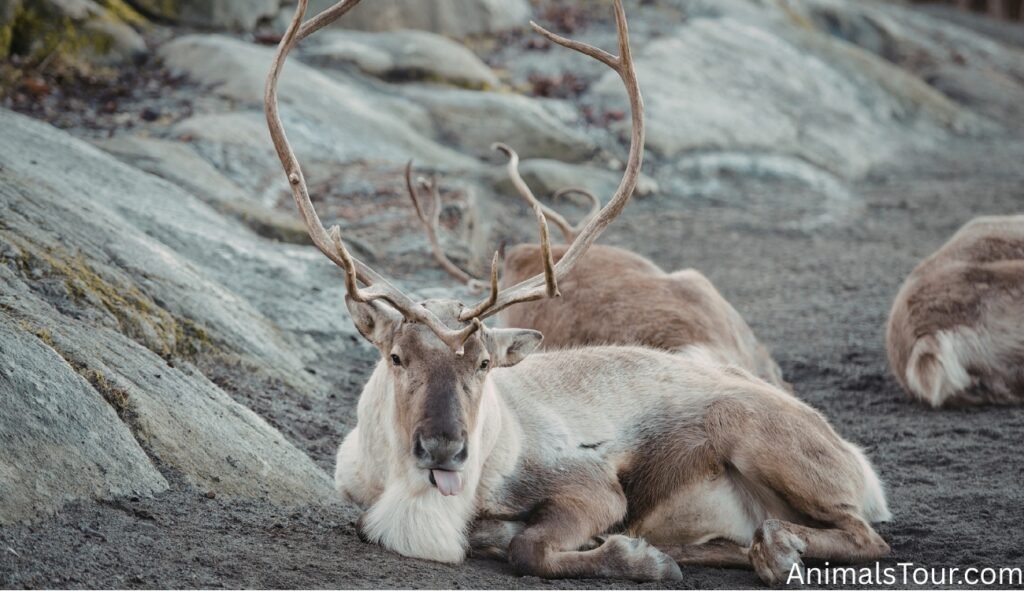
Their diet mainly consists of plants, especially a tough, moss-like food called lichen that they dig out from under the snow, along with grasses, shrubs, and leaves when available. Caribou typically live in the northern parts of the world, thriving in the chilly Arctic tundra and boreal forests. Their remarkable ability to adapt their eating and traveling habits allows them to survive and flourish in these harsh, icy environments.
Fun fact: Caribou are the only deer species where females grow antlers, which they use to compete for food and protect young.
Fallow Deer
Scientific Name: Dama dama
Class: Mammalia
Diet: Herbivore
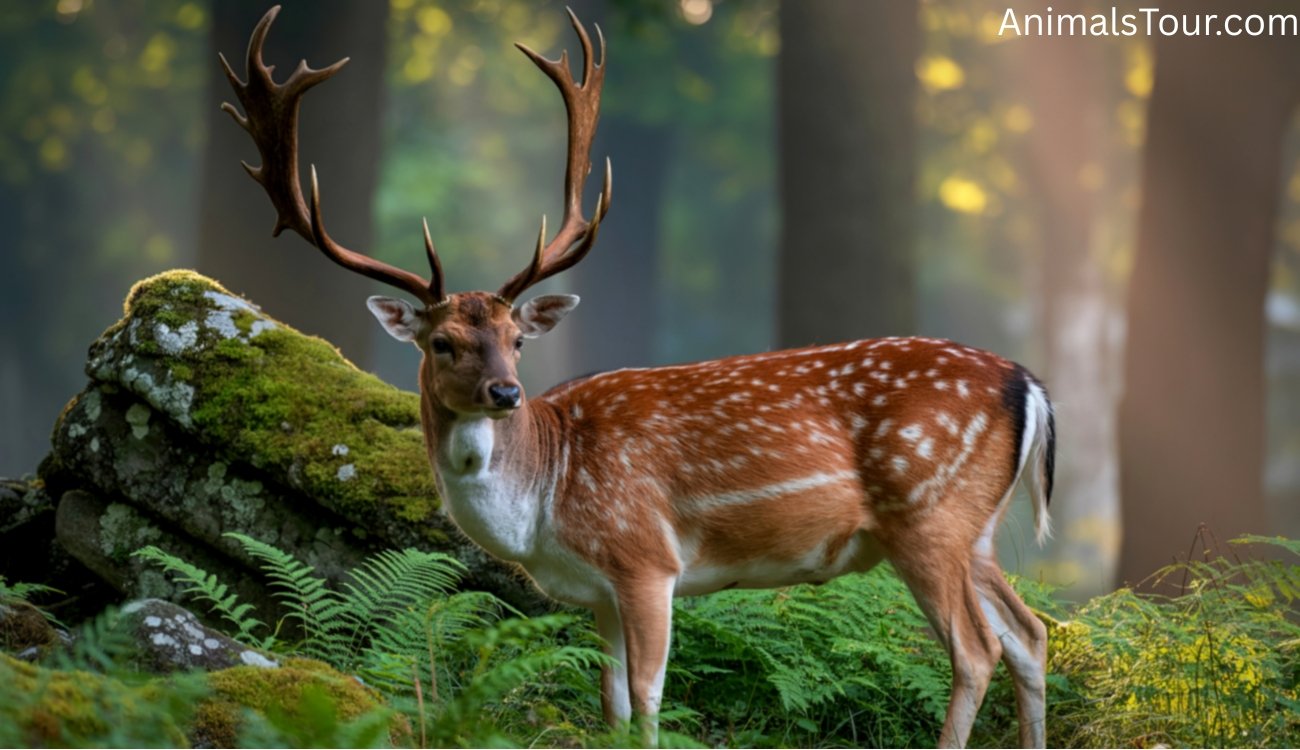
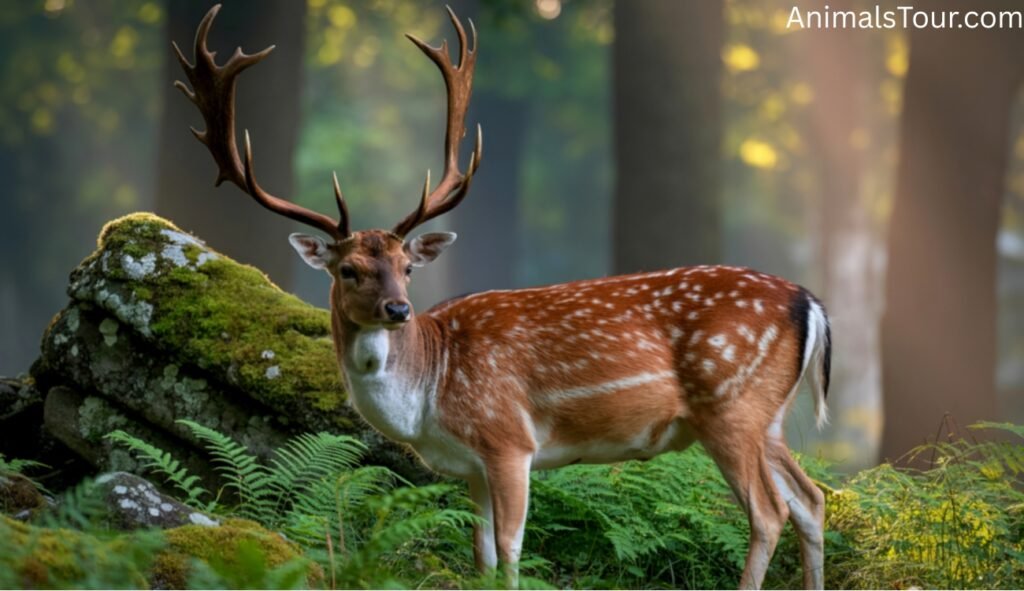
Fallow deer, especially the males with their wide, flat antlers, are fascinating animals with unique habits, diets, and ways of living. Male fallow deer grow impressive, broad antlers that they shed each year and then regrow. These deer often live in herds, moving together for safety and to find food.
They are plant-eaters, munching on a variety of things like grass, leaves, young shoots, berries, and acorns. You can often see them active during the early morning and late evening, browsing in open woodlands and forests. With their distinct antlers, social nature, and flexible diet, fallow deer are a wonderful part of many natural landscapes.
Fun fact: Fallow deer antlers are palm-shaped, giving them a distinctive look compared to other deer species.
Elk / Wapiti
Scientific Name: Cervus canadensis
Class: Mammalia
Diet: Herbivore
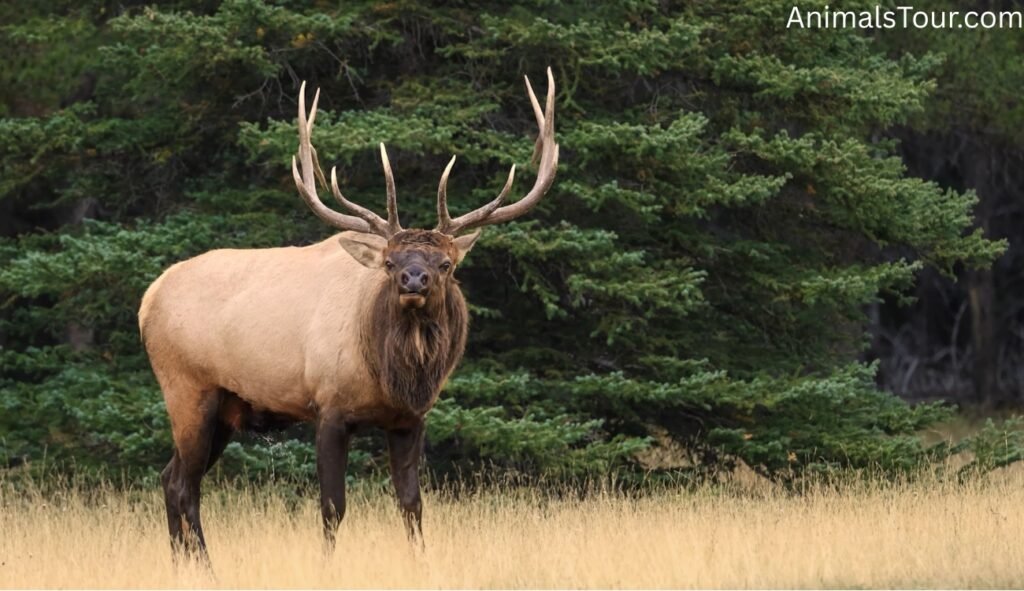
Elk, also known as wapiti, are large deer famous for the impressive antlers grown by the males. These magnificent animals often live together in groups called herds, and during mating season, males make loud, distinct bugling calls to attract females and challenge other males. As plant-eaters, elk mostly graze on grasses and other small plants, but they also munch on leaves, bark, and twigs from trees and bushes, especially when food is scarce in winter.
They make their homes in various places, from forests to open meadows and mountainsides, often moving between high and low lands to find the best food and shelter throughout the seasons. With their striking antlers and adaptable habits, elk are truly remarkable creatures of the wild.
Fun fact: Male elk produce a loud bugle during the rut, which can carry over a mile and signals their presence and strength to rivals.
Sika Deer
Scientific Name: Cervus nippon
Class: Mammalia
Diet: Herbivore
Sika deer, especially the males with their impressive antlers, are fascinating animals. These deer are often busiest early in the morning and late in the evening, moving in small family groups, though older males might prefer to live alone. During the autumn mating season, male Sika deer use their sharp antlers to fight other males and attract females.
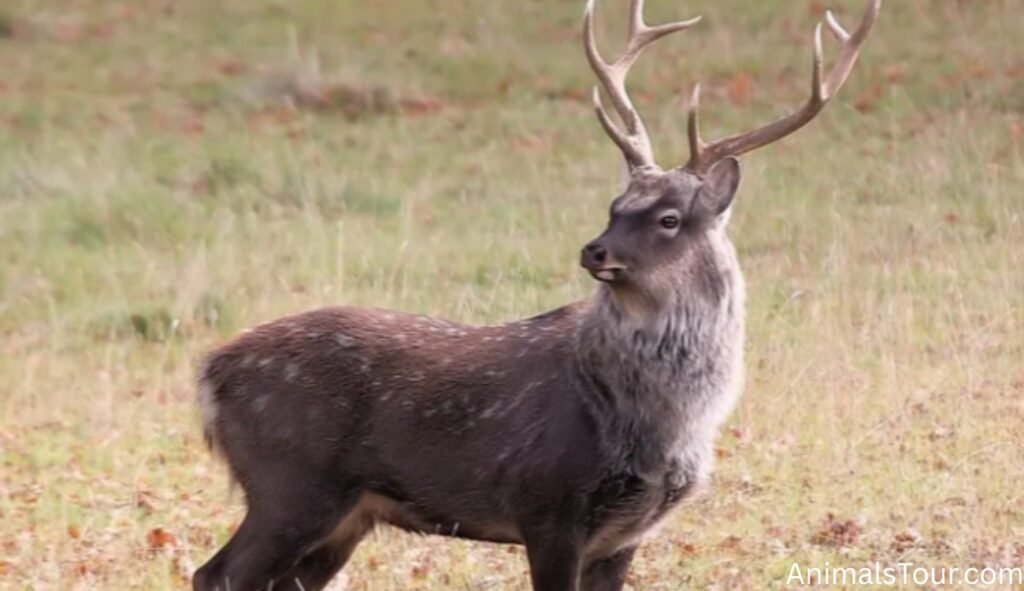
They eat many different things, enjoying grasses, leaves, twigs, and even fruits or nuts when they can find them. Sika deer like to live in forests with plenty of bushes, which helps them hide safely. Their distinct appearance and daily routines make them a special part of many natural places.
Fun fact: Sika deer males produce high-pitched whistles during the rut to communicate with rivals and attract females.
Pere David’s Deer
Scientific Name: Elaphurus davidianus
Class: Mammalia
Diet: Herbivore
The Pere David’s Deer, also known as milu, is a unique animal recognized by its special antlers that can grow quite long and fall off twice a year. These animals with antlers love water and are often found in wet grasslands and swampy areas, where they enjoy swimming and wading, sometimes even standing waist-deep in water.
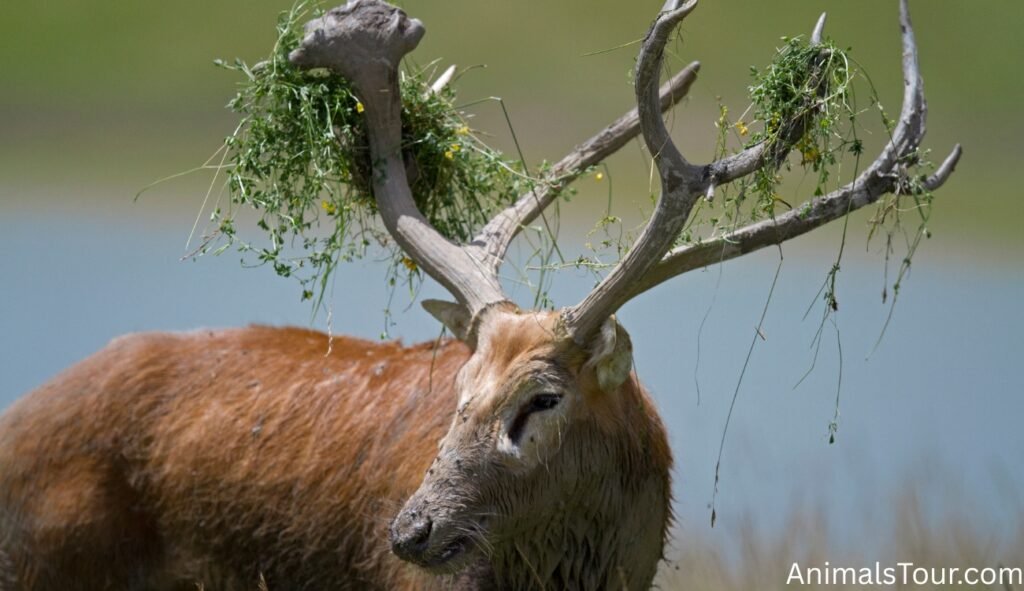
They are social creatures, usually living together in herds, and their diet mainly consists of grasses, reeds, and various water plants they find in their marshy homes. Once nearly extinct and native to China, these interesting deer now live mostly in protected reserves and zoos around the world. Thanks to dedicated conservation efforts, these fascinating deer continue to live and thrive in their specialized wetland habitats today.
Fun fact: Pere David’s deer are the only deer species that can thrive primarily in wetland habitats and swim long distances to forage.
Muntjac Deer
Scientific Name: Muntiacus reevesi
Class: Mammalia
Diet: Herbivore
Muntjac deer are small and interesting animals, known for their special antlers, habits, food, and where they live. The male deer have small antlers that grow each year and then drop off, and they also have long, pointy teeth that stick out like tiny tusks. People often call them “barking deer” because they make a loud sound, like a dog’s bark, when they feel scared or want to warn others.
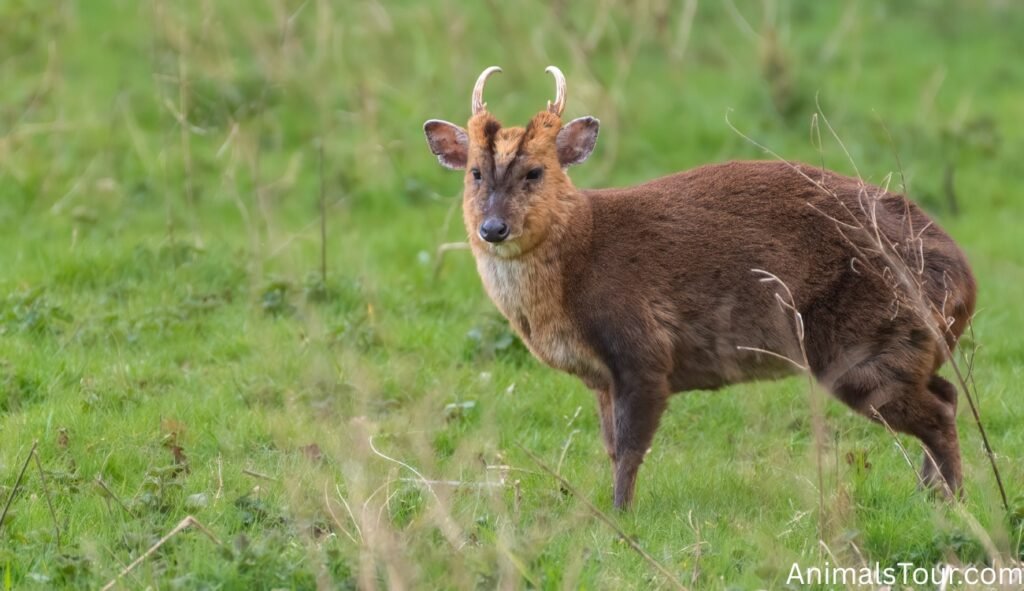
For food, these deer eat many plants, such as leaves, young shoots, fruits, and even tree bark. They like to make their homes in thick forests and woodlands, where they can find lots of places to hide. Overall, these little deer are a fascinating part of the forest, easy to spot by their unique features and quiet way of life.
Fun fact: Muntjac deer are called “barking deer” because males produce a loud bark to warn other deer of danger.
Axis Deer / Chital
Scientific Name: Axis axis
Class: Mammalia
Diet: Herbivore
The Axis Deer, also known as the Chital, is a striking animal, easily recognized by the male’s impressive antlers, which can grow quite long and pointy. These deer are social creatures, typically living in herds and are most active during the day, often found grazing in open grasslands or forests near water sources like rivers and ponds.
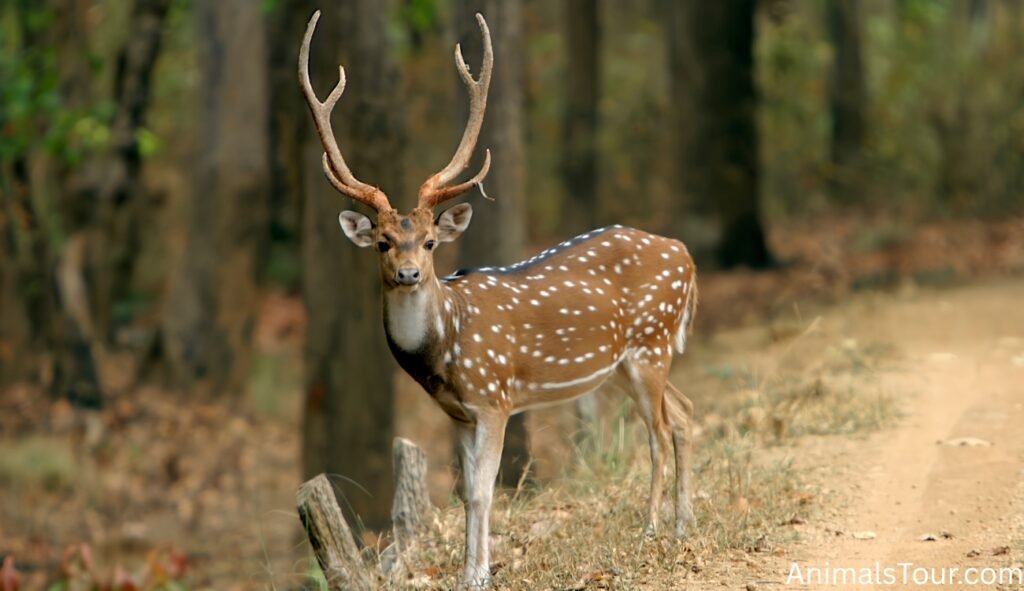
Their diet mainly consists of various grasses, but they also enjoy eating leaves, fallen fruits, and tender shoots from plants. Males shed and regrow their antlers every year, a natural part of their life cycle, and they prefer habitats that offer both plenty of food and good cover to hide from predators. With their beautiful spotted coats and graceful movements, Axis Deer are a lovely addition to the environments they call home.
Fun fact: Axis deer can run up to 35 miles per hour and use quick turns to evade predators.
Reeve’s Muntjac
Scientific Name: Muntiacus reevesi
Class: Mammalia
Diet: Herbivore
Reeve’s Muntjac, a small deer with short antlers on the males, has a fascinating way of life, including its habits, diet, and where it lives. These deer are generally shy and often found alone or in pairs, preferring to be active during the early morning and late evening hours.
They are plant-eaters, enjoying a varied diet of leaves, shoots, bark, fruits, and even seeds they find on the forest floor. You can find them living in dense woodlands, forests, and even large gardens with plenty of cover, showing how well they adapt to different places.
Fun fact: Reeve’s muntjac are among the few deer species with prominent canine tusks that are as noticeable as their antlers.
Sambar Deer
Scientific Name: Rusa unicolor
Class: Mammalia
Diet: Herbivore
Sambar deer, especially the males with their impressive antlers, are fascinating animals that make their homes in various Asian forests. These deer prefer to live in dense woodlands, often close to water sources like rivers or lakes, where they can find both food and shelter. They are generally shy creatures, most active during the cooler parts of the day, such as early morning or late evening, when they come out to graze.
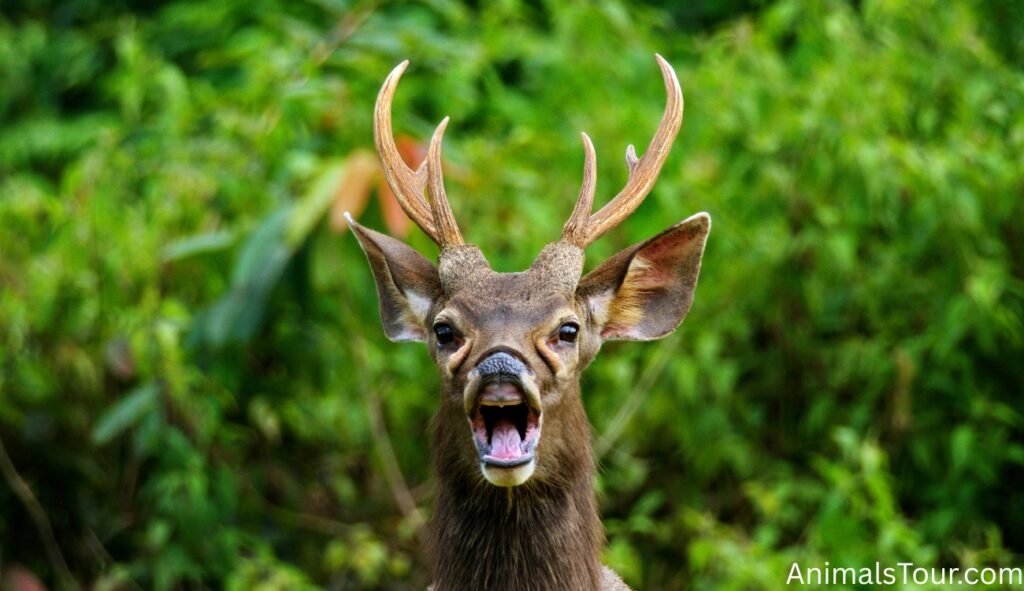
Their diet mainly consists of a variety of plants, including leaves, grass, fruits, and even tree bark, which they skillfully forage from their surroundings. Overall, these animals with antlers are well-adapted forest dwellers, perfectly suited to their quiet, plant-rich habitats.
Fun fact: Sambar deer can roar loudly during the rut, producing a sound that carries for several kilometers in the forest.
Roe Deer
Scientific Name: Capreolus capreolus
Class: Mammalia
Diet: Herbivore
Roe deer, especially the males with their unique antlers, are interesting animals found in many parts of Europe. These deer are quite shy and are most active early in the morning or late in the evening, preferring to live alone or in small family groups rather than large herds. Male roe deer grow and shed their small, bony antlers every year.
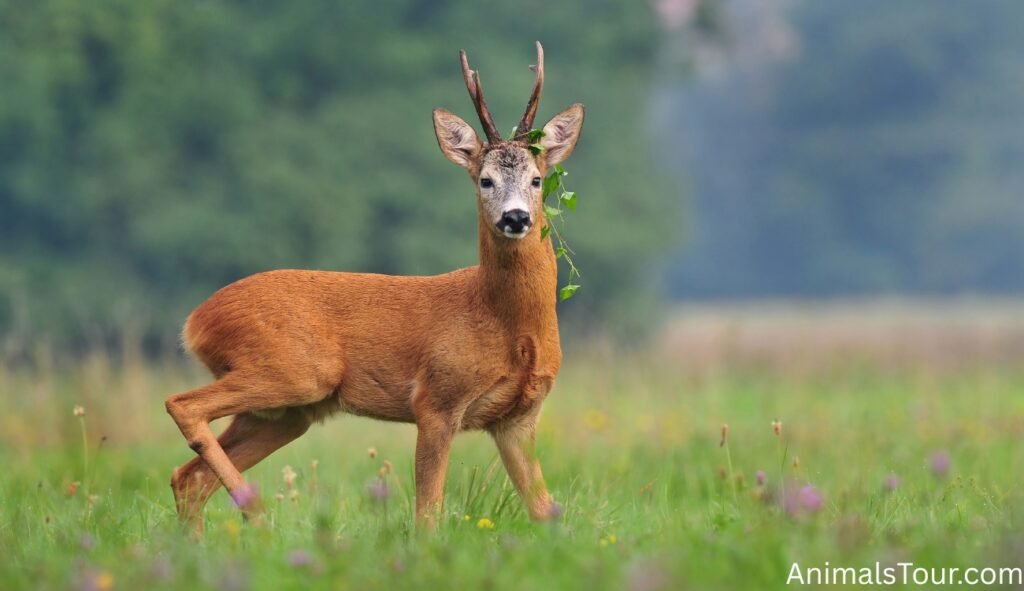
Their diet is varied; they enjoy fresh leaves, young shoots, tree buds, berries, and different types of grass. You can find roe deer living in woodlands, forests, and even in open fields that have good cover nearby, providing them with safe places to hide and rest. These gentle deer are well-adapted to their forest homes, finding food and shelter with ease.
Fun fact: Roe deer bucks sometimes use their antlers to scrape bark from trees as part of territorial display.
Marsh Deer
Scientific Name: Blastocerus dichotomus
Class: Mammalia
Diet: Herbivore
The Marsh Deer is a special animal, and the males are known for their impressive, large antlers. These deer love to live in wet places like swamps and marshes, and they are very good at swimming through the water.
They mostly look for food during the day, often by themselves or in small groups. Their diet mainly consists of water plants, different kinds of grasses, and leaves from bushes that grow in their watery homes. All these habits help the Marsh Deer thrive in its unique wetland environment in South America.
Fun fact: Marsh deer can feed while partially submerged in water, showing their semi-aquatic adaptation.
Thorold’s Deer
Scientific Name: Cervus albirostris
Class: Mammalia
Diet: Herbivore
Thorold’s deer are special animals, especially the males with their big antlers, and they have interesting ways of living, eating, and behaving. These deer mostly live high up in cold, windy mountains and plateaus, often staying together in groups, and they are usually quite shy and careful, always watching out for danger while they graze.
Their main food is different kinds of grass, herbs, and small bushes that grow in these high places, and they are very tough creatures, built to survive in harsh weather like deep snow and strong winds. All these traits help Thorold’s deer thrive in their difficult mountain homes, making them a true marvel of nature.
Fun fact: Thorold’s deer live at altitudes up to 5,000 meters, making them one of the highest-living deer species.
Pudu
Scientific Name: Pudu puda
Class: Mammalia
Diet: Herbivore
Pudu are the world’s smallest deer, and the male pudu grow very small, simple antlers on their heads. These tiny deer are quite shy and spend most of their time hidden in thick forests, often moving around more at dawn and dusk to avoid being seen.
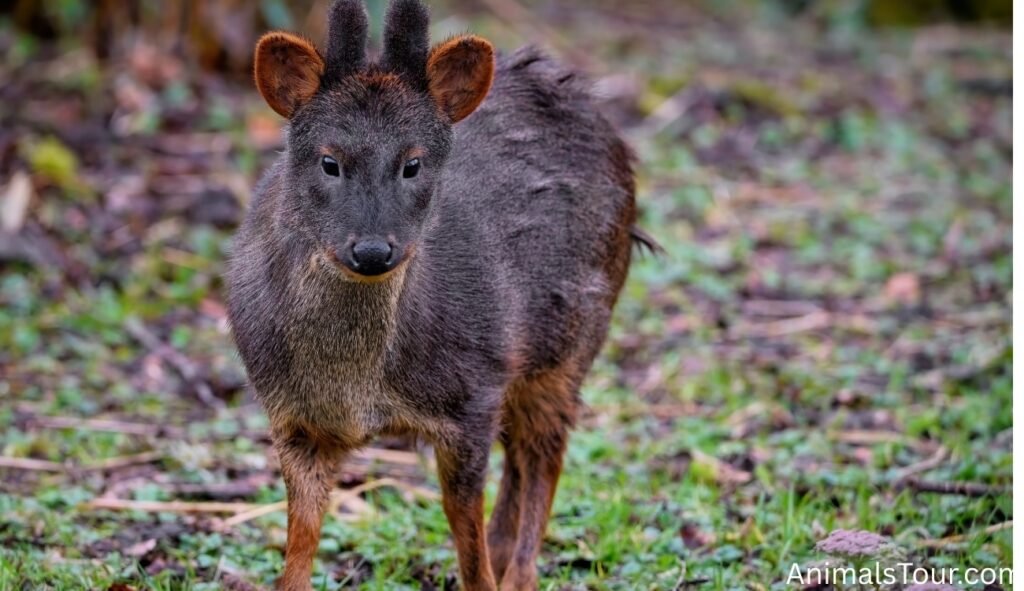
Their diet mainly consists of plants, including fresh leaves, fallen fruits, berries, and sometimes even soft tree bark. Pudu live by themselves in the dense woods of South America, especially in countries like Chile and Argentina, where they stay hidden from bigger animals. Living a quiet life deep within their forest homes, these small deer are experts at finding food and staying safe.
Fun fact: Pudus are so small that adults can easily pass under low branches and move through thick forest undergrowth.
Eld’s Deer
Scientific Name: Rucervus eldii
Class: Mammalia
Diet: Herbivore
Eld’s Deer, especially the males with their big, curving antlers, are really special animals with unique ways of life. These deer like to be active during the day, often living together in small groups, and the male deer grow new antlers every year which they later drop off.
As plant-eaters, they mostly eat different kinds of grass, leaves from trees, young plant shoots, and sometimes even fruits. You can find them living in open forests, grassy areas, and wet places in parts of Southeast Asia. All in all, Eld’s Deer are fascinating creatures whose habits and food choices help them live well in their natural homes.
Fun fact: Eld’s deer antlers can grow up to 1 meter long, making them among the longest relative to body size in deer species
Svalbard Reindeer
Scientific Name: Rangifer tarandus platyrhynchus
Class: Mammalia
Diet: Herbivore
The Svalbard reindeer is a unique animal of the Arctic, known for its small size and the fact that both males and females grow impressive antlers. Both male and female reindeer on Svalbard grow antlers every year, which is a bit unusual, and they use them for playing and sometimes for fighting over food or mates.
These animals with antlers are well-suited to their harsh home, moving slowly to save energy and often found alone or in small groups, rather than big herds. Their diet mainly consists of arctic plants like mosses, lichens, and grasses, which they cleverly dig up from under the snow during the long, cold winters.
They live only on the very northern islands of Svalbard, surviving in the freezing conditions thanks to their thick fur, short legs, and ability to find food in a challenging environment. These fascinating creatures are perfectly built to live and find food in their extremely cold, arctic island home.
Fun fact: Svalbard reindeer have unusually short legs and compact bodies to conserve heat in extreme Arctic conditions.
Barasingha
Scientific Name: Rucervus duvaucelii
Class: Mammalia
Diet: Herbivore
The Barasingha, also known as the swamp deer, is easily recognized by the male’s large, many-pointed antlers. These deer typically live in wet, grassy areas like swamps and wetlands, often forming small groups in places like central India and Nepal.
They mostly eat grasses and other plants found in their watery homes. During the mating season, the males use their impressive antlers to fight for mates. This special deer is perfectly adapted to its marshy habitat, making it a unique and wonderful animal with its striking antlers.
Fun fact: Barasingha’s antlers can have up to twelve points, which is the origin of their name, meaning “twelve-tined” in Hindi.
Tufted Deer
Scientific Name: Elaphodus cephalophus
Class: Mammalia
Diet: Herbivore
The tufted deer is a small, shy animal known for its unique look, especially the males with their small antlers and a distinct tuft of hair. Male tufted deer have short, spiky antlers that are often hidden by a prominent black tuft of hair on their forehead, and they also possess visible “fangs” (elongated canine teeth) that stick out from their mouths.
These deer are mostly active during the early morning and late afternoon, preferring to stay hidden in dense forests during the day, and they usually live alone, making them quite secretive. Their diet consists mainly of leaves, twigs, fruits, and various grasses found in their forest environment.
You can find these fascinating creatures living in cool, misty mountain forests across parts of China and Myanmar. Overall, the tufted deer is a unique and charming animal perfectly suited to its hidden life in the dense, high-altitude forests.
Fun fact: Tufted deer have both antlers and prominent tusks, giving them a unique appearance among deer species.
Conclusion:
As we wrap up our look at the top 20 animals with antlers, it’s clear just how amazing and varied these creatures are. We’ve explored everything from the massive antlers of a moose to the delicate ones of a roe deer, learning about their different homes and daily routines, and how these unique features help them survive. Each species, whether big or small, plays a special role in its environment and truly shows off nature’s clever designs. These fascinating animals truly highlight the incredible beauty and wide range of life found in the wild world.
FAQs
Q1: What are the animals with antlers?
Antlers are found mostly on deer species, including moose, elk, reindeer, sika deer & smaller deer like pudú and muntjac.
Do both male and female deer grow antlers?
Usually only males grow antlers, but species like reindeer (caribou) have both males and females growing antlers.
How often do animals shed antlers?
Most antlered species shed their antlers annually, typically in winter & regrow them in spring for the mating season.
What are antlers used for?
Antlers are used for fighting rivals, attracting mates, establishing dominance & sometimes for defense or foraging in snow or vegetation.
Are antlers the same as horns?
No. Antlers are shed and regrown yearly and are made of bone. Horns are permanent and made of keratin.
Do all deer species grow antlers?
No. Only certain deer species grow antlers. Some smaller deer or females of certain species may not have them.