12 interesting facts: Do Porcupines Live In Georgia?
“Do Porcupines Live In Georgia?” This interesting question brings us to explore the habitat and behavior of these unique animals. Understanding their presence not only enhances our knowledge of Georgia’s wildlife but also understands the importance of biodiversity in our ecosystem. By the end of this article, you’ll have a clear picture of whether these amazing animals live in the state of Georgia.
Habitat and Range of Georgia Porcupines
Porcupines in Georgia are highly adaptable, nocturnal animals primarily found in the northern and central regions of the state. They traditionally rely on old-growth forests with ample tree cover for sanctuary and to navigate the terrain.
However, due to their resilience and encroaching urban development, porcupines in Georgia are increasingly expanding their range into suburban areas, demonstrating a unique ability to thrive alongside humans.
Are there Wild Porcupines in Georgia?
These amazing animals are not native to the state, leading many to wonder about their absence in the southeastern landscape. While they are usually found in the northern regions of North America, Georgia’s warm climate and diverse habitats may not be ideally suited for their survival.
Interestingly, the southeastern U.S. has many different kinds of wild animals, species that live in warmer settings. Some may think that porcupines could adapt to the lush forests and abundant food sources found here, like the thick underbrush of the Appalachians. These rare animals, known for their unique defense mechanism, often remain hidden, leading to misconceptions about their dispersal range.
As conservation efforts expand in the region, the potential for a natural migration could shift the narrative. Maybe one day, residents might find these quilled animals wandering through Georgia’s woodlands.
Do Porcupines Live In Georgia?
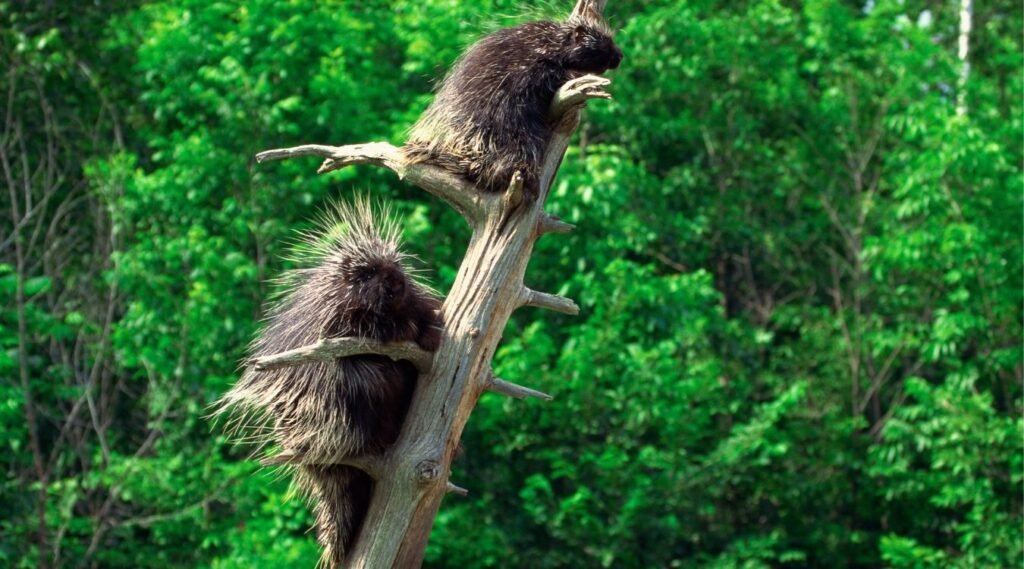
While it’s easy to associate porcupines with the northern forests of North America, these unique rodents have been spotted in various regions, including the more temperate landscapes of Georgia.Infact porcupines do indeed live in Georgia, mostly the areas rich in hardwoods.
Porcupines are amazing animals, often overlooked by casual observers. As nocturnal animals like an owl, they are most active during the night, searching for a food that primarily consists of tree bark, leaves, and fruits. This dietary preference contributes to both the growth of new trees and the overall health of their habitat; by gnawing on certain species, they allow sunlight to reach newer plants.
Thus, the porcupines living in Georgia are not just survivors but essential players in maintaining the ecological balance within their environment. Their unique habits offer a brief look into their connection with the surroundings of the ecosystem.
What States do Procupine live in?
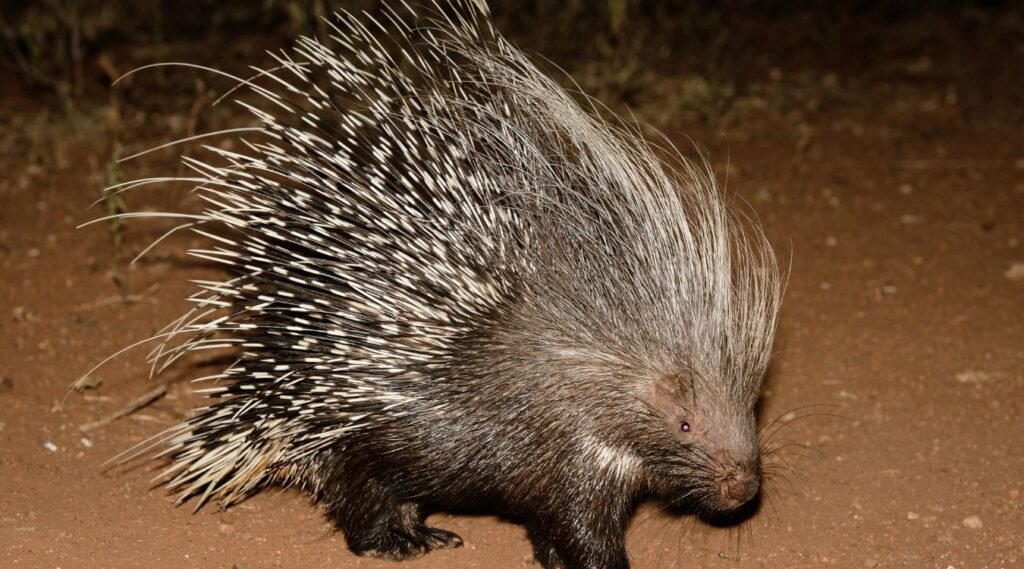
Porcupines live in the state of Georgia. While these nocturnal creatures are typically associated with the rugged, northern forests of the United States, they have a surprising presence in the Southeast. Specifically, Porcupines in Georgia thrive within the state’s diverse ecosystems, finding suitable habitats in its lush woodlands and mountainous regions.
Their ability to live in this state is supported by their adaptable foraging habits, as they use strong teeth to eat the leaves, fruits, and inner tree bark found in these environments. Furthermore, Porcupines in Georgia serve as an emblem of the state’s diverse wildlife and highlight the need for local conservation. As climate change shifts natural habitats, understanding how these quilled mammals adapt to Georgia’s terrain helps inform strategies to protect them and the surrounding ecosystem.
Where to Find Porcupines In Georgia?
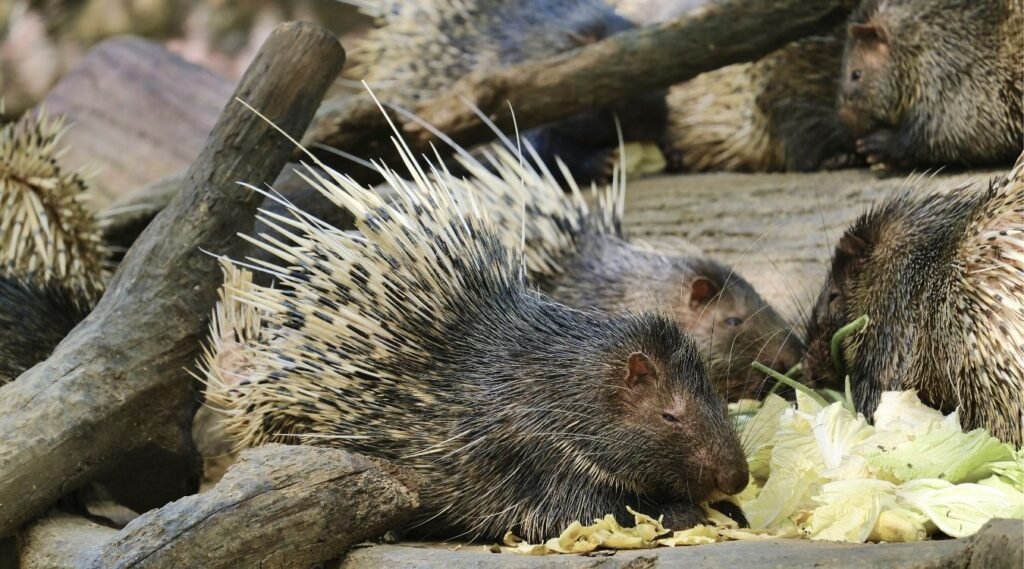
Porcupines in Georgia are often found in the eastern and northern parts of the state, particularly in wooded areas where their preferred food sources, like leaves, bark, and fruits, are abundant. Look for them in diverse habitats, such as deciduous forests and swamps. These nocturnal creatures are more active at twilight and during the night.
While porcupines are not commonly seen due to their alone nature, you can increase your chances by exploring areas around the Cohutta Wilderness or the Chattahoochee National Forest. Hiking along the trails or venturing near riverbanks can reveal signs of porcupine activity, such as bite marks left on the trees and the fallen quills of animals.
Physical Characteristics of Porcupines
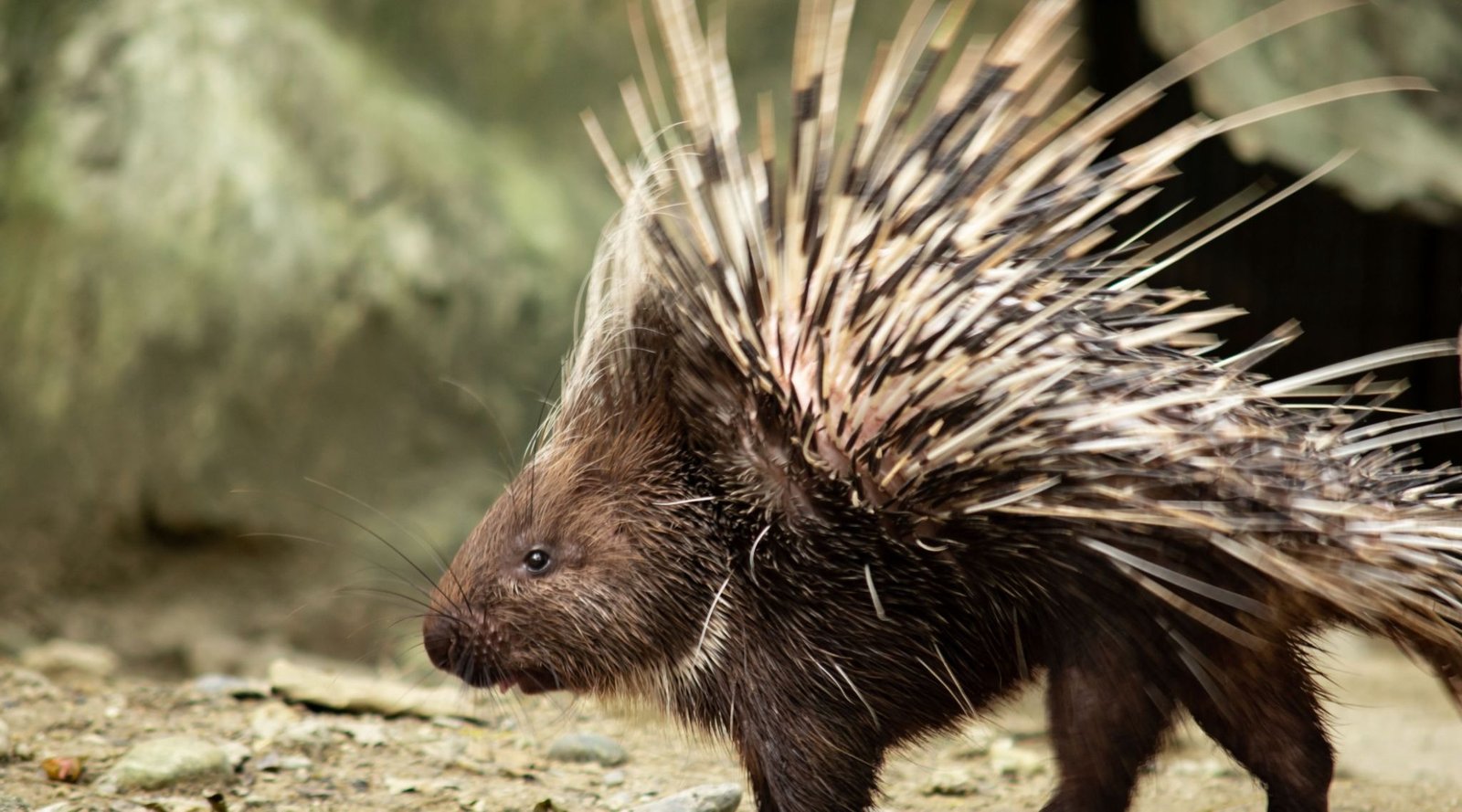
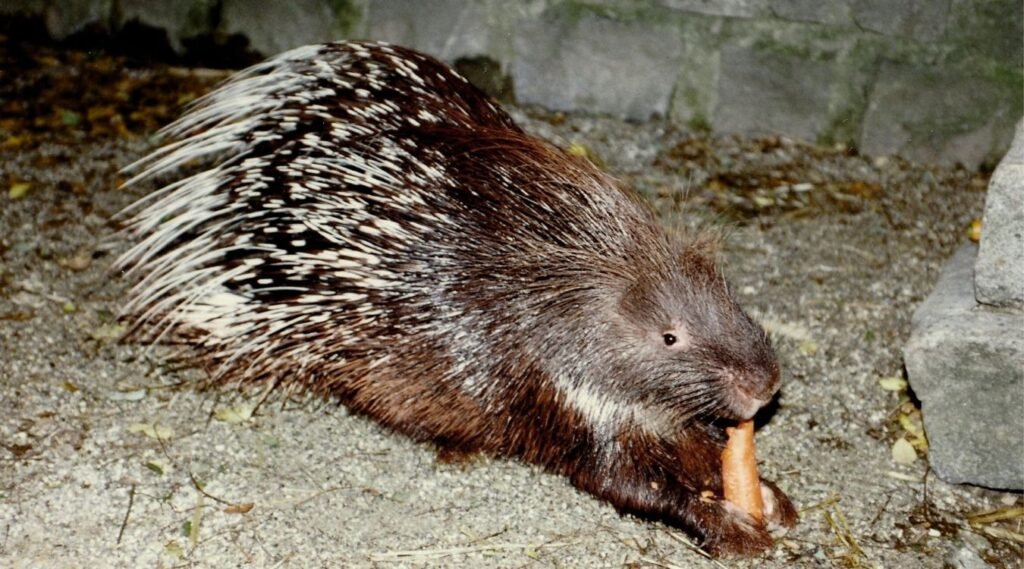
Porcupines are large, stout rodents, typically weighing between 15 and 35 pounds and measuring 2 to 3 feet in length. They are easily recognized by their coat of roughly 30,000 sharp, barbed quills. These quills are modified hairs made of keratin that detach easily when touched by predators, though they cannot be “shot.”
They generally have dark brown or black fur mixed with pale quill tips, small rounded ears, and prominent orange front teeth adapted for gnawing. Additionally, they feature short, sturdy legs with curved claws for climbing and a thick, muscular tail used for balance and defense.
What animal is similar to a Porcupine?
When considering animals similar to a porcupine, the echidna appears as an amazing counterpart. While they differ significantly in appearance and habitat, both species share a unique approach to self-defense. The echidna, with its spiny exterior and ability to curl into a ball, utilizes these adaptations to deter predators, much like a porcupine displays its quills. This shared defense mechanism highlights the evolutionary paths that led to such strikingly different creatures developing similar survival strategies.
What do porcupines eat?
Porcupines are herbivorous creatures with a wide range of food, usually enjoying a diet of leaves, bark, and various fruits. These spiky animals often target the tender parts of trees, delighting in the bark of hardwood varieties such as maple and oak. Their strong teeth and specialized chewing abilities allow them to consume plant materials that many other animals would find unpalatable. Interestingly, porcupines are also known to gnaw on bones and antlers, seeking out the calcium they need for strong quills and overall health.
Are porcupines friendly to people?
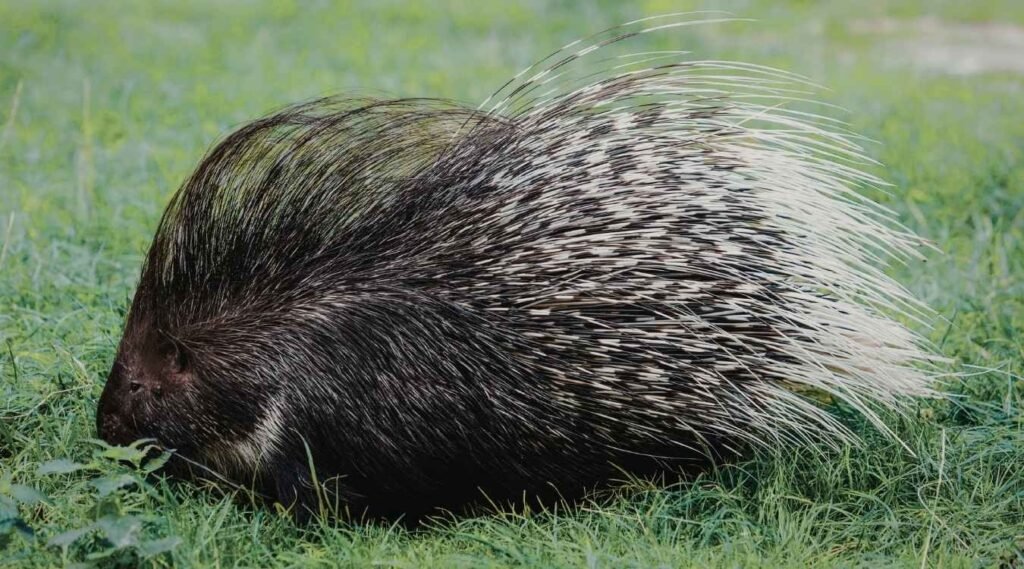
Porcupines are often misunderstood creatures, with the common belief being that their sharp quills make them unfriendly or aggressive. In reality, these amazing mammals tend to be shy and independent, preferring to avoid encounters. When encountered in the wild, a porcupine’s first instinct is to retreat rather than attack. They may puff up their quills and hiss as a warning, but this behavior is more about self-preservation than aggression.
Despite their spiky defense mechanism, porcupines can display a surprising level of calmness around humans, particularly when raised in captivity. Many have shown notable curiosity when approached, occasionally inching closer to explore their surroundings.
For those who adopt them as pets or work with them in rehabilitation, establishing trust can lead to a unique bond. It’s important to remember, however, that their natural instincts should always be respected, and interactions should be approached with caution. Ultimately, while porcupines may not be cuddly companions, they can exhibit an interesting nature of gentleness and independence, making them amazing animals to observe and appreciate.
Why do I have porcupines in my yard?
Seeing porcupines in your yard can be surprising, especially if you’re unaccustomed to these spiny creatures. Their presence often indicates a nearby food source, as porcupines are herbivorous and have a strong liking of eating tree bark, fruits, and even garden vegetables. If you’ve noticed them snacking on your prized shrubs or fruit trees, it’s a sign your garden has become a place of variety of food for these nocturnal animals.
Beyond the immediate impact on your landscaping, porcupines can also serve as indicators of a healthy local ecosystem. Their presence suggests a balanced habitat where various species lived. Consider this an opportunity to observe nature’s cycles, as porcupines play a role in forest management by helping to control plant growth. While they may create a problem, understanding their behavior can transform your irritation into appreciation for the complex web of life happening in your backyard.
What to do if a porcupine is in my yard?
If you discover porcupines in your yard, the first step is to assess the situation calmly. These gentle creatures typically prefer solitude and are unlikely to pose a threat unless cornered. Observe from a safe distance and identify what might have drawn them to your property, food sources like fruit trees or gardens can be particularly attractive.
Understanding their motives can help you adjust your yard habits, such as securing compost bins or removing fallen fruit, to prevent them from coming back.Once you’re aware of their presence, consider making a safe sharing plan. Porcupines are vital to ecosystem health, aiding in tree growth and providing food for predators.
If the porcupines are staying longer than you’d like, you might use natural ways to keep them away, such as planting strong-smelling herbs or installing fences that are at least three feet high and buried several inches underground to prevent burrowing. Remember, while it’s natural to feel concerned, these spiky animals often mean no harm. Embracing this wildlife moment can enrich your garden experience, transforming your yard into a dynamic ecosystem.
Is it safe to touch a porcupine?
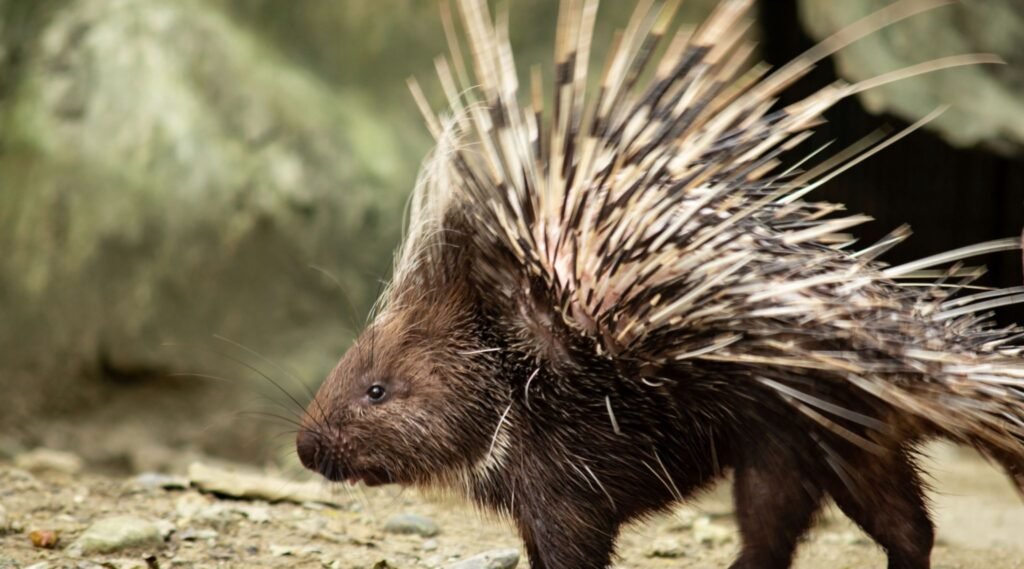
Touching a porcupine might seem like an interesting experience, but it’s essential to approach this amazing creature with caution. While porcupines are generally not aggressive, their quills serve as an impressive defense. These sharp, barbed quills can easily detach and embed themselves in potential threats, leading to painful and stubborn injuries. Thus, while it may not be outright dangerous to touch a porcupine, the risks associated with their quills make it advisable to admire them from a safe distance.
Can a porcupine hurt you?
Conclusion
When asking where do porcupines live in Georgia, the answer is primarily the forested regions of the northern part of the state. These shy creatures play a vital, though rarely seen, role in the area’s ecological balance. By respecting their woodland habitats, we can ensure these unique animals remain a thriving part of Georgia’s diverse wildlife.
FAQS
1. Do porcupines live in Georgia?
Yes, porcupines can be found in parts of northern Georgia, particularly in forested areas.
2. What species of porcupine is found in Georgia?
The North American porcupine (Erethizon dorsatum) is the species typically found in Georgia.
3. Are porcupines common in Georgia?
Porcupines are not very common in Georgia, but they can occasionally be spotted in suitable habitats.
4. When is the best time to see porcupines in Georgia?
Early morning or late evening is often the best time to spot porcupines, as they are mostly nocturnal.
5. Can porcupines be kept as pets in Georgia?
Keeping porcupines as pets may require a special permit, and they need a specific diet and environment to live.