Discover 12 Animals that look like Capybara
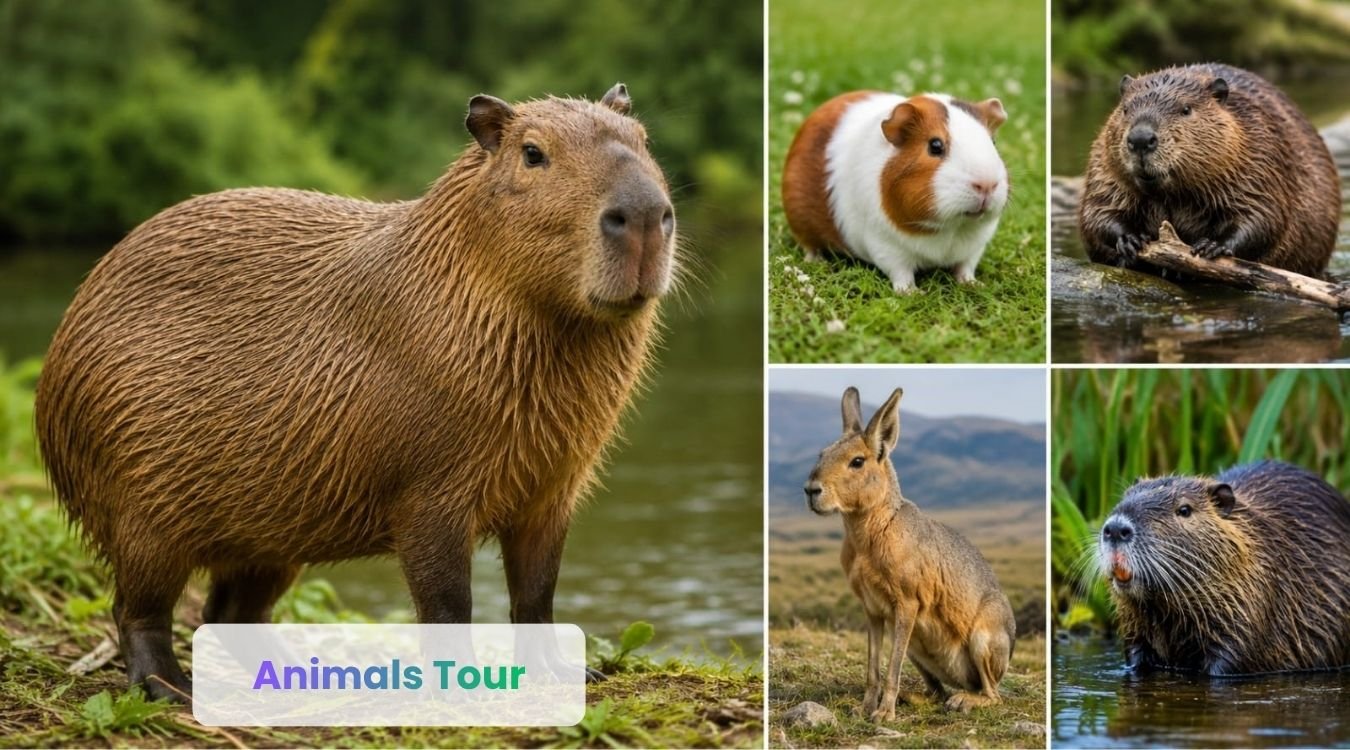
Have you ever seen an animal that reminds you of a capybara? In this article, we will explore some amazing animals that look like capybara, showcasing their unique features and habitats. Understanding these creatures helps us appreciate the diversity in the animal kingdom. By the end, you’ll have a whole new appreciation for these capybara twins in the animal world.
List of Animals that Look Like Capybara
Here is the list of the top 12 animals that look like Capybara.
- Guinea Pigs
- Beavers
- Porcupine
- Warthogs
- Chinchillas
- Patagonian Mara
- Muskrat
- Tapirs
- Paca
- Agouti
- Nutria (Coypu)
- Groundhog
Exploring these capybara look-alikes can give us a better understanding of different species and their characteristics. Let’s dive into the details of animals that share some features with capybara.
Guinea Pigs
Scientific Name: Cavia porcellus
Class: Mammalia
Diet: Herbivore (grass, hay, vegetables, and leafy plants
When you think of animals that look like capybara, guinea pigs often come to mind as adorable mini versions. These fluffy little creatures may lack the size of a capybara, but their round bodies, social nature, and tranquil temperament share much in common. You’ll often find them munching on hay or chirping amongst themselves, much like a small capybara-like animal interacting with its group.
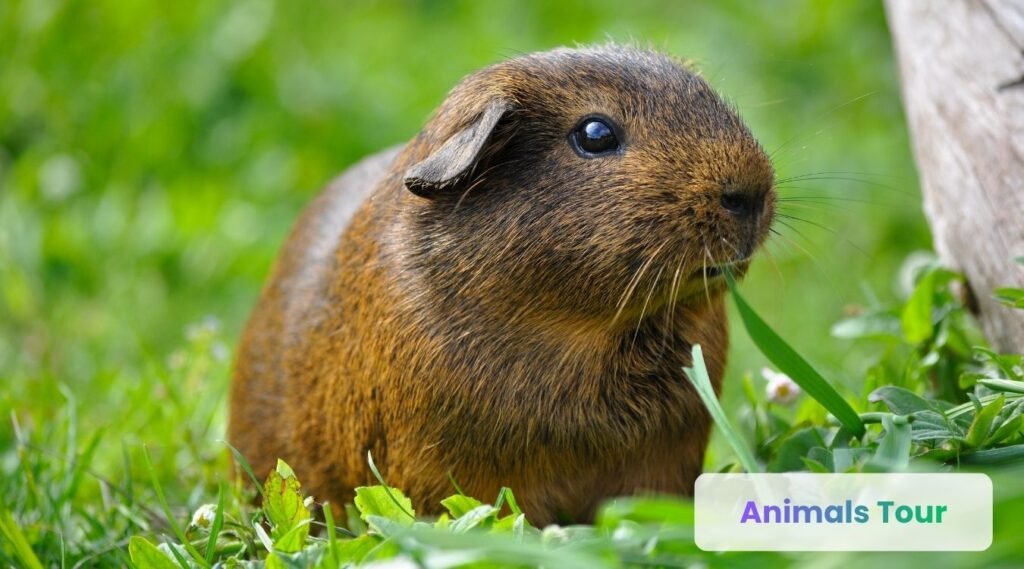
Guinea pigs come in a variety of colors and fur types, just as capybaras vary in their hues of brown and tan. While they may not swim like capybaras, their playfulness and friendly demeanor can be just as endearing. With a little care, these furry critters can bring immense joy, proving to be wonderful companions that mirror the social habits of their larger relatives.
Beavers
Scientific Name: Castor canadensis (North American beaver) / Castor fiber (Eurasian beaver)
Class: Mammalia
Diet: Herbivore (tree bark, twigs, leaves, aquatic plants, and shrubs)
With their barrel-like bodies and love for water, beavers can easily be connected to capybaras in the animal kingdom. Capybaras are often seen lounging by riversides, and so are beavers, who build elaborate homes that could rival any capybara’s territory. Both animals share a vital role in their ecosystems, helping to create habitats for other creatures.
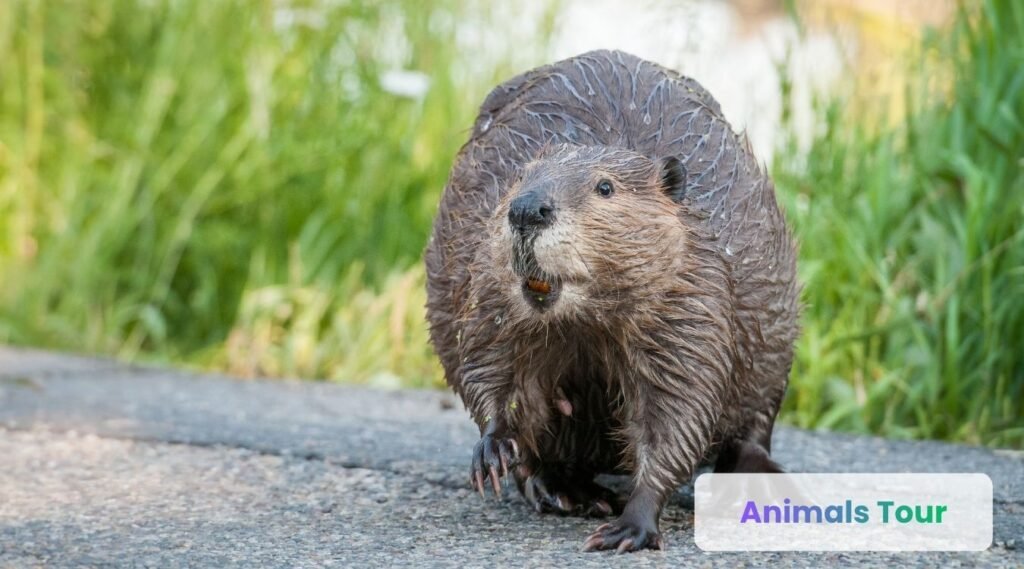
Beavers are truly unique with their flat tails and impressive building skills, but their leisurely lifestyle mirrors that of a capybara. They can often be seen taking it easy after a long day of gnawing on wood and gathering food. If you’re intrigued by capybaras, then observing the industrious yet relaxed lifestyle of beavers will certainly capture your interest.
Porcupine
Scientific Name: Erethizon dorsatum (North American porcupine) / Hystrix cristata (Crested porcupine)
Class: Mammalia
Diet: Herbivore (leaves, bark, twigs, fruits, and roots)
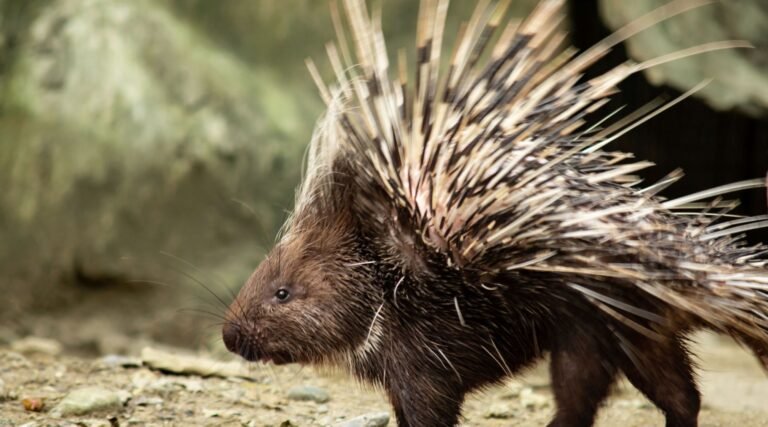
At first glance, you might not think of a porcupine as an animal that looks like a capybara, but their shared stout bodies and distinct presence can give them a similar vibe. While capybaras have that sleek, aquatic appearance, porcupines sport quills that make them stand out. Both animals share a calm demeanor, and you might spot them lounging in the sun or munching on their favorite plants. Their gentle nature is a huge draw, whether in the wild or as part of a petting zoo.
Interestingly, porcupines are excellent climbers, a skill that capybaras lack. Yet, both animals thrive in diverse environments. Like the capybara, the porcupine enjoys a diet rich in vegetation, including bark and leaves. If you’re looking for small capybara-like animals that surprise you with their unique characteristics, porcupines are worth exploring.
Warthogs
Scientific Name: Phacochoerus africanus
Class: Mammalia
Diet: Omnivore (grasses, roots, bulbs, fruits, insects, and small animals)
Warthogs may appear quite different from capybaras at first glance, but their stocky frames and playful behavior make them a capybara look alike in spirit. Both creatures enjoy wallowing in mud, a passion that helps them regulate their body temperature and keep parasites at bay. Warthogs have a unique charm, running with a bristly mane and a snout that is quite expressive, while capybaras are known for their sociable nature.
Social structures in both species reveal intriguing similarities. Warthogs often gather in small groups, similar to the friendly herds of capybaras you might encounter by a river. Both animals demonstrate close bonds with their families, making them captivating subjects for wildlife enthusiasts. Their distinctive appearances and engaging habits truly make warthogs standout among the animals that look like capybara.
Chinchillas
Scientific Name: Chinchilla lanigera
Class: Mammalia
Diet: Herbivore (grasses, seeds, herbs, and shrubs)
Chinchillas, with their plush fur and lively antics, can remind you of capybaras when it comes to their soft and approachable nature. Although they are much smaller, their lively spirit and sociability echo the gentle demeanor of a capybara. These adorable animals are known for their playful jumps and cuddly appeal. Watching a chinchilla bound around can bring a smile, just as observing a capybara relaxing by the water does.
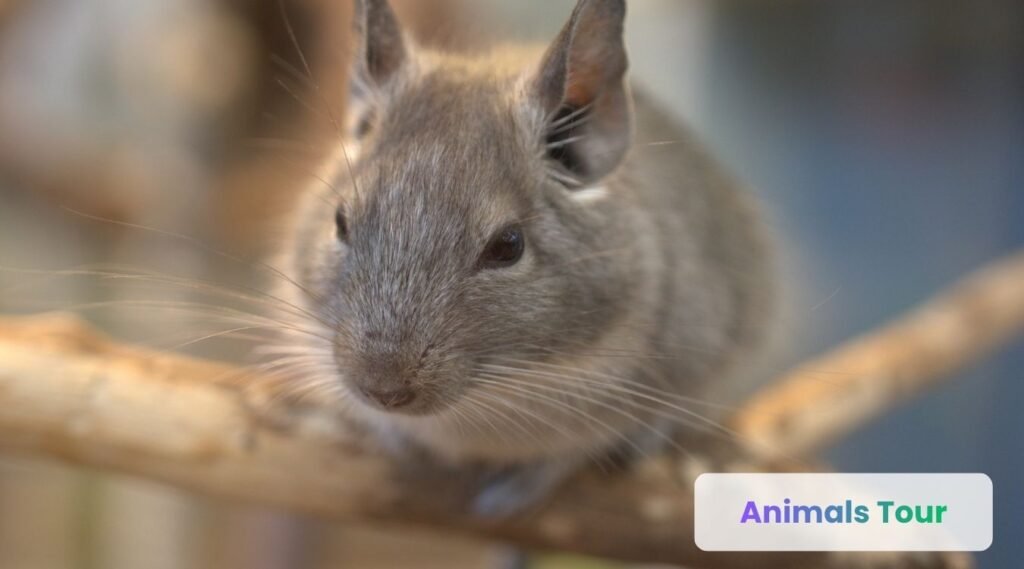
Their fur is one of the softest in the animal kingdom, making them delightful to hold. Unlike capybaras, chinchillas need specific care, including dust baths to keep their luxurious coats clean. Yet, both animals enjoy a good diet of plants, establishing them as part of the family of animals that look like capybara in terms of personality and lifestyle.
Patagonian Mara
Scientific Name: Dolichotis patagonum
Class: Mammalia
Diet: Herbivore (grasses, leaves, herbs, and seeds)
If you’re looking for a capybara look-alike that stands out in its own right, the Patagonian mara is a fantastic choice. This charming animal has long legs and a body type reminiscent of a capybara, but it exhibits a unique grace. These animals often roam in pairs and are known for their affectionate bonding, much like capybaras enjoy the company of their friends and family.
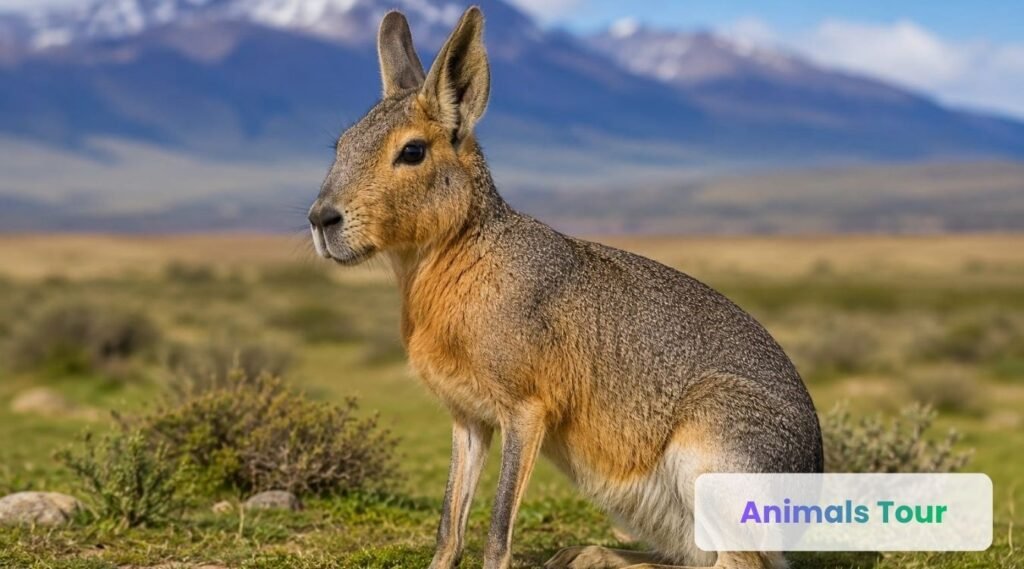
Their striking coloration and distinct profile attract many wildlife enthusiasts. Like the capybara, Patagonian maras thrive in sunny environments and primarily indulge in a diet of grasses. Observing these animals together highlights the subtle yet impactful similarities across species that you might find in the larger family of small capybara-like animals.
Muskrat
Scientific Name: Ondatra zibethicus
Class: Mammalia
Diet: Omnivore (aquatic plants, roots, mussels, frogs, fish, and insects
Muskrats often evoke thoughts of capybaras with their similar sizes and aquatic lifestyles. Although muskrats are smaller and have a more elongated body shape, they share a love for water, often seen swimming in ponds or marshes. Both creatures are herbivores, munching on water plants and grasses, which makes them essential members of their ecosystems.
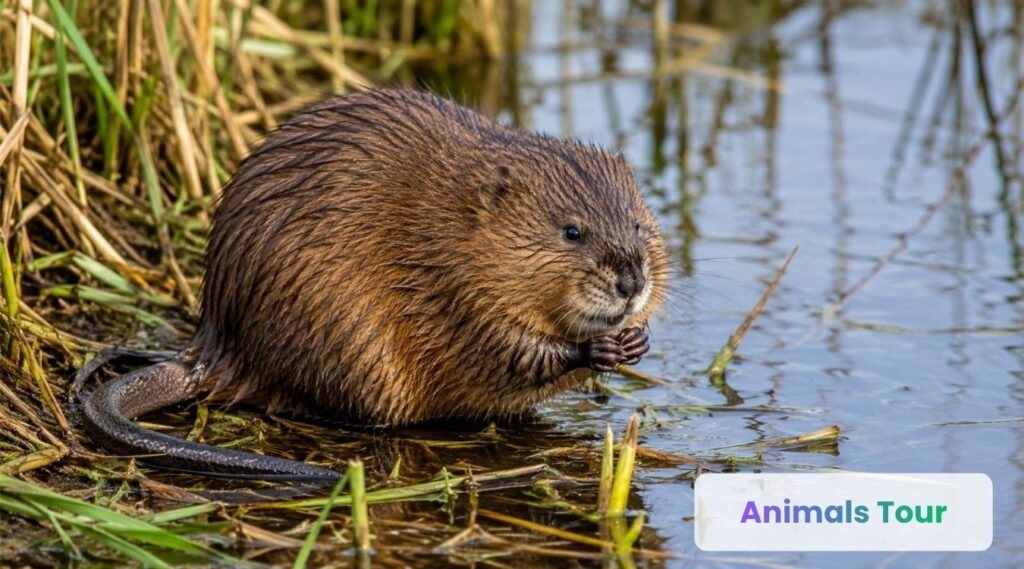
Their adaptability and social behavior resemble that of capybaras, as muskrats can often be found in family groups. The muscular build and strong tails of muskrats remind many of capybaras’ sturdy frames, making them yet another example of small capybara-like animals you’d find interesting while exploring wildlife.
Tapir
Scientific Name: Tapirus spp.
Class: Mammalia
Diet: Herbivore (leaves, fruits, grasses, and aquatic plants)
Tapir is another animal that resembles capybaras, particularly its stout bodies and short legs. Tapirs are large, herbivorous mammals typically found in Central and South America and parts of Southeast Asia. Tapirs have a distinctive appearance with a long snout that looks a bit like a trunk, which helps them reach leaves and fruits. Unlike capybaras, tapirs are usually solitary animals and prefer dense forests or wetlands.
The diet of a tapir consists mostly of leaves, fruits, and aquatic plants, and they play a crucial role in dispersing seeds through their droppings. They are excellent swimmers, often submerging themselves in water to escape predators. While capybaras are known for their social nature, tapirs generally keep to themselves, which can make them less commonly seen in the wild. Despite their differences, both tapirs and capybaras share the same peaceful demeanor and a love for watery environments
Paca
Scientific Name: Cuniculus paca
Class: Mammalia
Diet: Herbivore (fruits, seeds, leaves, and roots)
The paca stands out as yet another animal that looks like a capybara, with its distinctive rounded body and adaptable nature. Native to Central and South America, this large rodent enjoys a semi-aquatic lifestyle similar to capybaras. With their sleek coats, which can exhibit lovely spotted patterns, pacas are captivating creatures that share an affinity for river habitats.
Both the paca and capybara thrive on a diet rich in plants. While capybaras are more social and often found in groups, pacas prefer a more solitary lifestyle but still present charming behaviors that echo their capybara cousins. As you explore the world of small capybara-like animals, the paca certainly deserves your admiration for its unique traits.
Agouti
Scientific Name: Dasyprocta spp.
Class: Mammalia
Diet: Herbivore (fruits, nuts, seeds, roots, and leaves
When exploring animals that look like capybara, the agouti is another fascinating creature to consider. With its sleek body and agile movements, the agouti brings a different charm to the table. While they vary in size, agoutis share a similar rounded shape and often inhabit areas where capybaras are found. Their quick, darting movements showcase agility that capybaras typically don’t possess, making this small capybara-like animal quite interesting to observe in the wild.
What adds to their allure is their social interaction, as agoutis can often be seen foraging together. Both animals play an essential role in their ecosystems, highlighting a kinship in their lifestyles despite physical differences. Exploring the world of these animals not only broadens your understanding but also deepens your appreciation for their unique traits and shared habitats.
Nutria (Coypu)
Scientific Name: Myocastor coypus
Class: Mammalia
Diet: Herbivore (aquatic plants, roots, stems, and leaves)
Nutria, also known as coypu, are often mistaken for capybaras because of their similar size and shape. They are semi-aquatic rodents that usually live in wetlands, marshes, and rivers. Nutria have long, rounded bodies covered in thick, brown fur, which helps keep them warm in cold water. Like capybaras, they have webbed feet that assist them in swimming, making them efficient at navigating through their watery homes.
One easy way to tell nutria apart from capybaras is their tails. Nutria have long, rat-like tails that are almost hairless, while capybaras have shorter, rounder tails. Nutria also have bright orange teeth, which are strong and help them gnaw on tough plants. They are social animals, often seen in groups, and they eat a diet mainly consisting of aquatic plants, helping to maintain their habitats.
Groundhog
Scientific Name: Marmota monax
Class: Mammalia
Diet: Herbivore (grasses, leaves, flowers, fruits, and vegetables)
Groundhogs, or woodchucks, share some similarities with capybaras, particularly in size and body shape. They have short legs, stocky bodies, and a double coat of fur that helps keep them warm. Groundhogs can be found in fields, forests, and even suburban areas. They are known for digging burrows, which they use for shelter and storing food. This behavior makes them different from capybaras, which prefer to stay near water.
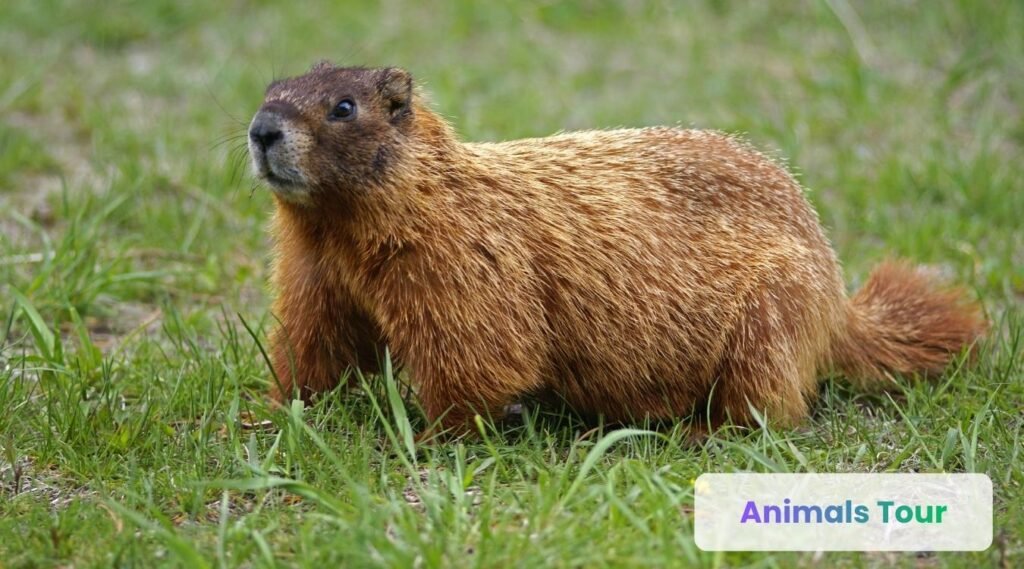
When groundhogs feel threatened, they can stand on their hind legs to get a better view of their surroundings. They primarily eat grasses, fruits, and vegetables, and they are active during the day. Unlike capybaras, which are very social, groundhogs are more solitary and prefer to spend time alone or with a mate during the breeding season. Their distinct burrowing habits play an important role in the ecosystem, offering shelter to many other animals.
Conclusion
In the realm of wildlife, animals that look like capybara offer a unique glimpse into the diversity of the animal kingdom. From the semi-aquatic habits of the beaver to the social interactions of the guinea pig, these creatures share both physical and behavioral traits with the capybara.
Observing these similarities can deepen our appreciation for nature and the intricacies of evolution. While the capybara holds a prominent place in its own right, understanding its lookalikes can broaden our perspective on animal adaptation.
FAQs
What is the cousin of the capybara?
The capybara’s closest relatives are other members of the family Caviidae, including guinea pigs and rock cavies.
What animal looks like a capybara?
The nutria, or coypu, shares a similar size and shape with capybaras, as both are large semi-aquatic rodents.
What animals are similar to capybaras?
Some animals that look like capybara includes guinea pigs, beavers, and nutria, all sharing a rodent ancestry.
What is a smaller version of a capybara?
The agouti is a smaller rodent that resembles a capybara but is much more compact and terrestrial.