Top Amazing Powerful Animals That Eat Monkeys (With Images)
Animals that eat monkeys are known as monkeys predators because they hunt monkeys for food. A predator is an animal that chases, catches, and eats other animals. In this case, the monkey becomes the prey. These monkeys predators live in forests, jungles, wetlands, and grasslands around the world.
Each one uses a different method to catch a monkey. Some climb trees, some dive from the sky, and some stay still and wait for the right moment. They also help keep nature balanced by controlling monkey populations. T This article will show what eats monkeys and how each predator uses its own hunting style.
List of Animals That Eat Monkeys
Here is the list of animals that eat monkeys:
- Green Anaconda
- Leopards
- Crocodiles
- Ocelots
- Fox
- Martial Eagles
- Hawks
- Chimpanzee
- Tigers
- Crowned Eagle
- Dhole
- Harpy Eagles
- Komodo Dragons
- Reticulated Python
- Philippine Eagle
- Wild Dog
- Jaguars
Green Anaconda
Scientific Name: Eunectes murinus
Class: Reptilia
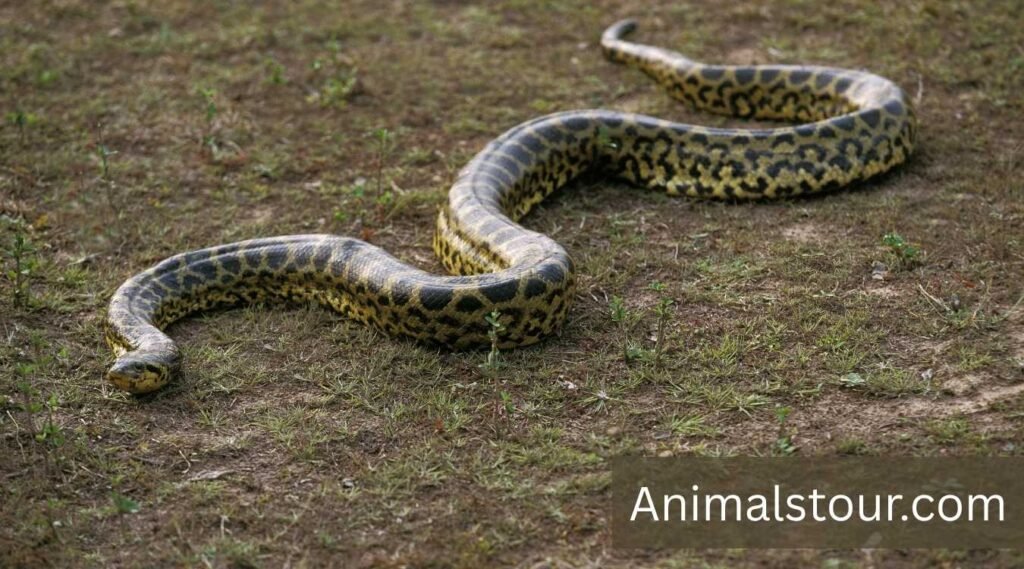
The green anaconda is one of the heaviest snakes on the planet. It lives in the swamps and rivers of South America, waiting quietly for prey to come close. When a monkey gets too near the water’s edge, the anaconda strikes fast and wraps tight.
It squeezes until the monkey can’t breathe, then swallows it whole.This snake doesn’t need to chase anything. It relies on patience more than speed. Monkeys that come down to drink water take a serious risk near anaconda territory. Many never make it back to the trees.
Leopards
Scientific Name: Panthera pardus
Class: Mammalia
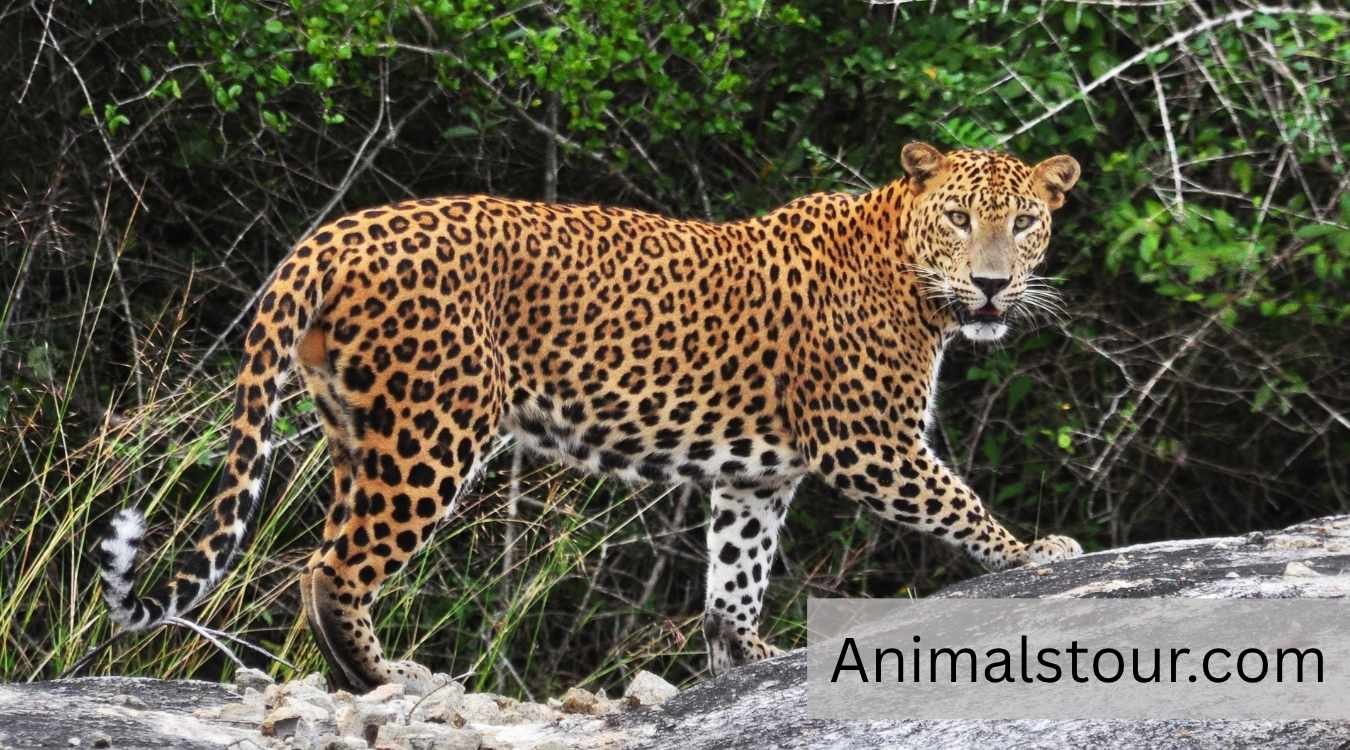
Leopards are some of the most skilled climbers in the big cat family. They feel just as comfortable in the treetops as monkeys do, which makes them a real threat. A leopard can stalk silently through branches and pounce before a monkey even notices it’s there.
Their spotted coat blends perfectly into the forest light. Once a leopard makes a kill, it often drags the prey up into a tree. This keeps the food away from lions and hyenas. Monkeys make up a decent part of a leopard’s diet in many African and Asian forests. There is almost nowhere safe when a leopard is hunting nearby.
Crocodiles
Scientific Name: Crocodylus
Class: Reptilia
Crocodiles are built like ancient weapons. They sit still in the water for hours, looking like floating logs to anything passing by. When monkeys cross a river or stop to drink, the crocodile launches out of the water with terrifying speed. The attack is over in seconds.
These reptiles have been hunting the same way for millions of years. They don’t need tricks or strategy, just timing and power. A full-grown crocodile can drag a monkey underwater before it even gets a chance to call out. Rivers are the most dangerous places for monkeys in crocodile country.
Ocelots
Scientific Name: Leopardus pardalis
Class: Mammalia
Ocelots are medium-sized wild cats with sharp instincts and quick reflexes. They hunt mostly at night, moving through the jungle like shadows. Smaller monkey species are easy targets for an ocelot that knows how to climb and time its jump right. Their spotted fur makes them nearly invisible in low light.
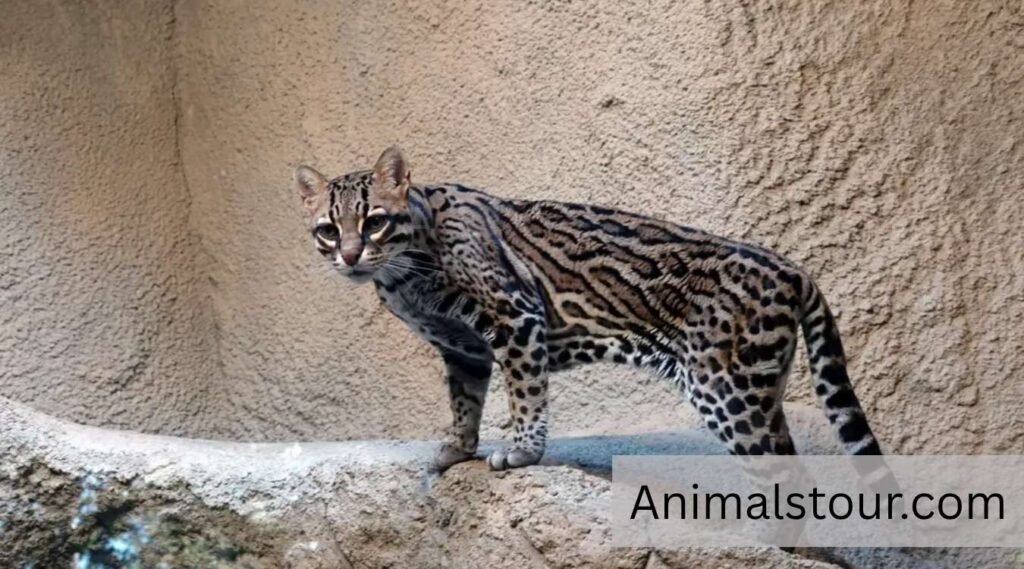
Unlike bigger cats, ocelots are nimble enough to chase prey through thick brush. They strike hard and fast, using their claws and teeth together. Monkeys sleeping low in the trees are especially at risk after dark. An ocelot rarely makes noise before it attacks.
Fox
Scientific Name: Vulpes vulpes
Class: Mammalia
Foxes are clever, quick, and highly adaptable hunters. In areas where smaller ground-dwelling monkeys or young ones fall from trees, foxes take full advantage. They don’t often go after adult monkeys, but injured or baby ones are fair game. A fox will move in fast, grab, and disappear before others respond.
Foxes rely on speed and sharp senses more than strength. They are opportunistic, meaning they eat whatever is available and easy. A baby monkey that gets separated from its group is extremely vulnerable. Foxes are always watching for that kind of opening.
Martial Eagles
Scientific Name: Polemaetus bellicosus
Class: Aves
Martial eagles are the largest eagles in Africa. They have eyesight sharp enough to spot a monkey from a great distance high in the sky. When they dive, they come down fast and hit with force that can break bones on impact. Monkeys in open canopy areas have very little time to react.
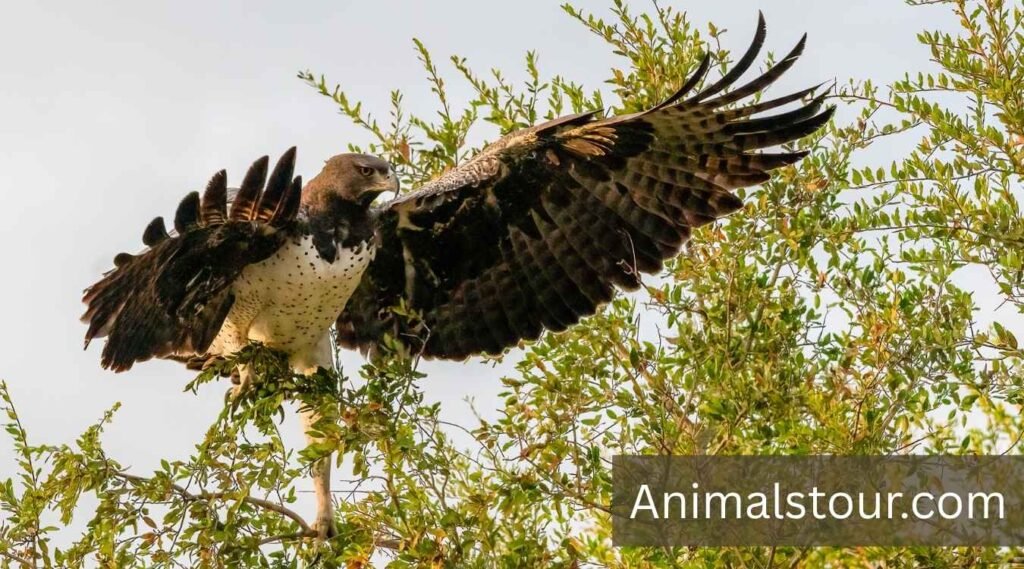
These birds are powerful enough to take down prey much larger than themselves. A martial eagle can carry a young monkey off the ground and into the air with ease. Groups of monkeys will scream and scatter the moment they spot one overhead. For good reason the martial eagle almost never misses.
Hawks
Class: Aves
Hawks are agile, sharp-eyed birds that hunt from above. Smaller monkey species, especially babies clinging to branches, catch a hawk’s attention quickly. They dive with precision and use their talons to grip tight before the prey can escape. Hawks prefer hunting in areas where the tree cover is thin.
Not all hawks are large enough to take adult monkeys, but smaller ones don’t stand a chance. A hawk can spot movement from a long distance and make its move silently. Monkey troops that stay alert and stick together lower their risk. A lone or slow monkey is always the first target.
Chimpanzee
Scientific Name: Pan troglodytes
Class: Mammalia
Chimpanzees are not just plant eaters they hunt, and they hunt as a team. Groups of chimps will coordinate to chase and corner smaller monkeys like colobus through the trees. The hunt is organized, with some chimps cutting off escape routes while others move in. It looks almost planned, because it is.
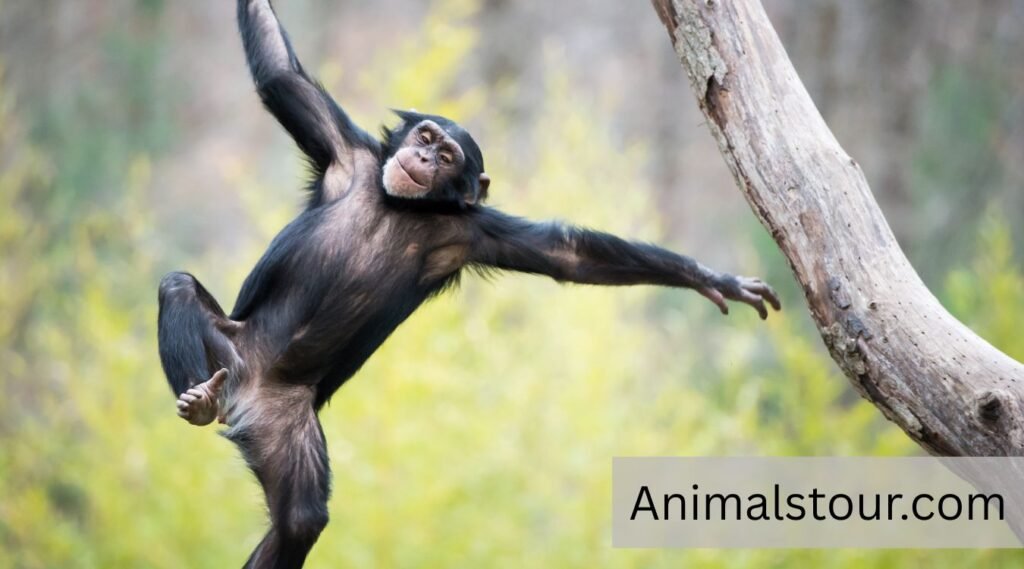
Red colobus monkeys are among the most common prey for chimpanzees. Once caught, the meat is shared among the group. Chimps that make the kill or help in the chase usually get the best portions. It is one of the most striking examples of group hunting in the animal world.
Tigers
Scientific Name: Panthera tigris
Class: Mammalia
Tigers are the largest wild cats alive, and they are built for power. They hunt a wide range of prey, and in forest areas, monkeys are sometimes on that list. A tiger that spots a monkey on the ground will stalk it slowly before charging. Their size alone is enough to make the kill fast.
Tigers are mostly active at dawn and dusk, which is when monkeys are moving through lower branches. A tiger’s leap is powerful enough to close distance in an instant. Monkeys on the ground foraging for food face the highest risk. Few animals escape a tiger once it has made its decision to attack.
Crowned Eagle
Scientific Name: Stephanoaetus coronatus
Class: Aves
The crowned eagle is widely considered Africa’s most powerful eagle. It targets monkeys more than almost any other bird of prey on the continent. Its talons are thick and strong enough to crush a monkey’s skull on impact. It hunts by perching quietly in trees and waiting for the right moment.
What makes this eagle special is how it handles bigger prey. It can carry animals that weigh more than itself, which is rare. Monkeys recognize its call and will freeze or flee the moment they hear it nearby. The crowned eagle is one of the top reasons monkeys stay alert and never travel alone.
Dhole
Scientific Name: Cuon alpinus
Class: Mammalia
Dholes are wild dogs from Asia that hunt in packs. They are fast, persistent, and work together with strong communication. When they target monkeys, they often chase them until the prey gets exhausted or makes a mistake. A monkey forced to the ground by a dhole pack has almost no chance of surviving.
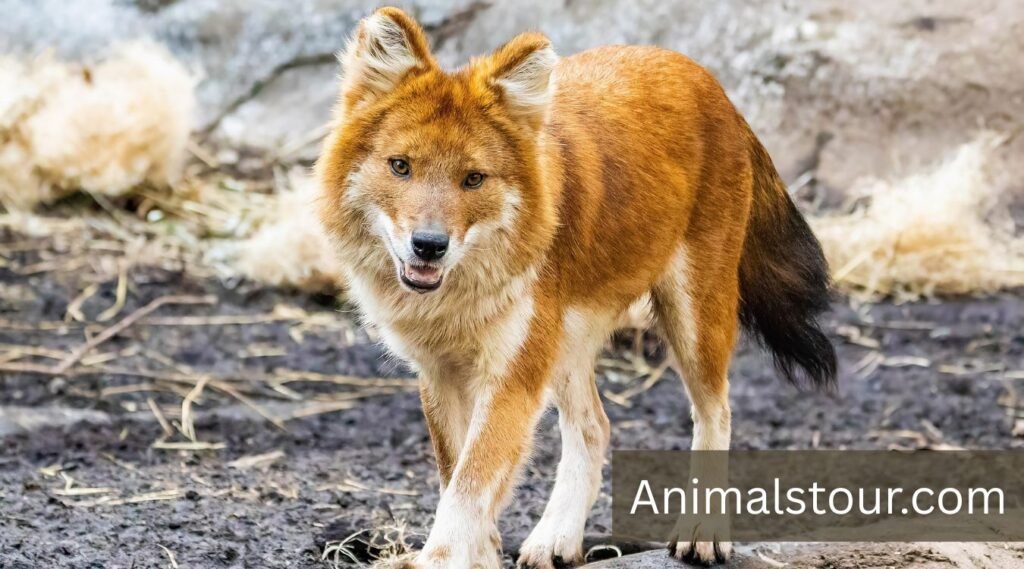
These dogs are known for being relentless. They won’t stop a chase until the hunt is done. Even larger predators sometimes give way to a dhole pack. Monkeys in dhole territory stay high in the trees and rarely come down without a good reason.
Harpy Eagles
Scientific Name: Harpia harpyja
Class: Aves
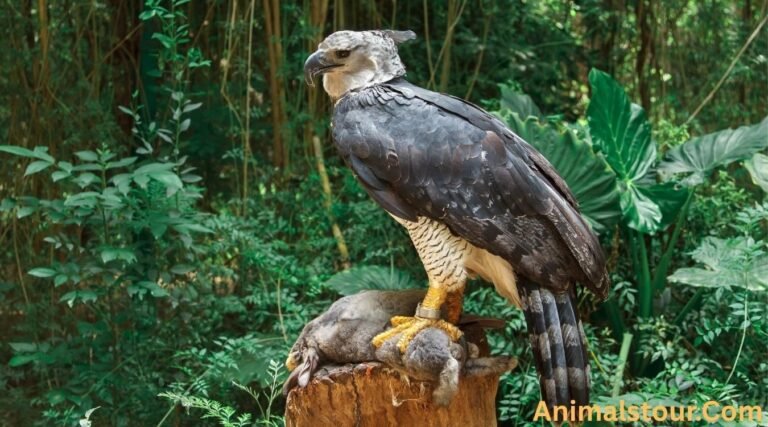
When people ask what eats monkeys in the rainforest, harpy eagles are the most powerful answer. Harpy eagles live in the rainforests of Central and South America, and they are built like flying predators from another era. Their wingspan is massive, and their talons are as thick as a grizzly bear’s claws.
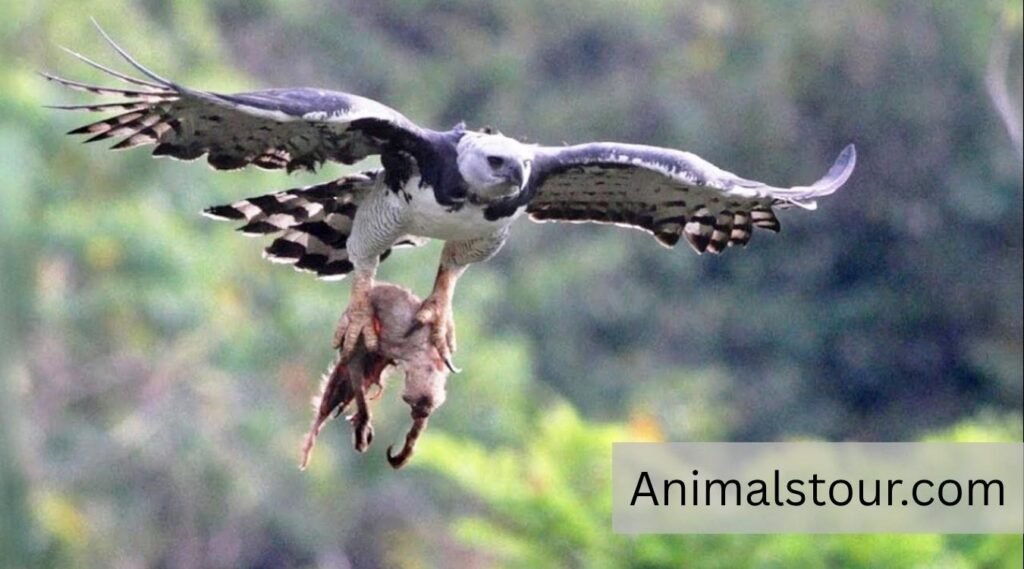
Monkeys are one of their main food sources, particularly howler and spider monkeys. They hunt through dense canopy with surprising speed and accuracy. Harpy eagles strike before their prey even knows they are being watched. They move silently through the treetops and disappear just as fast. A monkey caught by a harpy eagle rarely survives the grip.This bird sits at the very top of the rainforest food chain.
Komodo Dragons
Scientific Name: Varanus komodoensis
Class: Reptilia
Komodo dragons are massive lizards found in Indonesia. They are slower than most hunters on this list, but they are patient and powerful. If a monkey is injured, cornered, or comes too close to the ground in Komodo territory, the dragon will strike. Their bite is loaded with bacteria and venom that weakens prey quickly.
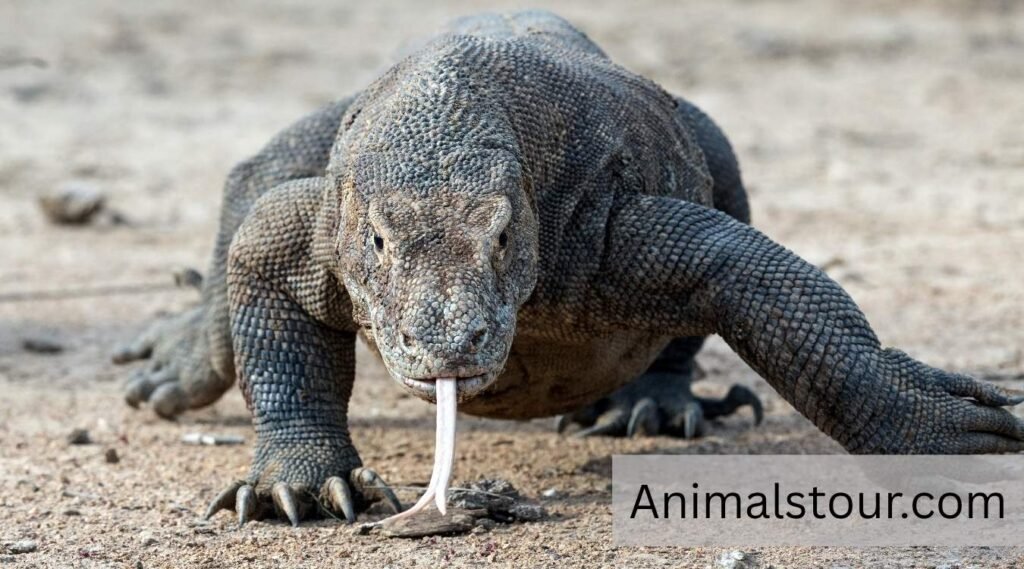
Even if a monkey escapes the first bite, it may not survive long after. Komodo dragons track wounded animals and wait them out. They eat whatever they can overpower, and size doesn’t stop them. A young or sick monkey near the forest floor is an easy meal for one of these lizards.
Reticulated Python
Scientific Name: Malayopython reticulatus
Class: Reptilia
The reticulated python is the longest snake in the world, and one of the strongest. It hunts by ambush, lying still across a branch or near a water source until something warm-blooded comes close. When a monkey makes contact, the python coils around it within seconds. The squeeze is so tight that the monkey cannot take a single breath.
These pythons are found across Southeast Asia in thick jungle areas. They don’t need to eat often, but when they do, they go for something substantial. A medium-sized monkey is a perfect meal for a reticulated python. After swallowing, the snake may not eat again for weeks.
Philippine Eagle
Scientific Name: Pithecophaga jefferyi
Class: Aves
The Philippine eagle is one of the rarest and most powerful birds in the world. It lives only in the forests of the Philippines and is known for hunting flying lemurs and monkeys. Its eyesight is extraordinary, and it hunts by gliding silently just below the canopy. When it locks onto a monkey, the attack is precise and fast.
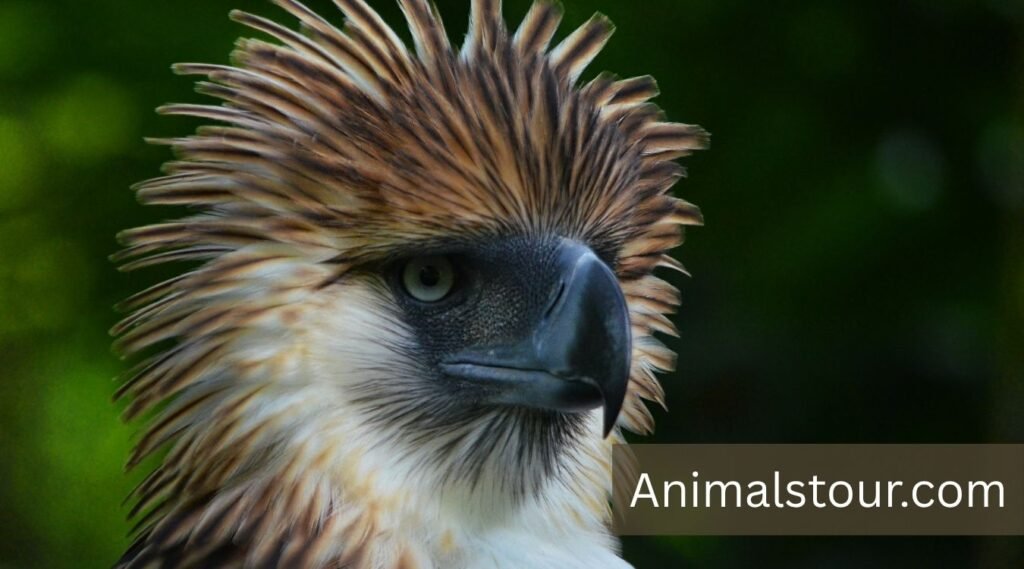
This eagle is so respected in the Philippines that it is the national bird. It sits alone at the top of its forest ecosystem. Destroying its habitat has pushed it toward extinction, making each sighting remarkable. The monkeys that share its forest know to treat every shadow in the sky as a potential threat.
Wild Dog
Scientific Name: Lycaon pictus
Class: Mammalia
African wild dogs are some of the most efficient pack hunters in the world. They have a hunt success rate that puts lions and cheetahs to shame. When they target monkeys, they work together to push them off balance and away from safety. Speed, teamwork, and stamina are what make them dangerous.
Wild dogs don’t give up mid-chase. They rotate positions to keep fresh dogs at the front of the pursuit. A monkey that hits the ground in the middle of a wild dog hunt is surrounded almost immediately. These dogs are lean, fast, and completely committed once a hunt begins.
Jaguars
Scientific Name: Panthera onca
Class: Mammalia
Jaguars are the top predators of the Amazon and one of the strongest cats pound for pound in the world. They are excellent climbers and swimmers, which means monkeys have few places to hide. A jaguar hunting in the trees moves quietly and strikes with a bite powerful enough to pierce bone. Monkeys are a regular part of their diet in dense rainforest areas.
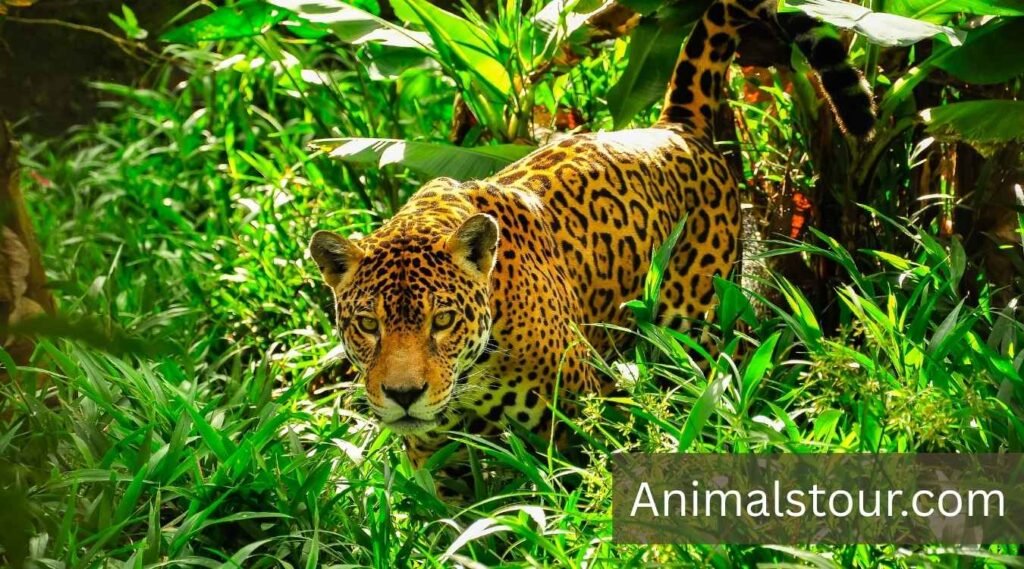
Unlike other big cats, jaguars bite straight through the skull of their prey. It is fast and clean. They are also unpredictable, which makes them even more dangerous. In jaguar territory, a monkey’s best defense is staying in large groups and never letting its guard down.
Final Thoughts
After looking at this list, it becomes clear what eats monkeys in different parts of the world. Eagles, snakes, wild dogs, and big cats are all important monkeys predators in nature. If someone asks what animals eat monkeys, the answer depends on the habitat, the monkey species, and the kind of hunter nearby. In tropical forests especially, what eats monkeys in the rainforest often comes down to stealth, speed, and perfect timing.
FAQs
What is the most dangerous animal that eats monkeys?
The harpy eagle and crowned eagle are among the deadliest. They hunt monkeys regularly and almost never miss
Can a snake really catch and eat a monkey?
Absolutely. Large snakes like the green anaconda and reticulated python ambush monkeys and swallow them whole.
Do animals hunt monkeys in groups?
Yes, chimpanzees and wild dogs are known for hunting monkeys in coordinated groups. They work together to cut off escape routes.