Explore Top 18 Animals With Curled Tails: A Wildlife Overview
Animals With Curled Tails are unique and easy to spot in the wild. Many species use their curled tails for balance, communication, and movement. From playful mammals to small forest dwellers, each animal has its own charm. These curly tails often help them survive in different habitats around the world.
These animals live in oceans, forests, grasslands, and even inside our homes as beloved pets. In this guide, you will explore the top 18 Animals With Curled Tails and their traits. Get ready to learn simple and interesting facts about these amazing creatures.
Why Animals With Curled Tails Matter
Animals with curled tails are a vital part of nature and help keep ecosystems balanced and healthy. They hunt insects, spread seeds, and serve as living signs that their environment is in good shape. Without them, the natural world around us would look and feel very different.
These animals also hold deep value in science, culture, and wildlife conservation across the globe. Researchers study them to understand animal behavior while many species bring joy to families as beloved pets. Protecting them means protecting the wild places and living systems that all creatures depend on.
Table Of Top 18 Animals With Curled Tails
| Rank | Animal | Scientific Name | Class | Diet |
| 1 | Pig | Sus scrofa domesticus | Mammalia | Omnivore |
| 2 | Salamander | Urodela | Amphibia | Carnivore |
| 3 | Leopard Gecko | Eublepharis macularius | Reptilia | Insectivore |
| 4 | Fennec Fox | Vulpes zerda | Mammalia | Omnivore |
| 5 | Binturong | Arctictis binturong | Mammalia | Omnivore |
| 6 | Seahorse | Hippocampus spp. | Actinopteryii | Carnivore |
| 7 | Pug Dog | Canis lupus familiaris | Mammalia | Omnivore |
| 8 | Chameleon | Chamaeleonidae | Reptilia | Insectivore |
| 9 | Ring-tailed Lemur | Lemur catta | Mammalia | Omnivore |
| 10 | Spider Monkey | Ateles spp. | Mammalia | Omnivore |
| 11 | Scorpion | Scorpiones | Arachnida | Carnivore |
| 12 | Pangolin | Manis spp. | Mammalia | Insectivore |
| 13 | Coati | Nasua spp. | Mammalia | Omnivore |
| 14 | Tree Kangaroo | Dendrolagus spp. | Mammalia | Herbivore |
| 15 | Tamarin Monkey | Saguinus spp. | Mammalia | Omnivore |
| 16 | Kinkajou | Potos flavus | Mammalia | Omnivore |
| 17 | Opossum | Didelphis spp. | Mammalia | Omnivore |
| 18 | Prehensile-tailed Porcupine | Coendou spp. | Mammalia | Herbivore |
1. Pig
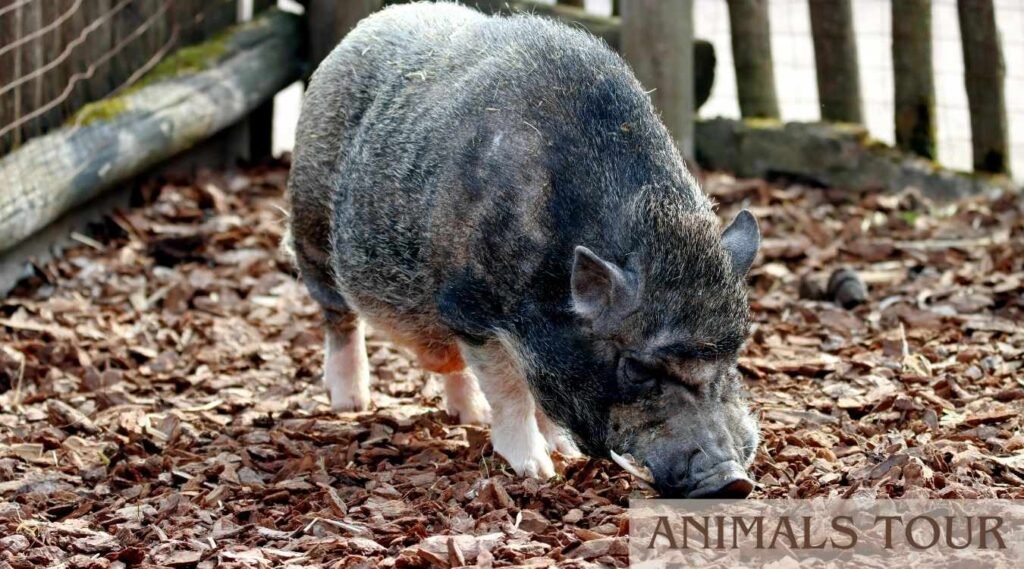
Pigs are one of the most recognizable wild animals with curly tails in the entire world. That little spiral tail is sitting above their round body.Pigs are actually very intelligent animals and rank among the smartest creatures on the farm.
They use their strong snouts to dig into the ground and search for food throughout the day. Their curled tail is one of the first things children learn to associate with this friendly and familiar animal.The curly tail of a pig is not just a cute feature but it can also tell you something about the pig’s health.
This tail usually means the pig is feeling healthy, comfortable, and stress free in its environment. When pigs feel sick or anxious their tails sometimes lose that tight curl and begin to straighten out. Farmers often watch the tails of their pigs closely as a simple way to check on their overall wellbeing. Pigs are social animals that love to play, explore, and spend time with other pigs around them.
Fun Fact: A pig’s curled tail is actually caused by the unique structure of its tail vertebrae, which naturally twist as the pig grows.
2. Salamander
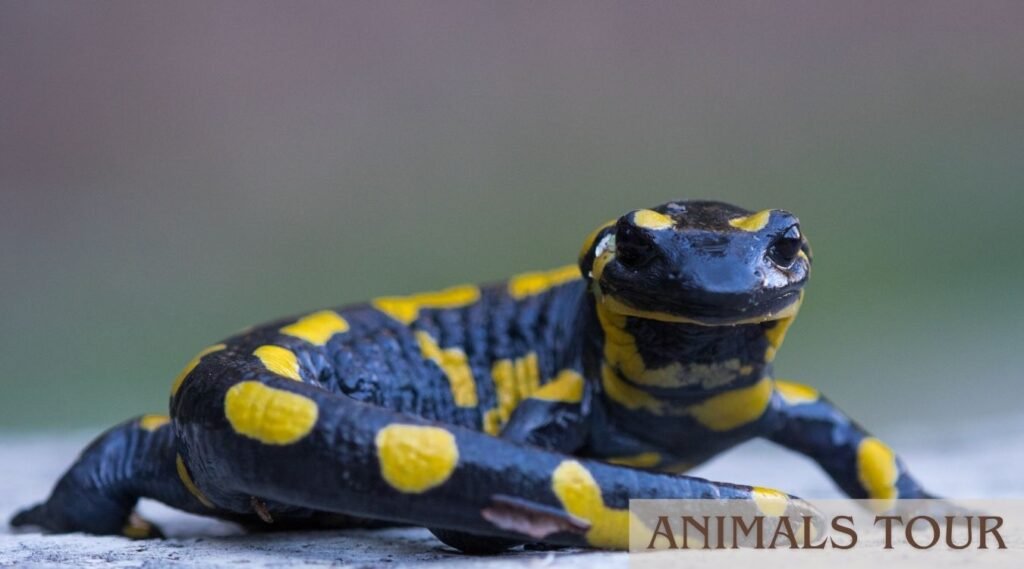
Salamanders are amazing and quiet animals with curled tails that live in damp and shaded environments. They belong to the amphibian family and are closely related to frogs and other moisture loving creatures. Salamanders are found in forests, streams, and under rocks across North America, Europe, and Asia.
Their soft bodies and slow movements make them easy to overlook but they are incredibly important to their ecosystems. They feed on small insects, worms, and larvae which helps keep the population of these creatures under control. Many people find salamanders during rainy nights when these animals come out to move and hunt freely. The curly tail of a salamander serves several useful purposes in its daily life and survival.
Some salamander species curl their tails as a defense mechanism to confuse or distract predators trying to attack them. Others use tail curling to communicate with potential mates during the breeding season in spring. Salamanders can also regrow their tails if they lose them to a predator which is a remarkable ability. They breathe through their skin which means they need clean and moist environments to stay alive and healthy.
Fun Fact: Some salamander species can regrow not just their tails but also their legs, eyes, and even parts of their heart.
3. Leopard Gecko
The tail of a leopard gecko is one of its most important body parts for survival in the wild. Their spotted pattern gives them their name and makes them one of the most visually striking lizards in the world. Leopard geckos are nocturnal animals meaning they come alive at night to hunt and explore their surroundings.
They feed on insects like crickets and mealworms and are skilled hunters despite their small size. These geckos have become one of the most popular reptile pets kept in homes across the globe.They store fat reserves inside their thick curled tails which helps them survive during periods when food is hard to find.
When a predator grabs their tail they can drop it and escape while the tail keeps wiggling as a distraction. The tail grows back over time but it returns with a slightly different shape and smoother texture than before. Leopard geckos also use tail movements to communicate with other geckos and signal their mood or intentions.
Fun Fact: A leopard gecko’s regenerated tail is made of cartilage instead of bone, which is why it looks slightly different from the original.
4. Fennec Fox
The curled tail of a fennec fox adds to its charm and also plays a role in how it survives the harsh desert. Fennec foxes are built perfectly for desert life and can survive without drinking water for long periods of time. During cold desert nights the fennec fox wraps its fluffy curled tail around its body for warmth and insulation.
Their tails also help with balance as they sprint and jump across sandy terrain while chasing or escaping from others. Fennec foxes are fast and agile and their tails act as a natural rudder helping them change direction quickly. Their most noticeable feature is their enormous ears which help them hear prey moving underground and also release body heat..
They get most of the moisture they need directly from the food they eat every night. These tiny foxes are social animals that live in small family groups and communicate through various sounds.
Fun Fact: Fennec foxes have fur on the bottom of their paws which acts like natural sandshoes to protect them from burning hot desert sand.
5. Binturong
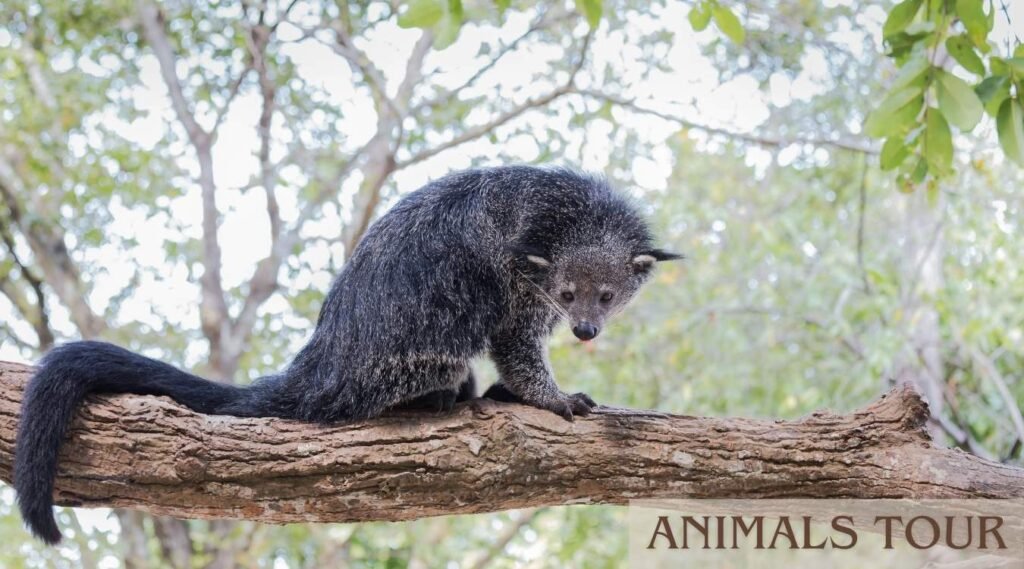
Binturongs are slow moving and unusual animals that live high up in the rainforest canopy. They are also called bearcats even though they are not related to bears or cats at all. Binturongs are native to South and Southeast Asia and spend most of their lives climbing through dense tropical forests. They have thick black fur, long whiskers, and a powerful prehensile tail that acts just like a fifth limb.
Their tail is strong enough to support their entire body weight as they hang from branches while feeding. Binturongs are mostly active at night and spend their days resting quietly in the treetops above the forest floor. The prehensile curled tail of the binturong is one of the most functional tails found among all animals with curled tails.
It grips branches with incredible strength and gives the binturong the confidence to move through trees without fear of falling. Their tail is also used during feeding to anchor themselves while their front paws grab and handle fruit. Binturongs have a very unusual and distinctive smell that many people compare to warm buttered popcorn. This scent comes from a gland near their tail and is used to mark territory and communicate with other binturongs.
Fun Fact: The binturong is one of only two carnivores in the world known to spread the seeds of strangler fig trees making it vital to its forest ecosystem.
6. Seahorse
Seahorses are among the most magical and unique animals that live beneath the surface of the ocean. They are tiny fish that swim upright and use their long curled tails to anchor themselves to coral and sea grass. Seahorses are found in shallow tropical and temperate ocean waters across many parts of the world. They are surprisingly poor swimmers and rely heavily on their curled tails to stay in one place against strong currents. Their eyes move independently of each other which means they can look in two directions at the same time.
Seahorses are slow and patient hunters that wait for tiny shrimp and plankton to drift close before striking. The curled tail of a seahorse is one of the most perfectly designed tools found in all of ocean life. Scientists have studied it closely and found that the square shaped structure of the tail makes it incredibly strong and resistant to crushing.
Seahorses also use their tails to hold onto their partners during elaborate and beautiful mating dances. They are one of the very few animals on earth where the male carries and gives birth to the young. A single male seahorse can give birth to hundreds of tiny baby seahorses in one reproductive cycle. These wild animals with curly tails are one of the ocean’s greatest wonders and sadly one of its most vulnerable species today.
Fun Fact: A seahorse’s tail has a square cross section rather than a round one, making it stronger and more flexible than any man made structure of similar size.
7. Pug Dog
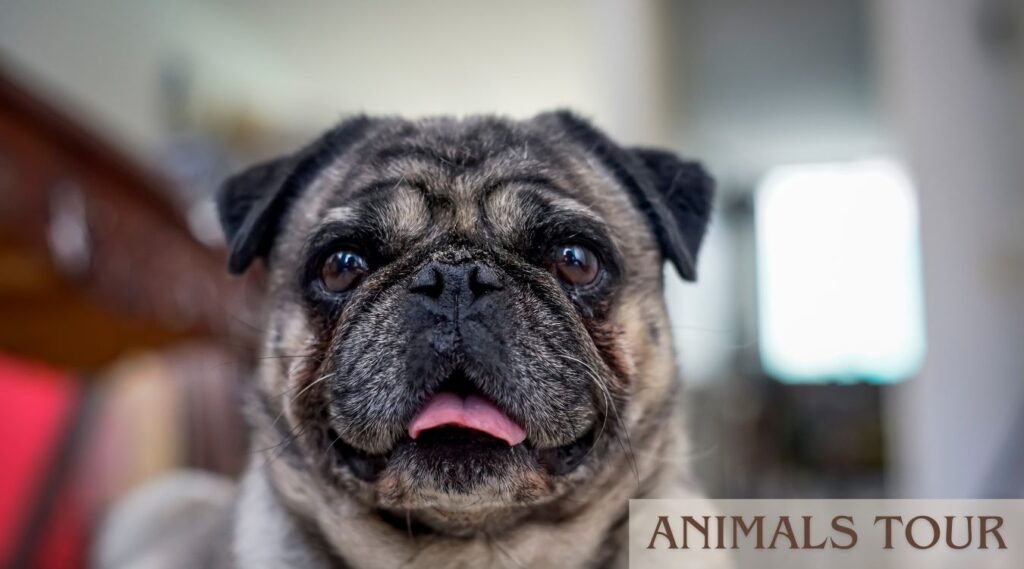
Pugs Dogs are one of the most beloved and instantly recognizable pets around the world. Their tightly curled tail sits right above their round little bottom and adds to their overall adorable and comical appearance. Pugs originated in ancient China where they were kept as cherished companions by Chinese emperors for centuries.
Pugs thrive on human attention and do not do well when left alone for long stretches of time. Their wrinkled face and curled tail together make them one of the most photographed dog breeds in the world today. The curled tail of a pug is actually caused by a natural genetic trait that is specific to the breed. Most pugs have a single curl in their tail while some have a double curl which is considered especially desirable by breeders.
A tightly curled pug tail is generally seen as a sign of good breeding and overall physical health. Pugs are energetic but also love to nap and they balance their playtime and rest time in equal measure throughout the day. They can be stubborn at times but their loving and humorous personality always wins people over in the end. Pugs are truly special animals with curly tails that bring endless laughter and love into any home they live in.
Fun Fact: The official group name for a collection of pugs is called a grumble, which perfectly matches their expressive and grumpy looking little faces.
8. Chameleon
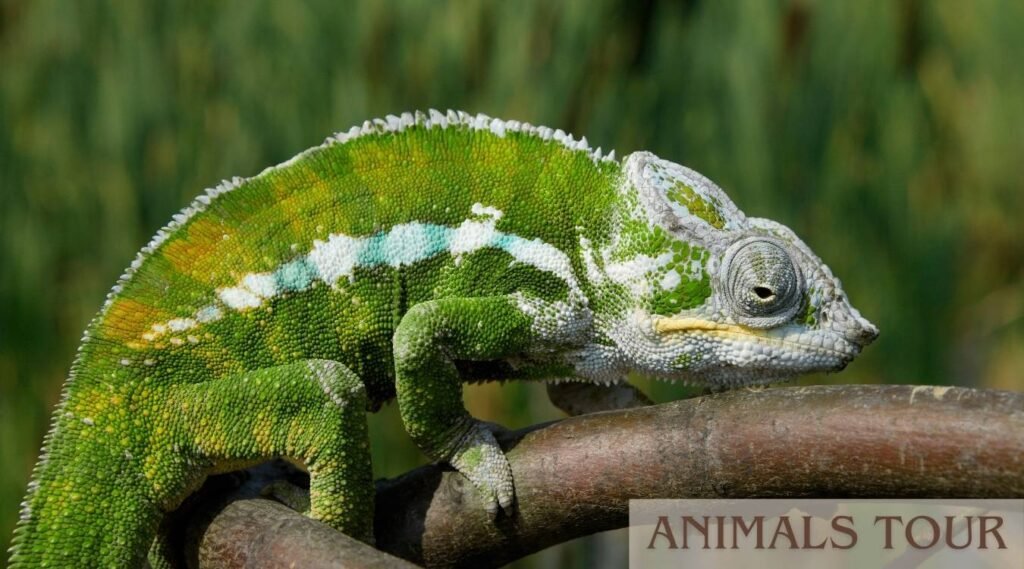
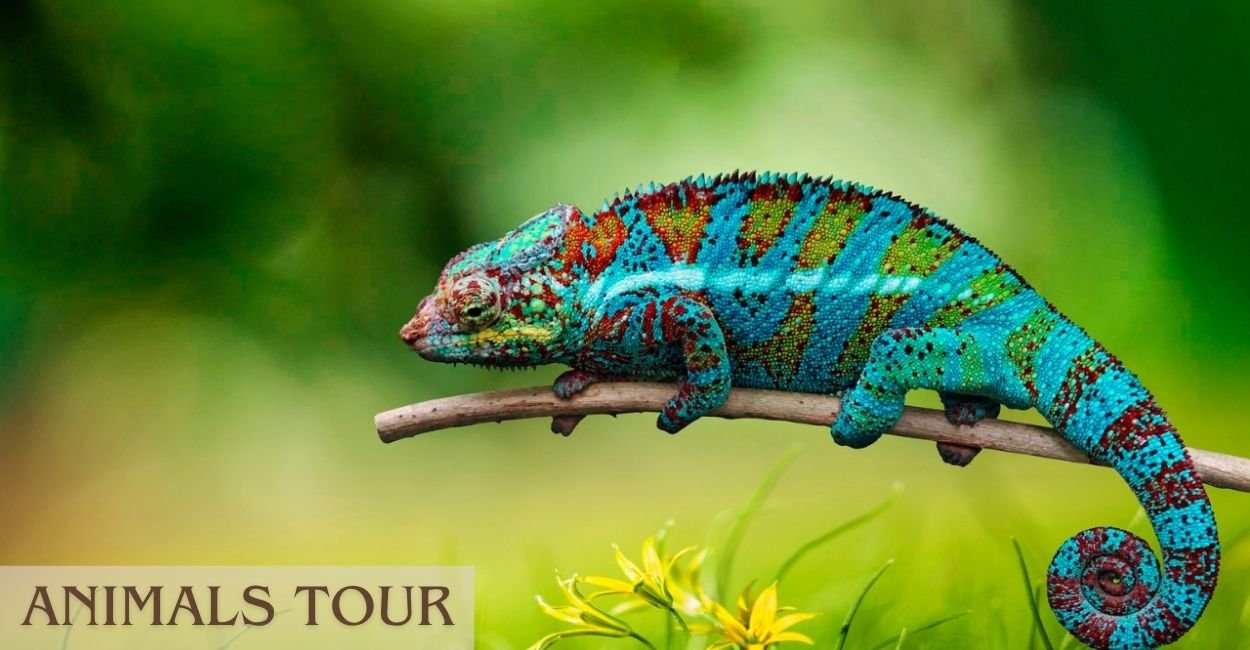
Chameleons are extraordinary and visually stunning that live in forests and shrublands. They are most famous for their remarkable ability to change their skin color in response to mood, temperature, and light. Chameleons are found primarily in Africa, Madagascar, southern Europe, and parts of Asia and the Middle East. Their long sticky tongues can shoot out at incredible speed to catch insects sitting far away from them.
Chameleons move very slowly and deliberately through the branches making each step a careful and calculated action. They are solitary animals that prefer to live and hunt alone rather than in groups or pairs.The curled prehensile tail of the chameleon is one of its greatest physical advantages in the treetop world it inhabits. It wraps tightly around branches and works together with their specialized gripping feet to keep the chameleon completely secure.
When a chameleon is resting its tail stays coiled in a neat spiral that looks almost like a watch spring. Their tail also plays a role in balance, helping the chameleon distribute its weight evenly while walking on thin branches. Unlike some other lizards a chameleon cannot regrow its tail if it is lost or damaged by a predator. These wild animals with curly tails are living proof that nature is the most creative designer that has ever existed.
Fun Fact: Chameleons do not change color primarily for camouflage but rather to communicate emotions and regulate their body temperature throughout the day.
9. Ring-Tailed Lemur
Ring-tailed lemurs are striking and social animals that are instantly recognized by their bold black and white striped tails. They are native to the island of Madagascar which sits off the southeastern coast of Africa in the Indian Ocean. Ring-tailed lemurs live in groups called troops that can range from a few individuals to over thirty members.
Their long boldly striped tail is held high and curled as they walk across open ground between patches of forest. Lemurs use their tails to communicate with other members of their troop and to keep the group together while moving. They are highly active during the day and spend their time foraging, playing, and sunbathing together as a group. The curled and striped tail of the ring-tailed lemur plays a central role in how these animals interact with each other.
During stink fights between rival males lemurs rub their tails against scent glands and then wave them at opponents. The male whose scent is strongest and whose display is most impressive usually wins the confrontation without any physical contact. Female lemurs are dominant in ring-tailed lemur society which is unusual among primates and mammals in general. Their tails also help young lemurs follow their mothers through dense vegetation without losing sight of them.
Fun Fact: Ring-tailed lemurs spend a significant part of their morning sitting in a yoga like sun salutation pose to warm their bodies in the early sunlight.
10. Spider Monkey
Spider monkeys are agile and intelligent that swing through the rainforest canopy with breathtaking speed and grace. They are found in the tropical forests of Central and South America and spend almost their entire lives high above the forest floor. Spider monkeys have extremely long arms and legs which together with their prehensile tail make them perfectly built for life in the trees.
They use it to hang freely while their hands pick fruit or groom other members of their social group. Spider monkeys are one of the largest primates found in the Americas and play a vital role in seed dispersal across the forest. The prehensile curled tail of the spider monkey is arguably the most impressive tail found among all animals with curled tails. It has a special grip patch on the underside near the tip which is unique to each individual monkey like a human fingerprint.
This textured patch gives the tail an extraordinary gripping ability that allows spider monkeys to support their full body weight with the tail alone. They are highly social animals that live in large communities but typically split into smaller groups during the day to forage. Spider monkeys are very sensitive to habitat destruction and are among the first species to disappear when forests are cut down.
Fun Fact: The underside tip of a spider monkey’s prehensile tail has a unique fingerprint like pattern that is completely individual to each monkey.
11. Chameleon
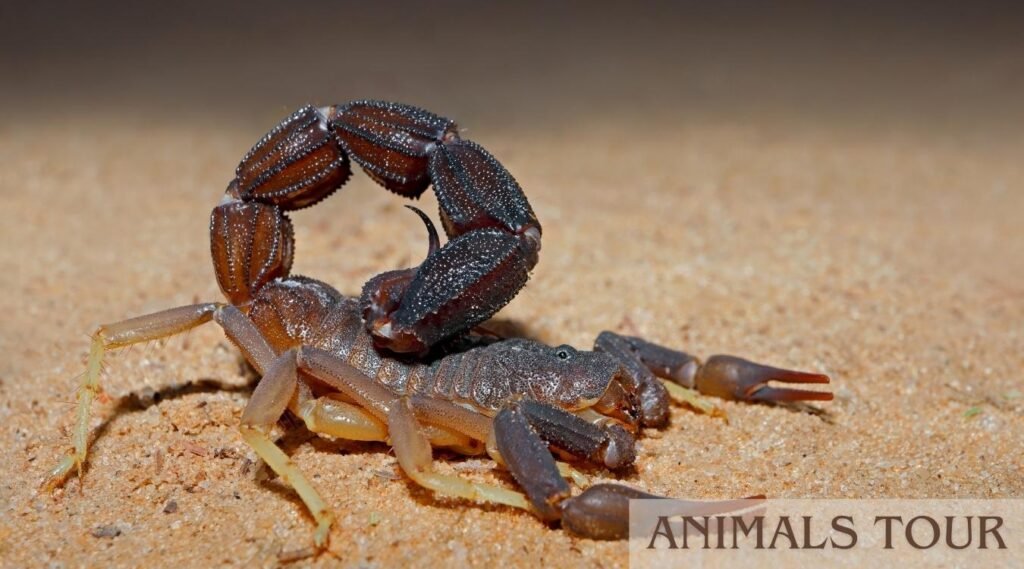
Scorpions are ancient and powerful animals that have survived on earth for hundreds of millions of years. They belong to the arachnid family making them relatives of spiders, ticks, and mites rather than insects. Scorpions are found on every continent in the world except Antarctica and thrive in deserts, forests, and grasslands. Their most defining feature is their segmented tail that curves upward and ends in a sharp venomous stinger.
They use this curled stinger tail to defend themselves from predators and to subdue the prey they hunt at night. Scorpions are nocturnal hunters that hide under rocks and in burrows during the heat of the day. The curled tail of a scorpion is one of the most feared and respected features found among all animals with curled tails. The venom delivered through the stinger at the end of their tail varies greatly between different species around the world.
Most scorpion stings cause pain and swelling but only a small number of species produce venom that is truly dangerous to humans. Scorpions are incredibly resilient creatures that can slow their metabolism dramatically to survive extreme conditions and food shortages. A mother scorpion carries all of her babies on her back right after they are born until they are strong enough to survive on their own.
Fun Fact: Scorpions glow a bright blue-green color under ultraviolet light though scientists are still not entirely sure why this fascinating phenomenon occurs.
12. Pangolin
Pangolins are mysterious and shy animals that are unlike any other creature found on the planet. They are covered from head to tail in hard overlapping scales made of keratin which is the same material as human fingernails. Pangolins are found across Africa and Asia and prefer to live in forests, grasslands, and areas near water sources.
When threatened a pangolin curls itself into a tight ball with its scaled tail wrapped protectively around its vulnerable belly. This defensive curl makes it nearly impossible for most predators to attack or unroll the pangolin without giving up. They feed exclusively on ants and termites using their incredibly long sticky tongues to extract insects from deep inside mounds. The curled tail of a pangolin is thick, powerful, and covered in protective scales just like the rest of its remarkable body.
Some pangolin species use their prehensile tails to hang from branches while feeding on ant colonies in the trees above. Their tail also helps with balance as they walk on their hind legs across the ground while searching for food. Pangolins are sadly the most trafficked wild mammals in the entire world due to demand for their scales and meat. All eight species of pangolin are currently listed as threatened or endangered because of illegal hunting and habitat loss.
Fun Fact: A pangolin’s tongue is longer than its entire body and is attached not to its mouth but deep inside its chest cavity near its last pair of ribs.
13. Coati
Coatis are curious and energetic animals that roam through forests and woodlands across the Americas. They are related to raccoons and share that family’s reputation for being clever, adaptable, and endlessly inquisitive. Coatis are found from the southwestern United States all the way down through Central and South America.
Their long ringed tail is almost always held straight up or curled at the tip as they walk through the forest searching for food. That raised curled tail helps members of a coati group keep track of each other while moving through dense vegetation. Coatis are omnivores that eat fruit, insects, lizards, and small rodents depending on what is available to them. The curled tipped tail of the Coati is one of its most useful and expressive features in daily life.
It acts as a visual signal to other coatis in the group helping them stay together and communicate their intentions. Young coatis follow their mothers closely and the raised curled tail of the mother works like a flag they can always follow. Coatis are highly social animals and female coatis live in large groups called bands that can contain up to thirty individuals. Adult male coatis tend to live alone and only join the female groups during the breeding season each year.
Fun Fact: Coatis can rotate their ankles almost one hundred and eighty degrees which allows them to climb down trees headfirst with perfect ease and control.
14. Tree Kangaroo
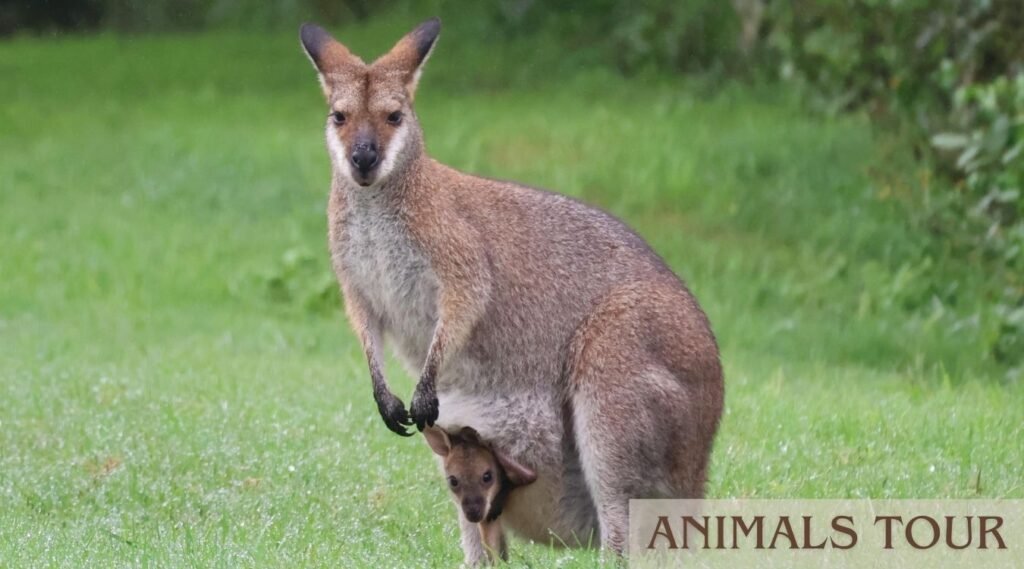
Tree kangaroos are surprising and little known animals that have adapted to life high up in the rainforest trees. Unlike their ground dwelling relatives, tree kangaroos are built for climbing with strong front arms and curved claws made for gripping bark. They are found in the tropical rainforests of Papua New Guinea, Indonesia, and the far north of Queensland in Australia.
Their long thick tail is used for balance as they move through the branches and land from jumping between trees. Tree kangaroos curl their tails in various positions while resting to help them stay stable and comfortable in the treetops. They feed on leaves, fruit, bark, and flowers found throughout their forest canopy home. The curled and flexible tail of the tree kangaroo is a critical adaptation that sets it apart from all other kangaroo species.
While ground kangaroos use their tails as a prop and counterbalance during movement tree kangaroos use theirs more freely and expressively. Their tail helps absorb the impact of landing after jumping impressive distances between branches high in the forest. Tree kangaroos are solitary animals and females raise their young alone inside the pouch for many months before they emerge. They are quiet, gentle, and largely nocturnal animals that are rarely seen even in areas where they are relatively common.
Fun Fact: Tree kangaroos can jump down from heights of up to nine meters to the forest floor and land safely without injuring themselves due to their powerful hind legs.
15. Tamarin Monkey
Tamarin monkeys are among the smallest primates in the world and make up for their size with extraordinary energy and personality. Tamarins come in many species each with unique and often dramatic facial features including mustaches, manes, and vivid color patches. Their long curled tail helps them balance as they leap and run through the tangled branches of the forest canopy.
Tamarins are fast and agile and can cover impressive distances through the trees as they search for food each day. They eat fruit, insects, small lizards, and tree sap depending on the species and the season of the year. The curled tail of a tamarin monkey is long relative to its tiny body and plays an important role in its physical coordination. It acts as a counterbalance during rapid movement through trees helping the tamarin make precise and confident jumps.
Tamarins are highly social and live in small family groups where all members help care for the young together. They have a unique cooperative breeding system where fathers, siblings, and other group members all take turns carrying the infants. Tamarins use a wide range of vocal calls, body postures, and tail positions to communicate with each other throughout the day.
Fun Fact: Tamarin monkeys almost always give birth to twins rather than a single infant and the whole family group works together to raise both babies at the same time.
16. Kinkajou
Kinkajous are native to the rainforests of Central and South America and are related to raccoons and coatis despite looking quite different. Kinkajous have golden brown fur, big round eyes perfectly designed for night vision, and a long prehensile tail they use constantly. Their tail grips branches with remarkable strength and allows them to hang and maneuver through the trees with impressive ease.
Kinkajous feed mainly on fruit, nectar, and honey which has earned them the charming nickname of honey bear in many parts of their range. They are nocturnal animals that emerge after dark and are rarely seen by people living near their forest habitat. The prehensile curled tail of the kinkajou is one of the most capable tails found among all animals with curled tails in the Americas. It works almost like a fifth hand allowing the kinkajou to grip one branch while reaching out with its body to grab food from another.
Their tail is also used for warmth as kinkajous curl up tightly with their tail wrapped around their body while sleeping during the day. Kinkajous play an important ecological role as pollinators because they carry pollen on their faces from flower to flower while feeding on nectar. They are sometimes kept as exotic pets but they are wild animals at heart and do not truly thrive in captivity. These beautiful animals with curly tails are quiet forest treasures that deserve much greater attention and protection worldwide.
Fun Fact: A kinkajou’s tongue is up to thirteen centimeters long which it uses to reach deep inside flowers and extract nectar with surprising speed and precision.
17. Opossum
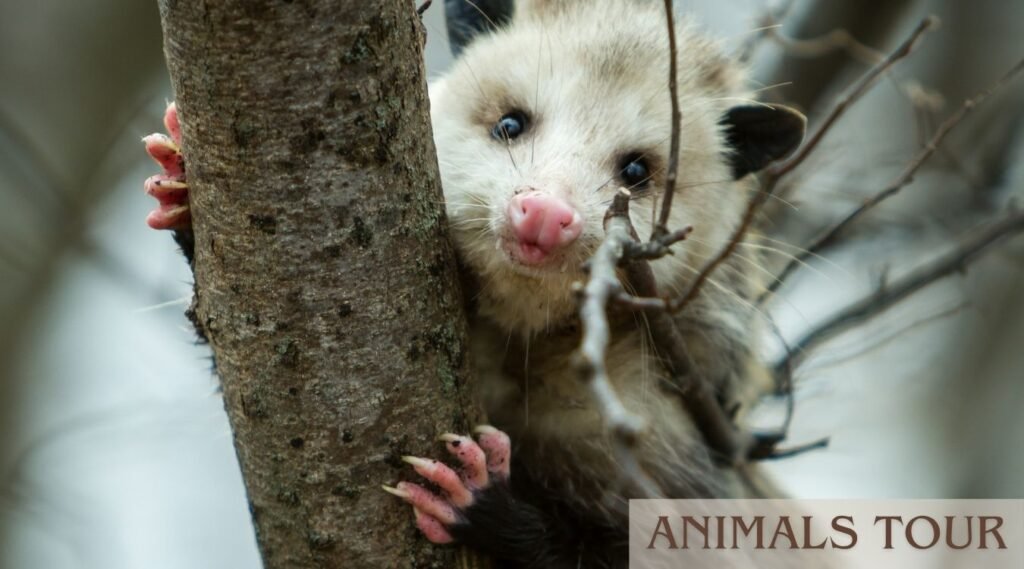
Opossums are the only wild marsupial species found living naturally in North America north of Mexico. Opossums are mostly nocturnal and spend their nights foraging for food in forests, suburban areas, and near human settlements. Their long hairless prehensile tail is one of their most useful tools for navigating their environment safely at night. Young opossums wrap their curled tails around branches and around their mother for support during the early weeks of their lives.
Opossums are opportunistic omnivores that will eat almost anything including insects, fruit, carrion, and small animals. The curled prehensile tail of the opossum is a key physical feature that helps it survive in a wide variety of environments. It is used to grip branches while climbing and to carry nesting material back to a safe resting spot.
Contrary to popular belief adult opossums rarely hang upside down from their tails for extended periods as their body weight is simply too heavy for that. When threatened, opossums are famous for playing dead by falling on their side, going limp, and producing a foul smell to convince predators they are not worth eating. This involuntary response is where the phrase playing possum comes from in everyday human language.
Fun Fact: A single opossum can eat up to five thousand ticks in one season making them one of the most effective natural defenses against tick borne diseases like Lyme disease.
18. Prehensile-Tailed Porcupine
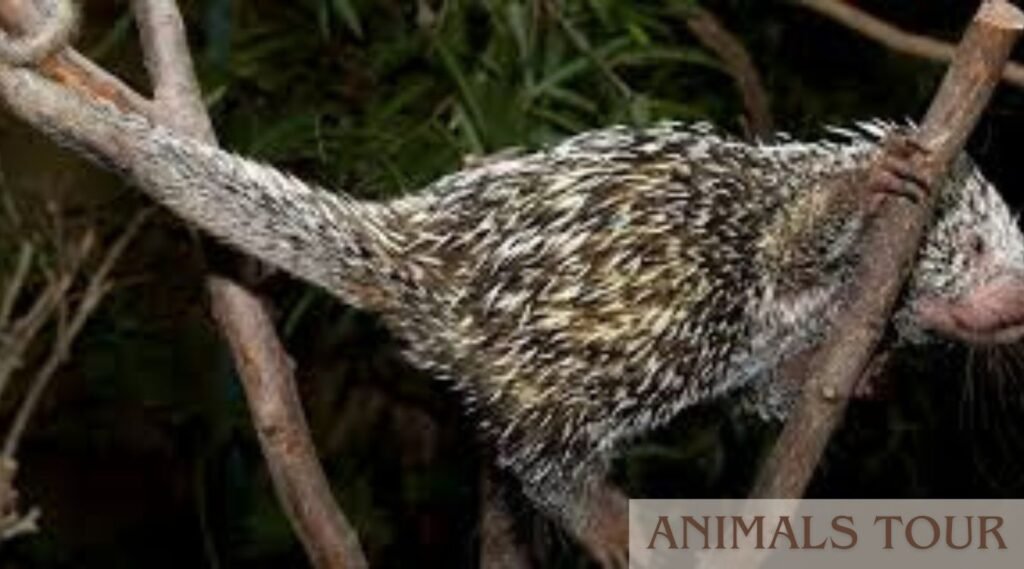
Prehensile-tailed porcupines are little known animals with curled tails that live in the forests of South America. Unlike their North American relatives these porcupines spend most of their lives up in the trees rather than on the ground below. They are covered in short flexible spines mixed with fur and have a long muscular prehensile tail that they rely on constantly.
Their curled tail wraps around branches with great strength and acts as an anchor while they feed and rest in the canopy. Prehensile-tailed porcupines are nocturnal and spend their days curled up and sleeping in tree hollows or dense vegetation. They feed on leaves, bark, fruit, and seeds found throughout the forest trees they inhabit. The prehensile curled tail of this porcupine is truly one of nature’s most impressive engineering achievements among all animals with curled tails.
It is strong enough to hold the full weight of the animal and sensitive enough to make fine adjustments while moving through the branches. The underside of the tail near the tip is bare and has a rough texture that improves its gripping ability on smooth bark. Prehensile-tailed porcupines are generally solitary animals that come together only during the breeding season each year. They are not aggressive by nature but their sharp quills provide excellent passive protection against most predators that come too close.
Fun Fact: The prehensile-tailed porcupine uses its tail so frequently and skillfully that many wildlife researchers describe it as functionally equivalent to having a fifth hand.
Final Thoughts
Exploring these animals with curled tails has shown us just how creative and purposeful nature truly is. Every single curled tail on this list serves a real function whether it is gripping, balancing, defending, or simply expressing emotion. These creatures live in deserts, oceans, forests, grasslands, and even in our own homes as cherished pets. Learning about them reminds us that even the smallest physical feature like a curled tail can make an enormous difference in how an animal survives and thrives.
Nature never adds anything without a reason and the curled tail is one of the most beautiful examples of that truth. We hope this wildlife overview has sparked a genuine curiosity and a deeper love for the natural world in your heart. These 18 wild animals with curly tails are waiting to be appreciated, protected, and celebrated by every generation that comes after us.
FAQs
What animals have curly tails ?
Animals with curly tails include pigs, dogs like pugs, and raccoons.These tails help with balance, movement, and communication.
Why do some animals have curled tails?
Nature designed curled tails to help animals survive by gripping branches, storing fat, signaling emotions, or protecting themselves from danger.
Which animal has the most useful curled tail?
The spider monkey and chameleon have the most useful curled tails as they work almost like an extra hand while moving through trees.
Are animals with curled tails endangered?
Yes, several animals like pangolins, ring-tailed lemurs, and seahorses are endangered due to habitat loss, illegal hunting, and climate change
Can pet animals also have curled tails?
Yes, popular pets like pugs and leopard geckos are well known for their naturally curled tails that make them even more charming and lovable.