Interesting Facts About Blobfish Underwater & Under Pressure
Did you know that the blobfish, often dubbed the “world’s ugliest fish,” transforms dramatically when submerged in its ocean home? In this article, we’ll explore what blobfish actually look like underwater and under pressure, revealing the fascinating differences between their appearance in water and the air. Understanding these unique creatures not only challenges our perceptions of beauty but also highlights their adaptations to extreme environments. By reading on, you’ll discover how blobfish navigate their underwater world and why their appearance changes so drastically.
What Do Blobfish Look Like Underwater?
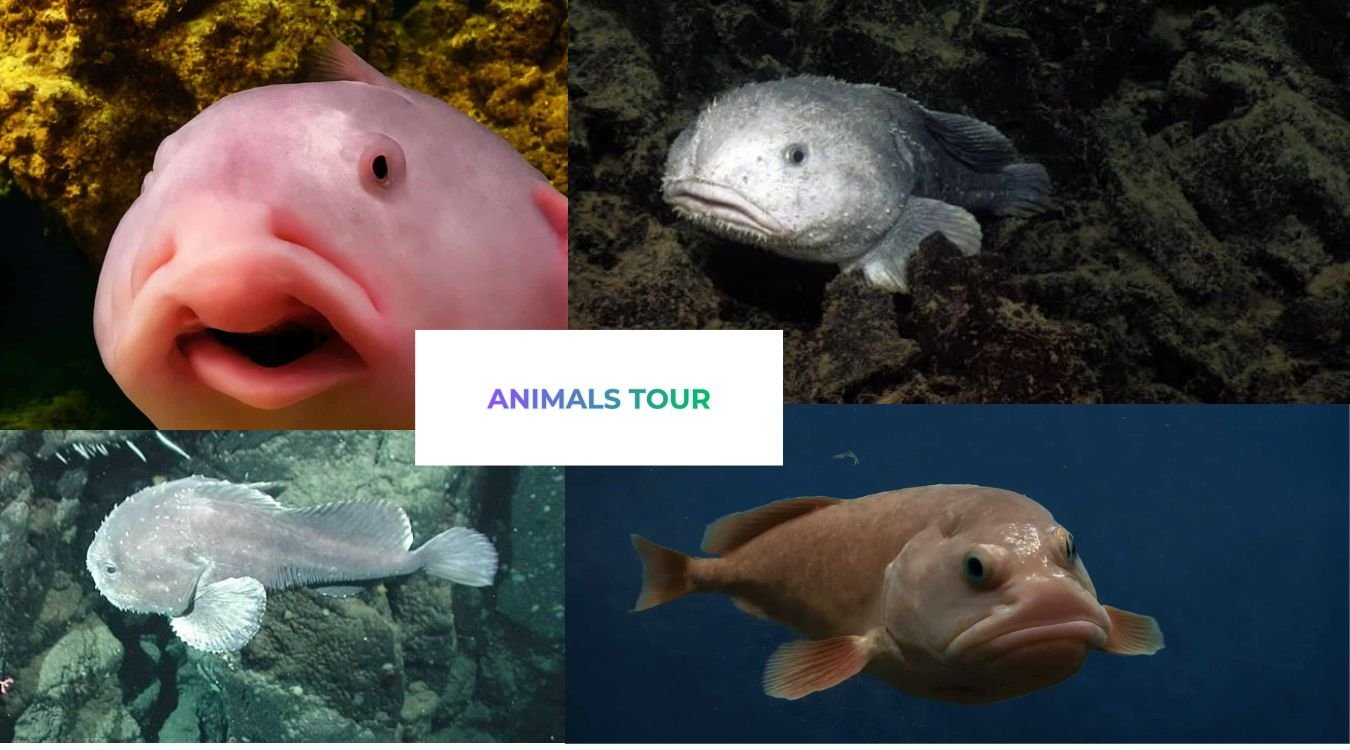
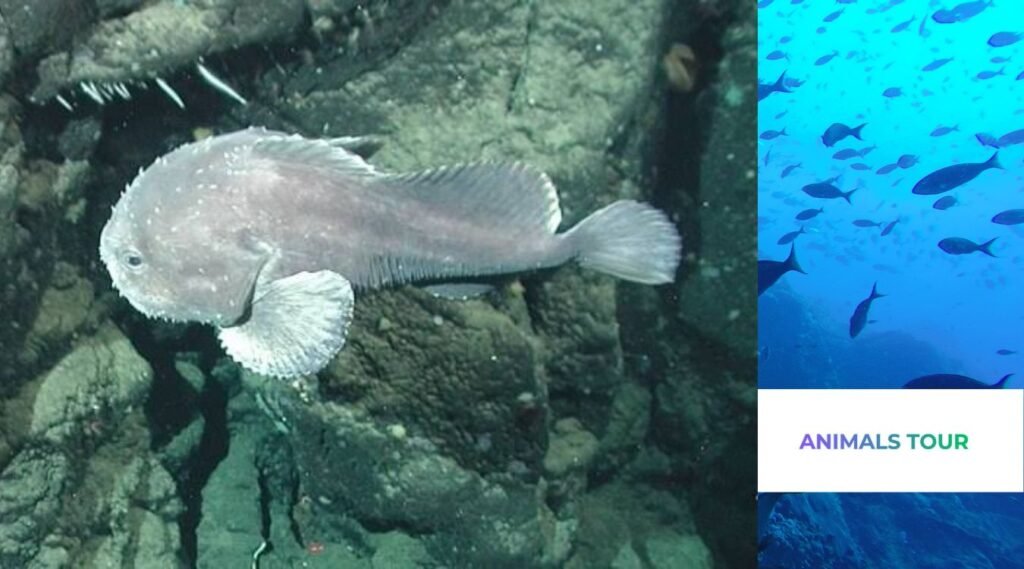
Blobfish underwater are a surprising sight, much different from their cartoonish, droopy appearances seen in photos. In their natural habitat, these peculiar creatures often have a more streamlined look, thanks to the immense pressure of deep water that holds their gelatinous bodies together. When blobfish swim, they’re buoyant, almost floating with grace rather than flopping clumsily like when they’re pulled to the surface. In these depths, their colors can also shift, appearing more translucent and blending with the ocean floor, which adds an element of intrigue to what blobfish actually look like.
Under pressure, blobfish can exhibit fascinating traits that go unnoticed at shallower depths. Their unique adaptations allow them to survive in the crushing darkness of the ocean, where light rarely penetrates. They may not be the nimble swimmers that many marine animals are, but their distinctive blob-like form serves a purpose maximizing buoyancy and making them less energy-intensive to move around. Observing blobfish in water reveals a side of them that challenges the stereotypes often associated with these wonderfully odd creatures.
Do Blobfish Have Muscles or Bones?
Blobfish, often dubbed the “ugliest animal in the world,” have a fascinating anatomy that challenges our idea of traditional fish structure. Unlike most fish that are built with rigid bones and muscles, blobfish possess a unique gelatinous body that defies expectations. This jelly-like composition is not only a quirky trait but also an adaptation to their deep-sea environment. The lack of muscles and bones allows blobfish to float effortlessly in the deep ocean, conserving energy while they search for food.
This unconventional design raises intriguing questions about how blobfish navigate the challenges of their habitat. Living at depths where pressure is immense, their gelatinous bodies are a perfect solution, allowing them to withstand the crushing forces without the need for hard structures. While they might not win any beauty contests, blobfish showcase the incredible versatility of life forms, proving that nature often finds unexpected solutions to survive and thrive in the most extreme conditions. So, the next time you think about muscles and bones, remember the blobfish, a symbol of adaptation and the wonders of evolution!
What Do Blobfish Look Like Out of the Water?
Blobfish, known for their unusual appearance underwater, transform dramatically when pulled from their deep-sea habitat. In the water, blobfish sport a gelatinous, almost transparent body adapted to withstand extreme pressure, giving them a whimsical, buoyant presence. However, out of the water, they take on an entirely different visage, which has led to their infamous reputation as one of the ugliest creatures on the planet. Their skin, which normally appears smooth and placid below the surface, becomes droopy and misshapen, resembling a sad, wrinkled visage.
When you see what blobfish actually look like outside their natural environment, it’s hard not to feel a twinge of admiration for their uniqueness. With their large, bulbous heads and puffy lips, they might evoke laughter, but they are perfectly adapted to their underwater world. These fascinating creatures remind us of the importance of adapting to our surroundings, in the depths of the ocean, they are elegant and streamlined, while out of the water, they showcase a surprising vulnerability that challenges our notions of beauty.
Do Blobfish Have Normal Noses?
As for their noses, blobfish don’t have a “normal” nose like many other fish. Instead, they possess a simple opening for processing water and food, it blends seamlessly with their unique body structure. This design is an incredible adaptation to their extreme homes, where the need for distinctive features takes a backseat to survival. Overall, observing blobfish in water provides an enlightening glimpse into the extraordinary adaptations that allow these deep-sea dwellers to thrive in a seemingly unwelcoming environment.
What Do Blobfish Babies Look Like Under Water and Above Water?
Baby Blobfish Underwater
Blobfish babies, often overlooked, are surprisingly vibrant and captivating in their early stages. Unlike their gelatinous adult counterparts, these juvenile creatures sport a more streamlined appearance, allowing them to thrive in their deep-sea habitats. Their bodies are adorned with delicate, translucent fins that shimmer under the faint light of the ocean, making them resemble tiny, otherworldly sprites gliding through their dark surroundings.
When observed underwater, blobfish fry reveal an intricate pattern of hues, ranging from pale pinks to muted purples, camouflaging them among the colorful corals and phytoplankton they inhabit. As they drift through the depths, these young blobfish employ a buoyancy strategy, using their soft bodies to mimic the surrounding water, protecting them from predators lurking nearby. This remarkable adaptation enhances their chances of surviving in a world where every shadow could spell danger, showcasing nature’s ingenuity in ensuring the survival of even the most peculiar of creatures.
Baby Blobfish Above Water
Above the water’s surface, the baby blobfish transforms perceptions of beauty in the animal kingdom. While the adult blobfish is often ridiculed for its gelatinous appearance, the juvenile version offers a fascinating glimpse into nature’s more whimsical side. With a body that resembles a delightful little orb, these tiny beings showcase vibrant coloration that starkly contrasts with their drab adult counterparts. This stark dichotomy prompts deeper reflection on how environments shape the development of species, suggesting a curious evolutionary narrative.
As these tiny blobfish navigate their new surroundings, they embody resilience and adaptability. Their buoyant, almost buoyant appearance serves a purpose, these baby fish are equipped to thrive in the ocean’s depths, yet when above water, they become emblematic of the charming quirks found in the natural world. Observing them sheds light on the often-overlooked variations within species and invites us to appreciate the unfamiliar characteristics that each life stage presents. In a world quick to judge based on appearances, the baby blobfish above water is a reminder that beauty can be both fleeting and multifaceted, challenging our conventional definitions.
Blobfish Natural Habitat
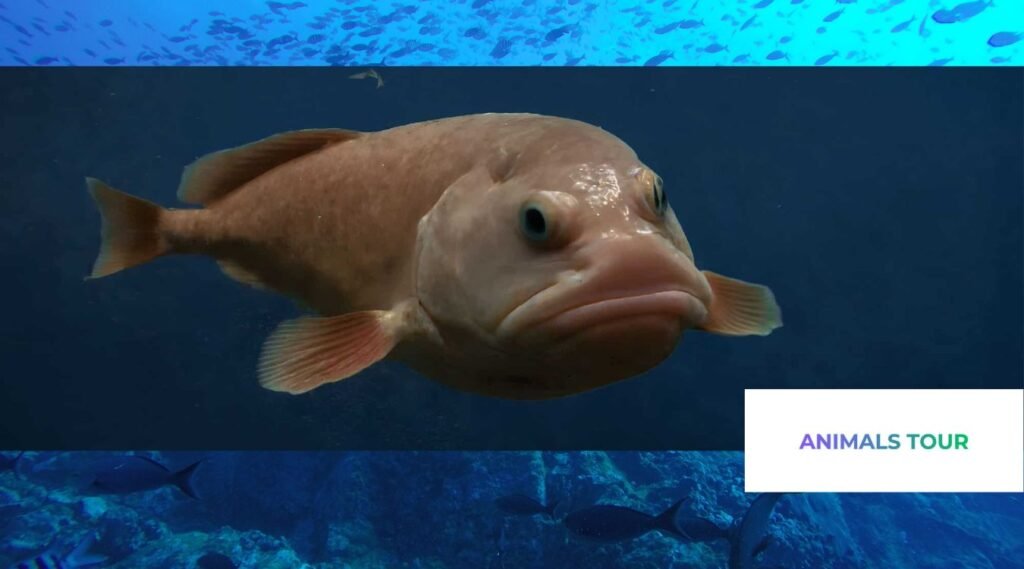
Blobfish thrive in the deep, dark waters off the coasts of Australia and New Zealand, typically residing at depths between 800 and 1,200 meters (2,600 to 3,900 feet). In this abyssal environment, they face extreme underwater pressure, which profoundly influences their unique physiology. Instead of a traditional skeletal structure, blobfish have a gelatinous composition, allowing them to effectively float just above the ocean floor without expending much energy. This adaptation is a marvel of nature, illustrating how life perseveres under conditions that would be inhospitable for most other creatures.
Blobfish Bias: Deep Sea Fears
Blobfish, often regarded as the poster child for deep-sea oddities, elicits a visceral reaction that reflects our deep-seated fears of the unknown. This gelatinous creature, often depicted with a forlorn expression, challenges conventional aesthetic norms, forcing us to confront our biases about beauty and life in extreme environments. Rather than simply celebrating its unique physiology, the blobfish invites us to question why we deem certain forms repulsive while others inspire awe. This bias is not just about physical appearance; it speaks to our instinctual wariness of the unfamiliar in the dark ocean depths.
As we delve deeper into the abyss, we uncover a world thriving in harsh conditions, filled with bizarre adaptations that defy our terrestrial expectations. Blobfish and their peers are crucial players in marine ecosystems, yet they remain misunderstood symbols of ugliness. This perception often overshadows their ecological importance, suggesting that our fears may be rooted in ignorance rather than reason. By reframing our perspective on creatures like the blobfish, we open ourselves to appreciating the beauty of biodiversity, reminding ourselves that every life form has a role to play in the intricate tapestry of ocean life.
How Many Blobfish Still Exist?
The blobfish, often celebrated for its unique appearance, is more than a mere oddity. It thrives in the deep, cold waters surrounding Australia, primarily between 600 to 1,200 meters below the surface. While exact population estimates are elusive, it is believed that their numbers are being undermined by deep-sea fishing practices and climate change, both of which disrupt their habitats. Recent studies suggest that the blobfish’s survival is not just a matter of individual numbers but also hinges on the health of the broader deep-sea ecosystem.
Conservation efforts focused on protecting marine habitats are crucial for ensuring the survival of species like the blobfish, which often go unnoticed in the grand narrative of marine biodiversity. By promoting sustainable fishing practices and creating marine protected areas, we can help mitigate the impact of human activities on the deep sea. Additionally, public interest in creatures like the blobfish’s can serve as a catalyst for greater awareness and scientific inquiry, possibly unearthing even more ways to safeguard their futures. As we dive deeper into the mysteries of the ocean, protecting these fascinating creatures becomes not just an ecological responsibility but an opportunity to explore our planet’s untold wonders.
How Do Blobfish Survive a Harsh Habitat?
Blobfish thrive in some of the ocean’s most inhospitable depths, where pressures can be over 120 times that of sea level. Their remarkable adaptation lies in their unique gelatinous structure, which allows them to maintain buoyancy despite the crushing pressure of their habitat. This low-density gelatinous composition means that they expend minimal energy floating just above the ocean floor, where they can effortlessly ambush prey like crustaceans and other small marine creatures.
Interestingly, blobfish can also effectively navigate the unpredictable terrain of deep-sea environments. Their ability to camouflage with the surrounding sediment helps them evade predators while they wait for food. Furthermore, research has shown that blobfish possess specialized sensory receptors that allow them to detect the slightest vibrations in the water, enhancing their hunting prowess. Its diet consists mainly of crabs. Despite their unappealing appearance, these adaptations showcase the incredible ingenuity of evolution in one of Earth’s least hospitable ecosystems.
How Do Blobfish Survive Extreme Water Pressure?
Blobfish thrive in the extreme depths of the ocean where pressure can crush most marine life. Their unique gelatinous bodies, composed of a dense, jelly-like substance, are perfectly suited for such an inhospitable environment. This adaptation allows them to maintain buoyancy without the need for a swim bladder, a common flotation mechanism in other fish. Instead, their bodies are less dense than the surrounding water, enabling them to float effortlessly above the ocean floor and conserve energy in an environment with scarce food sources.
Moreover, blobfish possess specialized structures in their bodies that protect them from the crushing pressures of the deep sea. Their soft, malleable flesh might seem unassuming, but it absorbs pressure, allowing them to withstand conditions that would obliterate most other species. This adaptability illustrates a fascinating aspect of evolutionary biology – the ability to turn apparent disadvantages, like a lack of muscle tone, into a strength that guarantees survival where few can. As we expand our understanding of the abyss, the blobfish serves as a reminder of life’s incredible ability to adapt and thrive in even the most extreme circumstances.
How Do Blobfish Reproduce?
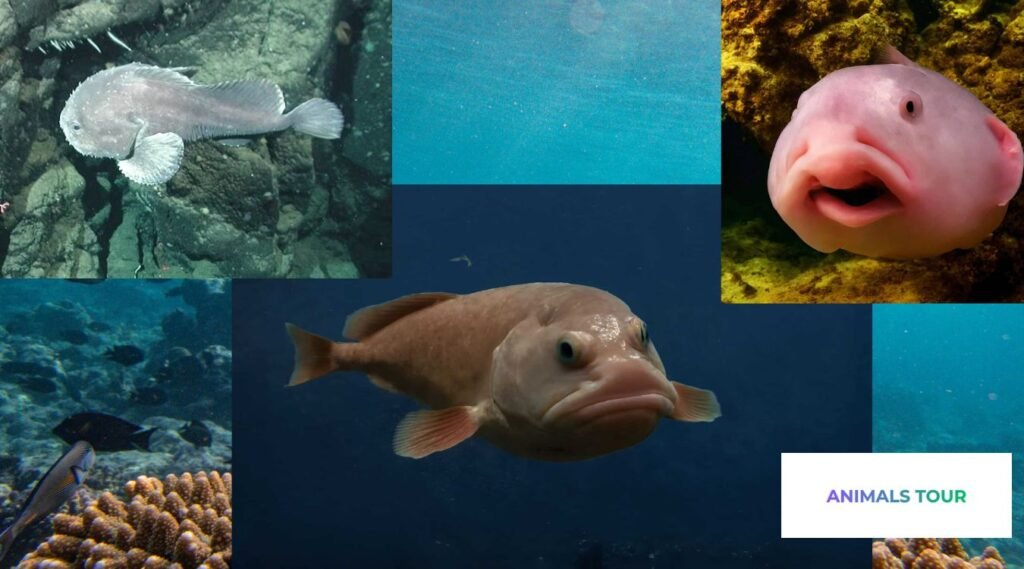
Blobfish reproduction is as intriguing as the creature itself. These deep-sea fish have a unique strategy: they engage in external fertilization. During spawning, a female blobfish releases clusters of gelatinous eggs into the ocean, which can number in the thousands. This strategy not only enhances the chance of successful fertilization but also helps protect the eggs from predators that might be lurking in the deep.
Interestingly, the male blobfish may remain nearby to guard these floating eggs, demonstrating a rare instance of parental care in a species often mocked for its appearance. This protective behavior increases the likelihood that the offspring will survive in the challenging environment of the ocean depths. As these eggs develop, they rely on currents and other natural ocean movements, a testament to the blobfish’s adaptation to life in the abyssal zone.
In this harsh underwater kingdom, the blobfish’s reproductive methods highlight a balance between vulnerability and survival, further underlining the necessity of understanding these bizarre yet fascinating creatures that inhabit our unexplored seas. The blobfish’s lifecycle serves as a reminder of the delicate interplay of life and survival in the oceanic depths, transforming what may seem like a simple mating ritual into a compelling narrative of resilience.
Final Thoughts
In conclusion, blobfish present a surprising contrast when viewed in their natural underwater habitat. Their gelatinous bodies, adapted to the high-pressure environment of the deep sea, appear far more vibrant and dynamic than the sad, droopy visage typically associated with them on land. This fascinating adaptation allows them to thrive in a world where few other creatures can manage. When we observe blobfish in their native setting, it invites a deeper appreciation for the unique adaptations animals have developed to survive in extreme conditions. Next time you think of blobfish, remember their true beauty lies beneath the waves, and let’s strive to protect these marvelous creatures and their habitats.
FAQs
1. What is the natural habitat of the blobfish?
Blobfish are typically found at depths of 800 and 1,200 meters (2,600 to 3,900 feet) in the deep waters off the coasts of Australia and New Zealand.
2. How do blobfish appear when submerged underwater?
When underwater, blobfish look significantly more normal they have a gelatinous, rounded body and can appear somewhat transparent with a more streamlined shape.
3. Do blobfish have any distinctive colors underwater?
Blobfish usually appear a pale pink or gray color, helping them blend into their deep-sea environment, which lacks vibrant light.
4. What anatomical features are prominent in blobfish when they’re underwater?
Blobfish have a large, bulbous head and a small, mouth that gives them a unique appearance, but these features are less pronounced underwater compared to their out-of-water look.
5. How do blobfish adapt to their deep-sea environment?
Blobfish possess a body that is less dense than water, allowing them to float just above the ocean floor without expending energy, which is essential for survival in deep-sea conditions.
6. Can blobfish swim?
Blobfish have limited swimming abilities and primarily rely on their buoyancy to glide through the water rather than active swimming.
7. What do blobfish eat while underwater?
Blobfish primarily feed on small crustaceans and other organic matter that drift within their reach, consuming food as it passes by with minimal energy use.
8. Are blobfish social creatures?
Blobfish are generally solitary and do not exhibit social behavior, mainly leading an isolated life in the deep sea.