Top 13 Amazing Animals Like Groundhogs (With Images)
Groundhogs may be the most famous burrowers, but did you know there are other animals that resemble them? From their furry coats to their adorable faces, animals like groundhogs share amazing traits. Understanding these creatures can deepen our appreciation for wildlife and the ecosystems they inhabit. In this article, we’ll explore a variety of animals that look like groundhogs and discover what makes them unique.
List Of Animals Like Groundhogs
Below is the list of animals like Groundhogs:
- Prairie Dogs
- Beavers
- Capybaras
- Marmot
- Chipmunks
- Voles
- Rabbits
- Pika
- Badgers
- Rock Hyrax
- Muskrat
- Gophers
- Squirrels
Prairie Dog
Scientific Name: Cynomys spp.
Class: Mammalia
Family: Sciuridae (squirrel family)
Diet: Herbivorous
Prairie dogs, often mistaken for their larger cousins, groundhogs, are social creatures that live in tight-knit communities. Unlike the solitary nature of groundhogs, prairie dogs thrive in elaborate underground towns, communicating through a complex system of chirps and barks to keep each other informed. These playful animals display behaviors that hint at their intelligence, often engaging in games and social grooming, strengthening bonds within their groups.
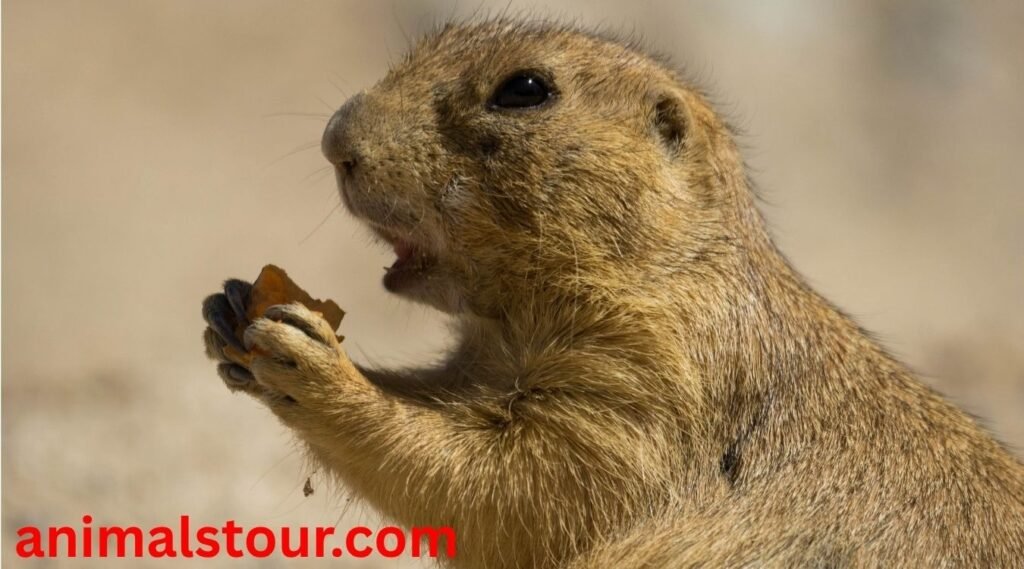
With their compact bodies and short tails, animals like groundhogs, including prairie dogs, have adapted to a burrowing lifestyle, a clever strategy for evading predators. Their similar appearances may be misleading, but prairie dogs contribute greatly to their ecosystem, aerating the soil and creating habitats for other wildlife. Observing prairie dogs in their bustling colonies provides a unique glimpse into the intricate lives of these remarkable animals, reminding us of the rich tapestry of nature that surrounds us.
Beaver
Scientific Name: Castor canadensis (North American beaver); Castor fiber (Eurasian beaver)
Class: Mammalia
Family: Castoridae
Diet: Herbivorous
Beavers, much like groundhogs, share an innate ability to shape their environment. Both are avid diggers, creating intricate burrows that serve as their cozy homes. Beavers take this to another level by building dams, transforming streams into serene ponds where they thrive. These animals similar to groundhogs, also have strong family bonds, often seen working together to gather food and protect their young.
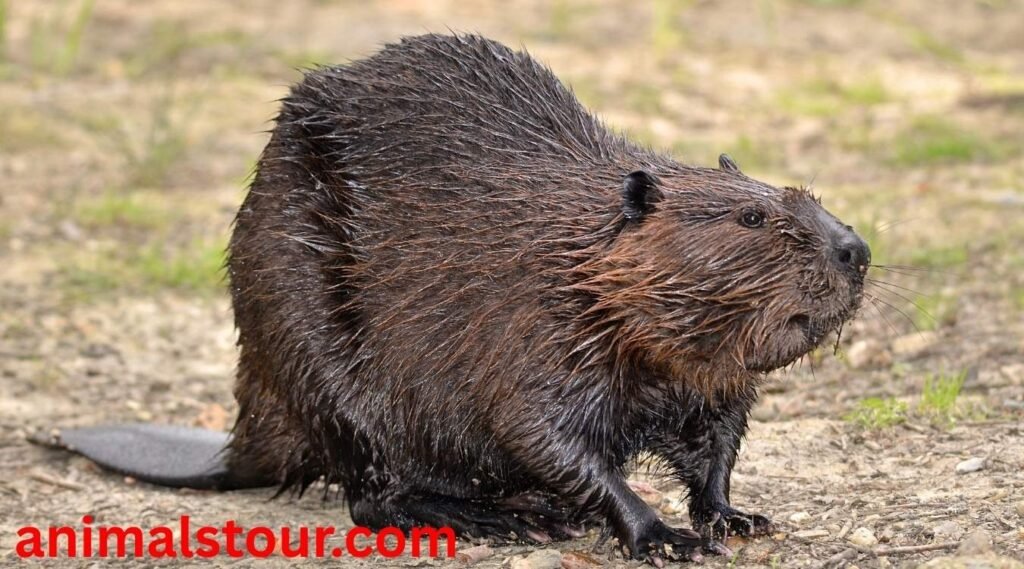
Their playful nature and unique adaptations set them apart in the animal kingdom. While groundhogs are mostly terrestrial, beavers expertly navigate both land and water, showcasing their versatility. This remarkable adaptability makes them fascinating creatures to observe, inviting deeper appreciation for wildlife in our backyards. In many ways, beavers and groundhogs embody the spirit of nature’s builders, quietly contributing to healthier ecosystems.
Capybara
Scientific Name: Hydrochoerus hydrochaeris
Class: Mammalia
Family: Caviidae
Diet: Herbivorous
Capybaras, the world’s largest rodents, often remind us of groundhogs with their stout bodies and social behavior. These gentle giants are known for their friendly nature, enjoying the company of both their own kind and other animals. Unlike groundhogs, which tend to be more solitary, capybaras thrive in groups, creating tight-knit communities that reflect their playful personalities.
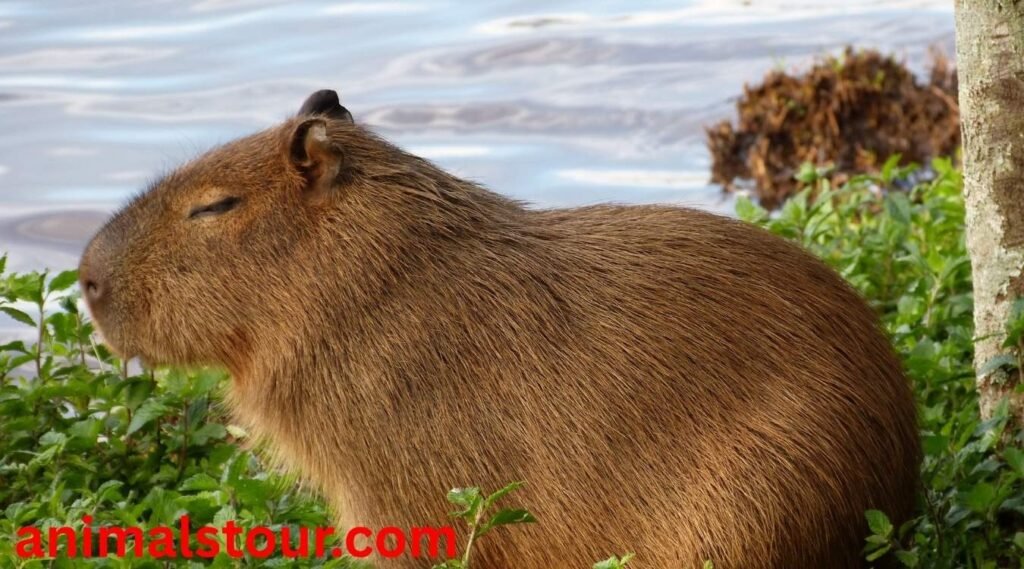
Their unique appearance, with round faces and a relaxed demeanor, gives them an endearing charm. Found in South America, capybaras inhabit rivers and wetlands, showcasing their love for water, unlike groundhogs that prefer dry land. Observing these animals that look like groundhogs reveals their cleverness and adaptability, navigating both land and water effortlessly. Whether lounging in the sun or frolicking with friends, capybaras remind us of nature’s delightful surprises.
Marmot
Scientific Name: Marmota spp.
Class: Mammalia
Family: Sciuridae
Diet: Herbivorous
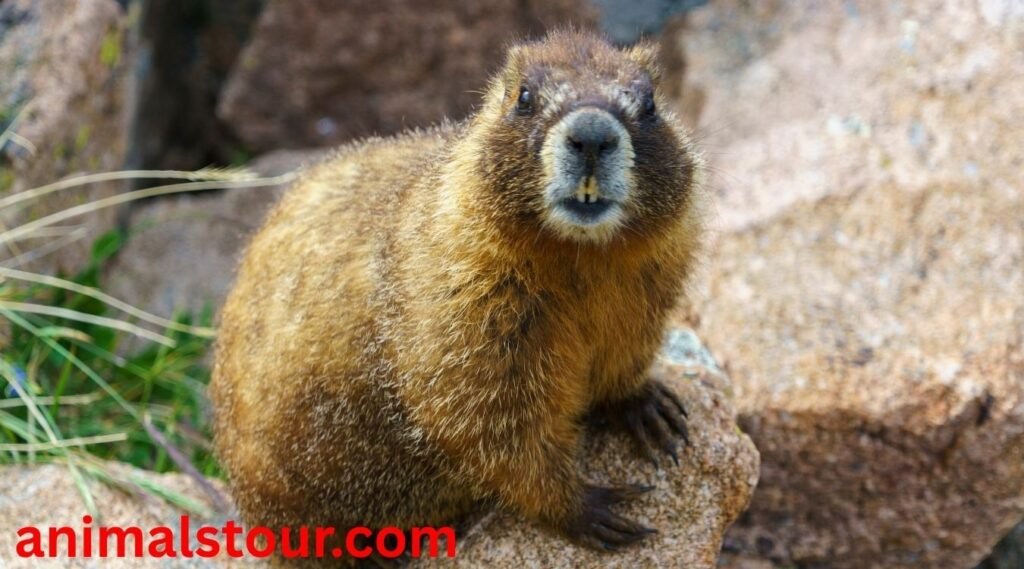
Marmots are charming animals similar to groundhogs, often found in mountainous regions. These furry creatures live in social groups, creating tight-knit communities that share burrows and resources. Unlike groundhogs, marmots have a more playful nature, often seen frolicking in the sun or basking on warm rocks. Their whistle-like calls add a unique soundtrack to the alpine landscape, echoing their vibrant personalities.
Chipmunk
Scientific Name: Tamias spp.
Class: Mammalia
Family: Sciuridae
Diet: Omnivorous
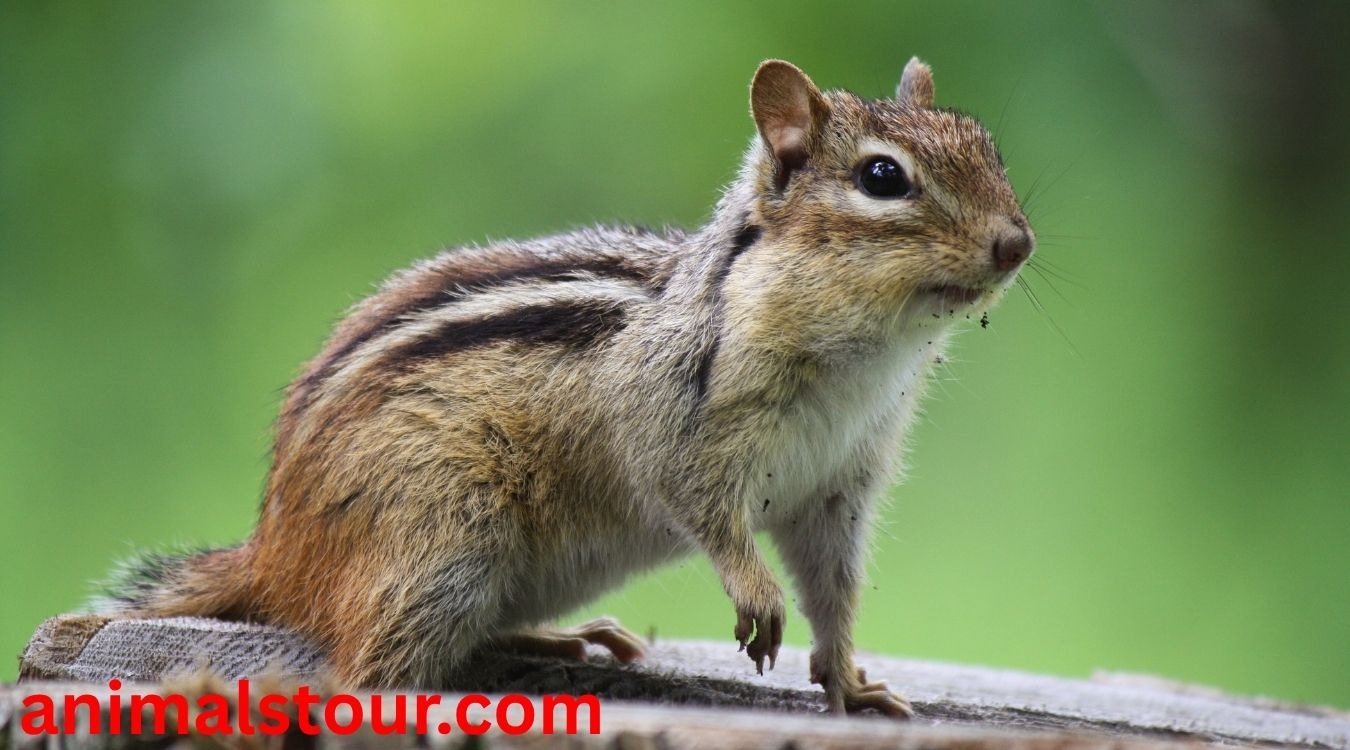
Chipmunks, often overshadowed by their larger cousins, the groundhogs, bring a unique charm to the animal kingdom. These small, striped furballs animals like groundhogs are not just cute, they play essential roles in our ecosystems, dispersing seeds and aerating the soil through their burrowing.
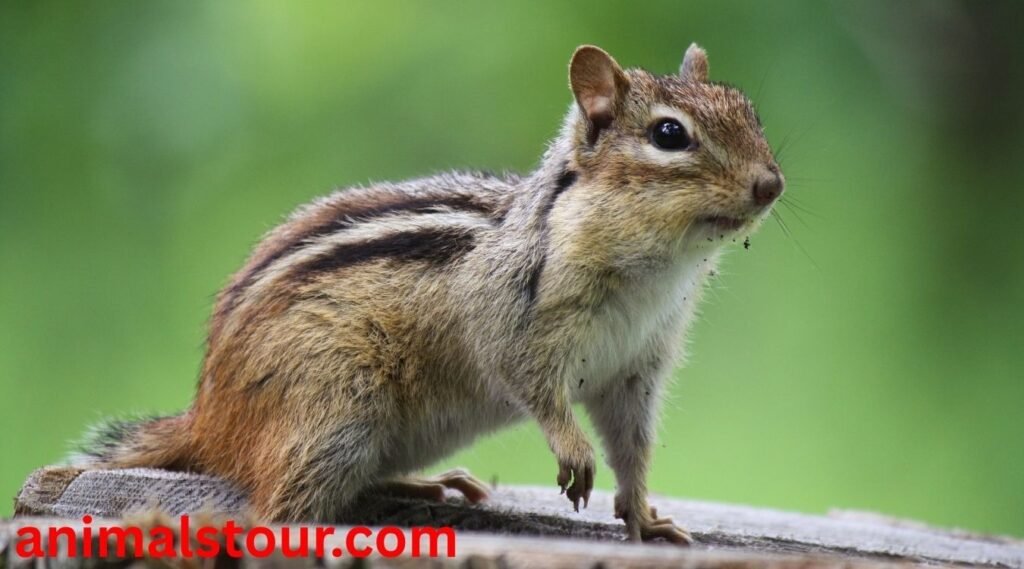
Like groundhogs, they thrive in meadows and woodlands, using complex tunnels to evade predators and store food. Their lively antics make them a joy to watch, reminding us that even the smallest animals have their own vital contributions to nature’s balance.
Vole
Scientific Name: Microtus spp.
Class: Mammalia
Family: Cricetidae
Diet: Herbivorous
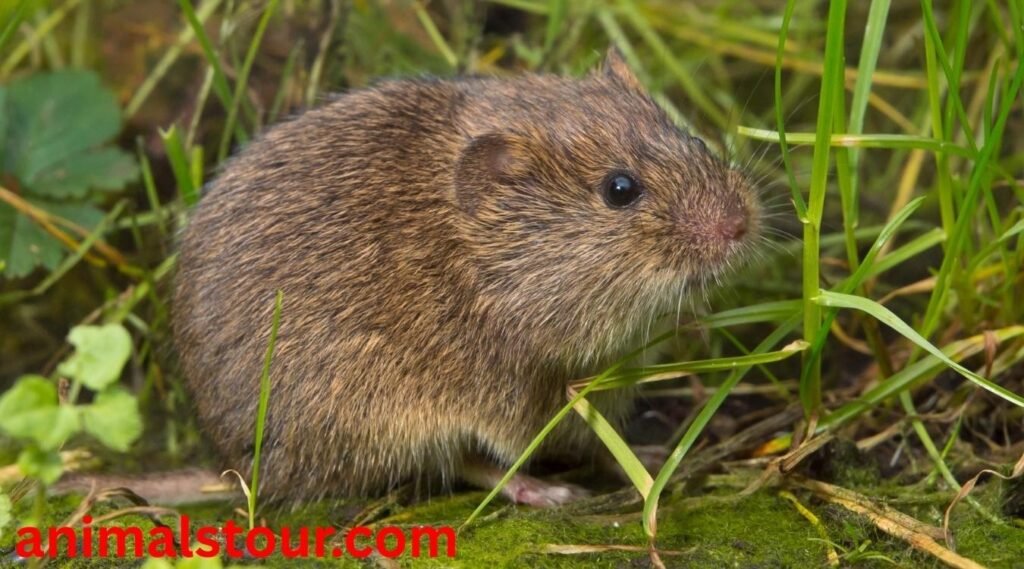
Voles are often mistaken for animals like groundhogs due to their stout bodies and short tails. These small mammals, however, prefer a life closer to the ground, weaving intricate tunnels in fields and gardens. While groundhogs may bask in the sun, voles keep mostly hidden, foraging for grasses and roots. Their secretive nature makes them fascinating, they form complex social structures under the surface, fostering strong family bonds in their hidden world.
Rabbit
Scientific Name: Oryctolagus cuniculus (European rabbit)
Class: Mammalia
Family: Leporidae
Diet: Herbivorous
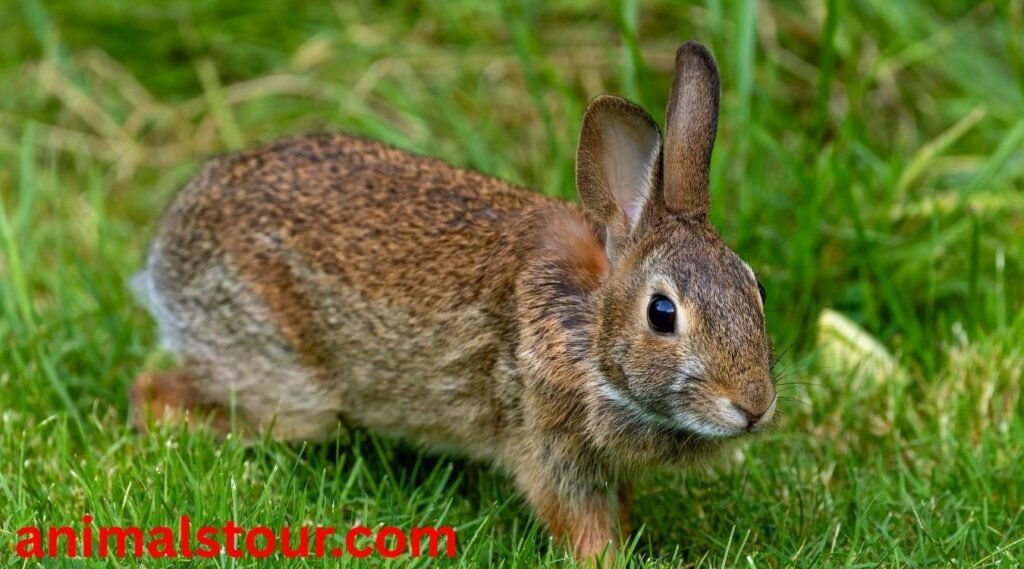
Rabbits share an amazing resemblance to groundhogs, both being small mammals and part of the rodent family. Their long ears and compact bodies set them apart, yet they both dig and create burrows, reflecting their shared adaptation to grassy environments. Known for their playful nature, rabbits add an element of joy to their habitats, hopping around with an easy grace. These creatures remind us of the simplicity of life in the wild, showcasing a connection among animals that look like groundhogs, and captivating us with their gentle ways.
Pika
Scientific Name: Ochotona spp.
Class: Mammalia
Family: Ochotonidae
Diet: Herbivorous
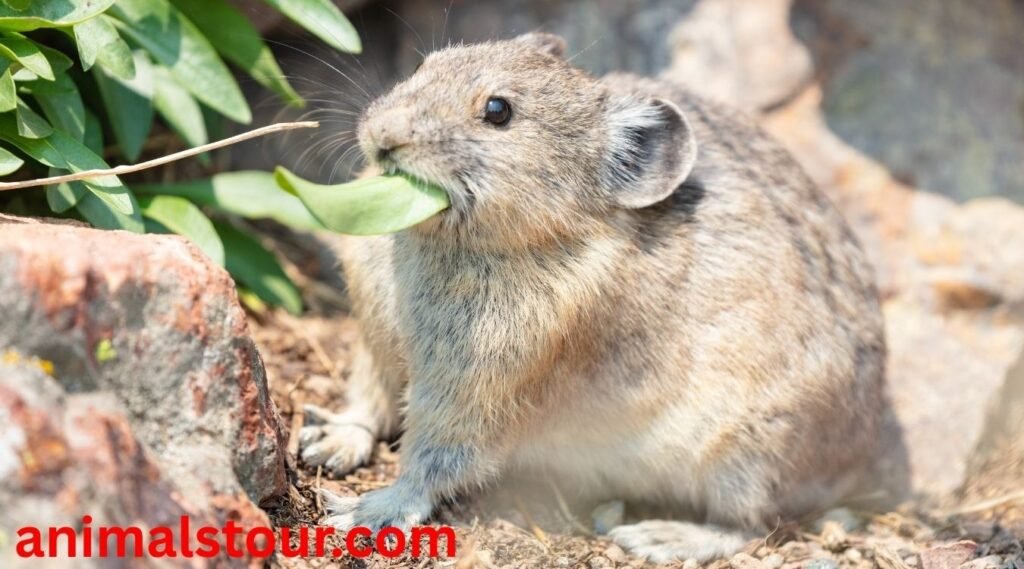
The pika is a small, charming animal that looks like a groundhog, yet it’s surprisingly different. These little creatures thrive in rocky mountain areas, often found gathering and storing plants for the winter. While groundhogs are known for their burrowing habits, pikas create cozy nests in the crevices of rocks, making their homes feel like tiny refuges. Their energetic personality and high-pitched calls add a unique charm to the alpine landscape, reminding us of the intricate life that thrives in these harsh environments.
Badger
Scientific Name: Meles spp.
Class: Mammalia
Family: Mustelidae
Diet: Omnivorous
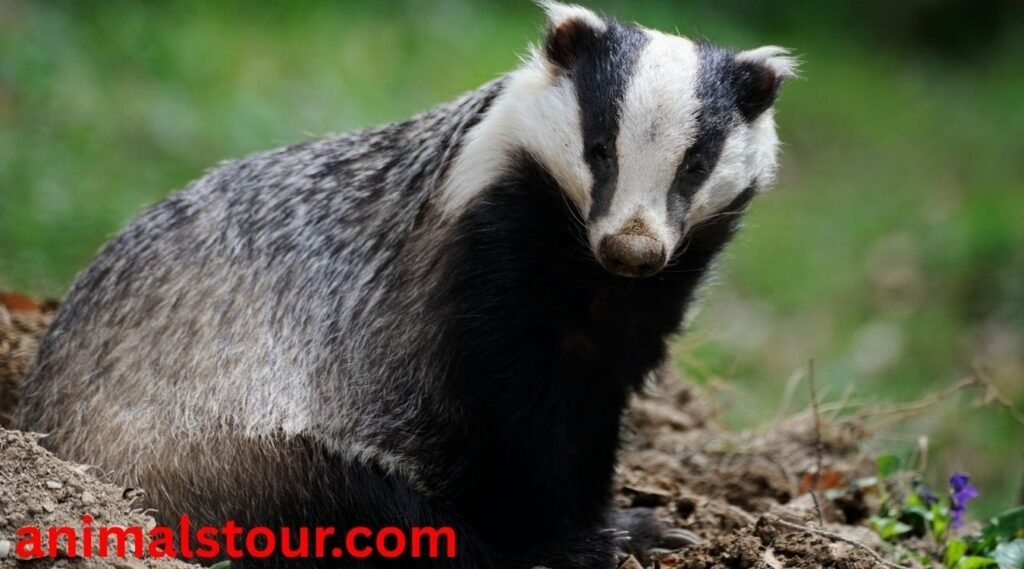
Badgers, like groundhogs, share a burrowing lifestyle and a stocky, sturdy body that makes them equally endearing. While they may look like a groundhog with their furry faces and short legs, badgers are known for their fierce independence and playful demeanor. These nocturnal animals often create complex tunnel systems, showcasing their intelligence and adaptability. Observing a badger can reveal not just their digging skills but also a social side, as they often engage with family members in charming, interactive ways.
Rock Hyrax
Scientific Name: Procavia capensis
Class: Mammalia
Family: Procaviidae
Diet: Herbivorous
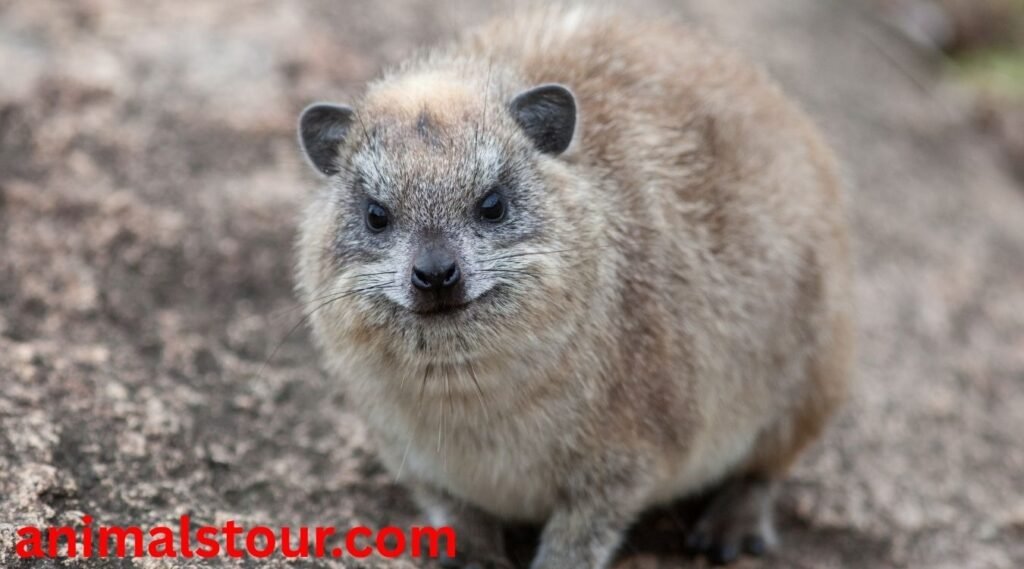
Rock hyraxes are groundhog like animals due to their chunky bodies and short legs. These social animals live in rocky terrains and have a unique bond with their families, huddling together for warmth and protection. Unlike groundhogs, rock hyraxes are more closely related to elephants and manatees, highlighting the wonders of evolution. Their playful nature and curious behaviors add charm to their rocky homes, making them a delightful sight in the wild.
Muskrat
Scientific Name: Ondatra zibethicus
Class: Mammalia
Family: Cricetidae
Diet: Herbivorous
Muskrats, like groundhogs, live near water and can be just as charming. These small, semi-aquatic mammals sport long tails and dense fur, making them feel right at home in wetlands. With their webbed back feet, they glide through mud with ease, showcasing a playful side often overlooked among animals similar to groundhogs. Observing them builds a connection to nature, revealing how diverse and amazing life can be even in our own backyards.
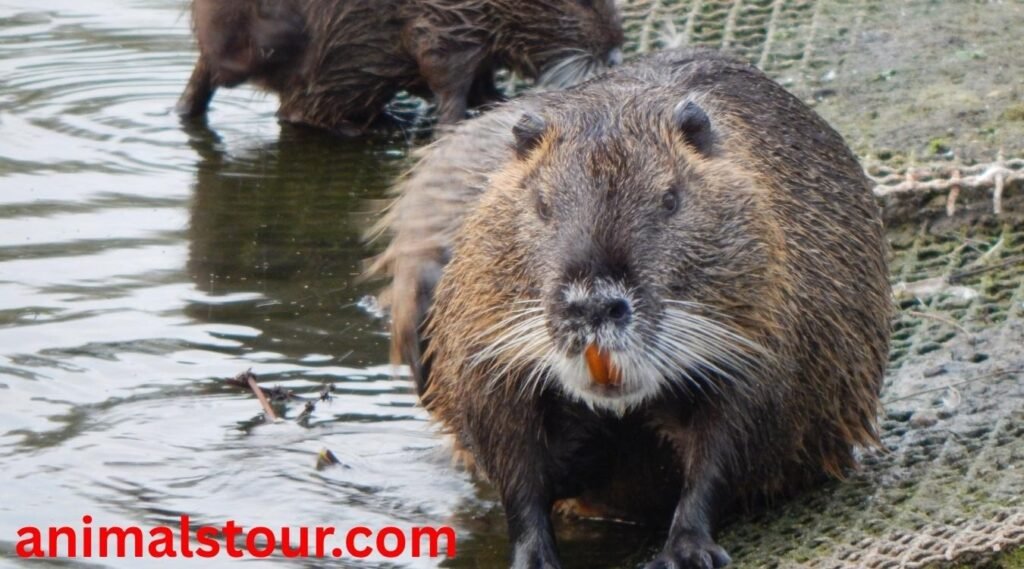
Gopher
Scientific Name: Geomys spp. (pocket gophers)
Class: Mammalia
Family: Geomyidae
Diet: Herbivorous
Gophers, often mistaken for animals like groundhogs, have their own unique charm. With short legs and cheeky cheeks stuffed with food, they tunnel through the earth, creating complex networks beneath our feet. These little burrowers play a crucial role in aerating the soil, helping plants thrive in their wake. Watching them scuttle about can remind us of the simple joys of nature, making these small creatures feel like little earth guardians.
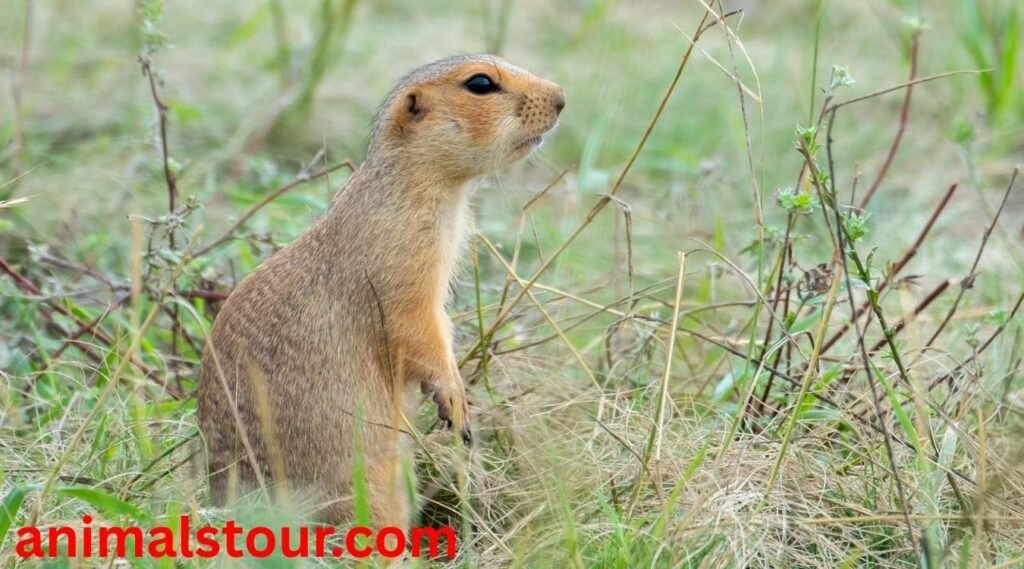
Rock Squirrel
Scientific Name: Otospermophilus variegatus
Class: Mammalia
Family: Sciuridae
Diet: Omnivorous
Rock squirrel is an interesting creature that shares a close resemblance to animal that looks like a groundhog. These furry companions thrive in rocky terrains, usually found in the western United States. Much like their groundhog relatives, rock squirrels have a playful spirit and are expert diggers, creating intricate burrows for shelter.
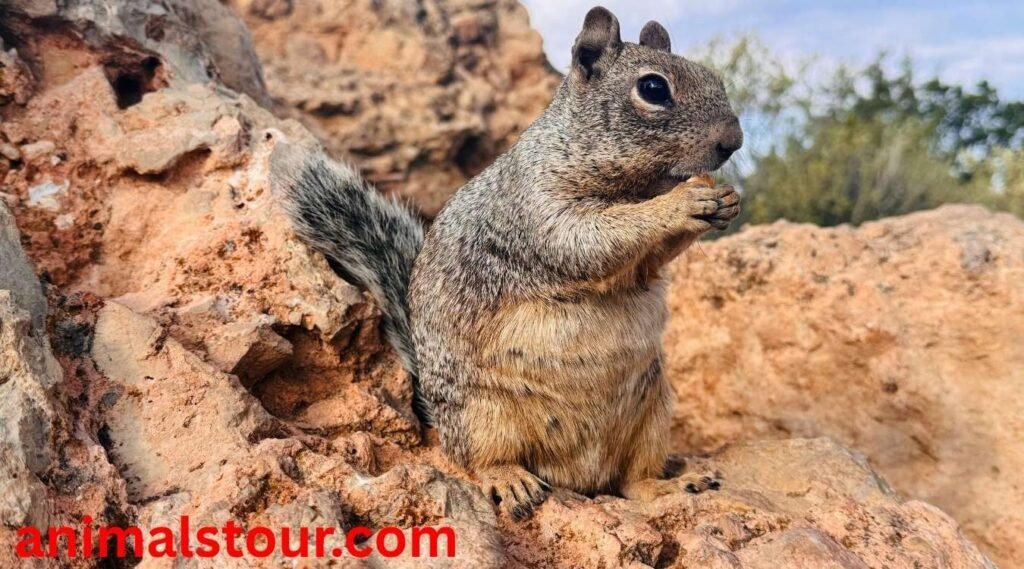
Their social behavior is particularly charming, these animals often gather in groups, communicating through a series of chirps and whistles. Watching them scamper around, foraging for food and sunbathing on warm rocks, brings a sense of joy. In many ways, they mirror the carefree essence of summer days, embodying a light-hearted harmony with their environment.
Final Thoughts
Many animals share similarities with groundhogs in appearance and behavior. From the plump, furry structure of a marmot to the burrowing habits of a prairie dog, these creatures bring a unique charm to our gardens and parks. Observing animals like groundhogs, can remind us of the beauty and diversity of wildlife around us. . It’s amazing how nature connects these animals, all playing their part in the ecosystem. Keep an eye out for them, and celebrate the variety of life we share this planet with.
FAQs
1. What animals resemble groundhogs?
Animals like beavers, marmots, and prairie dogs share a similar shape and size with groundhogs.
2. Are groundhogs and marmots the same?
No, but they belong to the same family. Marmots are a type of groundhog but live in different habitats.
3. Do beavers look like groundhogs?
In some ways, yes! They are both stout and have similar facial features, but beavers have flatter tails.
4. Can I find prairie dogs in my area?
It depends on where you live. Prairie dogs are mainly found in the western United States.
5. Do all these animals behave similarly?
Not exactly. While they may look alike, their habits and social structures can be quite different.
6. Is one of these animals better as a pet?
Groundhogs and most similar animals aren’t ideal pets. They need specific habitats and diets.