Discover Top 18 Animals in grasslands
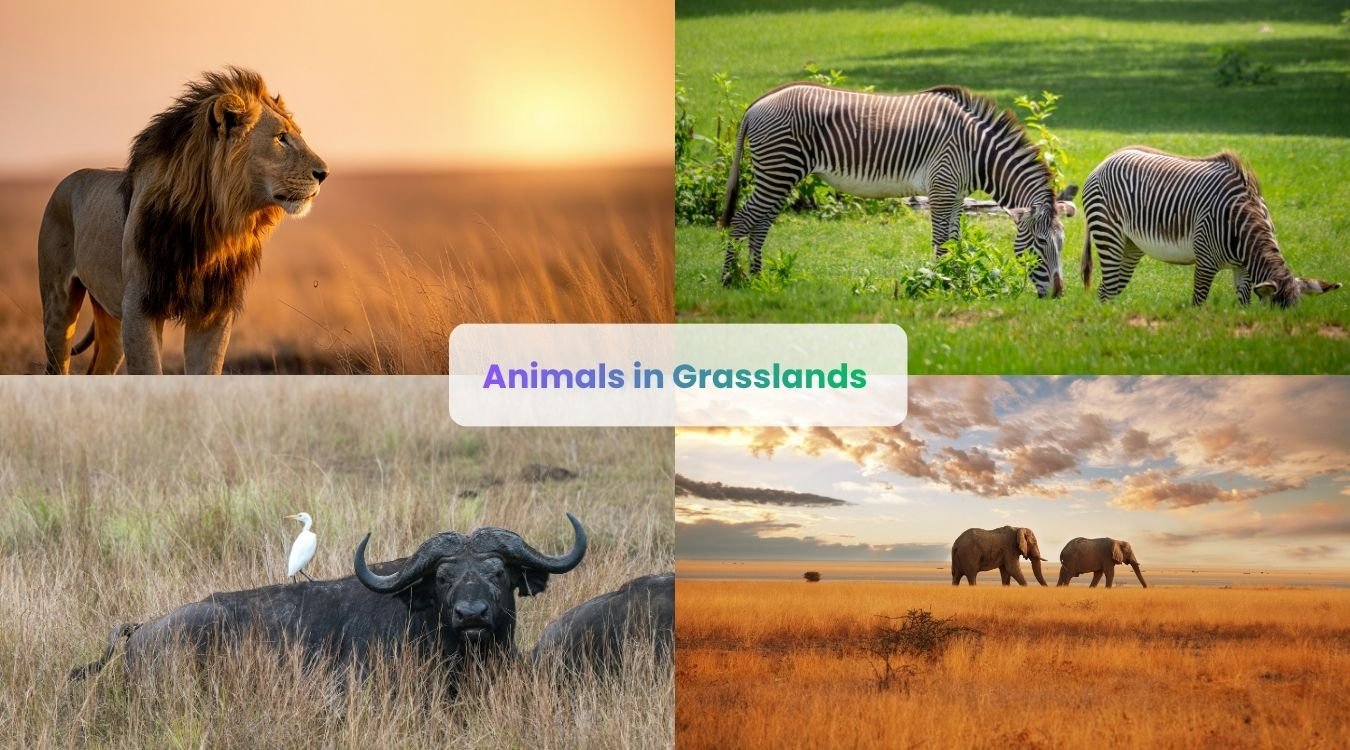
In this article, we’ll uncover the top 18 animals in grasslands and their unique adaptations. Discover why these animals are essential for ecological balance and why protecting their habitats is more urgent than ever.
List of Animals in Grasslands
Here is the list of the top 18 animals that live in grasslands.
- 1. Giraffe
- 2. Lion
- 3. Pronghorn
- 4. Zebra
- 5. Cheetah
- 6. Long-billed Curlew
- 7. Prairie Dog
- 8. Przewalski’s Horse
- 9. Elephant
- 10. African Buffalo
- 11. Common Emu
- 12. Hyena
- 13. Black-Footed Ferret
- 14. American Bison
- 15. Swift Fox
- 16. Wildebeest
- 17. Meerkat
- 18. Burrowing Owl
Giraffe – The Tallest Grassland Animal
Scientific Name:Giraffa camelopardalis
Class: Mammalia
The giraffe is one of the most recognizable grassland animals, known for its long neck and tall legs. This height gives the giraffe an advantage in the grasslands of Africa, where it can reach leaves on tall acacia trees that other animals cannot access. Because grasslands often have scattered trees rather than thick forests, this feeding style helps the giraffe avoid competing with shorter herbivores for food.
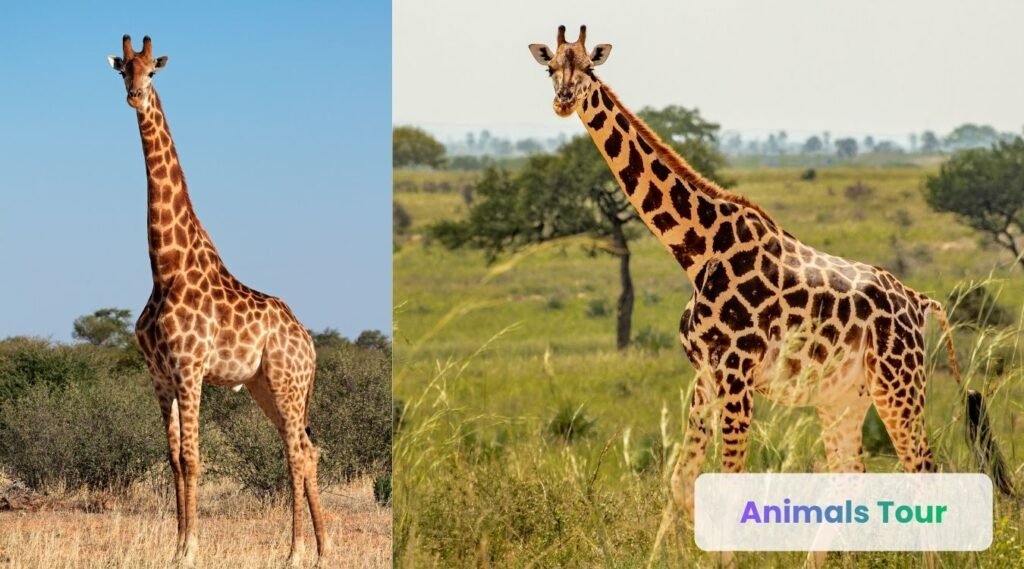
Giraffes also use their height to keep watch over the flat, open grassland. From such a vantage point, they can spot lions and other predators from a long distance, giving nearby zebras and wildebeests an early warning too. This makes the giraffe an important part of the wider grassland community, not just a tall grazer standing alone. It is one of the reasons giraffes are counted among the most recognizable animals in grasslands across the African continent.
Lion – The King of the Grassland
Scientific Name: Panthera leo
Class: Mammalia
Lions are one of the most famous animals in grasslands. They live in groups called prides, which usually consist of a few females, their cubs, and one or two males. This teamwork helps them hunt and protect each other. When prey, like zebras or antelopes, wander into their territory, lions work together to catch their meal.
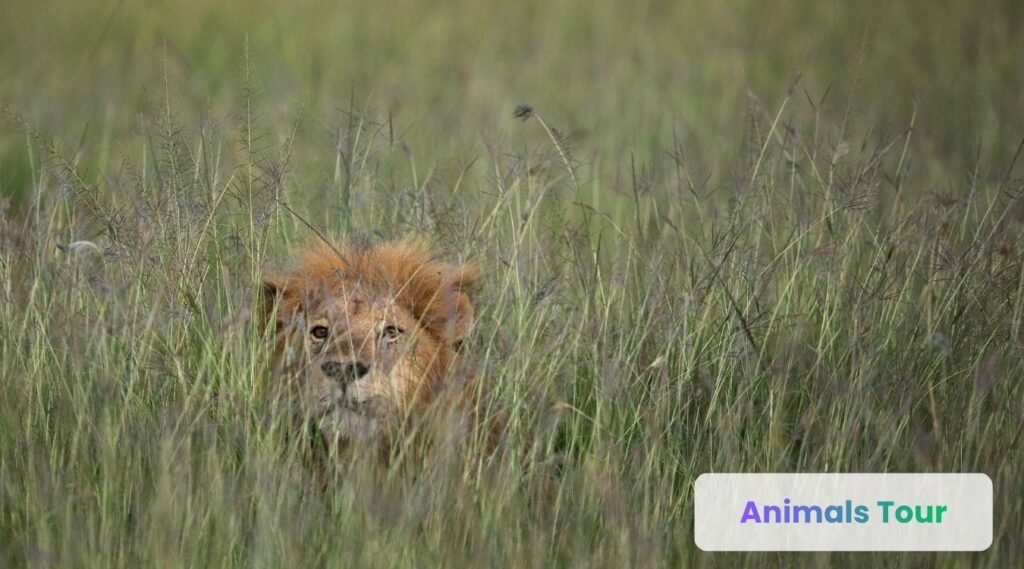
In the grasslands, lions spend a lot of time resting and playing, especially the cubs. Because the sun can be very hot, they often find shade under trees or bushes during the hottest parts of the day. This is important for their energy levels, which they need when hunting or playing. Their strong bodies and sharp teeth help them thrive in this environment.
Lions are not just powerful hunters; they also play a key role in their ecosystem. By controlling the populations of other animals, they help keep the grassland balanced. This balance ensures that the plants and other creatures in the habitat can thrive as well. Animals in grasslands rely on each other, and lions are a crucial part of that network.
Pronghorn – North America’s Speedy Grassland Runner
Class: Mammalia
Scientific Name: Antilocapra americana
The pronghorn is often called the fastest land animal in North America, and it owes this speed to its life on open grasslands. With few places to hide across the flat prairies, running fast became the pronghorn’s main defense against predators like coyotes and wolves. It can maintain high speeds over long distances, a skill perfectly suited to the wide, unobstructed grassland landscape.
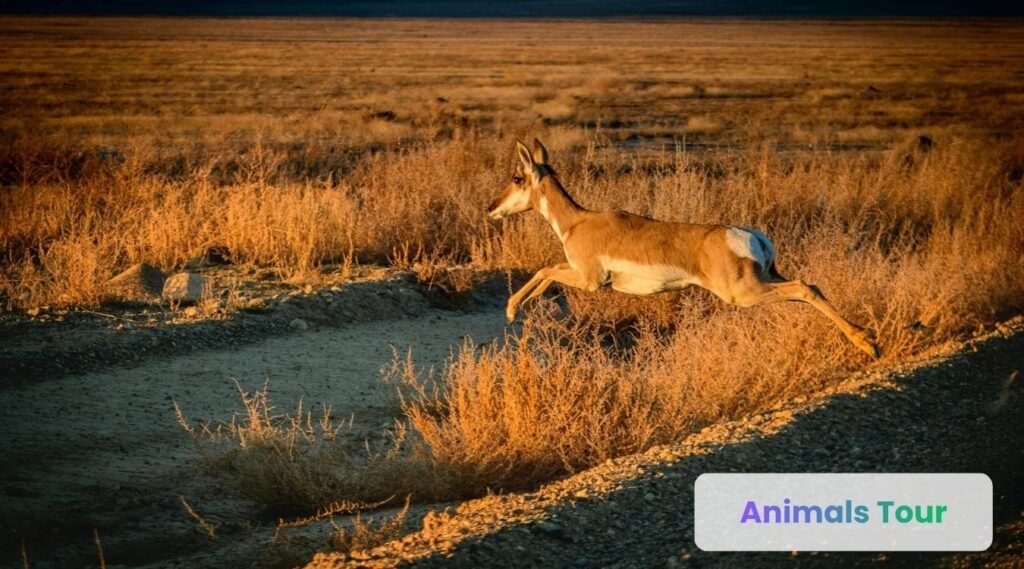
Pronghorns also have excellent eyesight, allowing them to spot danger from far away across the grassland plains and plants that surround them. This combination of speed and sharp vision makes the pronghorn one of the best-adapted grassland animals in the region.
Zebra – The Striped Grazer of the Savanna
Scientific Name: Equus quagga
Class: Mammalia
Zebras are grazing animals that live in large herds across African grasslands. Their black-and-white stripes are more than just a striking pattern; scientists believe the stripes may help confuse predators and make it harder for flies to land on their skin. Living in herds also gives zebras added protection, as many eyes can watch for lions and hyenas at once.
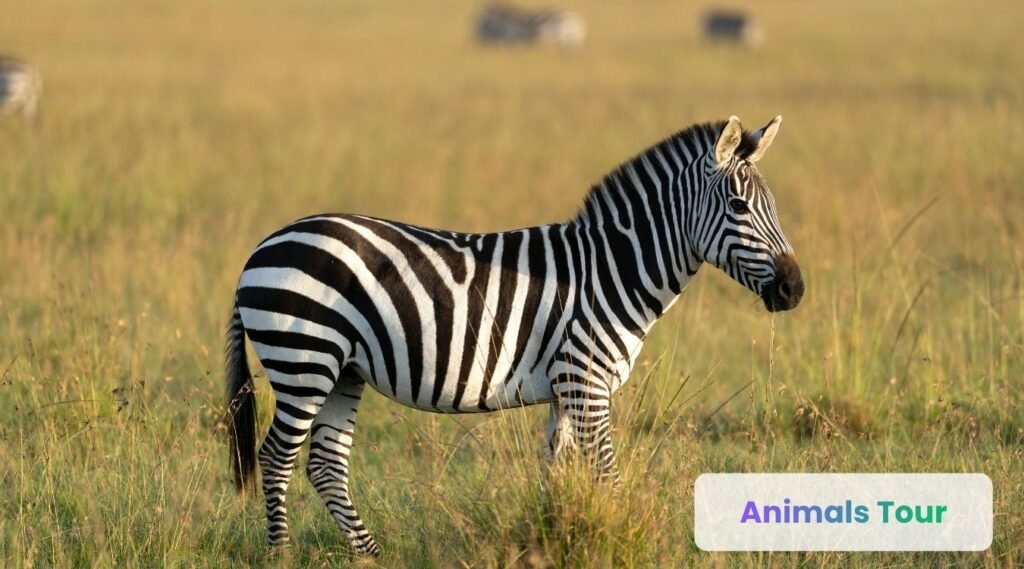
Zebras often migrate long distances across the grassland in search of fresh grass and water, especially during the dry season. This constant movement plays an important role in keeping grassland vegetation healthy, as their grazing helps new grass grow.
Cheetah – The Fastest Hunter of the Plains
Scientific Name: Acinonyx jubatus
Class: Mammalia
The cheetah is built for speed, and open grassland is the perfect stage for its hunting style. Unlike lions, cheetahs hunt alone or in small family groups, relying on short bursts of incredible speed rather than teamwork. Its slim body, long legs, and flexible spine allow it to reach speeds that few other land animals can match.
Because grasslands offer little cover, cheetahs use tall grass to stalk prey like gazelles before launching a sudden chase. This hunting method shows how grassland animals and plants are closely connected — without the tall grass for concealment, the cheetah’s hunting strategy would be far less effective.
Long-billed Curlew – A Ground-Nesting Grassland Bird
Scientific Name:Numenius americanus
Class: Aves
The long-billed curlew is a large shorebird that nests directly on the ground in grassland areas of North America. Its long, curved bill is used to probe the soil for insects and small invertebrates, making the open grassland an ideal feeding ground. Because it nests among low grasses rather than in trees, this bird depends heavily on healthy, undisturbed grassland habitat.
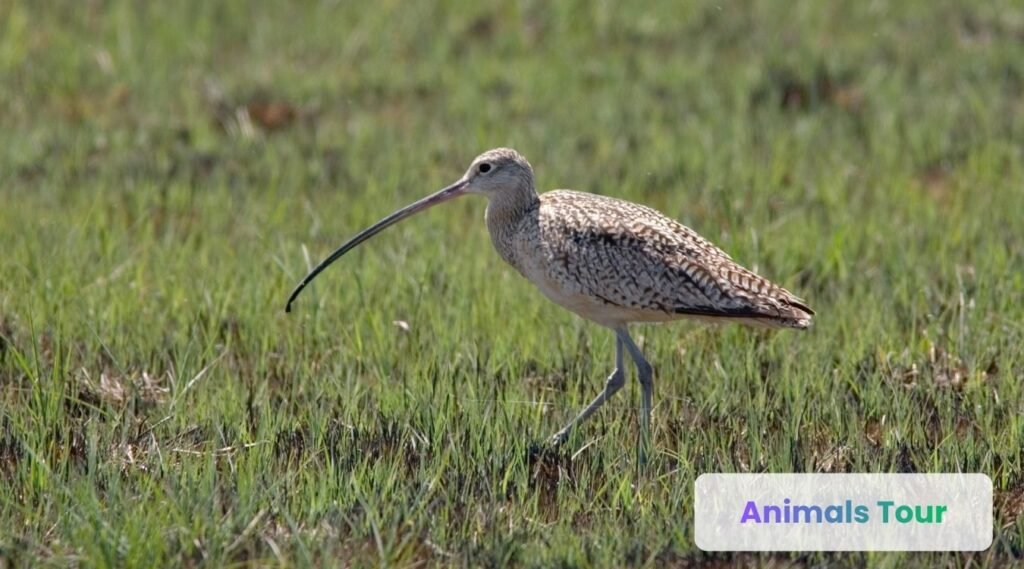
This curlew’s brown, mottled feathers blend in well with dry grass, helping to hide both the bird and its eggs from predators. Its presence is often seen as a sign of a healthy grassland ecosystem, since the species needs large, open areas to breed successfully.
Prairie Dog – The Underground Architect of the Grassland
Scientific Name: Cynomys
Class: Mammalia
Prairie dogs are small rodents that live in the grasslands of North America, known for building complex underground burrow systems called towns. These tunnels provide shelter from harsh weather and protection from predators such as hawks and foxes. Living underground is a key survival strategy in open grassland, where there are few natural hiding spots above ground.
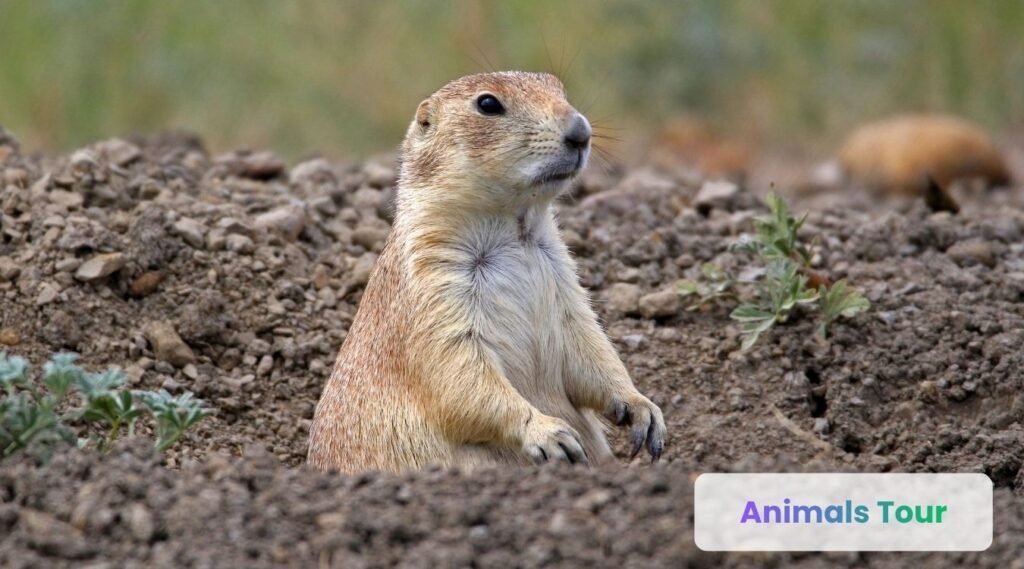
Prairie dogs also have a unique alarm call system, using different sounds to warn each other about specific threats. Their burrowing habits benefit the wider grassland ecosystem too, since the tunnels improve soil quality and create homes for other grassland species, including burrowing owls and black-footed ferrets.
Przewalski’s Horse – The Last Truly Wild Horse
Scientific Name: Equus ferus przewalskii
Class: Mammalia
Przewalski’s horse is considered the only truly wild horse species remaining, and it roams the grasslands and steppes of Mongolia. Unlike domesticated horses, this species never went through the process of domestication, keeping its wild instincts intact. Its stocky build and thick coat help it survive the harsh, open plains where temperatures can shift dramatically between seasons.
These horses live in small family groups, moving across the grassland in search of grass and water. Once extinct in the wild, conservation efforts have helped reintroduce Przewalski’s horse back into its natural grassland habitat, making it a symbol of successful wildlife recovery.
Elephant – The Grassland’s Gentle Giant
Scientific Name: Loxodonta africana
Class: Mammalia
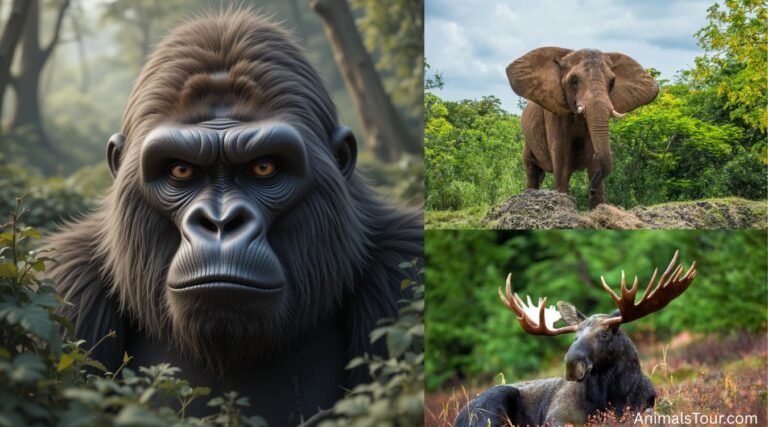
Elephants are among the largest animals found in grassland regions, particularly across parts of Africa. Despite their massive size, elephants play a crucial role in shaping the grassland landscape, and few animals in grasslands leave as visible a mark on the land as they do. By knocking down small trees and shrubs, they help maintain open grassland areas, preventing forests from taking over and allowing grasses to keep growing.
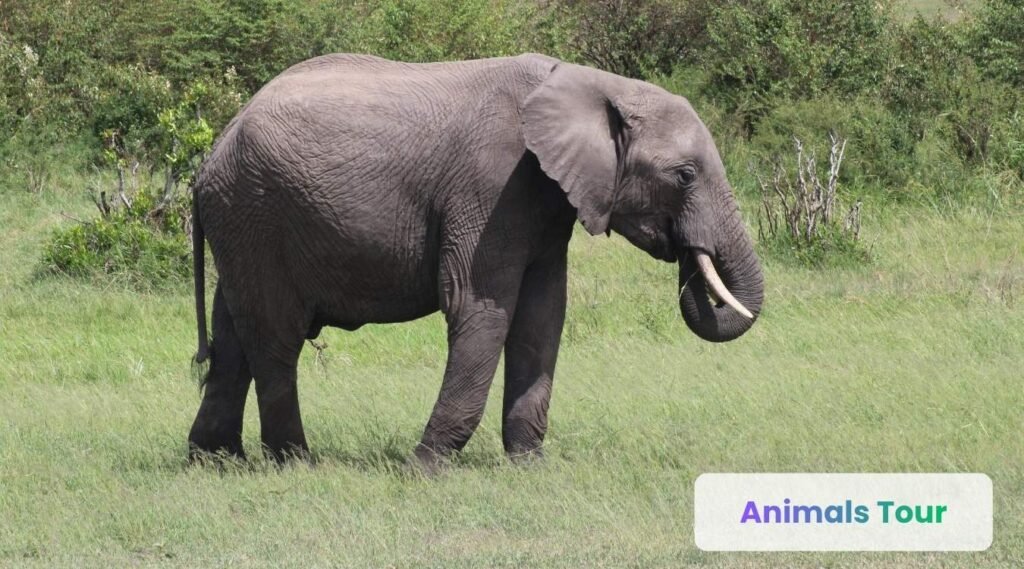
Elephants live in tight-knit family groups led by an older female, and they travel long distances across the grassland searching for food and water. Their feeding habits, which include eating grasses, bark, and leaves, directly connect them to the balance of grassland animals and plants around them.
African Buffalo – The Tough Grazer of the Herd
Scientific Name: Syncerus caffer
Class: Mammalia
The African buffalo is a powerful grazing animal that lives in large herds across the grasslands of sub-Saharan Africa. Known for its tough build and curved horns, this animal is one of the few that can stand its ground against lions. In terms of sheer strength, few animals in grasslands can match it. Herds often move together across the plains, offering safety in numbers against predators.
Buffaloes graze mainly on grass, and their feeding patterns help shape the height and spread of vegetation across the land. Their presence in large numbers makes them one of the most influential grazing animals within the grassland food web.
Common Emu – Australia’s Flightless Grassland Bird
Scientific Name: Dromaius novaehollandiae
Class: Aves
The common emu is a large, flightless bird native to the grasslands and open plains of Australia. While it cannot fly, the emu makes up for this with strong legs built for running, allowing it to cover long distances in search of food. This ability is especially useful in dry, open grassland where food sources can be spread far apart.
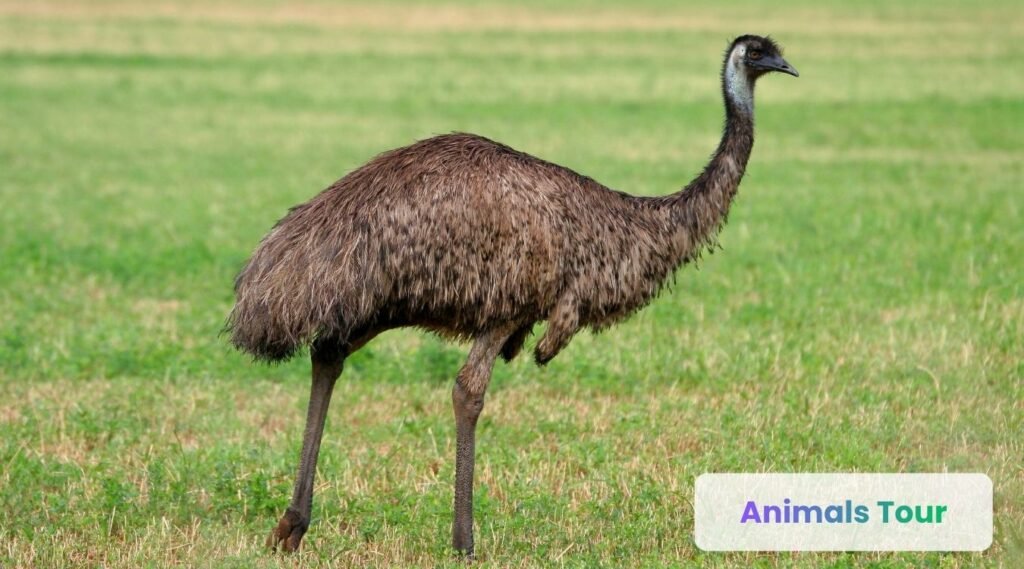
Emus are omnivores, feeding on grasses, seeds, and insects, which links them closely to the plant life of the grassland. Male emus also take on an unusual parenting role, incubating the eggs and raising the chicks alone, a behavior that stands out among grassland birds.
Hyena – The Grassland’s Skilled Scavenger
Scientific Name: Crocuta crocuta
Class: Mammalia
Ask anyone familiar with East Africa’s wildlife which animals in grasslands are the most misunderstood, and hyenas often come up first. Seen mainly as scavengers, they are in fact also skilled hunters in their own right. Living in structured social groups called clans, hyenas use teamwork to hunt prey or drive other predators away from a kill. Their strong jaws allow them to crush bones that other animals leave behind, making full use of resources on the grassland.
This scavenging behavior plays an important cleanup role in the ecosystem, helping to prevent the spread of disease across the plains. Hyenas are highly adaptable, thriving in a range of grassland and savanna environments across Africa.
Black-Footed Ferret – North America’s Rare Grassland Predator
Scientific Name: Mustela nigripes
Class: Mammalia
The black-footed ferret is one of the rarest mammals living in North American grasslands, and its survival is closely tied to another grassland species: the prairie dog. These slender predators rely almost entirely on prairie dogs for food and often take over abandoned prairie dog burrows as their own homes.
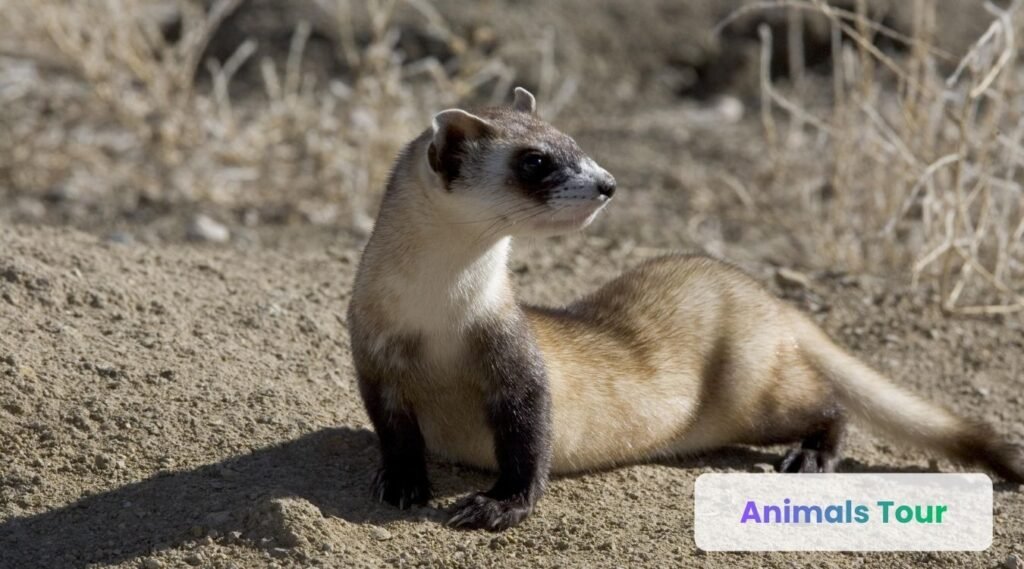
Because of this close relationship, the decline of prairie dog populations directly threatens black-footed ferrets. Conservation programs have worked to protect grassland habitats and reintroduce this species into the wild, showing how the fate of one grassland animal can be tied to another within the same ecosystem.
American Bison – Icon of the Great Plains
Scientific Name: Bison bison
Class: Mammalia
The American bison is a massive grazing animal that once roamed the grasslands of North America in the millions. With its thick fur and powerful build, the bison is well suited to survive harsh winters on the open plains. Herds move across the grassland grazing on native grasses, and this grazing pattern actually helps keep the land healthy by encouraging new plant growth.
Bison also wallow in the dirt, rolling around to create shallow depressions that later collect rainwater, forming small pools used by other animals in grasslands — from foxes to ground-nesting birds. This behavior shows how a single grassland species can shape the land for the benefit of many others.
Swift Fox – The Small Hunter of the Open Plains
Scientific Name: Vulpes velox
Class: Mammalia
The swift fox is a small, agile predator found in the grasslands of central North America. True to its name, this fox relies on speed to chase down prey such as rabbits, insects, and small rodents. Its small size and light build make it well suited for quick, low movements through the grass.
Like several other grassland animals on this list, the swift fox often uses burrows for shelter, sometimes reusing dens dug by prairie dogs or other animals. This underground lifestyle offers protection from both extreme weather and larger predators that share the same grassland territory.
Wildebeest – The Migrating Grazer of Africa
Scientific Name: Connochaetes
Class: Mammalia
Wildebeests are large grazing animals best known for their massive annual migration across the grasslands of the Serengeti and Maasai Mara. Every year, huge herds travel long distances following the rains, searching for fresh grass. This migration is one of the largest movements of land animals anywhere in the world and highlights just how closely grassland animals depend on seasonal plant growth.
Traveling in enormous herds also offers wildebeests some protection from lions, hyenas, and crocodiles encountered along river crossings. Their grazing habits help maintain the grassland by keeping grass at a height that benefits other herbivores too. This epic journey makes the wildebeest one of the most studied animals in grasslands anywhere in the world.
Meerkat – The Grassland’s Watchful Little Guardian
Scientific Name: Suricata suricatta
Class: Mammalia
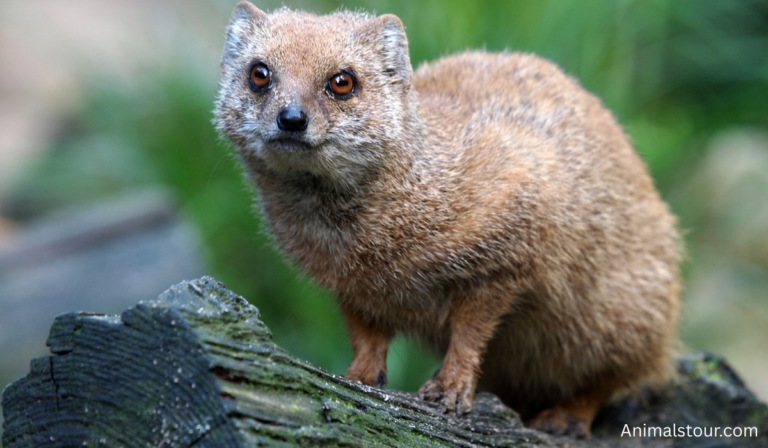
When people picture small animals in grasslands working together for survival, meerkats are often the first example that comes to mind. They live in dry grassland and semi-desert regions of southern Africa, surviving in groups called mobs. While part of the group digs and forages for insects, one meerkat often stands upright on its hind legs, acting as a lookout for approaching predators. This teamwork is essential for survival in open grassland, where there is little natural cover.
Meerkats build extensive burrow systems, similar to prairie dogs, which offer shelter from both extreme heat and predators. Their alert calls and cooperative behavior make them one of the more socially advanced small animals living on the grassland.
Burrowing Owl – The Grassland Bird That Lives Underground
Scientific Name: Athene cunicularia
Class: Aves
Unlike most owls, the burrowing owl does not nest in trees. Instead, it makes its home in underground burrows found across the grasslands of the Americas, often taking over dens abandoned by prairie dogs or ground squirrels. This unusual nesting habit is a direct adaptation to life in treeless, open grassland.
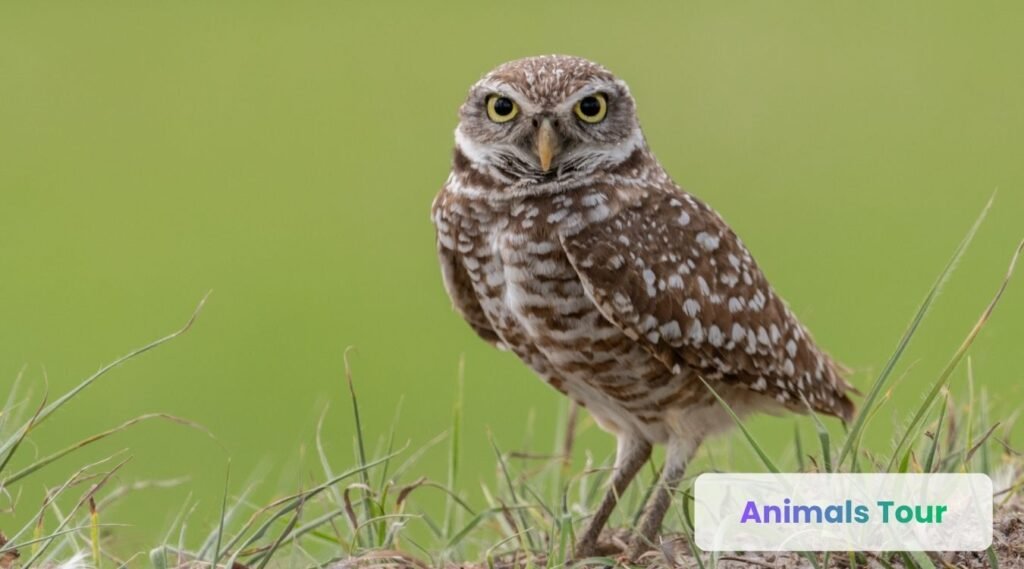
Active during both day and night, the burrowing owl feeds on insects and small rodents found among the grasses. Its long legs allow it to run quickly along the ground when hunting, a trait that suits the flat, open plains far better than swooping flight through dense trees.
Conclusion
From towering giraffes to tiny burrowing owls, animals in grasslands have found countless ways to survive in a landscape shaped by wide open space, seasonal rain, and constant grazing. Some rely on speed, others on teamwork, and many depend on burrows dug deep into the earth. Together, these species show how closely grassland animals and plants are connected, each one playing a part in keeping the grassland ecosystem in balance.
FAQs
What types of animals are commonly found in grasslands?
Grasslands are home to a variety of animals, including herbivores like bison, antelope, and zebras, as well as predators like lions, cheetahs, and various birds of prey.
What is the role of grassland animals in their ecosystem?
Grassland animals help maintain the ecosystem by grazing on grasses, which promotes new growth, and their waste creates nutrient-rich soil for plant life.
How can I support grassland animal conservation efforts?
You can support conservation by donating to wildlife organizations, volunteering at local conservation projects, and advocating for policies that protect grassland habitats.
Can I visit grassland habitats to see these animals?
Yes, many national parks and reserves allow visitors to observe grassland animals in their natural habitat, often through guided tours and safaris for a safe and educational experience.