Can Wolves Purr?10 Interesting Facts You Need To Know
While most of us associate purring with cuddly cats, the intriguing question arises: can wolves purr? Understanding whether these majestic creatures can produce such comforting sounds sheds light on their communication and behavior. Dive into this article to discover amazing facts about wolves and their vocal abilities.
What Sounds Do Wolves Make?
Wolves have a rich vocabulary that goes beyond the famous howl. From soft whines to low growls, they communicate a range of emotions and signals. Some people wonder, can a wolf purr? While they don’t purr like domestic cats, they do make soothing sounds that can express contentment, especially when among pack members.
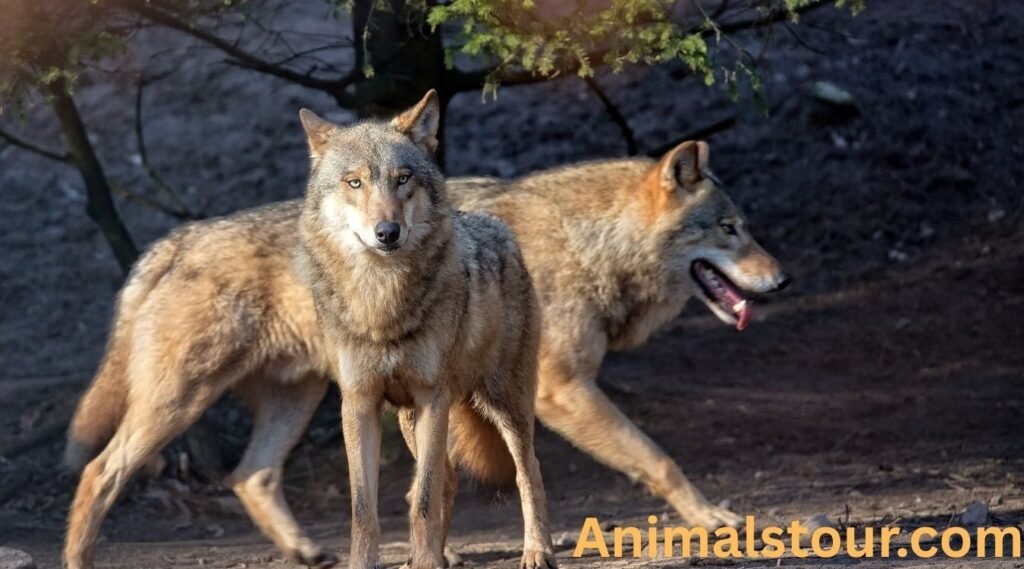
Listening closely, you might hear playful yips and barks, each serving a purpose in their social structure. These wolf vocalizations help to strengthen bonds within the pack, reflecting their close-knit relationships. The way wolves interact showcases their intelligence and emotional depth, inviting us to appreciate their complex world.
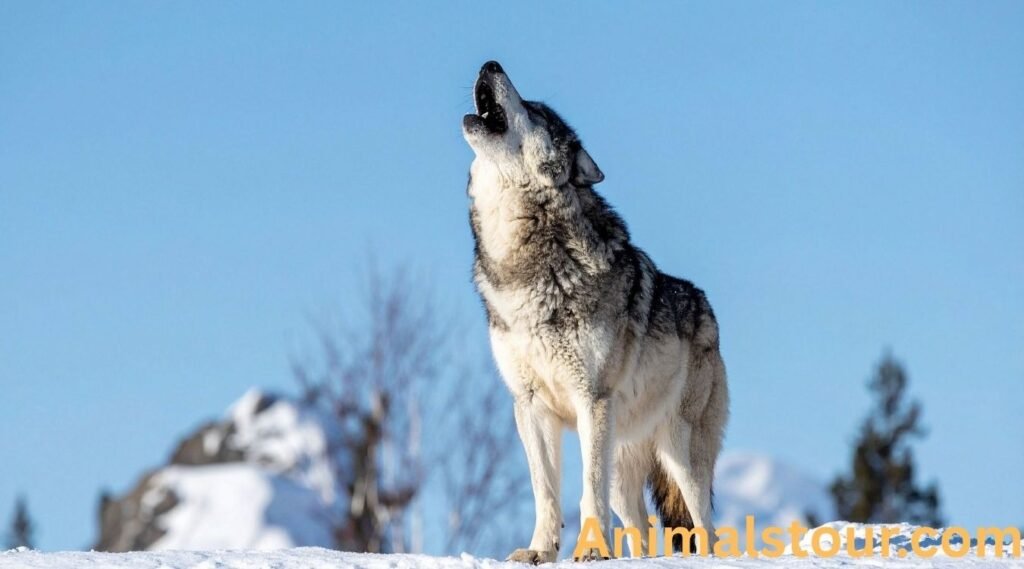
Howls
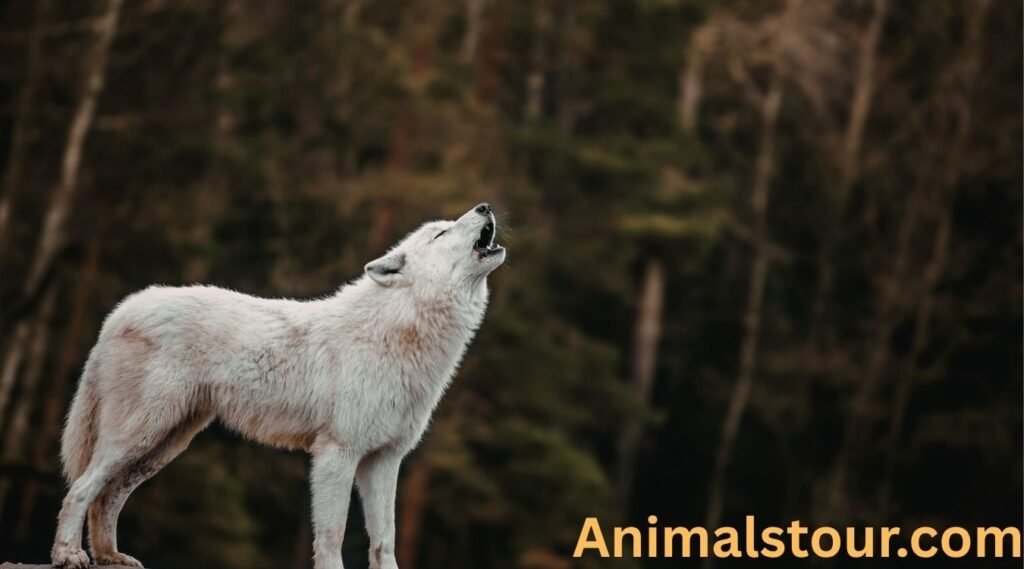
Wolves are well-known for their unique and powerful howls, which are much more than just a sound. These long, mournful cries are a primary way for wolves to communicate with each other across wide distances. They howl to gather their pack members, warn other wolves to stay out of their territory, or even just to express their presence in an area. The distinct sound can travel for many miles, helping pack members find each other in thick forests or over open ground. Ultimately, their howls are a vital part of wolf life and a classic sound of the wild.
Barks
Wolves have a rich vocabulary that goes beyond the famous howl. From soft whines to low growls, they communicate a range of emotions and signals. Some people wonder, can a wolf purr? While they don’t purr like domestic cats, they do make soothing sounds that can express contentment, especially when among pack members.
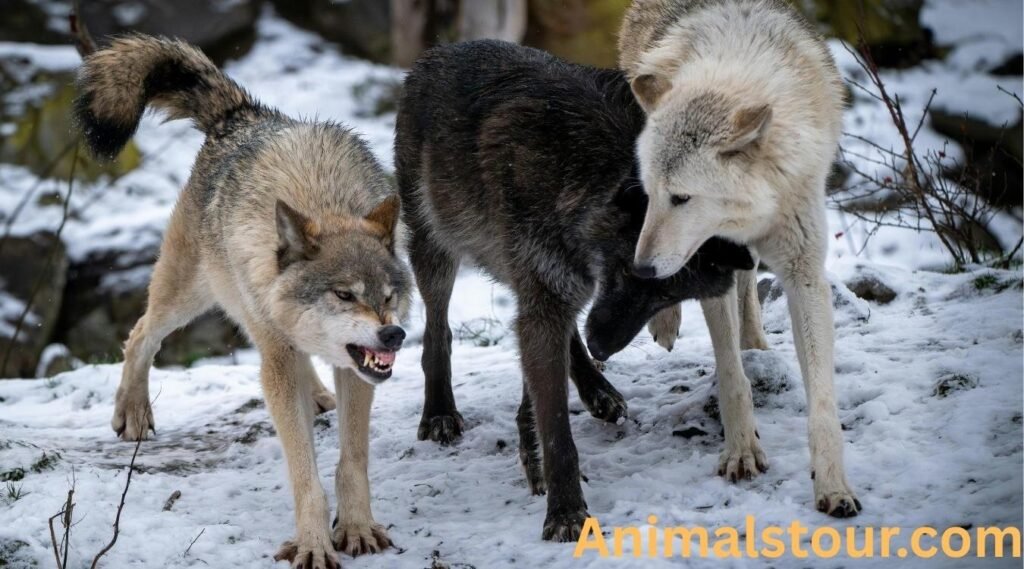
Listening closely, you might hear playful yips and barks, each serving a purpose in their social structure. These vocalizations help to strengthen bonds within the pack, reflecting their close-knit relationships. The way wolves interact showcases their intelligence and emotional depth, inviting us to appreciate their complex world.
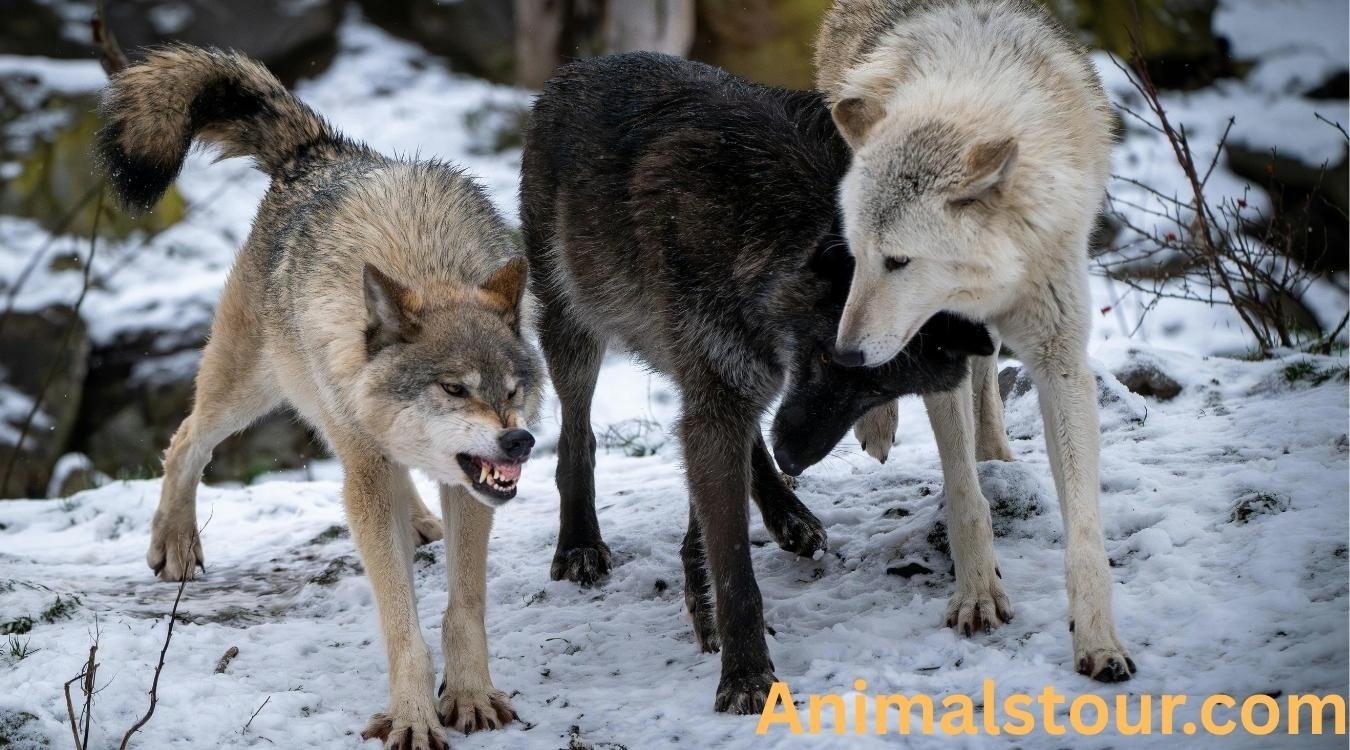
Growls
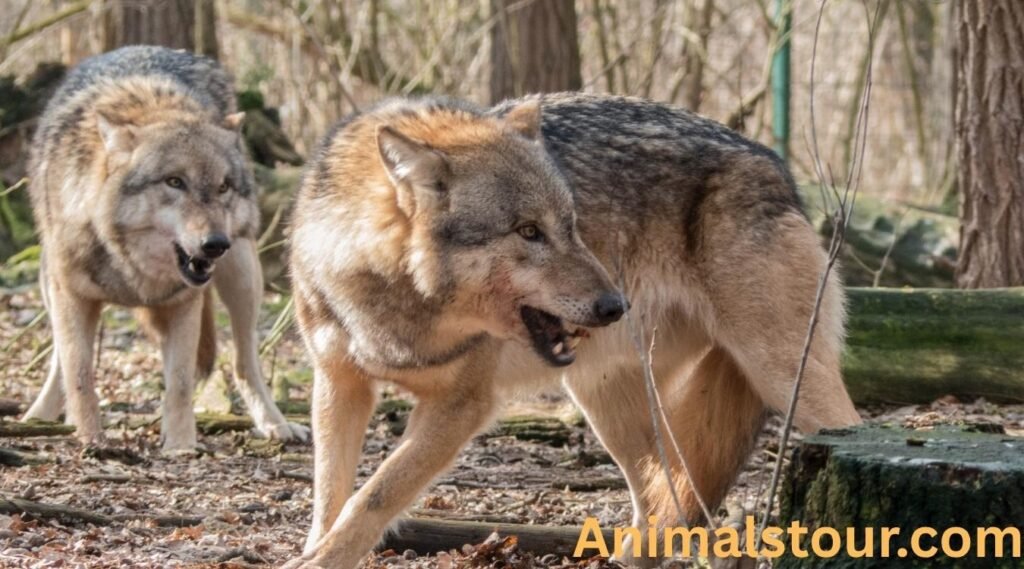
Wolves often make a deep, rumbling sound called a growl. This growl is a clear warning to other animals or even other wolves that they should keep their distance. It’s usually a sign that a wolf feels threatened, is protecting its territory, food, or young pups, or is asserting its dominance within the pack. The sound itself is low and guttural, meant to convey seriousness and a readiness to defend itself if necessary. Essentially, a wolf’s growl is a powerful way for them to communicate a “stay away” message without needing to fight.
Whines
Wolves communicate through a variety of vocalizations, with their whines often expressing emotions like longing or discomfort. These whines can reflect the social bonds within a pack, allowing members to stay connected even when apart. While wolves don’t purr like cats, the soothing sound they make during moments of relaxation or bonding hints at a deeper emotional world.
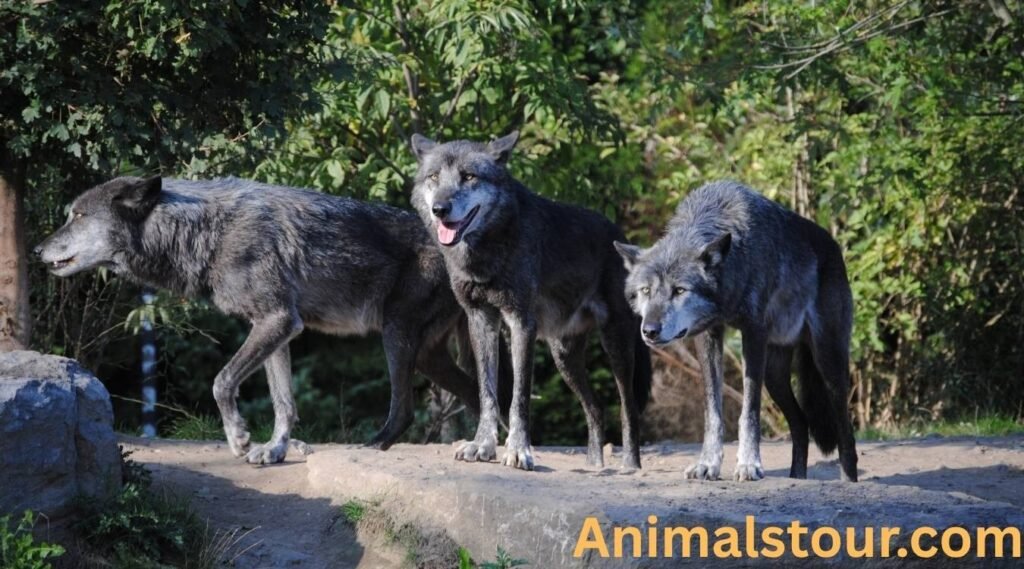
The wolf purring sound, though not scientifically defined, resembles a soft, low rumble that conveys comfort and safety among pack members. This unique vocalization highlights their social nature and shows that they experience feelings similar to our own. By understanding these sounds, we glimpse a more profound connection they have with each other and their environment.
Why Do Wolves Howl at Night?
Wolves howl at night not just for communication but as a way to bond with their pack. This haunting sound fills the air, creating a sense of unity among them. It’s a call to connect, much like humans sharing stories under the stars.
While many know about wolf howls, the softer side of these creatures is often overlooked. Wolves can produce a gentle purring sound, similar to a cat, especially when they feel relaxed with their pack. This unique behavior shows their complex emotions.
So, while we hear growls and howls in the darkness, wolves also have a tender language that reveals their deep connections. It’s interesting to see that beneath their fierce exterior, there’s a world of feelings and bonds that thrive in the quiet of the night.
Why Can’t Wolves Purr?
Wolves, unlike our purring feline friends, have a different way of communicating. While they can’t purr, they make a variety of sounds, from howls to growls, that convey emotions and messages within their packs. The lack of a purr doesn’t stop these majestic creatures from expressing their feelings, instead, they rely on vocalizations like yips and yowls to bond and warn each other.
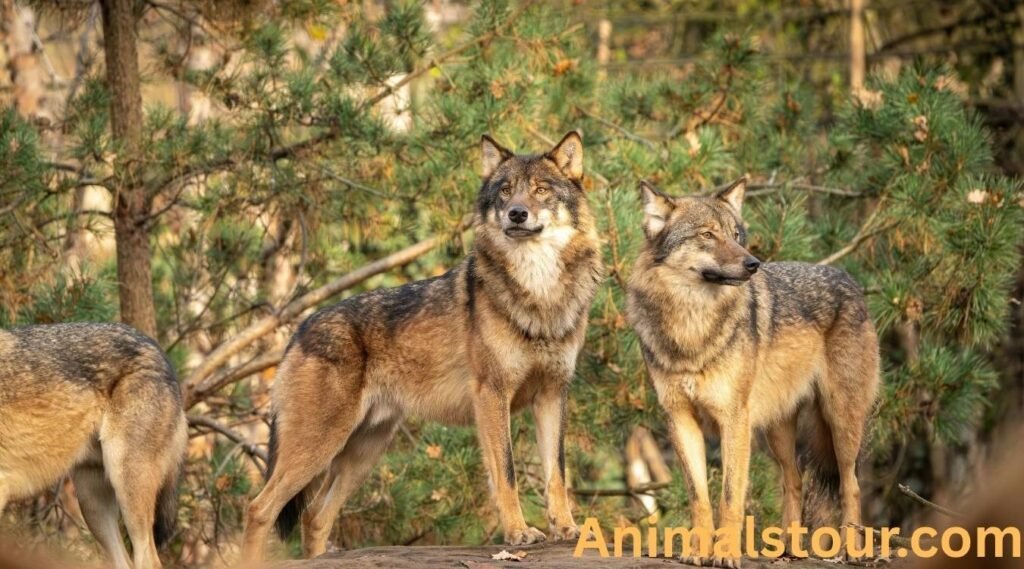
Wild wolves thrive on social connections, using sound to connect with their pack. Every howl carries a specific meaning, whether it’s to call members or warn of danger. Instead of soft purrs, these powerful calls weave their stories into the fabric of the wilderness, showcasing their survival and community spirit. So, while wolves may not purr, their rich tapestry of sounds paints a vivid picture of their lives together.
How Do Wolves Communicate With Each Other?
Wolves communicate in a symphony of sounds and actions, with each vocalization carrying its own meaning. While many might associate wolves with howling, they also produce softer sounds, like a gentle purring. This wolf purring sound can express contentment or reinforce social bonds within the pack, showcasing a more tender side to these majestic creatures.
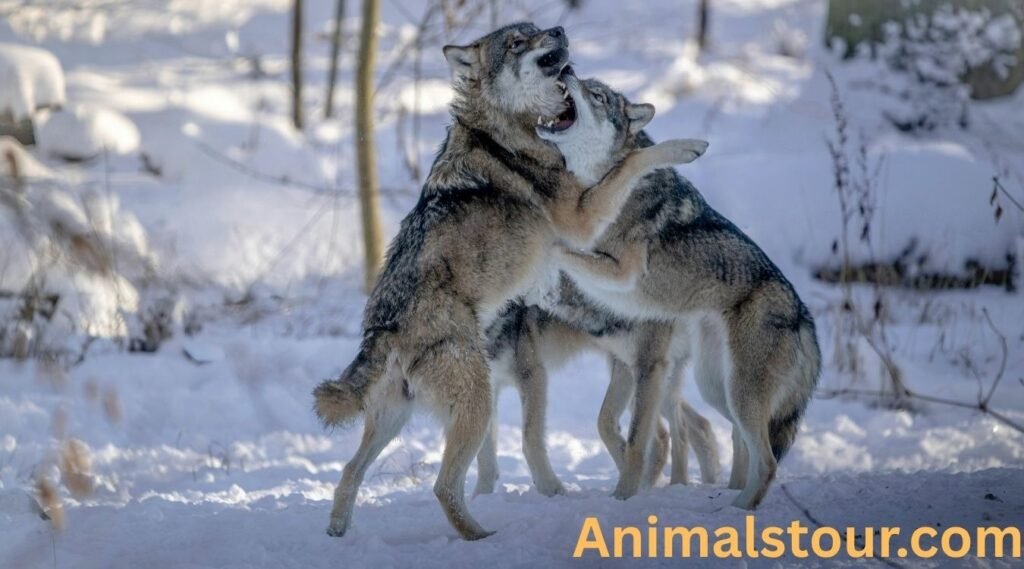
Beyond sounds, wolves use body language to convey their feelings. The tilt of a head or a wagging tail can say as much as a howl or growl. Do wolves growl or purr? They do both, creating a rich tapestry of communication that ensures harmony within the pack and helps them navigate their complex social structures.
How Do Wolves Show Affection?
Wolves express affection in surprising ways, often misunderstood by those who observe them. While they don’t purr like domestic cats, wolves do produce a soothing sound that resembles a low rumble when they are content. This “wolf purring sound” is their way of bonding, signaling comfort and relaxation among pack members.
Physical touch is another key aspect of their affection. Wolves engage in grooming each other, a behavior that not only keeps their fur clean but also strengthens social bonds. Through playful nuzzles and gentle nudges, they communicate love and support, creating a strong sense of community within the pack.
Do Wolves Cuddle?
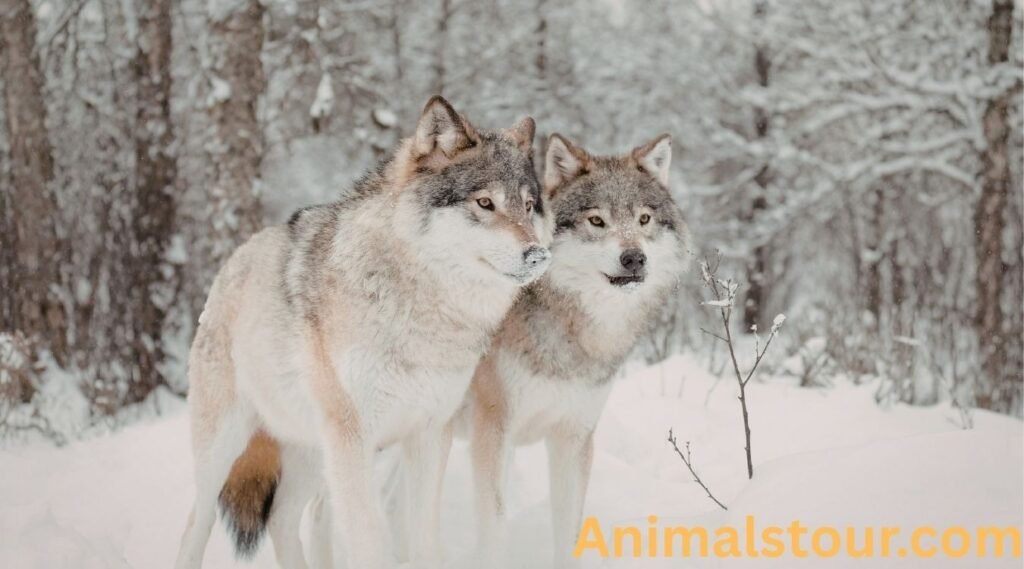
Wolves often exhibit behaviors that resemble cuddling, like snuggling up together during cold nights or resting side by side. Despite their reputation as fierce predators, these moments of closeness show a softer side, where bonding is key to their social structure. While wolves can’t purr like domestic cats, they express comfort through playful nuzzles and gentle growls.
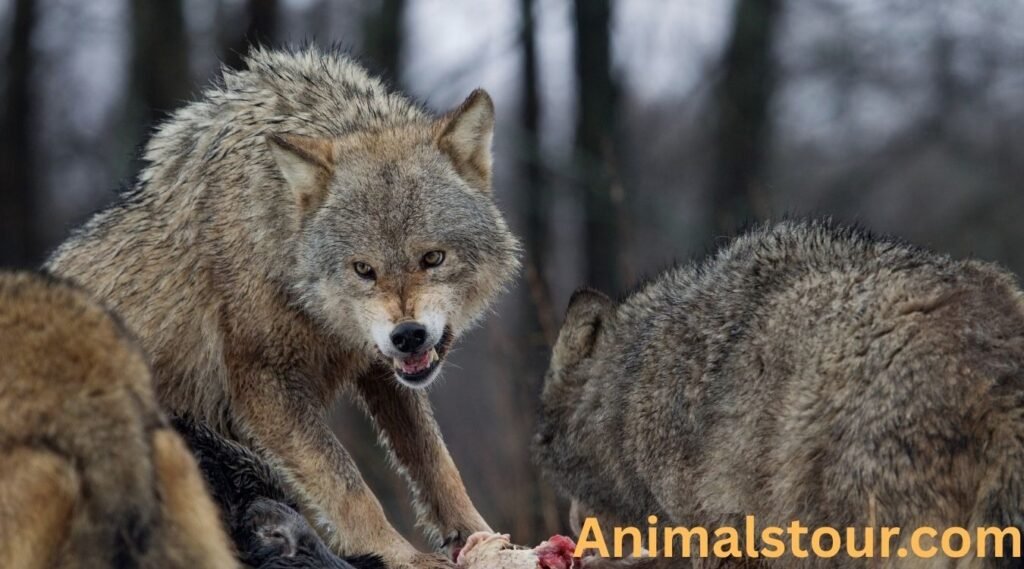
When wolves gather, it’s not just about survival, it’s about connection. These affectionate displays help strengthen their pack bonds, which are crucial for teamwork while hunting and raising young. Watching them interact offers a glimpse into their world, where trust and warmth play essential roles in their lives. The way they engage with one another emphasizes that even in the wild, love and closeness matter.
Final Words
While wolves may not purr like our household cats, they communicate in many amazing ways. Their vocalizations, body language, and social behaviors show how complex these creatures really are. Learning about wolves helps us appreciate their unique place in nature, so let’s continue to explore and protect their world together.
FAQS
What noises do wolves make when happy?
When wolves are happy, they often make soft whines and playful yips during social interactions or greetings. These gentle sounds, sometimes accompanied by low growls, indicate their contentment and strong pack bonds.
What animals can purr?
Only domestic cats are truly known to purr. While some big cats roar and other small animals make soft vibrating noises, these are different from the unique, rumbling sound our housecats make.
How can you tell if a wolf is happy?
Observing a wolf’s body language is key to spotting happiness. A happy wolf will display a relaxed posture, often with soft eyes and a low, sweeping tail wag, frequently engaging in playful bows or gentle interactions, all signs of contentment and well-being.
What does purr mean?
“Purr” is a slang term used to show strong approval or excitement. It means you find something great, fabulous, or perfectly on point, often with a confident and playful vibe.
What sounds do wolves make when angry?
Angry wolves use specific sounds to show their rage. They often growl deeply, snarl fiercely, and let out sharp barks. These noises clearly signal their aggression.
Can wolves really purr like cats?
No, wolves don’t purr like cats. They can make a variety of sounds, but purring isn’t one of them.
Are wolves friendly like dogs?
Wolves are wild animals and are not domesticated like dogs. They are generally wary of humans and prefer their own kind.