What animal has the lowest IQ? Discover Top 15 Lowest IQ Animals
The question “what animal has the lowest IQ?” is a common one, but it does not have a straightforward scientific answer. Animals cannot take IQ tests, and researchers do not rank species using the same measures applied to humans. Instead, animal intelligence is studied through factors such as learning ability, memory, problem solving, communication, and adaptability.
When people talk about the “lowest IQ animals”, they are usually referring to species that rely more on instinct than learning or complex reasoning. Some animals have simple nervous systems, while others show limited cognitive flexibility compared to highly intelligent species such as dolphins, chimpanzees, and crows. Even so, every animal is adapted to its environment, and survival often depends on specialized traits rather than intelligence alone.
What Does “Lowest IQ” Mean in Animals?
The phrase **lowest IQ animals** is widely used online, but it is not a scientific term. Researchers do not rank animals using IQ tests designed for humans. Instead, they study how animals interact with their surroundings and respond to challenges.
An animal that can learn from experience, recognize patterns, remember solutions, and adapt to changing circumstances is generally considered more intelligent than one that relies entirely on instinct. Social behavior also plays a role. Species that live in complex groups often develop sophisticated communication systems and problem-solving abilities.
On the other hand, some animals lead simple lives that do not require advanced cognition. Their behaviors are largely preprogrammed through evolution, allowing them to survive without the need for extensive learning or reasoning. These are the species most often associated with “animals that are dumb” or “animals with least intelligence”, though such labels can sometimes be misleading.
In many cases, what appears to be low intelligence is simply a different survival strategy. Nature rewards effectiveness, not necessarily cleverness.
What Animal Has the Lowest IQ?
Animals do not have measurable IQ scores like humans, so intelligence is assessed through factors such as brain structure, learning ability, and behavior. Based on biological simplicity, the **sea sponge** is often considered the answer to “what animal has the lowest IQ”.
Unlike most animals, sea sponges do not possess a brain, nervous system, or centralized processing structure. They do not think, learn, or make decisions in the way that even simple insects can. Instead, they survive through basic biological functions that have remained effective for hundreds of millions of years.
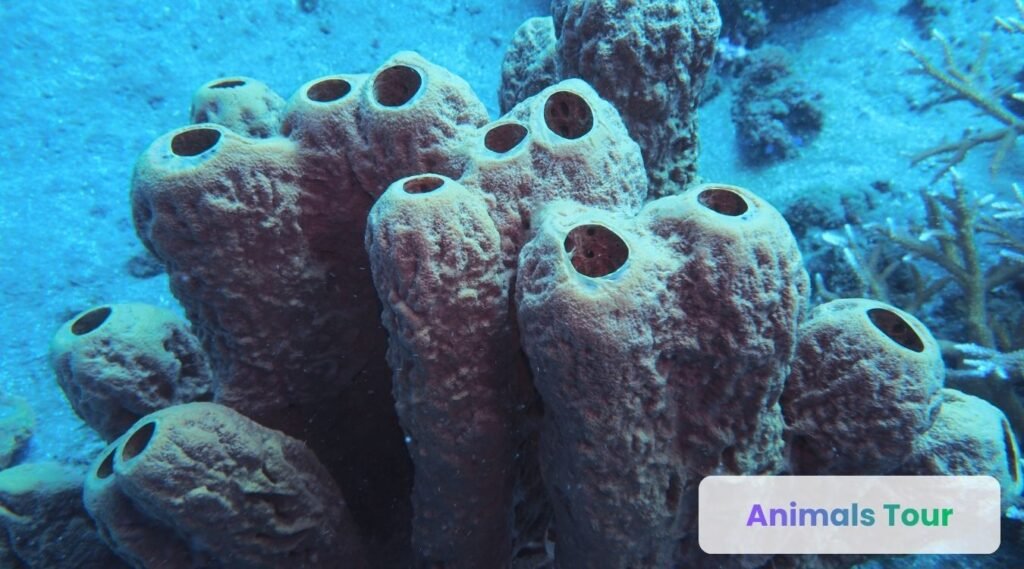
Yet despite this apparent lack of intelligence, sea sponges continue to thrive in oceans around the world. Their success highlights an important lesson: survival does not always depend on cognitive ability.
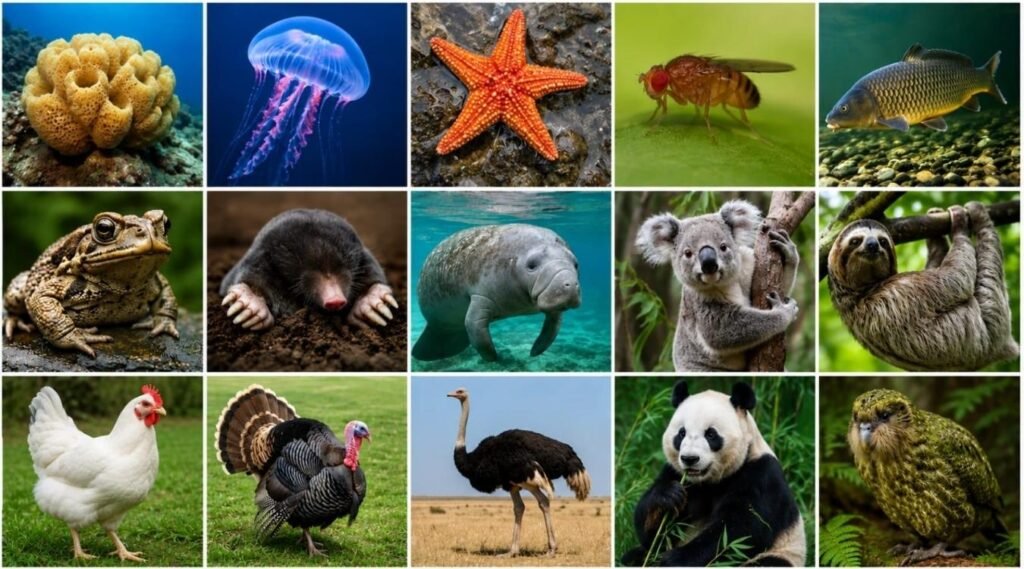
List of The Top 15 Lowest IQ Animals
Here is the list of Lowest IQ Animals in the World.
- 1. Jellyfish
- 2. Sea Sponge
- 3. Starfish
- 4. Fruit Fly
- 5. Common Carp
- 6. Cane Toad
- 7. Mole
- 8. Manatee
- 9. Koala
- 10. Sloth
- 11. Chicken
- 12. Turkey
- 13. Ostrich
- 14. Giant Panda
- 15. Kakapo
Jellyfish – Ancient Survivors Without a Brain
Scientific Name: Class Scyphozoa
Classification: Cnidarian
Diet: Plankton, fish larvae, and small marine animals
Habitat: Oceans worldwide
Average Size: Varies greatly by species
Few animals illustrate the distinction between survival and intelligence better than the jellyfish. These translucent drifters have inhabited Earth’s oceans for over 500 million years, yet they accomplish this without possessing a brain.
Instead of a centralized control system, jellyfish rely on a simple network of nerves known as a nerve net. This structure allows them to detect light, movement, and chemical signals in the water. Their responses are automatic rather than thoughtful, triggered by environmental stimuli rather than conscious decision-making.
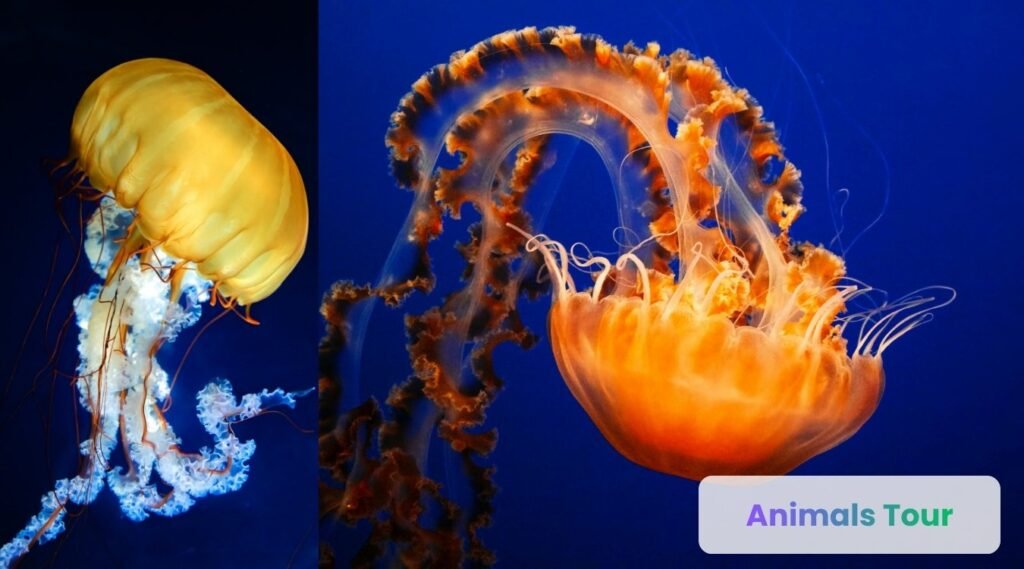
Because of this, jellyfish are frequently included among **animals with lowest IQ**. They do not solve problems, learn complex behaviors, or display the adaptability seen in more intelligent marine creatures. Their lives revolve around feeding, drifting, and reproducing.
What makes jellyfish fascinating, however, is how little intelligence they need to succeed. Their simple design has allowed them to survive multiple mass extinction events, including those that eliminated the dinosaurs. While many species depend on learning and adaptation, jellyfish continue to flourish through a strategy that has remained largely unchanged for hundreds of millions of years.
Interesting Fact: The immortal jellyfish (*Turritopsis dohrnii*) can revert to an earlier stage of its life cycle, effectively restarting its development under certain conditions.
Sea Sponge – Survival Through Simplicity
Scientific Name: Phylum Porifera
Classification: Invertebrate
Diet: Microscopic organisms and organic particles
Habitat: Oceans worldwide
Average Size: A few centimeters to over 2 meters
When discussing “animals with smallest brainpower”, the sea sponge occupies a category almost entirely its own. Unlike virtually every other animal on this list, it does not have a brain at all. In fact, it lacks a nervous system, muscles, and specialized organs, making it one of the simplest multicellular animals on Earth.
At first glance, a sea sponge hardly seems like an animal. It remains attached to rocks, coral reefs, or the seafloor, showing no obvious signs of movement or decision-making. Water continuously flows through thousands of tiny pores in its body, delivering oxygen and food while carrying away waste. This process occurs without thought, awareness, or learning.
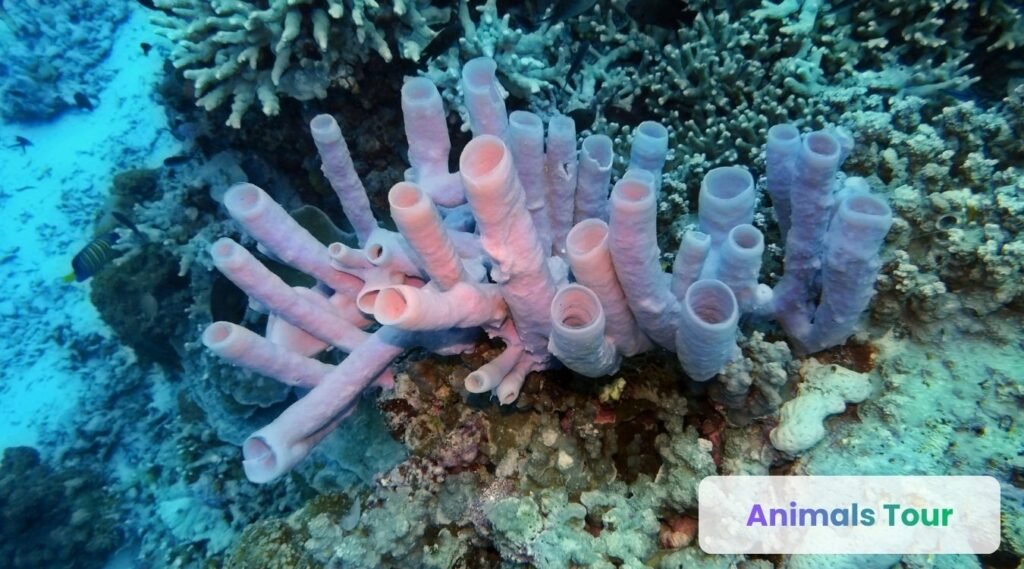
Yet simplicity should not be confused with weakness. Sea sponges have existed for more than 600 million years, surviving dramatic environmental changes that wiped out countless other species. Their success comes not from intelligence but from an incredibly efficient body design that requires very little energy to maintain.
In many ways, the sea sponge challenges the assumptions people make about intelligence. While it may represent the closest answer to “which animal has the lowest IQ”, it also demonstrates that survival can be achieved through biological efficiency rather than cognitive complexity.
Interesting Fact: Some deep-sea sponge species are believed to live for several thousand years, making them among the longest-lived animals on the planet.
Starfish – A Marine Predator Guided by Instinct
Scientific Name: Class Asteroidea
Classification: Echinoderm
Diet: Mollusks, clams, oysters, and other marine organisms
Habitat: Oceans worldwide
Average Size: 4–12 inches across
Starfish often appear calm and harmless as they move slowly across the ocean floor, but beneath their peaceful appearance lies a surprisingly effective predator. What makes them particularly unusual is that they accomplish their daily activities without a centralized brain.
Rather than relying on a single processing center, starfish use a decentralized nervous system that extends throughout their bodies and arms. This allows them to respond to changes in their environment, locate food, and coordinate movement, but it does not provide the advanced cognitive abilities associated with more intelligent animals.
Because of this biological structure, starfish are commonly included among animals with least intelligence. Their actions are driven primarily by instinctive responses rather than learning or problem-solving. They do not display the curiosity, adaptability, or social complexity seen in many higher animals.
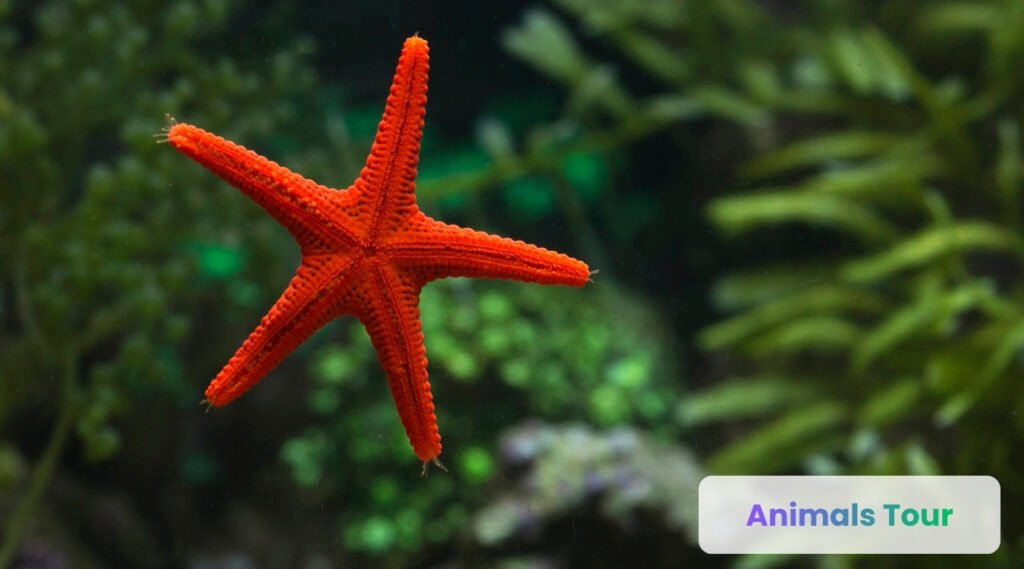
Despite these limitations, starfish have proven remarkably successful. Their ability to detect prey, navigate marine habitats, and recover from injuries has allowed them to occupy oceans across the globe. They demonstrate that an animal does not need sophisticated reasoning to become an effective hunter.
Perhaps the most impressive aspect of a starfish is its extraordinary regenerative ability. Some species can regrow lost arms, while others can regenerate nearly an entire body from a single surviving limb.
Interesting Fact: Certain starfish can extend their stomachs outside their bodies to digest prey before consuming it.
Fruit Fly – Tiny Brain, Tiny World
Scientific Name: Drosophila melanogaster
Classification: Insect
Diet: Decaying fruits and plant material
Habitat: Worldwide
Average Size: Around 3 millimeters
At first glance, fruit flies may seem insignificant, but these tiny insects have played a major role in scientific research. Despite their importance to genetics and biology, they remain among the animals with smallest brainpower due to the limited capabilities of their miniature nervous systems.
A fruit fly’s brain contains roughly 100,000 neurons-a surprisingly small number compared to the billions found in humans. As a result, most of its behavior revolves around a handful of essential activities: locating food, finding mates, avoiding danger, and reproducing.
Although fruit flies can learn simple associations and remember certain experiences for short periods, their cognitive abilities remain relatively basic. They do not engage in advanced planning or demonstrate the sophisticated problem-solving skills seen in insects such as honey bees.
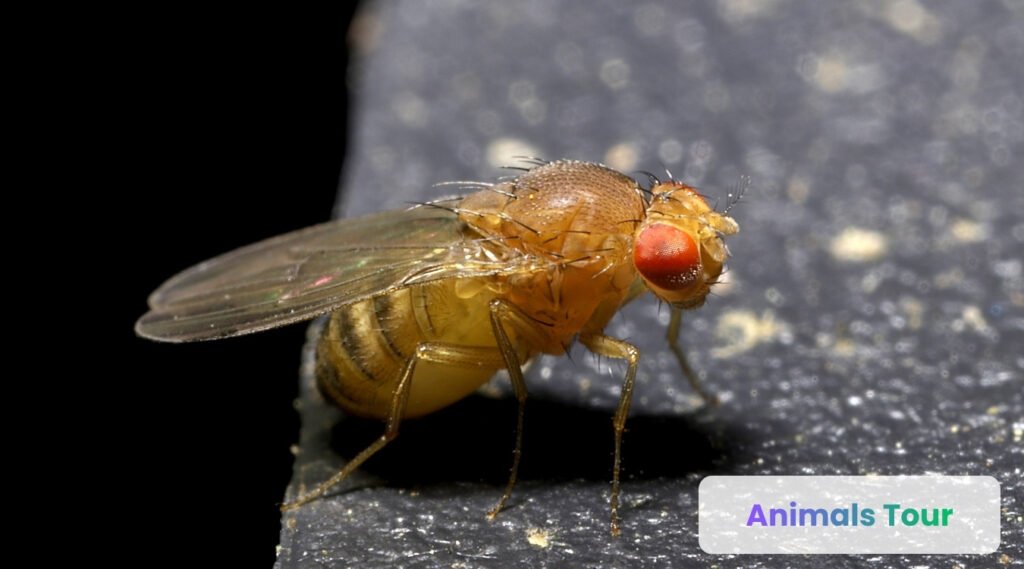
What makes fruit flies interesting is the efficiency with which they operate. Every aspect of their behavior is streamlined for survival and reproduction. Rather than investing energy in complex thought processes, they rely on fast instincts and rapid life cycles.
In discussions about lowest IQ animals, fruit flies illustrate how even creatures with extremely limited brainpower can become highly successful. Their populations thrive on every continent except Antarctica, proving that intelligence is only one factor in evolutionary success.
Interesting Fact: Scientists have used fruit flies in research for more than a century to study genetics, aging, and disease.
Common Carp – A Fish Built for Survival, Not Innovation
Scientific Name:Cyprinus carpio*
Classification: Fish
Diet: Omnivorous
Habitat: Lakes, rivers, ponds, and reservoirs
Average Weight: 4–30 pounds
The common carp occupies an unusual place in conversations about animals with lowest IQ. Unlike creatures such as sea sponges or jellyfish, carp do possess a functioning brain and can learn certain behaviors. However, their cognitive abilities remain relatively limited when compared to more intelligent fish species.
Most of a carp’s daily life revolves around feeding, avoiding predators, and adapting to environmental conditions. It can recognize feeding patterns and become familiar with recurring events, but it rarely demonstrates the advanced learning abilities observed in species such as octopuses or some cichlids.
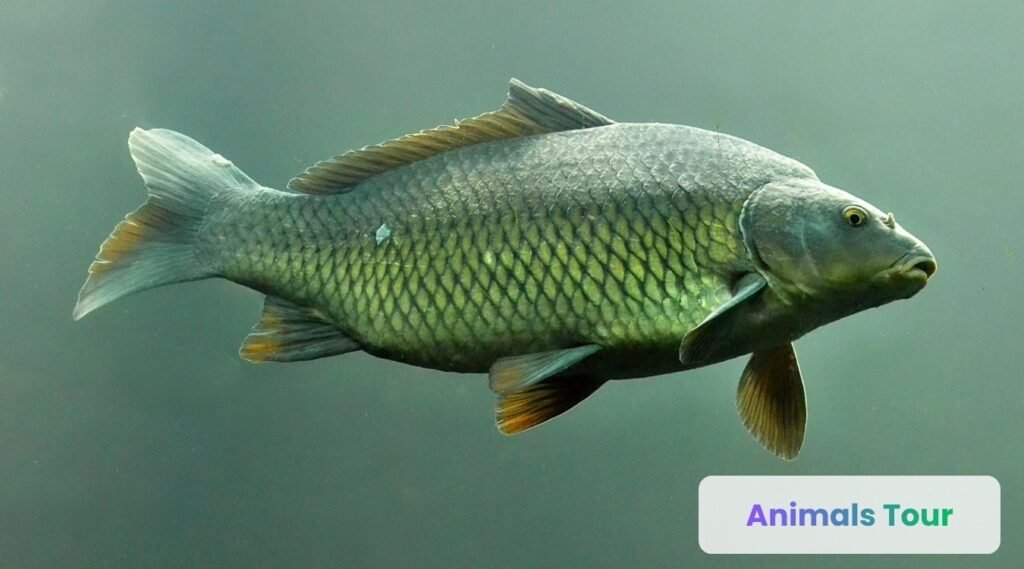
What the carp lacks in innovation, it compensates for through resilience. It can survive in murky water, tolerate low oxygen levels, and thrive in habitats where many other fish struggle. This adaptability has helped the species spread across much of the world.
Interestingly, the carp’s success highlights a recurring theme among many animals with least intelligence. Advanced cognition is not always necessary when an organism possesses other traits that improve survival. In the carp’s case, durability and flexibility have proven far more valuable than sophisticated problem-solving skills.
Interesting Fact: Common carp can live for decades under favorable conditions and are among the most widely distributed freshwater fish in the world.
Cane Toad – Instinct Driven Amphibian With Simple Behavioral Patterns
Scientific Name: Rhinella marina
Classification: Amphibian
Diet: Insects, small reptiles, small mammals, and other invertebrates
Habitat: Tropical and subtropical regions of Central America, South America, Australia, and other introduced areas
Average Size: 4–9 inches (10–23 cm)
The cane toad is often discussed in relation to animals with lowest IQ, mainly because its behavior is largely driven by instinct rather than learning or complex decision making. Originally native to Central and South America, it was introduced to other regions for pest control, where it later became known for its strong adaptability and environmental impact rather than cognitive ability.
In terms of behavior, the cane toad responds quickly to immediate stimuli such as movement, temperature, and food availability. However, it shows limited evidence of advanced learning or problem solving. Its survival strategy is straightforward, focusing on feeding and reproduction without the need for flexible thinking or complex social interaction. This is why it is often placed among the lowest IQ animals in general discussions about animal intelligence.
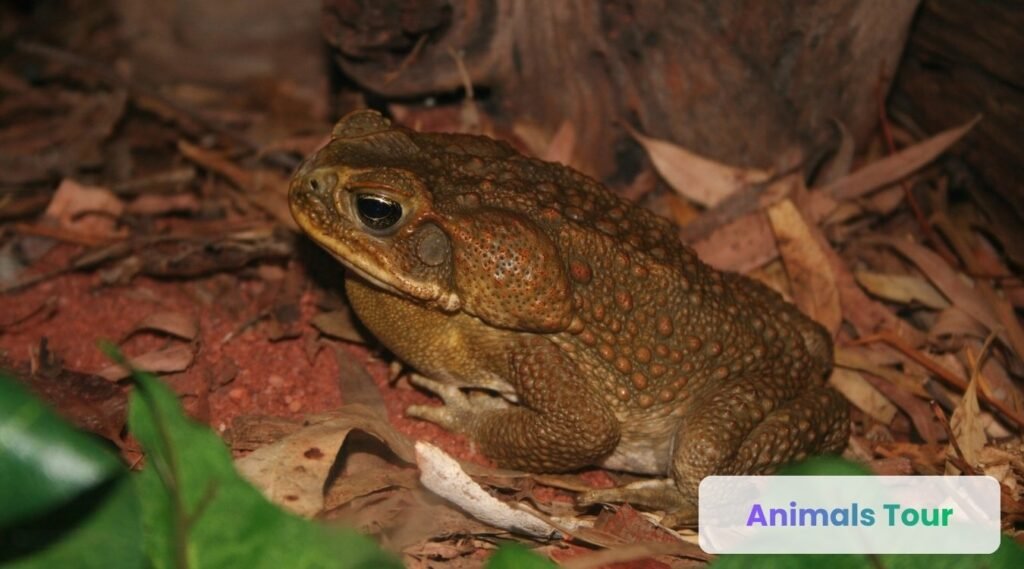
Despite this simplicity, the cane toad is highly effective in its ecological role. Its tough skin and toxic secretions protect it from many predators, allowing it to survive in environments where other amphibians may struggle. This demonstrates that even animals considered to have smallest brainpower can be successful when their physical adaptations are strong enough to ensure survival.
Mole – Underground Lifestyle Shaped by Limited Environmental Demands
Scientific Name: Family Talpidae
Classification: Mammal
Diet: Earthworms, insects, larvae, and other soil invertebrates
Habitat: Underground burrows in grasslands, forests, and agricultural land
Average Size: 4–8 inches (10–20 cm)
Unlike many mammals that display a wide range of behaviors, the mole spends most of its life performing the same essential tasks of digging tunnels and searching for food. It shows limited social interaction, little evidence of complex problem-solving, and relies mainly on instinct-driven behaviors. These traits are among the reasons it is often mentioned in discussions about animals with least intelligence.
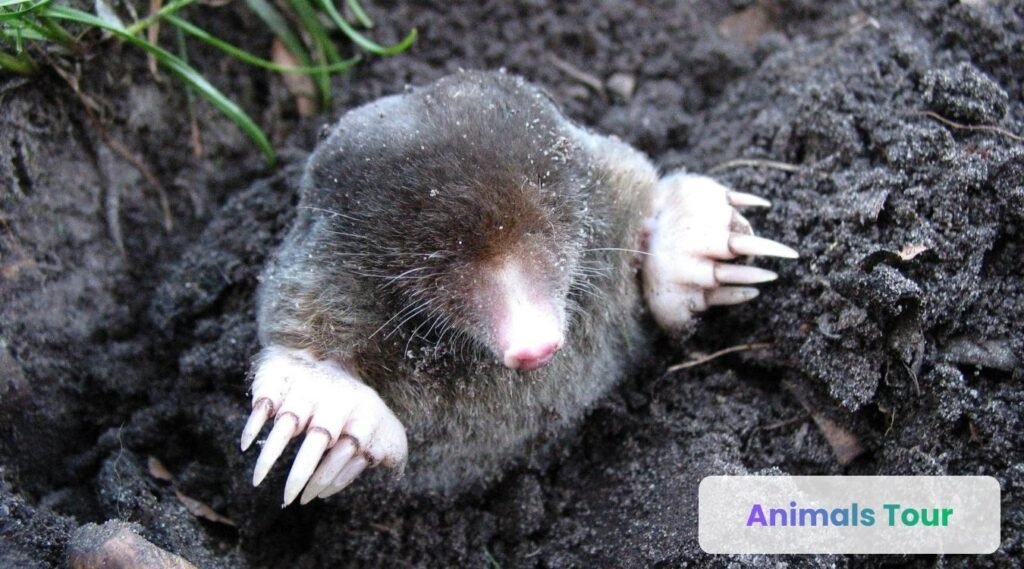
The mole’s underground lifestyle reduces the need for advanced cognitive abilities. Living in dark tunnel systems, it depends primarily on touch and smell to navigate and locate prey. Rather than developing complex learning skills, the species has evolved specialized physical and sensory adaptations that allow it to survive effectively in its environment.
Manatee – Gentle Aquatic Mammal With Slow Cognitive Responses
Scientific Name: Genus Trichechus
Classification: Mammal
Diet: Aquatic plants and vegetation
Habitat: Rivers, estuaries, coastal waters, and freshwater springs
Average Weight: 800–1,200 pounds (360–540 kg)
Manatees are often featured in conversations about animals with lowest IQ, largely due to their slow movements and calm, unhurried behavior. These large aquatic mammals spend their lives in rivers, estuaries, and coastal waters, feeding primarily on aquatic vegetation and moving at a relaxed pace.
Their cognitive behavior is generally simple, with limited evidence of advanced problem solving or complex social structures. Manatees can learn basic associations and recognize certain environmental patterns, but their overall behavioral flexibility is lower compared to more intelligent marine mammals such as dolphins.
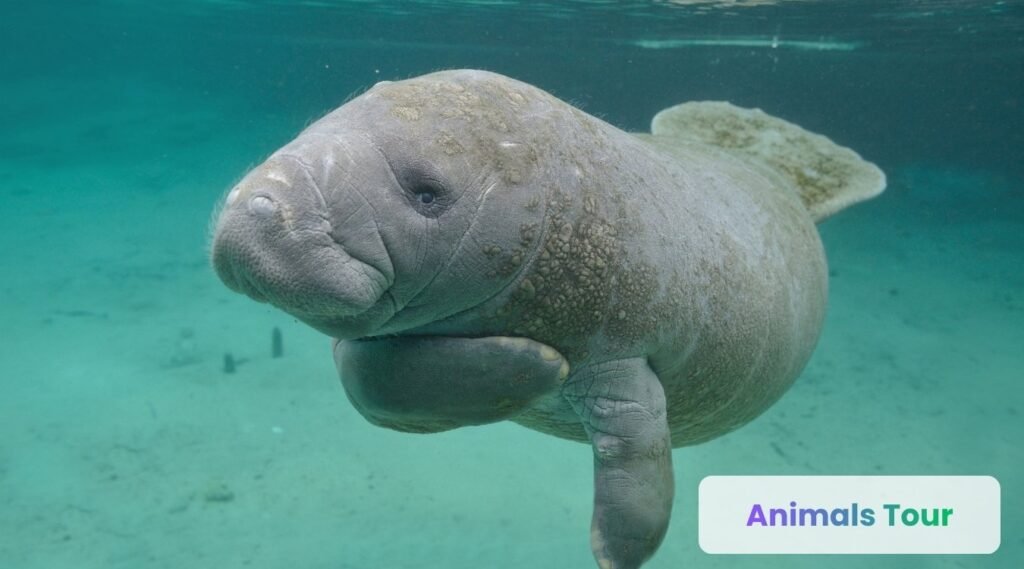
This reduced complexity is closely connected to their lifestyle. Manatees inhabit warm, shallow waters where food is abundant and threats are relatively limited. As a result, there is less evolutionary pressure for advanced cognitive development. Their survival depends more on calm movement, energy conservation, and steady feeding habits than on intelligence-driven strategies.
Manatees are well adapted to their ecological niche. Their slow pace and gentle nature are not disadvantages but rather efficient traits for their environment, allowing them to conserve energy and avoid unnecessary risks.
Koala – Specialized Diet Leading to Limited Behavioral Flexibility
Scientific Name: Phascolarctos cinereus
Classification: Mammal
Diet: Eucalyptus leaves
Habitat: Eucalyptus forests and woodlands of Australia
Average Weight: 9–33 pounds (4–15 kg)
Feeding almost entirely on eucalyptus leaves, the koala has developed a lifestyle that requires very little behavioral complexity. Its daily routine revolves around eating, resting, and conserving energy, with adults often sleeping up to 18 to 20 hours per day. Because of these simple and repetitive habits, the koala is frequently included in discussions about animals with least intelligence and the lowest IQ animals.
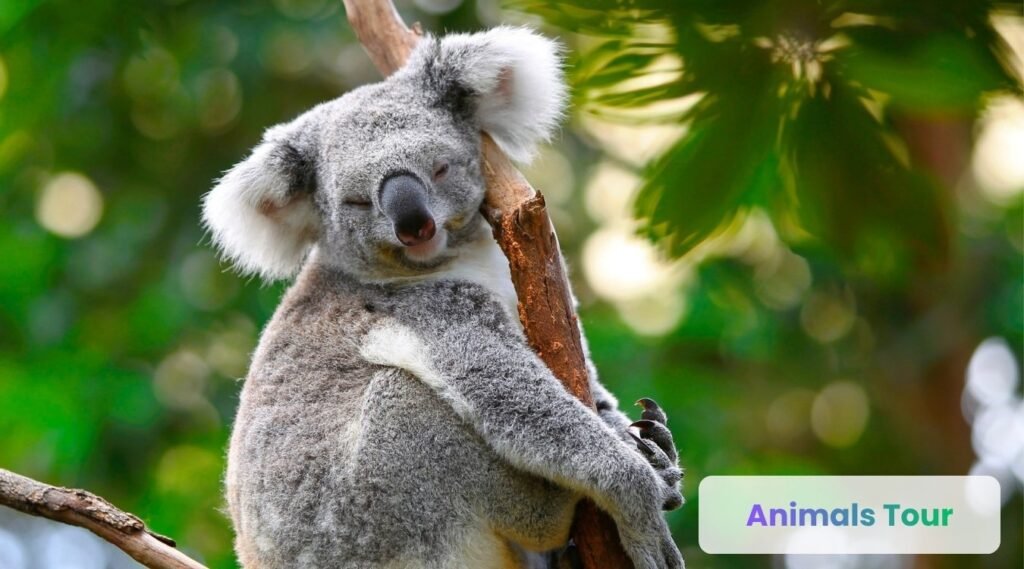
The species shows limited problem-solving abilities and relatively little social interaction compared to many mammals. Its brain is also small relative to its body size, a trait often cited in discussions about animal intelligence. However, these characteristics are largely the result of adaptation to a low-energy diet and specialized lifestyle rather than an inability to survive successfully in its environment.
Sloth – Energy Conservation Over Cognitive Complexity
Scientific Name: Suborder Folivora
Classification: Mammal
Diet: Leaves, buds, shoots, and fruits
Habitat: Tropical rainforests of Central and South America
Average Weight: 8–17 pounds (3.5–8 kg)
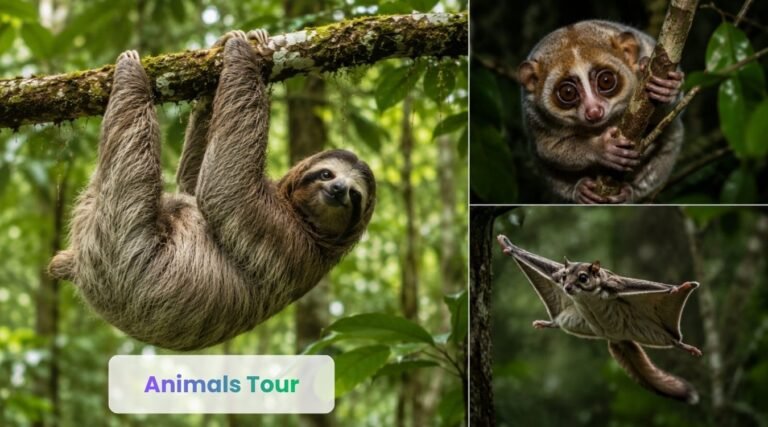
Sloths are often highlighted among animals with lowest IQ due to their extremely slow movement and low metabolic rate. Found in the rainforests of Central and South America, they spend most of their lives hanging from trees, moving only when necessary and conserving energy wherever possible.
Their cognitive behavior is relatively simple, with limited responsiveness and slow reaction times compared to many other mammals. Sloths do not rely on advanced problem solving or complex decision making. Instead, their survival strategy is based on stillness, camouflage, and minimal energy expenditure.
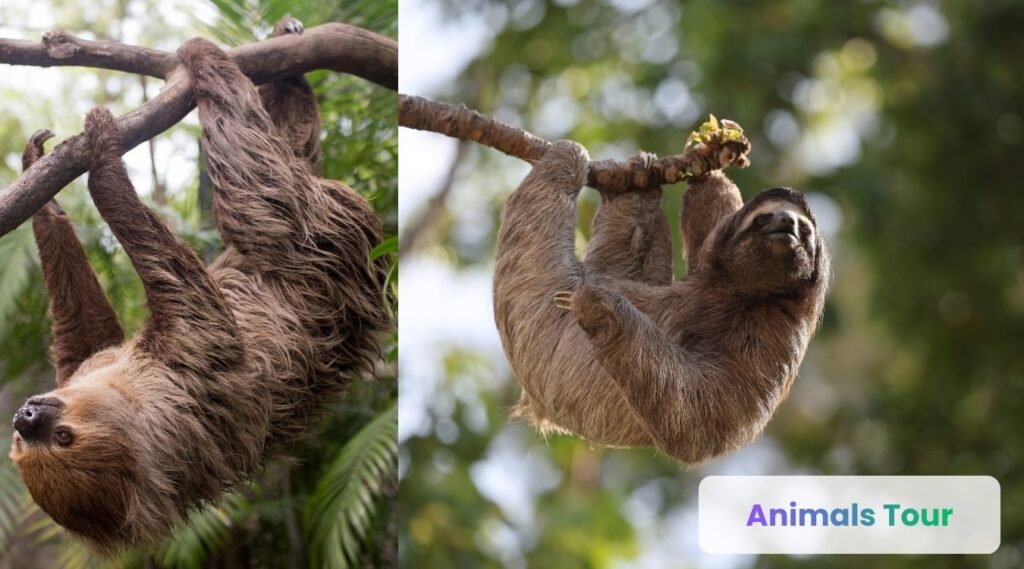
This lifestyle is closely tied to their diet, which consists mainly of leaves that provide very low caloric value. As a result, sloths have evolved to reduce energy use in almost every aspect of their behavior. This includes slow digestion, minimal movement, and a generally inactive daily routine.
Despite being labeled among the animals with the smallest brainpower, sloths are highly successful within their ecological niche. Their slow pace makes them less noticeable to predators, while their ability to remain in trees for extended periods reduces exposure to danger. Their survival shows that intelligence is not always the primary factor in evolutionary success, especially when other adaptations are more effective.
Chicken – Domestic Bird With Simple but Functional Learning Ability
Scientific Name: Gallus gallus domesticus
Classification: Bird
Diet: Seeds, grains, insects, worms, and vegetation
Habitat: Farms, grasslands, and human settlements worldwide
Average Weight: 5–10 pounds (2–4.5 kg)
Life for a chicken is largely driven by routine behaviors that support feeding, reproduction, and flock dynamics. While chickens can recognize familiar birds, remember simple patterns, and learn through experience, their cognitive abilities are generally limited when compared to some of the world’s most intelligent bird species. As a result, they are sometimes included in discussions about lowest IQ animals.
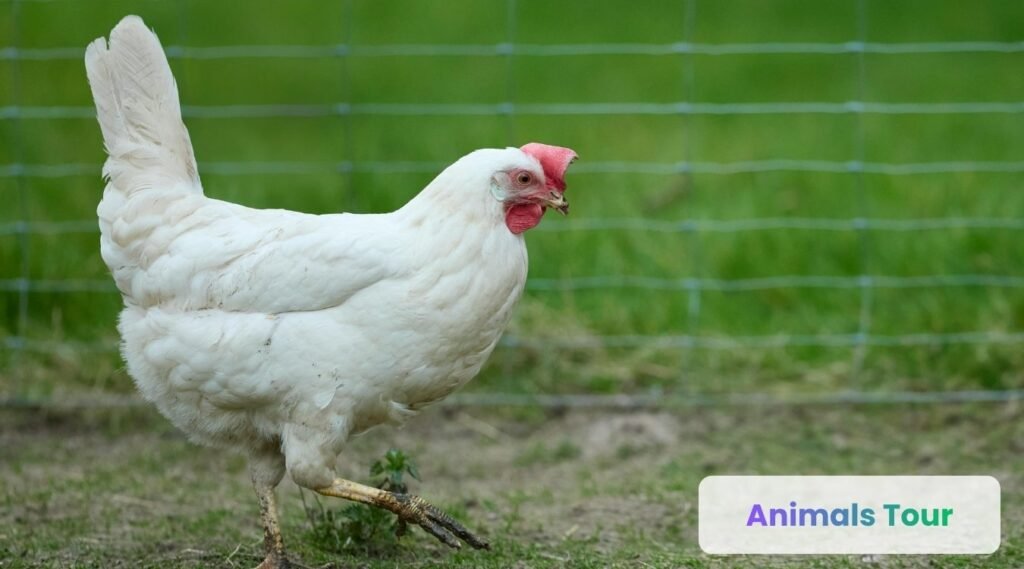
A chicken’s actions are influenced more by instinct than by advanced reasoning. Although it can function within a social hierarchy known as the pecking order, this level of social organization remains relatively simple. Their intelligence is well suited to everyday survival, but they show little evidence of the complex problem-solving, tool use, or adaptability seen in birds such as crows and parrots.
Turkey – Behavioral Simplicity Often Misunderstood
Scientific Name: Meleagris gallopavo
Classification: Bird
Diet: Seeds, nuts, berries, insects, and small reptiles
Habitat: Forests, grasslands, and agricultural areas of North America
Average Weight: 11–24 pounds (5–11 kg)
Turkeys are frequently mentioned when people search for “what animal has the lowest IQ”, although much of this reputation comes from exaggeration and cultural perception rather than scientific analysis. As large ground birds, turkeys primarily rely on instinctive behaviors to navigate their environment.
Their actions are generally straightforward, focusing on foraging, flock movement, and predator avoidance. While they are capable of basic learning and environmental recognition, they do not display the same cognitive flexibility seen in more intelligent bird species. This has led to their inclusion in lists of animals with lowest IQ, even though their abilities are often misunderstood.
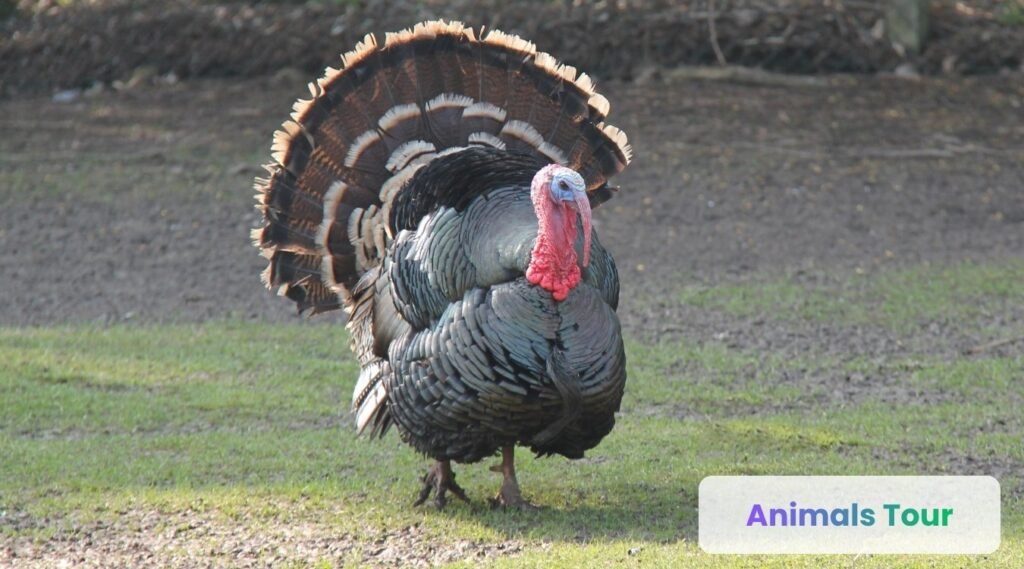
Turkeys are highly alert animals that respond quickly to threats, but their reactions are largely instinct-based rather than the result of complex reasoning. Their survival strategy depends on group behavior and rapid escape responses rather than planning or problem solving.
Ostrich – Large Body With Simple Cognitive Priorities
Scientific Name: Struthio camelus
Classification: Bird
Diet: Plants, seeds, roots, flowers, and insects
Habitat: Savannas, grasslands, and semi-arid regions of Africa
Average Weight: 220–350 pounds (100–160 kg)
The ostrich, the largest living bird, is often included in discussions about “animals with least intelligence”, largely because its behavior appears straightforward compared to many smaller yet more cognitively complex birds. Native to Africa, ostriches rely heavily on speed and physical strength rather than advanced mental processing.
Their cognitive abilities are generally considered basic, focused on immediate survival needs such as detecting danger, finding food, and maintaining flock awareness. While they can respond effectively to environmental threats, they do not exhibit advanced reasoning or problem-solving abilities. This has led to their classification among **lowest IQ animals** in simplified comparisons of animal intelligence.
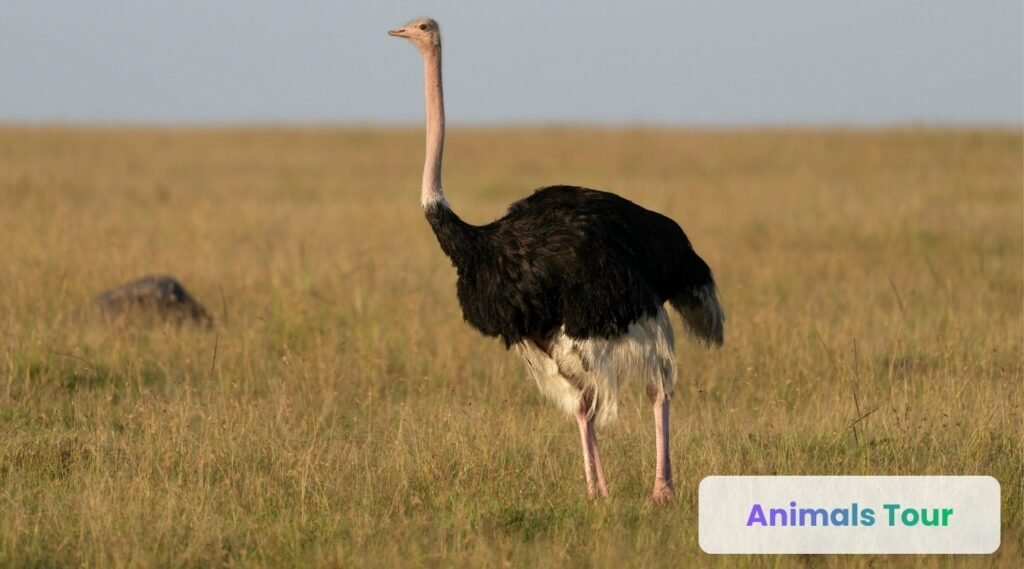
Ostriches are built for survival through physical adaptation. Their long legs allow them to reach impressive speeds, making escape their primary defense mechanism. In many situations, this physical advantage reduces the need for complex cognitive strategies.
Despite their reputation, ostriches are highly successful in their ecosystems. Their survival demonstrates that intelligence is not the only path to evolutionary success. In environments where speed and strength are more important than reasoning, cognitive simplicity can still support long-term survival.
Giant Panda – Bamboo Specialist
Scientific Name: Ailuropoda melanoleuca
Classification: Mammal
Diet: Primarily bamboo, with occasional fruits and small animals
Habitat: Mountain bamboo forests of central China
Average Weight: 220–330 pounds (100–150 kg)
The giant panda is one of the most recognizable animals in the world and is native to the mountain forests of China. It is often included in discussions about animals with lower cognitive abilities because of its highly specialized lifestyle and relatively simple daily behavior.
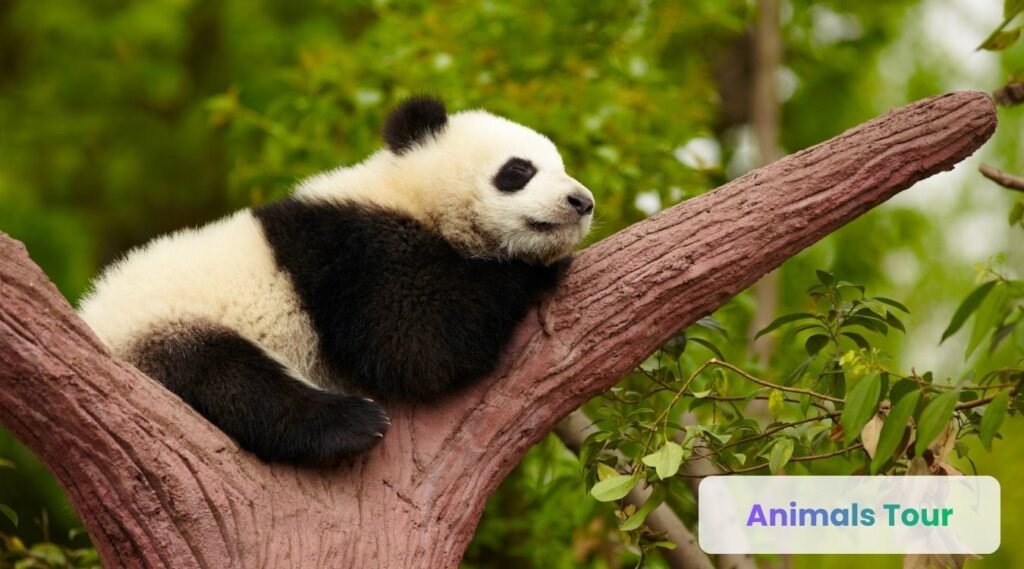
Pandas spend much of their time eating bamboo, a food source that provides limited nutrition and requires long feeding periods. Their behavior is generally repetitive and less flexible than that of many other mammals. However, this does not make them unsuccessful. Their specialized diet and energy-conserving lifestyle allow them to thrive in their natural habitat, showing that survival does not always depend on advanced intelligence.
Kakapo – Flightless New Zealand Parrot
Scientific Name: Strigops habroptilus
Classification: Bird
Diet: Fruits, seeds, leaves, flowers, and bark
Habitat: Native forests of New Zealand
Average Weight: 4–9 pounds (2–4 kg)
The kakapo is a rare, nocturnal parrot found only in New Zealand. Unlike most parrots, it cannot fly and spends its life on the ground. Its behavior is relatively simple compared to that of many other bird species, which is why it is sometimes mentioned in discussions about animals with lower cognitive abilities.
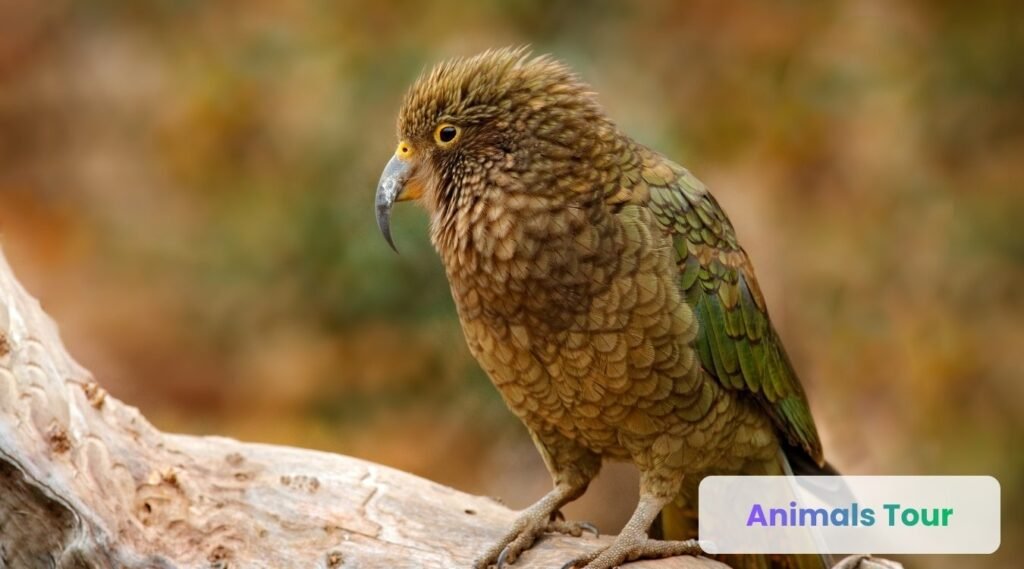
Rather than relying on flight or complex problem-solving skills, the kakapo uses camouflage and stillness to avoid danger. It feeds mainly on plants, seeds, and fruits and is a remarkable example of how a species can adapt to a predator-free environment. Today, the kakapo is one of the rarest birds in the world and a major focus of conservation efforts.
Conclusion
The idea of “what animal has the lowest IQ” is more about human comparison than scientific ranking. Animals do not follow a universal intelligence scale, and many of the species discussed as lowest IQ animals simply rely on instincts and specialized survival strategies rather than learning or complex thinking.
From sea sponges to sloths, each example of animals with least intelligence shows a different form of adaptation shaped by environment and evolution. What may look like simplicity from a human perspective is often an efficient way of surviving in nature, where intelligence is only one of many successful strategies.
FAQs
What animal has the lowest IQ?
Animals do not have measurable IQ scores like humans, so intelligence is assessed through factors such as brain structure, learning ability, and behavior. Based on biological simplicity, the **sea sponge** is often considered the answer to “what animal has the lowest IQ” because it lacks a brain and nervous system.
Which animal has the smallest brainpower?
Sea sponges, jellyfish, and starfish are often considered among the animals with smallest brainpower due to their simple nervous systems and limited cognitive abilities.
Do jellyfish have a brain?
No. Jellyfish do not have a brain. Instead, they rely on a simple nerve net that helps them respond to their surroundings.
Are sloths really unintelligent?
Sloths have relatively simple behavioral patterns and limited problem-solving abilities, but their slow lifestyle is an effective adaptation for conserving energy and avoiding predators.
Which bird is often considered the least intelligent?
Turkeys and ostriches are frequently mentioned in discussions about lowest IQ animals, although both are well adapted to their environments and capable of basic learning.