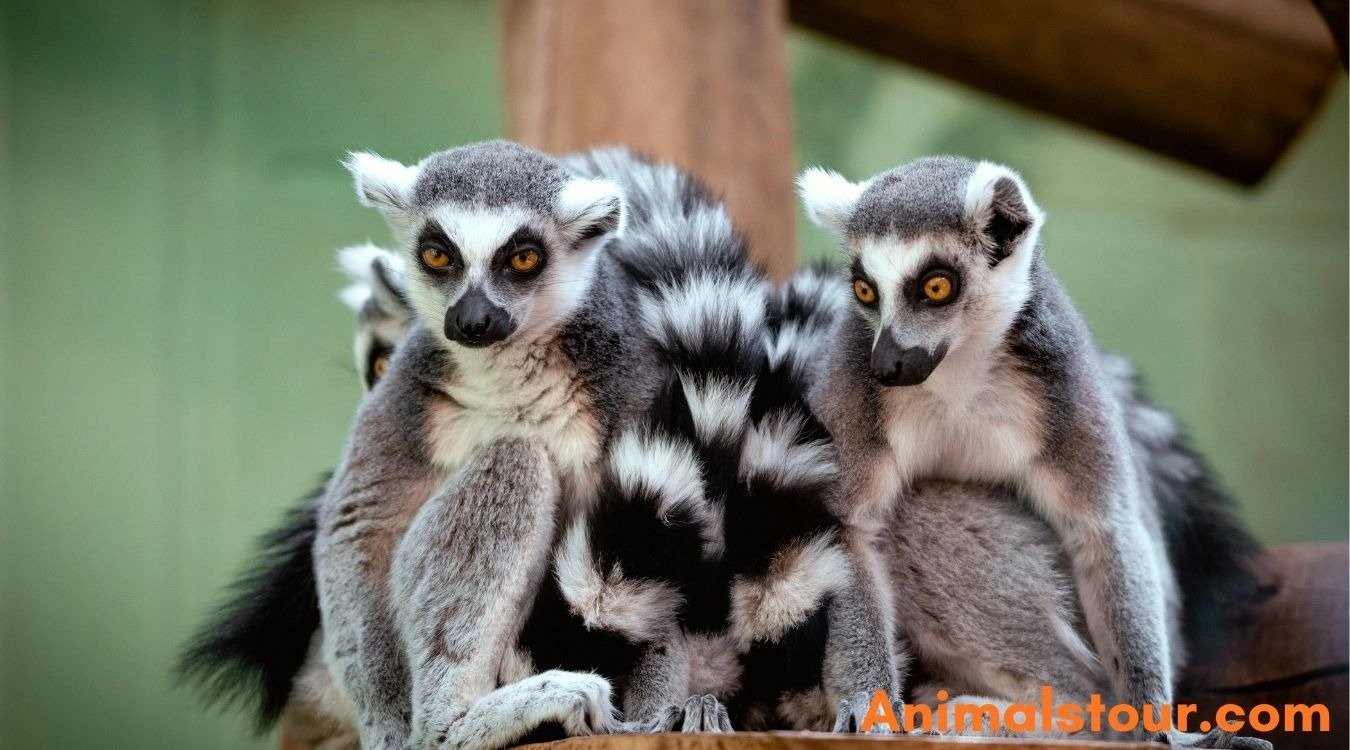
A List Of Top 20 Amazing Animals That Hibernate
Ever wondered how certain animals survive harsh winters? Hibernation is their secret! This article dives into a detailed list of animals that hibernate, showcasing the amazing ways they cope with the cold. You’ll discover why hibernation is crucial not just for these animals, but also for the ecosystems they inhabit.
List Of Animals That Hibernate
Here is the list of amazing hibernating animals
- Hedgehogs
- Brown Bear
- Bats
- Snakes
- Box Turtles
- Skunks
- Prairie Dogs
- Groundhogs
- American Bullfrog
- Fat-Tailed Dwarf Lemur
- Snails
- Yellow-Bellied Marmot
- American Black Bears
- Hamster
- Hazel Dormouse
- Bumblebees
- Eastern Chipmunks
- Ladybug
- Wood Frogs
- Common Poorwill
Hedgehogs
Scientific Name: Erinaceus europaeus
Class: Mammalia
Diet: Omnivore
Hedgehogs are amazing examples of hibernating animals, showcasing unique adaptations to survive cold winters. As the temperatures drop and food becomes scarce, these small creatures with small eyes, enter a state of deep hibernation. During this period, their metabolic rates decrease significantly, allowing them to conserve energy. They curl into tight balls, utilizing their spiky coats as added protection against the elements.
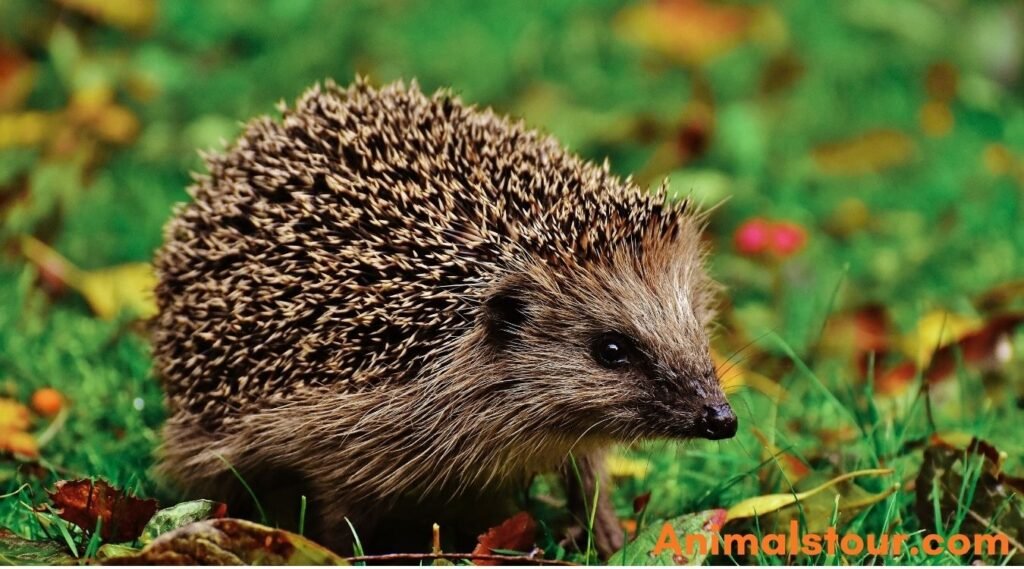
Interestingly, not all hedgehogs hibernate in the same way. Depending on their habitat and the severity of winter, some might experience a lighter hibernation state, waking occasionally to snack on stored food. This adaptability mirrors behaviors seen in other animals that hibernate, for example, bears might awaken occasionally during their sleep but are less likely to do so if their environment remains stable. Understanding how hedgehogs and similar hibernating animals cope with seasonal changes can inspire us to appreciate the resilience in nature and the intricate web of life.
Brown Bears
Scientific Name: Ursus arctos
Class: Mammalia
Diet: Omnivore
In the quiet embrace of winter, brown bears retreat into cozy dens, an act as natural as the setting sun. They seek out secluded caves or hollowed trees, creating small sanctuaries where their warm, thick fur glistens in the dim light. As they curl up, their breaths form soft puffs of mist, a reminder of life even in stillness. During this time, their heartbeats slow, resembling a gentle drum that echoes through the icy landscape.
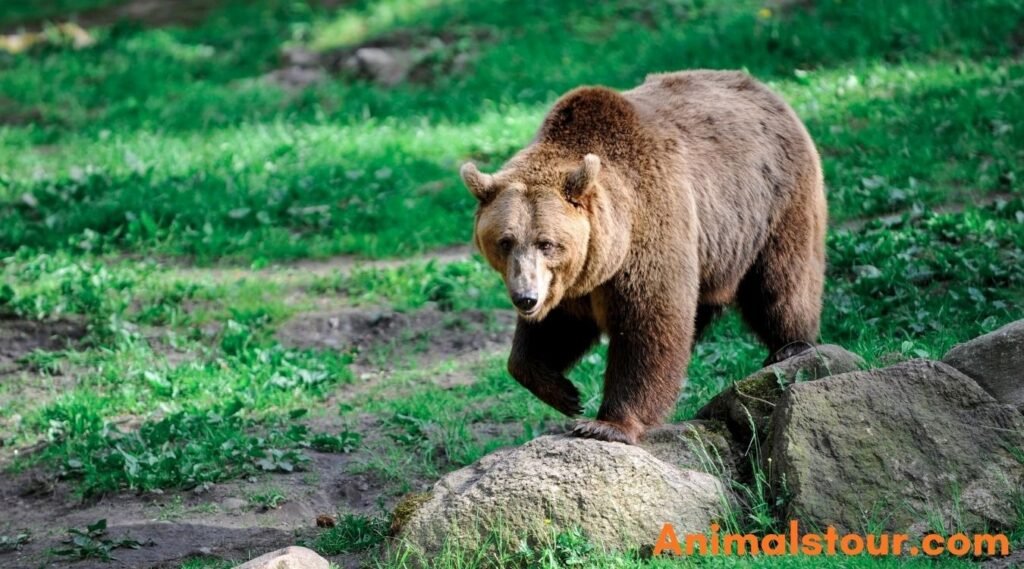
While they hibernate, brown bears enter an extraordinary state, surviving on stored fat. This process allows them to conserve energy, drawing from their internal resources like wise guardians of their own survival. When spring’s first rays warm the earth, these mighty creatures awaken, stretching like a giant unfurling from a deep slumber, ready to embrace the vibrant world outside. As we explore the rich tapestry of animals that hibernate, the brown bear stands out, a powerful symbol of resilience and renewal in nature.
Bats
Scientific Name: Chiroptera
Class: Mammalia
Diet: Mostly insectivore
Bats are amazing creatures known for their ability to hibernate during colder months, making them a unique addition to any list of hibernating animals. As temperatures drop, many bat species seek refuge in caves or tree hollows, where they enter a state of torpor. This state is not just a simple snooze, it allows bats to conserve energy and survive when food sources like insects are scarce. Unlike other hibernating animals, bats can lower their body temperature significantly, slowing their metabolism to the bare essentials.
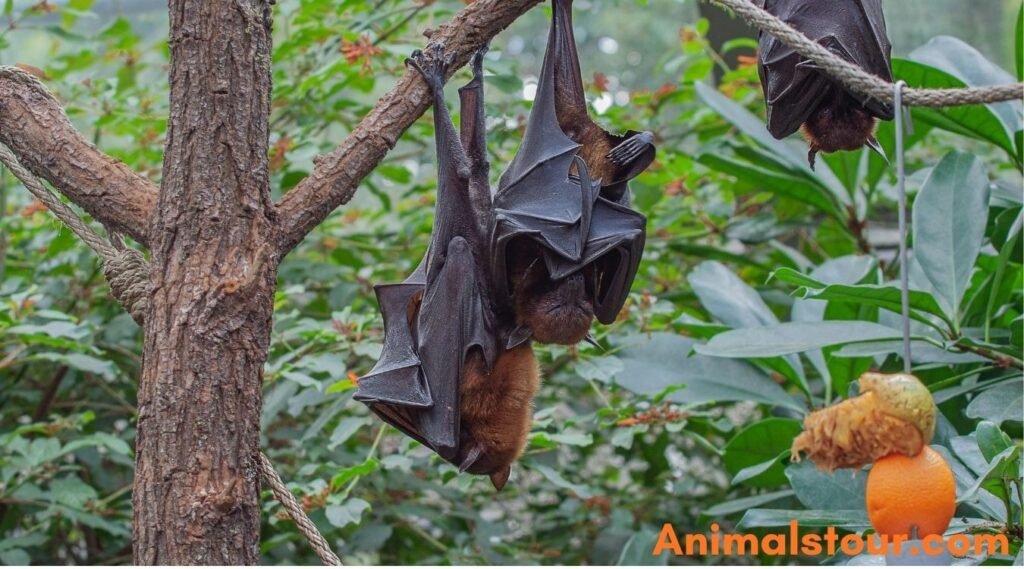
One intriguing aspect of bat hibernation is their communal behavior. Many species gather in large colonies, maximizing warmth and security while they rest. This social hibernation helps protect them from predators and reduces energy expenditure. Additionally, some bats can wake briefly throughout the winter to hydrate and even feed, showcasing their incredible adaptability. Understanding how these hibernating animals survive the harsh winter challenges not just our perceptions of animal life, but also our appreciation for the intricate ecosystems they inhabit.
Snakes
Scientific Name: Serpentes
Class: Reptilia
Diet: Carnivore
Snakes are amazing creatures that often surprise us with their unique survival strategies. While many of us think of hibernating animals as fluffy mammals or sleepy bears, snakes have their own style of winter rest. In colder climates, these reptiles enter a state called brumation, a process akin to hibernation, where they significantly slow down their metabolism and become lethargic. This allows them to survive the harsh winter months when food is scarce and temperatures drop.
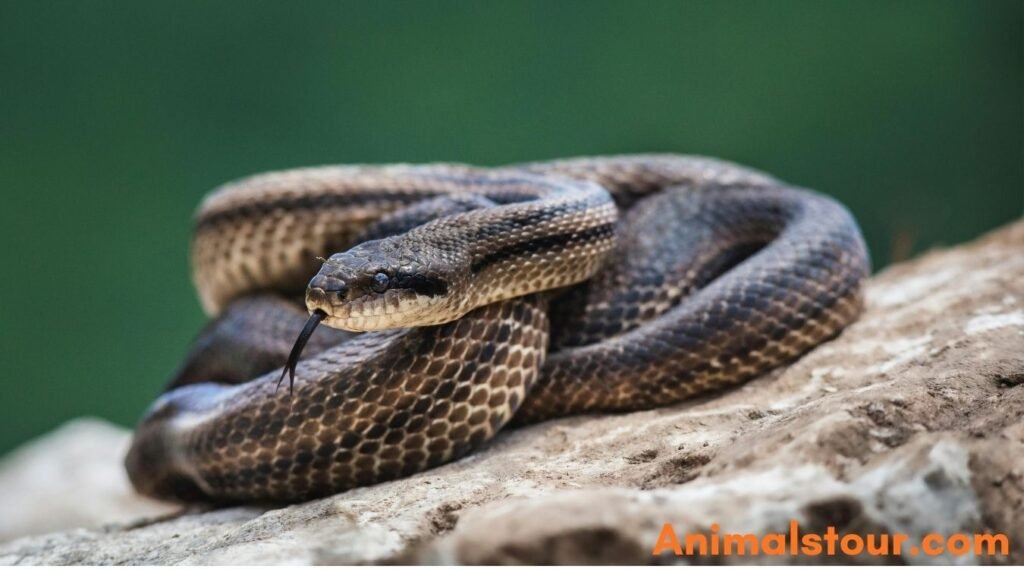
Interestingly, not all snakes hibernate the same way. Some species may seek out dens or burrows, where they gather in large groups for warmth and protection. This communal behavior not only helps them stay safe but can also enhance their chances of survival. The list of hibernating animals is often dominated by well-known mammals, but snake brumation is a reminder of the diverse adaptations animals make to endure their environments. So, while we typically think about how many animals hibernate during winter, let’s also appreciate the quiet resilience of snakes as they curl up and take a long, restorative break.
Box Turtles
Scientific Name: Terrapene carolina
Class: Reptilia
Diet: Omnivore
Box turtles embody the amazing world of hibernation, transforming from lively wanderers into still figures cloaked in their hard shells. When chilly winds sweep through the fields, these little creatures seek refuge beneath the soft earth, burrowing into the soil like nature’s own secret keepers. They find cozy spots hidden beneath the leaves or tucked beside rocks, where the world above falls silent and cold.
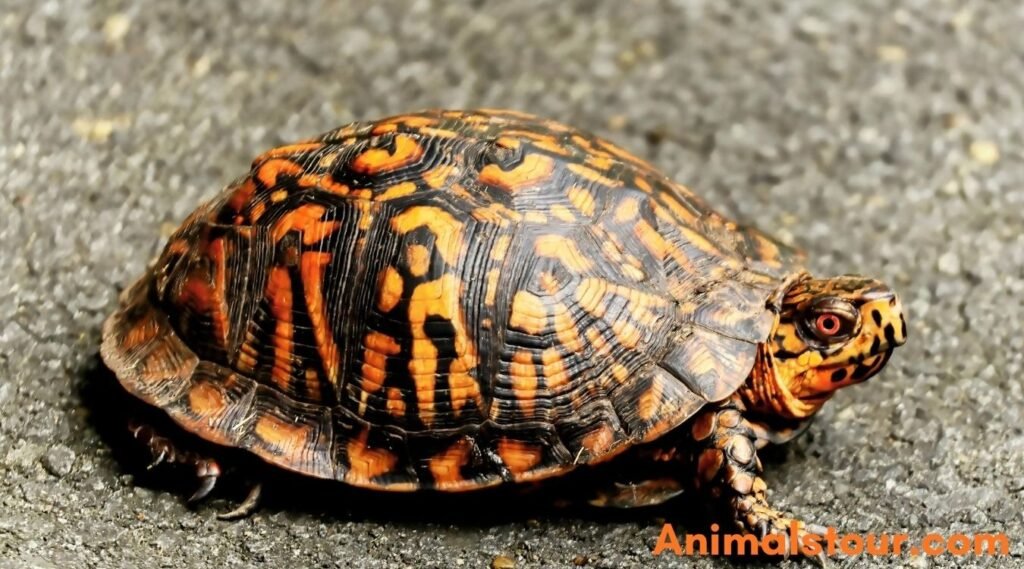
As temperatures plummet, box turtles enter a state akin to deep sleep, their heartbeats slow and breaths become barely perceptible. In this dreamy slumber, their vibrant colors fade into the muted browns and grays of winter, blending seamlessly with the surrounding landscape. This season of rest may last for several months, a profound pause in their lively journey.
When spring’s warmth nudges the earth awake, box turtles emerge once again, shaking off the remnants of their hibernation, ready to bask in the sun and explore their vibrant world once more. Each slumber, every awakening, tells a story of resilience , a dance of life that continues year after year.
Skunks
Scientific Name: Mephitis mephitis
Class: Mammalia
Diet: Omnivore
Skunks, often misunderstood for their pungent defense mechanisms, surprise many with their unique hibernation behavior. While not true hibernators like bears, skunks enter a state of torpor, especially during the colder months. This means they slow down their activities significantly and can even sleep for days on end, conserving energy when food is scarce. For example, a mother skunk may curl up with her young in a cozy den, keeping them warm while minimizing the need to venture out into the biting winter air.
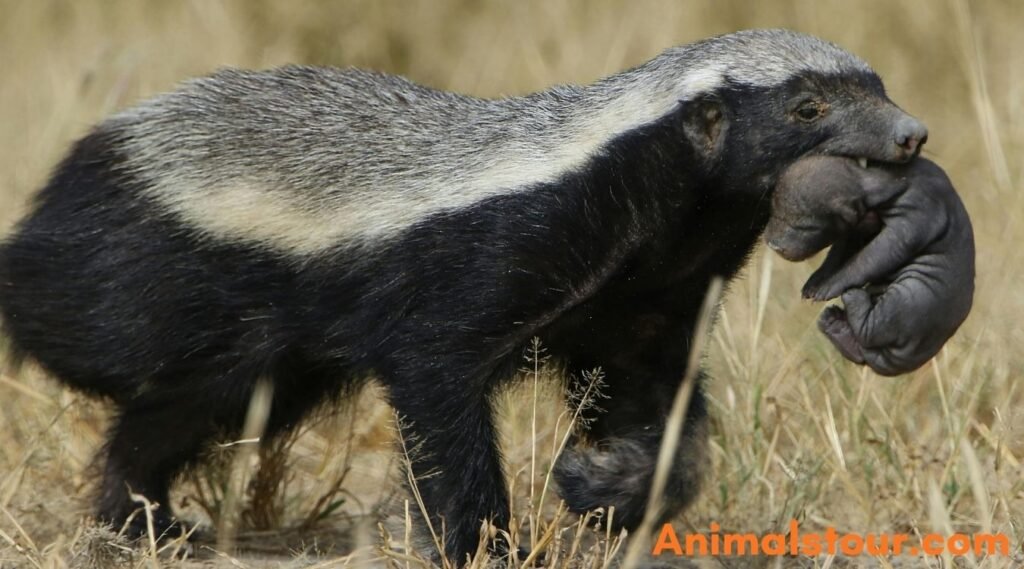
Interestingly, skunks are one of the many animals that hibernate, included in the list of animals that hibernate like ground squirrels and bats. As winter settles in, they can enter a deep sleep from November to March, waking only during warmer spells to forage for food. Understanding skunks’ hibernation habits sheds light on their role in the ecosystem and illustrates their resilience in facing harsh conditions. By appreciating their unique adaptations, we can foster a deeper connection with these often-ignored creatures.
Prairie Dogs
Scientific Name: Cynomys ludovicianus
Class: Mammalia
Diet: Herbivore
Prairie dogs are amazing creatures, demonstrating a unique form of hibernation that sets them apart from other animals that hibernate. Instead of a long, deep sleep like bears or bats, prairie dogs enter a state of torpor during the harshest winter months. This means they periodically wake up to eat stored food and check on their burrow mates, showing a social side that many may not expect from such small animals. Their cozy underground homes, with multiple chambers, protect them from the cold and provide a safe space to regroup.
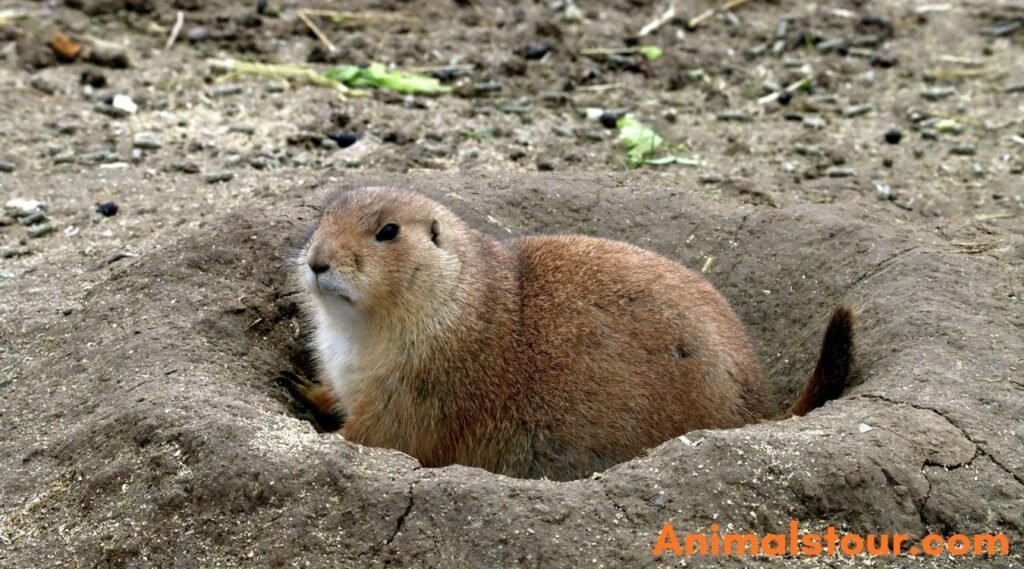
Unlike many animals that hibernate alone, prairie dogs maintain strong family bonds. They often huddle together for warmth, sharing their burrows and enhancing their chances of survival. As the days grow longer and warmer, these social rodents emerge, ready to spring back into their bustling communities. Observing their cheerful reunions after a long winter gives us a glimpse into the social fabric of the prairie dog world, a reminder of how interconnected life can be, even among the smallest of creatures.
Groundhogs
Scientific Name: Marmota monax
Class: Mammalia
Diet: Herbivore
Groundhogs, often overlooked in discussions about hibernating animals, offer an interesting glimpse into the world of nature’s survival strategies. These furry creatures, also known as woodchucks, enter a deep sleep during winter to survive the harsh conditions when food is scarce. Their hibernation process is not merely about curling up; it involves a remarkable physiological transformation. Groundhogs significantly reduce their heart rate and body temperature, allowing them to conserve energy until the warmth of spring reawakens the landscape.
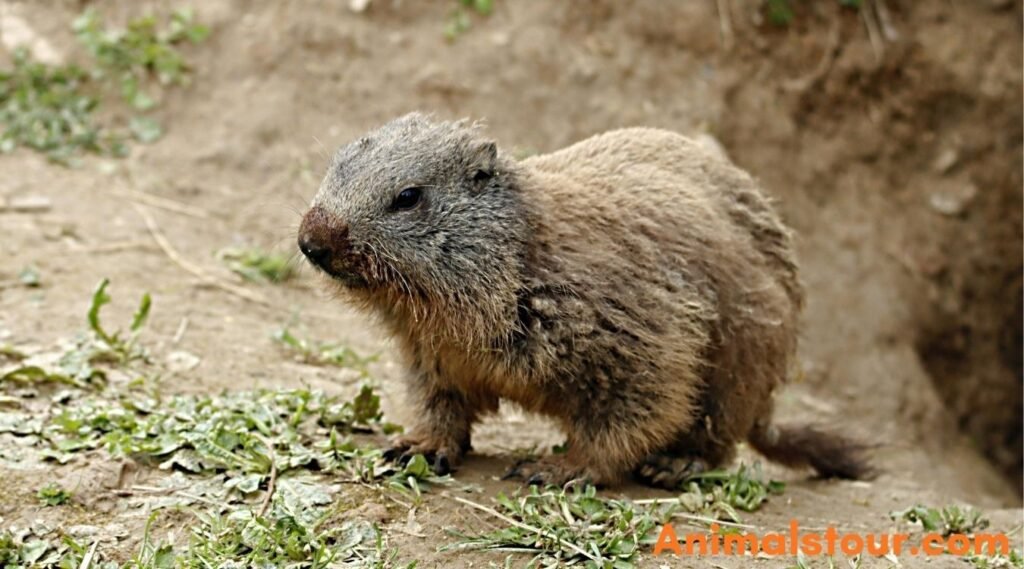
What makes groundhogs even more intriguing is their ability to sense environmental changes. As the days lengthen and temperatures rise, they wake from their slumber, ready to emerge into a world teeming with life. Groundhogs are typically among the first animals to mark the arrival of spring, drawing attention to the delicate balance between seasons. Their hibernation isn’t just a survival tactic; it’s a reminder of nature’s rhythm, where dormancy paves the way for renewal, inspiring us to appreciate the cycles of life all around us.
American bullfrog
Scientific Name: Lithobates catesbeianus
Class: Amphibia
Diet: Carnivore
American bullfrogs are interesting creatures that defy our typical understanding of hibernation. Unlike many animals that hibernate in cozy dens, these frogs take a more unique approach. As winter approaches, they dive into murky waters or bury themselves in mud, using natural insulation and moisture to tide them over the cold months. This method keeps them safe and helps them conserve energy while they wait for warmer weather.
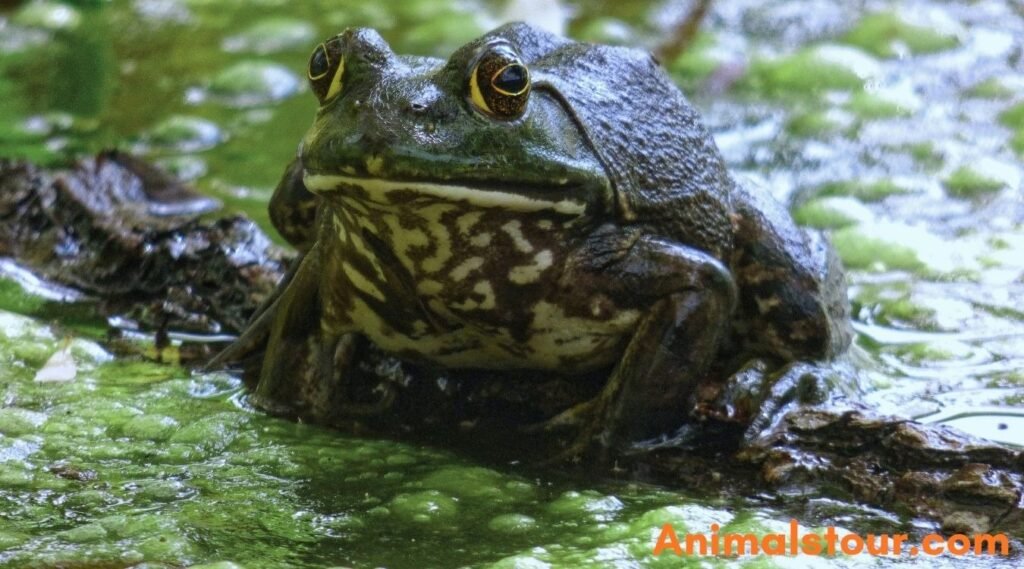
What’s intriguing is how they adapt to changing conditions. In warmer climates, American bullfrogs might not hibernate at all, demonstrating flexibility in their behavior. When spring arrives and temperatures rise, they emerge renewed, ready to jump back into life. This behavior reflects a resilience found in many animals that hibernate, showcasing adaptability in the face of environmental challenges. If you’re exploring a list of animals that hibernate, keep the American bullfrog in mind as a remarkable example of the diverse strategies life employs to survive.
Fat-Tailed Dwarf Lemur
Scientific Name: Cheirogaleus medius
Class: Mammalia
Diet: Omnivore
The Fat-Tailed Dwarf Lemur is an amazing example among animals that hibernate. Unlike the more commonly known bears or ground squirrels, this small primate from Madagascar offers a unique twist on the hibernation concept. These lemurs enter a state of torpor, which allows them to conserve energy during the dry season when resources are scarce. By curling up in tree hollows, they not only stay safe from predators but also reduce their metabolic rate, akin to a deep sleep that can last for months.
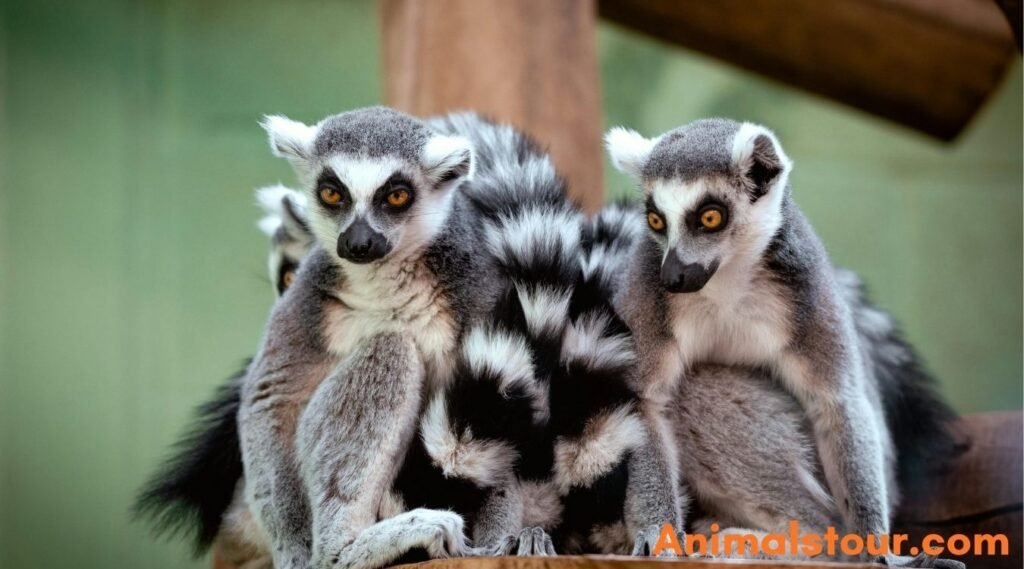
What’s especially remarkable about Fat-Tailed Dwarf Lemurs is their ability to store fat in their tails, a crucial adaptation that supports their survival during these hibernation periods. This fat reserve acts like a built-in food supply, allowing them to endure long stretches without foraging. So, when making a list of hibernating animals, these lemurs exemplify how diverse hibernation strategies can be, showcasing nature’s ingenuity in survival. With their unique adaptations, they remind us that hibernation isn’t just limited to the cold months, it’s a testament to the various survival strategies employed across different species.
Snails
Class: Gastropoda
Diet: Mostly herbivore
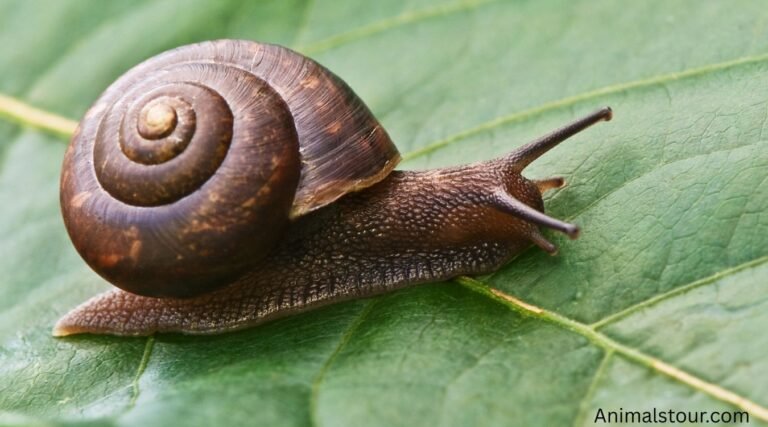
Snails, often overlooked in the hibernation conversation, have an amazing strategy for surviving harsh conditions. As winter blankets their habitats, these small creatures retreat into their shells, sealing themselves off with a layer of mucus. This protective barrier not only keeps moisture in but also helps in regulating their body temperature, allowing them to endure prolonged periods of inactivity. Imagine curling up in your cozy bed on a chilly night, this is somewhat similar to the snail’s approach to winter.
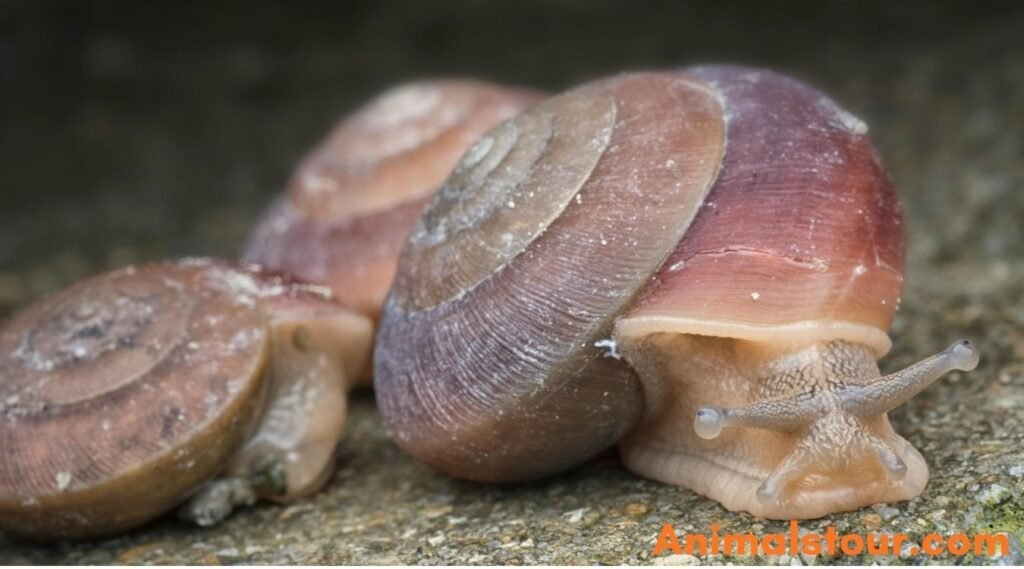
During this hibernation, or dormancy, snails slow their metabolism drastically. They rely on stored energy, much like how we might savor our favorite snacks during cold days inside. While the world outside is bustling with winter’s chills, snails are snug and safe, waiting for warmer days to emerge. So, the next time you spot a snail, remember that this little animal belongs to the list of animals that hibernate, showcasing the incredible ways nature helps its creatures survive and thrive against odds.
Yellow-Bellied Marmot
Scientific Name: Marmota flaviventris
Class: Mammalia
Diet: Herbivore
Yellow-bellied marmots are amazing examples of animals that hibernate, showcasing intriguing adaptations to cope with harsh winter months. These social rodents prepare for hibernation by building intricate burrow systems that provide insulation and protection from predators. As winter approaches, marmots significantly increase their fat reserves, which sustain them during their long snooze. This process also helps them survive when food is scarce, highlighting how many animals hibernate in environments with extreme seasonality.
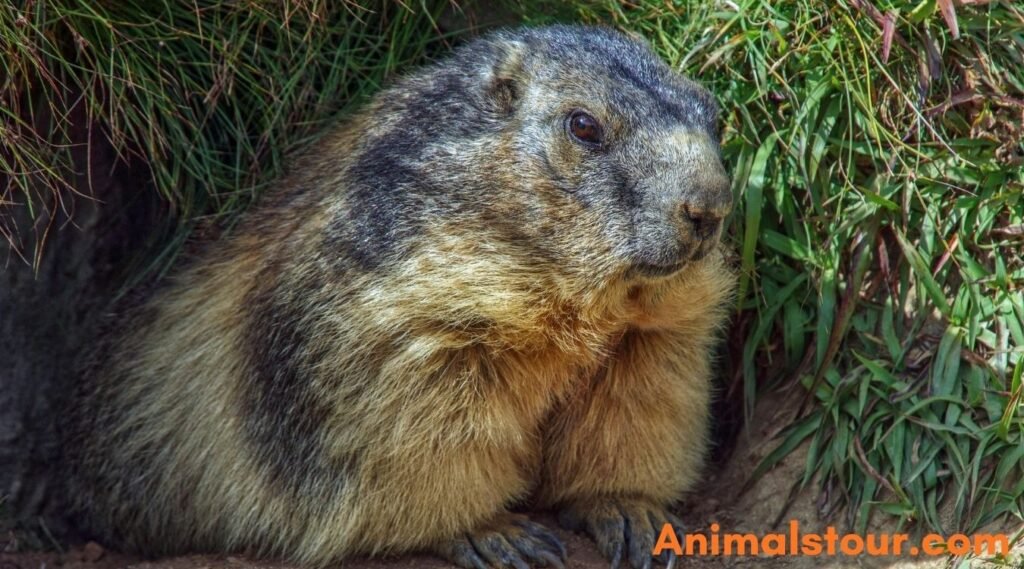
During hibernation, the yellow-bellied marmot’s body temperature drops, and their heart rate slows, allowing them to conserve energy. Interestingly, these remarkable creatures don’t sleep through the entire winter, they may wake periodically to drink water or adjust their position. This ability to awaken occasionally is a unique trait among many animals that hibernate, making their survival strategy even more versatile. By studying these marmots, researchers gain valuable insights into hibernation patterns, which could shed light on the broader question of how animals adapt to climate changes and seasonal variations.
American black bears
Scientific Name: Ursus americanus
Class: Mammalia
Diet: Omnivore
As winter descends, American black bears retreat into dens, showcasing one of nature’s most amazing survival strategies. Unlike many animals that hibernate throughout the cold months, these bears enter a unique state called torpor. During torpor, their heart rate slows, and they can survive for months without eating or drinking. This incredible adaptation allows them to conserve energy when food is scarce, making them masters of survival in harsh winters.
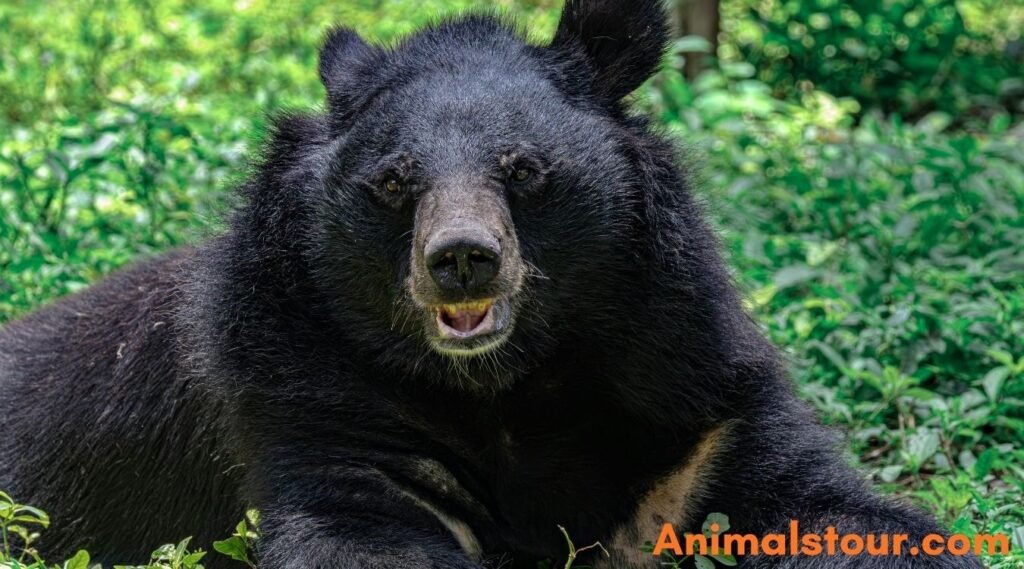
Curiously, not all animals that hibernate do it in the same way. For example, while black bears can awaken during warmer spells to forage, other hibernating animals in the UK, like hedgehogs, remain in a deeper sleep until spring. Observing hibernating animals pictures with names brings to life the diversity in hibernation. Each species has tailored its strategies for survival based on environmental pressures, showcasing the ingenuity of nature. The black bear, with its blend of adaptability and instinct, remains a symbol of resilience in the wild.
Hamsters
Scientific Name: Mesocricetus auratus
Class: Mammalia
Diet: Omnivore
Hamsters are interesting little creatures often overlooked when discussing animals that hibernate. Unlike bears or ground squirrels, which enter deep hibernation for months, hamsters exhibit a different strategy. During colder months, these furry critters can enter a state of torpor, a short-lived hibernation where their body temperature drops, and their metabolic rate slows significantly. This process allows them to conserve energy and survive when food is scarce.
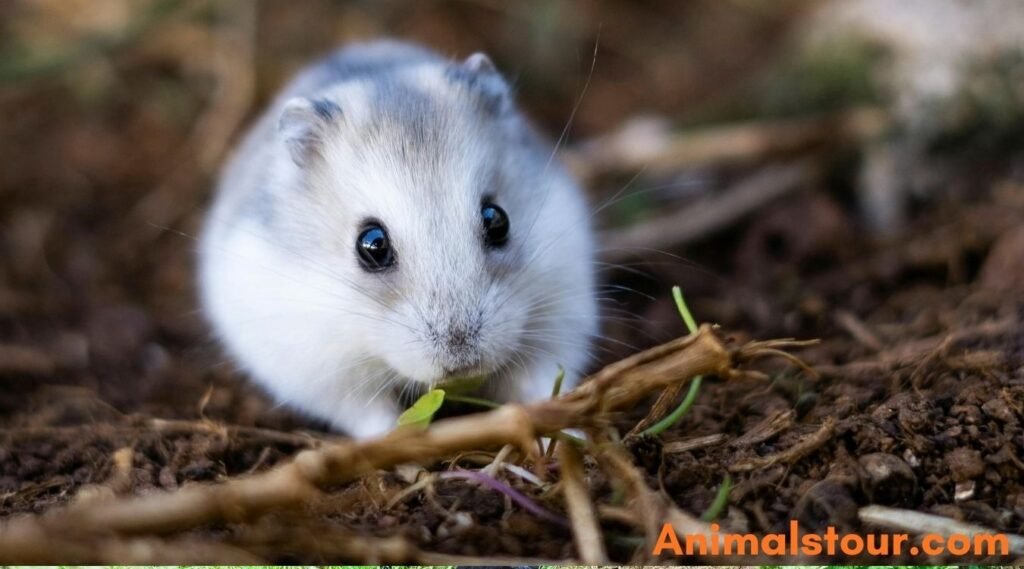
Interestingly, not all hamsters hibernate in the same way. For instance, the golden hamster might take longer naps that resemble hibernation, while other species, like dwarf hamsters, may not hibernate at all. Exploring how many animals hibernate reveals a diverse list, from common garden creatures to tropical birds, a reminder of how varied survival strategies can be in the animal kingdom. Learning about all animals that hibernate highlights the incredible adaptability of life, revealing how even the tiniest pets like hamsters share this instinctive behavior, ensuring their survival through the harshest conditions.
Hazel Dormouse
Scientific Name: Muscardinus avellanarius
Class: Mammalia
Diet: Omnivore
The hazel dormouse is a charming little creature that embodies the magic of hibernation. These tiny animals, with their golden fur and big, dark eyes, curl up in nests made of leaves and grass, becoming nearly invisible during the cold months. As temperatures drop, their heart rates slow dramatically, allowing them to survive on stored body fat. This fascinating process is nature’s way of helping them conserve energy until spring blossoms with food once more.
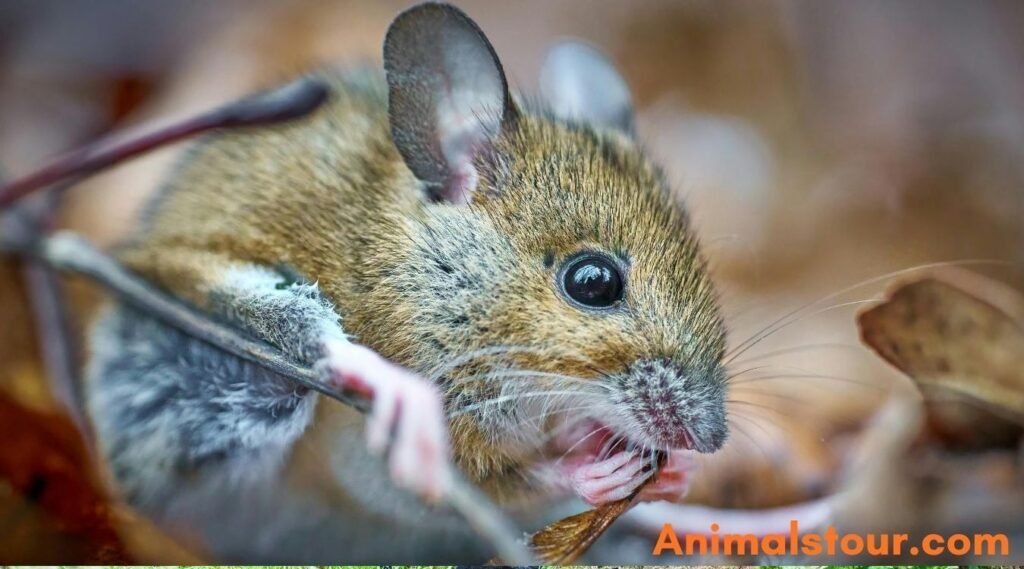
Unlike many animals that hibernate, hazel dormice don’t spend the entire winter in a single sleep. Instead, they wake periodically to nibble on their fat reserves, ensuring they stay just healthy enough to emerge when warmth returns.
This behavior not only helps them survive but also leads to intriguing interactions when they emerge, full of energy and ready to explore their lush surroundings. Their life cycle highlights the importance of adaptation in the animal kingdom, making them a remarkable part of the list of hibernating animals.
Scientific Name: Bombus
Class: Insecta
Diet: Herbivore
Bumblebees are amazing creatures, particularly because they hibernate, a trait shared by many animals that hibernate. Unlike some other insects that simply die off in winter, bumblebees have a unique strategy for survival. As temperatures drop, the worker bees and males perish, but the queen bee seeks refuge. She finds a cozy spot, often in a thick patch of grass or beneath fallen leaves, where she curls up to conserve energy until spring.
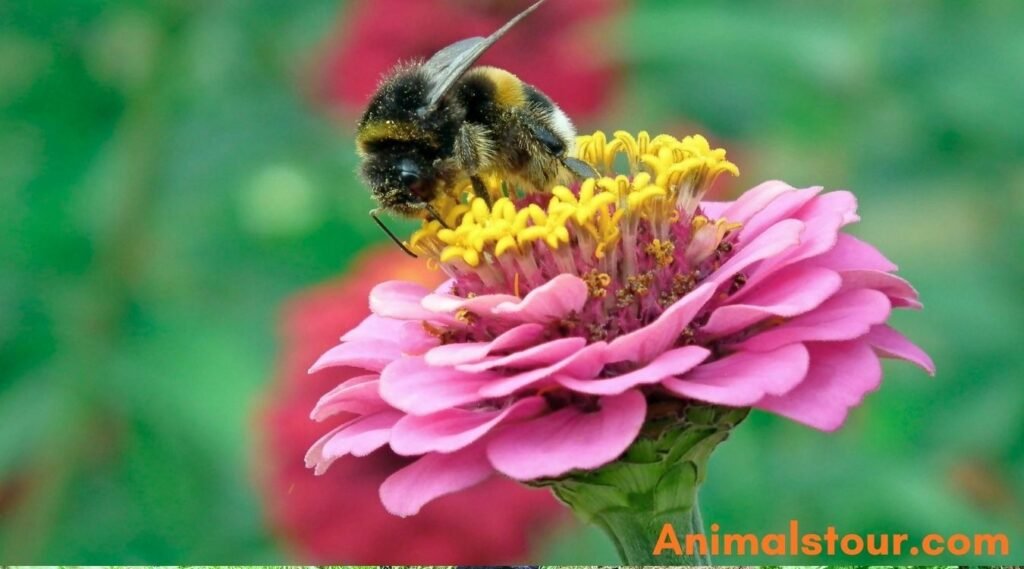
During this restful period, the queen experiences a slowed metabolism, allowing her to survive for months without food. You might imagine her nestled away, dreaming of bright flowers and sunny days. This hibernation is critical for the species’ survival, once winter fades, she will awaken, find a suitable place to build a new colony, and start the cycle of life anew. It’s a remarkable journey, highlighting how even small creatures like bumblebees have their own ways to endure the harsh seasons, reminding us of the resilience found in nature.
Eastern chipmunks
Scientific Name: Tamias striatus
Class: Mammalia
Diet: Omnivore
Eastern chipmunks are amazing creatures that showcase the complexities of animal behavior, particularly when it comes to hibernation. Unlike some larger mammals that enter a deep state of sleep, chipmunks experience a lighter form of hibernation. They have a unique strategy where they periodically wake up throughout the winter months. This allows them to consume stored food and even monitor their environment, showcasing their adaptability in the wild.
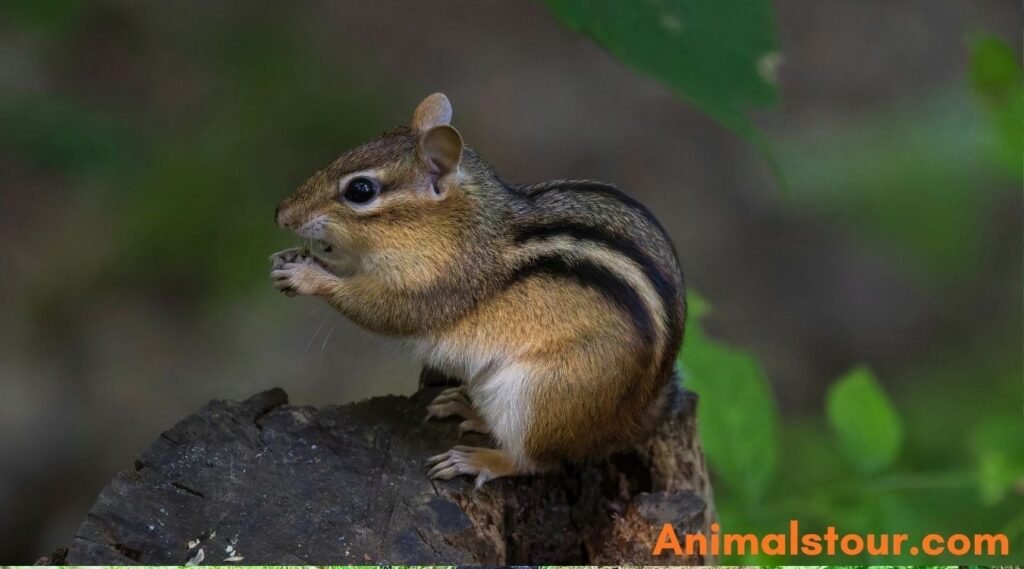
As small animals that hibernate, Eastern chipmunks burrow into the ground, creating cozy nests filled with collected food supplies like seeds and nuts. This method not only aids their survival but also reflects a natural instinct to prepare for the tough winter ahead. Interestingly, while many might assume that only a few select animals hibernate, numerous species do, with chipmunks occupying a distinctive niche. In fact, research shows that around 10% of mammals enter some form of hibernation, including various rodents and even certain bears. Thus, chipmunks remind us that hibernation is not just a singular behavior but a fascinating adaptation seen across a spectrum of wildlife.
Ladybugs
Scientific Name: Coccinellidae
Class: Insecta
Diet: Carnivore
Ladybugs, often seen as charming garden helpers, are interesting hibernating animals that showcase the resilience of nature. As the temperatures drop and signals of winter approach, these small beetles seek out hidden spots to ride out the cold months. They tend to gather in large groups, often finding refuge in leaf litter, under tree bark, or even in homes. This communal hibernation allows them to conserve warmth and increase their chances of survival.
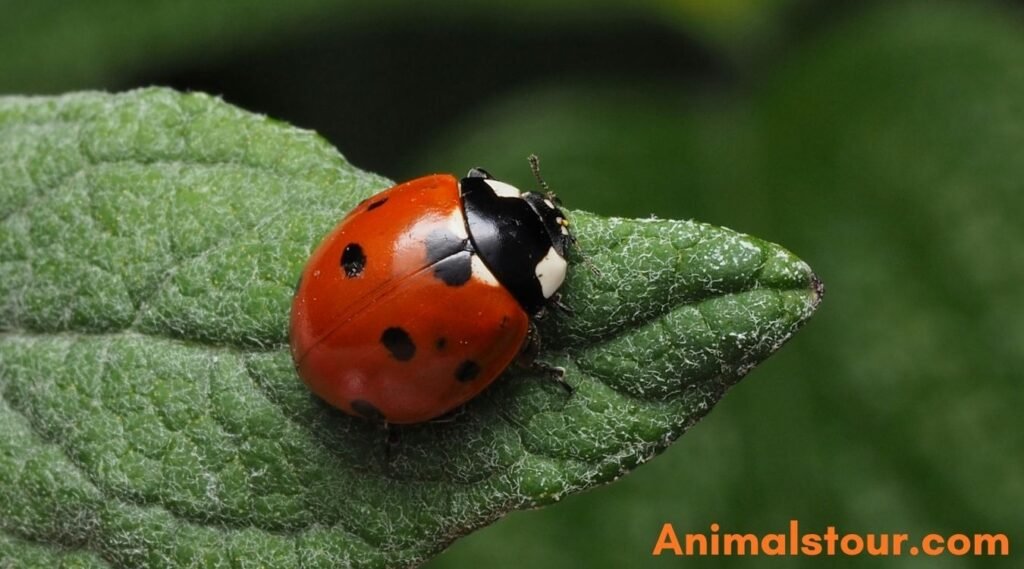
Unlike many common hibernating animals, ladybugs do not completely shut down their systems, instead, they enter a state of dormancy. Their metabolic processes slow significantly, allowing them to survive off the stored energy from their earlier feeding. This adaptation is crucial, as it means they can emerge when temperatures rise and food becomes available, ready to continue their role as natural pest controllers in our gardens.
Wood frogs
Scientific Name: Lithobates sylvaticus
Class: Amphibia
Diet: Carnivore
Wood frogs are interesting creatures that showcase nature’s resilience. As the temperatures drop, these small amphibians slip into a remarkable state of hibernation. They have a unique ability to freeze solid during winter months, their hearts stopping and bodies turning to ice. This seemingly miraculous process allows them to survive in harsh environments while other creatures struggle.
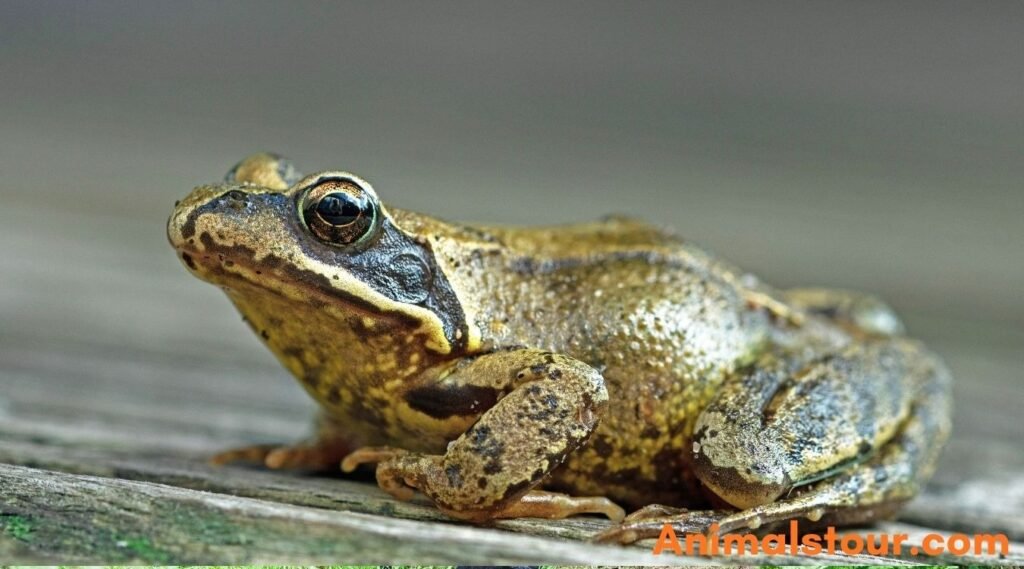
When spring arrives, the wood frogs thaw out, coming back to life. It’s like a magical awakening from a deep sleep. During their hibernation, they rely on stored energy to get through the cold. They are part of an intriguing list of animals that hibernate, alongside bears and bats. Their survival strategy reminds us of the incredible adaptations in nature, showcasing both vulnerability and strength as these tiny frogs endure the winter’s chill.
Common Poorwill
Scientific Name: Phalaenoptilus nuttallii
Class: Aves
Diet: Insectivore
The Common Poorwill is an amazing example among animals that hibernate, challenging some traditional views about hibernation. Unlike other hibernating animals like bears or frogs, these small birds exhibit a unique form of hibernation called torpor. This state allows them to significantly reduce their metabolic rate during the colder months, surviving on their fat reserves until warmer weather returns.
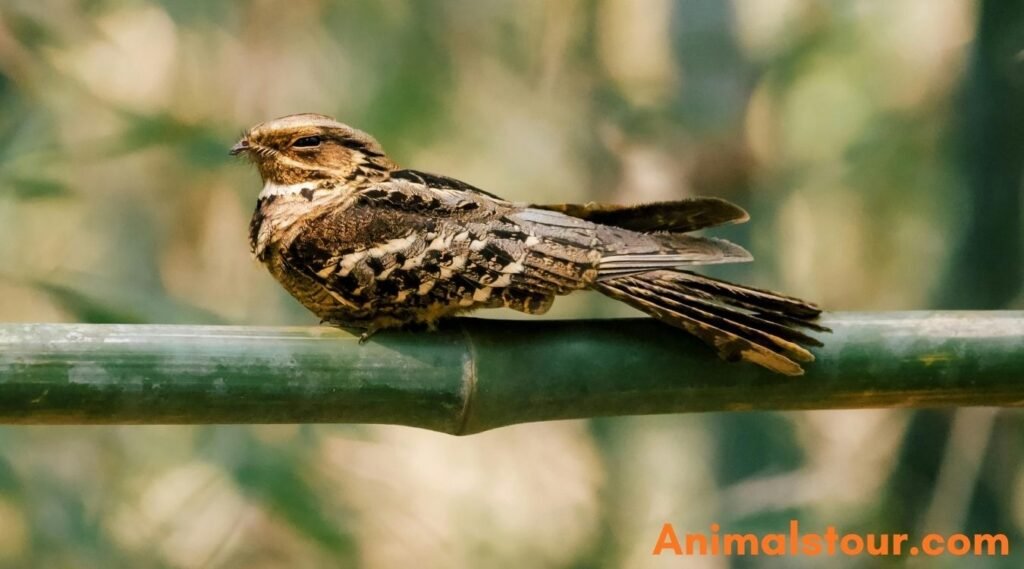
What makes the Common Poorwill especially intriguing is its adaptability. It doesn’t rely on a burrow or a nest but instead finds a sheltered spot among rocks or on the ground to settle in for its extended slumber. This behavior prompts many to ask, “What animals hibernate?” The answer goes beyond the usual suspects and highlights the diversity in hibernation tactics across the animal kingdom. By exploring such lesser-known examples like the Common Poorwill, we not only enrich our understanding of hibernating animals but also appreciate the complex strategies they employ to thrive in challenging environments.
Final Words
In conclusion, hibernation is an amazing survival strategy that helps animals like bears and ground squirrels endure harsh winter months. While they sleep, their bodies slow down, allowing them to use the fat stored up from the summer. This amazing process shows how nature has equipped these creatures to cope with tough conditions. Understanding hibernation not only deepens our appreciation for wildlife but also reminds us of the importance of protecting their habitats. Let’s keep our environment healthy so that these incredible animals can thrive for generations to come.
What are 5 animals that hibernate in the winter?
Bears, groundhogs, bats, hamsters, and several species of squirrels are prominent examples of animals that enter a state of hibernation to endure the harsh winter months.
Which animal hibernates the longest?
The Arctic Ground Squirrel is widely recognized for holding the record for the longest hibernation among mammals, entering a deep torpor that can last for as long as eight months.
What animals hibernate in the UK?
In the UK, animals that engage in true hibernation primarily include hedgehogs, dormice, and several species of bats.
Which animals pass the hibernation?
Various animals pass the hibernation, notably including mammals such as bears, groundhogs, and bats, as well as several species of reptiles like snakes and turtles, and amphibians like frogs, all of whom enter a state of metabolic depression to conserve energy and survive harsh environmental conditions.