Discover Top 20 Animals Similar to Foxes (With Images)
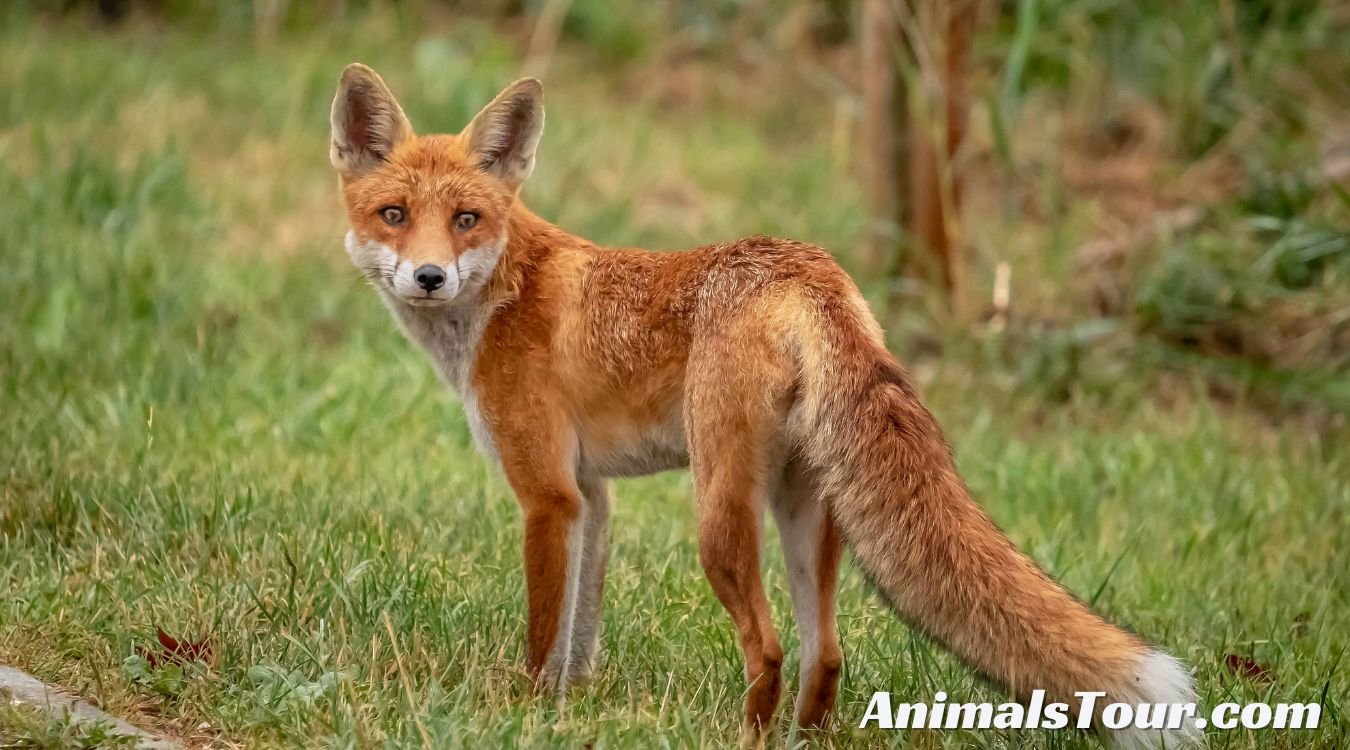
Foxes are famous for their pointed ears, bushy tails, sharp snouts, and clever, adaptable nature. But foxes aren’t the only creatures with this striking look and behavior. Around the world, there are many animals like foxes that share similar physical traits, hunting styles, or habitats. Whether you’re a wildlife enthusiast or simply curious about what Animals Similar to Foxes, this guide covers 20 fascinating creatures that fit the bill.
From canine cousins to unrelated species that evolved similar traits through convergent evolution, these animals similar to foxes prove that nature loves to repeat a good design. Let’s explore each one in detail.
List of Animals Similar to Foxes
Below is the list of animals like foxes in the world:
- Mole Rats
- Dholes
- Wolves
- Skunks
- Jackals
- Red Pandas
- Mountain Lions
- Culpeo
- Cats
- Domestic Dogs
- Margay
- Dingoes
- Coyotes
- Bobcats
- Weasels
- Raccoon Dogs
- Civets
- African Wild Dogs
- Mongooses
- Maned Wolf
Mole Rats
- Scientific name: Heterocephalus glaber (Naked mole-rat)
- Class: Mammalia
- Diet: Herbivore
- Unique characteristic: Almost hairless body with wrinkled skin
Mole rats might seem like an unusual entry on a list of animals like a fox, but the connection lies in their secretive, burrowing lifestyle and their small, alert faces. While they lack the classic bushy tail, their sharp incisors and pointed snouts give them a passing resemblance to a fox’s face when viewed up close. These rodents are highly social, living in complex underground colonies, and their survival instincts mirror the cunning reputation foxes are known for.
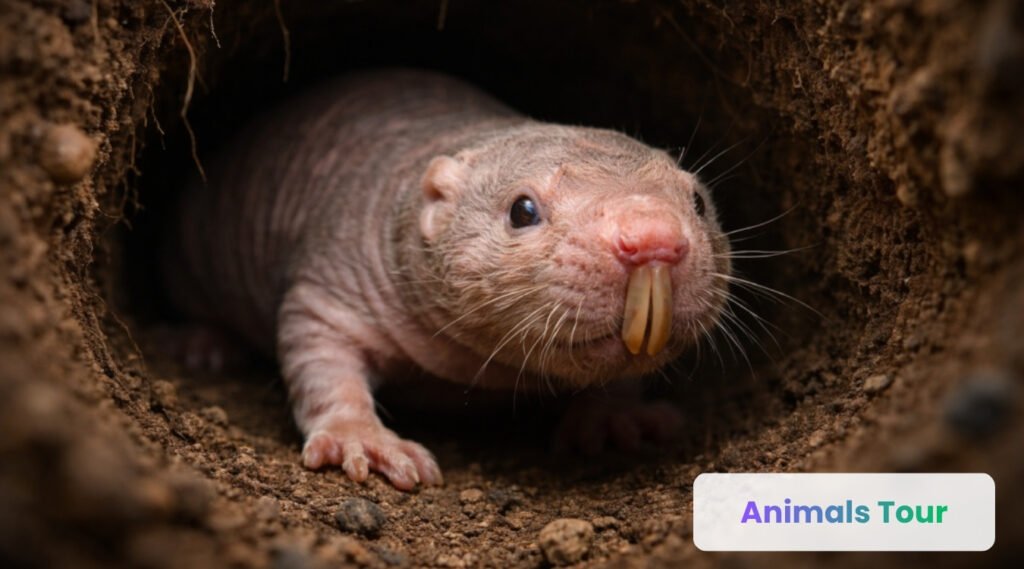
Naked mole rats and other mole rat species are found in Africa, thriving in harsh, arid environments much like some fox species do. Their adaptability to tough conditions, combined with their keen senses, makes them an interesting comparison point. While the resemblance is more behavioral and facial than physical overall, mole rats earn their spot among animals that look like a fox in a niche, specialized way.
Dholes
- Scientific name: Cuon alpinus
- Class: Mammalia
- Diet: Carnivore
- Unique Characteristic: Lacks a typical canine howl
Dholes, also known as Asiatic wild dogs, are one of the closest relatives to foxes in terms of family classification. Native to Asia, these reddish-brown canines have a fox-like coat color, pointed ears, and a slender build that makes them instantly recognizable as animals similar to foxes. Unlike foxes, however, dholes are highly social pack hunters, working together to take down prey much larger than themselves.
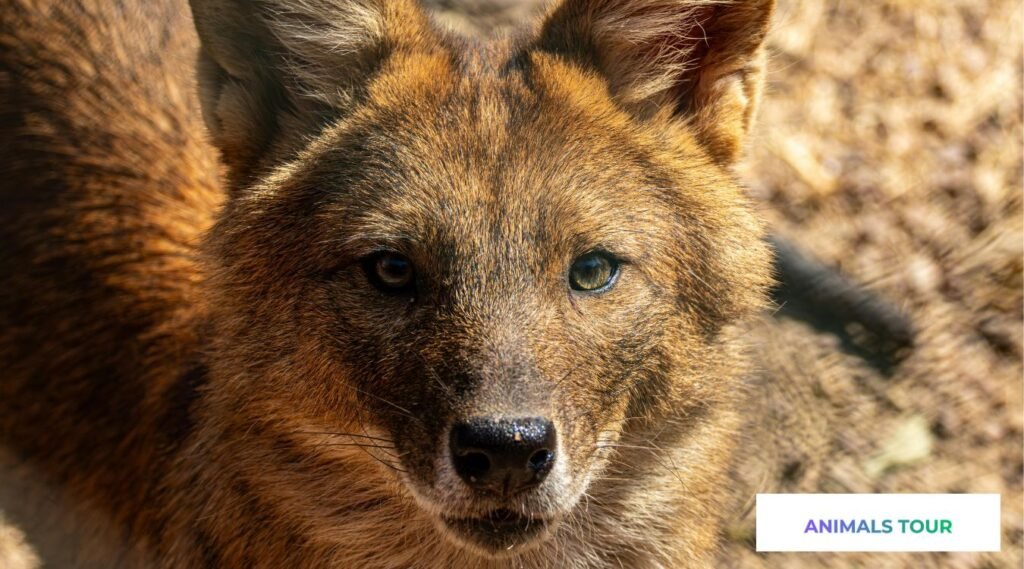
Dholes inhabit forests, grasslands, and mountainous regions across South and Southeast Asia. Their vocalizations, including whistles and screams, are unique among canines and help coordinate pack movements during hunts. With their russet fur and agile frame, dholes are often mistaken for large foxes at first glance, making them a fascinating example of what animal looks like a fox while behaving completely differently in social structure.
Wolves
- Scientific name: Canis lupus
- Class: Mammalia
- Diet: Carnivore
- Unique characteristic: Wolves hunt in highly organized packs with strong social hierarchies.
Wolves and foxes both belong to the Canidae family, which explains their shared characteristics like pointed ears, sharp teeth, and keen senses of smell. While wolves are significantly larger and live in structured packs, their facial features and alert posture often draw comparisons as animals like foxes. Gray wolves, in particular, showcase a similar russet or grizzled coat pattern in some subspecies.
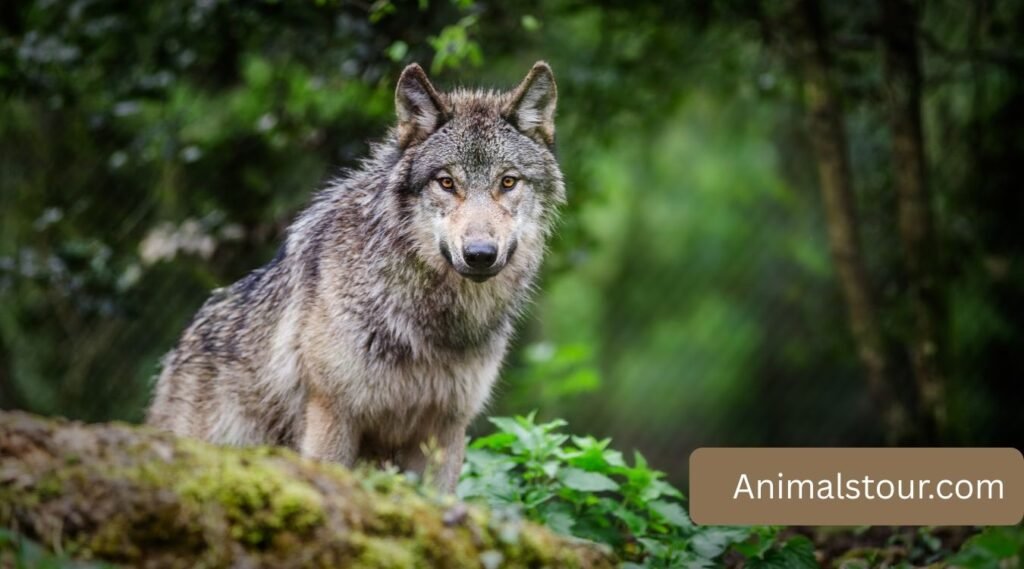
Wolves are apex predators found throughout North America, Europe, and Asia, thriving in diverse habitats from tundra to forests. Their intelligence, strategic hunting methods, and strong family bonds set them apart from the solitary fox, yet the evolutionary link is unmistakable. For anyone studying canine behavior, wolves offer a compelling look at how a shared ancestry can produce both similarities and stark differences among animals that look like a fox.
Skunks
- Scientific name: Mephitis mephitis
- Class: Mammalia
- Diet: Omnivore
- Unique characteristic: Skunks can spray a powerful, foul-smelling liquid from their scent glands as a highly effective defense mechanism
Skunks are famous for their black-and-white coloring and their potent defensive spray, but their body shape and pointed snout give them a surprising resemblance to foxes. Their bushy tails, in particular, are a striking similarity, often held high while walking, much like a fox’s signature tail. This has led many people to list skunks among animals like a fox when spotted in low light or from a distance.
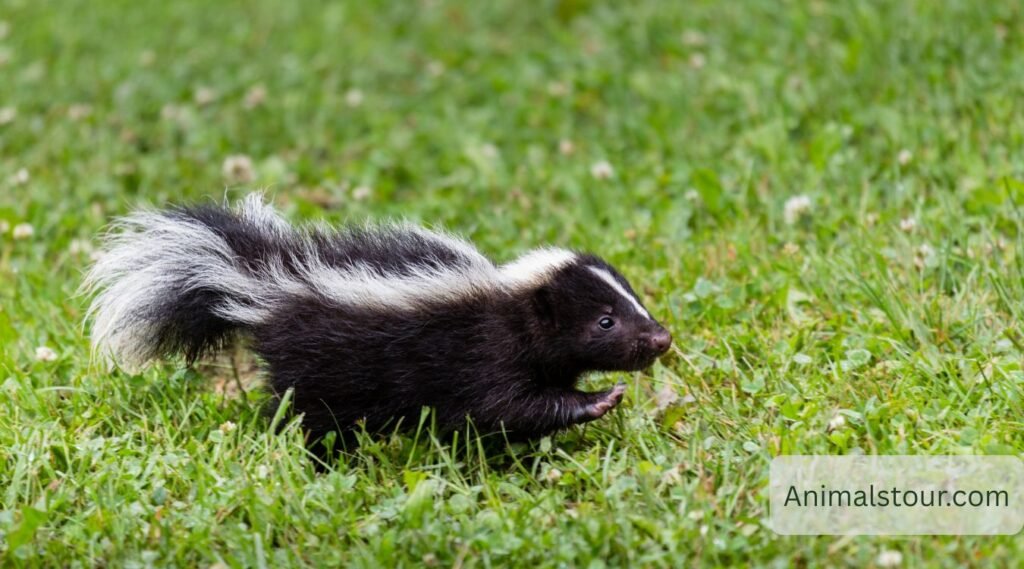
Found throughout the Americas, skunks are omnivorous and nocturnal, foraging for insects, small rodents, and plants. Despite their unrelated evolutionary path, their compact bodies and expressive faces create enough visual overlap that they’re frequently included in discussions of animals similar to foxes, especially by those unfamiliar with their distinct markings until it’s too late to avoid the smell.
Jackals
- Scientific name: Canis aureus
- Class: Mammalia
- Diet: Omnivore
- Unique characteristic: Often form monogamous pairs that hunt and scavenge together.
Jackals are close relatives of foxes and wolves, sharing the same family tree within Canidae. With their slender legs, pointed ears, and golden or black-backed fur, jackals are often described as animals that look like a fox due to their similar size and agile movement. They are opportunistic feeders, much like foxes, scavenging and hunting small prey across their range.
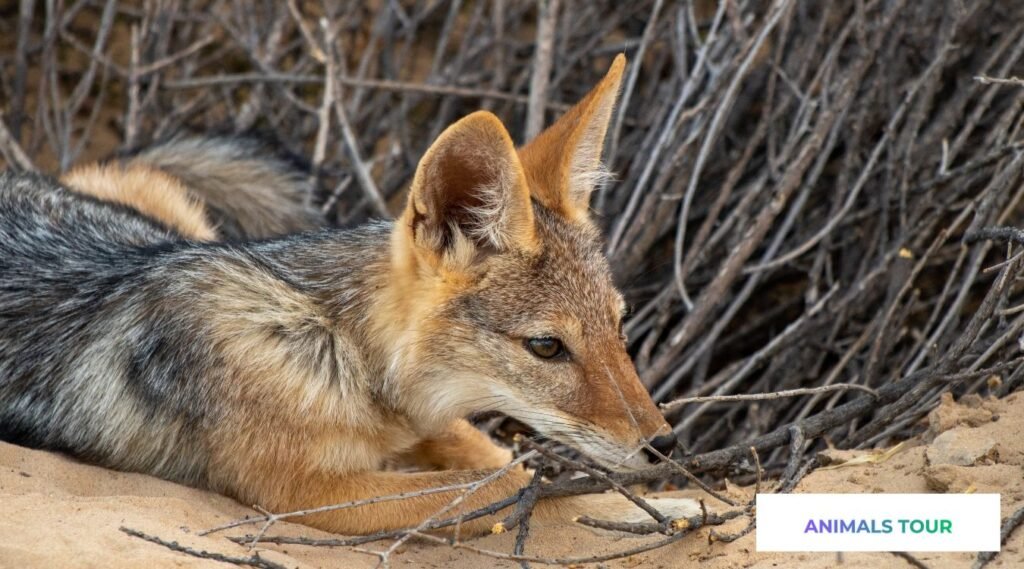
Native to Africa, Asia, and parts of Europe, jackals are highly adaptable and can thrive in savannas, deserts, and even urban fringes. Their monogamous pairing behavior and territorial nature echo traits seen in red foxes, reinforcing why jackals consistently appear on lists of animals like foxes. Their haunting calls at dusk are a familiar sound across the landscapes they inhabit.
Red Pandas
- Scientific name: Ailurus fulgens
- Class: Mammalia
- Diet: Herbivore (primarily bamboo)
- Unique characteristic: They have a false thumb (an extended wrist bone) that helps them grasp bamboo and branches.
Despite their name, red pandas are not closely related to foxes, but their rusty-red fur, bushy ringed tail, and pointed facial features make them a visually striking match. Native to the Himalayas and parts of China, red pandas are arboreal creatures, spending much of their time in trees, which is quite different from the ground-dwelling fox. Still, their coloring alone earns them a spot among animals similar to foxes.
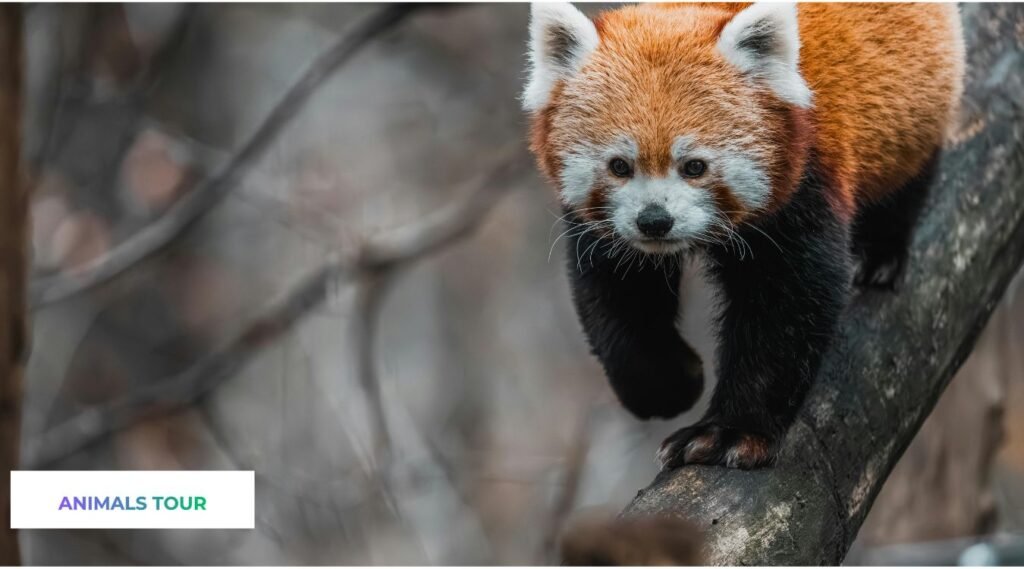
Red pandas are solitary and shy, using their bushy tails for balance while climbing and as a wrap for warmth in cold mountain climates. Their diet consists mainly of bamboo, supplemented with fruits and insects. This unique combination of fox-like appearance and panda-like habits makes red pandas one of the most charming examples of what animal looks like a fox without any direct genetic connection.
Mountain Lions
- Scientific name: Puma concolor
- Class: Mammalia
- Diet: Carnivore
- Unique characteristic: They are solitary and highly territorial.
Mountain lions, also known as cougars or pumas, share a tawny coat color reminiscent of certain fox species, along with a lean, muscular build built for stealth. While significantly larger than any fox, their facial structure, alert ears, and solitary hunting style draw comparisons as animals like a fox in terms of behavior and coloring, particularly in areas where red foxes also roam.
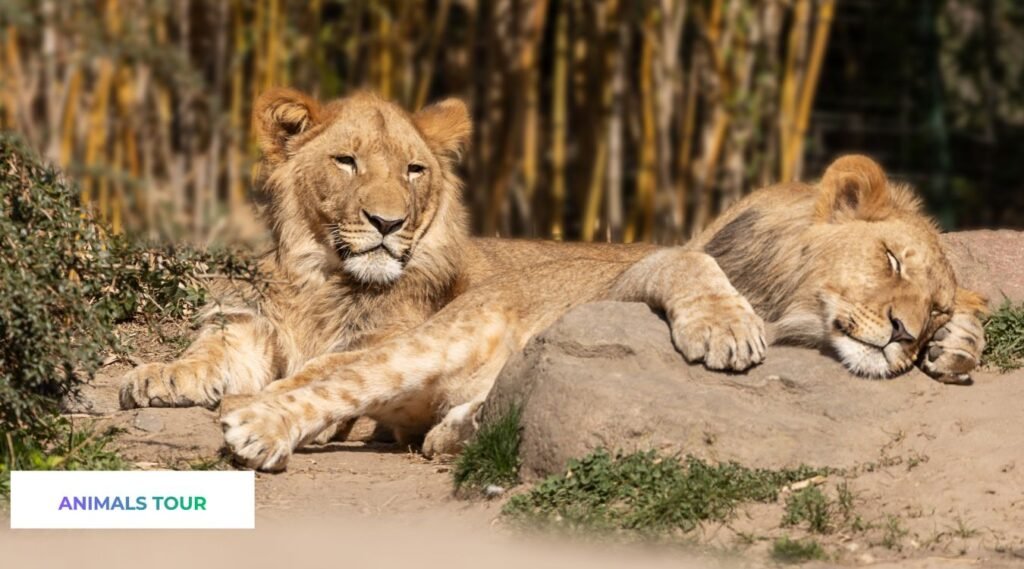
Found throughout the Americas, mountain lions are elusive predators that rely on ambush tactics rather than pack hunting. Their adaptability to various terrains, from mountains to deserts, mirrors the resourcefulness foxes are known for. Though taxonomically distant, mountain lions remain a popular comparison among animals that look like a fox due to shared coloring and predatory instincts.
Culpeo
- Scientific name: Lycalopex culpaeus
- Class: Mammalia
- Diet: Carnivore
- Unique characteristic: Second-largest canid in South America and is known for its adaptability to diverse habitats, from mountains to deserts.
The culpeo, also called the Andean fox, is actually a wild dog species native to South America, closely resembling a true fox in both appearance and name. With its grayish-brown coat, bushy tail, and pointed snout, the culpeo is one of the most accurate animals similar to foxes on this list, despite belonging to a different genus than red foxes.
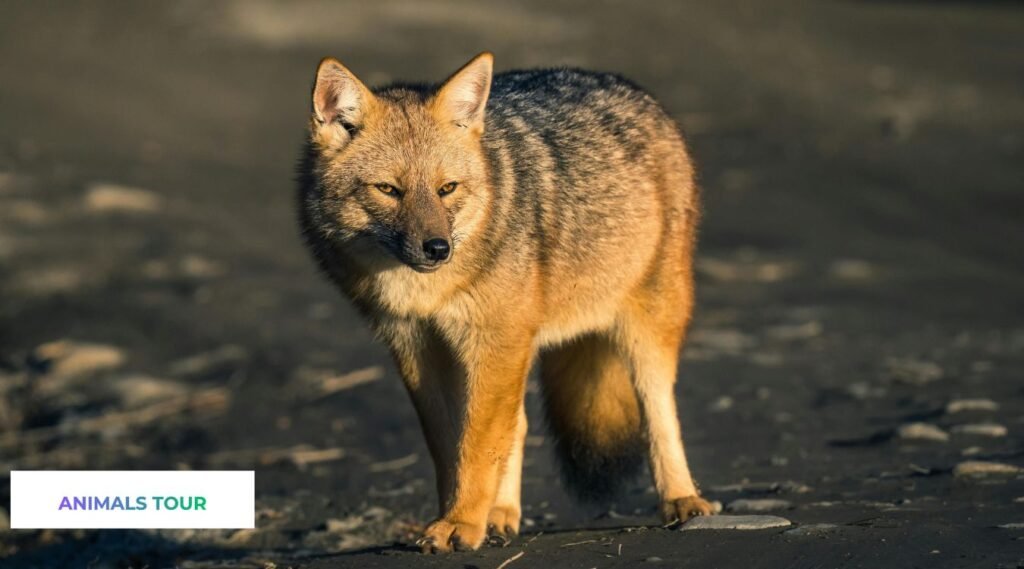
Culpeos inhabit the Andes mountains and surrounding regions, preying on rodents, birds, and rabbits. They are the second-largest native canid in South America and play an important ecological role as both predator and scavenger. Their close resemblance to true foxes, combined with their independent hunting style, makes the culpeo a standout example of what animal looks like a fox in the wild landscapes of South America.
Cats
- Scientific name: Felis catus
- Class: Mammalia
- Diet: Carnivore
- Unique characteristic: Exceptional night vision and highly sensitive whiskers.
Domestic and wild cats might seem like an unlikely comparison, but certain breeds and wild feline species share fox-like facial features, especially around the eyes and ears. Cats with reddish or orange fur, pointed ears, and slender bodies are often mistaken for young foxes, particularly certain tabby patterns that echo a fox’s coloring, making them a common entry in searches for animals like foxes.
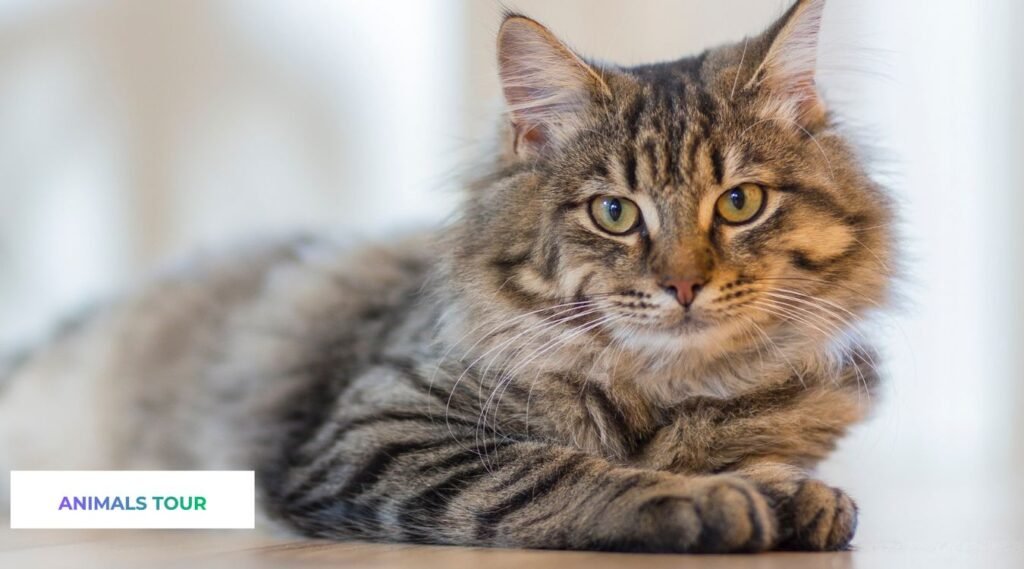
Beyond appearance, cats and foxes share behavioral traits too, including their crepuscular activity patterns, hunting techniques, and independent, solitary nature. Both are skilled climbers and stalkers, relying on stealth rather than pack strategy. This overlap in both look and lifestyle is why cats frequently show up when people search for animals that look like a fox in residential and rural areas alike.
Domestic Dogs
- Scientific name: Canis lupus familiaris
- Class: Mammalia
- Diet: Omnivore
- Unique characteristic: Loyal
Certain dog breeds bear an uncanny resemblance to foxes, particularly the Shiba Inu, Pomeranian, and Finnish Spitz. These breeds share the pointed ears, thick double coats, and expressive almond-shaped eyes that define the fox look. It’s no surprise that many dog owners are told their pets look just like foxes, cementing domestic dogs as one of the most relatable animals like a fox for everyday people.

These breeds often originate from regions where wild canids like foxes and wolves were common, leading to natural selection for similar traits suited to cold climates and alert temperaments. Their fluffy tails, curled or straight, further add to the resemblance. For anyone wondering what animal looks like a fox without leaving their neighborhood, these charming dog breeds are often the closest and most accessible answer.
Margay
- Scientific name: Leopardus wiedii
- Class: Mammalia
- Diet: Carnivore
- Unique characteristic: Agile
The margay is a small wild cat native to Central and South America, known for its large eyes, spotted coat, and long tail. While its spotted pattern differs from a fox’s solid coloring, its slender build, pointed ears, and nocturnal hunting habits place it among animals similar to foxes in terms of ecological niche and agility.
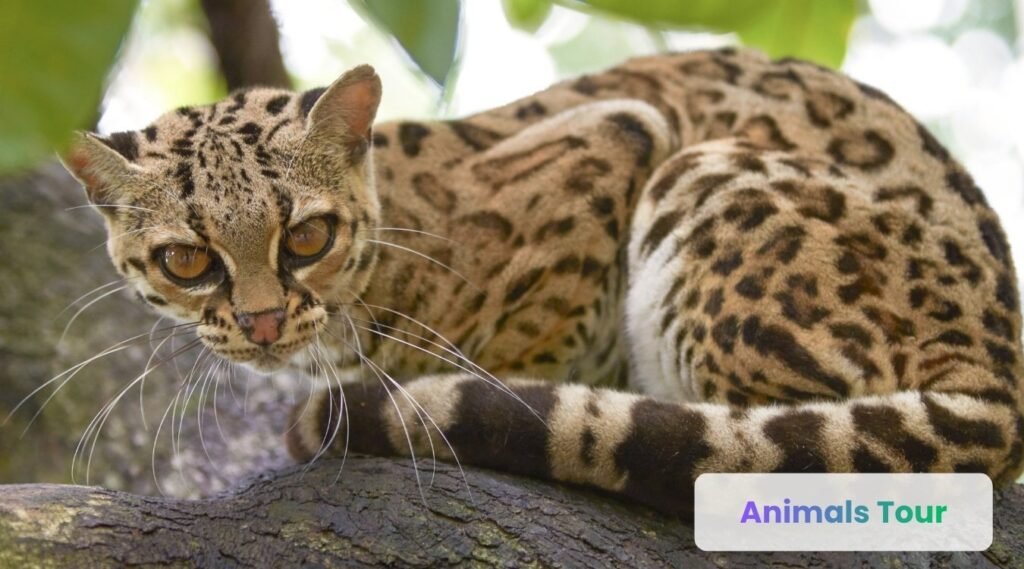
Margays are exceptional climbers, even capable of descending trees headfirst thanks to their flexible ankle joints, a trait not shared by foxes but impressive nonetheless. Their solitary lifestyle and preference for dense forest habitats mirror the elusive nature of many fox species. This combination of stealth and agility makes the margay a compelling addition to the list of animals that look like a fox in the tropical regions of the Americas.
Dingoes
- Scientific name: Canis dingo
- Class: Mammalia
- Diet: Carnivore
- Unique characteristic: Wild
Dingoes are wild dogs native to Australia, with a tan or reddish coat that closely resembles the coloring of a red fox. Their upright ears, bushy tails, and lean bodies contribute to their classification as one of the more convincing animals like foxes, especially to those unfamiliar with Australian wildlife encountering one for the first time.
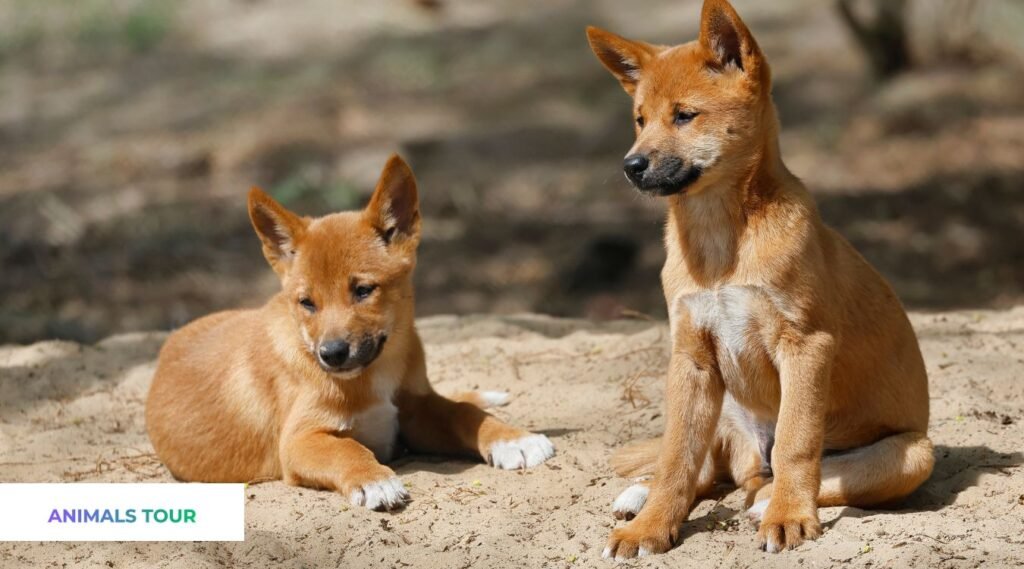
Dingoes are apex predators in their ecosystem, hunting everything from small mammals to larger prey when in packs. Their independent, adaptable nature closely parallels the resourcefulness of foxes, and both species are known for their intelligence and problem-solving abilities. Whether spotted in the Outback or in coastal regions, dingoes remain one of the most talked-about animals that look like a fox in the Southern Hemisphere.
Coyotes
- Scientific name: Canis latrans
- Class: Mammalia
- Diet: Omnivore
- Unique characteristic: Cunning
Coyotes are perhaps one of the most fox-like canines in North America, sharing similar coloring, pointed ears, and a slender snout. Though larger than most fox species, their agile movement and cautious, opportunistic behavior make them a frequent point of confusion for people trying to identify what animal looks like a fox in suburban and rural settings.
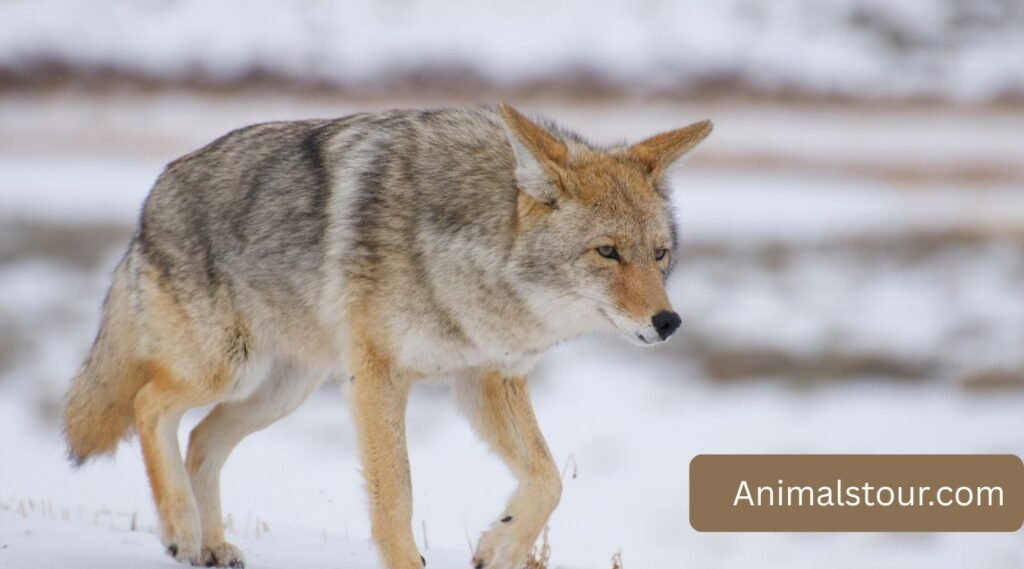
Highly adaptable, coyotes have expanded their range across nearly all of North America, thriving in forests, deserts, and even urban environments. Their omnivorous diet and social flexibility, sometimes hunting alone and sometimes in small family groups, echo the survival strategies seen in foxes. This adaptability is a major reason coyotes are so often grouped with animals similar to foxes in wildlife guides and casual observation alike.
Bobcats
- Scientific name: Lynx rufus
- Class: Mammalia
- Diet: Carnivore
- Unique characteristic: Stealthy
Bobcats, with their tufted ears, spotted coat, and short tail, might not seem like an obvious match, but their facial structure and stealthy hunting style create a notable resemblance to foxes. Their reddish-brown fur variations, in particular, can closely mimic the color of a red fox, making them a surprising entry among animals like a fox in North American wildlife.
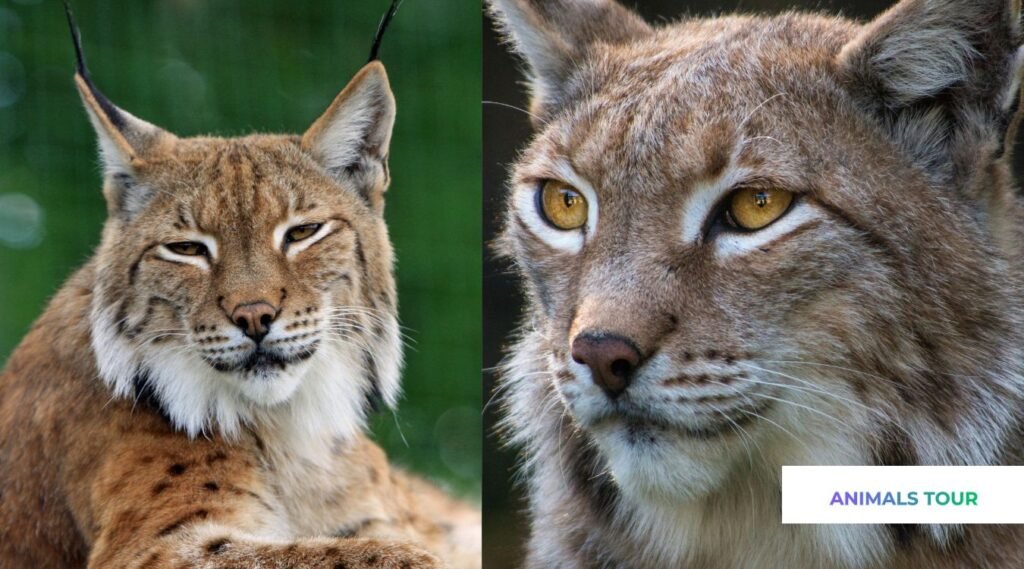
Found throughout the United States, Mexico, and southern Canada, bobcats are solitary, territorial hunters that rely on patience and ambush tactics. Their adaptability to forests, swamps, and even semi-urban areas mirrors the fox’s own resourcefulness. For those exploring animals that look like a fox in feline form, the bobcat offers a compelling case with its sharp features and quiet, elusive presence.
Weasels
- Scientific name: Mustela nivalis
- Class: Mammalia
- Diet: Carnivore
- Unique characteristic: Agile
Weasels share a similar elongated body and pointed face with foxes, though on a much smaller scale. Their quick, agile movements and keen hunting instincts reflect the same predatory sharpness foxes are known for, and their reddish-brown fur in certain seasons adds to the visual comparison, placing them among lesser-known animals similar to foxes.
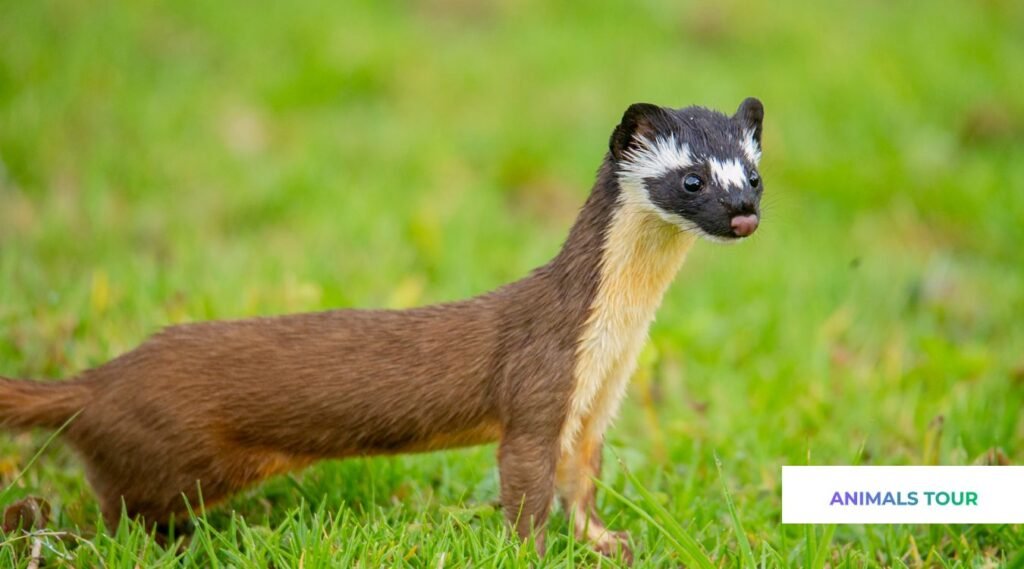
These small carnivores are found across the Northern Hemisphere, thriving in a variety of habitats from forests to grasslands. Weasels are fierce hunters despite their small size, capable of taking down prey larger than themselves, a trait that echoes the tenacity of foxes. Their slender, low-to-the-ground build and sharp instincts make weasels a fitting, if often overlooked, example of animals that look like a fox in miniature form.
Raccoon Dogs
- Scientific name: Nyctereutes procyonoides
- Class: Mammalia
- Diet: Omnivore
- Unique characteristic: Nocturnal
Raccoon dogs are a unique canid species native to East Asia, with a mixed appearance that blends fox-like facial features with raccoon-style markings. Their pointed snouts, upright ears, and grayish-brown fur make them a genuine contender among animals like foxes, despite their unusual raccoon-inspired mask pattern around the eyes.
Unlike most canids, raccoon dogs are known to hibernate during the coldest months, a behavior almost unheard of in the fox family. They are omnivorous, feeding on insects, fruits, and small animals, and are found in wooded and marshy areas across Japan, China, and parts of Europe where they’ve been introduced. This blend of canine and unique biological traits makes raccoon dogs one of the most distinctive animals that look like a fox in the world.
Civets
- Scientific name: Viverra civetta
- Class: Mammalia
- Diet: Omnivore
- Unique characteristic: Nocturnal
Civets are small, nocturnal mammals native to Africa and Asia, with a pointed face and slender body that can resemble a fox at first glance, especially in dim lighting. Their long tails and cautious, secretive behavior further contribute to their classification among animals similar to foxes, even though they belong to an entirely different family.
Civets are omnivorous and play an important role in their ecosystems as seed dispersers, thanks to their fruit-heavy diet. Their solitary, territorial nature and nighttime activity patterns closely align with the behavior of many fox species. Though not closely related, the civet’s sleek build and alert, watchful expression make it a fascinating answer to the question of what animal looks like a fox in tropical and subtropical regions.
African Wild Dogs
- Scientific name: Lycaon pictus
- Class: Mammalia
- Diet: Carnivore
- Unique characteristic: Cooperative
African wild dogs, also known as painted wolves, have a lean build and large, rounded ears reminiscent of a fox’s alert posture, though their mottled coat pattern is entirely unique. Their pack-oriented lifestyle contrasts with the solitary fox, but their agile movement and sharp facial features still earn them a place among animals like a fox in terms of overall silhouette.
Native to sub-Saharan Africa, these highly social canines hunt cooperatively, achieving impressive success rates compared to many other predators. Their strong family bonds and communication through vocalizations and body language showcase a level of social complexity beyond typical fox behavior. Still, their canine features and sharp, attentive expressions make African wild dogs a compelling entry among animals that look like a fox on the African savanna.
Mongooses
- Scientific name: Herpestes ichneumon
- Class: Mammalia
- Diet: Omnivore
- Unique characteristic: Agile
Mongooses have a slender, elongated body and a pointed snout that can create a passing resemblance to a fox, particularly in certain lighting or from a distance. Their quick, darting movements and sharp instincts for hunting small prey, including snakes, echo the agility associated with foxes, making them an interesting addition to animals similar to foxes.
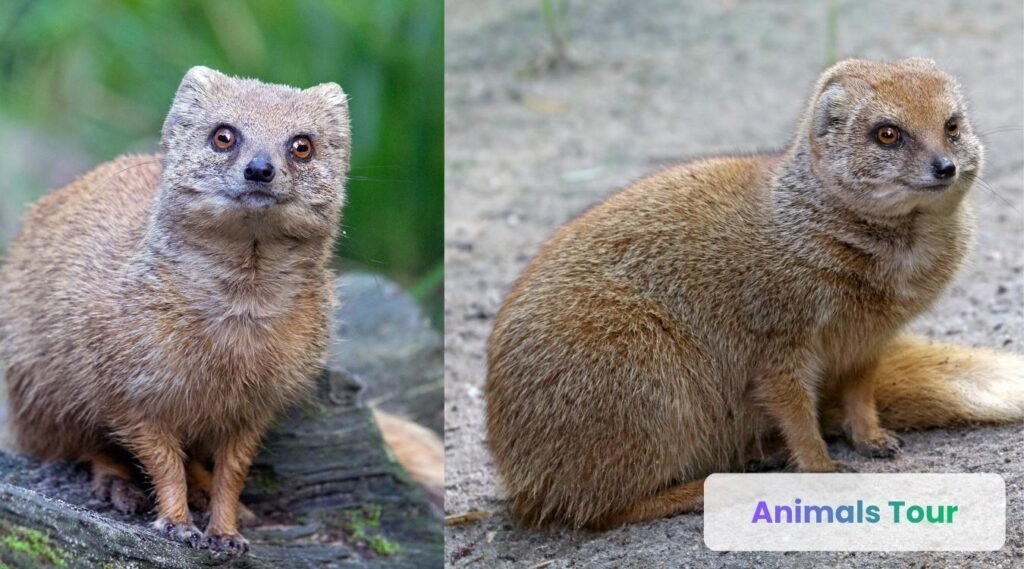
Found across Africa, Asia, and parts of Europe, mongooses are known for their fearlessness, particularly when confronting venomous snakes. Their social structures vary by species, ranging from solitary to highly communal, similar to the behavioral diversity seen across different fox species. This combination of physical agility and bold hunting behavior makes mongooses a unique example of animals that look like a fox despite their very different evolutionary background.
Maned Wolf
- Scientific name: Chrysocyon brachyurus
- Class: Mammalia
- Diet: Omnivore
- Unique characteristic: Solitary
The maned wolf is often called a “fox on stilts” due to its long legs, reddish coat, and pointed ears that closely resemble a red fox scaled up in size. Native to South America, this striking canid is neither a true wolf nor a fox but shares enough visual traits to be one of the most frequently mentioned animals like a fox in wildlife discussions.
Maned wolves are solitary hunters, preying on small mammals, birds, and even fruit, particularly the wolf apple, which makes up a significant part of their diet. Their long legs are believed to be an adaptation for seeing over tall grasslands in their native habitat. With their fox-like face and unmistakable reddish fur, maned wolves stand out as one of the most iconic animals that look like a fox despite their much larger frame.
Final Thoughts
From close canine relatives like wolves and jackals to unrelated species like red pandas and civets, the animal kingdom is full of creatures that share a fox’s sharp features, clever behavior, or striking coloring. Whether through shared ancestry or convergent evolution, these 20 animals like foxes show just how many ways nature can arrive at a similar, successful design.
Next time you spot a reddish, pointed-eared creature darting through the underbrush, take a closer look; it might not be a fox at all, but one of these fascinating look-alikes.
FAQs
What type of Animals are similar to foxes?
Animals similar to foxes include raccoons, jackals, coyotes, and ferrets, all sharing similar traits or habitats.
Are All Fox-Like Animals Part of the Canidae Family?
No, while many, like jackals and coyotes, belong to the Canidae family, others, like ferrets and raccoons, belong to different families.
What Characteristics Do These Animals Share with Foxes?
Many of these animals share traits like agility, adaptability, and similar diets that often include small mammals and fruits.
What Animals are Closest to Foxes?
Foxes are closely related to dogs and wolves. The canine family also includes coyotes, jackals, and even raccoons.
Why do some cats and dogs look like foxes?
Certain domestic dog breeds, such as the Shiba Inu and Pomeranian, were bred in regions where wild canids were common, leading to similar traits like pointed ears and thick coats. Some cats, particularly those with reddish or orange fur, share comparable facial structures and coloring purely by coincidence rather than shared ancestry.
Is a red panda related to a fox?
No, red pandas are not related to foxes. They belong to their own unique family, Ailuridae, and are more closely related to raccoons and weasels than to any canid. Their reddish fur and bushy tail simply create a visual resemblance to foxes.
What is the largest animal that looks like a fox?
The maned wolf is often considered the largest fox-like animal due to its long legs, reddish coat, and pointed ears, though it is neither a true wolf nor a fox. Mountain lions and African wild dogs are also larger predators that share some fox-like facial or coloring traits.