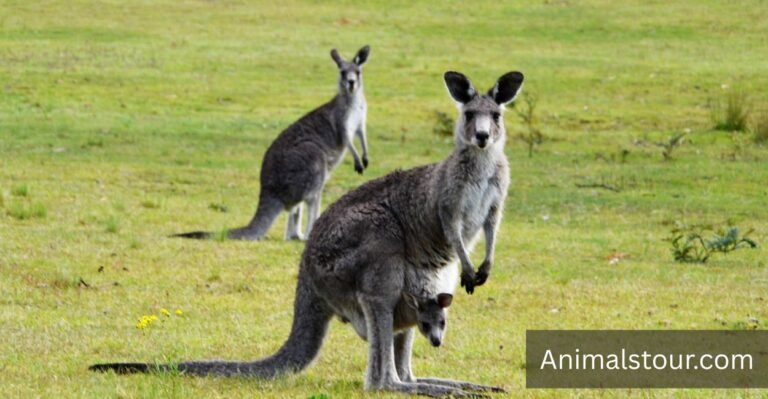
Top 18 Animals With Hooves: Complete Guide To Hoofed Mammals, Habits, Diets & Fun Facts
Get ready to discover the incredible world of animals with hooves. This guide will introduce you to 18 hoofed mammals, from the powerful rhinoceros to the speedy gazelle. We’ll explore where these amazing creatures live, what they like to eat, how they behave, and share some fun, surprising facts about each one. You’ll learn all about the special features that make these hoofed animals so unique and important in nature. So let’s dive in and explore the diverse and exciting lives of these wonderful creatures.
What Are Animals With Hooves?
Animals with hooves are creatures that have hard, tough coverings on their feet. A hoof is like a big, strong toenail that protects the end of their toes, helping them walk, run, and stand on all sorts of ground without getting hurt. You can see hooves on common farm animals like horses, cows, and pigs, as well as wild animals such as deer, zebras, and giraffes. Some animals have hooves that are split into two parts, while others have one solid hoof. These special feet are very important for how these animals move and live their lives.
Table Of Animals With Hooves
| Rank | Animal | Scientific Name | Class | Diet |
| 1 | Horse | Equus ferus caballus | Mammalia | Herbivore |
| 2 | Donkey | Equus africanus asinus | Mammalia | Herbivore |
| 3 | Zebra | Equus quagga | Mammalia | Herbivore |
| 4 | Cow | Bos taurus | Mammalia | Herbivore |
| 5 | Bison | Bison bison | Mammalia | Herbivore |
| 6 | Buffalo | Syncerus caffer | Mammalia | Herbivore |
| 7 | Goat | Capra hircus | Mammalia | Herbivore |
| 8 | Sheep | Ovis aries | Mammalia | Herbivore |
| 9 | Deer | Cervus elaphus | Mammalia | Herbivore |
| 10 | Moose | Alces alces | Mammalia | Herbivore |
| 11 | Elk | Cervus canadensis | Mammalia | Herbivore |
| 12 | Antelope | Antilocapra americana | Mammalia | Herbivore |
| 13 | Giraffe | Giraffa camelopardalis | Mammalia | Herbivore |
| 14 | Camel | Camelus dromedarius | Mammalia | Herbivore |
| 15 | Pig | Sus scrofa domesticus | Mammalia | Omnivore |
| 16 | Wild Boar | Sus scrofa | Mammalia | Omnivore |
| 17 | Hippopotamus | Hippopotamus amphibius | Mammalia | Herbivore |
| 18 | Rhinoceros | Rhinoceros unicornis | Mammalia | Herbivore |
Detailed Look At Animals With Hooves
Horse
Scientific Name: Equus ferus caballus
Class: Mammalia
Diet: Herbivore
Horses are amazing animals with strong hooves, and it’s fun to learn all about their daily lives, what they eat, and some cool facts. These animals with hooves often spend their time running and playing in fields. These gentle giants love to live in groups, called herds, and often sleep standing up, though they do lie down for deeper rest.
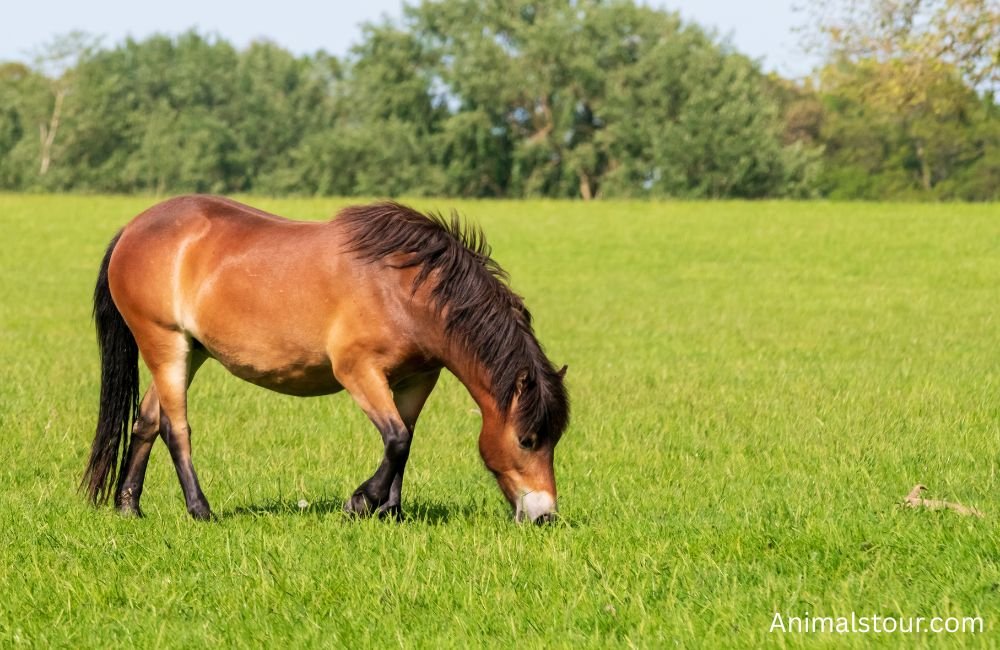
When it comes to food, horses mostly munch on grass and hay, but they also like special horse feed and yummy treats such as carrots or apples. A neat fact is that horses have very big eyes that let them see almost all around them, and their hooves are like our fingernails, needing regular care to stay healthy. Understanding these habits, diets, and unique traits helps us appreciate just how special horses truly are.
Fun facts: A horse can sleep both standing up and lying down depending on its safety level.
Donkey
Scientific Name: Equus africanus asinus
Class: Mammalia
Diet: Herbivore
A donkey is a strong animal with special hard feet called hooves, and it lives a useful life in many places. These animals are very good at living in tough places, often eating simple plants like grass, hay, and even some leaves. Their strong hooves help them walk over rough ground, and they are important working animals for people, often carrying heavy loads or pulling carts.
You can find donkeys living all over the world, especially in dry, warm areas, but also on farms where they help people every day. In short, donkeys are useful animals with strong hooves who live by eating plants and helping people in many places.
Fun facts: A donkey can remember places and other donkeys for many years.
Zebra
Scientific Name: Equus quagga
Class: Mammalia
Diet: Herbivore
Zebras are striped horses that live in Africa, and their whole life is built around staying safe and finding food. Their strong hooves are essential for running very fast to escape predators like lions. These animals live in large family groups called herds, where they help each other by staying alert for danger and warning one another.
Zebras are herbivores, meaning they eat only plants, and their main food source is the abundant grass found in their habitat. You can find them roaming the wide-open grasslands and savannas of central and southern Africa. All these aspects, from their specialized hooves to their social living and diet, help zebras thrive in their natural environment.
Fun facts: Every zebra has a completely unique stripe pattern, similar to a human fingerprint.
Cow
Scientific Name: Bos taurus
Class: Mammalia
Diet: Herbivore
Cows are common farm animals that are very useful to us. Their strong hooves are like hard shoes, helping them walk easily across fields to find food.Cows usually live together in groups called herds, spending much of their day eating and resting in open fields.
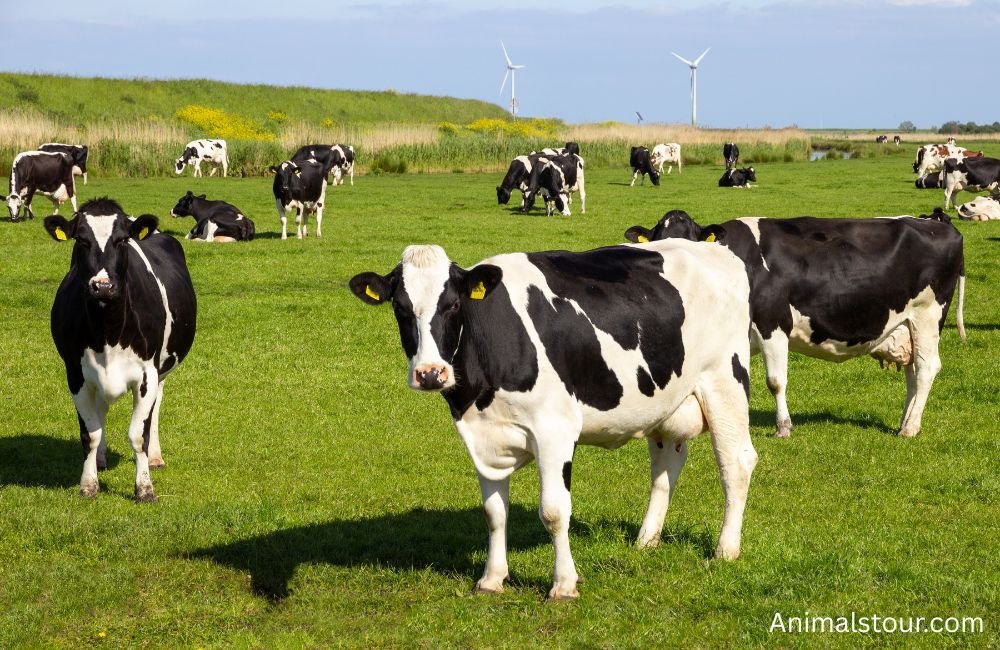
Their main food is grass, which they chew slowly, along with hay, which is dried grass. Cows play a big role by giving us milk for drinking and making cheese, and they also provide meat. Most cows live on farms where people take care of them, though some can be found grazing freely in large pastures.
Fun facts: Cows can recognize and remember individual herd members for long periods.
Bison
Scientific Name: Bison bison
Class: Mammalia
Diet: Herbivore
Bison are large, strong animals that live mostly on wide-open lands like plains and prairies. Their tough hooves are very important, helping them walk long distances and even push aside snow to find grass to eat. These big animals live together in large groups called herds, mainly across North America.
Bison are plant-eaters, and they mostly eat grass, which is their main food, using their strong mouths to pull it up. They play a big part in their living spaces by grazing, which helps keep the grasslands healthy, and their movements also help the soil. Overall, bison are amazing creatures that are a key part of the natural places where they live.
Fun facts: Bison can run faster than humans and even jump over fences when startled.
Buffalo
Scientific Name: Syncerus caffer
Class: Mammalia
Diet: Herbivore
Buffalo are big, strong animals that live in nature, and everything about them helps them survive. Their tough hooves are like strong shoes, letting them walk easily over all kinds of ground, whether it’s soft earth or rough rocks, and even help them move quickly when needed. They get their food by eating lots of grass and other plants, spending much of their day grazing in open fields. This eating habit is important because it helps keep the land healthy by stopping plants from growing too tall, which in turn helps other animals too.
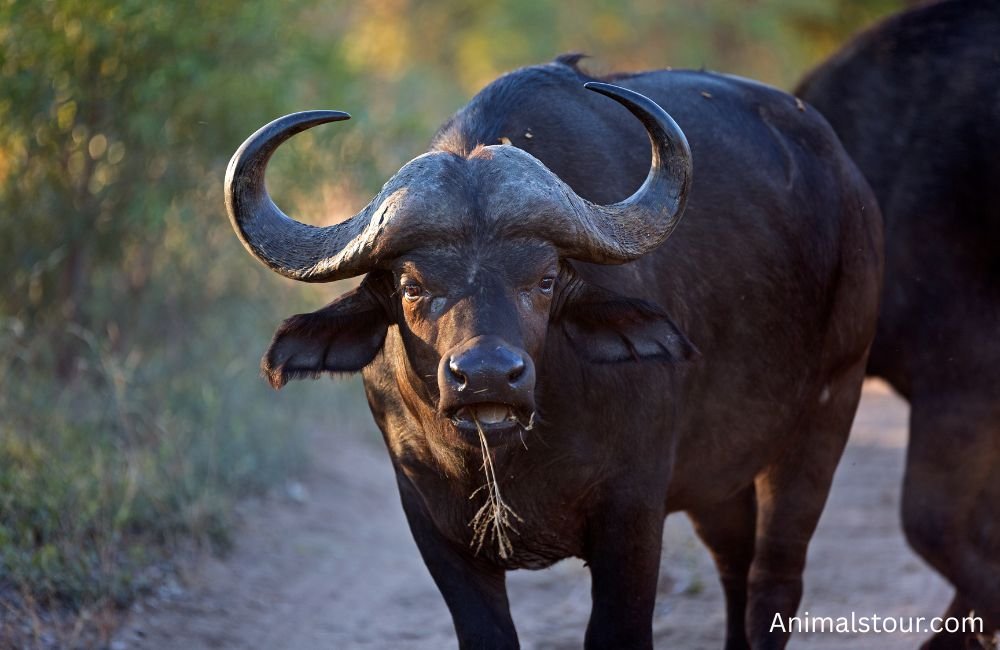
Buffalo live mostly in warm places with lots of grass, like the big plains in Africa and some parts of Asia, often staying near water. All these parts of their life, like their strong hooves and what they eat, show how they fit perfectly into the world they live in.
Fun facts: Buffalo are known to protect injured or young herd members from predators.
Goat
Scientific Name: Capra hircus
Class: Mammalia
Diet: Herbivore
Goats are hardy animals known for their special hooves, diverse eating habits, and important role in their homes. Their strong, split hooves help them climb steep hills and rocky places with ease, making them excellent at moving over tricky ground. These active creatures live in groups and are very good at finding food and surviving in many different places, showing their tough nature. Goats eat many kinds of plants, like grass, leaves, and bushes, which is called browsing, helping them clear land effectively.
In their environments, whether on farms or in wild mountains, they help control plant growth and often provide milk, meat, and wool for people. You can find goats living on farms, in wild mountains, and even dry areas all over the world, proving how well they can adapt. These adaptable animals truly thrive in many places thanks to their unique traits and ability to make a living.
Fun facts: Goats can climb nearly vertical rocks to reach food or escape predators.
Sheep
Scientific Name: Ovis aries
Class: Mammalia
Diet: Herbivore
Sheep are gentle animals that live in many parts of the world. Their hard hooves help them walk and climb easily over different types of ground, from soft grass to rocky hills. These animals usually live together in big groups called flocks, which helps them feel safe.
Sheep love to eat grass and other small plants, spending much of their day grazing in fields. This constant eating helps keep the land healthy, and it’s how they get all the energy they need to live. You can find sheep living on farms, in open fields, or on grassy mountainsides, well-adapted to their outdoor homes.
Fun facts: Sheep can recognize faces of other sheep and even humans for extended periods.
Deer
Scientific Name: Cervus elaphus
Class: Mammalia
Diet: Herbivore
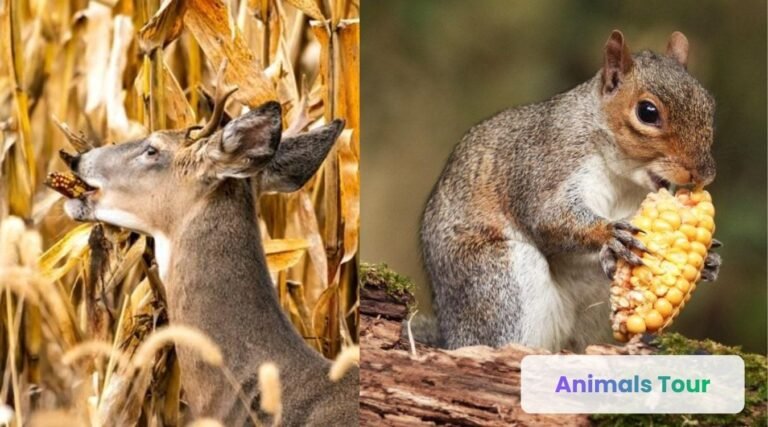
Deer are common animals known for their special hooves and how they live in the wild. Their strong hooves help them walk and run very fast through forests and fields, letting them move easily. Deer usually live in groups, called herds, and are always looking out for danger, often being most active early in the morning or late in the evening.
They eat only plants, like leaves, twigs, grass, and berries, making them plant-eaters that graze on many different greens. In nature, deer play a part by eating plants, which helps shape the land, and they can also be food for other animals like wolves. You can find deer in many places, from thick forests to open grasslands and even sometimes close to farms. All these things together show how deer are a key part of the natural world, perfectly suited to their homes.
Fun facts: Deer can run swiftly and jump over obstacles up to 8 feet high when escaping danger
Moose
Scientific Name: Alces alces
Class: Mammalia
Diet: Herbivore
Moose are large, interesting animals perfectly adapted to live in their cold forest homes, thanks in part to their special hooves. Their big, wide hooves work like snowshoes, stopping them from sinking into deep snow, and they also use them to dig for food or for protection. These majestic creatures live in chilly forests across places like Canada, Alaska, and northern parts of Europe and Asia, where plenty of trees and water can be found.
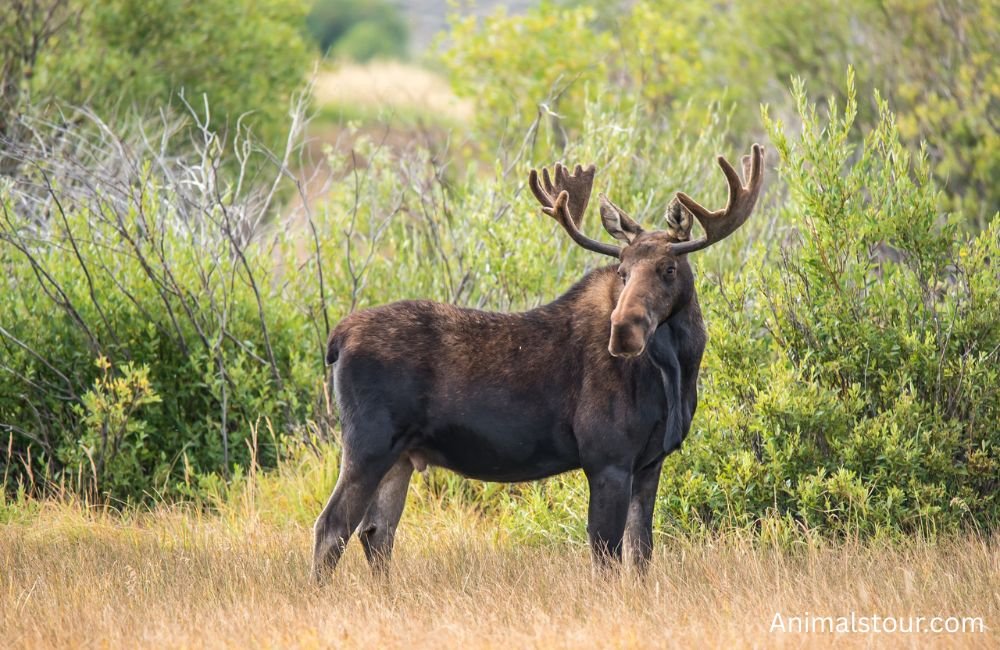
Moose are plant-eaters, feasting on twigs, leaves, and bark from trees and bushes, and in summer they love to munch on water plants from lakes and ponds. By eating these plants, moose play an important role in keeping the forest healthy, as they help clear out old growth and make space for new life to thrive. Truly, from their unique hooves to their plant-focused diet, moose are wonderfully suited for life in their northern forest environments.
Fun facts: Moose can swim over 6 miles at a time and dive underwater to feed on plants.
Elk
Scientific Name: Cervus canadensis
Class: Mammalia
Diet: Herbivore
Elk are large, impressive deer with strong hooves that help them thrive in their wild homes. Their tough hooves are perfect for walking over rocky ground, climbing steep hills, and even digging through snow to find tasty plants. Elk live in many places, mainly in forests and mountains across North America and parts of Asia, often gathering in groups called herds for safety.
They are herbivores, meaning they eat only plants, munching on grass, leaves, twigs, and bark, which helps keep the plant life balanced. By eating plants, elk help shape their environment and provide food for other animals, playing a vital role in the health of their ecosystem. From their sturdy feet to their eating habits, elk are a fundamental part of the natural world where they live.
Fun facts: Elk can leap over obstacles up to 8 feet high to escape predators.
Antelope
Scientific Name: Antilocapra americana
Class: Mammalia
Diet: Herbivore
Antelopes are graceful animals well-known for how they live in the wild. They have strong, split hooves that let them run very fast across open lands, helping them escape danger easily. These animals usually live in groups called herds, which helps them stay safe from predators. Antelopes are plant-eaters, meaning they mostly munch on grasses, leaves, and small branches found in their environment.
Their quickness and good eyesight help them survive, playing an important role in their habitats by keeping plant growth in check and providing food for other animals. You can find different kinds of antelopes living in various places, especially in the big grasslands of Africa, but also in deserts and forests around the world. All these features, from their hooves to their diet and where they live, help antelopes thrive in their natural homes.
Fun facts: Pronghorn antelope can run nearly twice as fast as a human for long distances.
Giraffe
Scientific Name: Giraffa camelopardalis
Class: Mammalia
Diet: Herbivore
Giraffes are amazing animals with special features like their hooves, and they have a unique way of living, eating, and helping their home in Africa. Their big, strong hooves help them walk and run on the dry ground of the savanna. They live in groups called herds and spend much of their day eating.
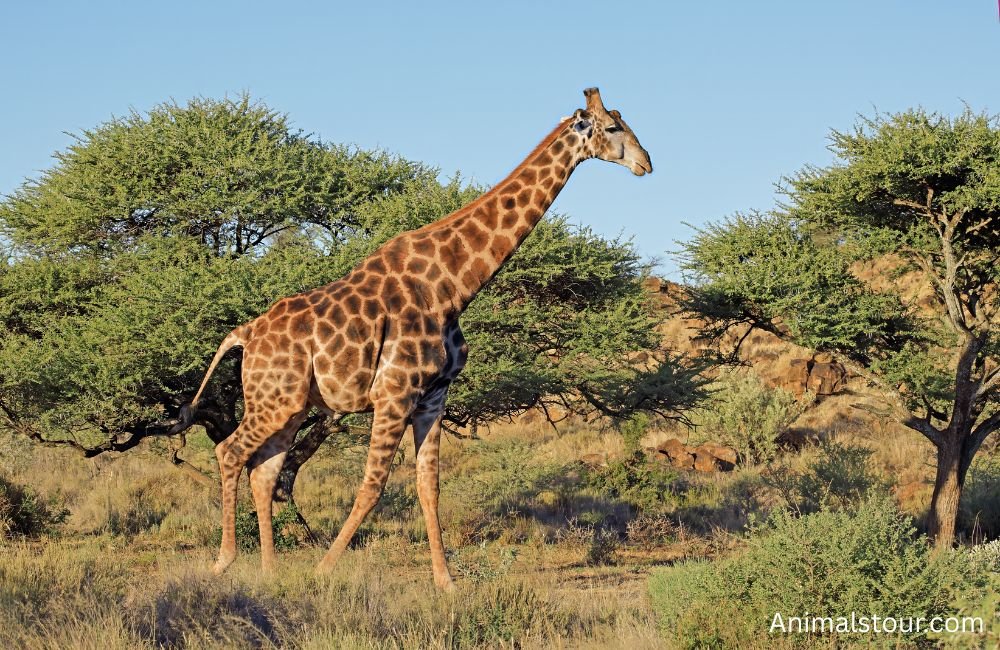
Giraffes mostly eat leaves and twigs from tall trees, especially acacia trees, using their long necks to reach high branches. By eating leaves, they help shape the landscape and spread seeds, which makes them important for their environment. You can find these gentle giants living in the open grasslands and woodlands, or savannas, of Africa. All these things make the giraffe a truly special creature in its natural world.
Fun facts: A giraffe’s kick is strong enough to kill a lion.
Camel
Scientific Name: Camelus dromedarius
Class: Mammalia
Diet: Herbivore
Camels are amazing animals perfectly made for life in the desert. Their feet are special, with soft, wide pads that stop them from sinking into the sand, making it easy to walk across hot, sandy lands. They live in very hot, dry places like deserts, often in small groups, and can go a long time without water.

Camels eat tough desert plants, including thorny bushes that other animals can’t eat. For many people, camels are very important; they help carry heavy loads and people across long distances, and provide milk and meat, playing a big role in desert life. These “ships of the desert” are truly built to survive and help people thrive in some of the world’s toughest environments.
Fun facts: A camel can travel up to 25 miles in a day across desert sand without water.
Pig
Scientific Name: Sus scrofa domesticus
Class: Mammalia
Diet: Omnivore
A pig is an animal with four short legs and strong hooves that help it walk and dig in the ground. These animals often live in groups and love to roll around in mud, which keeps them cool and protects their skin from the sun and bugs.
Pigs eat many kinds of food, like roots, fruits, leaves, insects, and even tiny animals, using their powerful snout to dig for meals. This natural digging helps them find food and is a big part of how they live and stay healthy. Wild pigs make their homes in forests and grassy areas, while farm pigs live on farms. Overall, the pig’s body and habits are perfect for its way of life.
Fun facts: Pigs are highly intelligent and can learn simple tasks faster than dogs.
Wild Boar
Scientific Name: Sus scrofa
Class: Mammalia
Diet: Omnivore
Wild boars are strong animals with tough hooves that help them move and dig in the dirt. They live in groups and spend their days searching for food, often rolling in mud to keep cool and clean. Their diet is very varied; they use their powerful snouts to dig up roots and bulbs, but also eat nuts, fruits, berries, insects, and even small animals.
By constantly digging and turning over the soil, they help spread seeds and allow new plants to grow, playing an important role in their forest homes. These adaptable creatures can be found in many forests and bushy areas across the globe. Overall, wild boars are resourceful animals that use their unique features and eating habits to thrive in nature.
Fun facts: Wild boars can run up to 30 miles per hour and use sharp tusks to defend themselves.
Hippopotamus
Scientific Name: Hippopotamus amphibius
Class: Mammalia
Diet: Herbivore
Hippos are large, interesting animals that live in Africa, well-known for how they live and what they do. They have four toes on each foot, which are a bit webbed, helping them walk on soft ground and move in water. Hippos spend most of their day keeping cool in rivers and lakes, only coming out at night to eat.
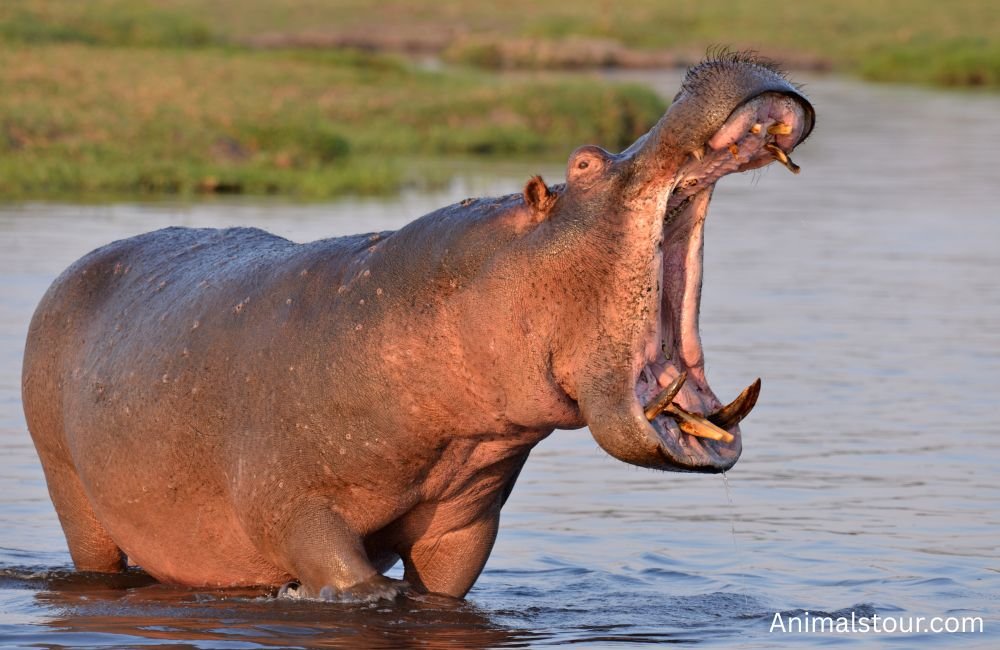
These big animals are plant-eaters, feasting mainly on grass found on land near the water. By eating so much grass, hippos help keep the areas around rivers healthy and play an important part in their natural home. You can find them living in the freshwater rivers and lakes across many parts of Africa. So, hippos are vital animals, perfectly suited to their watery homes, with their hooves, diet, and habits all working together in their African environment.
Fun facts: A hippopotamus can run faster than a human on land and stay submerged underwater for up to five minutes.
Rhinoceros
Scientific Name: Rhinoceros unicornis
Class: Mammalia
Diet: Herbivore
Rhinoceroses are large, powerful animals that play a special role where they live. They walk on strong, broad feet, each ending in tough hooves that help them move across different kinds of ground. These plant-eaters spend their days grazing on grass, leaves, and twigs, which is how they get their energy.
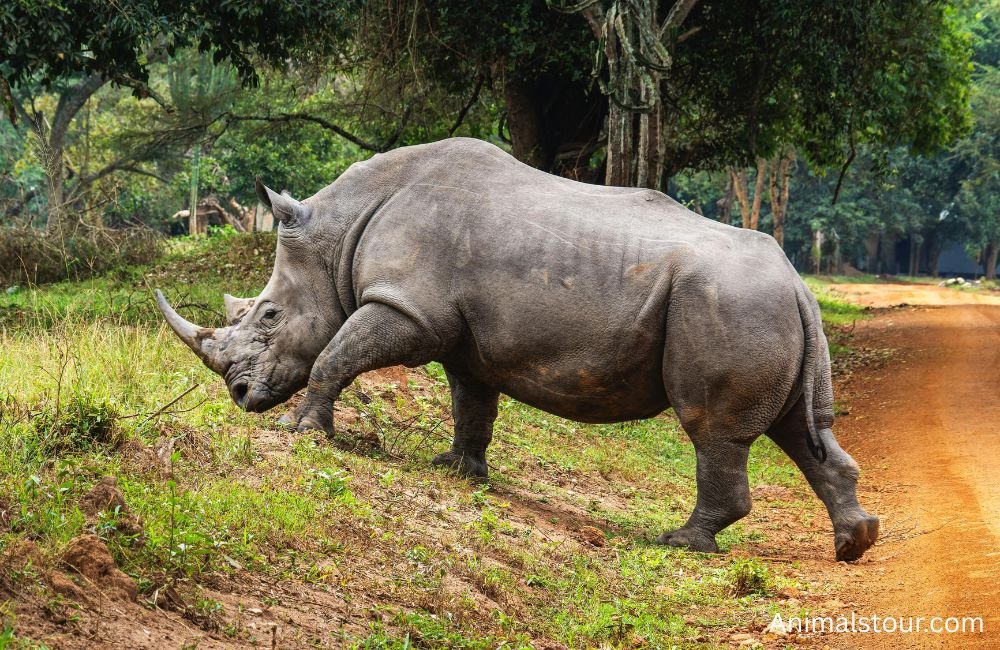
By eating these plants, rhinos help shape their environment and keep the landscape open, acting as important parts of their natural home. You can find them living in grasslands and forests in parts of Africa and Asia. With their unique hooves and plant-based diet, rhinos are vital creatures in the places they call home.
Fun facts: A rhinoceros can run up to 30 miles per hour despite its heavy weight.
Conclusion
As we finish our guide, it’s clear we’ve met many amazing animals that have hooves. We discovered just how different they all are, from the smallest deer to the biggest rhinos, learning about their daily lives, what they like to eat, and the unique places they call home. These hoofed mammals, with their strong legs and special feet, play a very important part in keeping nature balanced and healthy. Truly, these creatures are wonderful and a vital part of our world.
FAQs:
What animals have hooves?
Animals with hooves include horses, zebras, cows, goats, deer, moose, camels & wild pigs. The hooves are useful in running, climbing or grazing.
Why do animals have hooves?
Hooves cushion feet, give support and enable them to move swiftly across the grasslands, mountains or damp soil.
Are not all the hoofed animals herbivores?
The majority of the hoofed animals are the herbivores such as deer, goats and camels although some such as pigs and wild boars are omnivores.
How does the cloven foot differ from the single one?
Hooves are split into two (cows, goats), and the single hooves are solid (horses, zebras) to be fast, supportive and balanced.
Where do hoofed animals live?
The species of hoofed animals are found globally, both in forests, mountains, desert, grasslands and wetlands.
Can hoofed animals run fast?
Yes. Zebras, antelopes, and horses depend on the speed to avoid predators. Quick turns are provided with traction and balance by use of hooses.
What is the role of the hoofed animals in the ecosystems?
They dominate plants, scatter seeds and bring about equilibrium in forests, grassland and savannas.