Top 12 Animals That Sleep a Lot (With Images)
Some animals take sleeping to a whole new level. Animals That Sleep a Lot are called polyphasic or extended sleep behavior. While we humans manage around 7 to 8 hours a night, certain creatures spend most of their lives curled up and completely out. For these animals, sleep isn’t laziness. It’s survival, saving energy and keeping their bodies running smoothly. Nature, it turns out, is full of some very dedicated nappers.
List of Animals That Sleep a Lot
Here is the list of animals that sleep the most:
| Number of Animals | Names of animals that sleep a lot |
| 1 | Virginia opossum |
| 2 | Koala |
| 3 | Giant armadillo |
| 4 | Pythons |
| 5 | Brown bat |
| 6 | Owl monkey |
| 7 | Treeshrew |
| 8 | Tiger |
| 9 | Sloth |
| 10 | Domestic Cat |
| 11 | Lion |
| 12 | Giant Panda |
Virginia Opossum
Scientific name: Didelphis virginiana
Class: Mammalia
Diet: Omnivore
The Virginia opossum is a small, furry marsupial found in North America. It sleeps around 18 to 20 hours every single day. Its body needs long rest to survive on a low-energy diet. Opossums are nocturnal, so they stay active only at night. During the day, they find a quiet spot and sleep deeply.
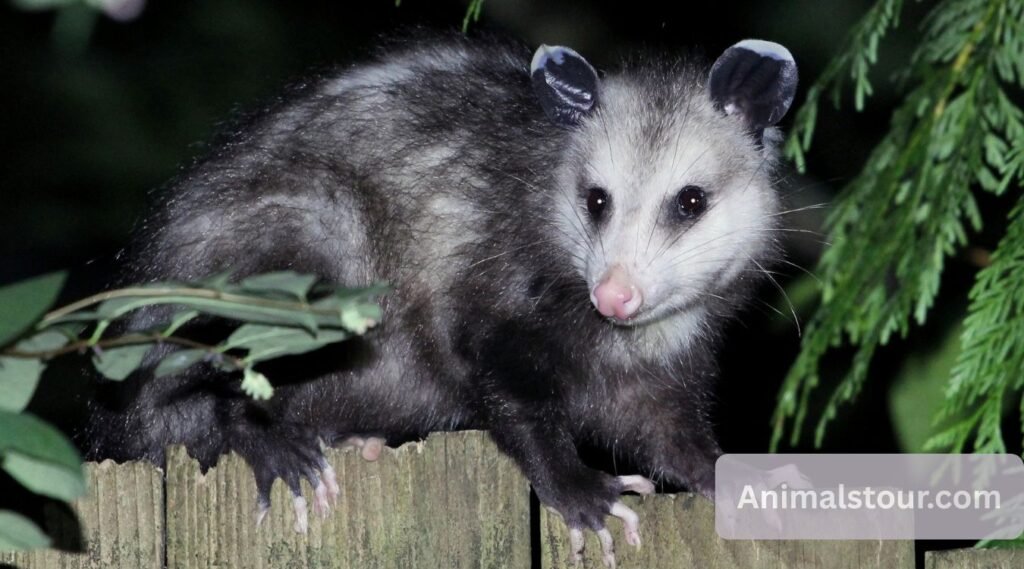
They are also famous for “playing dead” when they feel threatened. This trick helps them escape predators without fighting. Opossums have a very slow metabolism, which makes sleep essential. Their bodies restore and recharge during those long rest hours. They are one of nature’s most committed sleepers without any doubt.
Koala
Scientific name: Phascolarctos cinereus
Class: Mammalia
Diet: Herbivore
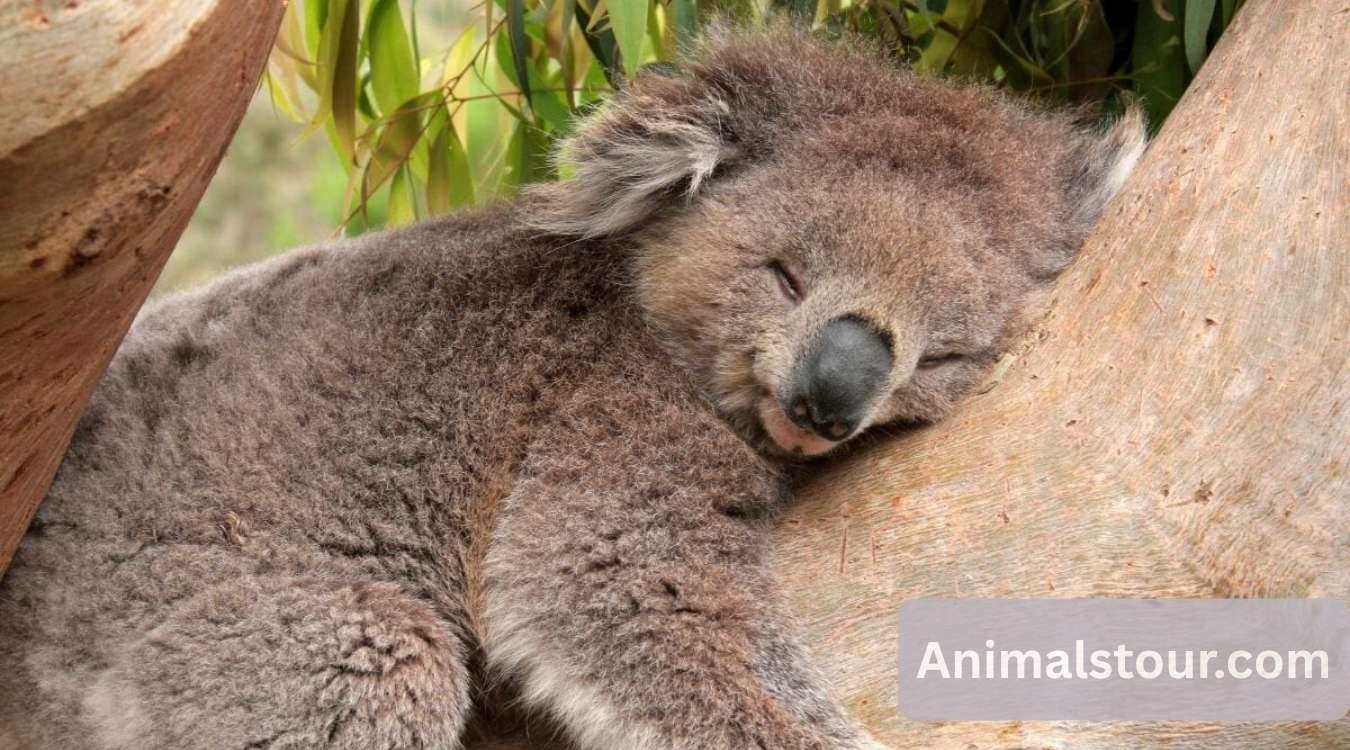
The koala is one of the sleepiest animals on the entire planet. It sleeps between 18 to 22 hours every single day. Koalas eat eucalyptus leaves, which are tough and low in nutrition. Digesting those leaves takes a huge amount of body energy. So sleeping is simply the koala’s way of saving that energy.
Koalas live in Australia and spend most of their lives in trees. They wedge themselves into branches and sleep in total comfort. Their slow lifestyle keeps their energy needs very low. Koalas only wake up to eat, drink, and move slightly. They are perhaps the most lovable sleepers in the animal kingdom.
Giant Armadillo
Scientific name: Priodontes maximus
Class: Mammalia
Diet: Insectivore
The giant armadillo is a large, armor-covered animal from South America. It sleeps around 16 to 18 hours throughout the day. Its heavy shell makes movement slow and very energy-consuming. Sleeping long hours helps the armadillo conserve that precious energy. It digs burrows underground where it rests safely and quietly.
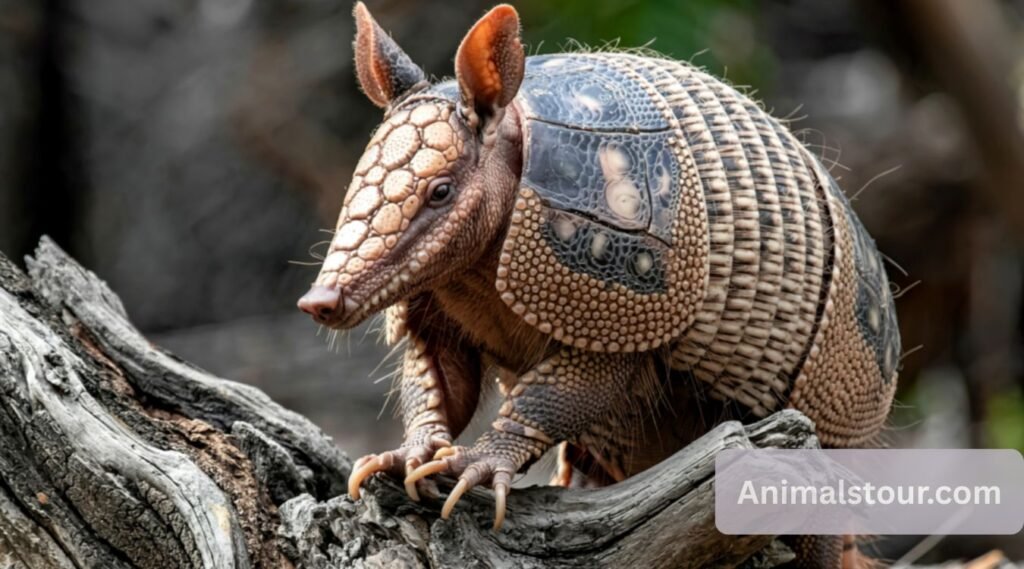
Giant armadillos are shy and rarely seen by humans in the wild. They come out at night to search for insects and food. Their diet is not very rich in calories or nutrients. So their body needs extra rest to function properly. Long sleep keeps the giant armadillo healthy, strong, and well-protected.
Pythons
Class: Reptilia
Diet: Carnivore
Pythons are large, powerful snakes found across Asia and Africa. They can sleep or rest for up to 18 to 20 hours a day. After eating a big meal, pythons become almost completely inactive. Their digestion process is slow and takes enormous energy to complete. During this time, they stay still and rest for days or weeks.
Pythons are cold-blooded, meaning they rely on outside heat to survive. They do not waste energy generating their own body warmth. This makes long periods of rest completely natural for them. They only move when they are hungry or feel threatened. Pythons are silent, patient, and incredibly efficient at saving energy.
Brown Bat
Scientific name: Myotis lucifugus
Class: Mammalia
Diet: Insectivore
The brown bat is a tiny flying mammal that loves to sleep. It rests for about 19 to 20 hours every single day. Brown bats sleep hanging upside down in caves and dark spaces. This sleeping position actually helps them stay safe from predators. Dropping and flying is also much easier from an upside-down position.
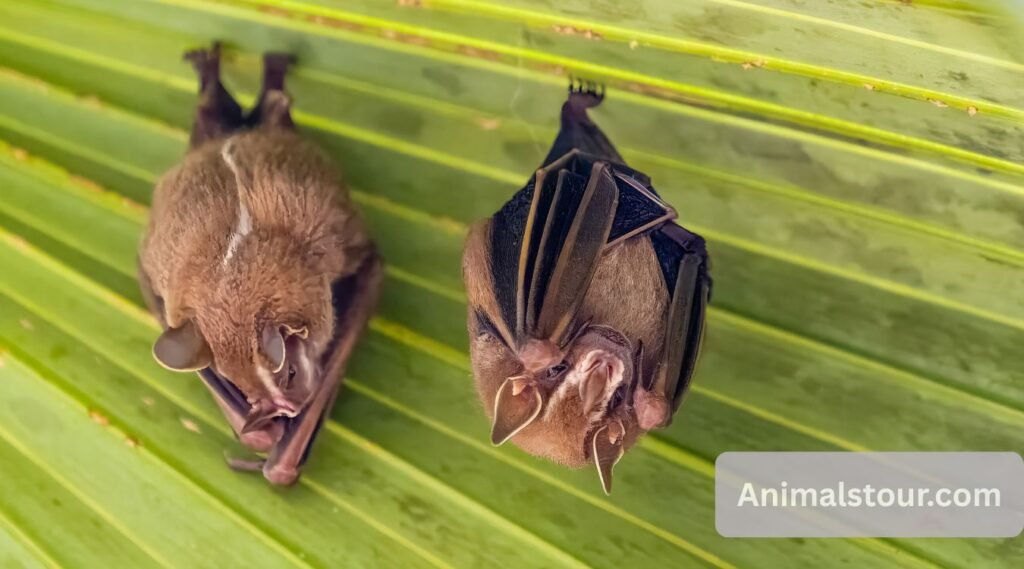
During winter, brown bats go into deep hibernation for months. Their heartbeat and breathing slow down almost completely during this time. They live on stored body fat until warmer weather returns again. At night, they wake up and hunt insects with great speed. Brown bats are small in size but enormous when it comes to sleeping.
Owl Monkey
Class: Mammalia
Diet: Omnivore
The owl monkey is the only truly nocturnal monkey in the world. It sleeps during the day for around 17 hours straight. Its large eyes are perfectly designed for seeing clearly in darkness. During daylight hours, it finds a tree hollow and rests quietly. Sleep protects the owl monkey from daytime predators in the wild.
At night, owl monkeys wake up and become very lively and social. They call out loudly to communicate with their family members. Their diet includes fruits, insects, and small animals found at night. Rest during the day helps them stay sharp and energetic after dark. The owl monkey lives life completely opposite to most other primates.
Treeshrew
Class: Mammalia
Diet: Omnivore
The treeshrew is a tiny, squirrel-like creature found in Southeast Asia. It sleeps in short bursts that add up to around 15 to 16 hours daily. Treeshrews have a very high metabolism and burn energy very quickly. Their bodies need frequent rest to keep up with that fast pace. They sleep in nests made from leaves and soft natural materials.
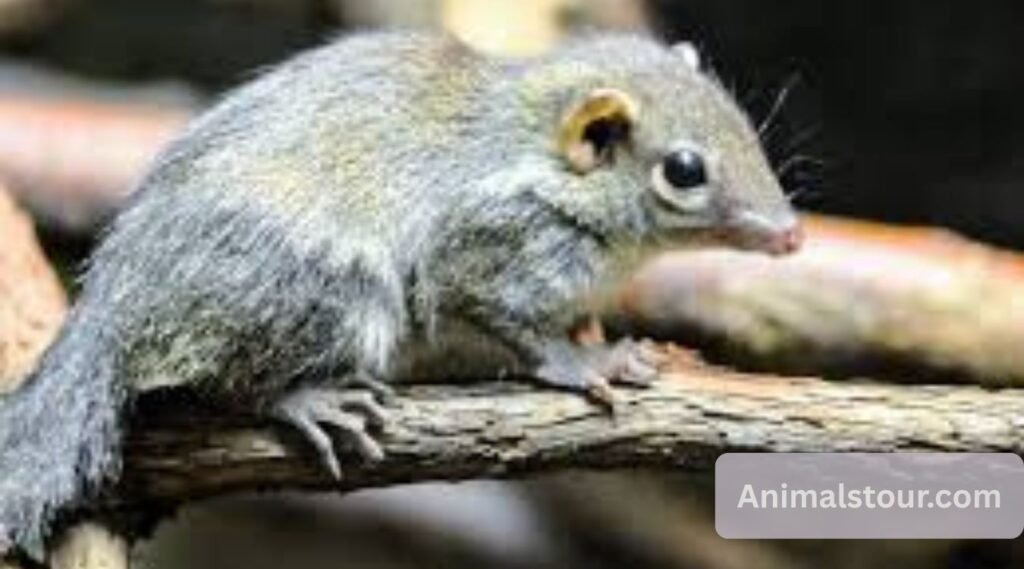
Despite their small size, treeshrews are surprisingly active when awake. They scurry around searching for insects, fruits, and seeds quickly. Their lives are a constant cycle of eating, resting, and moving again. Scientists actually study treeshrews because they are close relatives of primates. These tiny animals live fast, rest often, and sleep more than you would expect.
Tiger
Scientific name: Panthera tigris
Class: Mammalia
Diet: Carnivore
The tiger is one of the most powerful and majestic animals alive. It sleeps between 16 to 20 hours every single day in the wild. Hunting large prey takes an enormous amount of strength and energy. After a successful hunt, tigers rest for hours to fully recover. Sleep is how tigers recharge their muscles and stay at peak strength.
Tigers are mostly active during the cooler hours of dawn and dusk. During the hot afternoon, they find shade and sleep comfortably. They are solitary animals, so they rest alone in their territory. Their bodies are built for short, explosive bursts of speed and power. Long rest periods make sure tigers are always ready for the next hunt.
Sloth
Class: Mammalia
Diet: Herbivore
The sloth is world-famous for being incredibly slow and sleepy. It sleeps anywhere between 15 to 20 hours every single day. Sloths live in the rainforests of Central and South America. Their diet of leaves gives them very little energy to work with. So they conserve every bit of energy by barely moving at all.
Sloths move so slowly that algae actually grows on their fur. This green color helps them blend perfectly into the forest trees. They spend almost their entire lives hanging from tree branches. Even their sleeping is done while hanging upside down in the canopy. The sloth is living proof that slowness and sleep can be a great survival strategy.
Domestic Cat
Scientific name: Felis catus
Class: Mammalia
Diet: Carnivore
The domestic cat is one of the sleepiest pets humans have ever kept. Cats sleep between 12 to 16 hours every single day without effort. Even though they are not hunting wild prey, the instinct remains strong. Their bodies are still wired like wild predators that conserve energy. A quick nap is always just around the corner for any house cat.
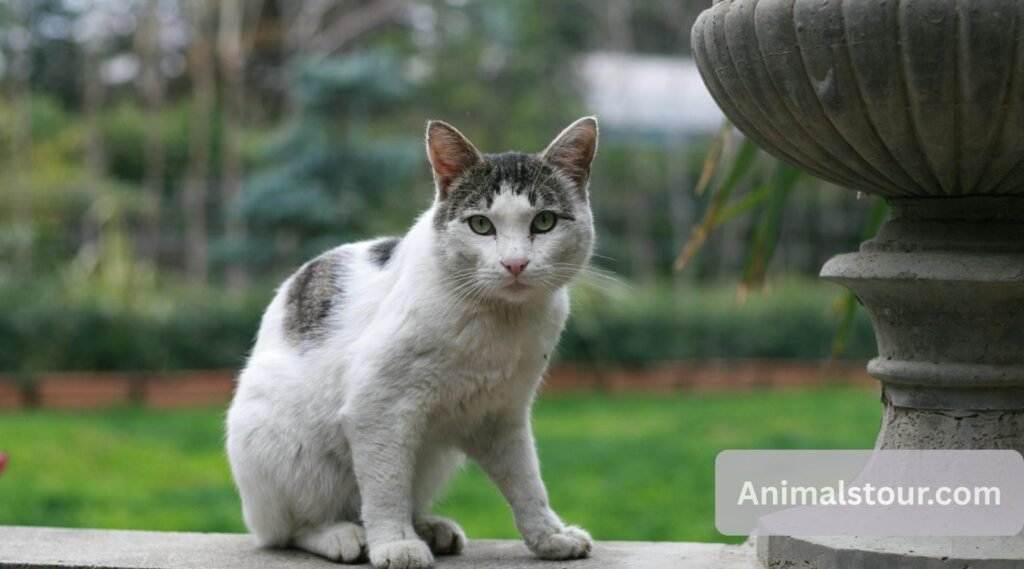
Cats sleep in short cycles and can wake up instantly if needed. This light sleeping keeps them alert to sounds and movements nearby. They love warm, cozy, and comfortable spots to curl up and rest. Sunbeams, soft blankets, and quiet corners are a cat’s favorite sleeping places. Despite being pampered pets, cats sleep just as much as their wild cousins.
Lion
Scientific name: Panthera leo
Class: Mammalia
Diet: Carnivore
The lion is known as the king of the jungle for good reason. It sleeps between 16 to 20 hours throughout the day and night. Hunting large animals like zebras and buffalo burns massive amounts of energy. Lions need long rest periods to fully recover after each hunt. Sleep is what keeps a lion powerful, fast, and ready to fight.
Lions live in groups called prides and often sleep together in the shade. Resting together also helps them protect each other from rival animals. Female lions do most of the hunting while males guard the territory. After a big meal, the entire pride sleeps for hours without moving much. Lions work hard when needed, but they rest harder than almost any animal.
Giant Panda
Scientific name: Ailuropoda melanoleuca
Class: Mammalia
Diet: Herbivore
The giant panda is a beloved black-and-white bear from China. It sleeps around 10 to 16 hours every single day between meals. Pandas eat bamboo almost exclusively, which is very low in nutrition. Their bodies must work overtime just to digest all that tough bamboo. Sleeping between meals helps pandas manage their low-energy diet efficiently.
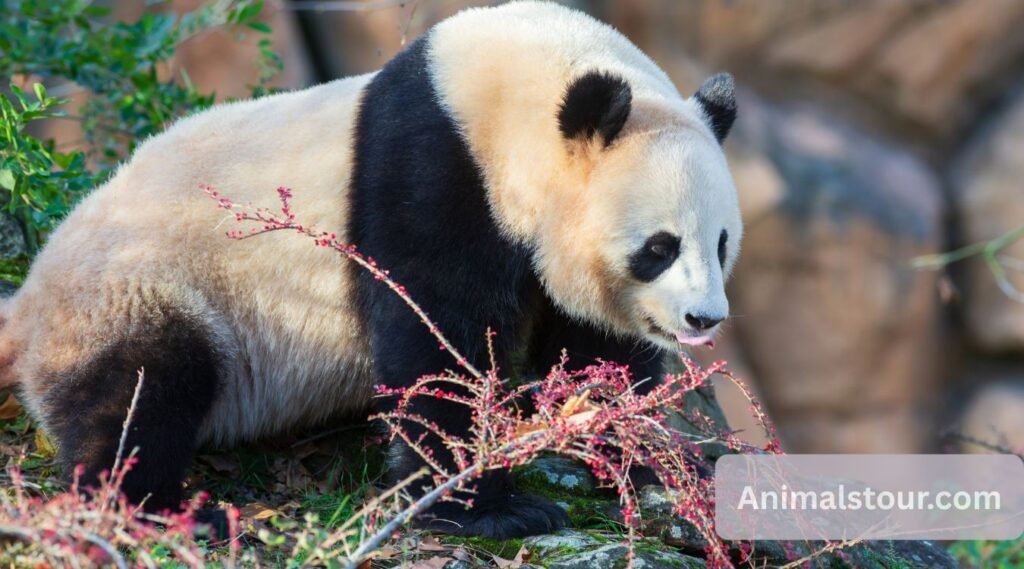
Pandas spend about half their day eating and the other half resting. They do not hibernate like other bears during the cold winter months. Instead, they simply slow down and sleep a little more than usual. Giant pandas are gentle, quiet animals that prefer a calm and peaceful life. Between their bamboo meals and long naps, pandas live a very contented existence.
Final Words
Sleep is not laziness in the animal world. Every animal sleeps for a reason. Animals That Sleep a Lot, because of their bodies need rest to stay healthy and strong. Some digest tough food slowly. Others save energy to hunt later. Each animal sleeps just as much as its life demands. We can learn something simple from them. Rest is not wasted time. It is part of living well. Nature made them this way on purpose.
FAQs
Which animal sleeps the most?
The koala sleeps the most. It can sleep up to 22 hours a day.
Why do some animals sleep so much?
Some animals sleep a lot to save energy. Others sleep to help their body digest food.
Do sloths really sleep that much?
Yes, sloths sleep around 15 to 20 hours a day. Their slow lifestyle needs a lot of rest.