Top 15 Animals That Live In Savannas: A Complete Wildlife Guide
Get ready to explore the exciting world of savanna animals with our guide. Savannas are big, open grasslands found in places like Africa, where many fascinating animals live. These huge areas are home to creatures ranging from giant elephants and speedy cheetahs to tall giraffes and powerful lions. Our special guide, “Top 15 Animals That Live In Savannas: A Complete Wildlife Guide,” will introduce you to 15 of the most interesting animals you can find there. You will learn how these amazing animals live, what they eat, and how they survive in their wild homes. Prepare to be amazed by the incredible animals that call these grasslands home.
List Of Animals That Live In Savannas
- African Lion
- African Elephant
- Cheetah
- Plains Zebra
- Giraffe
- Spotted Hyena
- African Buffalo
- Warthog
- Ostrich
- Meerkat
- Serval
- Secretary Bird
- Impala
- Nile Crocodile
- Aardvark
1. African Lion
Scientific Name: Panthera leo
Class: Mammalia
Diet: Carnivore
The African lion is a large, powerful cat that makes its home in the savannas of Africa. These savannas are wide-open grasslands dotted with scattered trees and bushes, providing the perfect hunting ground for these impressive animals. Lions are carnivores, meaning they eat only meat, and they hunt other animals like zebras, wildebeest, buffalo, and antelopes, often working together in groups called prides to catch their prey.
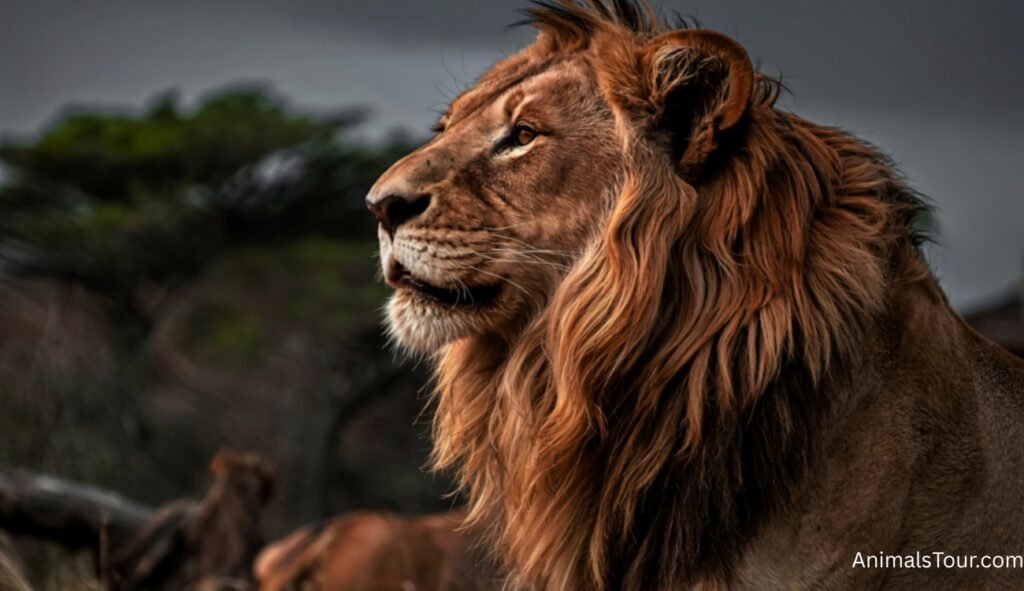
They are social creatures, living in these prides that usually include several females, their young, and a few adult males, spending their days resting in the shade and becoming most active for hunting around dawn or dusk. Ultimately, the African lion thrives by hunting and living in its family group within the vast, sun-drenched African savannas.
Fun Fact: A lion’s roar can be heard up to 8 kilometers away across open savanna plains.
2. African Elephant
Scientific Name: Loxodonta africana
Class: Mammalia
Diet: Herbivore
African elephants are magnificent creatures that make their home in the vast, grassy savannas of Africa. They spend most of their day eating, using their powerful trunks to pull up grasses, strip bark from trees, and gather leaves and fruits.
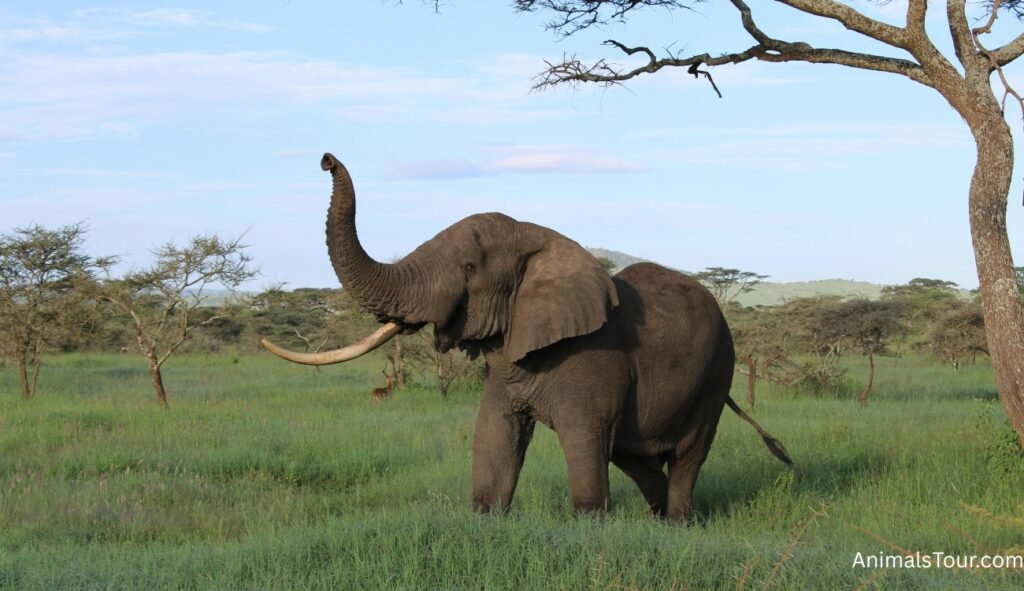
These gentle giants live in close-knit family groups, usually led by an older female called a matriarch, and they travel long distances together in search of food and water. They also enjoy rolling in mud and dust, which helps protect their skin from the hot sun and bothersome insects, showing how well they are adapted to their savanna environment.
Fun Fact: African elephants communicate using low-frequency sounds that can travel through the ground for long distances.
3. Cheetah
Scientific Name: Acinonyx jubatus
Class: Mammalia
Diet: Carnivore
The cheetah, a remarkable big cat, primarily makes its home across the wide-open savannas and grasslands of Africa, a landscape perfectly suited for its unique hunting style. These vast areas, with their scattered trees and bushes, provide both cover and clear sightlines for this swift predator.
Its diet is strictly carnivorous, meaning it eats only meat, with its meals typically consisting of medium-sized hoofed animals such as gazelles, impalas, and younger wildebeest. Unlike many other big cats, cheetahs are daytime hunters, preferring to chase their prey in the early morning or late afternoon when the sun is not too hot.
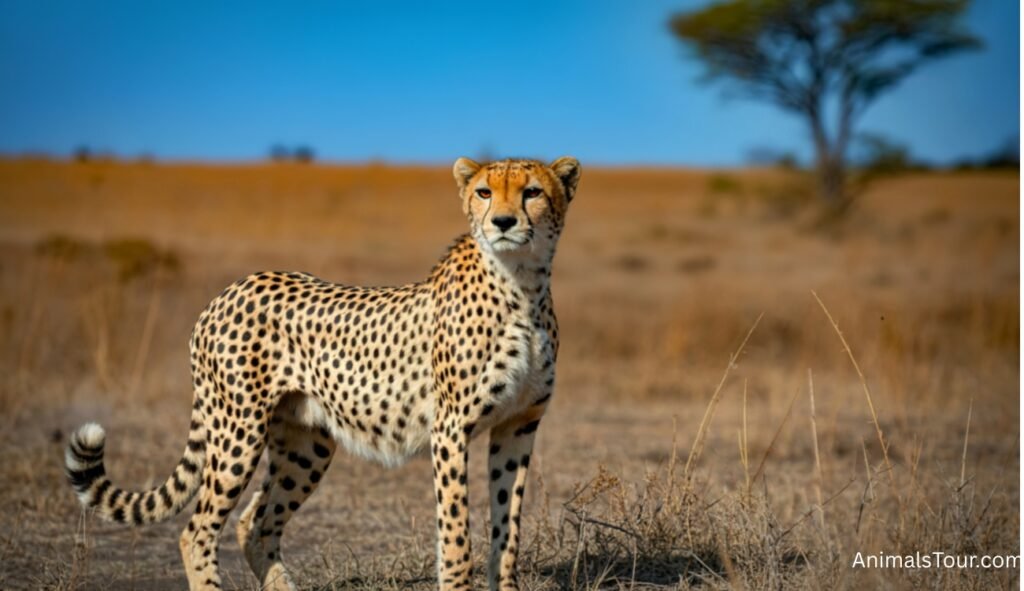
They are mostly solitary creatures, though brothers sometimes form small groups together, and mothers raise their cubs alone, teaching them essential hunting skills. In essence, the cheetah’s life is deeply connected to its savanna home, where its incredible speed and specialized hunting methods define its existence.
Fun Fact: The cheetah can accelerate from 0 to 60 kilometers per hour in just a few seconds during a hunt.
4. Plains Zebra
Scientific Name: Equus quagga
Class: Mammalia
Diet: Herbivore
Plains zebras are familiar animals that make their home in the wide, open grasslands of Africa, known as savannas. These striped creatures mainly eat grass, using their strong teeth to chomp down on it, though they might also nibble on leaves or bark when grass is scarce. They live in family groups, usually with one male, several females, and their young, always keeping an eye out for predators like lions and hyenas.
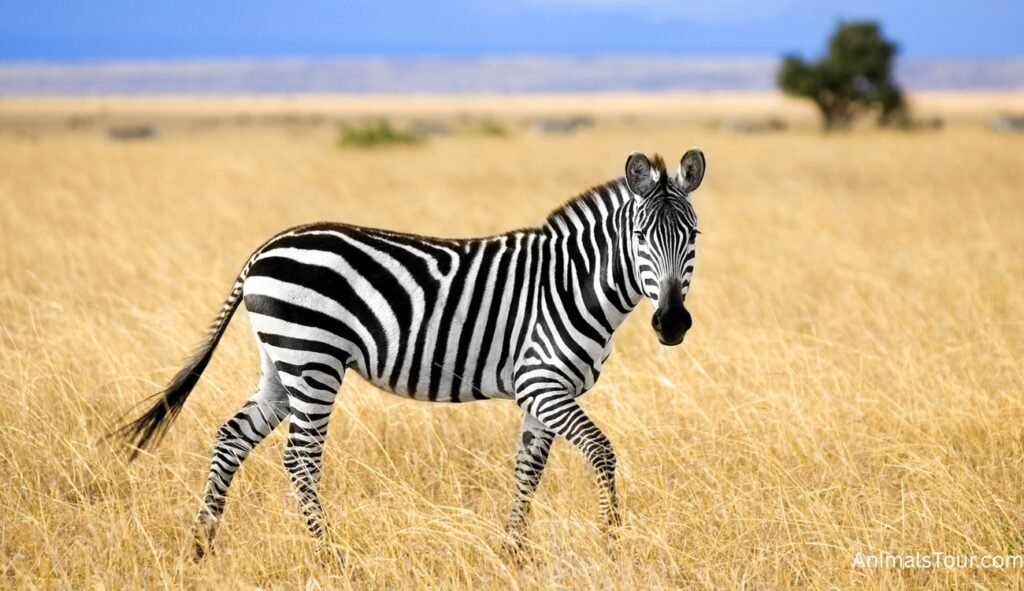
Zebras spend their days moving across the savanna, searching for fresh patches of grass and water, and their unique stripes help them blend in or confuse enemies when they run together. Overall, the plains zebra is a tough grassland animal, perfectly suited to its savanna habitat where it spends its life grazing and living in a herd.
Fun Fact: No two zebras have the same stripe pattern, making each individual unique.
5. Giraffe
Scientific Name: Giraffa camelopardalis
Class: Mammalia
Diet: Herbivore
Giraffes make their home in the vast, open savannas of Africa, where they have developed unique ways of living. These gentle giants are famous for being the tallest animals, using their incredibly long necks to reach high up into trees for food. They mostly eat leaves and twigs, especially from thorny acacia trees, which their tough tongues can handle easily.
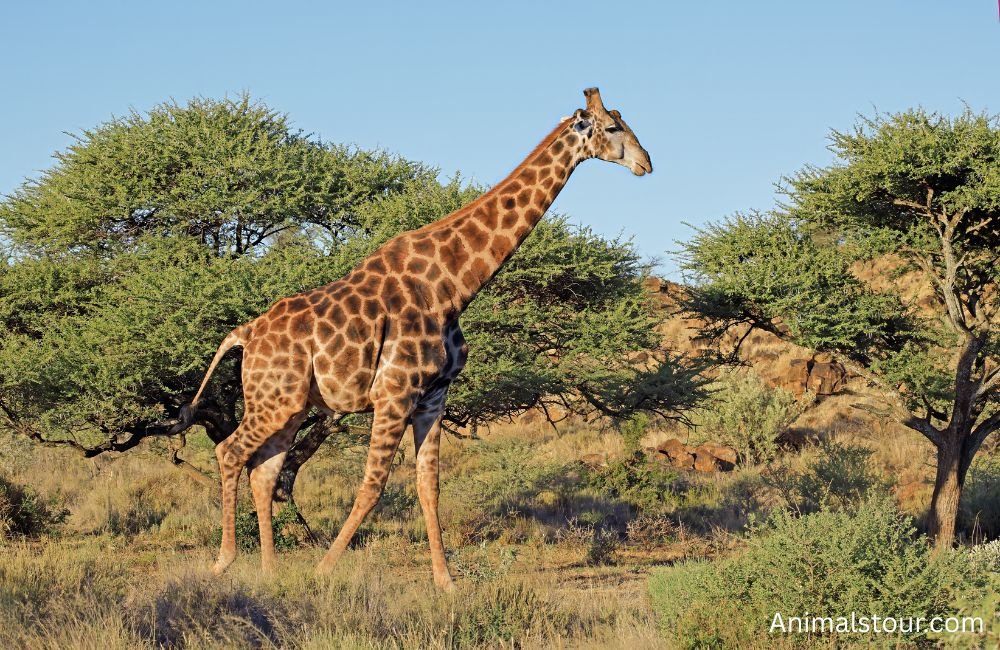
Giraffes often live in groups, and their height helps them spot predators like lions from a long distance, keeping everyone safe. All these amazing features help giraffes live a happy and healthy life in their savanna environment.
Fun Fact: A giraffe’s heart can weigh over 11 kilograms to pump blood up its long neck.
6. Spotted Hyena
Scientific Name: Crocuta crocuta
Class: Mammalia
Diet: Carnivore
Spotted hyenas are fascinating creatures that live in the vast, grassy savannas of Africa. They have a varied diet, meaning they are both skilled hunters who catch their own food, like zebras and wildebeest, and smart scavengers who eat leftovers from other animals’ kills.
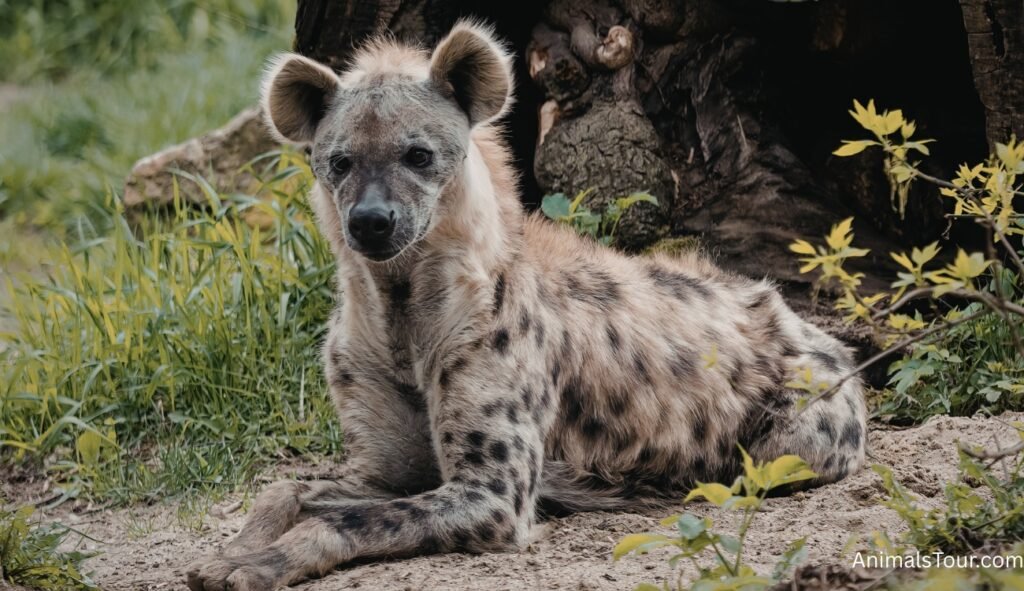
These hyenas live in large family groups called clans, which can have many members working together. They are mostly active at night, using their powerful jaws and a wide range of calls, from giggles to loud whoops, to communicate and find food. Their ability to hunt, scavenge, and live in strong social groups makes them very successful in their savanna home.
Fun Fact: Spotted hyenas have one of the strongest bite forces among mammals relative to their size.
7. African Buffalo
Scientific Name: Syncerus caffer
Class: Mammalia
Diet: Herbivore
African buffaloes are strong animals that make their homes in the wide, grassy plains of Africa, known as savannas, and they have interesting ways of eating and living. They prefer to live near water sources because they need to drink a lot, and they spend their days munching on tall grasses, acting like nature’s lawnmowers.
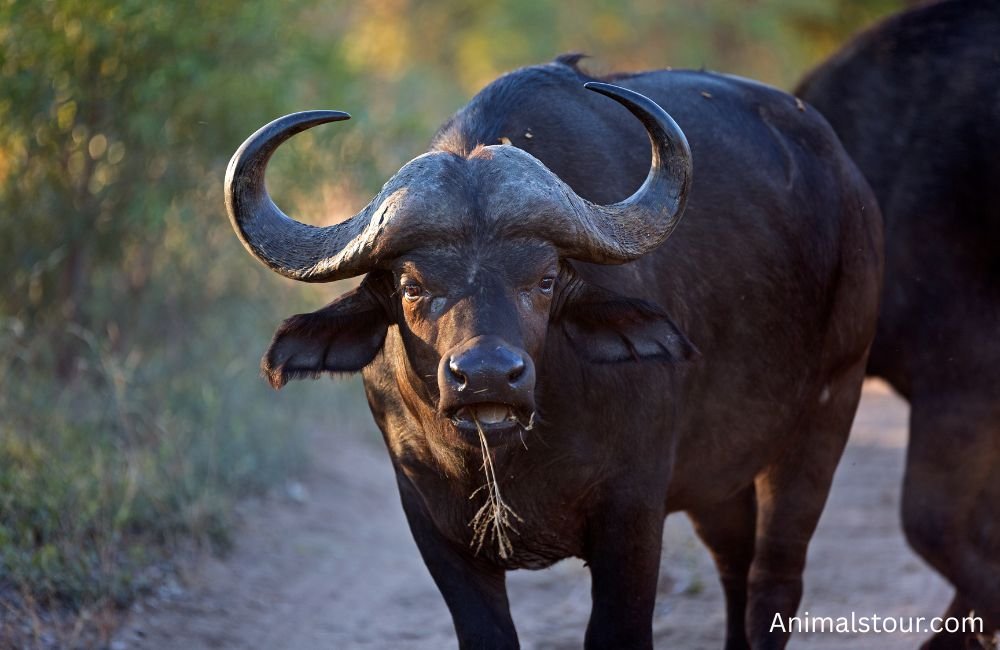
These buffaloes usually live in very large groups, which gives them safety in numbers against dangerous animals like lions. When it gets hot, they often cool off by rolling around in mud, which also helps to keep bugs away. All these ways of living help the African buffalo do well in its savanna home.
Fun Fact: African buffalo are known to defend herd members by circling back to confront predators.
8. Warthog
Scientific Name: Phacochoerus africanus
Class: Mammalia
Diet: Omnivore
Warthogs are fascinating animals that make their home in the large, grassy savannas of Africa. These pigs mainly eat plants, using their strong snouts to dig for tasty roots and bulbs, but they also munch on grass, fruits, and tree bark. To stay safe from the hot sun and other creatures, warthogs often live in burrows, which are holes in the ground, sometimes ones dug by other animals.
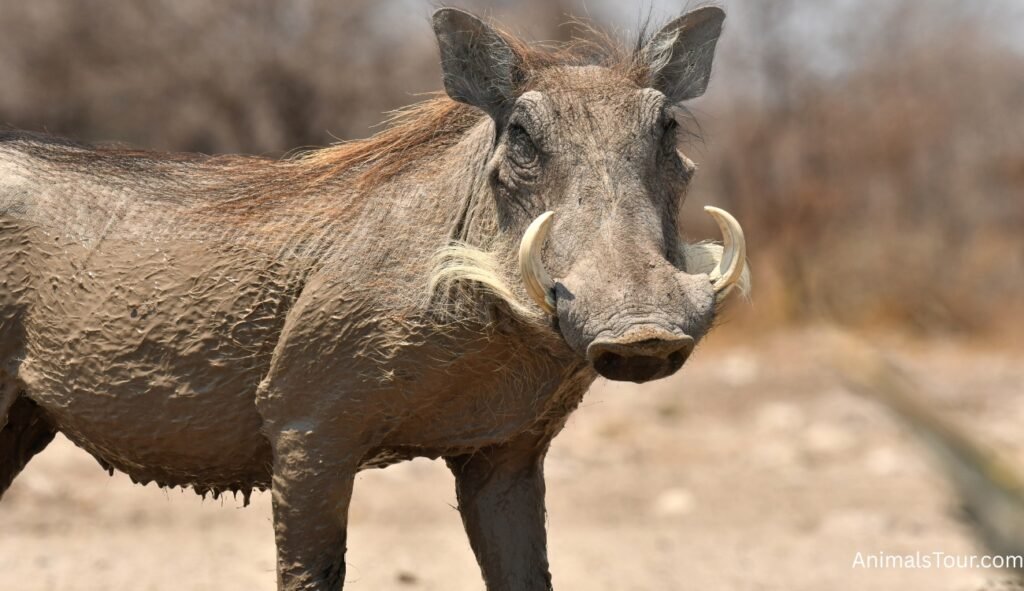
They are active during the day, spending their time finding food and rolling in mud or water to keep cool and clean their skin. All these simple habits allow warthogs to live successfully in their savanna environment.
Fun Fact: Warthogs enter burrows backward so their tusks face outward for protection.
9. Ostrich
Scientific Name: Struthio camelus
Class: Aves
Diet: Omnivore
Ostriches are very large birds that make their homes in the wide, open grasslands called savannas. They eat many different things, munching on plants, seeds, fruits, and even small insects or lizards they find.
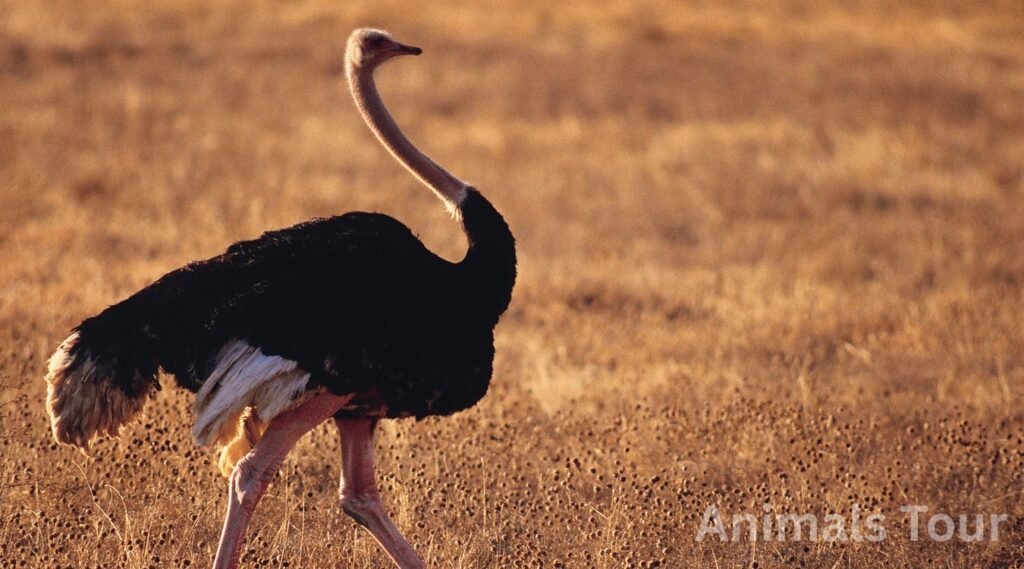
These big birds often live together in groups, usually with one male ostrich and several females. They are famous for their incredibly strong legs, which let them run very fast to escape from danger. All these special habits help ostriches thrive and find what they need in their savanna homes.
Fun Fact: An ostrich egg is the largest egg laid by any living bird species.
10. Meerkat
Scientific Name: Suricata suricatta
Class: Mammalia
Diet: Insectivore
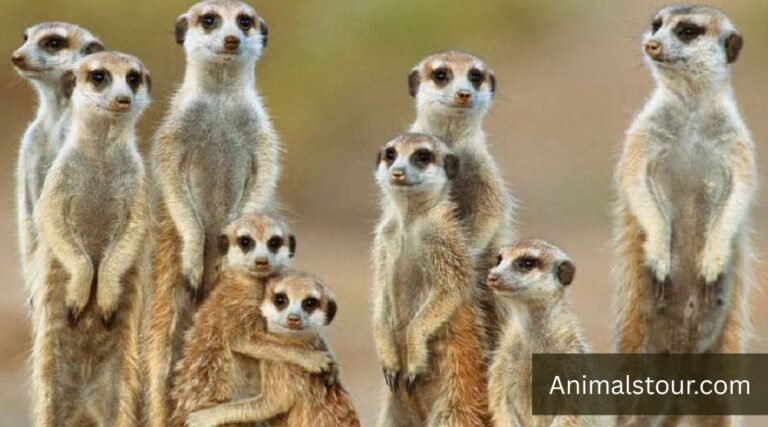
Meerkats are clever little animals that make their homes in the sunny savannas of Africa, known for their specific diet and unique ways of living. These small creatures prefer open, grassy areas where they dig extensive tunnels underground to create safe homes for their large families. Their diet mainly consists of insects like beetles and grubs, but they also enjoy eating small lizards, snakes, birds, and even some plant parts, which they find by digging with their sharp claws.
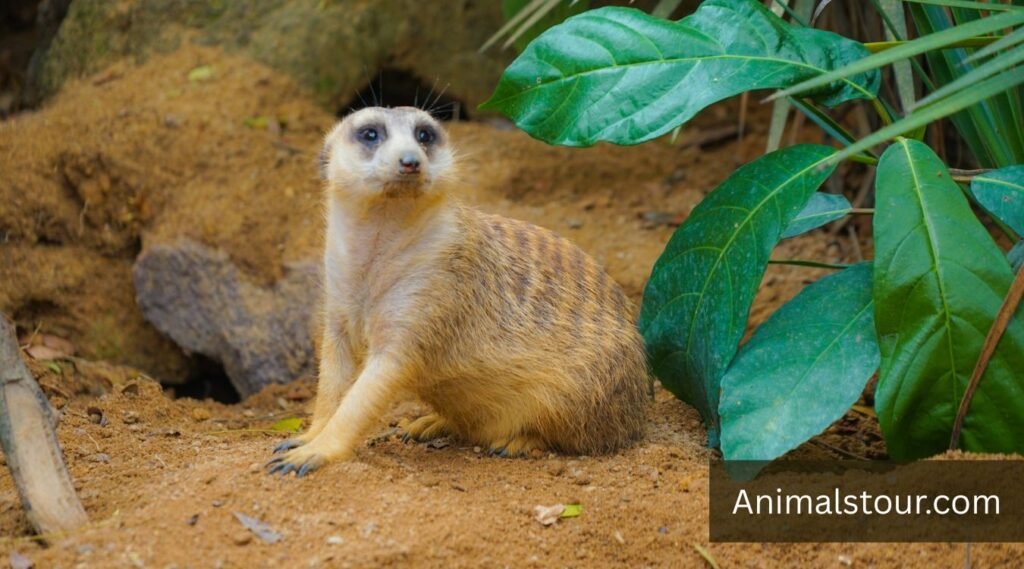
Living in groups called mobs, meerkats show great teamwork; one meerkat often stands tall on a high spot, acting as a lookout for danger while the others forage for food, communicating with various chirps and barks. This cooperative lifestyle, combined with their adaptable diet and burrowing skills, allows meerkats to successfully thrive in their savanna environment.
Fun Fact: Meerkats take turns acting as sentinels to warn the group of approaching danger.
11. Serval
Scientific Name: Leptailurus serval
Class: Mammalia
Diet: Carnivore
Servals are graceful wild cats that make their home in the wide, grassy savannas of Africa. These skilled hunters mostly eat small animals, with a diet primarily made up of rodents like mice and rats, but they also catch birds, frogs, and various insects.
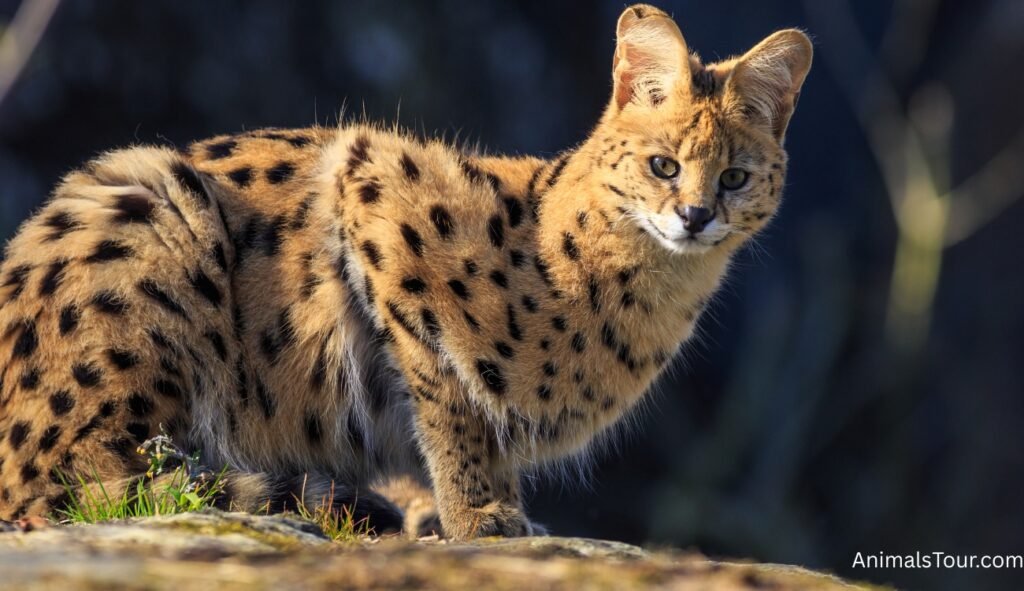
Servals are usually solitary animals, meaning they live alone, and are often most active during the cooler parts of the day, like early morning or at night. With their famously long legs and large ears, they are perfectly built to listen for prey in tall grass and leap high to catch it. These fascinating cats are wonderfully adapted to their savanna environment, using their unique abilities to thrive.
Fun Fact: A serval can leap over two meters into the air to catch birds in flight.
12. Secretary Bird
Scientific Name: Sagittarius serpentarius
Class: Aves
Diet: Carnivore
The Secretary Bird is a unique bird that makes its home in the wide, open grasslands of Africa, known as savannas. This tall bird has a special way of hunting for its food, walking across the savanna to find things like snakes, lizards, insects, and small mammals.
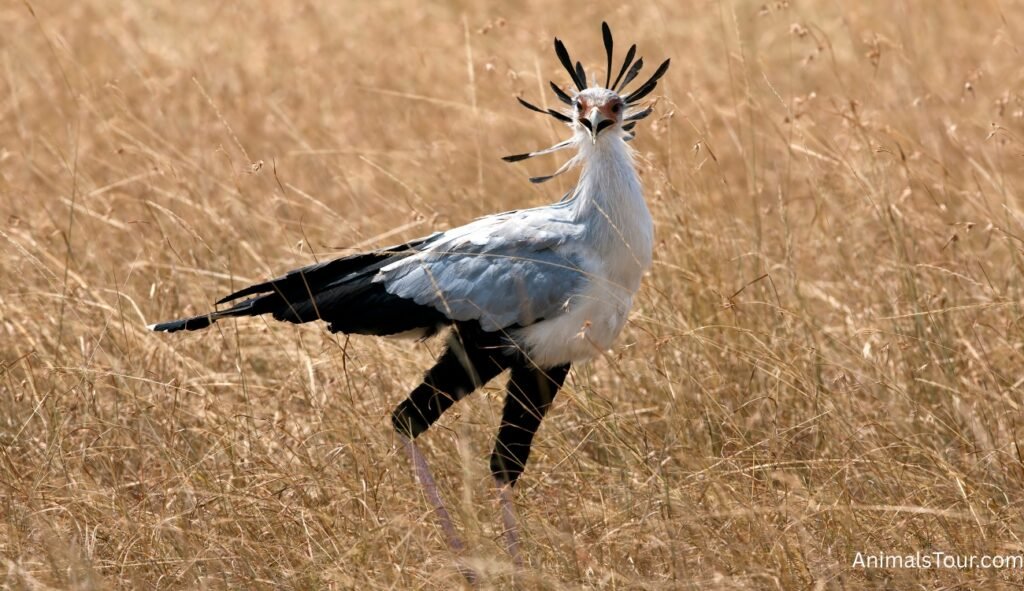
When it finds prey, it uses its strong legs to stomp on it quickly until it’s stunned or dead, showing its clever hunting habit. Even though it can fly, the Secretary Bird spends most of its day walking and hunting on the ground, making it a well-adapted hunter of the plains. With its distinctive hunting style and savanna home, the Secretary Bird is truly a remarkable sight in the African landscape.
Fun Fact: The secretary bird kills snakes by striking them repeatedly with powerful kicks.
13. Impala
Scientific Name: Aepyceros melampus
Class: Mammalia
Diet: Herbivore
Impalas are graceful animals that live in the wide-open savannas of Africa, areas filled with grass, scattered trees, and bushes. They eat many different plants, munching on grass when it’s around and also eating leaves and shoots from bushes and trees, which helps them find food easily.
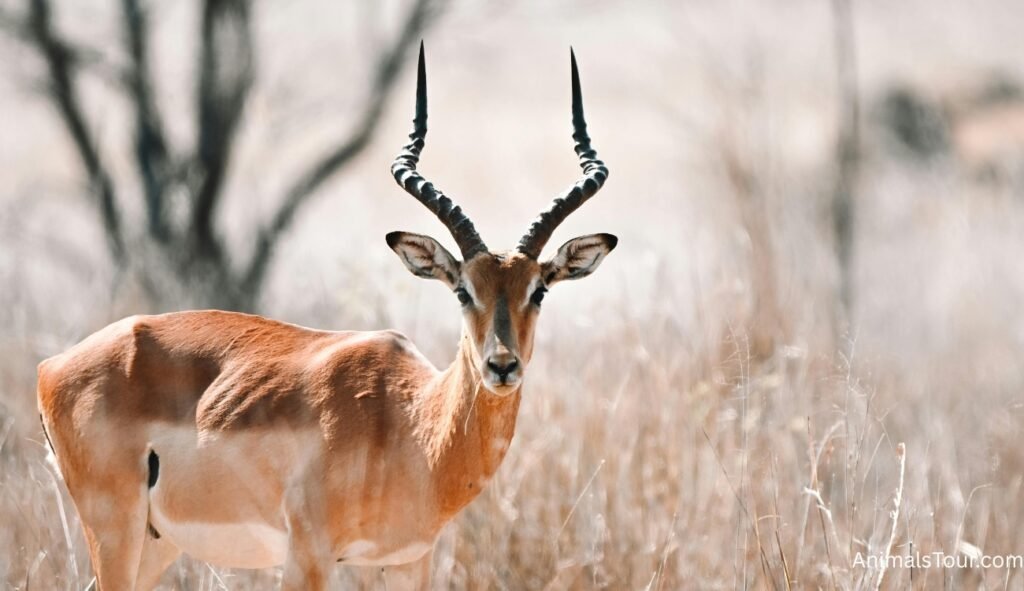
These smart animals usually live in large groups, always watching out for danger with their sharp senses. When a threat appears, impalas are famous for their amazing ability to jump high and run very fast to escape. This social way of life and their quick movements help impalas thrive in their savanna home.
Fun Fact: Impalas can leap over 10 meters in a single bound when escaping predators.
14. Nile Crocodile
Scientific Name: Crocodylus niloticus
Class: Reptilia
Diet: Carnivore
The Nile Crocodile is a large reptile that makes its home in the warm savannas of Africa, living a life centered around water, hunting, and stealth. These powerful animals prefer to live near rivers, lakes, and swamps found across the savanna, where they can easily find food and stay cool.
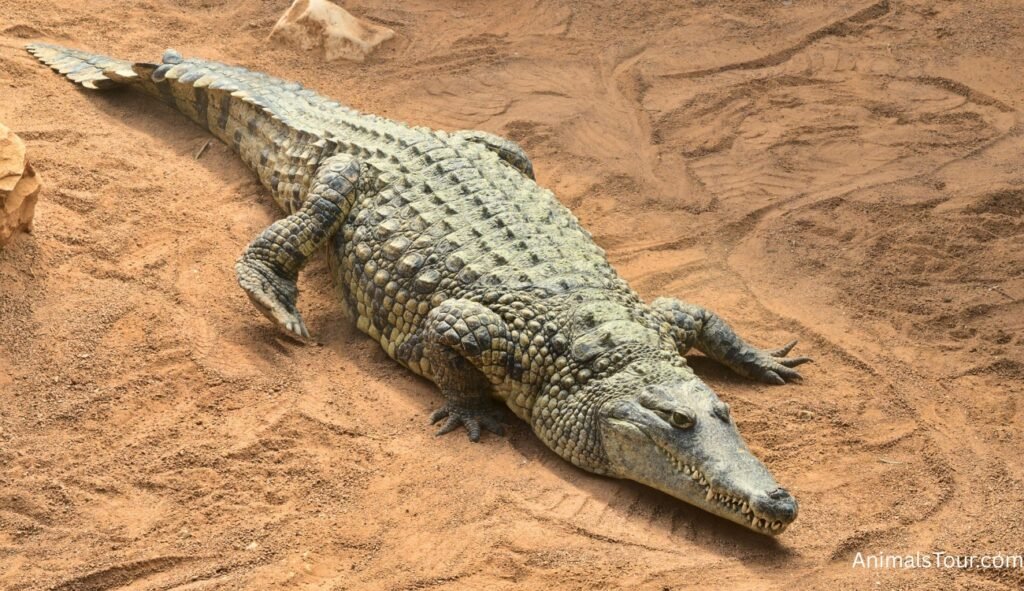
Their diet is quite varied, eating everything from fish and birds to antelopes and zebras that come to drink, catching them with a swift and powerful surprise attack. Nile Crocodiles often spend their days basking in the sun on riverbanks or floating just below the water’s surface, patiently waiting for an unsuspecting meal to pass by. This way of living allows the Nile Crocodile to remain a top predator in its savanna environment.
Fun Fact: Nile crocodiles can hold their breath underwater for over an hour while waiting for prey.
15. Aardvark
Scientific Name: Orycteropus afer
Class: Mammalia
Diet: Insectivore
The aardvark is a fascinating animal known for its unique way of life in the African savannas. It spends its days sleeping soundly in cool, deep burrows it digs with its powerful claws. When night falls, the aardvark awakens and uses its long snout and sticky tongue to find its favorite meal: ants and termites, eating thousands in one night. This clever digger is perfectly adapted to its savanna home, living a quiet life focused on finding its next insect meal.
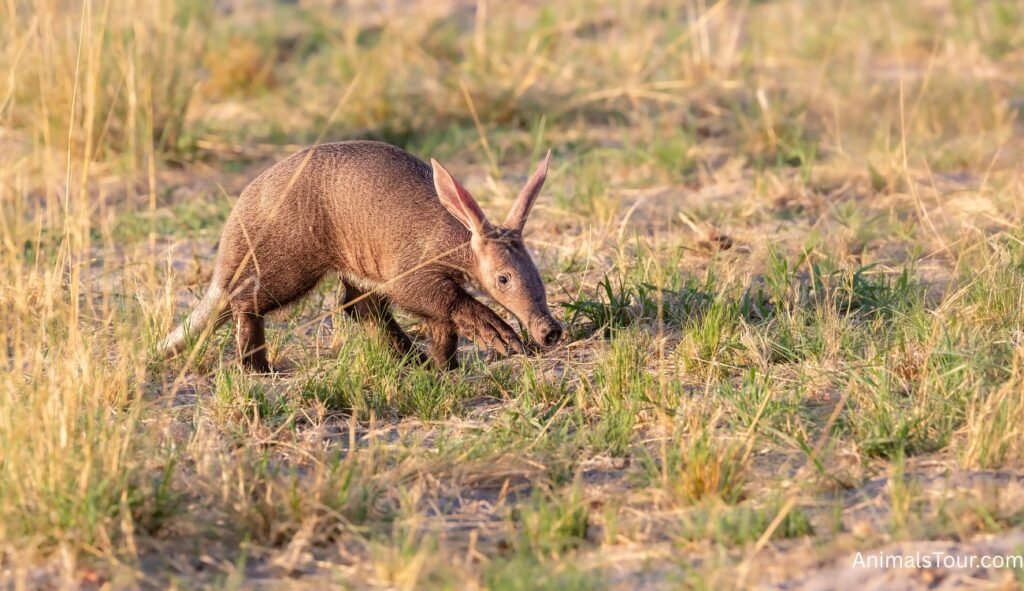
Fun Fact: Aardvarks can dig a new burrow in less than a night if threatened.
Other Animals That Live In Savannas
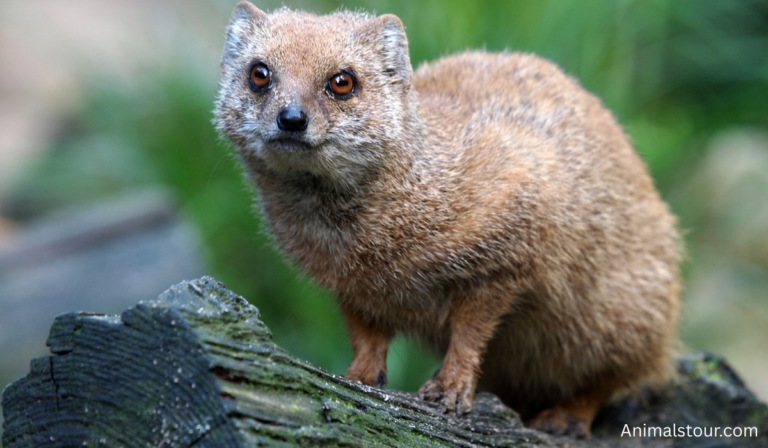
The African savanna is a vibrant place, home to many amazing animals beyond the top 15 well-known ones. Large grazers like the powerful rhinoceros and the vast herds of wildebeest can be seen moving across the grassy plains, finding food. Clever wild dogs hunt in groups, working together to catch prey, while agile springboks leap and bound through the tall grasses. Even smaller creatures, such as various types of mongooses and a wide array of colorful birds, make their homes and find sustenance in this diverse environment. These savannas truly burst with life, supporting countless creatures big and small.
Final Words
So, we’ve learned about 15 amazing animals that live in the savannas. From big elephants and fast cheetahs to tall giraffes, these grasslands are full of different kinds of life. Each animal has special ways to find food and stay safe in this open land, showing how clever they are. The savanna is a super important place for all these creatures to live and grow, making it a truly special home for incredible wildlife.
FAQs:
What are the animals in the savannas?
Animals that live in savannas include lions, elephants, cheetahs, zebras, giraffes, hyenas, buffalo, warthogs, ostriches, meerkats, servals, secretary birds, impalas, Nile crocodiles & aardvarks. The plants live in the open grasslands receiving seasonal rainfall with isolated trees.
What is the biggest savanna animal?
The African elephant is the biggest land animal in the Savanna. It may weigh more than 6,000 kilograms and eats large portions of vegetation a day.
What is the fastest animal at the savanna?
The quickest animal that inhabits savannas is the cheetah. During hunts of antelope in open grasslands it can speed up to 100 kilometers per hour shortly.
What is so significant about savannas in the context of wildlife?
The significance of savannas is that it allows high levels of biodiversity. They offer the home to giant herbivores and predators of the highest order. The grazing activities keep the plants balanced. Savannas have river systems that sustain the reptiles and the birds
What is a savanna habitat?
A savanna is a tropical or subtropical grassland ecosystem that has sparsely spaced trees and has a distinctive wet and dry season. It favors the big grazers, predators, birds and reptiles. Majority of savannas are located in Africa, South America, Australia and some parts of India.
What enables animals to survive in the savanna?
Animals are surviving in the savanna because of being adapted to the heat, drought and predators. Many migrate to follow rain. Others are night creatures so as to escape daytime heat. Herbivores work out to be good grazers. The predators depend on speed, teamwork or disguise. Burrowing animals do not expose themselves to the rigorous temperature in the field.