Top 15 Cleanest Animals in the World
This article uncovers the top 15 cleanest animals in the world, showcasing some amazing habits that help them stay spotless. Identifying the world’s cleanest animal can shift our perspective on animal behavior and can teach us something valuable about our own cleanliness routines. Prepare to be inspired by nature’s most sanitary beings and discover just how vital cleanliness is, even in the wild!
List of Cleanest Animals in The World
Here is the list of the top 15 Cleanest Animals in the world.
- Cats
- Squirrels
- Rabbits
- Polar Bears
- Deer
- Raccoons
- Sea Otters
- Beavers
- Tigers
- Hamsters
- Ants
- Badgers
- Songbirds
- Birds of Paradise
- Elephants
Cats
Scientific Name: Felis catus
Class: Mammalia
Diet: Carnivore
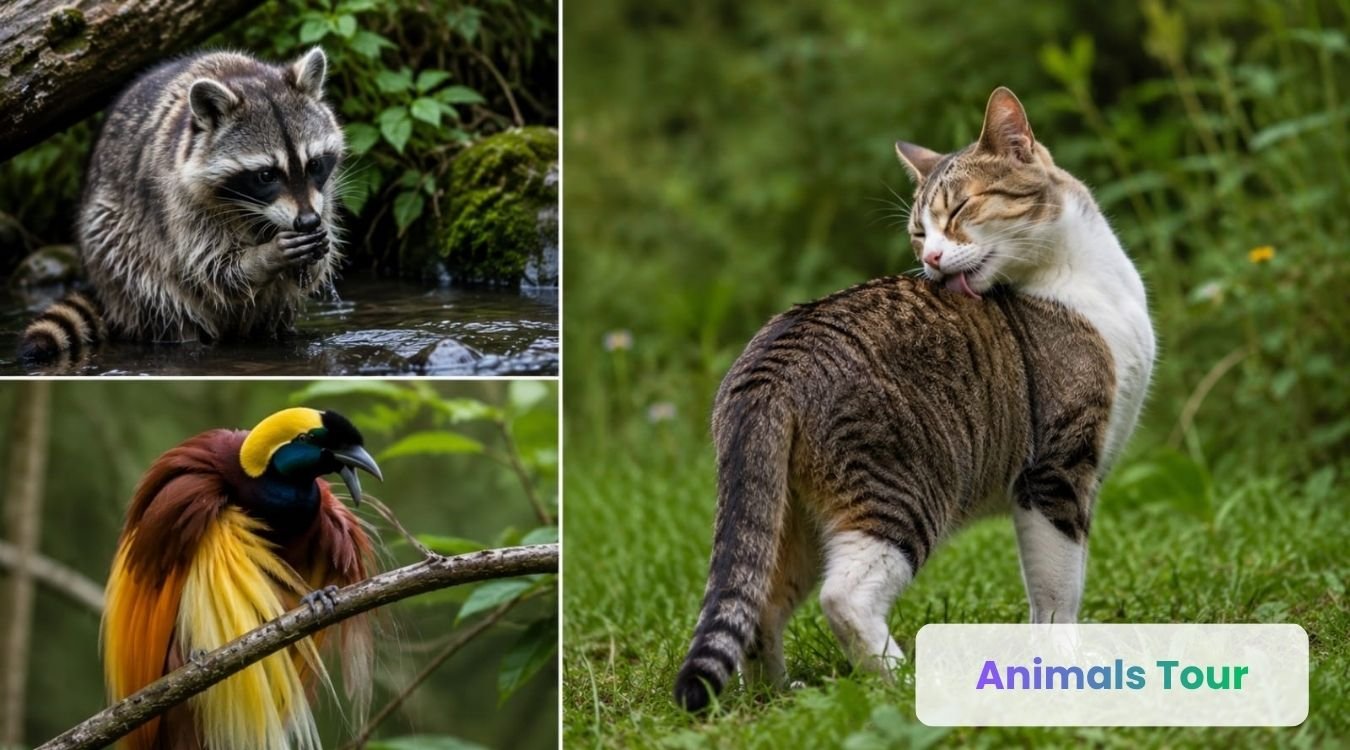
Cats are known to be some of the cleanest animals you’ll ever meet. They spend a lot of their day grooming themselves, using their rough tongues to remove dirt and loose fur. This helps keep their fur clean and shiny, and it also makes them smell good! Unlike dogs, who may roll in mud, cats prefer to stay tidy. It’s like they have their own spa routine.
Their grooming ritual is more than just cleanliness; it’s a way for cats to relax and calm themselves. Watching a cat meticulously clean its paws or face can be mesmerizing. This self-care routine is an instinctive behavior that has evolved over thousands of years, ensuring they not only look good but also stay healthy and safe from potential threats.
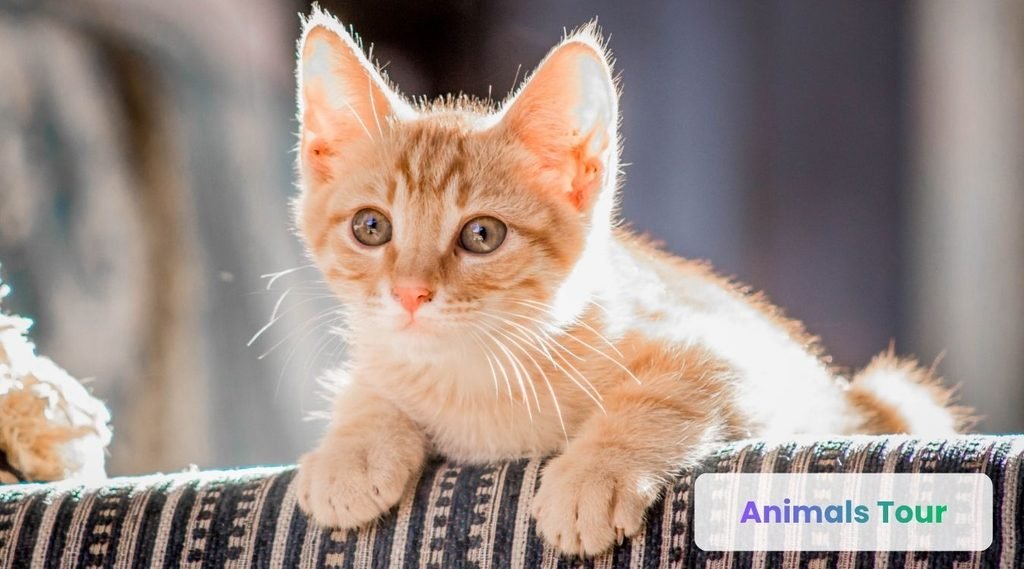
In addition to their personal grooming, cats instinctively use their litter boxes, setting them apart from many other pets. This makes them ideal companions for those who may not have a lot of time for extensive clean-up. With their graceful, hygienic habits, cats truly embody the essence of cleanliness, reminding us of the beauty and elegance found in nature’s design.
Squirrels
Scientific Name: Sciuridae
Class: Mammalia
Diet: Herbivore/Omnivore
Squirrels are not just playful creatures; they are also among the cleanest animals in the world. These carefree little mammals spend a lot of time grooming themselves. You can often see them using their tiny paws to brush their fur, making sure it’s tidy and free of dirt. Just like humans, they pay attention to their appearance, which helps them stay healthy.
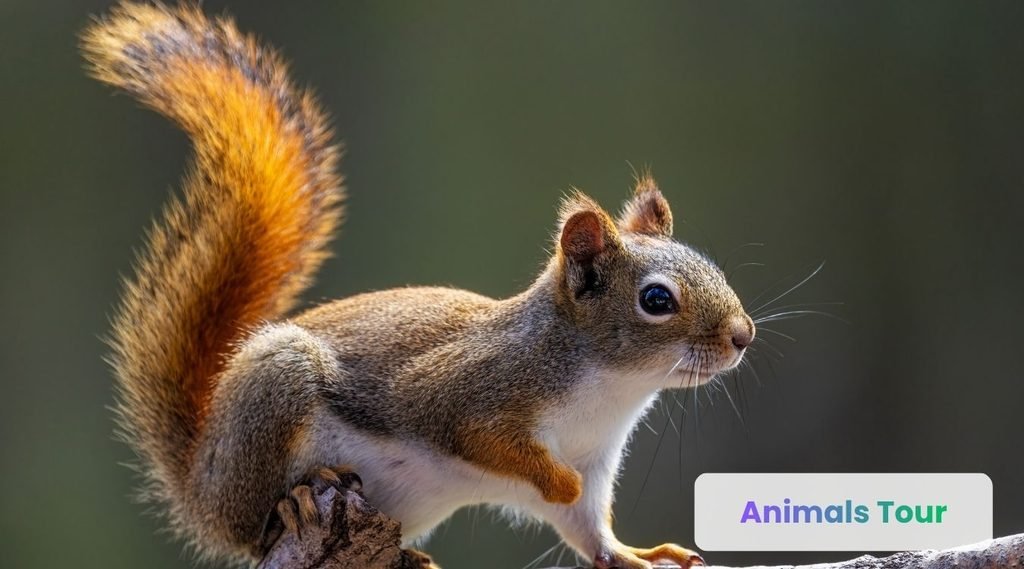
Their cleanliness extends to their homes too. Squirrels are intelligent and agile foragers, meaning they carefully choose what to eat and where to store their food. They don’t just bury nuts anywhere; they make sure to create organized caches in different spots. This meticulous foraging helps keep their living areas nice and clean, reducing the chances of attracting pests or parasites. By being so careful, squirrels demonstrate that cleanliness is key to a healthy lifestyle.
Rabbits
Scientific Name: Oryctolagus cuniculus
Class: Mammalia
Diet: Herbivore
Rabbits are not just charming and cute; they are also known for their impressive hygiene habits. These animals spend a significant part of their day grooming themselves, which helps them keep a clean environment. By licking their fur, they remove dirt and parasites, making sure they stay healthy and comfortable. This behavior shows how much they care about cleanliness.
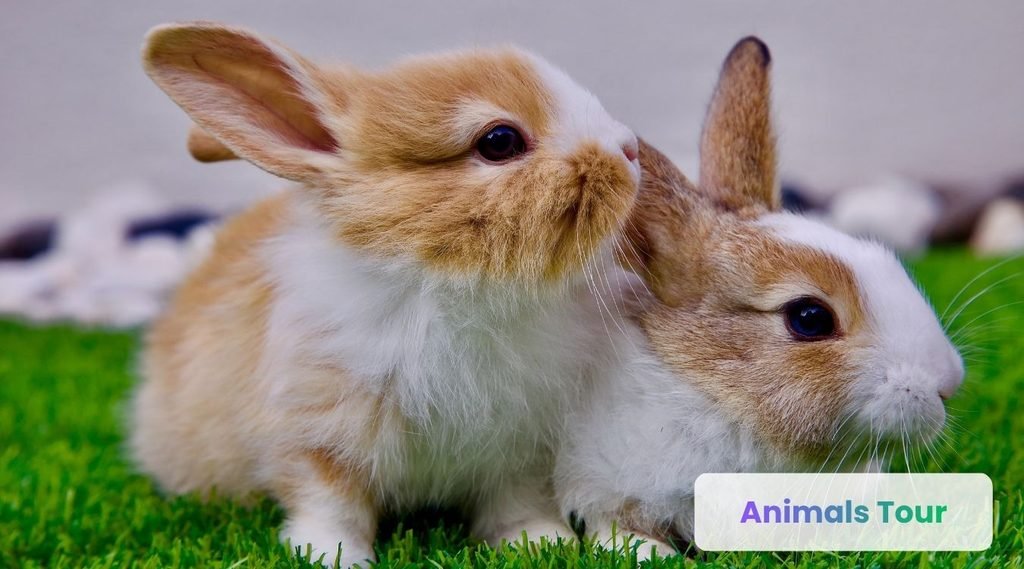
In the wild, rabbits create burrows that not only serve as homes but also help keep their living space tidy. They separate their eating areas from their bathroom spots, which prevents their homes from getting dirty. This instinctual behavior helps them avoid discomfort and stay safe from predators. Because of their dedication to hygiene, rabbits can be great pets, bringing joy without the mess that other animals might create.
Polar Bear
Scientific Name: Ursus maritimus
Class: Mammalia
Diet: Carnivore
Polar bears are known as the majestic titans of the Arctic. They have thick, white fur that keeps them warm in freezing temperatures and helps them blend into their snowy surroundings. Surprisingly, despite living in such a harsh environment, polar bears are among the cleanest animals. They often take time to clean their fur, using their powerful claws to remove dirt and parasites. This cleanliness is important for their health and for staying stealthy while hunting.
As top predators in their hunting grounds, these bears rely on their blubber for insulation and energy. When they hunt seals, they maintain a clean coat that helps them sneak up quietly on their prey. By keeping their fur clean, they enhance their chances of success in these icy landscapes.
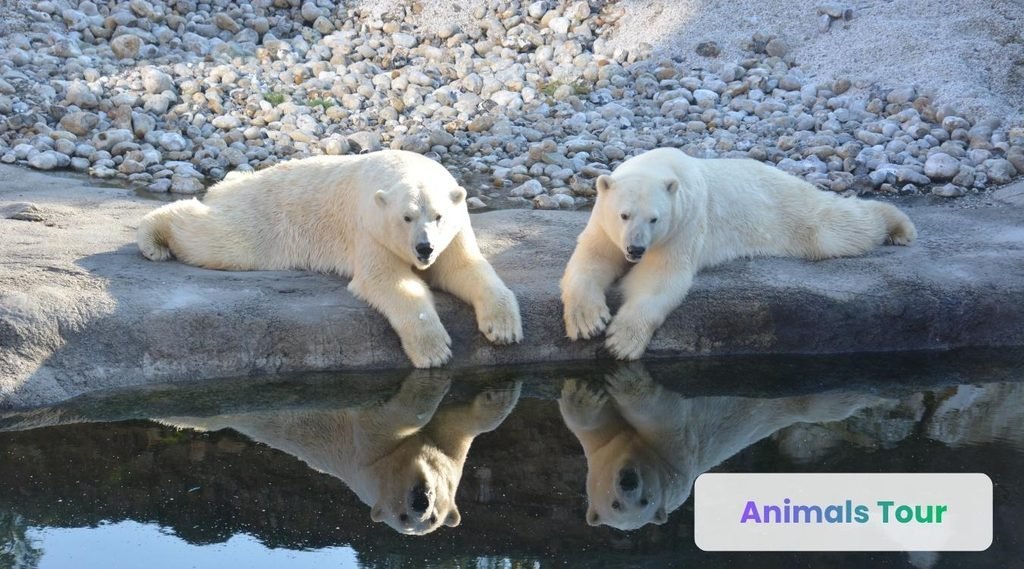
The cleanliness of polar bears not only aids in their survival but also highlights how even the toughest animals pay attention to their health and hygiene. In such a challenging environment, their habits remind us of the importance of staying clean and caring for ourselves.
Deer
Scientific Name: Cervidae
Class: Mammalia
Diet: Herbivore
Deer are often viewed as some of nature’s most fastidious creatures, quietly embodying the essence of cleanliness. Their sleek coats reflect not only their physical health but also the care they invest in daily grooming rituals. You’ll often see them nibbling at tufts of grass or rubbing against trees to shed dead hair and remove debris. This meticulous grooming isn’t purely aesthetic; it helps control parasites and maintain their social bonds, with playful grooming between mates reinforcing ties within herds.
In a world that applauds the ‘survival of the fittest,’ the deer gently reminds us of the balance between strength and cleanliness. Their foraging behaviors, focused primarily on fresh, nutritious plants, underscore their instinct for a healthy diet. With each grazing session, they seem to resonate an unspoken commitment to their environment, keeping it free from excess while ensuring their own health.
Raccoons
Scientific Name: Procyon lotor
Class: Mammalia
Diet: Omnivore
Raccoons are known for their dexterous front paws and inquisitive nature, but what often goes unnoticed is their remarkable approach to cleanliness. These clever creatures regularly engage in self-grooming, meticulously tending to their fur to keep it neat and healthy. You’ll often catch them using their paws to comb through their thick coats, removing dirt and debris – a behavior that helps them stay pristine in their urban or natural environments.
Additionally, raccoons exhibit a unique habit known as “dousing” when it comes to their food. It’s not just a quirky trait; they often dip their meals in water before eating, almost as if washing them. This behavior likely stems from their natural instincts, ensuring that their food is as clean as possible before consumption. Their combined grooming and dousing rituals make raccoons standout contenders for the title of one of the cleanest animals in the world.
Sea otters
Scientific Name: Enhydra lutris
Class: Mammalia
Diet: Carnivore
Sea otters are meticulous groomers, often seen floating on their backs, using their paws to meticulously clean their fur. Their dense coat, made up of up to a million hair strands per square inch, serves a crucial purpose: it insulates them against chilly ocean waters. Each sea otter dedicates a significant part of its day to grooming, removing dirt, debris, and even parasites to ensure its fur remains waterproof and fluffy.
This grooming routine is not just about appearing tidy; it’s a matter of survival. When their fur is well-maintained, they can trap air more effectively, retaining warmth that is vital for their life in frigid environments. Additionally, clean fur allows them to swim more efficiently, enhancing their hunting skills as they dive for food. In essence, a clean coat is a crucial factor in their ability to thrive in the wild, showcasing the remarkable relationship that sea otters have with their grooming habits.
Beavers
Scientific Name: Castor canadensis
Class: Mammalia
Diet: Herbivore
With meticulous attention, beavers engage in a grooming ritual that highlights their dedication to cleanliness. Using their sharp front paws and claws, they carefully comb and arrange their thick fur, ensuring that each strand is in place. This grooming not only keeps their coat looking neat but also plays a vital role in maintaining its water-resistant qualities.
Beavers possess specialized castor glands that secrete natural oils, which they spread over their fur during grooming. This oil creates a protective barrier, aiding in insulation and keeping their fur dry, even in cold waters. By investing time and effort into their grooming routine, beavers ensure that they remain both comfortable and well-adapted to their aquatic environment, showcasing their innate understanding of cleanliness and self-care.
Tigers
Scientific Name: Panthera tigris
Class: Mammalia
Diet: Carnivore
Tigers devote a significant part of their day to self-grooming, a necessary routine that not only keeps them looking good but also supports their health. With their rough tongues, they skillfully remove dirt, loose fur, and parasites from their beautiful coats. This grooming not only maintains the cleanliness of their fur but also helps to regulate body temperature and prevent skin infections.
In addition to grooming on land, tigers often seek out water, where they enjoy swimming and cooling off. As they paddle through the water, they naturally rinse away any debris from their fur, allowing them to stay comfortable in their environment. This combination of grooming and swimming illustrates the importance tigers place on maintaining good hygiene, as it plays a crucial role in their overall well-being.
Hamsters
Scientific Name: Mesocricetus auratus
Class: Mammalia
Diet: Omnivore
Hamsters frequently pause their activities to groom themselves, showcasing a meticulous routine that highlights their commitment to cleanliness. Using their tiny paws, they carefully clean their faces and fur, reaching even the trickiest areas with ease. This attention to detail not only tidies their appearance but also helps maintain their skin health and overall comfort.
In addition to their grooming rituals, hamsters exhibit a unique behavior regarding their cheek pouches. After storing food, they can turn these pouches inside out to clean them effectively. This ensures that any leftover particles are removed, preventing potential infections or discomfort. Such specialized cleaning habits distinguish hamsters in the world of pets, illustrating how their instinctual behaviors contribute to their hygiene.
Ants
Scientific Name: Formicidae
Class: Insecta
Diet: Omnivore
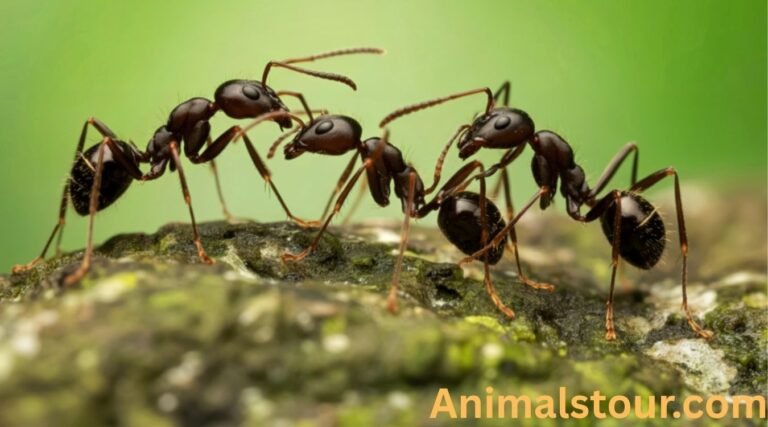
Ants take hygiene to heart, engaging in meticulous grooming that keeps both themselves and their colony mates spotless. Using their legs and mandibles, they delicately scrub away dirt and debris, fostering a healthier environment within the nest. This communal grooming ritual not only enhances personal cleanliness but also strengthens social bonds among the workers.
Moreover, ants are diligent housekeepers, routinely removing waste and dead insects to minimize the risk of disease in their community. Their instinctive behaviors ensure that the colony remains a hygienic habitat, allowing for optimal growth and productivity. In a world where cleanliness is often overlooked, the structured routines of these small creatures illustrate an important aspect of life as one of the cleanest animals.
Badgers
Scientific Name: Meles meles
Class: Mammalia
Diet: Omnivore
Badgers are interesting nocturnal mammals that spend much of their time digging burrows. These homes, often called setts, are elaborate tunnels that can have multiple entrances and rooms. Badgers are known for being clean animals; they often have specific areas in their burrows where they go to the bathroom. This attention to hygiene helps keep their living spaces tidy and reduces the spread of disease.
As scavengers, badgers play a key role in the ecosystem. They eat a variety of foods, including insects, fruits, and even small animals. By scavenging, they help control populations and clean up waste, which supports a healthy environment. Badgers can also help plants grow by spreading seeds through their droppings, making them important for maintaining balance in nature. Their habits remind us that every creature has a role to play in our world, no matter how small.
Songbirds
Class: Aves
Diet: Omnivore
Songbirds are not just known for their melodious tunes; they also have some pretty interesting hygiene habits. These birds often clean themselves by using natural things like dust and water to keep their feathers in top shape. This isn’t just about looking good; it helps them stay healthy and fly better. You might often see them shaking off dirt or preening their feathers with their beaks, making sure every inch is spotless.
In some cases, songbirds even enjoy a communal bath! When they all splash around in the same puddle or birdbath, they’re not only washing away dirt but also keeping their ecosystem cleanliness in check. This group behavior shows their innate knowledge: together, they can have more fun and stay healthier. By taking care of themselves and joining in these activities, songbirds play an essential role in nature, reminding us that cleanliness isn’t just about looking good; it’s about staying healthy and connected with others.
Birds of Paradise
Scientific Name: Paradisaeidae (Family)
Class: Aves
Diet: Omnivore
Birds of Paradise are among the most flamboyant avians you can find. Living mainly in New Guinea, these birds draw attention not just for their colorful feathers but also for their incredible cleanliness. Unlike many other animals, they take their grooming seriously. You can often see them preening their feathers, making sure every part is tidy and looking its best. This attention to detail helps them not only show off during mating displays but also keeps them healthy by removing dirt and parasites.
Their environment plays a big role in their cleanliness habits. In the lush rainforests of New Guinea, with its vibrant flowers and tropical plants, these birds find plenty of safe spots to clean themselves. They also enjoy taking baths in fresh streams, which helps keep their feathers shiny and bright. This meticulous grooming ensures that they are always ready to impress, whether it’s attracting a mate or flying through the dense jungle.
Elephant
Scientific name: Elephas maximus (Asian elephant) / Loxodonta africana (African savanna elephant)
Class: Mammalia
Diet: Herbivore, mainly grasses, leaves, bark, roots, fruits, and other plant matter
Elephants are not only the largest land animals, but they are also among the cleanest animals in the world. They have a unique way of keeping themselves tidy. For starters, elephants often take dust baths using loose dirt or sand to clean their skin. This helps protect them from sunburn and pesky insects. They also love to wade into rivers and lakes, where they splash water on themselves, washing off mud and debris.
Another interesting fact about elephants is that they are very careful about where they sleep. They often choose clean spots away from the herd’s dung, ensuring their resting area is tidy. Elephants even seem to know how to make their surroundings better. If they find an area that isn’t clean, they might move things around or kick away any trash. Their natural instincts for cleanliness help keep their habitats healthy and beautiful for the animals around them.
Which is the Cleanest Animal in the World ?
When it comes to the title of the most cleanest animal in the world, many people might think of cats. Cats are known for their grooming habits, spending a large part of their day licking their fur to keep it clean. This isn’t just for appearance; it’s also a way for them to relax and stay cool in their environment. Their tongues have tiny hooks that help remove dirt, loose fur, and even parasites, ensuring they maintain top-notch hygiene.
In contrast to other animals, cats are quite low-maintenance as pets. They instinctively know how to care for themselves, which is a big reason why many people love having them around. Their grooming routines help them stay healthy and play a crucial role in the animal ecosystem by keeping their fur free from harmful substances. So, if you’re looking for a pet that emphasizes cleanliness and care, a cat could be the best choice.
Conclusion
The cleanest animals in the world show us how important it is to stay tidy in nature. From the fastidious grooming of cats to the organized living habits of some birds, these animals remind us that cleanliness isn’t just for humans. They help keep their homes and surroundings neat, which is essential for their health. Learning about these clean animals can inspire us to take better care of our environment too. So, let’s be more like them and do our part to keep our world clean.
FAQs
What is the cleanest animal in the world?
The cleanest animal is often considered to be the cat, known for its meticulous grooming habits.
Why are some animals cleaner than others?
Some animals have evolved grooming behaviors to maintain hygiene, reduce parasites, and enhance social bonding.
Are clean animals also good pets?
Yes, many clean animals, like cats and certain dog breeds, make great pets due to their grooming habits and low odor.
Do clean animals have any specific habitats?
Clean animals can thrive in various environments, but they often prefer areas where they can easily maintain their cleanliness, such as sandy or grassy locations.