Explore 14 Most Dangerous Animals in Puerto Rico ( images)
Puerto Rico is home to stunning beaches and vibrant culture, but it also hides some truly dangerous animals. Understanding these creatures is crucial for both locals and tourists to ensure safety while exploring the beautiful landscapes. In this article, we’ll dive into the most dangerous animals in Puerto Rico, complete with images that showcase their unique features. Prepare to learn about their habitats and behaviors, so you can enjoy your trip with a little more awareness.
List Of Most Dangerous Animals in Puerto Rico
Below is the List of Most Dangerous Animals in Puerto Rico Rainforest:
- Humpback Whales
- Puerto Rican Racer
- Yellow Fever Mosquitoes
- Mona Blind Snake
- Box Jellyfish
- Tent Cobweb Weaver
- Scorpions
- Red Lionfish
- Giant Centipede
- Brown Recluse
- West Indian Manatee
- Great White Shark
- Puerto Rican Tarantula
- Fer-de-Lance Snake
Humpback Whales
Scientific Name: Megaptera novaeangliae
Class: Mammalia
Diet: Carnivore – mainly feeds on krill, small fish (such as herring and anchovies), and plankton.
Humpback whales, often seen lighting up the waters around Puerto Rico, may surprise you as one of the most dangerous animals in Puerto Rico. Though they embody grace and beauty, their sheer size can pose risks to smaller boats and curious individuals. When they breach the surface, it’s a breathtaking sight, but these massive creatures can unwittingly cause significant damage if they land near vessels.
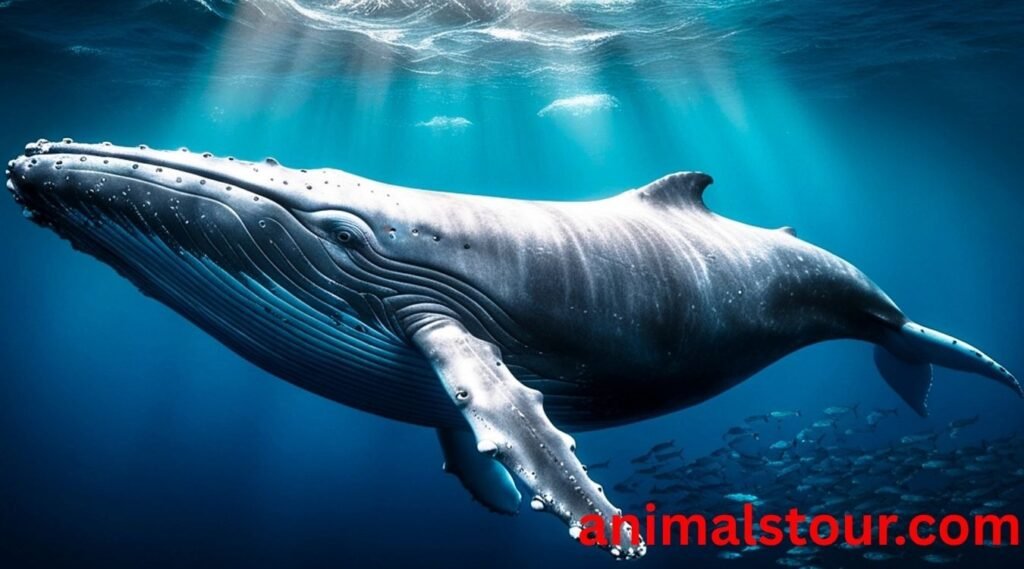
Their playful nature can lead them into close encounters, escalating into dangerous situations for both humans and whales alike. Their quick movements and unpredictable actions mean that getting too close can result in accidents. Understanding their boundaries is crucial to enjoying the experience safely. By respecting these giants of the sea, we can appreciate their magnificence while recognizing the potential risks they bring to our waters.
Puerto Rican Racer
Scientific Name: Borikenophis portoricensis
Class: Reptilia
Diet: Carnivore – feeds mainly on lizards, frogs, small birds, rodents, and other small vertebrates.
The Puerto Rican Racer, a snake known for its speed and agility, stands out among the dangerous animals in Puerto Rico. While it is non-venomous, its swift movements and striking appearance can easily unsettle those who encounter it. This snake primarily preys on small birds and lizards, contributing to the island’s delicate ecosystem.
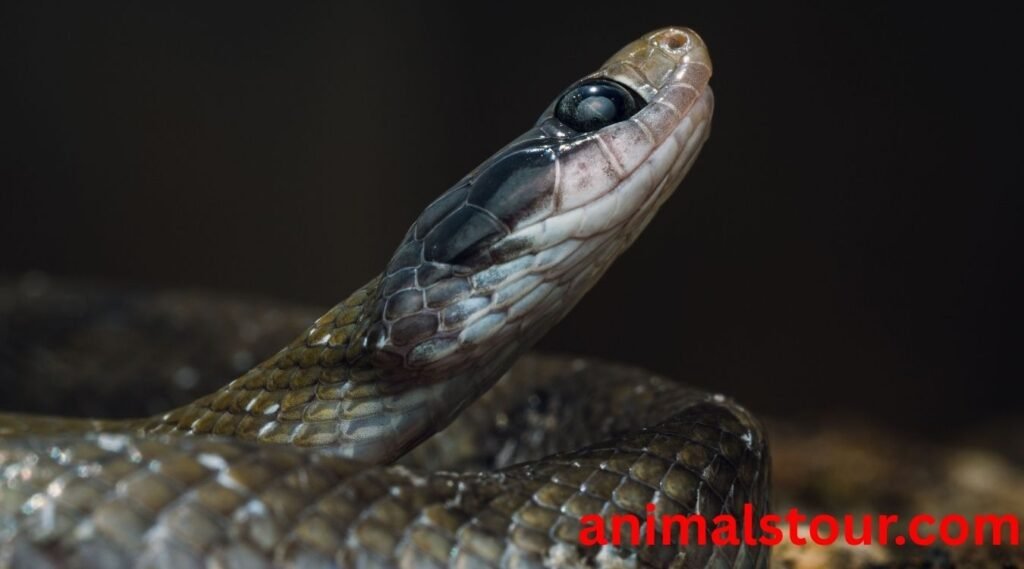
Though often misunderstood, the Puerto Rican Racer plays a vital role in controlling pest populations. Conservationists emphasize the importance of protecting this species, as habitat loss has significantly impacted its numbers. Learning about Puerto Rico animals, like the Racer, can foster a greater appreciation for the diverse wildlife that inhabits the island. Engaging with these creatures highlights the balance needed in nature, reminding us that even the most alarming animals have their place in our world.
Yellow Fever Mosquitoes
Scientific Name: Aedes aegypti
Class: Insecta
Diet: Omnivore – females feed on blood to produce eggs, while both males and females feed on nectar and plant sugars.
The Yellow Fever mosquito, a small but fierce creature, ranks among the most dangerous animals in Puerto Rico. Known scientifically as Aedes aegypti, these mosquitoes are responsible for transmitting diseases like dengue, Zika, and chikungunya. Their ability to thrive in urban environments means they easily infiltrate homes, spreading illness with every bite.
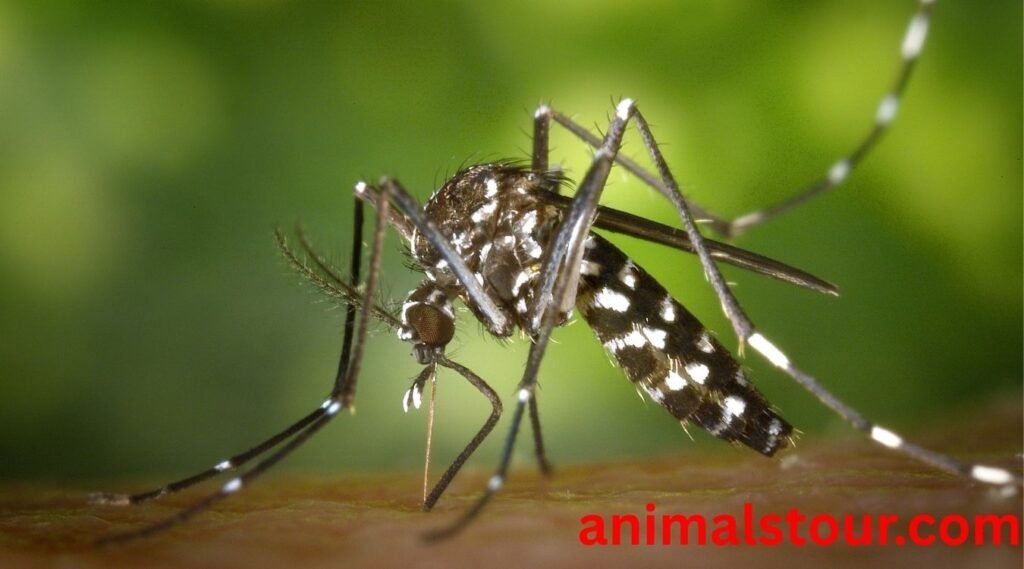
What makes these mosquitoes particularly alarming is their aggressive nature and adaptability. They prefer to bite during daytime, unlike many other mosquitoes, heightening the risk of encounters. Public health efforts are crucial, as controlling their population involves eliminating standing water where they breed. Awareness is key, and simple measures like using repellents or wearing protective clothing can significantly reduce the threat of these disease-carrying insects.
Mona Blind Snake
Scientific Name: Antillotyphlops monensis
Class: Reptilia
Diet: Carnivore – feeds mainly on ants, termites, and their larvae and eggs.
The Mona Blind Snake, while small and often overlooked, is one of the dangerous animals in Puerto Rico’s rainforest. With its secretive nature, it spends most of its life hidden in the ground, making encounters rare but potentially alarming. This snake is non-venomous, yet its unique ability to mimic the appearance of venomous species can lead to dangerous misunderstandings.
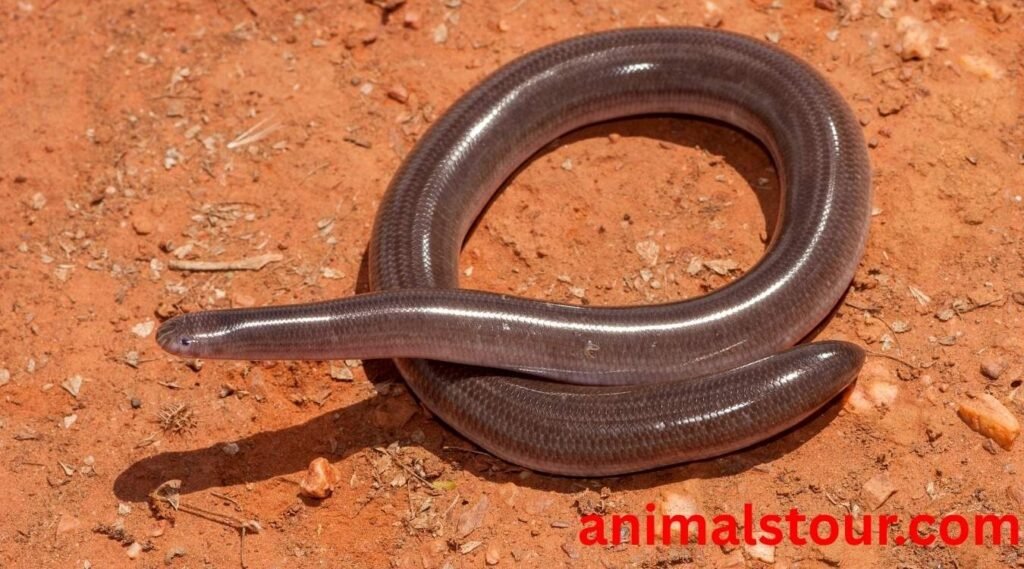
Additionally, the Mona Blind Snake plays a crucial role in the ecosystem, helping control pest populations. Its diet mainly consists of ants and termites, making it a vital player in maintaining environmental balance. Even though it poses no direct threat to humans, its presence serves as a reminder of the intricate relationships among the animals in Puerto Rico and their habitats. Always be aware of your surroundings in this lush paradise.
Box jellyfish
Scientific Name: Chironex fleckeri (the best-known box jellyfish species)
Class: Cubozoa
Diet: Carnivore – feeds mainly on small fish, shrimp, and other small marine animals.
Box jellyfish are among the most dangerous animals in Puerto Rico, lurking beneath the surface of its warm coastal waters. These translucent creatures pack a powerful sting that can be fatal, making them a serious threat to swimmers and beachgoers alike. Unlike many jellyfish, box jellyfish can actively swim, which allows them to get close to unsuspecting victims.
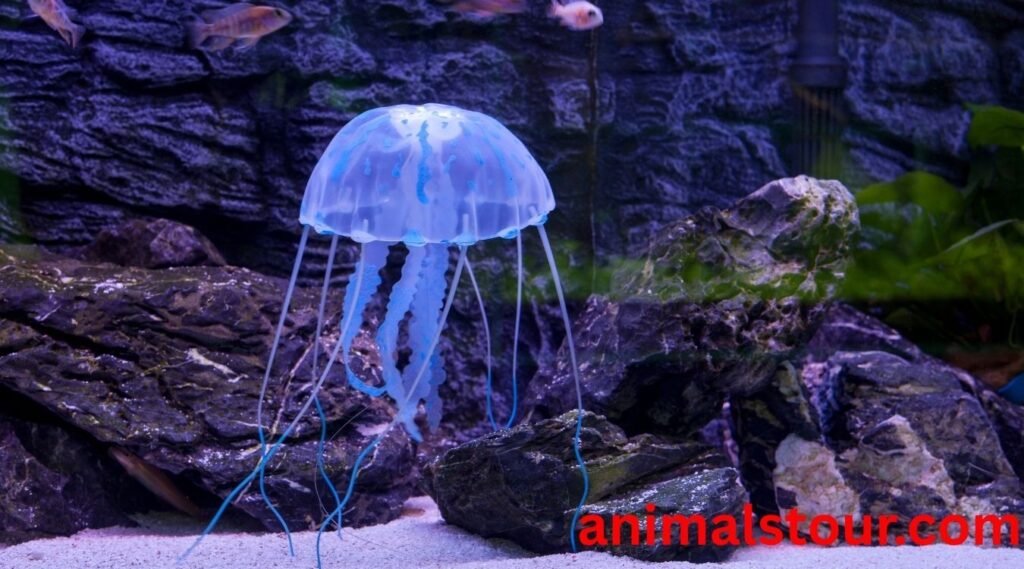
Their tentacles contain thousands of tiny, venom-filled cells that can cause intense pain, paralysis, and even death. While they’re often associated with tropical regions, the presence of these deadly animals in Puerto Rico waters calls for caution. Awareness is key, especially for those exploring the island’s beautiful beaches or engaging in water sports. Sensible precautions, like staying informed about jellyfish sightings, can help ensure safety in the water.
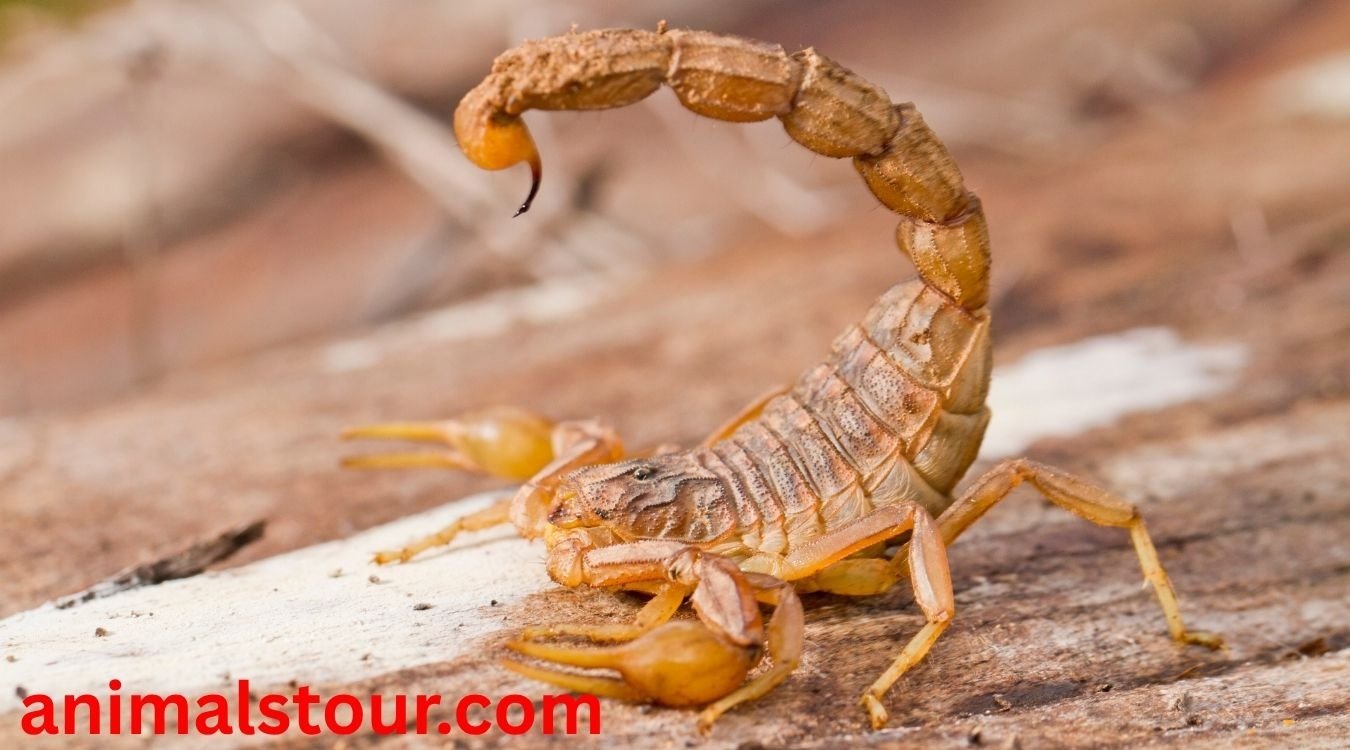
Scorpions
Scientific Name: Scorpiones (order containing all scorpion species)
Class: Arachnida
Diet: Carnivore – feeds mainly on insects, spiders, centipedes, and other small animals; larger species may also eat small lizards and rodents.
Scorpions are among the most dangerous animals in Puerto Rico. While they may be small, these creatures pack a powerful sting that can cause serious pain and discomfort. Often hiding under rocks or in dark corners, they blend into the environment, making them hard to spot. Their venom is not usually life-threatening, but it can provoke allergic reactions in some people, emphasizing the need for caution.
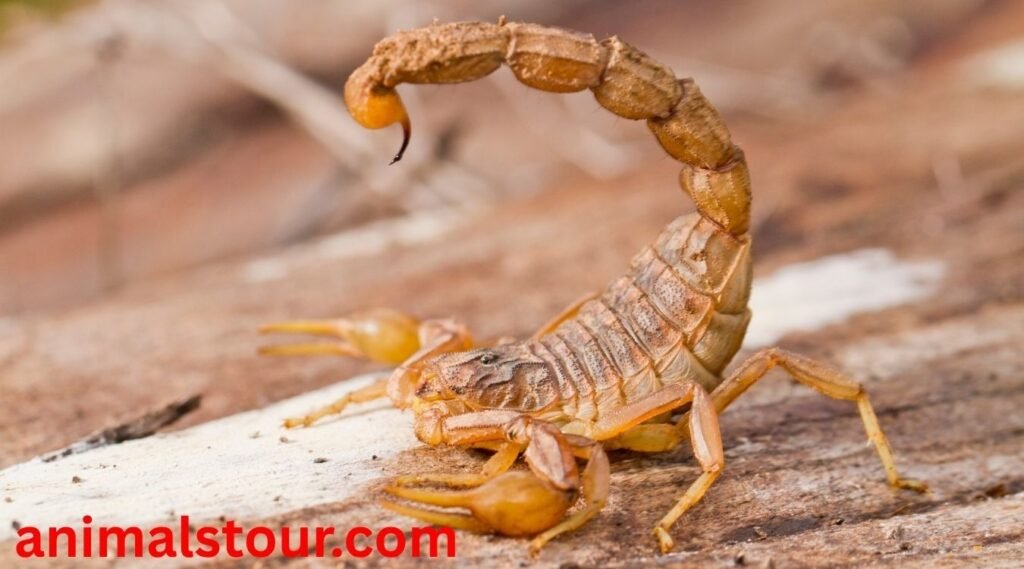
Puerto Rico is home to several species of scorpions, with the most notorious being the Puerto Rican bark scorpion. Understanding their behavior and habitat can help residents and visitors avoid unwanted encounters. When exploring this beautiful island, it’s vital to be aware of what animals are in Puerto Rico, including these hidden dangers. Always check your footwear and surroundings, especially when hiking or camping, to stay safe from these elusive predators.
The Red Lionfish
Scientific Name: Pterois volitans
Class: Actinopterygii
Diet: Carnivore – feeds mainly on small fish, shrimp, crabs, and other marine crustaceans.
The red lionfish stands out among the dangerous animals in Puerto Rico, known for its striking appearance and venomous spines. This fish, with its dramatic red and white stripes, is not just beautiful but also a ruthless predator. Found in coral reefs and shallow waters, it disrupts local ecosystems by preying on smaller fish, outcompeting native species for food.
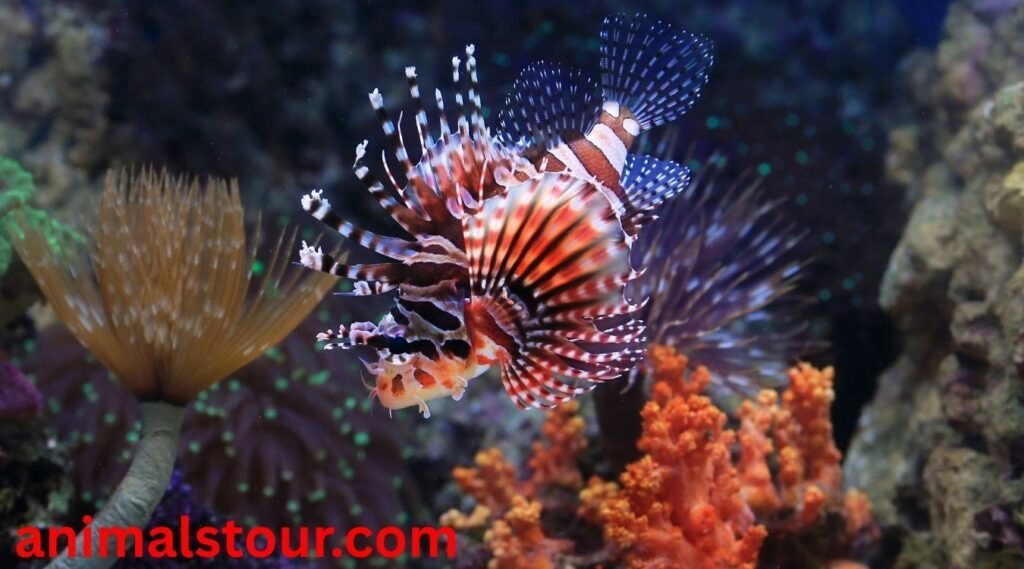
In Puerto Rico’s rainforest and marine environments, the lionfish’s invasive nature poses serious threats to biodiversity. Its rapid reproduction allows it to spread quickly, making it challenging for local communities and conservationists. Understanding the impact of such dangerous animals helps us appreciate the delicate balance of Puerto Rico’s unique ecosystems.
Giant Centipede
Scientific Name: Scolopendra gigantea
Class: Chilopoda
Diet: Carnivore – feeds on insects, spiders, frogs, lizards, mice, bats, and other small animals.
The Giant Centipede is one of the most dangerous animals in Puerto Rico, capturing the attention of both locals and visitors. Growing up to 12 inches long, its venomous bite can cause severe pain, swelling, and nausea. Despite its fearsome reputation, this creature plays a vital role in the ecosystem, helping to control pest populations.
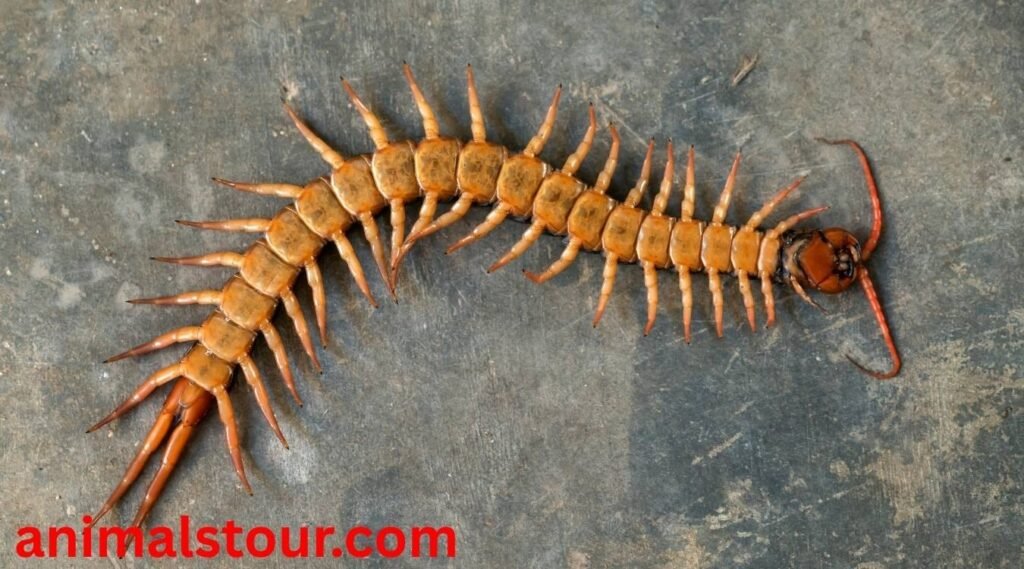
Often lurking in leaf litter or under rocks, the Giant Centipede is more active at night, making encounters surprising. While it may seem intimidating, understanding its behavior can help people avoid unwanted bites. In Puerto Rico, respecting such fascinating yet dangerous animals enhances our appreciation for the island’s unique biodiversity.
Brown Recluse spider
Scientific Name: Loxosceles reclusa
Class: Arachnida
Diet: Carnivore – feeds mainly on insects, cockroaches, crickets, moths, and other small arthropods.
The Brown Recluse spider is one of the most dangerous animals in Puerto Rico. Known for its distinct violin-shaped marking, this small creature hides in dark corners, making it easy to overlook. Its venom can cause severe skin damage and even systemic reactions in some cases, which is alarming given its subtle presence in homes and gardens.
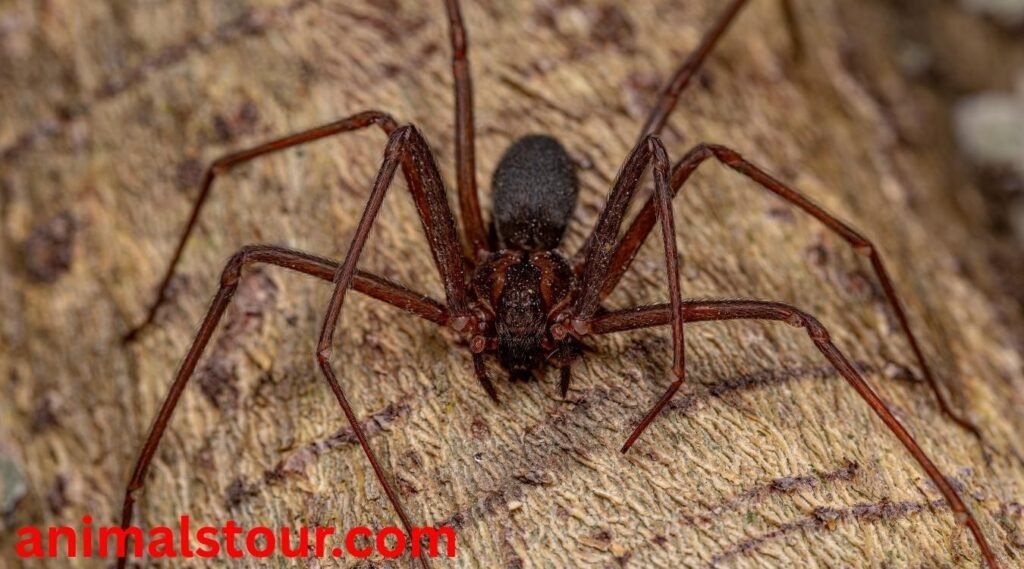
While many might think of wild animals in Puerto Rico as the larger, more visible threats, the Brown Recluse quietly poses a risk that often goes unnoticed. Awareness and caution are essential when exploring both nature and our living spaces. By understanding these hidden dangers, residents can learn to coexist with the diverse wildlife without fear.
West Indian Manatee
Scientific Name: Trichechus manatus
Class: Mammalia
Diet: Herbivore – feeds mainly on seagrasses, algae, mangrove leaves, and other aquatic plants.
The West Indian Manatee, often seen as gentle giants in Puerto Rico’s coastal waters, may not seem dangerous at first glance. However, their sheer size and powerful tails can be hazardous, especially for unsuspecting boaters. These hefty creatures can reach lengths of up to 13 feet, making collisions potentially deadly on the water.
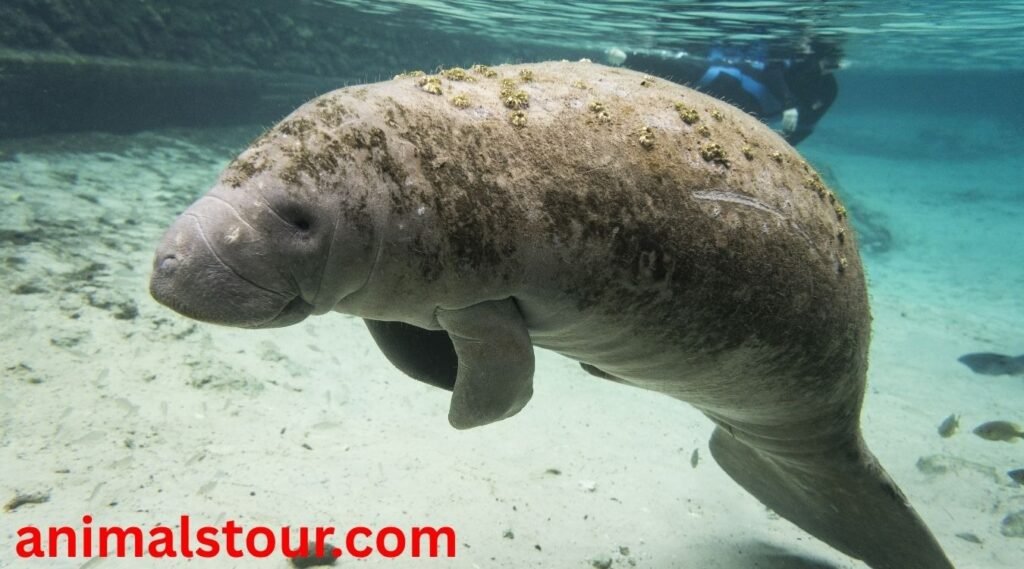
While they are mostly herbivores, their presence often leads to increased boat traffic and accidents, marking them as surprising threats among Puerto Rico’s wildlife. Protecting their habitats is crucial, as human activities only heighten the risks associated with these incredible animals. Often underestimated, the manatee represents a unique aspect of Puerto Rico’s diverse and complex ecosystem, reminding us that even the gentlest beings can have dangerous consequences when disrupted.
Great White Shark
Scientific Name: Carcharodon carcharias
Class: Chondrichthyes
Diet: Carnivore – feeds mainly on fish, seals, sea lions, dolphins, rays, and other marine animals.
The Great White Shark stands out as one of the most dangerous animals in Puerto Rico’s coastal waters. Known for their impressive size and fierce hunting skills, these sharks symbolize the ocean’s raw power. While their reputation often inspires fear, it’s essential to recognize that encounters with humans are extremely rare and often misunderstood.
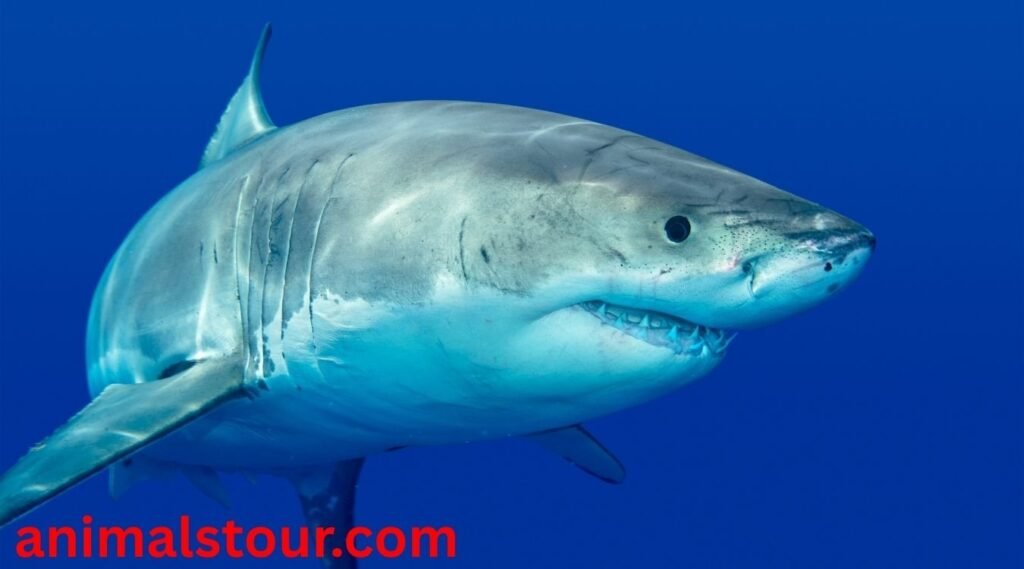
In Puerto Rico, the lush rainforests are home to various wildlife, but the ocean’s depths harbor these majestic predators. The balance between admiration and caution is vital. Understanding their role in the ecosystem helps reduce fear, reminding us that the most dangerous animals in Puerto Rico, like the Great White, play a crucial part in maintaining ocean health. Respecting their territory is key to enjoying the beauty of both land and sea.
Fer-de-Lance snake
Scientific Name: Bothrops asper
Class: Reptilia
Diet: Carnivore – feeds mainly on rodents, birds, frogs, lizards, and other small mammals and reptiles
The Fer-de-Lance snake, known as “Bothrops asper,” reigns among the most dangerous animals in Puerto Rico’s rainforest. This venomous snake is sleek and agile, often blending seamlessly into its lush surroundings. With a bite that can be life-threatening, it serves as a reminder of nature’s hidden dangers.
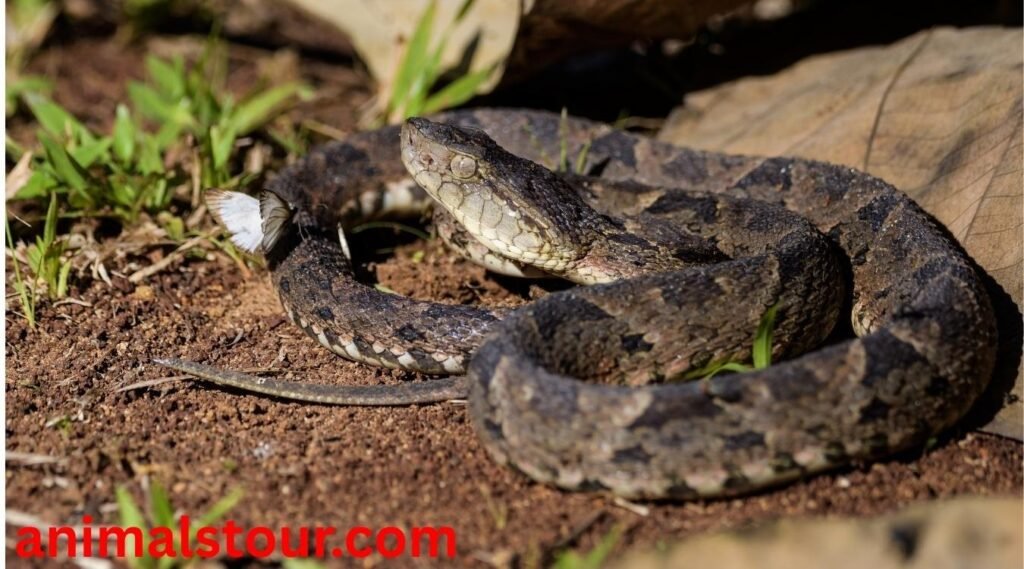
People exploring Puerto Rico’s wildlife should tread carefully, especially in dense foliage where the Fer-de-Lance lurks. Its aggressive nature can catch even the most cautious off guard, making awareness essential for anyone venturing into the wild. Respect for this creature ensures that nature remains a fascinating adventure rather than a perilous encounter.
Final Thought
The Puerto Rico rainforest is home to various dangerous animals, each playing a unique role in the ecosystem. From venomous snakes to large predators, these creatures remind us of nature’s beauty and risks. It’s crucial to respect their habitats and understand their behavior to stay safe. Knowledge is power, whether you’re hiking or simply exploring. Always be cautious and aware of your surroundings when enjoying this stunning environment.
FAQs
1. What are the most dangerous animals in Puerto Rico’s rain forest?
The rain forest is home to animals like the Puerto Rican boa, feral pigs, and venomous snakes. These creatures can be harmful if approached.
2. Are there any poisonous frogs in Puerto Rico?
Yes, Puerto Rico has the golden poison dart frog, which can be very toxic. It’s best to admire these frogs from a distance.
3. How dangerous are mosquitoes in the rain forest?
Mosquitoes can spread diseases like dengue and Zika. Using repellent is important to protect yourself from bites.
4. Are there any large predators in the rain forest?
The Puerto Rican boa is the largest snake in the area. While it’s not usually aggressive, it can be dangerous if threatened.
5. Is it safe to hike in the rain forest?
Hiking is generally safe if you stay on marked trails and watch for wildlife. Always be cautious and aware of your surroundings.
6. What should I do if I see a wild animal?
Stay calm and back away slowly. Do not approach or try to feed animals, as this can provoke them.
8. Are there any protective measures I can take?
Wearing long sleeves and using insect repellent helps keep you safe. Staying with a group and having a guide can also offer protection.