Top 26 Skinny Animals in the World
This article uncovers the top 26 skinny animals in the world that showcase incredible resilience and adaptation. By examining the unique characteristics of these slim animals, we can appreciate the diversity of life on Earth and gain a fresh perspective on survival.
List of Top 26 Skinny Animals in the World
Here is the list of the top 26 skinny animals in the world that will be discussed in detail.
- 1-Meerkat
- 2-Gazelle
- 3-Giraffe
- 4-Needlefish
- 5-Stoat
- 6-Whippet
- 7-Alpaca
- 8-Greyhound
- 9-Spotted Garden Eel
- 10-Red Slender Loris
- 11-Mako Shark
- 12-Kangaroo
- 13-Etruscan Shrew
- 14-Dragonfly
- 15-Ferrets
- 16-Great Egret
- 17-Common house gecko
- 18-Stick bug
- 19-Brookesia Micra Chameleon
- 20-Ribbon Eel
- 21-Carolina mantis
- 22-Asian Grass Lizard
- 23-Flying Dragon
- 24-Threadsnake
- 25-Slender Salamander
- 26-Olm
Meerkat – A Small and Social Skinny Animal
Scientific Name: Suricata suricatta
Class: Mammalia
Meerkats are interesting creatures that captivate audiences with their social structures and remarkable adaptations. As one of the most iconic examples of skinny animals in the world, these mammals thrive in the harsh environments of southern Africa’s Kalahari Desert. Their slender bodies are perfectly designed for survival in challenging terrains, allowing them to dart into burrows and evade predators with remarkable speed.

One of the most intriguing characteristics of meerkats is their cooperative behavior, known as mobbing. When threat appears, one meerkat stands sentinel, scanning the horizon while others forage for food. This teamwork enhances their chances of survival in a hostile environment, also showcases the complexity of their social interactions. Their communication skills are equally impressive; they utilize a variety of vocalizations to alert the group of danger, sometimes even specific calls for different predators.
The meerkat is a naturally curious animal, often standing upright to observe its surroundings. Moreover, meerkats’ lifestyle extends beyond mere survival. By engaging in communal grooming and sharing childcare responsibilities, they show the deep kinship bonds among them. This social structure not only fosters a sense of community but also highlights how skinny animals can thrive through collaboration and intelligence.
Gazelle – Swift and Agile Slender Creatures
Scientific Name: Gazella
Class: Mammalia
Gazelles, the epitome of grace in the animal kingdom, are often noted for their striking physiques, characterized by long legs and thin limbs. These skinny animals have evolved to be masters of escape, using their remarkable speed and keen senses to evade predators . Their lightweight frames are not just a physical feature but an adaptive advantage, enabling them to leap impressive distances and make sharp turns to outmaneuver threats.
Gazelles have a smart way of surviving in the wild. They live in herds, and this helps them stay safe. When many gazelles stay together, they can watch in different directions and notice danger more quickly. If one senses trouble, the others react right away. This teamwork makes it harder for predators to catch them.
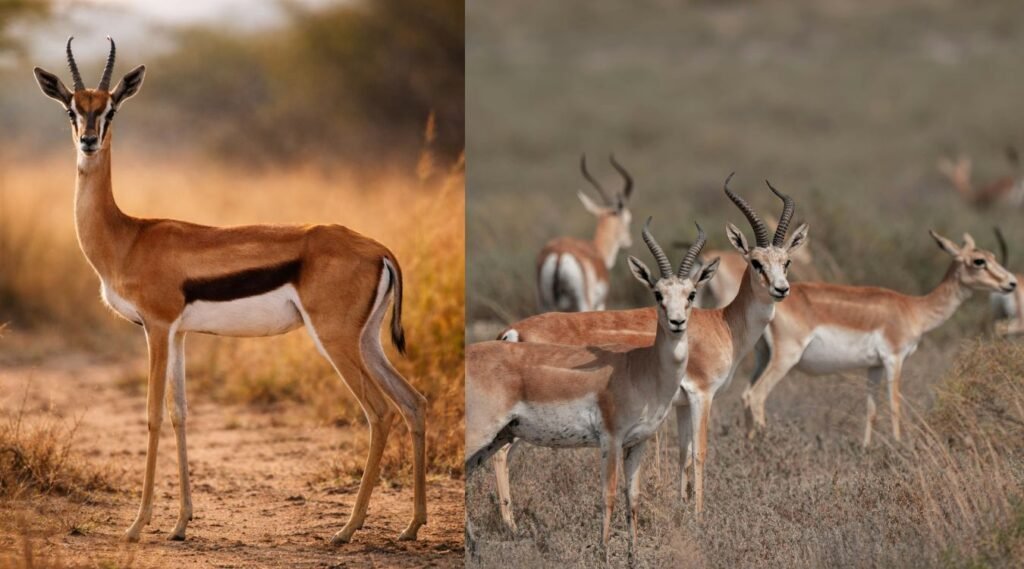
Their large, dark eyes are not just beautiful — they are very useful. These eyes give them a wide field of vision, so they can see predators from far away. Even though gazelles have thin legs and look delicate, they are strong and well-adapted to tough environments. They show that you don’t need to be big and heavy to survive; sometimes speed, awareness, and grace are just as powerful as strength.
Giraffe – The Tallest Among Skinny Animals
Scientific Name: Giraffa camelopardalis
Class: Mammalia
Giraffes are the tallest land animals in the world, easily recognized by their long necks and slender legs. Their unique body structure is not just for appearance-it plays a key role in their survival. The long neck allows them to reach high branches and feed on leaves that other herbivores cannot access.
This feeding advantage is especially important in dry regions where food can be limited. By browsing treetops, giraffes avoid direct competition with many other plant-eating animals. Their height also helps them spot predators from a distance, giving them extra time to react and stay safe.
Giraffes also have interesting social behavior. Instead of using loud sounds, they often communicate through body posture and subtle movements. These quiet signals help maintain order within groups. Overall, their height, feeding habits, and social interactions show how well they are adapted to life in the wild.

Needlefish – The Long, Thin Fish of Shallow Waters
Scientific Name: Belonidae
Class: Actinopterygii
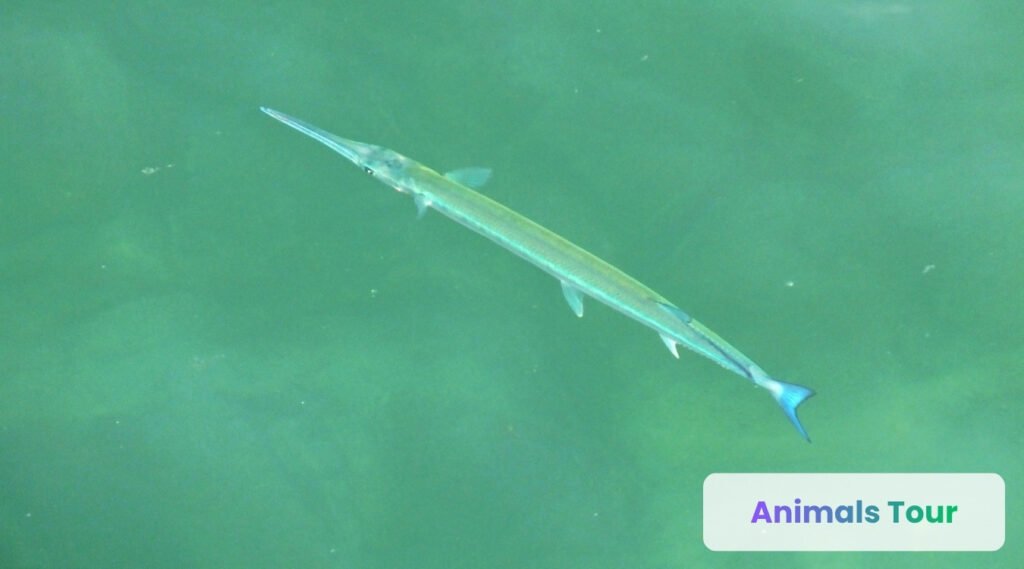
Needlefish are remarkable examples of skinny animals that have perfectly adapted to life in the water. With their long, slender bodies and pointed snouts, they look like living arrows gliding through coastal waters. These fish are commonly found in brackish areas such as estuaries, lagoons, and shallow coastlines. Their streamlined shape allows them to move quickly and smoothly, helping them survive in competitive marine environments.
One of the most striking features of needlefish is their sharp, elongated jaws filled with tiny teeth. This unique structure is not just for appearance — it plays a vital role in their hunting strategy. As active predators, needlefish use speed and precision to catch smaller fish near the surface. Their slim build gives them agility, proving once again that many skinny animals rely on speed and technique rather than size for survival.
Beyond their physical traits, needlefish also display interesting social behavior. They are often seen swimming in small schools, moving in coordinated patterns. This schooling behavior increases their protection from larger predators and improves their hunting efficiency. The combination of their narrow body design and group dynamics makes needlefish fascinating representatives of skinny animals in aquatic ecosystem.
Stoat – A Slim and Agile Predator of Cold Regions
Scientific Name: Mustela erminea
Class: Mammalia
Stoats are slender and agile hunters of the weasel family that show essence of adaptability in the wild. Their physical form enhances their stealth, allowing them to slip through the underbrush and surprise unsuspecting prey. Their transformation from rich brown to snowy white in winter not only serves as a stunning natural spectacle but also exemplifies their incredible ability to blend into diverse environments.

Stoats are also fascinating for their behaviors and social structures. Unlike many solitary hunters, stoats can exhibit playful behavior, engaging in bouts of mock combat that strengthen their agility and social bonds. This playful side contributes to their survival, fostering skills that hone their hunting techniques. The stoat’s adaptability makes it a symbol of resilience, thriving in climates ranging from the Arctic tundra to temperate woodlands.
Whippet – One of the Most Slender Dog Breeds in the World
Scientific Name: Canis lupus familiaris
Class: Mammalia
The Whippet is a strikingly slender dog breed, admired for its effortless elegance and high speed. Originating in 19th-century England, these dogs were carefully bred for racing and hunting, gifted with an incredible ability to sprint at astonishing speeds. Yet, despite their athletic heritage, Whippets often enjoy the quiet comforts of home, content to curl up and relax, revealing a gentle and affectionate side that endears them to families everywhere. Their playful yet calm nature makes them both lively companions and loving friends.

These sighthounds flourish in a wide range of environments, whether a bustling city apartment or a serene country home. With minimal grooming needs and a naturally composed temperament, they offer companionship without demanding constant attention. Their innate sensitivity allows them to form deep bonds with their humans, often mirroring moods and emotions in a subtle, loyal way. For anyone drawn to a slender, graceful dog, the Whippet embodies a perfect harmony of athleticism and gentle charm.
Alpaca – The Soft-Haired Herbivore of the Andes
Scientific Name: Vicugna pacos
Class: Mammalia
Alpacas are truly captivating creatures, often mistaken for their larger cousins, the llamas. These slender animals, with their soft, luxurious fleece and gentle demeanor, flourish in the high-altitude regions of the Andes. Their adaptability is extraordinary: a specialized digestive system allows them to make the most of the sparse, tough vegetation that grows in their harsh environment, demonstrating remarkable survival instincts in the thin mountain air.
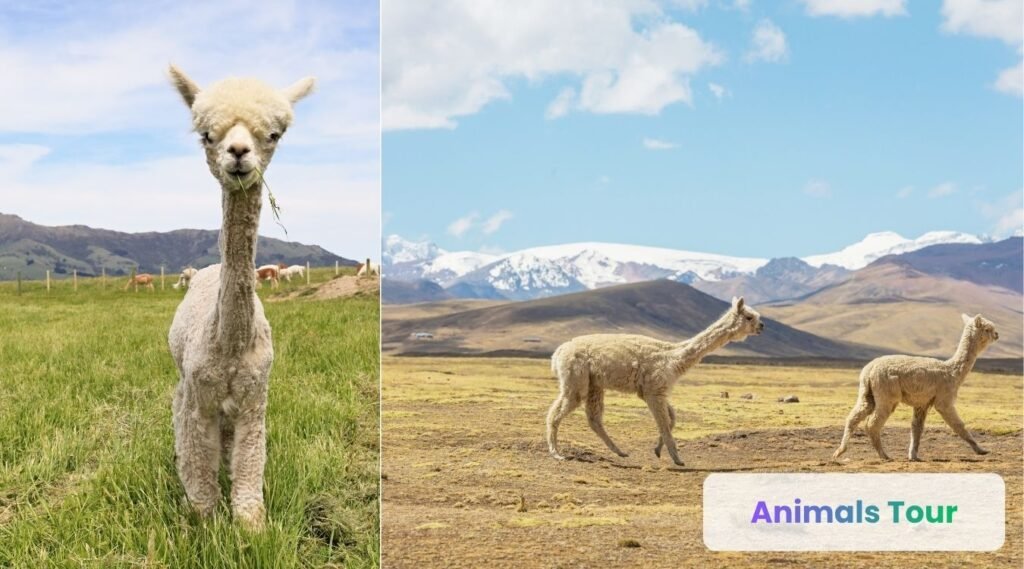
The alpacas are known to form strong bonds within their herds, these social animals exhibit intricate behaviors that enhance their well-being. Their communicative vocalizations range from gentle humming to sharper alarm calls, enabling them to convey feelings and alert their companions to potential dangers. This tight-knit social structure not only contributes to their survival but also highlights the profound emotional intelligence found in the animal kingdom.
Greyhound – The Fastest and Leanest Racing Dog
Scientific Name: Canis lupus familiaris
Class: Mammalia
Greyhounds, renowned for their sleek, streamlined bodies, are the embodiment of nature’s design for speed. These skinny animals possess an extraordinary physique. This allows them to reach astonishing speeds of up to 45 miles per hour. Free-spirited and agile, they were originally bred for hunting, showcasing an instinctive prowess that remains ingrained in them even today.

Despite their racing backgrounds, greyhounds are surprisingly gentle and calm, often catching newcomers off guard. Beneath their sleek, athletic exterior lies a dog that loves to lounge, content to enjoy long stretches of quiet at home. This calm temperament makes them remarkably adaptable. Welcoming a greyhound into your life means gaining a companion that embodies not only grace and agility but also warmth, comfort, and unwavering companionship.
Spotted Garden Eel
Scientific Name: Heteroconger hassi
Class: Actinopterygii
Spotted Garden Eel, averaging only a few inches in length, are among the smallest animals by weight. With their sleek black body sprinkled in bright white spots, they look like a living piece of art rising from the sea floor. These delicate creatures are usually found in the sandy areas of coral reefs, where they live partially buried in the sand. Only the upper part of their bodies remains visible as they gently sway with the current, creating a peaceful scene that resembles an underwater garden filled with tiny, moving stems.
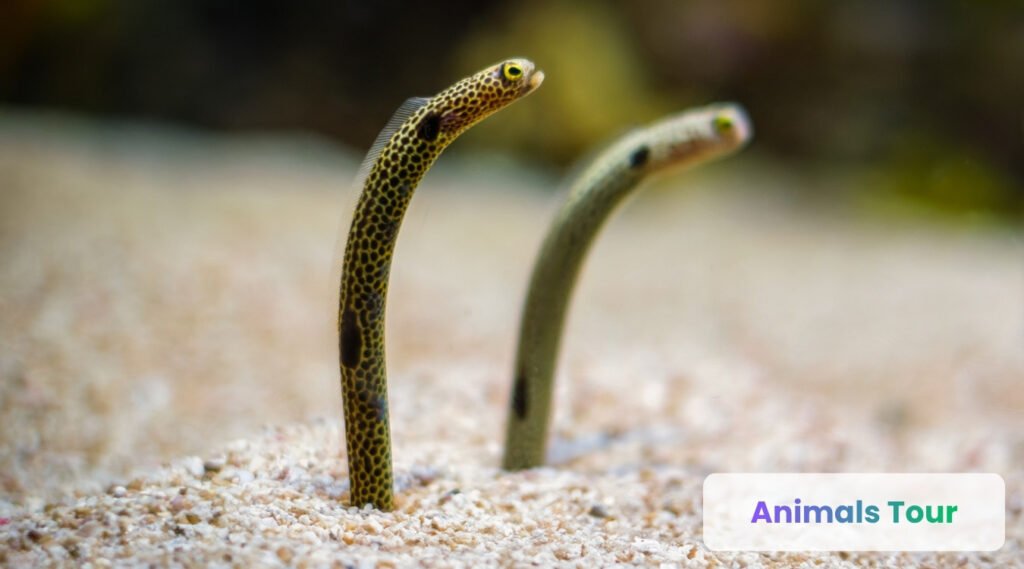
Interestingly, their diet consists mainly of plankton, which they capture with their quick, darting movements. This specialized feeding method highlights their adaptation to a niche environment, demonstrating nature’s intricate balance between predator and prey. Additionally, these eels exhibit a remarkable ability to sense vibrations in the water, allowing them to detect threats and opportunities with high precision.
Red Slender Loris – The Tiny Nocturnal Primate
Scientific Name: Loris tardigradus
Class: Mammalia
The Red Slender Loris, a dazzling gem of the nocturnal world, encapsulates the essence of adaptation and survival in its tiny form. Found in the lush forests of India and Sri Lanka, this primate is not just another face in the trees; it possesses an intriguing blend of features that make it uniquely suited to its environment.
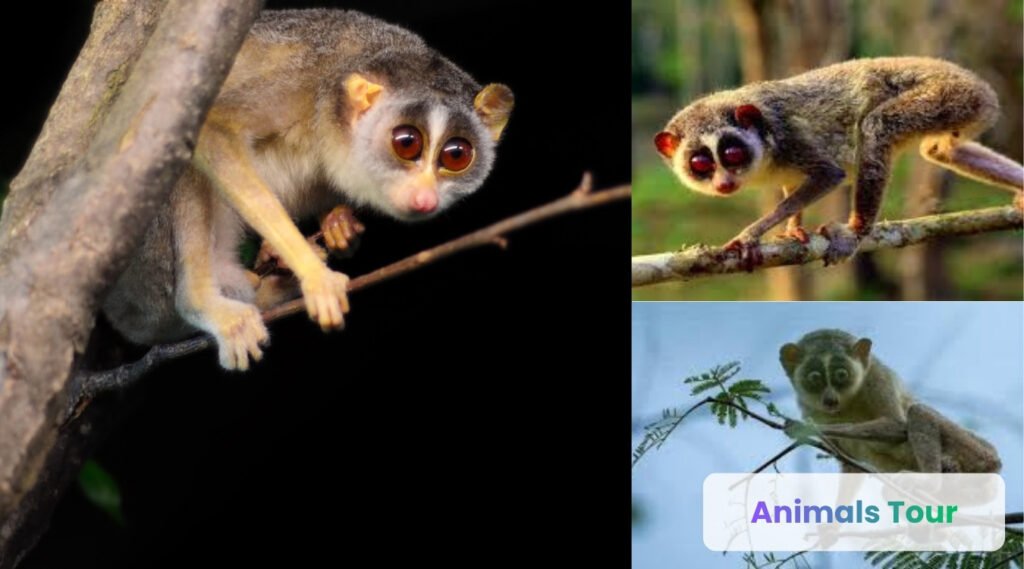
With its large, expressive eyes, the Slender Loris has evolved to thrive in low-light conditions. This adaptation not only aids in locating food but also helps it elude predators, making it a master of stealth.It helps keep insect populations in check, playing an important role in its forest ecosystem. Sadly, habitat loss and poaching threaten its survival. By protecting this delicate creature, we can help it continue to thrive among the trees.
Mako Shark – The Ocean’s Swift and Sleek Hunter
Scientific Name: Isurus oxyrinchus
Class: Chondrichthyes
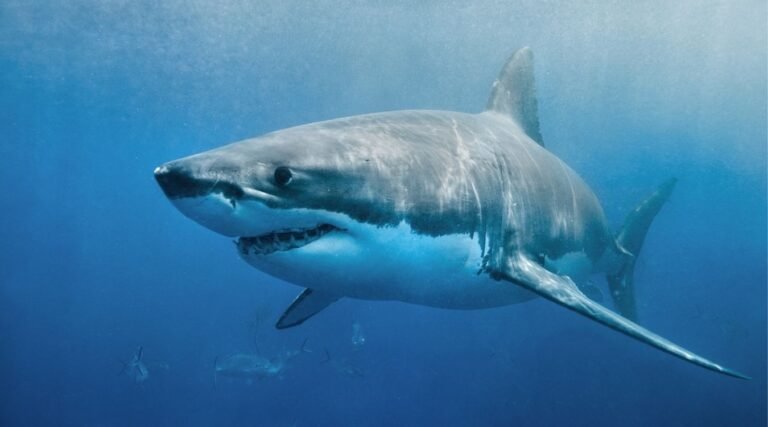
The mako shark, with its sleek, aerodynamic body, embodies the perfect predator of the ocean. This streamlined design enhances its speed so it can reach up to 45 miles per hour. It also facilitates agile maneuvers crucial for successful hunting. Unlike many species that rely solely on stealth, the mako employs a mix of speed and surprise, launching rapid, vertical strikes against unsuspecting prey.
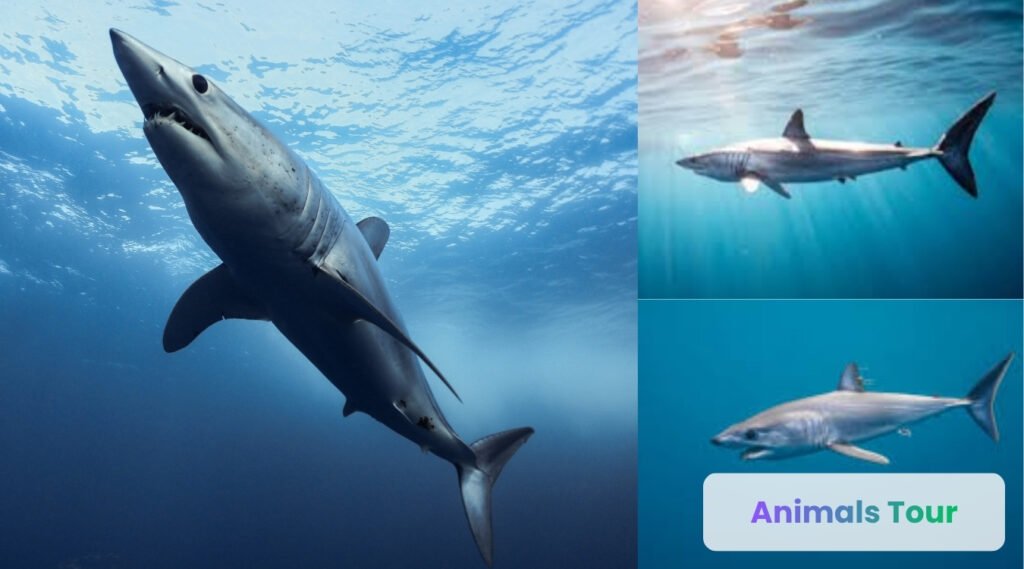
Mako Shark shows remarkable adaptability. It thrives in a variety of oceanic habitats, from temperate to tropical waters, and is capable of diving to impressive depths.By understanding these dynamics, we can gain insights into the broader health of marine ecosystems, highlighting the intricate connections between predators and their environments.
Kangaroo – Australia’s Lean and Powerful Hopper
Scientific Name: Macropus
Class: Mammalia
The kangaroo‘s remarkable agility and adaptability allow it to thrive in Australia’s diverse environments, from arid deserts to lush grasslands. With powerful hind legs, these marsupials can leap over obstacles, covering long distances in a single bound. This helps them escape predators and navigate their sprawling territories efficiently.
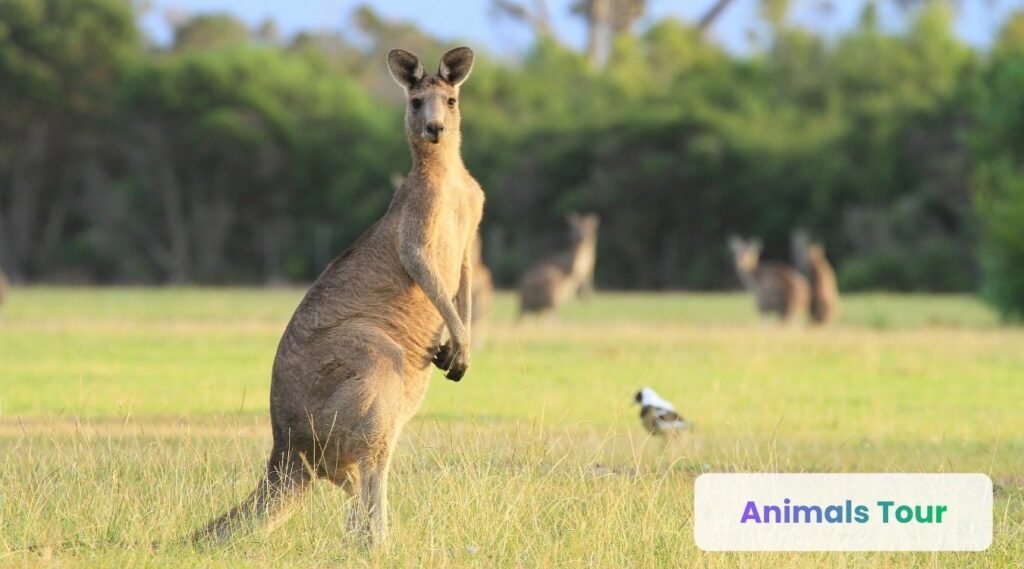
Beyond their physical attributes, kangaroos exhibit a fascinating social structure that fosters community and cooperation. Adult males often establish dominance hierarchies through sparring, but their interactions also allow them to forge bonds and communal safety. Female kangaroos, on the other hand, often engage in nurturing behaviors, creating a strong maternal network that aids in raising joeys.
Etruscan Shrew –Tiny Mammal with a Lightning Heartbeat
Scientific Name: Suncus etruscus
Class: Mammalia
The Etruscan shrew, weighing in at a mere 1.8 grams, is a marvel of the natural world, not just for its size but for its heartbeat that can reach a staggering 1,500 beats per minute. Its rapid heartbeat fuels an extremely high metabolism, allowing it to stay active almost constantly. To survive, the Etruscan shrew must eat frequently – sometimes consuming up to twice its own body weight in insects each day. This intense cycle of hunting and feeding highlights the extraordinary adaptations required for life at such a small scale.
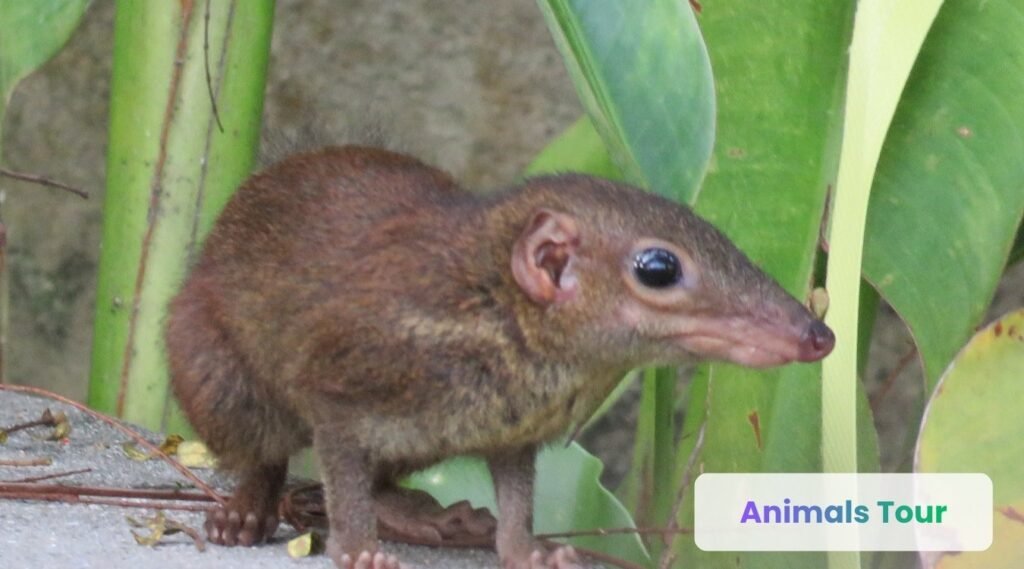
Despite its delicate appearance, the Etruscan shrew plays a meaningful role in its environment. As a relentless insect hunter, it helps regulate insect populations, contributing to the natural balance within its habitat. Its presence demonstrates how even the smallest predators are essential pieces of the ecological puzzle. The Etruscan shrew reminds us that significance is not measured by size – even the smallest life forms can have a powerful and lasting influence on the world around them.
Dragonfly – The Sky’s Tiny Acrobat
Scientific Name: Anisoptera
Class: Insecta
Dragonflies are not just beautiful aerial acrobats; they are a testament to nature’s engineering brilliance. These insects, with their radiant wings and multifaceted eyes, have existed for over 300 million years, making them one of Earth’s oldest living
species. Their flight abilities are truly impressive. They can hover, fly backward, and change direction mid-air with stunning agility. This versatility allows them to be both predators and prey in their wetland habitats, where they play a crucial role in maintaining the ecological balance.
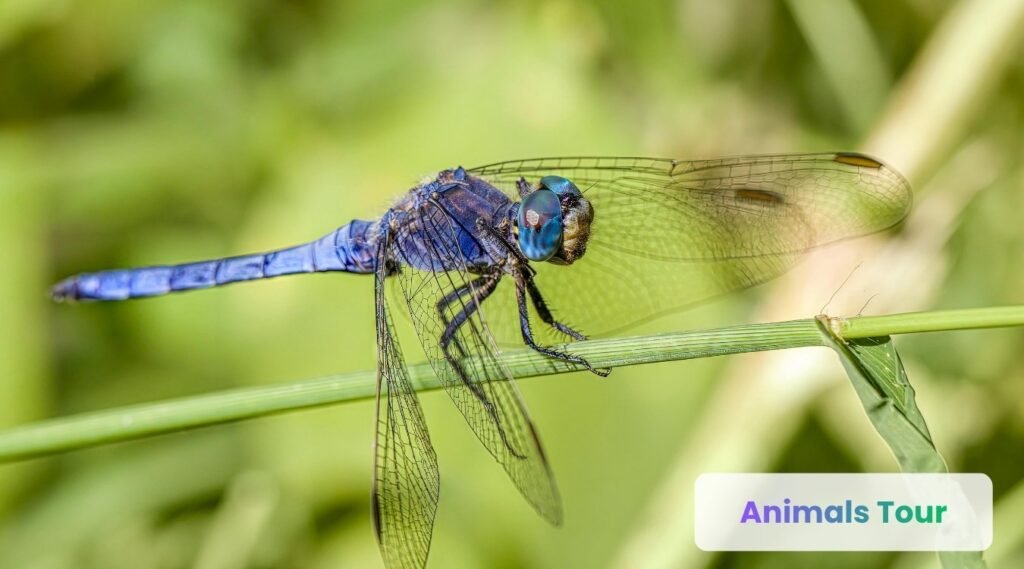
In addition to their physical abilities, dragonflies symbolize transformation and adaptability. Emerging as nymphs from aquatic environments, they undergo a remarkable metamorphosis into their winged adult forms, embodying the essence of change. Many cultures see them as symbols of joy, light, and renewal, often linked to mindfulness and living in the present moment.
Ferrets – Nature’s Agile Mischief-Makers
Scientific Name: Mustela putorius furo
Class: Mammalia
Ferrets, those cheeky little bundles of energy, have captivated pet lovers with their playful antics and skinny frames. Known for their mischievous nature, these creatures are often seen darting in and out of tight spaces. While many may see them as mere pets, ferrets have a unique ability to connect emotionally with their owners, forming bonds that rival those of dogs and cats.
Ferrets possess a unique history that stretches back thousands of years, as domestic companions in hunting and pest control. This intriguing lineage has shaped their behavior, making them adept at problem-solving and agile in tight spaces. Unlike traditional furry friends, ferrets thrive on mental stimulation, often engaging in playful battles with toys or even their owners in a spirited game of chase.
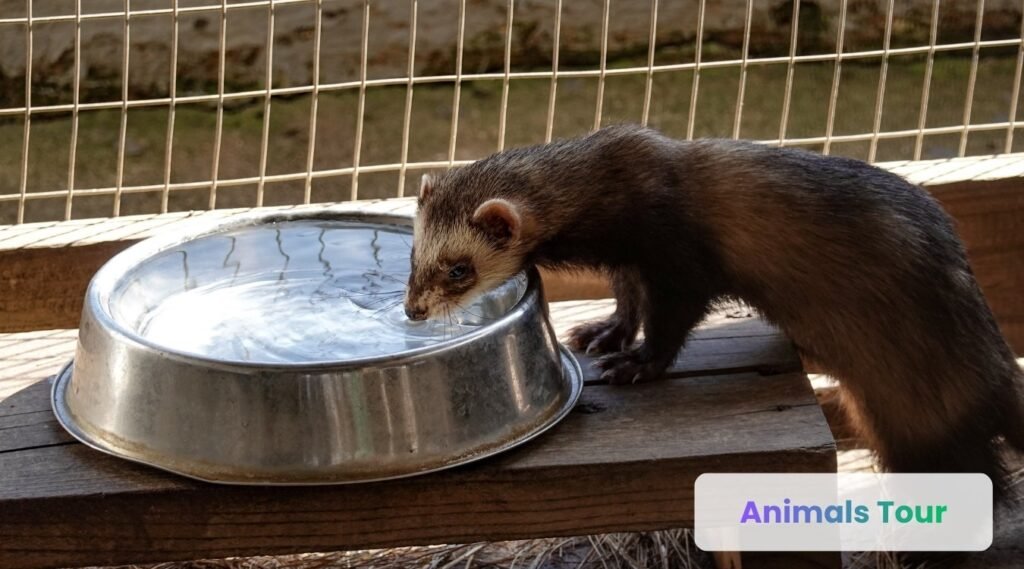
Those who delve into ferret ownership discover that these creatures have distinct personality traits, often reflecting their moods through a playful “dooking” sound or gentle nibbles. This verbal communication, combined with their cunning ability to showcase affection, demonstrates that ferrets can indeed form deep emotional connections with their human companions.
Great Egret – White Sentinel of Wetlands
Scientific Name: Ardea alba
Class: Aves
The Great Egret, with its striking white feather and elegant stature, stands as a true symbol of grace in the avian world. These magnificent birds are often seen gliding over wetlands, their long, slender necks and sharp beaks ready for the perfect strike at unsuspecting fish. Yet, their majesty goes beyond mere aesthetics—Great Egrets play a vital role in maintaining the health of aquatic ecosystems. By preying on fish, frogs, and various invertebrates, they help regulate populations and maintain a balanced food web.
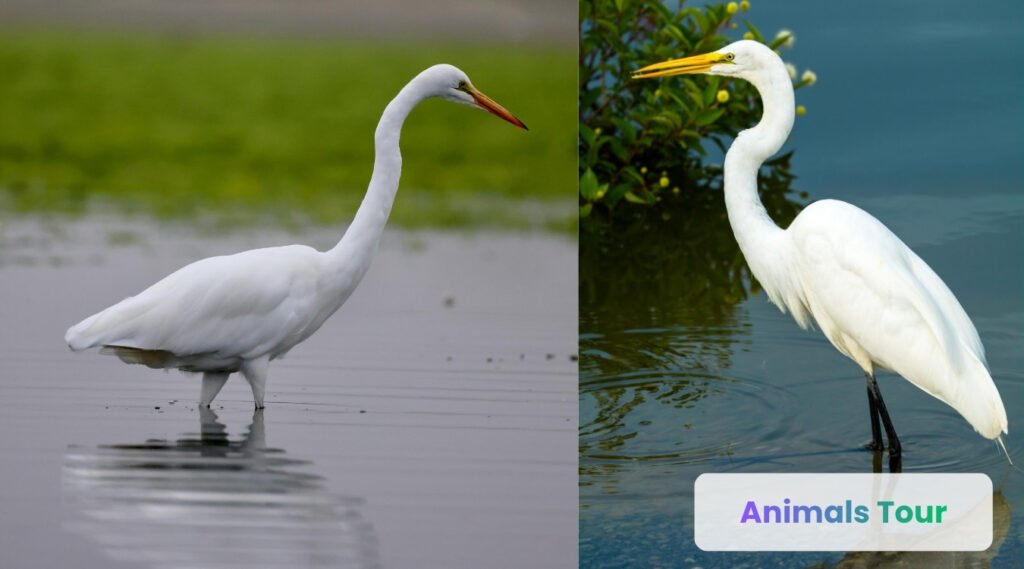
One of the most fascinating aspects of their behavior is the intricate courtship displays during breeding season. Male Great Egrets show off beautiful breeding feathers that spread out as they perform graceful dances to attract females.This spectacle not only showcases the beauty of their feathers but also emphasizes the importance of habitat conservation.
As their breeding grounds face threats from urbanization and climate change, the continued presence of these birds serves as a clear reminder of the delicate balance between nature and human activity. Supporting conservation efforts is essential to secure the future of these iconic feathered residents.
Common house gecko
Scientific Name: Hemidactylus frenatus
Class: Reptilia
The common house gecko, often seen skittering across walls or resting in sunlit corners, is more than just a common presence in our homes; it serves as an interesting indicator of our indoor environments. These agile creatures thrive close to humans, which not only shows their adaptability but also highlights the delicate balance of urban ecosystems.
Known for their distinctive chirping calls, they are often mistaken for pests, yet they play an important role in controlling insects that might otherwise disturb our living spaces.
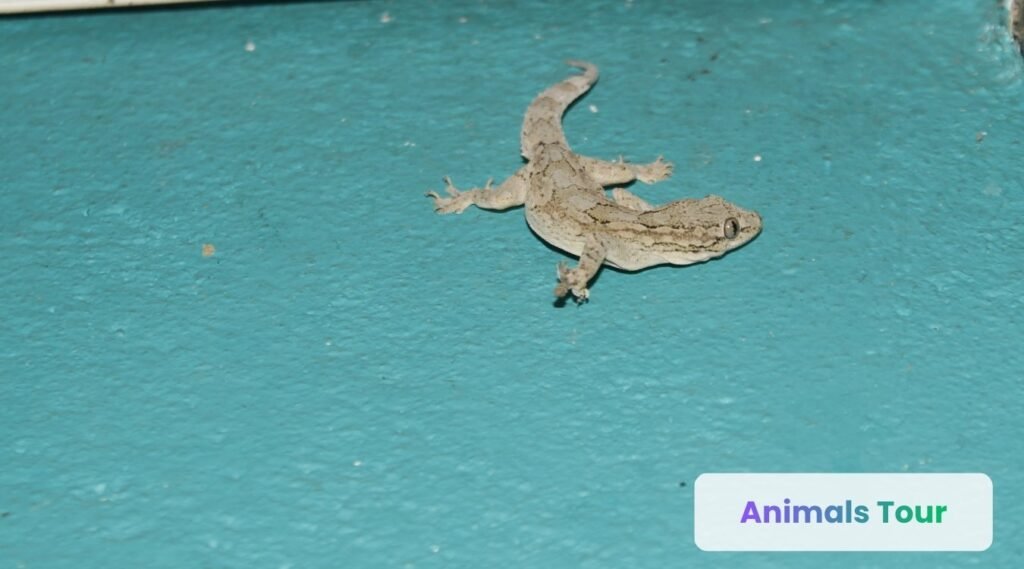
One remarkable feature of the common house gecko is its ability to climb smooth surfaces, thanks to tiny hair-like structures on their toe pads. This adaptation allows them to easily move across walls and ceilings, making them masters of their space. Their presence isn’t just about ecological interest; it also connects with cultural beliefs.
In many regions, geckos are seen as symbols of good luck and protection, admired for their skill in blending into the home while keeping the ecosystem in balance. By welcoming these creatures as allies, we can gain a deeper appreciation for the complex relationships between humans and wildlife.
Stick Bug – The Master of Camouflage in the Insect World
Scientific Name: Phasmatodea
Class: Insecta
Stick bugs are a perfect example of nature’s genius in disguise. With their slender, elongated bodies and twig-like limbs, these skinny creatures can blend almost seamlessly into leaves and branches, evading predators with ease. Their incredible camouflage is more than just survival—it’s a showcase of evolutionary artistry. So effective is their design that it has even inspired innovations in human technology, from military camouflage to tactical engineering, proving that nature often leads the way in creativity and ingenuity.
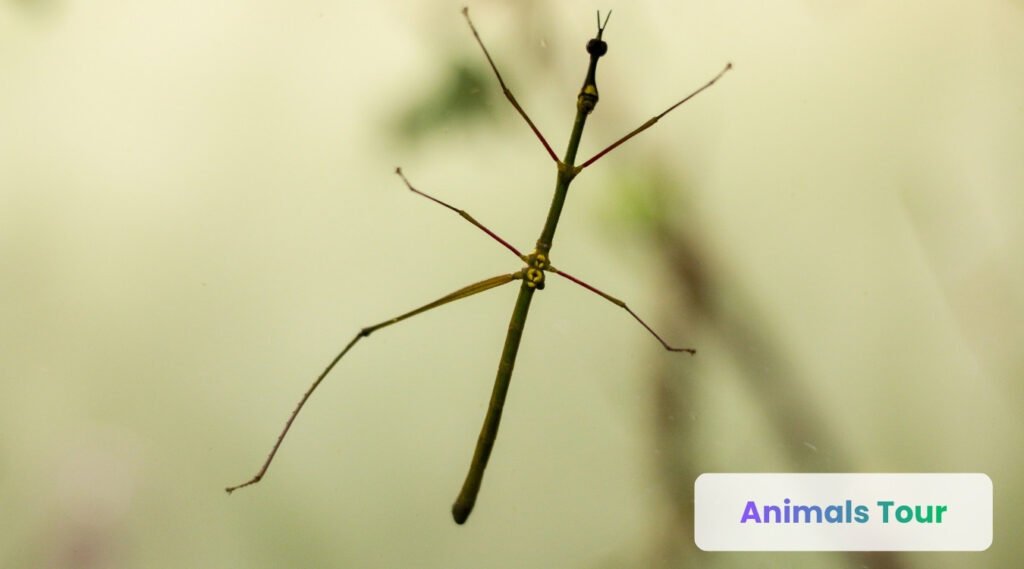
Interestingly, many stick bug species are parthenogenetic, meaning they can reproduce without mating. This fascinating reproductive strategy allows populations to thrive in environments where mates might be scarce. Imagine a world where such creatures could perpetuate their lineage effortlessly, all while remaining hidden in plain sight. Their unique life cycle not only contributes to biodiversity but also presents intriguing questions about genetic diversity and adaptability in changing habitats.
Brookesia Micra Chameleon
Scientific Name: Brookesia micra
Class: Reptilia
The Brookesia micra chameleon, often called the world’s tiniest reptile, is a marvel of evolution found only in the lush forests of Madagascar. Adults measure just around 13.5 millimeters from snout to tail, challenging our ideas of size and adaptation in the animal kingdom. Their tiny size allows them to blend perfectly among the forest litter, avoiding predators with incredible skill.
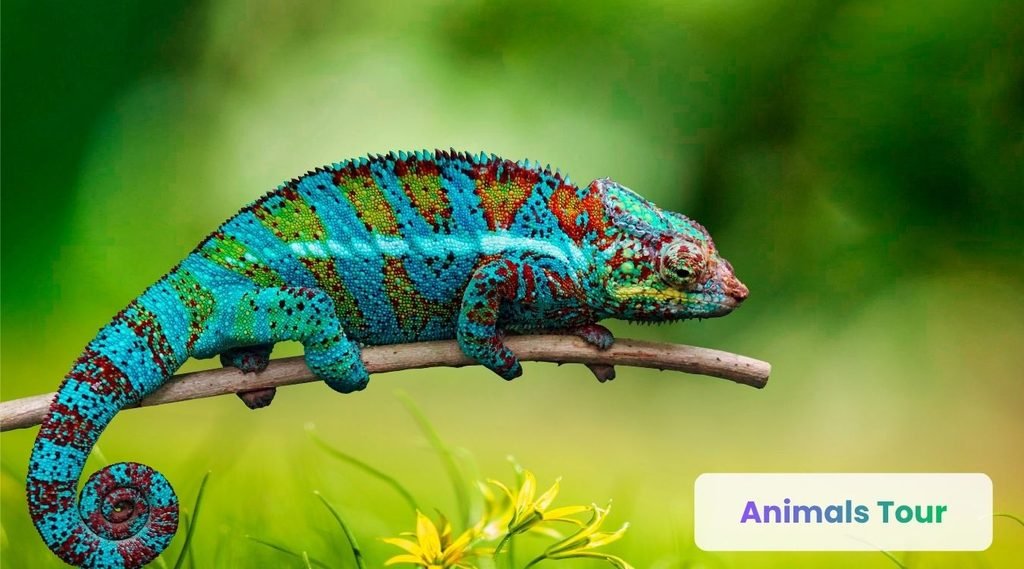
Beyond their size, Brookesia micra tells a fascinating evolutionary story, having survived in isolation for millions of years. Their special adaptations, including color-changing abilities and expert camouflage, highlight the sophistication of survival in microecosystems. Even their reproductive habits are extraordinary, producing eggs nearly as small as the adults themselves. Studying these tiny chameleons reminds us of the delicate balance of biodiversity and the many secrets that remain in the world’s most remote corners.
The Ribbon Eel – A Slender Wonder of the Coral World
Scientific Name: Rhinomuraena quaesita
Class: Actinopterygii
The ribbon eel, with its vibrant hues of electric blue and yellow, is a stunning sight in the underwater world. It is a very beautiful but secretive creature, often hiding within crevices in coral reefs. Its long, slender body flows like a brushstroke in the water, adding to its charm. Unlike most eels, ribbon eels show sexual dimorphism; males begin life in bright colors and later change shade as they mature, while females remain mostly yellow, making their lifecycle even more intriguing.
The ribbon eel is also known for its unique behavior. It uses quick movements and impressive agility to hunt crustaceans, darting out swiftly to catch its prey with precision. These eels prefer healthy reef environments, making them popular among divers and underwater photographers. Their presence often reflects good reef health, as they help maintain balance within marine life populations.
Carolina Mantis – Nature’s Tiny Assassin
Scientific Name: Stagmomantis carolina
Class: Insecta
The Carolina mantis, with its striking green and brown camouflage, is both a skilled predator and an important player in the ecosystem. Beneath their appearance lies an impressive hunting strategy; these insects are not only expert ambush hunters but also incredibly patient, often remaining motionless for hours. This stealthy approach allows them to strike with lightning speed, demonstrating a remarkable skill set in the art of hunting.
Carolina mantis also plays a key role in maintaining a balanced ecosystem by controlling pest populations. Their diet includes a wide range of insects, from small flies to larger threats like moths, effectively acting as nature’s own pest control. Their adaptability extends beyond feeding habits—they thrive in various environments, from gardens to meadows, highlighting their resilience.
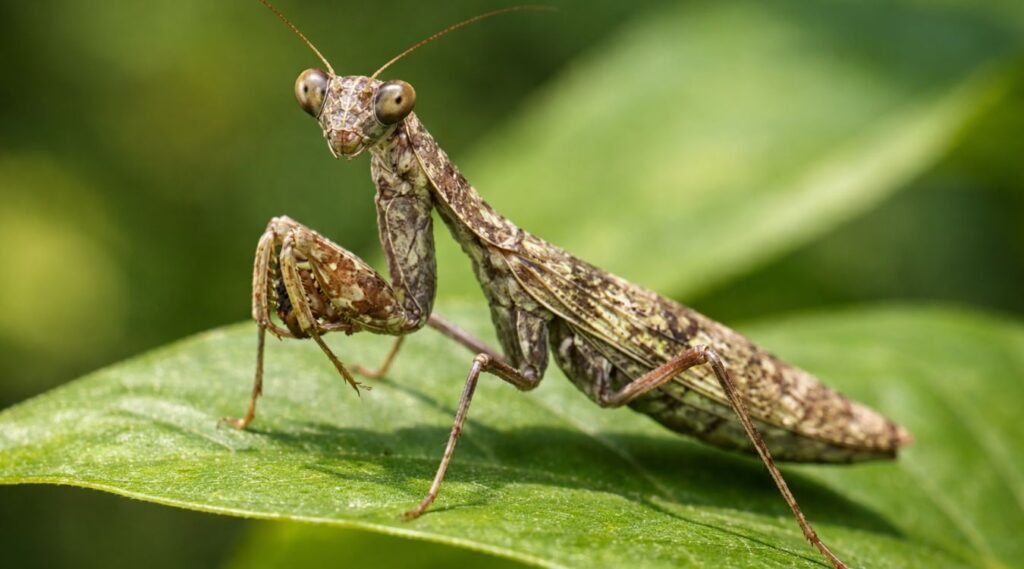
Interestingly, the Carolina mantis displays a remarkable behavior during mating season called sexual cannibalism, where females sometimes consume males after mating. While this may seem grim at first, it plays an important role in the species’ survival, providing females with essential nutrients to support reproduction.
Asian Grass Lizard
Scientific Name: Takydromus spp.
Class: Reptilia
The Asian grass lizard, known for its incredibly slender body and long whip-like tail, is commonly found in grassy fields and open landscapes across Asia. Stretching to about 15-20 inches, this sleek shape allows it to navigate swiftly through grasslands and leaf litter, evading predators with grace. Its delicate, elongated form isn’t just for show; it serves a vital role in its survival, helping it blend seamlessly with its environment — a master of camouflage and quick movements.
Beyond its physical attributes, the Asian Grass Lizard contributes significantly to the ecosystem by controlling insect populations. As it basks in the sun, the lizard not only absorbs warmth but also undertakes an essential role as a predator of pests, thereby maintaining a balance within its habitat. This interplay of delicate balance underscores how even the smallest, skinnest animals can have a lasting impact on their surroundings.
Flying Dragon: Nature’s Miniature Glider
Scientific Name: Draco spp
Class: Reptilia
The Flying Dragon (Draco lizard) is a slender, tree-dwelling reptile found in the tropical forests of Southeast Asia. Although it doesn’t truly fly, it glides from tree to tree using wing-like membranes supported by extended ribs. Its slim body, long tail, and natural brown or gray coloring help it blend perfectly with tree bark, while males display a colorful throat flap to attract mates and defend territory.
Feeding mainly on ants and small insects, the Flying Dragon spends most of its life in the treetops. Its gliding ability allows it to escape predators and move efficiently through the forest without descending to the ground.
Threadsnake – The World’s Thinnest Serpent
Scientific Name: Leptotyphlops spp.
Class: Reptilia
Threadsnakes, often overlooked in the broader serpent family, are fascinating creatures that thrive in their niche environments. With their small, slender bodies, these non-venomous snakes exhibit a unique adaptation to their habitat, primarily living underground. This subterranean lifestyle not only keeps them hidden from predators but also enables them to play a crucial role in soil aeration and pest control, making them unsung heroes in their ecosystems.
Interestingly, Threadsnakes have a unique feeding mechanism, consuming primarily soft-bodied invertebrates like earthworms and larvae. Their specialized jaws allow them to extract these nutrient-rich meals from narrow crevices in the soil, showcasing an evolutionary marvel tailored to their lifestyle.

As climate change increasingly alters habitats around the globe, understanding the ecological contributions of these small serpents can inform conservation efforts, emphasizing their role in maintaining soil health and biodiversity.
Slender Salamander – The Lungless skinny Amphibian
Scientific Name: Batrachoseps spp.
Class: Amphibians
The Slender Salamander, commonly found on the damp, shaded forest floors of California and parts of Baja California, is a fascinating example of evolutionary adaptation. As a lungless skinny amphibians, it breathes entirely through its skin. This unique ability makes it highly sensitive to environmental changes and pollution, highlighting both its vulnerability and the delicate balance of the ecosystems it inhabits.
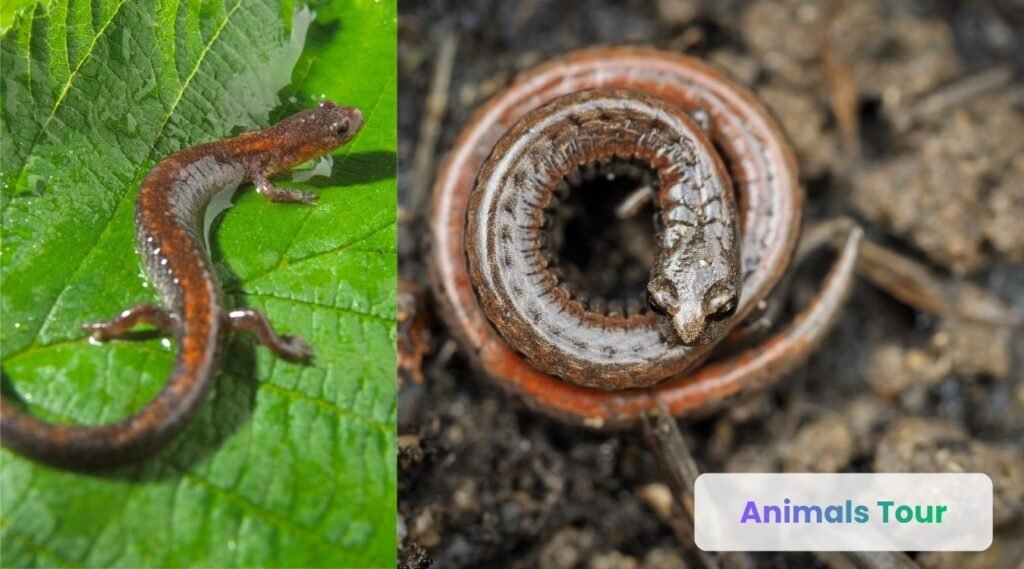
With its slender body and elongated limbs, the Slender Salamander moves easily through leaf litter and narrow crevices. This adaptation allows it to explore microhabitats that many other species overlook.. As habitat loss and climate change continue to threaten these pristine forest environments, protecting such unique species reminds us how closely our environmental choices are connected to the health of the natural world.
Olm – A Thin Cave Dwelling Amphibian
Olms are unusual creatures that live mostly underwater in caves across Europe. They look like little eels but are actually a type of salamander. What makes them special is their pale, almost ghostly color, caused by living in complete darkness for so long. Instead of the bright colors you might see on other animals, olms have adapted to their dark environments by losing their pigmentation and eyes ( get covered by skin with time).
These skinny animals can grow up to 10 inches long and have gills that help them breathe underwater. Olms don’t need to eat very often; in fact, they can survive for years without food! They primarily feast on tiny things like insects or small shrimp that drift by. Their unique lifestyle shows how nature helps animals adapt to extreme environments, teaching us a lot about survival and evolution in hidden places..
Conclusion
The diverse world of skinny animals showcases the incredible adaptability and unique survival strategies found in nature. The distinct physiques of these animals help them navigate their environments, hunt for food, or evade predators effectively. Understanding these animals not only highlights the vastness of biodiversity but also emphasizes the importance of conservation efforts.
FAQs
What qualifies an animal to be on the “skinny” list?
Animals are considered “skinny” based on their body shape and size relative to their species, showing a notably slender physique.
What are the most commonly known skinny animals?
Common examples include greyhounds, whippets, Gazelles, Girrafe and certain breeds of cats like the Siamese.
Do skinny animals have health issues?
While being naturally skinny can be normal for some species, poor nutrition or environmental stress can lead to health problems.
What is the thinnest animal in the world?
Nematode: Some nematodes are only a few micrometers wide (thinner than a human hair), making them the absolute thinnest known animals on Earth.
What are the tallest skinny animals?
The tallest skinny animals include the giraffe, with its long neck and slender legs, and the flamingo, known for its tall, thin frame and long legs.