Top 37 Greedy Animals in the World (Greed at its Peak)
When we talk about greedy animals, we mostly refer to their strong urge for food and resources. Some animals eat just enough to survive, but others go way beyond that. They eat in massive amounts, and in some cases, they eat until there is nothing left around them. This greediness is shaped by their bodies, instincts, and their environments.
Whether it’s foraging for food, hoarding resources, or showing opportunistic behavior, these animals reflect the realities of survival. Greediest animals come in all sizes, but they share a common trait, a high demand for food or resources. Let’s explore the top 37 most greedy animals in the world and the habits that define them.
List of Greedy Animals in the World
Here is a list of the top 37 greedy animals in the world that will be discussed in detail with images.
- Honey Badger
- Squirrel
- Pigeon
- Raccoon
- Heyna
- Ant
- Hummingbird
- Sea Otters
- Elephant
- Magpie
- Blue Jay
- Grizzly Bear
- Wallaby
- Tasmanian Devil
- Coyote
- Fox
- Fruit Bat
- Crows
- Komodo Dragon
- Pelican
- Starling
- Chimpanzee
- Goat
- Lion
- Wild Boar
- Seagulls
- Crocodile
- Wolverine
- Gorilla
- Tiger Shark
- Pufferfish
- Rat
- Hamster
- Vulture
- Pigs
- Burmese Python
- Weasel
Let’s take a closer look at the animals whose appetites, food competition, and feeding habits have earned them a place among nature’s greediest animals.
Honey Badger
The honey badger is infamous for its boldness and relentless pursuit of food. Known for its fearlessness, this small yet powerful creature seeks out honey, raiding beehives with high determination. Its thick skin and loose fur help it withstand stings, allowing it to enjoy this sugary treat with little concern. Beyond honey, honey badgers feed on a wide range of foods, including insects, small mammals, and even venomous snakes.
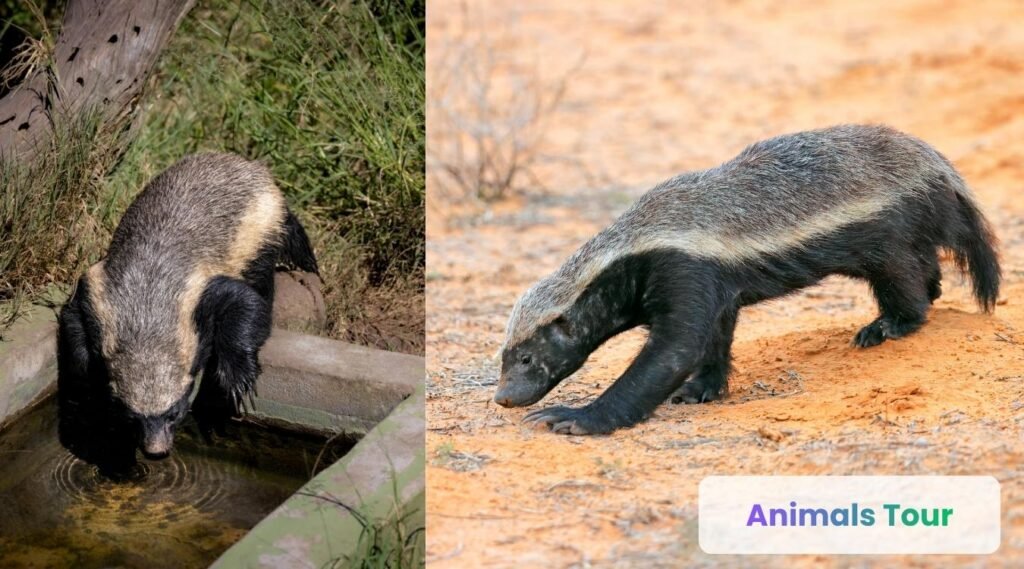
Their strong appetite makes them tireless foragers, often eating more than they immediately need. This tendency to overindulge reveals a survival strategy rooted in instinct; in the wild, there’s no guarantee of the next meal. Their scavenging behavior is evident that honey badgers are not just greedy; they embody a blend of tenacity and cunning. In essence, their unquenchable hunger symbolizes the struggle for survival in a harsh world.
Squirrel
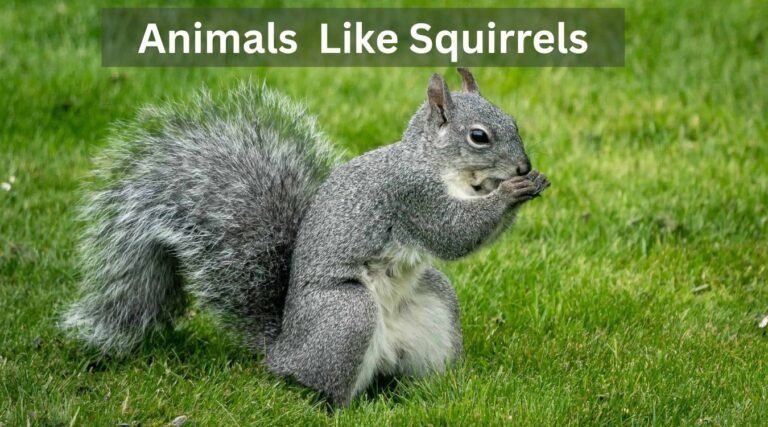
Squirrels are notorious for their foraging habits, especially in autumn when they scamper around collecting and storing acorns. These little acrobats leap from branch to branch, gathering nuts not just for immediate consumption but also for later use. Their remarkable memory helps them relocate their hidden caches months later.
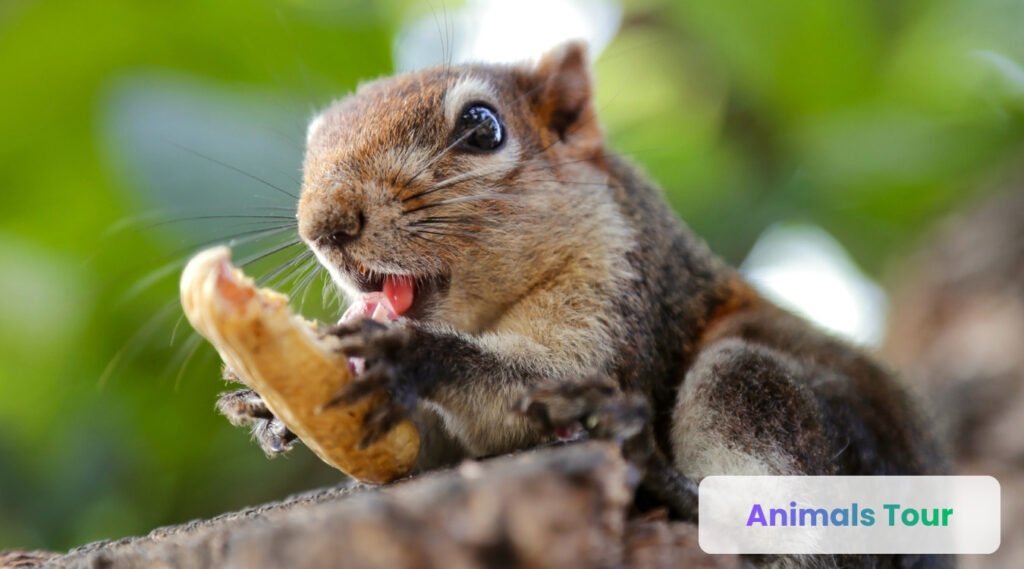
However, their greed often leads to competition; they will chase away other squirrels and even birds to guard their stash. As a result, a park filled with squirrels can quickly turn into a battleground for the most resourceful. This strong urge to hoard can be seen as both a survival strategy and a display of their competitive nature. Squirrels, while adorable, reveal the sometimes cutthroat world of resource acquisition among animals. Their antics remind us that the balance of nature often requires a bit of cunning and greed.
Pigeon
When it comes to urban wildlife, few creatures match the pigeon in its unabashed greed. Small scraps of food, a discarded piece of bread, or a drop of spilled popcorn are like treasures to these feathered scavengers. Oftentimes, they are seen congregating near humans, eagerly waiting for the slightest opportunity to turn a mundane outing into a feast.
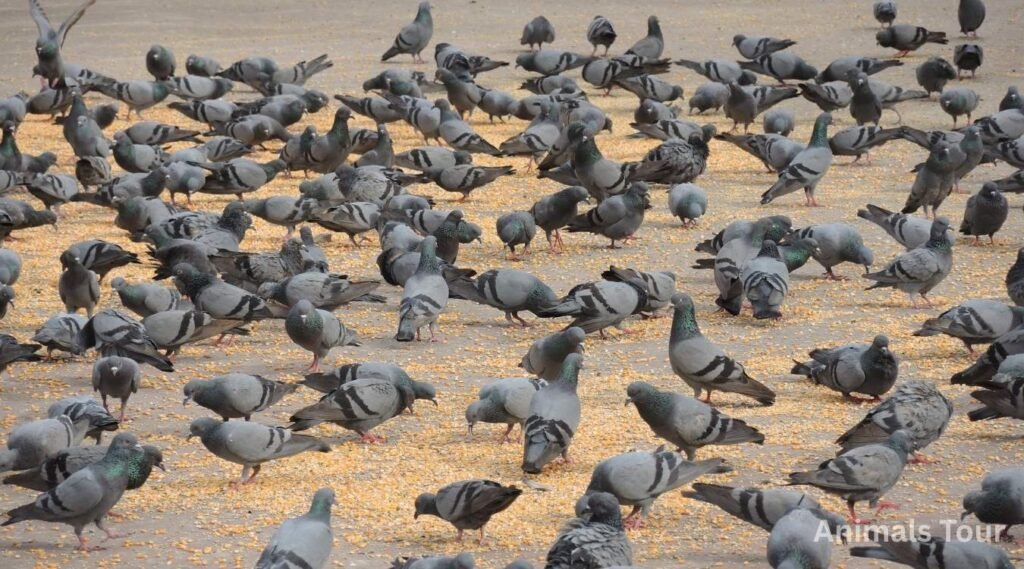
Their resourcefulness and adaptability have made them highly successful in urban environments. Pigeons will knock into each other and even chase off other birds if it means a better chance to feast. Their tenacity often leaves us amused, as they exhibit a willingness to partake in reckless shoving and shuffling to grab a morsel. Through their behavior, pigeons teach us that in their world, every crumb counts.
Raccoon
Raccoons are often dubbed the “bandits” of the animal kingdom. With their dexterous paws and insatiable curiosity, these creatures are constantly on the prowl for food. Notorious for raiding garbage bins and picnic baskets, raccoons have earned a reputation as opportunistic foragers.
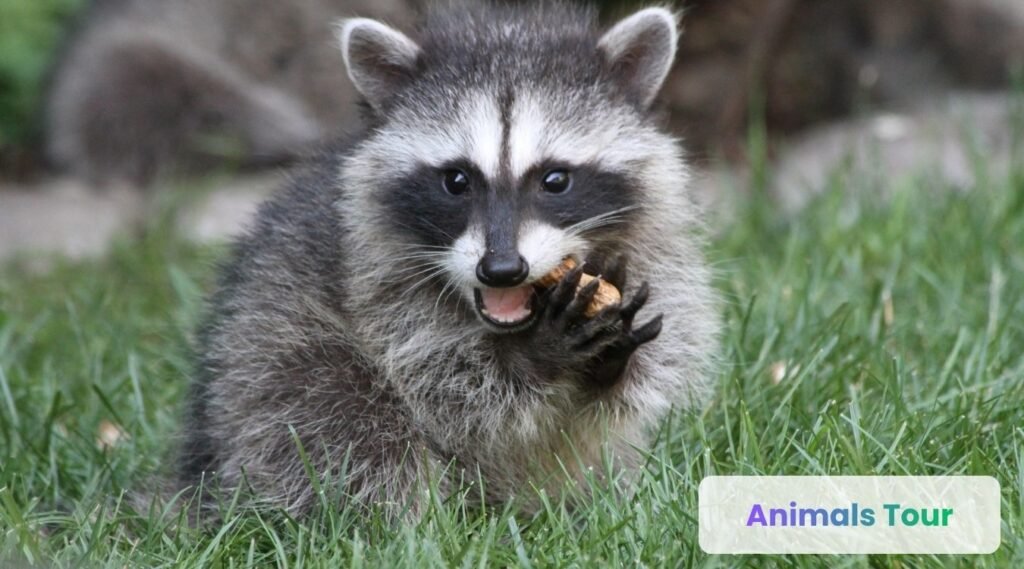
Their intelligence allows them to devise intricate plans to access food sources that other animals might give up on. This cleverness is coupled with a voracious appetite, leading them to consume anything from fruits and nuts to human leftovers. Raccoons will go to great lengths, even forgoing their safety, to indulge in a meal. Seeing a raccoon rummaging through a trash can shows a blend of natural instinct and urban adaptability.
Hyena
Hyenas are capable of consuming a large animal almost completely, its bones, hide, and all. Their digestive system is strong enough to break down and process material that most predators leave behind. Spotted hyenas are particularly known for their aggressive feeding behavior.
After a hunt or at a scavenged carcass, hyenas eat with extreme speed and in large quantities, knowing that lions or other predators may steal the food at any moment. A spotted hyena can eat up to one-third of its body weight in a single feeding session, which is a significant amount for a mid-sized carnivore.

Hyenas are also noisy feeders, using whooping and giggling calls to summon clan members to a food source, which can quickly turn into a chaotic competition. They are skilled hunters in their own right but are often portrayed as purely scavengers. In reality, spotted hyenas hunt the majority of their own food. They will follow other predators, harass cheetahs and leopards off their kills, and mob lions if they have the numbers. Hyenas represent the competitive and waste-minimizing side of greedy feeding. They are one of the most efficient and aggressive eaters in the African savanna.
Ant
The tiny ant might not seem greedy at first glance, but these insects display remarkable hoarding behavior. An ant colony can accumulate vast quantities of food, demonstrating an instinctual drive to store away resources for leaner times. They work together, tirelessly foraging to bring back bits of food, from sugary substances to seeds, to fuel the hive. The queen ant’s insatiable appetite leads to heightened foraging activities, showcasing how greed serves the survival of the entire colony.
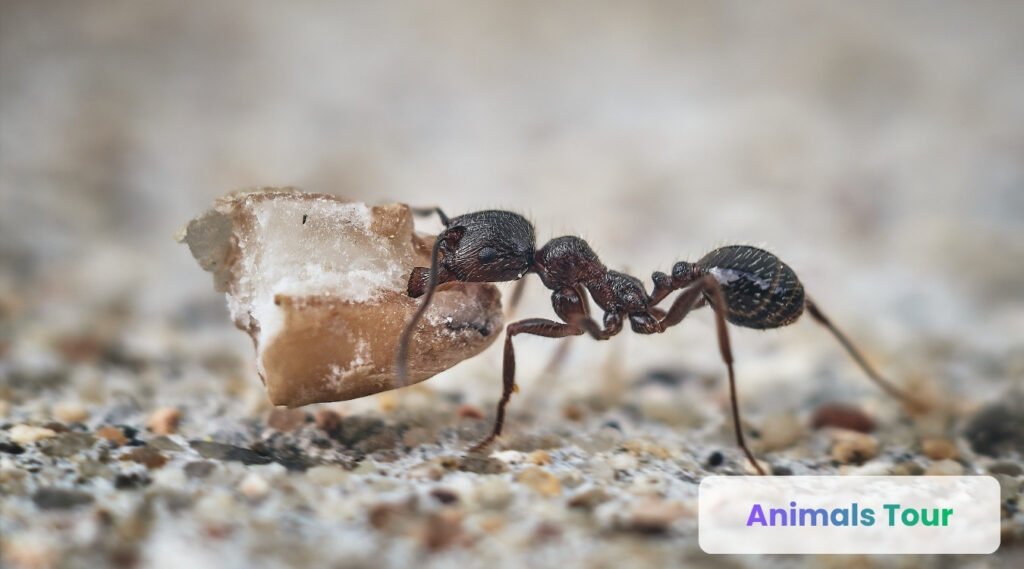
Ant’s relentless pursuit reinforces the idea that teamwork can lead to significant victories in securing resources. It’s astonishing to think that the collective greed of such small beings can lead to the growth and survival of an entire colony. Their grinding efforts highlight that in the world of ants, success is measured by how much they can gather and store. In many ways, ants set the standard for industrious, greedy behavior in nature.
Hummingbird
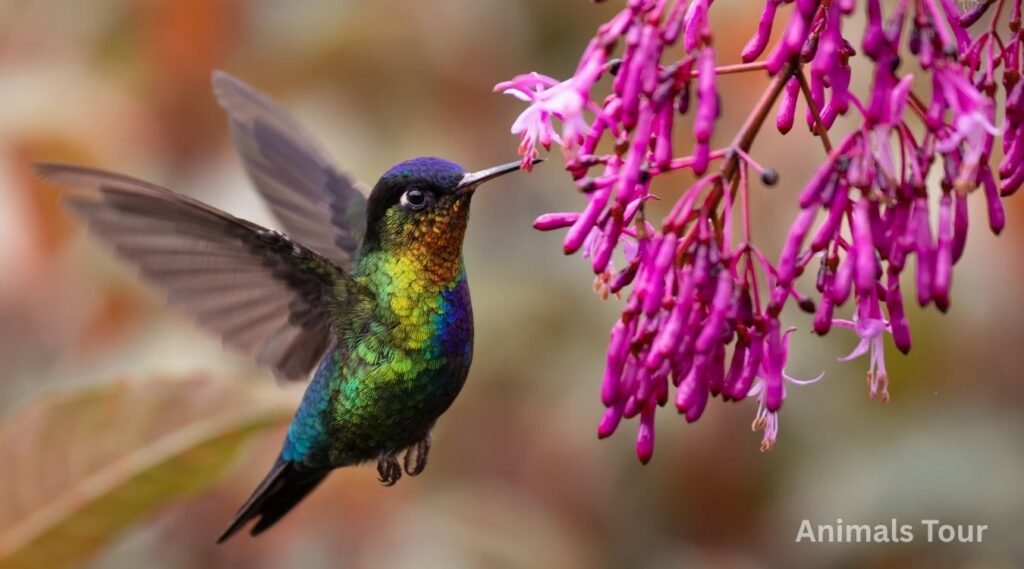
The hummingbird, though one of the smallest birds, is also among the greediest animals. With a high metabolism, it feeds constantly, hovering from flower to flower in search of nectar. Despite its delicate appearance, it can consume up to twice its body weight in a single day. Another notable trait is their tendency to guard feeding spots fiercely. A hummingbird will often chase away rivals, strongly defending its claim to food source. Their greed is for sustenance and survival; the more they eat, the better their chances of thriving.
Sea Otter
Sea otters, with their playful demeanor, are surprisingly persistent in their pursuit of food. These marine mammals consume a large amount of food daily, often foraging for sea urchins, crabs, and mollusks in kelp forests. Sea otters crack open shells using rocks, showcasing a clever approach to satisfying their appetites.
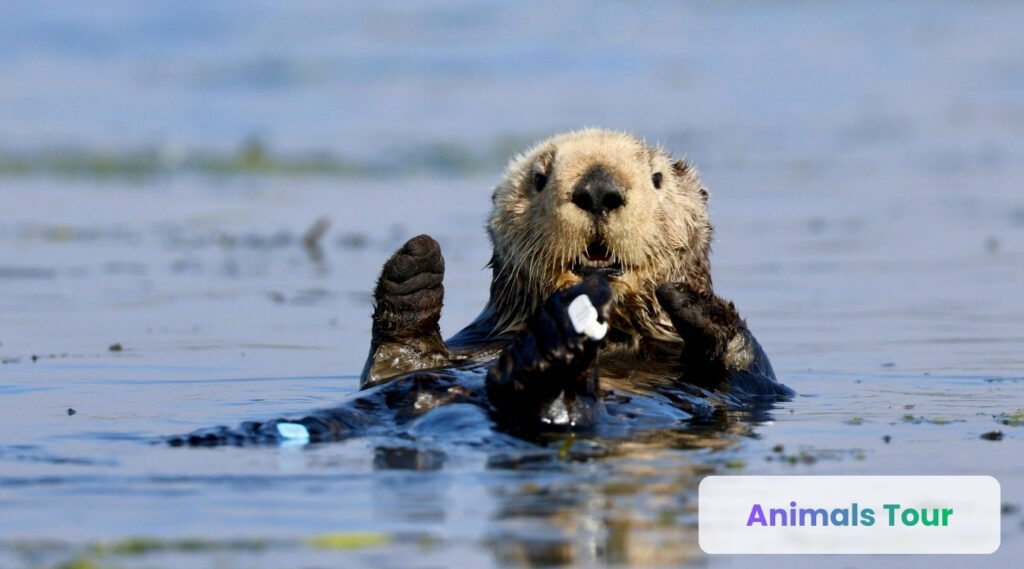
Their greediest moments might be seen when they discover an abundant food source, quickly gather as much as they can. By controlling sea urchin populations, their feeding habits play an important role in the ecosystem. Playful and social, sea otters enjoy sharing meals with their peers, further indicating their enthusiasm for food.
Elephant
The mighty elephant is not only impressive in size but also a strong example of animal greed. These gentle giants spend much of their day foraging, consuming up to 300 pounds of vegetation. Their large bodies require a steady search for food, often taking them across long distances.
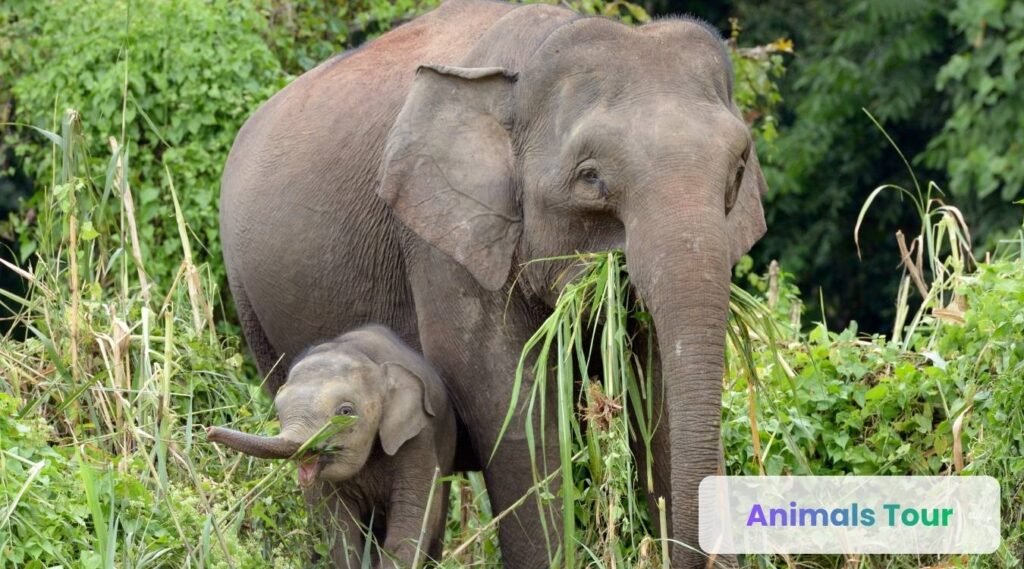
They tend to return to areas where food is abundant, showing their awareness of their surroundings. While this heavy feeding helps them survive and support their young, it also shapes their habitat, uprooting trees and clearing vegetation. In this way, their strong appetite is closely tied to their role in the ecosystem.
Magpie
The magpie is known for its striking colors and intelligence, but its hoarding habits reveal its greedy side. Curious by nature, it often collects shiny objects, filling its nest with bits of metal and other bright items, earning it the nickname ‘pack rat’. This habit is linked to attracting mates and marking territory.
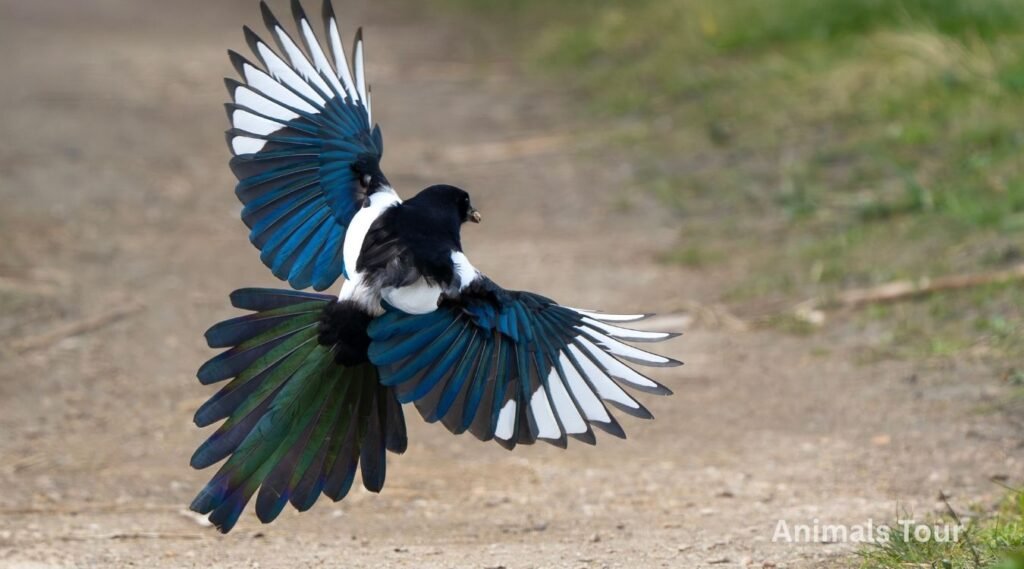
Magpies are also opportunistic feeders, sometimes stealing eggs or young birds from other nests. Their sharp mind and competitive nature show a strong instinct to secure resources. Bold and persistent, the magpie stands as a clear example of how greed and intelligence can go hand in hand in the animal world.
Blue Jay
The blue jay, with its bright blue feathers and loud presence, shows a strong drive when it comes to food. Known for its noisy calls and bold nature, it often takes control of feeding areas, chasing away smaller birds to secure its share.
Blue jays also have a sharp memory, burying acorns to eat later. This hoarding habit helps them survive the winter and ensures a steady food supply. Beyond storing food, they focus on claiming the best feeding spots. Though their behavior may seem selfish, it also helps forests grow, as forgotten acorns can sprout into new trees.
Grizzly Bear
The grizzly bear is a powerful symbol of the wild, but its feeding habits truly stand out. During salmon spawning season, these bears take full advantage of the abundance, eating large amounts to prepare for winter. Their huge appetite drives them to consume as much as they can in a short time.
Grizzlies also show varied foraging habits, from stripping bark to find nutrients to feeding on berries and carrion. Their strong appetite plays an important role in nature, helping spread seeds through their waste. In this way, their feeding behavior helps maintain balance in the ecosystem.
Wallaby
Wallabies are known for their cute looks and wide-eyed innocence, but beneath their charming face lies a greedy nature. These herbivorous marsupials feed heavily on grasses, leaves, and shrubs, often eating large amounts for their size. In the wild, they spend much of their time searching for the best feeding spots.
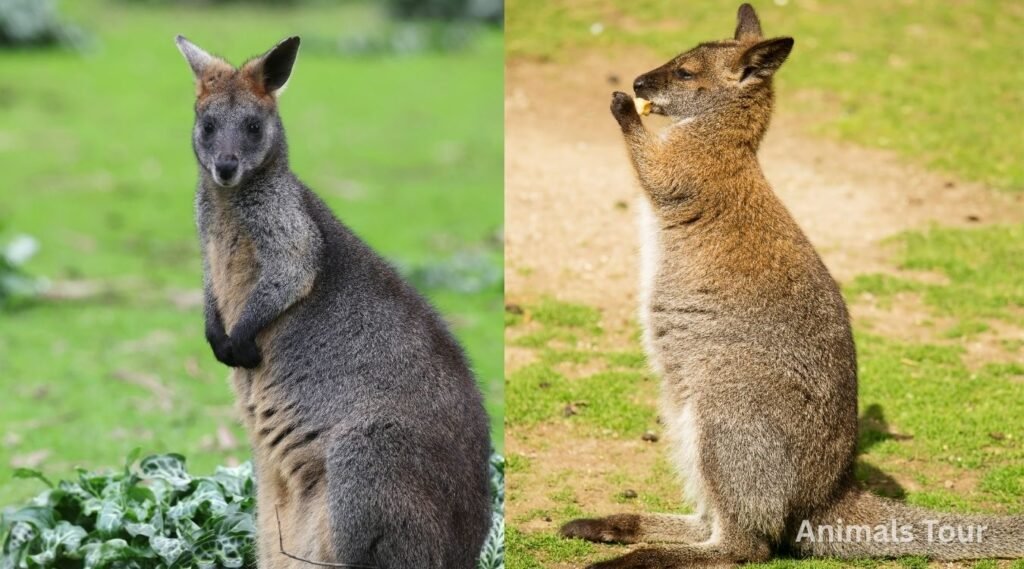
Their strong appetite can lead to competition, as they become protective of good grazing areas. Living in groups, this behavior can influence their social interactions. Their constant need to feed not only supports their survival but also affects the balance of the ecosystems they live in.
Tasmanian Devil
The Tasmanian devil is often included among the greediest animals in the world because of its aggressive feeding style and enormous appetite. Loud and fierce, these marsupials frequently fight each other over food. As scavengers, they feed on carrion and can eat up to 40% of their body weight in a single meal.
Their powerful jaws allow them to crush bones, helping them extract as much nutrition as possible from a carcass. When they find food, they eat rapidly before competitors can take it away. Although these feeding habits may seem greedy, Tasmanian devils play an important role in the ecosystem by cleaning up animal remains and reducing the spread of disease.
Coyote
The coyote is often seen as a clever trickster, but it also has a highly opportunistic nature when it comes to food. These adaptable animals live in many environments, using their intelligence to find and secure meals. Coyotes eat a wide range of foods, from small animals to fruits and even leftovers from human areas. When food is available, they tend to eat as much as they can. This behavior can lead them to compete with other predators, sometimes feeding on their kills. Ultimately, their ability to adapt to different environments cements their role as one of nature’s most resourceful and greedy animals.
Fox
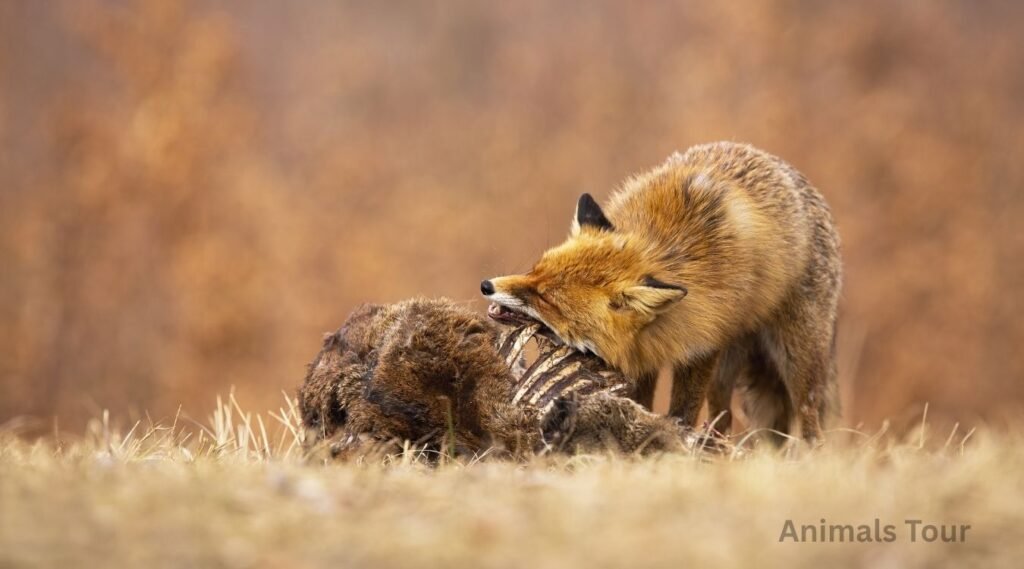
Foxes are clever and highly opportunistic when it comes to food, which is why they are often listed among greedy animals in the world. They eat almost anything they can find, from small animals to leftovers, and are always on the lookout for an easy meal.
Their strong hunger often pushes them to take risks, like sneaking into human areas or stealing food from other animals. Even though they usually hunt alone, foxes won’t hesitate to snatch food from another fox if given the chance. This competitive and resourceful behavior highlights their greedy side.
Fruit Bat
Fruit bats are nocturnal feeders with an insatiable appetite for fruits like figs, mangoes, bananas, and guavas. They often eat more than they immediately need, moving quickly from tree to tree to sample every ripe fruit. Feeding in large groups, they can strip a tree bare, drop partially eaten fruit, or bruise others, creating a chaotic but productive foraging scene. Their habits, while seemingly wasteful, play a role in seed dispersal and maintaining tropical ecosystems.
These bats are selective and show good memory, often revisiting the same fruiting trees when ripe. They also carry fruit away from the source to safer spots, ensuring they consume as much as possible before competition arrives. Their greed is evident in the speed, quantity, and determination with which they feed, and while it sometimes affects orchards, it highlights their drive to take full advantage of available resources.
Crows
Crows are among the most intelligent birds, but they also show high greed for food. These opportunistic feeders are often seen scavenging in urban areas, taking advantage of anything remotely edible. Their problem-solving skills allow them to access food in ways that other birds cannot, making them formidable foragers. Crows exhibit impressive social behavior, often working in groups to intimidate other birds and steal their resources.
Their temptation for shiny objects adds another layer to their greedy reputation, as they raid nests and caches for glimmering treasures. They have a keen memory for food locations and will revisit their haunts frequently. Their cunningness, paired with their enormous appetite, underscores their stature as one of nature’s cleverest greedy animals.
Komodo Dragon
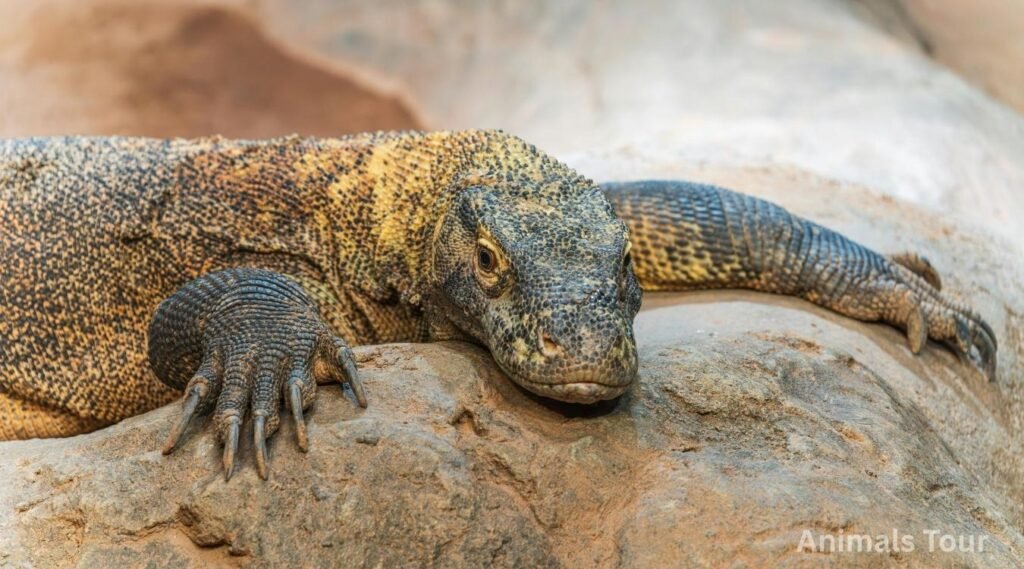
The Komodo dragon, a powerful predator, with sheer greed when hunting on the islands of Indonesia. As the largest living lizard, it can consume up to 80 percent of its body weight in one meal. These dragons feast on different prey species, from deer to smaller animals. Their sharp teeth and saliva, filled with bacteria, help them tackle larger prey, allowing them to engage in fierce feeding battles.
After a successful hunt, they are often found gorging on their kill, sometimes even fighting amongst themselves for the best parts. These feasting frenzies reflect a primal instinct to maximize energy intake while food is abundant. This tendency highlights the intense survival dynamics present in their habitat.
Pelican
The pelican, with its iconic bill and impressive wingspan, exemplifies a unique form of greed when it comes to feeding. These large birds are often spotted gliding gracefully over water, searching for fish to scoop up in their expansive bills. Their exceptional diving and scooping abilities allow them to capture multiple fish in one go, making them one of the more notable greedy animals in the bird world. This feeding frenzy often sees them competing with each other, leading to chaotic moments on the water’s surface.
Their exaggerated bills serve as both a tool and a symbol of their food-hoarding tendencies, as they can hold substantial quantities of fish at once. Observing a pelican feed is a spectacle, showcasing both grace and intensity. Their strong appetite often leads to dramatic interactions with other seabirds, as they aggressively chase away rivals. Ultimately, pelicans reflect the balance of beauty and competition that characterizes many feeding behaviors in nature.
Starling
Starlings are small yet highly social birds known for their mesmerizing murmurations. Often found in large flocks, these birds display a cunning ability to locate and exploit food sources rapidly. They feed on various foods, including insects and fruits, but their most greedy moments come during the harvest, when they invade fields in search of grains.
Their flocking behavior often leads to spectacular displays in the sky as they coordinate movements to avoid predators. However, this social nature also creates competition within the group, as they jostle for the best feeding spots. Their strong appetite and opportunistic feeding habits have earned them a place among the greediest animals. Additionally, they adapt well to urban environments, readily scavenging food from human sources.
Chimpanzee
Chimpanzees are not only our close relatives but also exhibit notable greed in their foraging behavior. These social primates display various feeding strategies, from climbing trees for fruit to hunting smaller mammals for protein. Their cluster dynamics often lead to competition for food, as they aggressively assert dominance in feeding situations.
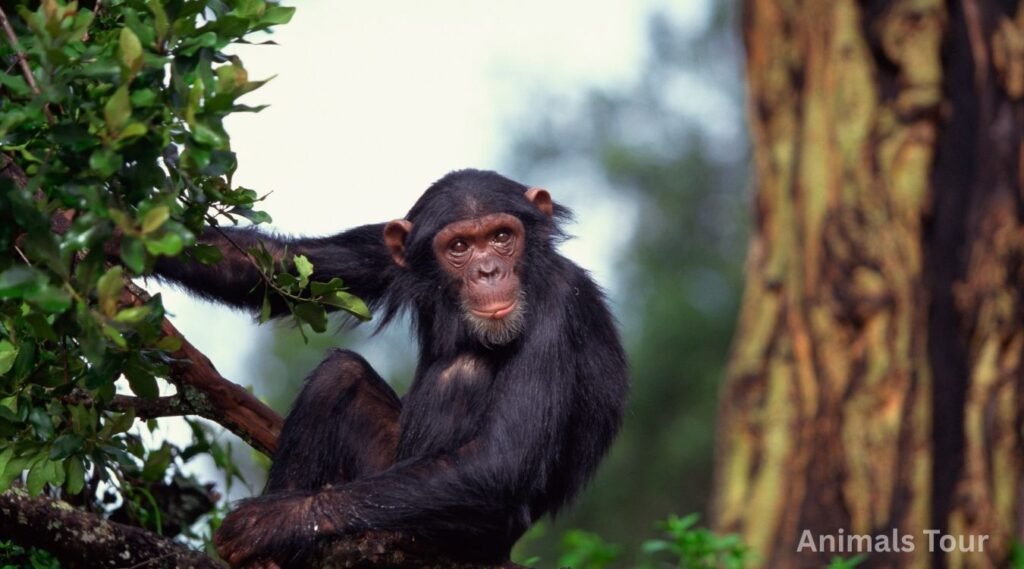
Chimpanzees are known to share food, but they often do so selectively, reinforcing social bonds and showing their greedy tendencies. Their ability to use tools adds another dimension to their foraging strategy, as they find new methods to access harder-to-reach food sources. The complexity of their feeding dynamics highlights an undeniable blend of intelligence and voracity.
Goat
Goats are well known for eating almost anything they can get their mouths on, from plants to paper and cardboard. As natural browsers, they constantly explore new food sources and often find creative ways to reach food that is out of bounds. Their endless appetite and willingness to eat a wide variety of items have earned them a place among the greedy animals in the world.
Goats also compete aggressively during feeding, with stronger individuals often pushing others away from food. This behavior makes them a familiar example of excessive eating and food competition in domestic animals.
Lion
Lions are not greedy in the way that small animals hoard food, but when it comes to a fresh kill, they eat in large quantities and eat fast. A male lion can consume up to 40 kilograms of meat in a single meal.Even though lionesses do most of the hunting, male lions typically eat first at a kill.They will push females and cubs away from the carcass to feed themselves first, which is a clear display of food dominance.
After a large meal, lions spend most of the day resting and sleeping, sometimes for 20 hours. But once hungry again, the same pattern of aggressive and excessive feeding repeats. Lions are also known to steal kills from other predators like cheetahs, wild dogs, and hyenas. This stealing behavior, called kleptoparasitism, is another sign of their food-driven nature.
Wild Boar
Wild boars are one of the most destructive feeders in the animal world. They eat almost anything like roots, tubers, insects, small animals, carrion, crops, and fruit. Their strong snouts are built for digging, and they use them to tear up large areas of ground in search of food. They are opportunistic eaters that rarely pass up a food source, and they will eat until everything edible is gone.
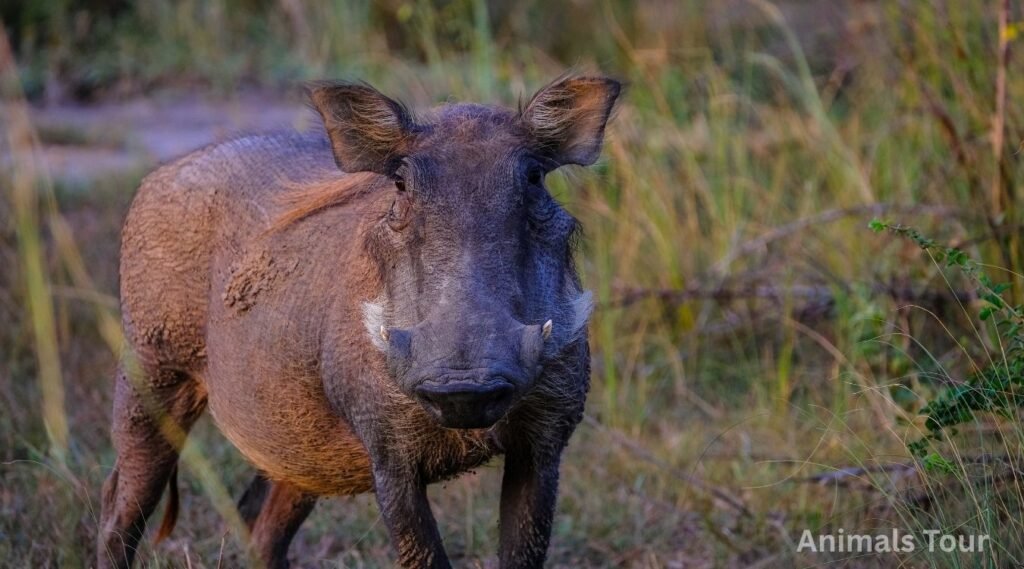
They are also aggressive around feeding sites and will chase away other animals, including larger ones, if food is involved. In areas where wild boars have been introduced outside their natural range, they cause damage to local ecosystems because of non-stop feeding. Farmers across Asia, Europe, and parts of the Americas consider wild boars a serious pest for exactly this reason. They are a strong example of animals with greedy eating habits that cause real environmental and agricultural damage.
Seagull
Seagulls are some of the most shameless food thieves in the bird world. They will snatch food directly from human hands, steal from other birds, and raid unattended bags and bins without hesitation. Seagulls are opportunistic feeders, which means they are always on the lookout for an easy meal. At beaches and ports, they are known to follow fishing boats and pick off scraps, dive into bins, and even steal from other seagulls mid-air.
They are not picky eaters, they can will consume fish and even garbage if they are hungry enough. Research has shown that seagulls which observe others successfully stealing food quickly learn to copy the behavior. They also have a tendency to eat more than they need when food is plentiful, storing energy for leaner times. In coastal towns around the world, seagulls are considered a nuisance specifically because of their aggressive approach to getting food.
Crocodile
Crocodiles are patient hunters, but when they eat, they eat a lot. A large crocodile can go months without food, but when prey is available, particularly during the wildebeest migration crossings in Africa, they eat aggressively and in large amounts. Crocodiles perform what is known as the death roll to tear chunks of meat from prey, and they swallow large pieces whole since they cannot chew properly. A big Nile crocodile can eat up to half its body weight in a single feeding session.
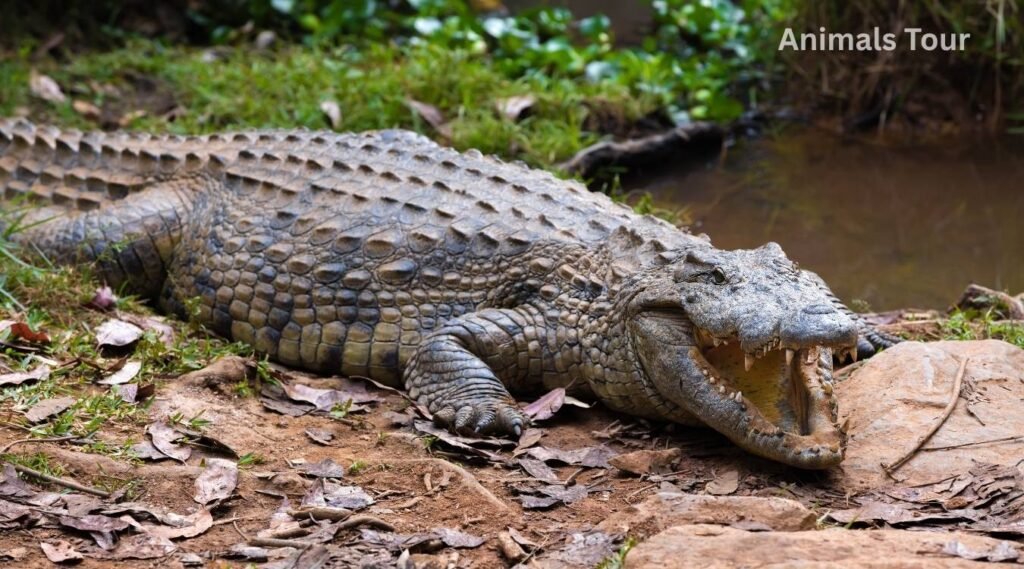
At water crossings, multiple crocodiles often compete for the same prey, creating a chaotic feeding frenzy. They are not cooperative hunters in the same way lions are, so there is constant competition among them for each kill.
Crocodiles also eat a wide range of prey like fish, birds, zebras, buffalo, and even other crocodiles if the opportunity arises. Their digestive system is extremely efficient, allowing them to extract maximum nutrition from whatever they consume. The combination of patient waiting followed by explosive and excessive feeding makes the crocodile one of the most effective over-eaters in the reptile world.
Wolverine
The wolverine is an aggressive and relentless feeder among mammals despite being roughly the size of a medium dog. They have powerful jaws that can crush frozen meat and bone, which allows them to feed on frozen dead remains in winter. Wolverines are known to consume enormous amounts of food in a single sitting, eating until they physically cannot eat more. They also cache food, burying carcasses under snow to return to later.
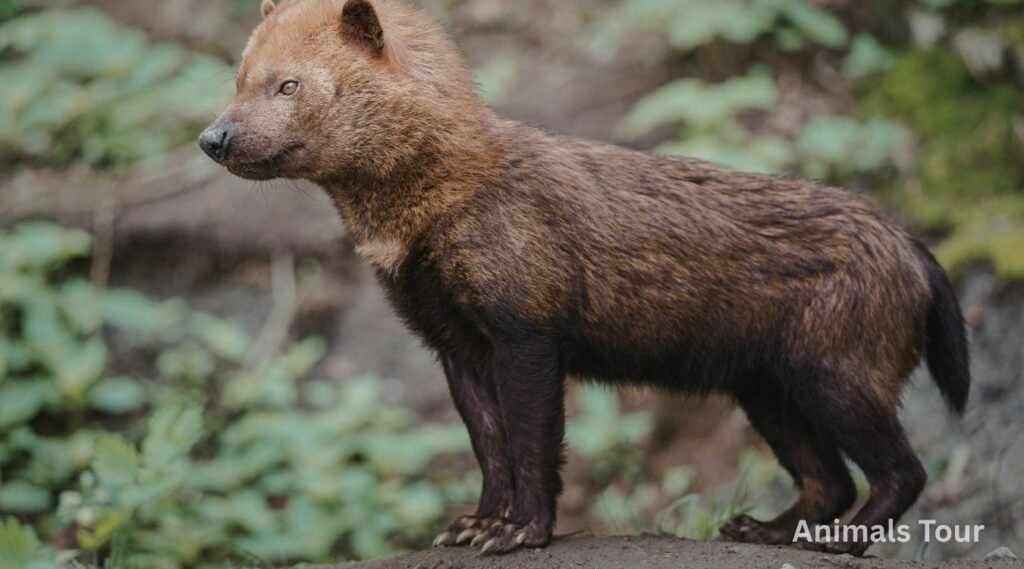
Their territory can cover hundreds of kilometers, and they patrol it constantly in search of food. The wolverine’s scientific name, Gulo gulo, actually means glutton in Latin, a name given by early naturalists who observed its eating behavior. It will eat deer, caribou, rabbits, birds, eggs, berries, and carrion. It will fight animals many times its size if it believes food is at stake.
Gorilla
Gorillas spend a large portion of their waking hours eating. An adult male gorilla, known as a silverback, can eat up to 30 kilograms of vegetation in a single day. Their diet consists mainly of leaves, stems, fruit, and bark, and because plant material has relatively low caloric density, they need to eat a lot of it to meet their energy needs. Gorillas are not greedy in the aggressive sense, but their sheer volume of daily food consumption puts them among the heaviest eaters in the primate world. In groups, dominant males eat first and eat the best portions, while subordinates wait their turn.
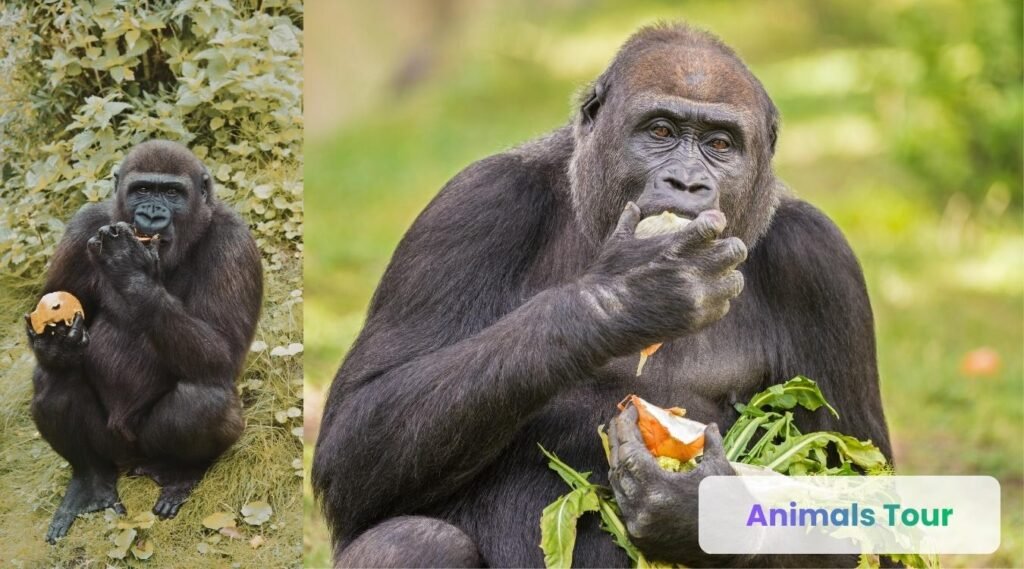
Silverbacks are also known to take food from other group members, especially juveniles, without much resistance from the group. During fruit season, gorillas will travel longer distances and adjust their routine entirely around accessing fruit, which they prefer over leaves. While gorillas are generally calm animals, competition over food can lead to displays of aggression within the group. Their day is essentially structured around eating, making them one of the more greedier large animals on the planet.
Tiger Shark
The tiger shark has one of the least selective diets of any shark species in the ocean. It eats fish, sea turtles, dolphins, seabirds, rays, smaller sharks, and even objects like tires and bits of boat equipment. Many tiger sharks have been found with indigestible human garbage in their stomachs. For this reason, they are often called the garbage cans of the sea.
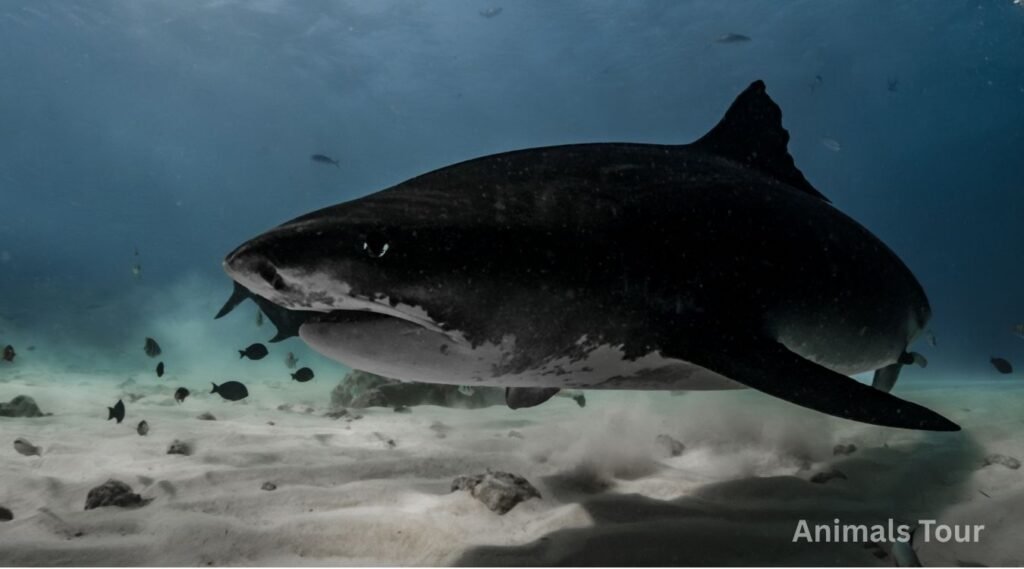
Tiger sharks are mostly solitary hunters that move through coral reefs, coastlines, and open water in search of food. They can detect electrical signals from living animals, helping them find prey even in murky water. Unlike some sharks that stop after one bite, tiger sharks usually continue attacking and consuming. They can grow over five meters long, and their large size requires regular feeding. Among greedy animals in the world, the tiger shark is well known for its non-selective and aggressive eating behavior.
Pufferfish
Pufferfish may not seem like an obvious choice when talking about greedy animals in the world, but their feeding behavior is more aggressive than their slow appearance suggests. They have strong, beak-like teeth that can crush hard-shelled prey like crabs, shellfish, and sea urchins. Pufferfish are voracious feeders, consuming large amounts of invertebrates, algae, and small fish when food is available.
In captivity, they often overeat, so their portions need to be controlled. They are also territorial around food and will chase other fish away from feeding areas. Their toxic flesh, containing tetrodotoxin, protects them from most predators and allows them to feed with little interference. While their eating habits are less dramatic than larger predators, their constant need to feed and aggressive behavior around food places them among greedy animals showing that even small creatures can be highly food-driven.
Rat
Rats are successful scavengers because they eat almost anything and often more than they need. Rats are omnivores that eat grains, meat, fish, vegetables, garbage, and even non-food items like soap and paper, sometimes even other rats. They also hoard food in hidden places to keep a steady supply. A rat can eat about 10 percent of its body weight each day and feeds mostly at night. Their adaptability has helped them thrive alongside humans, where food is easily available.
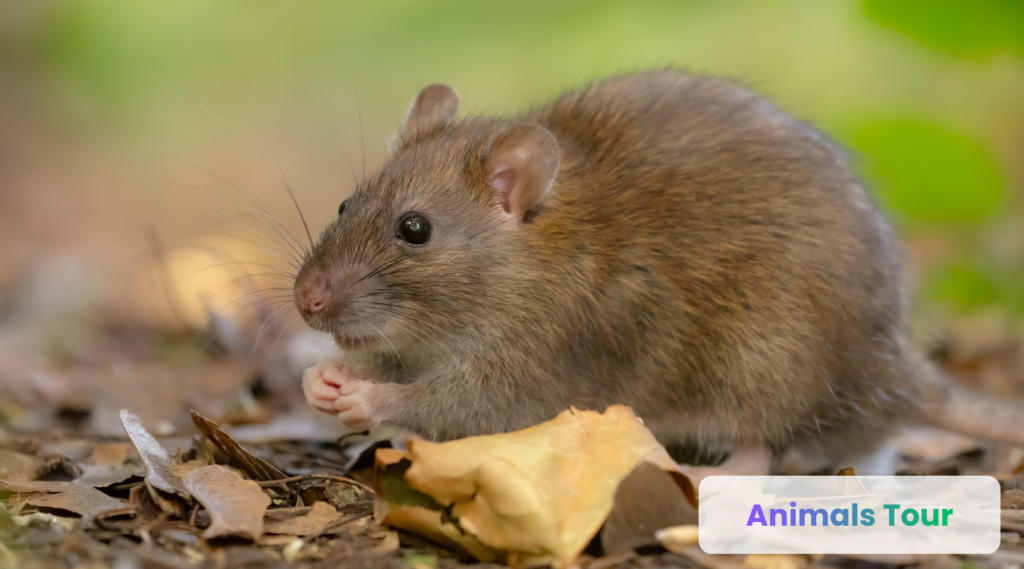
They also contaminate more food than they consume by gnawing through packaging and leaving waste on stored goods. In urban environments, a rat colony can cause significant food waste and spread disease through their feeding activities. Rats are also competitive within their groups – dominant rats eat first and eat more, while lower-ranking individuals take what is left.
Hamster
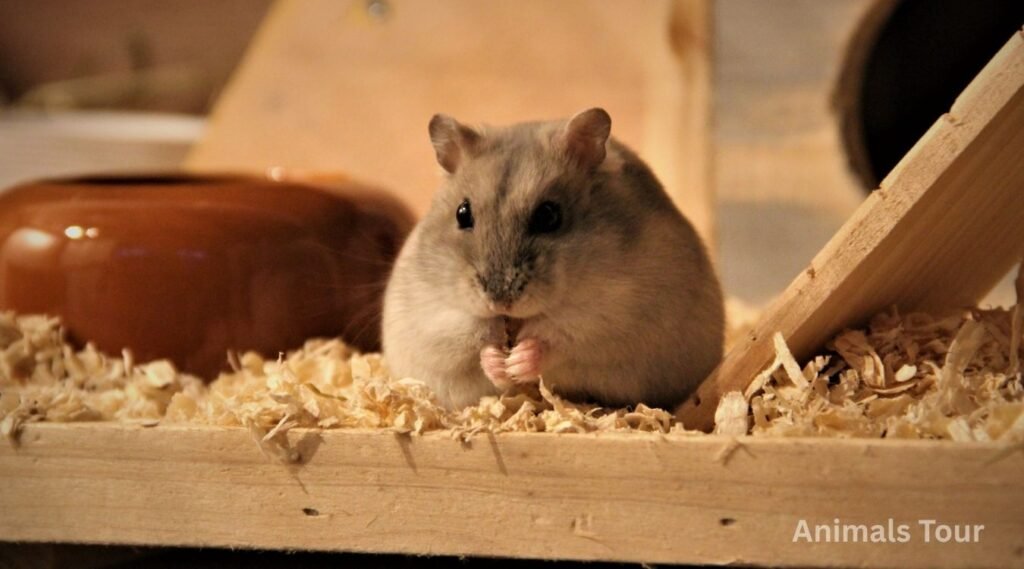
Hamsters are among the most well known food hoarders in the small mammal world. In the wild, they use expandable cheek pouches to carry food back to their burrows, sometimes transporting amounts equal to their body weight. Their cheeks can expand up to three times their normal size. Instead of eating it all, they store food in underground chambers and use it over time.
This instinct is so strong that even pet hamsters continue to hoard food despite regular feeding. Wild hamsters build burrows with dedicated storage areas that can hold large amounts of seeds and grain. Their behavior is driven by the need to prepare for harsh conditions and limited food availability.
Vulture
Vultures are nature’s cleanup crew, approaching carcasses with strong urgency and appetite. When a large animal dies, they can gather in numbers and strip it down to bones within hours. African white-backed vultures, for example, can eat several kilograms of meat in minutes when competing at a feeding site. They often gorge themselves so much that flying becomes difficult.
Their highly acidic stomachs allow them to digest rotting meat filled with dangerous bacteria, making them non-selective feeders. At carcasses, different species eat different parts, and competition is intense. Because food is unpredictable in the wild, vultures tend to overeat whenever they get the chance. Their feast-or-fast lifestyle has produced some of the most extreme eating behavior seen in any bird species.
Pig
Pigs are often seen as a symbol of greed, and this reflects their real behavior. They will eat almost continuously if food is available and have little control over stopping when full. Pigs eat grains, vegetables, fruit, meat, and even garbage. They use their strong snouts to root through soil for food, often damaging fields and pastures.
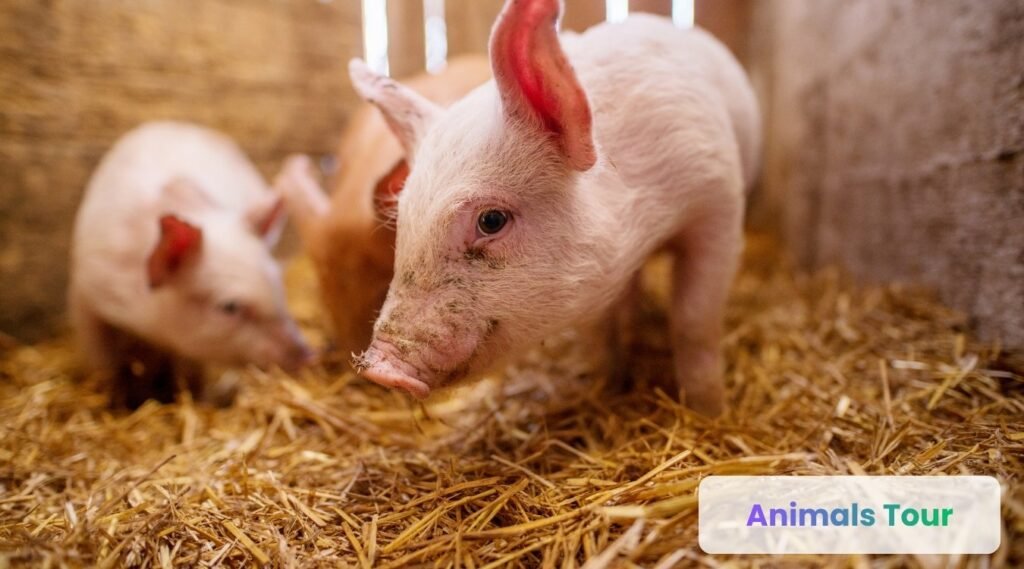
In farming, pigs are given controlled portions because they tend to overeat. Wild and feral pigs are highly destructive, feeding on crops, disturbing bird nests, and competing with other animals for food. Their intelligence also makes them persistent in finding food, and in groups, dominant pigs often eat more while pushing others aside.
Burmese Python
The Burmese python is one of the largest snakes in the world, and its eating behavior reflects its size and opportunistic nature. Burmese pythons are ambush predators that can go weeks or months without eating, but when prey is available, they swallow animals whole-deer, alligators, pigs, and large birds. There are documented cases of Burmese pythons attempting to swallow prey larger than themselves, sometimes with fatal results for the snake.
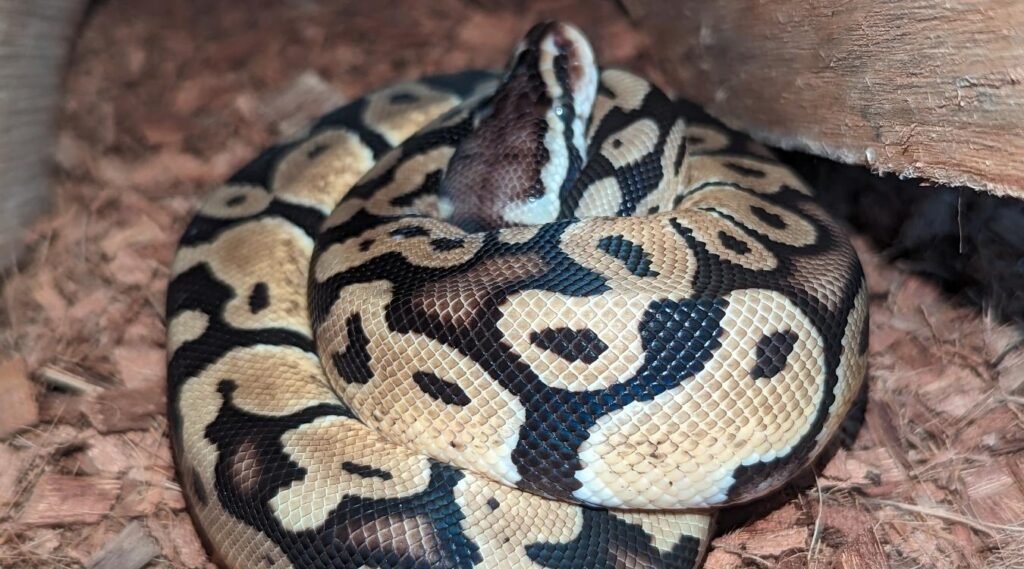
In Florida, where Burmese pythons were introduced through the exotic pet trade, they have dramatically reduced populations of native mammals including rabbits, raccoons, and deer. Their ability to consume large meals and their non-selective appetite has made them one of the most ecologically damaging invasive species in North America.
Burmese pythons have an extremely efficient metabolism and can digest bones, fur, and most of a carcass. After a very large meal, they may not eat again for several months. Their sheer capacity to consume and willingness to eat whatever they can overpower makes them one of the best examples of greedy animals in the reptile world.
Weasel
Weasels have one of the highest metabolic rates relative to their size. That means they need to eat frequently and in large amounts. A weasel can consume about one-third of its body weight each day. They hunt constantly, feeding on mice, voles, rabbits, birds, eggs, and insects. Weasels are known to kill more prey than they can eat in a single sitting, a behavior called surplus killing or excess killing.
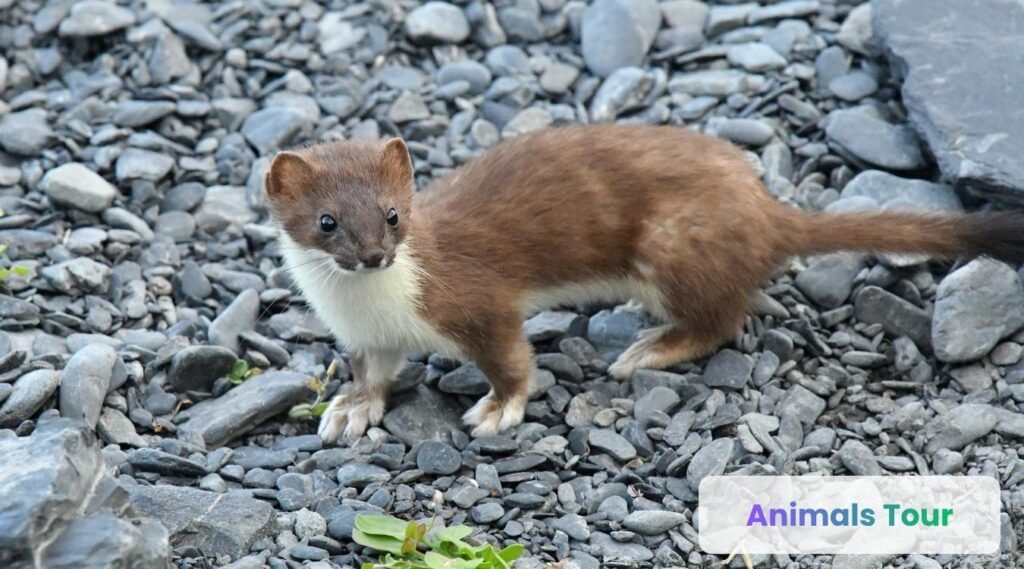
When they find a nest of mice or a bird colony, they may kill every animal in the area even if they cannot possibly consume them all. This surplus killing behavior has brought weasels a reputation as bloodthirsty hunters, though it is simply an instinct driven by the uncertainty of food availability. In chicken coops, a weasel can kill an entire flock in one night due to this same instinct. Weasels are small but relentless feeders, and their combination of constant hunting and surplus killing makes them one of the best examples of food-driven behavior among small predators.
Conclusion
By exploring these top 37 most greedy animals in the world, we learn that greed in the animal kingdom is far more than just an insatiable quest for food. It manifests uniquely across species, revealing a fascinating interplay of survival instincts, ecological roles, and social dynamics. From the cunning of crows to the tenacity of honey badgers, every creature showcases a different aspect of greed. Understanding these greediest animals urges us to reflect on nature’s complexity necessity of survival.
FAQs
What animal is known for greed?
The pig is most commonly known for greed due to its habit of non-stop eating. The wolverine is another strong example, earning the Latin name Gulo gulo, which literally means “glutton.”
Which small animal has the greediest eating habit?
The weasel stands out among small animals. It needs to eat about one-third of its body weight every day due to its high metabolism. It also practices surplus killing, meaning it kills more prey than it can eat at that time.
Which sea animal is the greediest eater?
The tiger shark is widely considered as the most greedy eater in the ocean. It consumes fish, turtles, birds, and even garbage like tires and license plates. It rarely passes up anything it can fit in its mouth.
Why do some animals eat more than they need?
Most animals overeat because food is not always guaranteed in the wild. When food is available, they consume or store as much as possible to prepare for periods when nothing is available. It is a survival strategy, not greed in the human sense.
Which animal is the most destructive feeder?
The wild boar is one of the most destructive. A group of wild boars can tear up an entire farm field in a single night using their snouts to dig for food. They eat almost everything and are considered a serious agricultural pest in many countries.
What are greedy animals?
Greedy animals are species that seem to eat excessively, compete strongly for food, or take advantage of every feeding opportunity. While animals are not truly “greedy” like humans, these behaviors help them survive when food is limited or unpredictable.