Hungriest Animals That Eat a Lot: 25 Incredible Eaters
Dive into the world of the hungriest animals that eat a lot, and prepare to be amazed! This article will explain the amazing facts about what animal eats the most, showcasing the surprising adaptations and behaviors that drive their insatiable appetites. By the end, you’ll gain insights into the extreme dietary needs of these animals and what they reveal about survival in the wild.
List Of Top 25 Hungriest Animals That Eat a Lot
Here is the list of hungriest animals that eat a lot:
- Hummingbirds
- Great White Shark
- Blue whales
- Burmese pythons
- Grizzly bears
- Giant pandas
- Sperm whales
- Elephant
- Hippopotamus
- Crocodile
- Star-Nosed mole
- American pygmy shrews
- Giraffe
- Bar-tailed godwit
- Horse
- Tasmanian Devils
- Tigers
- Komodo dragon
- Rhinoceros
- Gorilla
- Anacondas
- Giant Weta
- Cow
- Locusts
- Black-footed cats
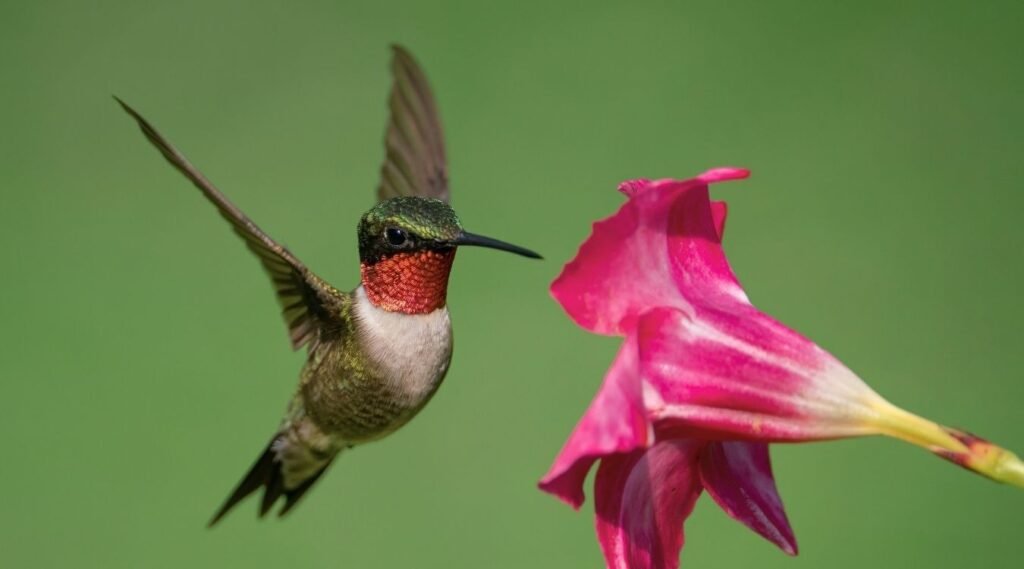
Hummingbirds
Scientific name: Trochilidae
Class: Aves
Diet: Omnivore
Hummingbirds stand out as some of the hungriest creatures on the planet, consuming nectar from hundreds of flowers each day. Their metabolism operates at lightning speed, prompting these tiny avians to consume up to twice their body weight in nectar solely to fuel their energetic flights. The high sugar content of this nectar not only provides necessary energy but also supports their remarkable ability to hover and perform acrobatic feats in the air.Each species adapted to thrive in its environment with astonishing strategies for survival.
Great White Shark
Scientific Name: Carcharodon carcharias
Class: Chondrichthyes
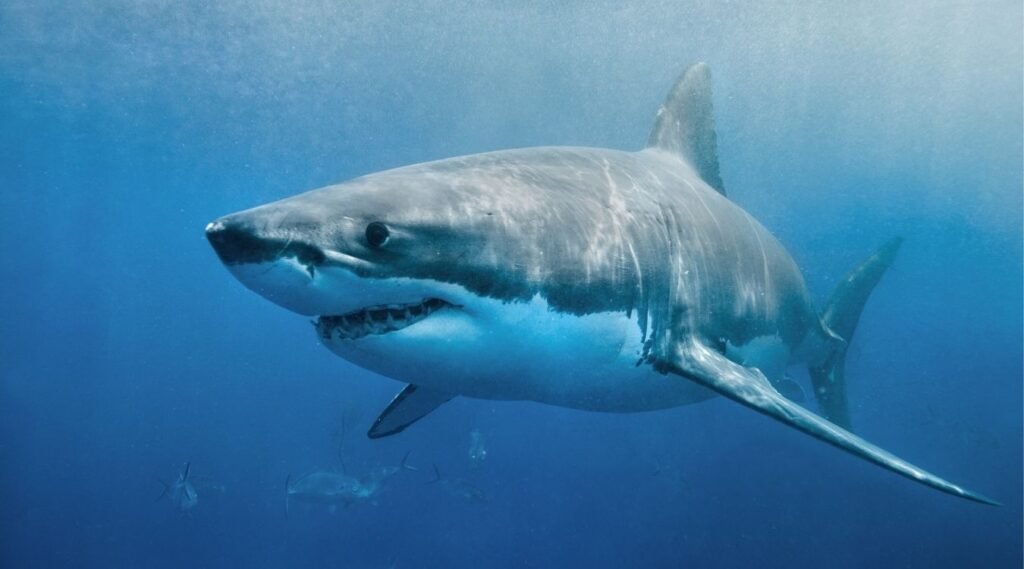
Among the incredible spectrum of nature’s hungriest animals, the Great White Shark stands out, not just for its impressive size with sharp teeth, but for its impressive appetite. These apex predators typically consume 11 tons of food each year, preying on a variety of marine life, including seals and fish. Their notable ability to detect prey from miles away is a result of sophisticated sensory adaptations, ensuring that they seldom go hungry.
Blue whales
Scientific Name: Balaenoptera musculus
Class: Mammalia
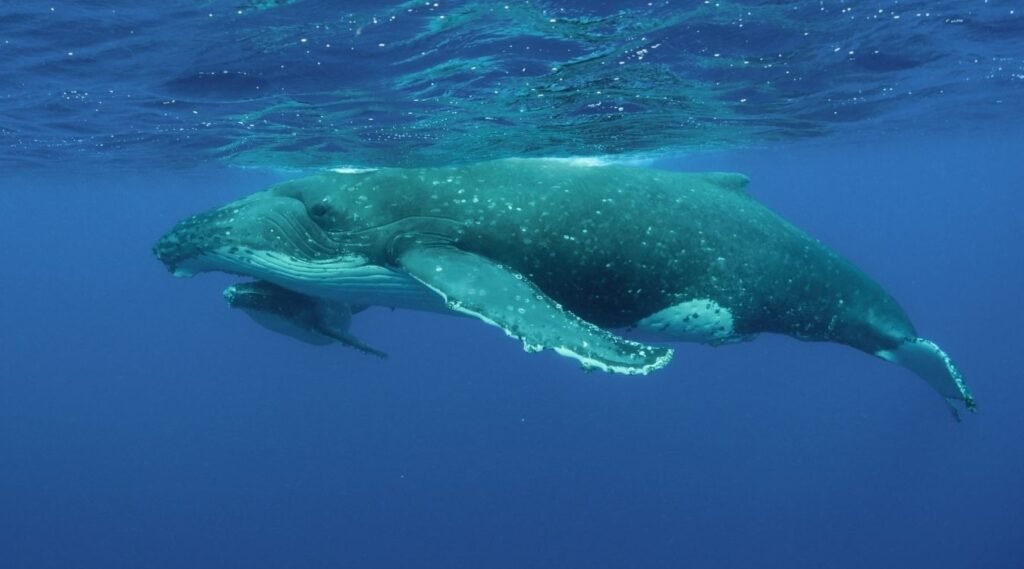
When it comes to the hungriest animals on the planet, the blue whale takes the crown. These amazing marine giants consume a huge amount of food daily, feasting on up to four tons of krill. Their immense size, reaching lengths of up to 100 feet, requires such a very big amount of food to sustain their massive bodies. The blue whale’s unique filter-feeding system allows it to efficiently scoop up vast amounts of these tiny crustaceans, making them not just impressive in size but also in their ability to maximize energy intake.
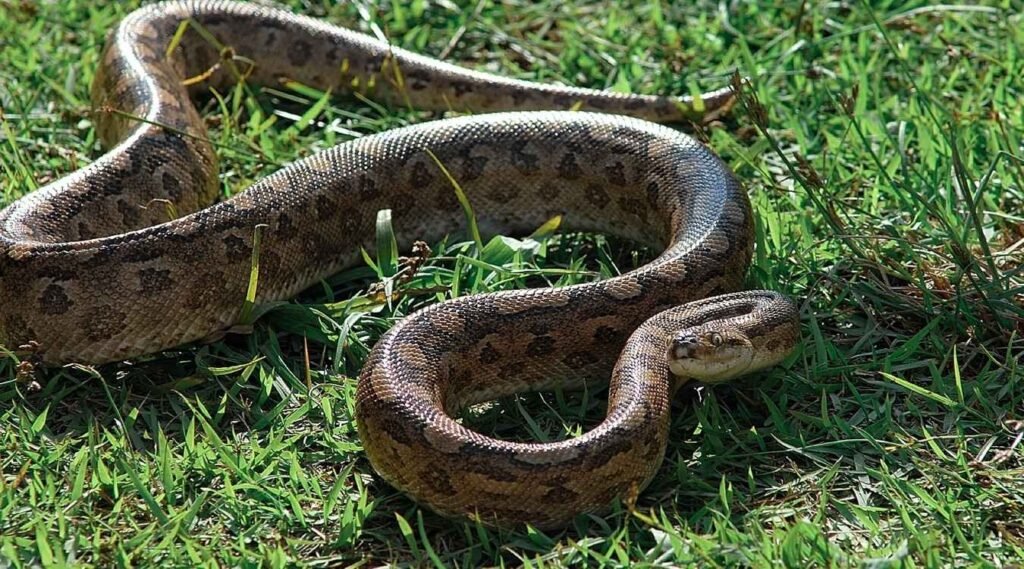
Burmese pythons
Scientific Name: Python bivittatus
Class: Reptilia
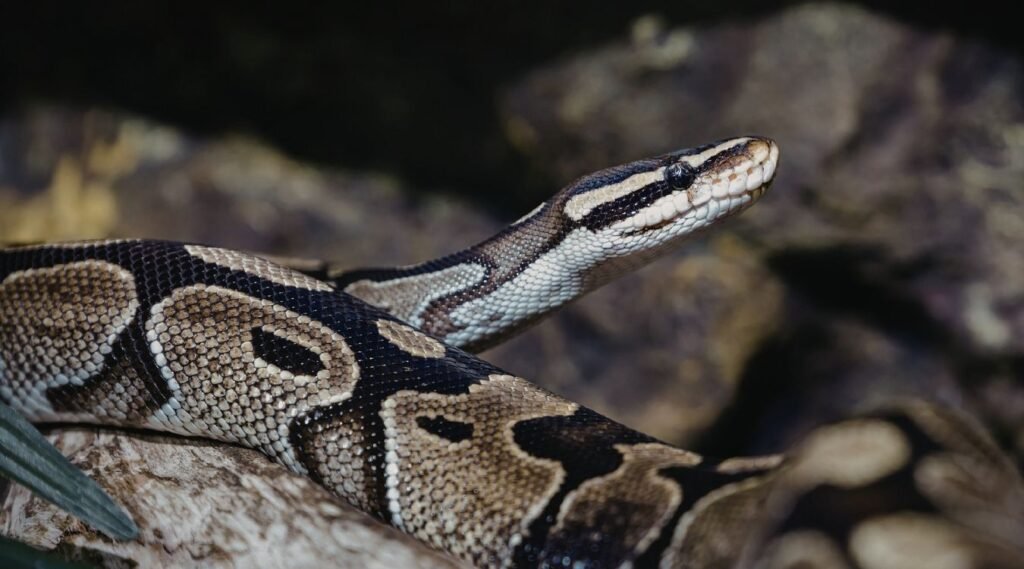
Burmese pythons exemplify the extreme lengths some animals will go to satisfy their insatiable appetites. These massive snakes can consume prey that is entirely disproportionate to their own size, hunting animals as large as deer or alligators. What’s even more interesting is their unique digestive process, after consuming such substantial meals, they can take weeks, or even months, to fully digest. This feast-or-famine strategy allows them to survive in diverse habitats.Exploring these behaviors reveals how adaptability linked to hunger shapes not only individual survival but broader ecological dynamics.
Grizzly bears
Scientific Name: Ursus arctos horribilis
Class: Mammalia
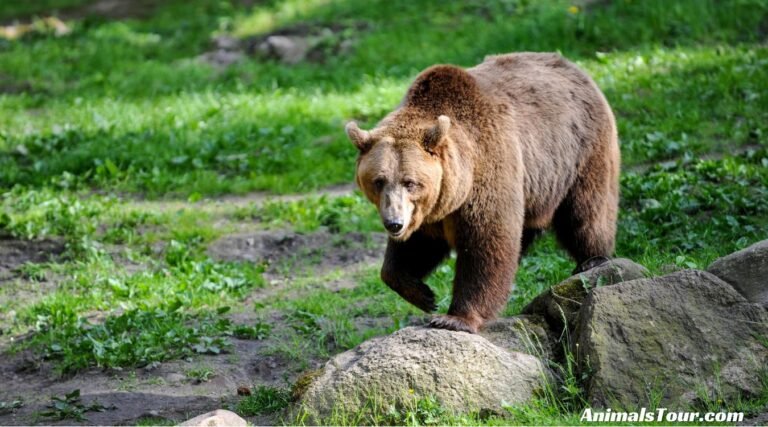
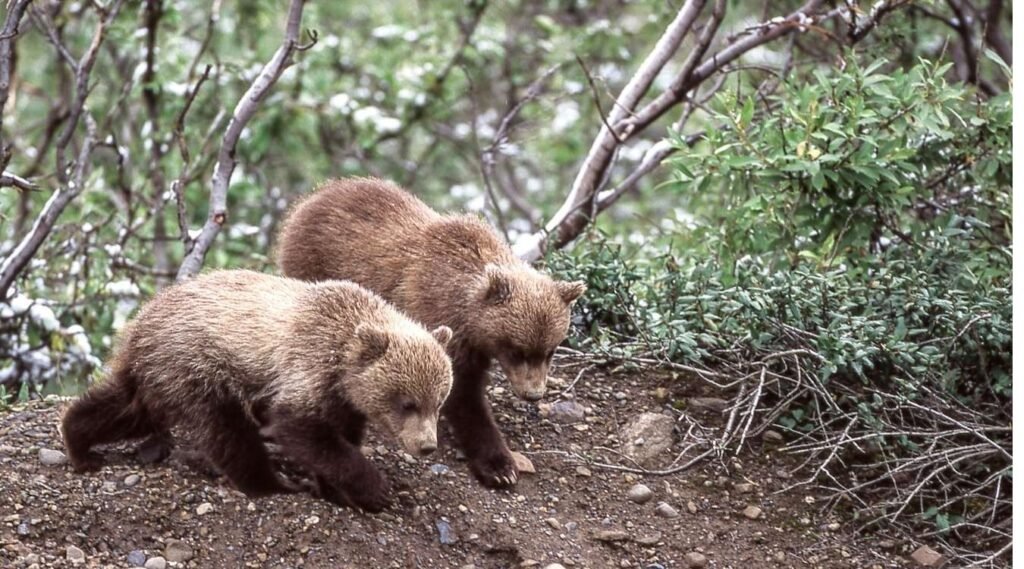
Grizzly bears are among the most formidable foragers in the animal kingdom, consuming up to 30 pounds of food in a single day during the peak of their feeding season. Their diet varies greatly, showcasing their hungry nature.They eat salmon during spawning season and berries and roots in late summer. IIt’s a crucial survival strategy for their lengthy hibernation, where they can lose up to a third of their body weight. From this we come to know that Hunger is not just about one animal trying to survive. It is also an important part of keeping nature balanced and healthy.
Giant pandas
Scientific Name: Ailuropoda melanoleuca
Class: Mammalia
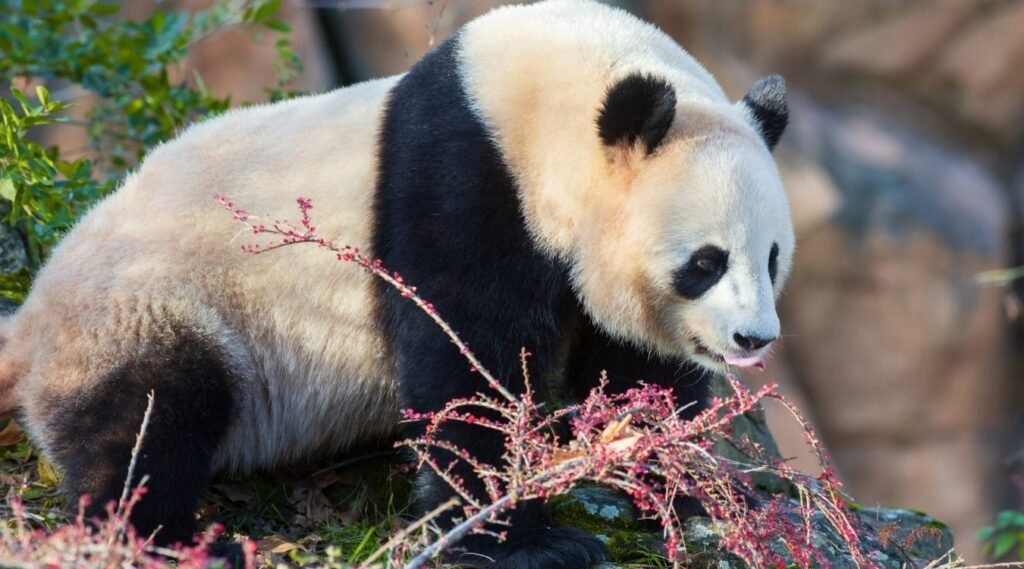
Among the hungriest creatures on the planet, giant pandas stand out for their unique dietary habits. These adorable bears consume about 26 to 84 pounds of bamboo each day, making their hunger a full-time commitment. What’s interesting is how their digestive system isn’t fully equipped to extract nutrients from this fibrous plant, leading them to eat constantly. This ongoing quest for food not only shapes their daily routine but also influences their habitat, requiring them to move large areas in search of the bamboo species they prefer.
Another interesting aspect of giant pandas is their role in ecosystem health. As they munch through bamboo forests, they help promote the growth of new plants and maintain biodiversity. This constant grazing creates a dynamic environment that benefits various other species.These cute-looking mammals are not just always hungry. They play an important role in keeping nature balanced in their mountain homes. Their appetite affects many other living things in the web of life.
Sperm whales
Scientific Name: Physeter macrocephalus
Class: Mammalia
Sperm whales, the deep-diving giants of the ocean, consume an astonishing amount of food daily — up to a ton! Their diet primarily consists of squid, including colossal species that inhabit the dark depths of the sea.Their hunger drives them for over an hour to depths exceeding 3,000 feet, not only in search of food but also in complex behaviors, such as echolocation, that enable them to locate prey in pitch-black waters.As they dive and surface, their unique feeding habits contribute to nutrient mixing in the ocean, demonstrating that these hungry leviathans play a pivotal role in ocean health and climate stability.
Elephant
Scientific Name: Loxodonta africana
Class: Mammalia
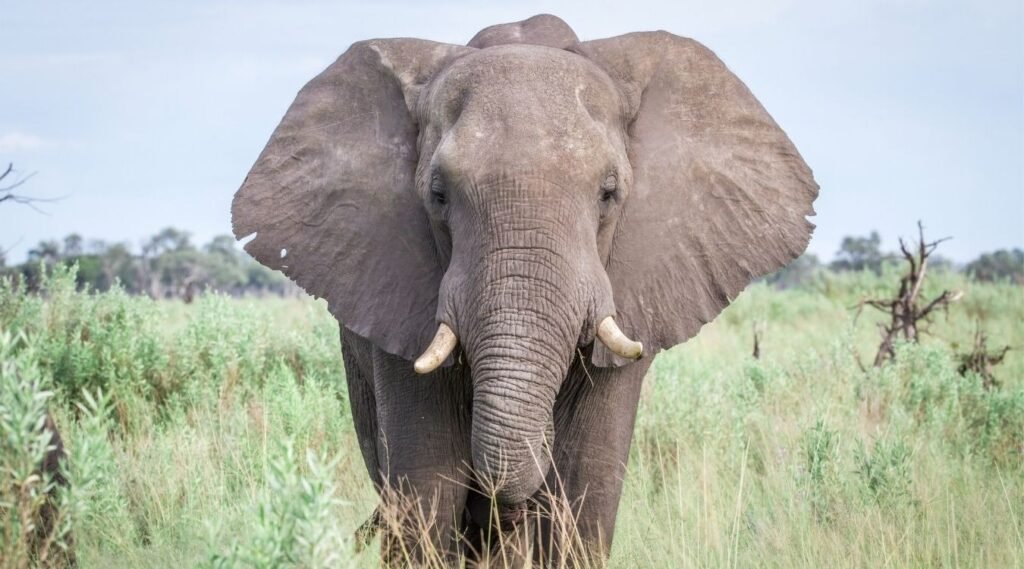
Elephants, the gentle giants of the animal kingdom, consume a large amount of food daily, up to 300 pounds. Their massive size demands this incredible intake to sustain their energy and support their complex social structures.A single elephant can spend up to 16 hours a day looking for food, carefully choosing many different types of plants to eat. A single elephant can spend up to 16 hours a day looking for food, carefully choosing many different types of plants to eat, that includes grass, leaves, bark, and fruits.
This constant quest for nourishment shapes their environment, as their feeding habits help maintain the ecosystems they inhabit. By uprooting trees and trampling vegetation, they create open spaces that benefit other species, showcasing their vital role as ecological engineers.
Hippopotamus
Scientific Name: Hippopotamus amphibius
Class: Mammalia
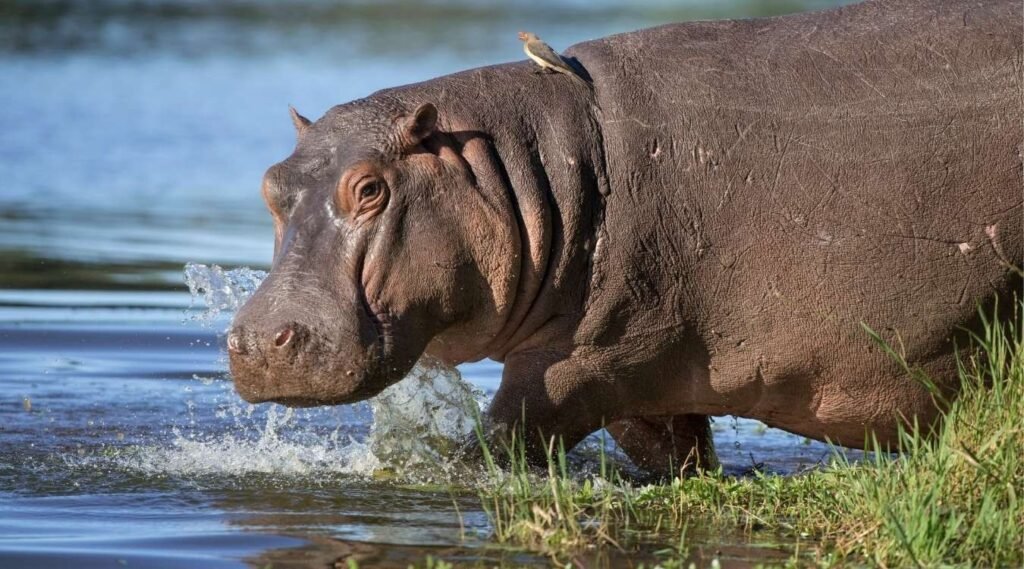
When you think of the hungriest creatures on the planet, the hippopotamus commands attention with its insatiable appetite. These herbivores can munch through an astonishing 80 pounds of grass in just one single night. That’s right , while we humans might be dreaming, hippos are out there destroying vegetation like it’s a midnight snack. This enormous grazing habit is crucial for maintaining their vast ecosystems, as their feeding habits help shape the riverbanks and promote new plant growth.
Crocodile
Scientific Name: Crocodylidae
Class: Reptilia
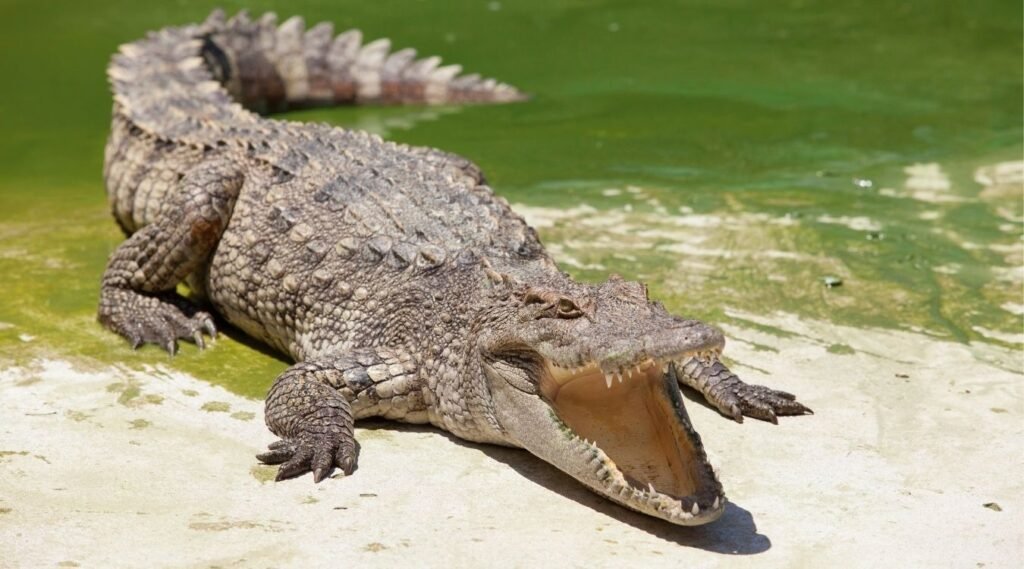
In the great dance of nature, few creatures will have the huge appetite of a hungry crocodile. These amazing reptiles, often perched languidly on riverbanks, possess an insatiable hunger that drives them to devour prey when the moment strikes. A crocodile eats a lot up to half its body weight in a single meal, and with some weighing over a ton, that’s no small feat. Their powerful jaws not only grasp tightly but also enable them to tear through flesh with great efficiency, making them one of the top predators in their aquatic world.
Star-Nosed mole
Scientific Name: Condylura cristata
Class: Mammalia
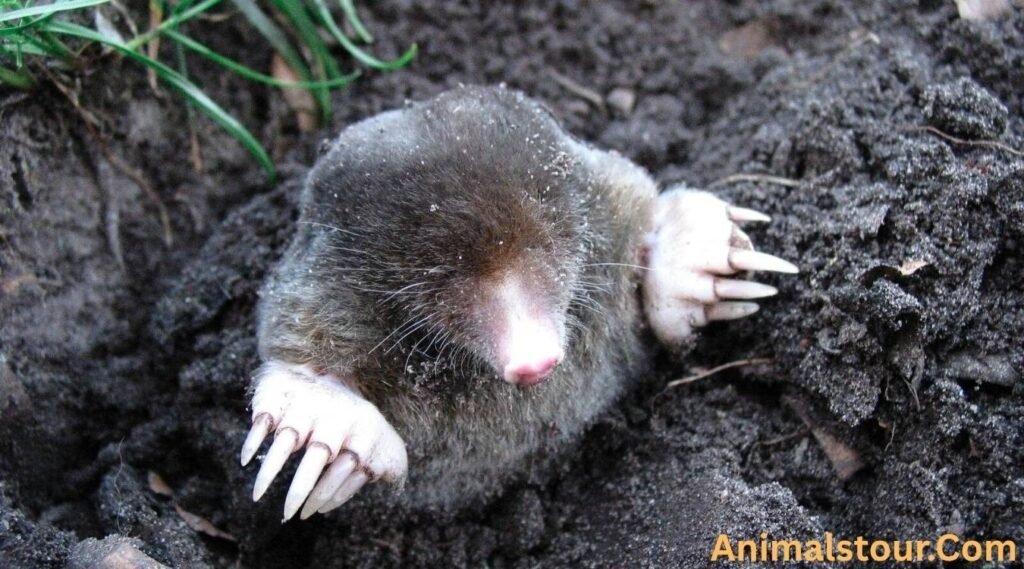
In the big, beautiful and complex system of nature, few creatures rival the insatiable appetite of the Star-Nosed Mole, a peculiar little fellow that dives deep into the subterranean world. With its famous tentacle-like nose, this furry underground animal is always searching for insects and other small creatures to eat.An amazing factor? This little dynamo can consume up to 100 worms a day, Imagine it, using its very sensitive nose to search quickly through the wet soil, showing a strong and unstoppable desire for food, like a hippo in a river eating everything in its path.
American pygmy shrews
Scientific Name: Sorex hoyi
Class: Mammalia
The American pygmy shrew, a tiny powerhouse of an animal, is one of the hungriest creatures you’ll ever encounter. This little furball weighs less than a dime but has a metabolism that would make even the most avid snackers envious. To sustain its energy levels, the shrew needs to consume roughly.
They’re known for their frantic movements and voracious appetites, which can often lead them to consume prey larger than themselves.It’s an interesting dance between appetite and survival, showcasing nature’s ingenious ways of ensuring even the tiniest creatures can suurvive.
Giraffe
Scientific Name: Giraffa camelopardalis
Class: Mammalia
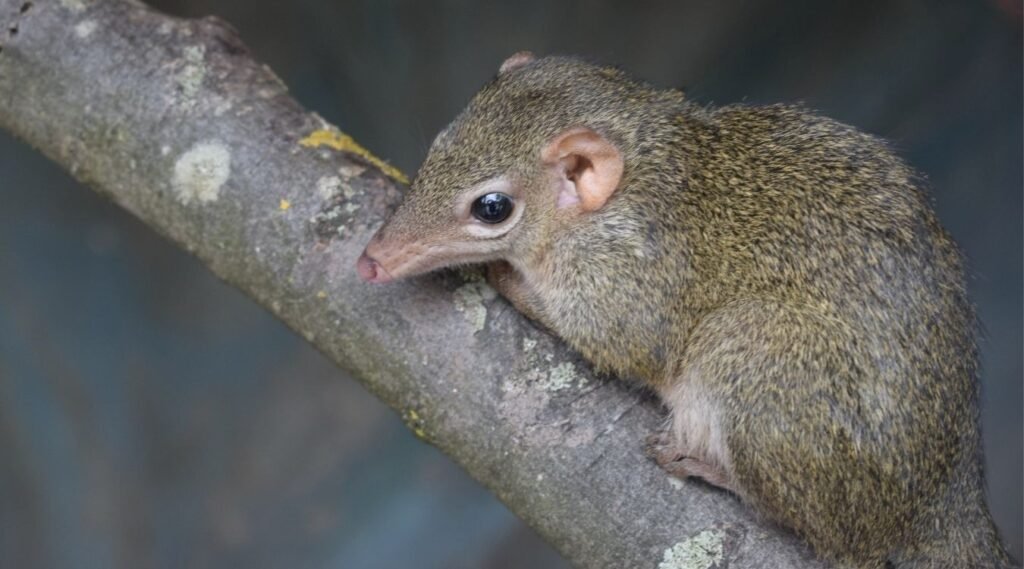
The giraffe, with its long neck and unique feeding style, is among the hungriest animals in the wild. These gentle giants eat a lot, up to 75 pounds of foliage daily, primarily dining on acacia leaves that are rich in nutrients. Their long necks not only allow them to reach high branches but also grant them access to food sources unavailable to many other herbivores. Interestingly, their caloric needs rise significantly during the dry season, revealing how adaptability plays a crucial role in their dietary habits.
Giraffes showcase nature’s incredible balance, eating heavily not just for survival, but also for the benefit of their environment.
Bar-tailed godwit
Scientific Name: Limosa lapponica
Class: Aves
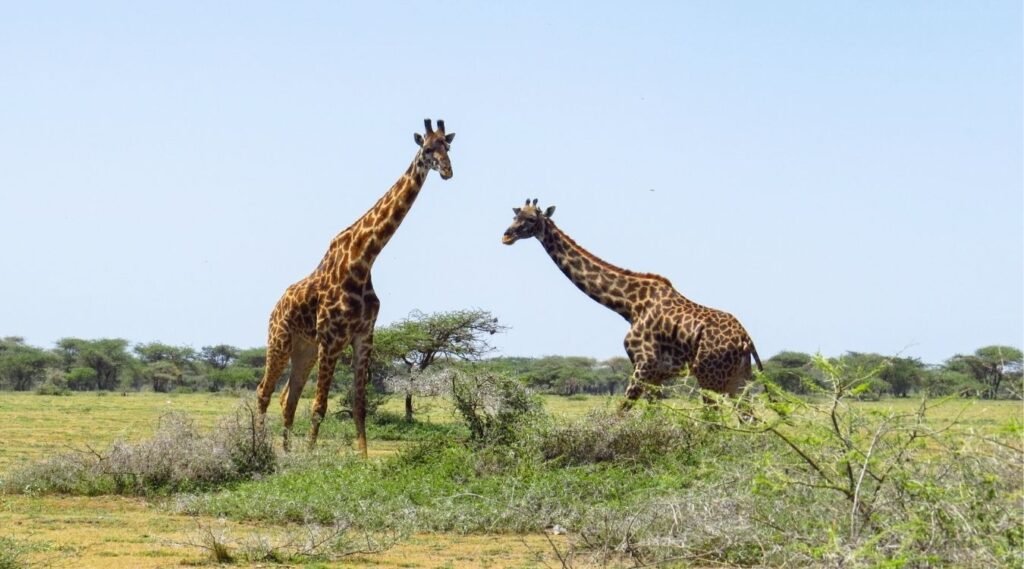
Among the planet’s most insatiable eaters, the bar-tailed godwit stands out as a remarkable example of animals that eat excess food in the animals world. These migratory birds undertake incredible journeys of up to 12,000 kilometers without stopping to eat, necessitating extraordinary feeding strategies. Before their migrations, bar-tailed godwits enter a frenzied eating mode, consuming up to 60% of their body weight in one go, an adaptation that allows them to store critical fat reserves. This whirlwind of consumption is a life-or-death strategy, as their ability to reach distant breeding grounds hinges on their capacity to fuel up efficiently.
Horse
Scientific Name: Equus ferus caballus
Class: Mammalia
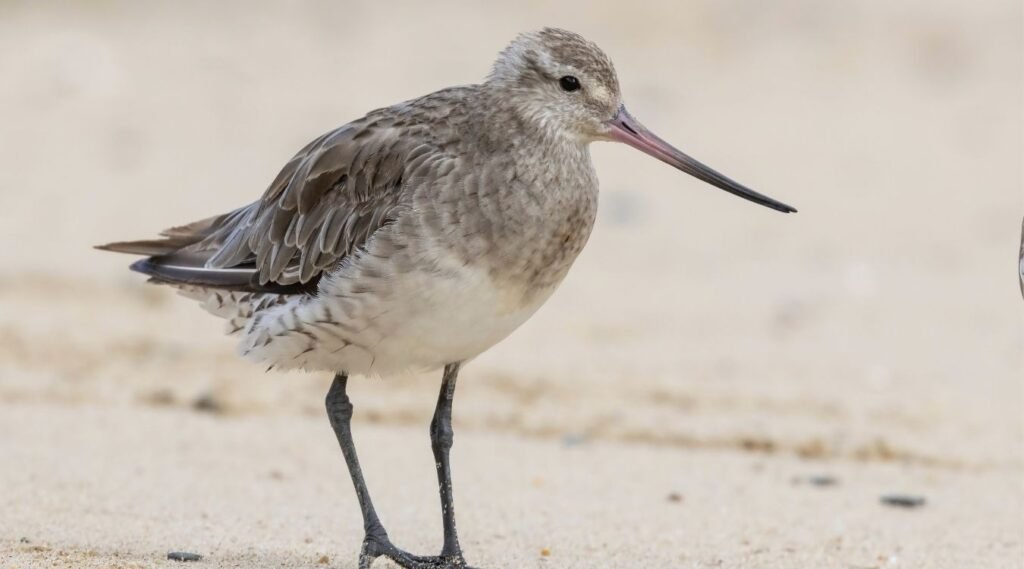
Horses are amazing creatures, not just for their grace and beauty but also for their impressive appetites. These herbivores can consume up to 2% of their body weight daily in forage, making them one of the hungriest animals in the animal kingdom. This incredible eating capacity is essential for their energy needs, especially considering the physical demands of activities like racing or work. Interestingly, their digestive systems are designed to process small amounts of food continuously, which means they are meant to graze almost all day long.

Tasmanian Devils
Scientific Name: Sarcophilus harrisii
Class: Mammalia
Among the myriad of hungry creatures, the Tasmanian devil stands out as one of the most hungry eaters in the animal kingdom. These small, muscular marsupials can consume up to 40% of their body weight in a single sitting, primarily indulging in carrion. Their powerful jaws allow them to crunch through bones, making them efficient scavengers. In an ecosystem where food can be scarce, the Tasmanian devil’s eating habits play a vital role in nutrient recycling, hastening the decomposition process of decomposing animal.
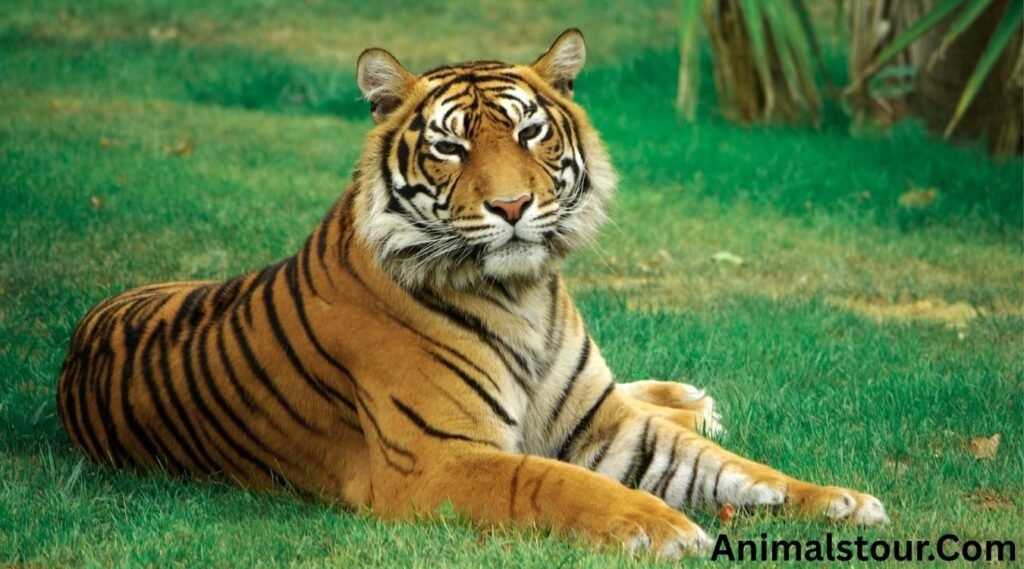
Tigers
Scientific Name: Panthera tigris
Class: Mammalia
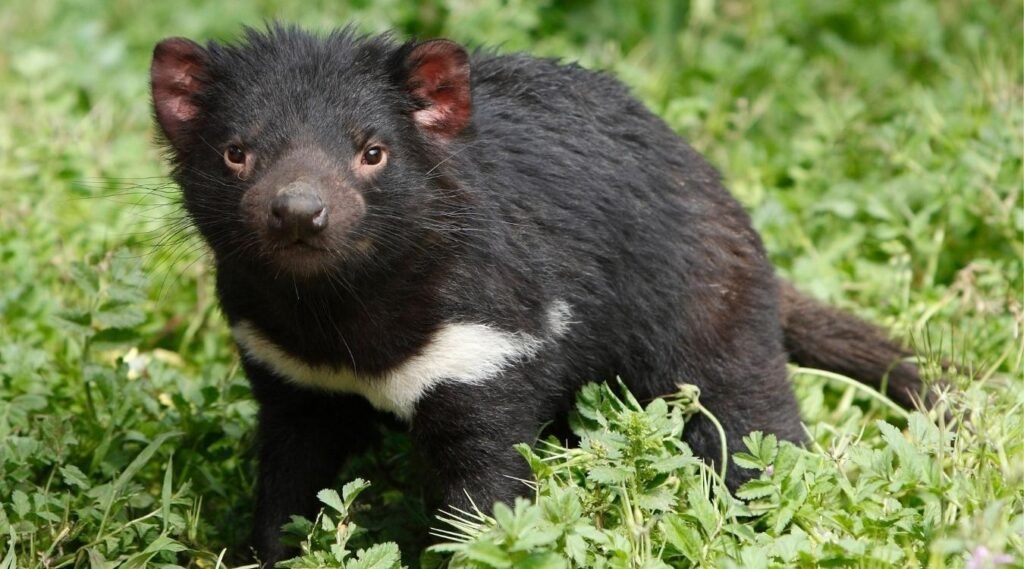
In the wild, few animals match the sheer appetite of the tiger, which can consume up to 88 pounds of meat in one meal. This interesting predator not only hunts large ungulates but also displays a remarkable ability to regulate its intake, making it an apex predator that chooses its food carefully.Interestingly, the sheer volume they consume is not just about survival, it’s essential for maintaining energy levels necessary for their extensive roaming territories.Tigers that eat a lot illuminate the intricate connections between diet, habitat, and survival.
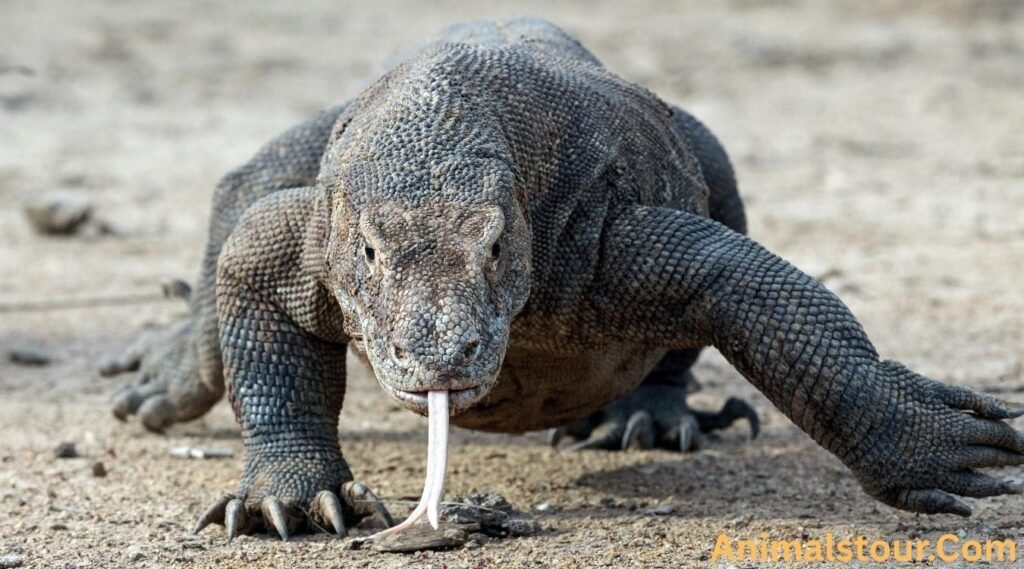
Komodo dragon
Scientific Name: Varanus komodoensis
Class: Reptilia
The Komodo dragon, the world’s largest lizard, having sharp claws, showcases a remarkable appetite that is as fierce as its elegant design. These formidable predators can consume up to 80% of their body weight in a single feeding, showcasing a remarkable, almost gluttonous, adaptation that aids in their survival on the arid islands of Indonesia. After a successful hunt, they can suffer for days, digesting their meal, a strategy that allows them to thrive in an environment where food can be scarce.
The Komodo dragon illustrates that in the deserts the need to consume is a fundamental part of life, pushing the limits of adaptation and survival.
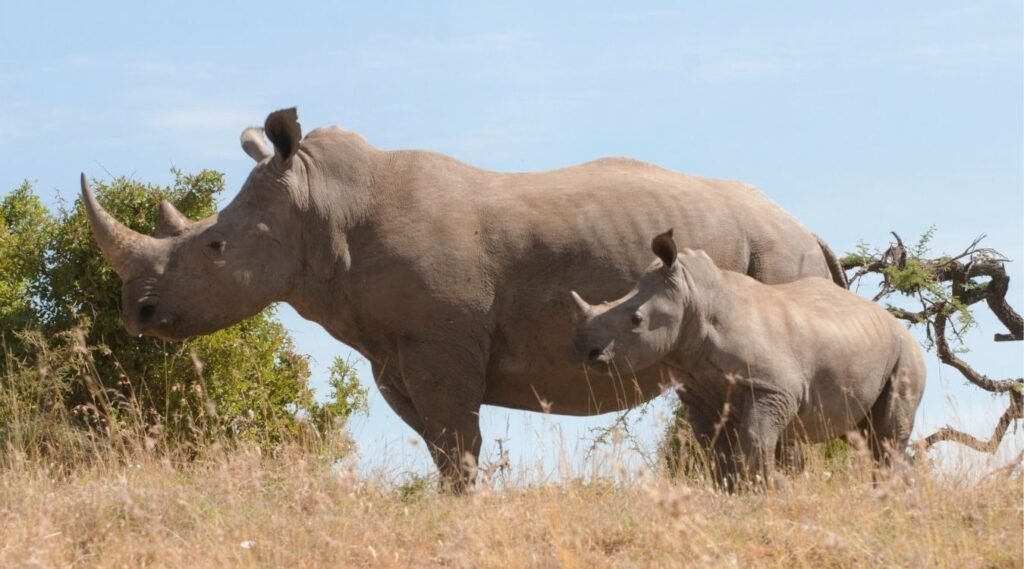
Rhinoceros
Scientific Name: Rhinocerotidae
Class: Mammalia
Among the notable contenders for the title of the hungriest animals are rhinoceroses, which consume a large amount of vegetation daily. A single adult rhino can eat anywhere from 50 to 150 pounds of grass, leaves, and branches, depending on the species. This enormous appetite is essential not only for their survival but also for maintaining the delicate ecosystems of their native habitats. By grazing, they play an important role in controlling plant growth and providing essential nutrients back to the soil, turning their continious eating habits into a vital environmental service.
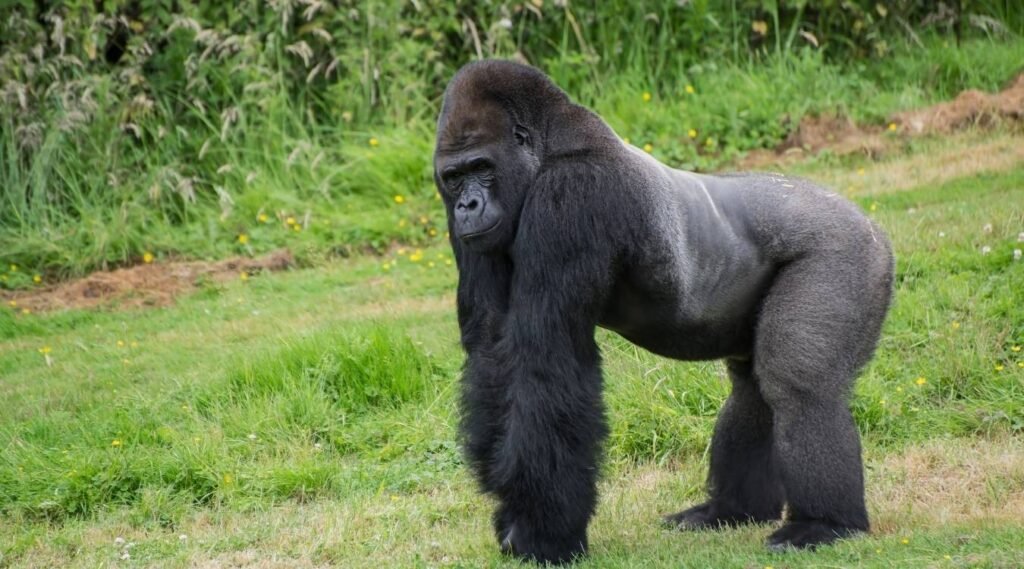
Gorilla
Scientific Name: Gorilla gorilla
Class: Mammalia
Gorillas, often seen languidly munching on leaves, are surprisingly voracious eaters. These massive primates consume up to 40 pounds of vegetation daily, showcasing their strong appetite. Spending nearly half their day foraging, gorillas are not just grazing; they’re strategically selecting nutrient-rich plants, which helps sustain their immense size and muscle. Their constant search for food underscores the vital role of habitat preservation, as deforestation threatens their food sources and survival.
Anacondas
Scientific Name: Eunectes murinus
Class: Reptilia
Among the hungriest creatures on the planet, anacondas stand out with their insatiable appetites. These colossal snakes can consume prey up to half their body weight in a single meal, which can be as large as a capybara or even a deer. It can take weeks to fully digest such enormous meals, during which time they essentially “hibernate” in place, allowing their body to focus entirely on breaking down the food. This not only showcases their remarkable adaptations but also raises questions about energy conservation in large predators.
In the animal kingdom, voracious eaters like the anaconda perfectly illustrate the balance of ecosystems. Their ability to snack on larger prey not only helps regulate populations but also supports biodiversity within their habitats. Understanding these dietary habits provides deeper insight into the complexity of predator-prey relationships and the importance of energy dynamics in nature.
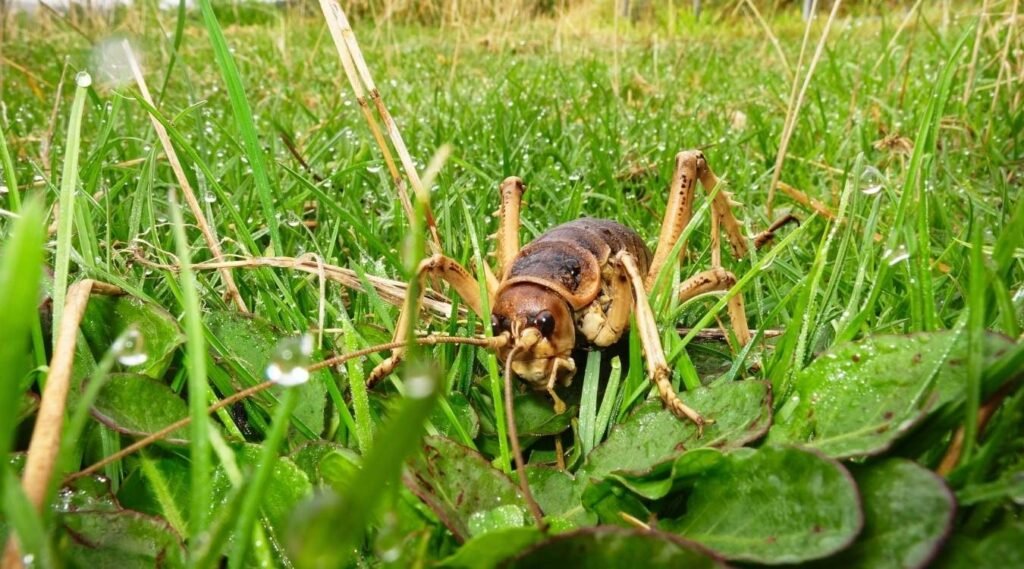
Giant Weta
Scientific Name: Deinacrida heteracantha.
Class: Insecta
The Giant Weta, native to New Zealand, is a remarkable creature not just for its size but also for its voracious appetite. These insects can consume a substantial amount of vegetation, often devouring leaves and fruit, which is crucial for their growth and survival. Their hunger becomes particularly pronounced during the warmer months when they need to bulk up for a long and potentially harsh winter.
Estimates suggest that a single Giant Weta can consume up to 20% of its body weight in a day, showcasing the sheer scale of their feeding habits.By consuming a wide variety of plant materials, these insects help with seed dispersal and maintain the health of their ecosystems.
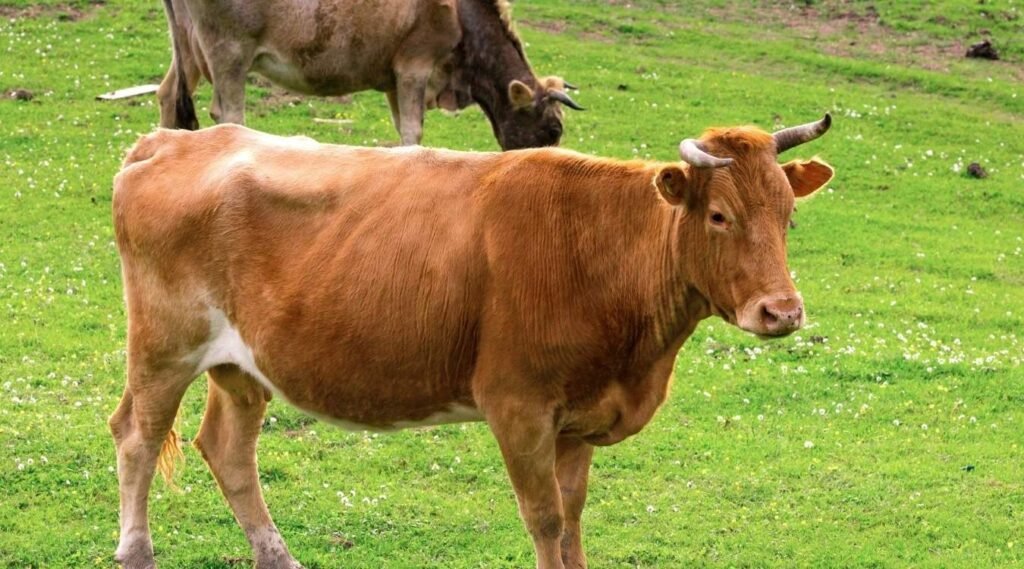
Cow
Scientific Name: Bos taurus
Class: Mammalia
Among the hungriest animals on Earth, the cow stands out not just for its size but for its impressive digestive system. A single adult cow can consume upwards of 100 pounds of grass daily, fueled by its unique multi-chambered stomach designed for efficient rumination. This remarkable adaptation allows cows to extract maximum nutrients from their primarily fibrous diet, showcasing nature’s brilliance in optimizing energy use.
Interestingly, this voracious appetite plays a vital role in their ecosystems. By grazing, cows help manage grassland health, promoting biodiversity and preventing overgrowth that can lead to habitat loss. In some cultures, cows are celebrated not just for their nutritional contributions but also for their role in sustainable farming practices. Their constant munching keeps pastures flourishing, highlighting an often-overlooked symbiotic relationship between large herbivores and the environment.
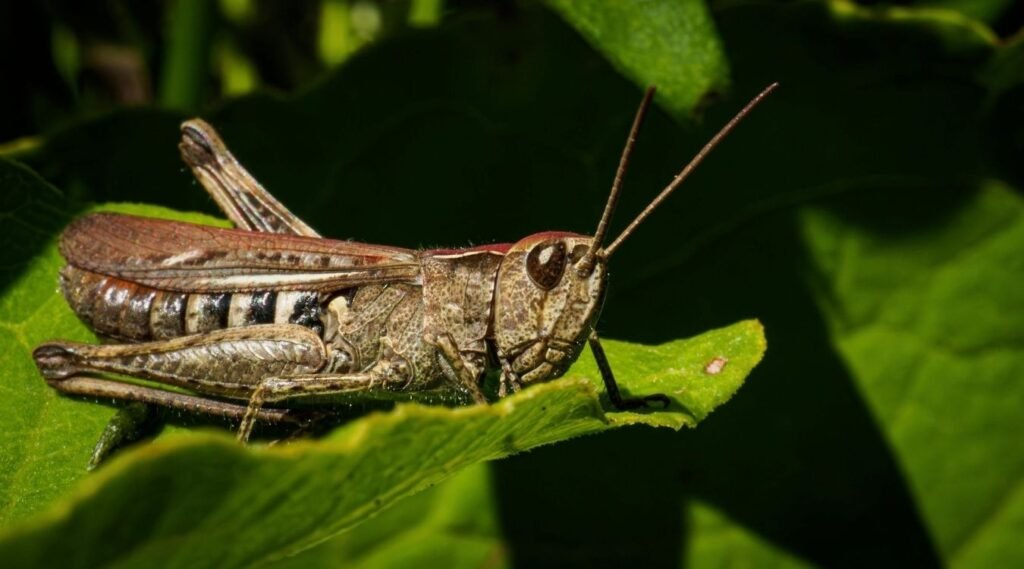
Locusts
Class: Insecta
The locusts have the ability to consume vast amounts of vegetation. A single swarm can contain billions of these insects, and together, they can consume an area’s worth of food equivalent to that needed to feed millions of people. Their insatiable appetite is a survival strategy that allows them to thrive in varying conditions, especially when food becomes scarce. What’s amazing is how locusts can transition from solitary to gregarious phases, leading to swarm behavior that amplifies their consuming power exponentially.
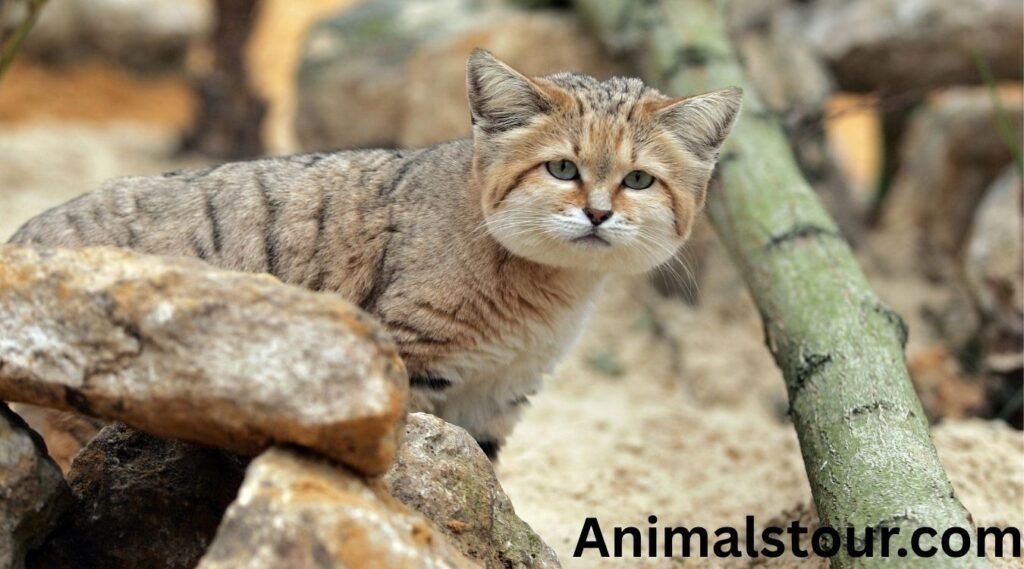
Black-footed cats
Scientific Name: Felis nigripes
Class: Mammalia
In the wild world of amazing animals, few can compete with the relentless appetite of the black-footed cat. This petite predator, native to the arid regions of southern Africa, boasts an insatiable hunger that belies its small size. Weighing in at a mere 4-5 pounds, these cats can consume up to 14 prey items in a single night, a staggering feat for such a tiny feline. Their diet typically consists of rodents, birds, and insects, showcasing their remarkable adaptability and the fierce competition for food in their habitat.
Their remarkable ability to adapt and thrive in harsh conditions makes them a interesting case study of nature’s relentless drive for survival. They are capable of consuming more than half of their body weight in one sitting.This delicate dance of consumption not only emphasizes the energetic needs of these hungry creatures but also highlights the intricate interdependencies that sustain life.
Final Words
To sum up, the hungriest animals in the world present an intriguing study of survival and adaptation. These remarkable creatures, whether through sheer size or specialized feeding habits, explain the critical importance of sustenance in nature. From the relentless appetite of a grizzly bear to the vast feeding habits of a great white shark, their voracity highlights the interconnectedness of life forms. Understanding these animals not only deepens our knowledge of biodiversity but also emphasizes the need for conservation efforts to protect their habitats. Let’s take the time to learn more about these fascinating eaters and advocate for their preservation in the wild.
FAQS
1. What types of animals are considered the hungriest?
Hungriest animals typically include species like grizzly bears, caterpillars, and blue whales, known for consuming vast quantities of food relative to their size.
2. How much food can a grizzly bear eat in a day?
A grizzly bear can consume up to 30 pounds of food daily during peak feeding seasons, especially before hibernation.
4. Do any animals eat continuously?
Yes, certain species, such as the giant African land snail, can eat almost non-stop, consuming various plant materials throughout the day.
5. Why do some animals eat so much?
Animals eat large quantities to meet their energy needs, support growth, and prepare for periods of scarcity, especially before hibernation or migration.